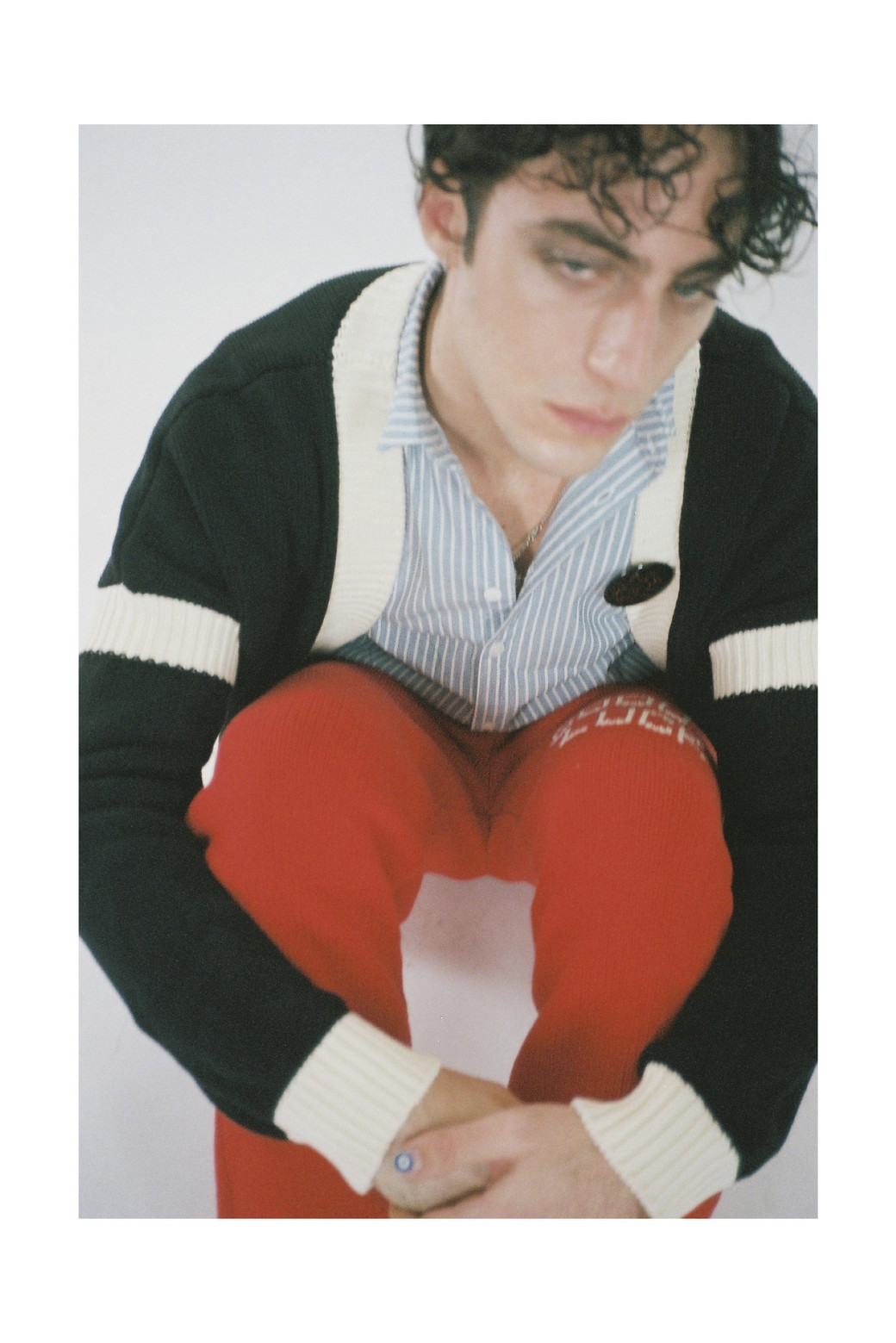
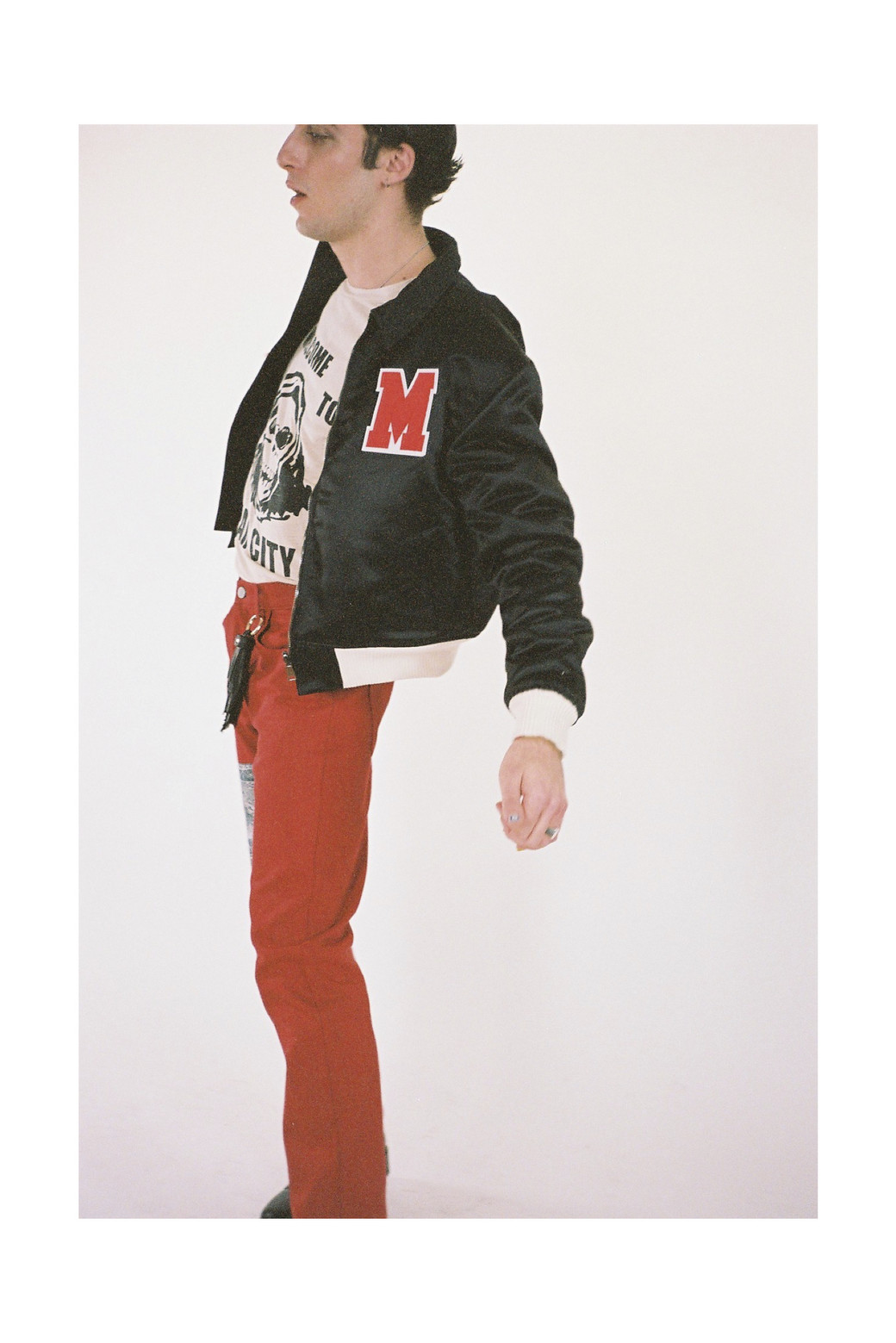
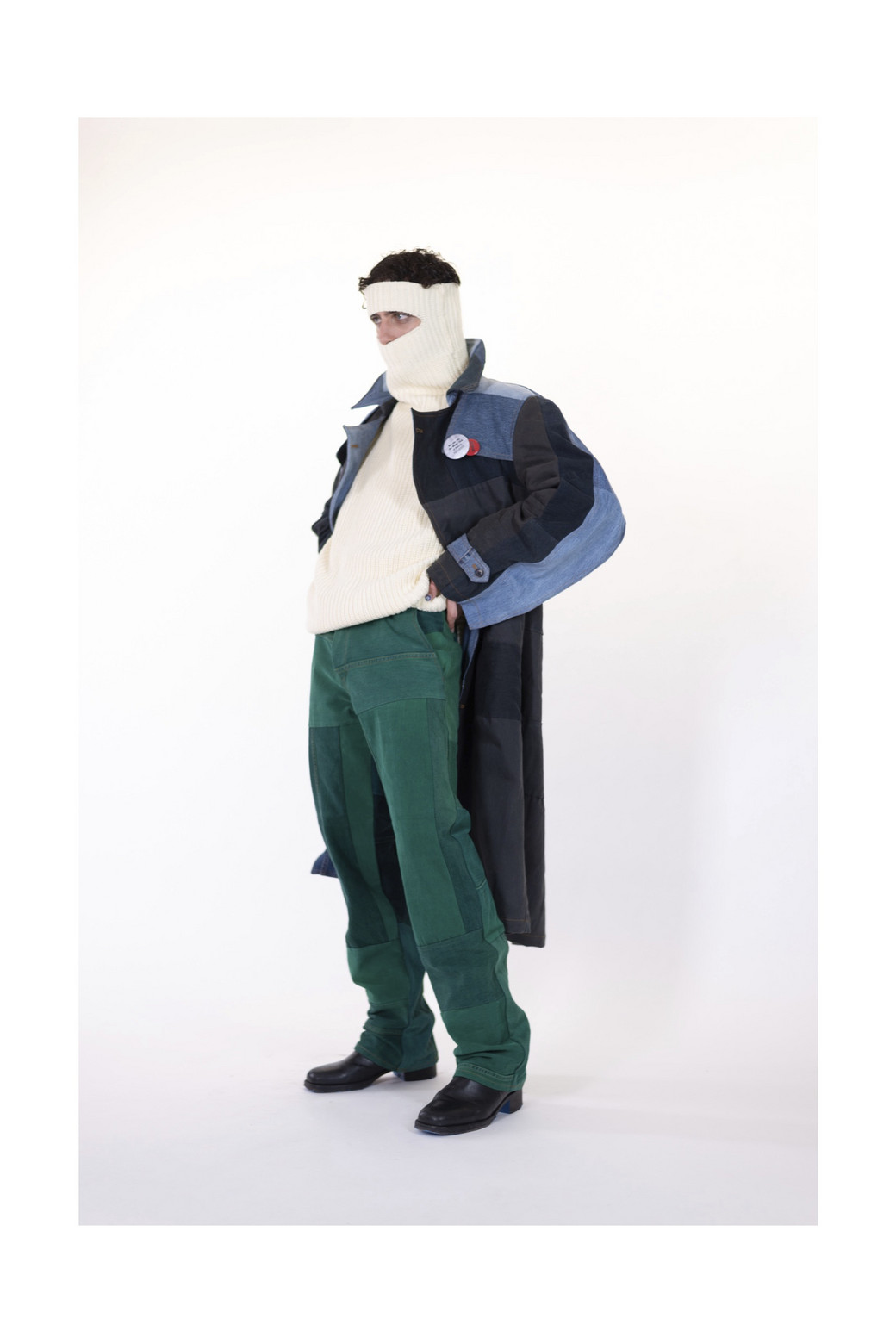
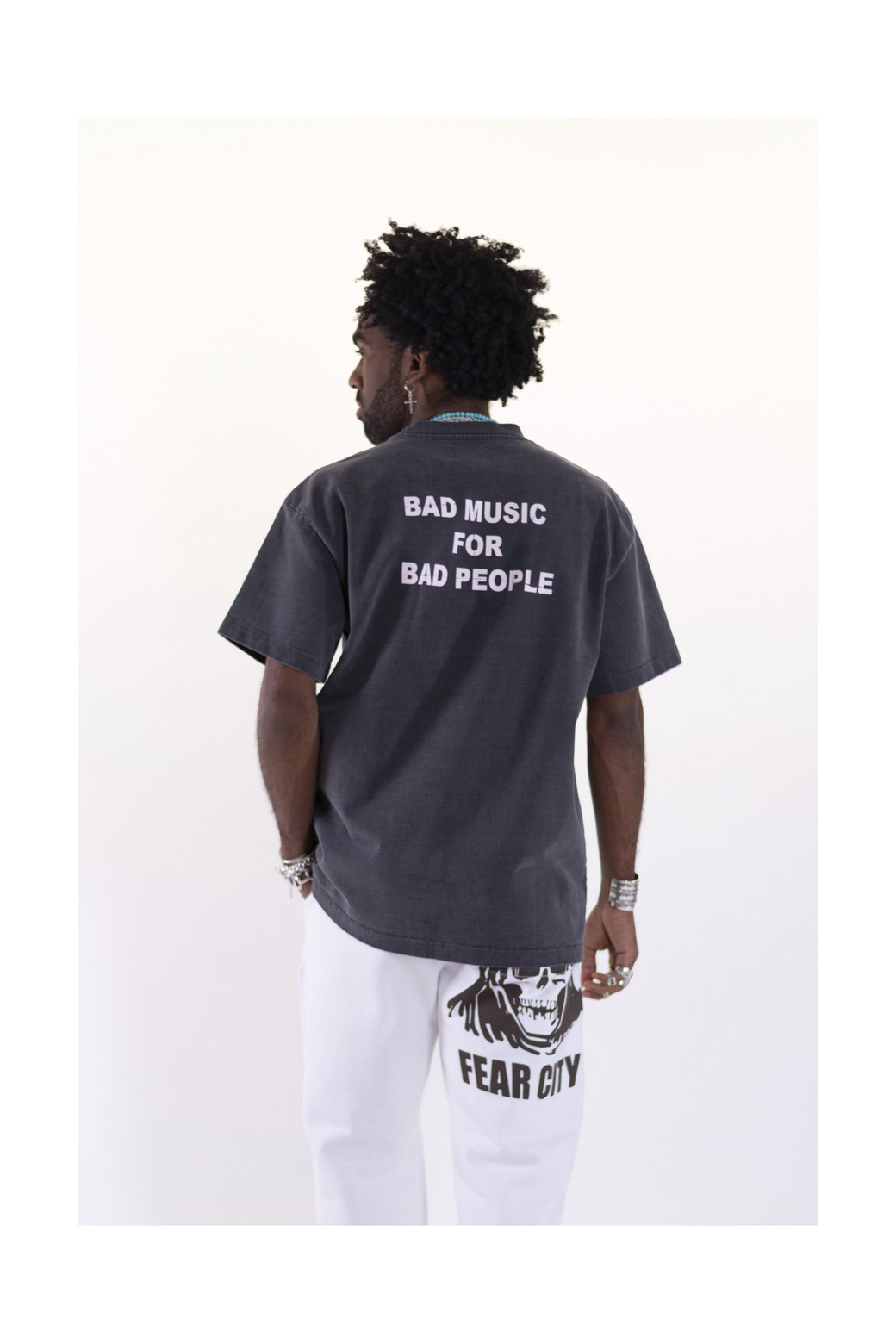
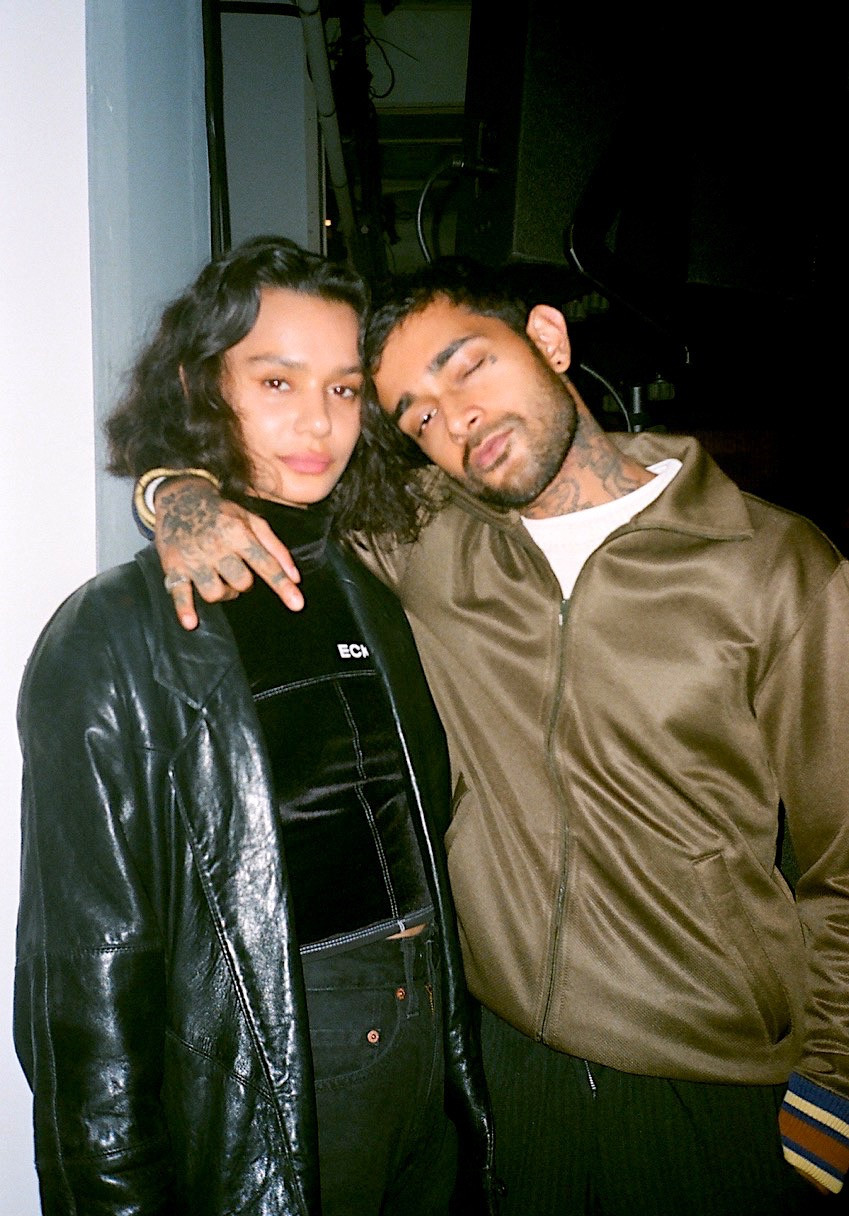
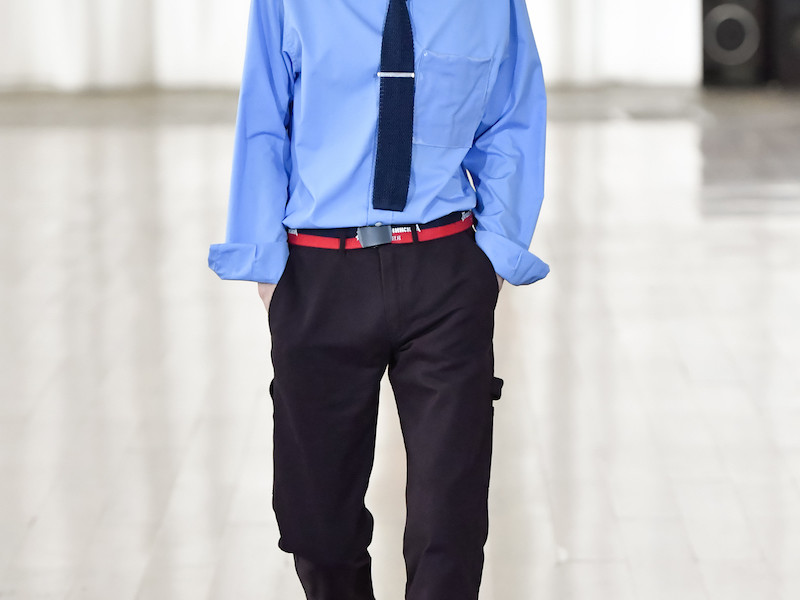
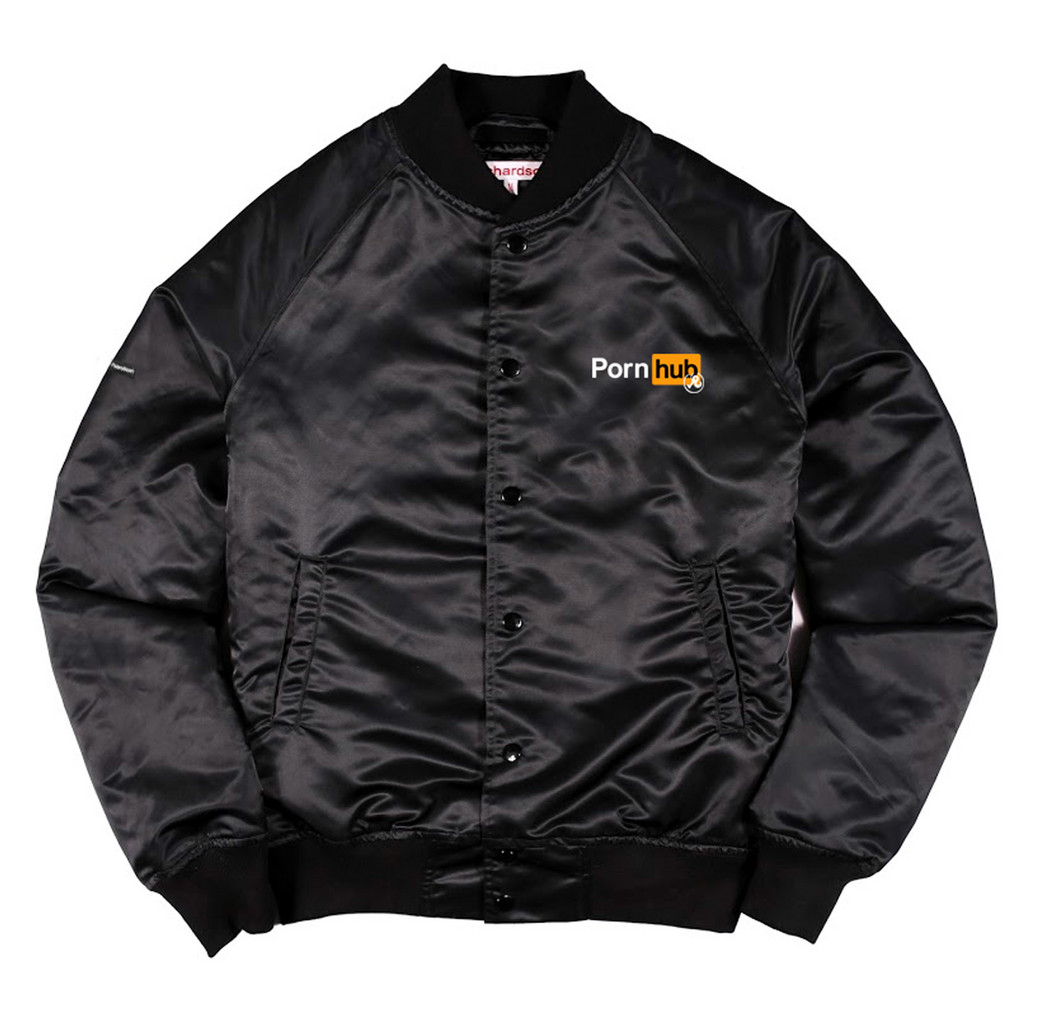
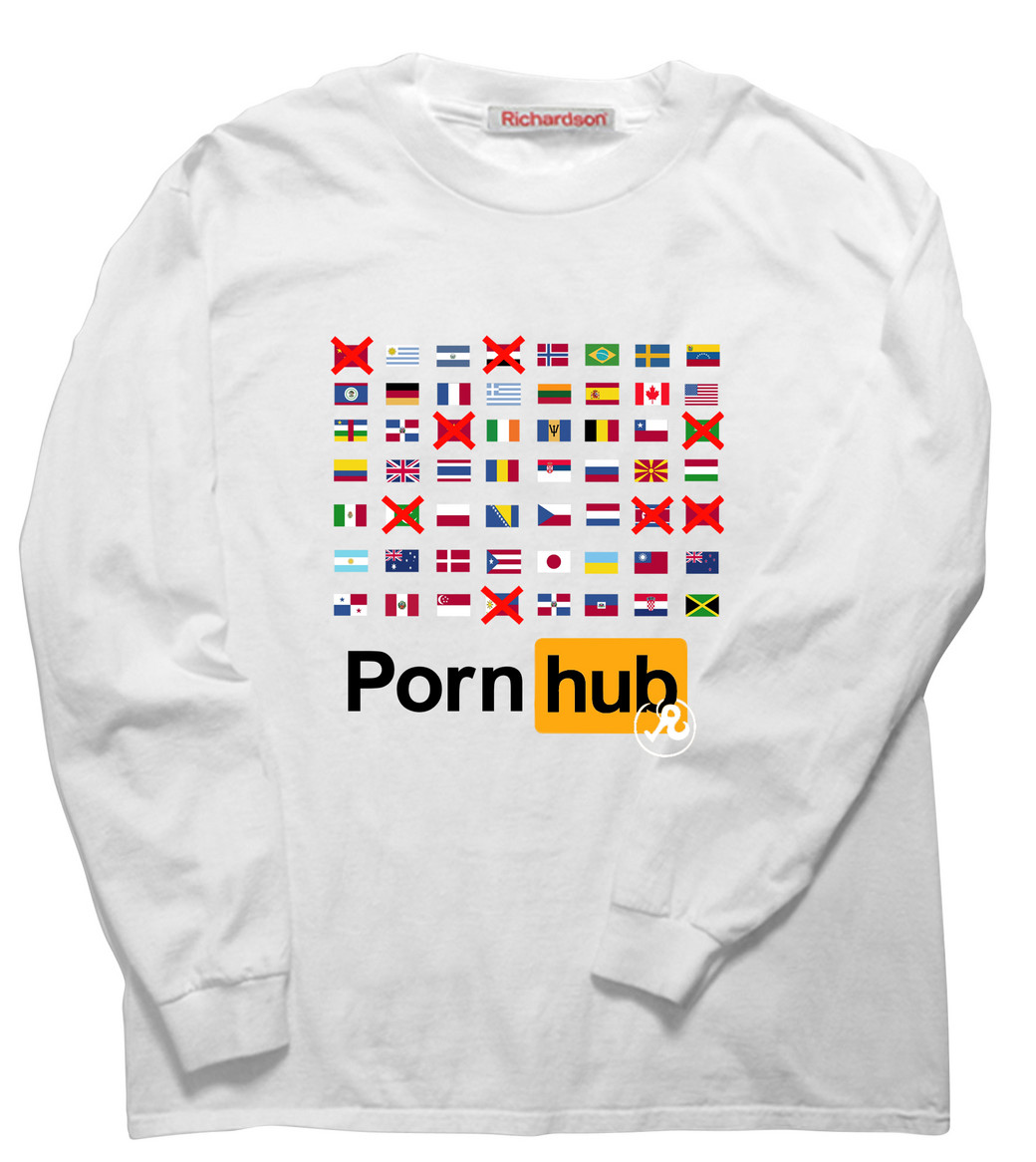
“I think it’s healthy to get a grounded opinion, and not this glossy celebration every fucking time you put shit down the catwalk. I mean, don’t get me wrong, if I got roasted at the end of a collection I wouldn’t be thrilled about that. It’s not like I’m dying to get a bad critique. But I’ve never been really critiqued properly. We’ve always been so under-the-radar that critics have never even thought to give us a review. We get a couple of mentions, but we never get a proper writeup. I don’t give a shit. That’s absolutely fine.”
Fashion is one of the most remarkably successful industries of the past decade, growing 5% year-on-year while other creative industries like music and film are on the decline. The cause of this rapid growth, which stands to benefit mainly the big conglomerates, has been neatly packaged, using politically progressive rhetoric, as the “democratization of fashion.” The message is greater inclusivity in a once elite industry, but the reality is a hugely expanding market for consumer goods that is largely predicated on cheap foreign labor, and the cooption of independent subcultures by large corporations. As an independent, and having witnessed the changes in London’s cultural climate first-hand, Rose sees right through it.
“It’s irritating when people try and democratize fashion. It’s really patronizing, and it’s not real. It’s bullshit. It feels like PR bullshit.” She continues, “There was definitely a shift when fashion became very product focused. It’s commerce now. It wasn’t cool to be a fashion designer when I started. It wasn’t a cool job to do. It was definitely what outsiders did, and it was not mainstream. Now, everyone’s a designer. It’s also the influence of social media. There seems to be a global trend. [Fashion] is more homogenous I would say. I think that’s just the way of the world at the moment. We’re all just really influencing each other at the moment. More than ever.”
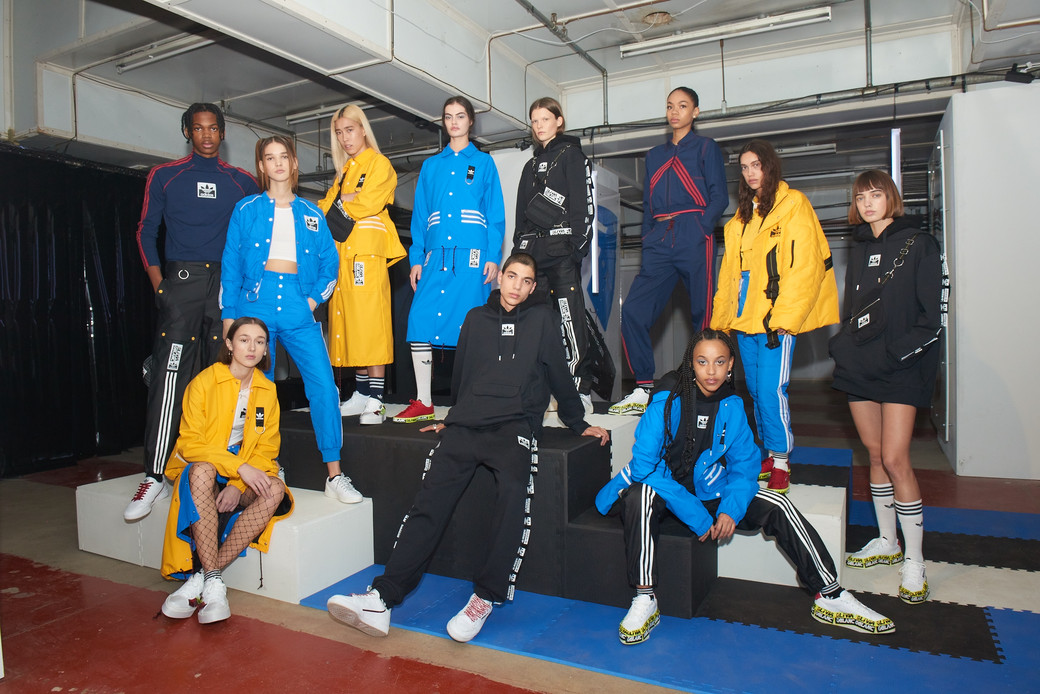
Noticing that social media had brought out her most competitive and anxious qualities, Martine took herself off it about a year ago, preferring to stay with her finger slightly off the pulse and look at research in a new way. While this may be a blueprint for a new kind of “de-webbed” designer in the industry, there’s no doubt her customers continue to engage with her online. Still, the positive response to her latest collections, shown in real neighborhoods in London, demonstrates a sincere desire for fashion that is authentic, that exists beyond the screen.