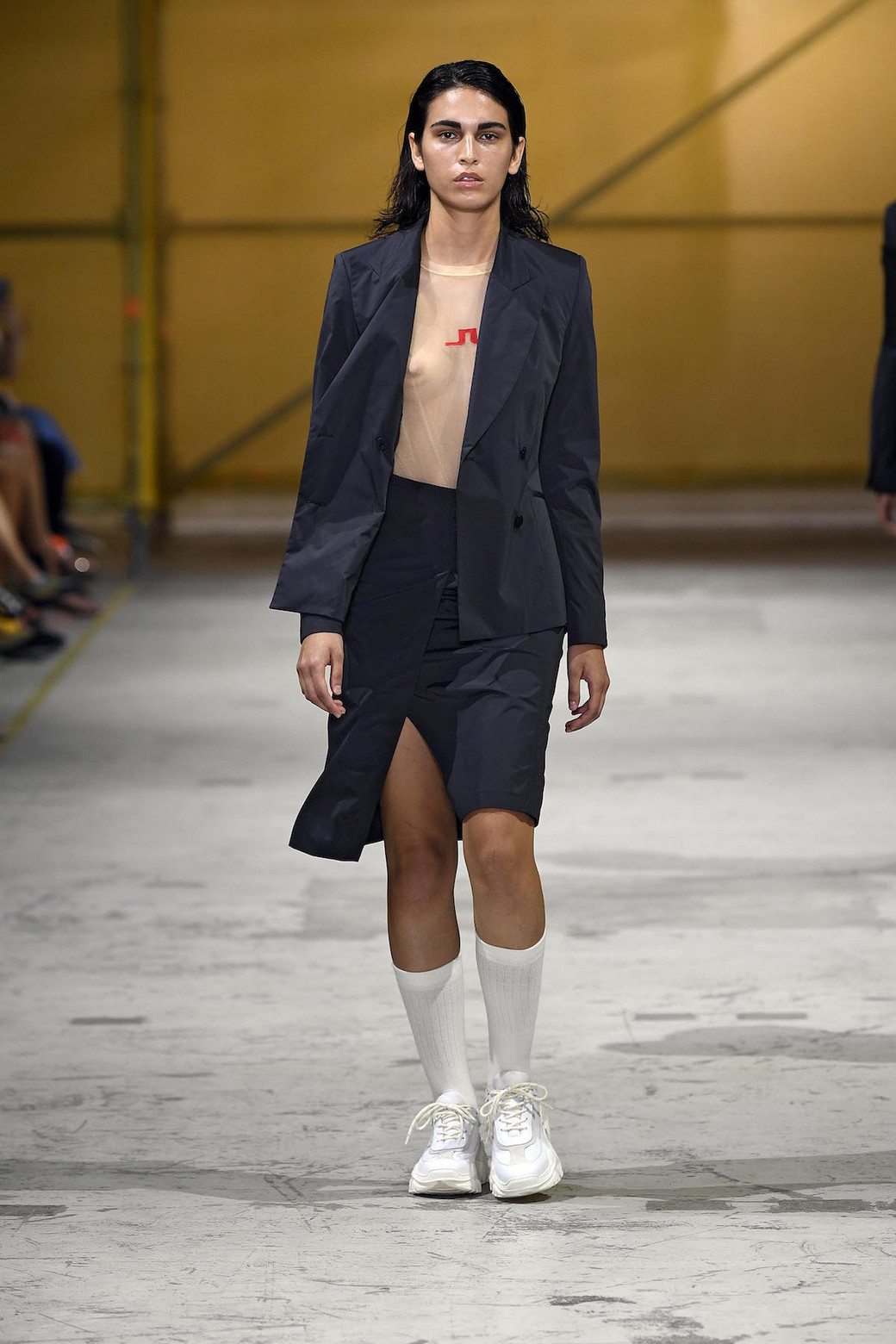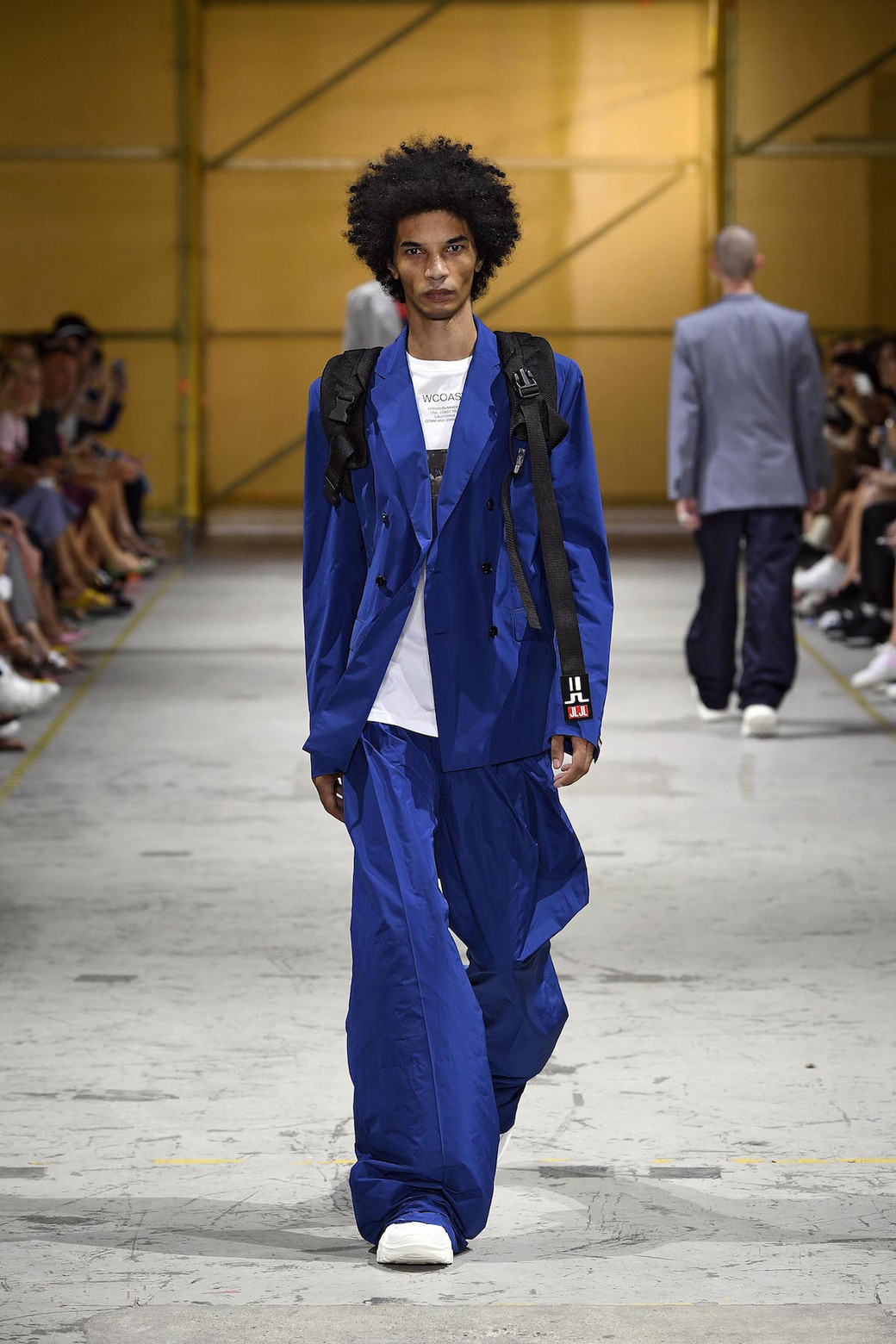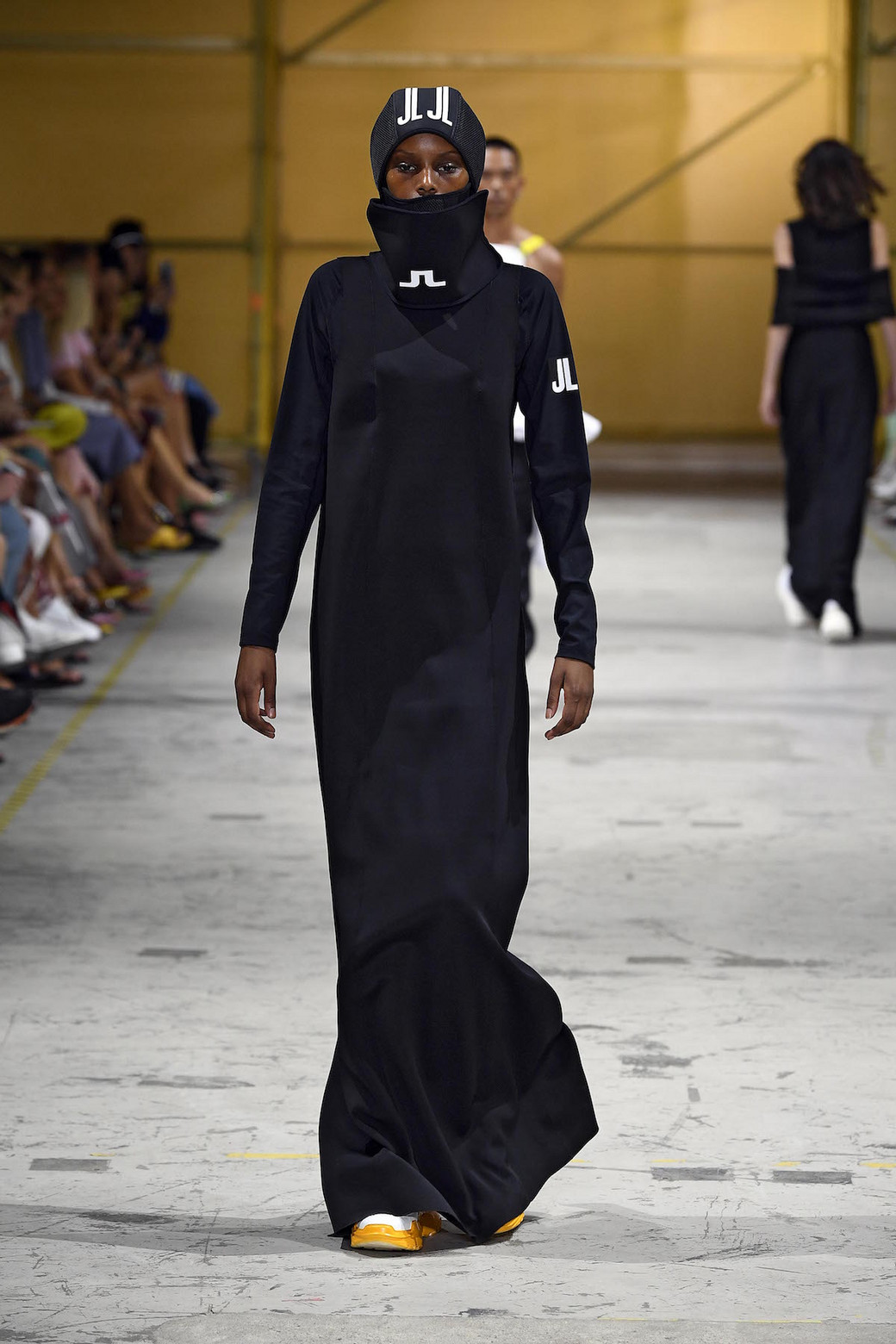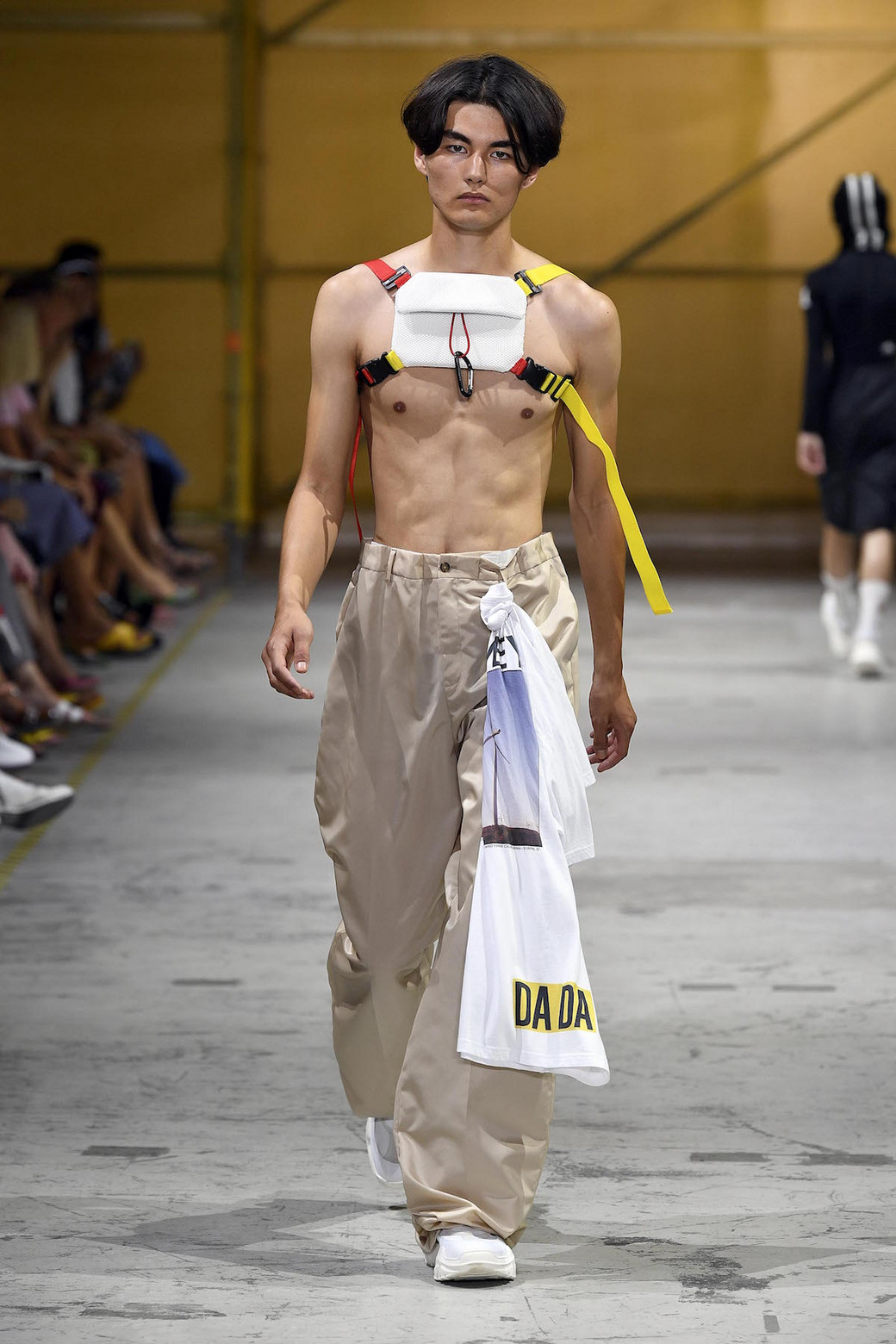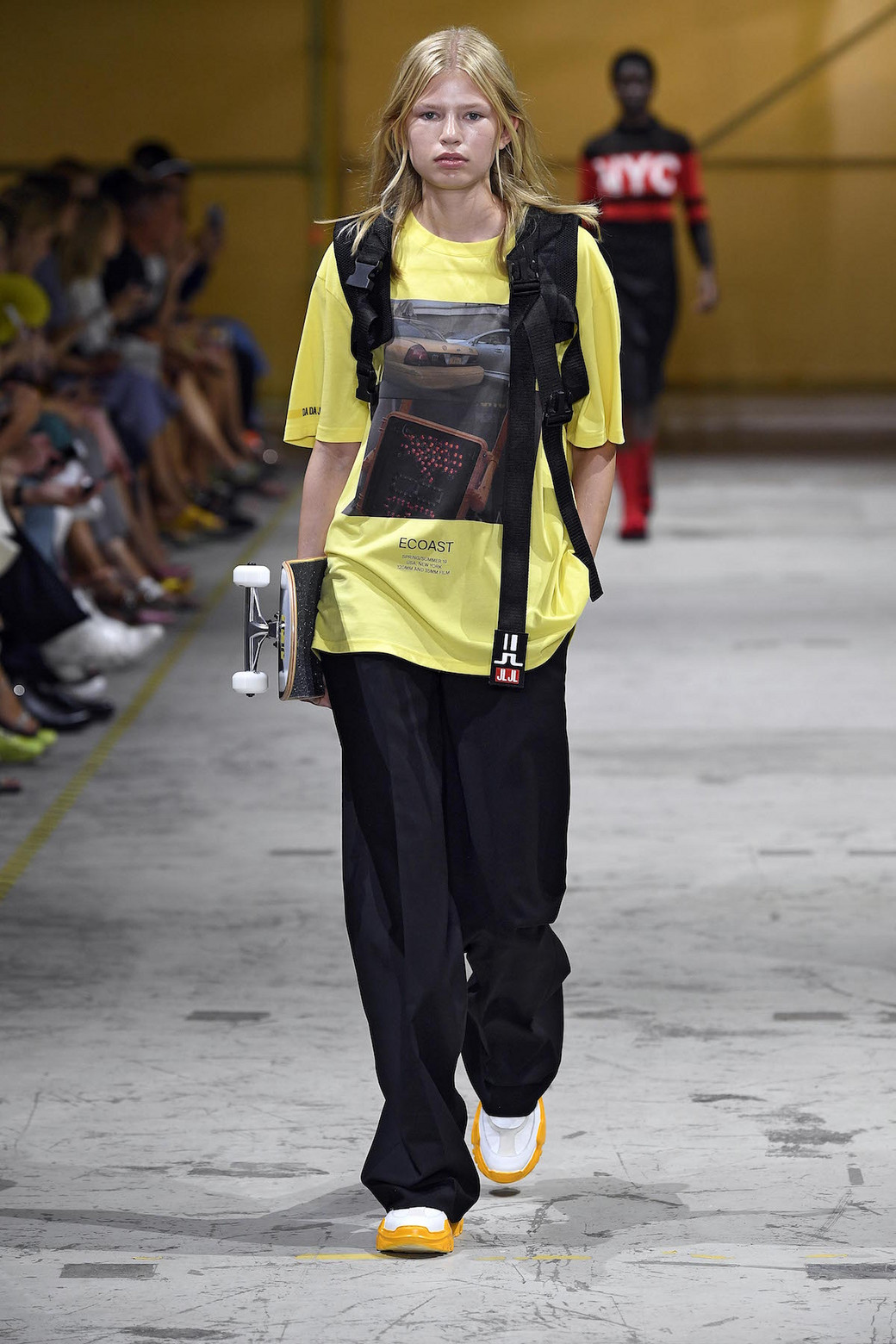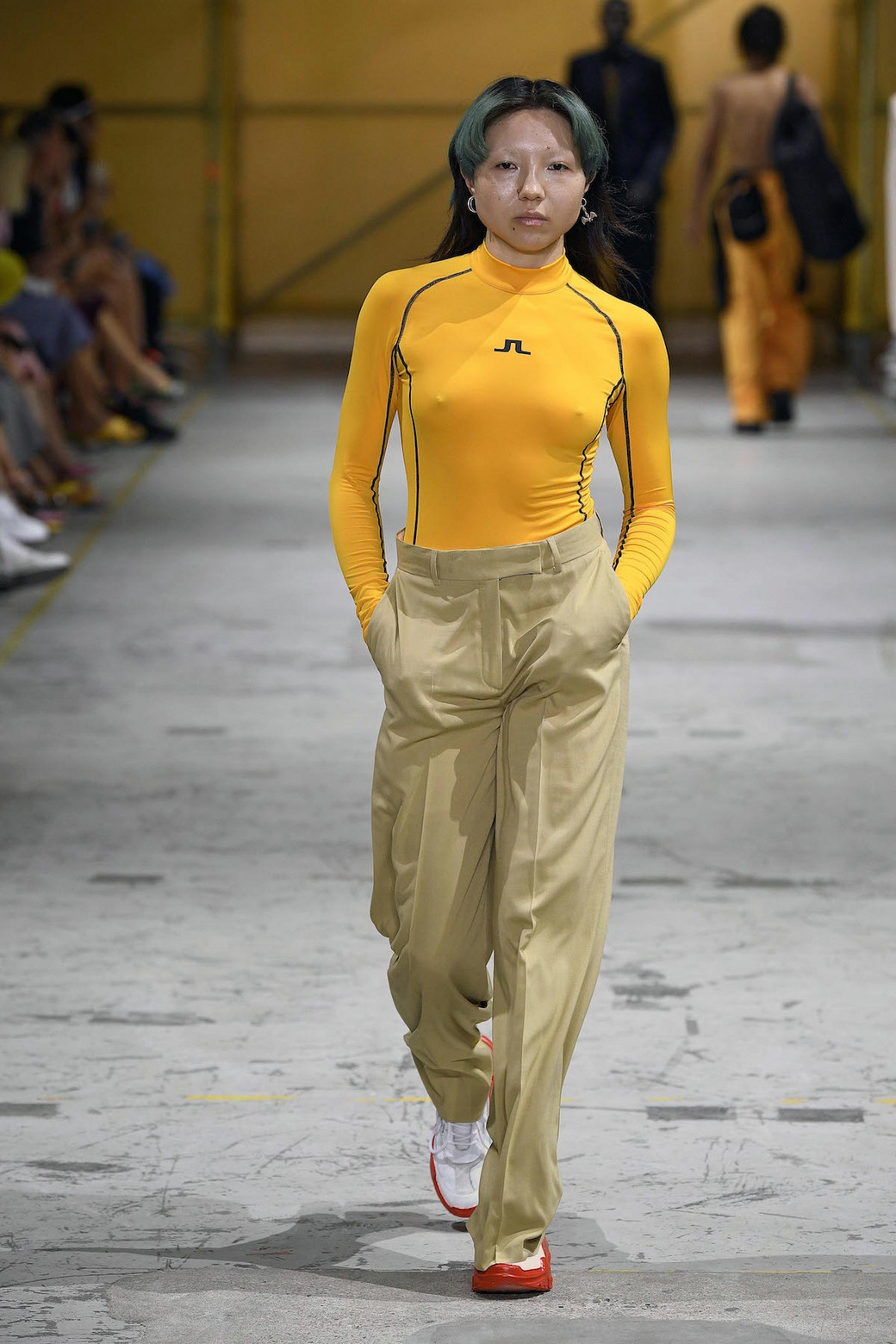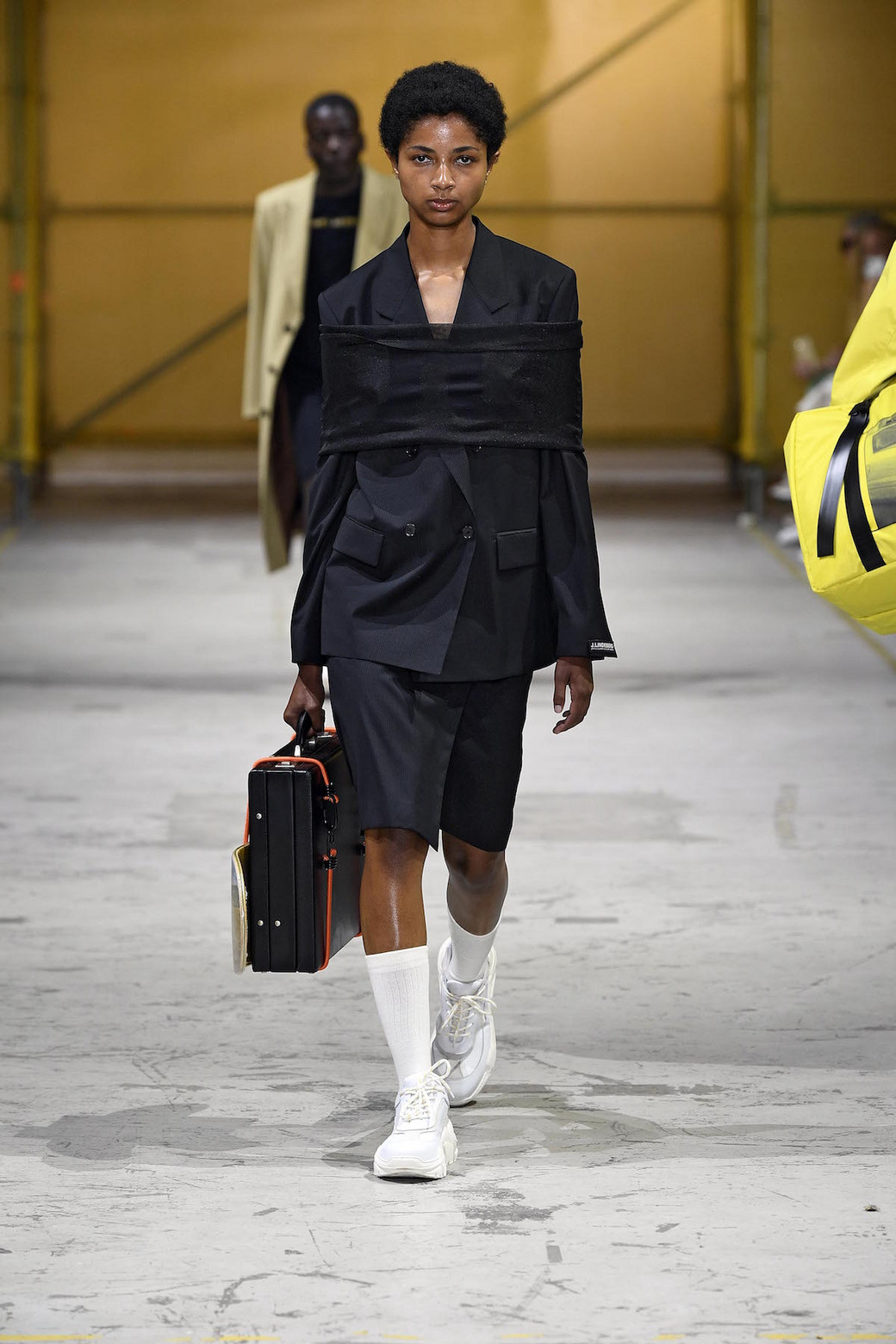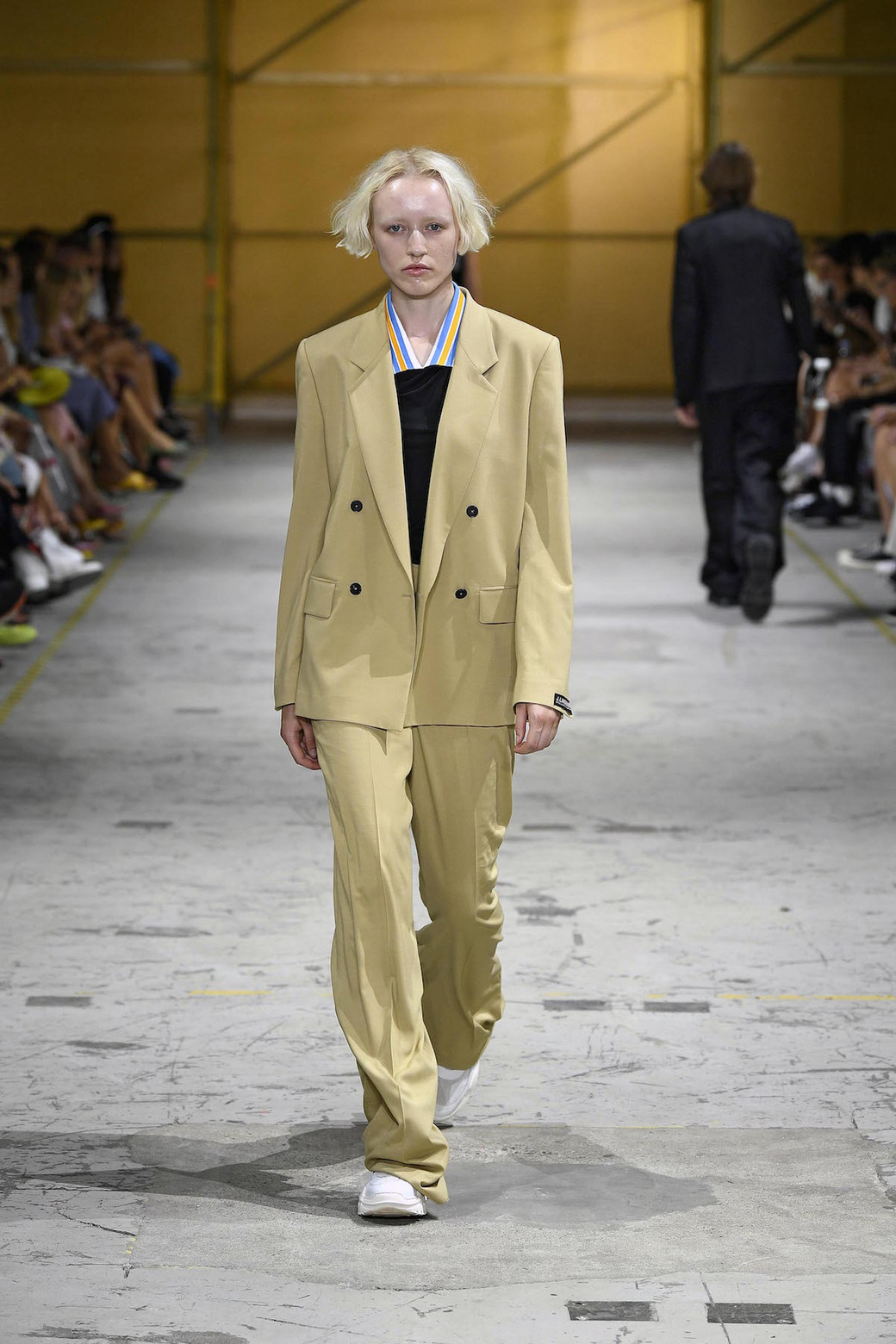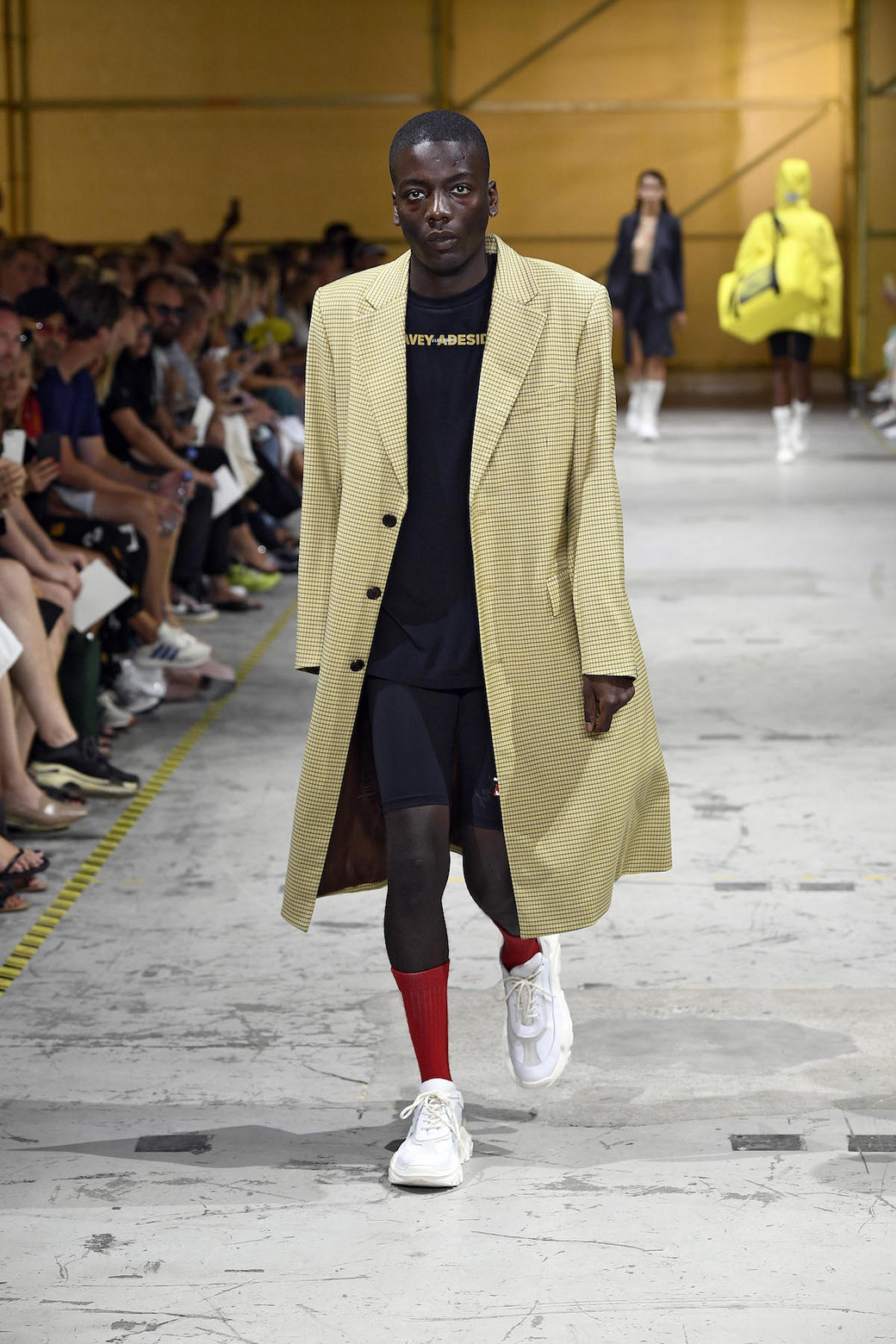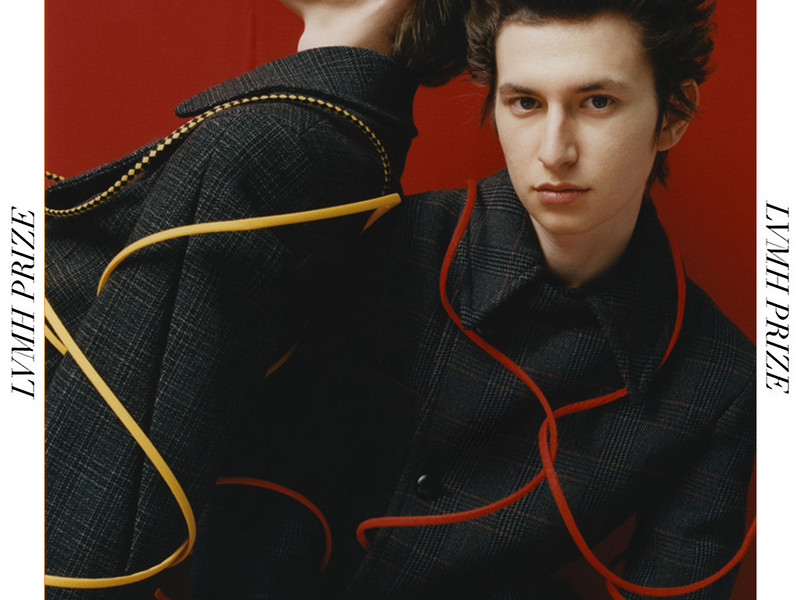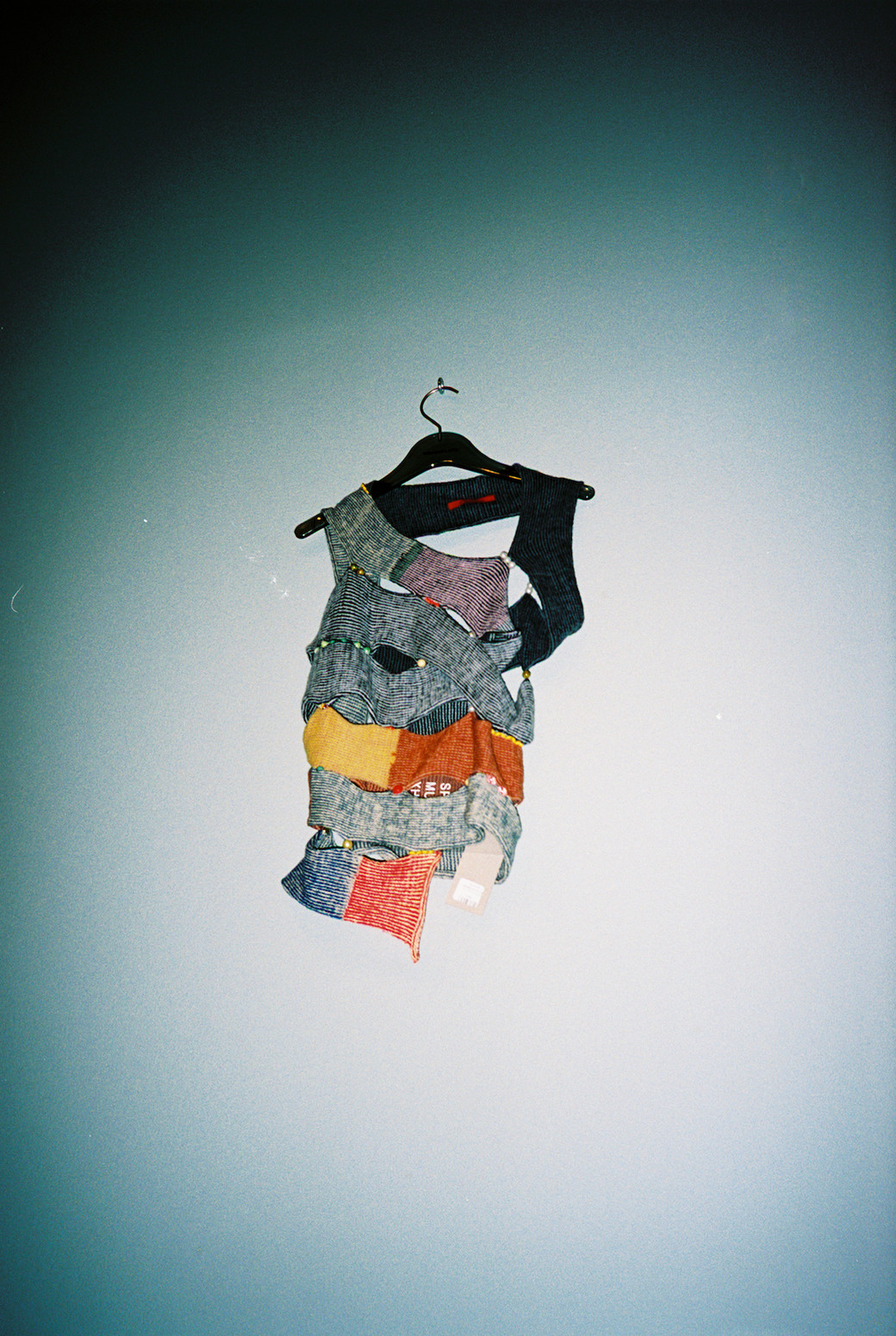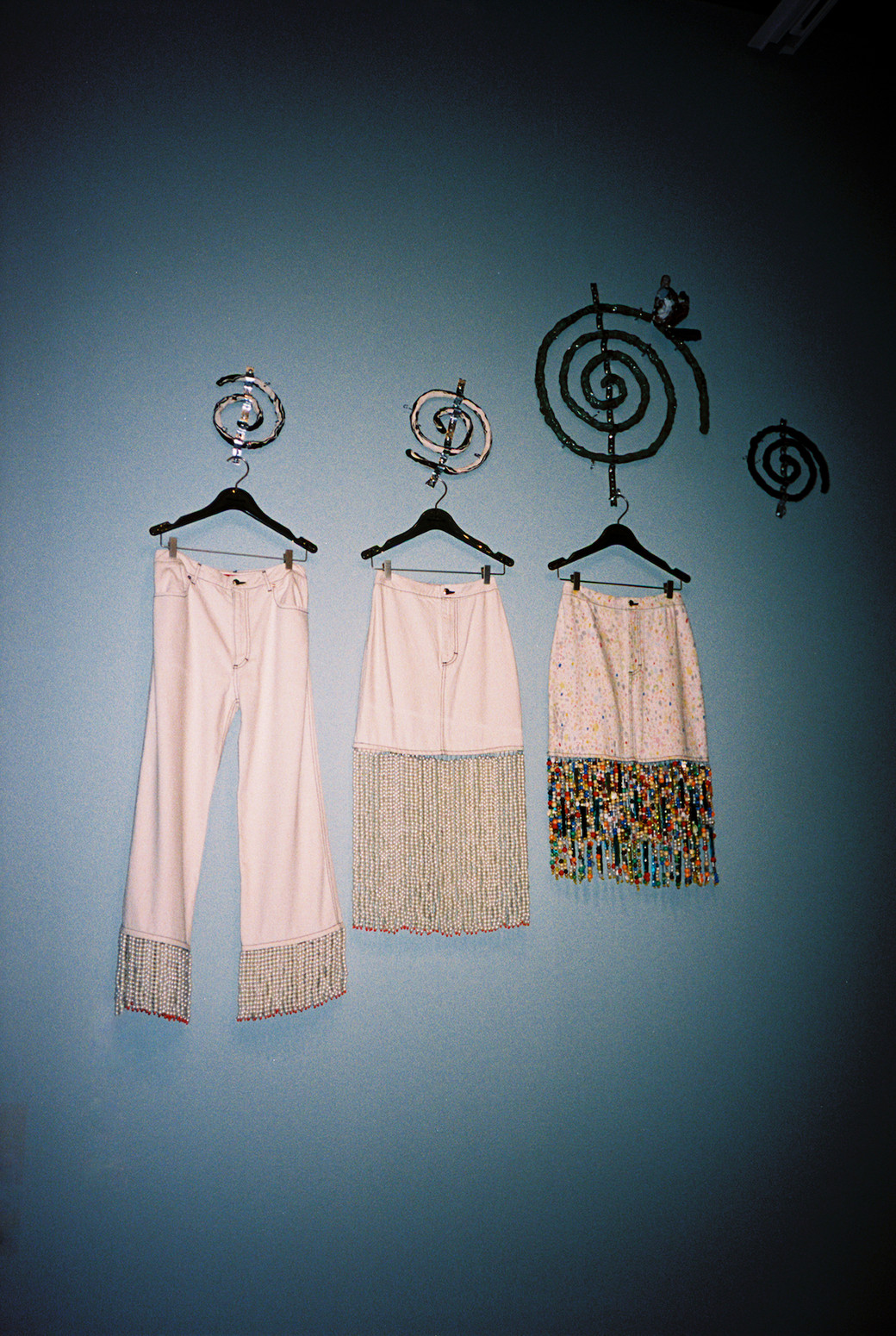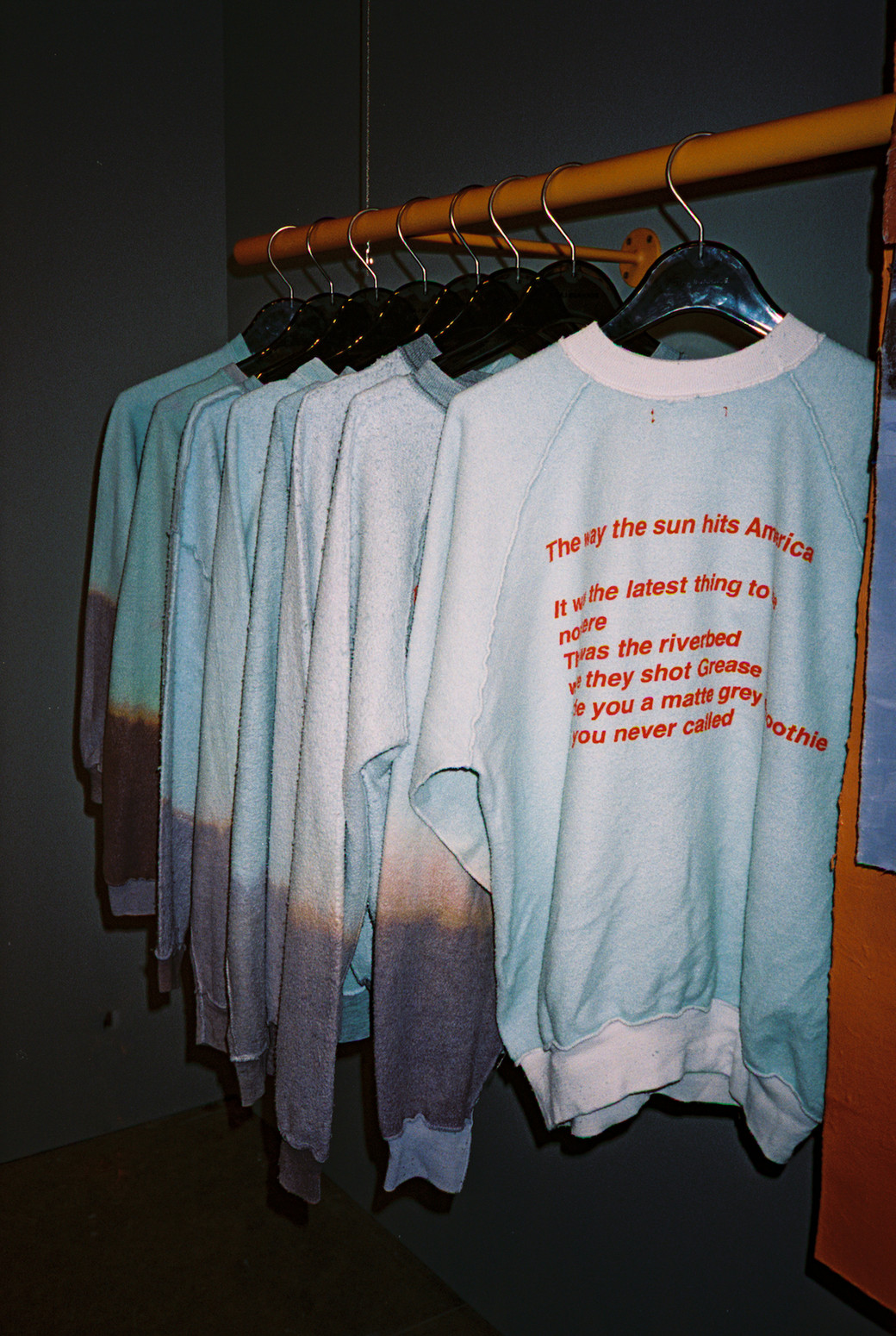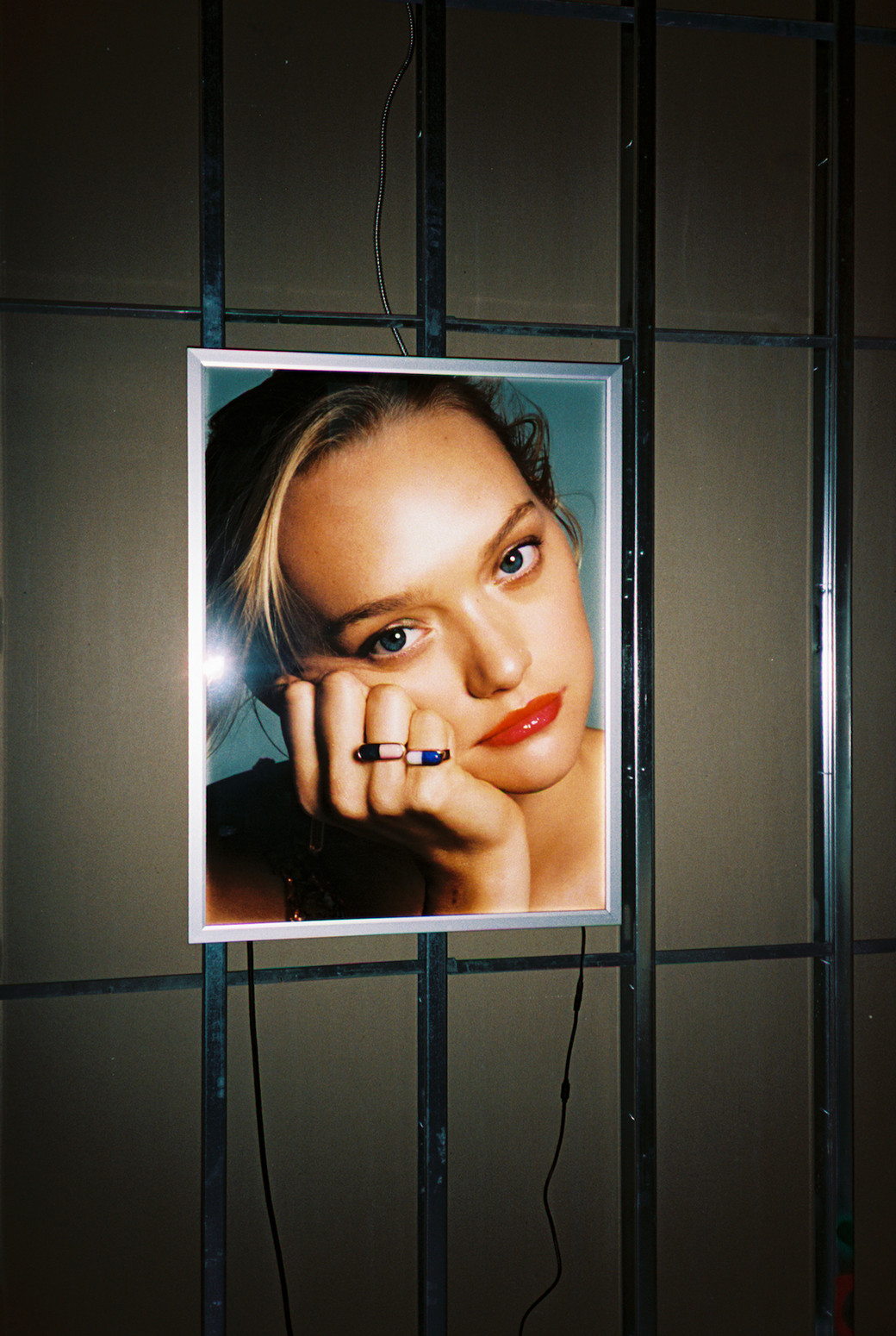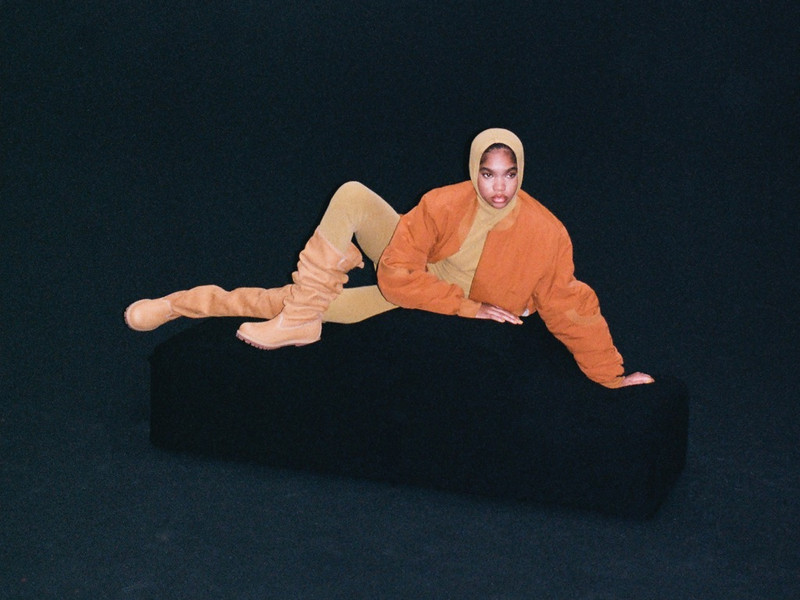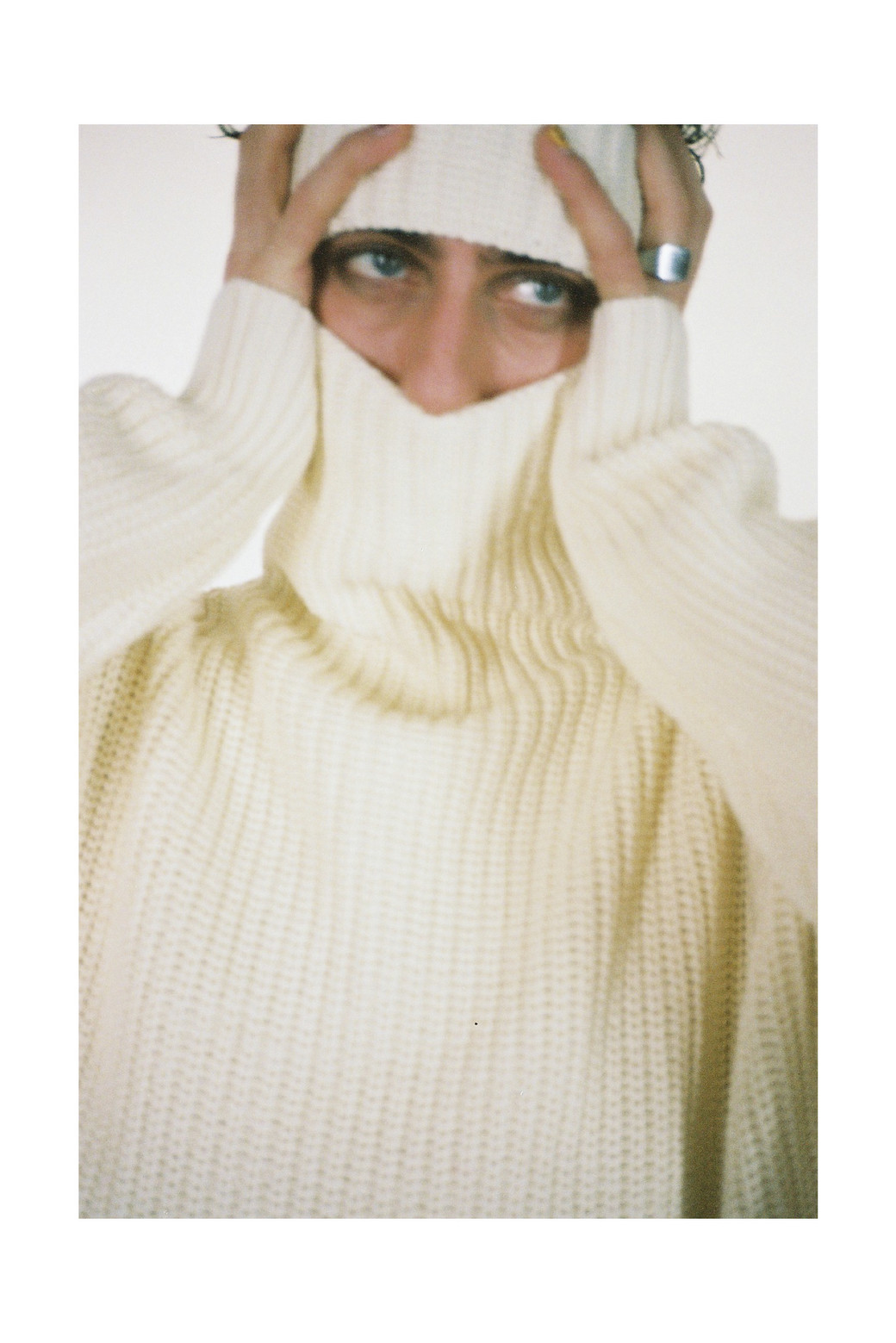
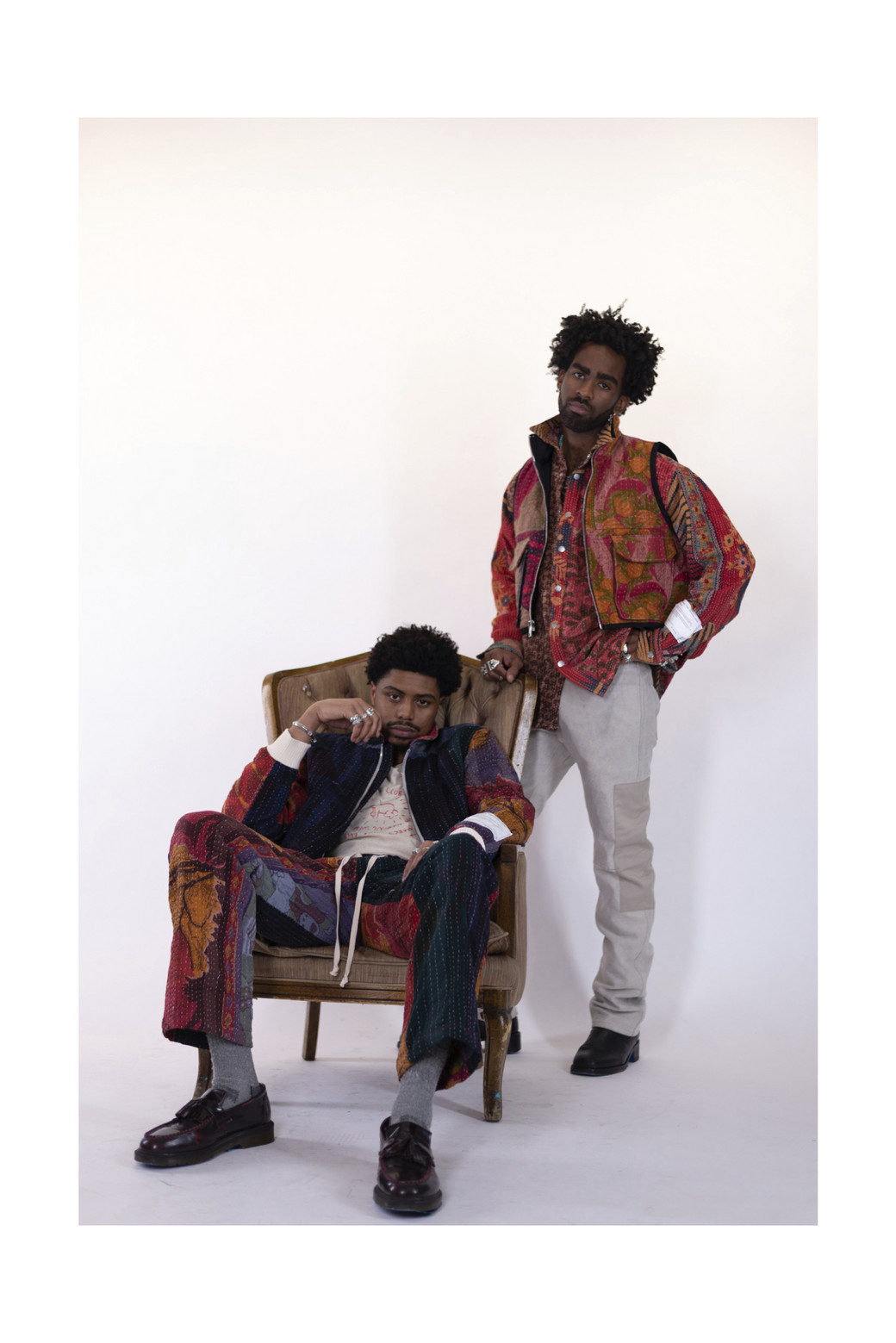
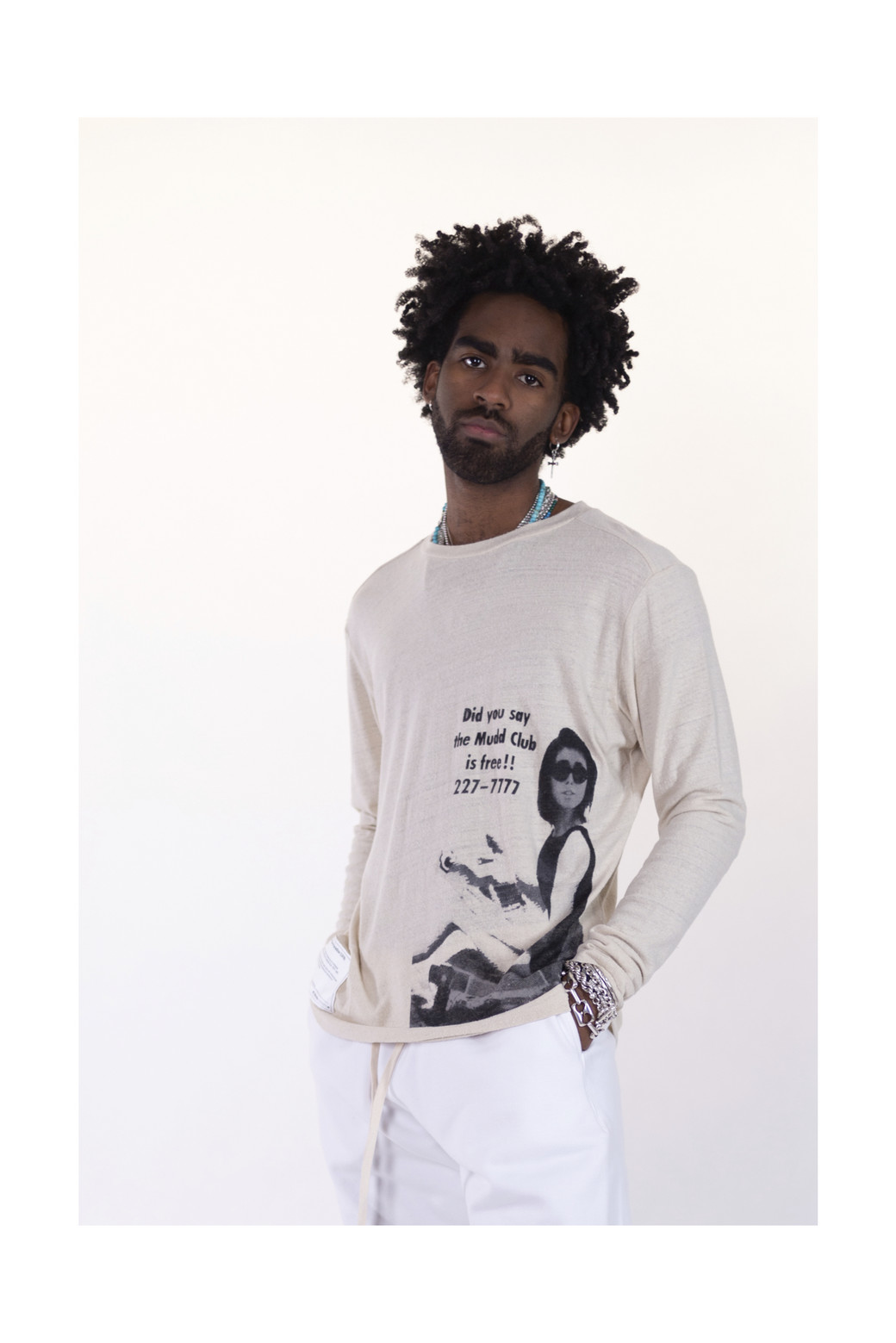
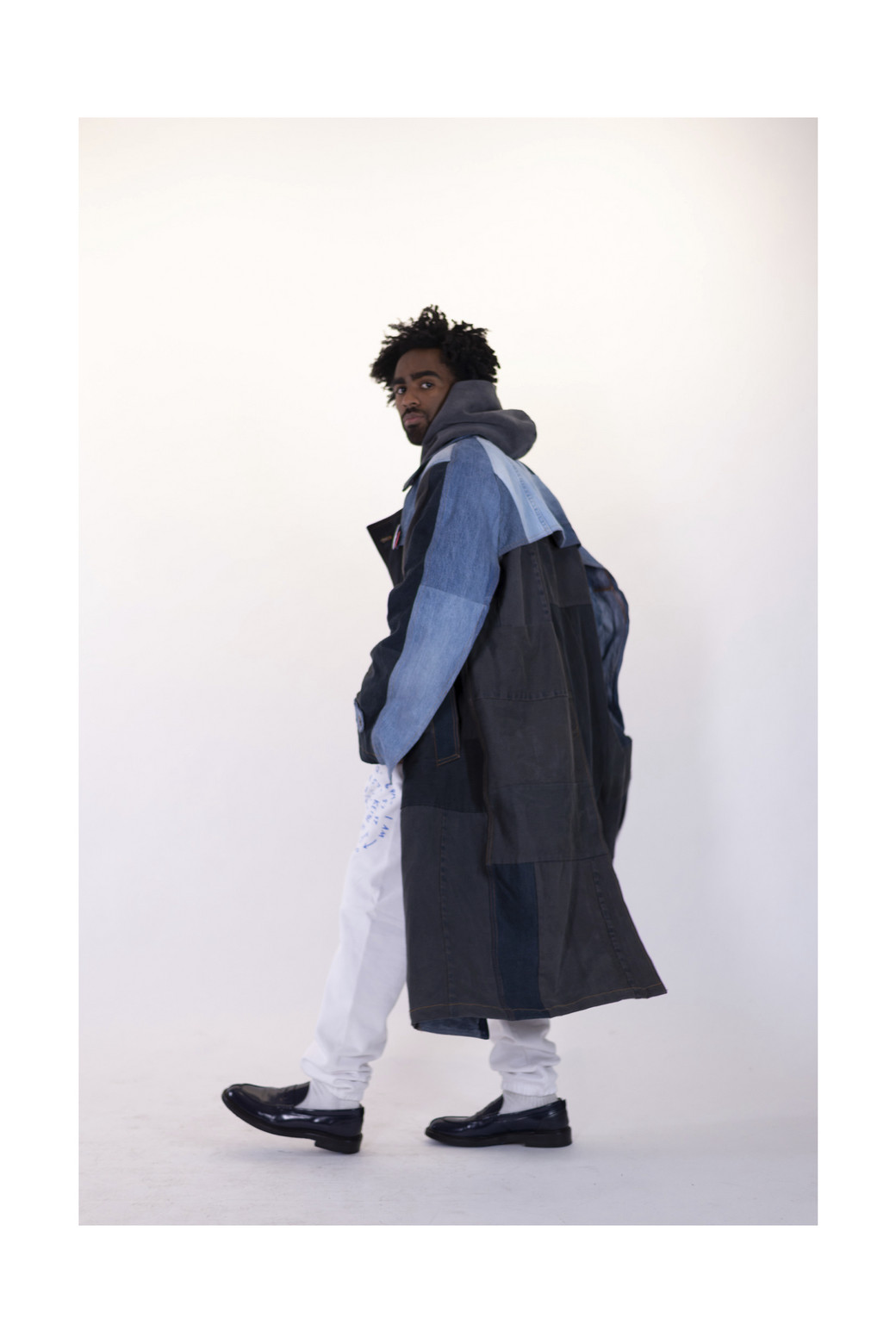
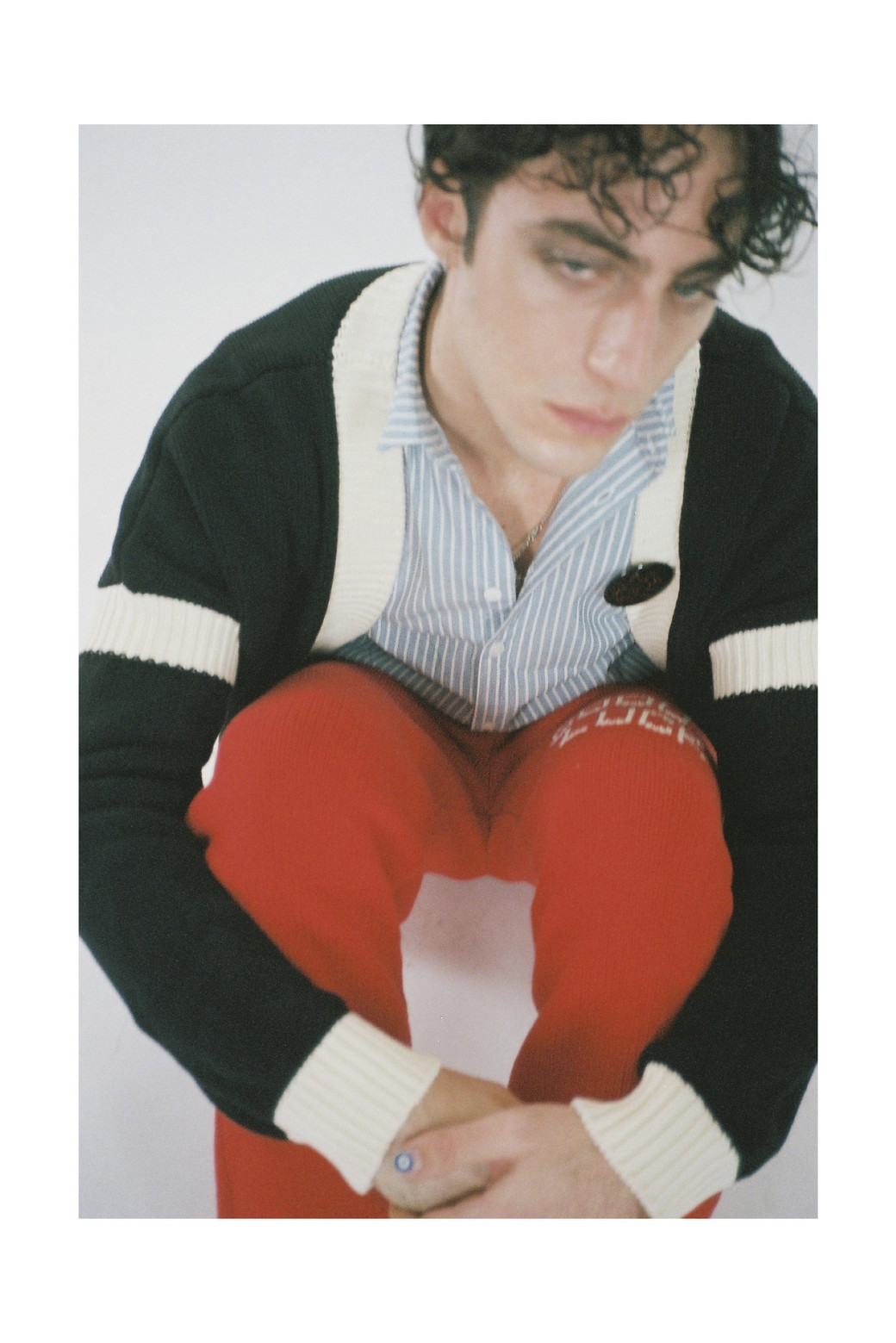
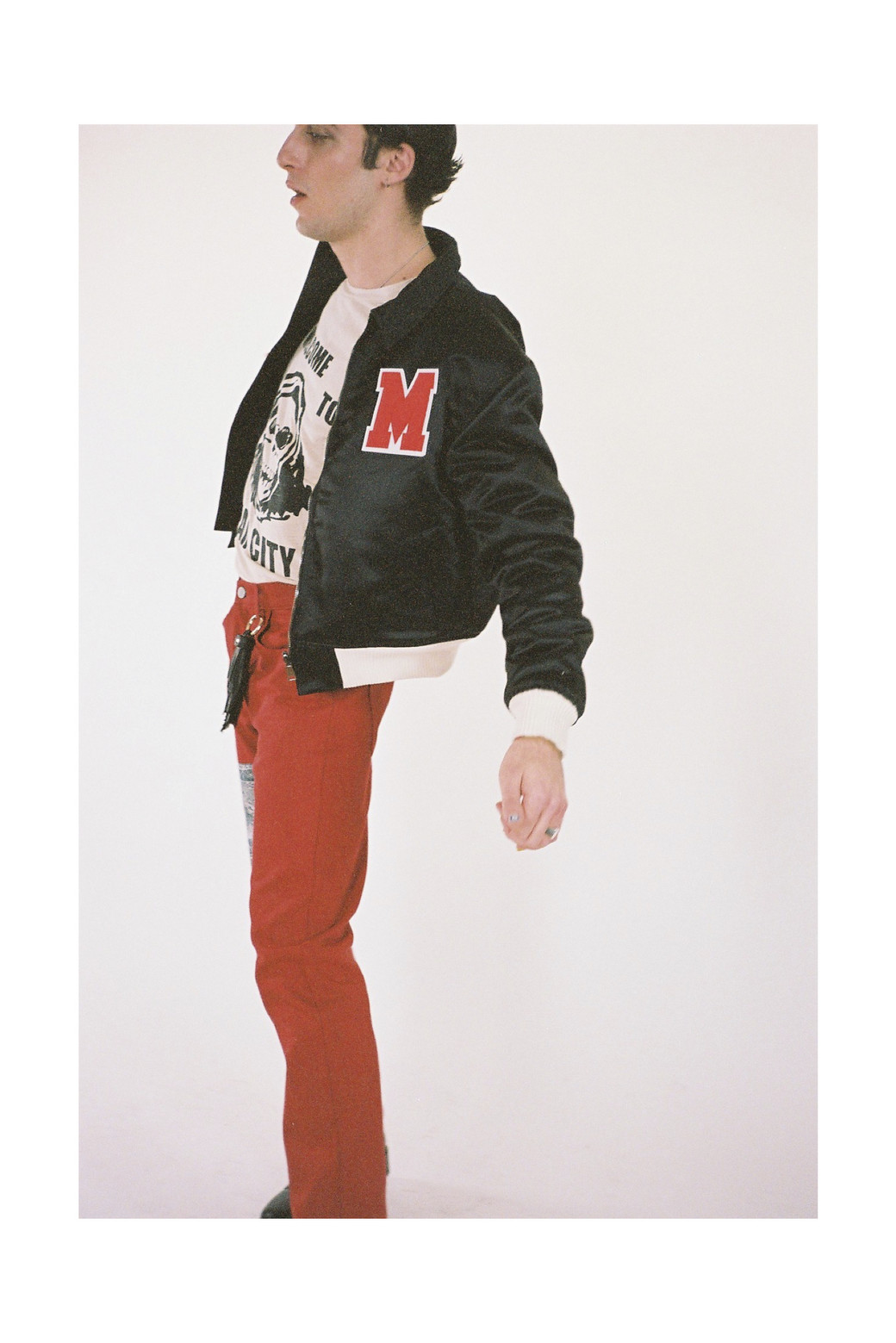
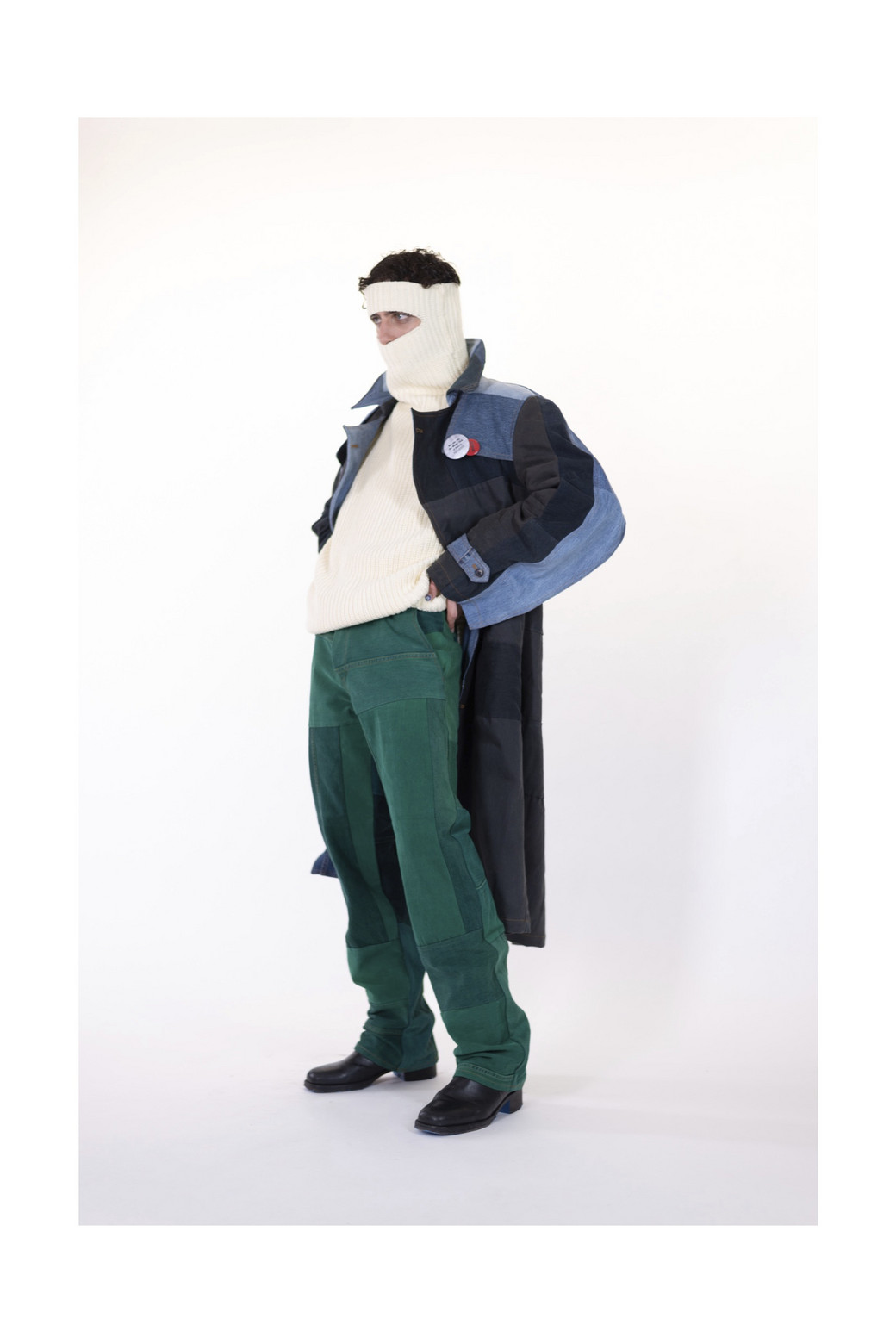
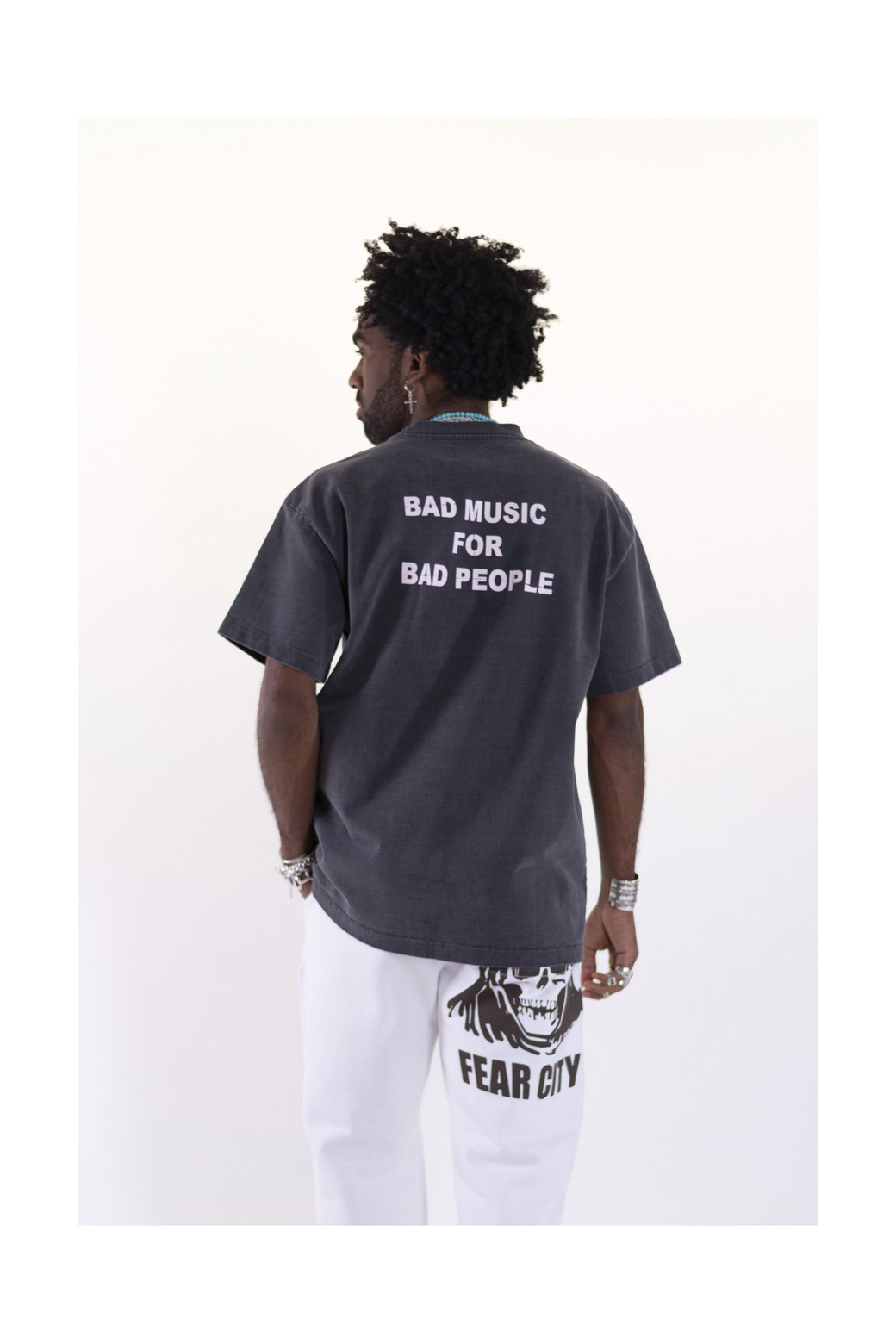
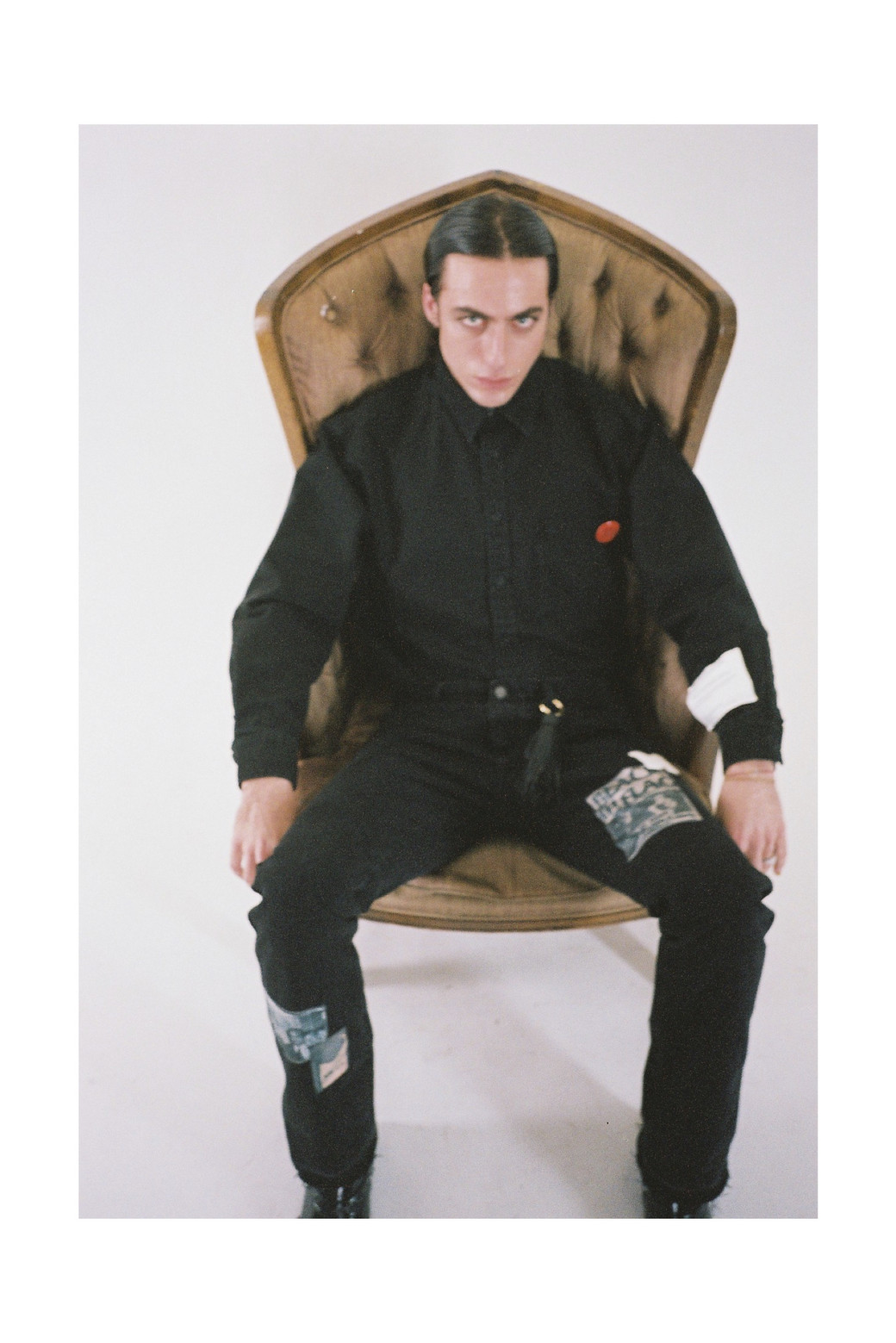
Check out more from the collection below.
Stay informed on our latest news!

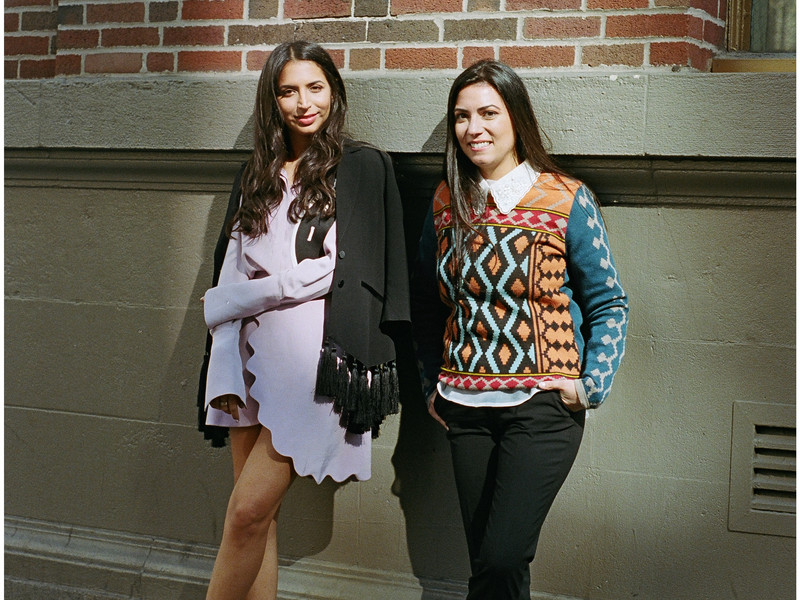
Avoiding the slap-in-the-face sensuality that litters our socio-cultural channels and titillations, Knowles brings a hefty slice of self-awareness to her evening wear, outerwear and underwear amalgamations.
How do you design for women?
There are multiple things that come into play in our design process. We are interested in techincallity, such as functionality and creating pieces that are luxury products. We are also interested in exaggerated narratives. We usually imagine our woman as odd and unpredictable, challenging certain preconceived ideas in a tongue-in-cheek way.
Do you think sexiness is something constructed by men that women are reclaiming?
Sexiness is originally defined as being sexually alluring. It has evolved over the years and hopefully now should mean “very attractive” and shouldn't be defined by an objectifying gaze. It can be very empowering to feel attractive without any sexual association.


What influences you?
Sensuality, feminine/masculine stereotypes, pop culture, the tension between underwear and outerwear, a dangerous woman.
What are your brand’s innate reference points?
Things that relates to the above really. We usually build a narrative from references, details and garments or items. We usually work from a feeling or some idea and then build around it, making sure our core design language is the same.
How is the creative landscape changing for young designers?
It is becoming more and more saturated, and the attention of people is fleeting. You have to find a strategy, stick to your guns, build a language, hope people understand it and get on board. What really defines our generation, I believe, is how close to our customer we are and how their voices are becoming louder than everything else.
What was the most important lesson you learned while studying at Central Saint Martins?
Learning how to communicate an idea without having to talk.
Who do you admire?
Multiple people. We have been collaborating with amazing people from Lulu Kennedy, Natasha Booth, Grace Hartzel and my Mom. You know, women with an opinion and strength.


How do you feel is currently challenging the fashion system?
People doing their own things authentically instead of following the “trend”.
What do you want your brand to say to women?
That our clothes are not only of the current Zeitgeist, but of the future as well. That they are about empowerment but also craft and luxury. We spend a lot of time on construction, fit, detailing and sourcing good quality, which a lot of young designers sacrifice for aesthetic. We try to create objects of desire.
What does fashion mean to you?
It pretty much takes up all my time… It’s a love/hate relationship.

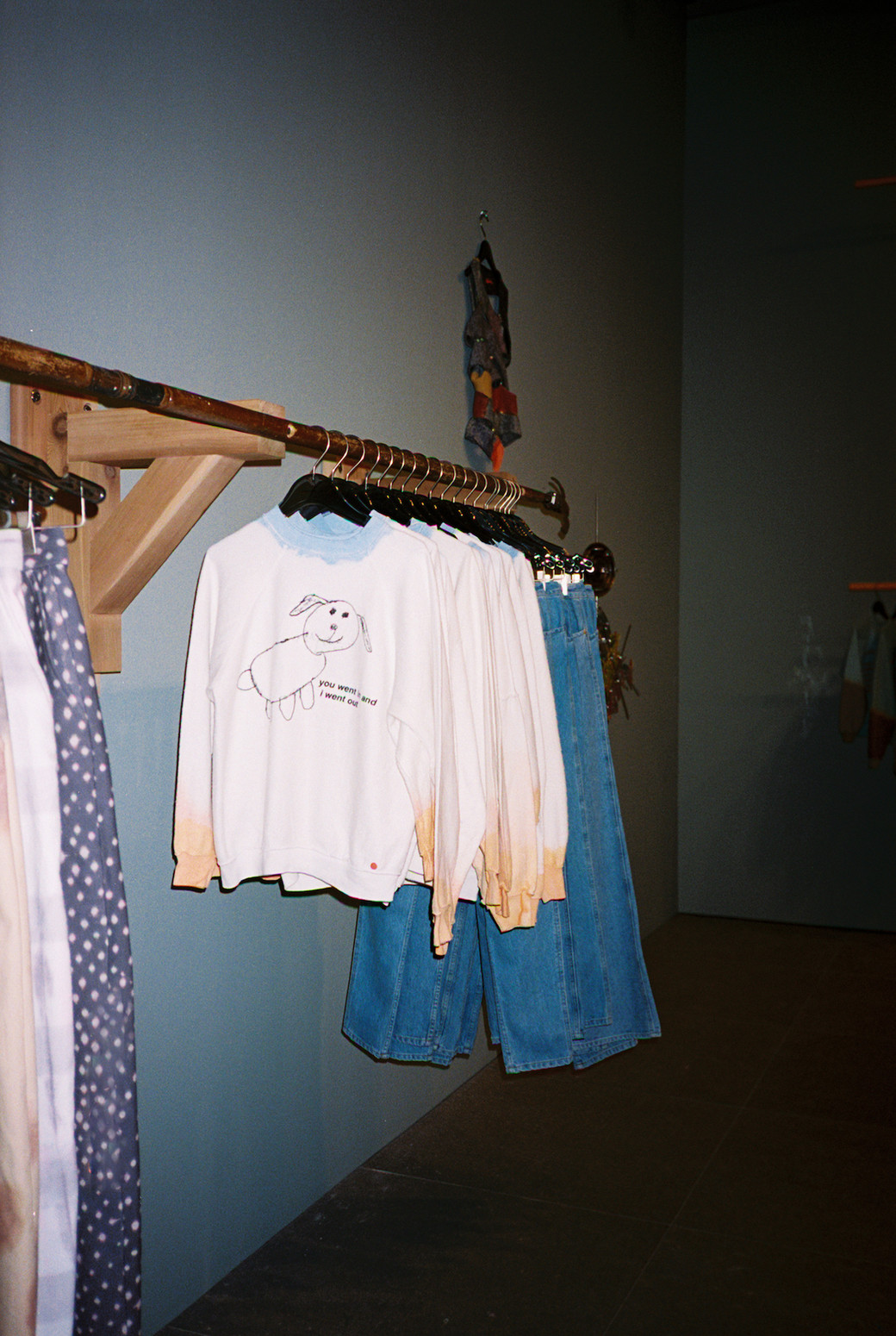
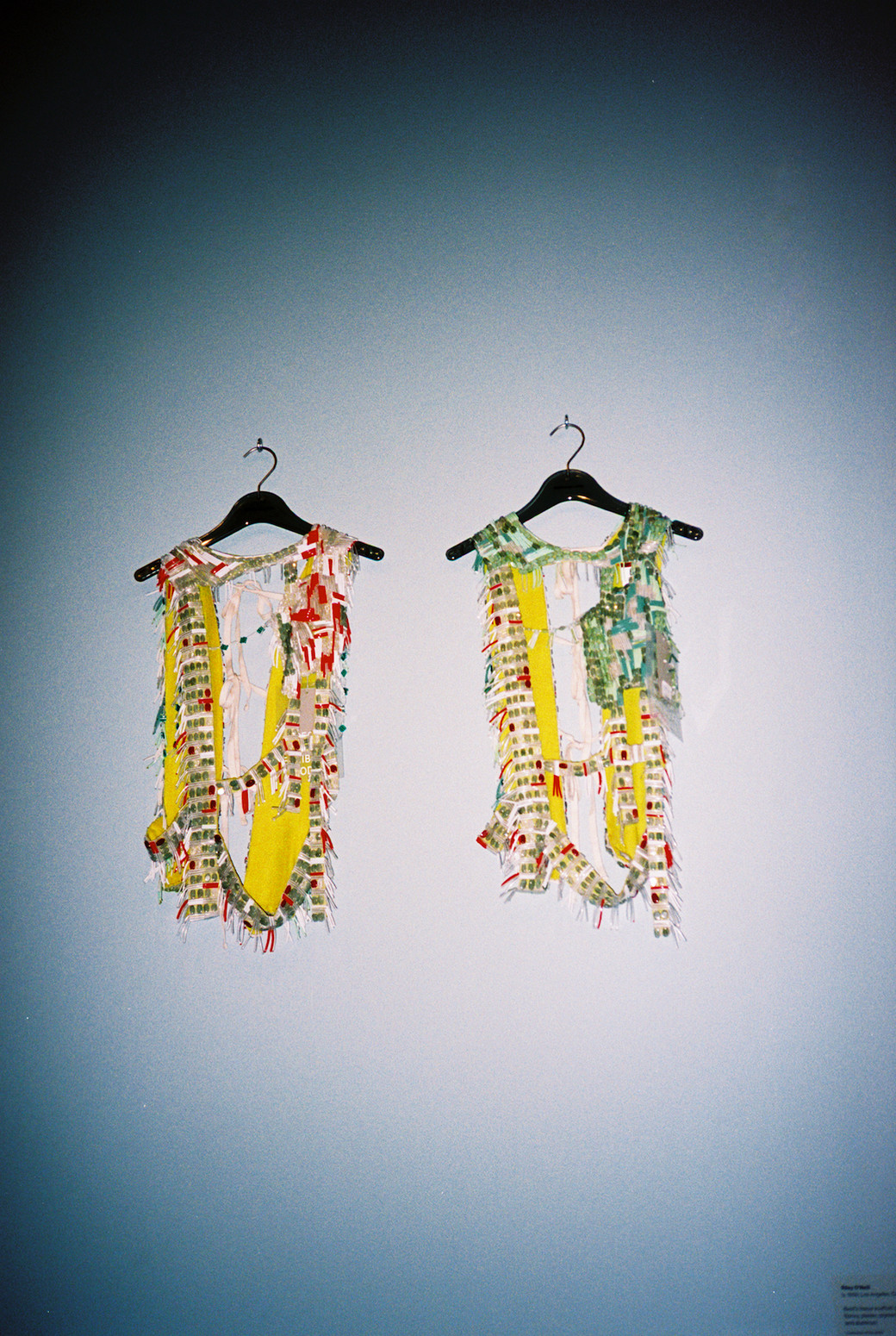
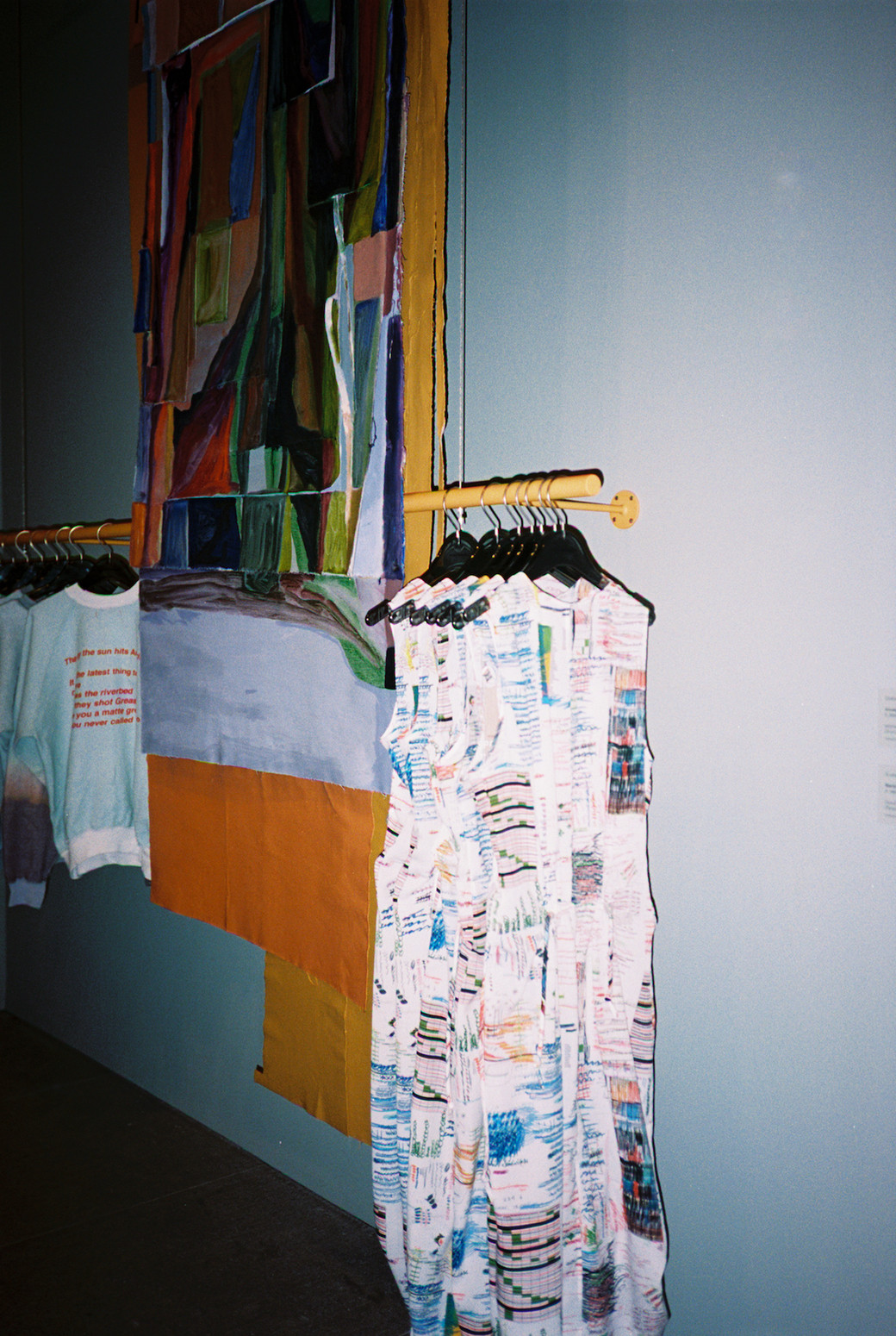
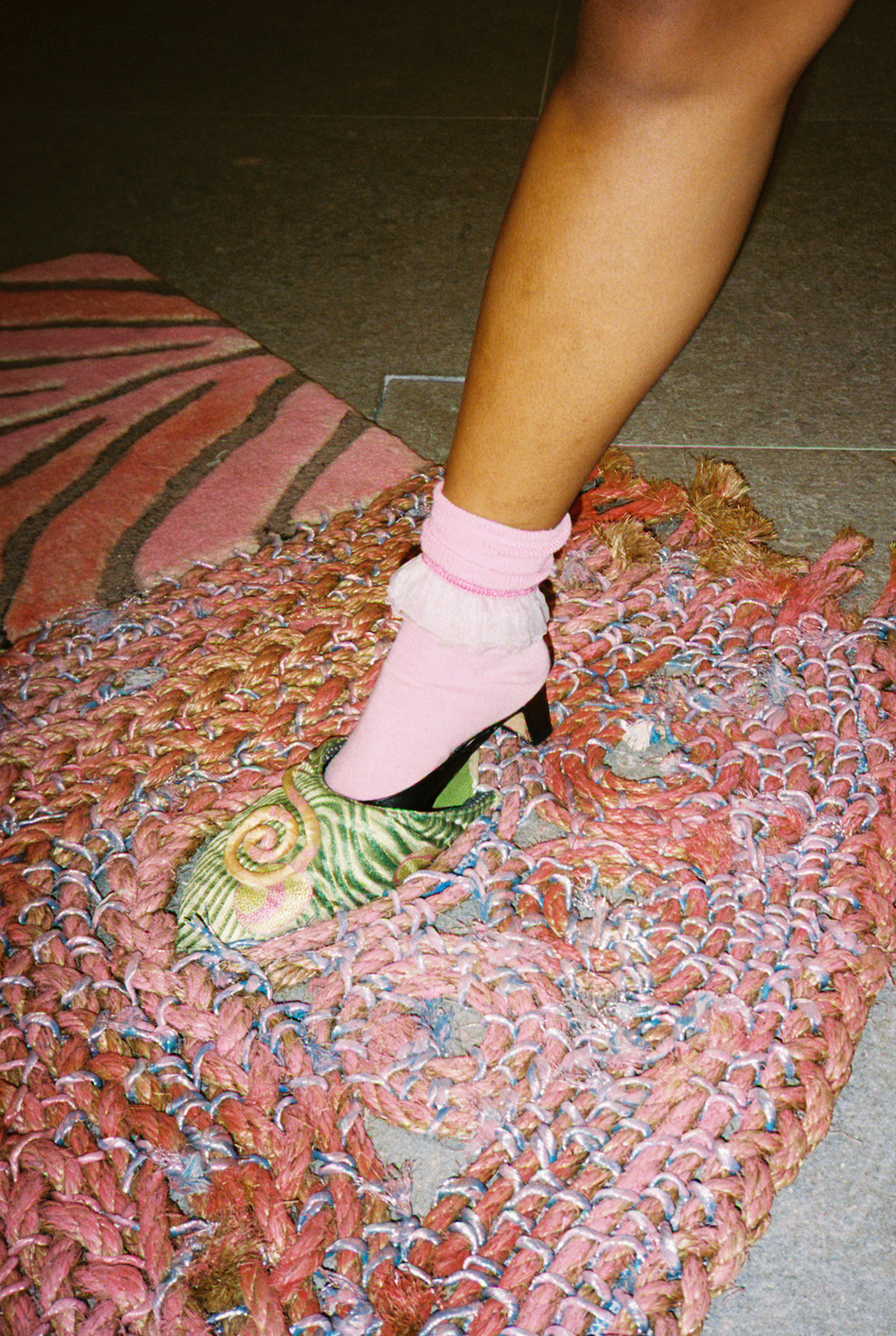
The Whitney's resident curator, Christoper Y. Lew, says the show is meant to give the viewer a chance to see behind the scenes of the fashion industry and interact with, touch, and try on the clothes. At the opening night, the mixed crowd of fashion and art insiders did all of that—and a whole lot of shopping too.
Model Selah Marley and artist/Hugo Boss prize winner Anicka Yi browsed the racks of handmade clothes produced over two years specifically for this museum show. Visitors tried on $3,000 pants in the Cianciolo designed fitting room, assistants carried in more sweaters, tops and t-shirts as the designs sold out, all while Mike Eckhaus and Zoe Latta buzzed around the room showing off their work with pride.
Eckhaus and Latta are both educated by Rhode Island School of Design and have blurred the lines between art and fashion since they started creating clothes in 2011. Even though they are a relatively new brand run by a small staff, they have had an outsize effect on the fashion world. Their diverse cast of models have contributed to the fashion industry’s recent inclusion towards of more non-skinny, non-almond-shape-faced models. Their frequent collaborations with with artists like Cianciolo, Jessi Reaves and Juliana Huxtable have helped bring attention to these artists’ practices, and their designs have been exhibited at the ‘Greater New York’ show at MoMA PS1 and the equivalent Made in LA show at the Hammer Museum.
Certainly, Eckhaus Latta’s groundbreaking use of models, their collaborations with some of the most talented artists working with and around design, and their sculptural, deconstructive designs deserve attention from a museum like The Whitney as influential cultural producers. But among the evening’s art crowd, the same handful of questions was asked again and again: Why install a store inside the museum? If you had two years to come up with a concept for a museum show, why do a boutique? In a city overtaken by commerce and shopping, is another retail experience really the most interesting thing to create?
“The museum was interested in exploring a retail interface” says Zoe Latta. “But exactly what we were supposed to sell, that was a mystery to us”.
While the inclusion of a shoppable store felt somewhat unambitious—and the CCTV element a bit forced—the designer’s earnest take on their own work in particular, and the fashion world in general, felt refreshing. Eckhaus Latta doesn’t hide behind irony or faux criticism. Their belief in design, clothing and fashion culture as a tool for progressive change, and in shopping as “an intimate and creative process” was honestly displayed. And their inclusion of a group of artists who are effectively tearing down the borders between high art and design is applaudable. It might be just another clothing store, but it sure is a pretty one.