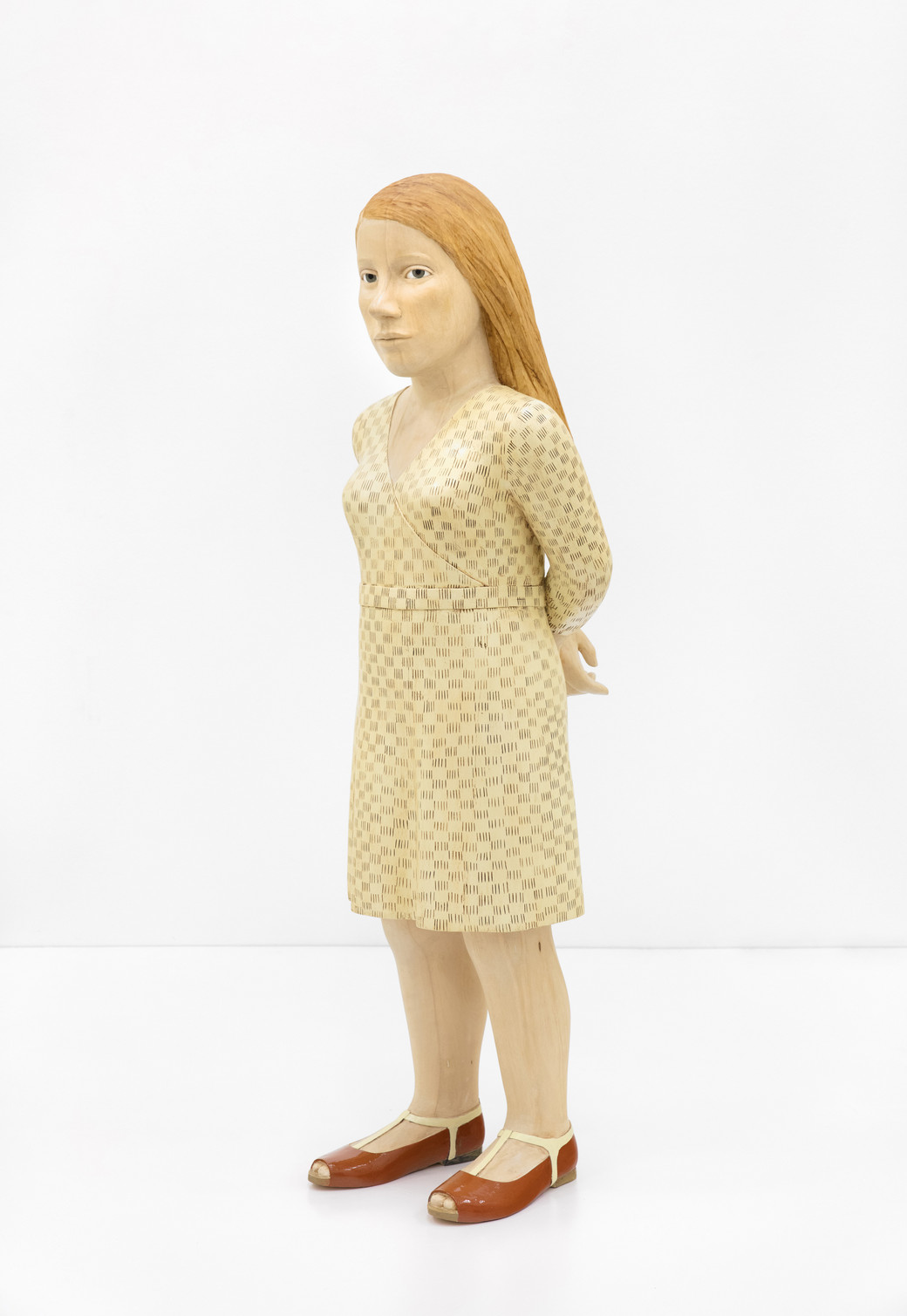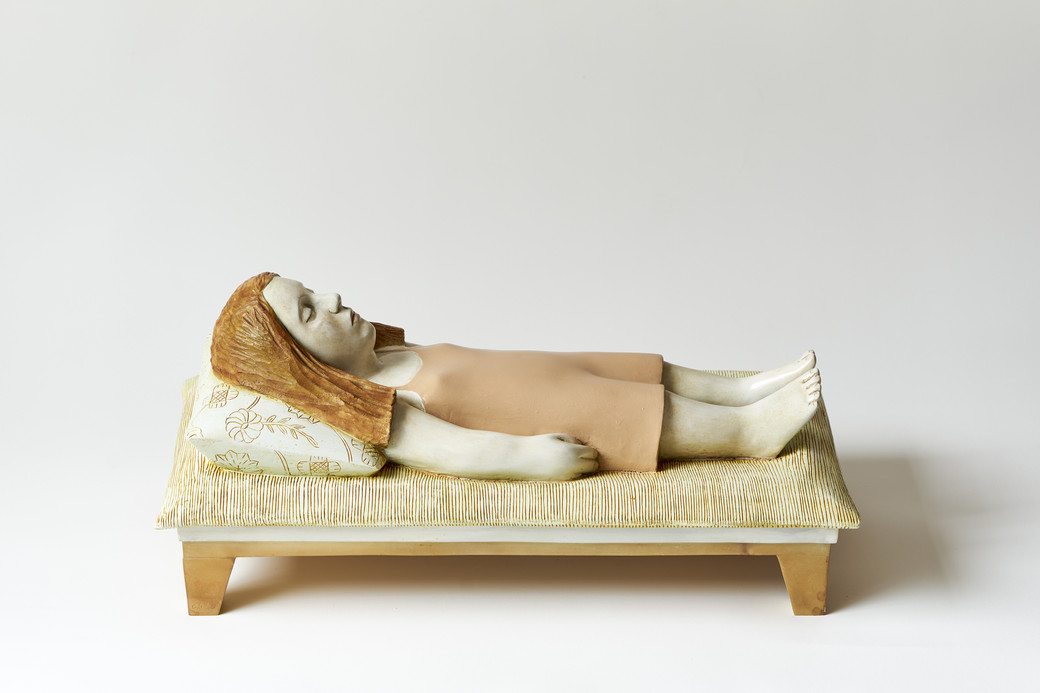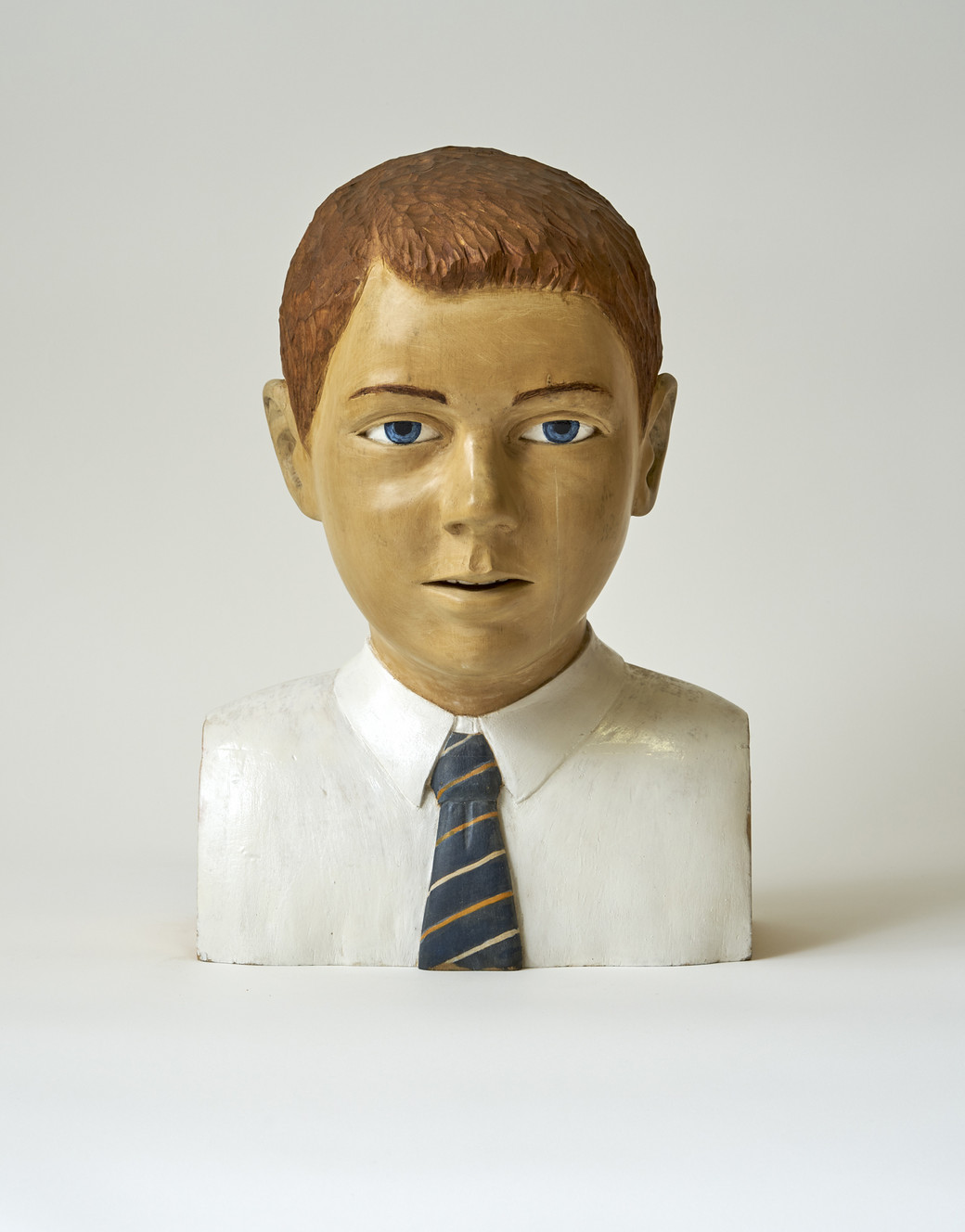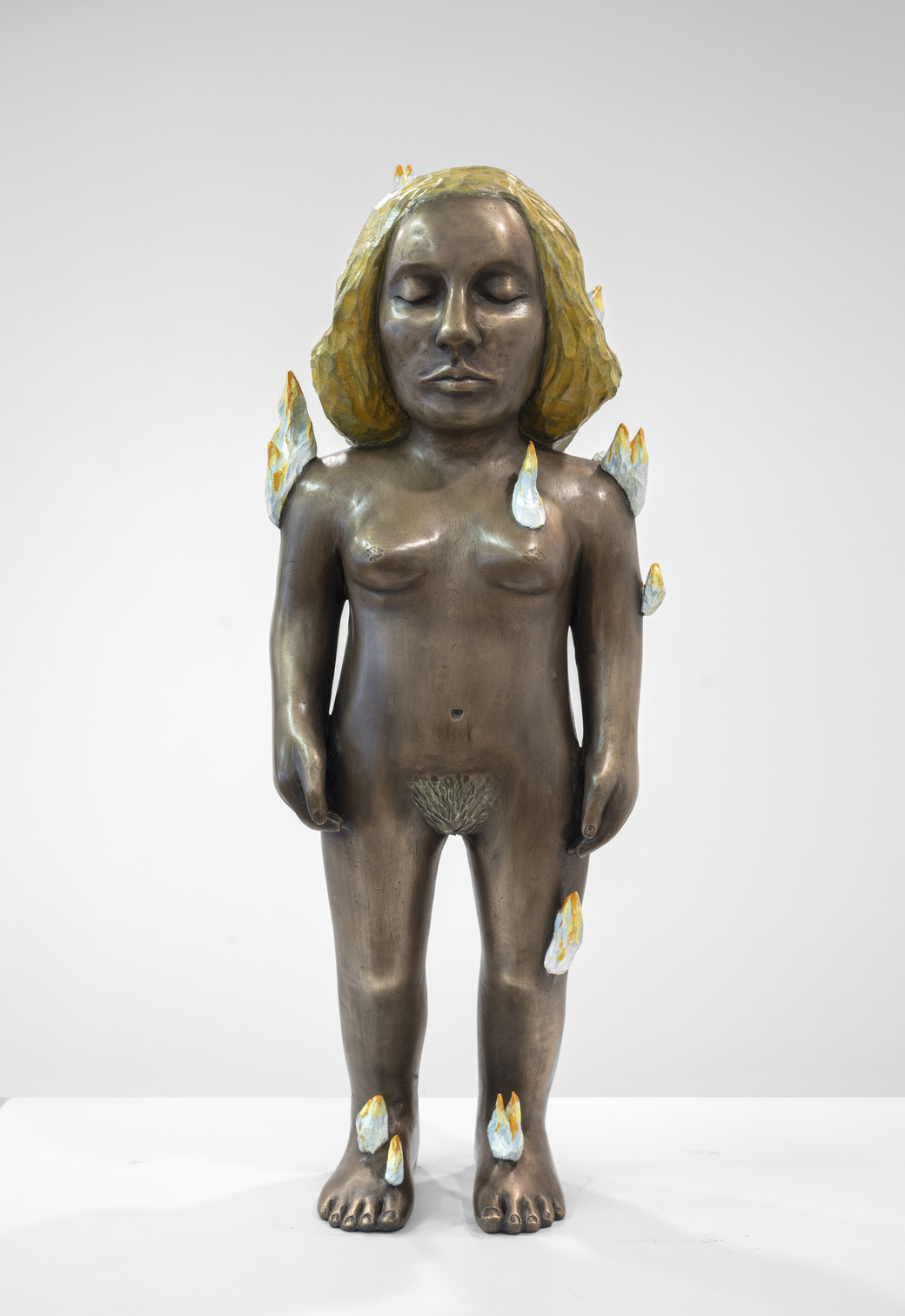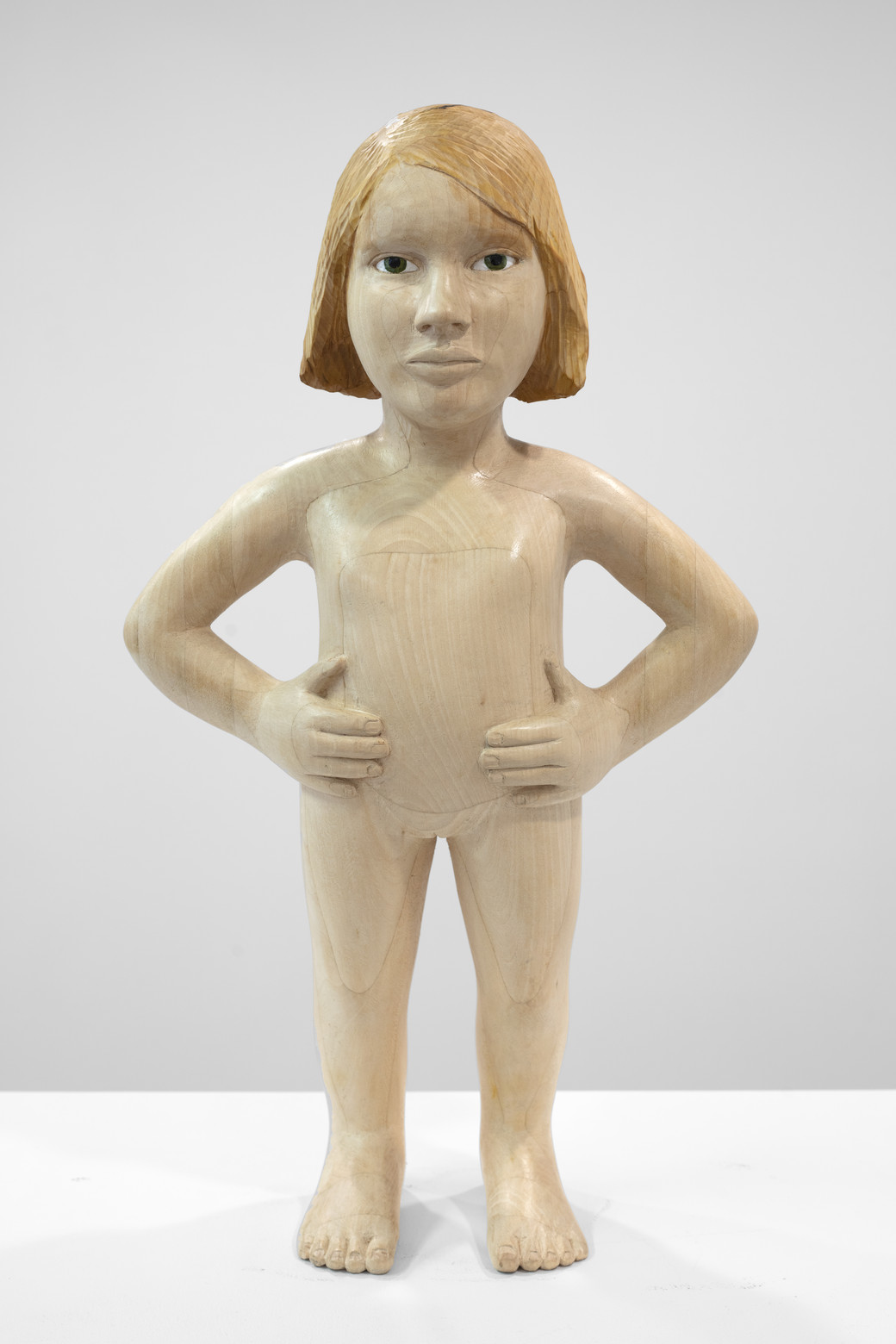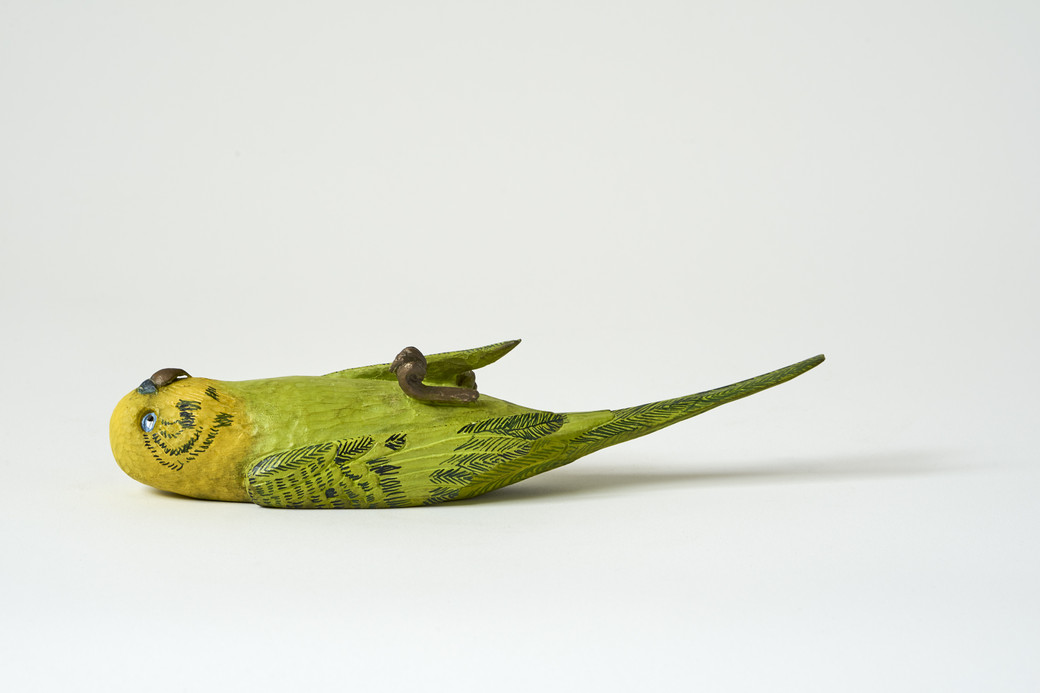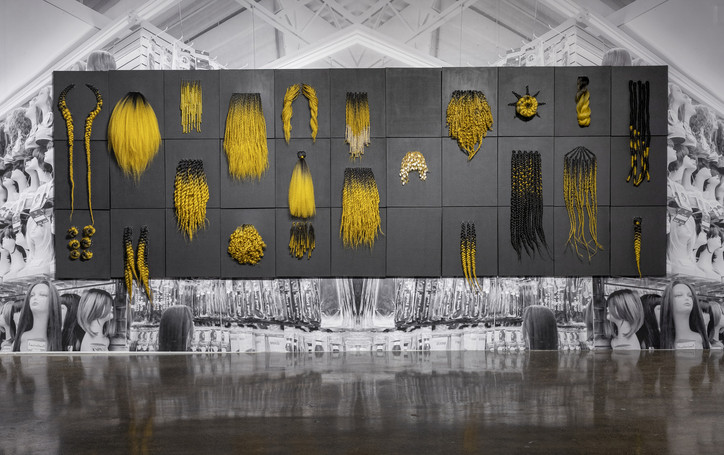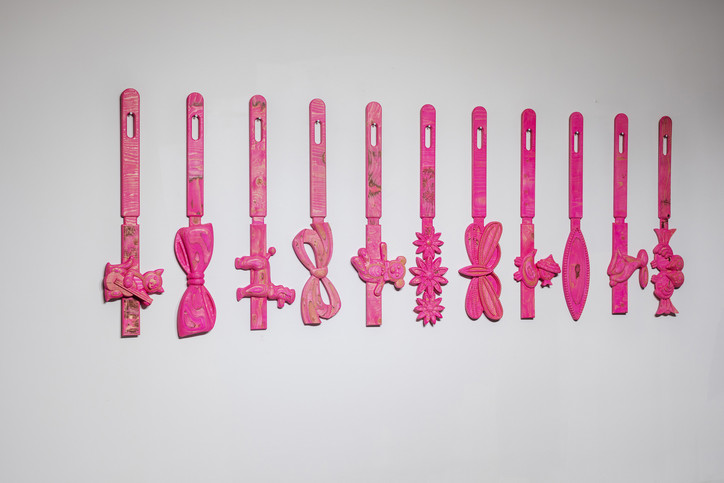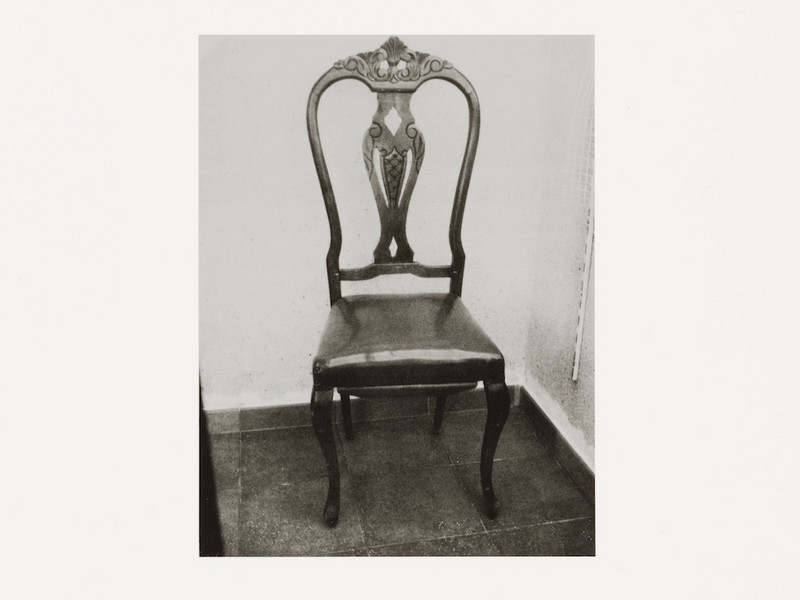



Schreuders is a white South African looking at the traditions of European culture as well as those of Africa, both of which clash and collude in her work with simplicity and poise. Her pieces are made by hand from wood, a very time-consuming process—her last show was four years ago. But it is one that also connects her with her material in ways that many other artists may not experience, in a sense that is somewhat reflective of the domestic sphere in which she is interested: her practice is similar to needlepoint, done for hours on end to achieve a brilliantly simple, beautiful result.
The pieces simultaneously reference Medieval European sculpture and African tribal sculptures known as Baulés, fetishes of one’s heavenly double, a spiritual other half that is usually of the opposite sex that is used in a ritual as a vessel for the spirit, and which many tribes depicted as white. The layers of sociopolitical implications of this are myriad, but the sculptures were essentially aspirational, and the tribes were viewing the Europeans as something to aspire to because of their status imposed through colonization. There is often talk of the white gaze upon black bodies, but rarely the other way around—Schreuders has tapped into a fascinating note in a geopolitical conversation that has so far gone relatively unheeded.