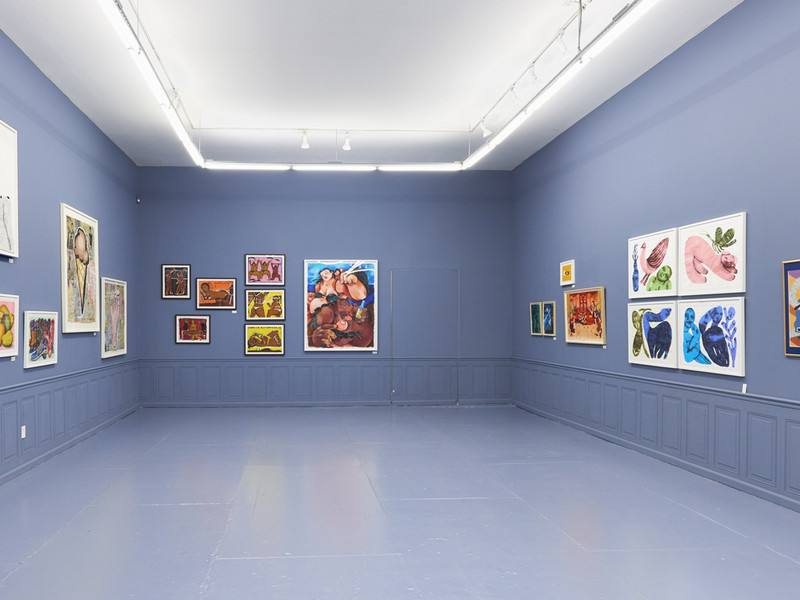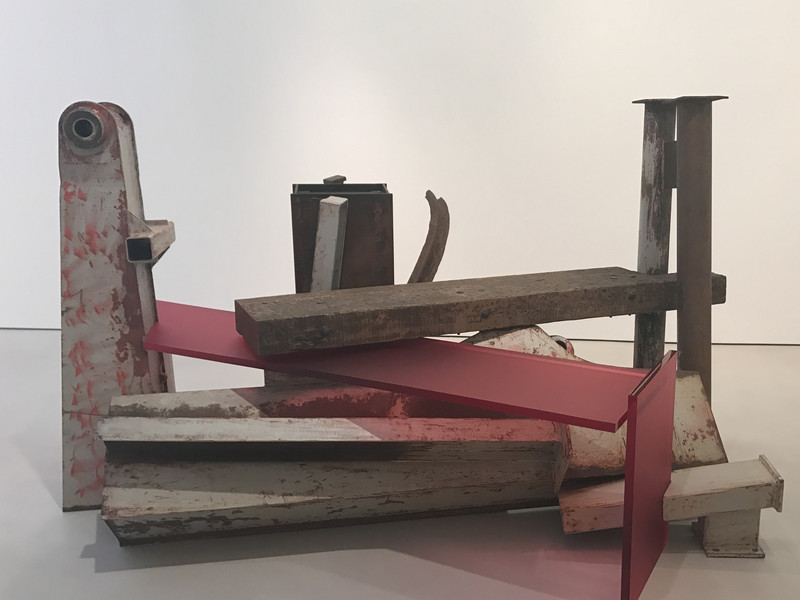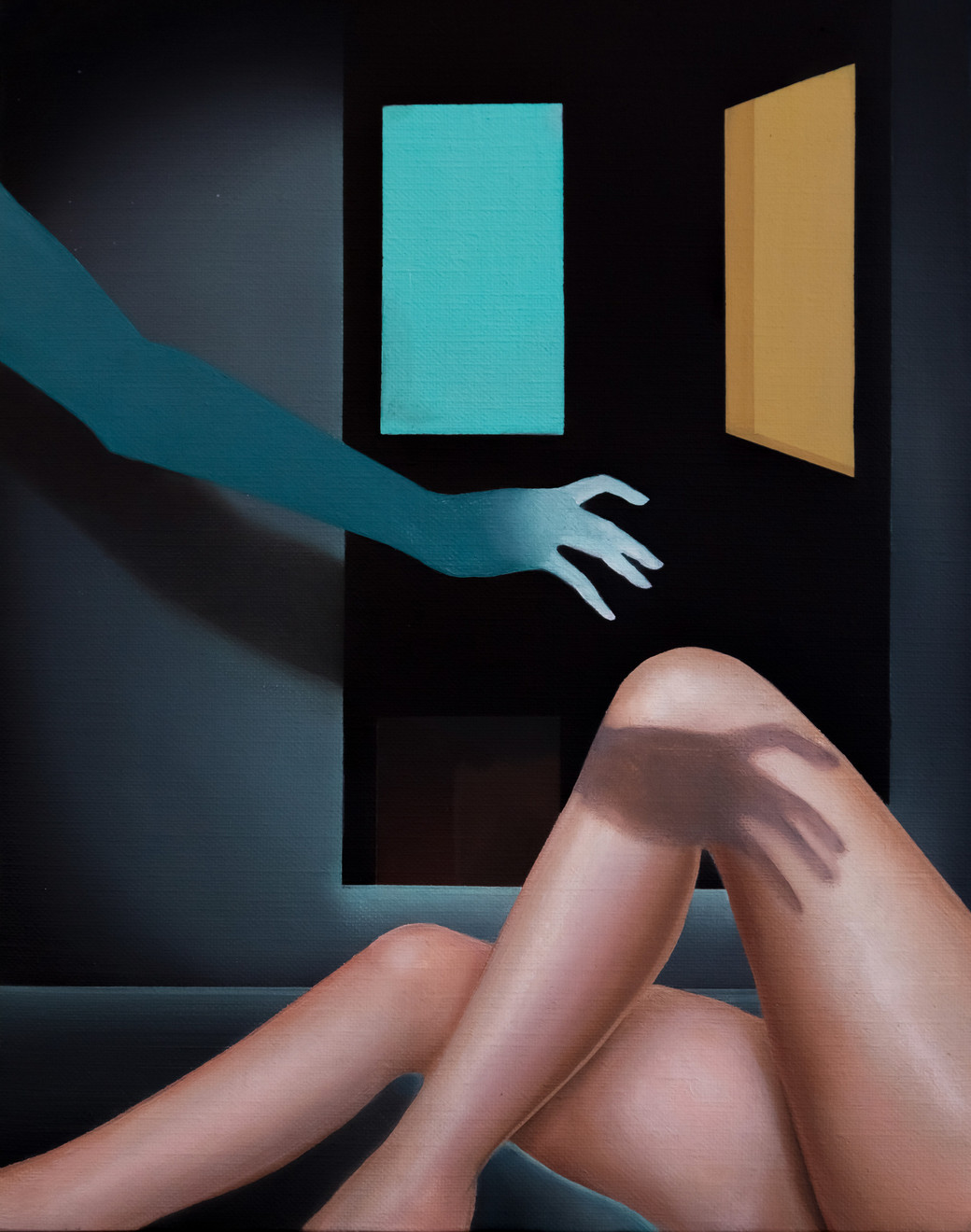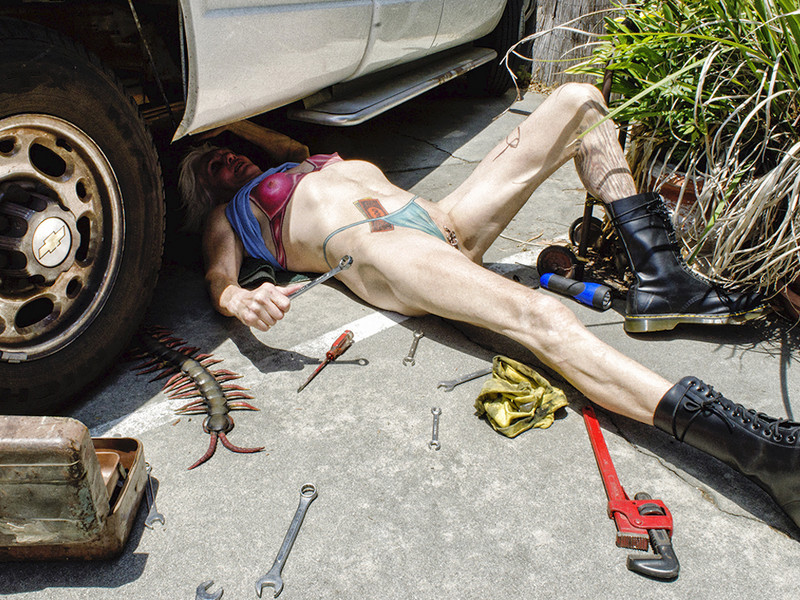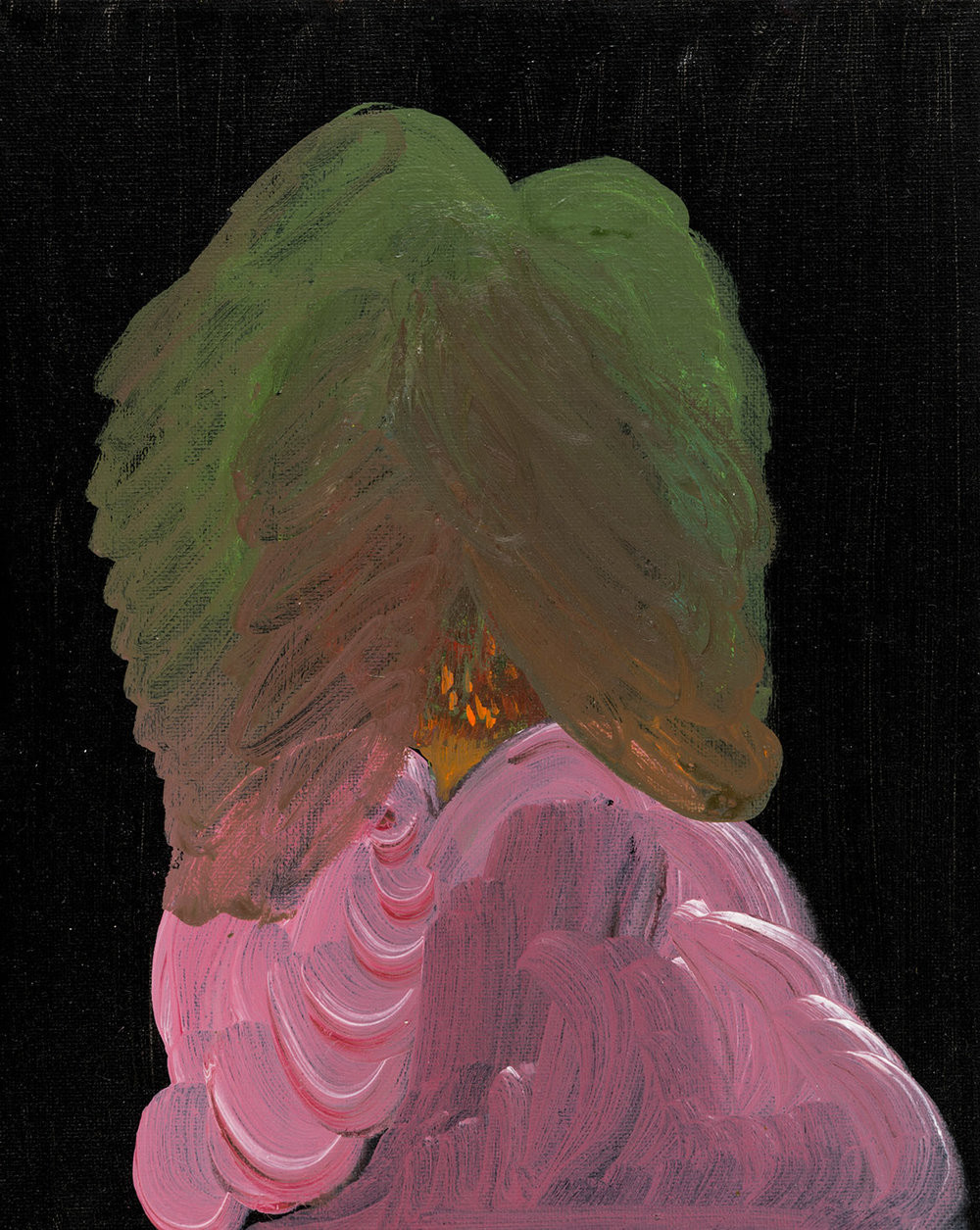
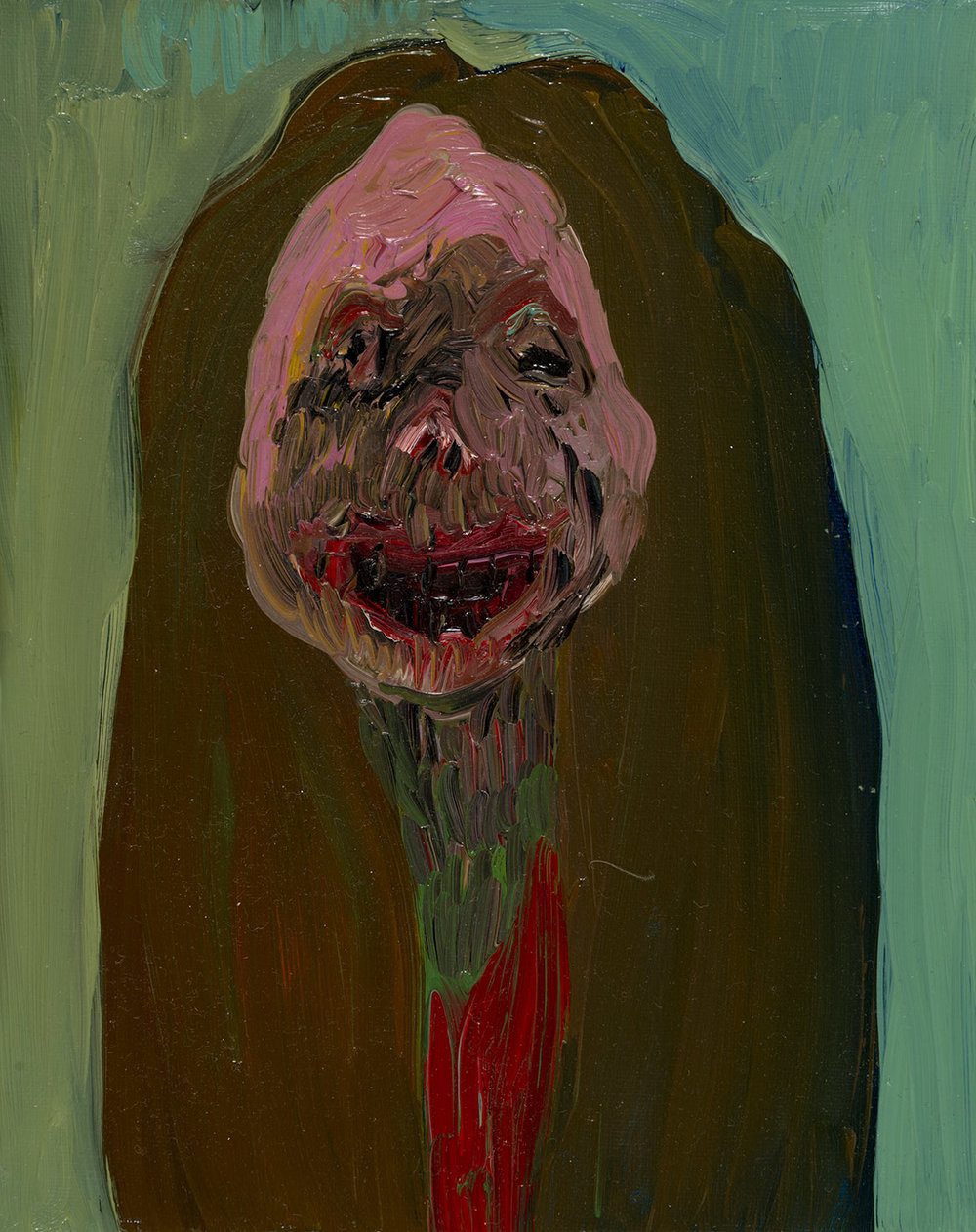
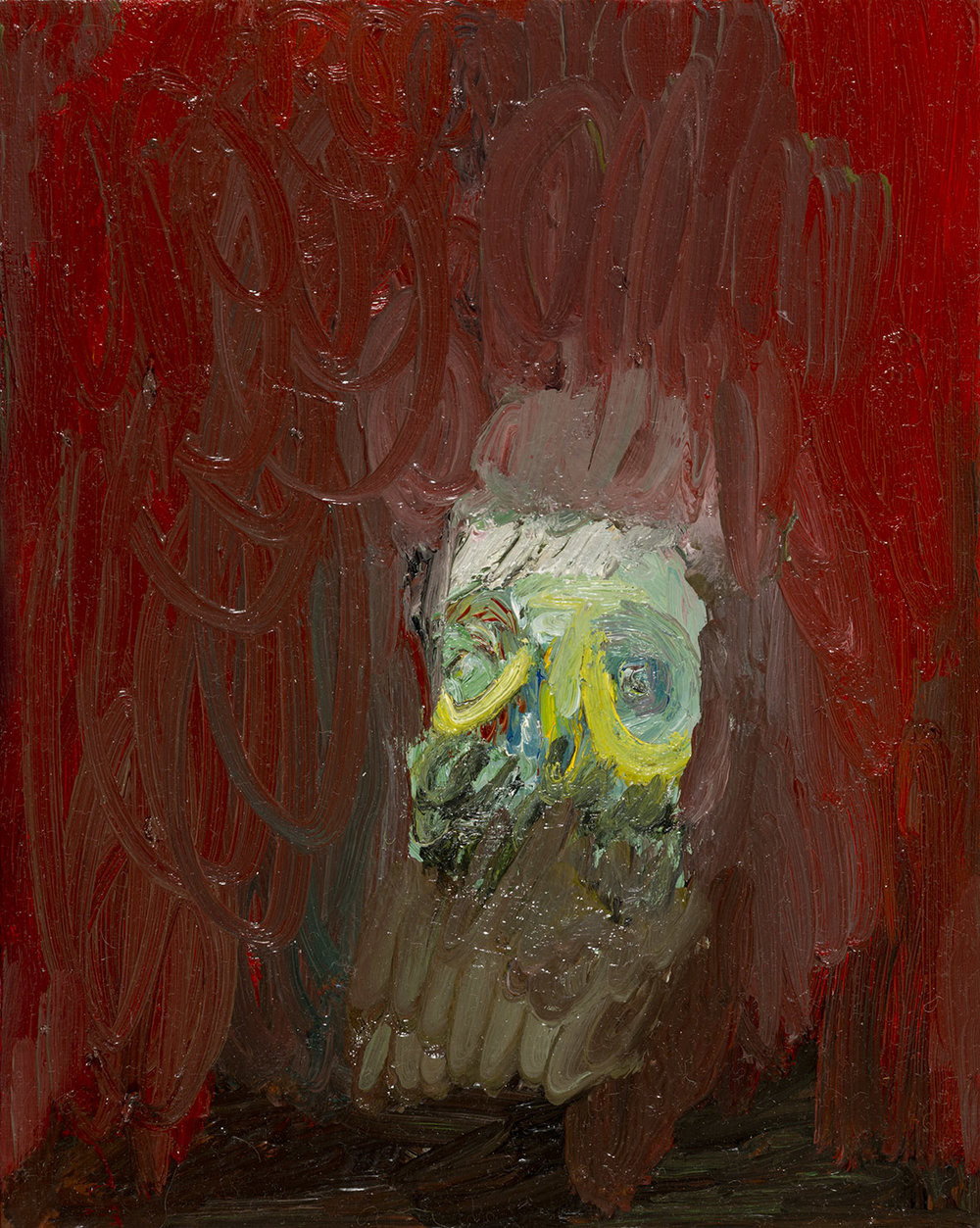

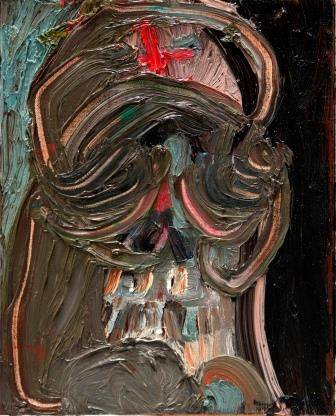
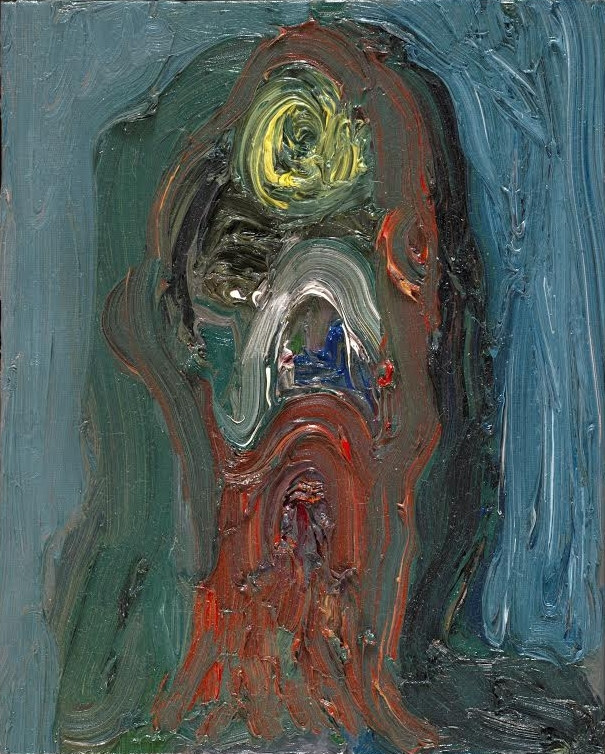



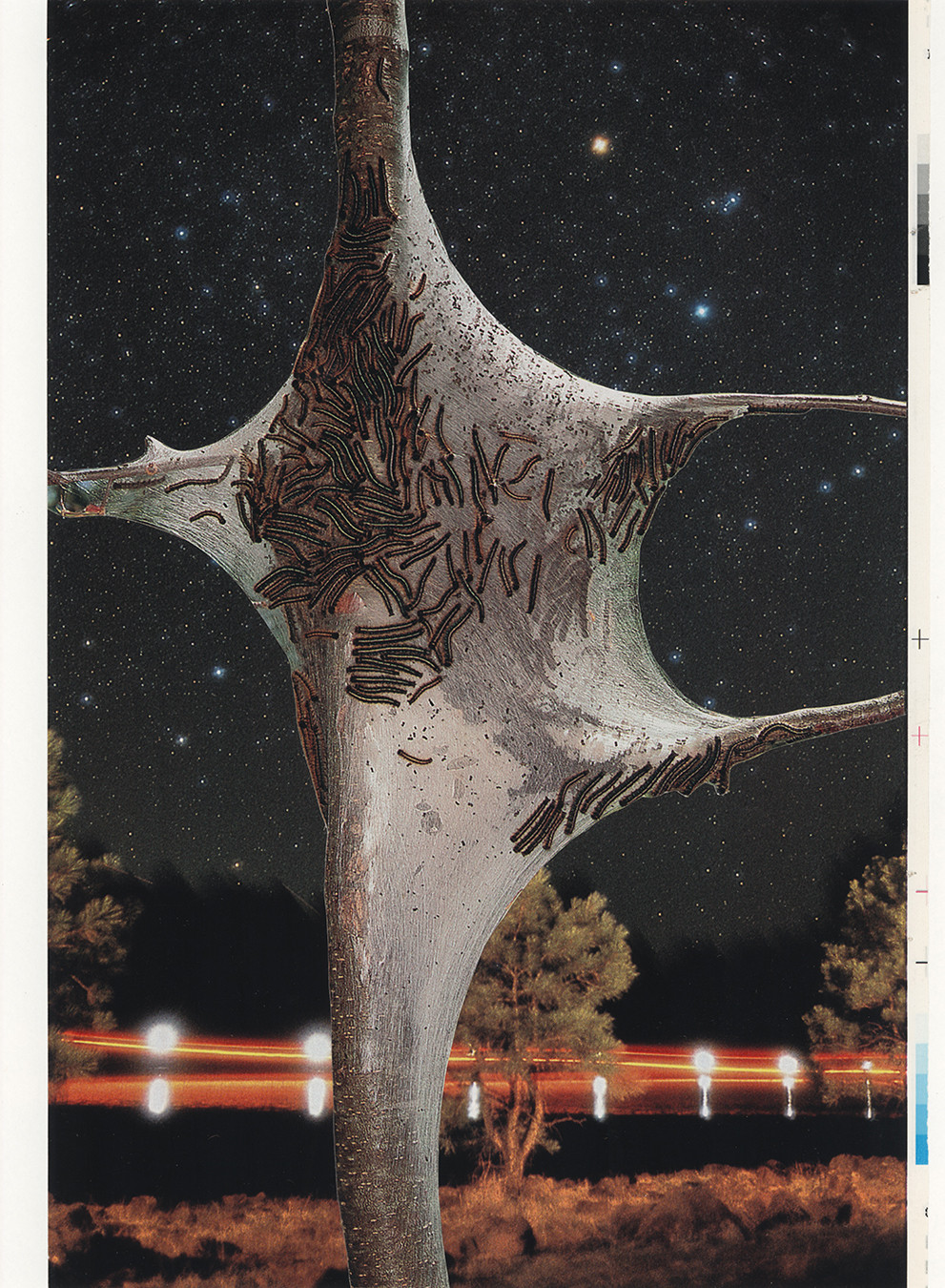
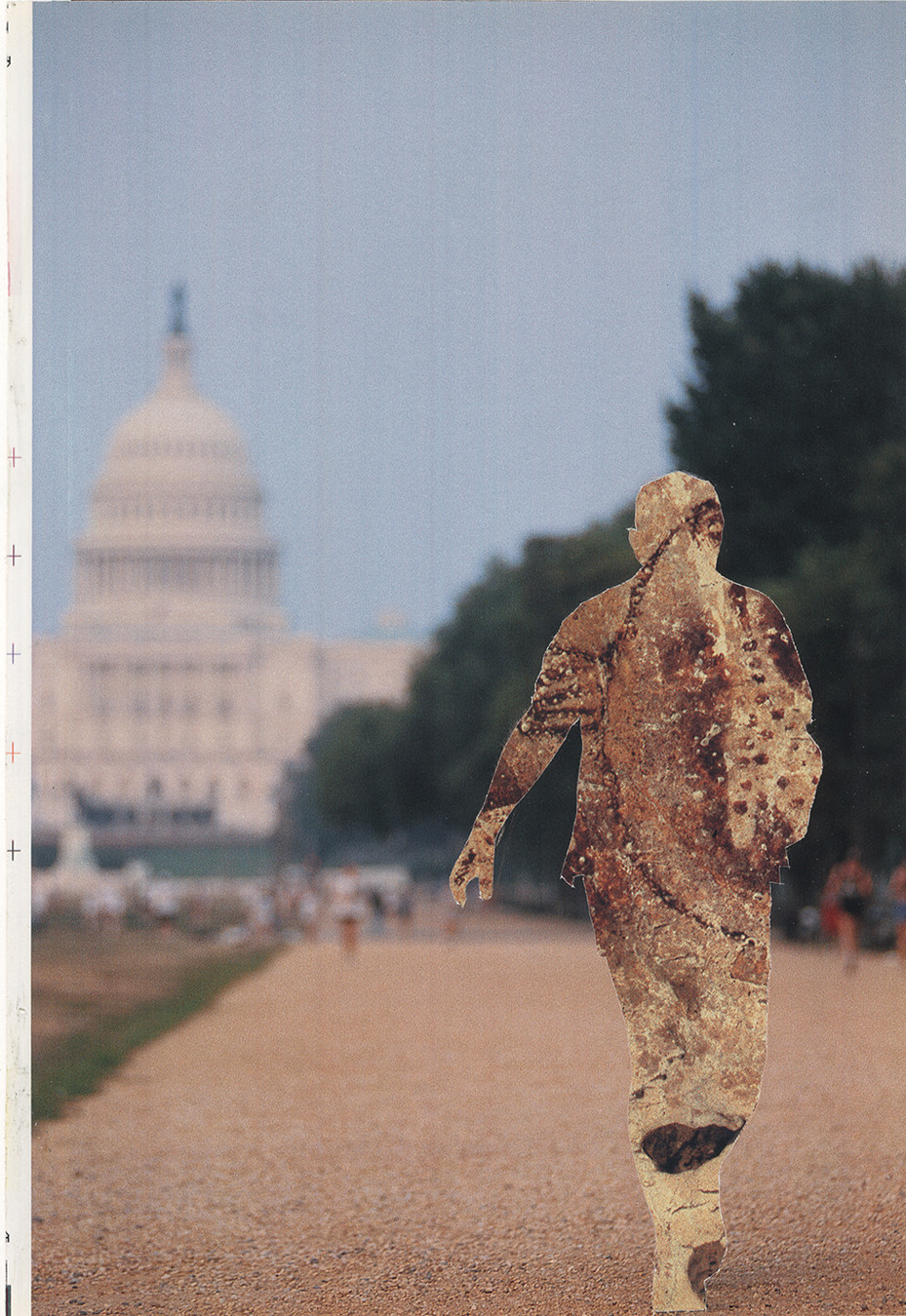
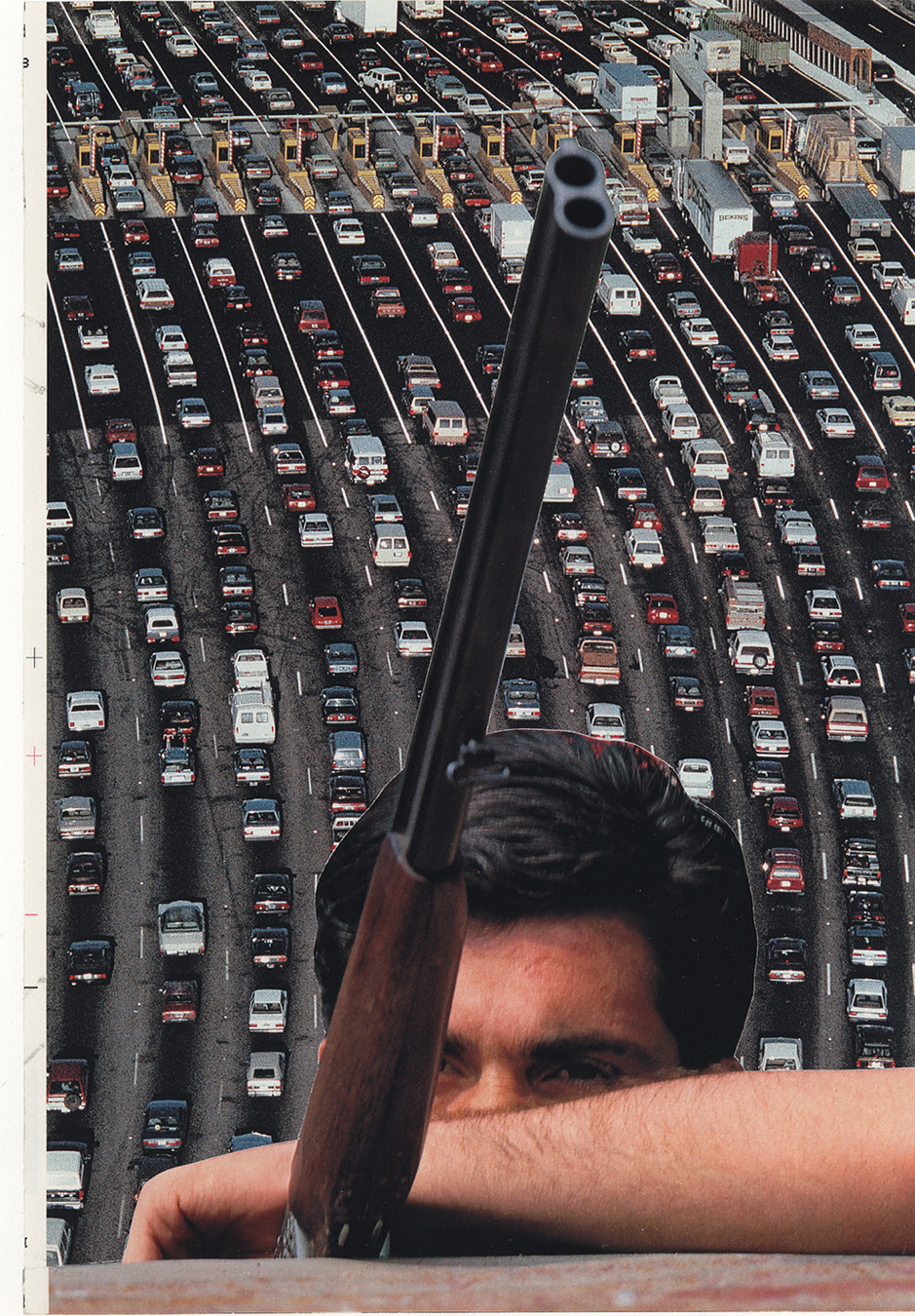
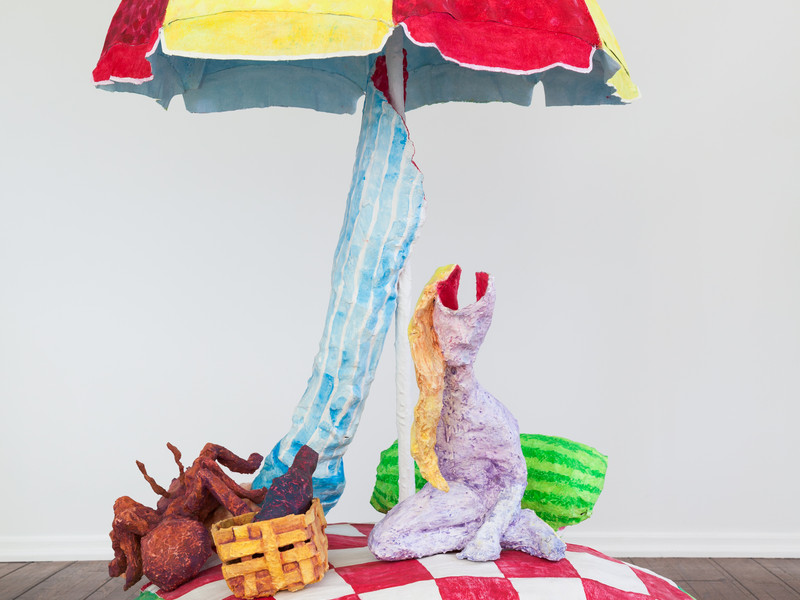

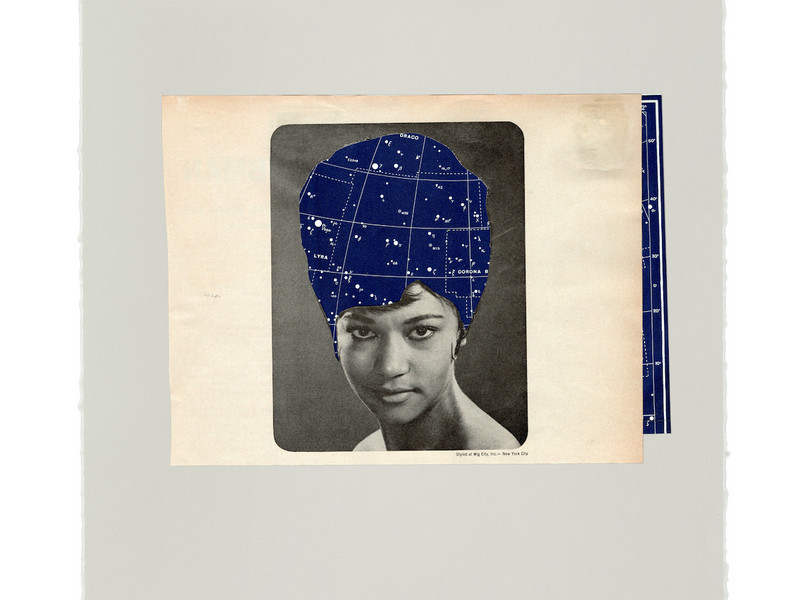

These feel driven by narrative, almost like illustrations to a children’s story. What kind of story are they narrating?
The story of the little boy who got lost in the forest and ate the wrong mushroom. I don't know really what story is being told. In my sketchbooks I make random images without really thinking much about them, then later I go back and find if there's anything worth developing further. I don't have any kind of agenda or goal. I just try to stay spontaneous trusting my intuitions. I noticed very early as an artist that I was attracted to images in my own work that suggested a before and after and I thought it was good that the person viewing the image would figure out for themselves the before and after.
What is your experience with the occult?
Occult practices themselves seem to me, from the outside, to be kind of sad and prosaic. But in the old days, it was just another kind of religious practice, or really thousands of little religions. I am more attracted to the Christian view of the occult, which is so romantic and exotic. It's kind of like in those old paintings of heaven and hell — hell is always the great part of the painting. The heaven scene is pale and boring. You can tell the artist is having so much fun depicting the fire and torture and screaming, all the hallucinatory animals with their tongues hanging out. Some evangelical Christians in the 1980s displayed their own romantic imaginations during what was later called ‘the Satanic Panic.’ I'm fascinated by the ‘Satanic Panic.’ Pizzagate is the latest version of this phenomenon.
Is art modernity’s religion?
I remember the essay by Tom Wolfe on that subject. Religion seems to be necessary for us humans to create meaning out of our chaotic existence. But that meaning tends to become rigid, and I think art can challenge those rigid structures so we can adapt as time goes on. Mike Kelley said, "The purpose of art is to fuck things up,” and I like this idea.