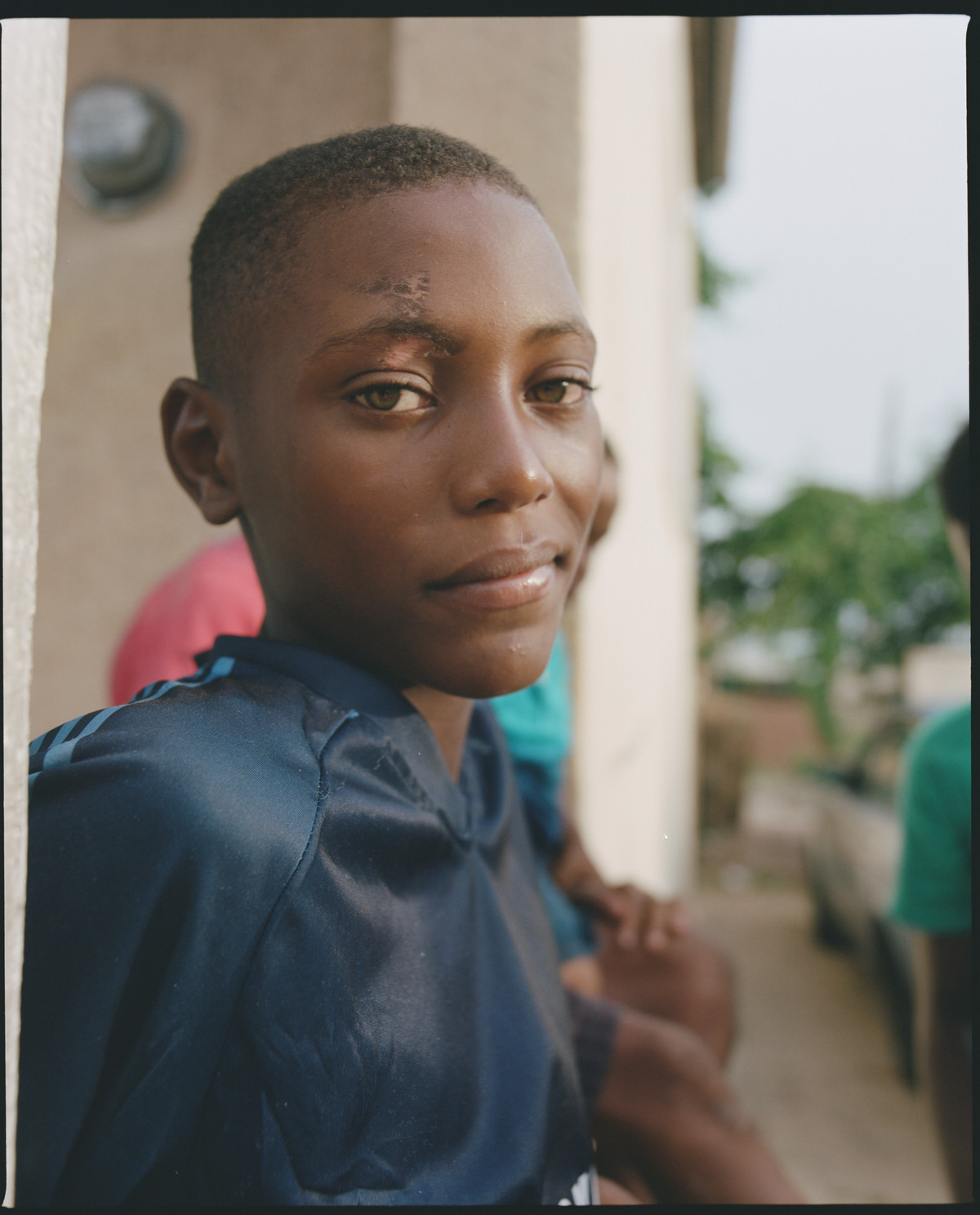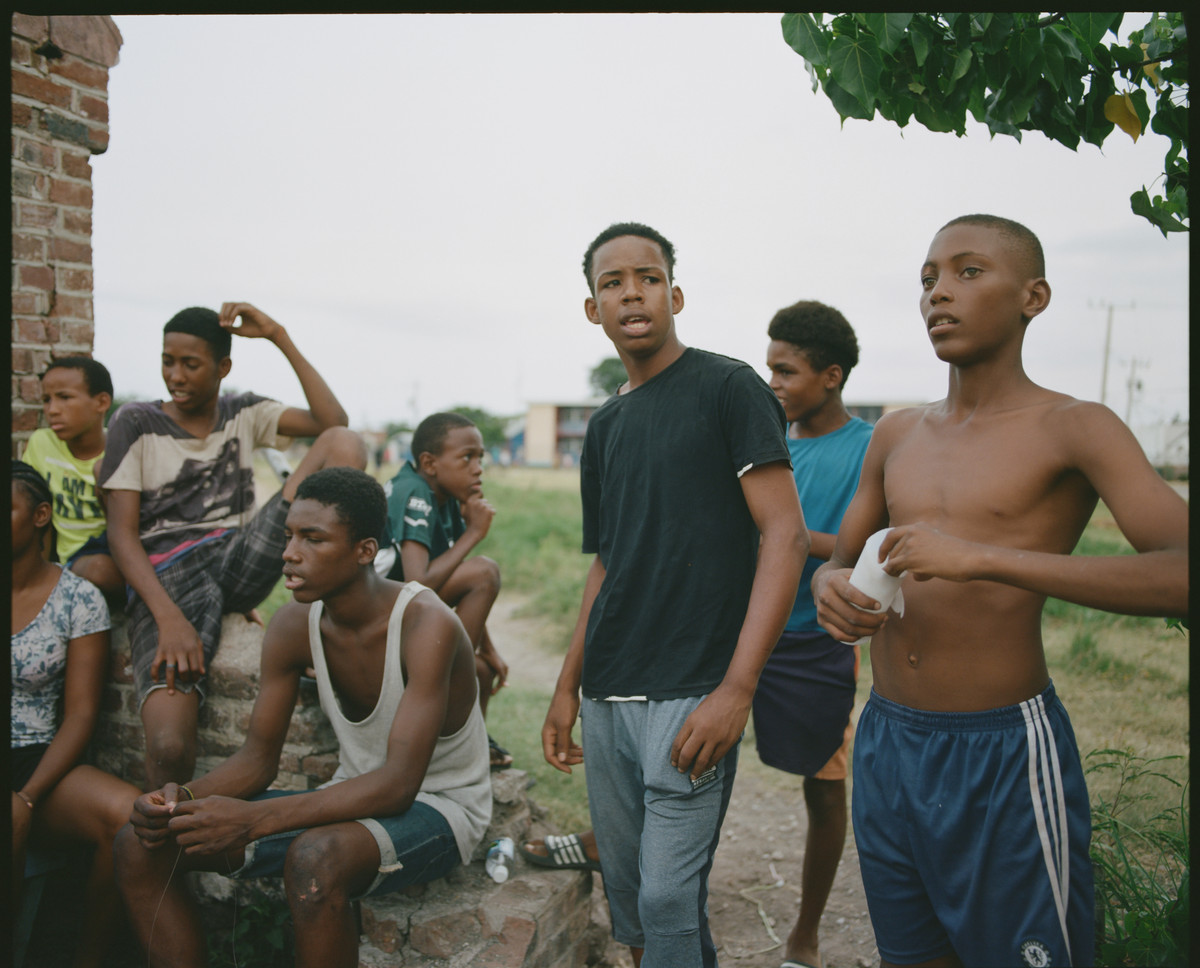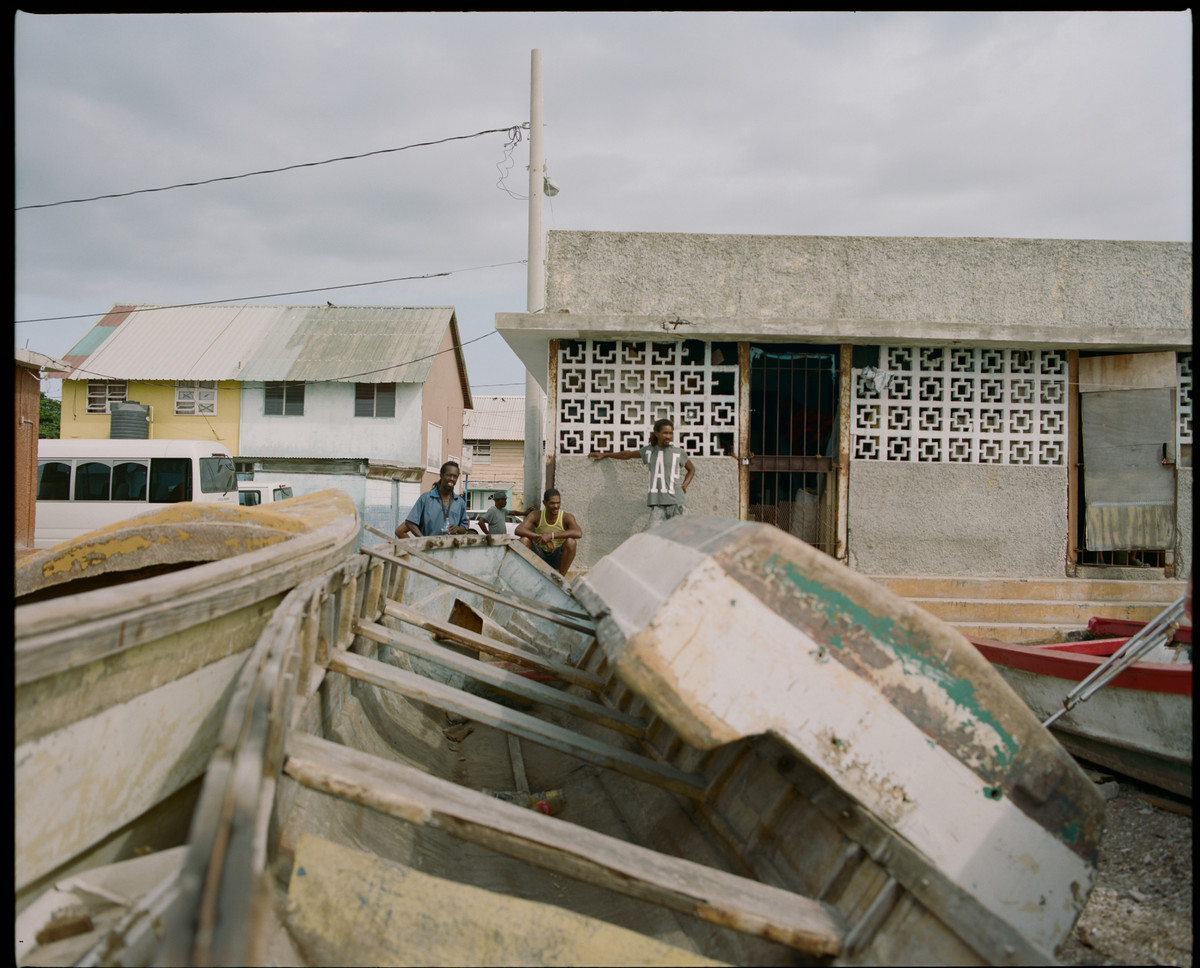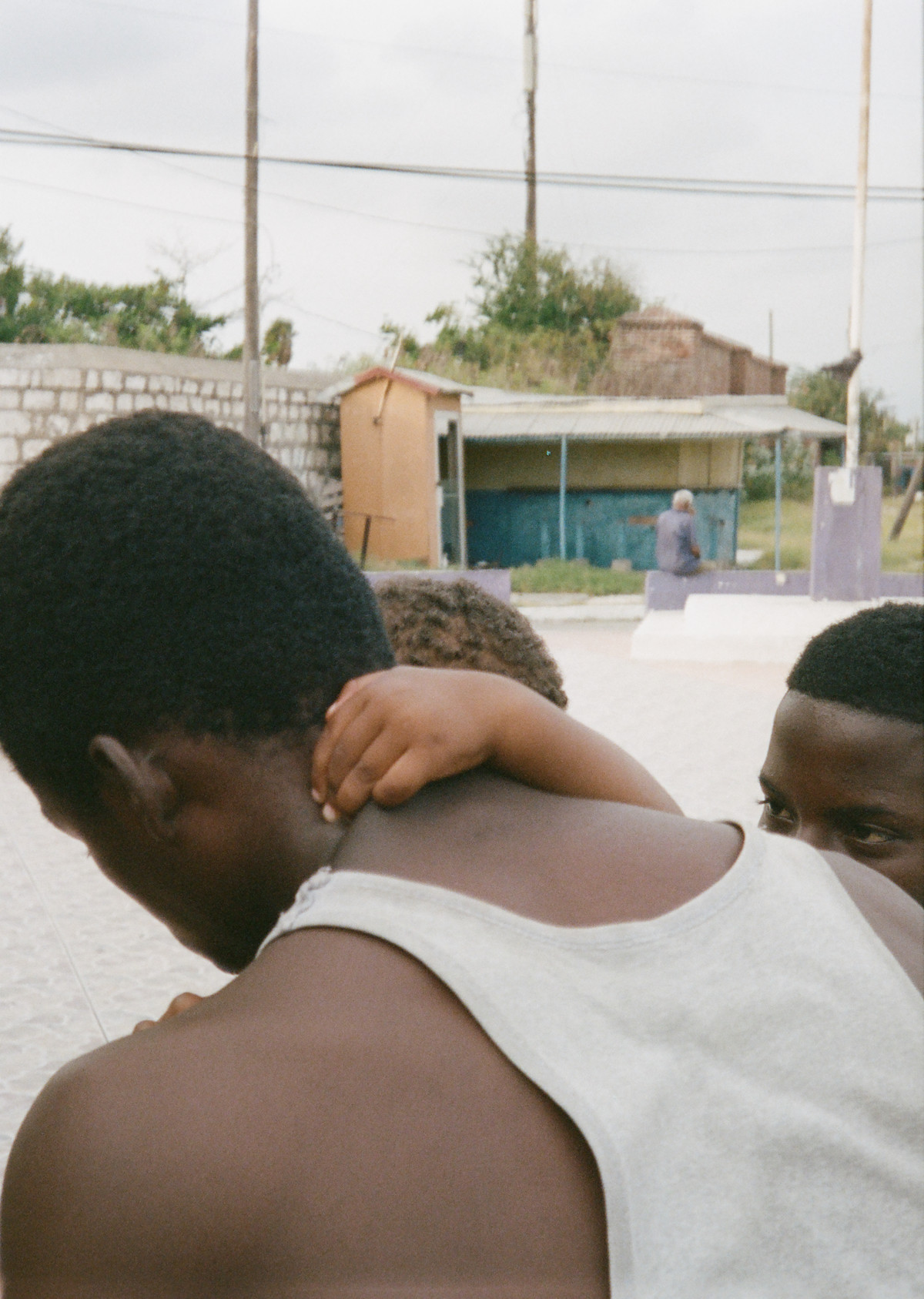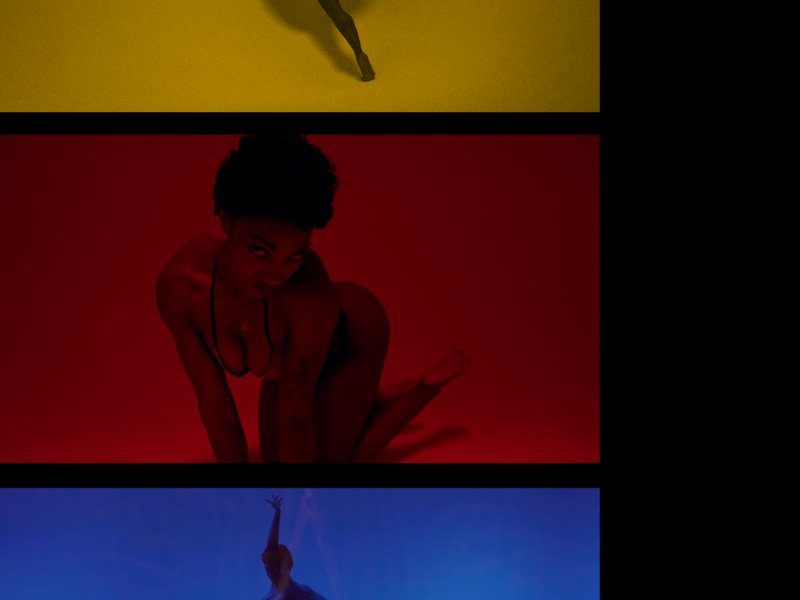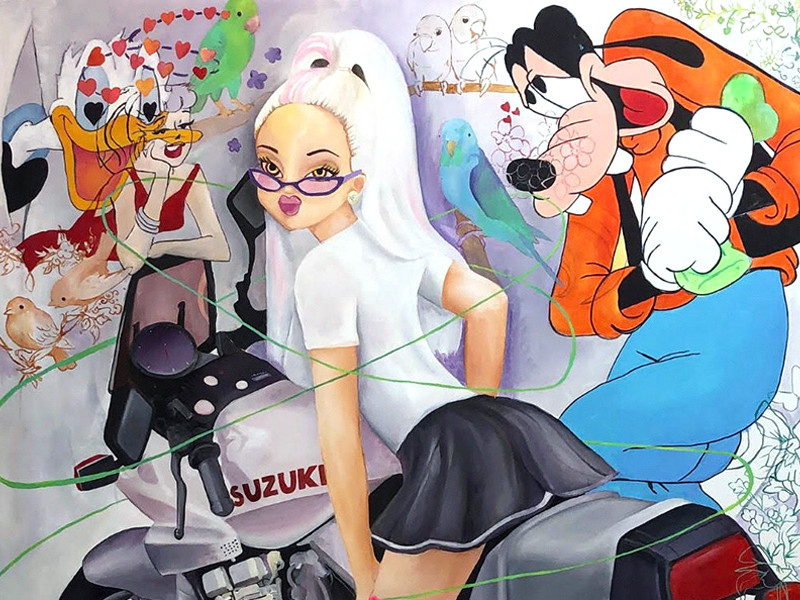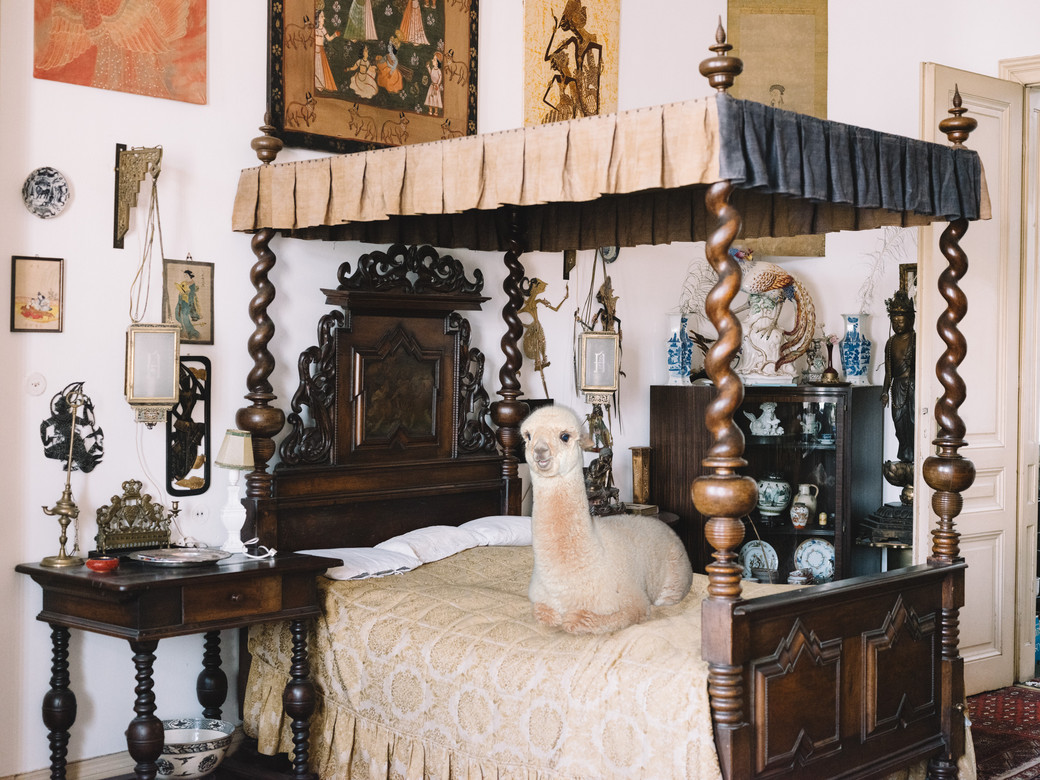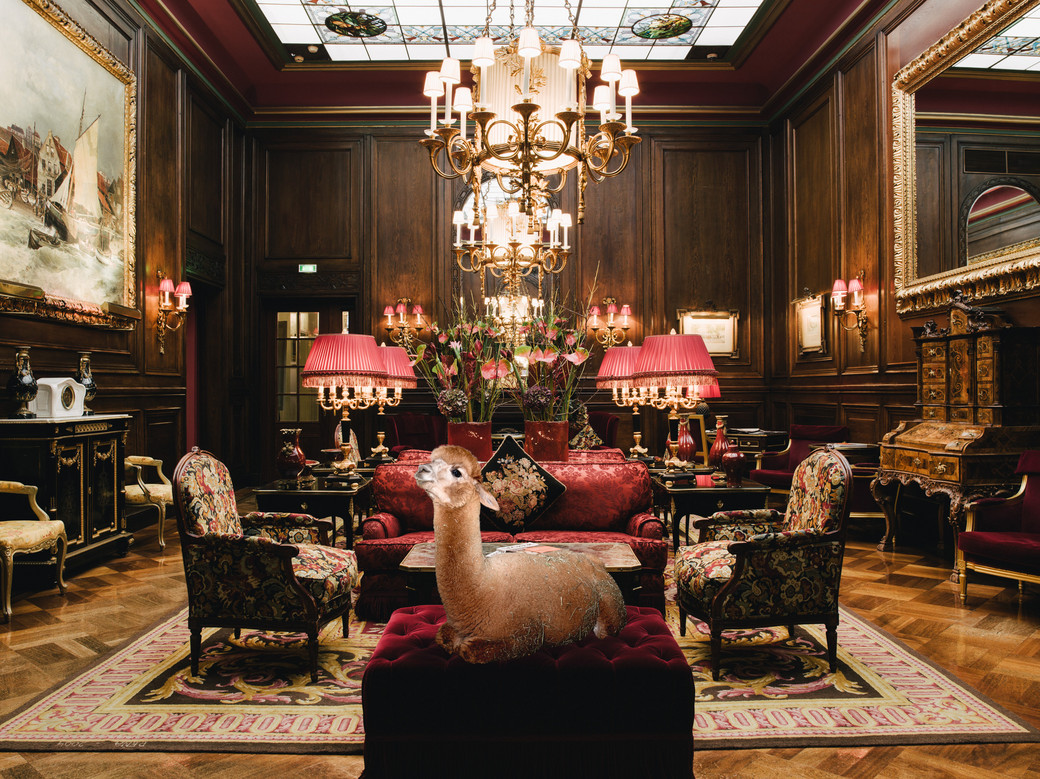
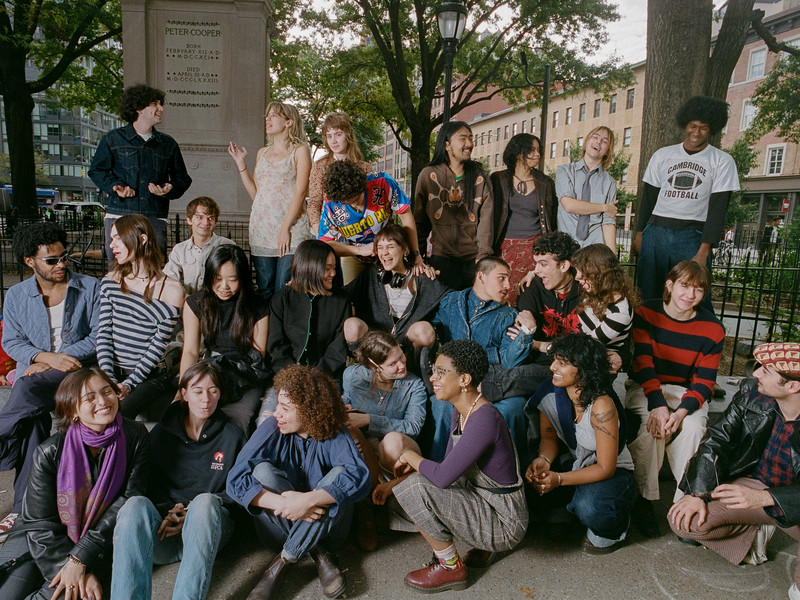

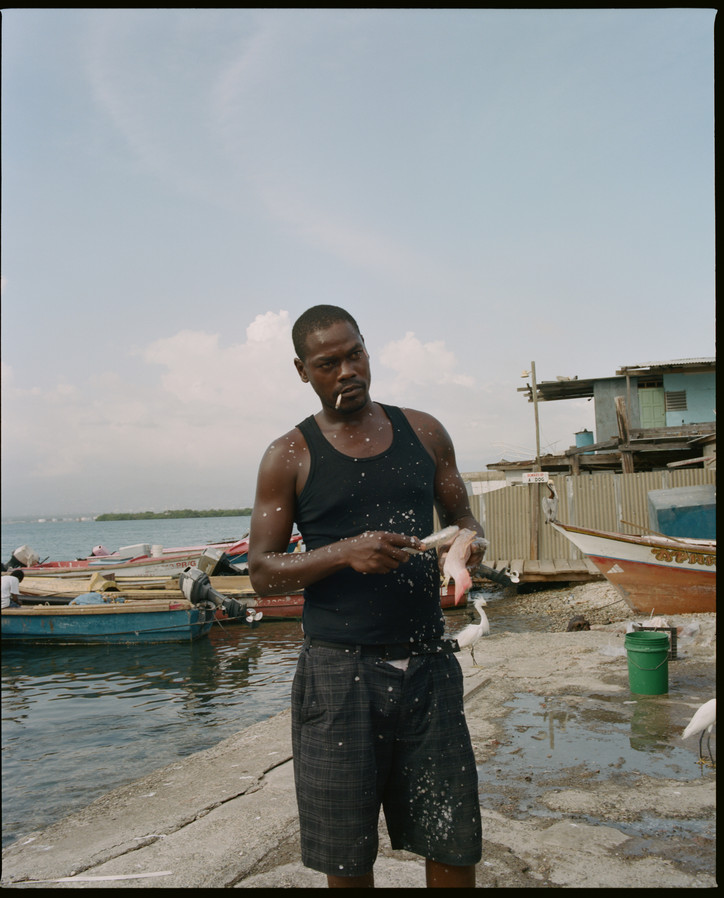
The images, and the book, have us wishing it wasn't 40 degrees in New York. To celebrate its launch, read our interview with the photographer, below.
Tell me about growing up in Venice.
Venice was rough and dangerous, but I wouldn’t exchange it for anything. There were many hard lessons to learn there. When I was young, I really felt like Venice was the world and I couldn’t see out of it or past it. If you didn’t exist within those few square miles you just didn’t exist to us. Our role models were the neighborhood guys—people we actually knew and came in touch with day to day. To my friends and me, Venice encompassed everything we believe we ever needed, so we didn’t have aspirations to leave.
What did Venice look like back then?
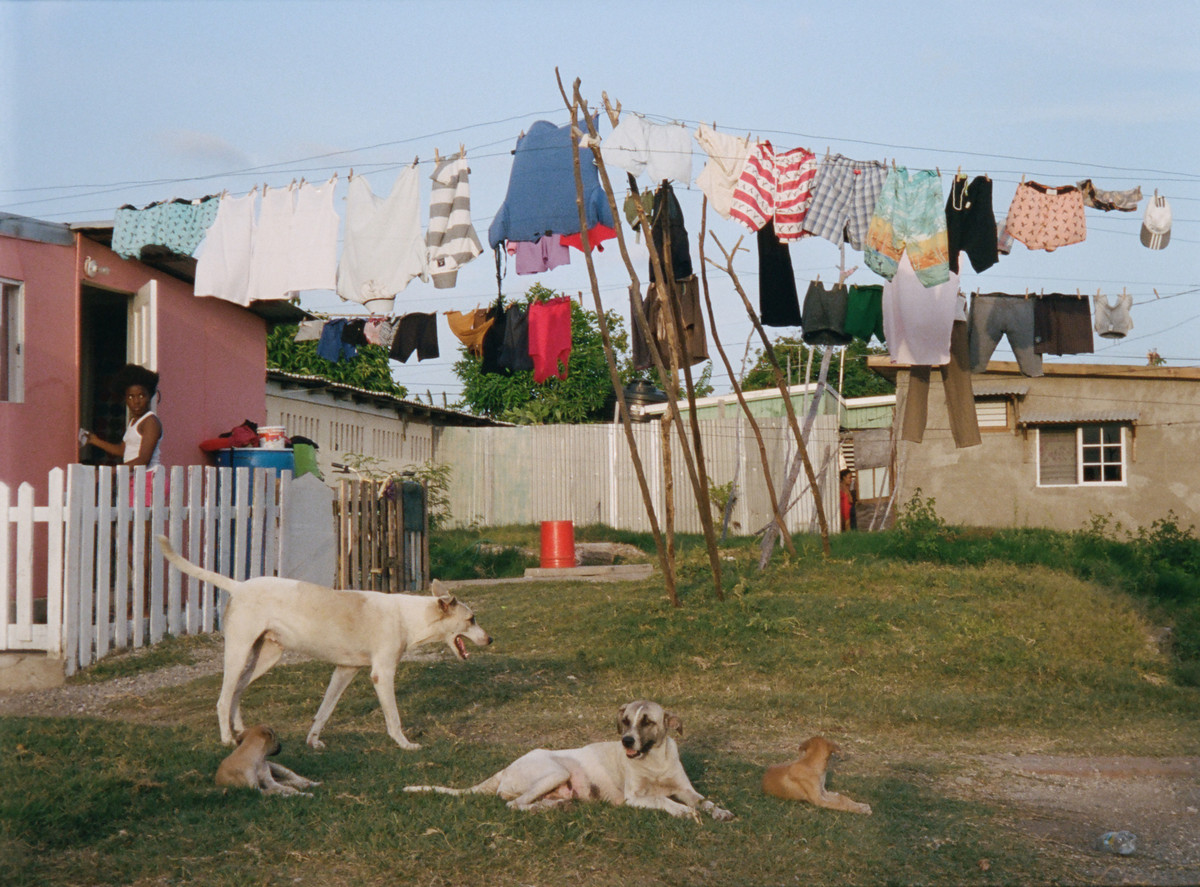
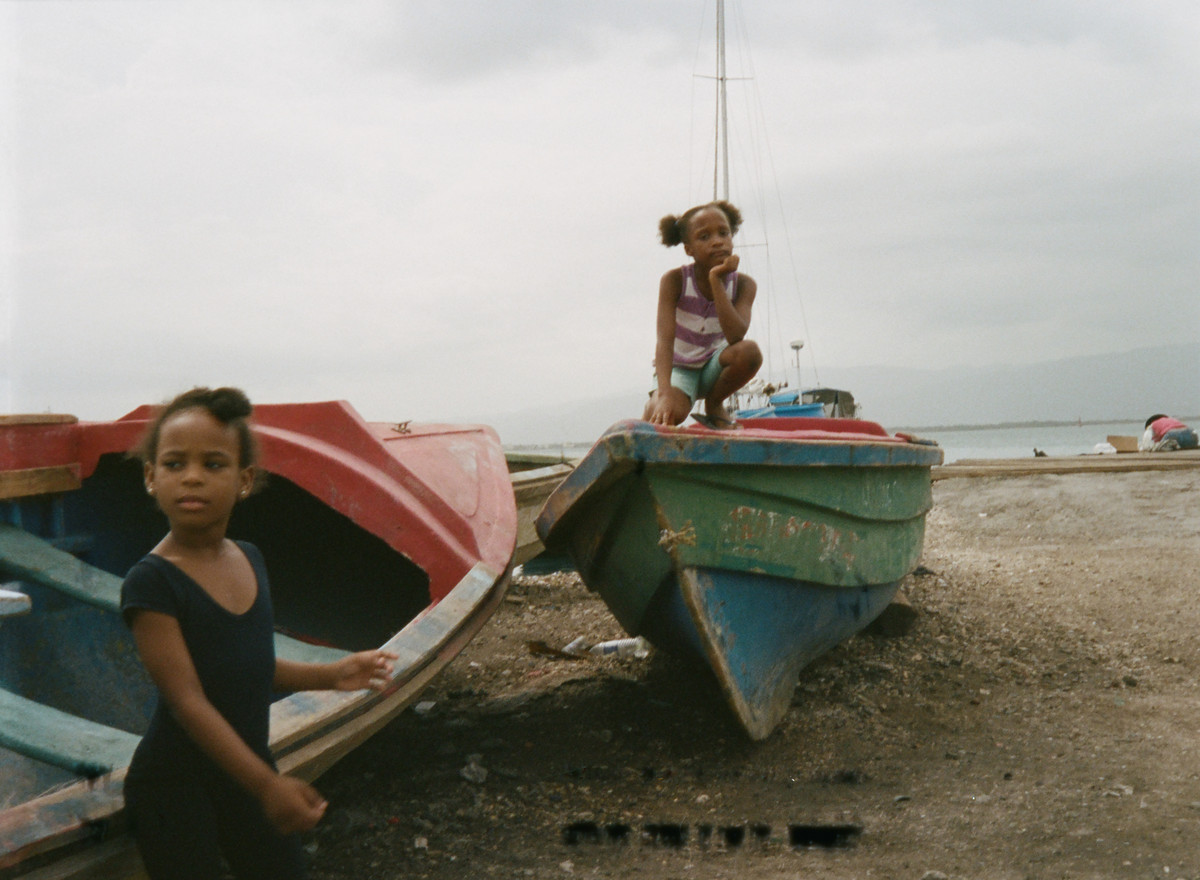
Venice was timeless. It hadn’t been touched. Nobody wanted to live there unless they were escaping something. So, it was accepting. I think the connotation was that it was poor and rundown. Opening a business there didn’t seem promising, so everything was mom and pop. You didn’t see large corporations coming in and starting a shop, so therefore there weren’t really jobs. Venice operated on the black market—you could get anything you needed or wanted off the street, from groceries, to household appliances, to pets and school clothes.
What were you like as a kid?
I think I was too adventurous for my own good. I was very independent from early on. I would ride my bike further than we were allowed to go and stay out past our curfew, until the street lights came on. We would bomb the hills on our skateboards by the baseball field, spend our summers at the public swimming pool—which at the time was only 65 cents to get in—scrape together money for the ice cream man, play suicide against the neighbors garage with a tennis ball. And then I would sit and draw for hours—drawing was the one thing I could focus on.
What did your parents do? Did you have siblings?
My mom is a piano teacher. She taught voice and music reading at some of the local schools and churches to the children. She worked at Dorsey High, which was one of the worst schools in LA when I was growing up, and then she went on to work at some of the elementary schools closer to our house. Later, she came back to teaching piano to all the local kids out of our home.
My father wasn’t really in the picture. He left when I was about nine years old and we all became more and more distant over the years with him. I don’t think he was really ever fit to be a parent. He had an abusive upbringing and he never recovered from it. My mother’s father had got him a job in management, which he kept until my teens, but he was laid off when the company folded in the late ’90s. I have two blood sisters and I was the middle child. My mother remarried and had a string of relationships and I grew close with the kids of those partners who became like brothers and sisters to me, too. They lived locally and I’d often stay at theirs because we had less supervision—our parents were too busy being loved up to pay attention, so often we were on our own. We got in loads of trouble—pretty much anything you can imagine.
At what point did taking pictures become important to you?
I think when I was around 18 I was handed a few cameras and I realized that I should document my life a little because I honestly didn’t think I’d be here for that long. I had lost two really dear friends quite young. One friend was murdered when I was 16 and we were at the Emergency Room when she arrived, and then just two years after that I lost my best friend in a car accident. I think through those events I realized how important it was to leave some type of footprint, proof of a life, and I just started shooting honestly, with only that intent. I was able to recover a decent amount of those photos and included them in a show I had in Europe a few summers ago.