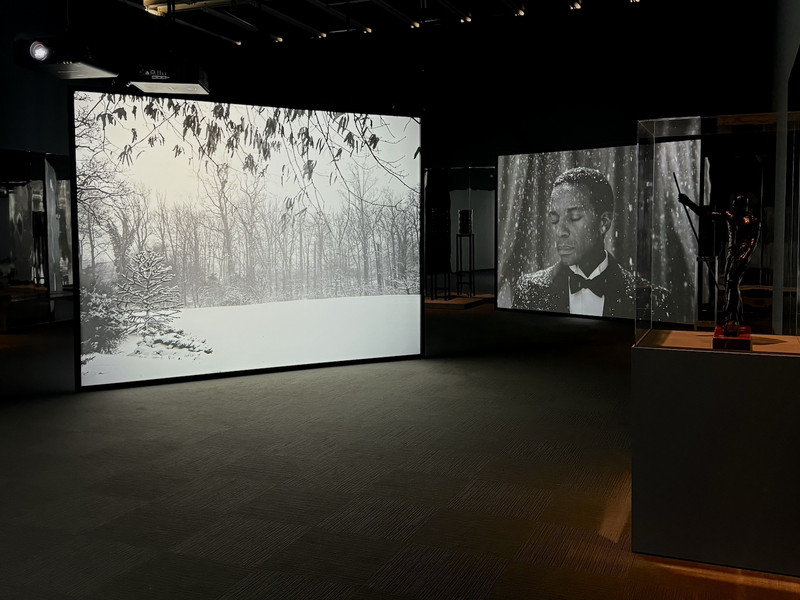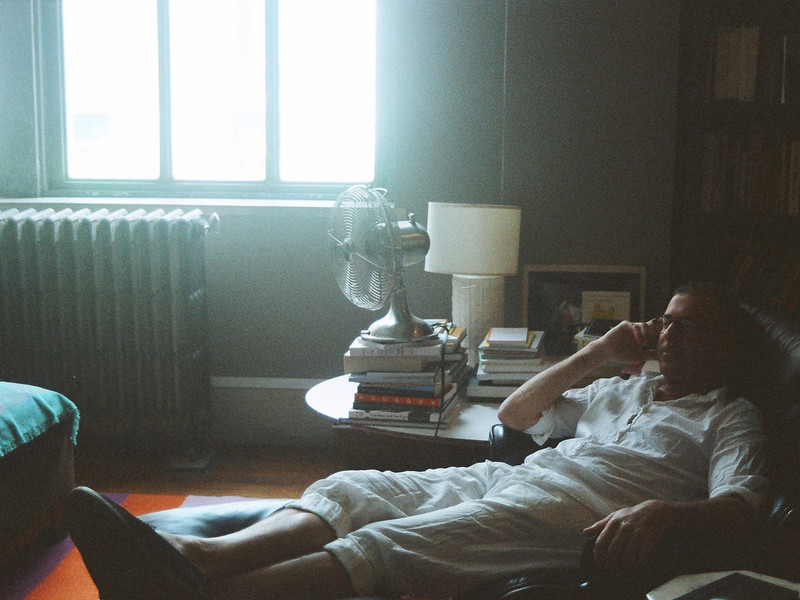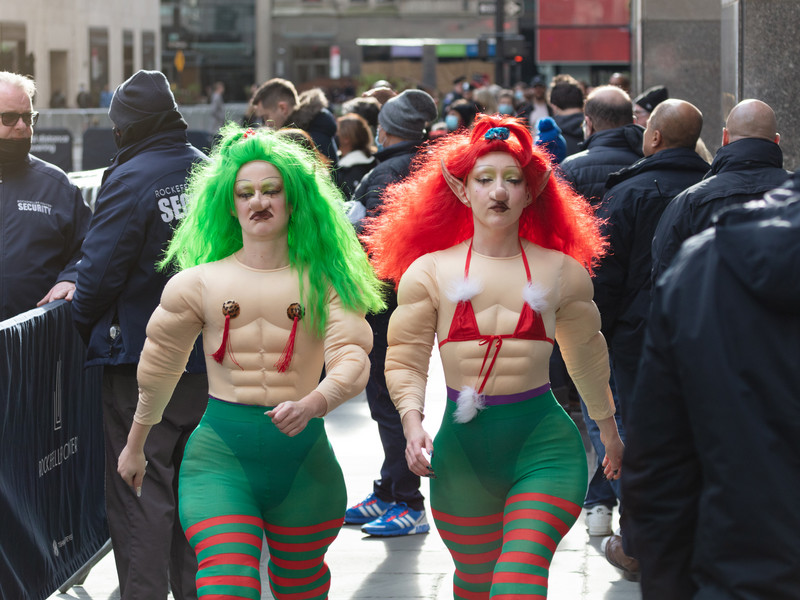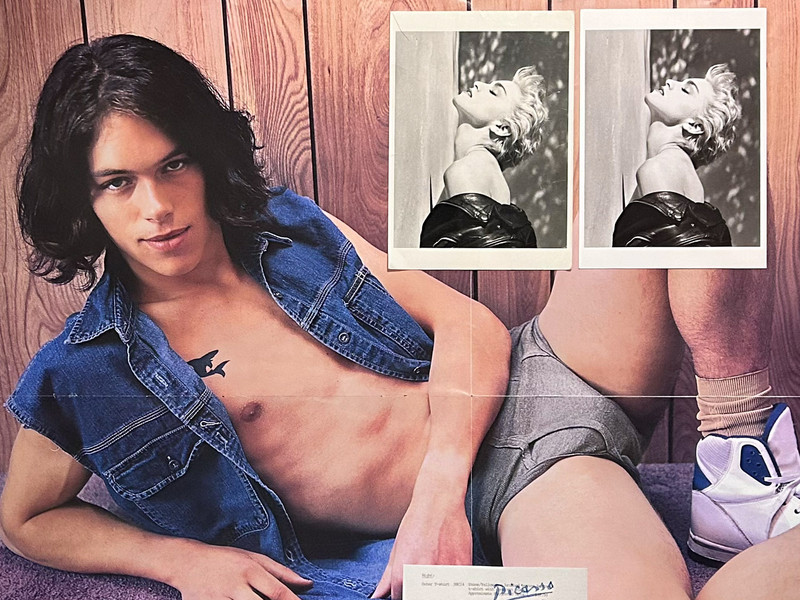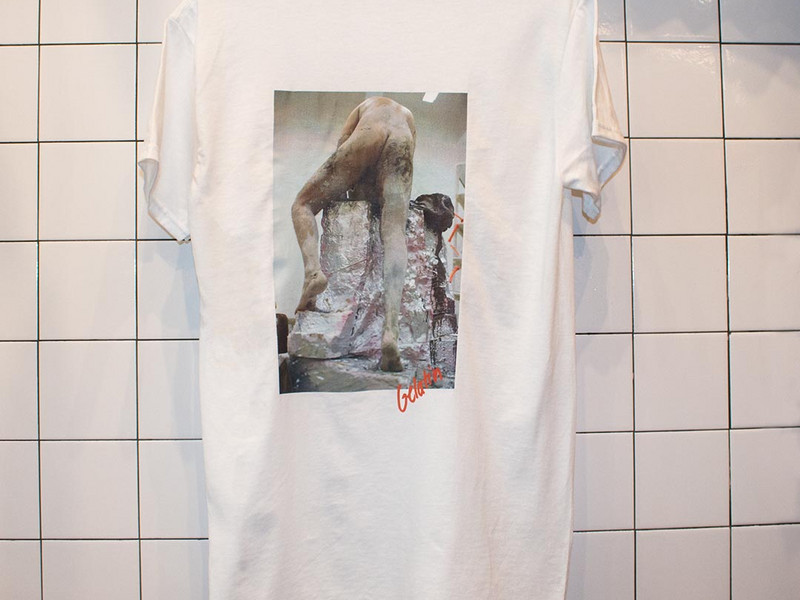


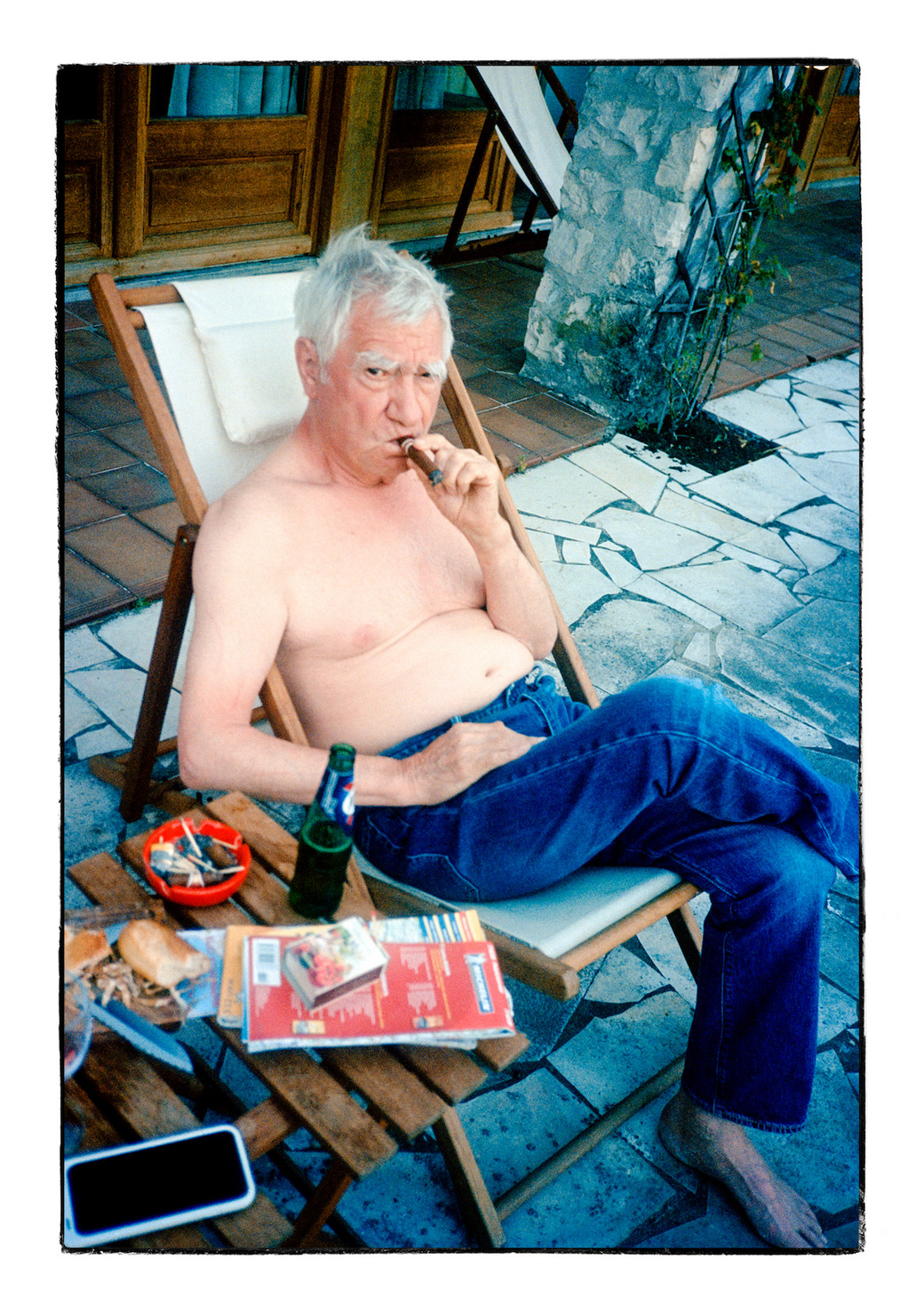
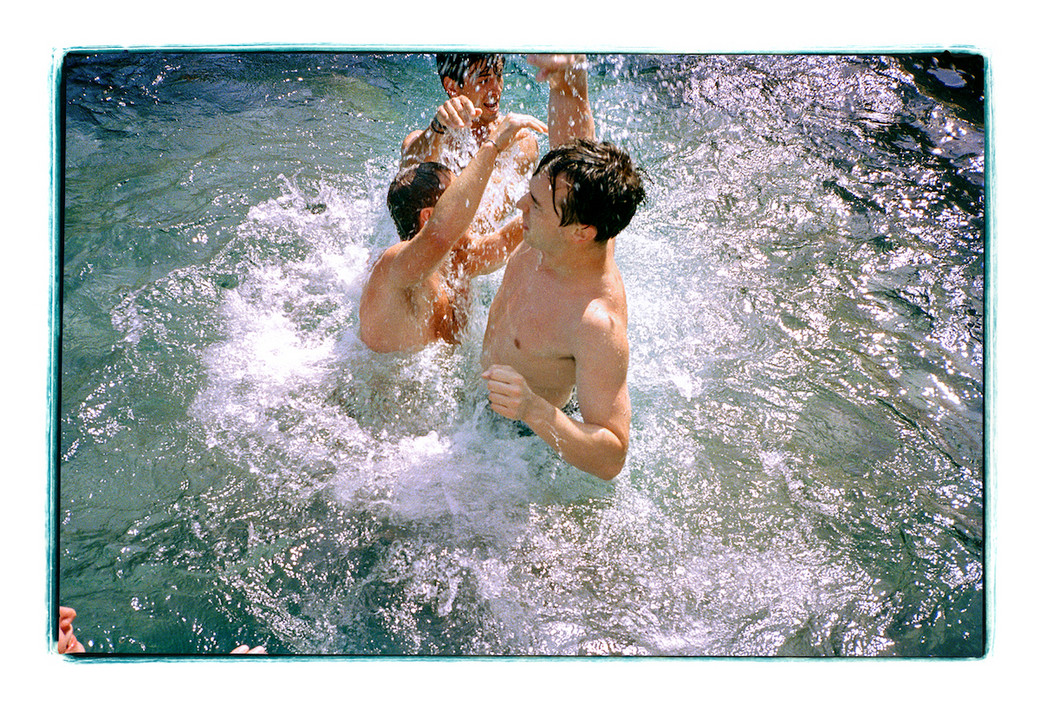
Remy Lagrange’s photo series, “Wages of Sin,” is on view at Milk Gallery as apart of adidas Showcase X through July 29.
Stay informed on our latest news!
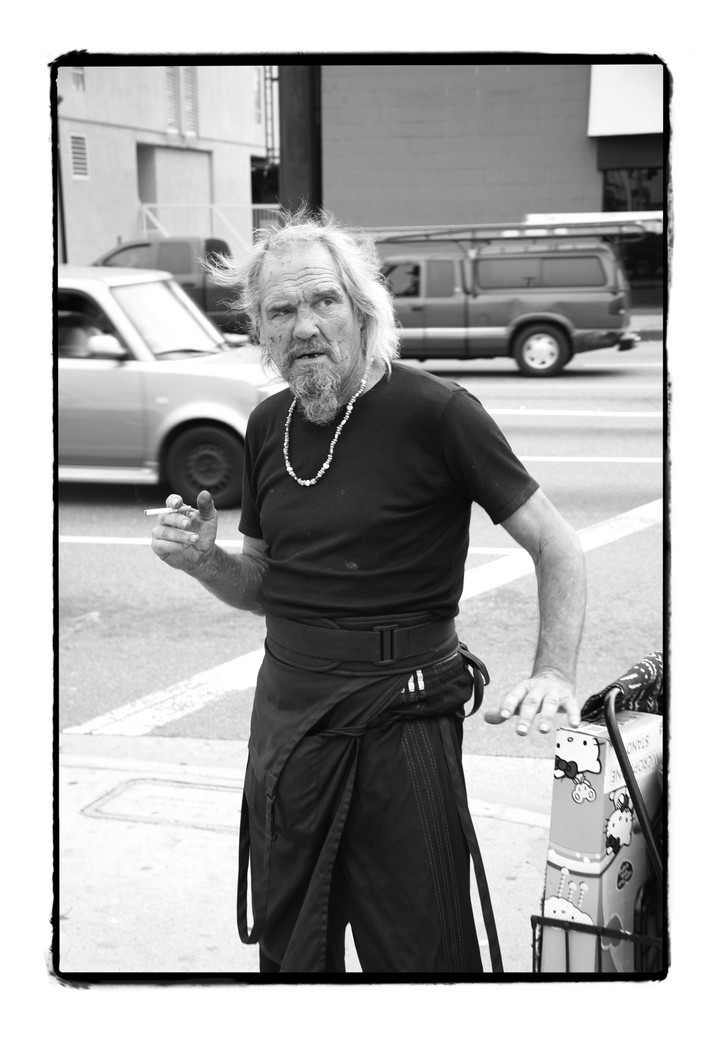
Remy Lagrange’s photo series, “Wages of Sin,” is on view at Milk Gallery as apart of adidas Showcase X through July 29.


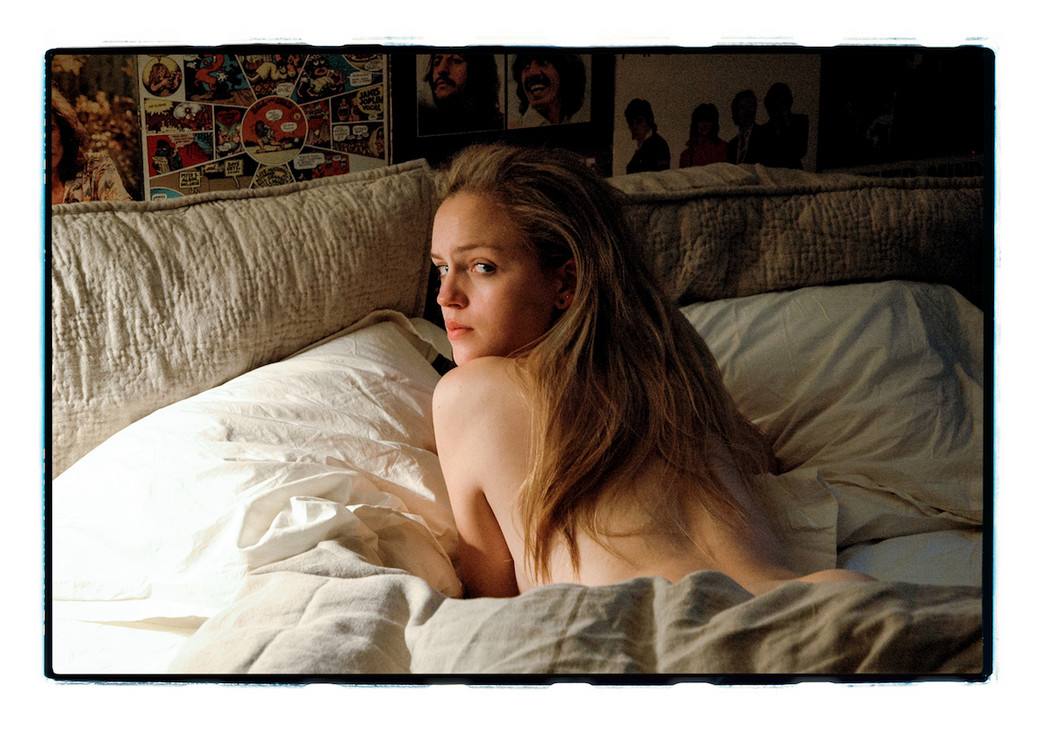


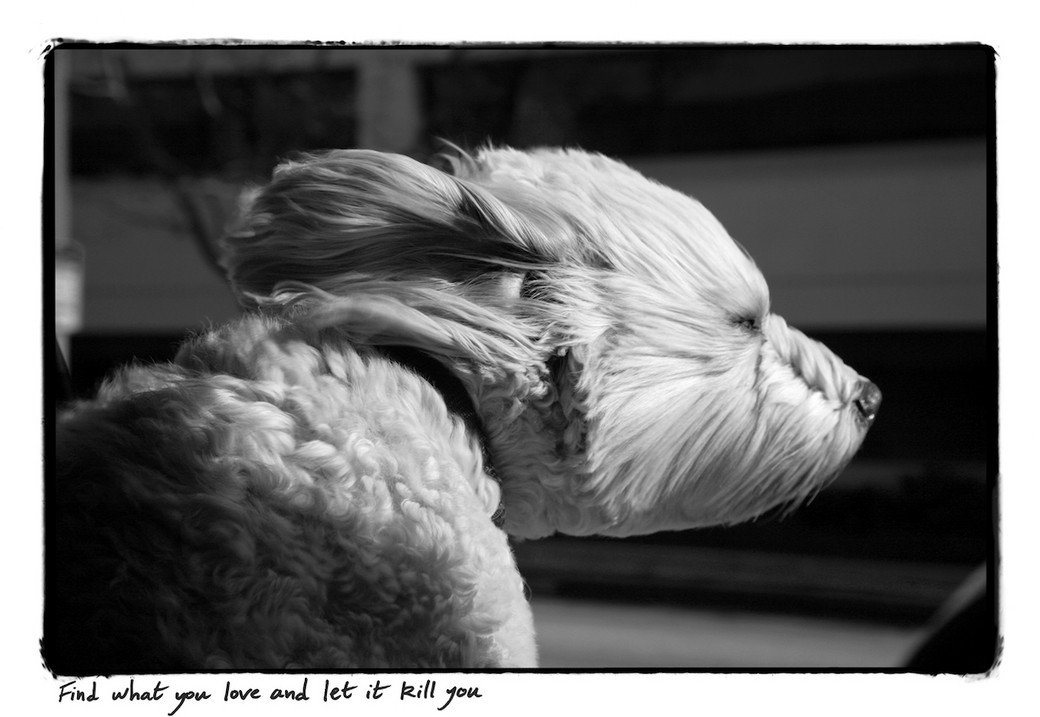




With inconceivably rapid growth and success, Antonia Marsh’s Soft Opening has housed works from the likes of Frank Lebon, Harley Weir, Wilson Oryema, Grace Ahlbom, Theo White, Louis Morlet and Ryan McGinley. After moving to New York, it was there Marsh made her first curatorial imprint with Girls Only—an artist studio space and residency conceived for vastly under-represented female artists – making cameo appearances throughout the United States and Europe. Looking to the frequent turnover of work she experienced in New York, Marsh explains, “NYC taught me that work and shows and artists need to keep relevant and stay fresh, otherwise spaces begin to feel stagnant and un-exciting”. Working at a similar pace now, Marsh installs a new show every three-and-a-half weeks.
As well as boasting a roster of as many compelling emerging artists, as she does industry elite—Marsh admits that a Soft Opening book is on the horizon. Following her work with New York photographer Grace Ahlbom on her book Dreaming is Heavy Metal, and London-based artist Wilson Oryema on a short-run zine of poems entitled ‘Deux’—the end of her lease will see the release of a book championing the work of the artists Marsh has collaborated with along the way.
Much of Marsh’s success could in fact be owed to her humility and inherent ability to earn the trust of her collaborators. As well as her acute eye for fantastical aesthetic narrative, Marsh offers both her collaborators and audience something she suggests could be lost among galleries today: “To have a good, trusting relationship with an artist, takes work like any other relationship and the best part of my job is maintaining these relationships. Having a gallery is not just about checking boxes.”


Starting with your most recent show at Soft Opening, can you shed some light on the covert missions of Louis Morlet and what drew you to the work, and Louis himself?
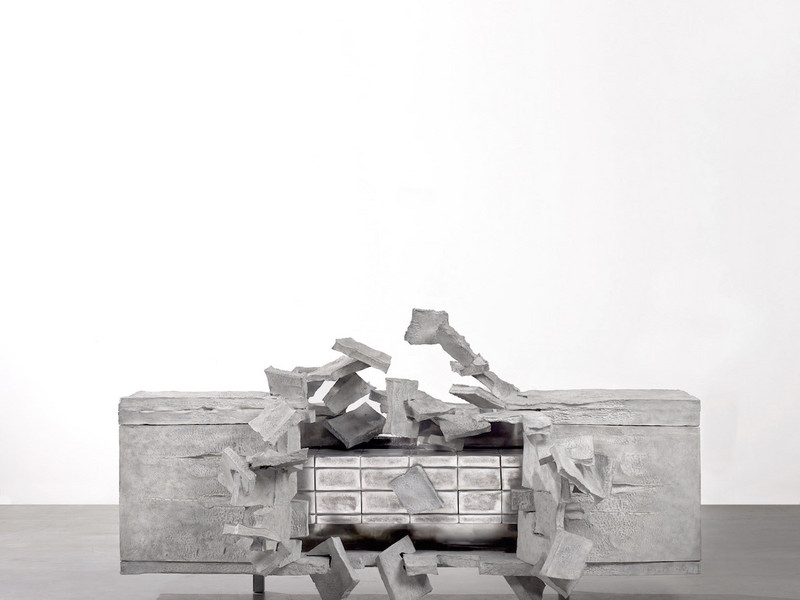
Louis and I got to know each other on long morning walks across Hampstead Heath where we’d talk about art and life and love and everything in between. Slowly he’d start pointing out areas in the park where the previous night he’d been secretly digging for clay and then we’d go to his studio where he’d show me what he’d been firing. This process is deliberately drawn-out and bears so much more meaning for the works themselves than if he had simply gone to the art store and bought a load of clay. Louis is thinking critically about the ontology of his work and the materials that make it up, which isn’t something you see an artist doing every day. There’s also a nice moment in showing this body of work in an exhibition space that’s underground, as if his works are being returned to the earth they came from.
Why Piccadilly Circus?
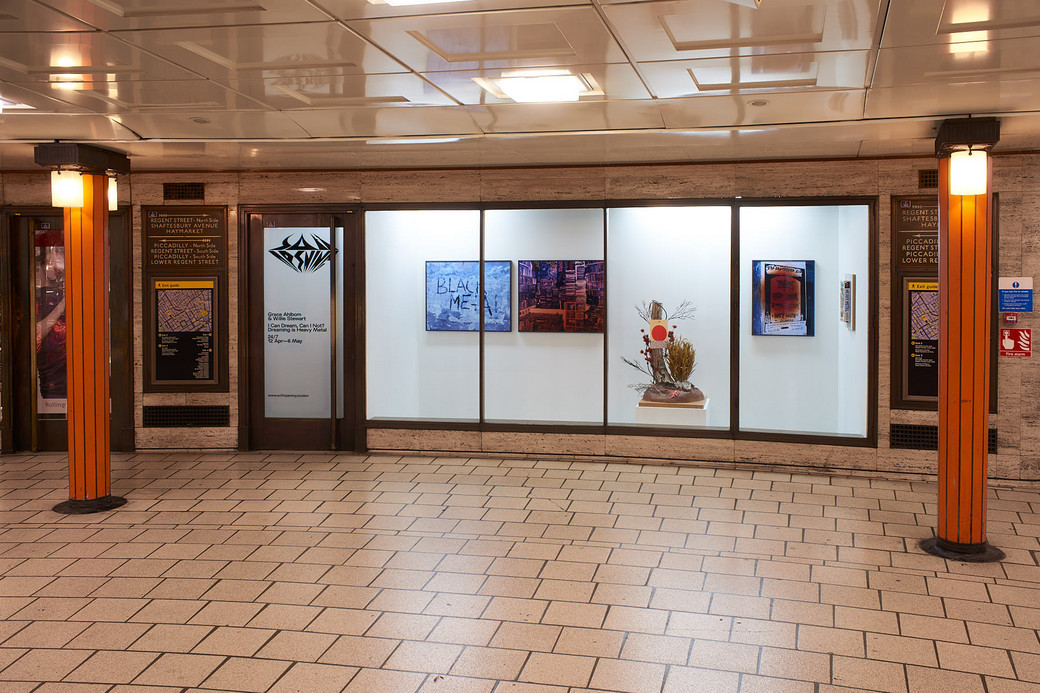
I first found the space because I walked past it, it’s as simple as that. There are lots of empty shop spaces and display cabinets in Piccadilly Circus Underground Station and for months I was fascinated by the fantasy of what would happen if an art object would be placed behind the glass there. As this fantasy developed, I began to think about how different a viewer’s experience of an artwork would be not only behind glass, but underground, in a space of flux and transport, associated with movement rather than a destination itself. The sheer amount of “visitors” - hundreds of thousands per month, is of course also an attraction, but rather than in commercial terms, I think it’s so interesting to imagine what kind of interactions people have with the space… what they think if they see it just out of the corner of their eye, if they stop and look for longer or even if they get totally used to the space as it becomes part of their daily commute. Of course, Piccadilly as an area in itself retains undeniable commercial associations: it’s the shopping and tourism centre of London and of course the majority of the commercial contemporary art galleries also locate themselves there. I love the idea that we are invading that space, cutting straight into the heart of an area that it usually takes a gallery decades to break into, just by thinking about space differently.
Quite obviously, Soft Opening is meticulously considered—other than your aesthetic tastes, can you talk me through the over-arching themes and narratives you find yourself most attracted to in the work of the artists you’ve collaborated with (whether it be as a curator, or member of the audience)?
I always get asked this question and I honestly believe it’s much easier for people to see those themes and narratives that thread through my curatorial work or shows at the gallery from the outside. It’s much harder to see those from within. However, at the moment, I’m looking for artists whose work subverts or reconfigures our understanding of the world around us. There’s definitely a fantastical element in the work I’m interested in, because I think fantasy is where we find our relief from reality and as such these aren’t too far off from one another. The next show, Go, is a group presentation of work from sculptors including Hamish Pearch, Kira Freije, Jamie Hawkesworth and Nevine Mahmoud among others, and each of these artists are examining material in an exciting way. Hamish and I have been curating the show together for a few months, and he’s building metal-look cardboard tables that will resemble airport security conveyors, so the sculptures will feel like they are travelling through the cyclical architecture of Piccadilly Circus station.
I try to think about the programming of the space curatorially rather than politically—as so many galleries do. I don’t show artists because it would be a “good move” but rather present work that I feel is relevant and important, and at a point in an artist’s career that feels beneficial, so that they can freely explore the model of a solo show without the commitment of doing it in a giant white cube space. Each show will engage with and respond to both its predecessor and that which will follow so that the space itself tells a kind of story. I want the programming to feel organic, in the same way that artworks on the wall of a well-curated show do.



Can you tell me about rumors of a Soft Opening book? I know you worked with New York native, Grace Ahlbom, on her book Dreaming is Heavy Metal—do you see Soft Opening having a future in publishing? If so, are there any young artists you have your eye on?
I love that you heard these rumours! Yes, there are plans for a book towards the end of the three-year lease that we have in the station. It’ll be a Soft Opening anthology of everyone and everything that’s been exhibited. Because, why not? Young people need to be making history books too. Publishing Grace’s book was really fun, and it looks incredible. We also did a short run zine with Wilson Oryema of his new poetry, who has also fantastic to work with. Shipping has been less fun, but maybe we’d consider working with a distributor next time. I really respect publishers and bookstores; you really don't realise how much work goes into a publication until you do it yourself. We are doing a solo show with photographer Rosie Marks towards the end of this year, and I think we’ll do another book for that. Rosie has also been shooting portraits of all the artists that exhibit with us, and those will go into our final Soft Opening book project.
How did your work with Girls Only inform how you operate with Soft Opening?
I think Girls Only taught me a lot about mutual support between artists and curators / galleries. It was such a safe community atmosphere that I really feel is necessary in institutions of all scales. I spent so much time in artists’ studios with them that now the studio visit is an absolutely integral part of my practice as a curator. It’s so vital and so many galleries don’t bother with this face to face connection with an artist. To have a good, trusting relationship with an artist, takes work like any other relationship and the best part of my job is maintaining these relationships. Having a gallery is not just about checking boxes.
Can you tell me about the relationships you had with your peers in New York and how much of an impact that environment had on your approach?
New York is such a scary and exhilarating place, its effect on my approach is undeniable. We turn our shows over fast, every 3.5 weeks, which is definitely a reflection of the pace across the pond. NYC taught me that work and shows and artists need to keep relevant and stay fresh otherwise spaces begin to feel stagnant and un-exciting. There are so many galleries and so many artists in NYC that you have to be original and experimental to stand out, something I definitely also try to keep in mind and I think Soft Opening speaks for itself on that front.
Despite having worked with artists globally, your work feels very London-centric. What inspires you about London (if anything at all)? Further to that, are there any cities/communities you look to for inspiration in curation and offering artists a platform?
While I literally just championed the pace of life in NYC and I like to get a fix every now and then, I adore the slower pace in London. There’s still so much happening here, you just have to look for it a little harder. The distances you have to travel to get from place to place in London are much further so there’s much more time to think, I really appreciate that.
Tokyo is an absolutely mind-blowing city. I curated a show there a few years ago and would love to go back. Their interest in photography is unchallenged and they excel at publications. The reason for this is pretty charming too - because apartments are so small over there, there’s no space to hang art, which is why people put so much emphasis on collecting books, they fit into their homes. There’s also a real culture for DIY projects in Tokyo, people make things happen and it all comes from a humble place of sheer admiration and respect for an artist or medium. I can’t think of a more genuine reason to do anything.
Does your approach to curation vary from project to project, or do you work structurally?
It has to vary because of the varying nature of the work, but Soft Opening as a space has its own plethora of limitations in terms of access, display etc so there are specific installation requirements that definitely affect each show. These are often super productive for artists though and many of the shows will begin with the space and consider display before any decisions are made about what work will be shown. This is a reverse of the usual process for many bigger spaces and I think artists appreciate the challenge.


From Theo White to Ryan McGinley, you’ve explored many a medium, but seem to offer a focus to photography—what qualities do the photographers you’re most attracted to have in common?
It’s funny because this definitely wasn’t deliberate, even though I do have a personal soft spot for photography. It’s under-represented in the art world still, even though photographers like [Wolfgang] Tillmans are having enormous museum shows. I think it’s interesting to explore how photography can be displayed, and we are all so used to reading images these days, we do it all the time on our phones. So, thinking about who my audience is at Soft Opening, photography definitely doesn't alienate viewers where other mediums might.
How do you think the rise of the ‘influencer’ will affect the way in which young artists are perceived?
I don’t think it will have any effect, I definitely avoid this phenomenon as much as possible.
If you could curate a body of work by any artist (dead or alive), at any gallery/space, who would it be and where?
I would re-create Tracey Emin and Sarah Lucas’ The Shop in its original space on Bethnal Green Road and curate the work of young artists into it with them. They sold work by their mates and hung out there all day. Sounds dreamy…
Can you tell us who we can look forward to seeing at Soft Opening next?
We have Go, the group show that opens next week, then in September a solo show from Deborah Delmar, followed by an incredible artist who works in furniture, Dozie Kanu, then a Halloween spectacular from Claire Barrow, Rosie Marks’ first solo show, then a Christmas grotto from Amie Evelyn Hughes from GUT Magazine. It’s going to be a weird few months and I’m thrilled about it.
If you're in London, you can visit Soft Opening at Unit 7, Picadilly Circus Underground, 24/7. Currently showing is Louis Morlet’s Behold a figure, Serpentine, on view until July 29.
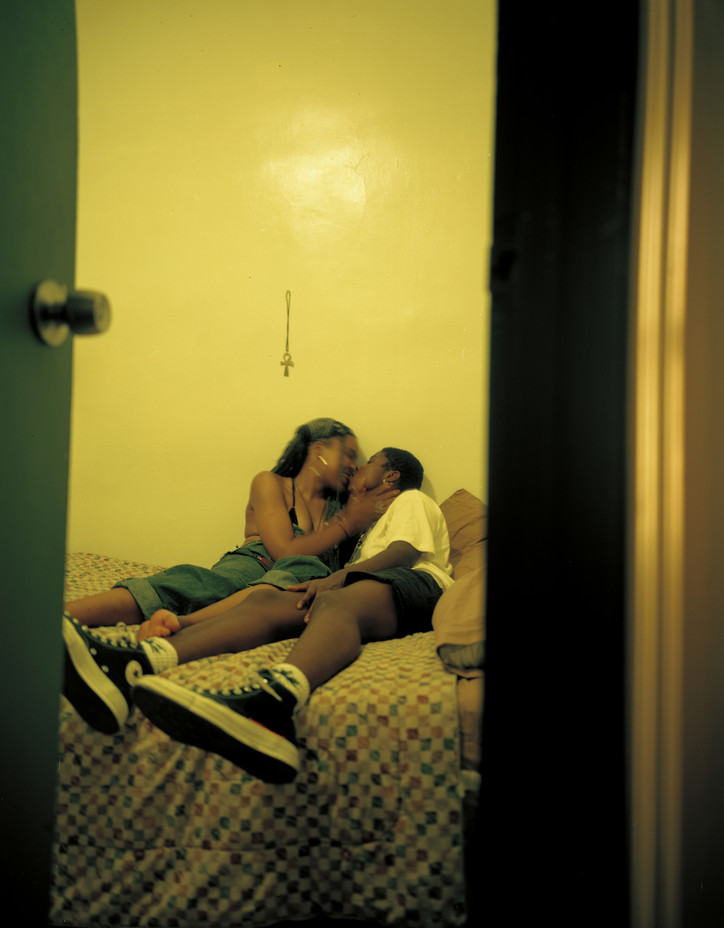
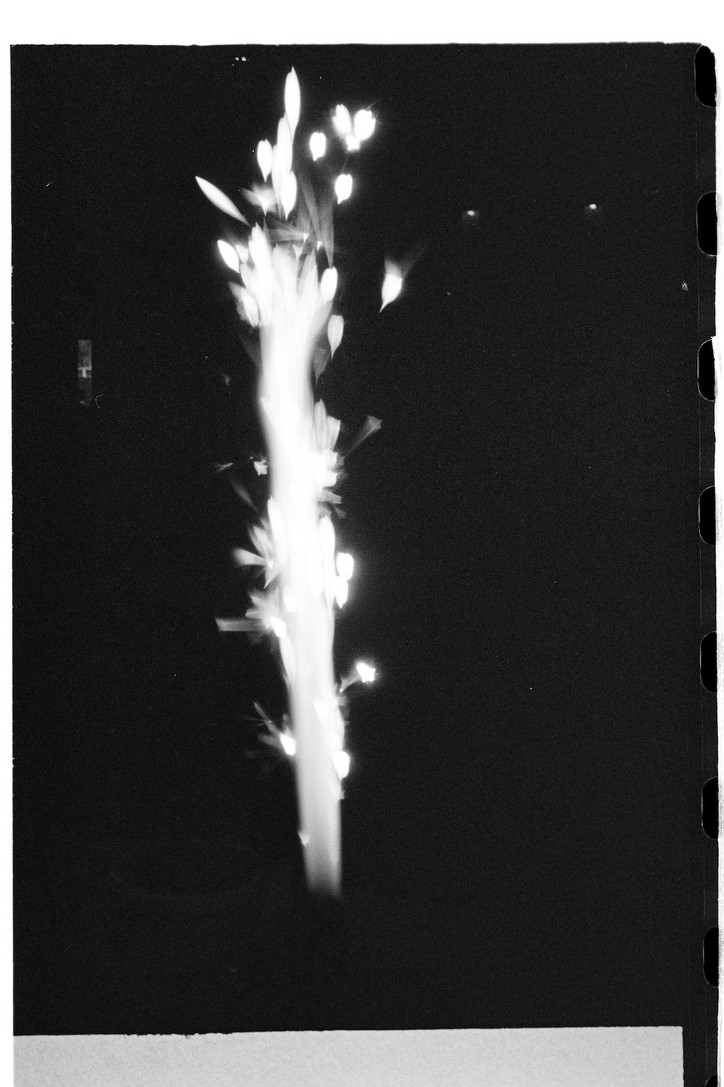
The result was an exhibition that juxtaposed sweet moments against the current era of socio-political unrest and racial tension, in which McGarrell envisions a future era that is decolonized and no longer centered on bodies of color and queer bodies being worth capital or labor. Though her proposed utopia is not free from oppression, lo-fi textures and moody hued photos offer viewers visual proof of a lived experienced that oscillates harmoniously between pain, love, and joy.
office sat down with McGarrell to talk about what she hopes viewers will take away from this new body of work and how their contribution to Art Hoe Collective has impacted their own creative practice.
When did you first start practicing photography? What do you like most about the medium?
When I was 10, my dad took us to Guyana in South America, where he was originally born. Before this trip he got a point-and-shoot camera as a rebate from Staples and gave it to me because I’d always been obsessed with toy cameras. For a while, I just fooled around but as I grew older I got more into it. Then in the 8th grade, one of my childhood best friend and her entire family passed away in a plane crash and I developed death anxiety and started documenting everything and photographing everyone I loved. What I like most about the medium is it’s potential to make moments into something seemingly eternal. Photography, especially film photography, promotes the illusion of longevity, and if I could make moments of warmth, happiness, and beauty last even a little bit longer, I would do anything to achieve that.
Do you prefer film or digital photography? Why?
I prefer film, but it’s fairly inaccessible to people of color. I think the privilege of being able to shoot film combined with its physical nature gives it a mysterious quality. Film allows us the ability to manipulate photos as if they were taken in any era, whether it’s from 1925 or 2015. Film photography creates these permanent objects and captures a moment’s tangibility. Like I said, I became obsessed with saving pieces of people. Film gives me a slice of someone’s reality that I can keep forever.
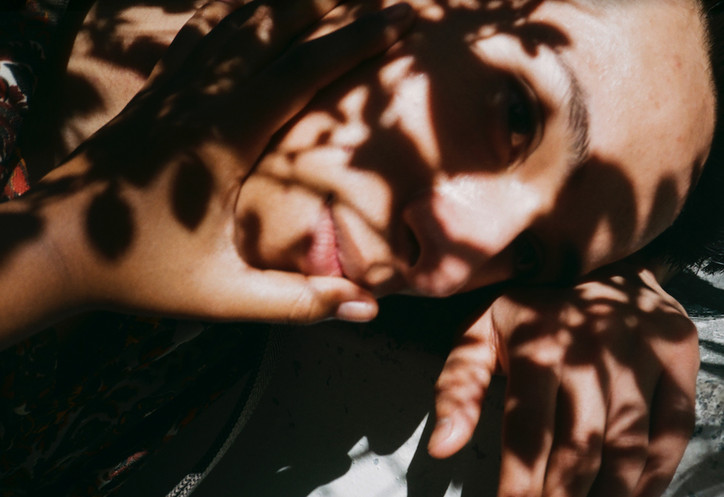
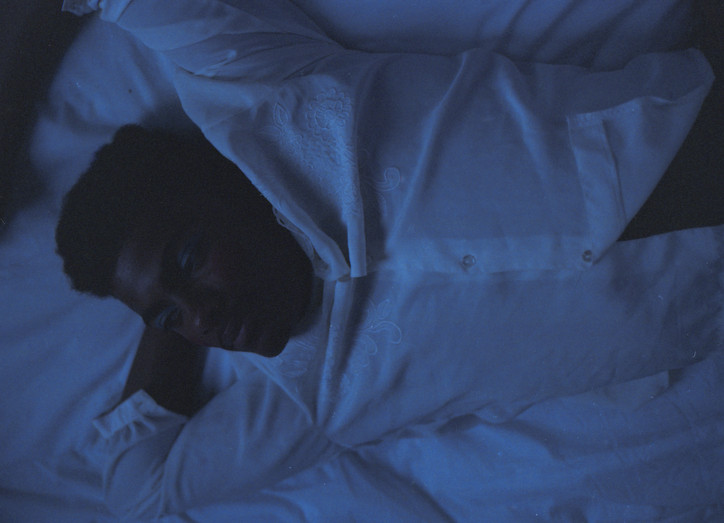
What inspired this body of work? What emotions and themes did you aim to capture?
This body of work was inspired by moments of sweetness and how we battle with oppression and our own mental health to enjoy them. I was inspired by cycles of love and death and white supremacy and how I fit into their grips. Some themes I wanted to cover were memories, the cycle of life and death, oppression, the feeling of peace, and reclamation of our bodies of color.
What’s the title of show and what does it mean for you?
The title of the show is “Dolce Far Niente”, an Italian phrase, meaning “the sweetness of doing nothing." I heard this phrase on a flight back in April. I was running away from New York at the time and in a headspace where I wanted to leave every negative thought behind me, but it had come from a place of whiteness and privilege, where I was trying to out-run my oppression. I sat and thought about romance languages and love and all the beautiful words that exist to define life and how people of color are never included in these sentiments. To me, it means reclaiming this notion of peace, that as POC, we have not been afforded.
Why did you choose to showcase symbolic objects alongside the photographs?
We decided to set the show up so that the viewers could be lured from my surface world into my mind. The symbols are archetypal symbols of blackness, mexicaness, and symbols of tradition. Many of us from different types of blackness share collective experiences yet, due to anti-blackness, separate ourselves from the typical notion of blackness. As someone who is a black latinx person, I wanted to comment on this melding of identities and acceptance of blackness as an identity with varying experiences. The objects also represent pieces of my childhood that oppressed me due to their relationship with colonialism. Topics such as religion, beauty, entertainment, and so on have all used the black and brown bodies to force their ideals on. The roses among other symbols represented this idea of life and death, in which we observe and appreciate beauty, but ultimately let it fade. Much of the lives of black and brown people are full of having to bury our families and friends due to oppression-lack of accessibility to healthcare, transphobia, gang violence, and poverty so I wanted to use general cultural markers that comment on capitalism and how it oppresses bodies of color.
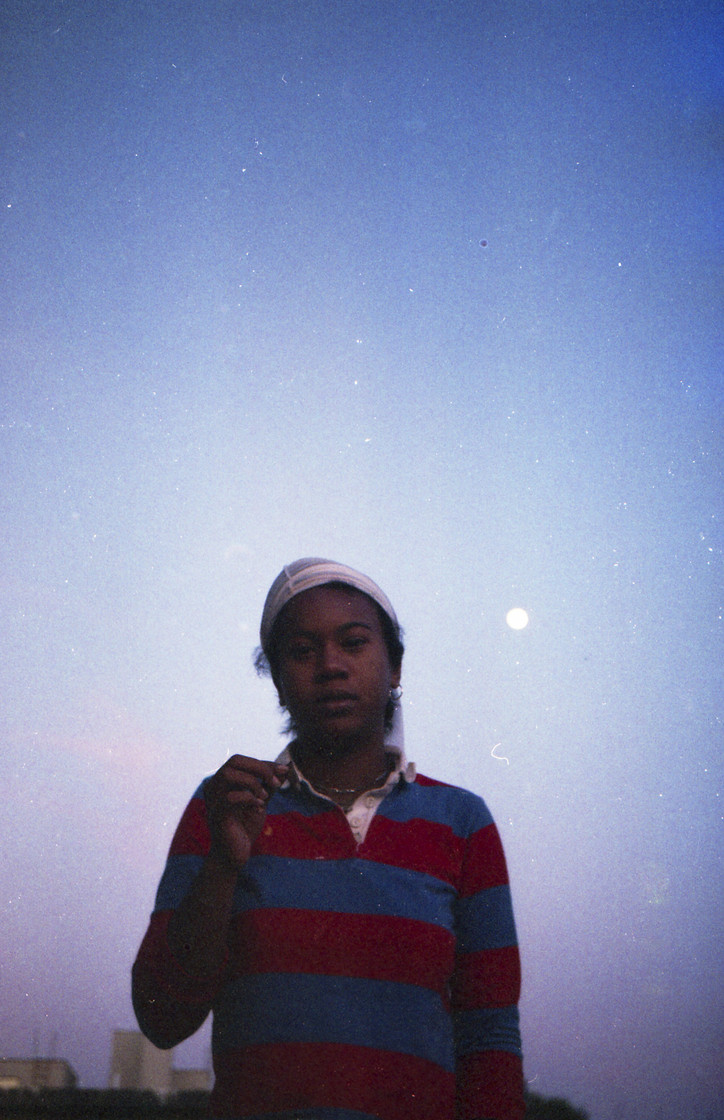
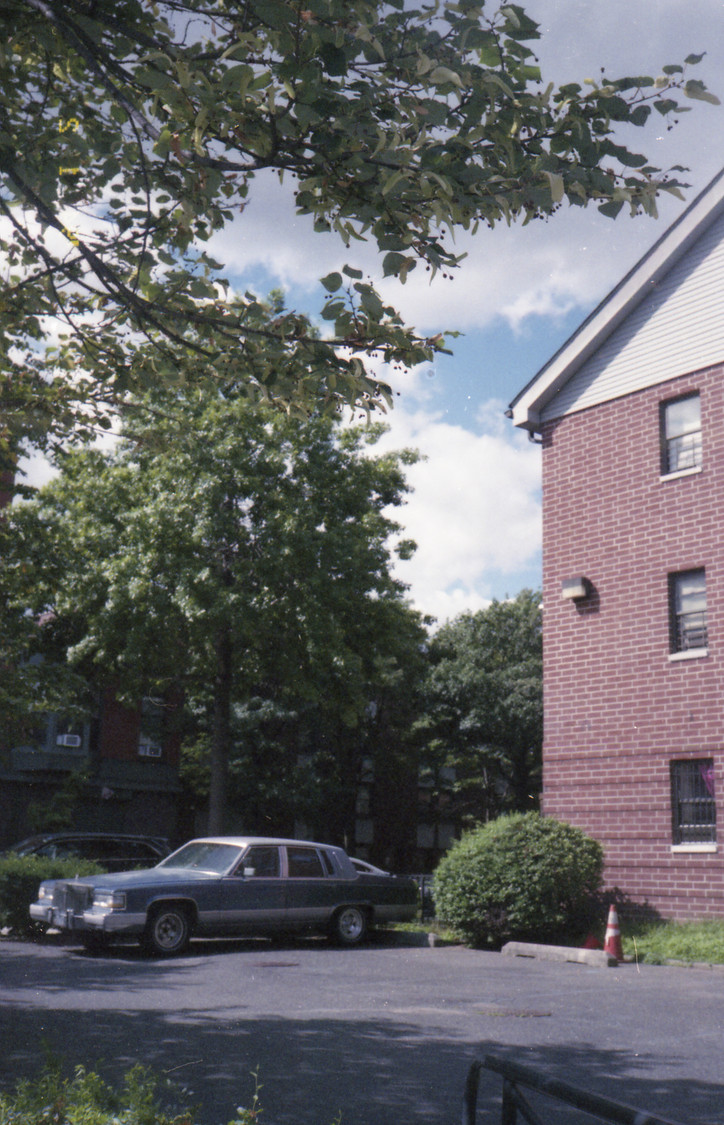
How has working as a curator for Art Hoe Collective impacted your own creative practice?
My work as a curator has impacted my work by helping me realize the importance of creating work that is accessible. A lot of artists have the self-conception that being lofty and out of touch with this realm will give them a sense of importance or “specialness”, but as someone who finds themselves so intertwined with their community, I want to make something universal in a sense.
What’s your favorite image in the show, and why?
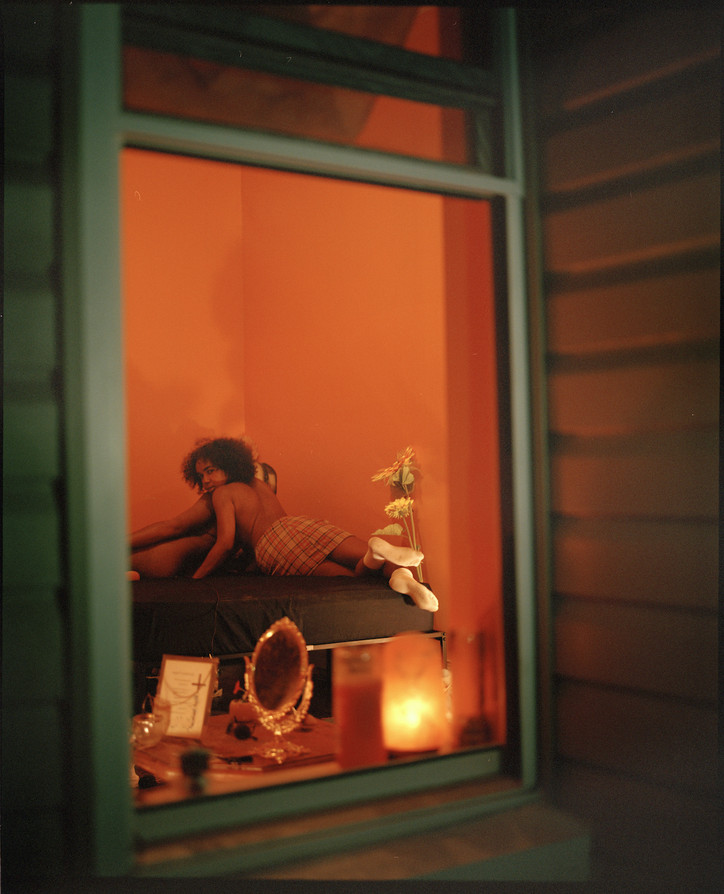
My favorite is definitely "let you in last night" (the one through the window). It’s a self portrait with a cable release going through the window. I think it’s my favorite because of the process and all the different thoughts and emotions that went into making one photograph.
I was deathly sick for about 2-3 weeks in June. My partner came to visit and I was having crying fits because I was too sick to go out and have fun and I felt so bad. Before they left to return to California, I had a barbecue and bunch of my friends came over and I had the worst fit of anxiety because I hadn’t seen anyone in so long and I was feeling overwhelmed and worried about being judged by my friends for whatever reason my anxiety episode produced. I was surrounded by queer people and I was still worried how my relationship would be perceived. At the barbecue, I looked through the window and saw my partner, in my room taking a deep breath, because they have anxiety, too, and I came to the conclusion that queerness and love and anxiety have always gone hand-in-hand for me, for so many of us.
I felt so voyeuristic having this moment of realisation looking into this window and started to think about all the voyeurs on black and brown queer and trans bodies, all the inquisitive looks and thoughts, that sought to not understand, but categories that adhere us to some sort of binary that’s understandable to them. I sat with these thoughts and eventually called up my friend Munachi, who is also gay, and shares with me, his struggle growing up in Delaware, a place where people like us are forced to move through the shadows with our love, and we shot 3 and this was the one. I saw it when I got the film back and I fell in love. The fact that I asked a different friend, a cishet man, to help me hold the camera while I fired it off and he tried to claim that it would be his photo if he acted as a human tripod. He tried to claim ownership over my ideas and over my queer body, and I had to find a way to do it myself, which was the cherry on top of it all. It seemed so fitting that in this idea talking about external forces judging, abusing, and profiting from people’s queerness that a straight man would say his assistance would make it his photo after I had focused the camera, set up the lighting and all the items that show in the shot, and had the self cable release to press the shutter, he’d still say that.
As I’ve gotten to know you better in the last few months it seems like two major through lines in your work are the power of vulnerability and community. Would you say that’s an accurate statement? What do those two concepts mean to you?
I’d say that’s definitely an accurate statement. I’m constantly analysing the ability to be honest and vulnerable in cultures that are extremely traditional, conservative and homophobic. Since I was a kid, I’ve been testing boundaries with my family about what is acceptable with my behaviour and appearance. These concepts together, discuss my desire to reclaim and transform my culture into something that can be sustained and passed to the next generation in the community. I am vulnerable to let people in, so they can see how I see myself, family, and surroundings. I let people in, because when you love and trust people, they become your community. Community has always been a big deal for me, living between the suburbs, where I was ostracised for my being, with my Mexican side of the family, where I was accepted but othered for my blackness, and with my black side of the family, where I was punished and not understood for being loud and expressive.
What do you hope viewers will take away from seeing these photographs?
I hope viewers will gain a reclamation of their bodies and their spaces of peace. I think in tumultuous times, we forget it’s okay to say, this is about me, or forget we’re allowed to react however we do to oppression and we have to take our space to rebuild our security. I hope they take away the fact that our cultures and what others deem weakness or use to oppress us, is our strength and what keeps the world colourful and beautiful. To be able to reclaim our bodies and cultures and use them as a tool to decolonize and be vulnerable, is to me the greatest desire of all because it’s freedom. To be personally free from the white standards of acceptability, yet still accept ourselves more than ever.
What's next for you?
The universe knows what to send us and when, where we're needed and for what. My plan is to just go along with the ride.