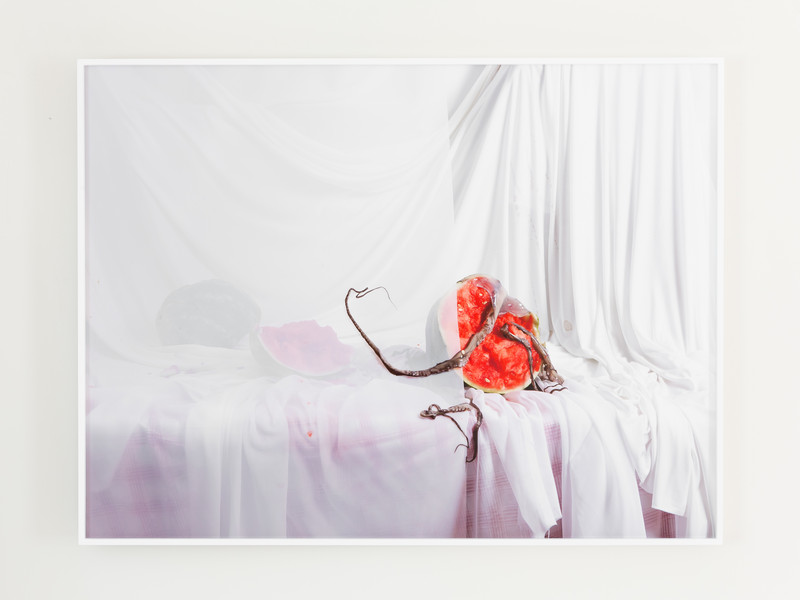
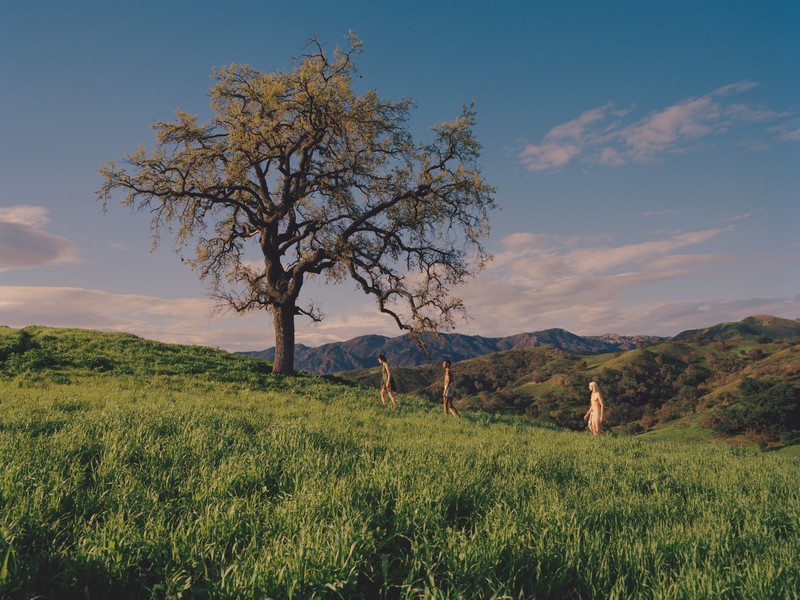
Seized the Imagination will be on view at Jack Shainman through December 20th. An additional exhibition of Abney's work, Safe House, is open at Mary Boone Gallery.
Stay informed on our latest news!

Seized the Imagination will be on view at Jack Shainman through December 20th. An additional exhibition of Abney's work, Safe House, is open at Mary Boone Gallery.
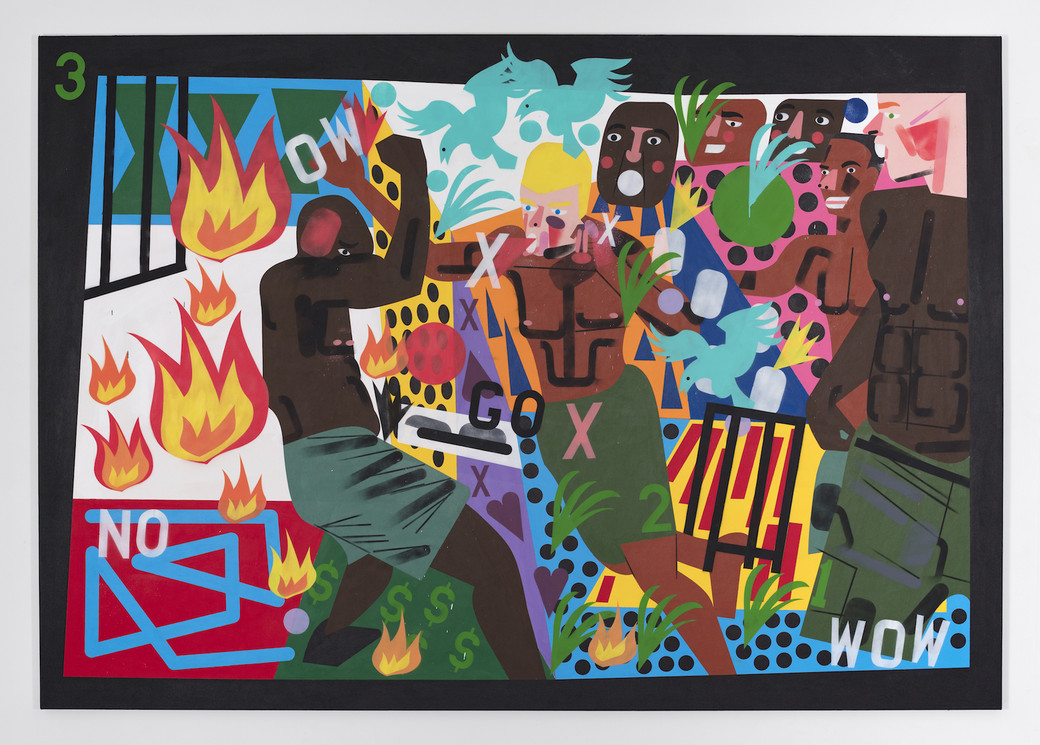

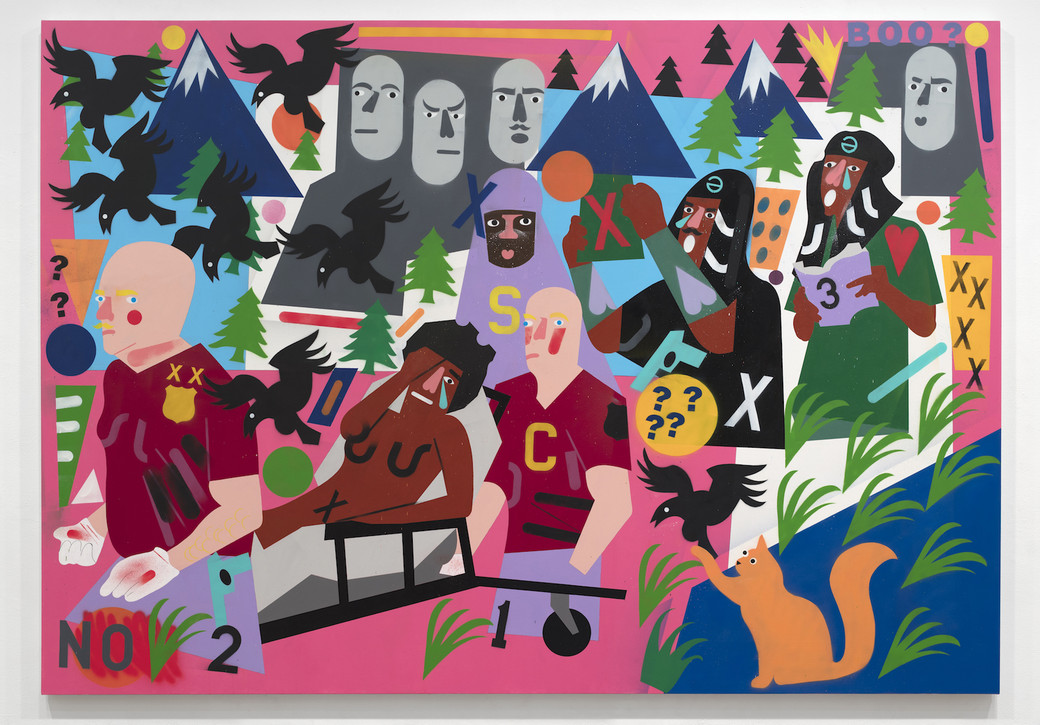
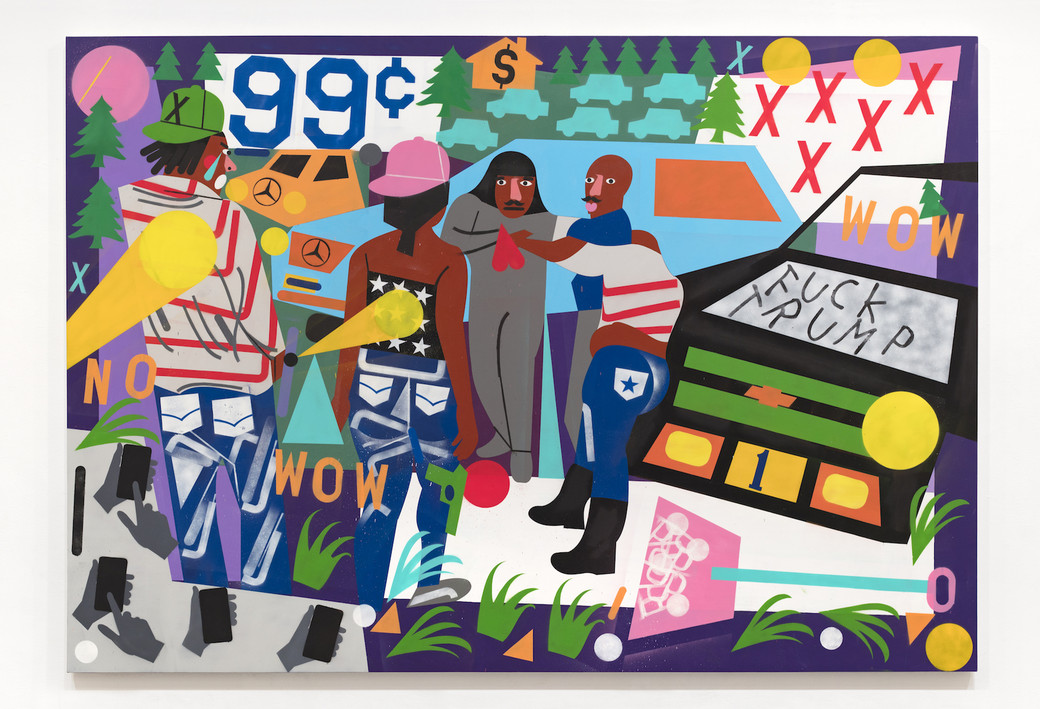
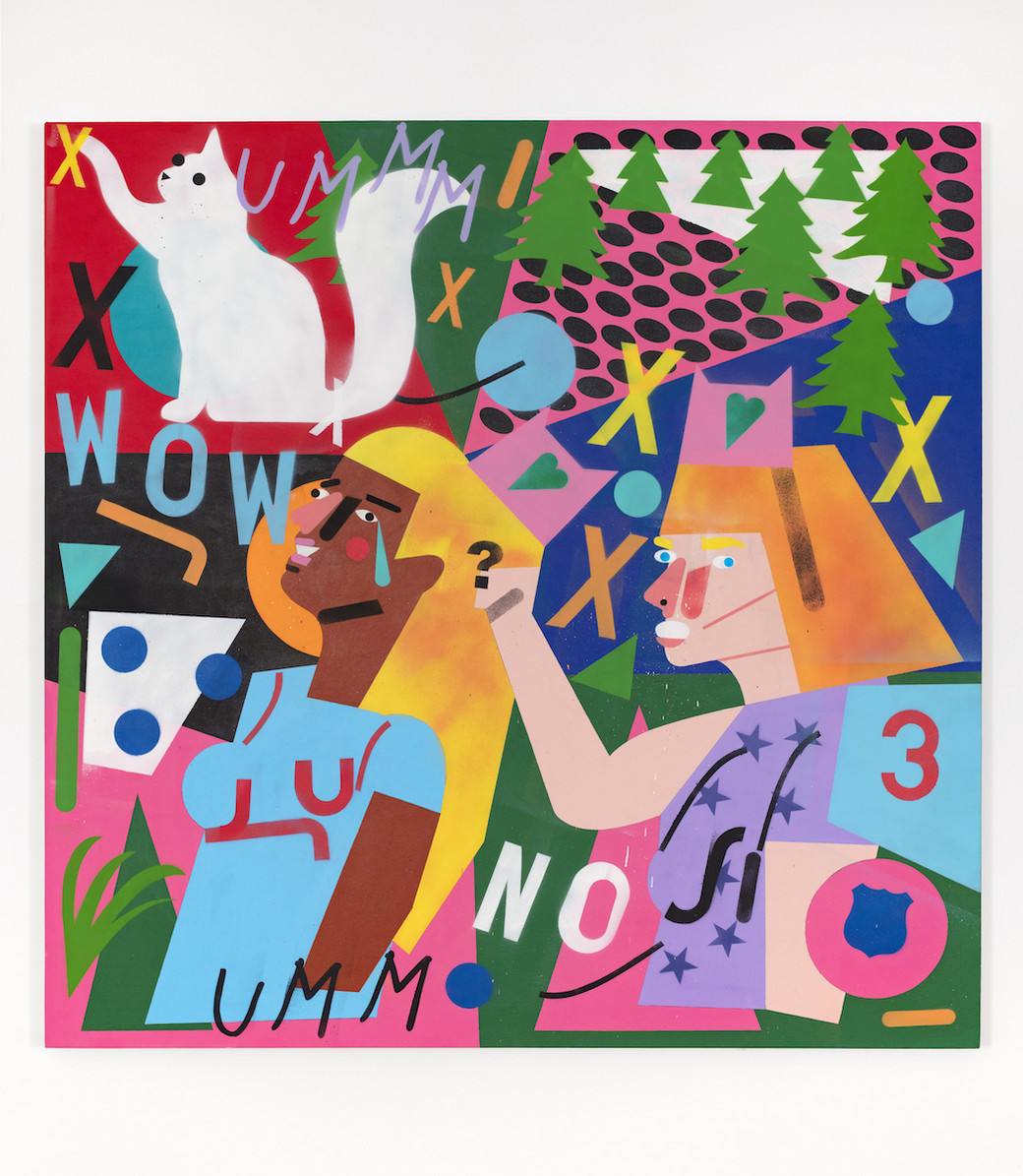
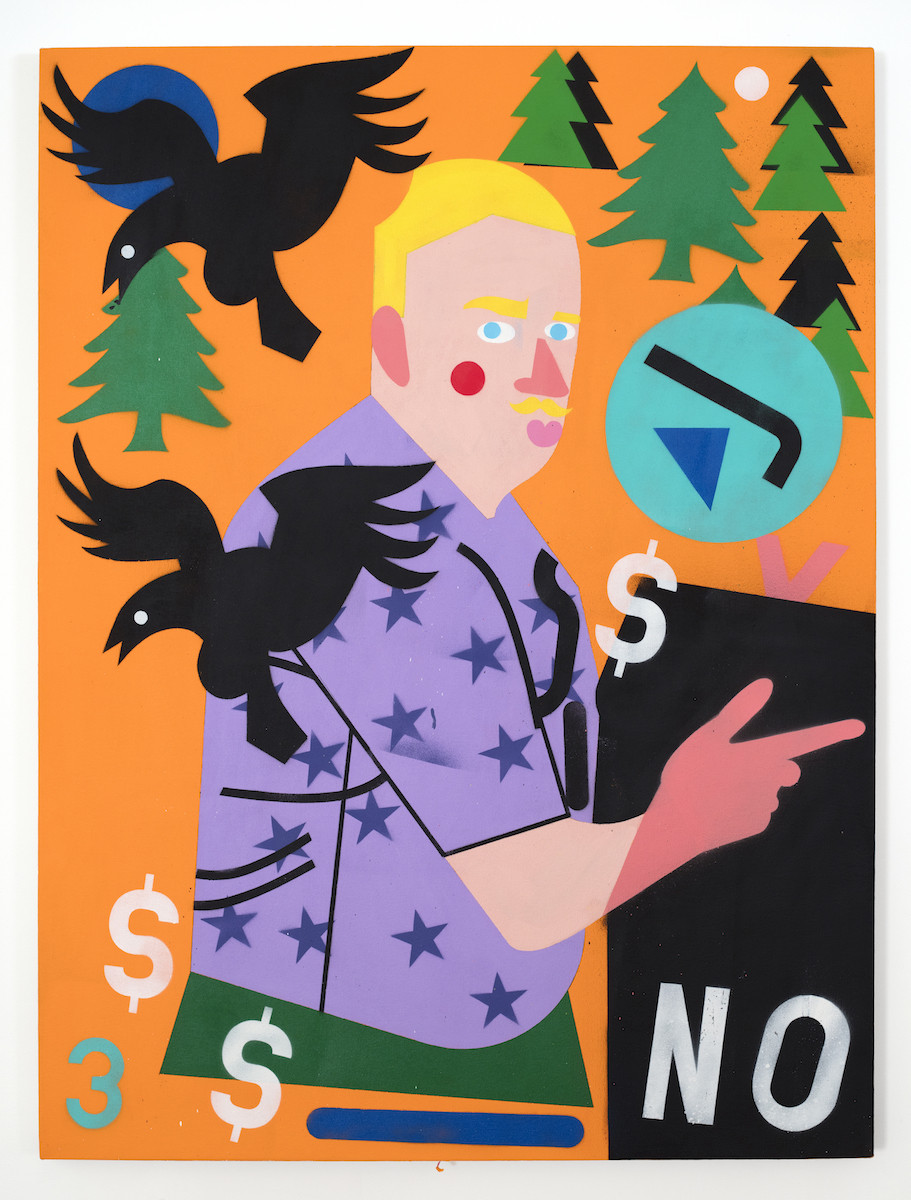
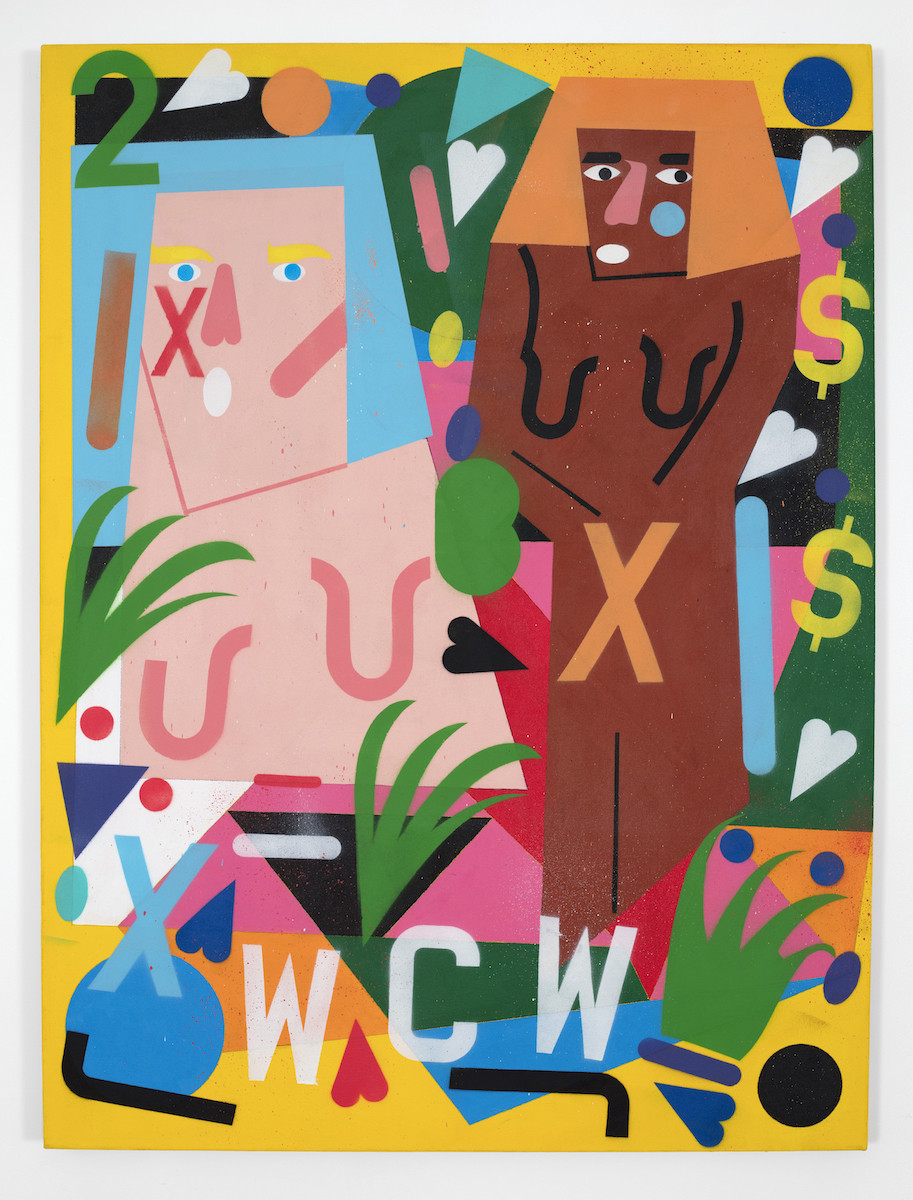
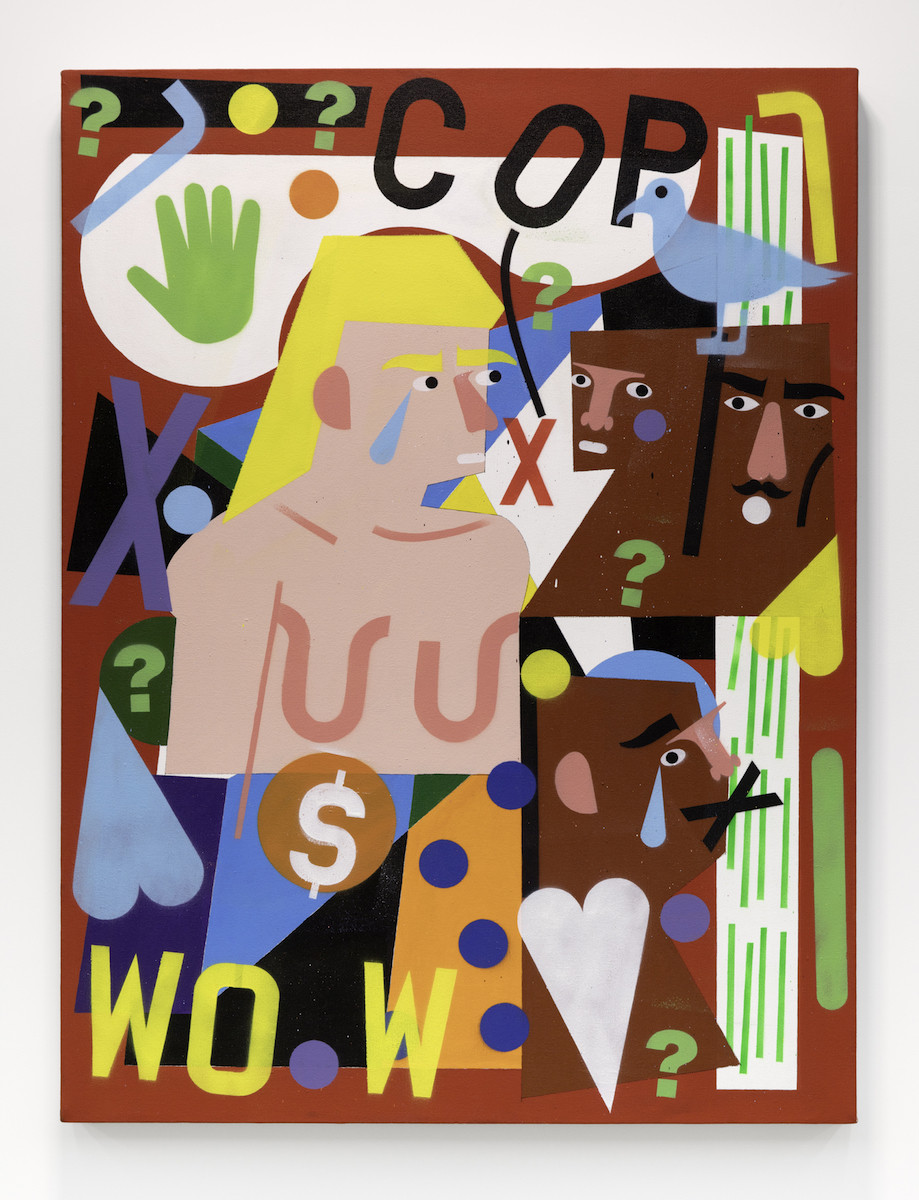

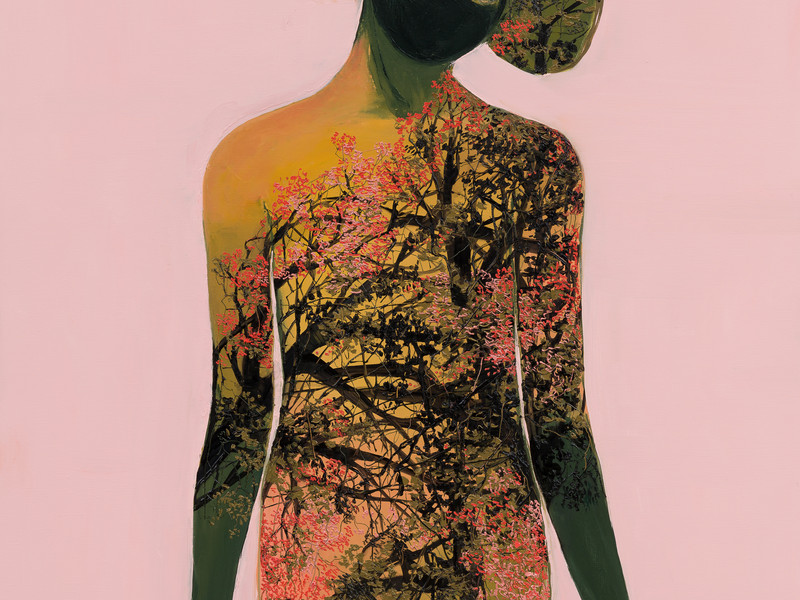
Abney’s distinctive, declarative color palette and pulsating forms come together in tightly compressed compositions to convey a sense of action on the brink of claustrophobia and potential collapse. The overarching mood is a “nothing matters” attitude in response to conditions that are seemingly inescapable and irreversible—global warming, xenophobia, gun violence, racism, sexism—that permeate news headlines across the country. Rather than depicting specific conflicts, Abney highlights the violence of the takeover and the simultaneous passivity in submitting to a force greater than oneself, no matter how ominous and dispiriting the reality.
In addition to dejection, technology is an omnipresent theme in the exhibition and Abney’s oeuvre more broadly. The feeling of information overload that emanates throughout is at times joyful, but also stresses media’s role as a tool to manipulate and deceive. Abney’s enigmatic canvases propose a new type of history painting, one grounded in the barrage of everyday events and their collision of anxieties, all funneled through the velocity of the internet.

What is the concept behind People Pie Pool, how did this all come about?
Dadaism is something I’ve liked since I was very young. My father was a commercial artist, and I got into dadaism through the photos of Man Ray, and my piecing together of that whole layer of 1920’s France, and artists like Duchamp. [Our] family enjoyed the absurd, the ridiculous. A subversion of that kind of just rubbed off on me. One of the first things I saw was the Marx Brothers, that group of comedic brothers making vaudeville movies. Each brother brings more collamati, so when all three of them are together things get insane. So, when Performa approached me, I was like, “Fuck yes! Things are starting to line up!”
I’m a visual artist as well, so and what I use a lot is collage. And if I was going to make something dada, it would be an event that encapsulated many performers— the model of the Marx brothers. It isn’t just one hilarious brother, it's all three of them in the room that makes that tidal wave of absurdity. So I decided that I wanted to bring in friends or people that could get on stage, easily be unhinged, and bring excitement. Going crazy has it's history, and I’m constantly thinking about the double crossing nature of dadaism.
Tristan Tzara, who wrote all these Dada manifestos, at one point, wrote something along the lines of, 'true Dada hates Dada'. I started to think why don't I involve people who would not necessarily consider themselves performers— like a math teacher, yoga instructor, or a gym class. These other people counterbalance everything, they beef up the polar opposites. The other thing, is that I don’t want each act to be clearly defined, I want everything to overlap. One person is finishing up their lecture, while the next thing is already going on.
Is this the first performance you’ve ever done? Also, I know you’re a painter as well how did you transition into doing performances?
Back in the 1990’s my ex-girlfriend and I would make these compositions— she actually taught me a lot. We would put on performances on stage, involving props and gags. This is similar.
I read that you said “At some point in an artist’s production, they should dig their heels and do the opposite of what’s expected of them” Is that what this show is?
That’s why I involved some of the more mundane performers because I felt like being some kind of punk has a history around it, it is a school in itself. Why don't we have someone come in here and talk about reality, or cryptocurrency. Their subject might be fantastic and far out like the necularphysis, or more of a mind fuck— someone just talking in tongues. When I’m making art I feel like you set up rules, but you also set up a foil within your sweet plans. I’m really suspect of when an artist gets too good at something. Inevitably, the audience is watching something transpire even if it's a frozen image, you’re still performing and if you don't cause yourself a problem and solve it in front of the audience then to me it becomes too crafty.
How do you usually come to a final idea? Is it by scraping your original 20 times?
It depends with the project, sometimes it is a daydream and then all of a sudden it happens. I definitely tend to get obsessed with stuff. At one point I had this idea, like what about all that time you’re in the shower? What if you made art while you were in the shower? So I glued all of these notebooks in shower and of course most of the drawings have to deal with water. It was something that I was doing all summer so now all of these things are leafing out. But the idea was that, you’re not supposed to be drawing in the shower so maybe that weird problem would get some more genuine mark making out of me.
That’s actually a really good idea, I’ve never really thought of that
I definitely love strange stuff, this one time I worked on another project. Since I did a lot of collage I asked myself why are you gluing from paper to paper why don't you just put all the paper in a tray of water and put it in the freezer. Then after a while I decided using paper is impractale and why don’t you use different materials other than water. Why not use cat food, hair gel, mustard, play doe. So I started making these things out of cat food and hair gel.
I really admire your unpretentious approach to art! Do you think comes from your upbringing?
Thanks! Yeah, but I also think an artist just needs to go into the world. The world is Polar and if you only exist on one side of the pole then the world is lopsided. There are people out there like Mozart and John Coltrane, masters, but there is also art out there made by everyday people. It is heartfelt, and isn’t being commodified or put in museums. Those poles are both really important.
What’s the story of you with your hair on fire?
I think an artist should play with fire, you know like a comedian does, by screwing around in a way they shouldn’t.
When I was in highschool, I was in this band where I used to dose my hands in rubbing alcohol and light them on fire. Somewhere around 2000, I got a big beard and someone told me I could light it on fire without screwing myself up. So I lit it on fire and took some photos, I just thought of making an image that you would just see and immediately be like “NO”.

How does technology influence your practice?
Matt Hansel I choose to create my work in this very humanistic and traditional way, which is painting by hand. But all of my images are sourced from the Internet— I make digital collages first, spending a lot of time warping and manipulating. So although the painting portion is an antiquated process, the way that I find and develop what I’m going to paint is all based in the digital world.
Tell me about the work that was chosen to be featured.
MH I’m working a lot with 17th Century vanitas imagery, Dutch still-life. Those paintings remind the viewer that life is short and that everything comes to an end. They remind us of the excesses of life and to take stalk of yourself. I think artists make art to have something that lives on after they’re gone. They make these objects so that people will care about them and shepherd them forward through time.
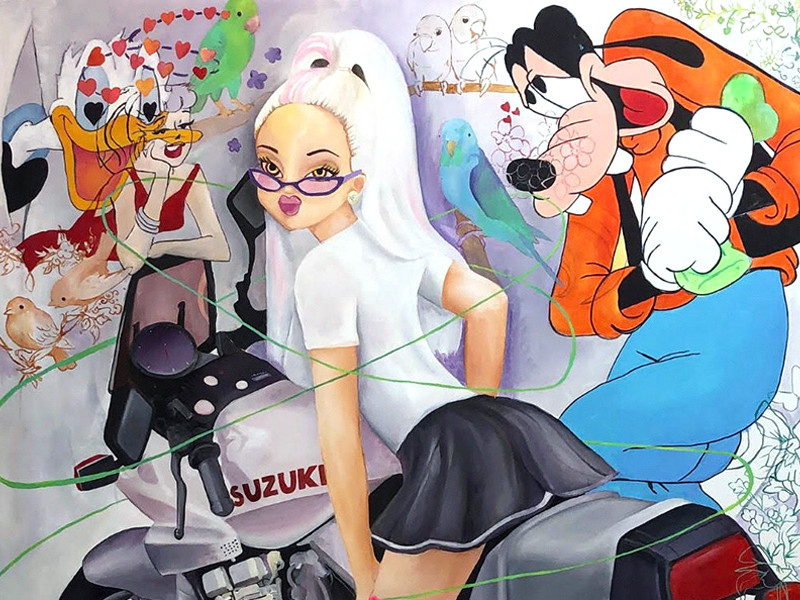
So I tied in this idea with the idea of death, which looms over everyone — especially over artists while they’re working and thinking about their place in history. Then there’s this other side of making art, which is the absurdity of an artist to think that their work will achieve any kind of status. We dedicate our lives and make a lot of sacrifices to achieve this absurdist pursuit. That’s where the cartoon imagery comes from— the opposite side of death is sort of this playful nature. That’s sex and the two sides of the mask; yin and the yang or whatever it is. I like to play these ideas off of themselves in the paintings.


Tell me about your work and how it fits into this show.
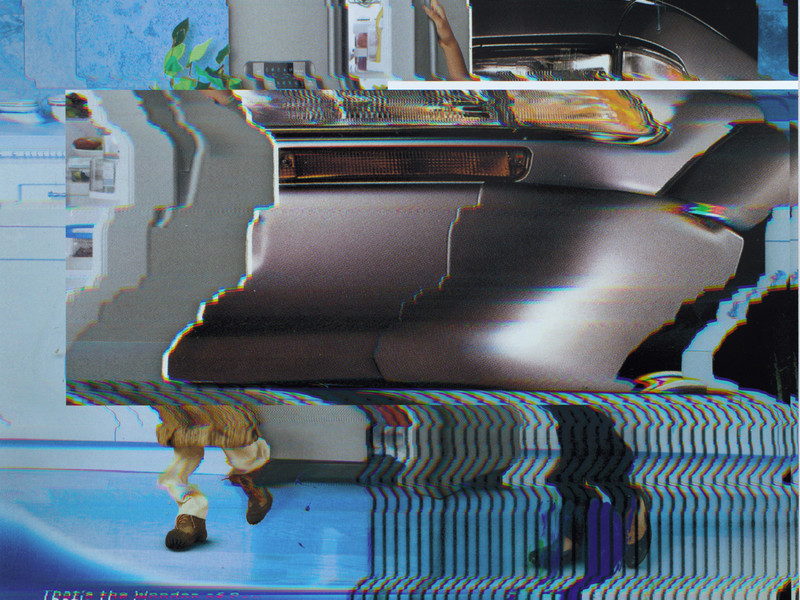
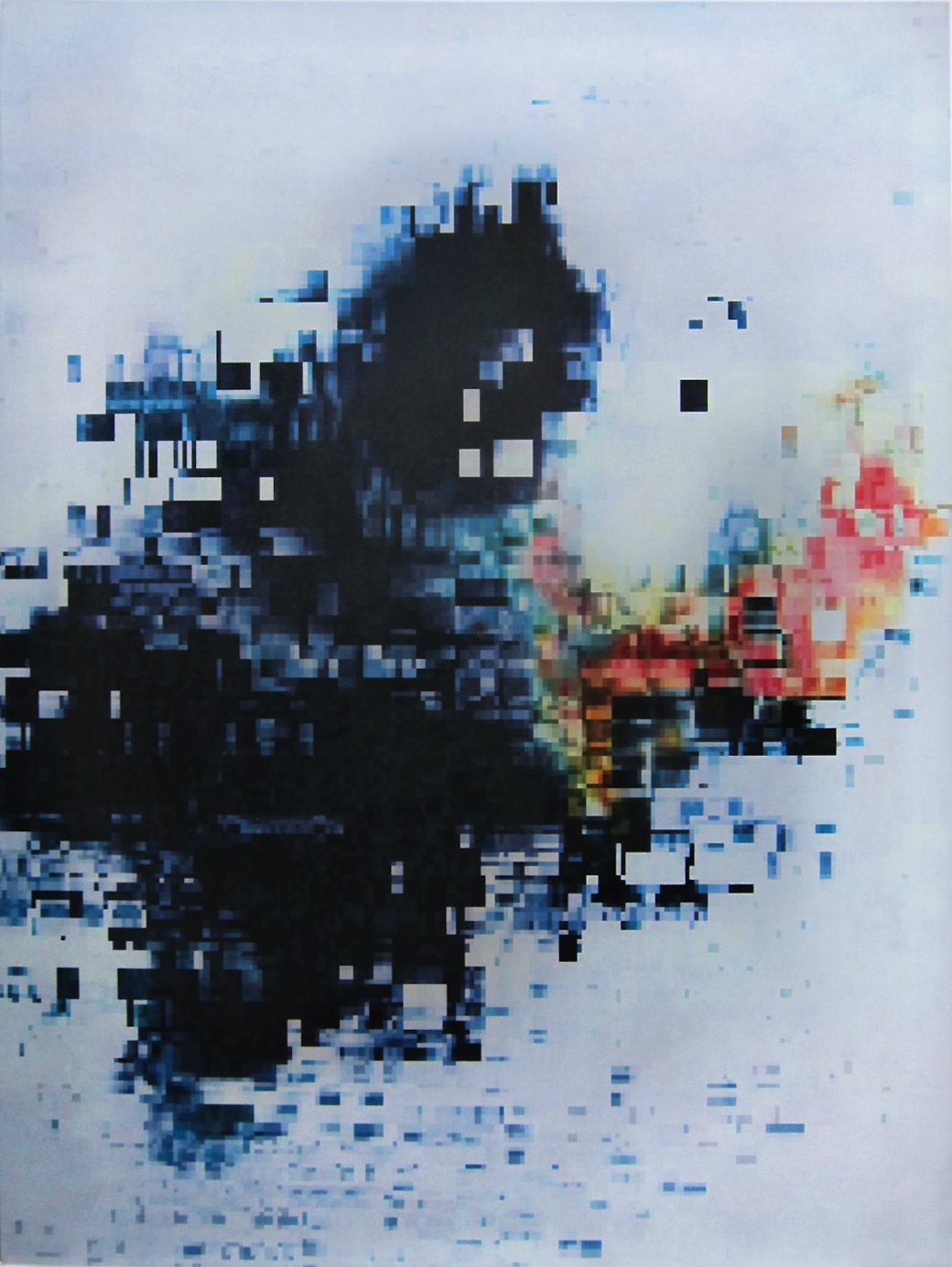
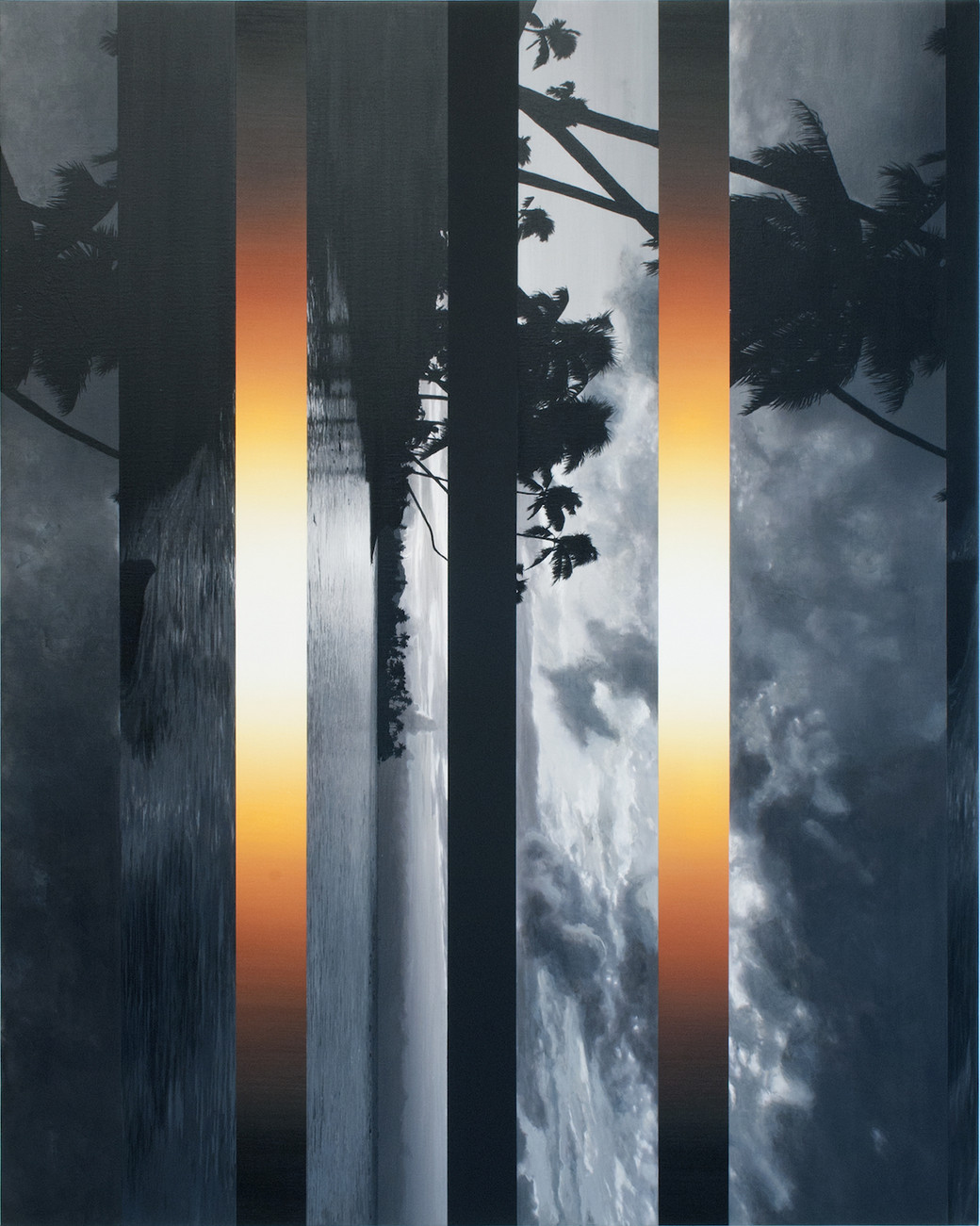
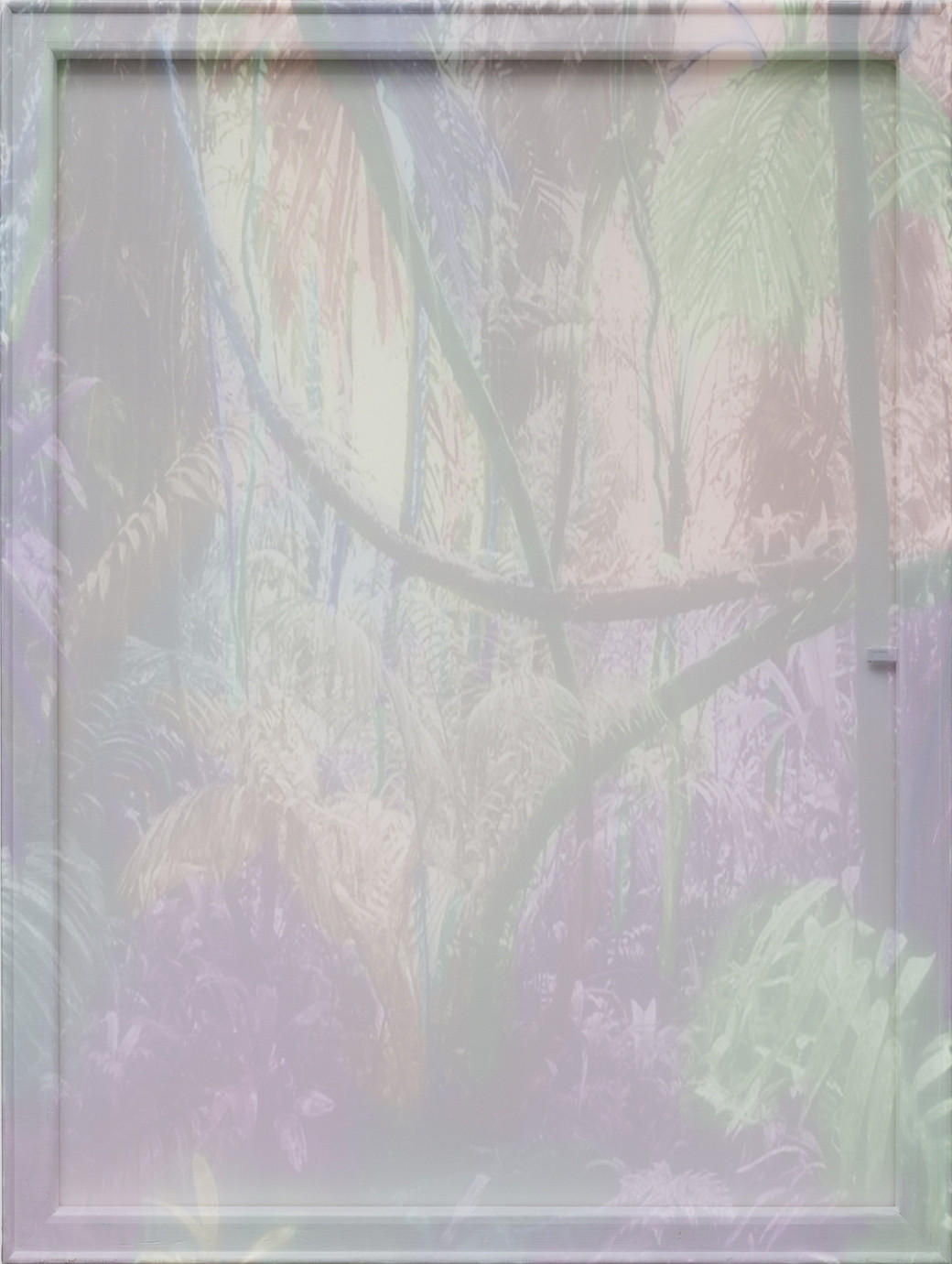
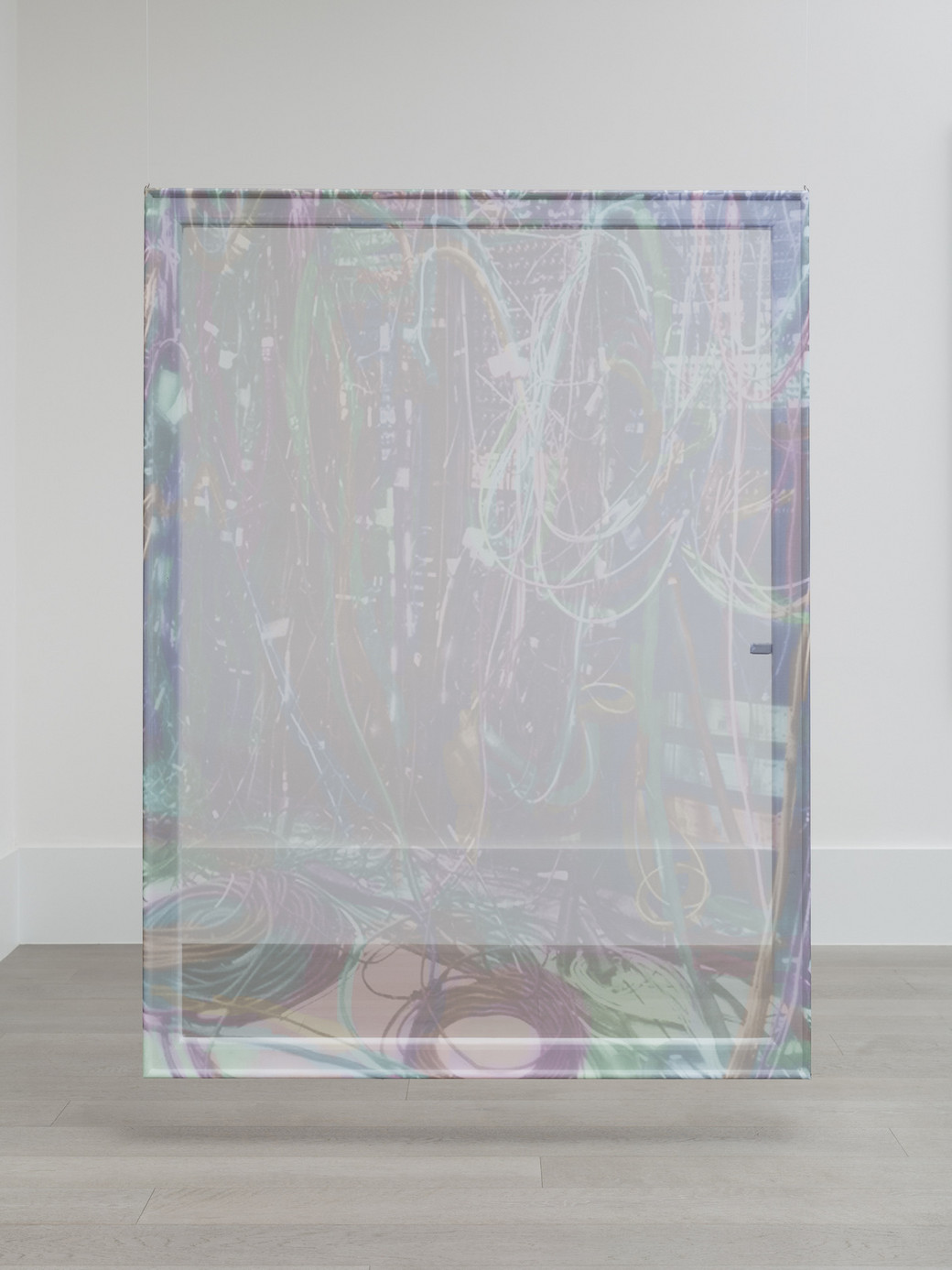
Chris Dorland I’m definitely painting in a very technological way. And I like to focus on the network behind the illusion of our current reality. On some level we get to live these amazing lives where you can go into the bathroom and buy an airline ticket to wherever. We have access to these amazing tools. But there are also these other costs that we don’t get to totally see. There’s this undercover violence to the HD life we’re living and consuming. On some level it’s really shiny and beautiful and amazing, but it’s also ecologically disastrous and exploitative. There’s violence. You think of all of the horrible factories in China. You never really see all of it. In a way, that’s what my work is about — to make aesthetic objects that try to address that experience.
The dark side of technological progress. How has your work been received?
CD You could do a history of people thinking about painting and technology and it’d probably span back a fair amount of time — easily a decade, maybe two. But I think we’re in a moment that we’re really seeing it happen now. Audiences are more receptive to really engage with this type of work in a way that I think is super exciting and promising. It’s the right time for the work to be understood. Sometimes things are too early. It’s always great to be pioneering, but it’s always more fun when there’s an audience ready to receive it. I’m getting really positive responses to the work that I’m making. I make art from a communicative perspective and if I have an idea, it’s nice to feel like people get it and are engaged by it.


The exhibition, in full, additionally includes the art of Martin Basher, Michael Bell-Smith, Ry David Bradley, Anna Ostoya, Josh Reames, and Konrad Wyrebek.
See their work from show below.
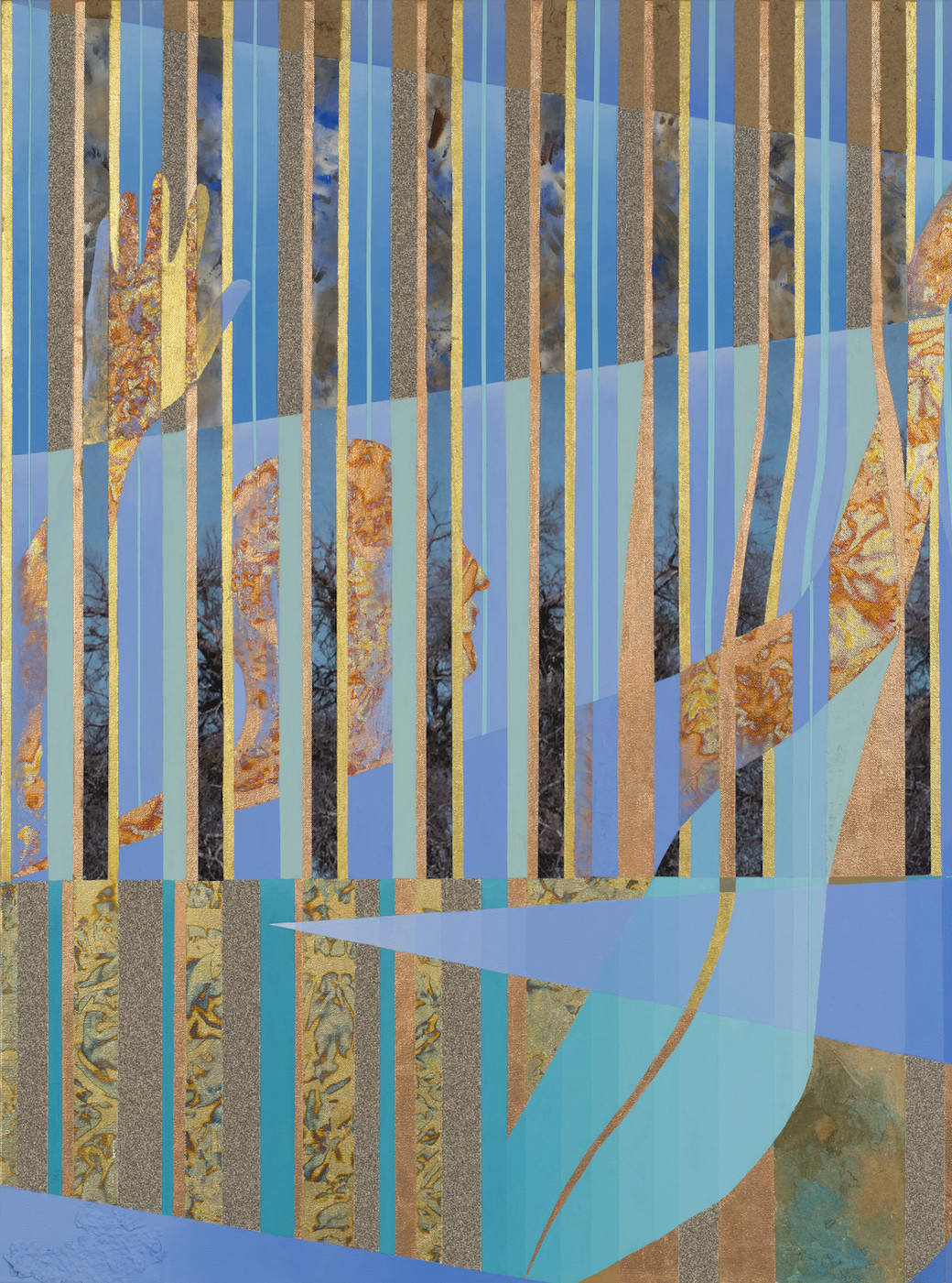
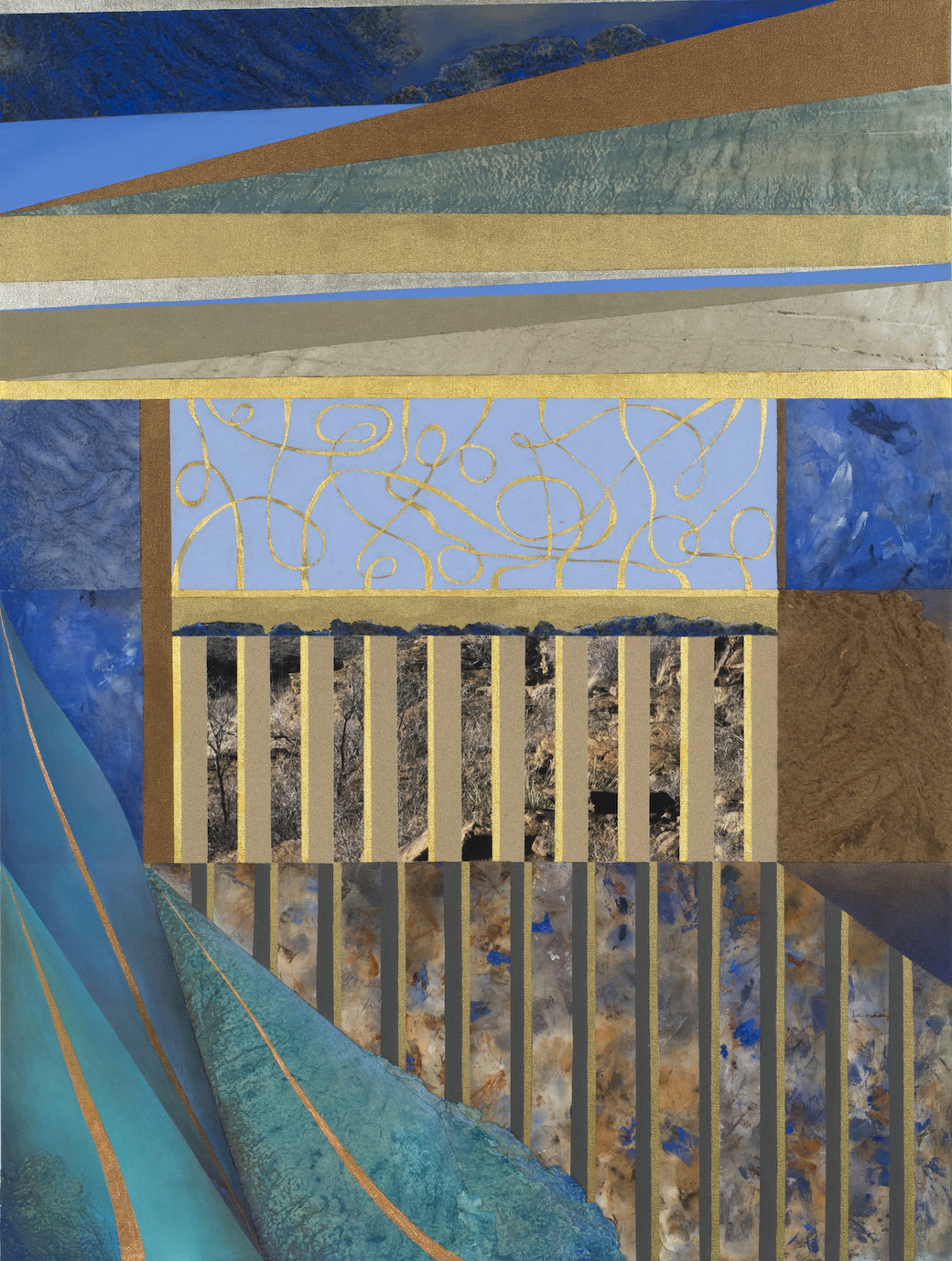


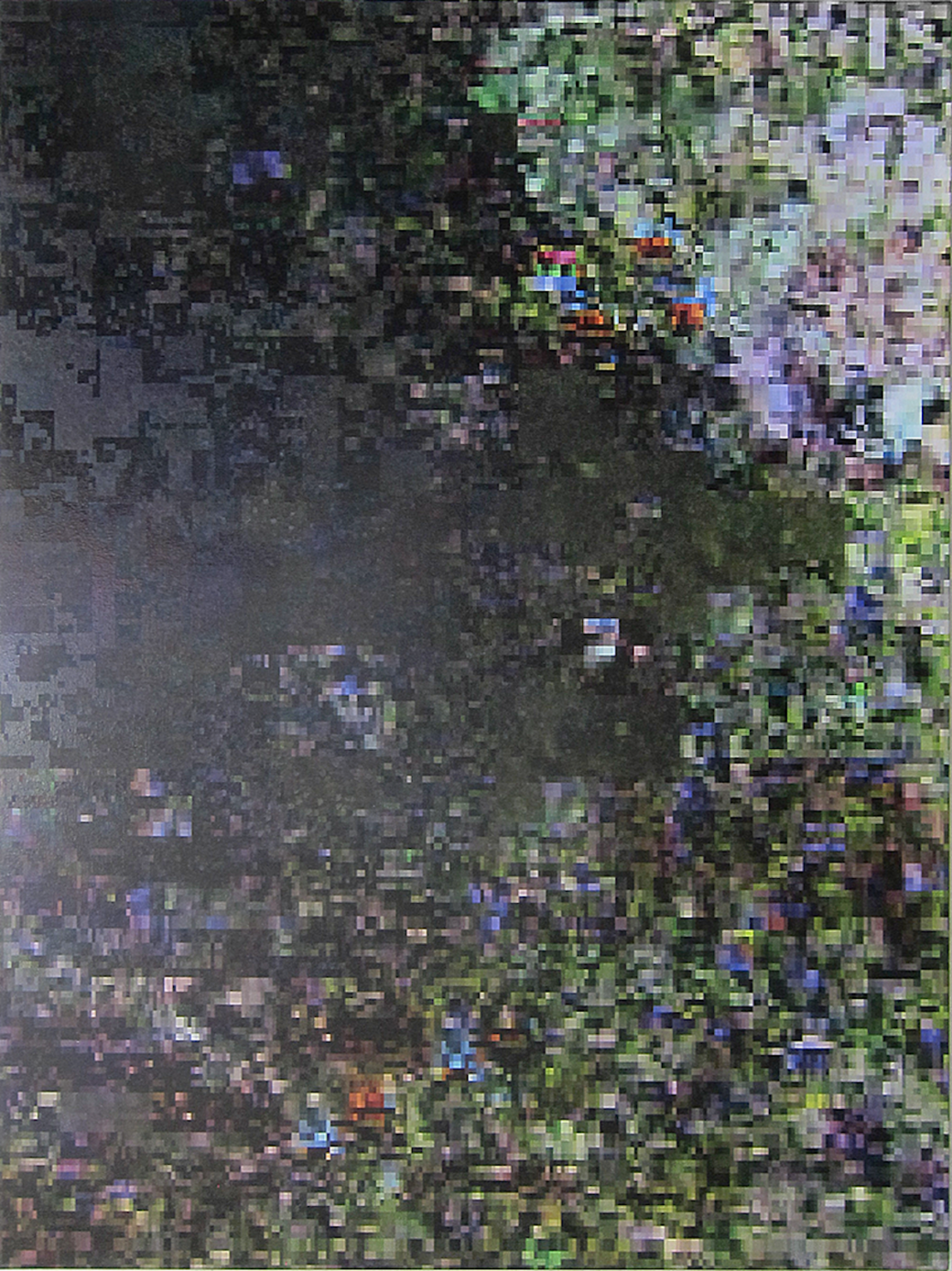



The show will be on view at Sophia Contemporary in London through November 17th.