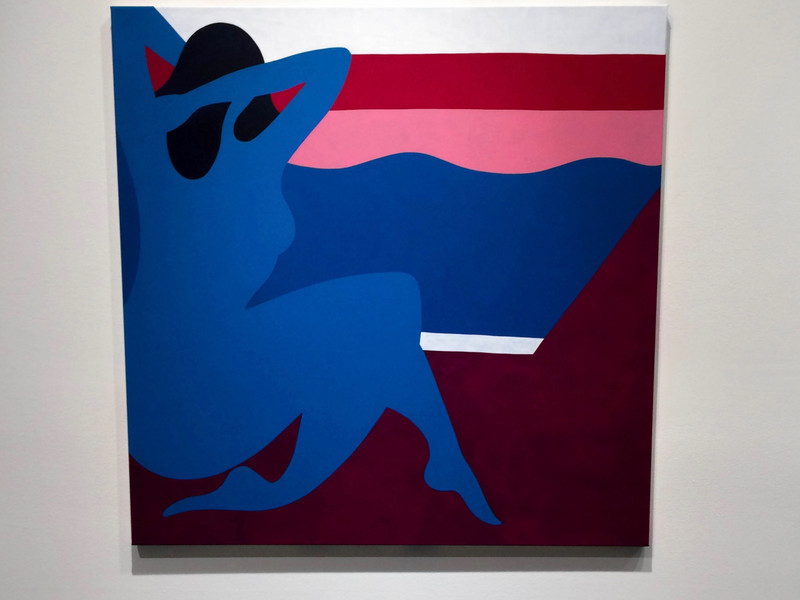
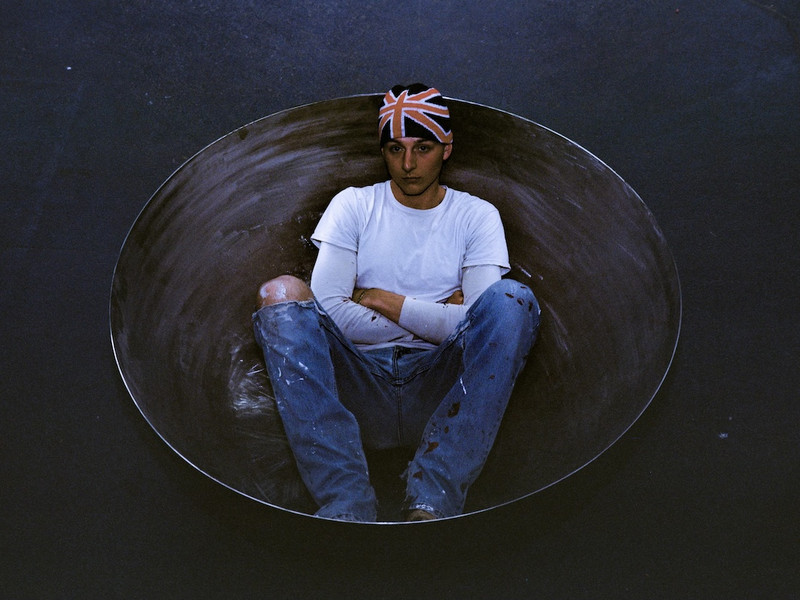
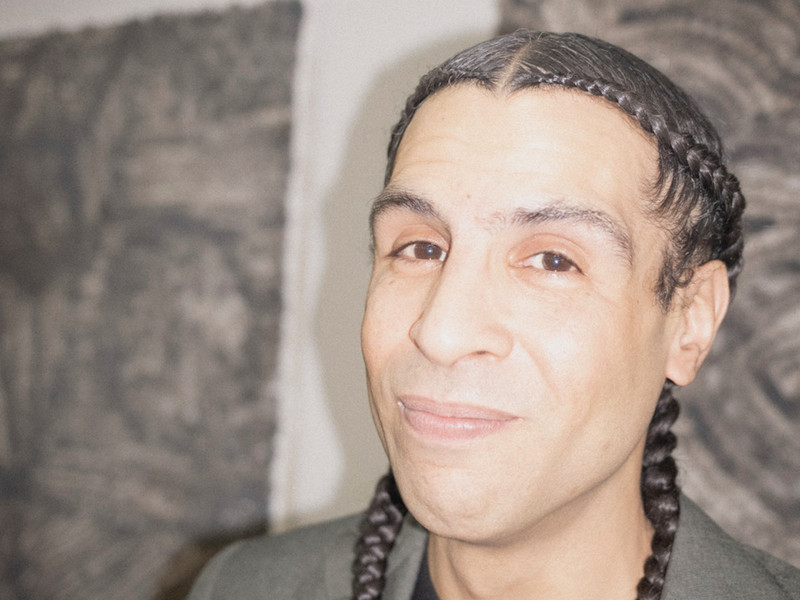
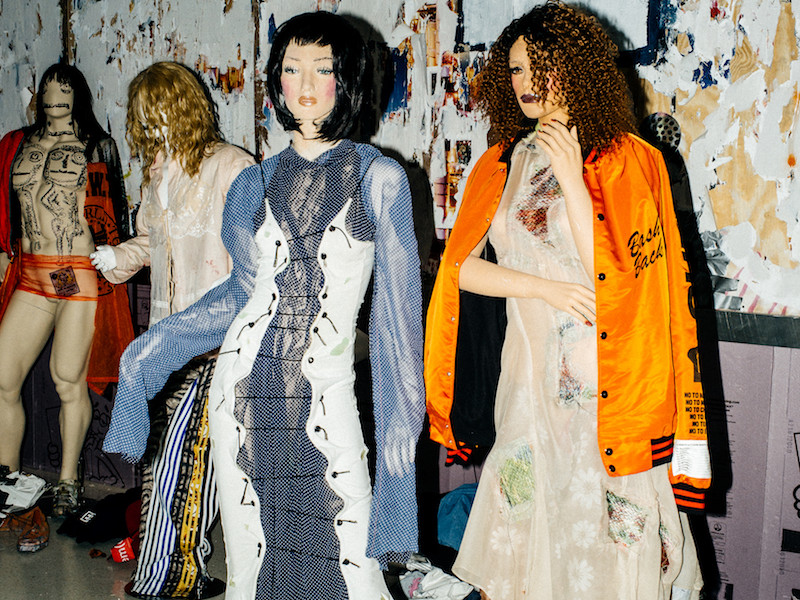
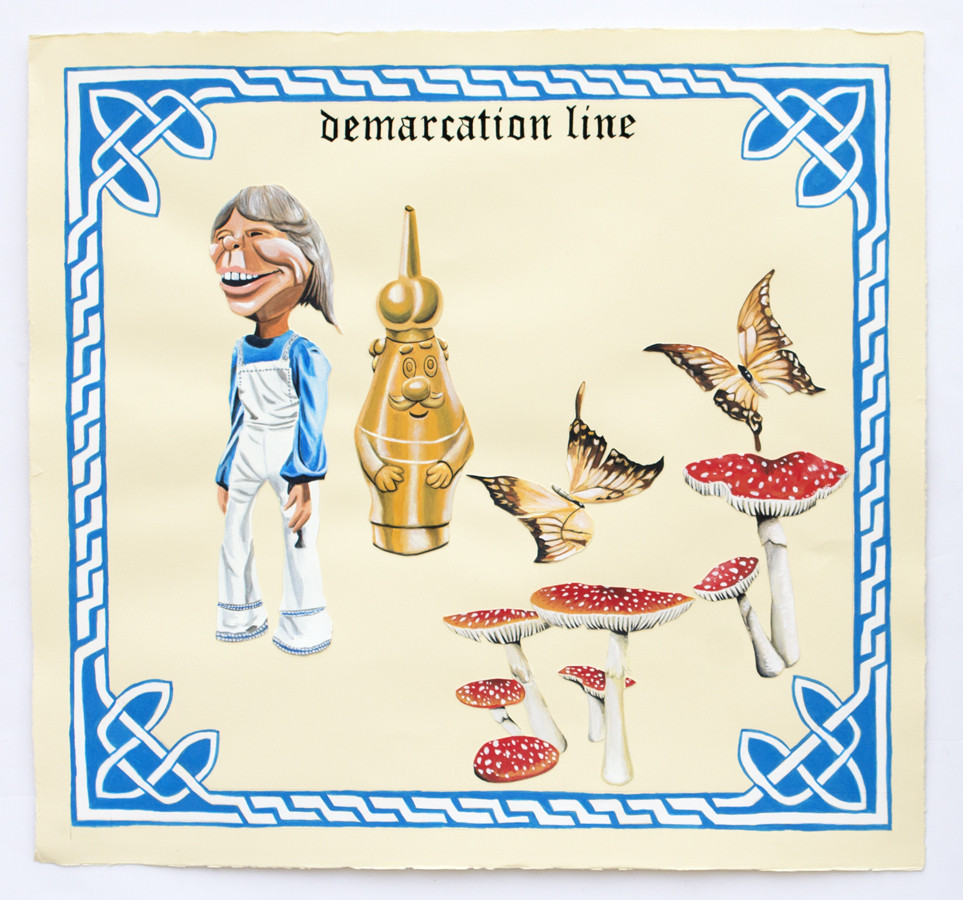
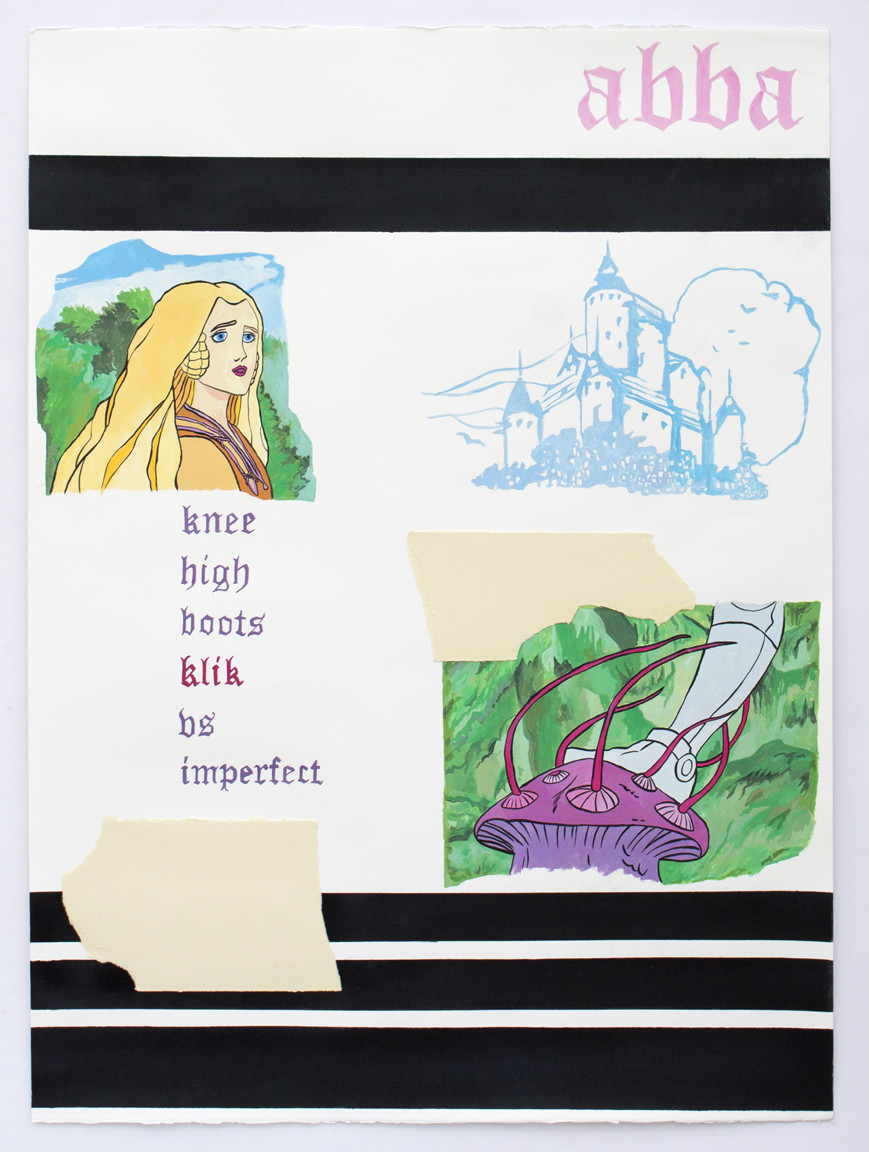
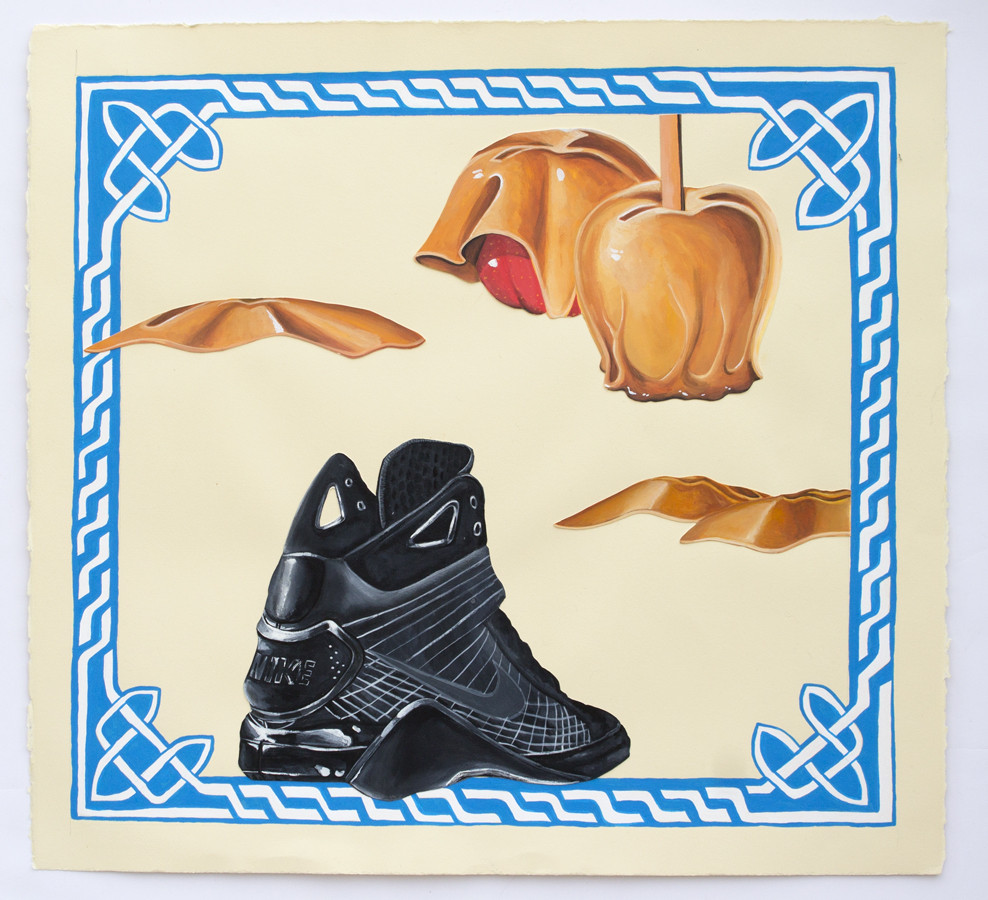
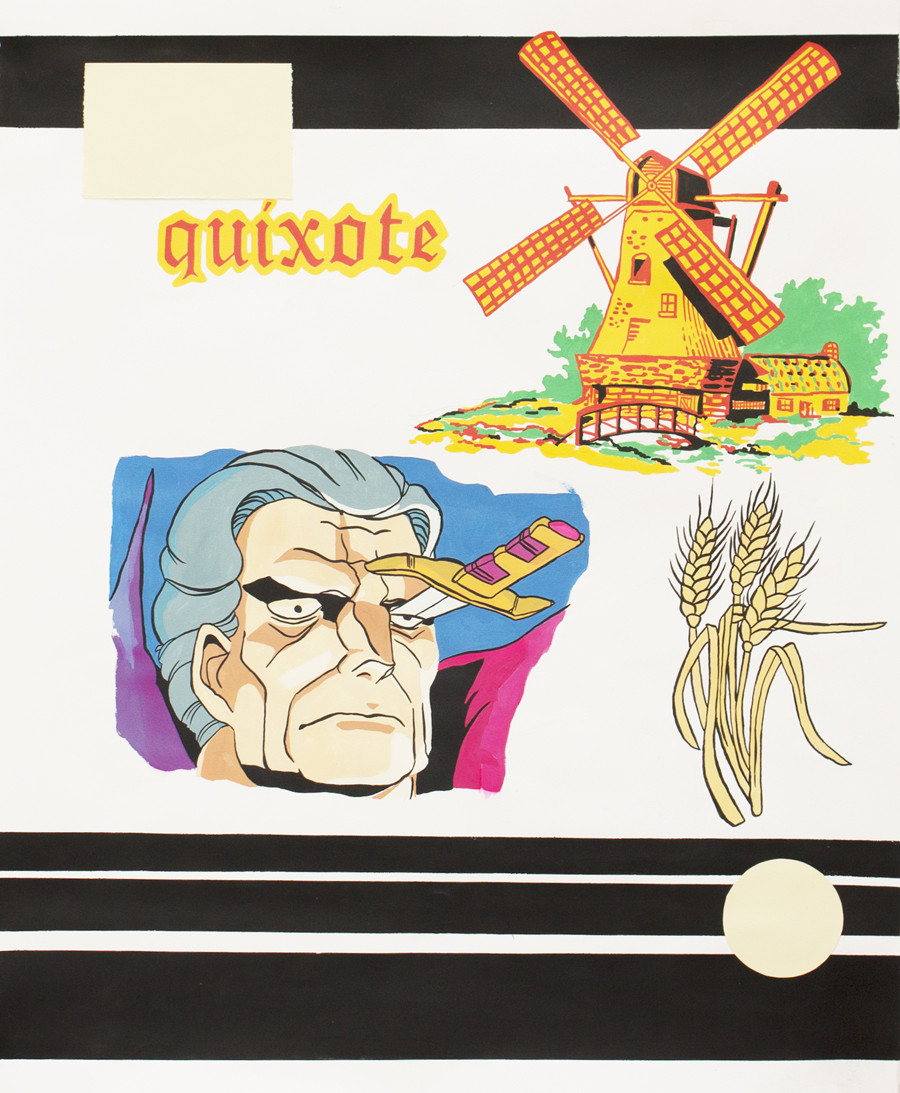
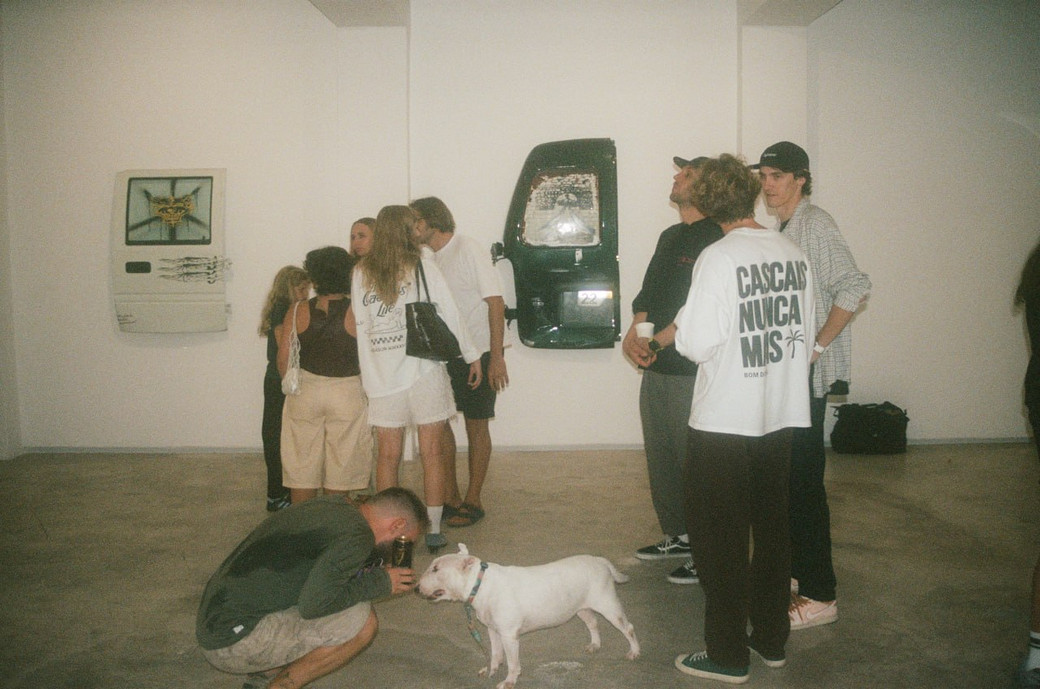
'Demarcation Line' by Shay Semple goes up at Romeo Gallery

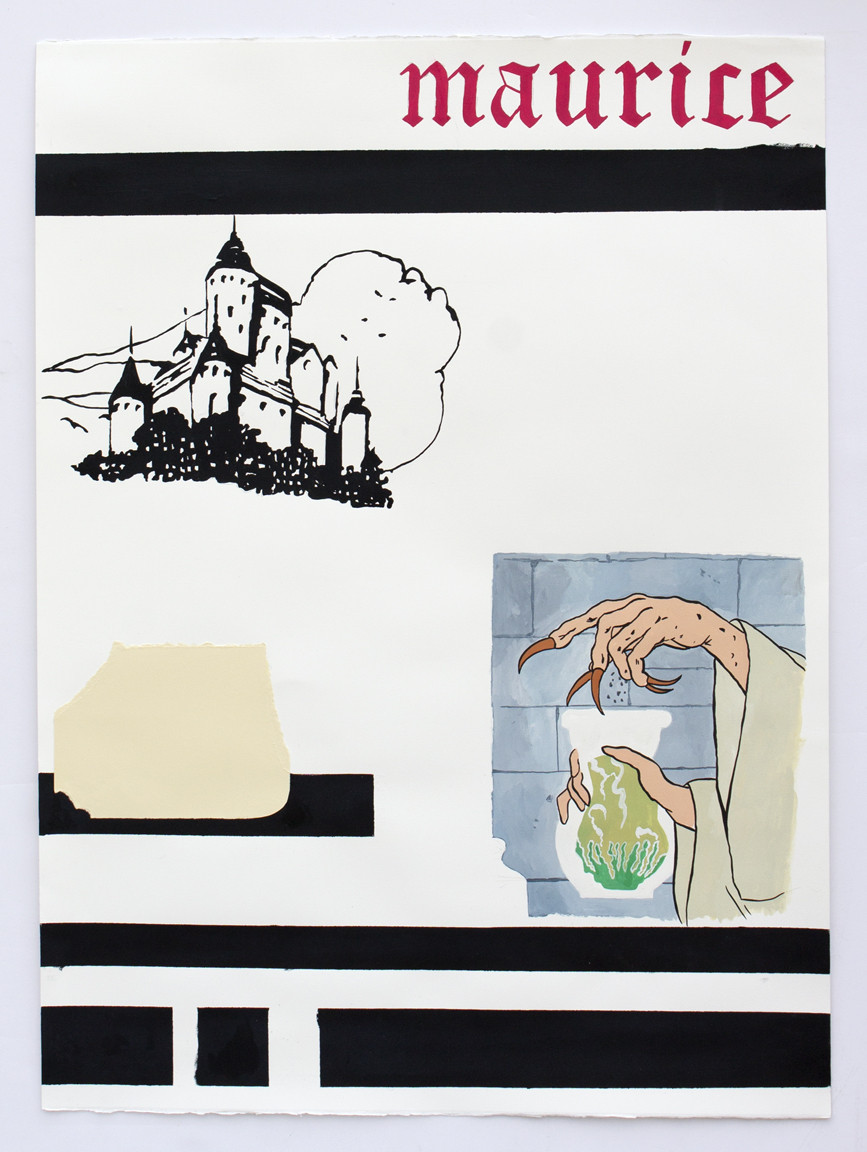
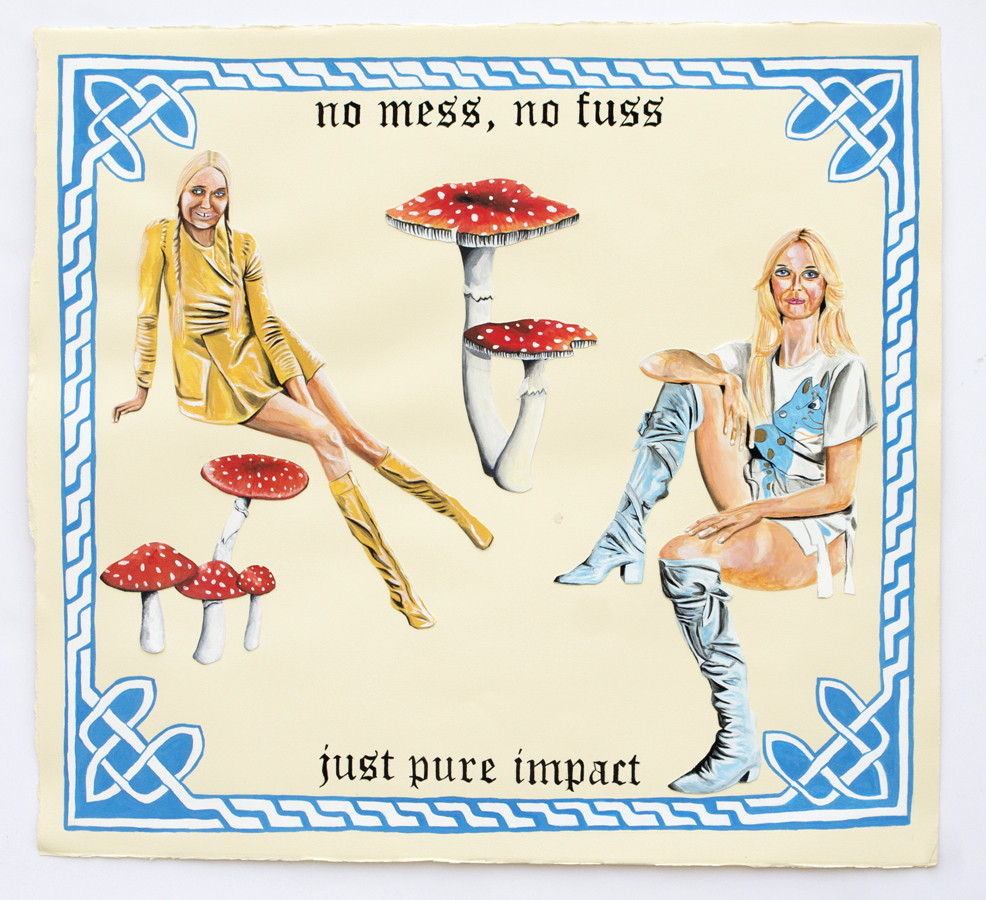
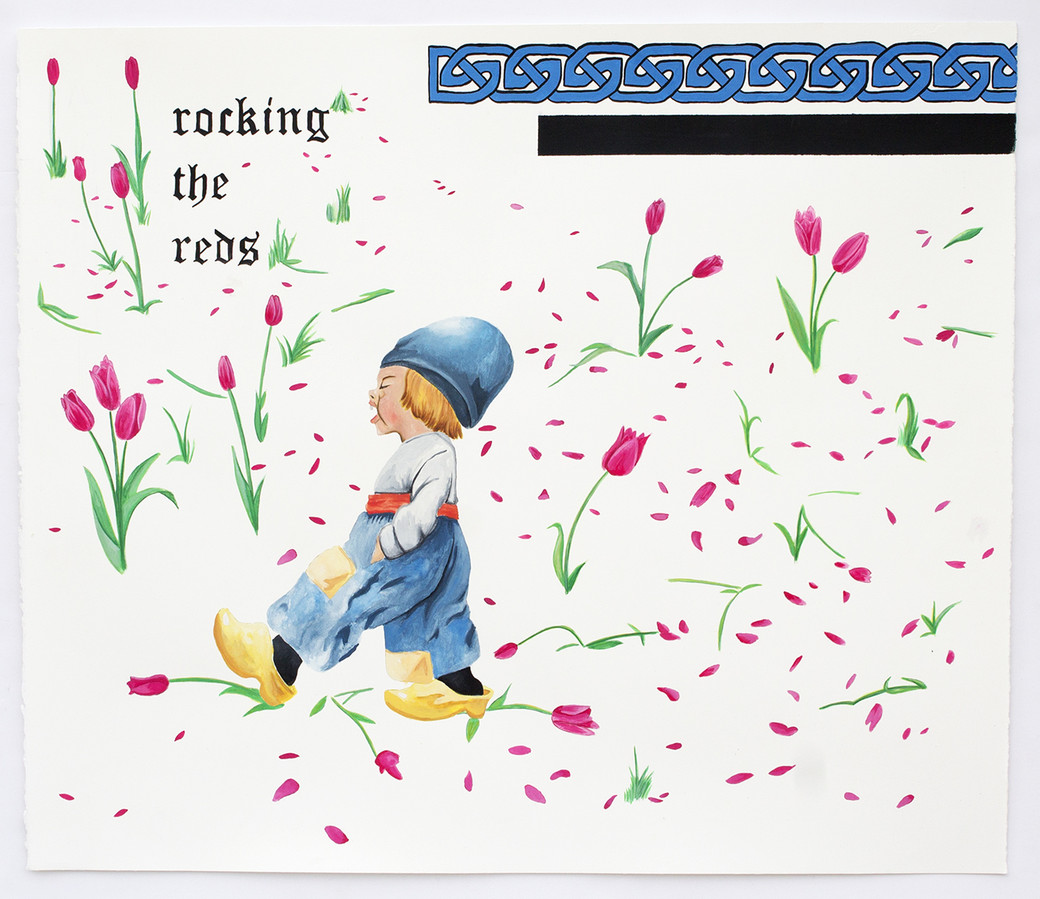
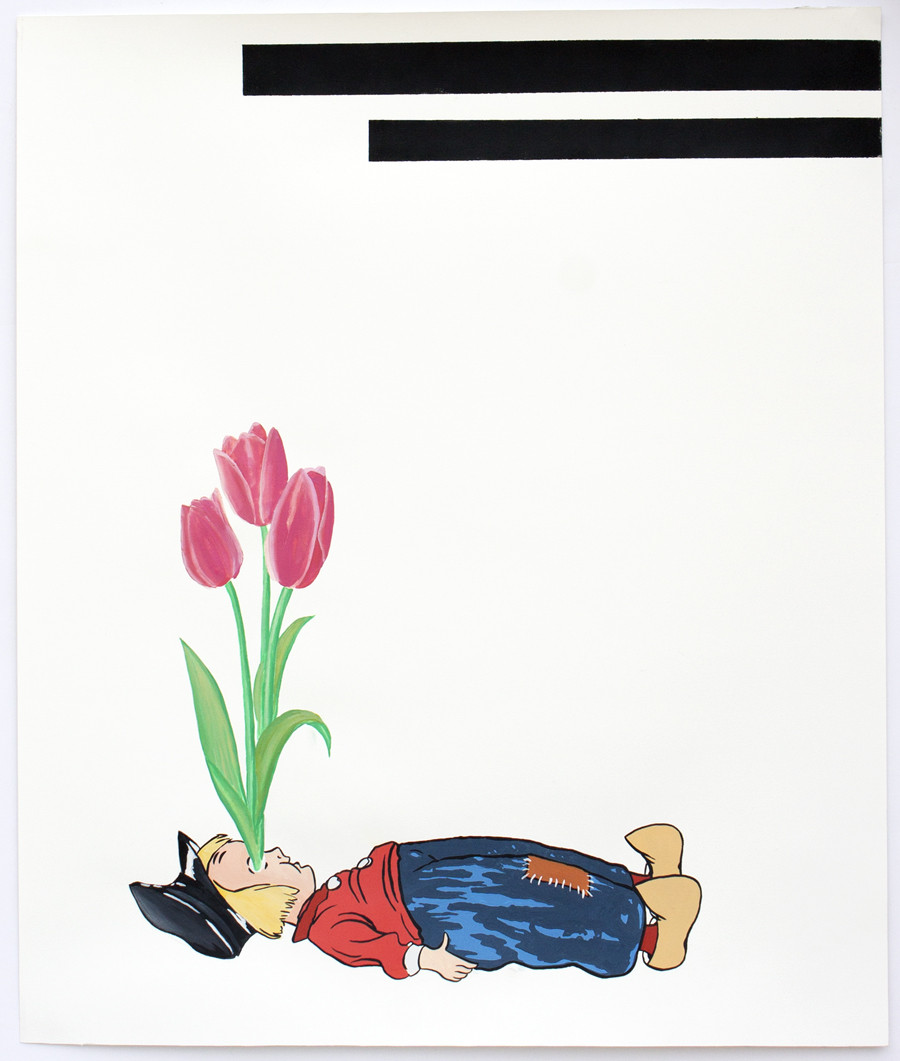


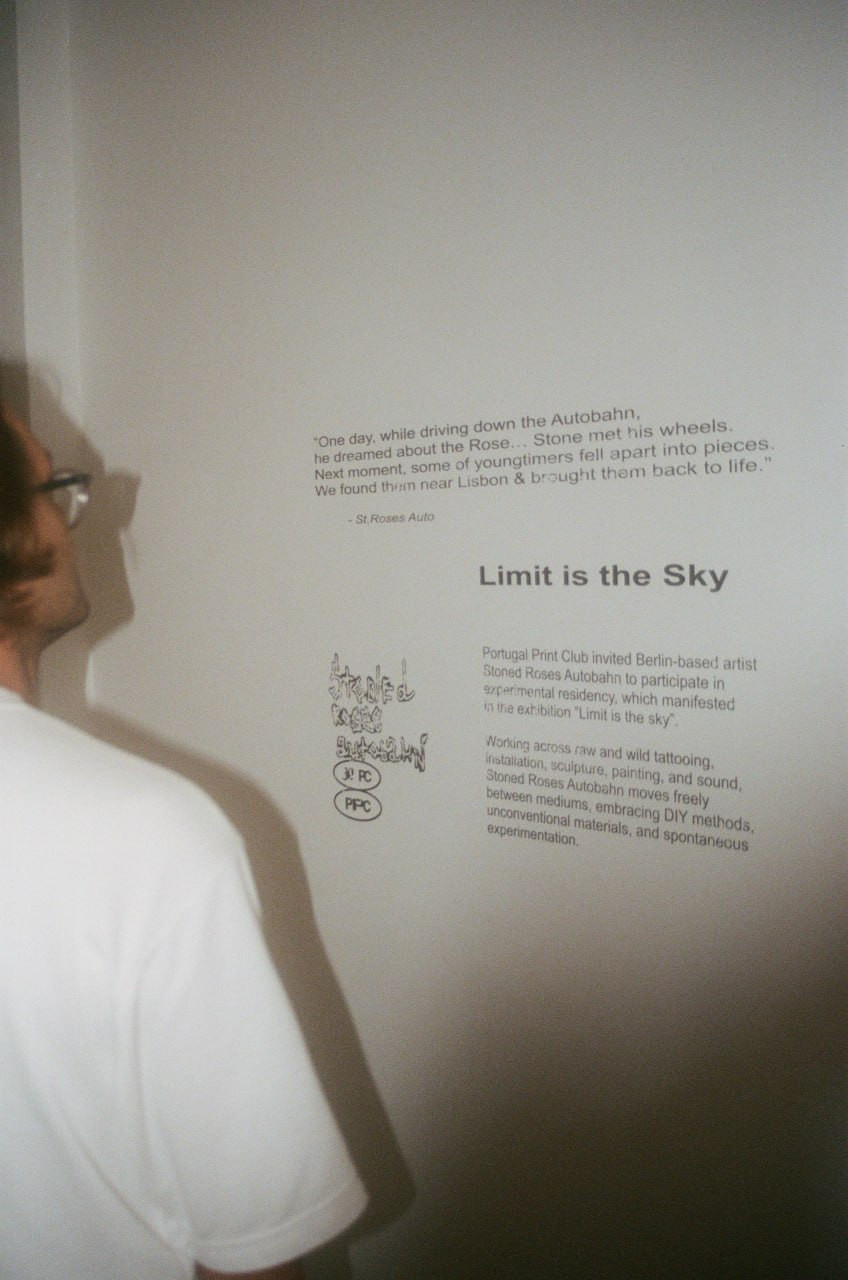
Your exhibition text begins with a dream on the Autobahn. Where does the name Stoned Roses Autobahn come from?
It's my connection of the present day deep into the Middle Ages to the time of knights and Templars… & imagine, how instead of abusing horses they are driving Japanese & European youngtimers. You can go through the labyrinths of what you feel about this naming. Stoned or sober, but true to the core, bro.

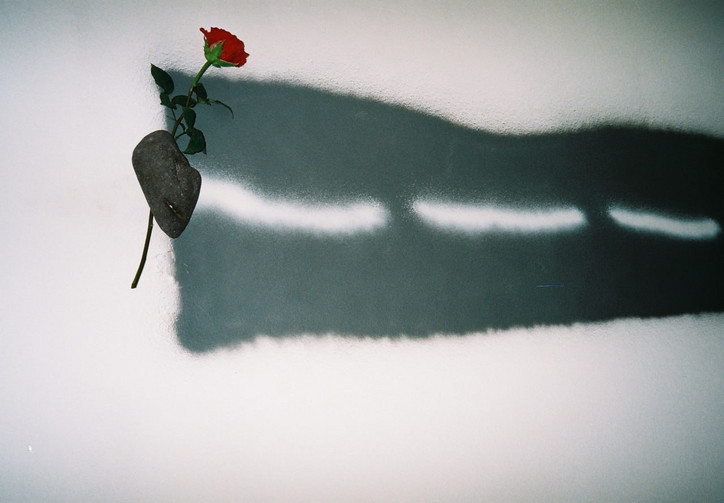
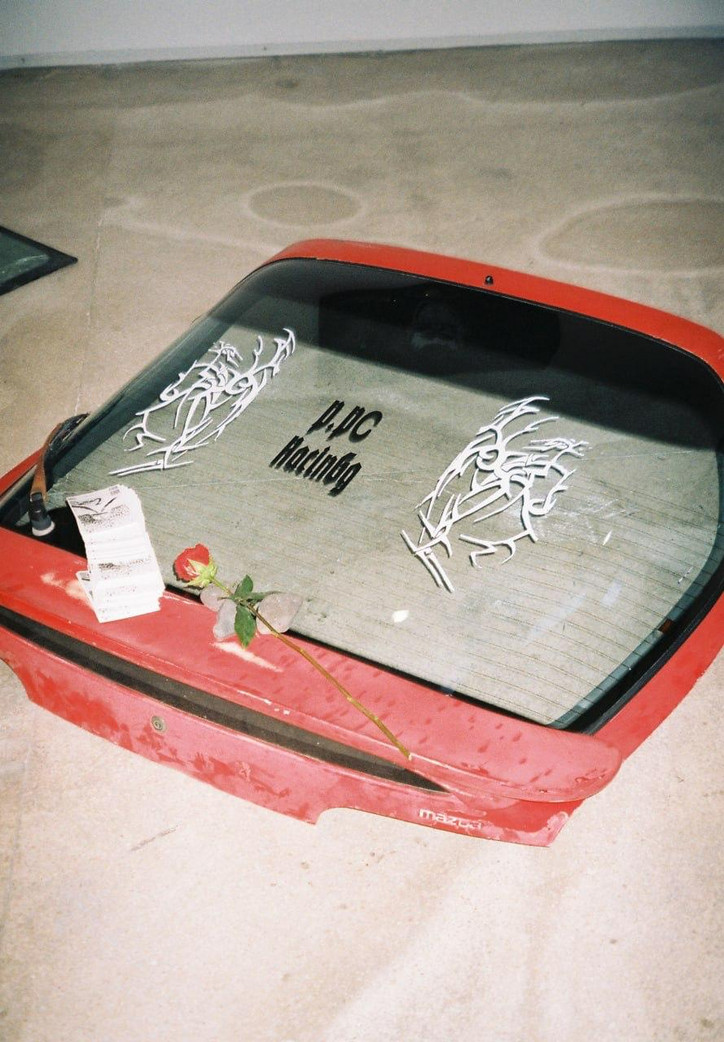
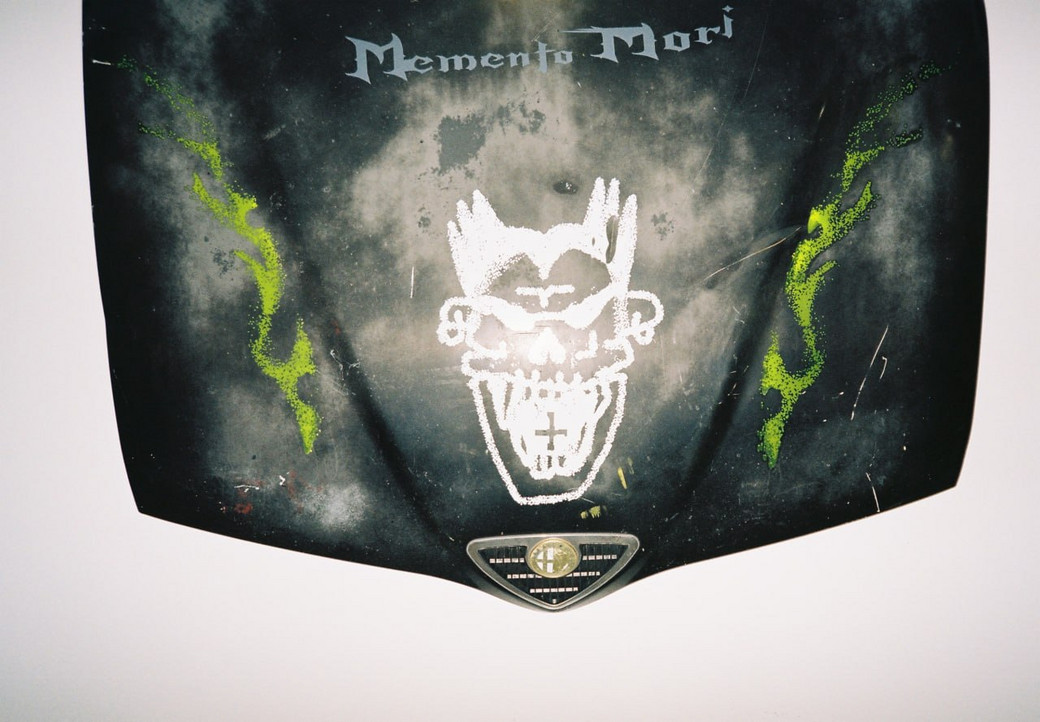
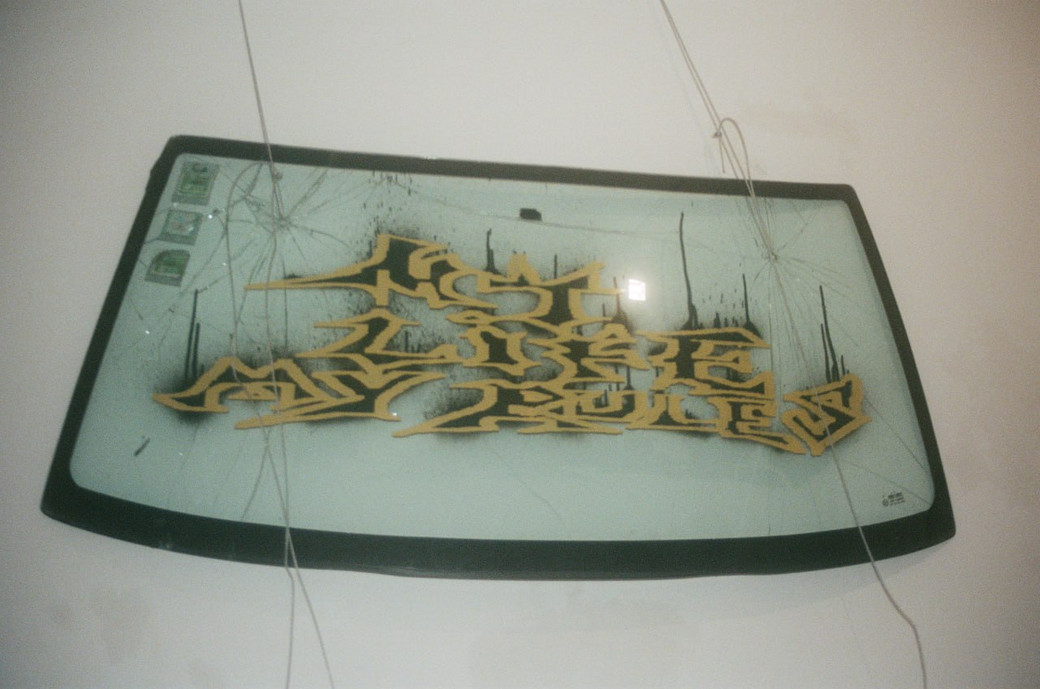
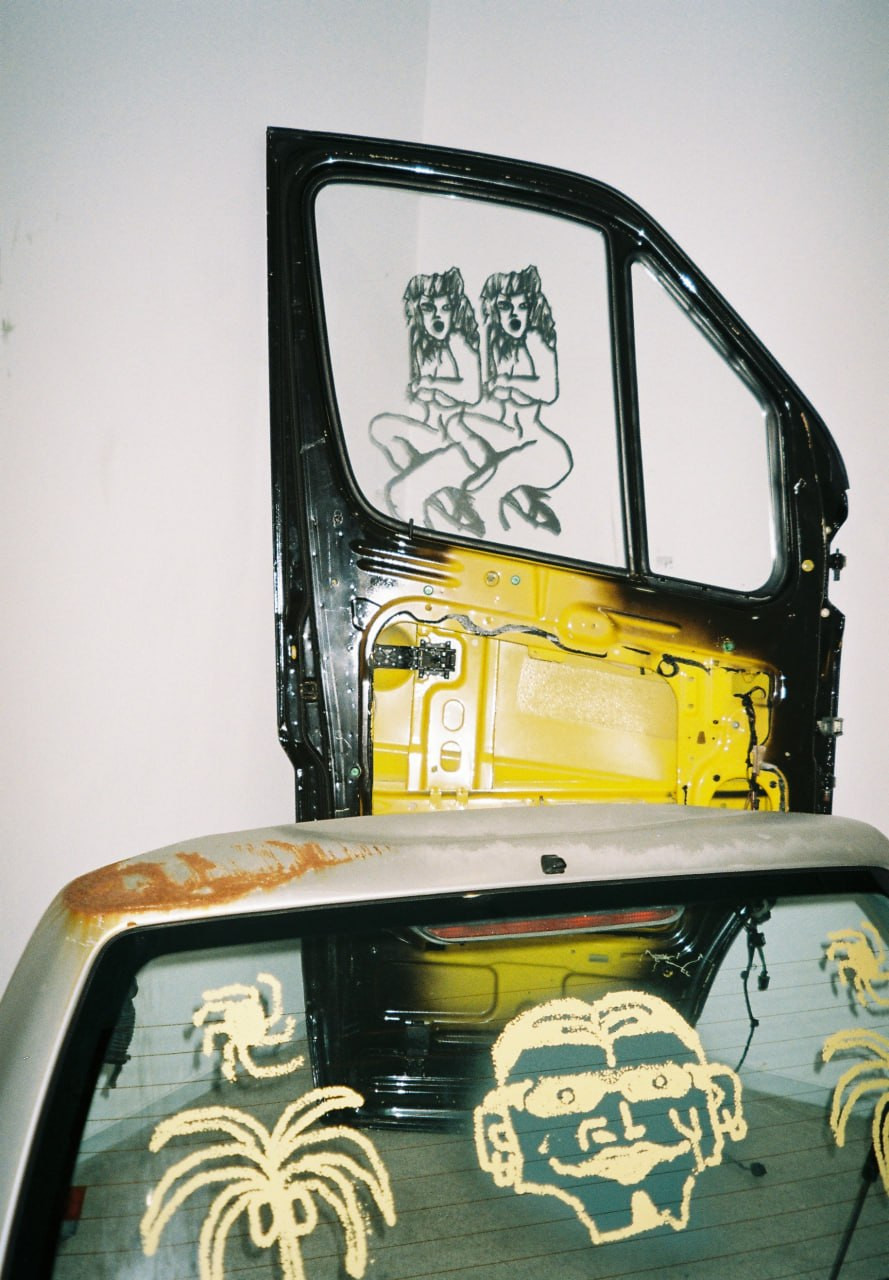
What were the car parts you found near Lisbon, and when did you start seeing them as material for the exhibition?
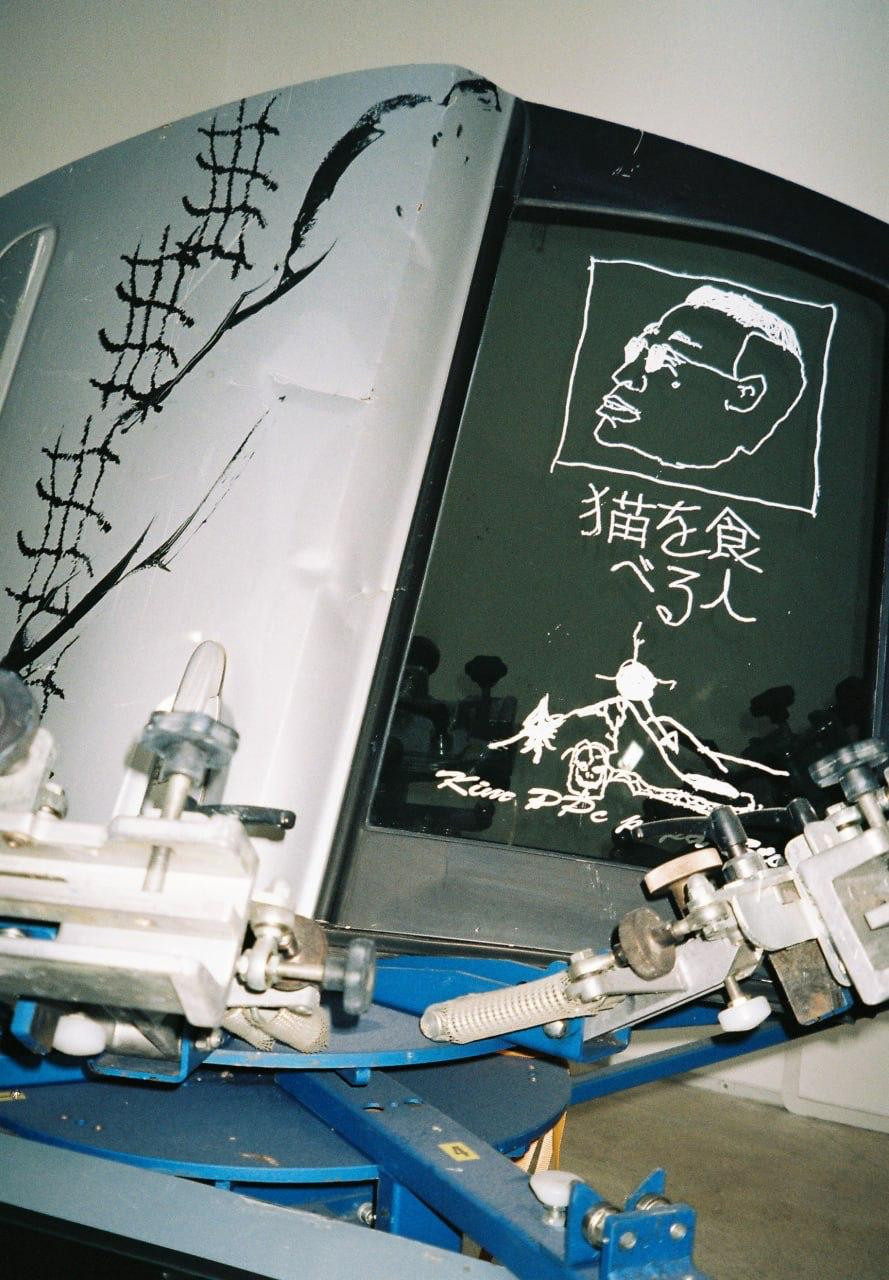
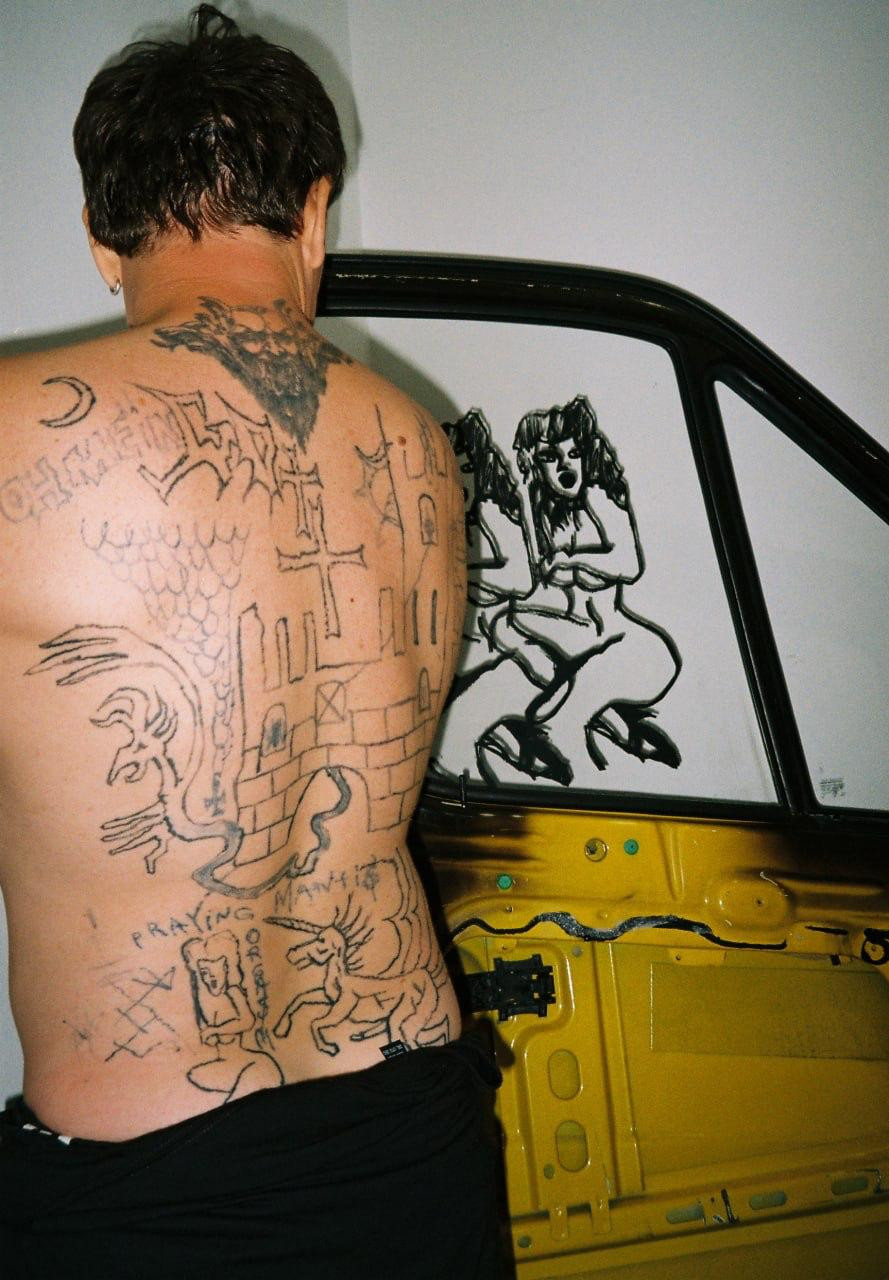
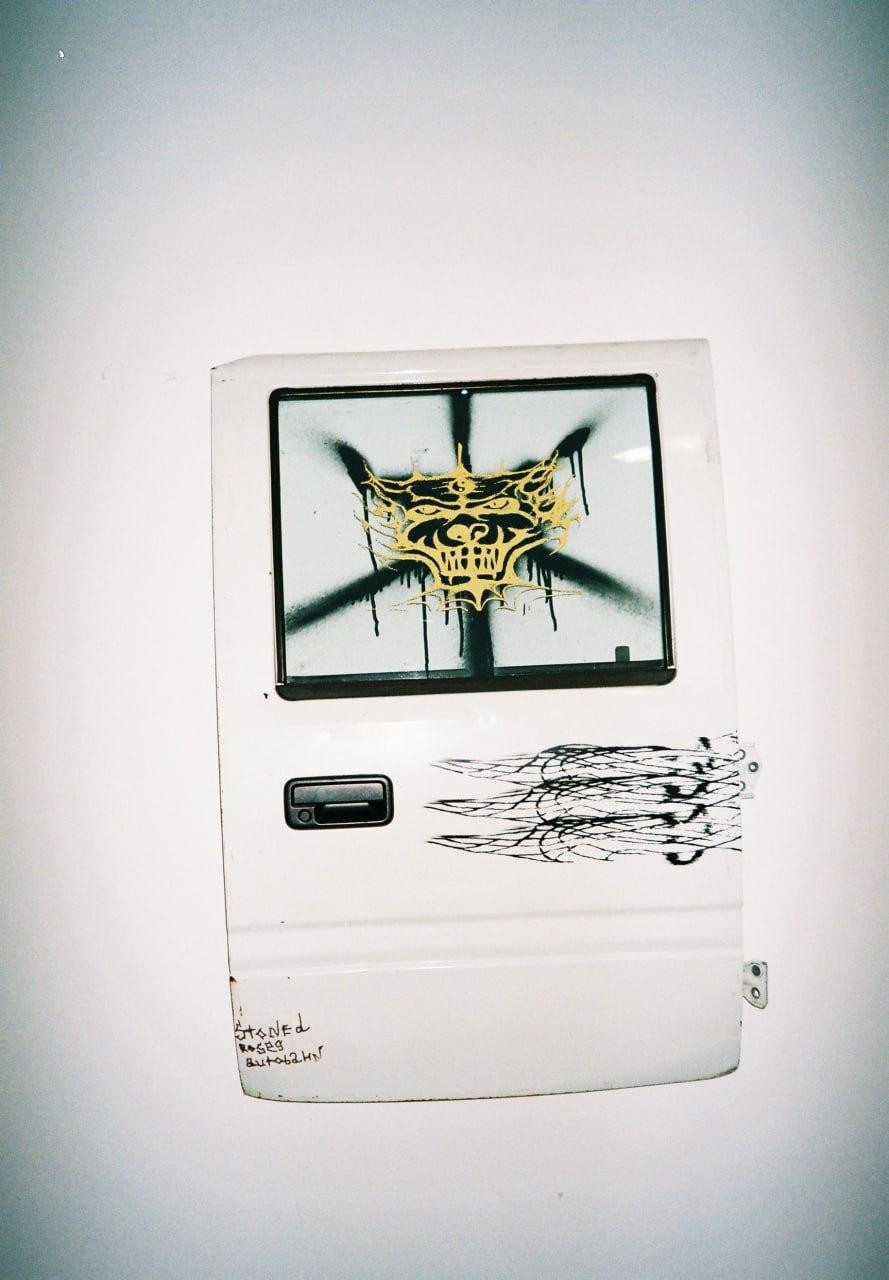
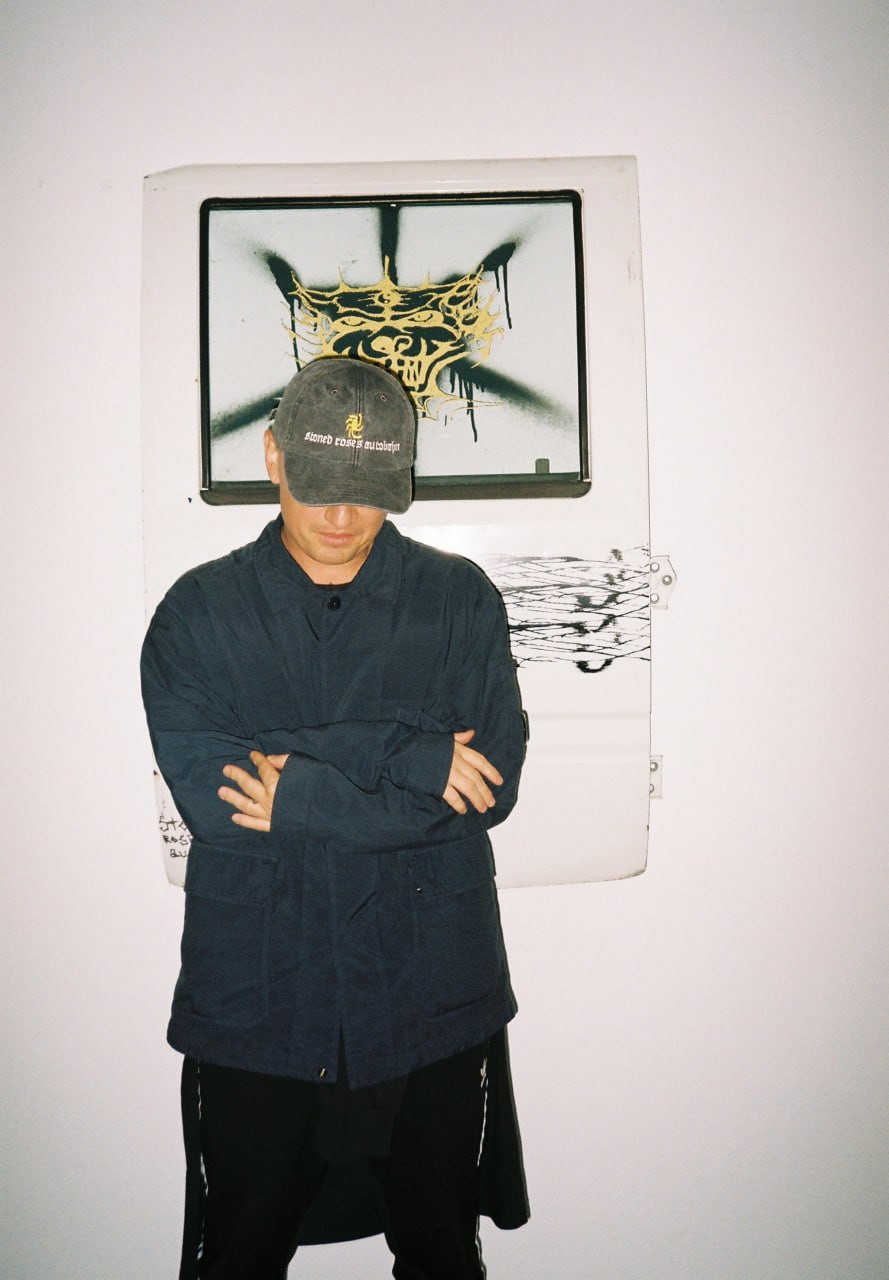
When PPC invited me to take part in this one week experiment, they suggested that we could silk screen-print my artworks onto any surface. I’ve decided to go with the car parts, of course!
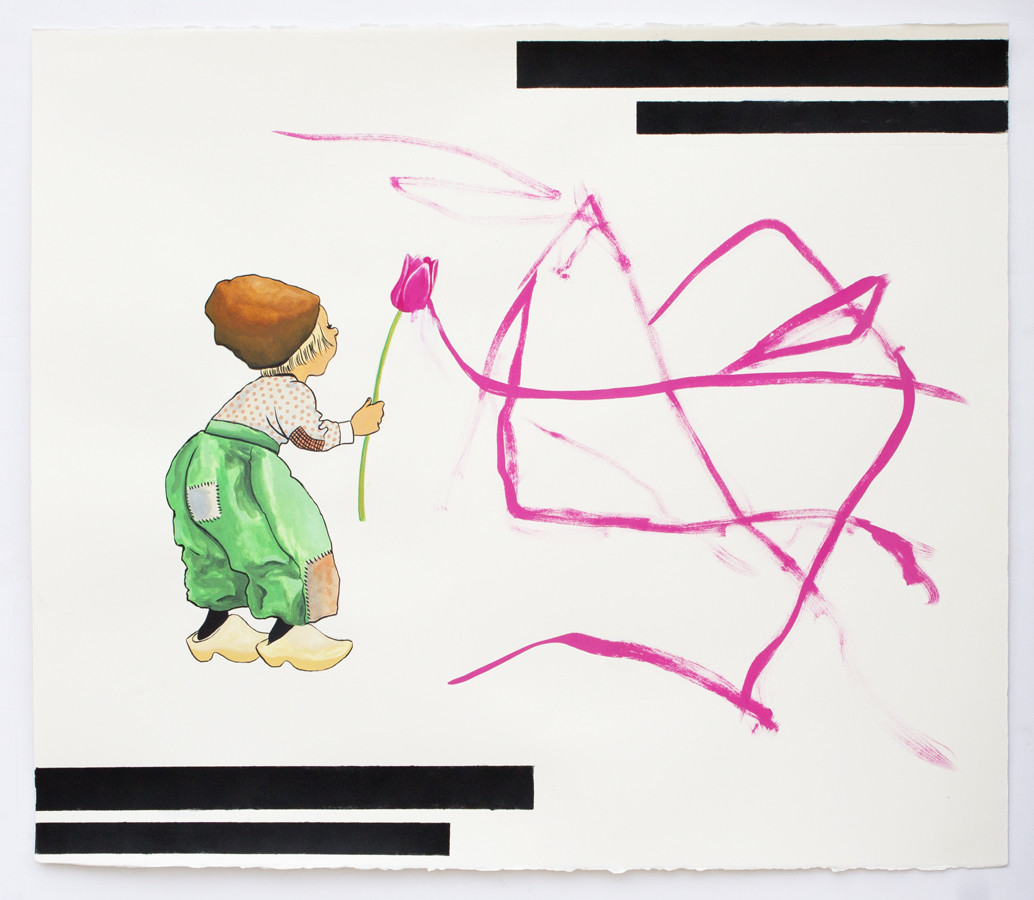
Can you imagine a scene in which, after a car accident, fragments of the car were scattered around and a child who had witnessed it, began to draw onto these surfaces. This idea is deeply connected to my own childhood, as my father died in a car accident. In that way, this work reflects personal experience.
Where is the limit? Only sky.
When we arrived, I found that the closest neighbors of PPC were a car repair shop. They didn’t have anything from the kind of older cars I was looking for. So they sent me to another repair shop. The owner didn’t speak English, so he asked us to call his son – the coolest guy named João. He was based around 50 kilometers from Lisbon, in the Sintra area.
He had a huge car scrapyard with lots of parts for sale. We went there by motorino, and I explained the idea of CRUSH TEST collection. I asked if he could help me find some unique parts, not to sell them to me for a lot of money, but simply to help with the project.
This guy was into the topic, and that’s how it happened. Pure magic of connecting with the right people at the right time.
I’m really thankful to João and to everyone who helped make this chain of communication happen, including Miguel, a member of the Portugal print Club team, who helped us with the translation.
You move between TATTOOING, painting, sculpture and music. What makes an idea become a garment rather than a track or an object?
I just have a feeling for what I want, and when I truly want something, I make it happen.
From the landscapes of White Tigers to the bass experiments of PAi: moomia bass, what changes in how you make music, and what stays with you?
My musical experience and realization are deeply connected to different periods of my life. There is a time to collect knowledge, and there is a time to express certain feelings. Somewhere in between, you can see and feel what is happening in my life.
Your releases include reused cassettes and CDs burned and decorated at home. What does the physical object add to the listening experience?
It’s not about the listening experience. It’s about design. I just want to place the visual part of a release on a surface. As you heard before, it’s the same with the car parts, the cassettes, and the CDs. I just like it when you can touch it, when you can feel it, when you can have it in your hands and see it in real life, not on a screen. It’s about design.
What happened at Portugal Print Club that you couldn’t have planned before arriving?
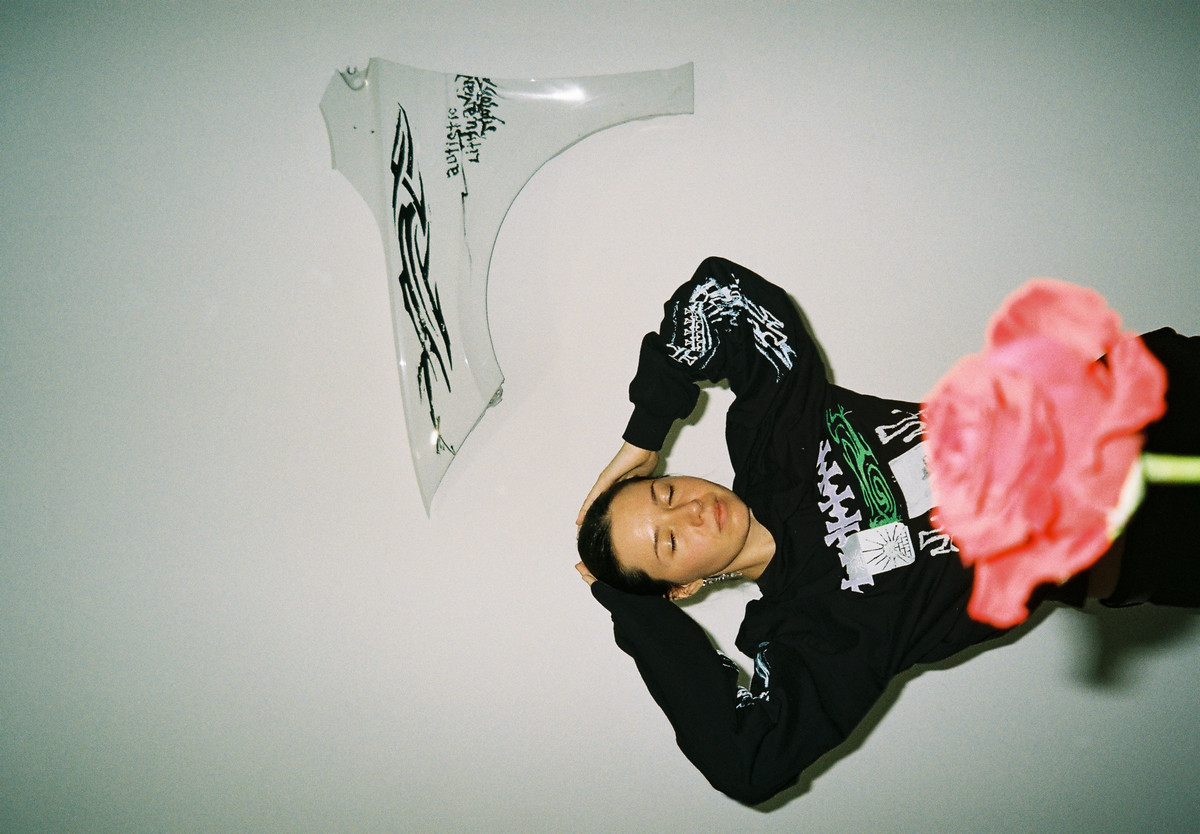
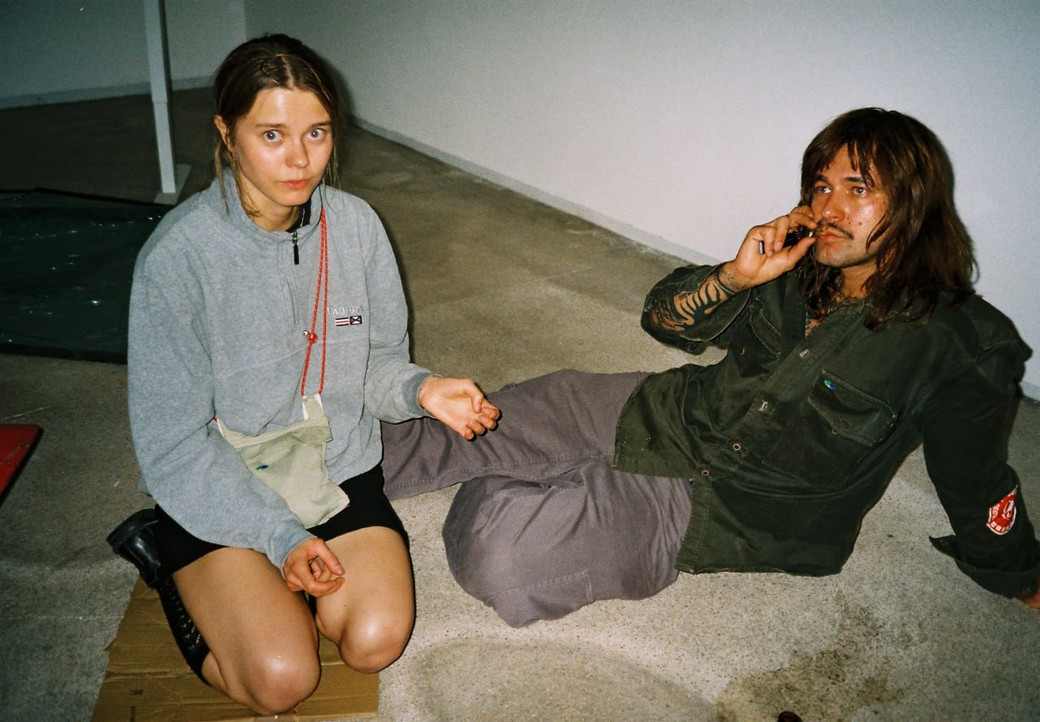
I cannot plan anything during an experiment. I was tasting the process with cool people, with my muse Lisa, with my friend Ildarius, and with another cool guy who is new in my life. His name is Anzor. And there was something real in the relationships and the chemistry during the process. That was the main thing. Thanks to Diogo, Grishagreg, you bro & Taras, who played during the opening. Darina & Miguel who helped a lot.
But if you’re asking about the result, it was a belief. I was actually believing that everything would just happen, that cool people would come, that they would be touched by what they see, that they would ask some questions and would simply be interested in what they see.
And it happened. It’s not about the plan, it’s about beliefs and enjoying the process…
(I definitely planned to see you and show the exhibition to your Parents.)
“Limit is the Sky” turns a familiar promise upside down. What does that reversal mean to you?
This is a cliché. I’m turning the cliché upside down. But it’s still a cliché, man. Even upside down, love is love.

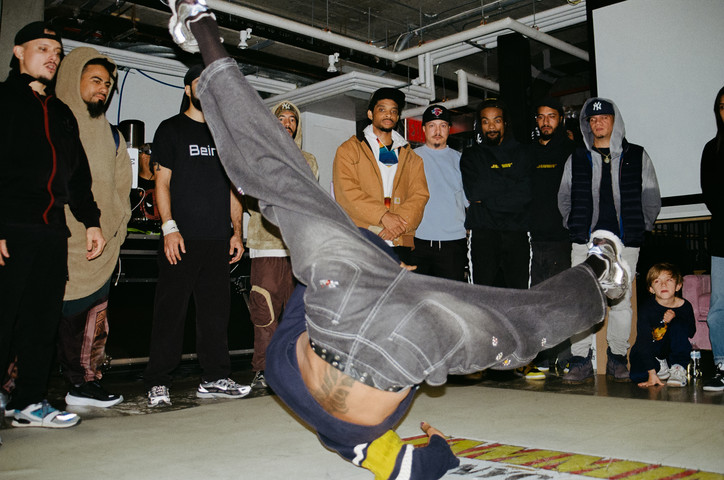
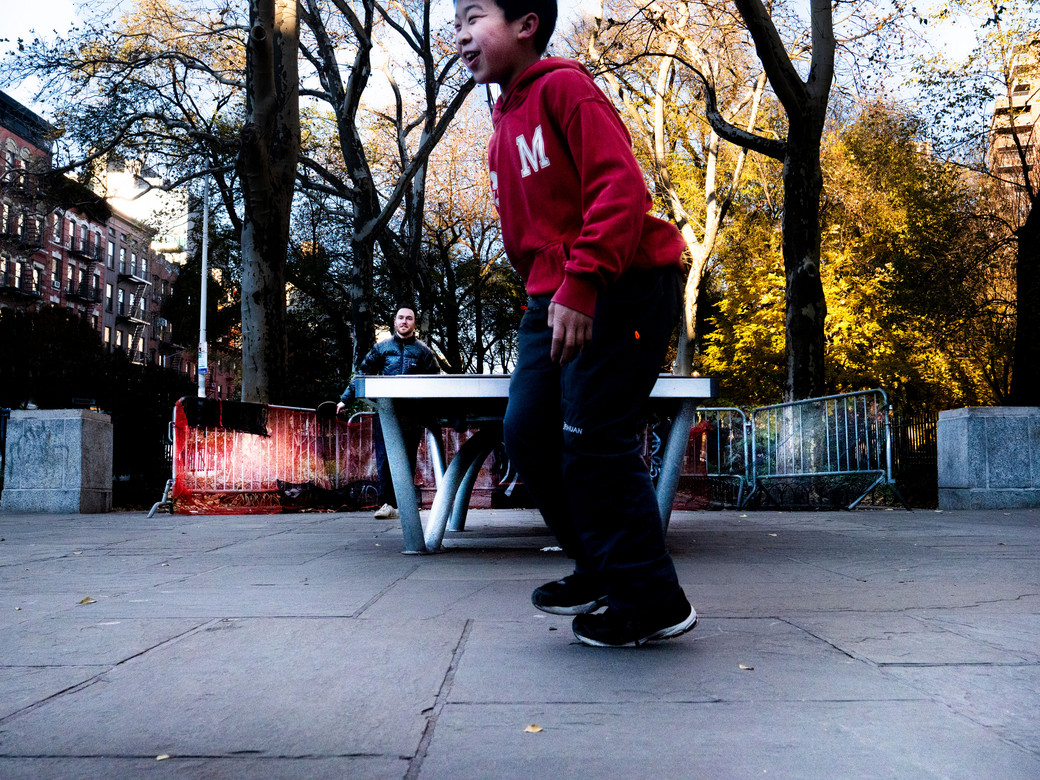
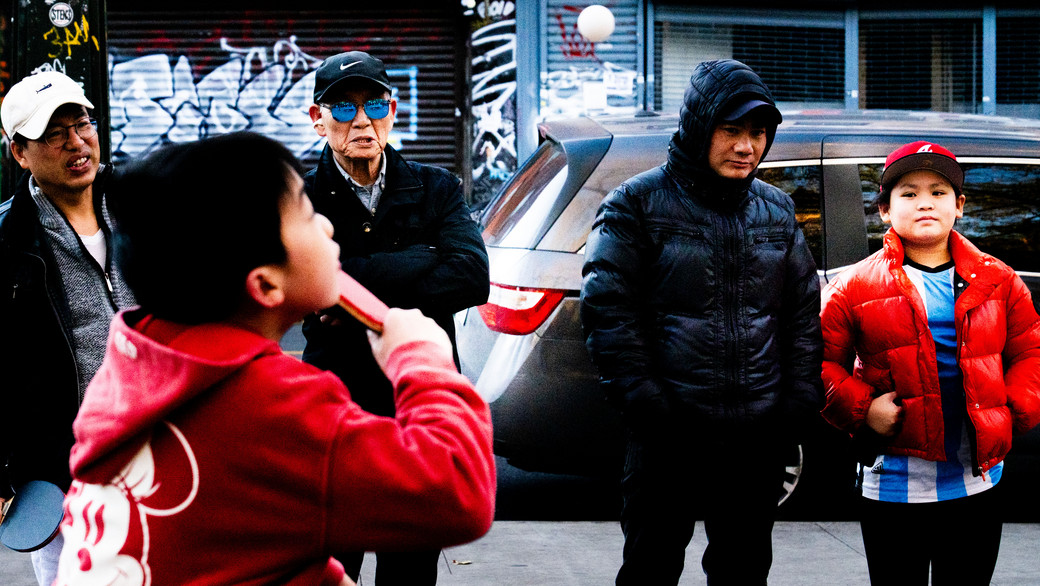
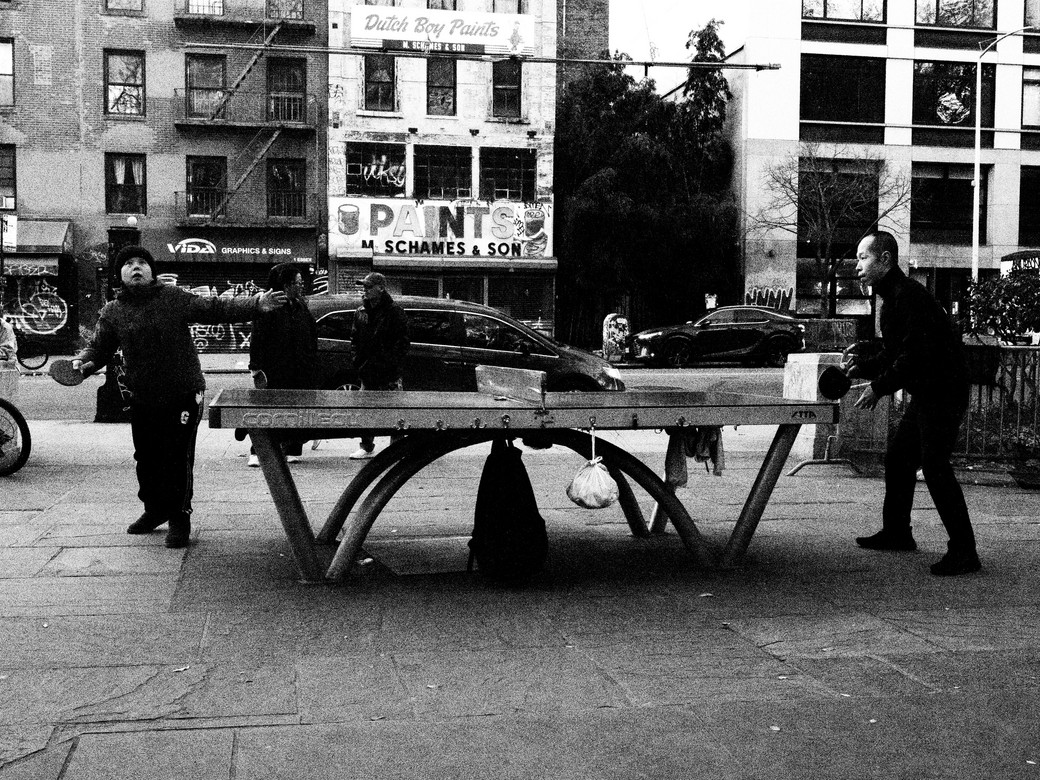
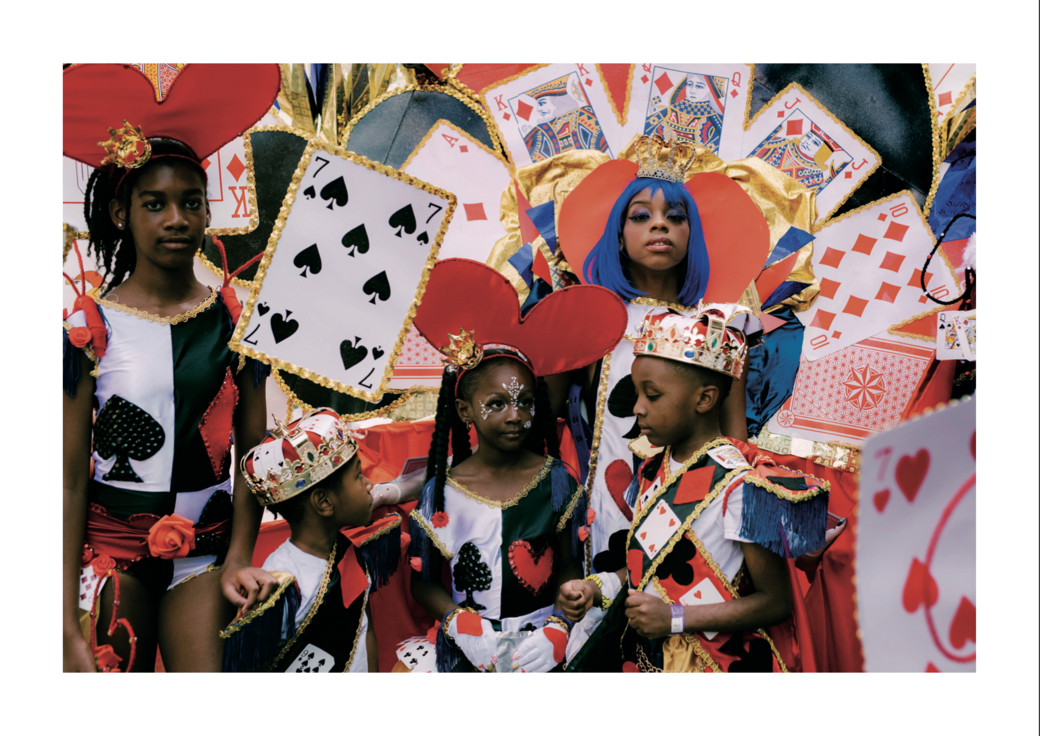
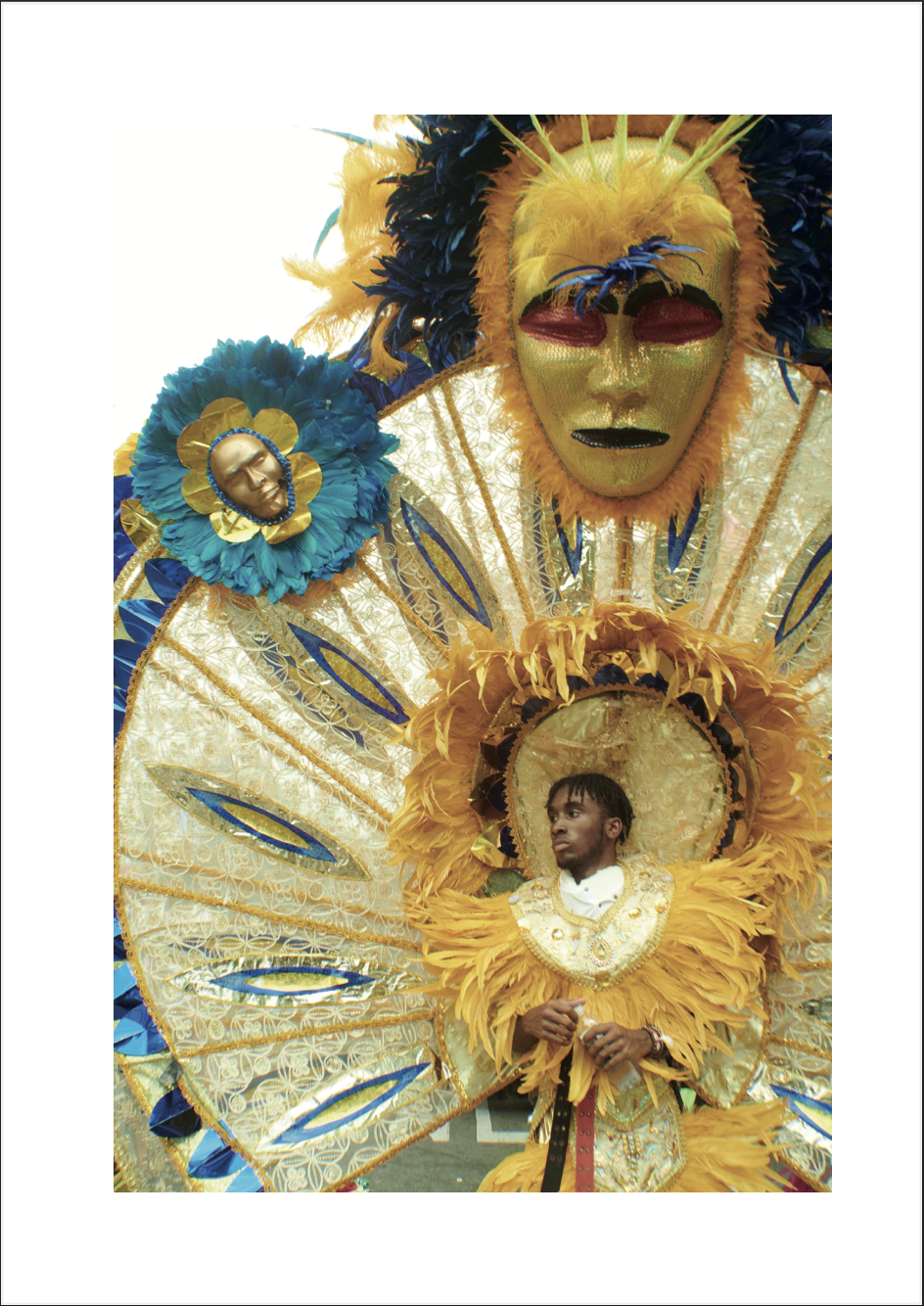
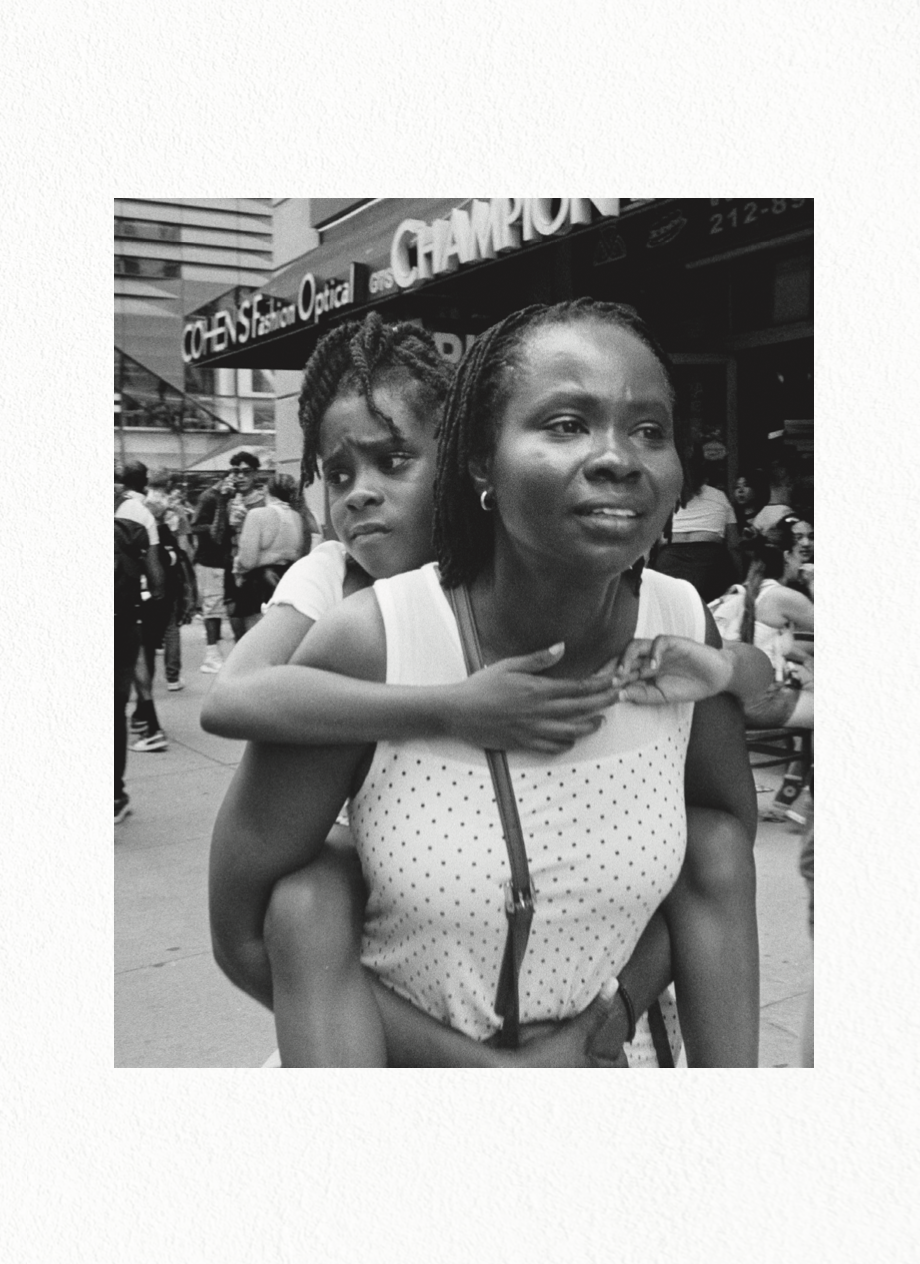
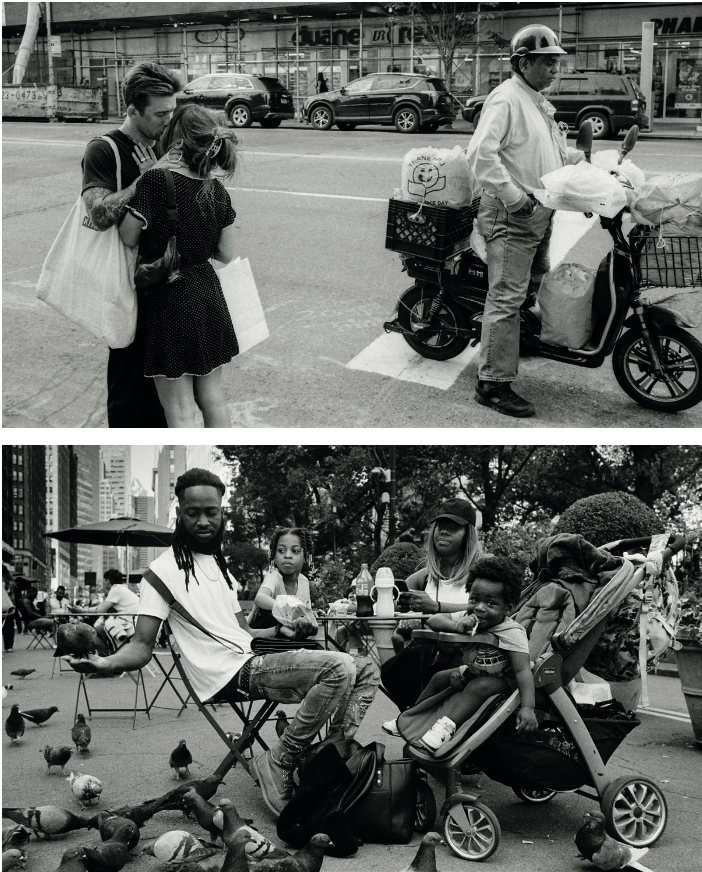

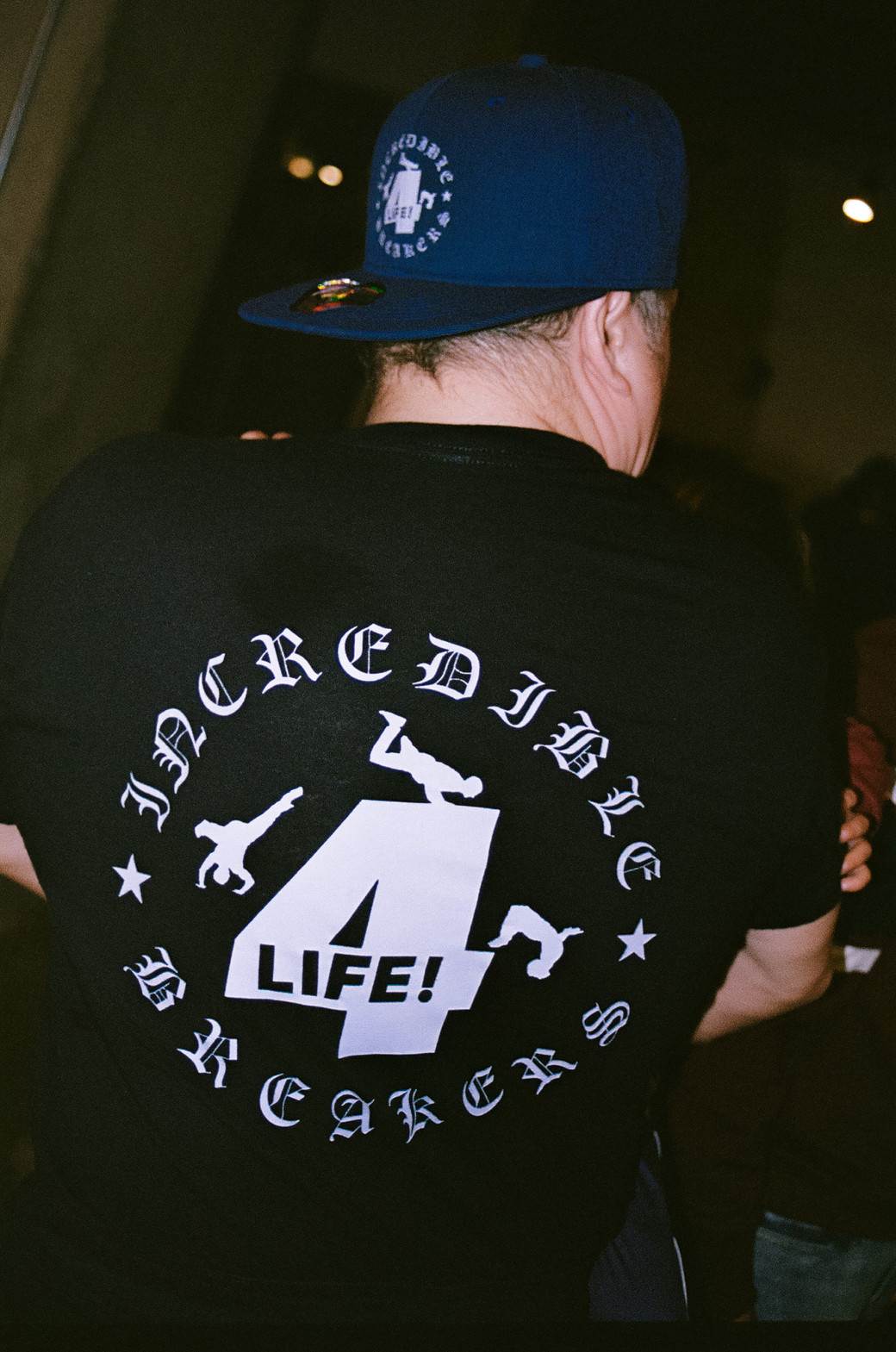
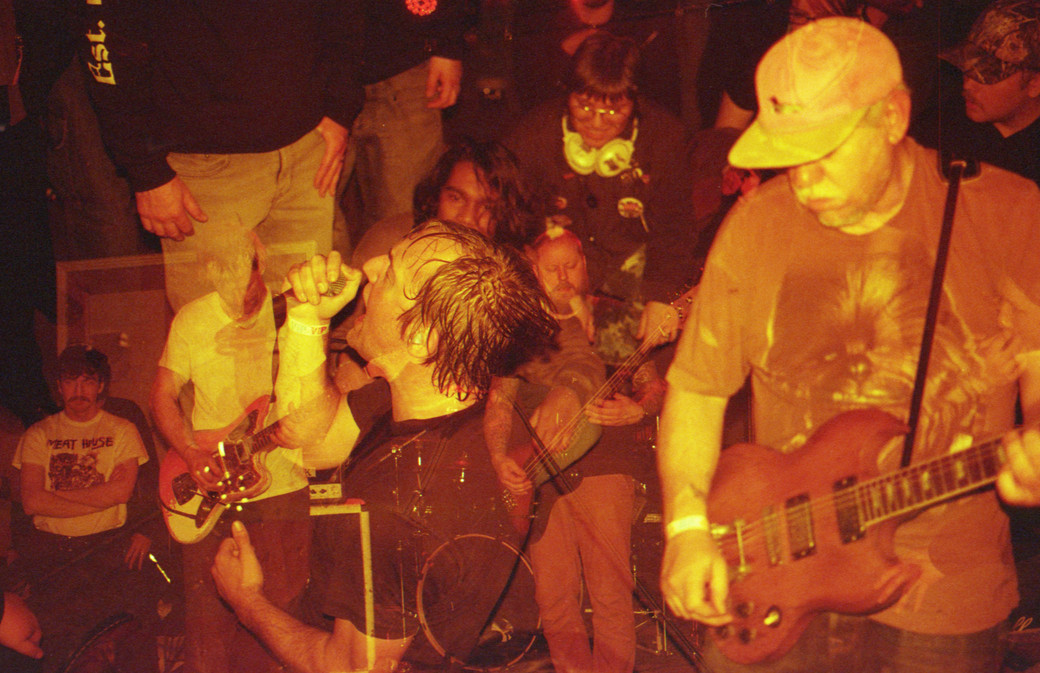

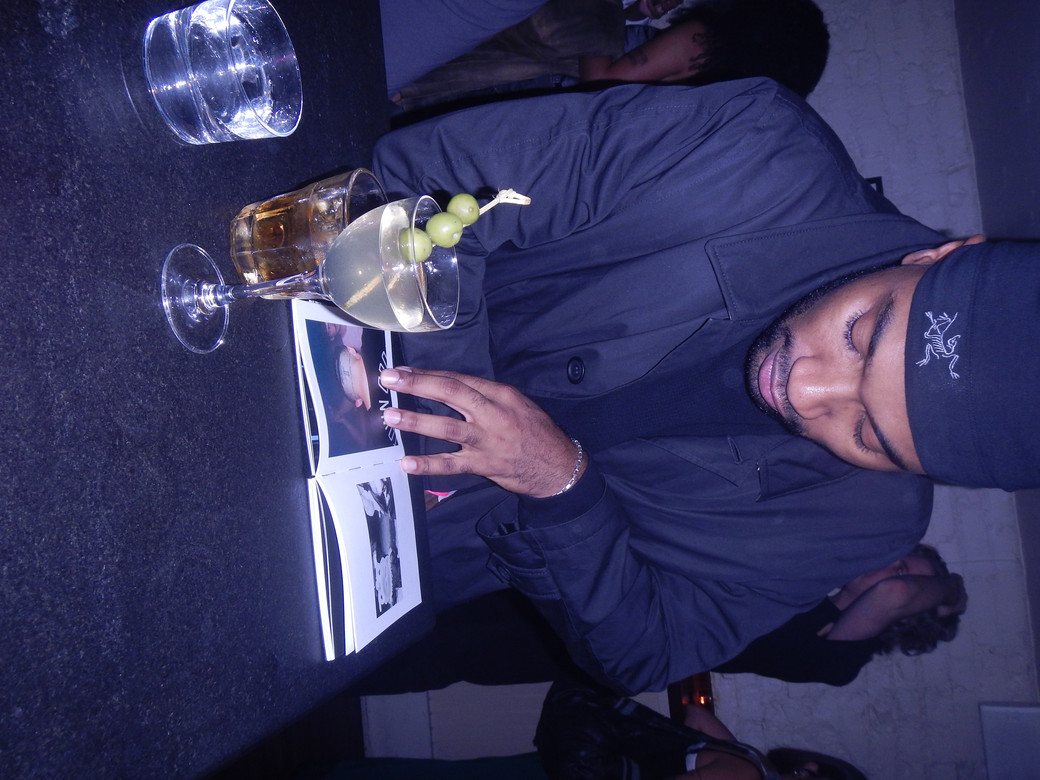
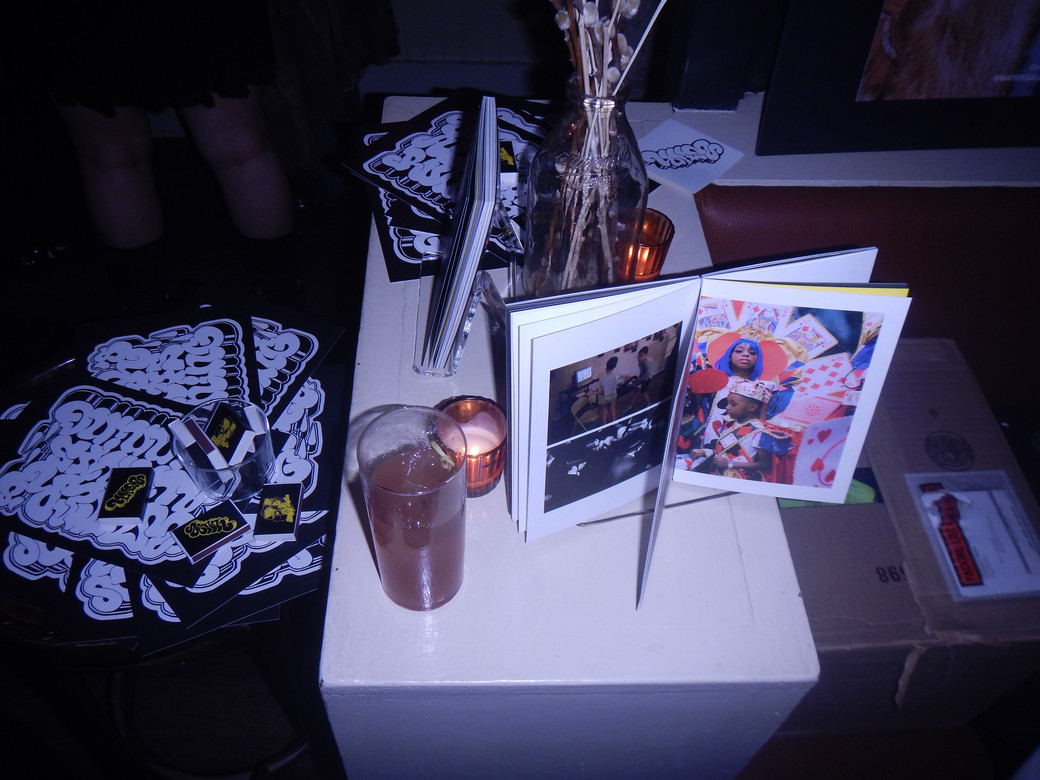
Instead of acting as a cultural tourist, Falzone tapped multiple different photographers who have a stake in their respective scenes, including breaking, hardcore, and the Seward Park ping-pong players. Each of the three sections begins with a testimony by an organizer or documentarian, detailing the meaning of their particular social strata. Mia Winther-Tamaka says about the ping-pongers that “the space belongs to them, claimed through return and repetition.” Not a one-night party or brand launch, this space exists through the daily rhythms of those that inhabit it.
Alongside these spotlighted communities are photos capturing the depth of connection that can be found on many street corners along all five boroughs: a mother holding her child on her back down the street, lovers embracing in front of a delivery driver, a brass band marching together in the summer heat. As Falzone remarks in the book’s opening statement, “Let this be a reminder to look up and look out.” To look up at the future and look out for each other.
The launch party took place at Lullaby this weekend, followed by a window takeover at Iconic Magazines on Mulberry Street.