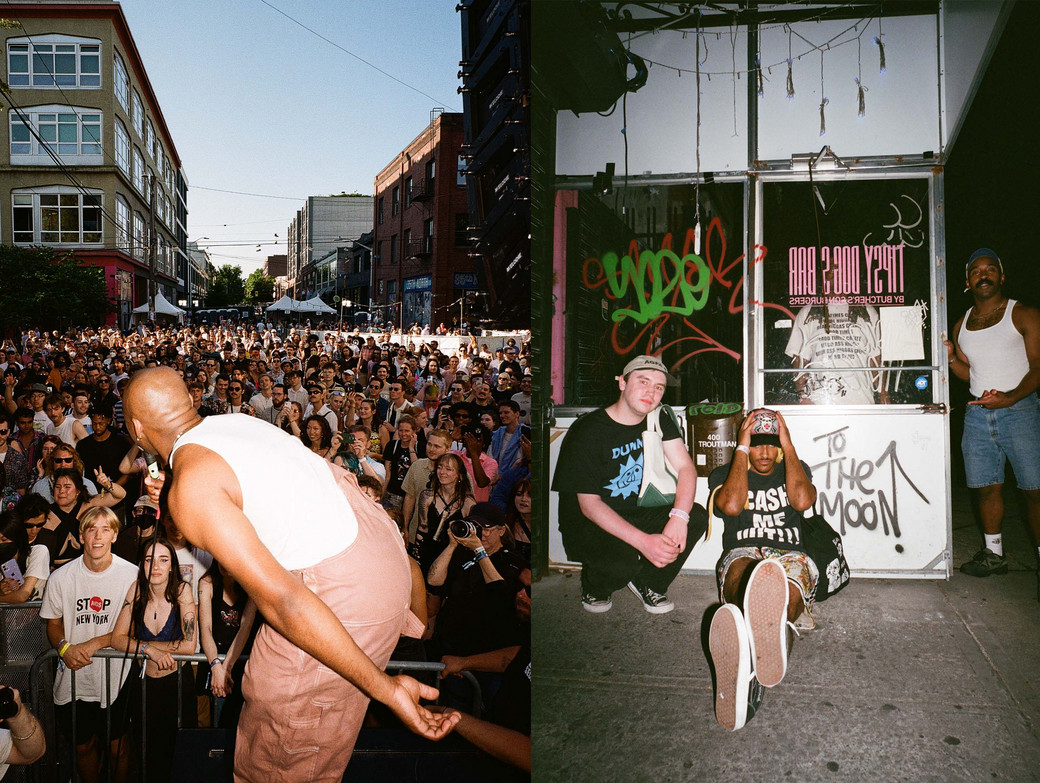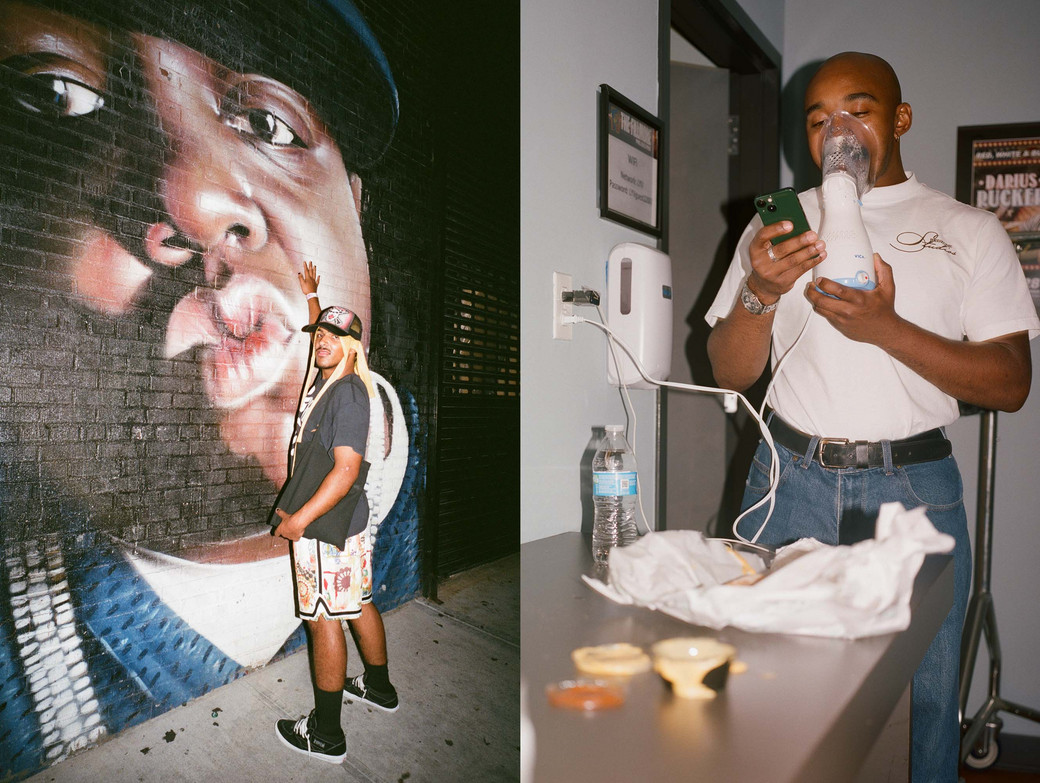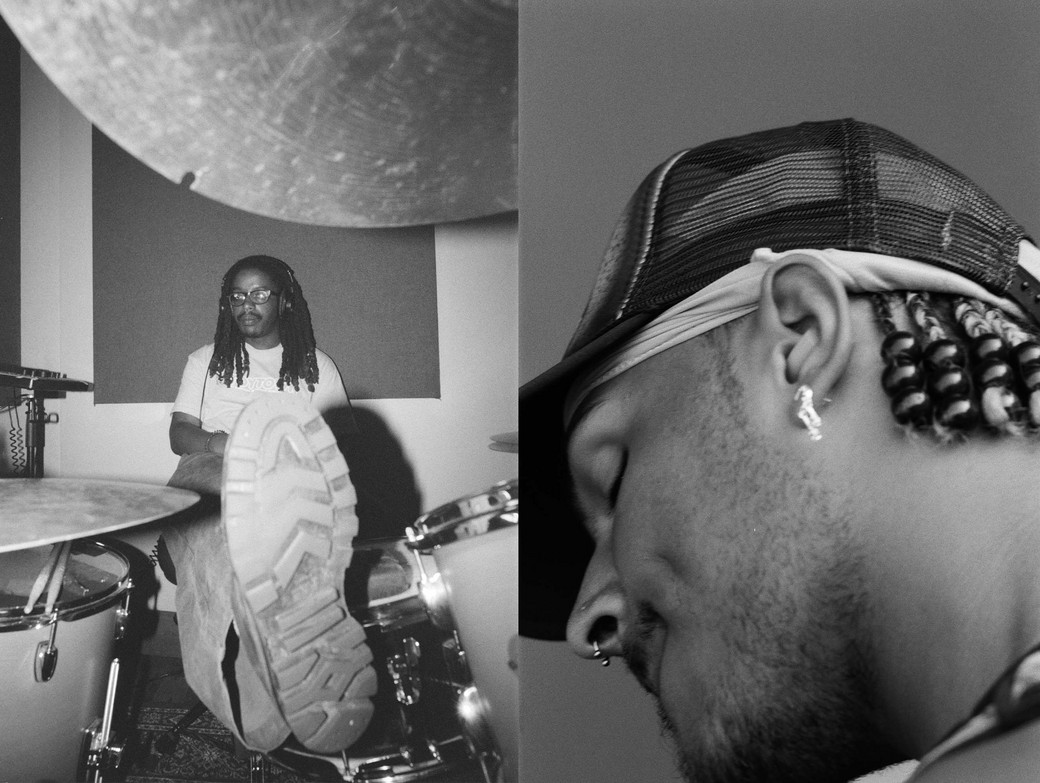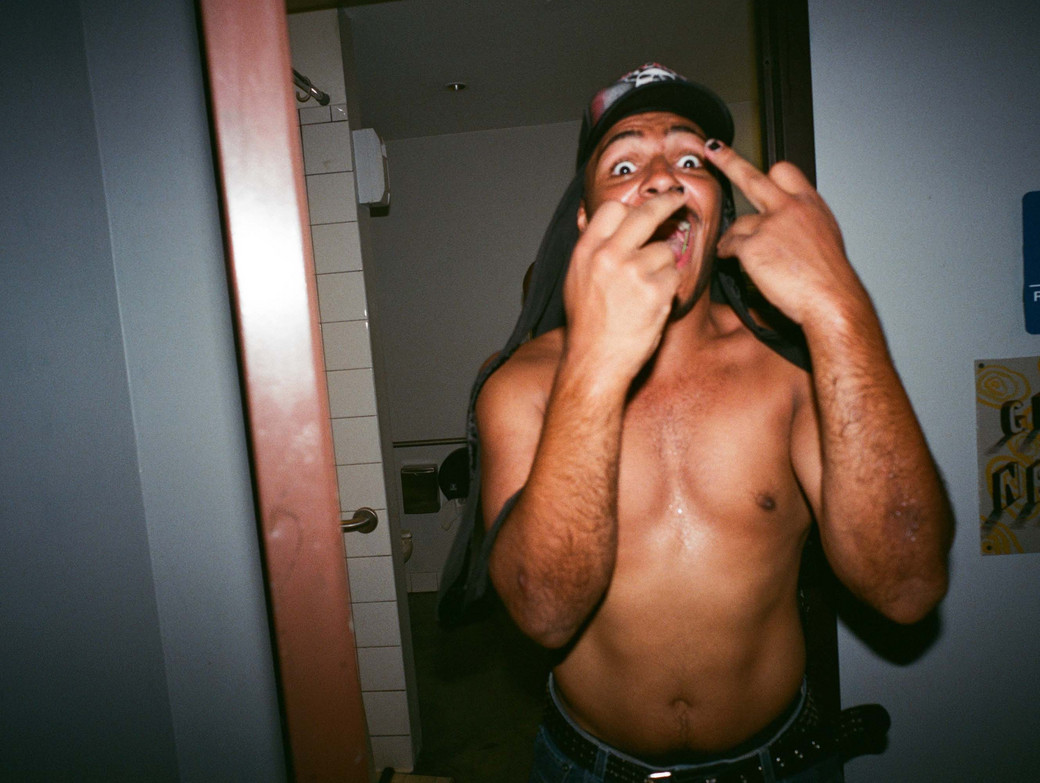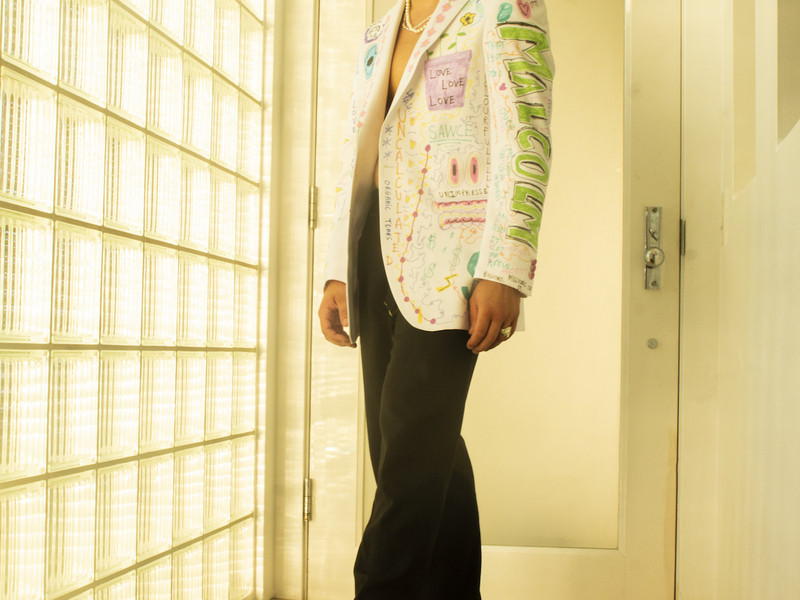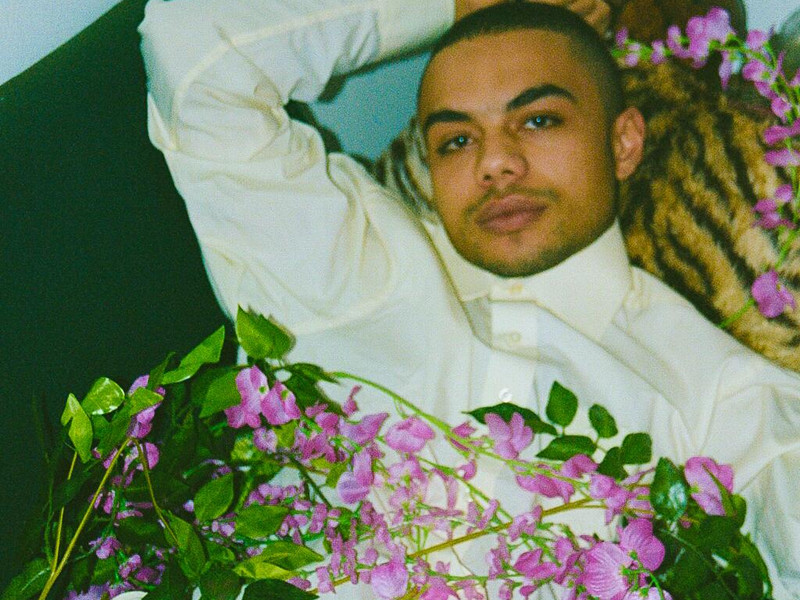
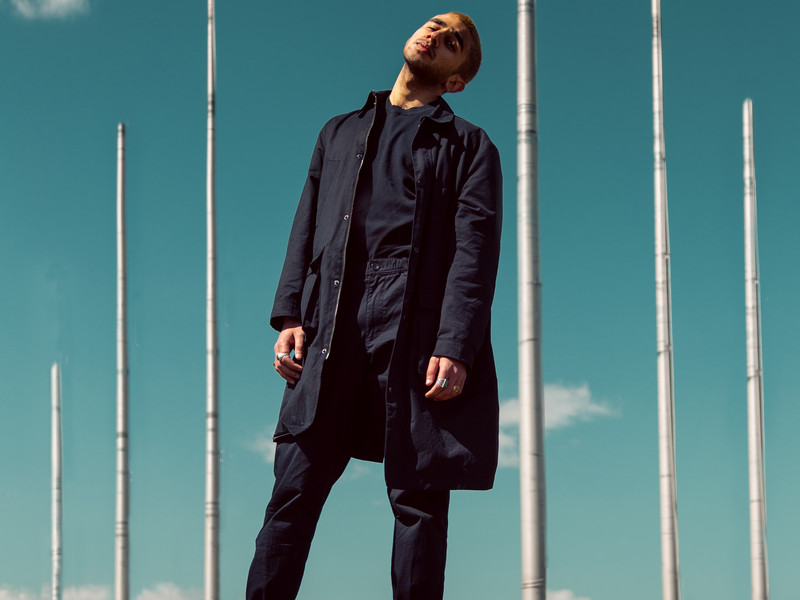
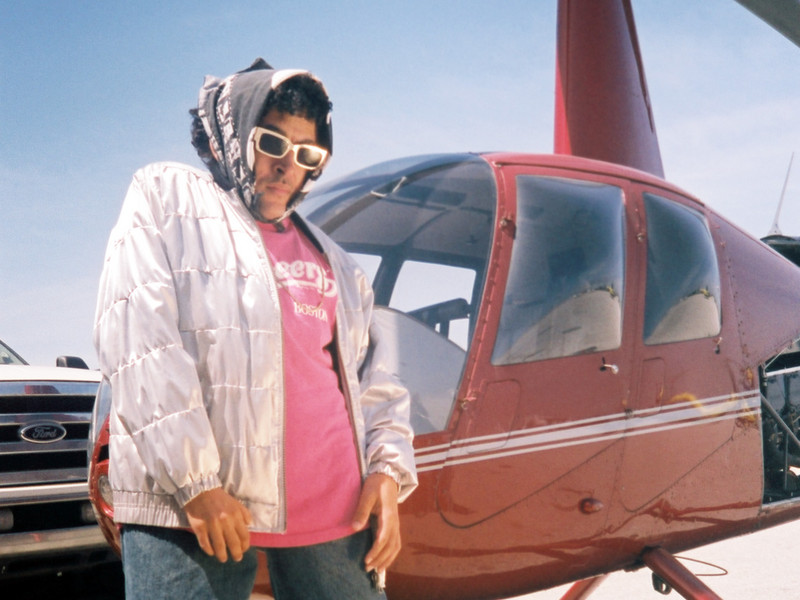
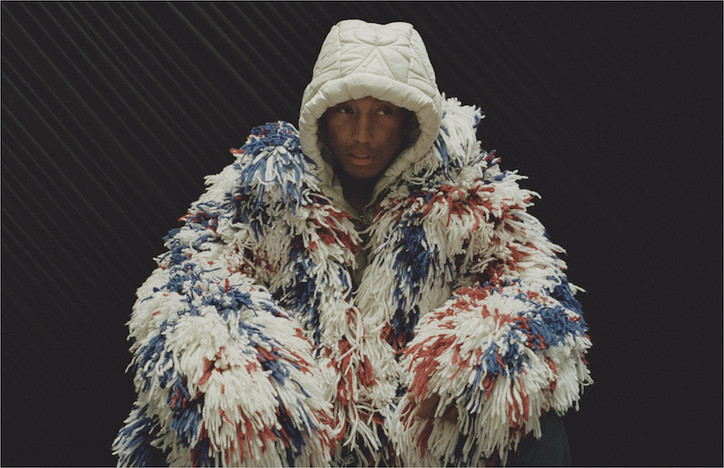
Coat ERNEST W. BAKER, Top BALENCIAGA from ARTIFACT, Pants LOEWE, Shoes CROCS, Sunglasses GENTLE MONSTER, Jewelry TALENT’S OWN
Stay informed on our latest news!
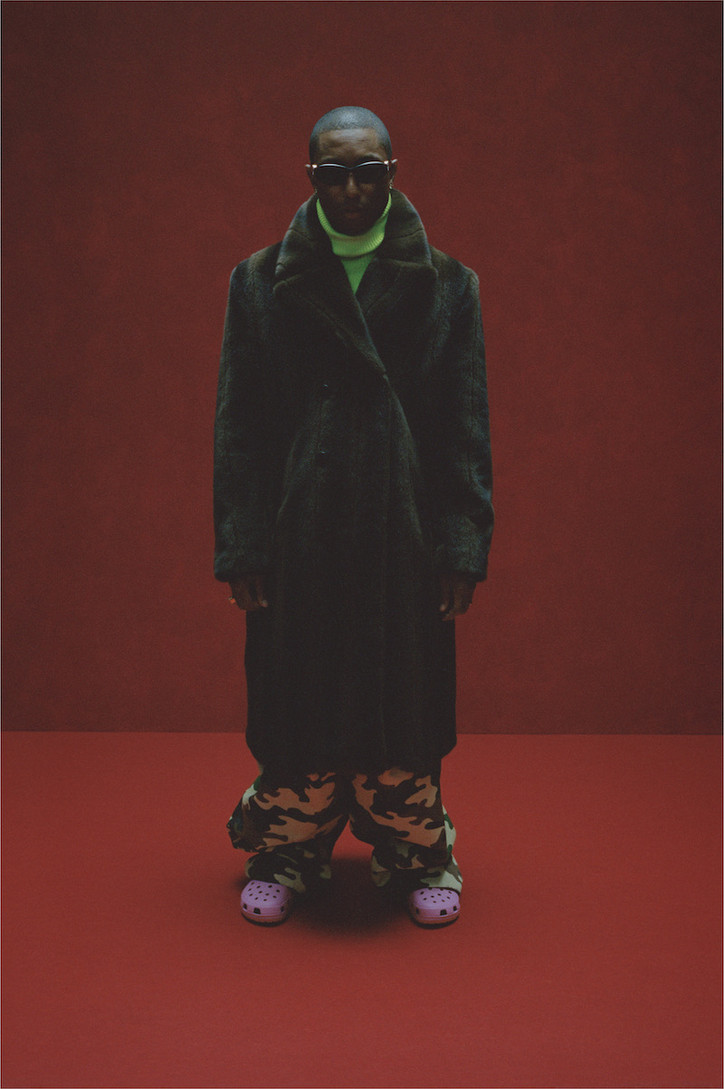
Coat ERNEST W. BAKER, Top BALENCIAGA from ARTIFACT, Pants LOEWE, Shoes CROCS, Sunglasses GENTLE MONSTER, Jewelry TALENT’S OWN
The dust was kicking up, the sound system teetering in and out, struggling to reach us on the ground — but it was in the dichotomy of the moment’s unity, and that of the night before, that I garnered a greater understanding of Williams. The church had been just as much a facet of his festival as faith has been in all he has done, whether we’ve seen it or not, his uncle Bishop Ezekiel Williams told me after his sermon that Sunday morning. As leader of the famed gospel choir Voices of Fire — which has received its own Netflix show of the same name — Bishop has made the melding of music and Christianity his lifeblood. and He has stood by Pharrell since the start, always seeing something greater in his nephew’s vision than others in his field, who had written it off as “secular,” and thereby shunned entirely from all things spiritual. But music can be a vessel, just like anything can if the right energy is infused into it. In his sermon, Bishop unpacked one of the New Testament’s most weighted, and iconic encounters: the Woman at the Well.
Like a hit has a sticky hook and lyrics that ring true regardless of the ears the notes reach, this story from the Gospel of John rang true for me – a Hebrew School dropout – that day, and I haven’t stopped hearing and seeing its message since. Jesus met a woman at the well, a woman who represented the lowest member of society — a social outcast, sex worker, and Samaritan. She had come to the well during the hour women would never dare to, in shame, and was shocked at Jesus approaching her, then asking her for a drink. The parable goes on to outline how Jesus told her of the “living water” he would provide, revealing himself to her as the Messiah. He told her “everything she’d ever done,” of her pursuits with men — and still, Jesus offered her this living water. He offered her a place of protection, a vehicle for prayer, for faith. There was something in the water— it was acceptance of truth, and of humanity.
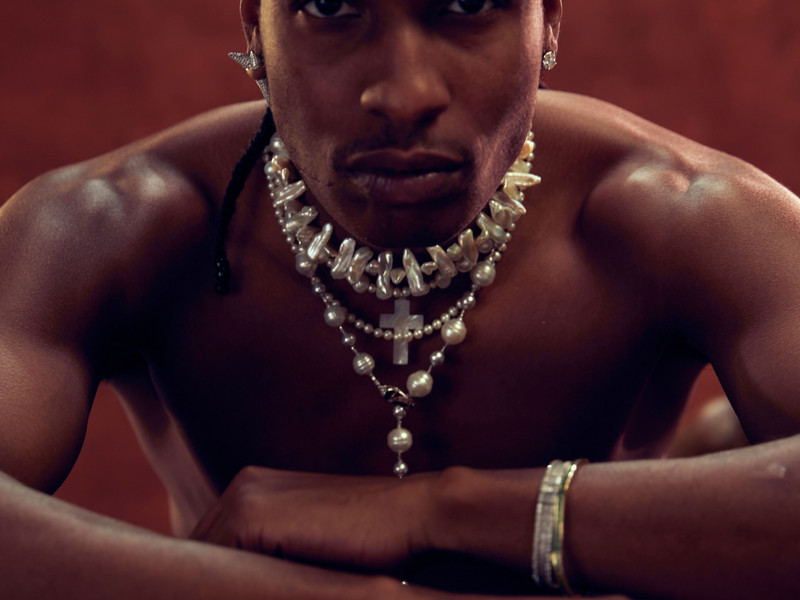
Now, however one is able to touch others, to level with them in humility and humanity, whether it’s by water or by sound, “it all works together,” according to the Bishop, who works as his nephew does, diligently weaving spirituality into his work with music. “And so now,” Bishop says softly, as he turns back towards the service, “the music has come alive again.” Pharrell Williams is first and foremost a man of faith, though he holds, and upholds, a host of honorable titles — father, husband, producer, curator, entrepreneur. And the list goes on ad infinitum. After hours spent talking with the unparalleled artist, having been given access to him, his family, and the huge, warm world he’s built around himself, while I still don’t know his beauty routine, I do have a sense of what has kept his success, amongst other things, alive: The simplest, truest, most concentrated answer was glittering on a chain around his neck the first time we met, proclaiming in tiny diamonds, “GOD IS.”
Coat S.R. STUDIO. LA. CA., Jacket LOUIS VUITTON, Pants PRADA, Boots SACAI, Jewelry TALENT’S OWN
Something that stood out was the idea of gospel – of music itself – being a vessel for the message [of faith]. Is that how you feel about all the different projects that you are involved in, whether it's music, fashion, art, or otherwise?
It just feels instinctual, it’s what makes sense for me. There's never really been a plan, and every time I thought I had a plan, the universe… well, it's never really worked out for me. But I love and admire people who do it so well because they follow it to the letter. It's so good. Like Stanley Kubrick, perfect. Wes Anderson, perfect. Harmony Korine. You know, details, these guys — they stick to them. For me, it’s instincts and interest, but never a cohesive strategy.
Do you have any sort of core thesis statement, or question you ask yourself, like, "Does this fit?” Or do you just move towards, “I like this. I'm drawn to it."
Just, “I wonder what life would be like if I lived like that.”
I like that — and it makes sense as you've been so ahead of the curve so many times.
I like to dance with uncertainty. Because what's on the other side of it? You just don't know what's on the other side of the song, or the other side of that T-shirt, or the other side of those kicks, the other side of a kiss. You just don't know what's on the other side. That uncertainty. Every day we do that. Every day you wake up.
So what was your exposure to art, fashion, and music growing up?
Pretty much like anybody else in Virginia Beach. Television and magazines, but I wasn't really into "textbook fashion." My fashion was whatever sport brand tees or skate tees. You know, a mixture. But I never really had a style like that. Nondescript, regular, average kid. Just a little more quirky… and then when you become a musician... then it becomes convenient. Your quirkiness becomes your thing.
When did that start? When did you start feeling like you identified as a musician?
Oh, I've always been one, but I don't think I identified myself as one because it didn't really seem like something that you could do at that time. I'm 16, it didn't even click. You want to consider yourself a musician? That's a different thing. Where do you go? You're not going to make it in the record industry, maybe you’ll play at some bar, or become a band teacher, or all these other really nice cool things, but when you're 16, that's not what you say.
At what point in time then did you start feeling like a “real” musician? It just happened?
Yeah! One of the things I realized about myself is that I've never really been so sure of what I was or where I was going. I just knew I loved what I was doing. And because I looked at life like that, that just created this super thick layer of delusion which worked to my benefit. Because then you could think of the impossible things. You might not do them all, but you could do some of them. You can't have it all.You can't be super self-aware, super hyperaware, and create the things that are like the children of delusion. You gotta kind of be delusional. You know what I'm saying? And in order to be delusional, some things about you have to kind of be a little off. It's just like, when you’re lucky enough to go into a career or a vocation that welcomes that absentmindedness, then it works out for you. But man, when you don't, but you’re that kind of person, then it could be rough.
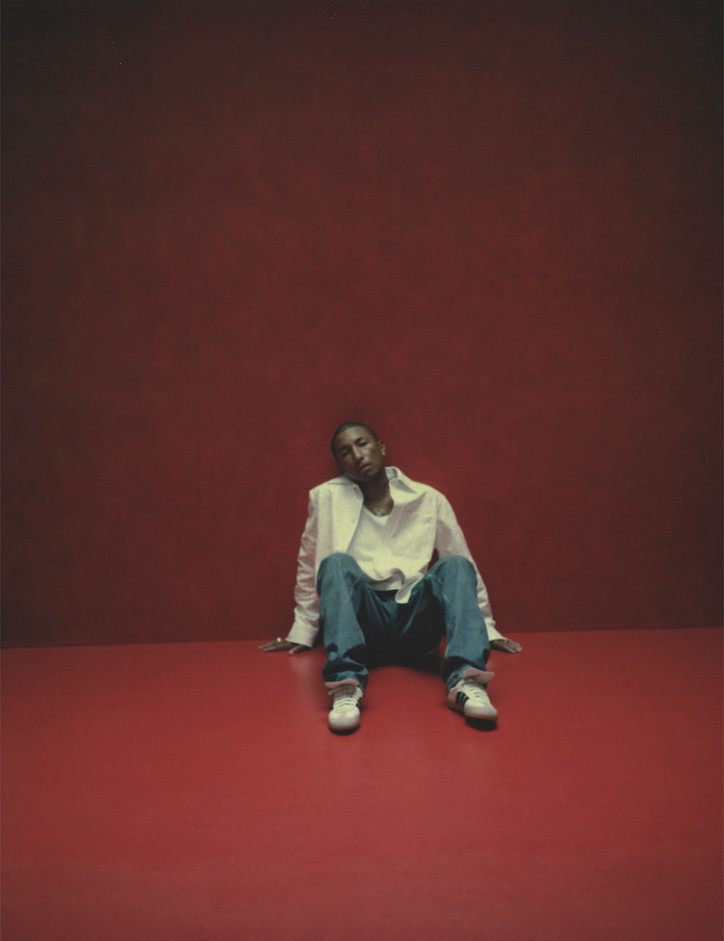
Shirt and Pants BOTTEGA VENETA, Tank Top CALVIN KLEIN, Shoes HUMANRACE SAMBA, Jewelry TALENT’S OWN
What do you think, as a producer, sets you apart and is emblematic of your sound?
I don't know, because I'm always trying to change that.
When you’re trying to change it, do you also want to still sound like you? To have a Pharrell trademark?
No. Because I think who I am is my spirit. So if you can sense my spirit, that’s something great, but I never really want to use the same stuff over and over again. Sometimes I'll get stuck on a snare sound just because it's different and I want to create a little mini vignette of an era.
What is producing other artists like for you? What’s the difference between that and working on your own projects?
I don't know if there's a difference. I think it's just a different vibe, it’s a different vibration. But again, it's not something I’ve looked at and said, "Man, this is so distinctively different." There are a couple of variables that go along with, and make it distinctively different, but I think I'm just so into the vibe and the vibration. I chase that. And however it happens, I'm cool.
Can you describe that more? The vibration?
First of all, we are all like 100+ pounds of vibration. All these molecules working together to make us who we are. And light and sounds within the electromagnetic spectrum. And as we express ourselves, it comes through in that. And it's just so ill to me, how like, a movie or something, can make a person feel. Or somebody can hear something and have a sentient kinetic feeling. That's so crazy to me. And so I'm always loyal to it, you know, based on the fact that it’s not promised. And if you’ve ever had access to it, or, as you mentioned, as artists, we’re all vessels for the universe. And the fact that it chooses me, I'm just so enamored by that. And so inspired by that, that I just chase that. That’s the most important part to me, the vibration. And so, if it’s just me by myself, okay, cool. But I find that the energy that other people have is the greatest – other people are like hotspots for me. I write differently when an artist is trying to express something, or there’s something I think they should be expressing. That's what we call inspiration. Inspiration is a vibe… That's the job. I'm loyal to that.
When you talk about that kinetic experience, do you remember the first song or piece of music that made you feel that?
Oh, all my life music has made me feel that. I wonder if you know how important it was to you in your first five years of life.
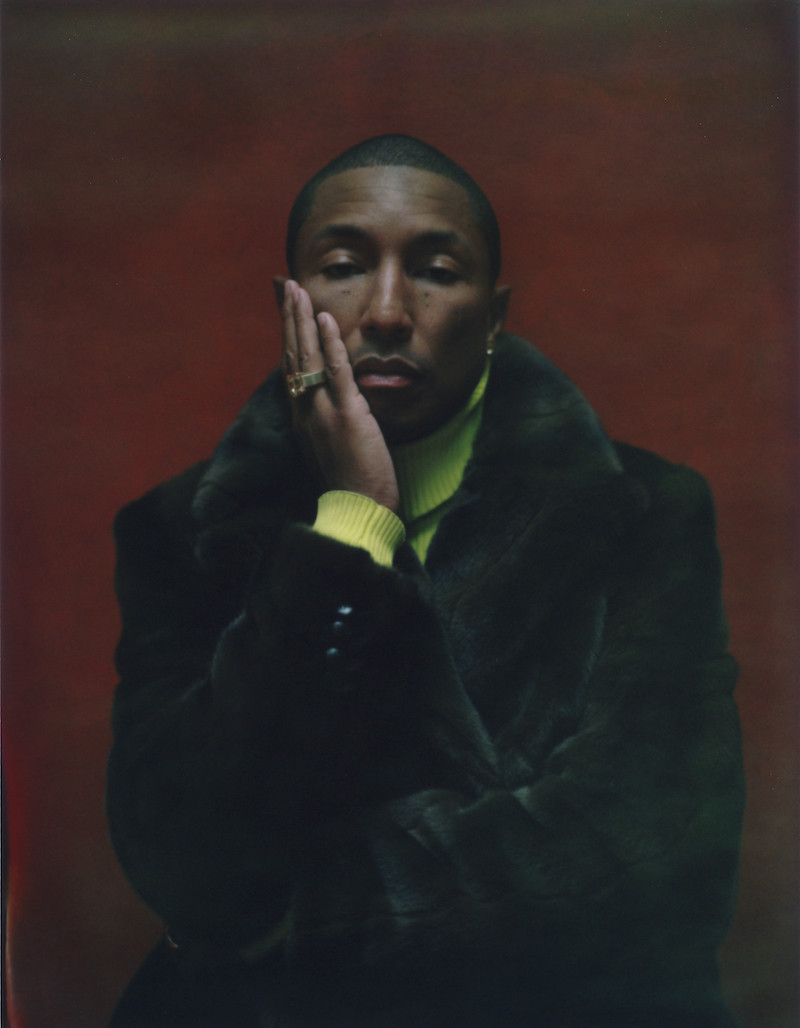
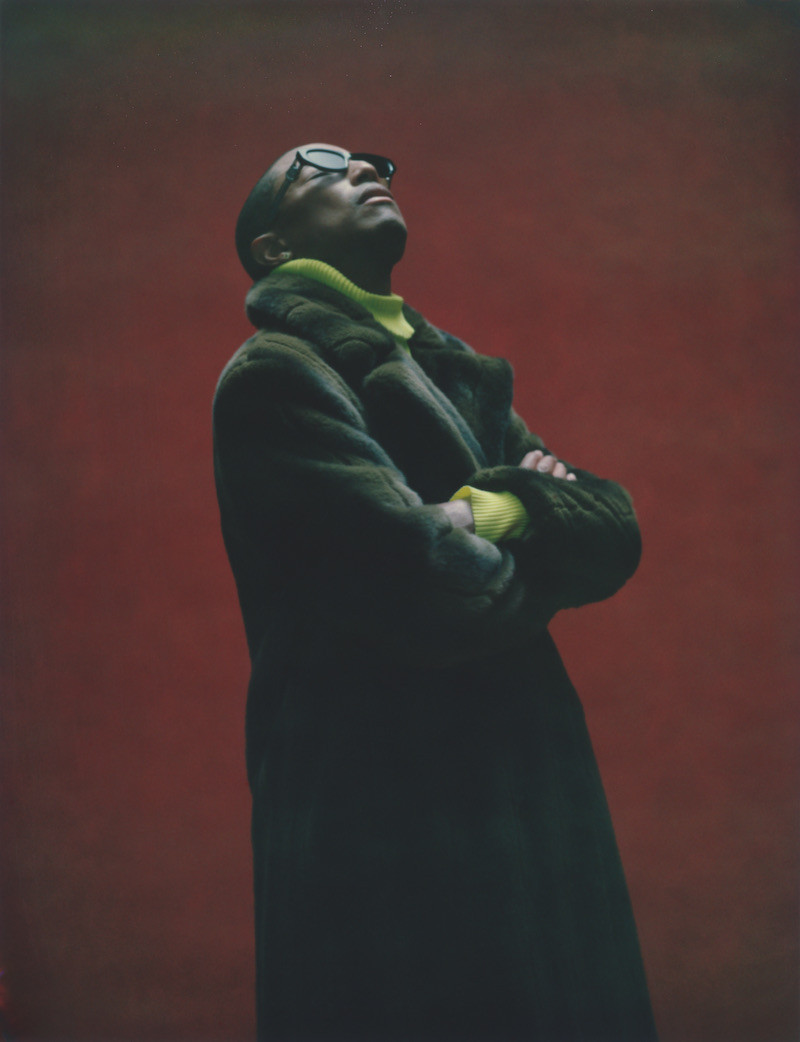
Coat ERNEST W. BAKER, Top BALENCIAGA from ARTIFACT, Pants LOEWE, Shoes CROCS, Sunglasses GENTLE MONSTER, Jewelry TALENT’S OWN
Well, my first word was “tunes.”
There you go. It's like your parents, your family, God, music, TV. It's like maybe 10 things that a child makes reference to in their first five to seven years, and music is one of them. It’s big. It's because there’s all those vibrations. And if you could communicate, and the child could be articulate enough, it’d be interesting to hear them think about what music is to them when they’re five.
What's the first thing that you remember idolizing?
I think Michael. And then in terms of music and bodies of work, man, Stevie Wonder. All of his music just makes you feel stuff. Earth Wind and Fire, they really make you feel stuff.
Yeah. So it’s a lot about emotion as well. That connection and communication.
Music is the only thing that can be in a room, touch everybody, and not get in anyone’s way.
Well said. And so, how did it come about that you entered the fashion space?
That was just a natural evolution. I pride myself on being a collaborator. My greatest collaborations are where you find my best work. So it's all the same. And I always like to work with people who are smarter and more talented than me, because not only can I learn something, but we get to make really great work. So it's no different [than music].
How do you feel like recently – as we talked about earlier – you've been doing things differently in everything you do? Where and how do you apply that?
Well, you asked me about my family, that's just what I do differently. But other than that, energy is everything, and so I just want the best energy in the room.
Simon Rasmussen: How do you conserve the energy within you, then?
That's an exercise. Self-preservation is that exercise. You have to work on it. There's no such thing as just doing it and checking a box. It's like everyday you have to do it. It's like humility. Humility is an exercise.
In my experience, you don’t come across as someone who is portrayed with a massive ego. With everything you’ve done it seems humility has been present. How do you practice humility? I know, personally, it takes a lot of work. And at your level, it must be much more.
You just got to remember that there's somebody on the corner who doesn't have a place to sleep and is struggling — and that person does what I do. All you gotta do is walk outside and up the block, and you will encounter someone who is talented in some manner, doing what I do 20 times daily. That's not lost on me.
So it’s about gratitude as well.
Absolutely, I always review my situation and recognize all the variables. So when a person says, "Man, I sold this many records." No, you didn't. That many people decided to stream your song. They didn't have to do that. Do you know how many great songs are in the minds of people on the street right now? How about how many great songs are in the minds of people doing job “A” when they really would love to do job “C.” Genius songs. The stars just didn’t line up. When you think about that, that's where gratitude, and humility, and empathy comes from for me. That’s it.
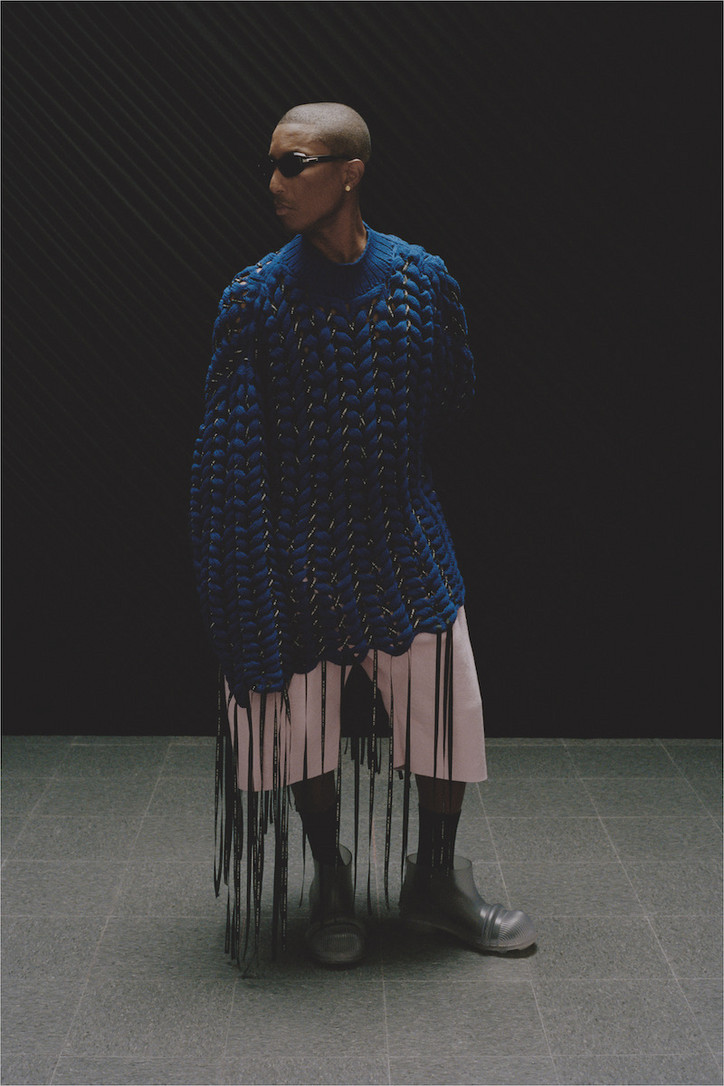
Top S.R. STUDIO. LA. CA., Bottoms COMME DES GARÇONS HOMME PLUS, Shoes LOEWE, Sunglasses GENTLE MONSTER, Jewelry TALENT’S OWN
Simon Rasmussen: With the position you're in, and the attention that follows, I imagine it’s easy to get caught up in the circus around it. To not be grateful and humble. Having that... it must be in front of your mind.
That's a good question and observation. Well, that's just like a pop star who was 14 years old and has been a pop star all their lives, and they're in their 30s now, and all they've ever heard is how fucking great they are. I never want to be that, because that's, like, not even understanding reality anymore.
How do you, or have you, become aware of that?
Because I'm a producer. I always had the benefit of stepping in and outside of the artist's trail of my own. I want to be in here. I don't want to be in here. I've always had the benefit of being able to do that.
And you get to choose the people that surround you, to a degree, I’m sure.
It took many years to figure out that was important. Making those hard decisions.
Where do you feel like you've experienced failure, and how did you deal with that?
You mean lessons?
There you go.
You know when you've failed? When you let a dumb decision dictate your life, that's true failure. Or when you’ve wasted your life doing a bunch of bullshit that you were raised to think was important, or someone said was important, and never really lived your purpose. That's failure. The rest are lessons. So many fucking lessons. Because you're human. So what – you wanna be on the right track? We fuck around, we fuck up, we waste time, but then you realize you're here for a purpose. If you stay loyal to that, it's cool. There still will be lessons, but they won't hurt as bad because your GPS is aligned with why the creator put you here.
I mean, humility – the word itself – is rooted in humanity. The practice is just reminding yourself that you're human. A human among humans. That this isn't your universe.
I'm not 25. I'm not 35. I'm not 45. I'm about to be 50. You could be doing this shit with anyone. That's what I'm saying. You just look at everything that comes at you, taking yourself out of it, taking your ego out of it, and look at it for what it is.
Oh, even the acronym for ego is “Edging God Out.” How do you stay close to your faith?
I talk to God everyday. I pray everyday. I probably have one of the longest prayers of anyone I know. Even for food. When I pray, I pray for almost, like, 45 seconds.
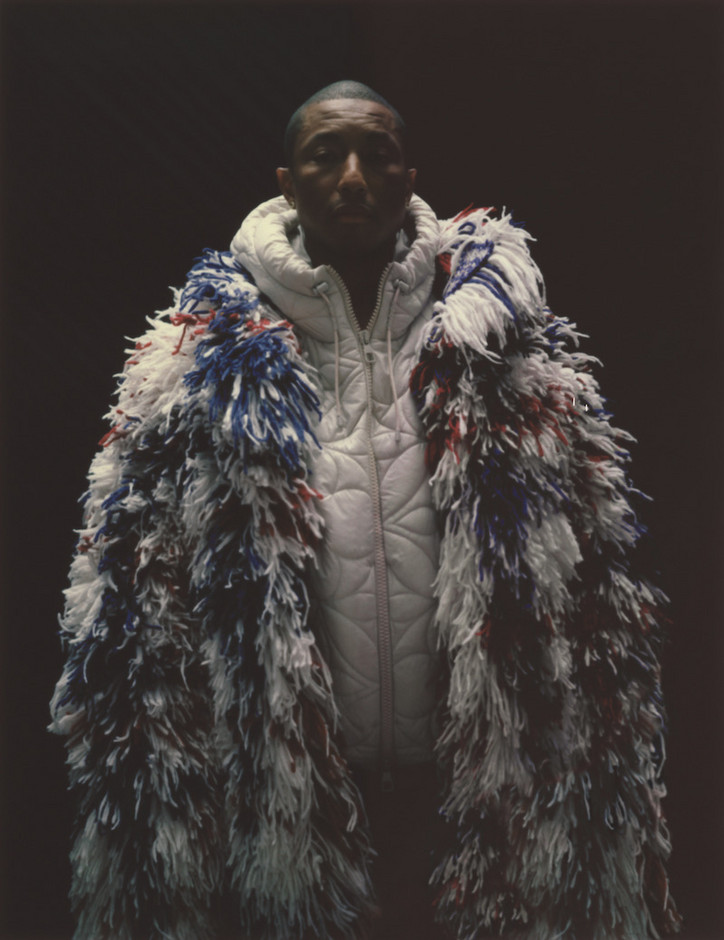
Coat S.R. STUDIO. LA. CA., Jacket LOUIS VUITTON, Pants PRADA, Boots SACAI, Jewelry TALENT’S OWN
I need to get on that. I forget to, so what I do is, I put my cigarettes under my bed so I can get on my knees in the morning.
But I pray for good things for others. Some of my friends pray for their downfall. Like Pusha [laughs]. He loves some good old karma. I stay away from it.
Speaking of Pusha, when we did his interview, Pusha was talking a lot about how the thing that differentiates you from other people when it comes to your style, is the composition. You focus on composition. What does that mean — composition —to you? Is that just, like, classical?
I mean, it can be, but it's just like, it is the parts of a song. It's the components of a song. All the necessary parts.
How do you know when it's done?
It's a feeling. Does it make you want to hear it over and over again? Because here's the thing, a lot of songs now, they're more vibrations and more vibes. And you'll love it, and you'll listen to it over and over again for about a month, but after that, you're burned out. All the senses have their art forms. So, visual art, for the eyes; music for the ears; fragrances, olfactory; food, gustatory; feeling, esteem, right? And if you compare music to food, a vibe is more like one thing. So let's say, somebody said, "Hey, you eat meat? You eat meat?" Okay. Someone says, "Aw man there's this amazing steak. It's amazing, you got to have it." And so you go to have it, and all you really have is steak and a little bit of potato, but it's mostly steak. How many times do you want to eat that in a row? If it's really good, and you're crazy and a lunatic like me, you probably want to have it the next day too. If it's banging, you want to have it the next day. The third day, because you've convinced some other people to have it, it's kind of your last day.
Right? That's a vibe. And that's why they burn out so fast. Now, if you make a complete meal, and you eat that same amazing steak, you got like two different veggies, right? One is green. Then you have a little bit more potato, maybe some bread, maybe, and another side dish for two, you might have that meal three, four times that week because of its balance. That's the composition.
After you have some of your steak, you go to your potatoes, after your potatoes you have to go back to your broccoli, you go to your broccoli, you go back to your steak. After your steak, you take a drink, go back to your steak, have a little bit of whatever that side dish is, back to the broccoli, a little bit of mashed potato, go back to the steak. That's a composition. You have an intro, you have a verse, and you have a pre-hook that sets up the chorus, you go to the chorus, you go back down to your verse, pre, second chorus, bridge, or break, a little bit of the pre again, back to the hook, double hook. Now, that's a feeling. That's what happens with most songs that you've ever really loved. It's pretty much that you still go back to it. That's what it is.
And then with the vibes, it's like you love it while it's going on, and then if you're somebody that is into drugs or whatever, there might be a song you might want to play during your moments. Right? But it ain't everyday.
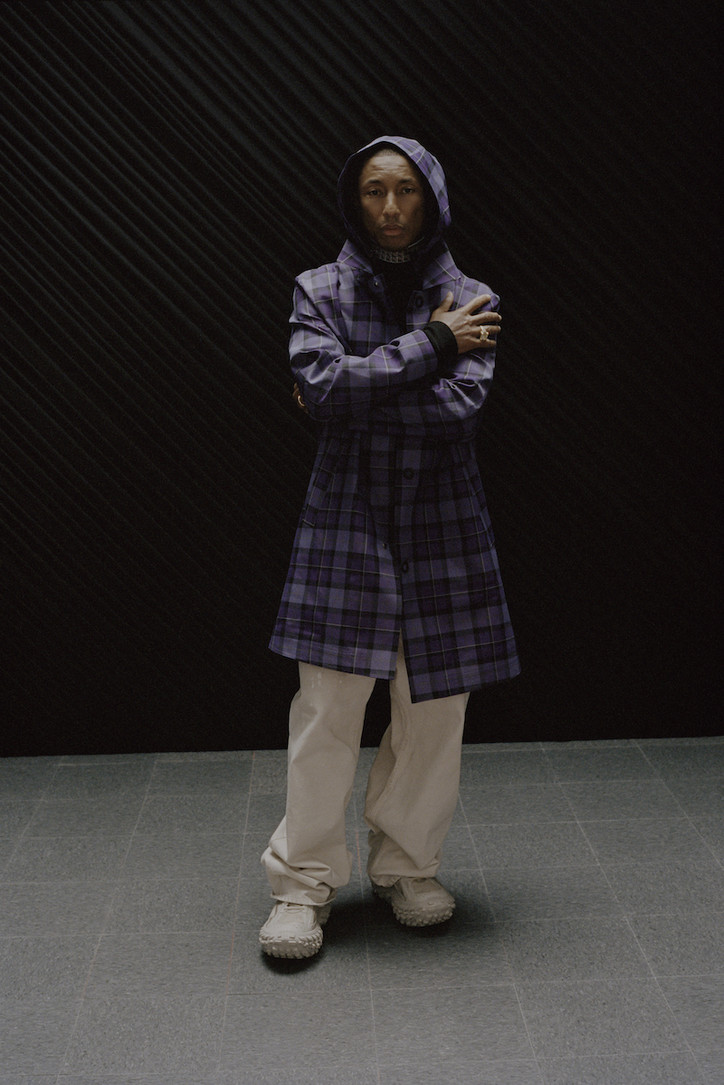
Jacket OFF-WHITE, Top PRADA, Pants and Shoes BALENCIAGA, Jewelry TALENT’S OWN
Yeah. It fades fast.
Fast. So composition is very important, and that's what I was on him about. Because you got two things. You got to go into character, you got to stay in character. It’s like method acting… you got to stay in there. You can’t come out of it.
It's funny you say method acting, because when I saw him at the listening party, like most people at their listening parties will just kind of stand there. He literally acted out every song, literally like a theater kid. It was amazing.
See? It's important. Imagine your favorite actor not staying in character, and just being too cool for school. It's like, today it's just interesting to just be a street gangster or a shooter, and that's it. It's like, "Okay. Cool, I'm you." You know what I'm saying? That's why I love Kendrick. That's why I love 21. 21 stays in character.
And so as a producer you don't... do you go into character?
I morph. I kind of become what I wear. I don't know who I am. I'm a mirror. That's why my best work comes from when I'm standing beside somebody who's really talented. Talented and very vibrational. But I don't know what I am. If you put a mirror in front of another mirror, there's no image. That's me. I'm a mirror.
Simon Rasmussen: So who are you? Do you ask yourself that?
‘A boy has no name. I'm just kidding. I don't know. I don't know who I am. I've never known. The closest I could come to who I am are my principles because it always changes. I'm telling you, when I was doing GIRL, I was a different person. When I did Seeing Sounds, I was a different person. When I was doing, fucking, In My Mind: The Prequel mixtape, I was a different guy. I don't know who those people are. I know who they are, but I know I'm not that. I know who they are, those people are not in me now. I always change – because I'm kind of a method actor myself. And I just stumbled into these hiking boots and 1980s shorts and shit. I couldn't even tell you why I do it.
Well, it seems to be working for you.
The only thing I know is, I know God. It's all I know.
God is.
What’s wild is, I'm spiritual, but I'm not like really... I don't roll around talking about God all the time. It's just when you ask me certain questions I put all my shit aside. You get what I'm saying? But that's not my typical conversation.
Well, I'm happy to talk about it.
I mean, it always comes out in interviews because they ask me these questions, and they expect me to say, "You know, when I was out there in the streets… I was out there doing this, and doing that, and I made it here.” But I made it here with the grace of God.
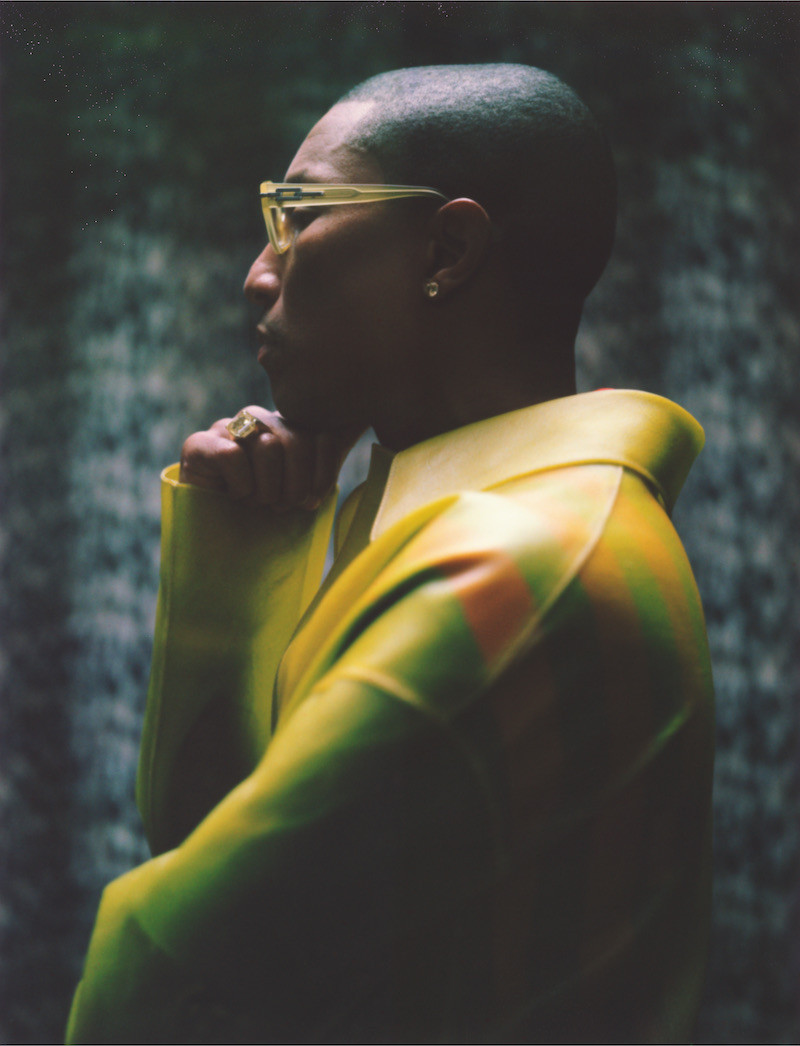
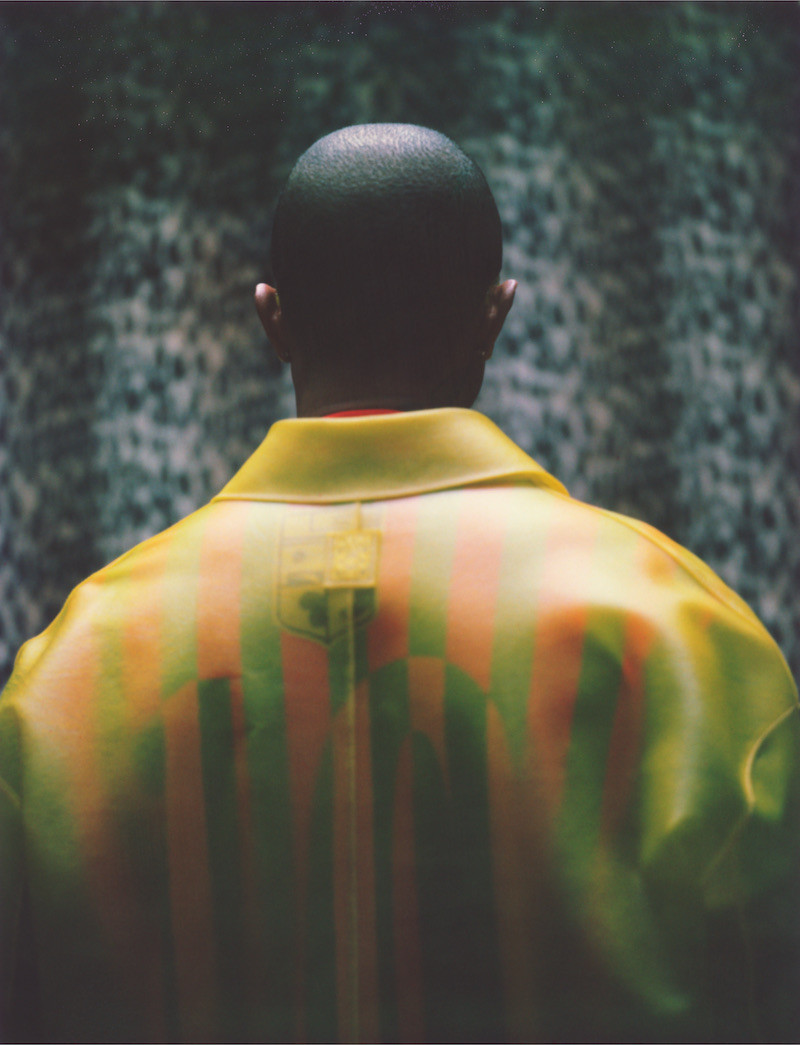
Coat LOEWE, Top LE PÈRE, Pants DENIM TEARS X LEVI’S, Boots RAF SIMONS X ADIDAS from ARTIFACT, Sunglasses GENTLE MONSTER, Jewelry TALENT’S OWN
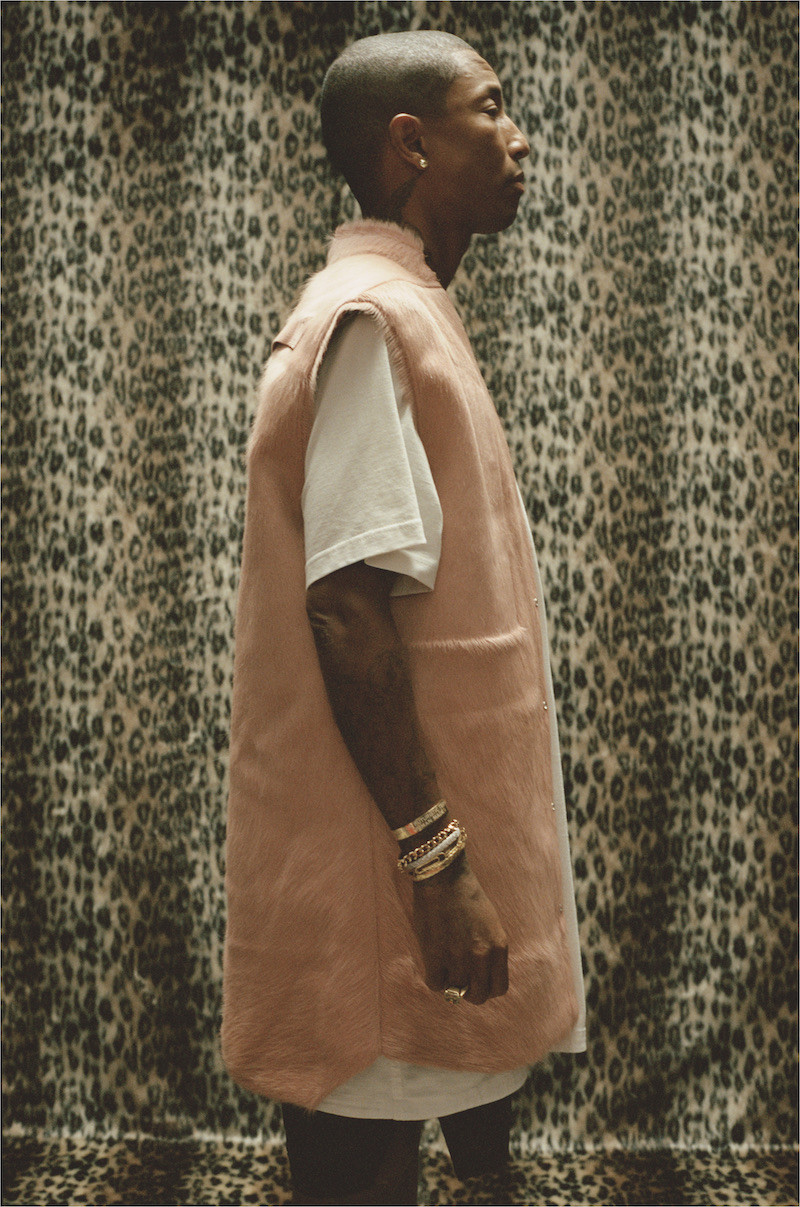
Left: Jacket and Shorts RICK OWENS, Top FAQTORY, Boots HUMANRACE, Jewelry TALENT’S OWN
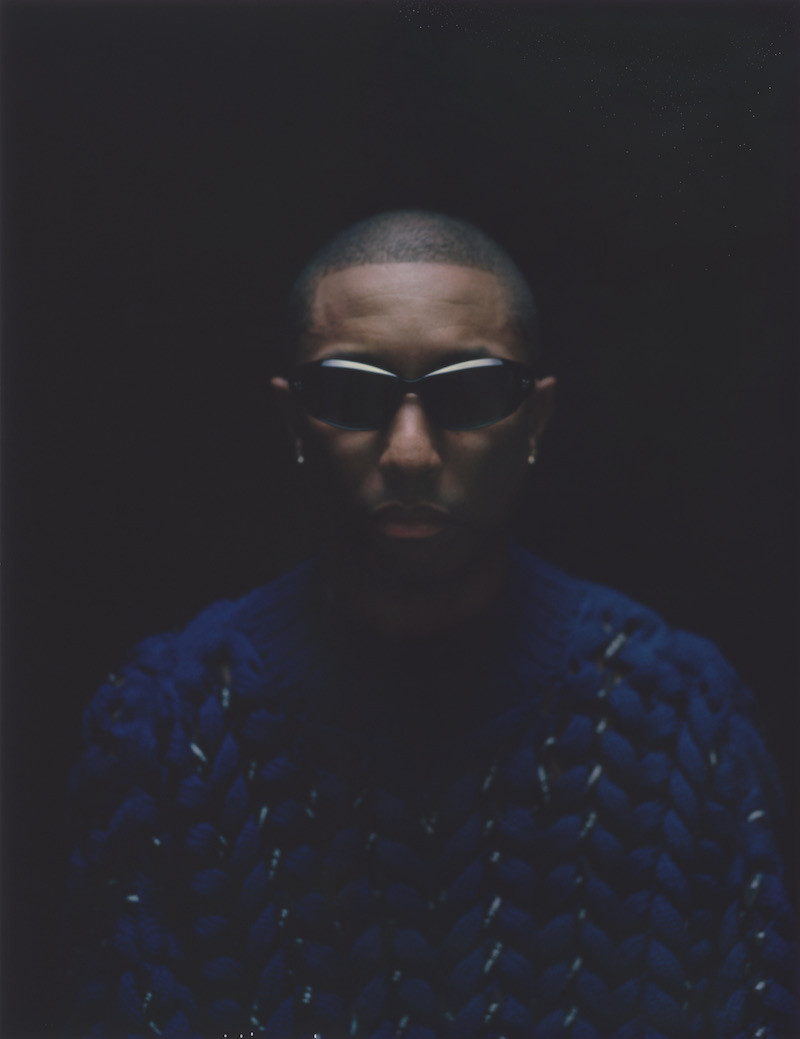
Right: Top S.R. STUDIO. LA. CA., Bottoms COMME DES GARÇONS HOMME PLUS, Shoes LOEWE, Sunglasses GENTLE MONSTER, Jewelry TALENT’S OWN

Coat CHANEL, Hoodie BALENCIAGA, Kilt JUNYA WATANABE, Tights S.R. STUDIO. LA. CA., Shoes HUMANRACE SAMBA, Sunglasses GENTLE MONSTER, Jewelry TALENT’S OWN
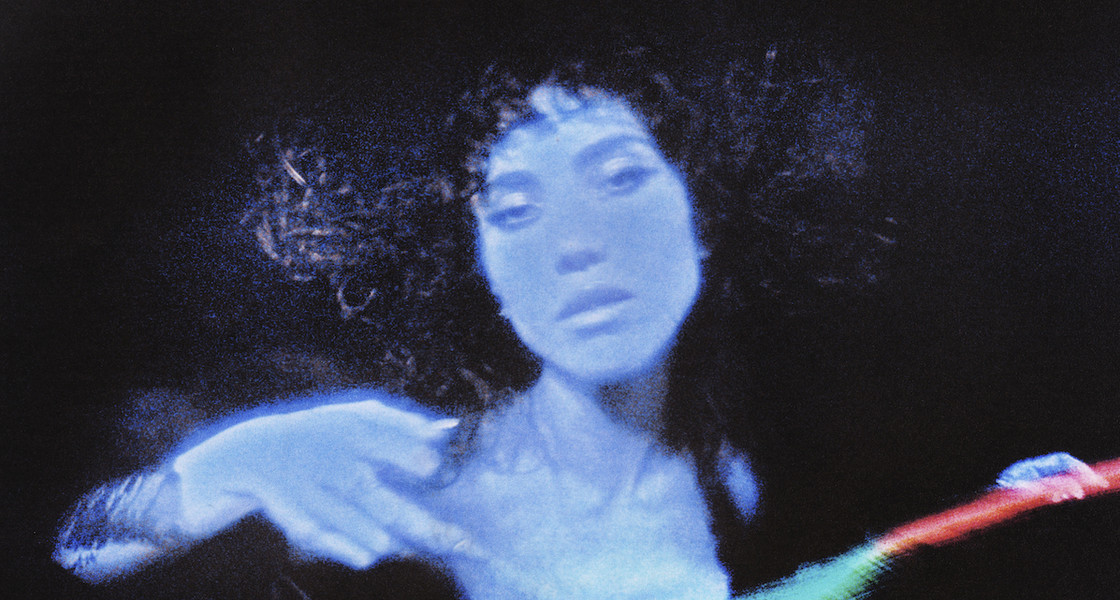
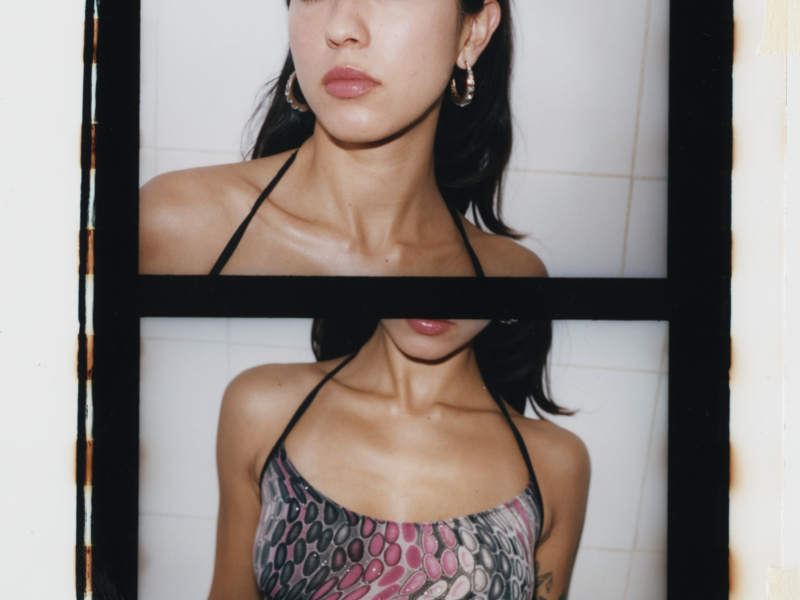
Continue reading below for insight into the artist’s views and how her latest EP came to be.
How are you today? What's your headspace like?
My headspace right now is making my album. I'm excited to leave New York. That's where I'm at right now. I saw Rosalia yesterday and that was super inspiring to me. You're witnessing something that feels like a story. You know what I mean? It feels like you're reading a book and the different phases of a person's life. And I felt all different emotions. I was thrown from being happy to being sad to weeping, to crying, to jumping.
I feel like those emotions especially come out more when you're an artist yourself, and you can appreciate what they're doing.
I think as an artist, maybe you have a different outlook on it. I was looking at the people, I was looking at how people were reacting. I mean, I'm just also really emotional, so I was crying a lot. And I really love her. But I also think that people who don't necessarily make art are able to connect. I think that's the beauty with music is that I genuinely think that everyone has their own unique kind of musicality that maybe is unexplored and everyone can connect to it. You know what I mean? It's vibrational. It's literally math, we can't escape from it. It affects us. I think having a background in music tech has really allowed me to understand music beyond my emotions about it. And I think that it's allowed me to understand the physical effects of it.
Let's talk about your EP that you just released. I was listening to it and it has this haunting sort of otherworldly sound to it. Talk to us about the inspiration behind it and how the songs came to be.
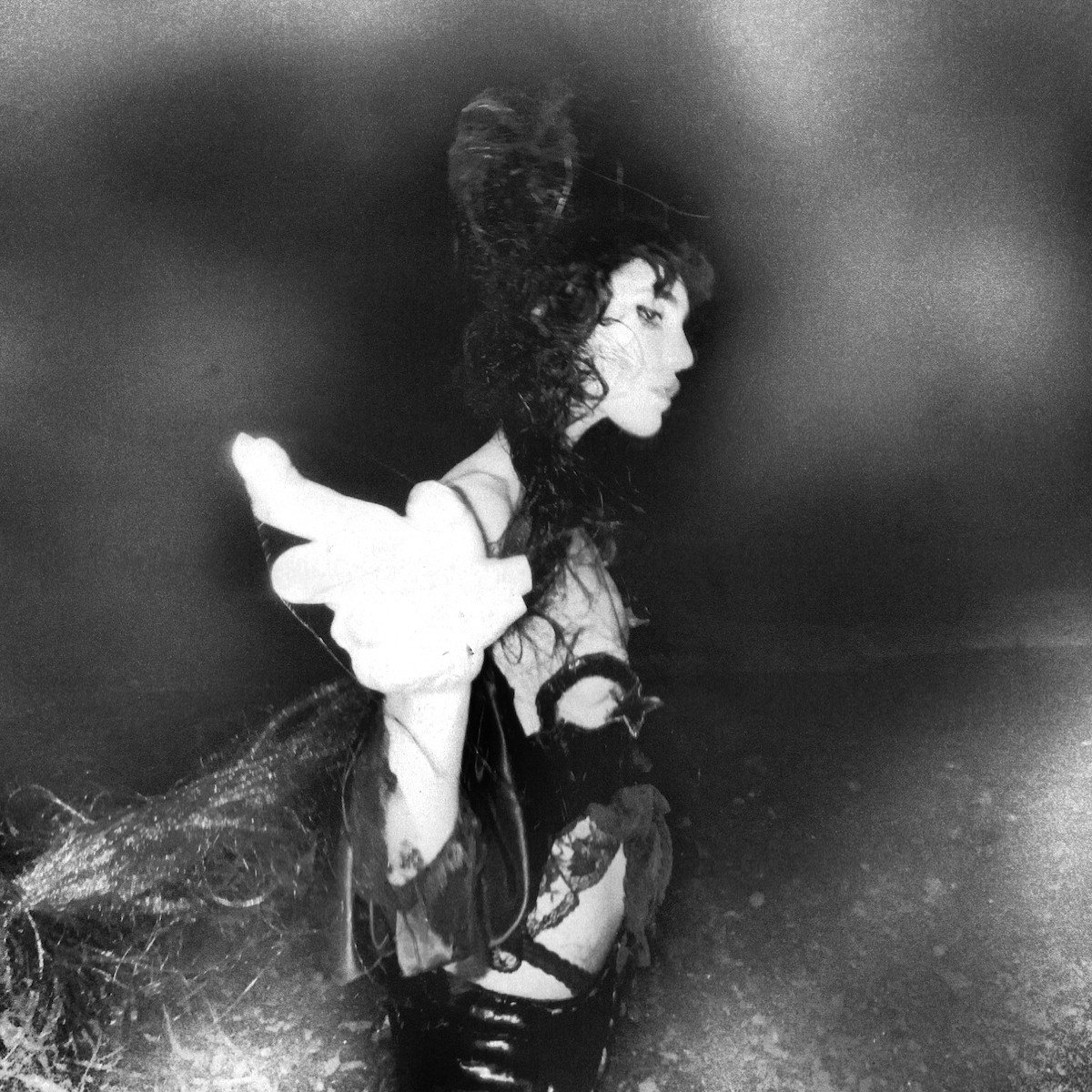
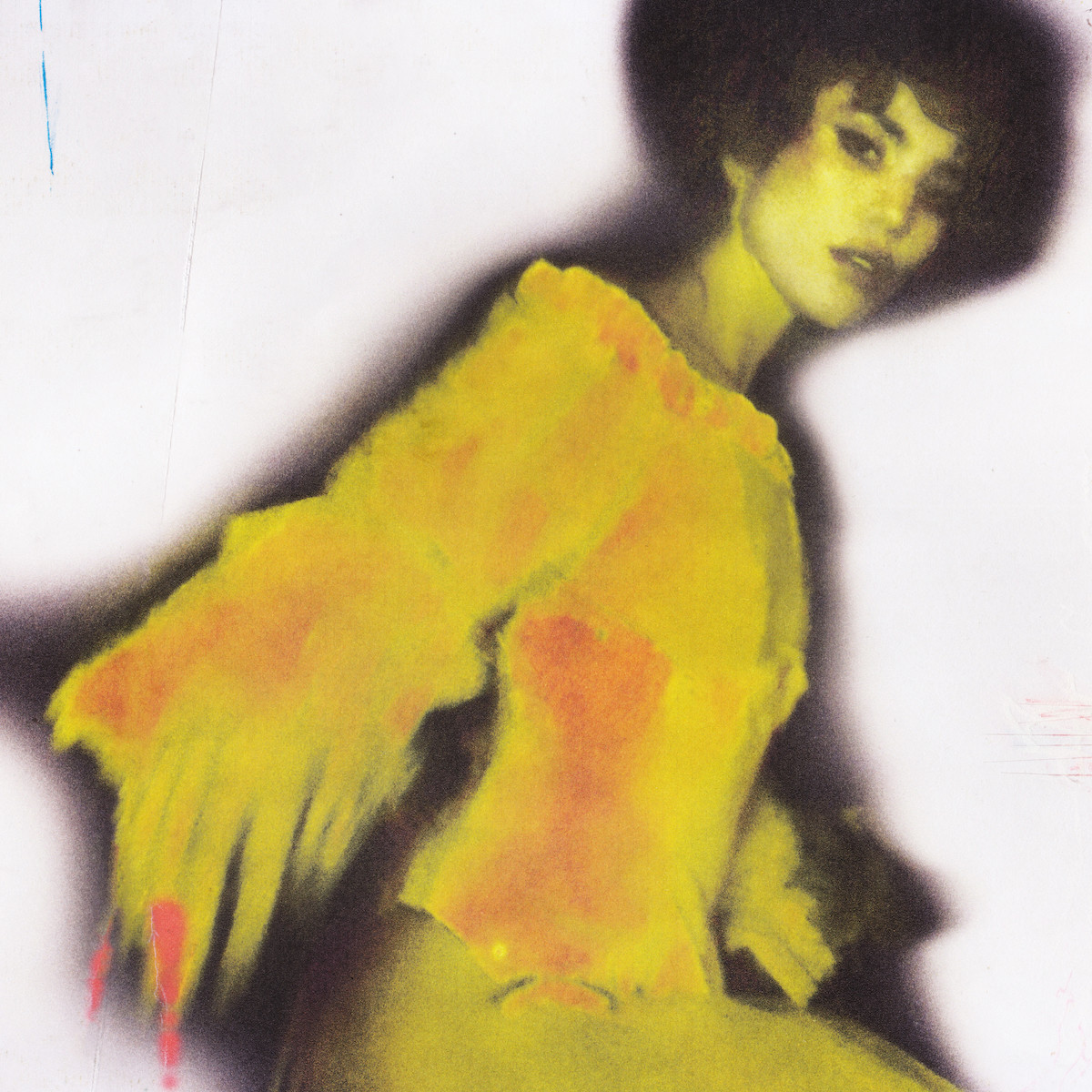
I would say that instead of using the word haunting, I think the words I relate to are more ritualistic, honest, vulnerable, sincere, honest, and raw. I think that there's a lot of darkness as well as likeness and as well as magic. What I was simply doing was just exploring my experience growing up with my mother and my grandmother in Peru. Trececerotres is the name of the EP, which means 1303. I like playing with language a lot and I think that I really wanted it to be sort of like a code, almost like you couldn't really figure out if it sounds like a dinosaur. There's a lot of play with vocals, lyrics, and ways in which syllables are even conjugated I think with the intention of trying to play with language. Making sounds that are more expressive, which is something I learned from my mother and my grandmother.
How did the songs come to be?
I think it was an exploration of my experience with my mother and my grandmother and growing up with them in Peru. Going through a range of emotions and situations growing up with them changing roles. Sometimes I was the mother, sometimes I was the grandmother and sometimes my mother was the child. I think that this EP is a compilation of all of those experiences and I think the moment in which the climax happened was when my grandmother got sick, and I got to get really close to her when she had cancer. The three of us really got together and we got to know each other a lot more and I think that it was basically an outpour of my most honest emotions of dealing with hardship. Of remembering things and of being very honest with my emotions. With going back to your house, but in a way feeling the presence of death. How do you deal with that? How do you express that or express the passing of time? You can't really control the nature of nature itself, how death works.
So would you say overall, that over the five years of creating this EP, you found it to be therapeutic for you to express your emotions through your music?
Absolutely. It allowed me to express things that I think I wasn't able to express through conversations. I wasn't able to talk about this with people and so my intention behind this was like having faith that by making the songs, I would eventually connect with somebody else that might not be going through the same situation, but might be feeling the same way. You know, and in that way, we start a conversation even though we don't know each other. I think that there's a lot of magic in that.
The visuals for "No Para" and they were just really beautiful. From what I saw, how was filming the video for you?
I think that the video and the song are very different. I took a class on Paradise Lost and I remember we were talking about the devil in a compassionate way, in a very, like, human way. It wasn't actually evil, and it was just there to do its thing. You know what I mean? Like, that was its duty. I think that it inspired me to think about sort of destructive forces that try to stop you whenever you want to flourish or grow. In a way that's compassionate and I think that generally seeing things that threaten me in a compassionate way makes me feel safer. And I also think it's something that I've learned through my mental health journey, because I really care about mental health and the human brain and psychology in general. It was sort of an ode to this resistive force that I feel like wants to stop me from growing and flourishing. I think that everyone can relate to that and I gave it a compassionate voice. It wasn't really me singing, it was representing this mythological character that came in between mountains to make a wish and perform a ritual that I had performed before. We actually went in between mountains to reenact this ritual which was pretty cool. I gave a voice to this resistive force, and I made it a compassionate thing that was just there, and it couldn't help itself and it's just part of nature.
So you were born in Peru, how much does your Peruvian background play into your music?
A lot. I think it's just natural because from the parties that I go to, to the jokes that we make with my friends, to the songs that my grandmother and my mother would expose me to, to the songs that they play. For example, my mom was in a lot of bands when I was a kid and she would take me with her because I'm an only child, at least from my mom's side. She was in reggae bands, but also different forms of fusion. I would just be a kid exposed to all of this. So from my grandmother's experience and her songs that came from the highlands and my mom's experience in the jungle because they lived together, to going to parties, and listening to old school reggaeton. I think that Peruvian music for me in a way has marked me, but it's not something that I do intentionally. It's not like, "Oh, I want to make this a Peruvian song." It's just kinda like you were born around it, listening to it, from different regions and from different places, with different intentions. And I think it just comes through naturally because that's what I gravitate towards. But, I don't want to limit myself to make it all about that.
They're just making it for the love of making it.
The intention is to make something stay alive. You know what I mean? It's to tell a story. It's to continue a story that has to be told. It's more about history and it's about love and family. I think that's beautiful.
Are there any sort of specific rituals that you perform when you're writing something new? Like, how do you get into that headspace of writing?
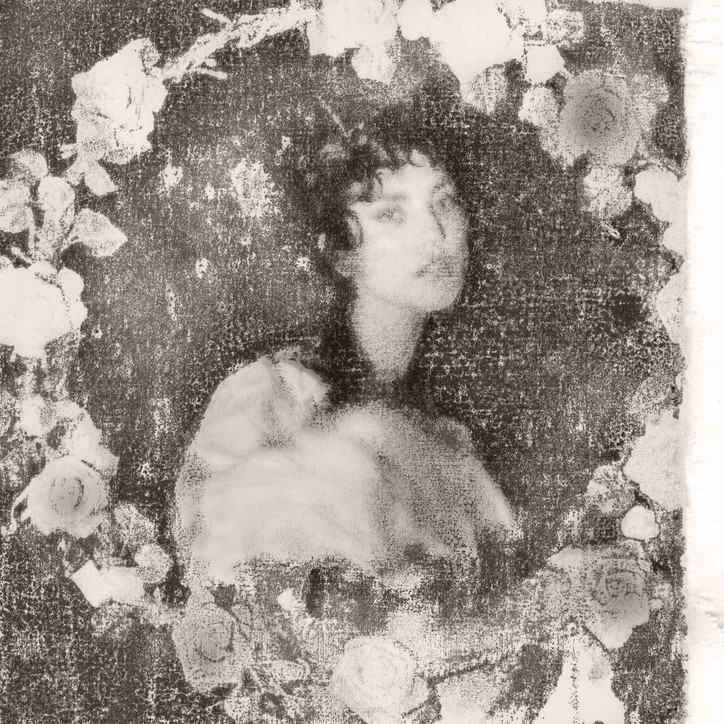
I think that I make rituals something very personal. I think that I can create rituals by forcing myself to not use specific plugins and go through the process of making something that takes me five hours, or six hours or a week. Simply because the process makes it feel like I am more invested and I am giving more of myself. In that ritual of mine, I think that people will be able to hear it. I have this amazing mentor who is a musical electronic music pioneer from the 70s who created one of the first synthesizers ever. I mean, it's an honor I chased him. I think that something that I learned from him was that people can definitely feel it. And I think that I have my own rituals from threading voices together in a way that takes more time, but I think, captures more emotion to things that I would do with my mother and my grandmother, to simply having a moment with myself, connecting with water in my own ways, and doing things that my mother and my grandmother had done. And others that I think I'd rather just keep to myself.
I saw on your Instagram you spoke about partnering with the Rainforest Foundation and I thought that was really interesting. Can you talk to me a little bit more about this and what it means to you?
It means a lot to me, because my grandmother, grandfather, and mom grew up in the jungle. They lived there for 10 years, and they worked very closely with the Ashaninka tribe that lived in that region because they're nomadic. I was really inspired by that because there was an interchange of knowledge that came from different backgrounds. You know what I mean? Like my grandfather would help them with medicine, as much as they would help him with knowledge of something that he would have no access to in the city. I just find it a lot more inspiring to follow what they were doing. I find that a lot more inspiring and I think that it's a relationship that has just begun and it's something that I'm very excited to cultivate. I also am really excited to go and visit when the time is appropriate. I think that we will go to different regions that are in need of more help. For example, there's 70% of people that are not documented in Peru in general, but in the jungle, there's so much that's going on that needs protection, help, and awareness, and I find it very inspiring to involve myself in any way I can. I'm gonna keep exploring this and exploring how I will relate to that artistically, but it's probably what I'm most excited about actually.
I feel what I'm picking up is that there's so much to uncover, and so much to unravel. But the beauty in all of it is that you keep it close to yourself, and you share what you want to share, but there's so much more to it.
I think it's difficult to maintain a myth as an artist these days. I like fantasy and I think that in some ways, it's important to at least for me honor that. It's a difficult line between being honest and being vulnerable but still offers fantasy and magic.

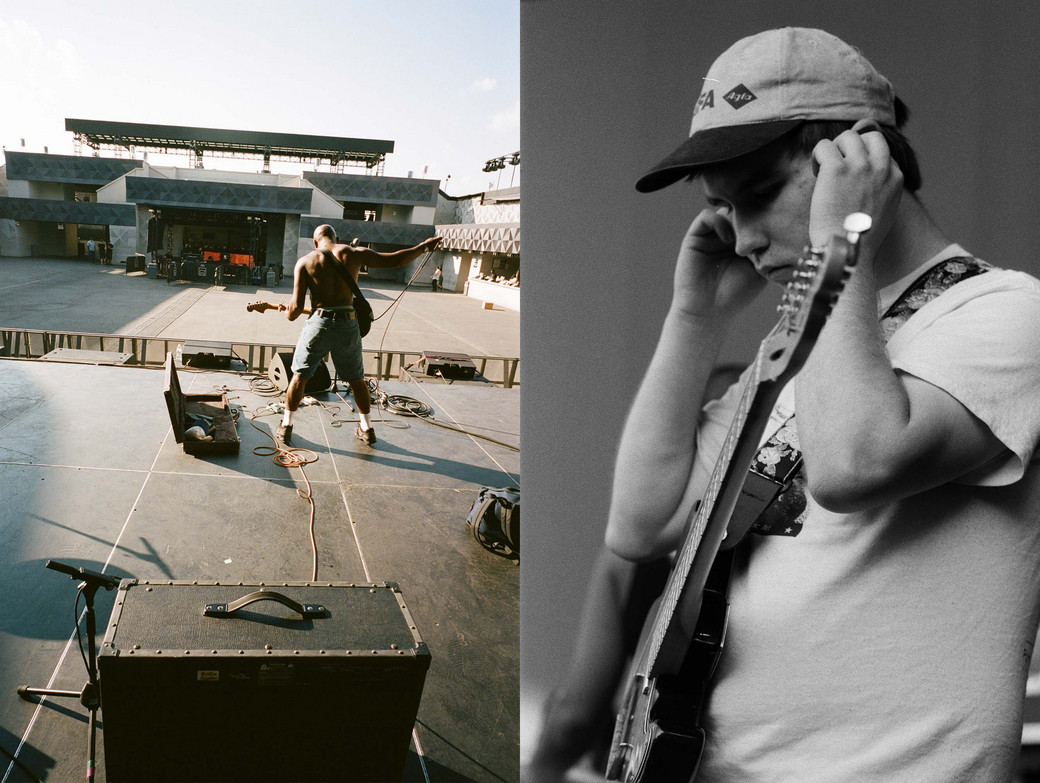
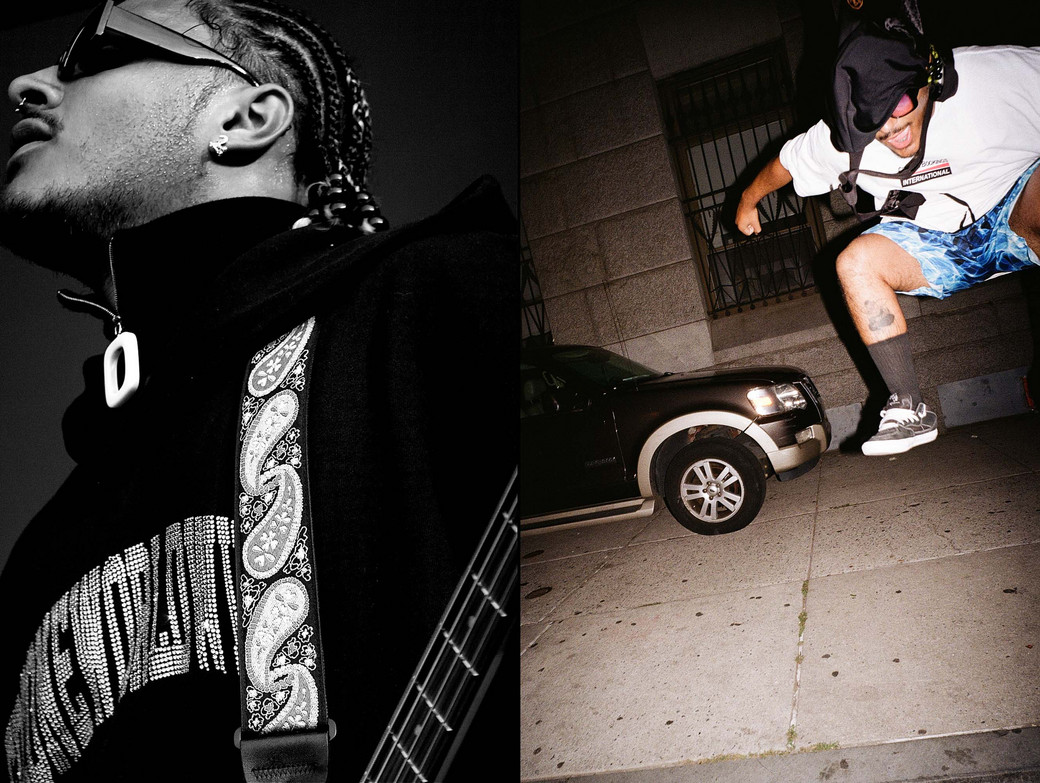
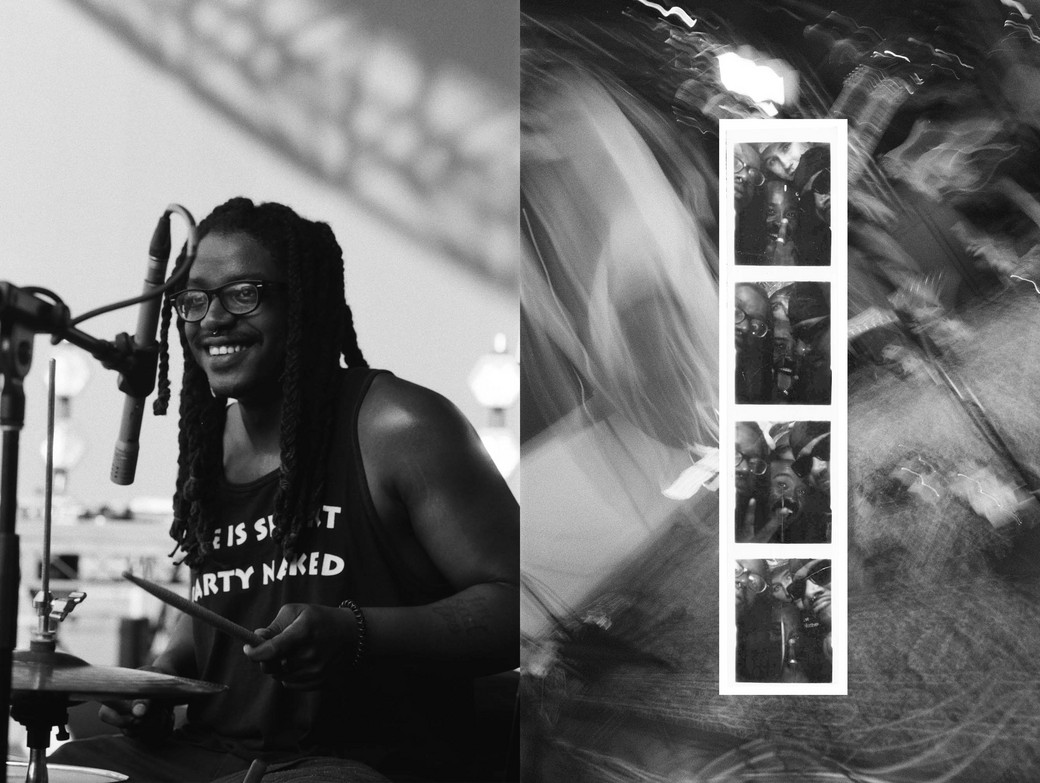
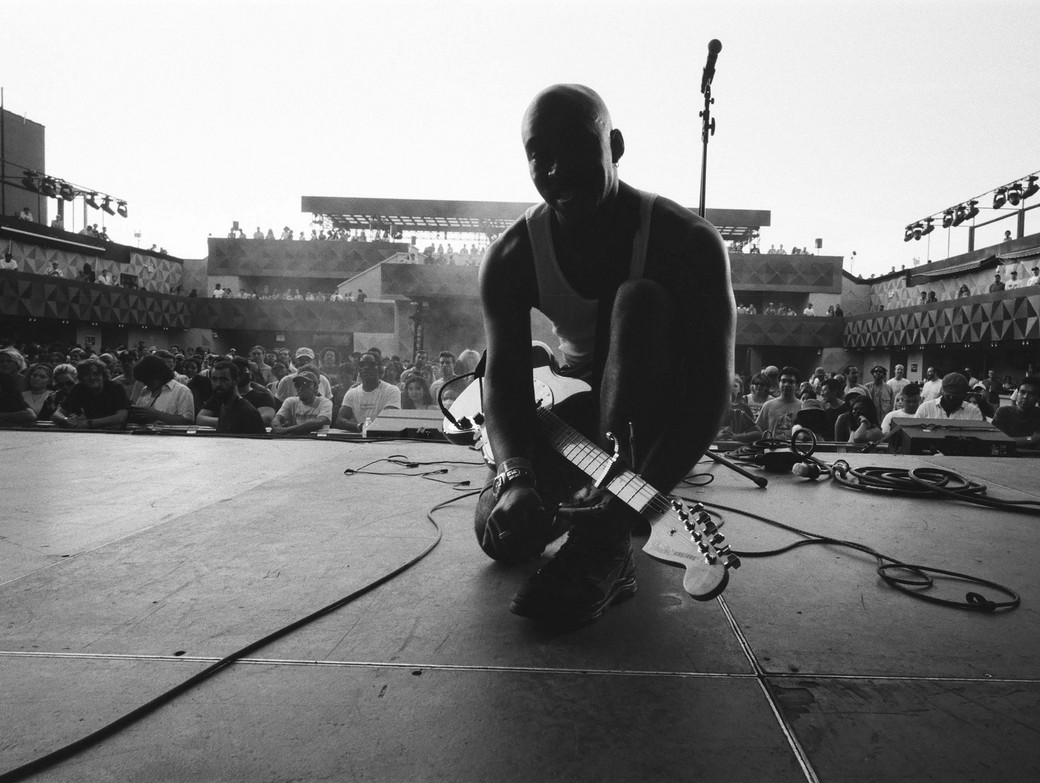
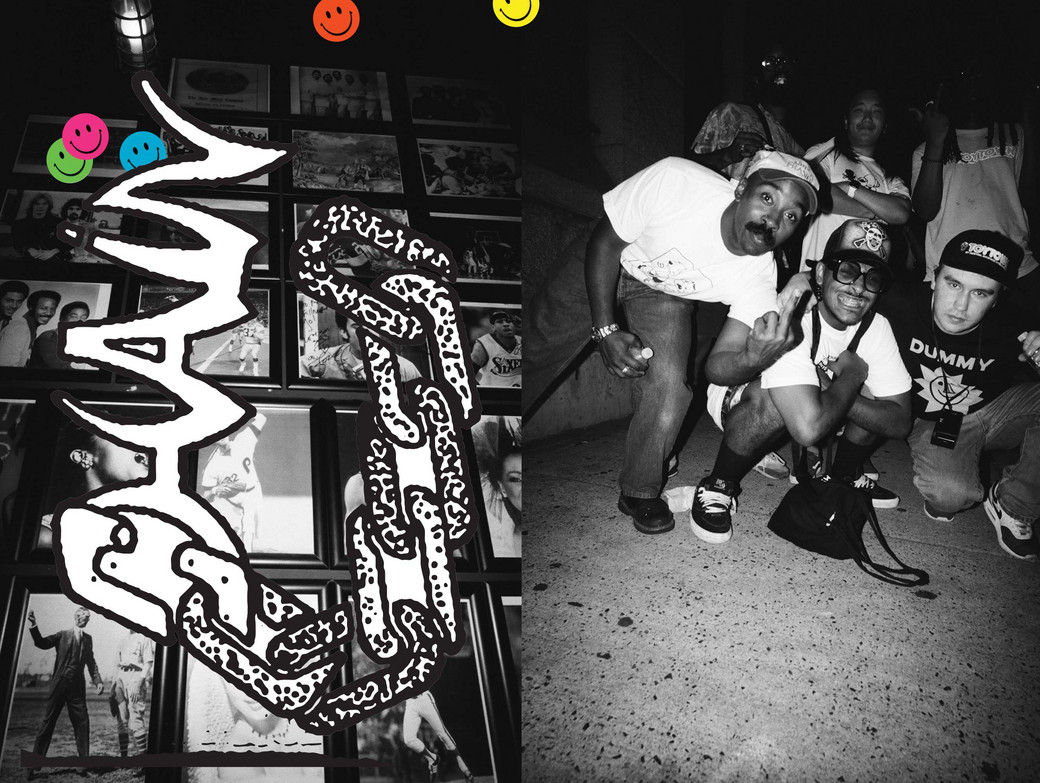
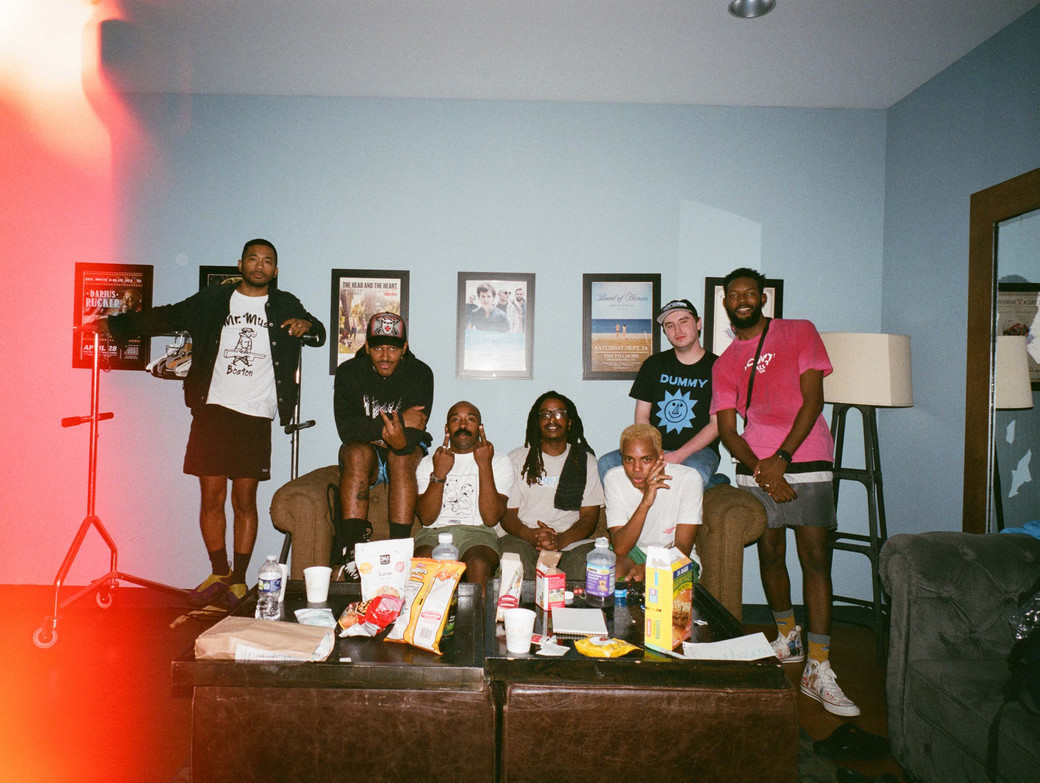
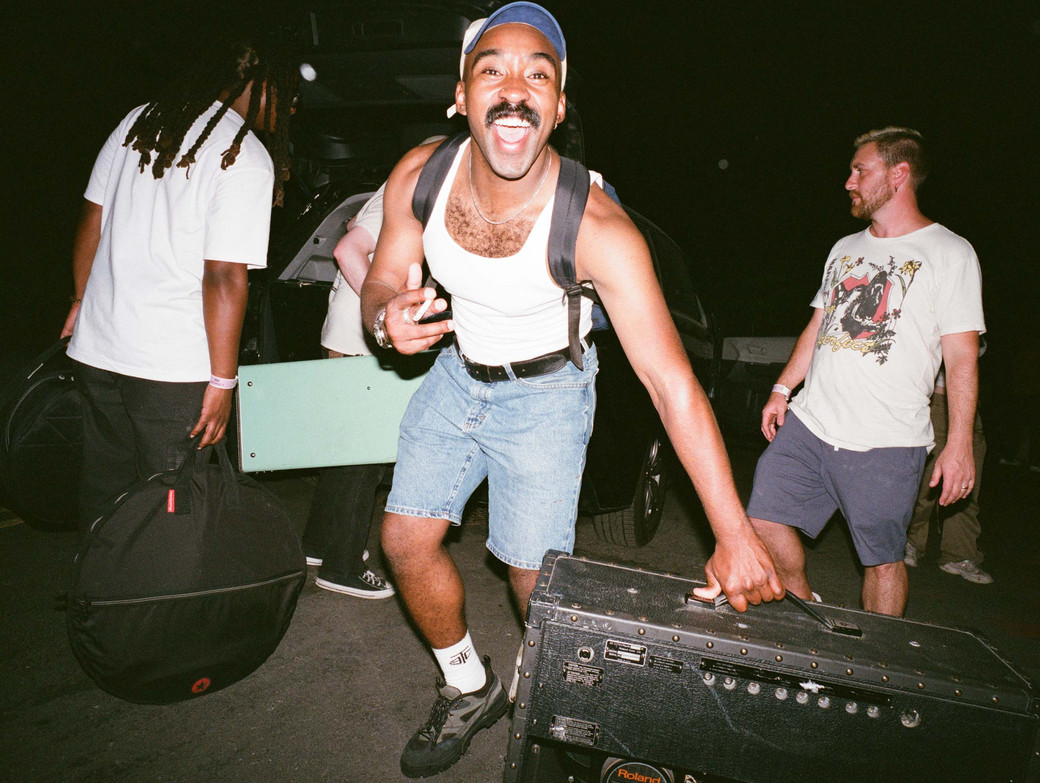
I’m home and DOOM’D after the week long buzz of tour. Our bodies are recovering from the exhaustion, but Aramis and I agree the symptoms are closer to a fresh breakup. You relive how things were just a week ago, you listen to songs that remind you of them. The nostalgia is immediate and new emotions emerge as you also try to find your traction with a new routine, struggling as you relearn time alone.
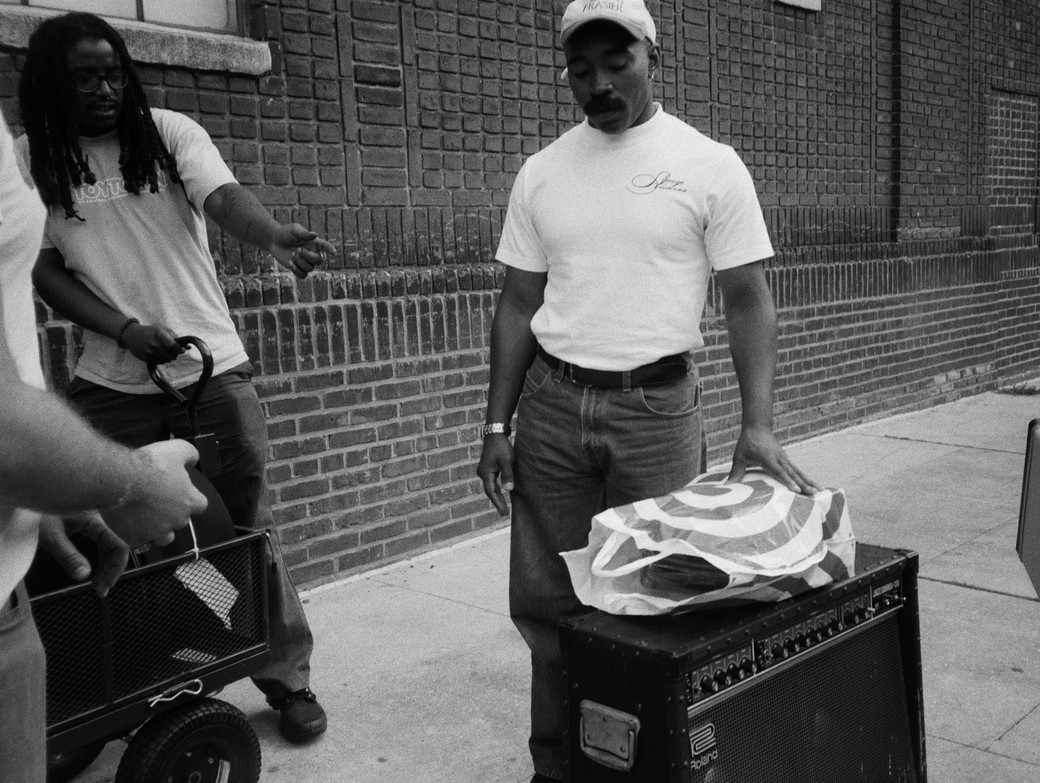
Post-tour life is the hard part; your day job doesn’t wait for you to readjust to the normalcy of home-life. For Aramis, that's asking if you have a preference of tequila with your beer; LaDaniel, thatʼs cooking a steak to your liking; Eli, bicycling you to your destination with a smile; and Nathan, screening your latest shirt.
Most of your anxieties from your daily life seem to fall away while out on the road.. You race to sustenance with the five minutes and two gas stations at your disposal. You’re not wasting time looking at Yelp reviews or taking extra time to split the check evenly; it’s grab and go and don’t be the last one out. It’s not luxurious but that van-ham-egg-and-cheese hits different.

Less familiarity. When you explore something new itʼs stimulating and energizing. A city, its food, the local venue's green room amenities. You never know what to expect and the mystery keeps you curious. When you return back home, you attach memories to places, residuals of the past that come with biased feelings. Sometimes it even feels like groundhogs day.
As we take our seats on the final flight from Brick City, Bellies full of Jersey pizza, The mandatory screaming child cues up tears as soon as he notices the lack of screens on the headrest in front of him: “I AM NOT OKAY”. We all feel that way sometimes, but more than anything, it's an example of how expectations and familiarity can set you up for disappointment. We laugh under our breath in surprisingly good spirits after a Newark airport delay that kept us at our gate for five hours.
“Are you guys like a rock skate band?” Asks the crying kid's dad. He claims that he also used to skate and snowboard, all to the dismay of his wife, sitting next to Aramis. Eli offers the kid a shirt and he lights up like a fucking Christmas tree.
Sometimes, we all just need a little disruption in our lives to brighten the day.
Less options of music to choose from; drivers choice. Less time to think about the future. Doom today's performance and get to the next venue; that's all that matters.
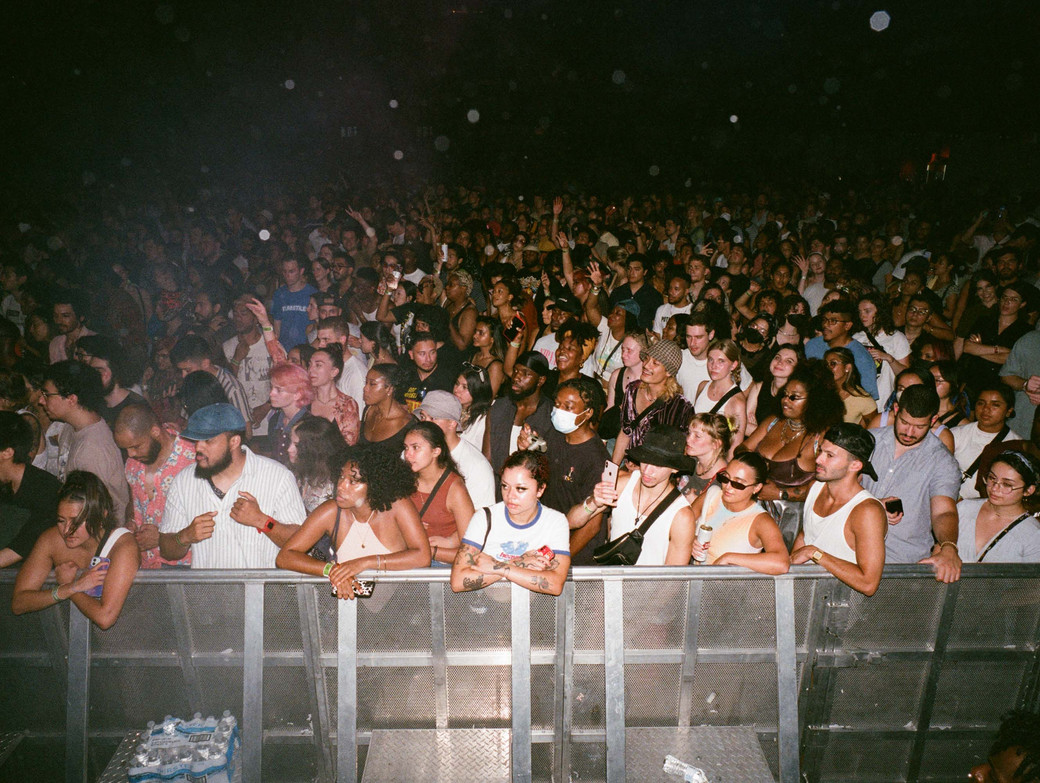
Less self centered thinking. When you're with the band for 7 days you have to be considerate. You gain a community in return. Seven thousand randoms and the same five youʼve come to always count on. Toro [y Moi] and They Hate Change are super chill and dealing with the same circumstances we all are. It's like a music summer camp curated by Chaz himself, sans Donkey Lips and public humiliation.

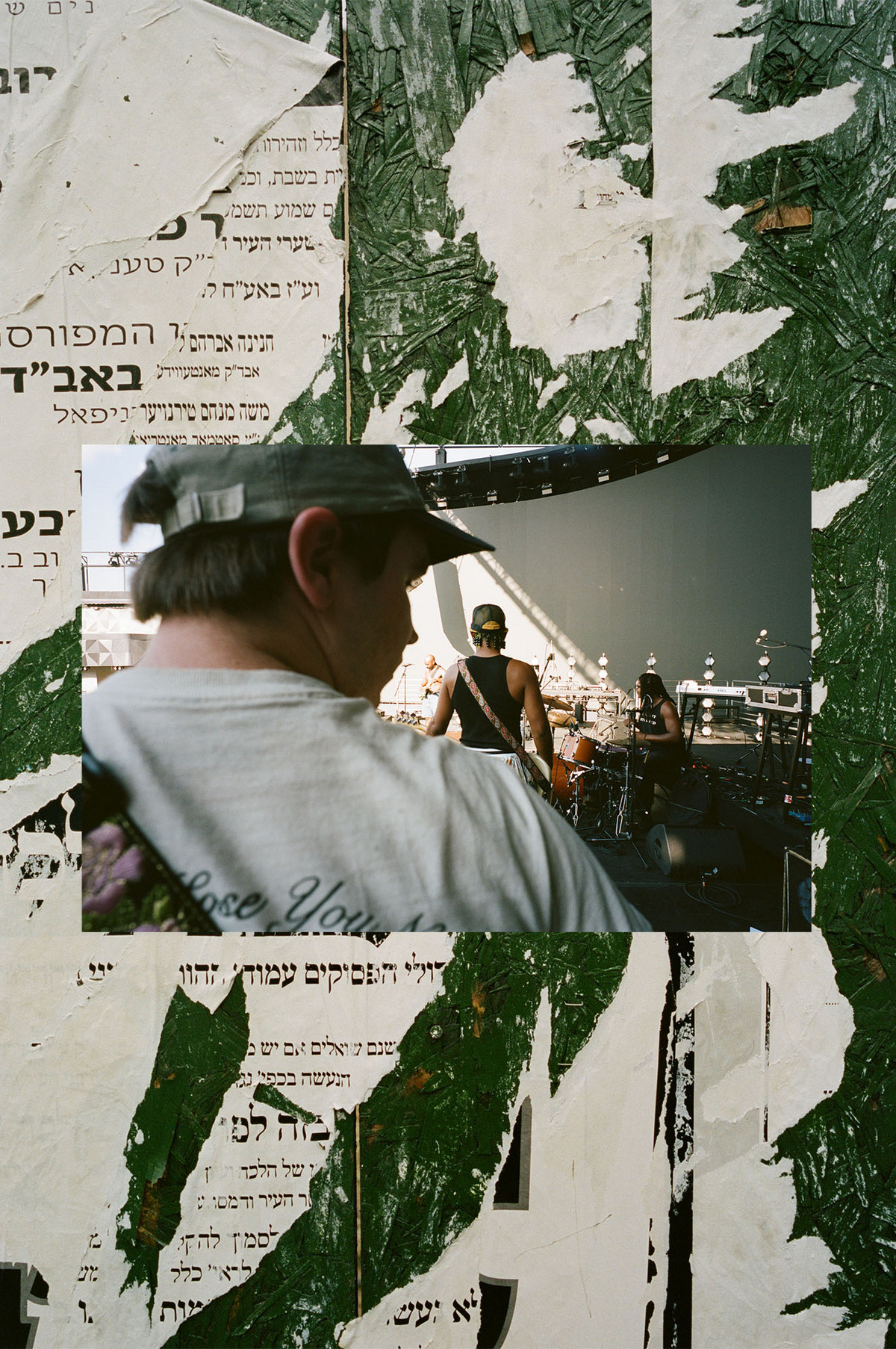
You sleep wherever thereʼs space and whenever thereʼs time. Hotel floors and pass-through living rooms; Blankets and pillows optional, fleas and AC as well. The temperature breaks three digits with east coast humidity drizzled on top. Despite all of this, I sleep better on the road than from my bedroom and king size bed thatʼs big enough for the whole band plus luggage. I’m even falling asleep on the couch at home now. TV is trying to replace the feeling and exhaustion that a day’s end on the road brings and I’m unsatisfied.
We now miss the Deez nuts jokes in the legless middle seat; No more chugging pedialyte or instruments cramping your feet. Instead of billboards or skylines moving through my eyeline from the van window, I scroll and binge the world from my living room couch. With as much personal space as I could ask for, I find myself wanting less.