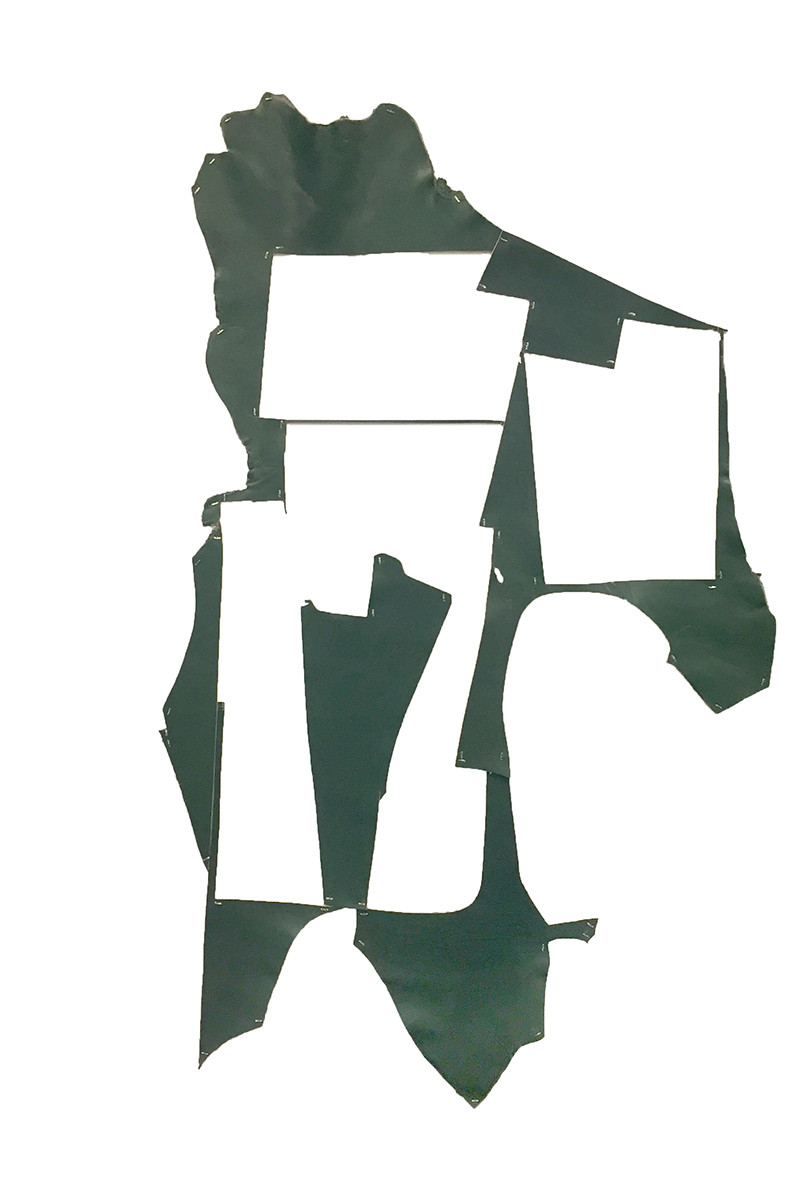
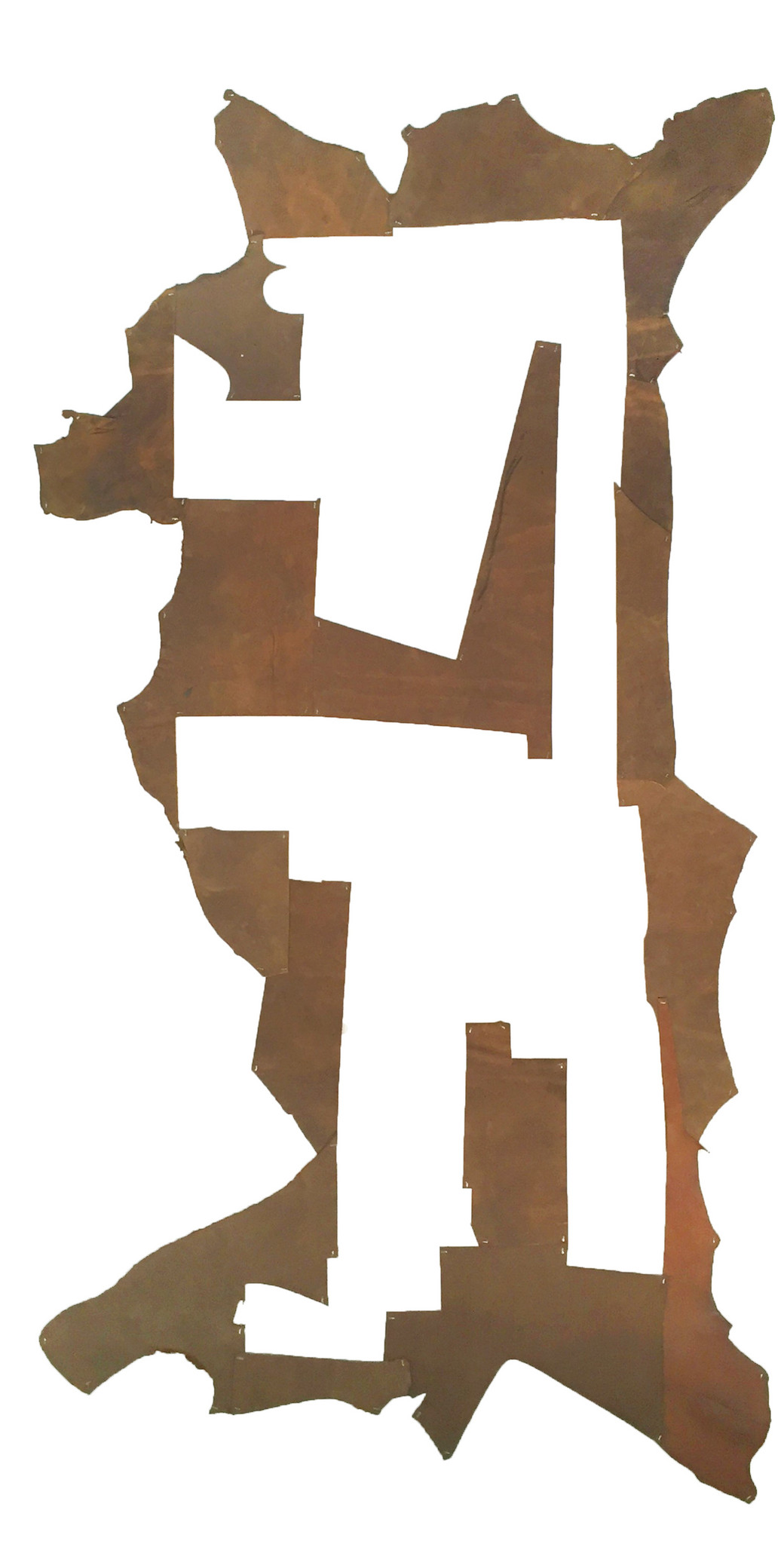
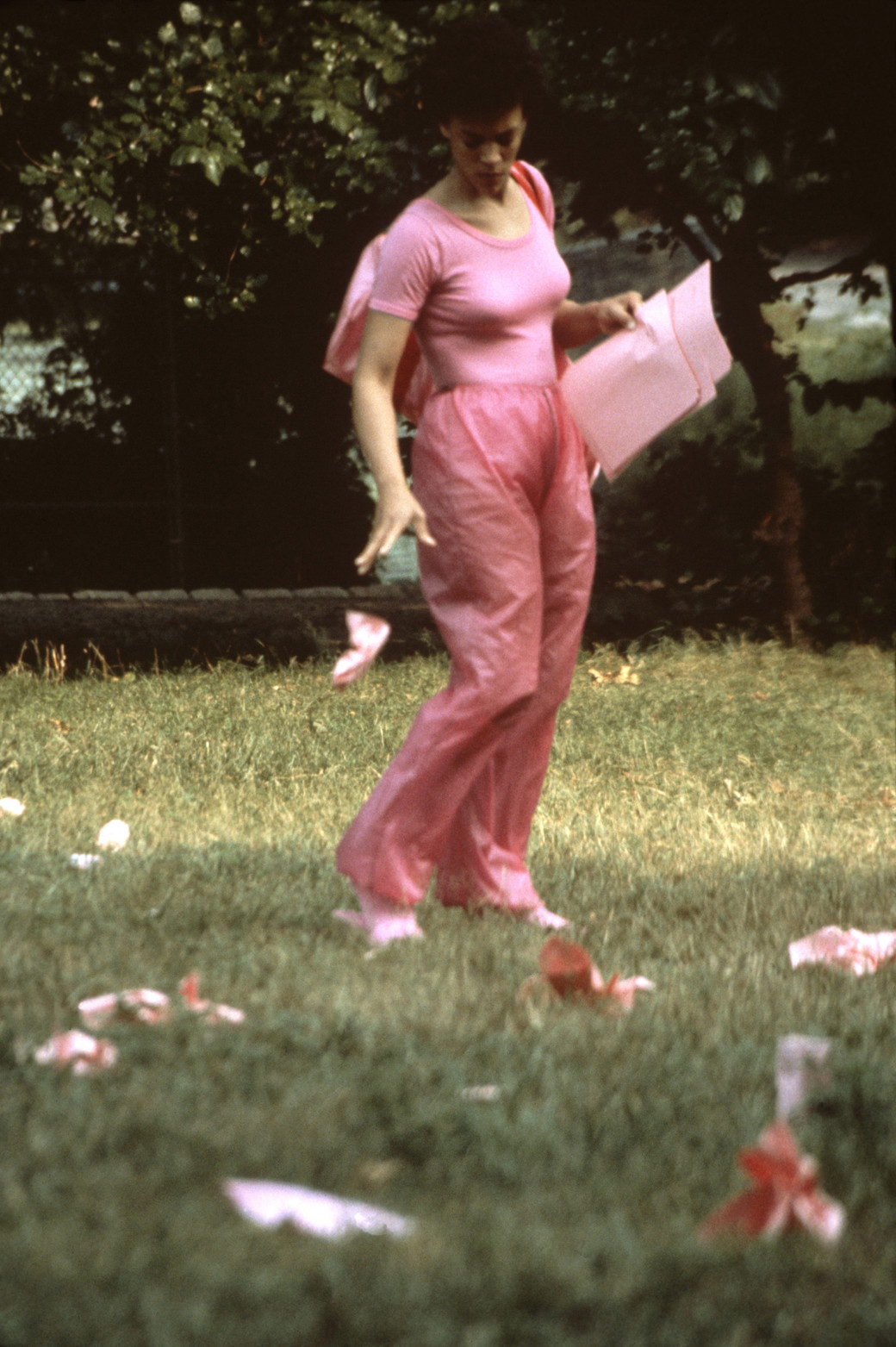
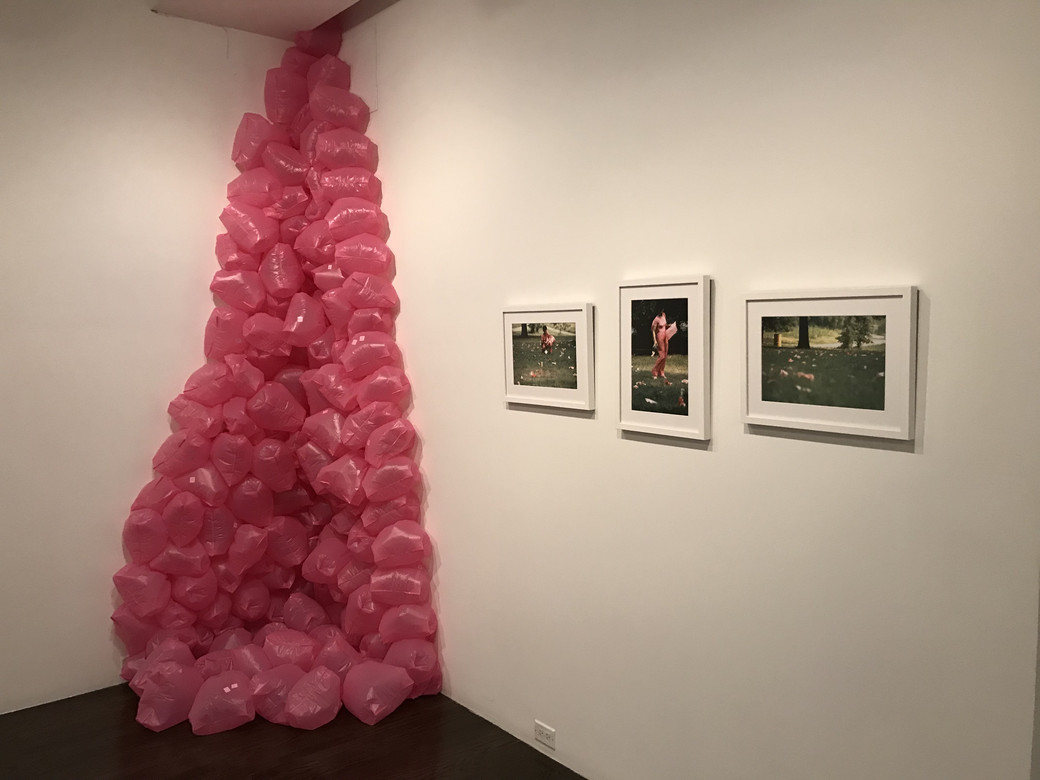
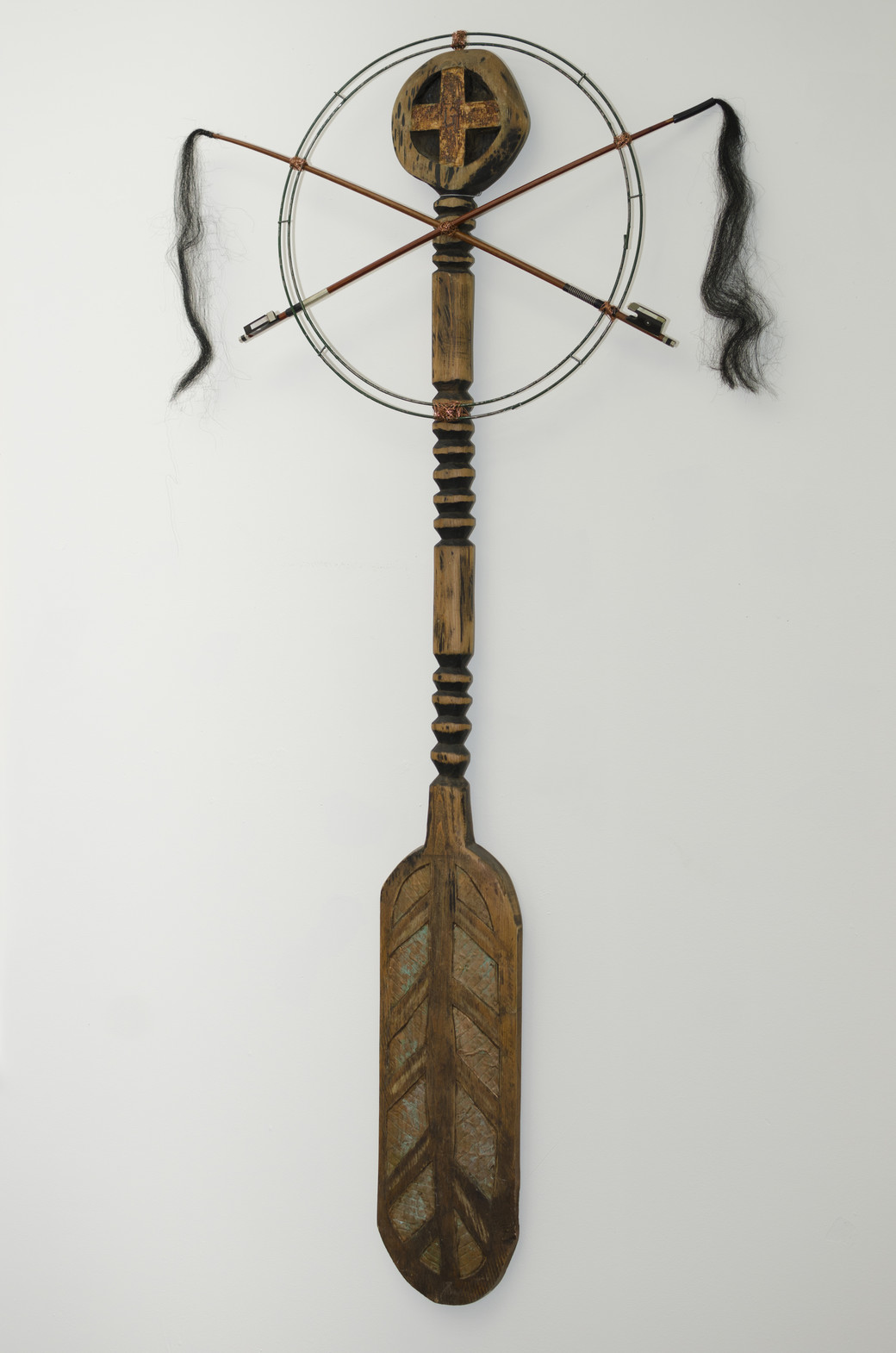
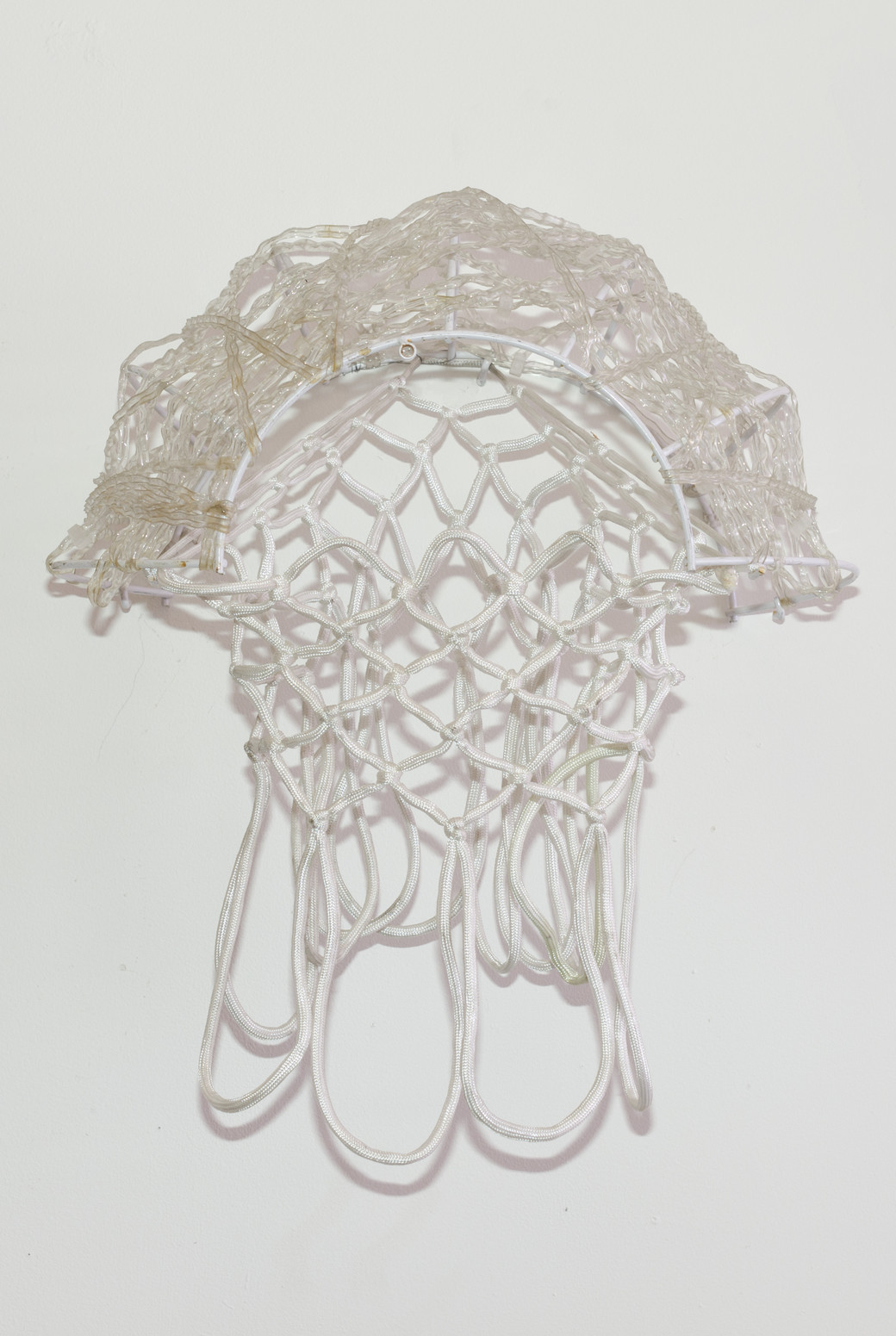
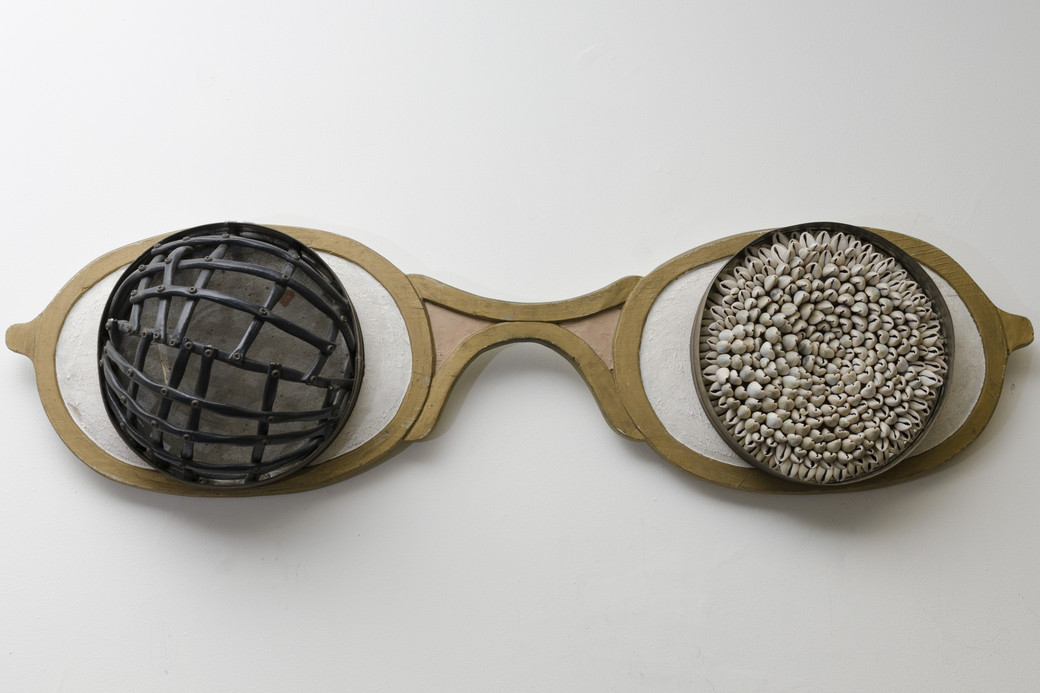
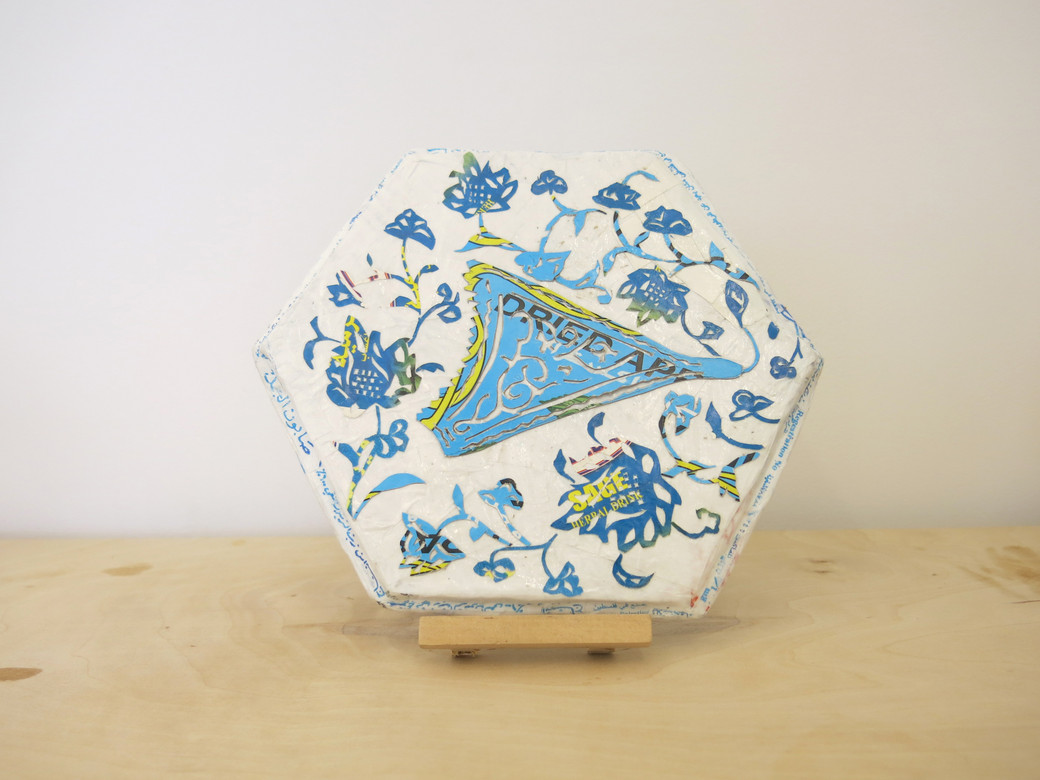
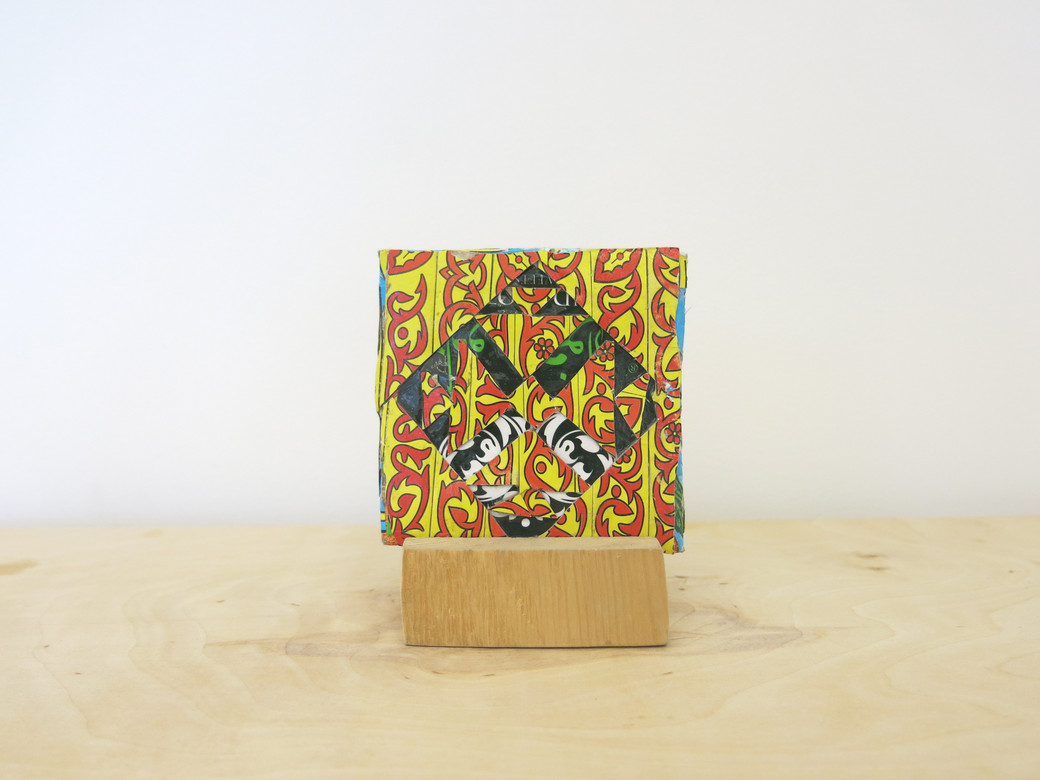
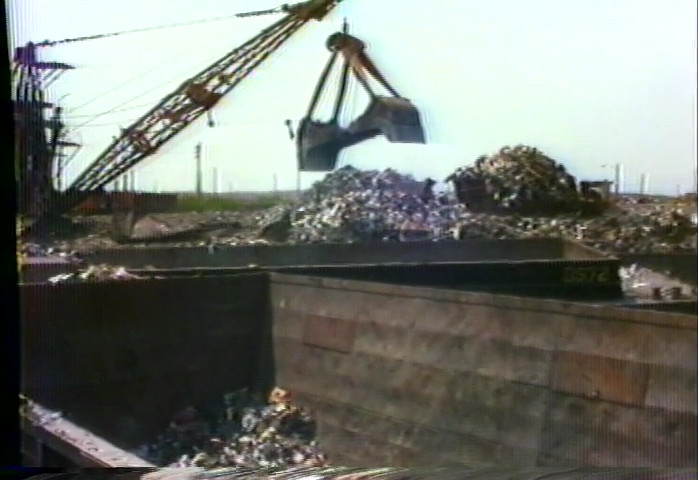
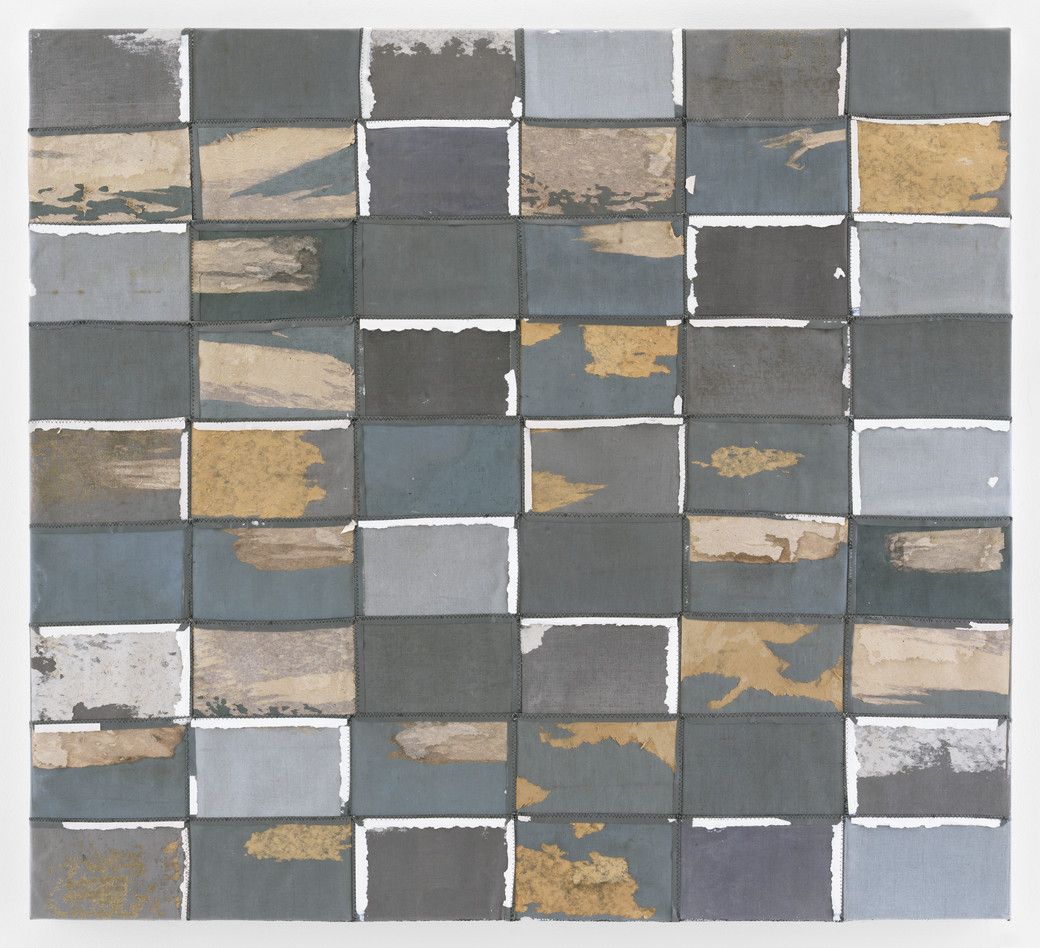
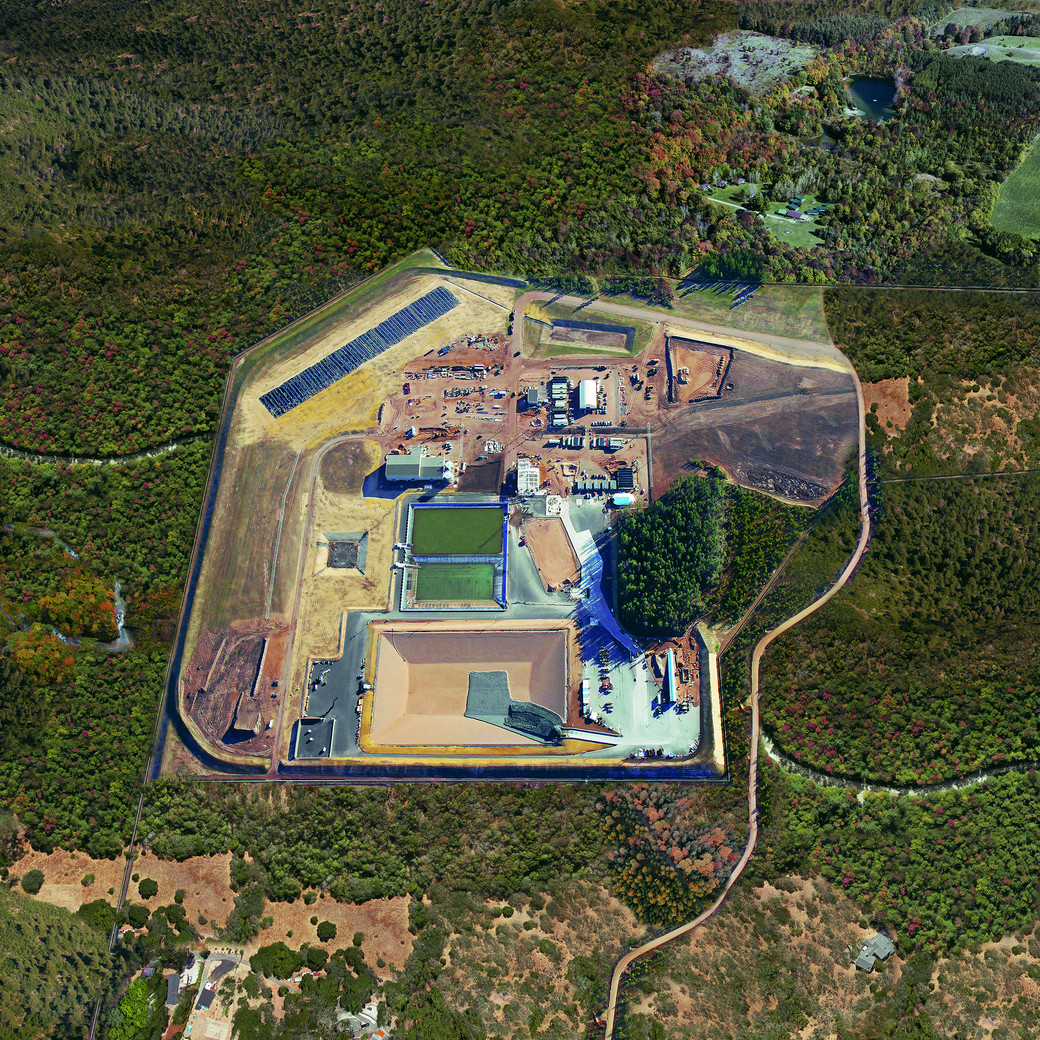
I’m obsessed with these objects you’ve created—tell me how they came to be.
MR—The looting of the museum was the first moment of pathos that opened up during the Iraq War. It didn’t matter whether you were for or against the war, everyone agreed that it was a catastrophe and that this was a loss for the whole of the humanity. For me, this was a very angry project in that the outrage about lost artifacts didn’t translate into an outrage about lost lives.
I understood the looting of the Iraq Museum in April 2003 as one that was aware of the insatiable global antiquities market, largely created by museums and collectors in the West, and that for so many people this was their ticket out of the country, a liquidation of the past to save their future. At the same time, I try not to focus on low-hanging fruit and want to understand the complicated, messy ethics of a situation.
I worked closely on this project with Dr. Donny George Youkhanna, the former Director General of the Iraq Museum and President of the State Board of Antiquities and Heritage who was responsible for the recovery of more than half of the 15,000 missing artifacts. He told amazing stories about the works. Some are replicated as quotes contained within the accession cards that accompany artifacts displayed within this ongoing project.
“This piece has a very nice story. It was taken by two young men during the looting—they took nine very nice pieces to their houses. They came to us after the looting and they said, 'Don't ask for our names or addresses. We were in the museum at the time of the looting. We felt very sorry because we could not stop anything.' Then they decided they would take things and bring them back when it was safe. And they did it. As soon as we had the American soldiers protecting the museum, they brought back the nine pieces.” —Dr. Donny George
I was also very interested in the discomfort I felt when he told me this, which again is reproduced among the accession cards: “Immediately following the looting, I heard of Iraqis in London who visited Room 56 in the British Museum to make sure something of their heritage was left. Before that, they were critical of the museum for housing things they felt belonged back in Iraq. Now, knowing they themselves could never go back, those objects were no longer contested in their view but were refugees, and safe, like them.”