For Lovers
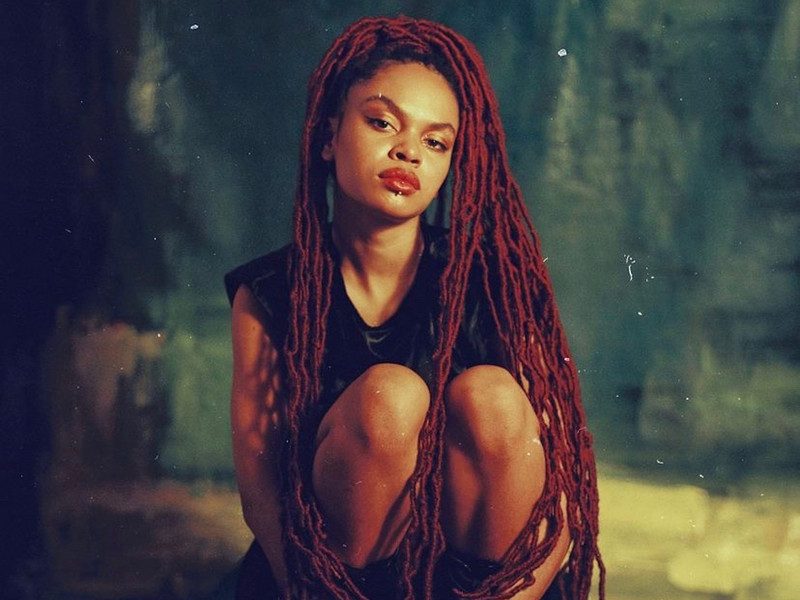
Lamar is a muse for the ages, a lens through which we can explore the love within both our hearts and others'.
Check out the video and photos below.
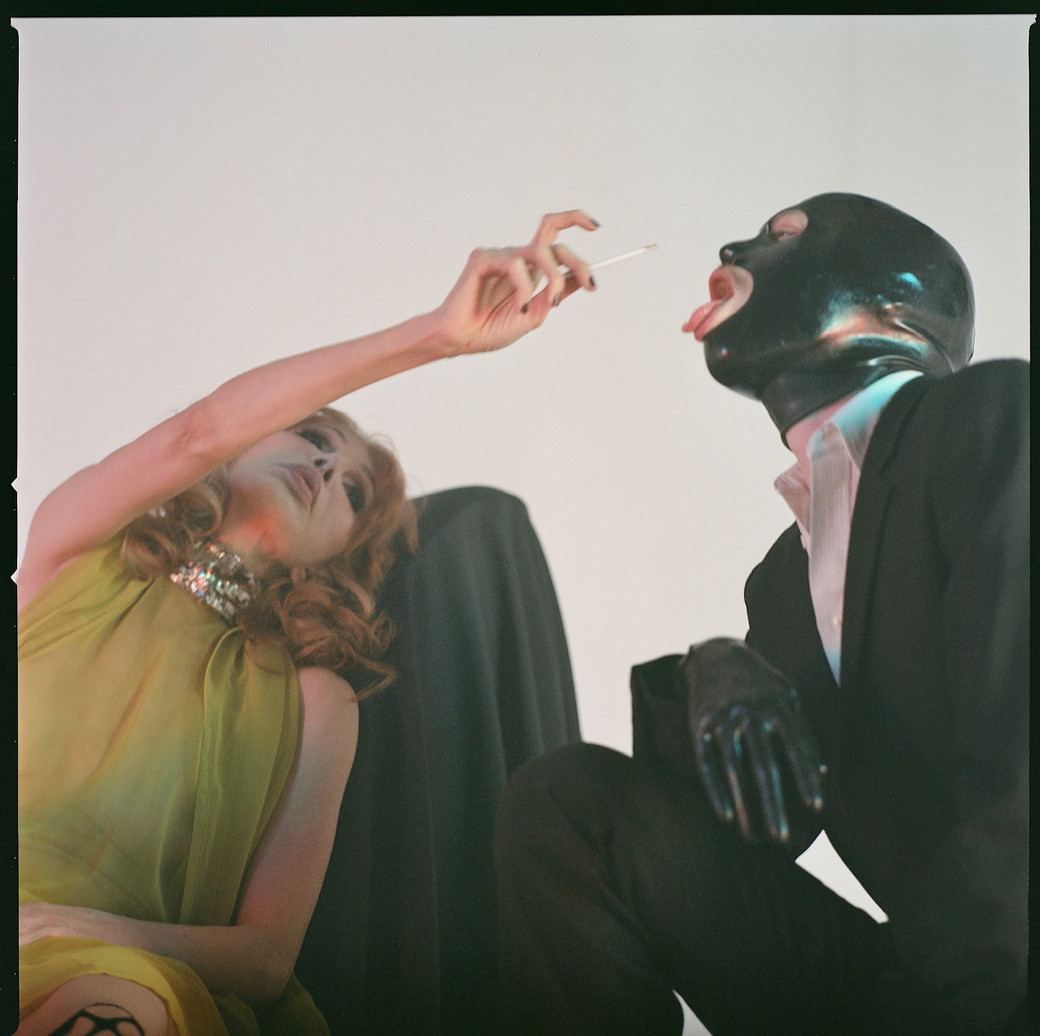
Lamar is a muse for the ages, a lens through which we can explore the love within both our hearts and others'.
Check out the video and photos below.

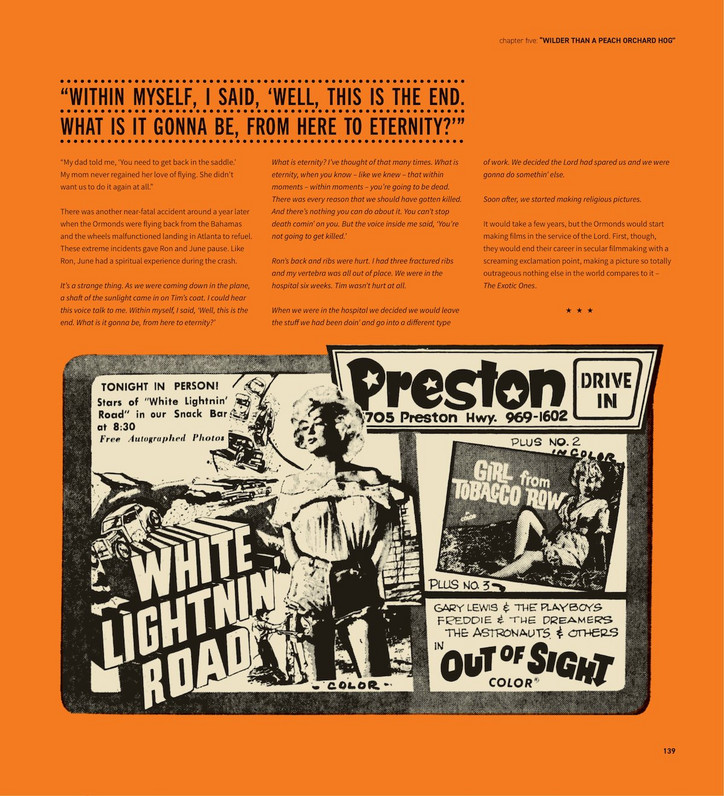
To explore the enigmatic world of the Ormonds and their films, forensic biographer Jimmy McDonough teamed up with friend and acclaimed filmmaker Nicolas Winding Refn. Known for his unique visual style and unflinching storytelling, Refn brings an outside perspective on one of the weirdest, and most interesting families in American entertainment history. Rather than create a documentary, they preserved the Ormond family’s legacy in a book named after one of their own projects. In The Exotic Ones, McDonough writes with the candidness of someone that was there — because he was — right in the middle of it all, knowing from the start that he would eventually be the one to tell their story.
The Ormonds carved out a glittering yet unconventional world. One inhabited by inebriated cowboys, non-acting country stars, UFO testifiers, fire-breathing ex-strippers, egocentric magicians, and sweaty preachers. They ventured into every corner of showbiz, from vaudeville to drive-in movies, before ultimately finding their calling in Christian filmmaking.
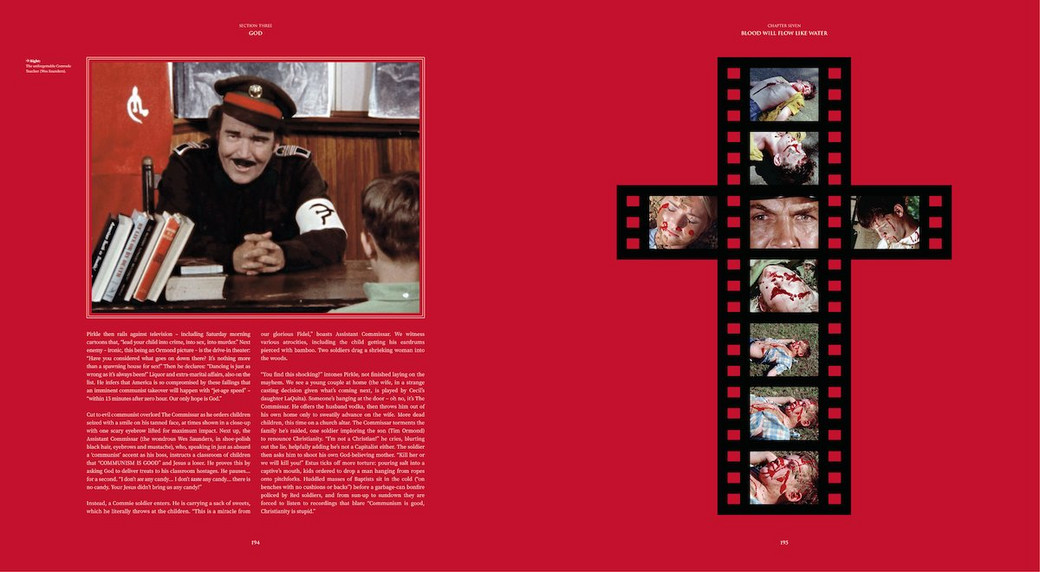
Their most prolific films came after surviving a plane crash on their way to a premiere. The near-death experience marked their abandon of secular show business. They made a series of surreal and shocking religious pictures, many, collaborations with Mississippi Baptist preacher Estus Pirkle. Films, such as The Burning Hell, ring with the vibrato of an America obscured, riddled with pandemonium and driven by fear.
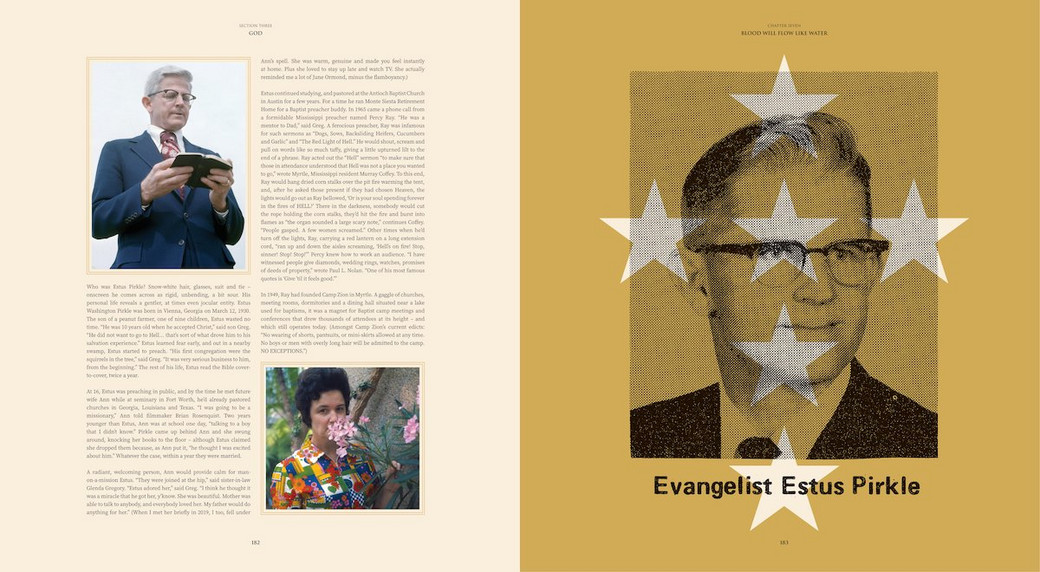
Having spent time with June Ormond and her son Tim, McDonough brings to light revelations previously kept secret. He traces the Ormond family history through June, the guiding force of the family, who fearlessly navigated the cutthroat, male-dominated world of film production and distribution. She and her family brought to life pictures that reflect a true American consciousness, one still relevant today. Her commentary, recorded in the pages of The Exotic Ones, is brutally honest, hilarious, and at times, heart-wrenching.
Ahead of the release, I called Jimmy and Nicolas on Zoom to delve into the challenges they faced in unearthing this hidden history, and the significance of the Ormonds' story in today's world. They discuss the absurdity and genuity of the Ormonds' lives, the relevance of their movies to contemporary discussions about religion and culture, and the combination of fear and surrealism that characterized thei pictures.
It’s near impossible to find information on The Ormonds on the web so to have had a chance to look at The Exotic Ones felt like tapping into a secret history.
How did you meet the Ormonds, Jimmy?
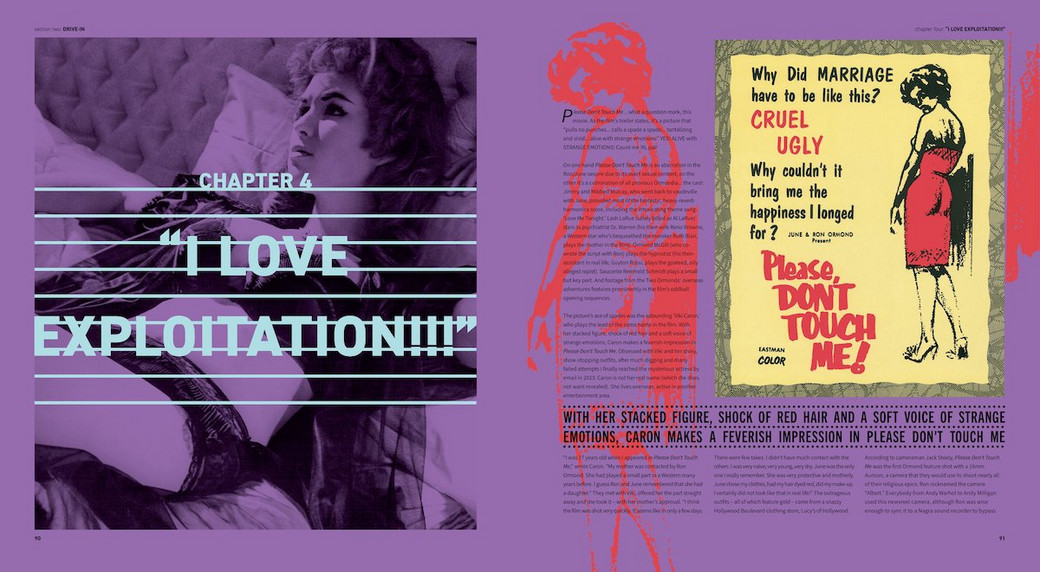
JM— Well back in my youth I was hanging around 42nd Street, going to the movies there, and working with a bunch of low-budget independent filmmakers. That’s when I got fascinated with the whole world. I saw a still from an Ormond movie called Please Don’t Touch Me and I just thought it was the greatest still I’d ever seen in my life. It depicts this woman in lingerie leaning over a shirtless guy, lighting his cigarette. Above their heads is a bit of copy that says “… and after the cigarette, we’ll…” I just said wow, now this is something. You know, as Russ Meyer would say, I felt it in my Grinch.

So I proceeded to do my research, but as you said, it was hard to find anything. Eventually, I got a number and called June Ormond, the matriarch of the family. At first, she was very, very suspicious of me. What I didn't know at the time was they had branched into doing low-budget independent films for Baptist preachers so she was very protective of her past – especially having been in Vaudeville. Bit by bit, I went down there and spent time interviewing her and her son — the father Ron had passed away at that point.
Then — ten years ago this fall — I was sitting with Nicolas and he asked me what my dream project was and it was this. He got Tim Ormond, the son, on the phone right then, and before I knew it, it was happening. This was such an obscure story. Nobody would be crazy enough to undertake it, but that's the beautiful thing about Nicolas. He takes on the unimaginable. We had done one book together, The Ghastly One, the biography of filmmaker Andy Milligan and he said, “OK, you have to top that.” That was a tall order, but I think we've done it. This is the most extreme book, you know, I'll never be the same after this book.
In the first few pages, you say it all comes back to June. How was June at the center?
JM— Well, June was… a very special person. She was the definition of show business, her life revolved around presenting herself to the world in an entertaining fashion and she just had this energy in her. It was like being in a room with Mickey Rooney and Judy Garland. She didn’t have the easiest life, yet was alway so positive. Being a woman in the film distribution business at the time wasn’t a piece of cake. June kept everything going. Ron directed the pictures, but it was up to June to save their collective asses.
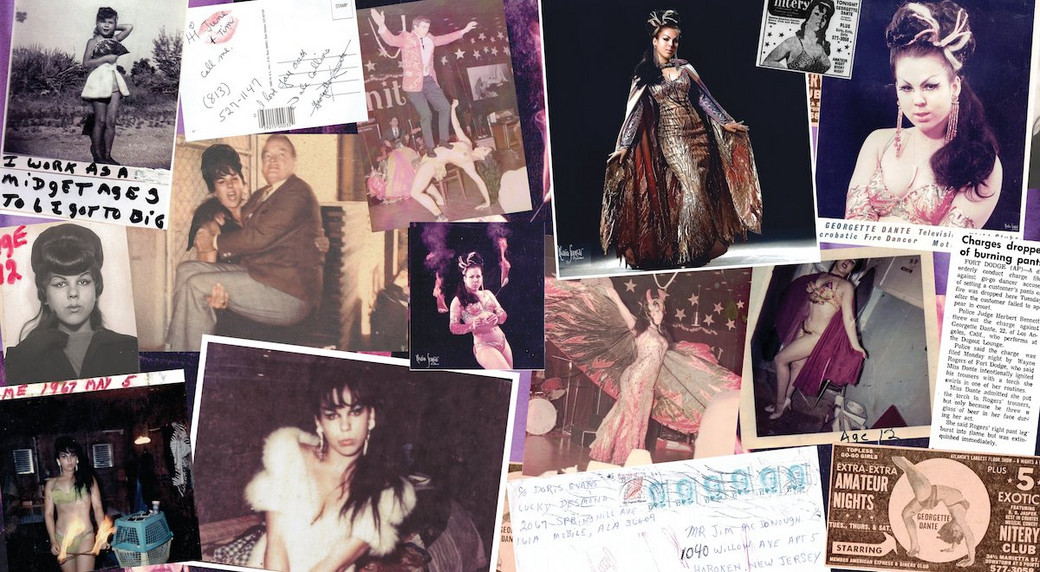
You also note June talking about how their films were purposely full of gimmicks. It’s honestly no different than what people do today on the internet, but so much more saturated. How is this story relevant to a younger audience encountering The Ormonds for the first time?
JM— Well, their films are a window into an unseen world and I think that's valuable for anybody. Their religious pictures, in particular, speak to the world today. They made a number of pictures with Estus Pirkle, a Baptist minister who had a very intense need to express his views to the world. The films absolutely reflect what’s been going on in terms of the heated discussion around the role religion has played in American culture.
NWR— I think it's universal. I don’t know what’s so different from the younger generation today than that of twenty years ago. To me, everyone is still attracted to authenticity, something that feels real. You can say that the Ormonds created a business out of fetishizing themselves in a way. For me, it’s a true window into the Americana sensibility that is so different from anything else in the world. These aren’t the hipsters of the New York underground scene or mainstream Hollywood. These people lived in an isolated, rural area of America. They went from producing exploitation content that dealt with violence to making religious propaganda, which is an incredible reflection of the dynamic that exists in the US today.

Their movies were so bizarre, but their life was also far from normal. You said that walking into their home felt like a religious experience. What did you mean by that Jimmy?
JM— So, you know, I’ve heard about these people… I’m a young guy, I’m curious. I go to their house in Nashville and walk into what looks like a set from one of their movies. There were all these knickknacks — religious or otherwise. It was just like walking onto the set of a hammer horror film and finding out the people who made them lived there. And then you got June, this roundish owl-type woman wearing a load of cheap jewelry, hurling one-liners and cackling away. It was just surreal. She was already telling me that I was writing her book. There wasn’t even a discussion. I was all for it.
What was central to you being able to tell this story? Was it that personal connection?
Oh, it was June's voice for sure. A lot of the book is told in her voice. She never had a platform and I felt she had to get her say, so that was of paramount importance to me. It was also the idea of wedding the two worlds — from their independent stuff done for drive-ins to the religious pictures specifically made for churches. I mean, it’s really two books. Like pre-Jesus/post-Jesus, and they mirror each other in odd ways. I’m still in awe of all the minds that came together for this. Of course, it's Nicolas’ touch, but also our design team, who helped us to keenly showcase this divide in the family’s history.
NWR— In a way, it was like making a movie — Jimmy wrote the script, and there was a visual team putting together the imagery. There were all these separate components — the same way you would make a film. Instead, we made it on paper, and that was very important for us, to have something analog. When we started, I was also able to purchase the rights to most of their films — even the religious films. But when I bought them, all the negatives had been destroyed in a flood. The archivist who works with me, Peter Conheim, spent two to three years with Jimmy searching all the archives he knew around the world that would specialize in this kind of film to see if they could find any print material and nothing existed. We also teamed up with the distributor called Indicator to put together From Hollywood to Heaven so you can read the book and also watch some of the original pictures.
JM— Not only do you get the films but Tim also made some tributes to his mom at the very end. It’s honestly like a seven-layer June Ormond cake.
NWR— And that's something that myself and Jimmy have practiced over the years as a team with our work on the byNWR world. I don't believe there's really anyone left like Jimmy who is truly a walking encyclopedia filled with so much knowledge of the Times Square film crowd. The thing is that these stories are true, and that’s why it’s necessary to save them. To that point, unfortunately, I have to go, but I will defer to Jimmy for sharing more exciting stories about this.

It's also such an immense book. It feels very honest. I don’t think AI could’ve written it.
JM— We live in a world where it's imminent that stories are gonna be prefabricated and designed by machines, but this story is painfully handmade. I mean, it's a dollar 98 world we're talking about by its very definition. You turn on the TV, and everyone’s streaming the same thing. There are different stars, but there’s a uniformity in a lot of the entertainment today, and for better or worse, the Ormonds are painfully human — there’s no budget to hide the imperfections. I don’t know if AI could fix this story. I don't know if it could smooth out all the wrinkles. There’s a very palpable human heart here and to me, that's the beauty of it. That's what I love. You know, the very humanness. I made my career writing about people I admire on some level. That was the only requirement when I undertook a project. I had to admire them deeply in some way. And that's certainly been the case with the Ormonds.
For sure. AI exists to fulfill a very specific goal. You aimed to preserve a story that mattered to you.
JM— Right. To me, that's where it's at. I can't do it any other way. I’m really kind of like a shoe cobbler or something. There has to be passion involved, or it just doesn’t happen for me. It has to move me, or what's the point?
What do you hope people take from this being a physical artifact of the Ormond family’s history as opposed to another Wikipedia page?
JM— First, the Ormond family was an important part of entertainment history. They deserve to be recognized for their contribution. I hope people see June as the feminist icon that she was. She was in a male-dominated world and stood her ground, leaving her mark. She didn’t take no for an answer and did it with a lot of style and class more than anything. Second, I hope it also gets people thinking about religion and entertainment and how those two can cross, and what that means in today’s world, where you have people like Trump operating on a lot of the same principles.
I wouldn’t associate Trump with the Ormonds, but his presidency kind of appealed to this very American sensibility: the juxtaposition between fear and surrealism is characteristic of exploitation films and even religious pictures to a certain extent.
JM— I think Trump would be a fan of the Ormonds’ pictures done with Estus Pirkle. Pirkle wanted to scare people into the Church. He felt in his heart that it was so important and that the only way to have people believe him was for them to be afraid. Trump operates in the same way. I think they operate in the same zone. If Footmen Tire You, What Will Horses Do?, The Burning Hell, and The Believer’s Heaven. Those three pictures will be seen as quite relevant in a certain fashion.

It’ll be interesting to see the pictures live outside of the original time and context in which they were first made. Rather than existing as part of Estus Pirkle’s sermon, now the films are a testament to the Ormonds’ life and work.
JM— Correct and as Nicholas pointed out, he's used bits and pieces of the films in his latest work for Prada and who would have thought, as he tells me, “Ron Ormond does Prada.” It was funny because he sent me the work after he created it and I recognized the imagery but couldn’t place it. Speaking of surrealism, I think Nicolas is plugged into that and has a very unique expression and admiration for the Ormond craft. It just tickles me that he's bringing that vision to an utterly new audience in many ways.
He has an entirely different sensibility when it comes to this stuff. He understands the challenge of creation, and he knows there's a hustle involved with all of these people. There's an element of the book that's about the con you have to do to make the art. It's a running theme Refn is well aware of.
Just goes back to the point that we’re all living the same illusion…
JM— And then you wonder where does the dream end and life actually begin? Then you get to the point that life is but a dream. That’s really at the essence of the book and I hope by the end, it evokes that dream.
I have to give it to Nicolas. I will never be the same after this book no matter what I do, but I’m glad I lived through it. I would never do it again, but we surely topped everything we’ve done previously. When I did this book, I thought, wow, most of my books are very dark tales full of doomed destruction and, worse. This is sort of like a sunny day at the carnival.
After the pandemic, it’s clearer that we are at the precipice of technology, one where its advancement rolls into a movie that’s both horror and comedy, drama and sci-fi. All in one.
JM— I guess you can say that we're living in an AI Ormond universe now, for better or for worse.

It seems less common to witness such a level of influence in today's digital age — in part because there are far more celebrities than the 1980s — but it still happens. I'm sure we can all remember when Justin Bieber was looking for someone to create a "Girlfriend" song to go with his hit single "Boyfriend," and Laina Morris took to youtube with her unblinking candor. Her "JB Fanvideo" quickly went viral and became the "overly attached girlfriend" meme. The video has since amassed 21 million views on youtube and is a clear example of how the internet has reshaped celebrity culture.
Since the rise of social media, "celebrity" has been democratized, dispersed amongst a growing number of micro-celebrities who prove that being "influential" is now more attainable. Even still, idolization and infatuation still exist as fans become more engrossed and emotionally invested in the lives of their favorite public figures with just a screen to separate them from their perception of those they idolize.
After hours of digging and curiosity about celebrity culture, I discovered a term for the obsession — Parasocial Relationships, or PSRs. By definition, a parasocial relationship (PSR) is a one-sided psychological attachment an individual forms with a media figure, such as a celebrity, influencer, or fictional character. The term was first coined in the 1950s by psychologists Donald Horton and Richard Wohl. In a parasocial relationship, the individual, or "fan," feels a strong sense of connection, familiarity, and intimacy towards the media figure, despite the fact the relationship is entirely one-sided.
In our digital era, the dynamic between celebrities and their fans has drastically evolved. From original icons like Michael Jackson and Prince, to today's sensations like Justin Bieber, BTS, and Taylor Swift, we've witnessed a significant shift in fandom. The evolution, fueled by social media platforms like TikTok, Instagram, and YouTube, brings about a myriad of implications for mental health.
My curiosity led me to comb through a few books like Everything I Need I Get from You by Kaitlyn Tiffany and to chat with people researching in this field. From my findings, the side effects of PSRs aren't all bad, so let's look into some of the positive aspects. A key benefit of PSRs is the sense of belonging they offer. Fandoms — collective communities formed around a celebrity — can be powerful sources of camaraderie and support. These groups foster long-term relationships based on their appreciation of a specific figure, ultimately forging a new way to socialize in the digital age.
[#Swifties could lead a revolution - Repost from Instagram]
I sat down with Aaron Easaw, founder of Koi, a behavioral venture studio, who says that the true power of parasocial relationships lies within fan-to-fan interactions. "What's unique about certain parasocial relationships is that, beyond the talent-consumer connection, the consumer-to-consumer community can be very strong. For instance, "Swifties" are known for their loyalty to each other, while other communities, like Nicki's "Barbs," have a significant focus on minority groups such as the LGBTQ+. With the loneliness epidemic prevalent in Gen Z and Gen A, this level of community offers a reprieve from what might otherwise be a lonely "real life".
Another example is the BTS "ARMY," a global fandom around the Korean boy band BTS, often rallying together to support social causes and create safe online spaces for fans. BTS has even said that they exist because the ARMY exists.
Although a net positive, the reality of celebrity infatuation also has its faults. There is a fine line between admiration and obsession. As my grandma used to say, “Too much of anything is bad for ya,” and that is especially true when reflecting on PSRs. The question here is: “What is a healthy amount of fanaticism?” Young fans often invest significant amounts of emotional energy into their favorite celebs, even to the point of distress, especially when the celebrity faces hardships or controversies. For instance, when YouTuber David Dobrik faced serious allegations in 2021, it caused a crazy wave of distress amongst his young followers, some of whom reported feeling personally betrayed.
We are not inherently equipped to handle the emotional volatility that accompanies the constant need to "keep up" with the latest trends in media while also maintaining our personal lives. This constant balancing act takes a toll on our mental well-being. With this in mind, there are two primary factors that deserve consideration:
1. Social Media Isn’t Real.
Social media often presents a curated, near-perfect depiction of celebrities' lives. Young people, in their formative years, often compare themselves to these seemingly flawless personas, feeling a sense of inadequacy and dissatisfaction when they fail to measure up. This is amplified by influencers promoting products or lifestyle choices that are extremely unattainable for most.
2. Celebrities are Human Beings. Everything you experience in your humanity is no different than them.
We’ve seen detrimental effects in fans' ability to respect celebs' humanity and understand the concept of consent and boundaries. It breeds an interesting sense of entitlement, leading fans to feel like they have a right to know every intimate detail about their favorite celebrities' lives, encouraging an environment where invasion of privacy is normalized. The issue is amplified by the media's constant scrutiny of celebrities, furthering the illusion of accessibility.
In this new era of fandom, it's essential to recognize the double-edged nature of parasocial relationships and self-evaluate where we fall on the spectrum of idolizing public figures. The solution isn't to demonize these relationships, but rather to promote media literacy and educate ourselves on how to healthily engage with cultural figures. In doing so, we can ensure that the fandom experience and our own lives remains as a source of joy, not distress.
So before you become a keyboard warrior and chew out your least favorite celeb in their comments due to recent controversy or even find yourself feeling a little woozy in the presence of your favorite star, remember — we are all just human.

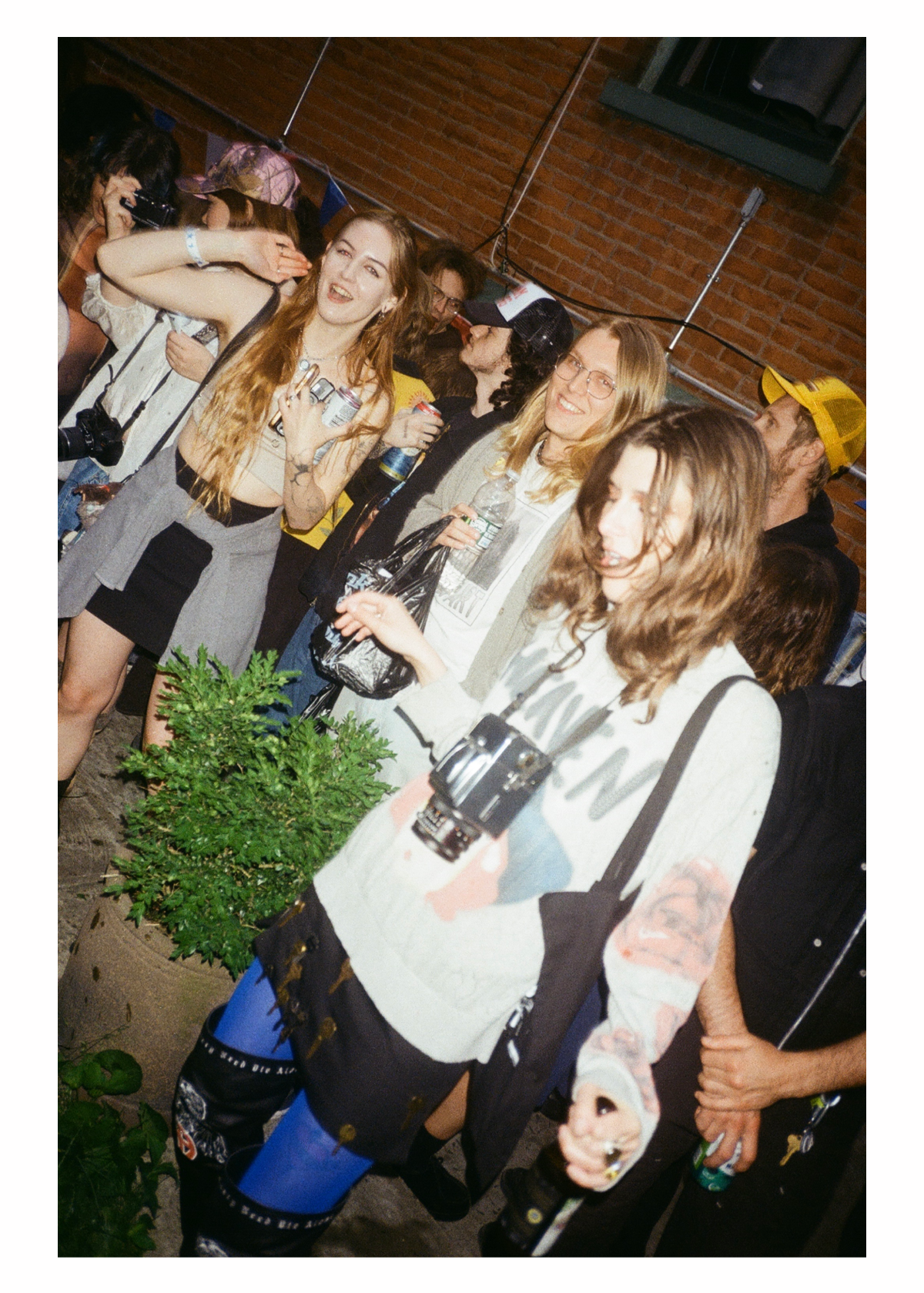
Much like others who grew up on Tumblr, November Girl’s Willa Rudolph and Sofia inevitably fell for the queen of all that is red, white, blue, and piping with melodrama. Their love for Lana Del Rey and her Americana aesthetic set the groundwork for their event — a backyard concert held at the Moran Victorian Mansion in Bed-Stuy. Later in the night, while in line for the bathroom, a guy told me that he heard that an art benefactor bought the brownstone for Georgian artists to live and work. Think Chelsea Hotel except, not.
In the midst of all the madness, I spoke with Willa who shared the reason for the theme: "We wanted to do something fun and active to kick off summer. Sofia and I were both in my music video for November Girl’s single Keychain, which involved mud — well it was inspired by CarStuckGirls — and mud has kind of just been a theme for me, visually and symbolically. Other than that, mud wrestling is just hot, icky, and fun.” The $11 hot dogs and PBRs drove home the American dream-like ambiance that pervaded the roar-filled air. It felt as if it was the fourth of July, not the first weekend in June.


The concert opened with Le Bang's debut. The French, drum and bass project opened based its show on a made-up comic that goes: Lola Lancón swallowed a grenade during Godzilla's first New York attack, turning her into a superhero with the power to make catchy lyrics with bass lines reminiscent of DIIV and La Femme. Clad in a mask and hot pink, duct tape corset, she performed with her bandmates Stavros Lari and Billy Hay of Gun who wore a clown nose and eye patch.
I then saw my first fight of the night, Stav vs Billy. A full referee was there as well — whistle, striped jersey, matching Adidas flats, and all. The only rule was you had to hold the opponent down for three seconds and you had two tries. Billy won, but he kept slipping when trying to get out of the kiddie pool, splashing mud on my legs (even if you didn’t fight yourself, there was no escaping the mud).
In between sets, people continued to take of their shirts to get down and dirty while Adam Targove from Speed Angel DJ’ed. He somehow managed to pull off using a range of tracks from O.D.B to Grimes to his own club banger six times. I didn't even notice until he told me himself.

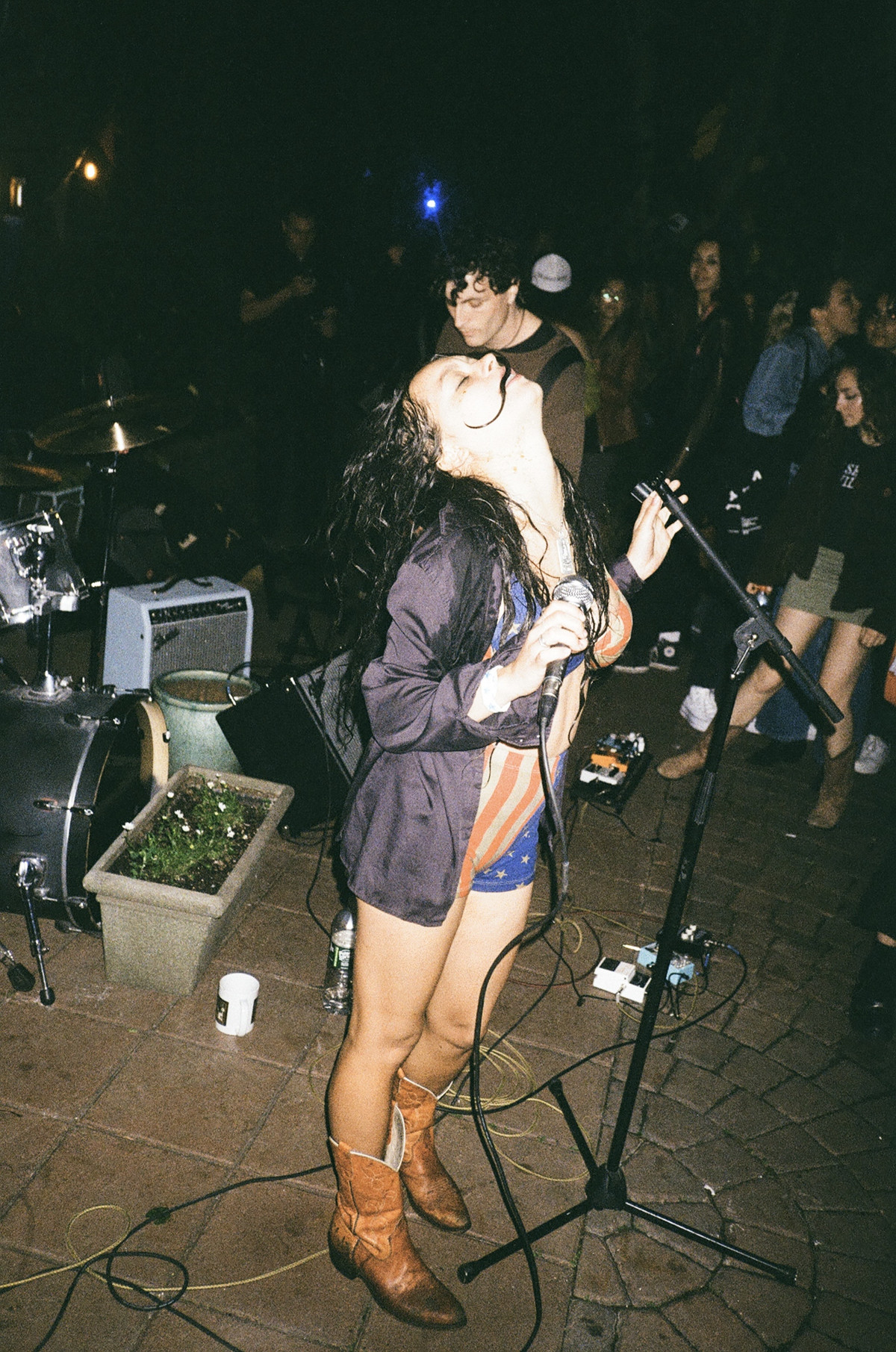
The sun began to set as Homade, the only all-girl band of the night, played. They looked like Daria characters irl and sounded as if early Cherry Glazerr amped up the 90s grunge. Before the show, singer and bassist Lola Daehler said, “The DIY scene is fucking cool. It’s mostly happening in Brooklyn, where people actually know how to have a good time. There’s nothing like being on stage when it’s you and your friends throwing the show.”
We all continued to dance or mingle on the balcony under the stars until it was time for the throwdown we were waiting for — La Loca vs Bang Girl and Triple D vs The Ho Down. The four girls on the flyer wrestled eachother. Afterwards, Sofia played a set featuring unreleased songs apart from “Boys.” It’s a favorite to see live. She gave it her all, falling to the ground while screaming, “I would do annnnnnythinggggg.” The new tracks appear darker and edgier than her usual indie pop-rock jams. She even invoked a mosh pit to break out in the middle of the backyard.
November Girl ended the night with a manifestation for two things: 1) amazing pussy 2) for all our wishes to come true. Adorned in a Spring Breakers type outfit: flag bikini, booty shorts, and hightop Nike sneakers, Willa's boy band played Smashing Pumpkins inspired riffs. Before Adam could play "808" for the seventh time of the night, the cops were already outside shutting it all down. See photos from the night below.