For Lovers
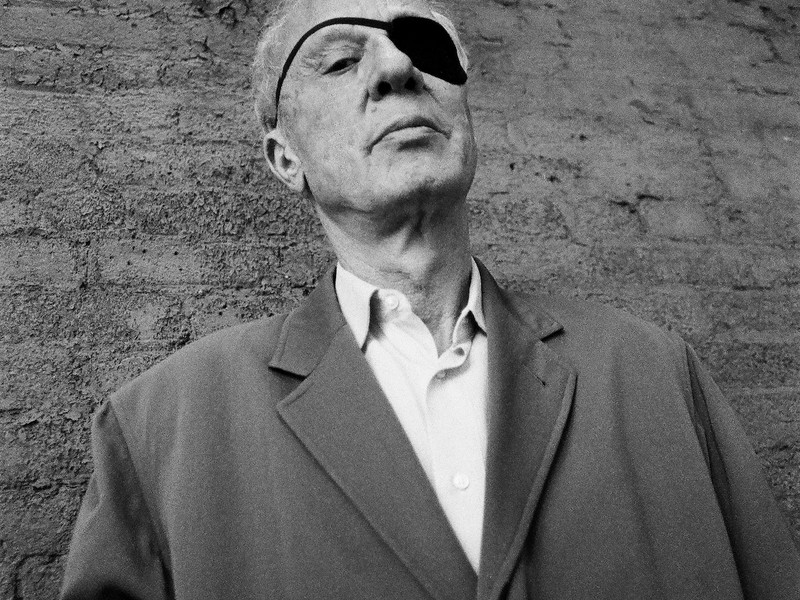
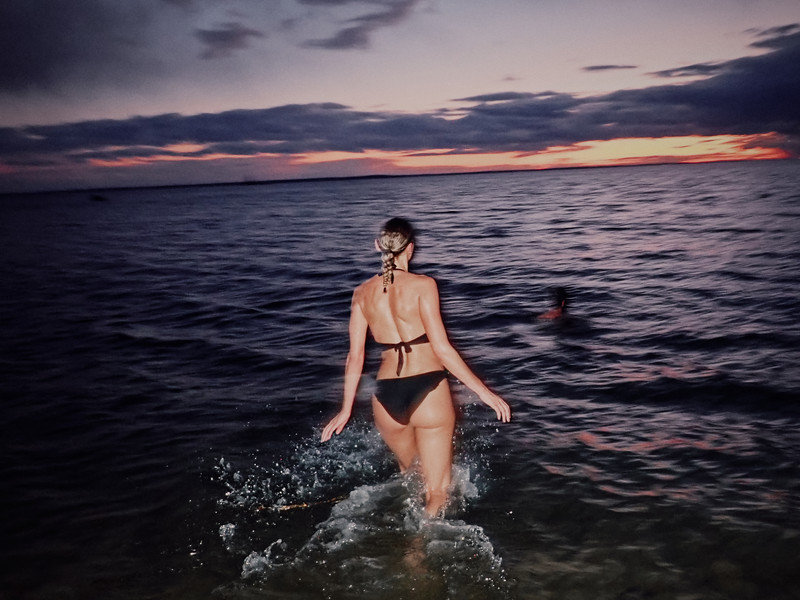
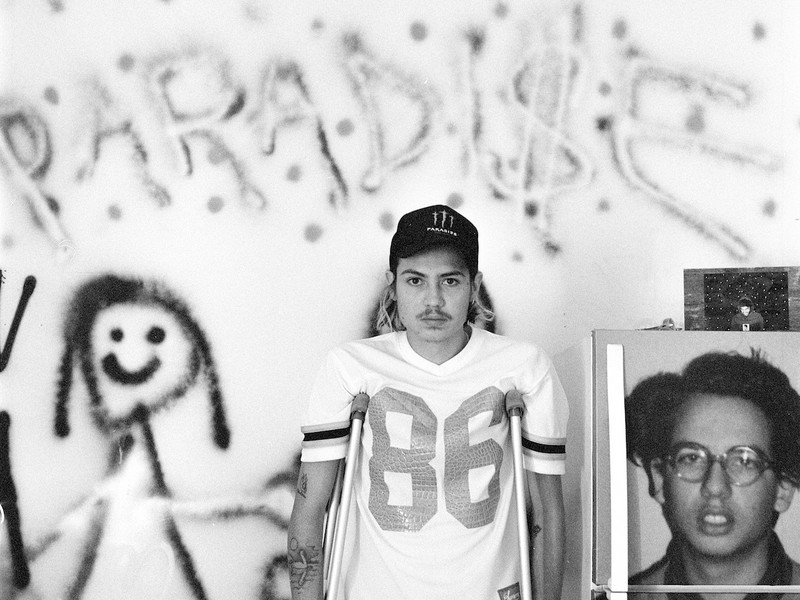
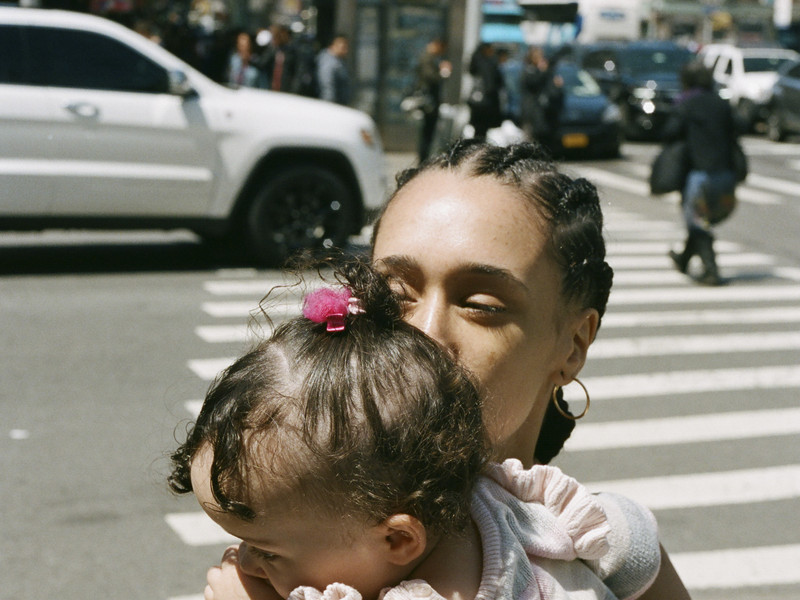
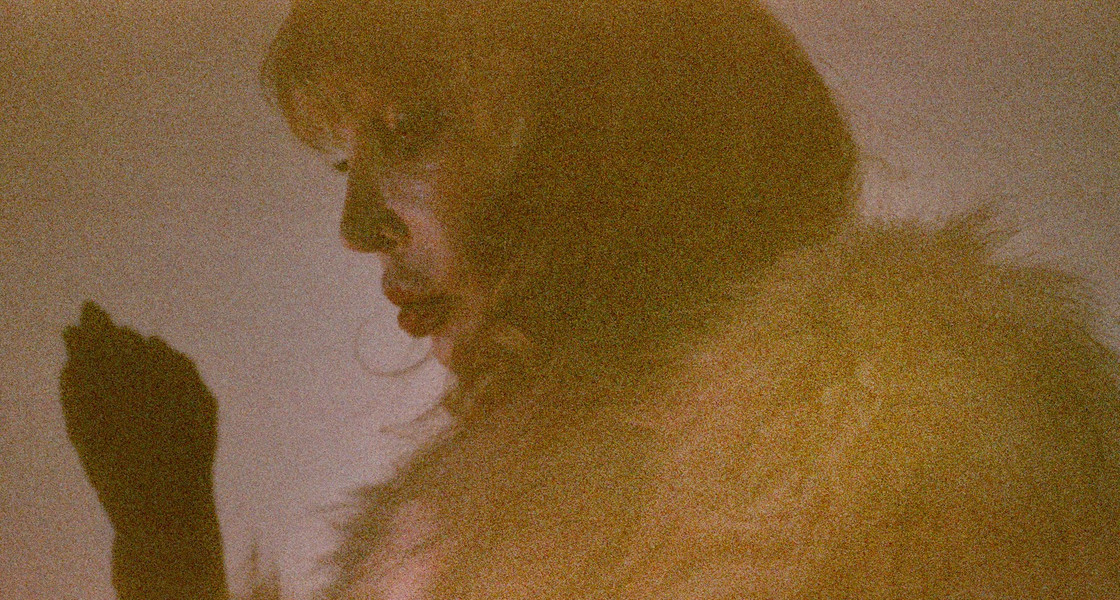
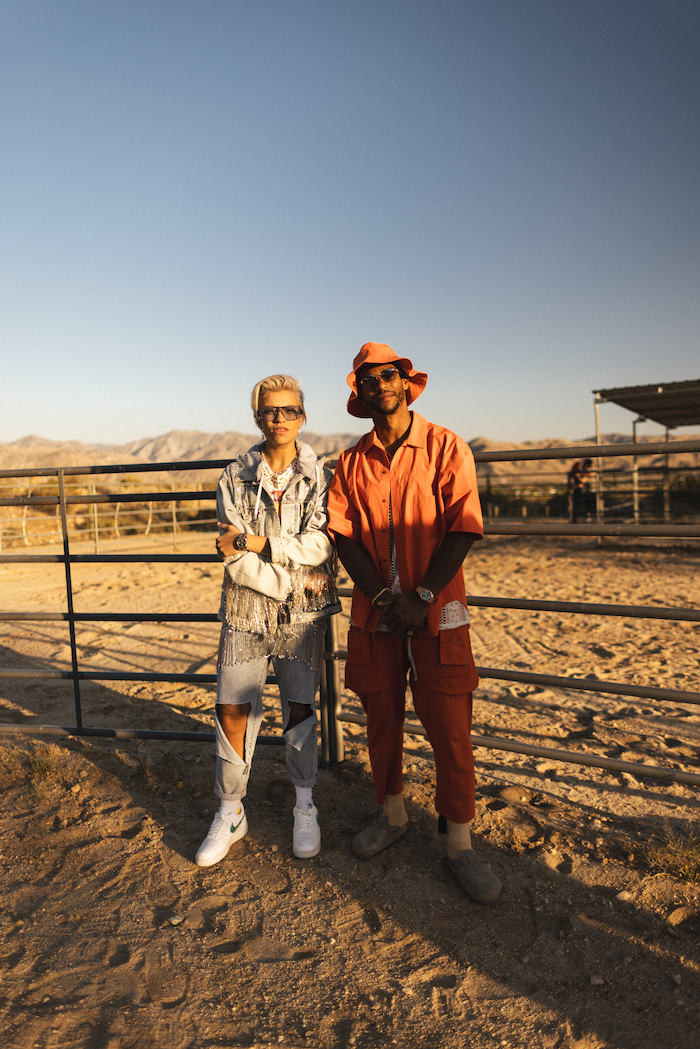
Lamar is a muse for the ages, a lens through which we can explore the love within both our hearts and others'.
Check out the video and photos below.
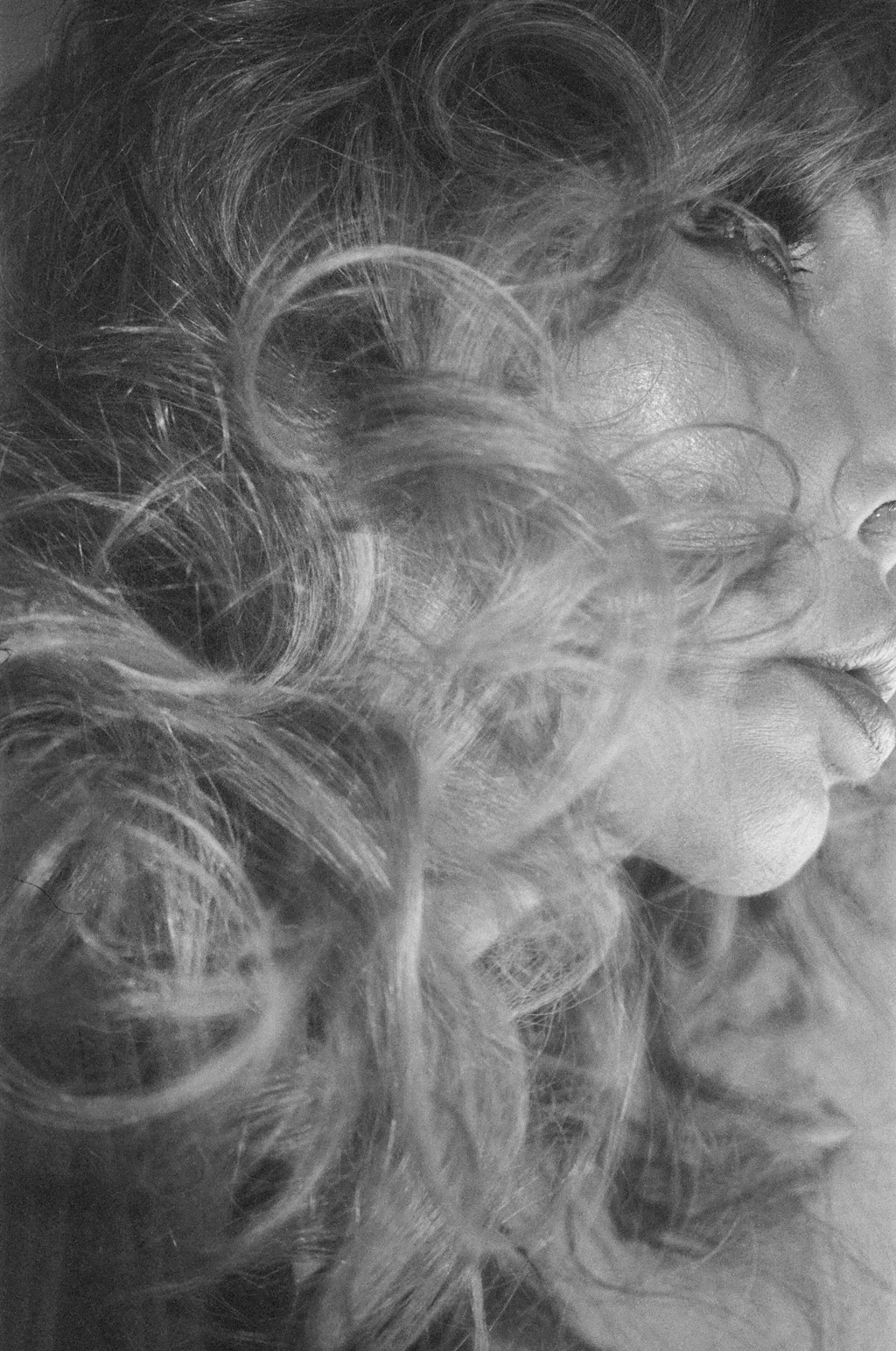
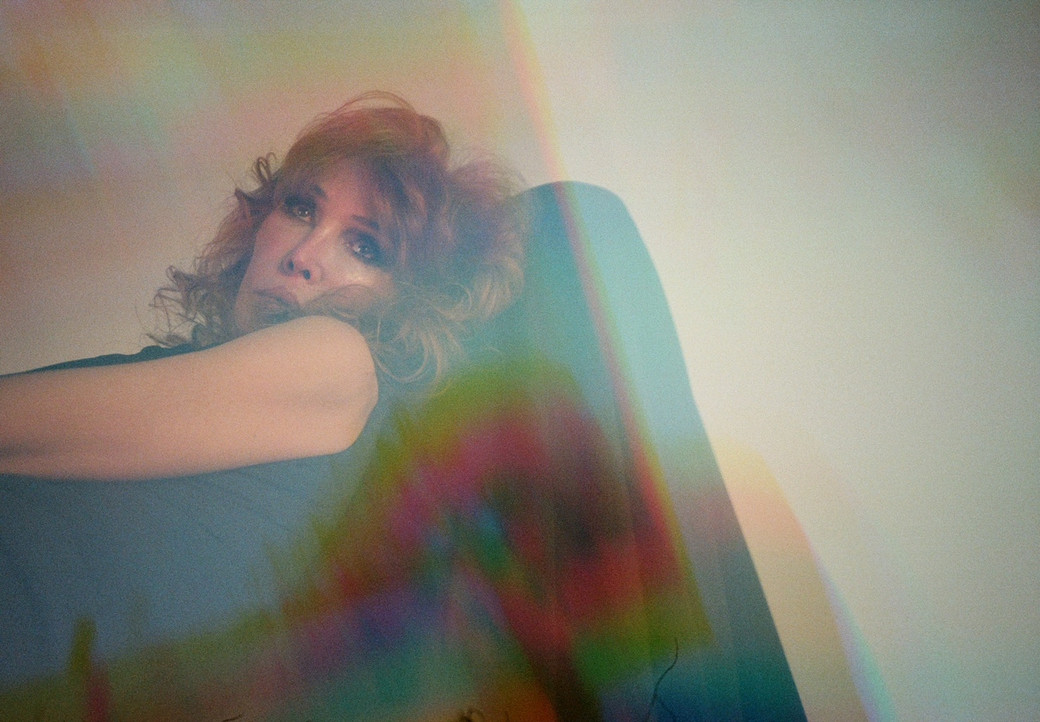
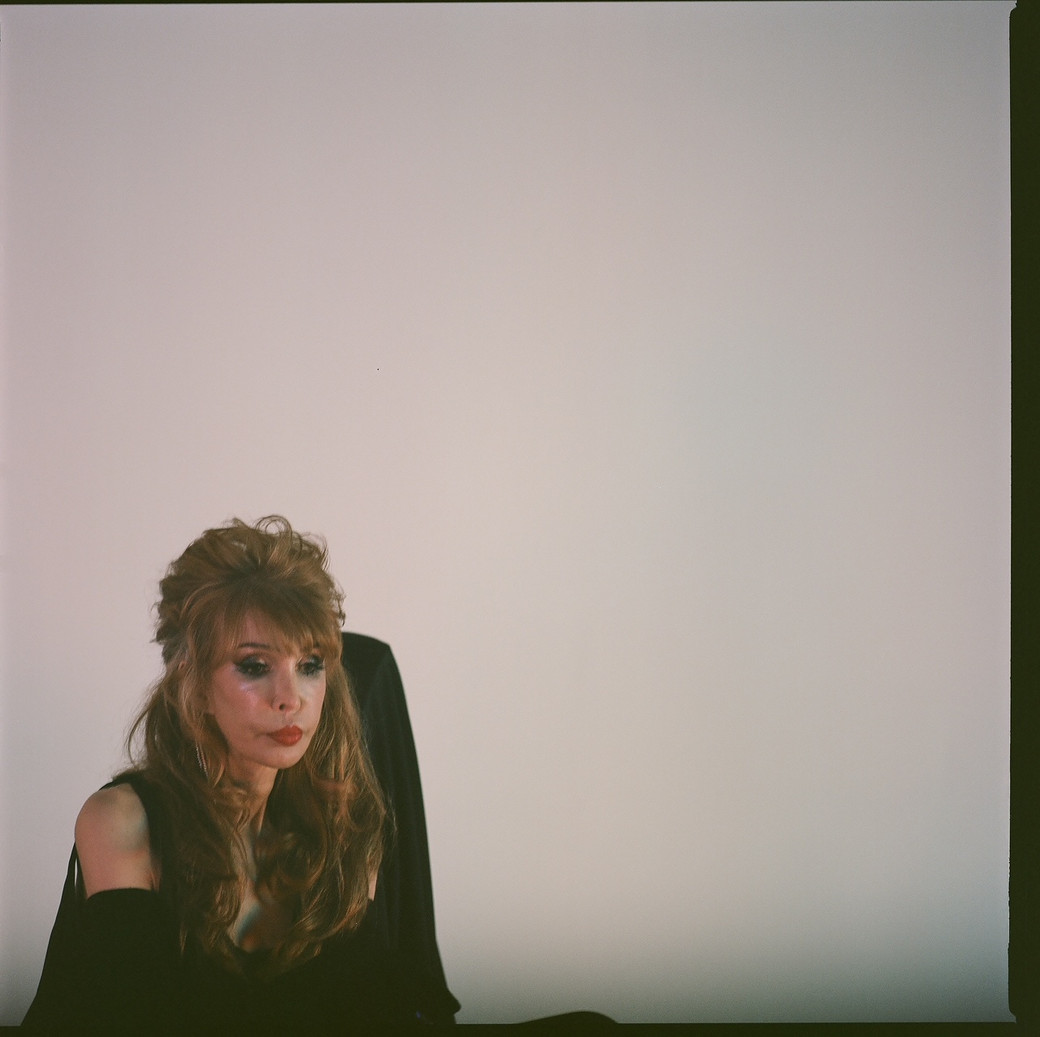
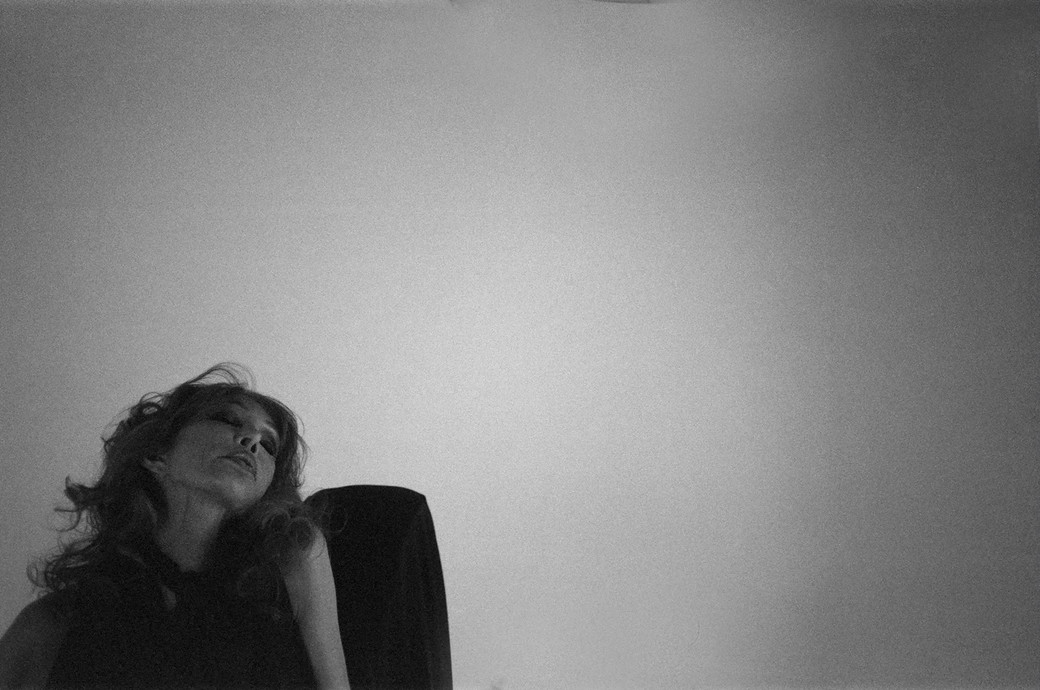
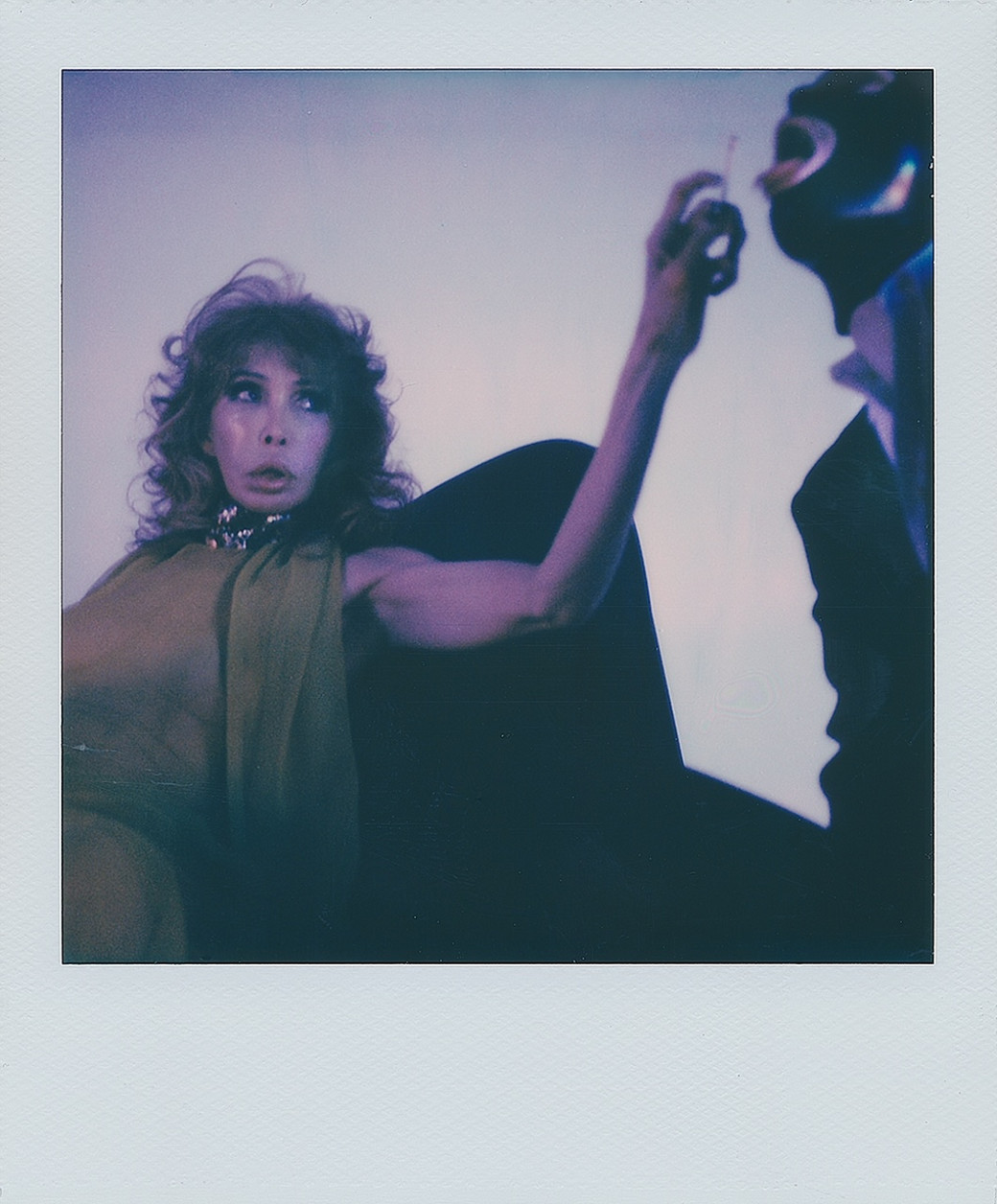
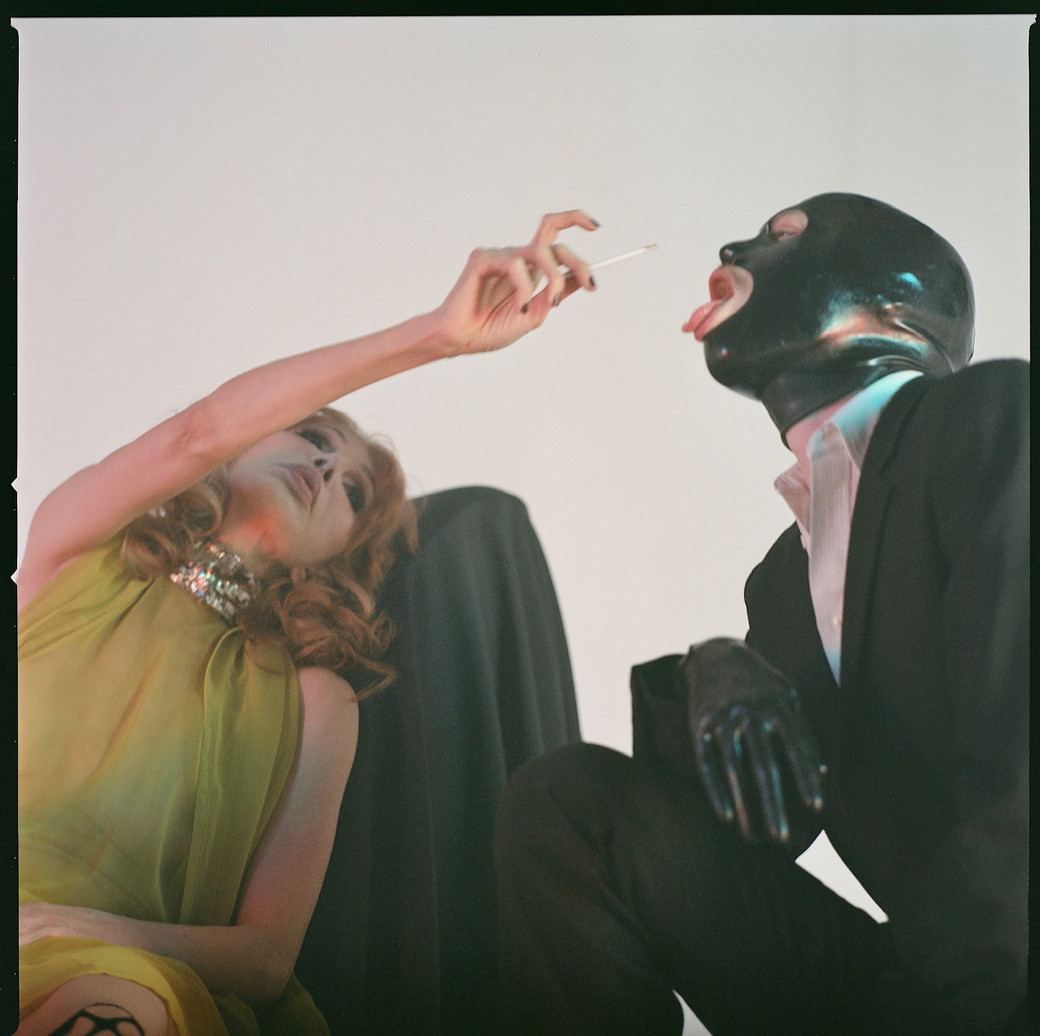
Lamar is a muse for the ages, a lens through which we can explore the love within both our hearts and others'.
Check out the video and photos below.
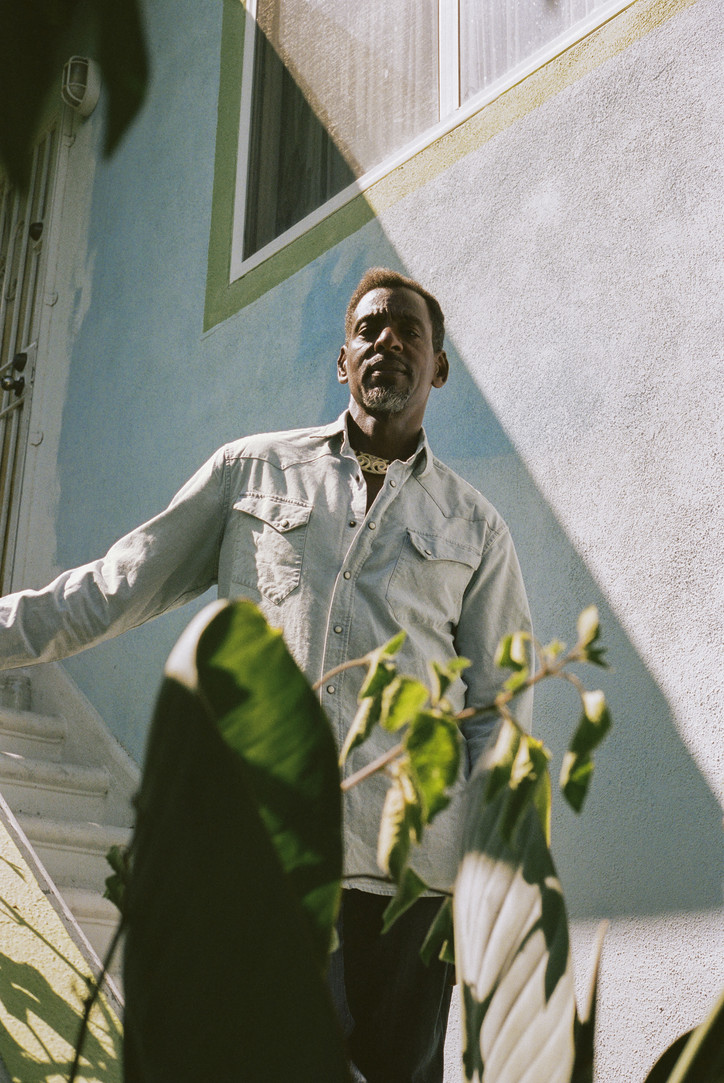
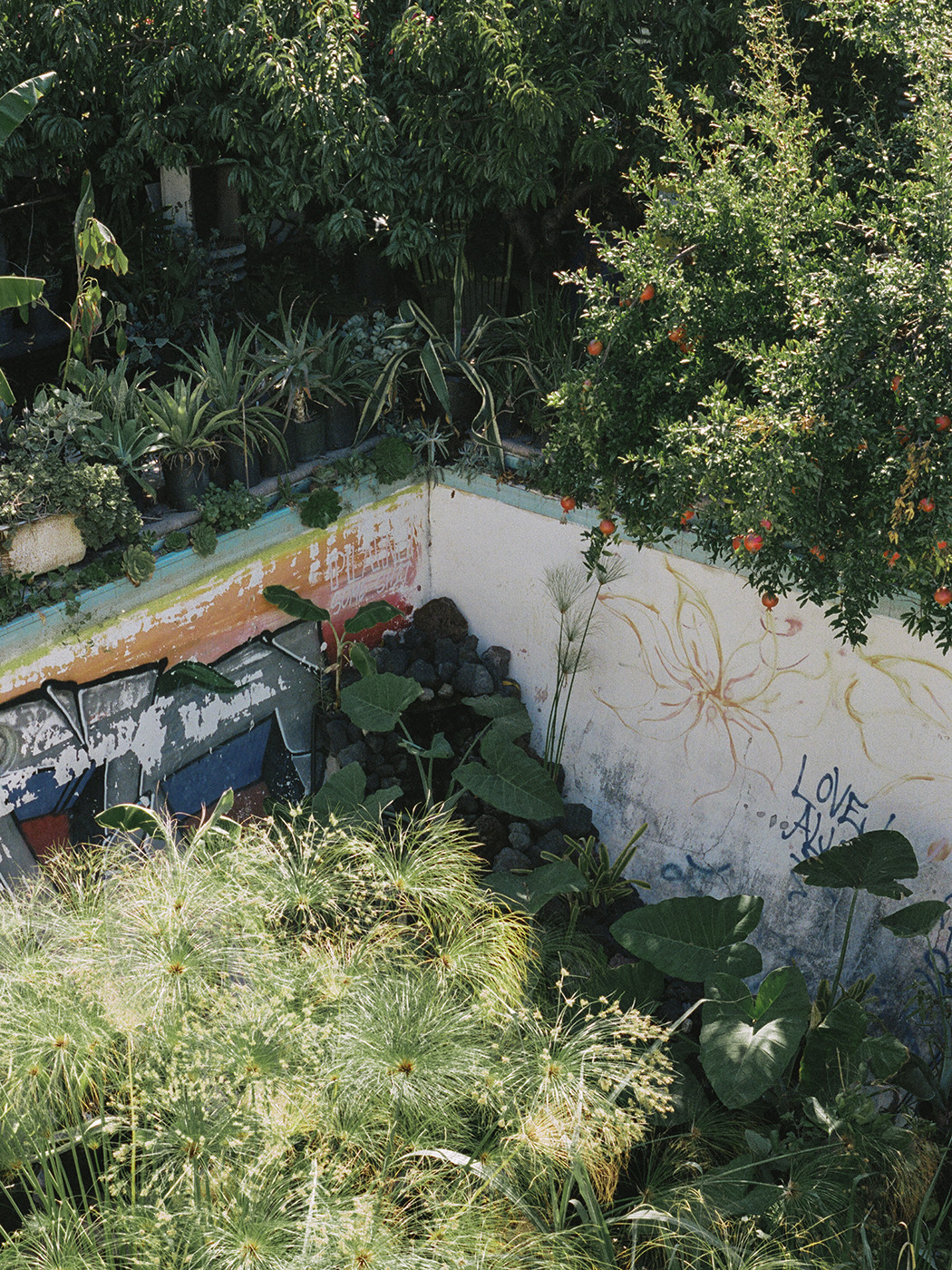
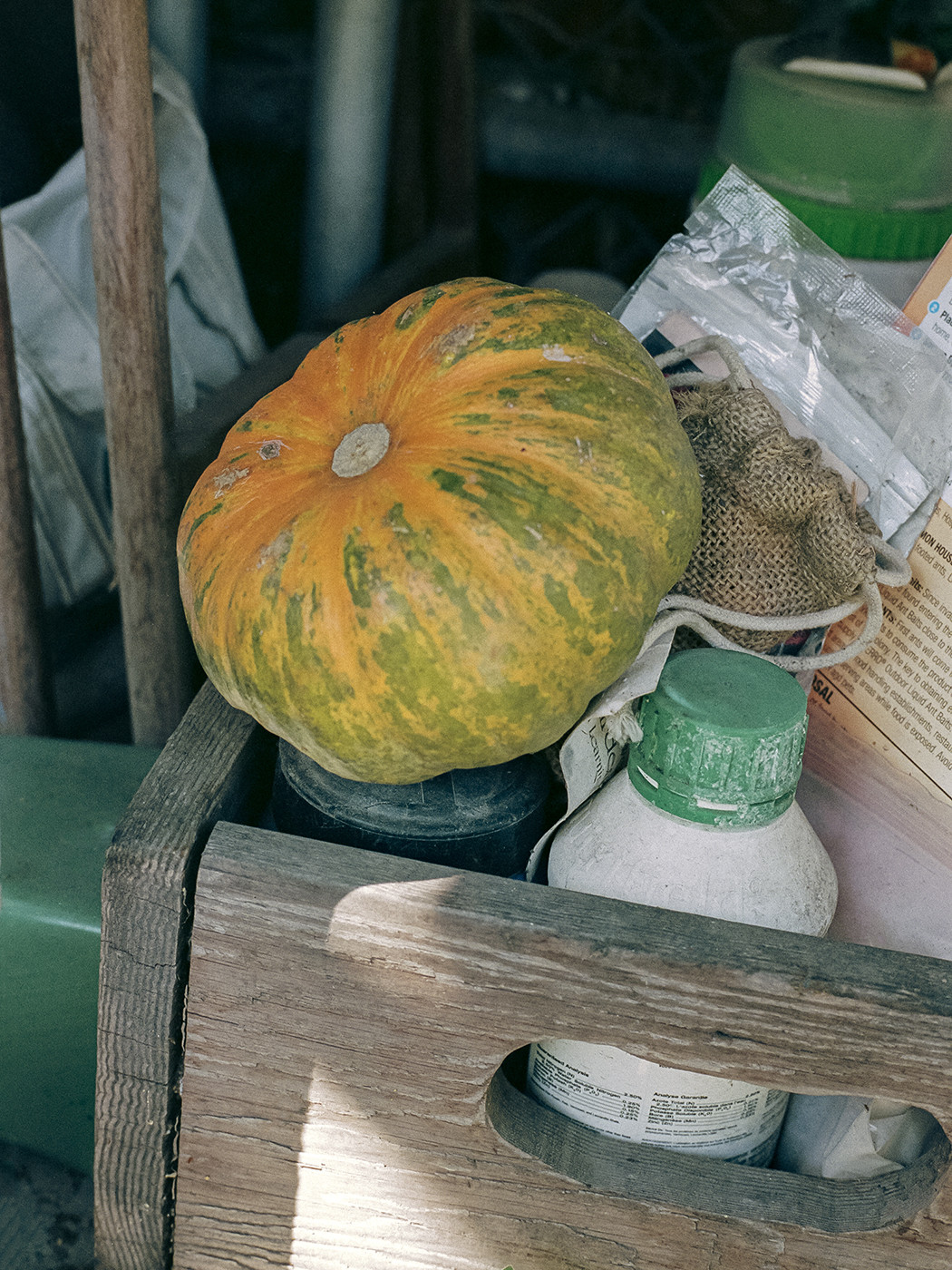
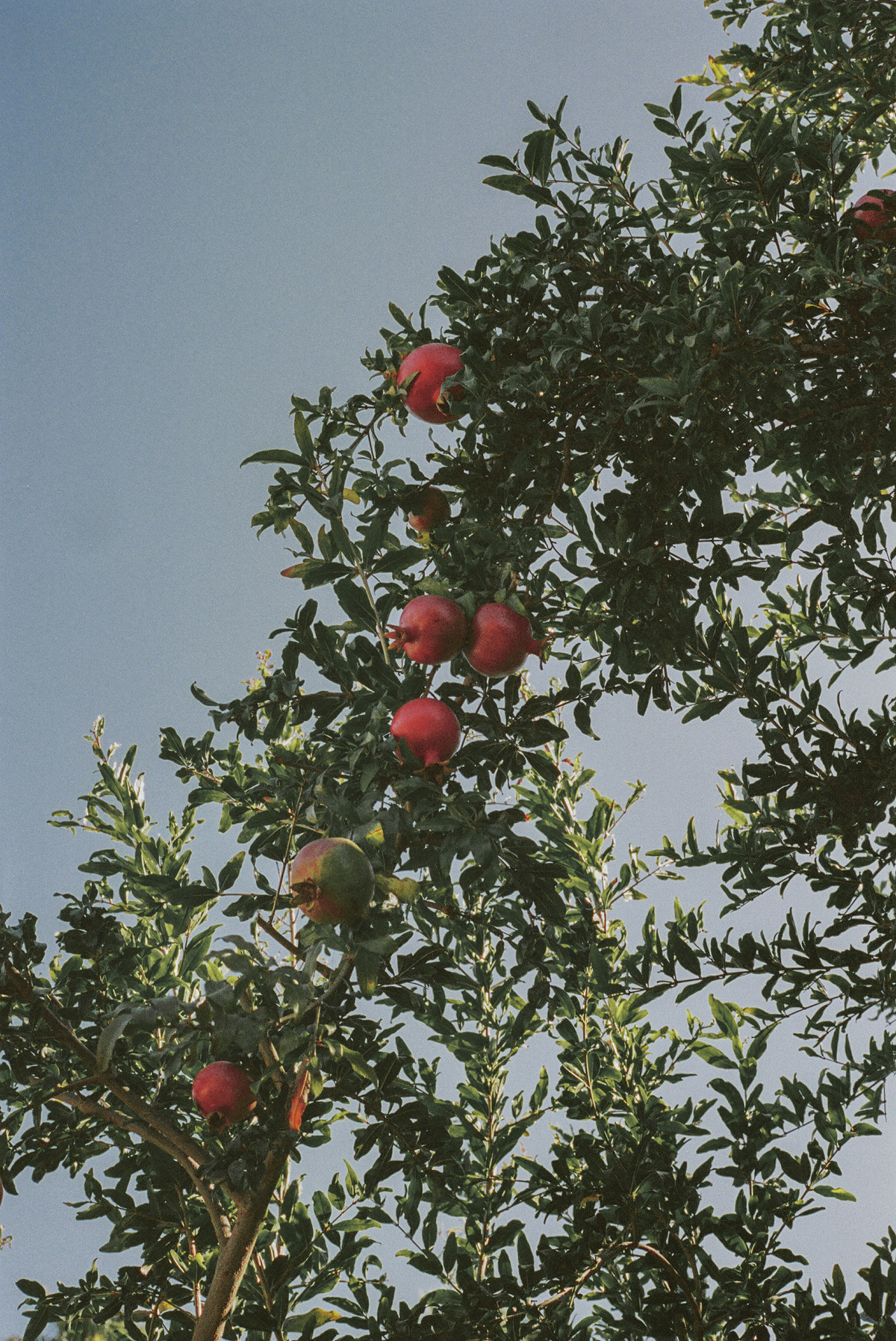
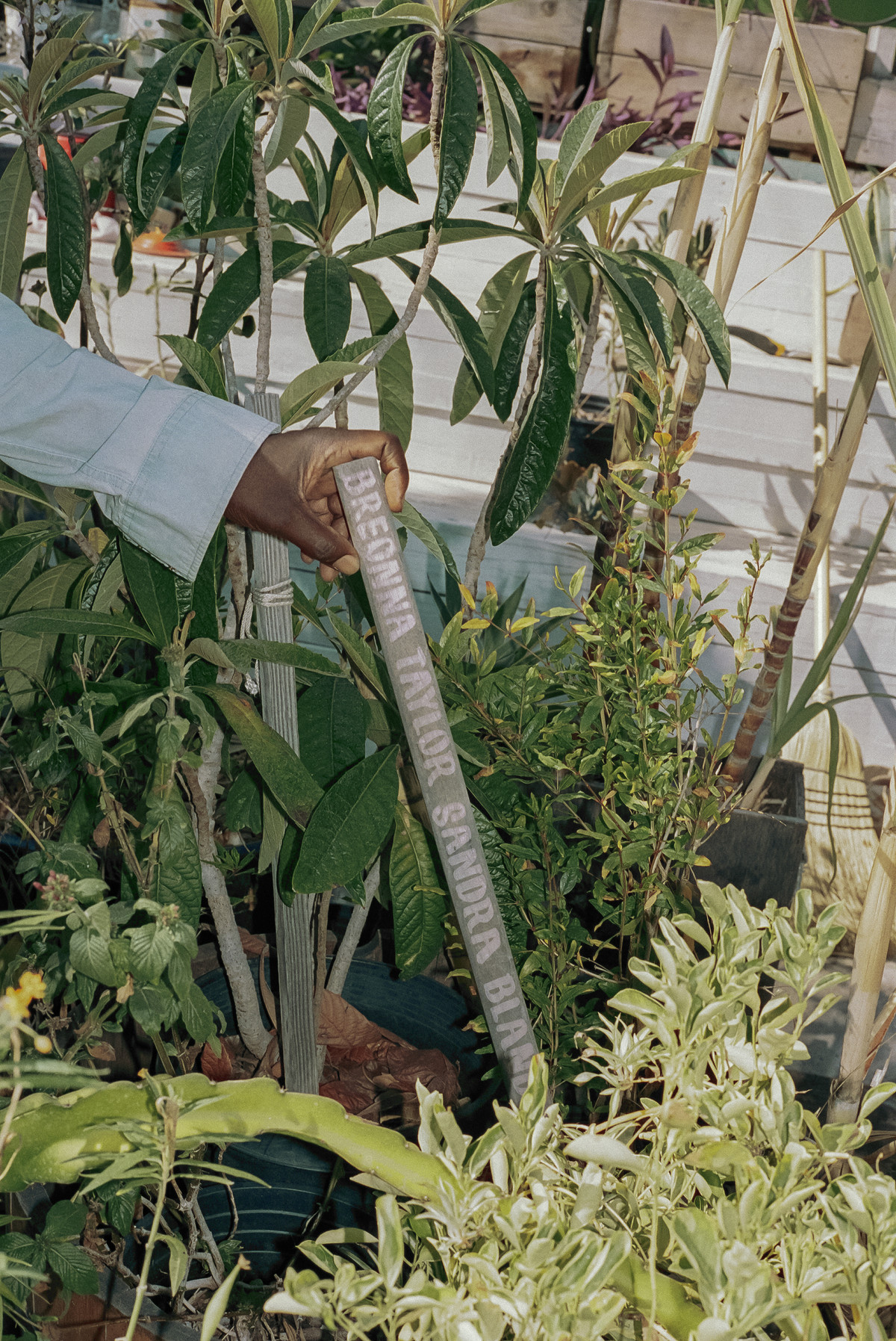
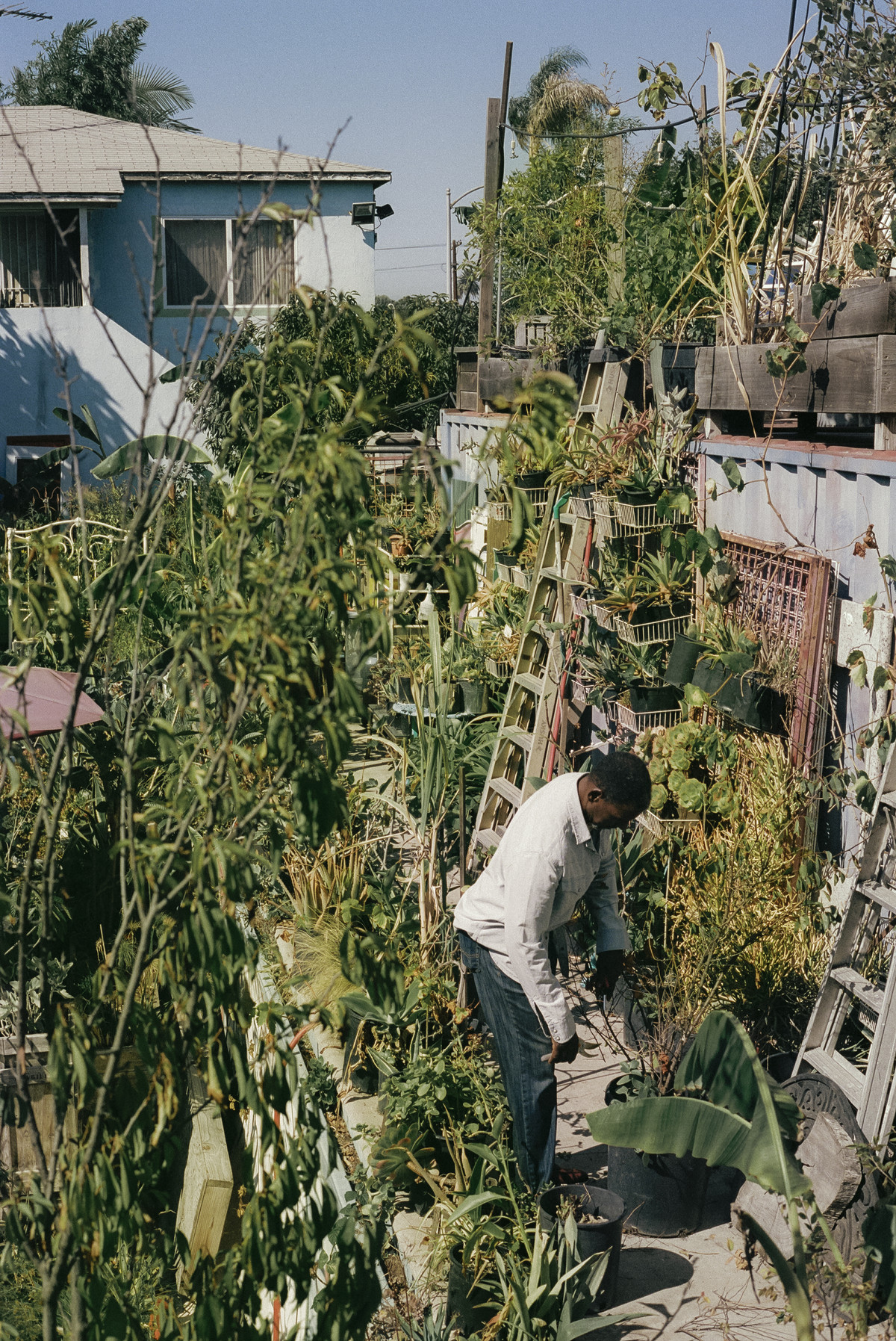
Seeking solutions for the lack of access to fresh food, Finley started a garden in the very parkway next to us. The small plot—an approximately 10 by 150 foot strip—is owned by the city, though by law, the maintenance of that strip is delegated to Finley, the resident. The city came after Finley for breaking municipal codes with the tall, flourishing plants he’s grown, but he fought back, loudly... And won. From there, the project grew rapidly, as did his realization that more could, and had to, be done. His message had to be spread, gardens needed to be grown, and fresh food distributed. Now, The Ron Finley Project is as much about plants as it is about political awakening, demanding independence, access, freedom and fresh air for not just his community, but people around the world.
ANNA ZANES—With your work and beyond, what have you been focused on lately?
RON FINLEY—Waking up in the morning and not getting caught the fuck up.
AZ—How do you do that?
RF—Don't get caught the fuck up! Wake up. Sit up. Look up. Stand up. Rise up. Don't get caught the fuck up. Real simple. I do that every day. This to me, is ground level. How do you get grounded? You touch the ground.
AZ—Did you do much of that growing up? Gardening, connecting with the earth?
RF—I did, but not like this. One of my first jobs was when I was a kid—I don't know, 11, 12 or something—I used to mow lawns and clean flower beds in the neighborhood. That's how we'd get a dollar, maybe $1.50 sometimes. That was a lot of money in the 1800s when I was a kid [Laughs]. But it wasn't like it is now. Again, I didn't see the value. And I think if a kid sees the value, if they see this tiny ass fucking seed that would turn into a tree, you would look at everything different. You can't call that shit nothing but magic.
AZ—It's so much about the tactile and visual experience of it all. I grew up in a city and I didn't really see that, or experience it, or even comprehend the impact it could have on humans. RF—I mean, you just get a whole other value system over what truly has value. And you might think that even I have value, instead of things having value. That's what this shit's about. Don't tell nobody though.
AZ—I’m big on routine. Do you have any routines or rituals that you practice?
RF—I breathe.
AZ—Yeah, that's important.
RF—Tell me about it. I'm a professional breather. Air is the single most important thing to your life. Period. Not money. Not water. Not food. Try doing it without air—air don't set you up. Air don't care what color you are, your pronouns, or prefixes or what so-called nationality you are. I don't think we give air enough credit—and you can't see it. Imagine that! How's the single most important thing to your life going to be something you don't see?
AZ—I guess that’s what makes it easy to neglect thinking about or crediting. It’s not a material object, slapping us in the face selling us on its necessity.
RF—One of the reasons. One of the other reasons is because you are taught to pledge allegiance to other shit. Shit that's not going to sustain or give you life, you know? Just imagine if you grew up knowing that you could heal yourself.
AZ—At what point did you learn that? What changed?
RF—A lot changed in my twenties. Just woke up like, Wow. And there was this realization of having been bamboozled.
AZ—In what way?
RF—Everything I learned. I mean, what did you learn that was important? What did you learn that would really take you forward? Did you learn that nothing is more expen- sive, nothing's more beautiful, nothing's more worthy than you? Did anybody teach you that in school? No?
AZ—No, I was groomed by a material-based value system.
RF—There you go.
AZ—I’m only aware of it now because of the pain it’s caused me, and I’m still working on dismantling it.
RF—That's what this is about. That's what I'm doing. This isn't about food—this is about freedom.
AZ—Can you explain that? How?
RF—Well, you just said it in different terms, but we've been trained to be greedy in an oppressive society. And going back to, why are underserved neighborhoods underserved? It's because you don't serve them. That's the only reason. It's that simple. If you wanted something there, you would put it there. When your mind is open, you would change your thoughts, and the way you grow through life. And with that, that's freedom. Instead of your brain being shackled to the beliefs of your employer, period. You're a minority. Where? Where am I a minority? Why? What makes me a minority? That’s a racist-ass term. Oh, you're a minority. It's like, ‘No, actually, you're the minority in the world.’ But now you got people coming into the door saying, ‘I'm less than you. I'm weaker. Basically, I'm insignificant.’ It's a beautiful tactic. Beautiful...
AZ—You’ve been in this area a while, to say the least...
RF—Yeah, it used to be called South Central. I don't know what the fuck they call it now—they tried to rename it South LA. They changed the name, but didn't change nothing else. I think it was a Jedi mind trick.
AZ—It’s an obvious point to make, but important nonetheless—I'm sure you've seen it be affected majorly by gentrification.
RF—Period. That's what's happening, and not just here but around the world. Other people come to your so-called ‘underserved neighborhood,’ ‘unrepresented neighborhood,’ and then they're like, Ooh, we like this. I want this. It's mine.
AZ—From what I've seen and read about your work, this reminds me of the power changing vernacular—redefin- ing words, restructuring inherent meaning.
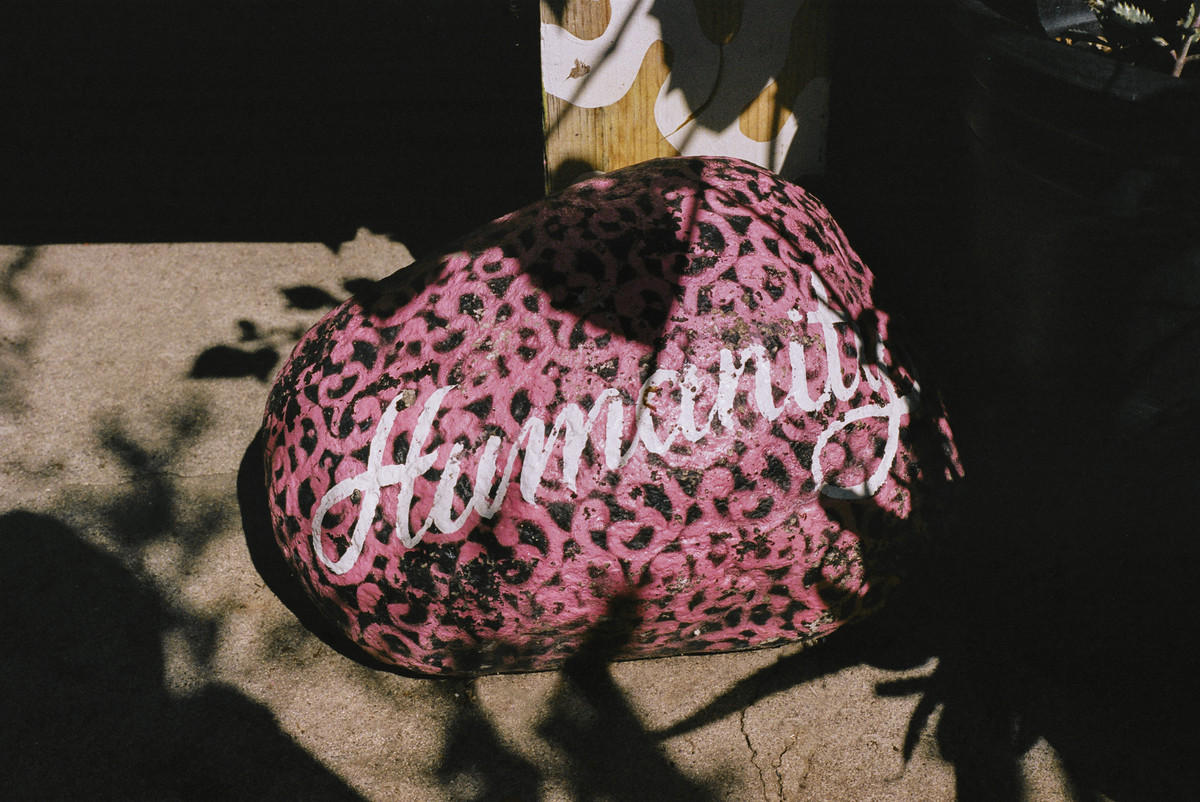
RF—You change the way somebody thinks and feels about themselves, and you teach kids that you are the most valuable, worthy thing on this planet. That's dangerous for this society because now, they won't value the dumb shit. You would be able to look at another human being and see the value in this life, in this person, because this person is neat. God, I'm breathing the same air as them, you know? You're not taught that school. And words matter to me. I think if you frame them where we change this shit, people will think differently. And that's what this is about—just to change your vision of what's been shown. Because so much of it doesn't work for us. Like something simple, I'll talk at an architects' group. ‘What are cities designed for?’ And you know, they get the... ‘No, what are cities designed for? You're in an architects' group.’ This one school, the professor goes, ‘People.’ I'm like, ‘Eh, wrong. She's going to teach you that cities are designed for people. I'm sorry, cities are not designed for people. Cities are designed for one thing: commerce.’ And I said, ‘You can change that. You can design cities that are designed for people that are more humanistic.’
AZ—And that goes back to your purpose with the garden from the beginning, no?
RF—That's it. Cars, everything has more leeway and everything than us. Moving shit. Then we're living on top of each other and all this. I mean, even something as simple as the Parkway where you see mine—I got fruit trees and all kinds of shit when you're supposed to have grass. Why? Why am I supposed to have grass here when you have all this beautiful space that I can adapt to different kinds of food? A big part of my philosophy is not getting caught up in the bullshit.
AZ—You also worked in fashion and design previously, yeah?
RF—I still work in fashion. Where does color come from? Where does fabric come from?
AZ—I was just going to ask how your work in fashion might have lead to your art and activist work.
RF—Everything is connected. People ask me, ‘How do you go from fashion to gardening, farming?’ Well, there's no difference. Imagine, like, if somebody gives you a teeny little seed and you put it in the ground and you get to watch it grow. And then that one seed will give you a plant, but that plant will have hundreds of seeds because it'll give you fruit. And all those fruits or all those vegeta- bles will have seeds in them. When you think, it's really like some infinity shit.
AZ—I subscribe to that. You touched on some of these ideas in your TED Talk, which went viral. Is there anything else you wished you'd said in it?
RF—A lot, especially now. I mean, I'm older. But I don't know what I would've said back then. I can only look at right now. And they only gave me like six, seven minutes!
AZ—Speaking of right now... What would you say your mission statement is? What are you trying to do now?
RF—To wake up in the morning. If I don't wake up in the morning, who gives a fuck? Next. My mission statement is that line—there’s a sign on the green bench, I don't know if you saw it, soon as you walk in the gate. It says, ‘Operate From Happy.’
AZ—What about the future? What’s the plan moving forward?
RF—People have nonprofits and shit for forever. Why? It shouldn't be. Fix something and then go on and fix some- thing else. That's what I want to do. I want to fix some- thing, have a hell of a hell of a feast, laugh, have fun, and then be like, Okay, what are we fixing now?
AZ—It’s an action initiative, which ironically isn’t really the non-profit route in our for-profit world.
RF—Literally. A lot of the foundations, they want you to be this single vision of one thing—‘We change sprockets in bikes and that's all we do. We don't care nothing else about the rest of the bike.’ And for me, all this shit works together. You can't fix one and then the other shit's still broke. Because then that's going to be broke. I do what needs to be done.
AZ—Have you gotten more help, or seen more of a change, as your work has gotten more visible?
RF—I mean, I'm glad that's happened with what I've done—I had one of the biggest MasterClasses in the world—and with that, I had correspondence from countries that I never knew existed. I get these testimonies that I want people to continue it. Yeah, I want to do the work here and I want this to get bigger. And yeah, I mean, funding would be a beautiful thing and make it a lot easier to put together a hell of a team and be able to compensate people. You shouldn't have to almost eat, just because you're doing good shit. That's how they have people thinking—that if you're doing good, if you have a nonprofit, you should be damn near starving. My thing is, if you do good, you should do good, too.
AZ—What's the best way that the general public can help? Whether it’s within their own communities doing the same work, or directly helping your foundation?
RF—All of that. And send me all their extra money! Just send all of it. All the money! The money their rich aunt left them, the inheritance, the house—all that. [Laughs].

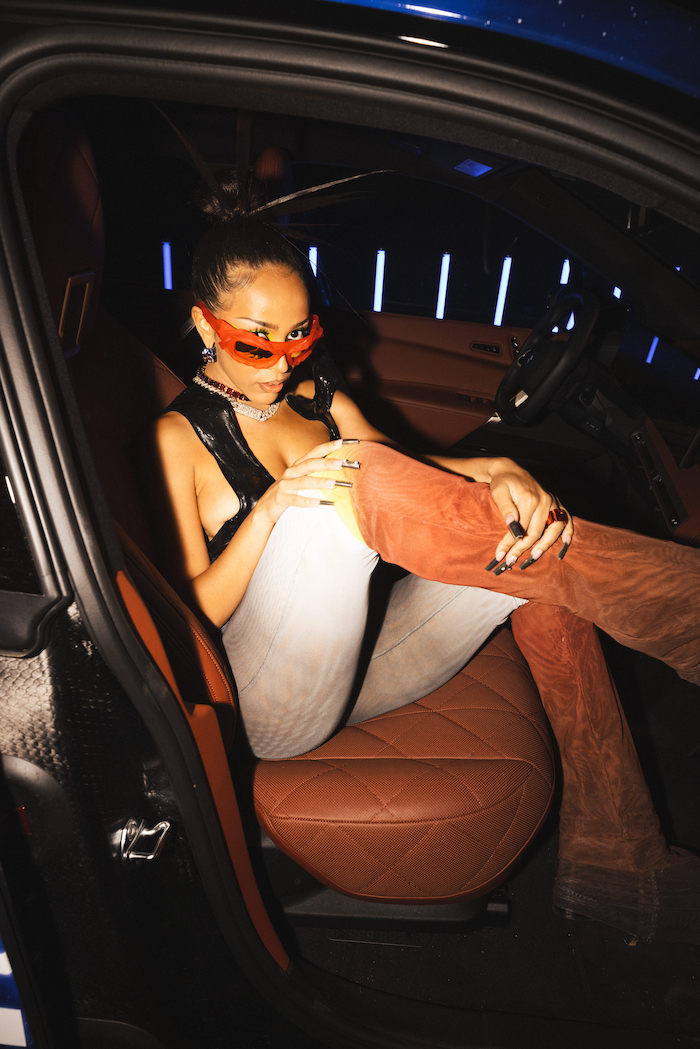
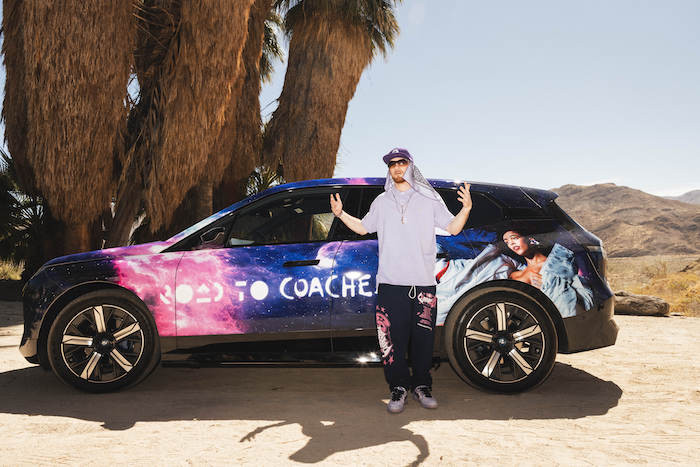
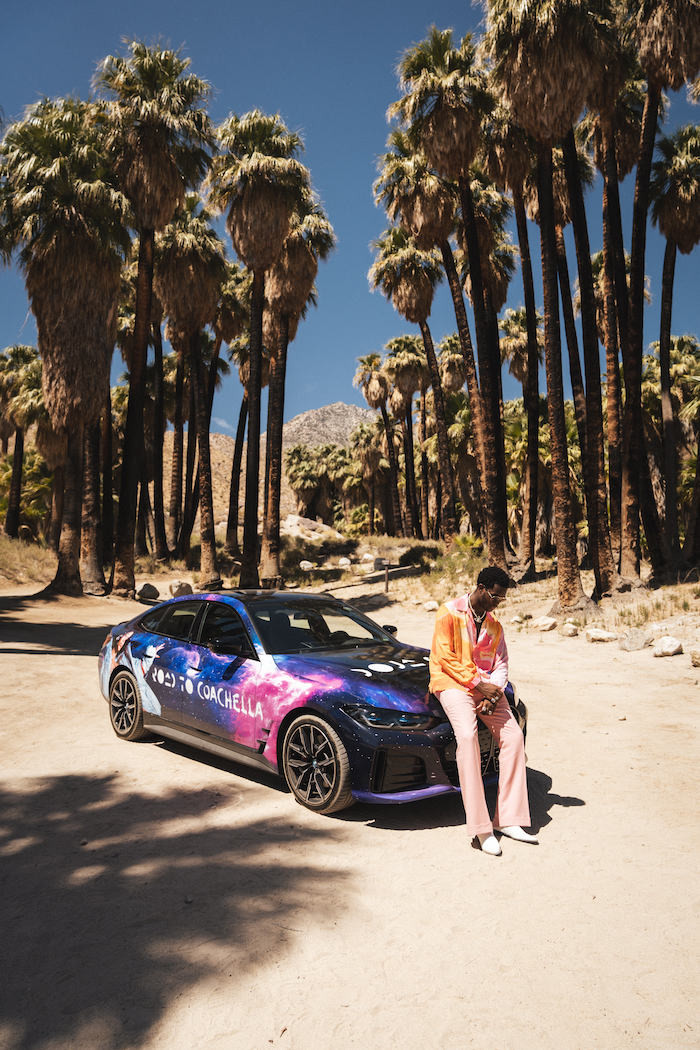
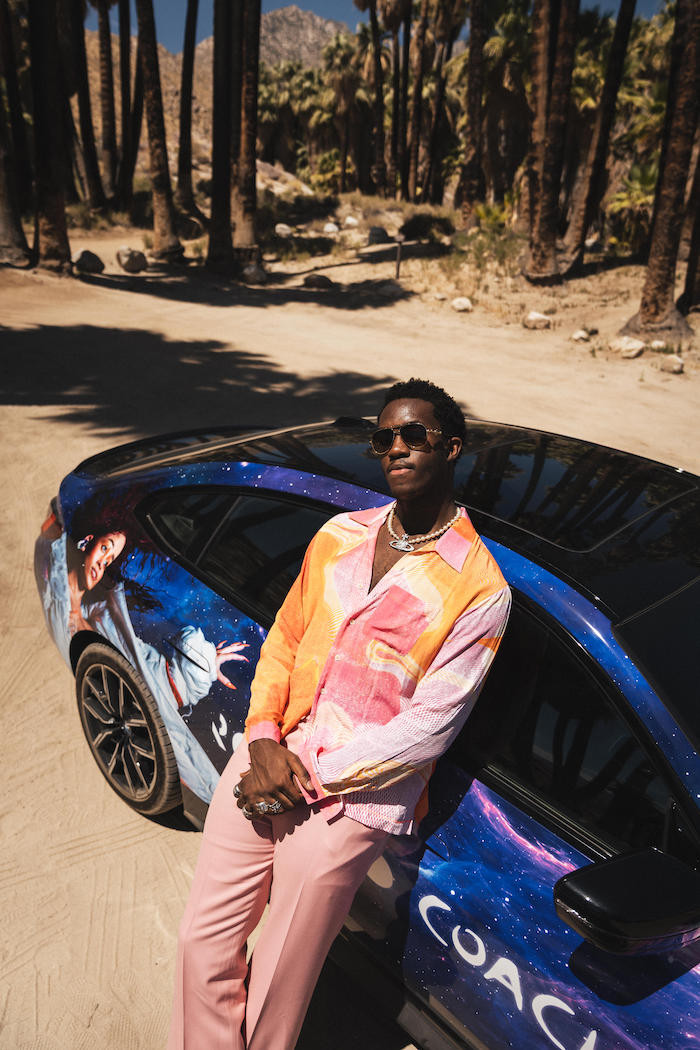
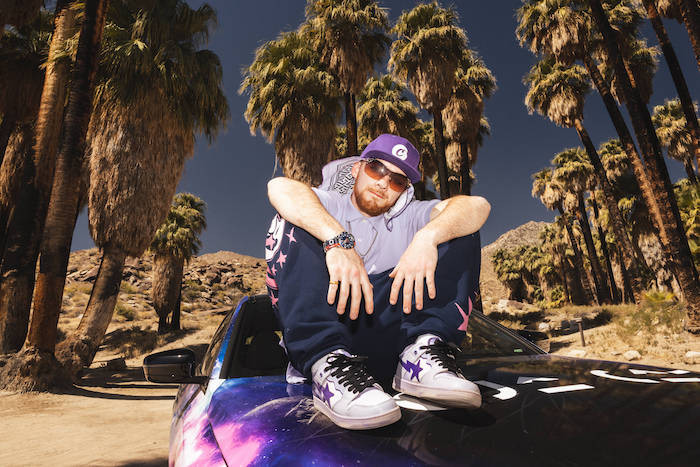
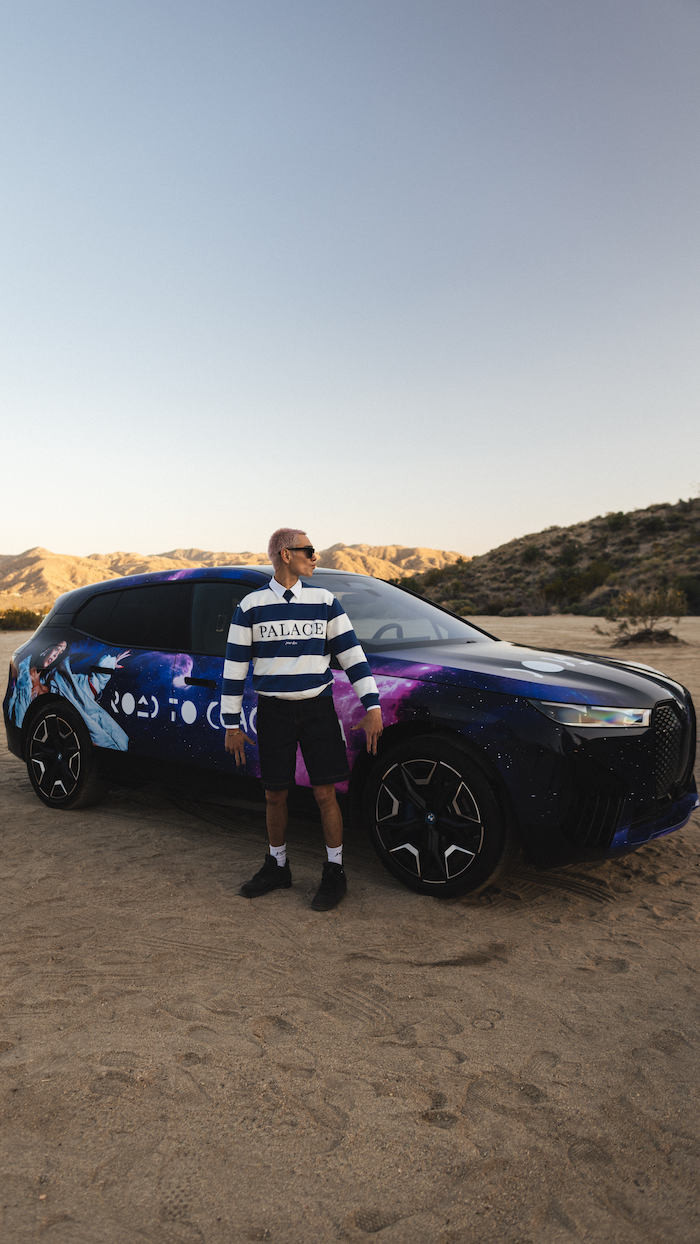
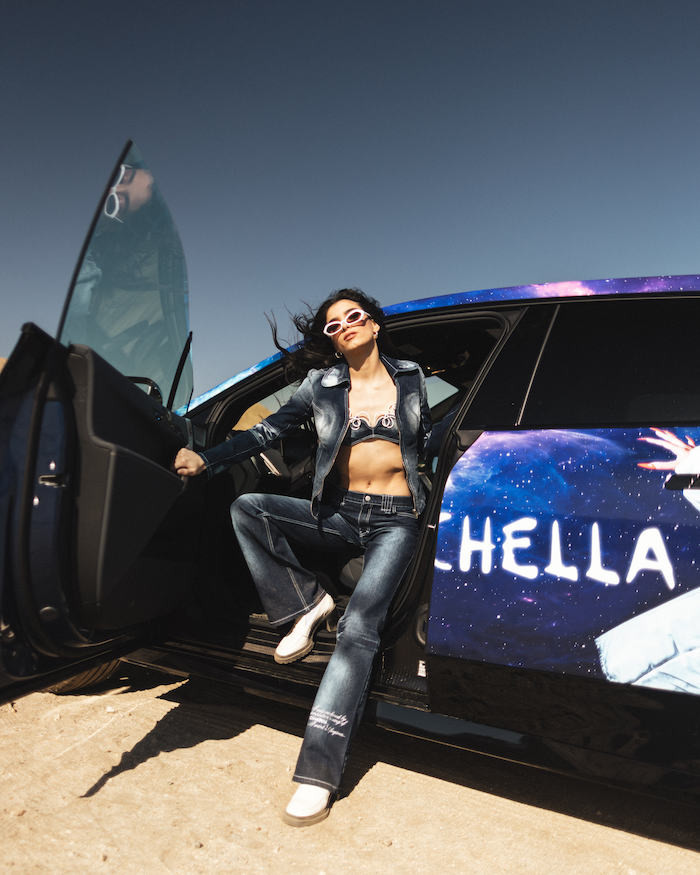
To commemorate her role as the featured artist of BMW’s 2022 #RoadToCoachella, Doja Cat teamed up with creative director Brett Alan Nelson and renowned photographer David LaChapelle to artistically design a distinctive vehicle wrap for the all-electric BMW iX. So yes, Doja was riding around in a car of her own face as well.
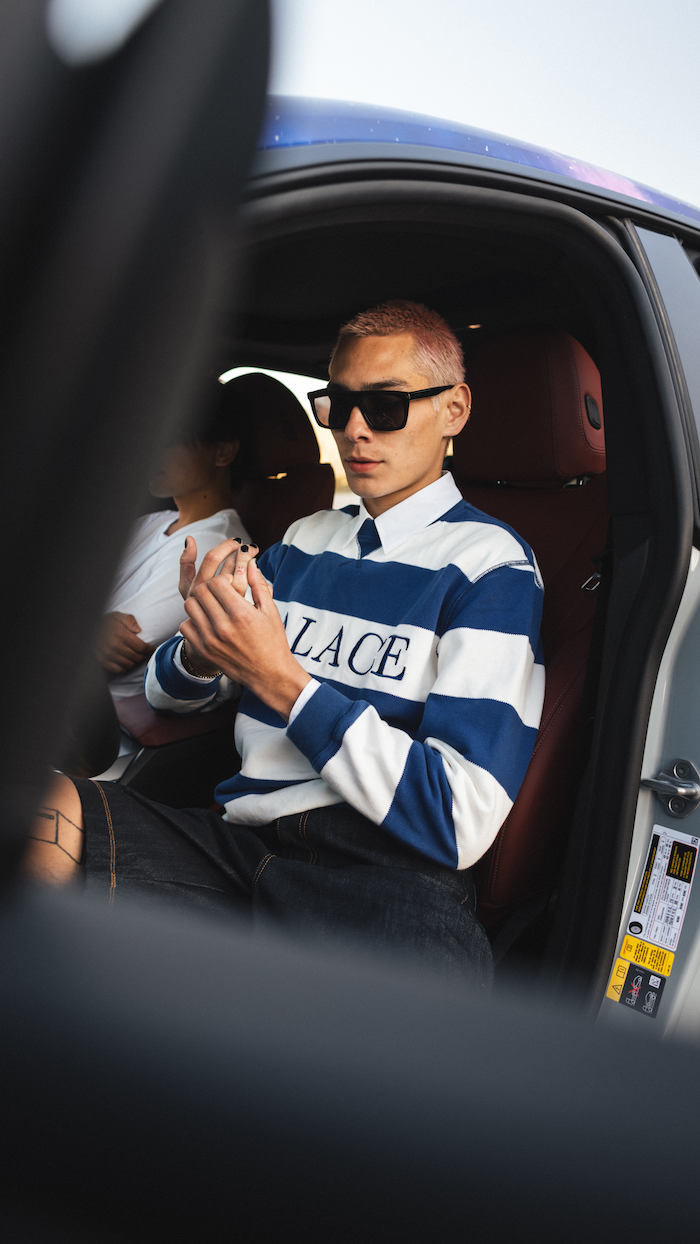
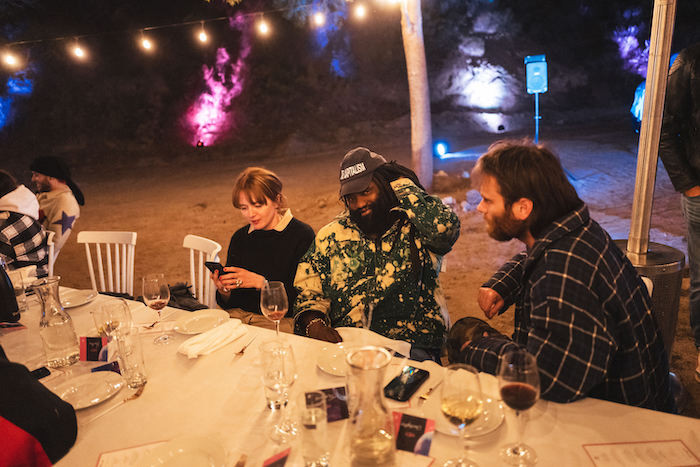
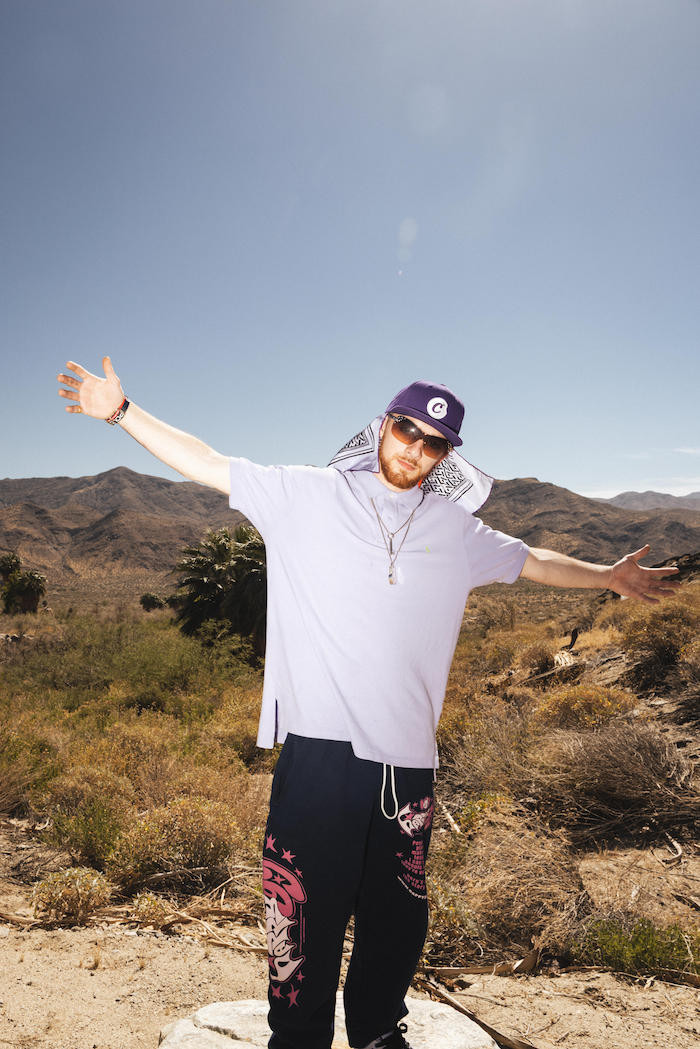
For a 3 day weekend, BMW tagged along with a multitude of events, dinners, and parties to start. Driving through the desert atop of the sand and away from the paved road was the least shocking way to get to our destination, but proved the security of the car. Upon arrival, you're met with spacious and deserted ranch-like land filled with stars like Evan Mock, Dixie Damelio, and Angus Cloud before meeting for a four-course feast.
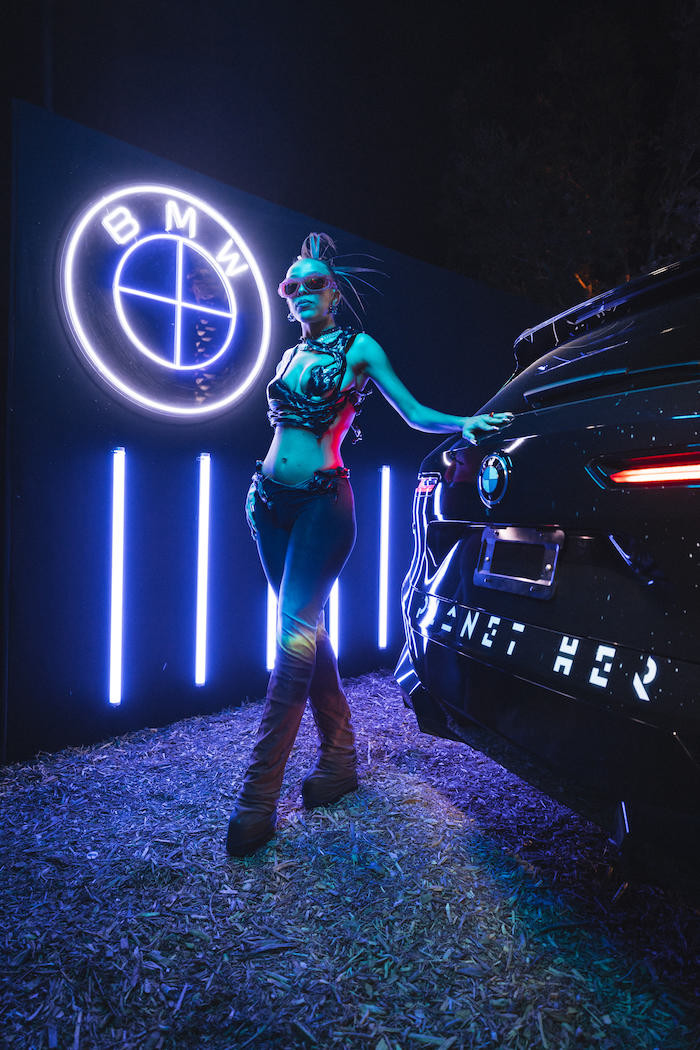
The next day followed en suite, with full stomachs followed from the day before, after the festival, they teamed up with Spotify for a movie-like party at the Zenyara in Indio, CA. With performances with Swedish House Mafia and hosts like Doja Cat, the party didn't end until 5 AM.
Through this experience, BMW was able to create a world of exclusivity and pleasure, almost as if you were operating through the lens of the love and attention Doja Cat receives herself.
Check out the photos from the weekend below.

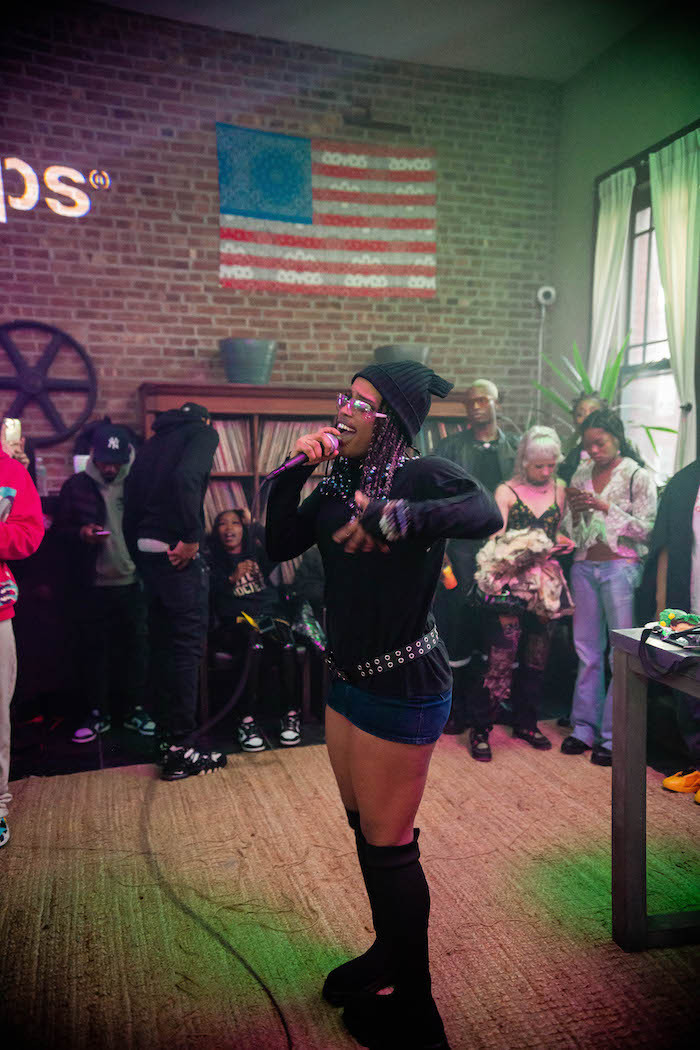
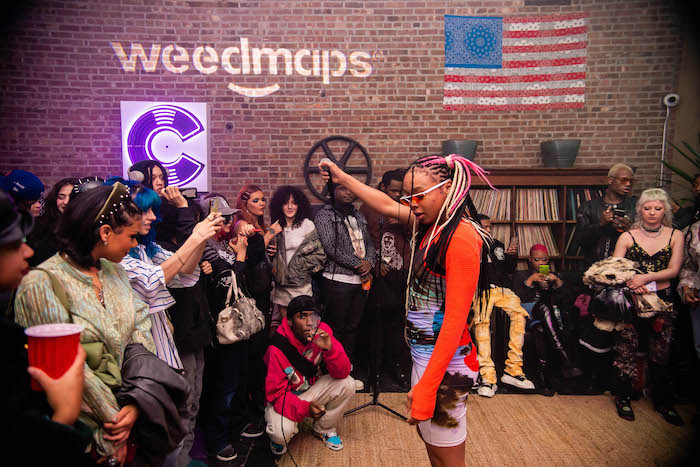
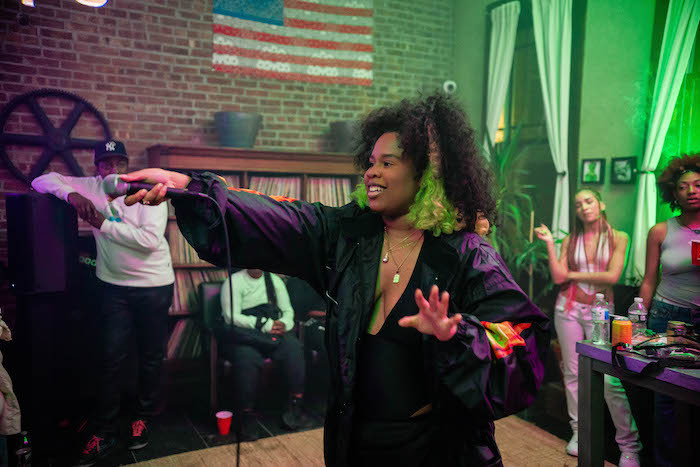
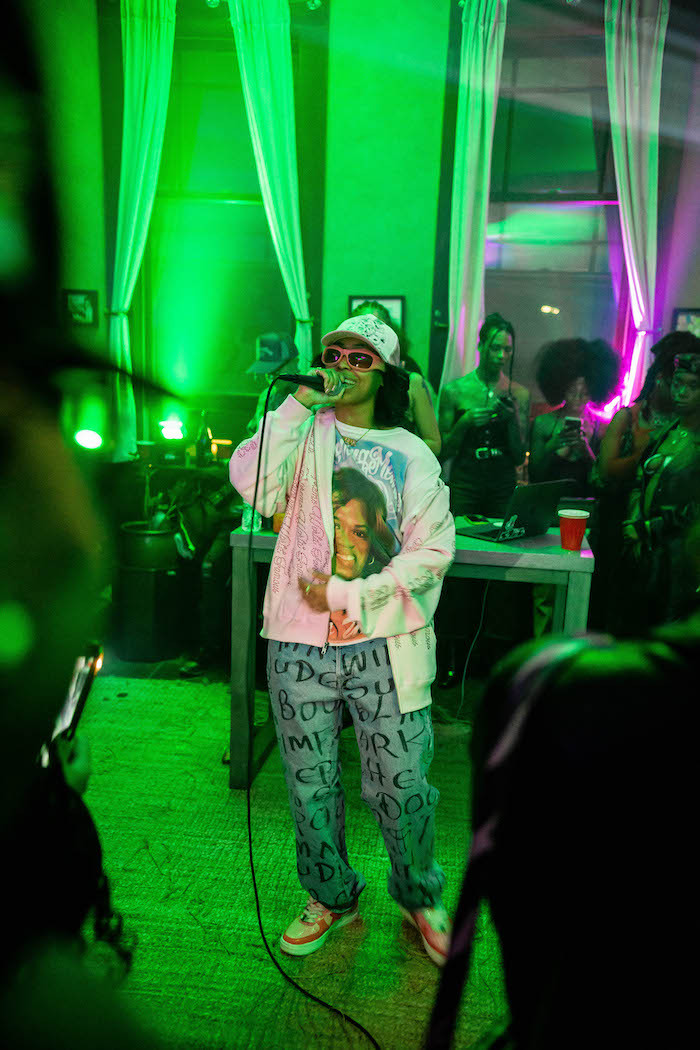
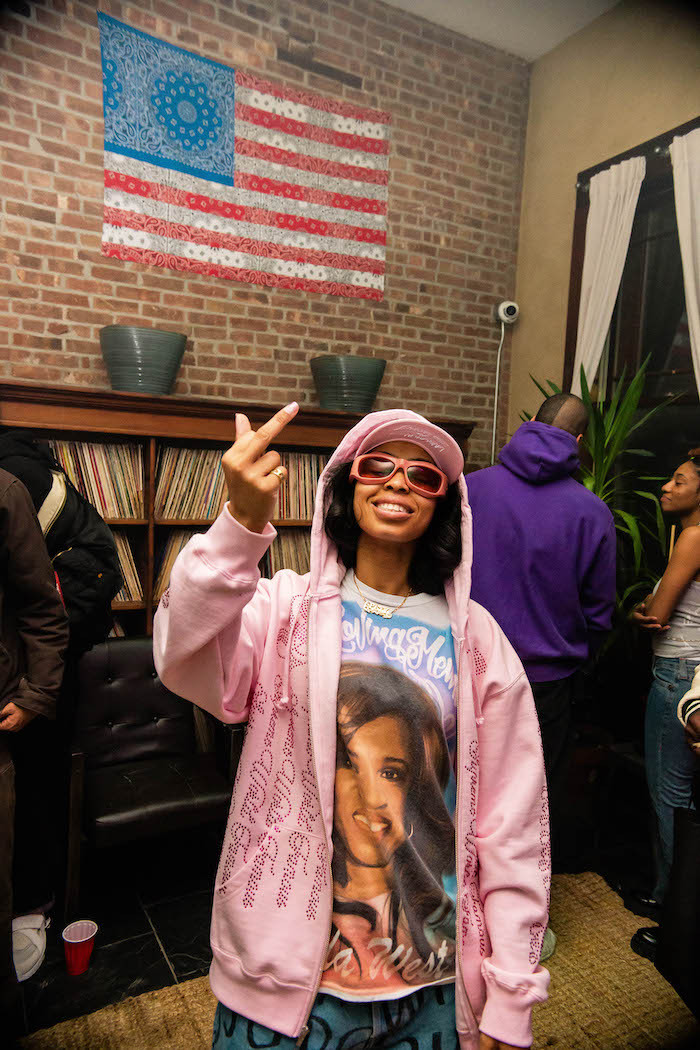
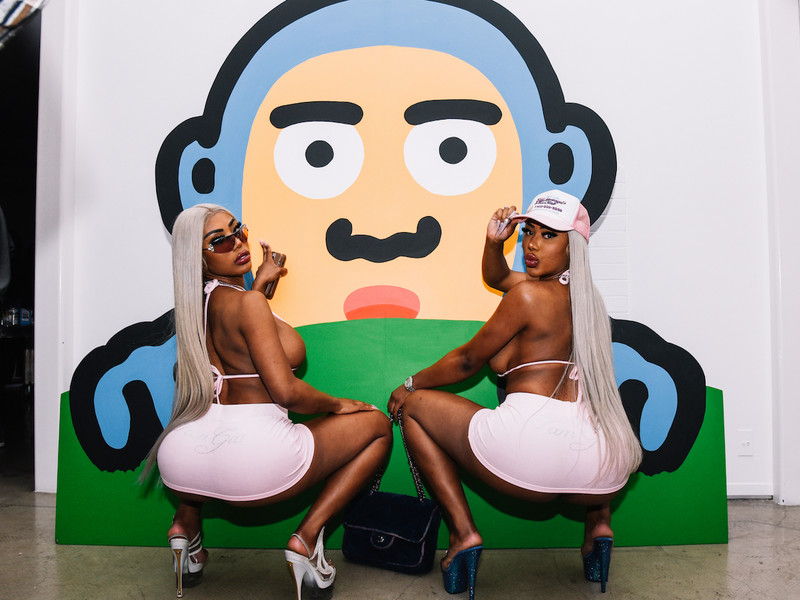
When the smoke cleared, office had the chance to speak with the fierce female performers after the show. Read it all below.
Remi, I spoke to you once for office in December — so what’s new!
Remi Lewis — I recently put out a new single and video for “Bag$.” It’s a New York-inspired take on the Sofia Coppola movie “The Bling Ring” — my friend Siena Saba directed it, and I had some of my girls in it which was so much fun! And I’m performing more, which I love — I recently opened for Tay Money, which was definitely a career highlight, and now this event with The Smokers Club!
What is your relationship with all of the other artists who performed at High Class Women?
Remi Lewis — High Class Women was such a fire line-up. I was honored to be asked to be part of it. I’m actually good friends with Clip — she is such a star. And I am a fan of all the other ladies! More all-female line-ups please!
How did your performances go?
Abby Jasmine — My performance was fun! We were all high as hell just enjoying the good music and good weed — those are my favorite kind of sets.
Clip — My performance was so fun. Everyone was vibing out and screaming the lyrics back to me which surprised me. The fact that my music can bring joy to people makes my day every time.
Alex Mali — It was super intimate which is always a vibe! The smoke was heavy, so my vocal performance was a little harsh, but it’s 4/20 so how can you complain? Regardless, I had a great time up there and we all vibed out together through the evening.
The crowd was so hype for each and every one of you. How do you use the energy of the room you’re in to drive your performance?
Abby Jasmine — I do energy checks and make sure everyone is still having a good time and enjoying the music. It also helps me loosen up knowing everyone is having a good time.
Clip — It wasn't that hard to take advantage of the energy in the room, everyone looked so beautiful and it was kinda like we were all in our own little world together.
Alex Mali — I just do my best to make sure the crowd feels comfortable. It’s really about inviting them to synchronize our energy together and get lost in the music. If you came out, you want to have a good time, so I make sure I provide that for you no matter what.
What is your favorite way to celebrate 4/20?
Abby Jasmine — Of course it would be getting high with my friends and eating some good food afterward!
Clip — My favorite way to celebrate 4/20 is by chillin and smoking with my friends and just enjoying each other’s presence high AF.
Alex Mali — I used to be a heavy smoker, but I stopped for about 4 or 5 years now. Definitely still enjoy the events and festivities, but on an average 4/20 I’m perfectly fine popping a CBD gummy and decompressing with self-care.
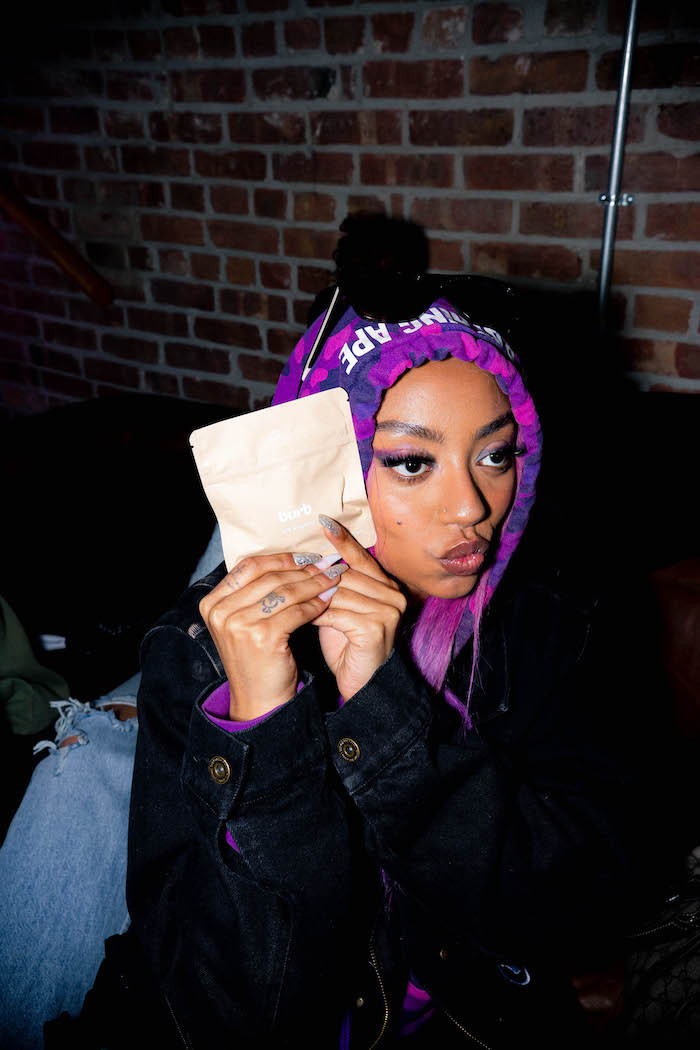
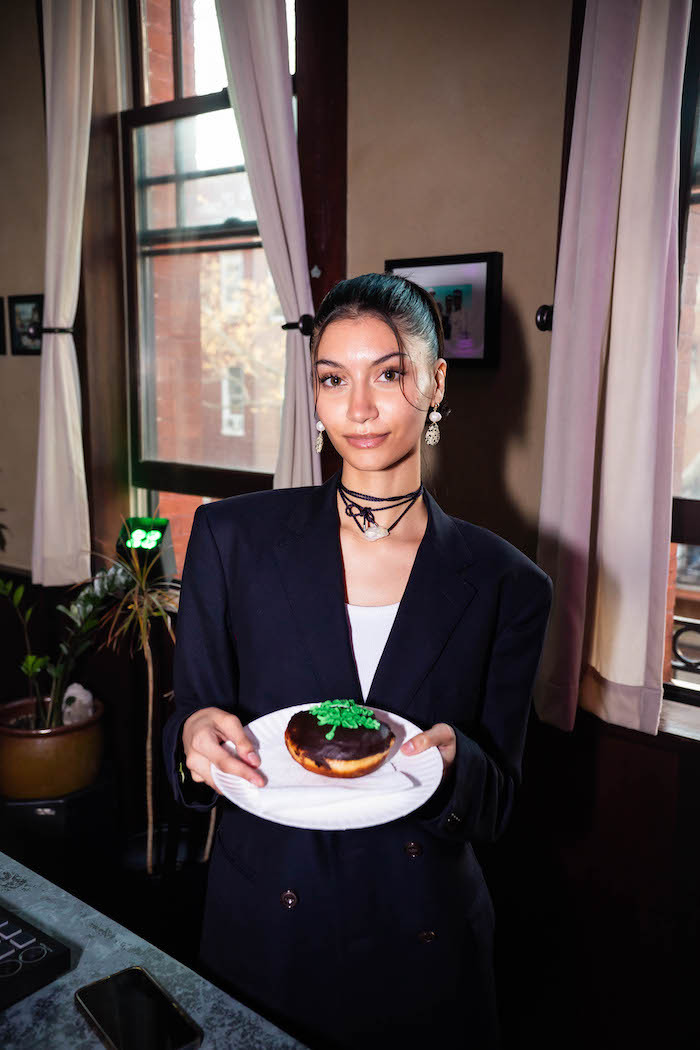
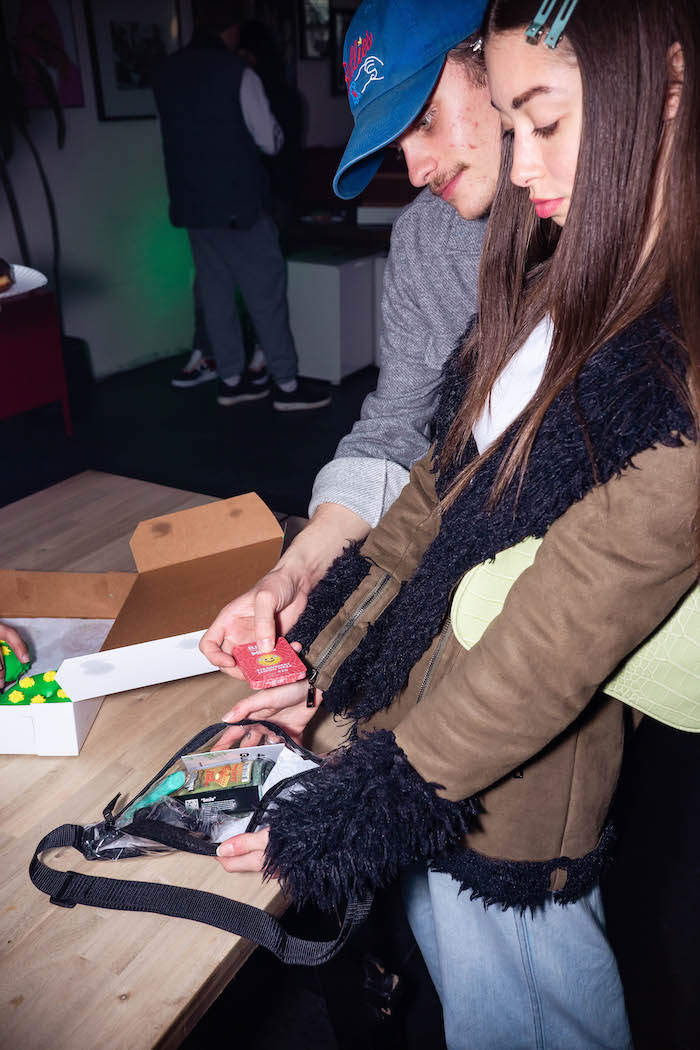
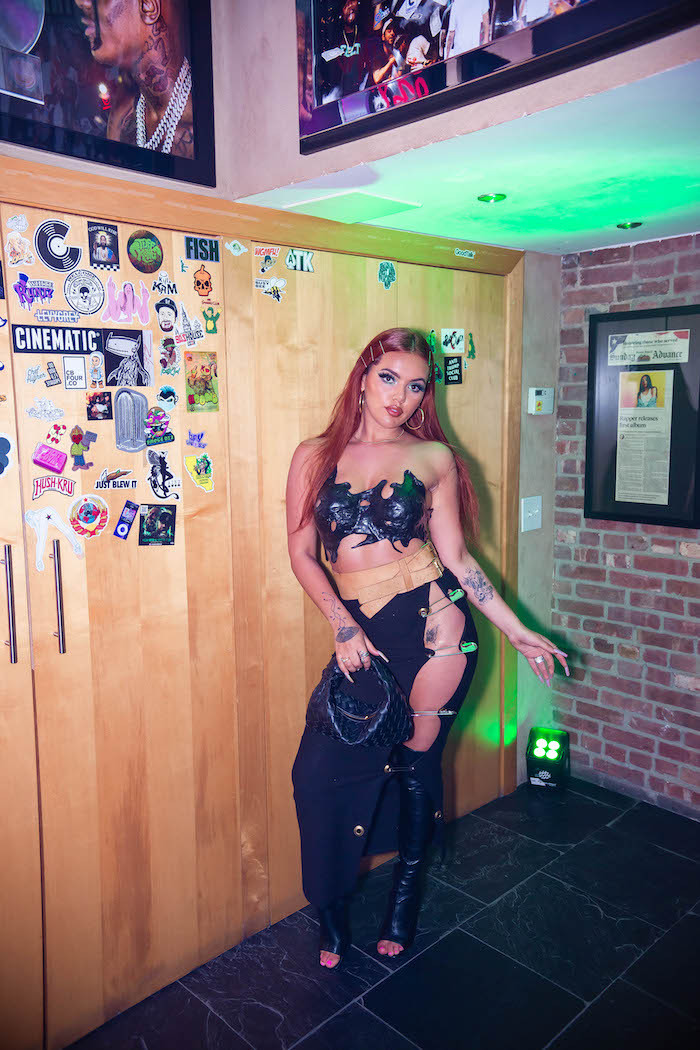
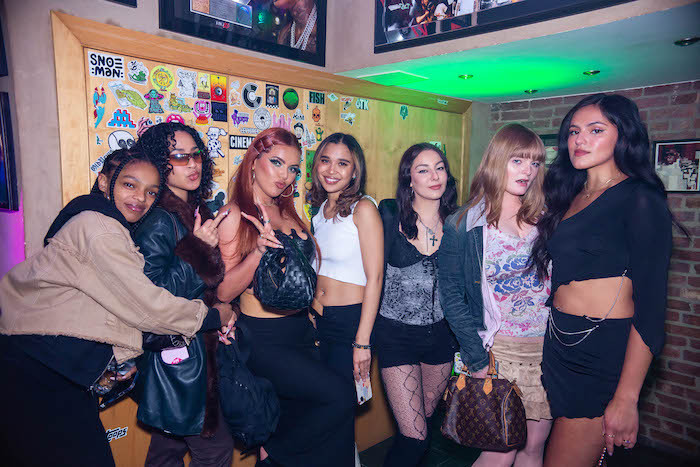
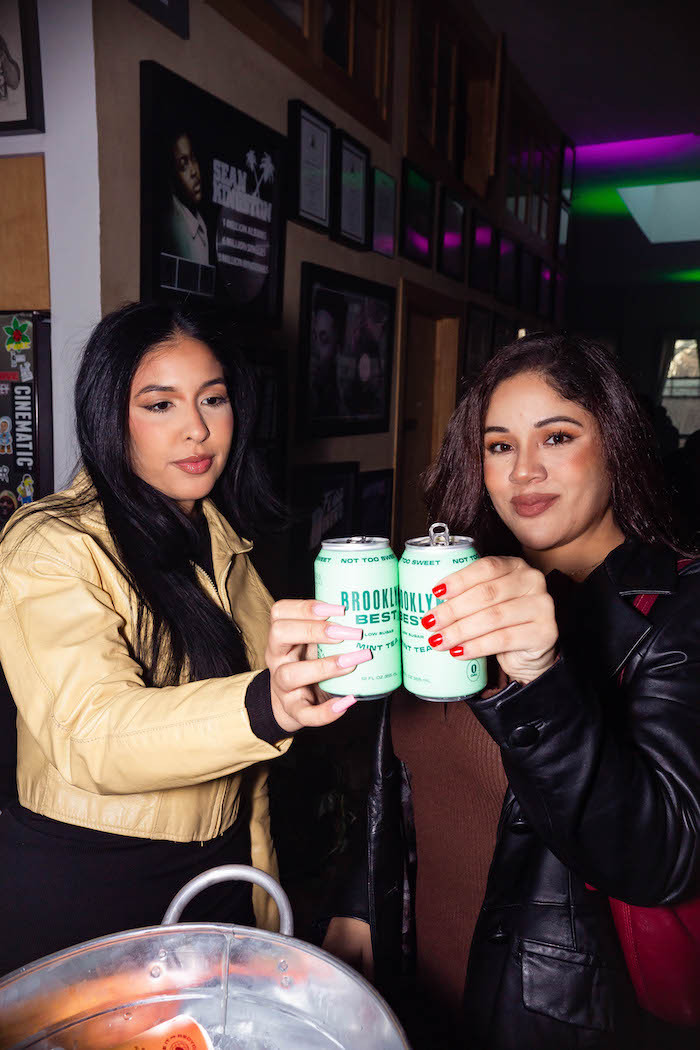
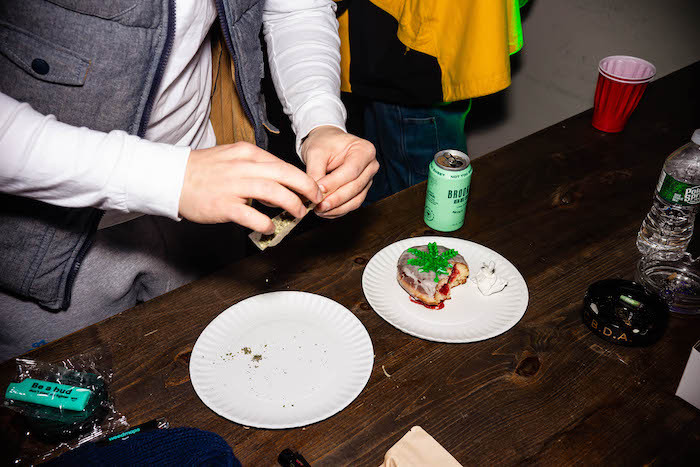
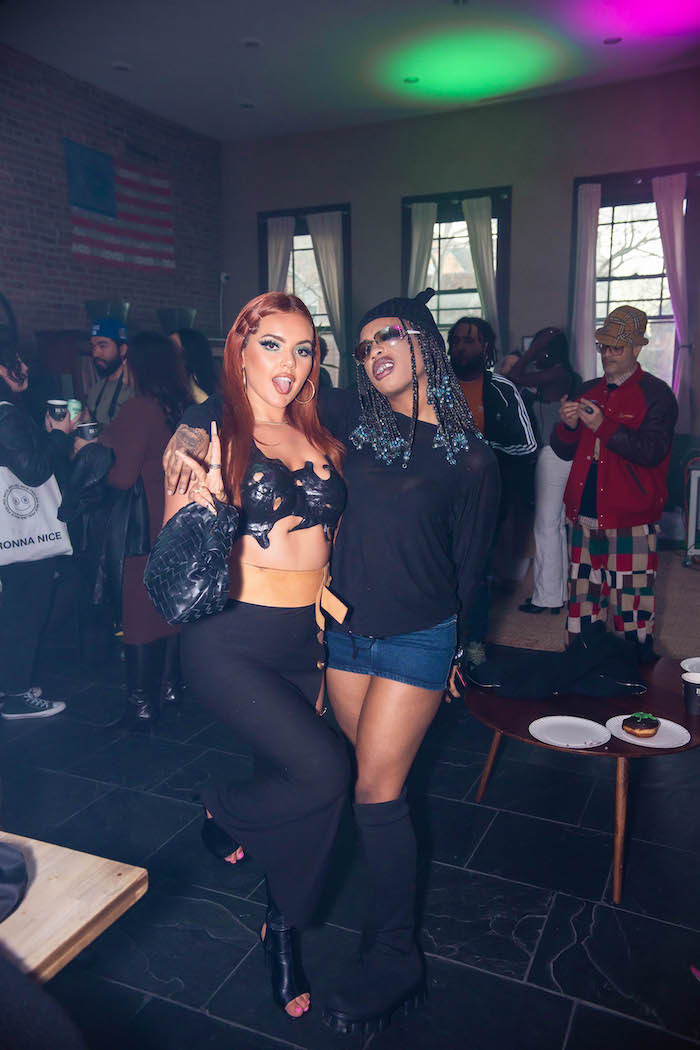
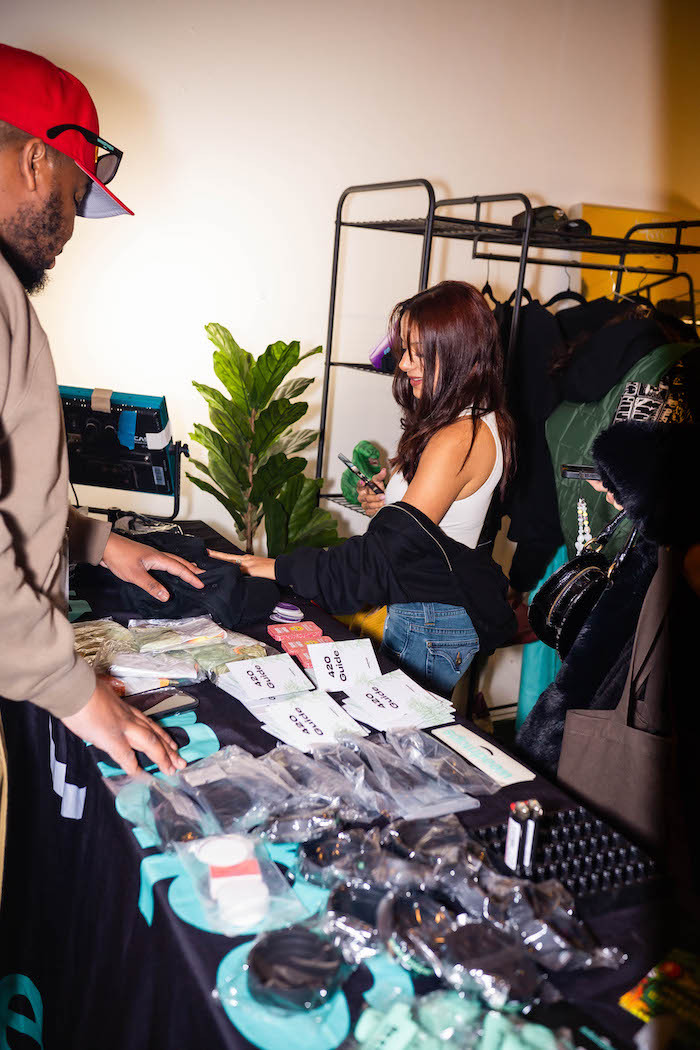
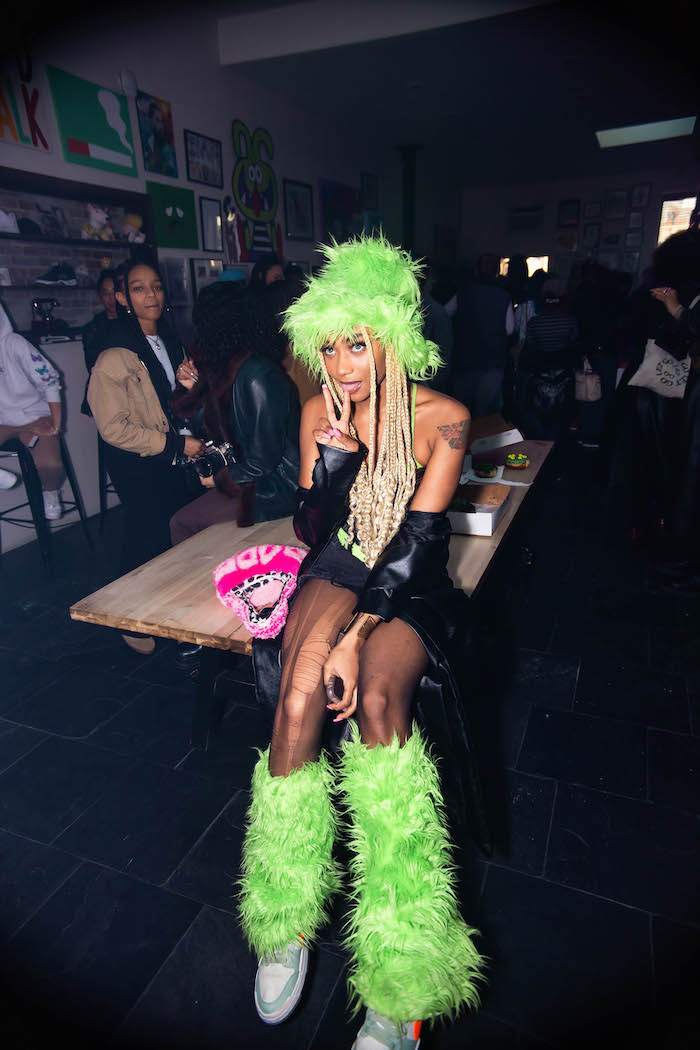
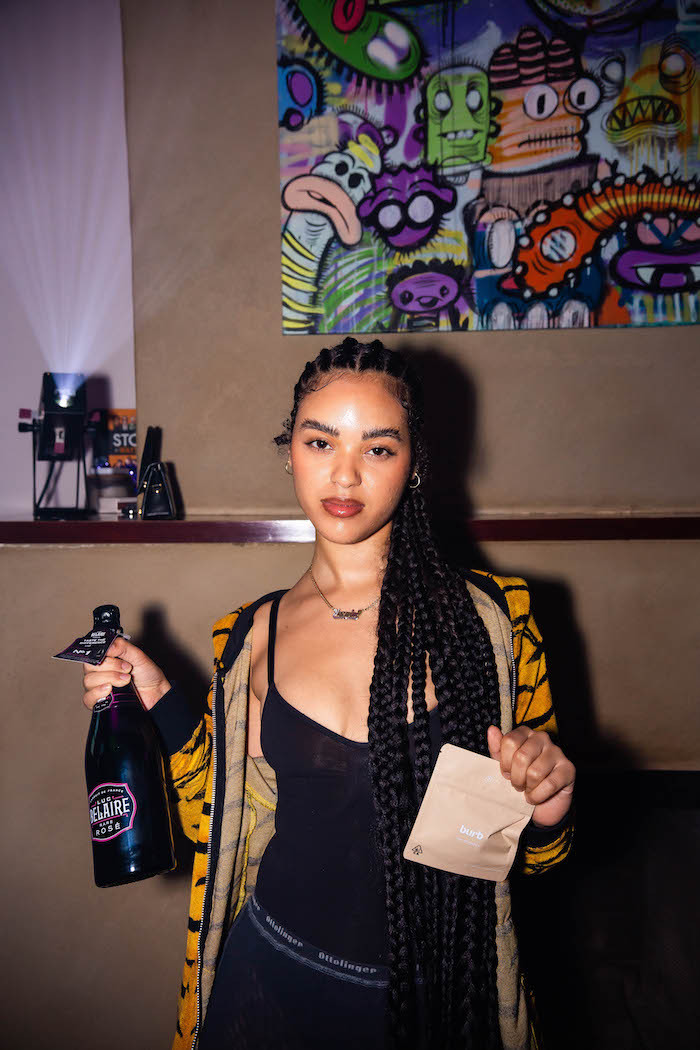
Shout out to Weedmaps, Burb, The Heart Project, Grindstone Coffee & Donuts, and Brooklyn's Best for a great time. Check out photos from the event below.