For Lovers
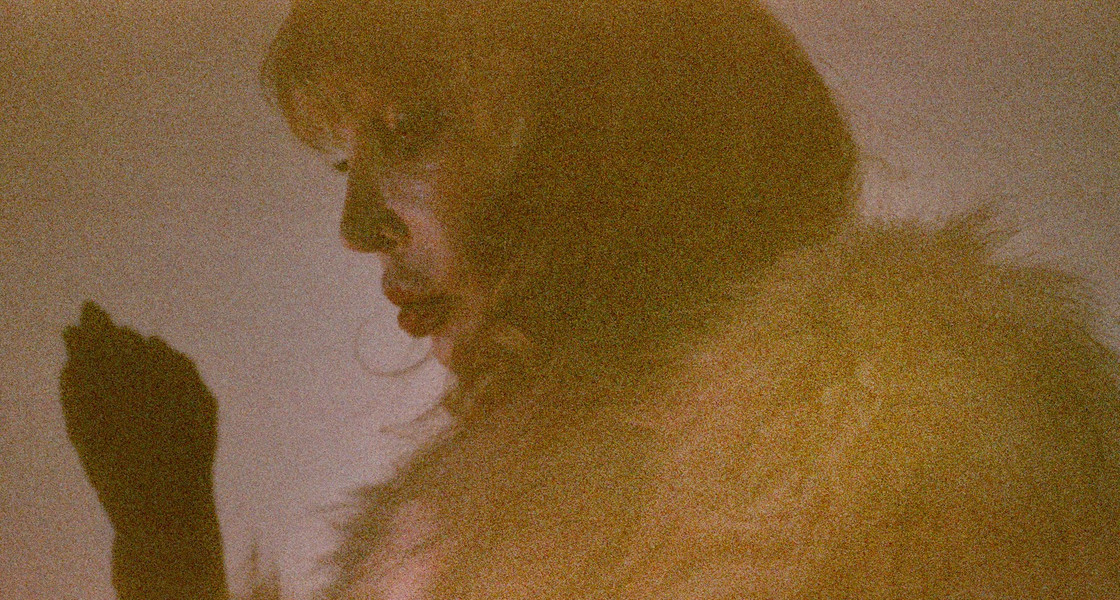
Lamar is a muse for the ages, a lens through which we can explore the love within both our hearts and others'.
Check out the video and photos below.
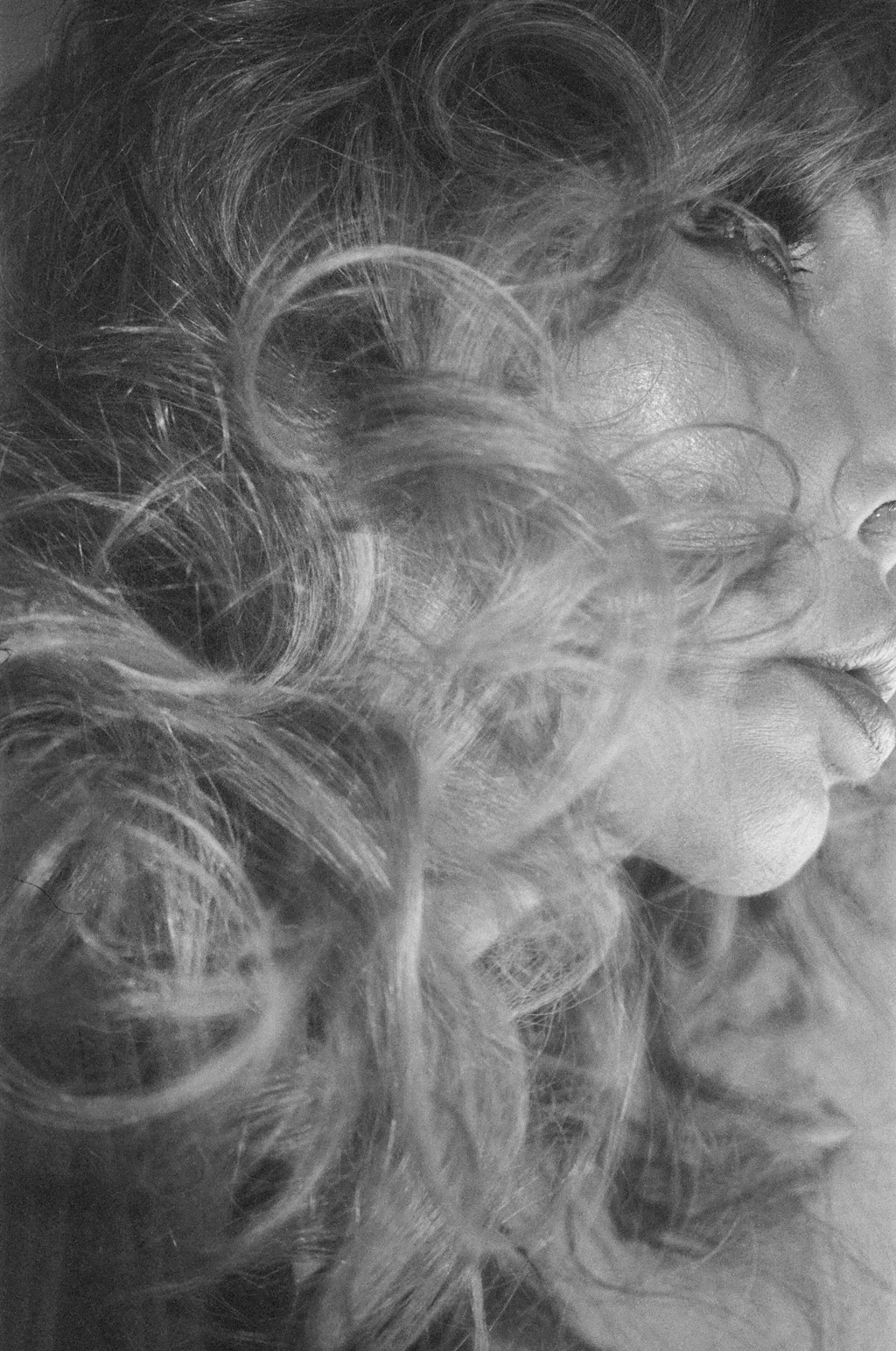
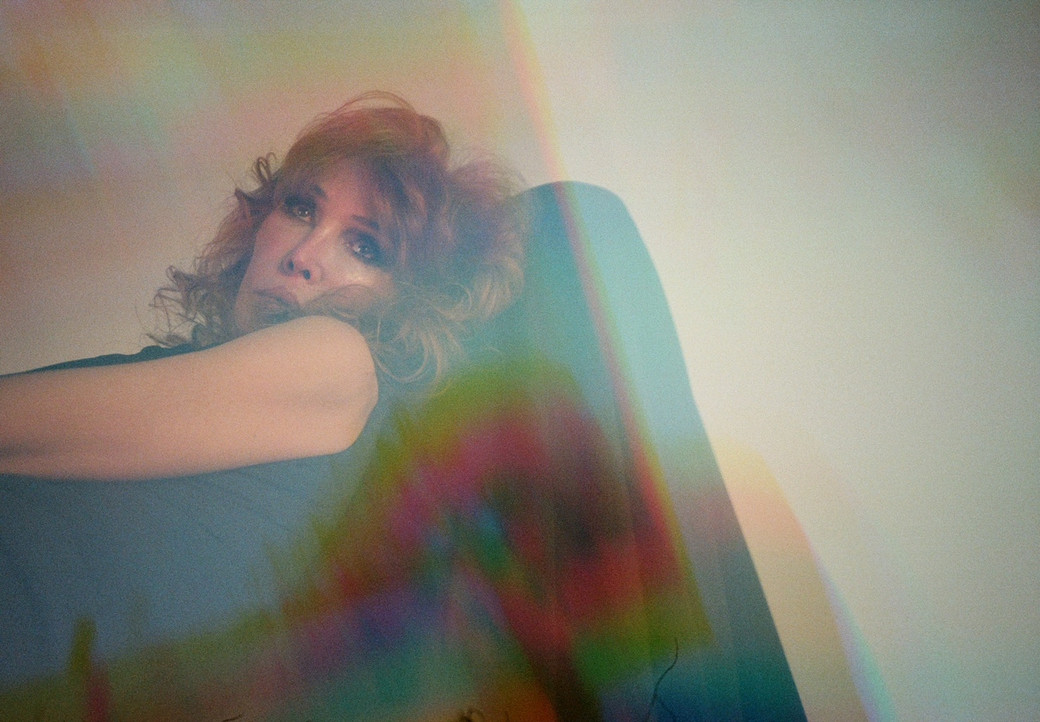
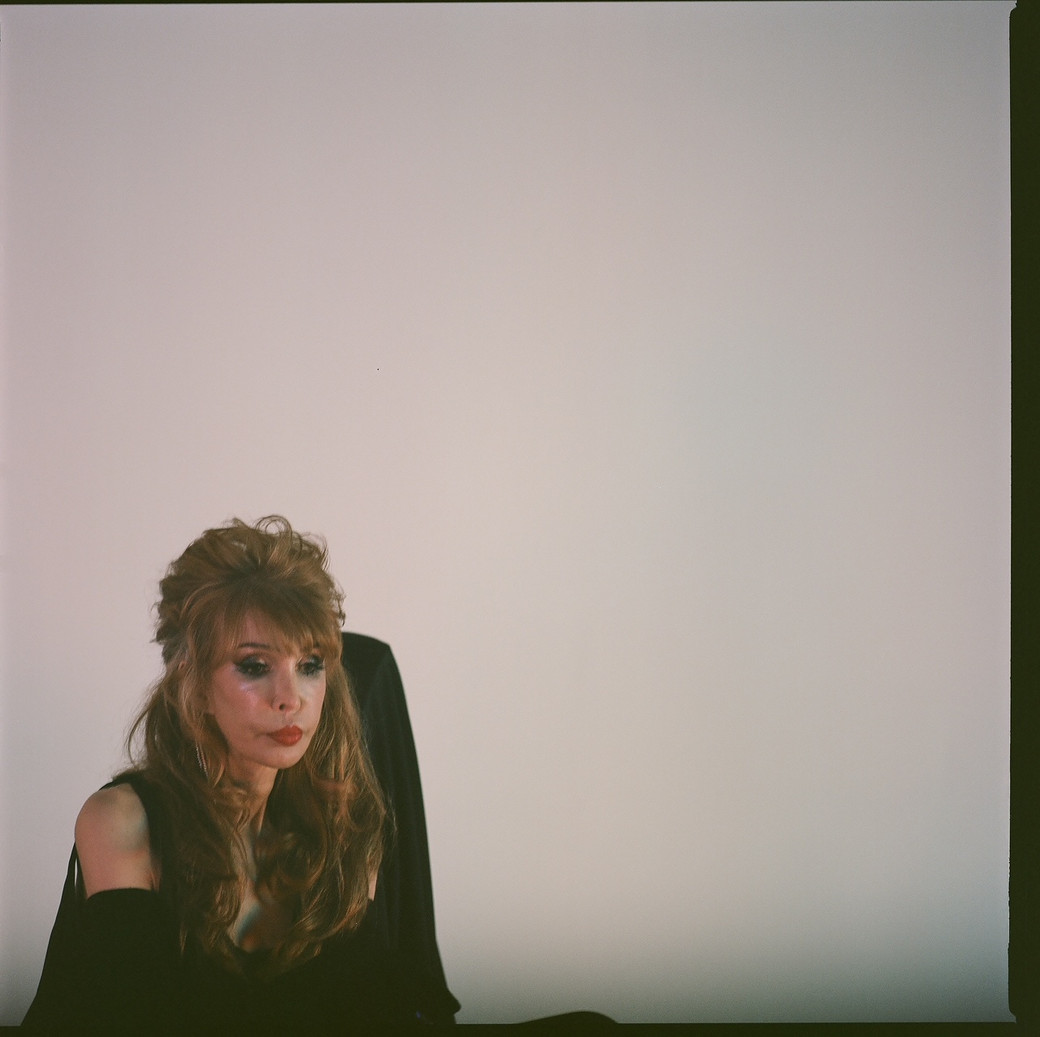
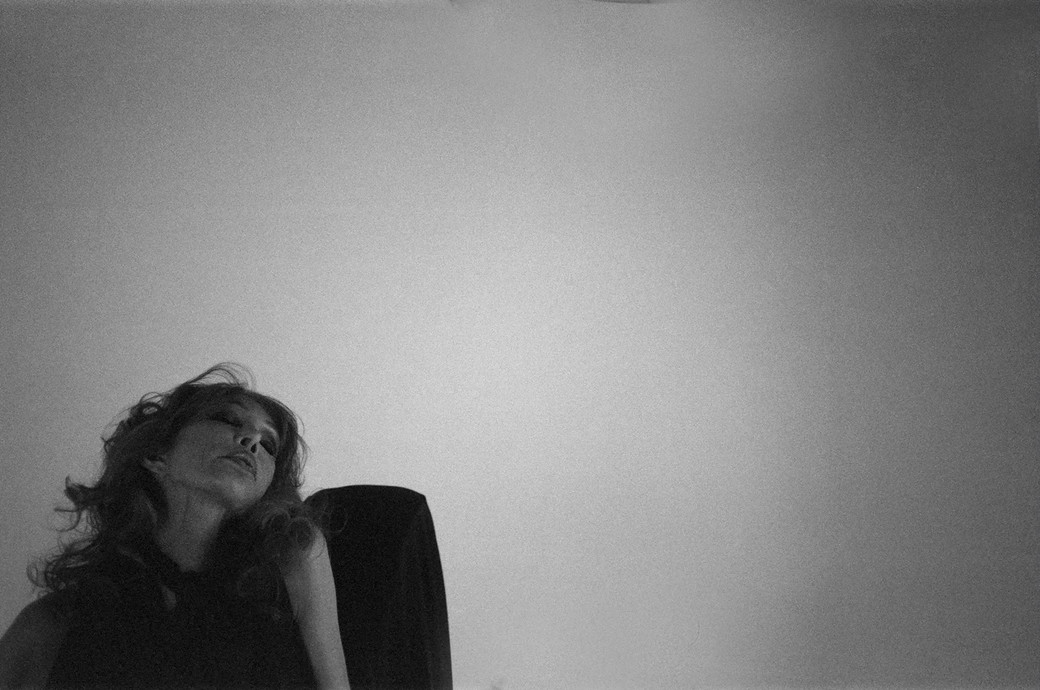
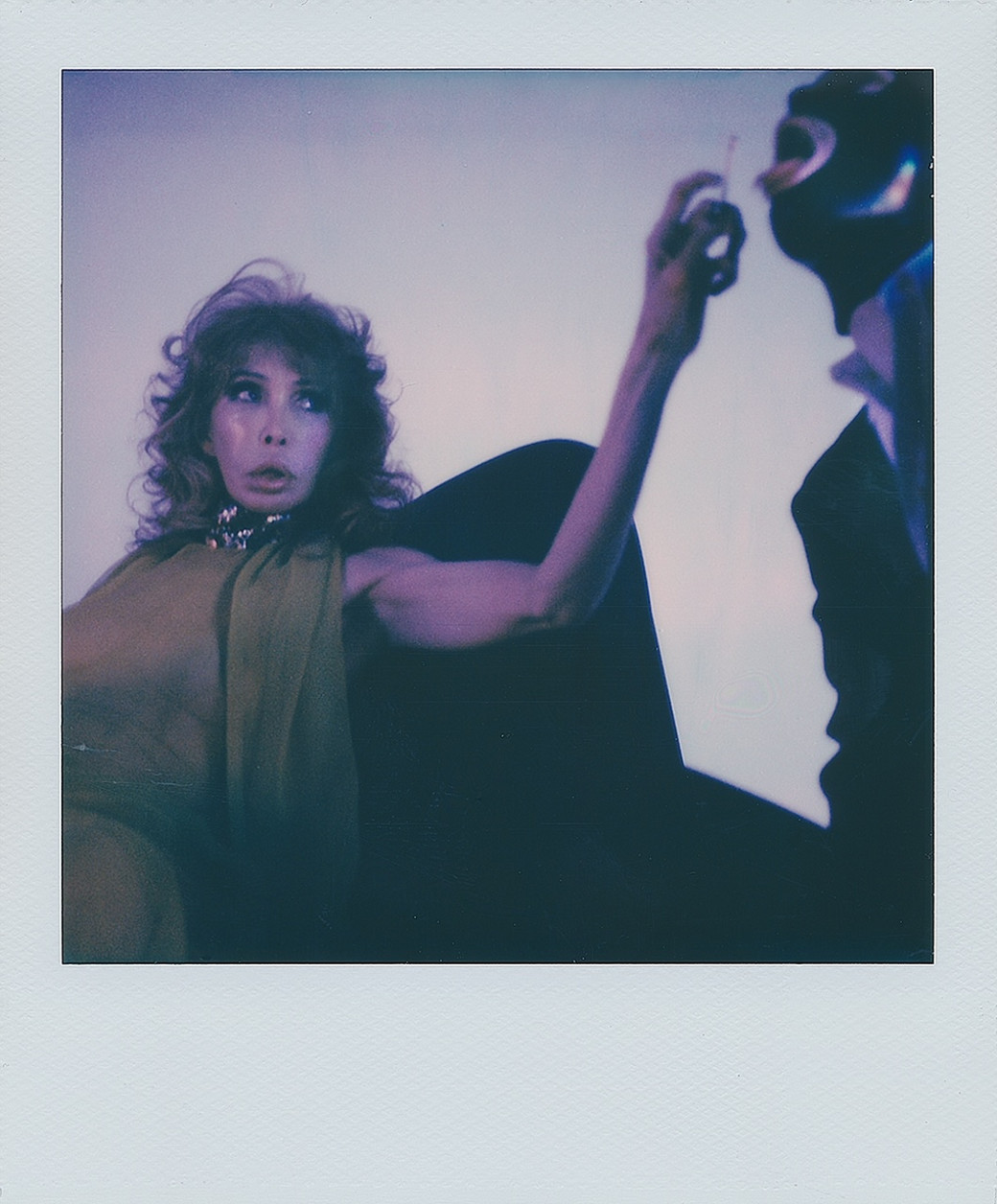
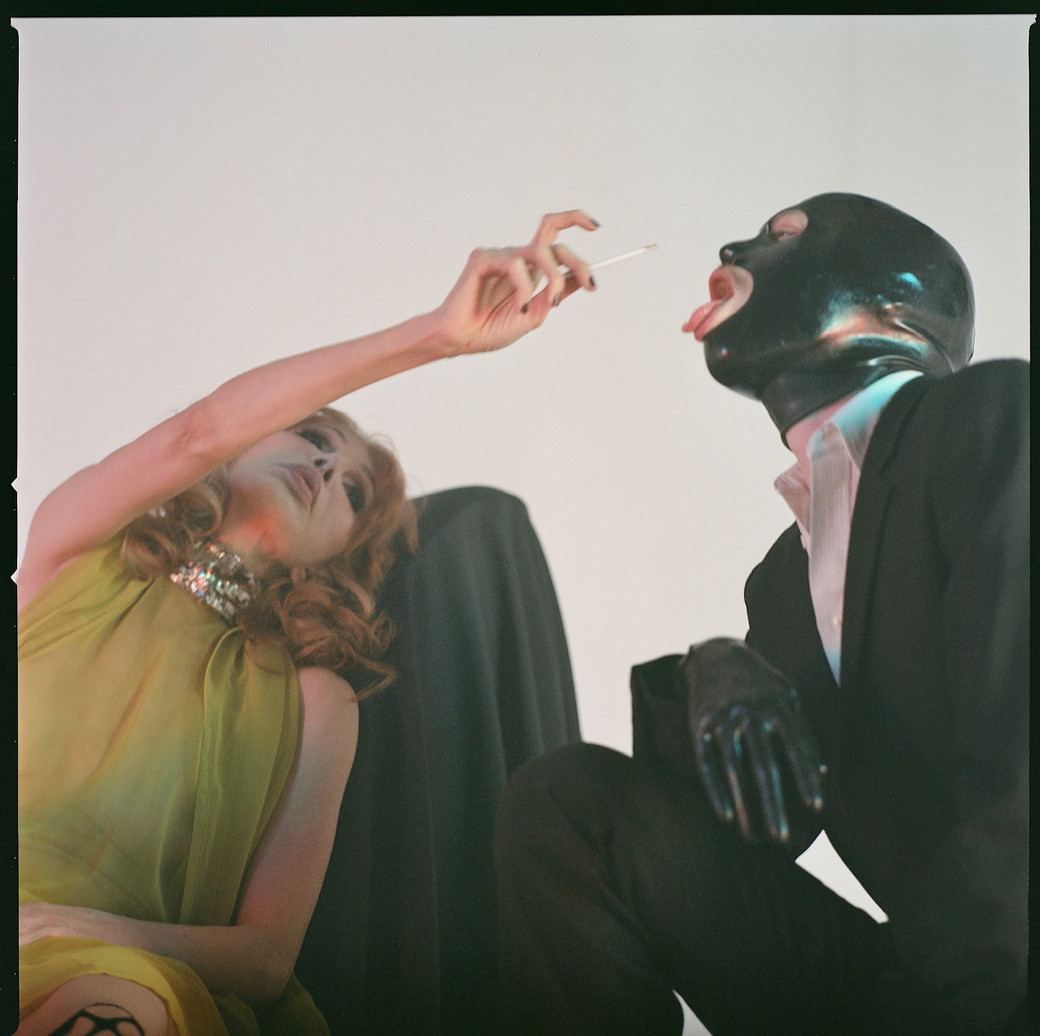
Lamar is a muse for the ages, a lens through which we can explore the love within both our hearts and others'.
Check out the video and photos below.

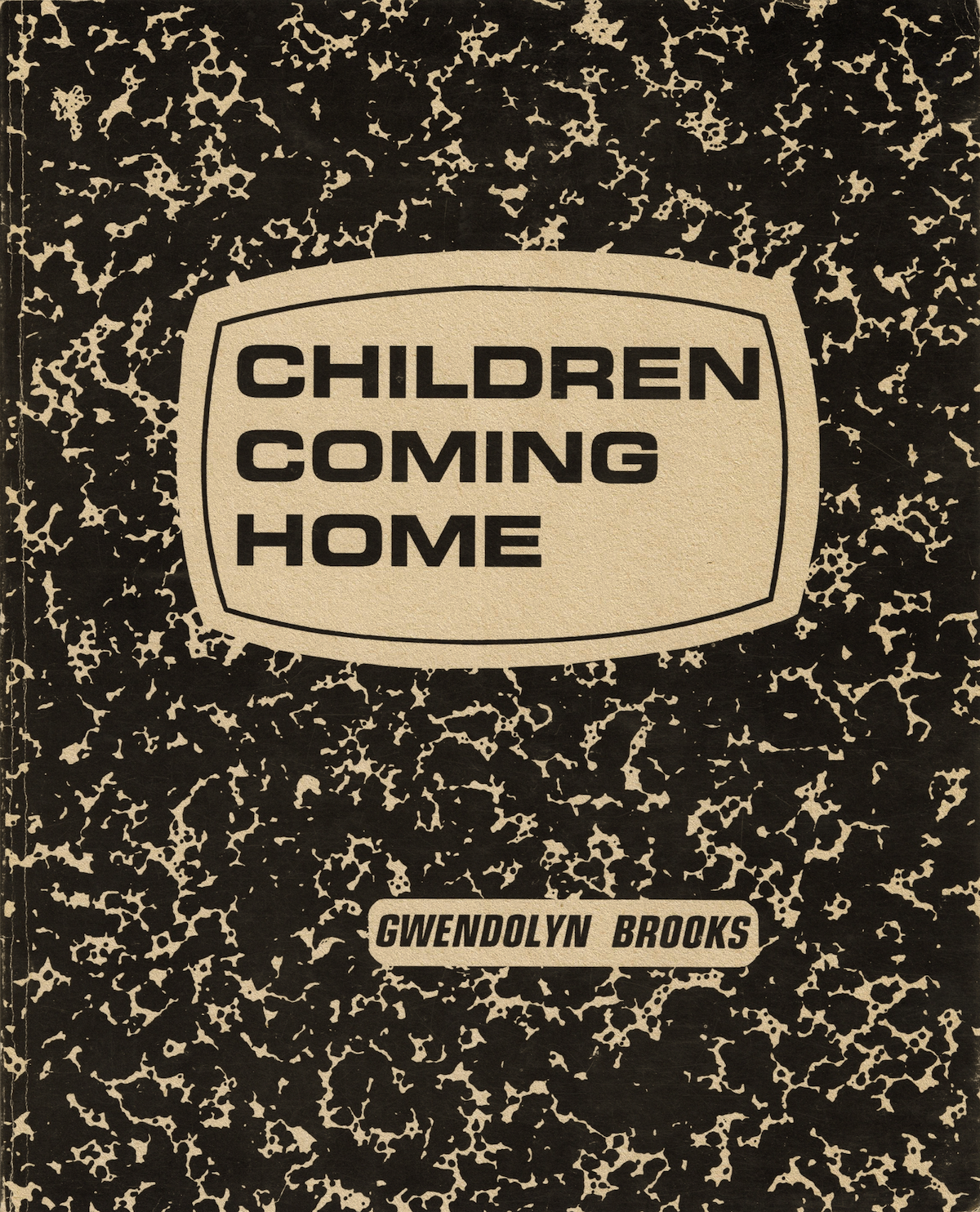
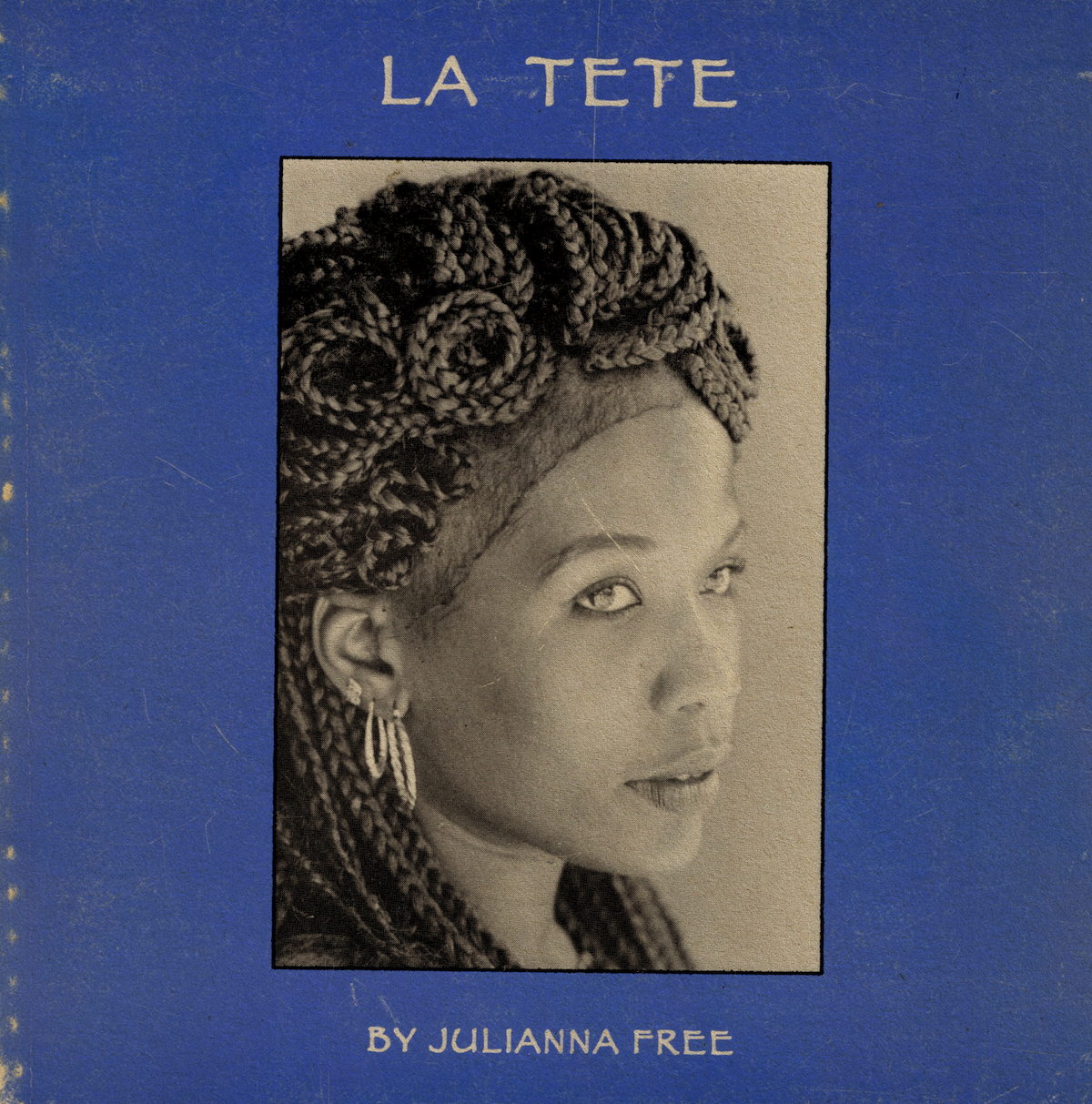
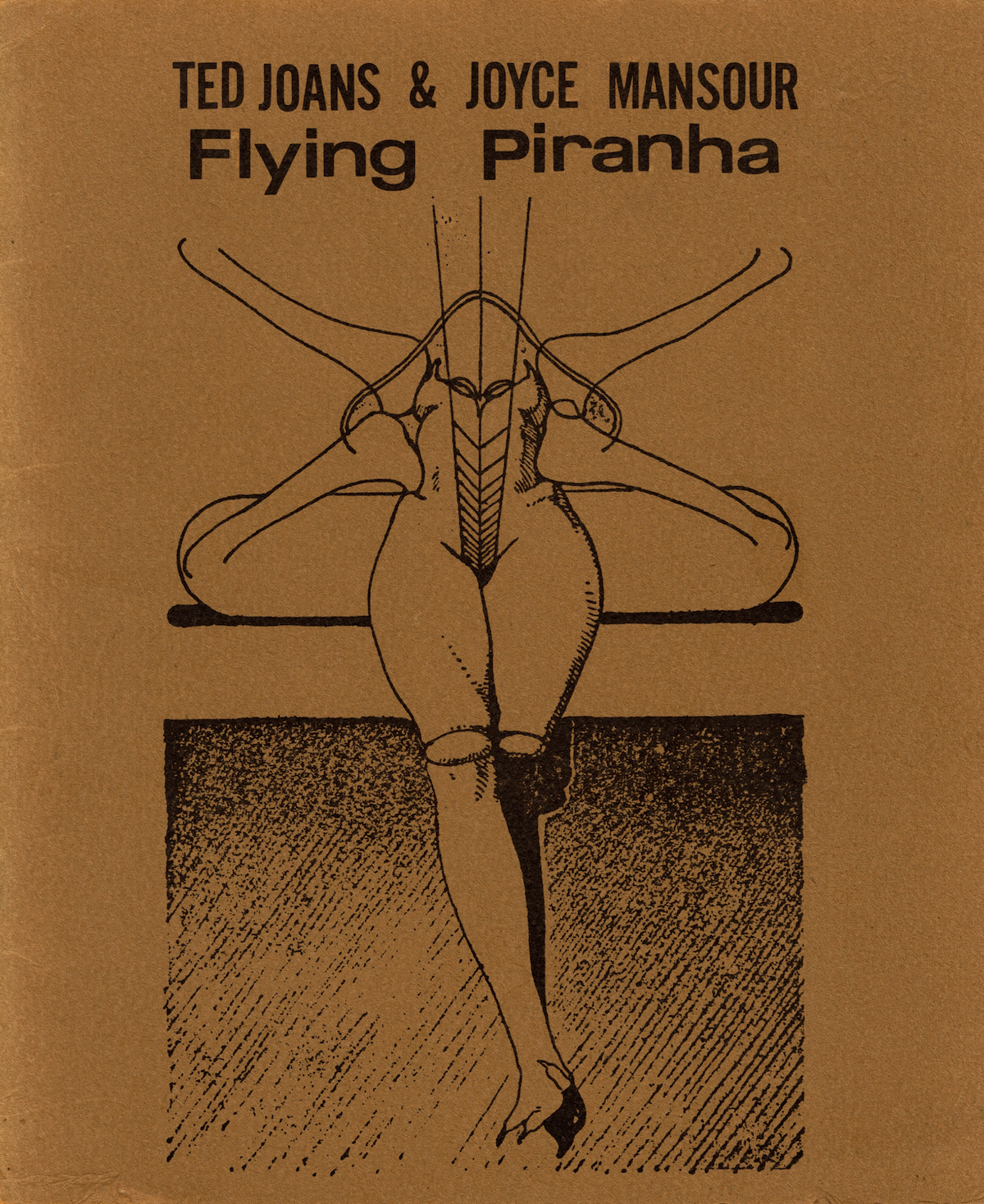
In partnership with Aesop, the brand's commitment to creating social change through literature, Saint Heron continues to center Black thought and artistic innovation. The library carries works including "My One Good Nerve Rhythms, Rhymes, Reasons" by Ruby Dee, "Children Coming Home" by Gwendolyn Brooks, and "La Tete" by Julianna Free, to name a few. Each visitor has the opportunity to read one of the selected readings free of charge for up to 45 days.
Solange Knowles states, "The Saint Heron Library continues the work we have been building by preserving collections of creators with the urgency they deserve. Together we seek to create an archive of stories and works we deem valuable. These works expand imaginations, and it is vital to us to make them accessible to students, and our communities for research and engagement, so that the works are integrated into our collective story and belong and grow with us. I look forward to the Saint Heron library continuously growing and evolving and, over the next decade, becoming a sacred space for literature and expressions for years to come."
Visit saintheron.com to explore the digital library.

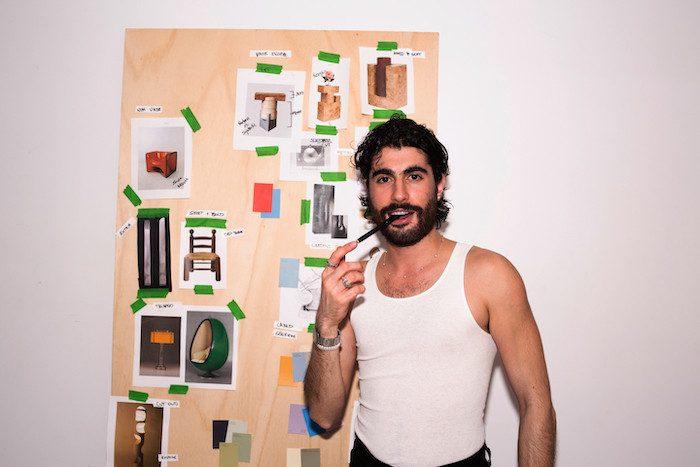
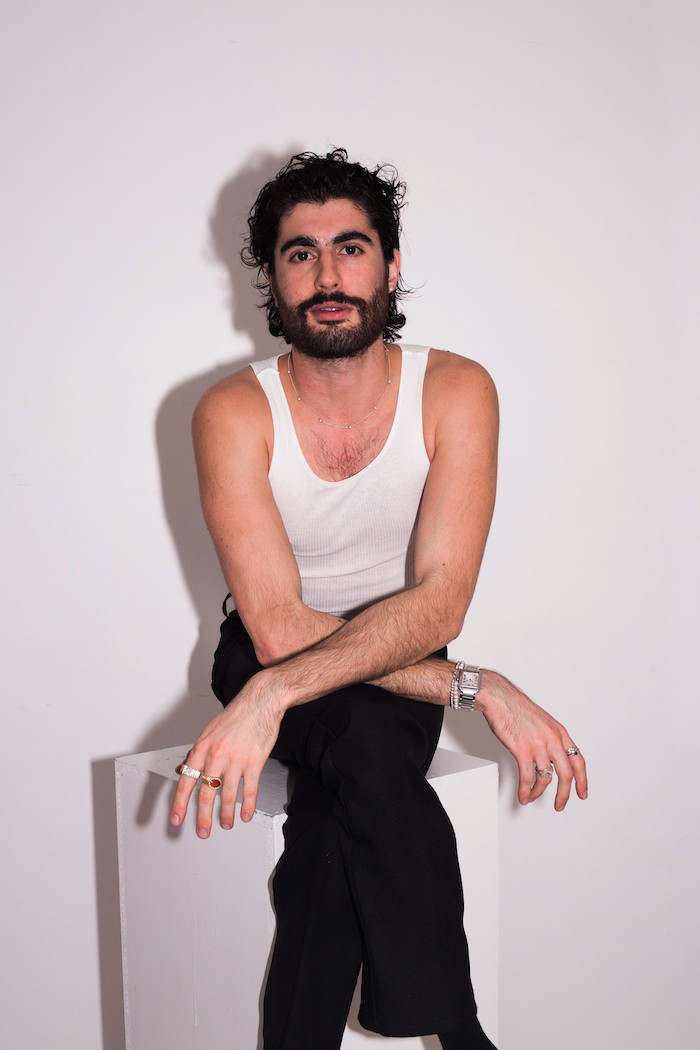
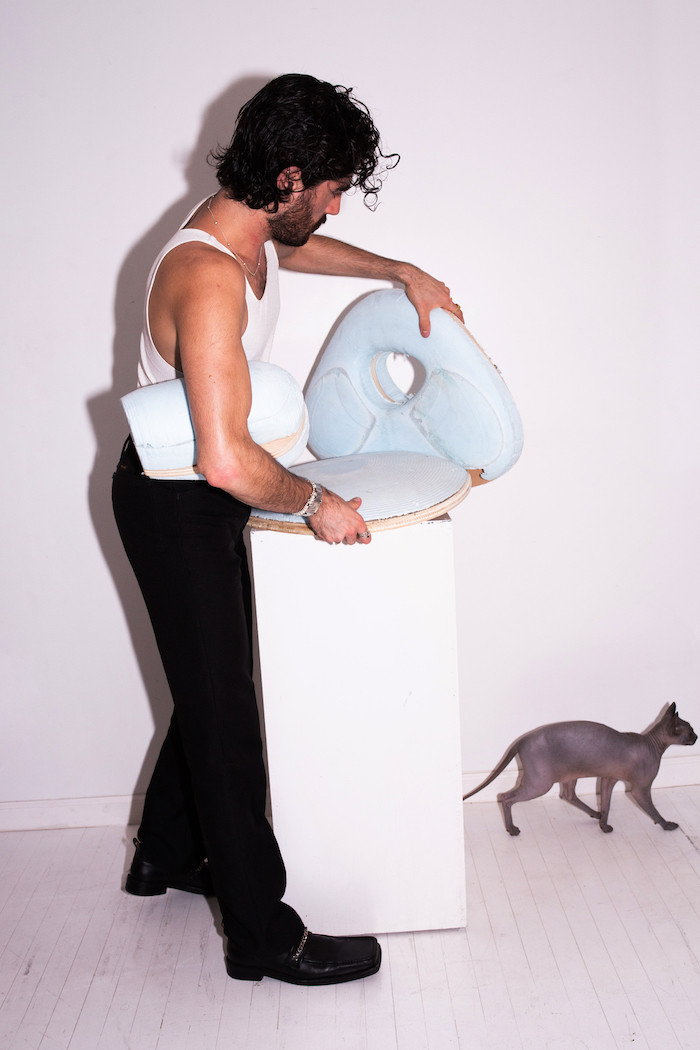
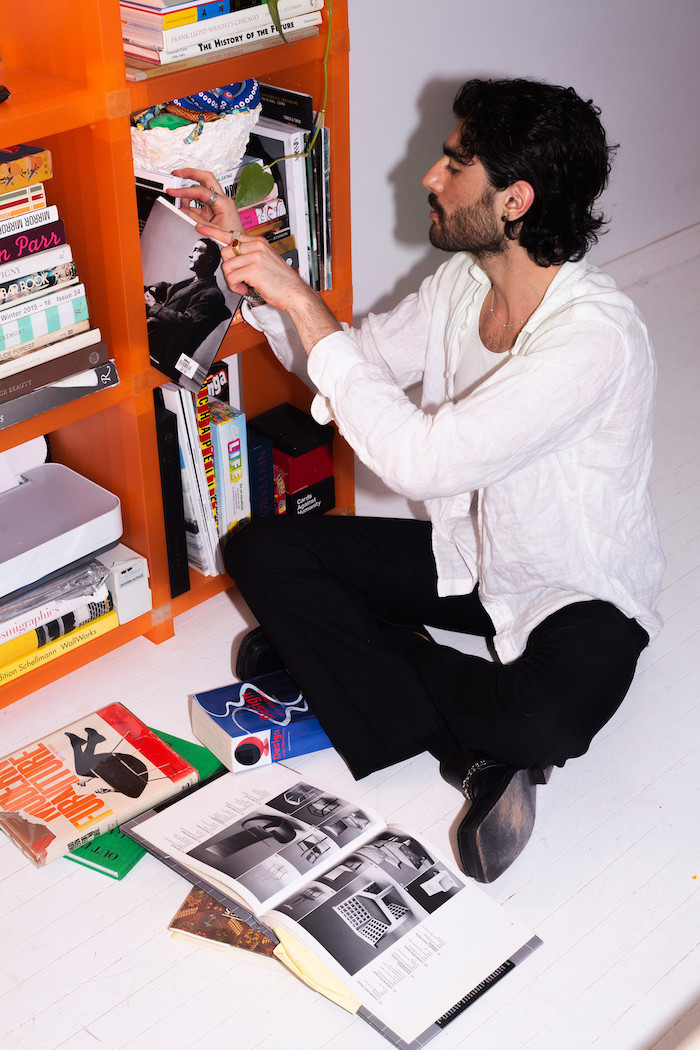
Kouros’s relationship with the world of design goes deeper than his 2021 collection. His background is in urban design and architecture, and he currently works at the New York office for the influential architect Bjarke Ingels. This interest and history with design combined with his strong sense of family heritage make his living space particularly important to understanding the direction of his work. I met with Kouros at his Chinatown apartment the other day to discuss his growth as a designer and the launch of his collection.
I feel like the city is a big part of the personality of your work. When did you move here?
I just reached my four year anniversary actually — I moved to NYC in late July of 2017. During those first few months, I was couch surfing between my cousin's place in the Upper West Side and my best friend's apartment in Nolita, all while looking for a job. Once I landed one, I moved into my first NYC apartment in Chinatown. I have been in the Chinatown and LES area ever since. I’ve lived in this particular spot for just over a year and a half.
You just launched your first collection — congratulations! Do you think your work is evocative of a particular historical designer or movement? Is this something important for designers to consider?
Absolutely. I would probably categorize my work influence into three buckets. The first one would be local - New York, both furniture and fashion designers. That includes, you know - Sam Stewart, Eny Lee Parker, but also some great New York fashion brands, like my friend's handbag brand RATIO ET MOTUS. It was a great inspiration for my color references.
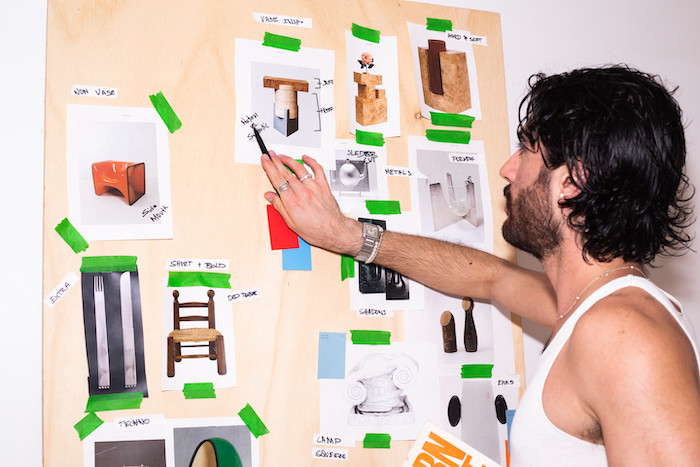
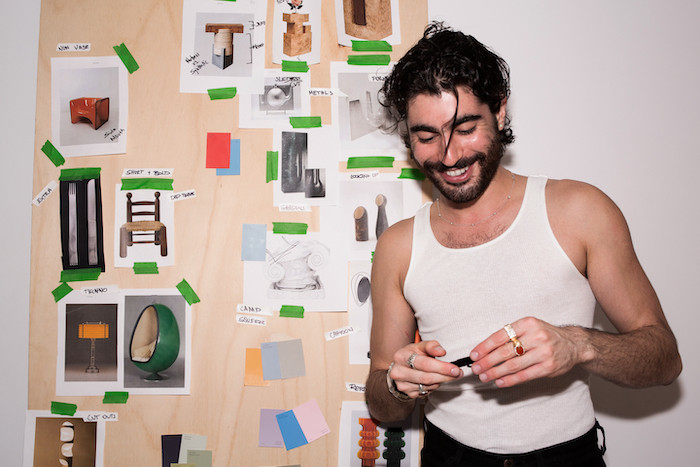
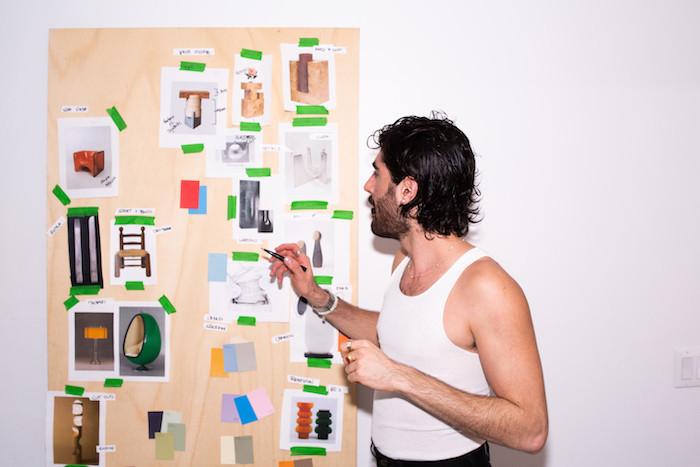
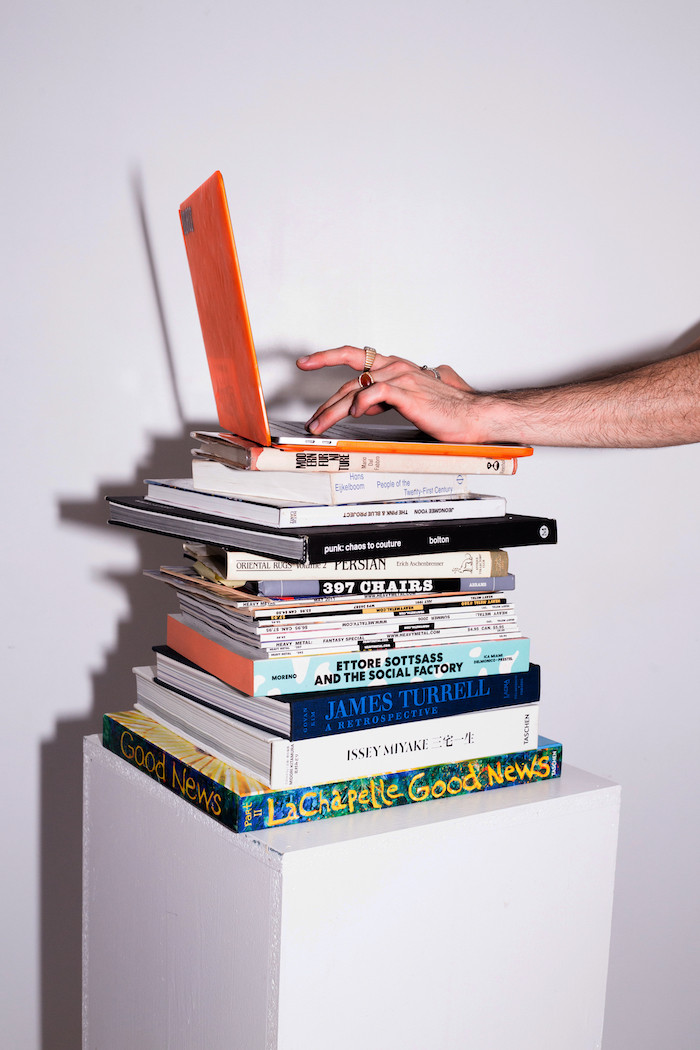
The second bucket is really just those fabulous and famous European designers that everyone knows, like Gae Aulenti, Joe Colombo, Mario Botta, and so on. And the third would be specific movements that I’m constantly referencing in my mood boards. The Radical Design movement in Italy that happened after the mid-century modern movement and was a kind of reaction to it. Also, all those really wacky, outlandish, colorful designers, like Sottsass and Superstudio.
It's really funny because I think that cycle is happening again — obviously with the 21st-century twist. The early 21st century was dominated by MCM revival and minimalism, and now we're having a really strong reaction to that.
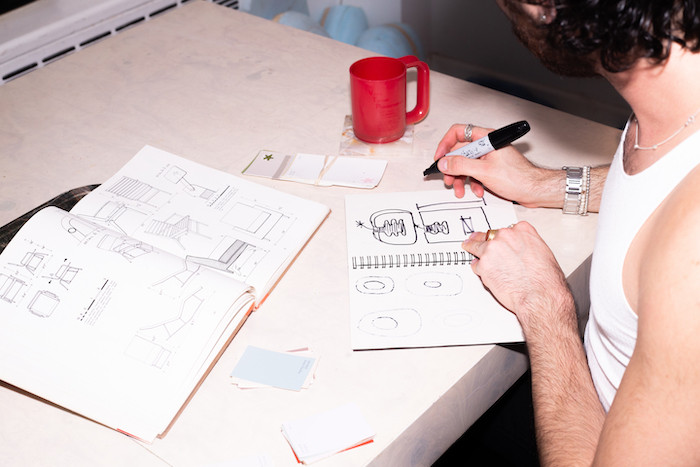
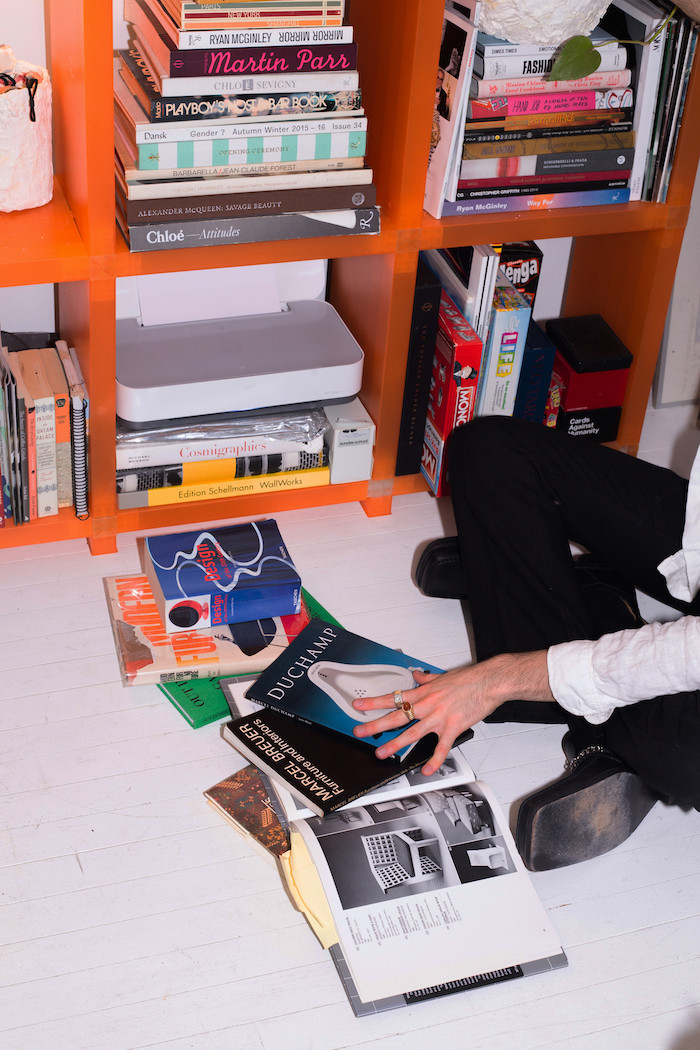
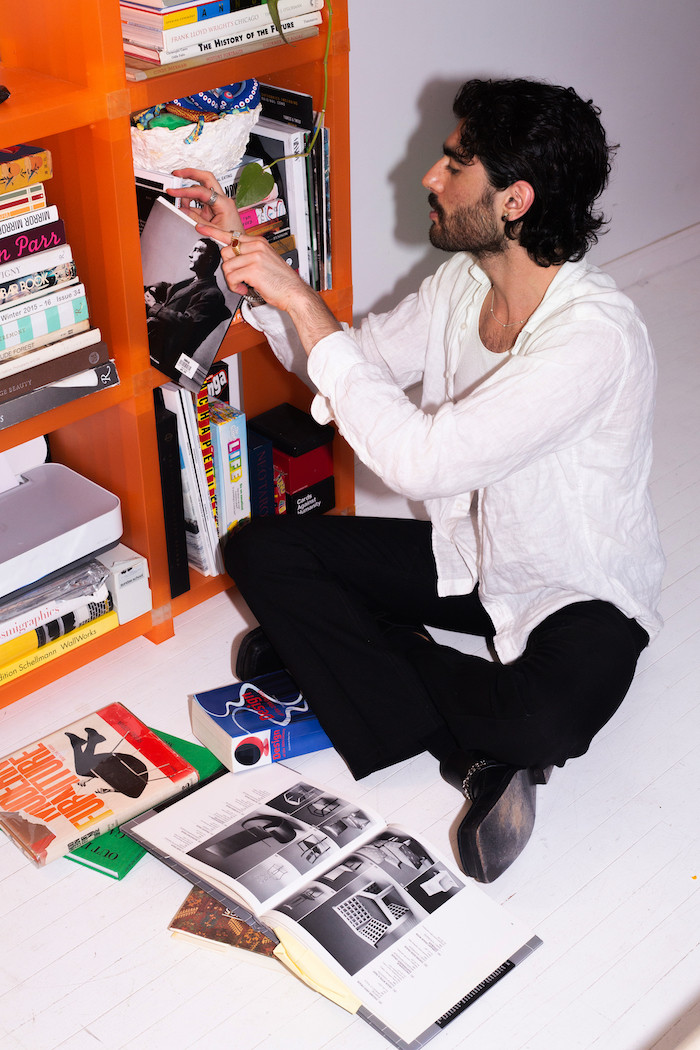
Since I interview a lot of designers, I think a lot about how their work is similar or different from the style of their living space. Do you see a contrast between the Mehmooni collection and your living room here?
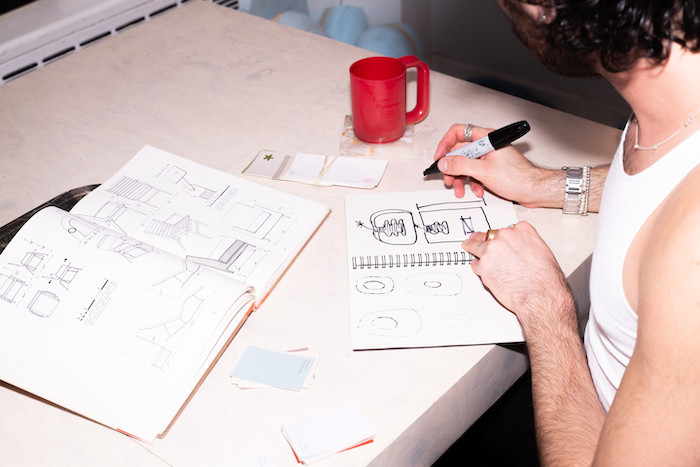
Yeah, I think furnishing the place actually helped me to create the collection. When I moved here, we had no furniture because we didn't have room for it — all we owned was this couch. It was actually an opportunity to slow down and buy beautiful pieces that weren’t just from IKEA. As I was doing that, it really inspired me to make my first furniture collection. I've been saving tabs on my browser with furniture for years - things I never could never find or afford to buy. At some point I was like, “Wait, why don't I just start making these pieces I’m envisioning?”
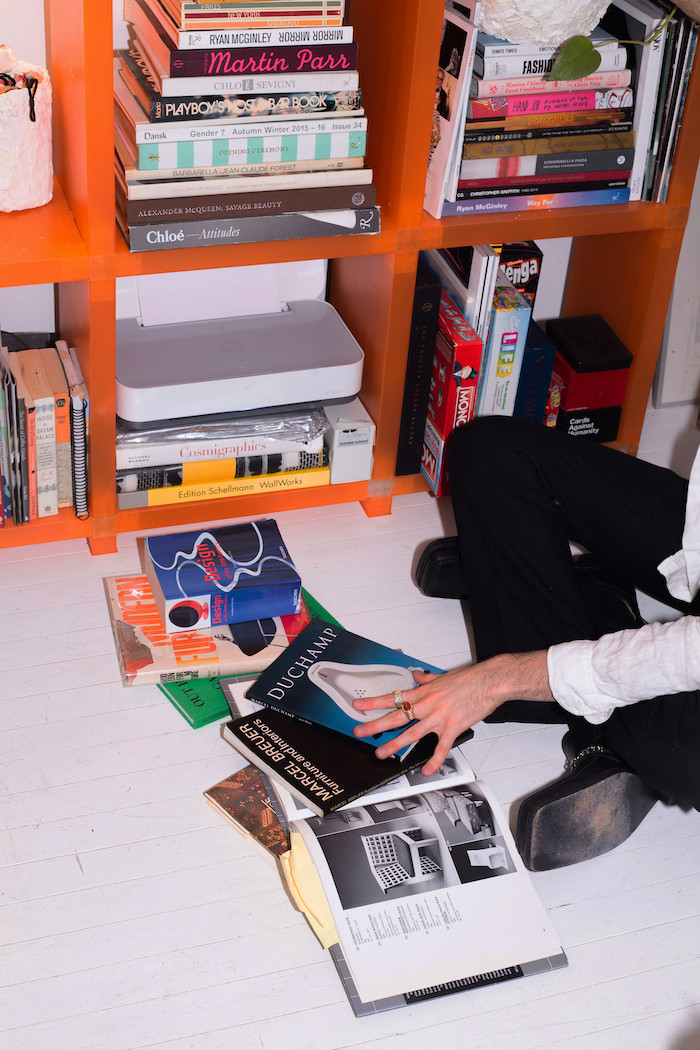
My furniture search started to double as a mood board. I began to use it as an opportunity to research old designers, discover old pieces, etc. It kind of happened in a symbiotic manner.
Do you think you’ll ever live with your own furniture?
I really want to, I really want to, but I can't afford to right now. I love my objects — I design objects for my life. I have friends that come over and want to smoke, and I’d love to have the Taarof table here — it has an ashtray and compartments for anything you might need.
I think it’s important to live with stuff you make but also bring in pieces you buy that inspire you. I’m inspired by a lot of my furniture; some of it was even a size reference for the pieces I designed.
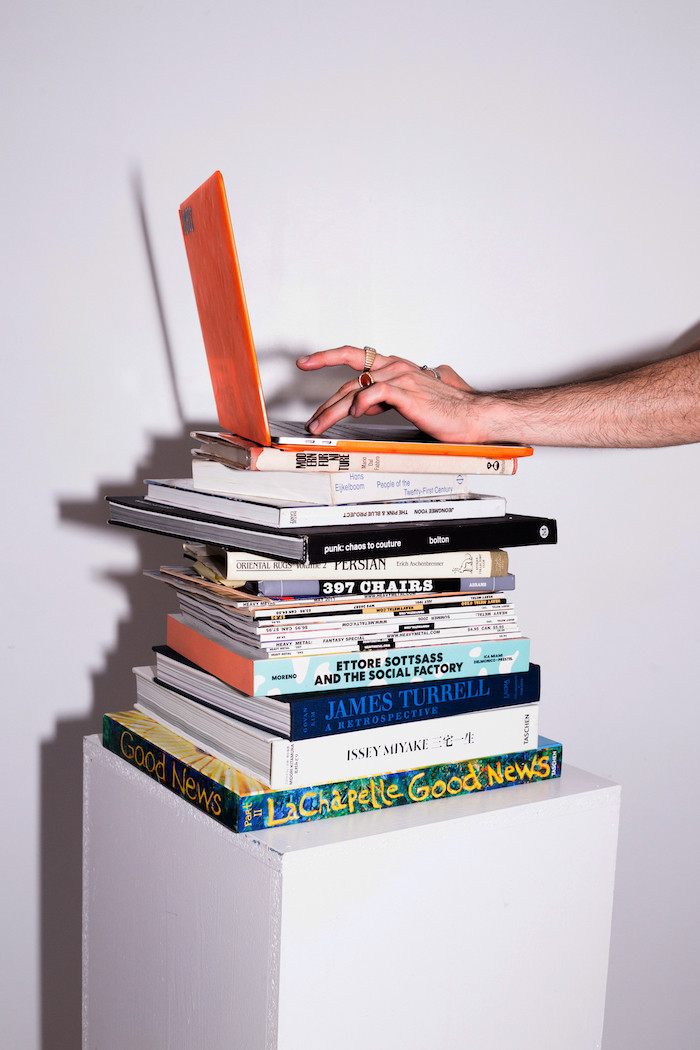
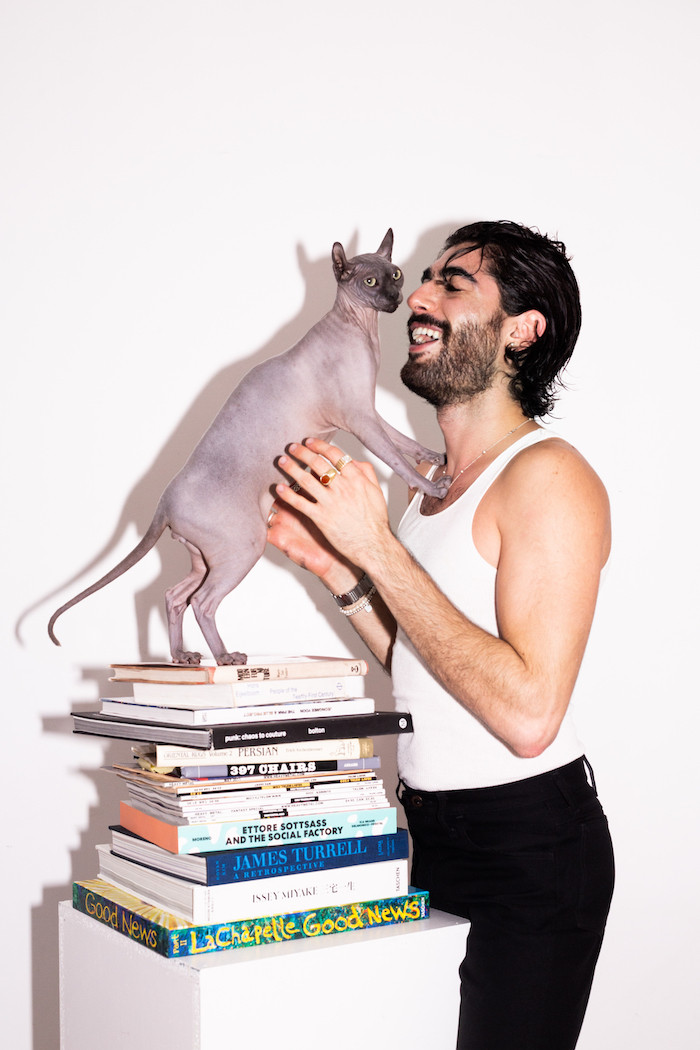
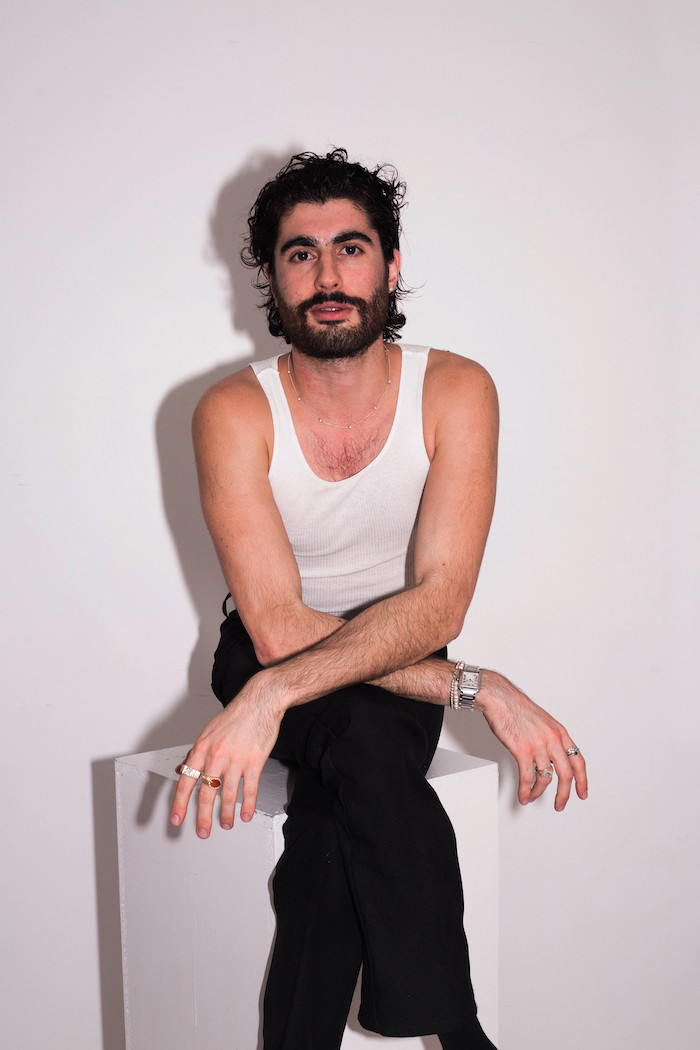
Design is certainly having a moment — you chose an excellent time to launch your collection. People are sort of thinking about the design world how they’ve always thought of fashion, the parties, the openings, the ones to watch. How do you see the New York design world-changing, for better or for worse?
I believe that the New York design scene is going through a Renaissance post-covid. Not only design actually — I think for once, after being in the shadows for many years, both New York design week and New York fashion week are making a dent in the global scene. And I think people are turning their heads away from just looking at Europe.
It's really exciting because I think New York has been frowned upon at times for being too campy and loud and colorful. And now I think that we’re actually moving towards that kind of feeling in all sectors of design and that is New York’s DNA. It's in my DNA, it's in my furniture.
I’m sure it’s been a long road to where you are today, in terms of a creative process. How have you grown as a designer?
Logistics, materials, procedures — that’s the obvious one. Beyond that, the most growth that I’ve felt is growth in my confidence, not only in my taste but my instincts and gut feeling with design. I feel like there are less obstacles with designing now because I feel very happy with my first collection, with my collection and the details of that but also with how I presented it, down to getting sponsors for the event. Doing that all on my own is something I’m really proud of and has elevated my confidence levels.
How do you want to keep growing?
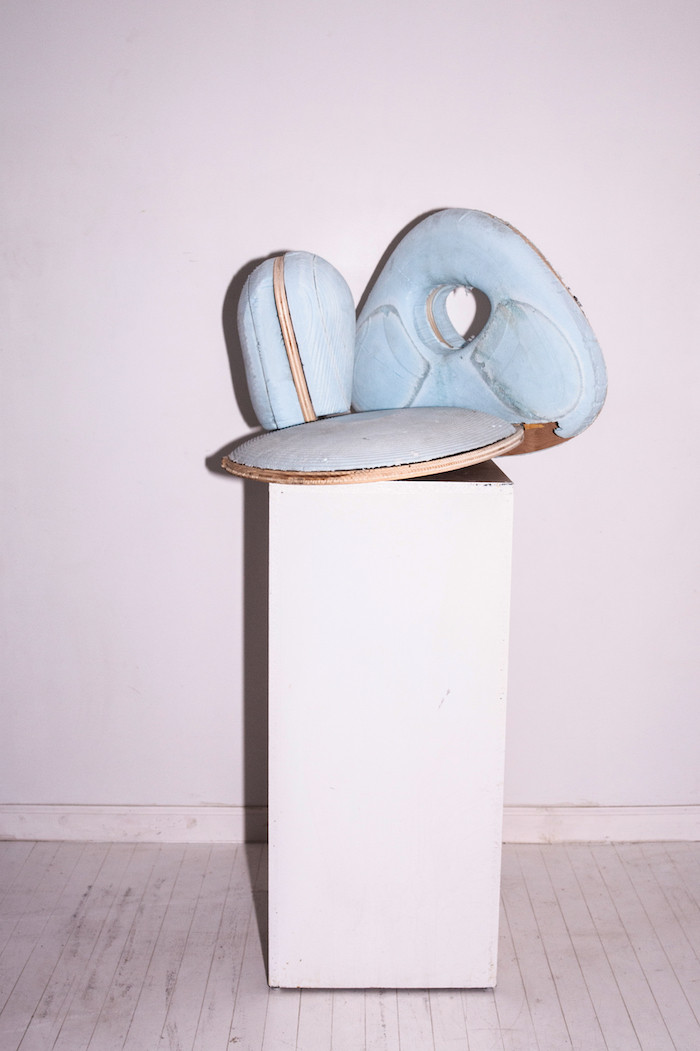
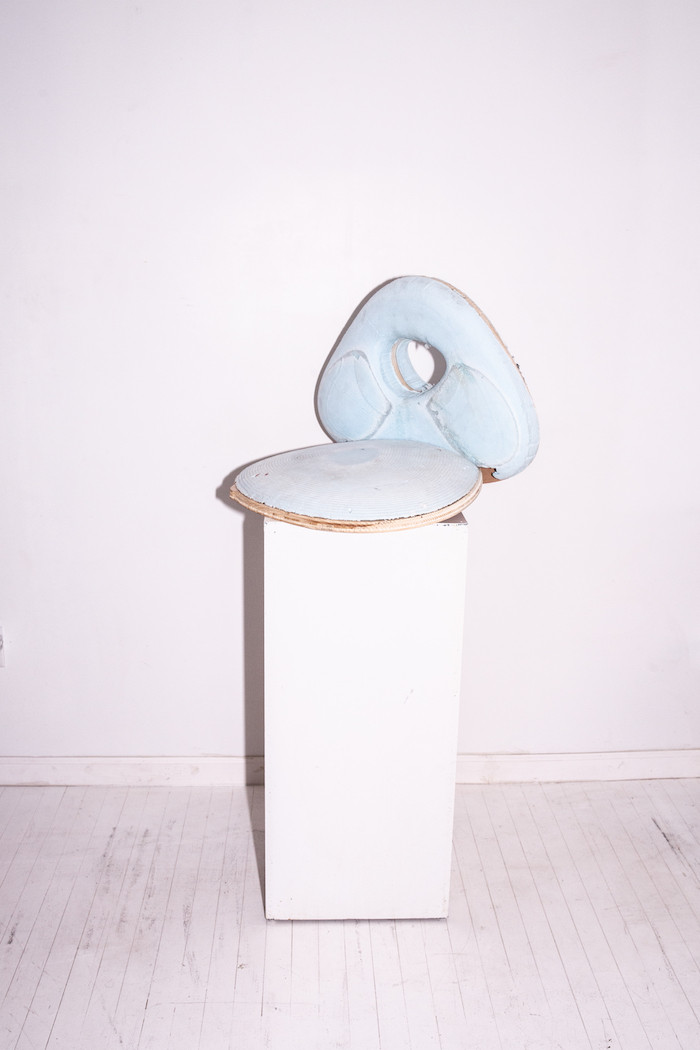
I want to force myself to explore other materials - other textures and colors and patterns. My first pieces were primarily 3D printed and lumber-based, which was an obvious material. I want to branch out to materials and forms I’m unfamiliar with, like glass or a sofa.
So that’s the next challenge: stepping away from the monochromatic look and the single materials I used in my first collection and diversifying my design.
I have a few designs in my pocket that I really want to produce. One is this idea for a round coffee table, like a donut block. There will be six cutouts around the side, like little caves where you can put your feet. Like assigned seating. I'm trying to find a way to make that a reality.
Something like that would be a part of my next design week show, if I have the money by then. But right now, I’m really just selling my current pieces and working on a few commissions, like a vessel I’m working on for a show. I'm working on a dining chair as well. Yeah. But it all comes down to money and time.

Josh, one of Ted’s sons, shares, “Due to my dad and his work, I am someone who can be vulnerable and does not conform to social norms. That is the best thing that I could have asked for and has always been a point of pride for me.” It is precisely this type of vulnerability that fosters the bonds of brotherhood that Josh and his siblings hold such dearly, thanks to Ted.
“Brotherhood” is a photo series that explores all of these bonds and intricate relationships, not only within family but also between individuals and the different aspects of their masculinity and manhood. The photos, which feature Ted and three of his four sons: Jalen, Josh, and Kach, dives into the subject by actively questioning the role that fashion plays in expressing masculinity and offering vulnerability through thoughtful open-mindedness. The series is ultimately about brothers. Through good times and bad, the struggle of brotherhood, the patience it takes to nurture healthy relationships within a family, no matter by birth or by choice, and the inextinguishable love that holds brothers together.
“While dad is not my biological father,” explains Kach, “he is the first father figure who said ‘I love you.’ This was not normal for me to hear, and at first, I did not know how to respond. It felt even more uncomfortable to say it back. He has taught me to embrace saying ‘I love you’ to him and other men in my life that I love.”


“Brotherhood” asks these men to lean into the less explored sides of themselves. Through their movement, their expression, and their fashion. The series underscores that these brothers feel safe to uncover these vulnerabilities because their father, Ted, will always be there to catch their fall. As Jalen perfectly illustrates, “It means so much to have my dad, a male figure, to show me the right way to be a man, especially while I am also learning. Learning what it is to be in the middle of the spectrum, and learning to explore the femme sides of myself.” This never-ending learning is what “Brotherhood” is.