For Lovers
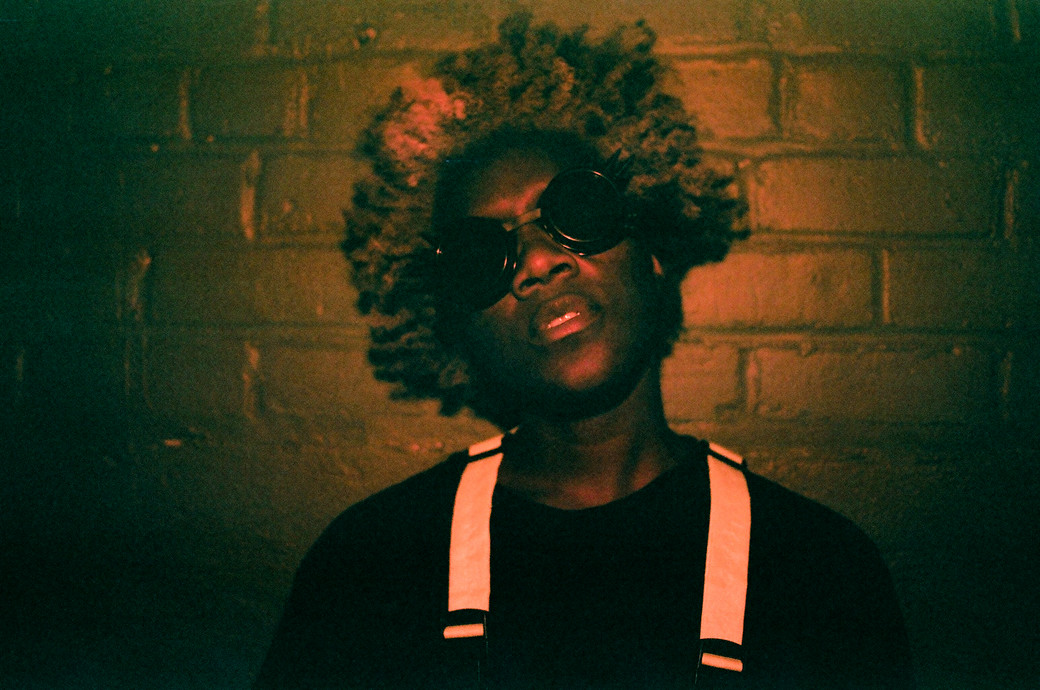
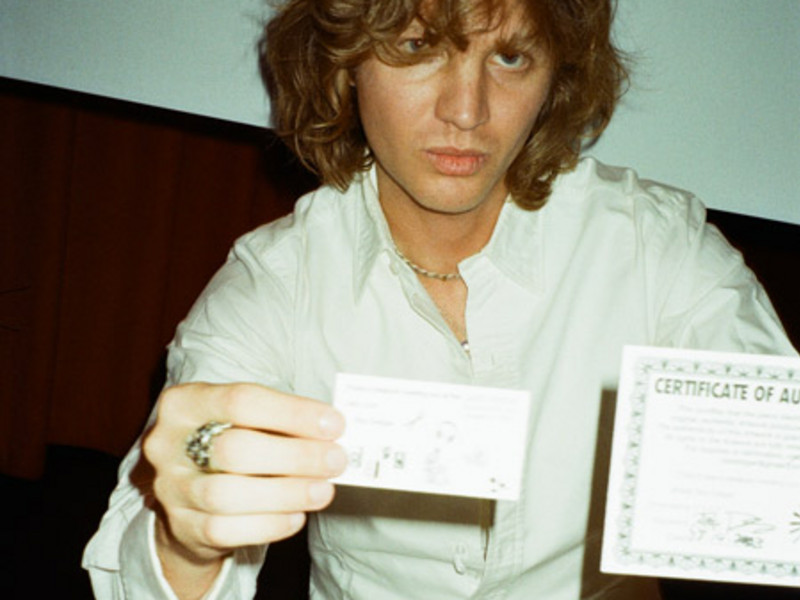
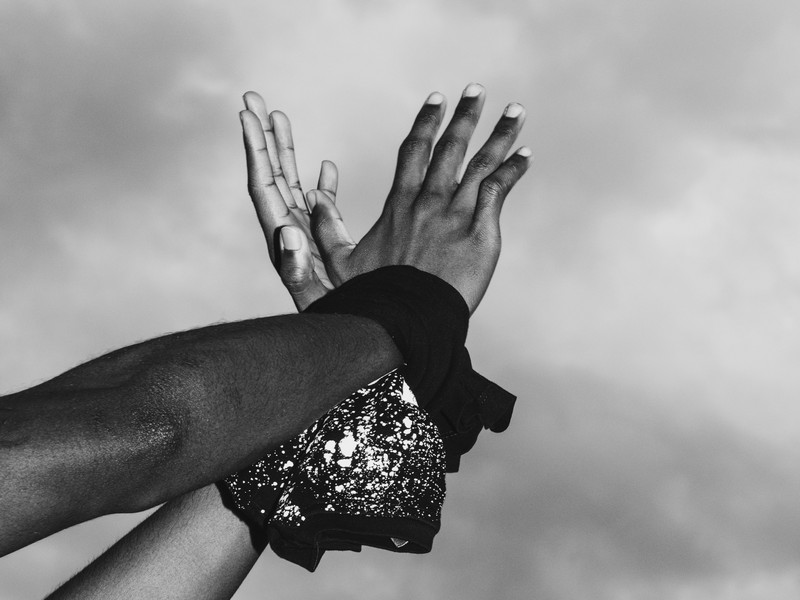
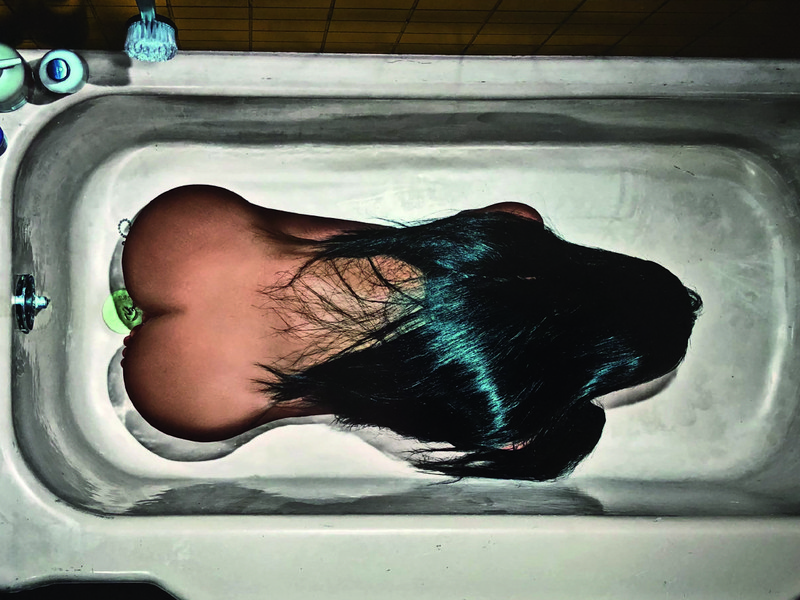
Lamar is a muse for the ages, a lens through which we can explore the love within both our hearts and others'.
Check out the video and photos below.
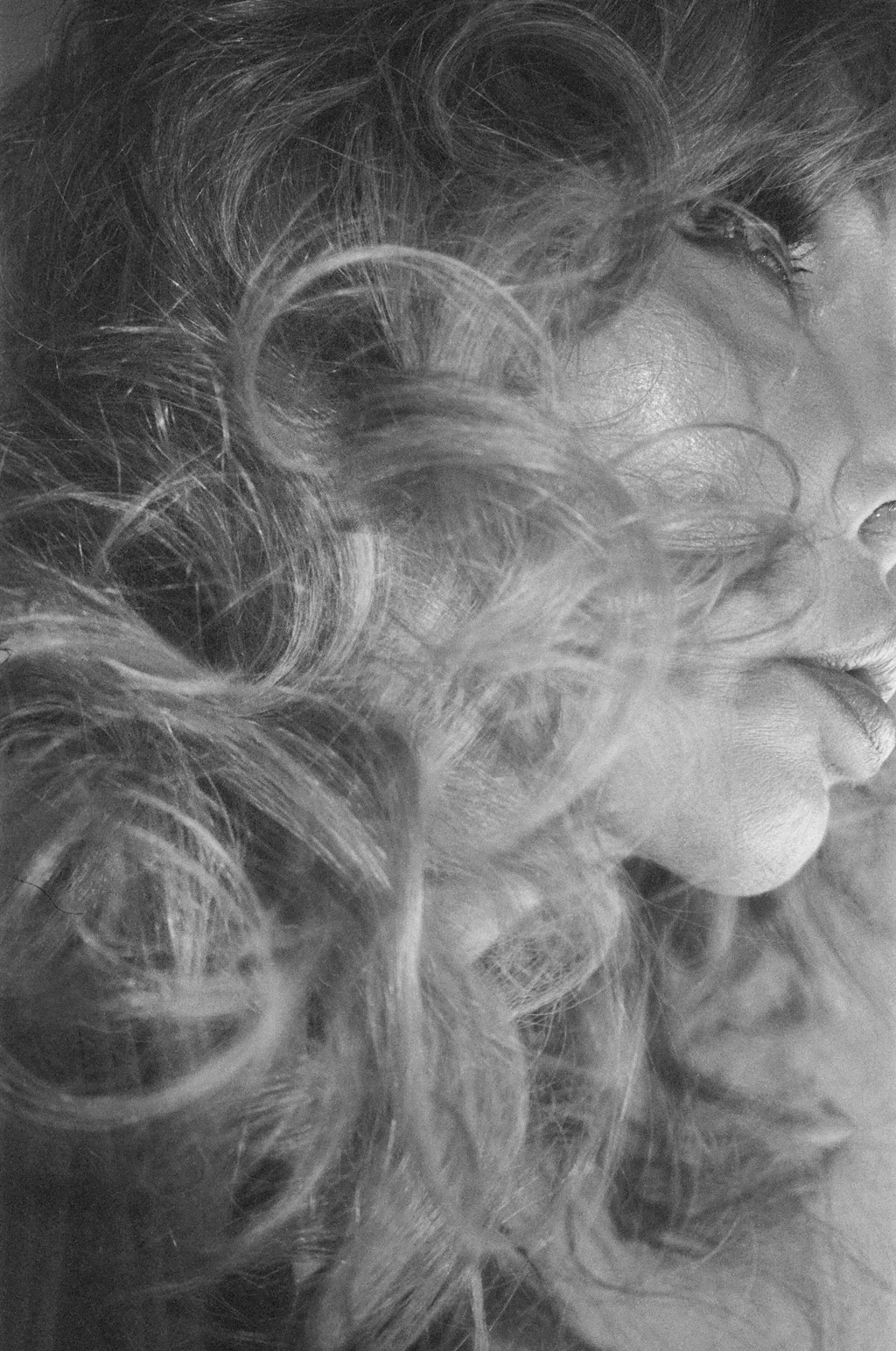
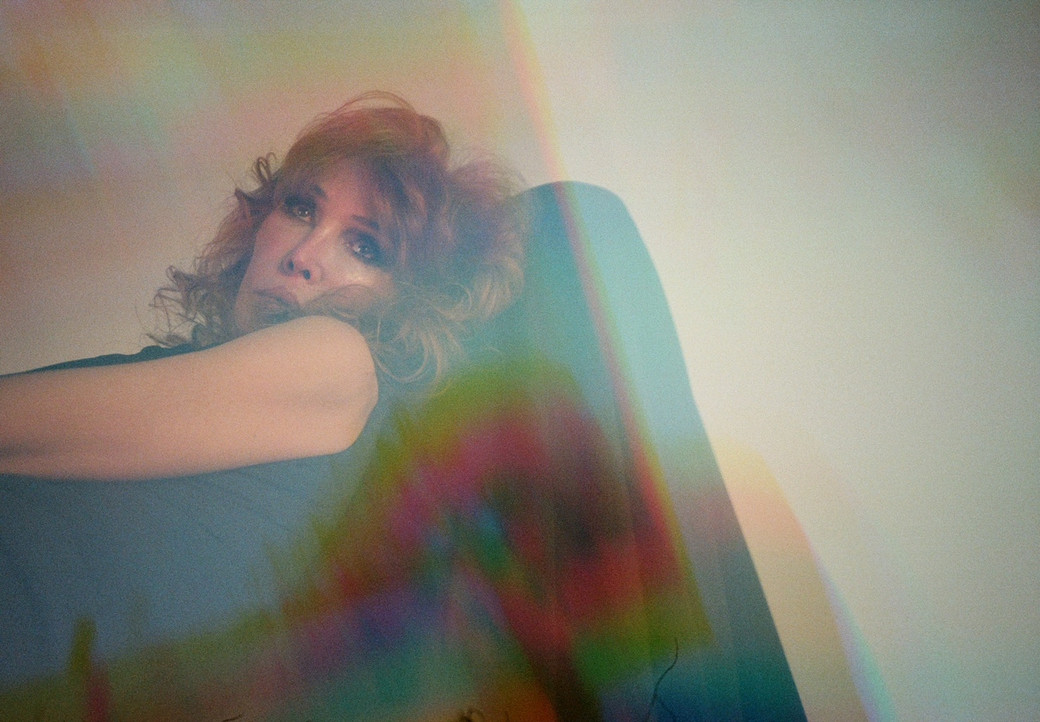
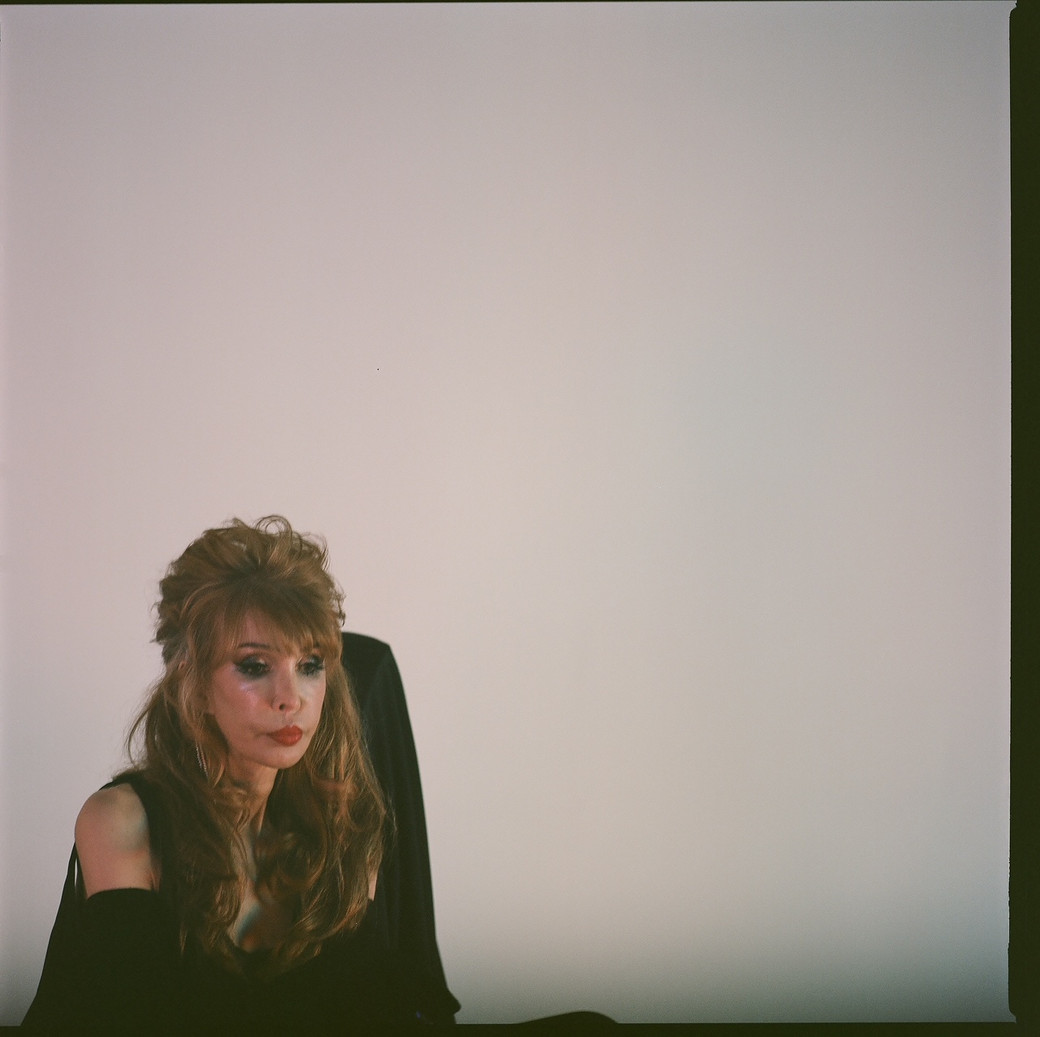
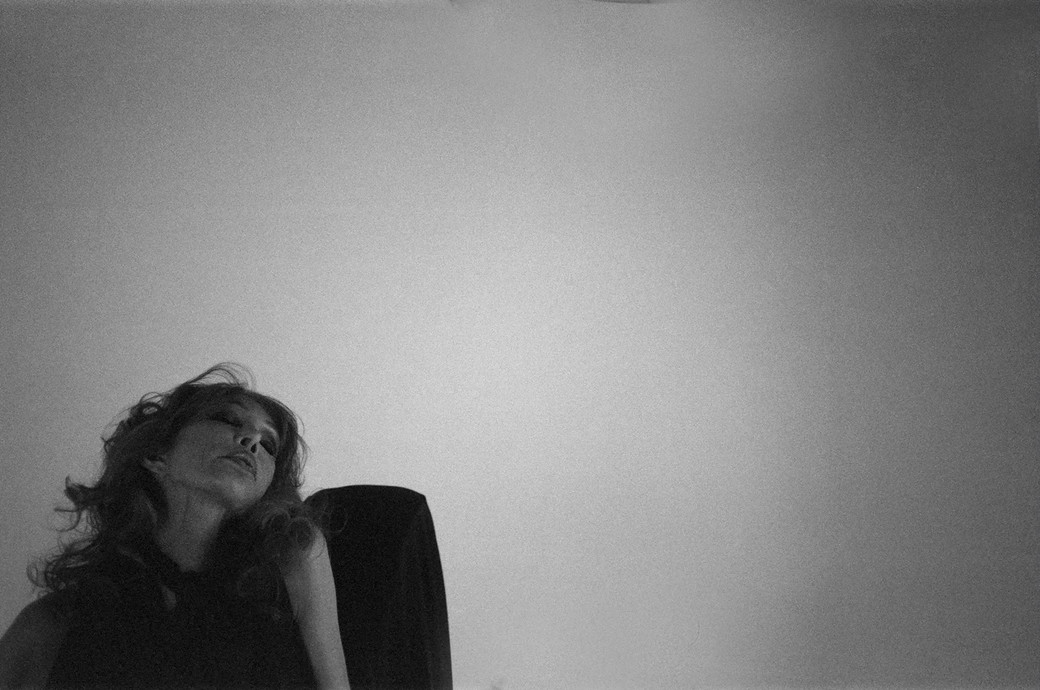
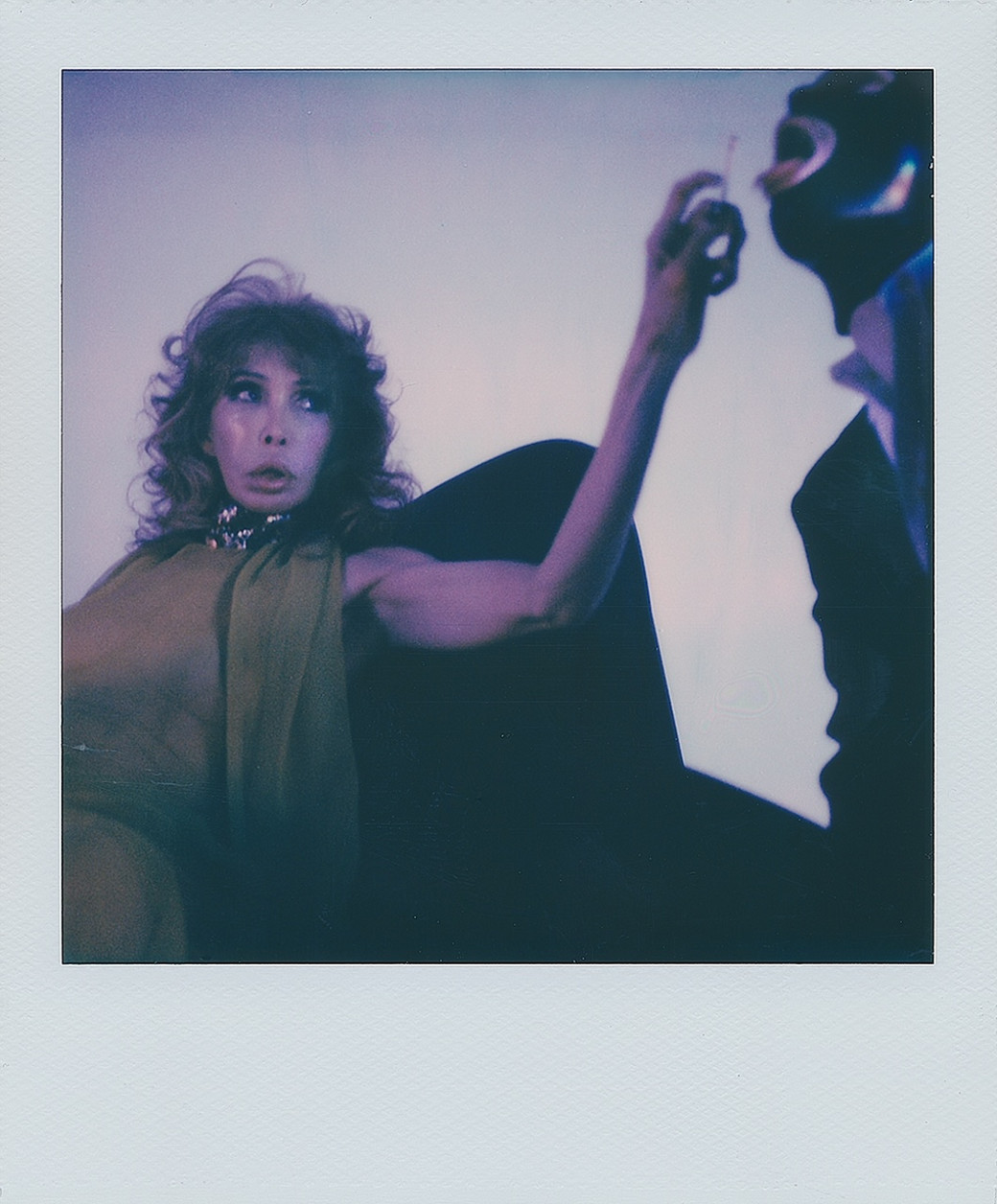
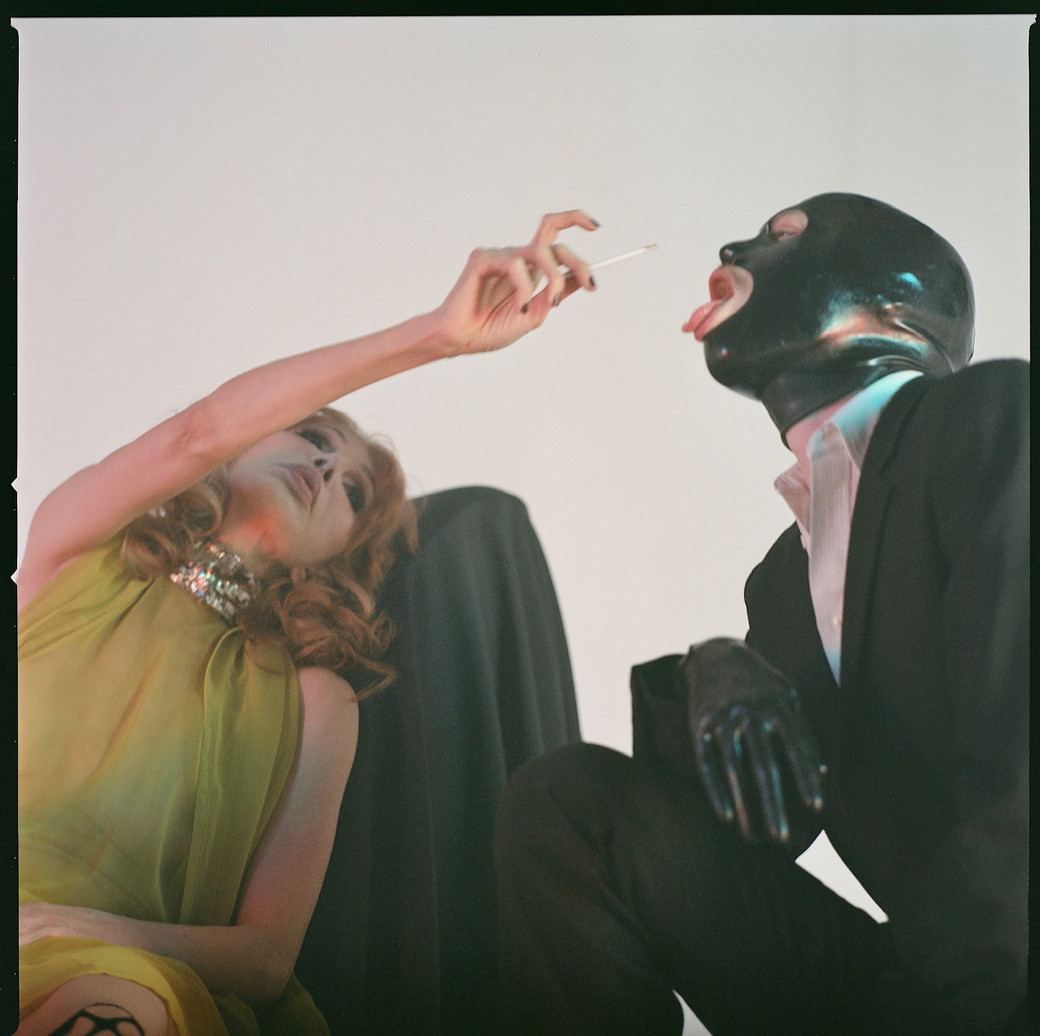
Lamar is a muse for the ages, a lens through which we can explore the love within both our hearts and others'.
Check out the video and photos below.
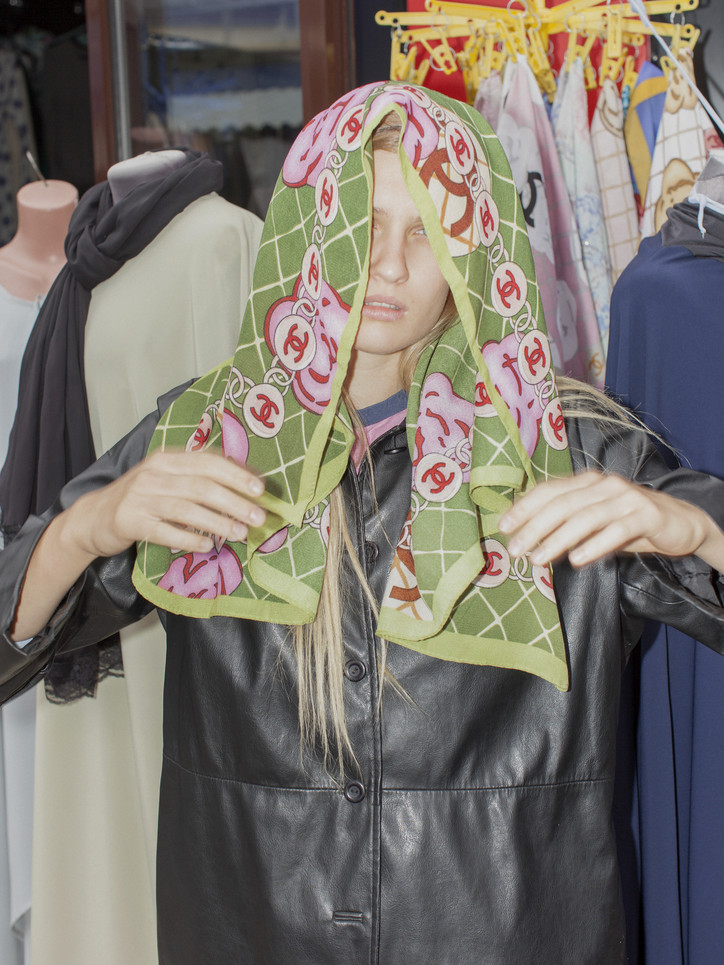
What compelled you to seek out Chechnya as a shoot location? Did you know anything about it before you went there to shoot?
Abu: Chechnya is not like any other place in Russia. So, it was cool to come and shoot there. But the first things that came to mind were the Chechen Wars, MMA and [Head of the Chechen Republic] Ramzan Kadyrov.
Dmitri: How the region survived the tragedy.
How did the location inform your creative process?
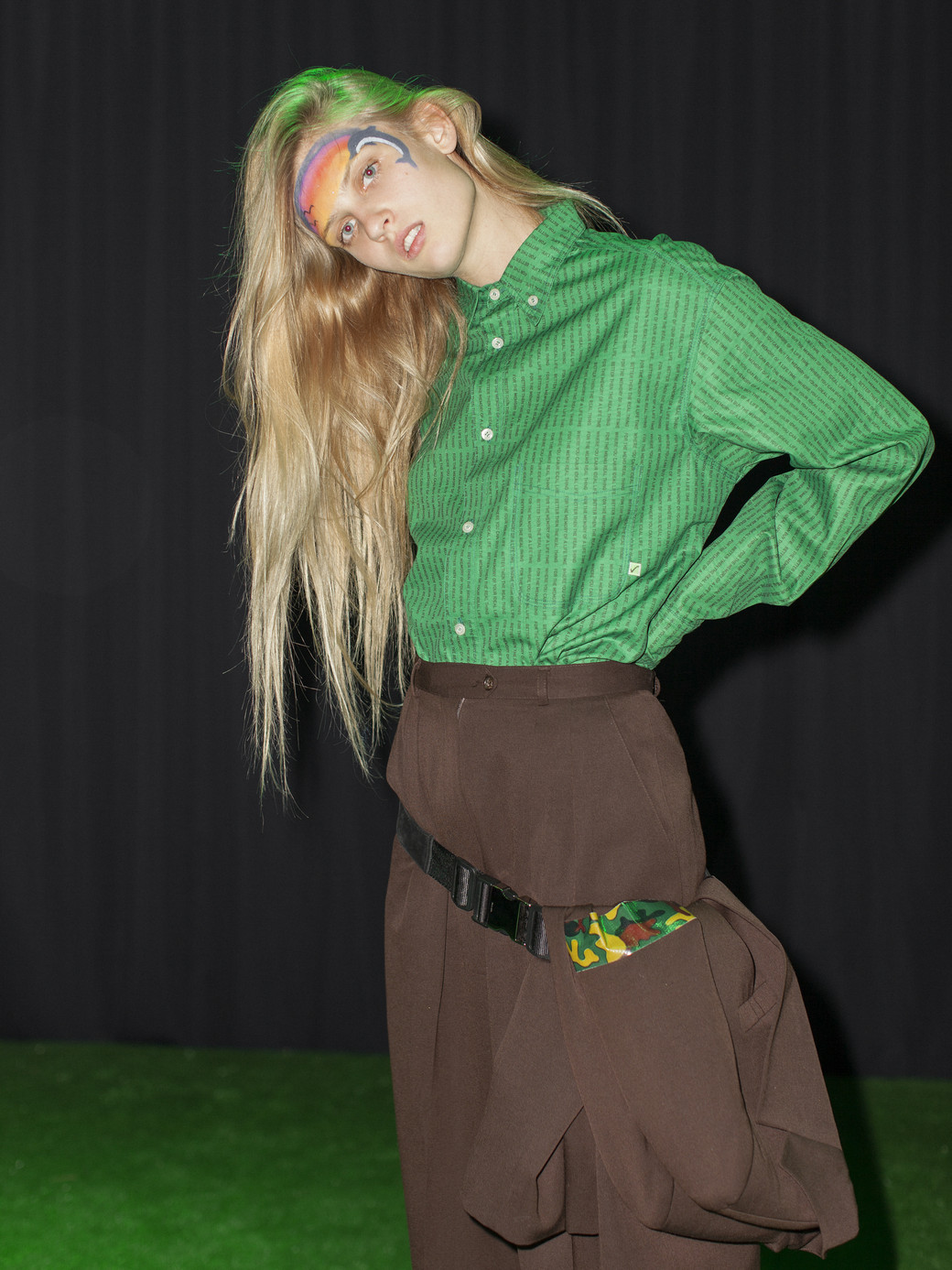
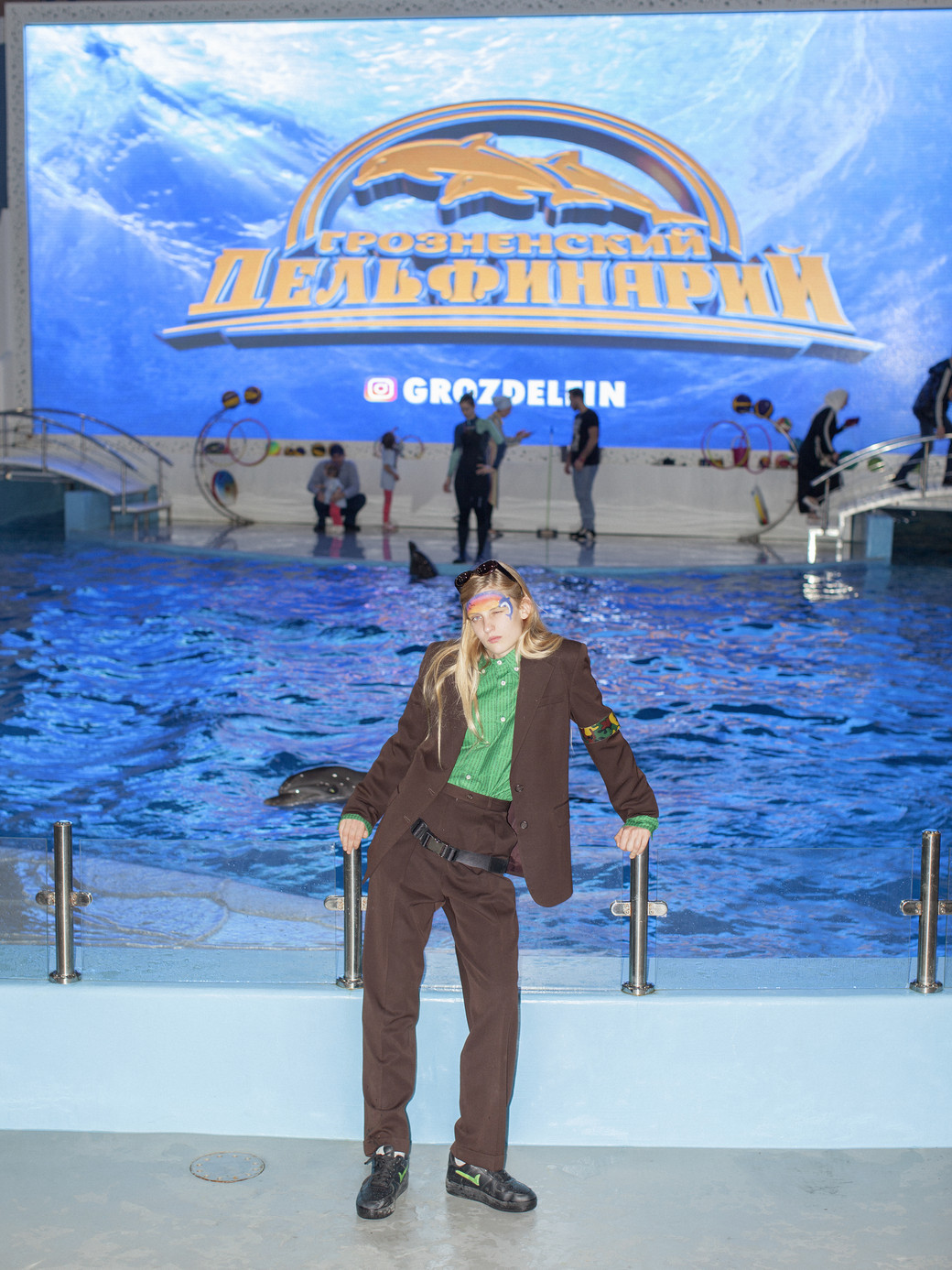
Abu: Thinking about Chechnya, about a strict and serious place, we wanted someone who was the opposite of that as a subject. So, Bianka was perfect for this—she’s a very bright girl. She was like an angel there.
There are so many political things happening in Chechnya right now—most of which, the media seems to paint in a really negative light. But what was your experience like in Grozny? Can you talk about the current environment there?
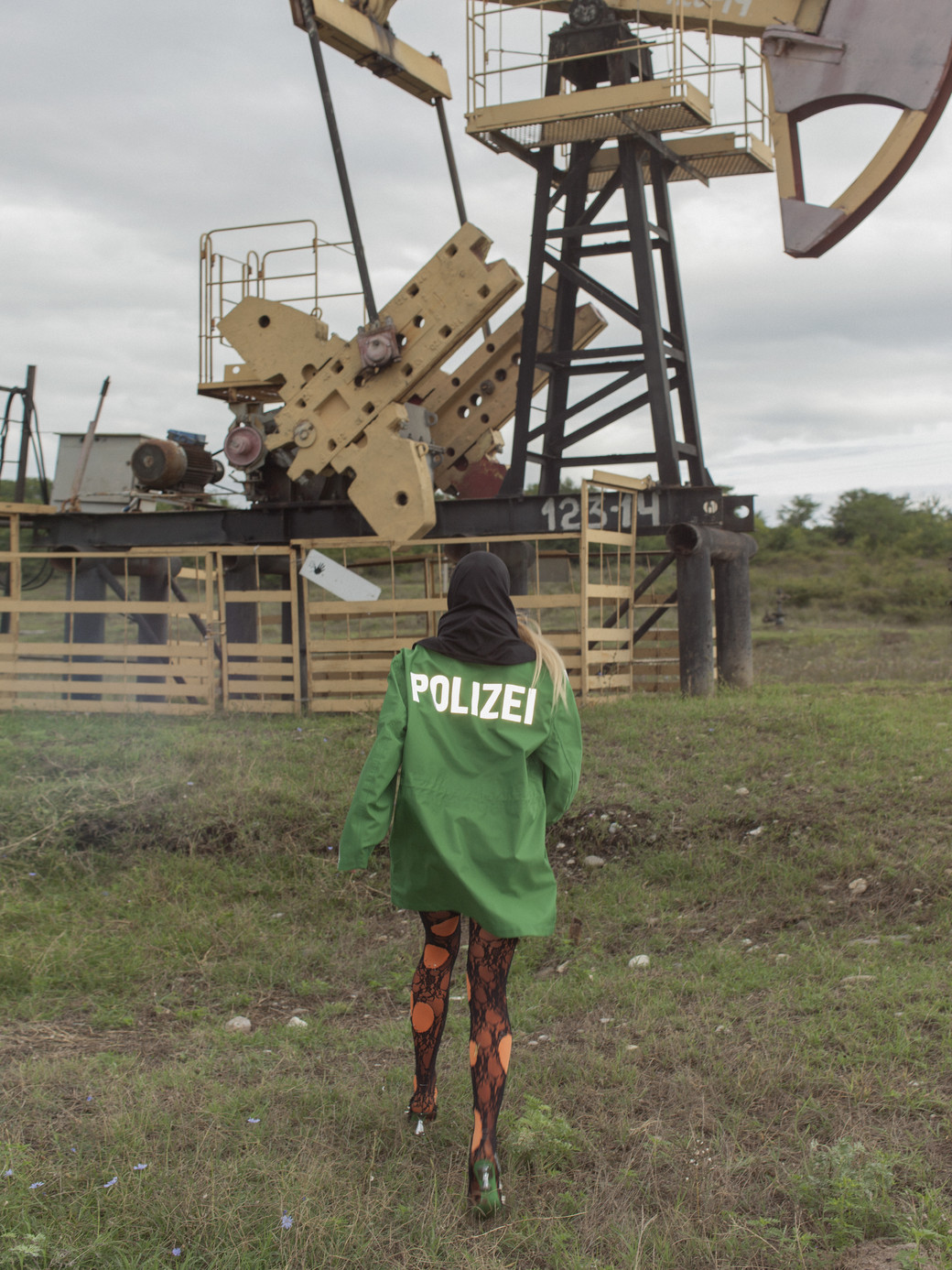
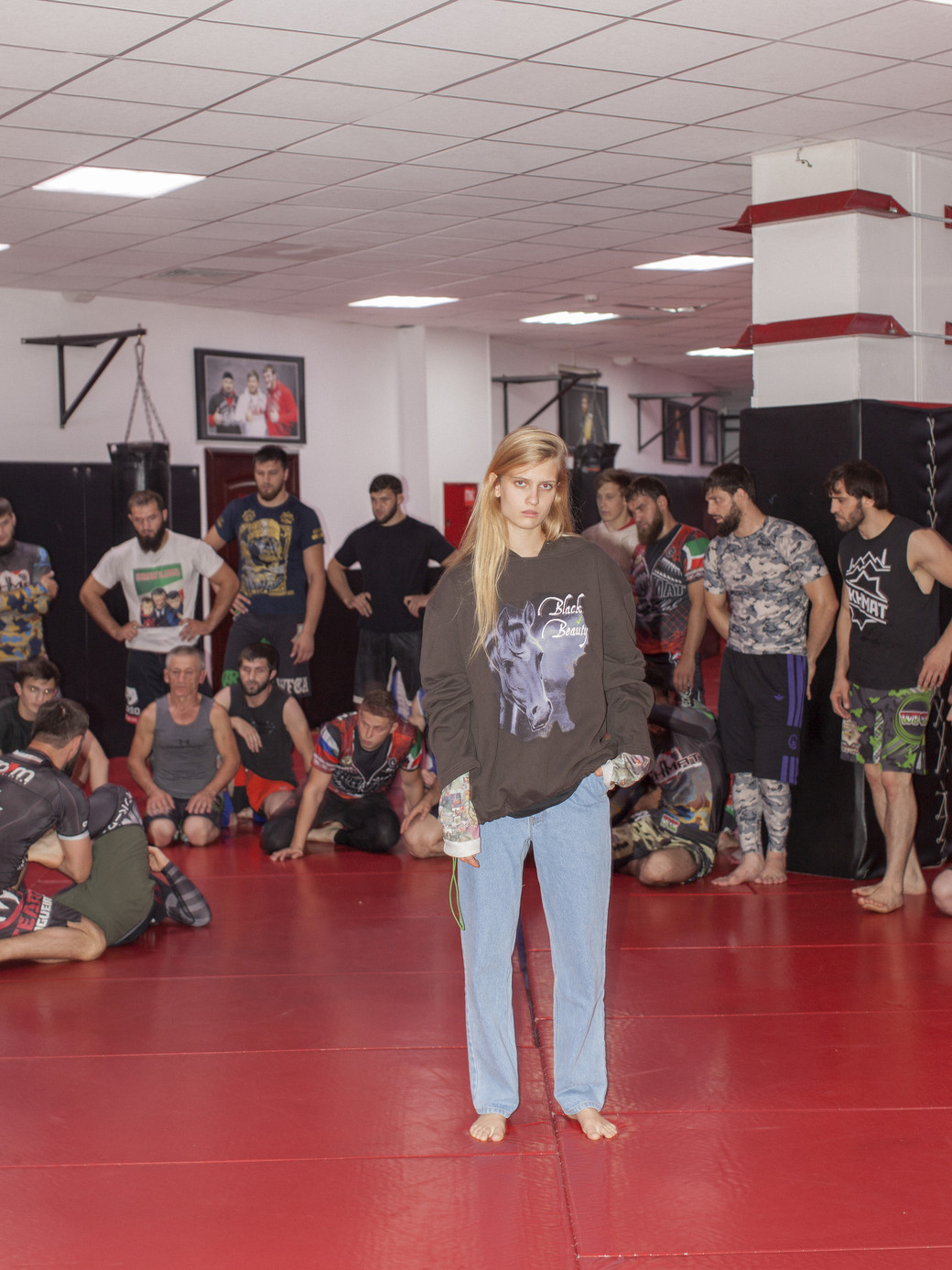
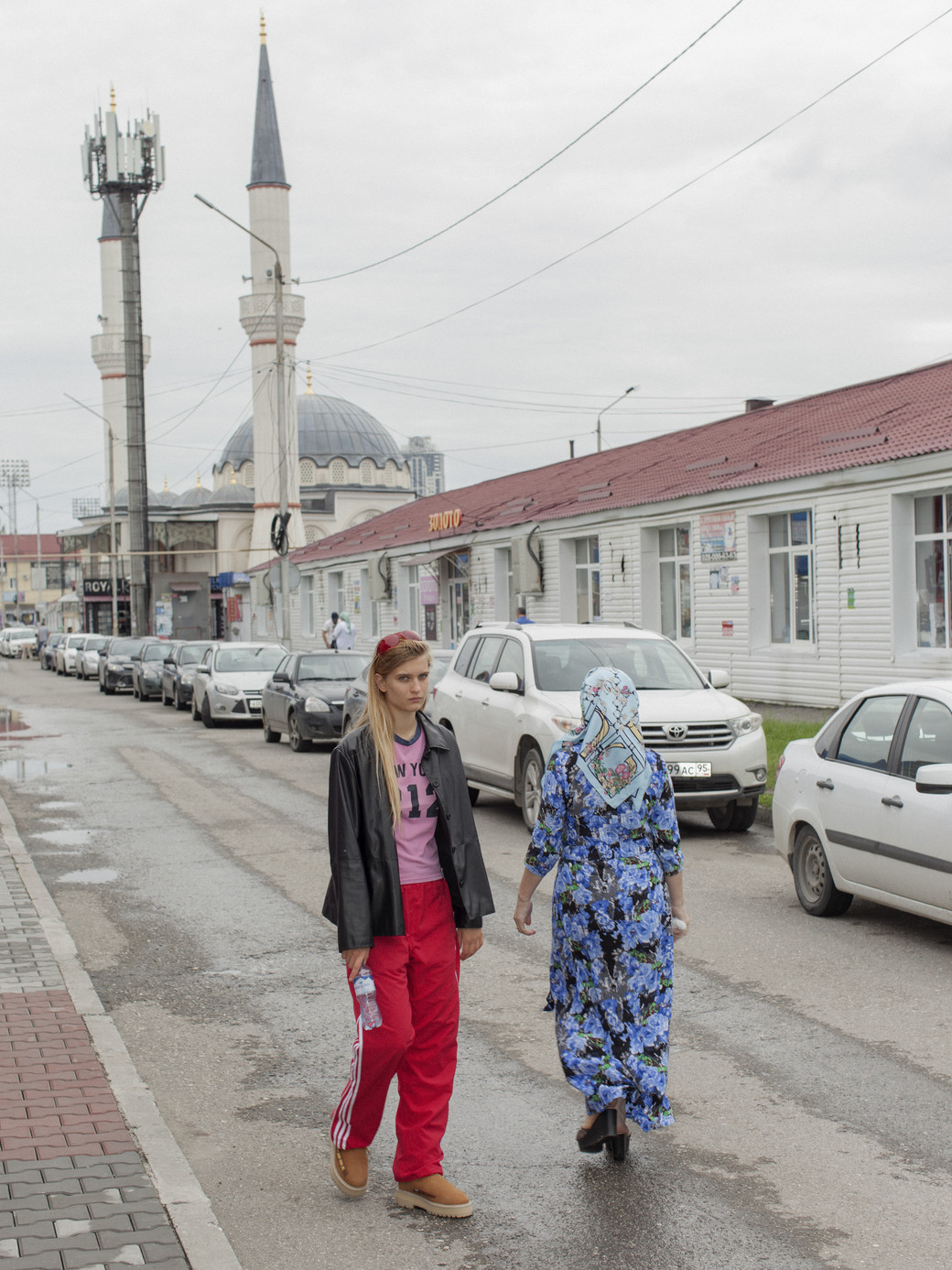
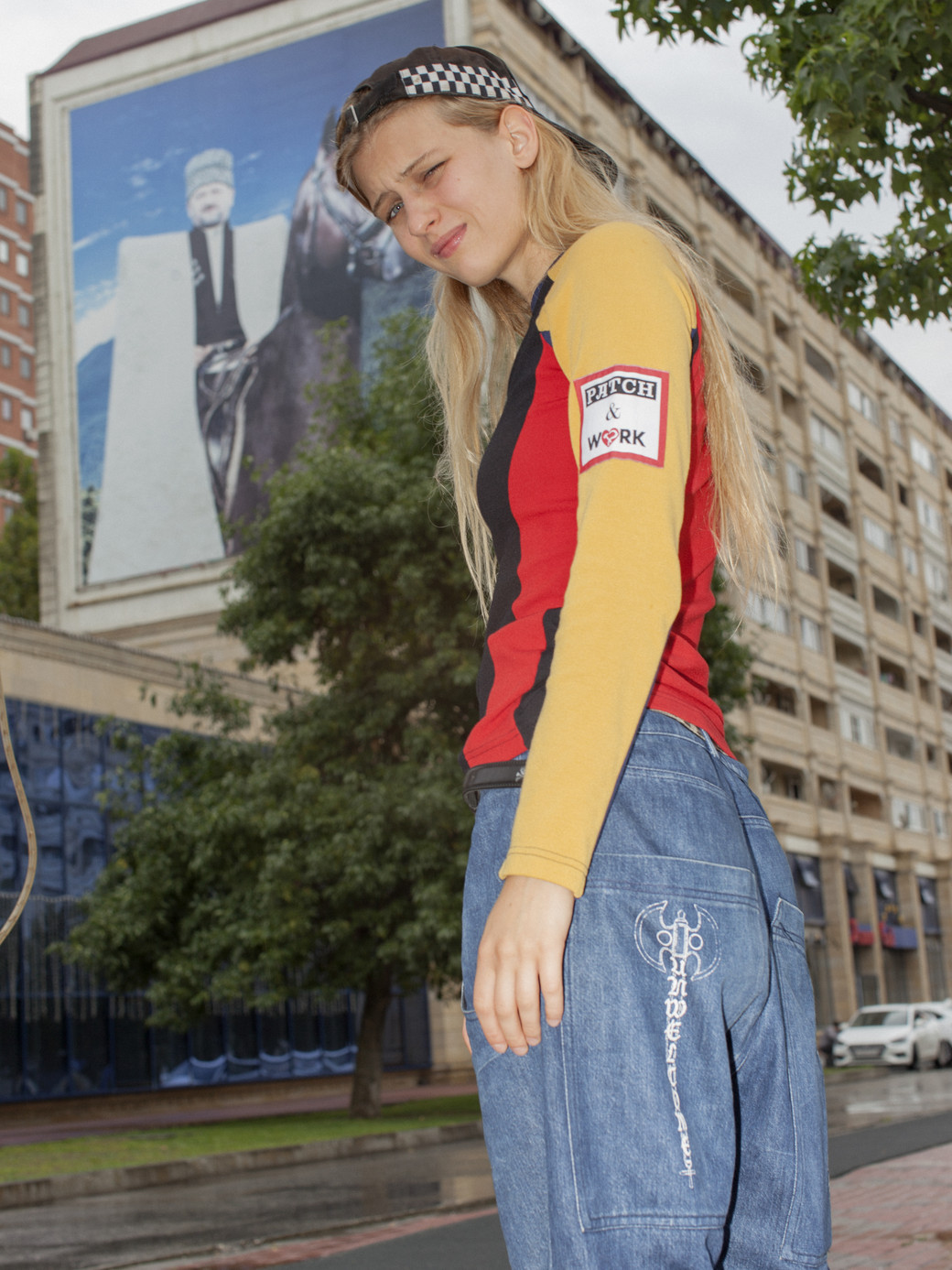
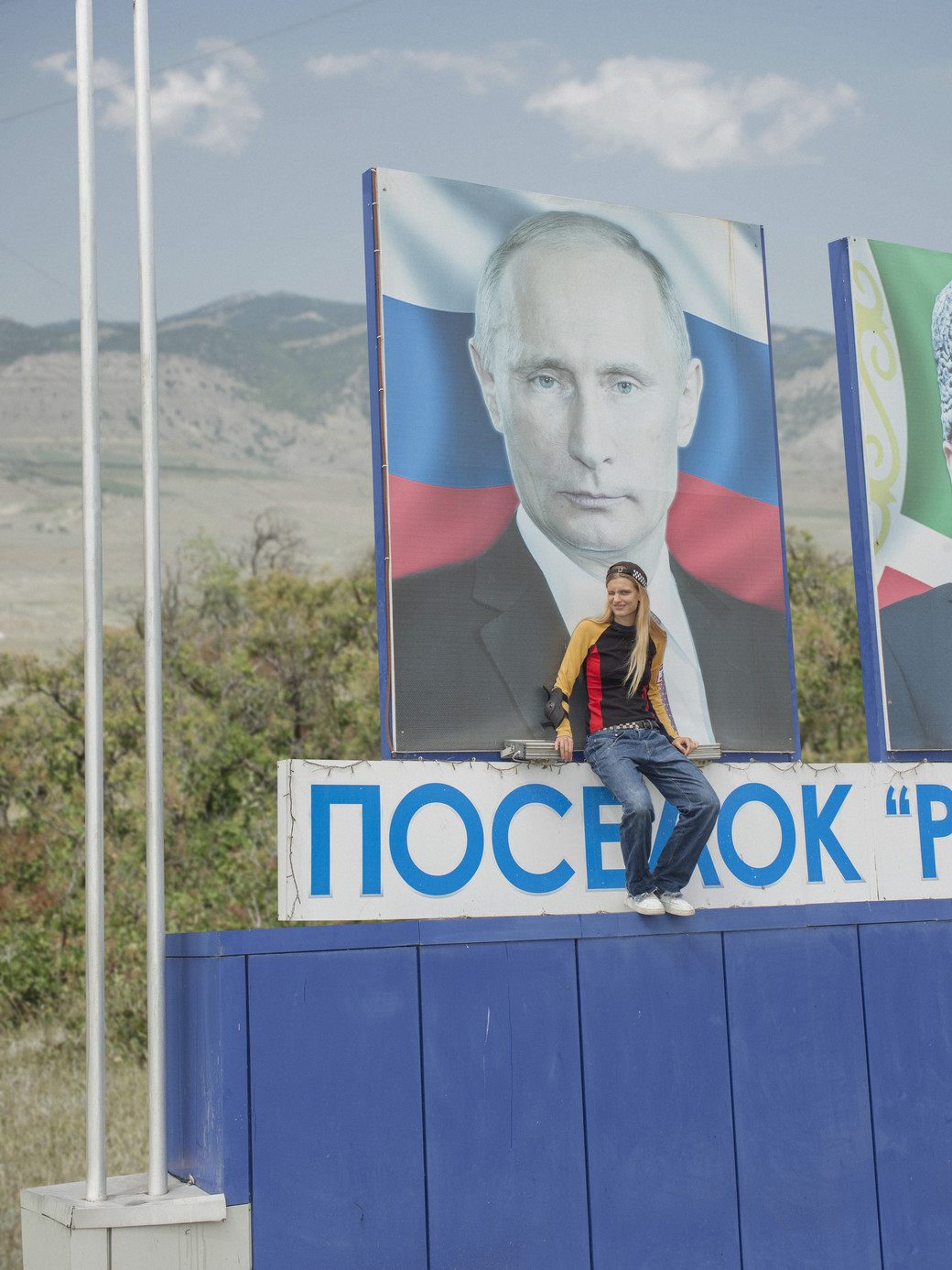
Abu: Yeah, I often hear about what’s happening in Chechnya, but I'm not one who believes every word the media says. So, I think a lot of what is happening in Chechnya now is an echo of terrible wars. While we were there, we would get woken up early in the morning, when it was still dark out, because of loud Adhan calling Muslims to prayer. There are also a lot of portraits of political leaders around the city. And it’s almost impossible to buy alcohol there. So, there are no night clubs, bars. The main entertainment there is walking and sports.
Dmitri: I have never been into politics, and even before we went to Chechnya, I was so calm about the whole thing. I didn’t want to go into it with any pre-formed thoughts—I just wanted to come and see everything for myself. I never trust the opinions of other people when it comes to different countries, especially with politics and culture.
What was your goal behind the series? Did you want to highlight the reality of modern Chechen life?
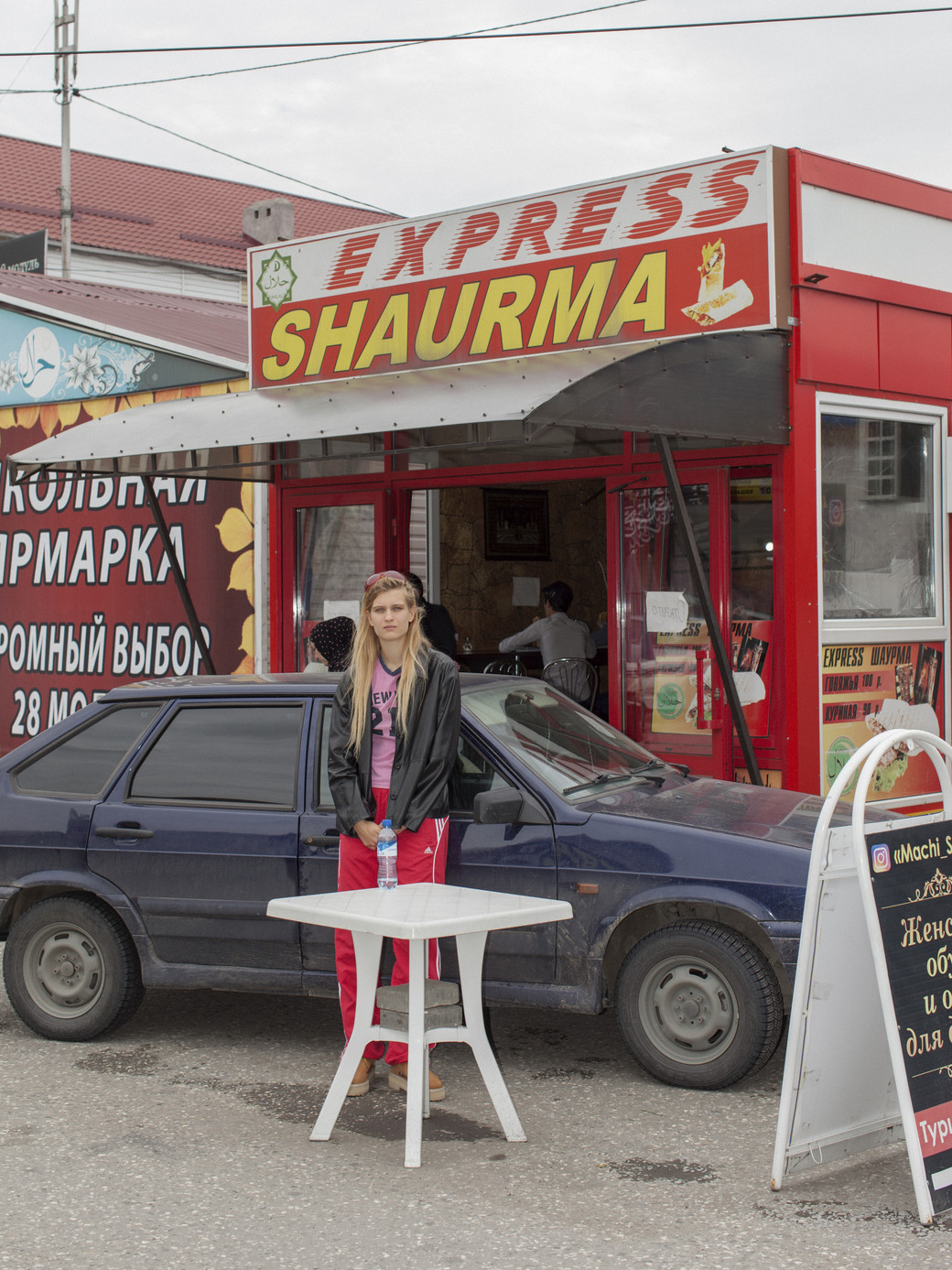
Abu: The only goal with these images was to show people how Chechnya really looks like today. We talked a lot with the locals, and we tried to visit not just tourist-y places. I remember we wanted to find some destroyed buildings left after the war. It’s hard to believe, but it’s almost unreal—Chechnya was completely rebuilt in just 20 years.
Dmitri: The fact that we went there and were interested in this country means that soon young people will pay attention on Grozny, and maybe in the near future it will be a city where people will want to go, no matter what.
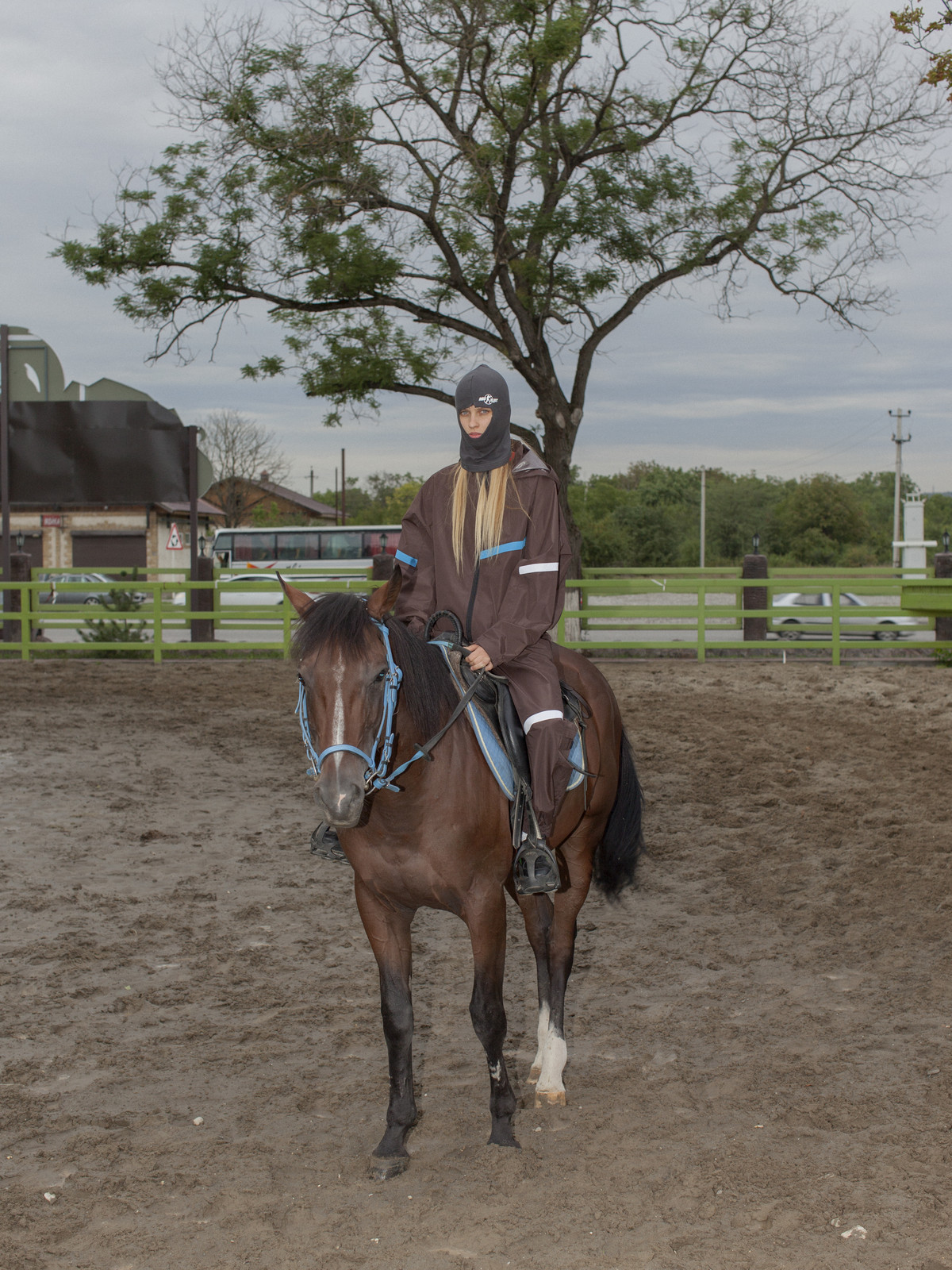
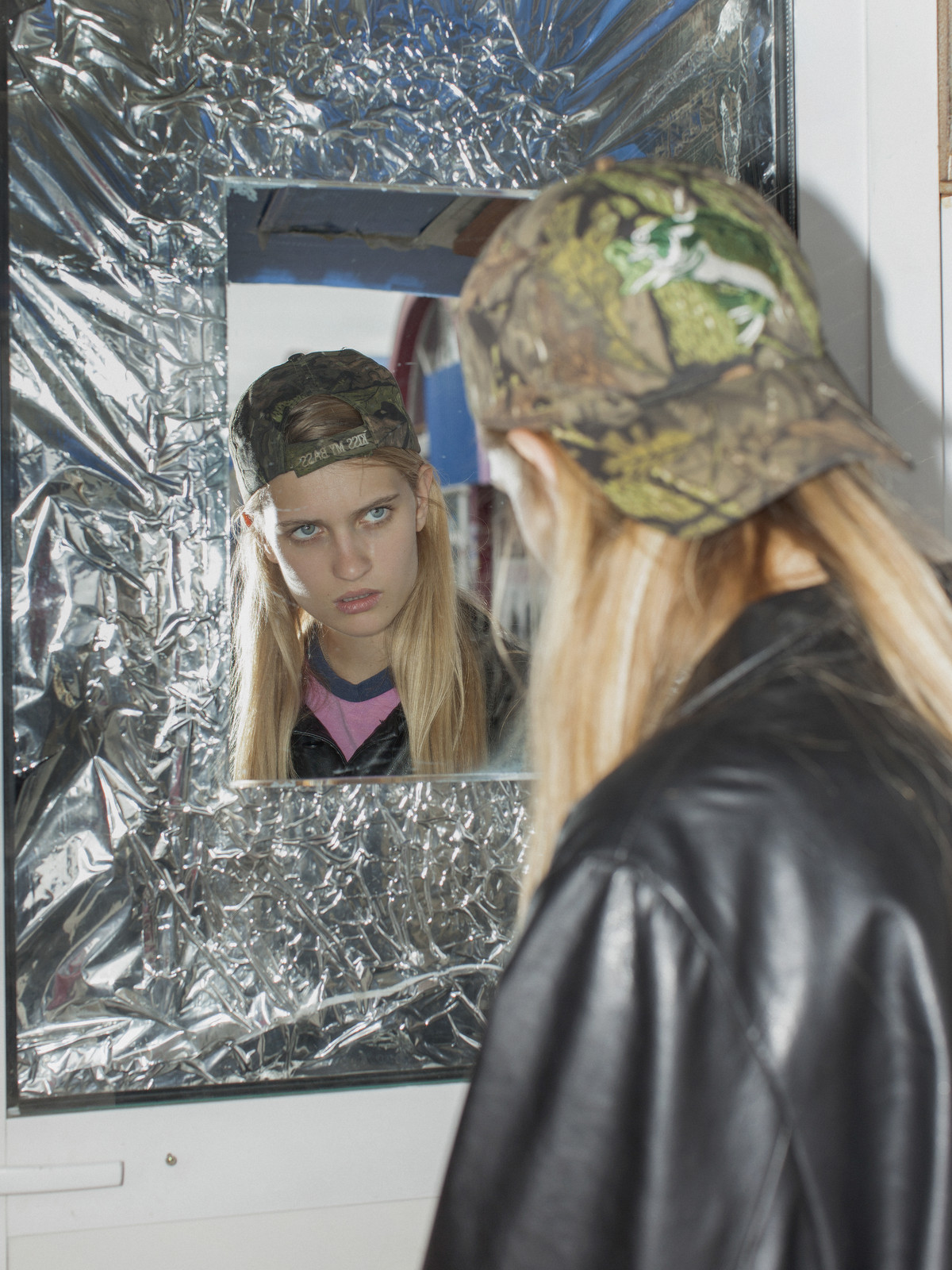
What was your favorite place you visited?
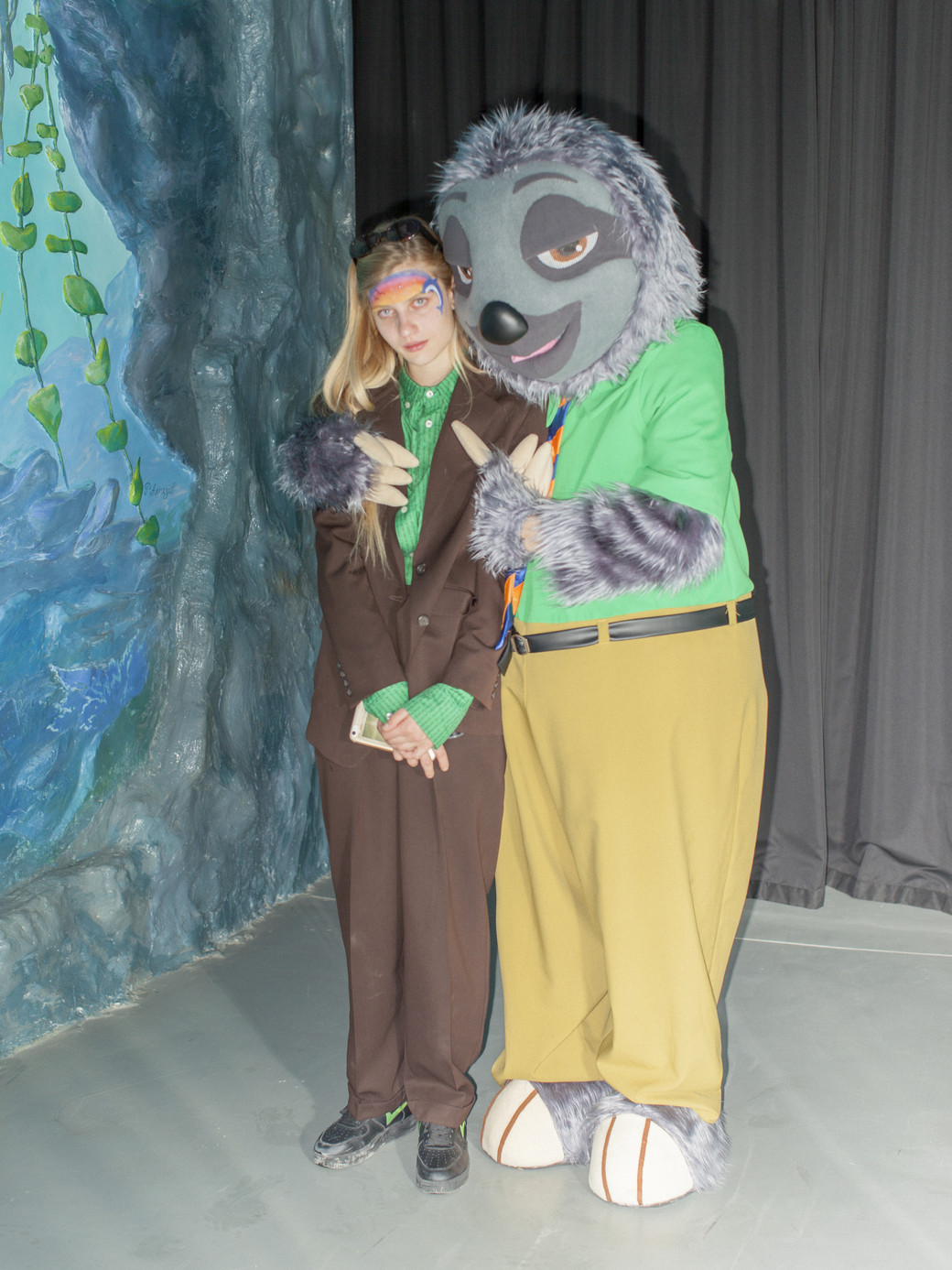
Abu: I’ll probably never forget our visit to the dolphinarium. While we took photos of Bianka with the [mascot], he slightly kicked her. So, Bianka got very scared and began crying. A few minutes later, he and the managers came up to us and apologized. We laughed and then took a photo with it again.
How was Chechen culture conceptually considered within the shoot?
Abu: We wanted to show how people really live there—how they dress, what they do in their free time, what their interests are. I live in Moscow and Chechnya is also Russia. But these really are two different worlds.
Did the religious atmosphere take on an aesthetic significance?
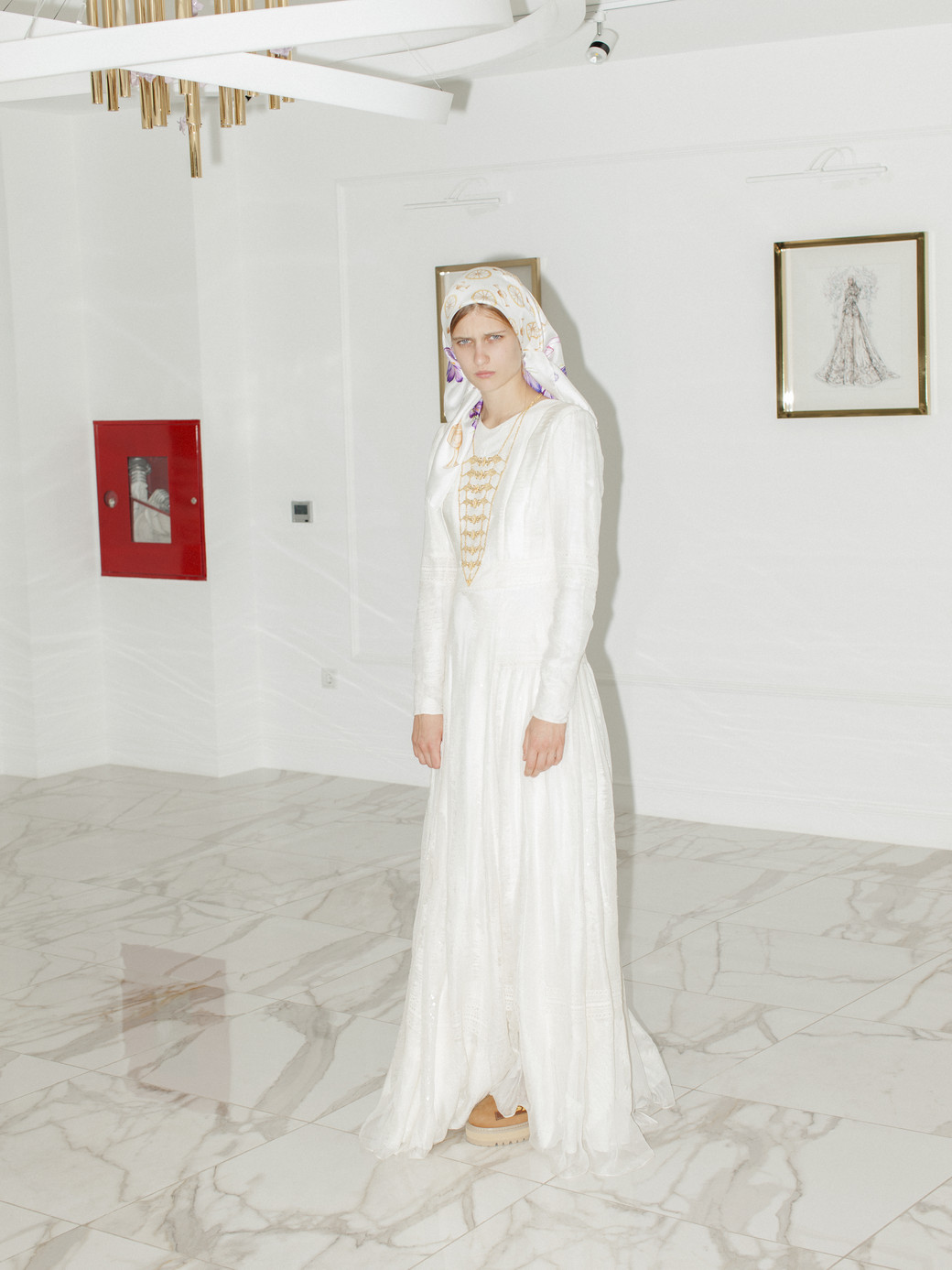
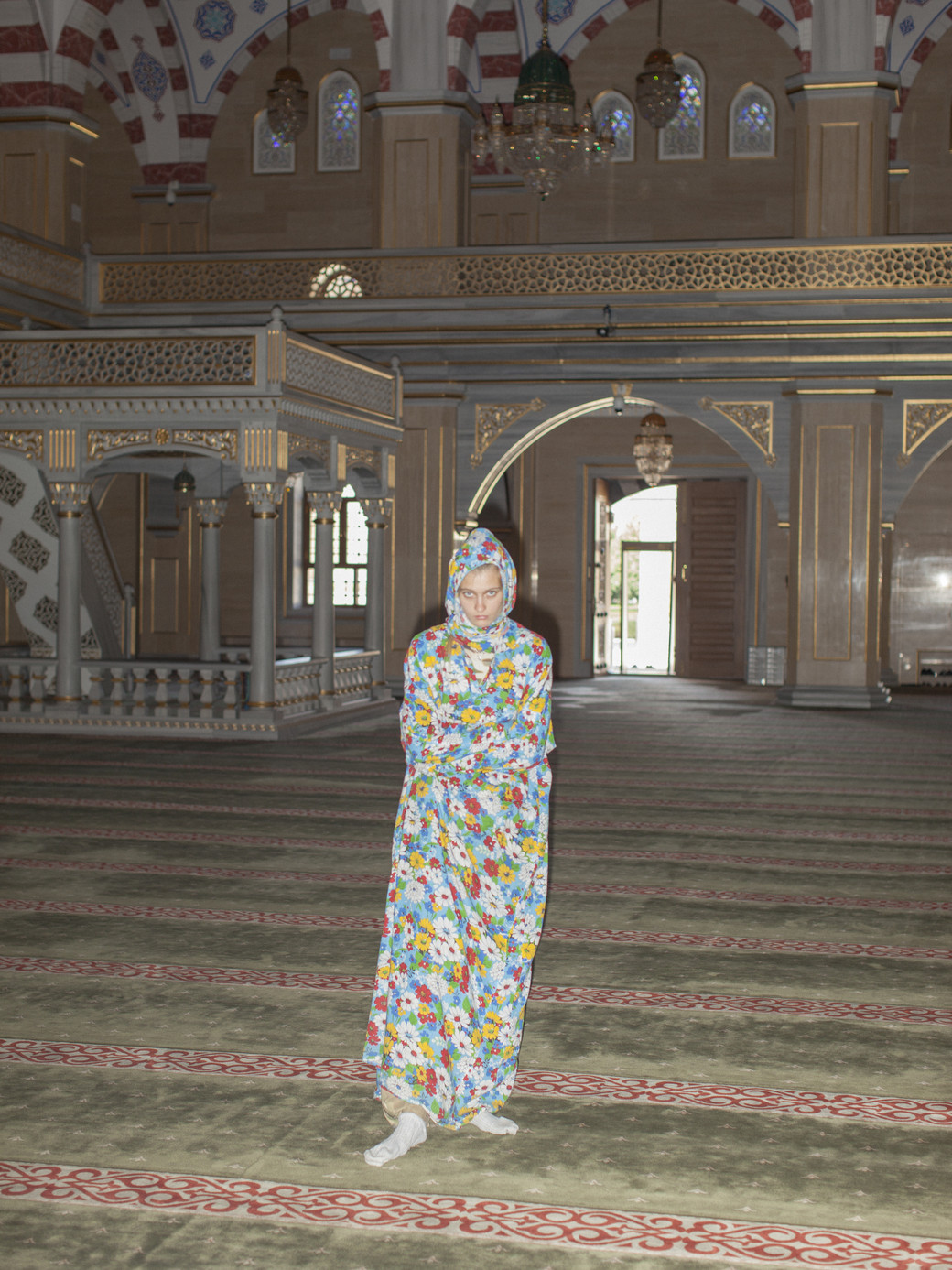
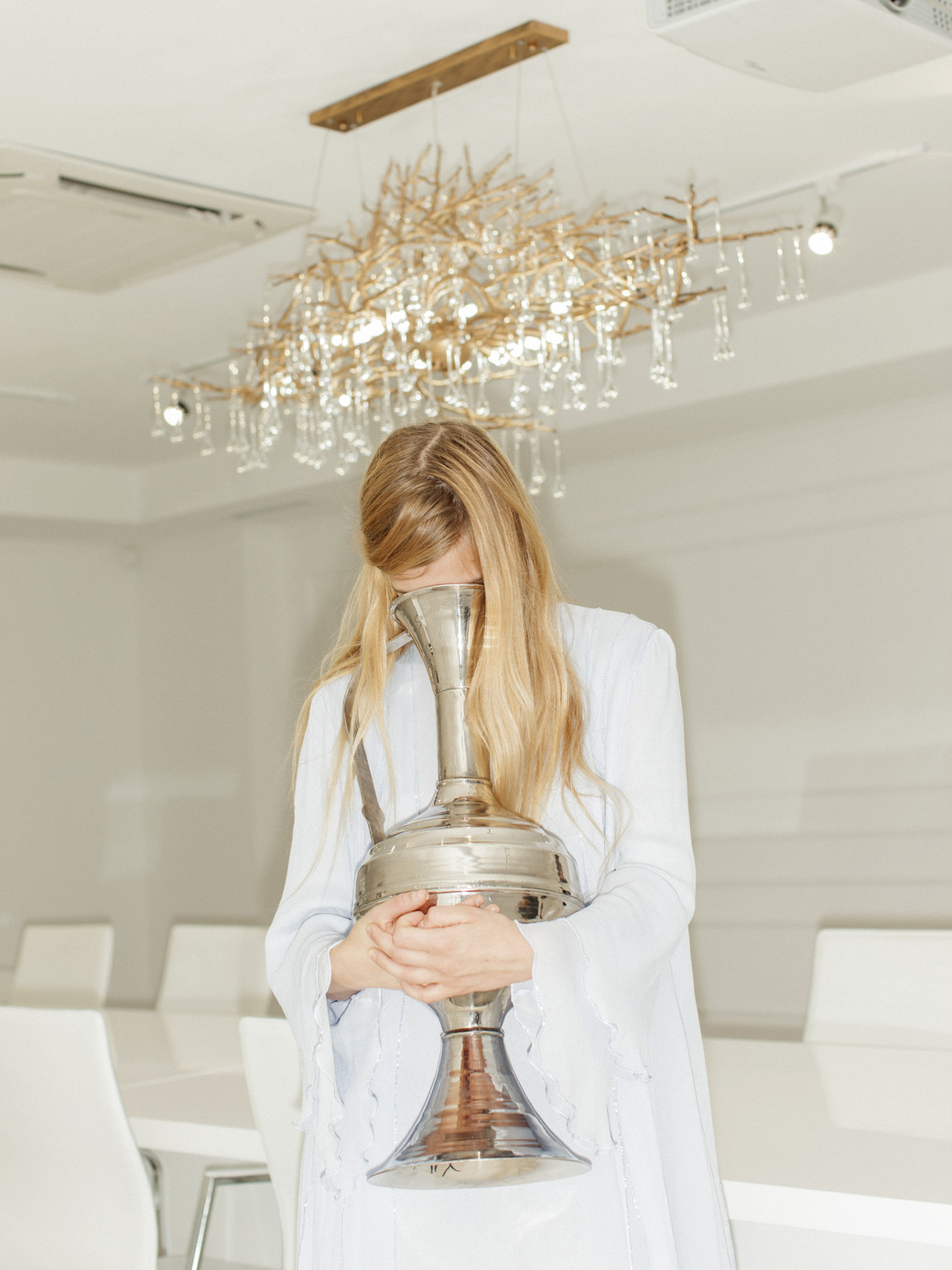
Abu: Yeah, sure. One of our shooting locations was the fashion house of the wife of the Head of the Chechen Republic. She makes basically luxury muslim outfits.


Did you learn anything about the area, and its people, that you weren't expecting, or that was different from what you had anticipated? Has the news gotten everything wrong?
Abu: At first, I really expected to see the contrast between the new, recently rebuilt Chechnya, and the Chechnya where traces of war still remained. But I really didn’t notice it—life is getting better there. But the people really surprised me—they came up and thanked us for being interested in Chechnya and offered their help. They were just really interested in what we were doing there. It was a real pleasure.
Dmitri: Everything was exactly as I imagined. [Chechens are] nice, kind people ready to help at any minute. But that idea was not due to the news—I never trust the news.
What would you tell someone who was going to visit Chechnya? Is there anything they have to see while they are there?
Abu: There aren’t so many tourist places now, as Grozny has been restored quite recently. I would advise to talk with the people—they are all very open and they really have something to say. Also, there are beautiful mountains in Chechnya, but we didn’t have time to see them.
How would you describe the final series in three words?
Abu: EUROPEAN CANNIBAL IN CHECHNYA.
What do you want people to take away from the photos?
Dmitri: For me, the most important thing people can take away from these photos is to take an interest in the country, and feel inspired to go there by themselves to discover something completely new.

Although Vienna is nothing “new” per se—in the sense that no, it is not an undiscovered city that Instagram tourism has unveiled—those that call this city home have an undeniably rich advantage in the aspects of cultural life. To merely wander among the destination’s countless institutions, gaping at the near-impossible palaces and following the smell of freshly baked strudel is to overlook a facet of the city that lies beneath its neoclassical archways and baroque columns.
As any seasoned traveler knows, the true secret to a city lies within its locals. And in Vienna, its residents are rich with creativity, breathing new life into it with avant-garde thinking and a visionary look towards the future. Filled with artists, architects, designers and gallerists of every sort, the creative scene is respectful of a shared past, drawing on history and tradition as the foundation with which to create something new.


Vienna itself serves as the most important starting point for artistic creation, whether conscious or not. With a shared identity comes shared references, culture, attitude, and yes, even humor. As any true-bred Viennese knows, the city relies on what they call “black humor,” which is a theme that pops up in much of the contemporary art that is birthed here, as well as a subversion of traditional Austrian iconography and symbolism, and a reduction of bodily function to its animalistic state. These are the things that the people would say are very uniquely Austrian.
While we were there, we got to know some of the people that poke fun at Austria, that love it and hate it, but are also defining the city’s new creativity. Over the next few days, office will take you inside art collective Gelitin's studio and the home of fashion designers Wendy Jim; into the world of graphic designer Stefan Sagmeister and the workspace of curator Jasper Sharp; to the 6th district, across from Vienna’s famous Naschmarkt to meet gallerist Nathalie Halgand; and inside artist Martin Grandits surreal studio. Don't miss out.
First stop: inside Gelitin's studio.