For Lovers
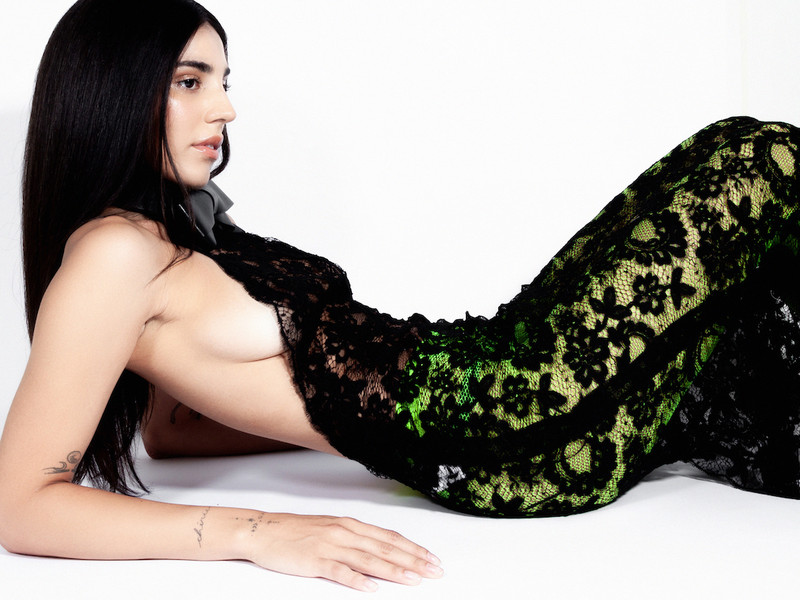
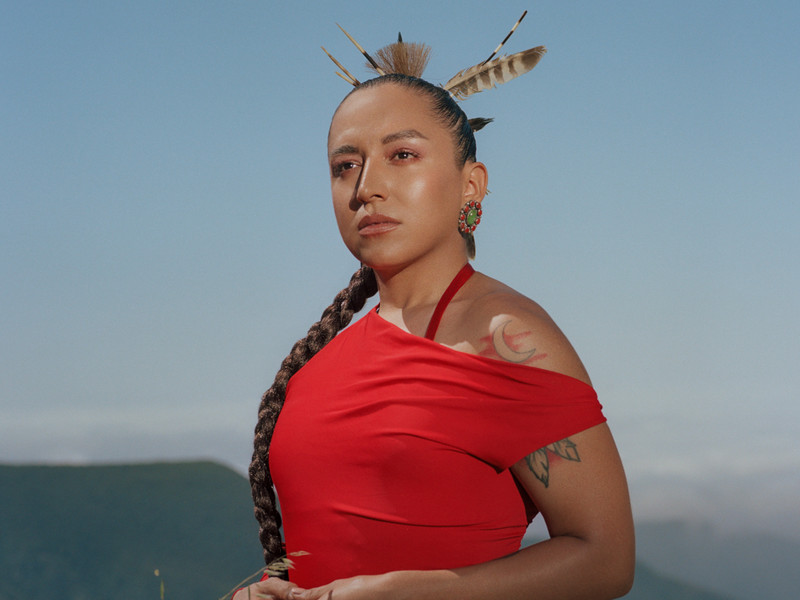
Lamar is a muse for the ages, a lens through which we can explore the love within both our hearts and others'.
Check out the video and photos below.
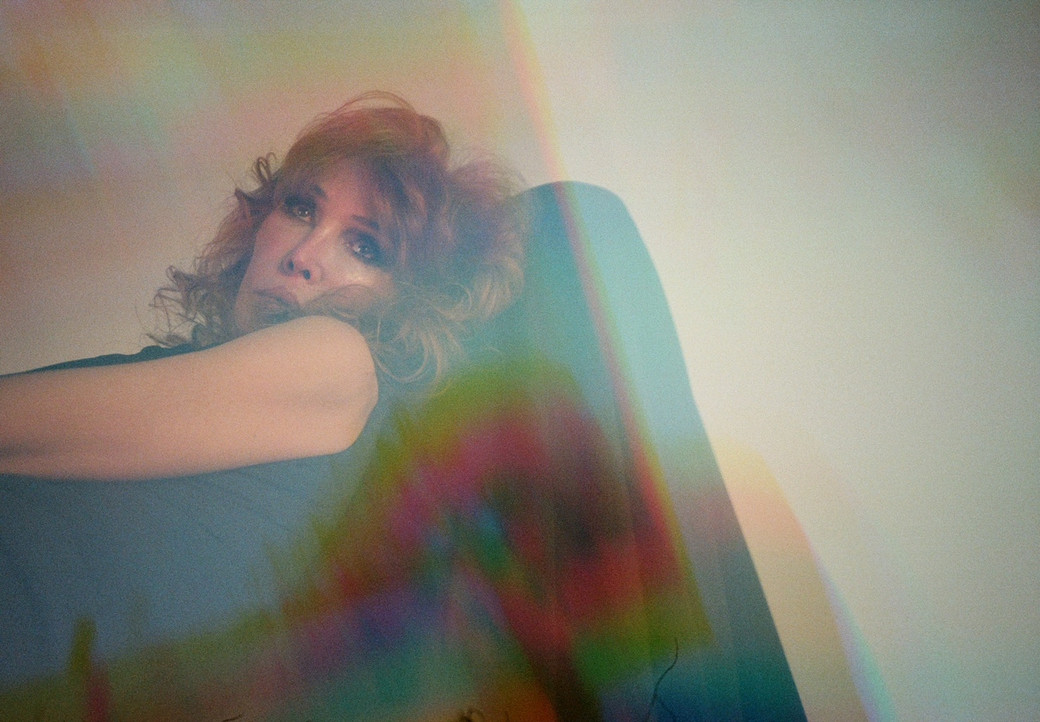
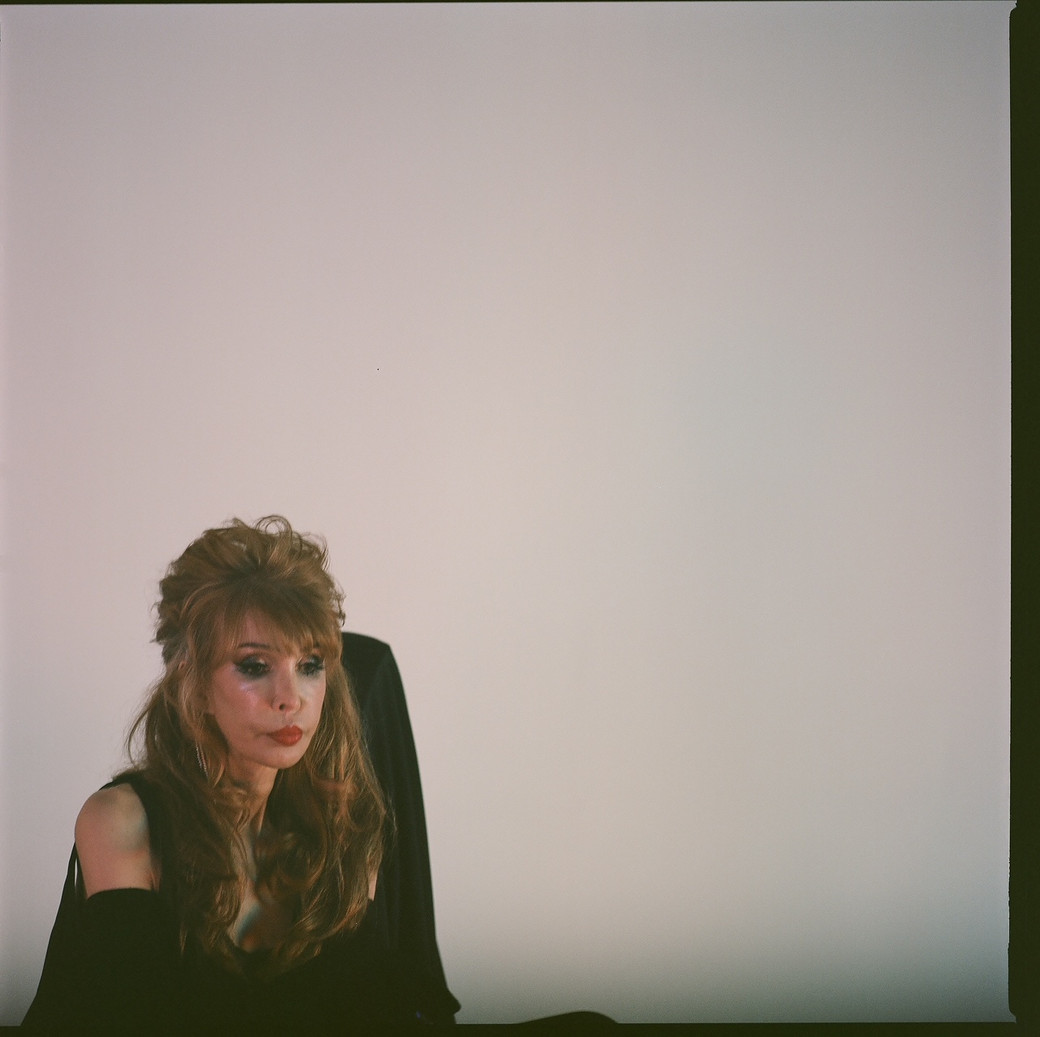
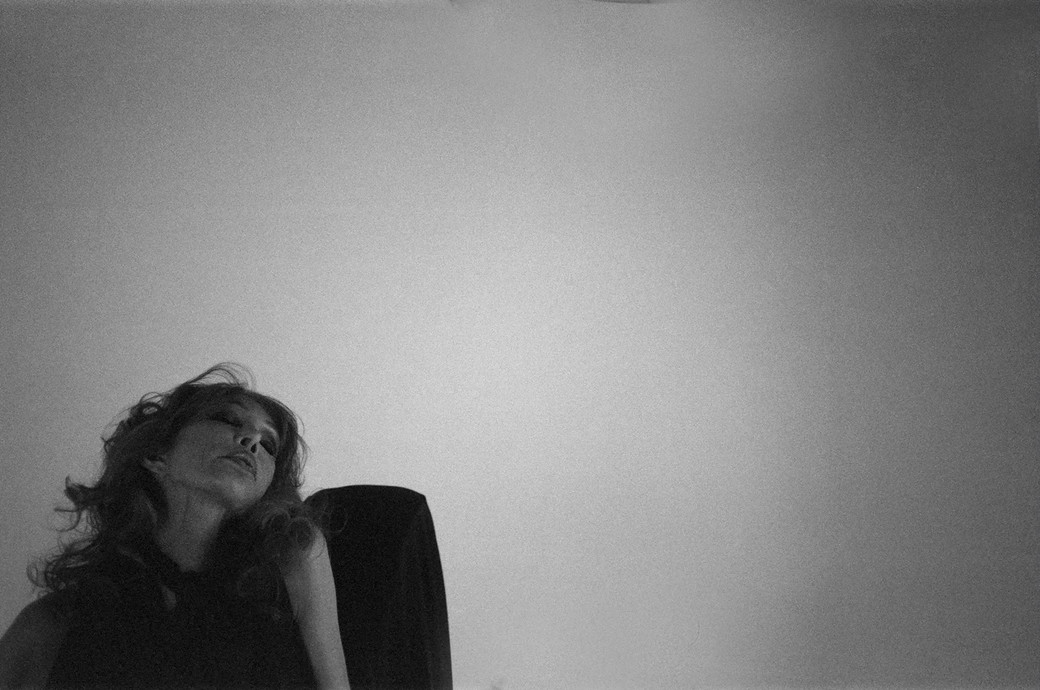
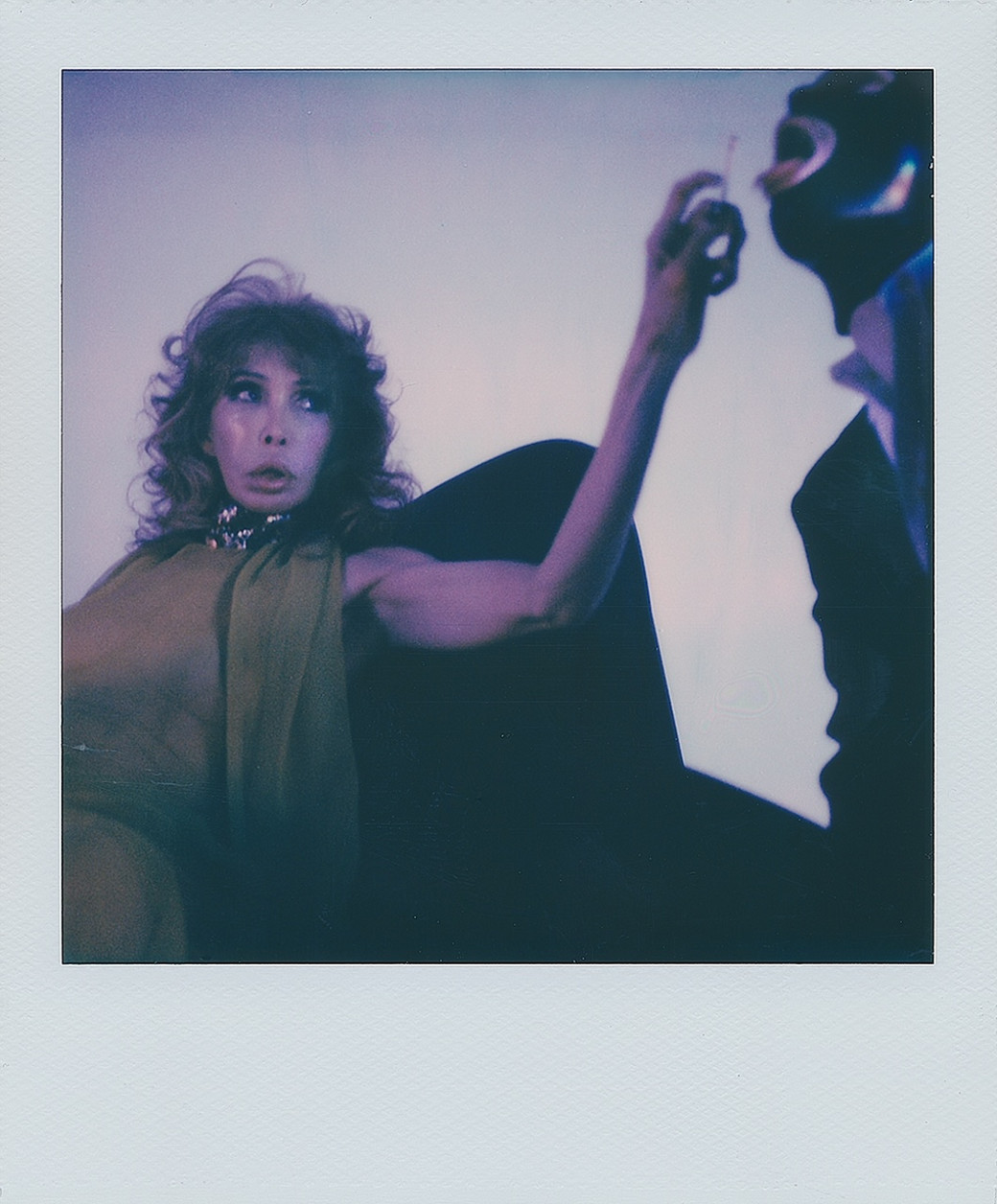
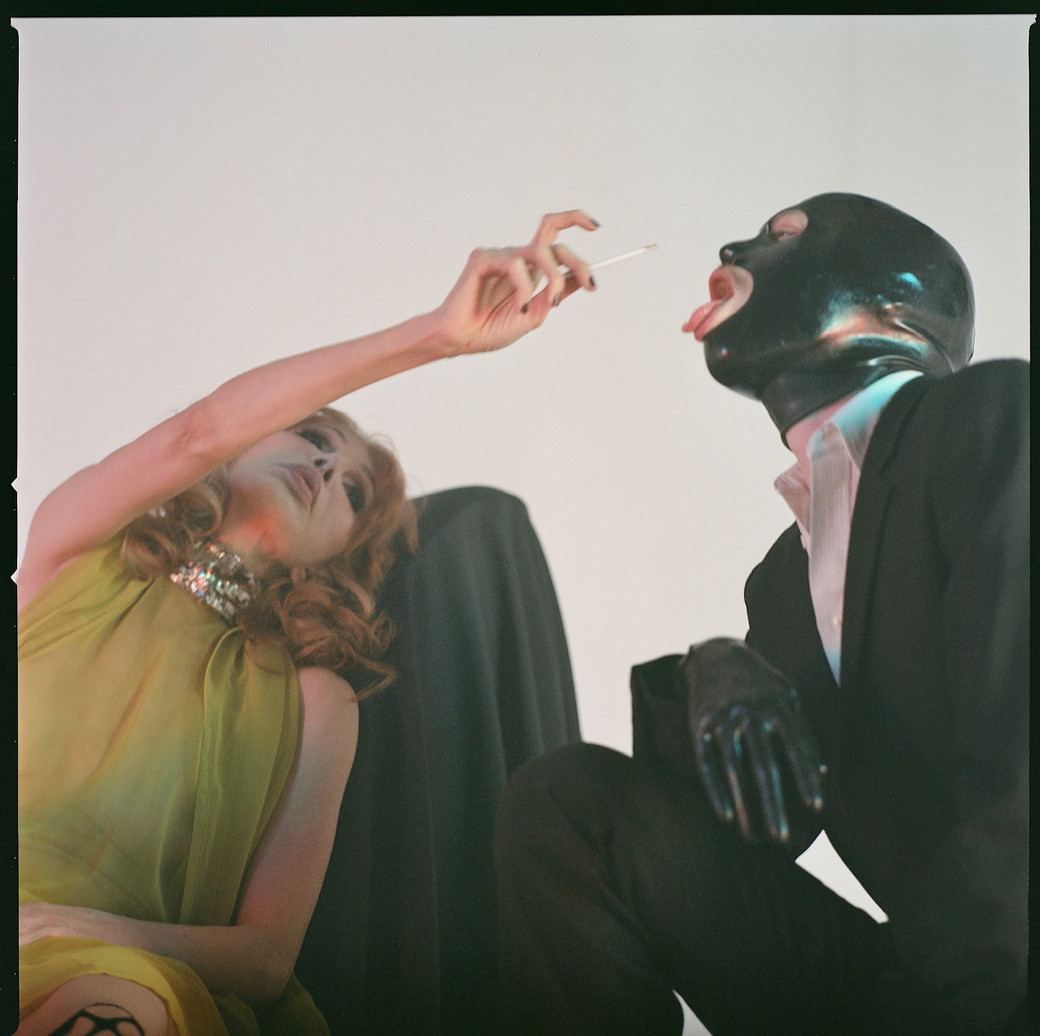
Lamar is a muse for the ages, a lens through which we can explore the love within both our hearts and others'.
Check out the video and photos below.
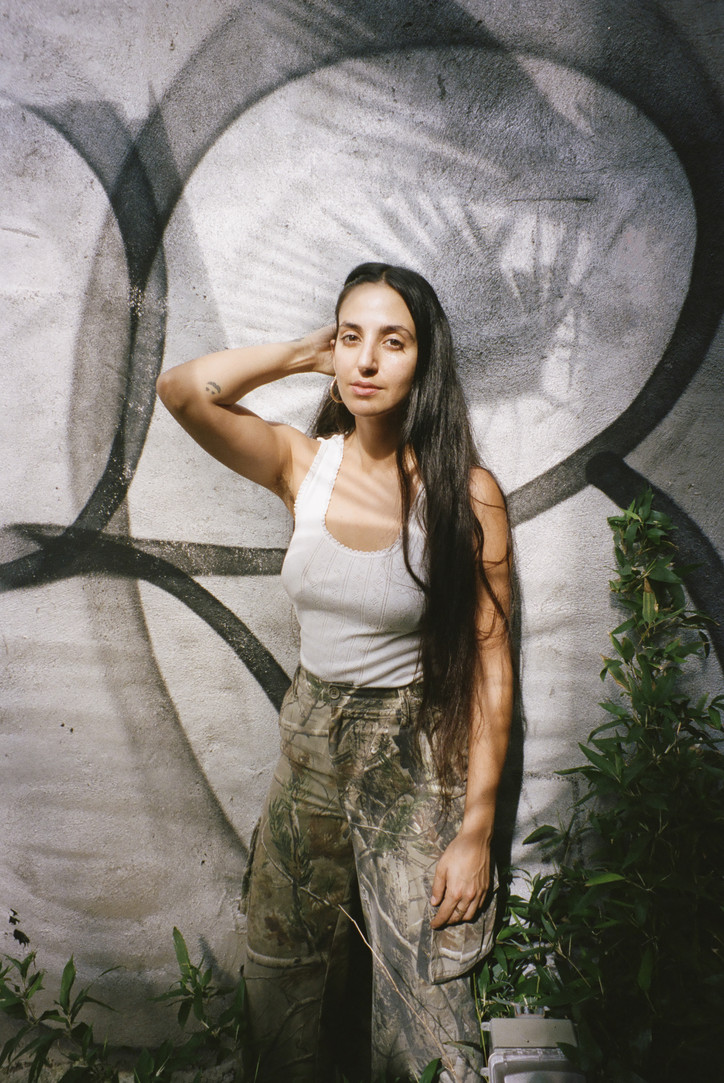
office caught up with Ahmad at her latest event to talk about authenticity, the NYC food community and food as a cultural tool.
So, how did this series come about?
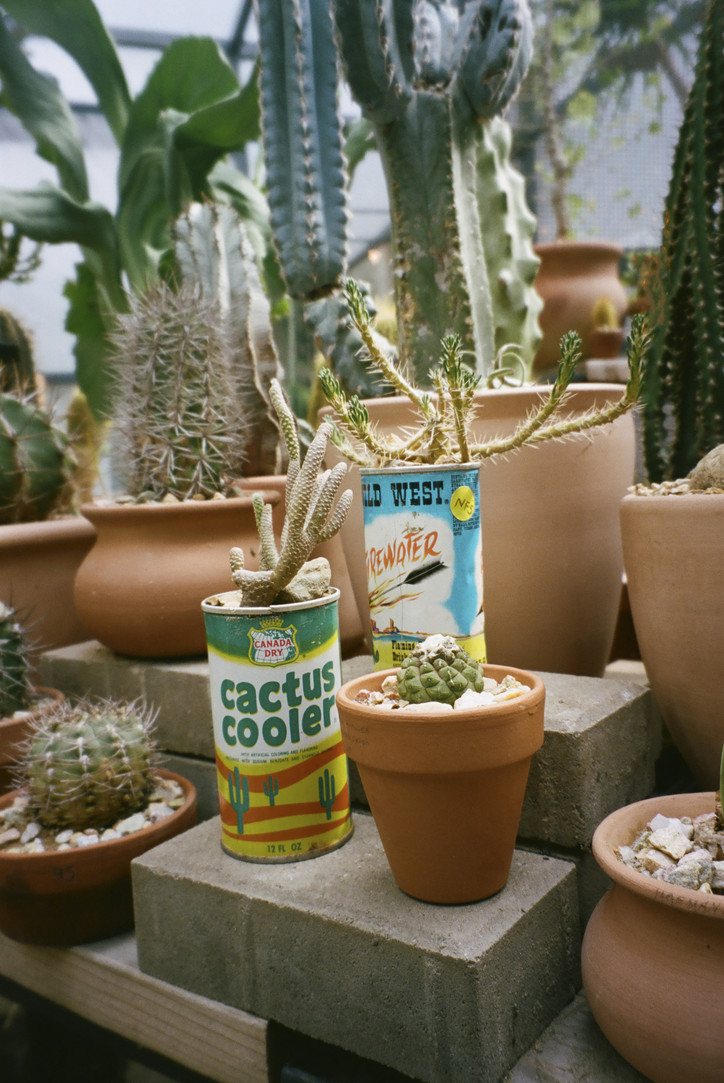
I’m friends with Max Martin, one of the Cactus Store’s co-owners. We were talking, and he brought up the possibility of doing an event in their front space, which is this beautiful bamboo garden that leads to the store. They’d been wanting to do more food-related things, but there was really no infrastructure in place to support that—they needed someone to run it. So, I proposed a plan to organize these free food events that were geared towards inclusivity, and the team behind the space was very supportive of that. They ended up giving me total freedom to curate this series, and it’s been great. Everyone involved with the space has been really supportive.
Is there an overarching concept or theme driving the project?
I wanted to work with people who make great food, but also use it as a means of communicating larger ideas. Each of these chefs uses their work to highlight a particular region, connecting with their personal histories while exposing their culture to outside communities. So, with the series at Cactus Store, it’s really been about using the space as a platform, a new setting for these people to do their work. A lot of times, when chefs do their own pop-ups, there are so many burdens—paying for ingredients, finding a space, accommodating a group of people, and the million other stresses that come with putting together an event—with little financial return. So, we wanted to create a space where everyone had carte blanche to do whatever they wanted, without having to worry about all those pressures that can inhibit creativity.
At the same time, we wanted to extend that same openness to the people attending the events. This project is meant to be as accessible as possible; we wanted it so that people in the local community, who live there and may just be walking by, could stop in and enjoy the free food in this really nice setting. It’s definitely not some stuffy, “proper” food thing, where people have to pay for tickets or RSVP—we’ve actually been publicizing it mainly on community boards, operating more on a local level, waving curious passersby into the space.
How did you go about choosing which chefs to invite? Were they all people you’d worked with or knew personally?
Yes, for the most part. They’re all New York-based people from within my communities—not only in terms of food, but also activism—who work in similar ways as I do, using their cultural heritage as a foundation. But where a lot of the events I’ve done in the past have appealed to a sort of “downtown scene,” these are people who might not necessarily go to more scene-driven food events in the city—they might be working more locally in the other parts of New York. So, I wanted this project to serve as a kind of bridge, linking these different communities.
Originally, when we were talking about this project, the idea of immigrant food kept coming up, and how New York is this hub of immigrants who are able to assimilate while still keeping in touch with their original cultures, often by preparing traditional foods. People find ways to maintain that commonality with their heritage, no matter what, and I think all of the chefs involved, including myself, have had this experience, where you’re learning from family recipes, visiting the places they came from and bringing back new ideas or ingredients to work with.
Other series you’ve organized in recent years—the “Asymmetrical Table” series you co-curated with Ora Wise and cooked with Reem Assil, your residency last summer at Dimes—have been multi-course dinners with a stated emphasis on education. Is the same true with these events?
There’s still an element of education, but this is much more casual. It’s a sit-down, hang-out situation—partly because the garden’s not a huge space, but also because we’ve really wanted to encourage a sense of intimacy. Having said that, the format does shift with each event. For the first one, Anya Peters, who cooks Caribbean food under the name Kit an’ Kin, laid things out more in a buffet style. Kit an’ Kin is this very family-driven project—not only is she working with family recipes, but her whole family actually gets involved with the process. So, while she was inside making food, her dad was out front grilling.
The second event, which was with Gerardo Gonzalez [previously of Lalito], was completely different. Gerardo is Mexican, his family’s from Jalisco, but he was raised in Southern California, so he wanted to do something more along the lines of Mexican street food, swap-meet-style. So, at his dinner, he was just standing there, dishing the food out and talking to people. He also got Jezenia Romero of Bunny Jr. Tapes involved, making a mixtape with all of this great classic Chicano swap meet music. So, for each chef, it’s really just about creating a vibe, an energy, that connects to their personal experience but is still fun and inclusive for everyone else. It’s a little more open and loose than your typical pop-up.
I’m surprised to hear you describing the events that way—I know you have a pretty strong aversion to that term.
I hate it. The concept itself doesn’t really bother me, but when I hear ‘pop-up,’ I think of retail shopping. The term just reeks of consumerism in this way that’s so gross to me. It evokes this spending environment: ‘Limited time only, go and spend your money urgently.’ It’s really the opposite of what I’m going for with everything I do concerning food, and especially with this series.
What might be a better terminology?
Well, I’ve been trying for so long to come up with a more appropriate phrase that people will still understand. Every time someone asks me what I do, I have to explain to them, where I’m like, ‘I do dinners and lunches in temporary spaces…’ ‘Oh, like a pop-up?’ ‘Yes, like a pop-up.’ [laughs] It’s a tough one to figure out. So far, for Cactus Store, we’ve been calling the events ‘free lunches,’ which isn’t my favorite title ever, but I haven’t been able to think of anything better, so I’m running with it.
You served as the featured chef for the third installment. Generally speaking, in approaching one-off events like this, do you use the opportunity to try out something new? Or are there certain recipes you lean on as standbys?
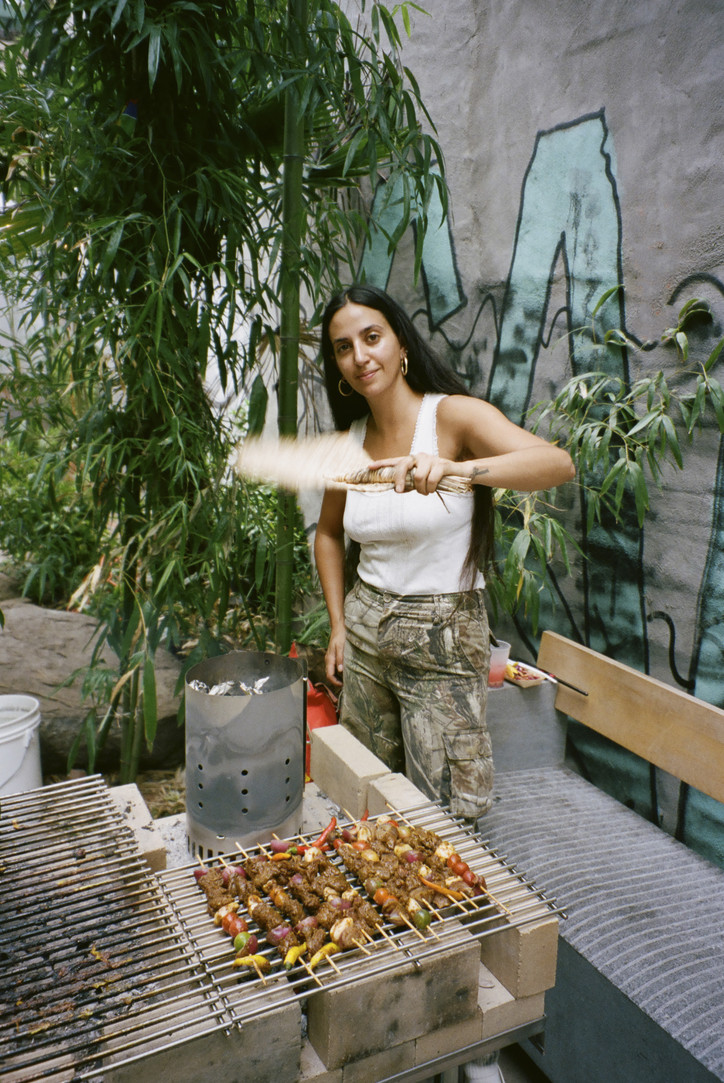
It really depends on the context. Last week, I did a dinner for the Rauschenberg Foundation, and the menu wasn’t Palestinian at all—it was actually a Japanese devotional cuisine called Shōjin Ryōri, which I’d never cooked publicly before, but was something I’d always wanted to try. So yes, sometimes the event becomes an opportunity to branch out. But at the same time, I hadn’t had the chance to cook a Palestinian-centric menu in New York since last November, so I was really into the idea of doing an all-Palestinian thing. I wanted to keep it somewhat traditional—or maybe not so much traditional as representative. I like giving people a good sense of Palestinian food, but I also try to leave some room for expansion, some personal touches.
That seems to be true of the other chefs as well. Everyone’s work has some element of personal interpretation, be it in reframing older techniques or in reflecting present circumstance: incorporating local flavors, seasonal ingredients and so on.
Definitely. For me, keeping some level of tradition has to do with being educational. I want people to be able to walk away from the meal and say, ‘I’ve had Palestinian food.’ Most people haven’t had Palestinian food, at least knowingly—those who’ve had it were probably told it was something else, or even from somewhere else. But having said that, even when I did my Palestinian dinners at Dimes last year, a lot of the menu was vegan, which is fairly un-Palestinian. So I still want to be able to honor myself, my influences and my environment. I think that’s true of everyone involved in this series.
There’s an interesting balance when you’re dealing with ideas of ‘authenticity.’ On one level, you’re dealing with cultural heritage, so there are reasons to work with these traditional recipes and methods—but at the same time, you want to allow yourself the freedom to be true to whatever you are. Personally, it’s important for me not to feel like I’m being pigeonholed as a ‘Palestinian chef.’ I’m a Palestinian-American person, an artist, as well as a chef and an activist, and I try to conduct myself in ways that are in line with my own sense of morals and ethics, which may or may not be in line with certain traditions. Honestly, I feel like it would be doing myself and my people a disservice just to make all of these recipes by the book. Most, if not all, of the chefs in this series are first-generation, and I think there’s a common experience there, where you realize that sometimes part of carrying on a tradition is allowing it to change.
So, what’s coming up next in the series?
On October 7, we featured Precious Okoyomon, who does inspired versions of traditional Nigerian foods. She’s actually a poet, but also works with food by exploring things like candied dead bees, or delving into fermentation. I don’t think she has done very many pop-up events like this, so it was interesting to see how she brought a few friends with her to execute her vision. Then on October 14, we’ll feature a woman named Chakriya Un, who makes amazing Cambodian food under the name Kreung. Her story’s really interesting: she was born in a refugee camp in Thailand, immigrated to the US with her family, and started her pop-up series to help raise funds for a tractor for her family in Cambodia. I imagine she’ll do a cookout on the grill, but you never know. The last event for this season will be on October 26, and features a dear friend of mine, Sabrina De Sousa of Dimes, who is going to be preparing a vegan version of this traditional Brazilian stew cooked in a pumpkin, which I am very excited about!
For more information on the Cactus Store residency, including dates and times of upcoming events, follow @hotcactus_la or check here.

office had the chance to sit down with Ma at the event to talk about his plans for Hypebeast and the future of Hypefest.
Read our interview below, and peep the rest of our photos from Hypefest here.
With one day of Hypefest down, what’s been your favorite part so far?
Just seeing everybody gather from across the world. Literally, people from Asia, people from Europe, I even met some people from Mexico and South America and was like, ‘Oh, you took a plane just to come here?!’ That’s pretty amazing. All of these people gathered here because they love creativity, the brands we’re presenting, the artists, the musicians. It’s a good way for people to connect. We want to make it a platform for kids to meet their favorite designers and artists, where they have a more intimate environment to connect. And hopefully, with this kind of platform, these kids will be inspired to become a fashion designer, or get into a creative field, or become a photographer or the next great ‘whoever.’
I know you’ve said that you wanted Hypefest to be more of an immersive experience and place to learn, rather than just shopping booths. Can you tell me a few ways you’ve done that?
It was more like, ‘Hey, let’s bring all these people together in one place,’ and then organically things happen. You meet up with friends here, reconnect or meet new people, friends refer other friends. These interactions are hard to come by these days, you know, face-to-face ones. I mean, you could go on social media and kind of interact, but that’s very surface-level. To make deeper, more meaningful connections, it’s nice to sit down and have a chat.
I think there’s a certain connotation with hype being flashy, clearly notable trends and logos, but it seems like your personal style is more about quality meeting trends.
When I first started I was a typical hypebeast—I was buying into the hype, honestly. These are limited edition shoes, yes, they look sick and are colorful, but this event is a gateway to this massive world behind it. Here, I think there are ‘hyped’ products, but behind it there’s design or a collaboration with an artist, and suddenly you’re learning about that artist. I think if you use products as a medium of communication, it can be a really great educational tool.
What are you wearing today?
A pair of adidas [white Yung-1’s] and an Undercover x Sacai shirt.


How did you go about curating the event?
Well I had two committee members, Sarah Andelman and Hiroshi Fujiwarai. I respect them a lot. They call Hiroshi the “Godfather of Streetwear.” Without him, I think a lot of us would not exist—a lot of these brands would not exist—so he was the first person I thought of. Then we went to Paris and hit up Sarah, because we wanted a more diverse curation and she’s amazing, and brings a lot to the table. We brought together our different inspirations and took it from there.
Now with the site, a magazine and online retail, how much are you still involved with the curation of Hypebeast?
I check the site everyday. We have a great team who helps curate it, otherwise it’d be impossible to do everything. I definitely rely on creative people to help run everything. But I am still so involved because I started out as a blogger, that was my passion—to find cool stuff and put it on the site. So, I’m definitely still very into it.
I remember in 2005, when Hypebeast first started, as a young sneaker head, there were limited options—we all basically just liked Nike Dunks, Nike SBs and Jordans. Then it seemed like everything grew really quickly. When did you start bringing in a team to help?
Yeah, SB’s, that’s what got me into it! Now, there’s a bigger audience, more people involved. Before, it was very niche, only a small group of people liked this stuff, but with the websites that made it bigger and then social media, boom—even bigger.
I used to work a full time job and my side gig was Hypebeast. It wasn’t even a gig, it was my hobby. But then I would go to work 9-5, come home, update my blog, and after about six months, I was like, ‘Oh, I’m generating income,’ because we had some ads on the site. I was like, ‘This is pretty cool, now I can quit my job, why not?’ I took the plunge and did Hypebeast full time. The income started rolling in even more. I was like, ‘Okay, I need some freelance people to help update,’ and one thing lead to another.It was all very dependent on our budget—we didn’t raise any funding.
Coming from a magazine, I know that it’s always hard to find a balance between working with advertisers and maintaining creative control. You need to be able to sell ads to keep the magazine going without selling out and losing your identity. How much of Hypebeast is curated by what you like, by trends, or by who wants to pay as an advertiser? How do you maintain the balance?
We have to maintain balance, it’s our responsibility. I think every magazine is different, so there’s no right or wrong way to do this. Some magazines are very ad-driven. That’s cool, they make a lot of money. Some magazines don’t sell ads, and it’s a tougher environment to operate in, but maybe they have other models, like making money from selling the magazine, or they’re actually a creative agency. I think it all depends on the publisher. For us, we try to find a find balance between everything. We have a big team and they have families, they have to keep the lights on. We also just really encourage the advertisers and say, ‘Hey, we want to make something cool together that’s meaningful for your products or campaigns. How can we work together to make something interesting?’ It’s gotta be something the readers are interested in, as opposed to just stuffing things down people’s throats. If you do that long enough they’ll just reject your brand totally. So, for me this started as a passion and I don’t want it to turn into some commercial entity. It’s just constantly finding a balance.
What’s the next move for Hypefest? Another city?
We want this to be a platform for visitors and readers from all over to visit in real life, so it’s a possibility. Hopefully we just get through this first one, though.
View the rest of our photos from Hypefest here.

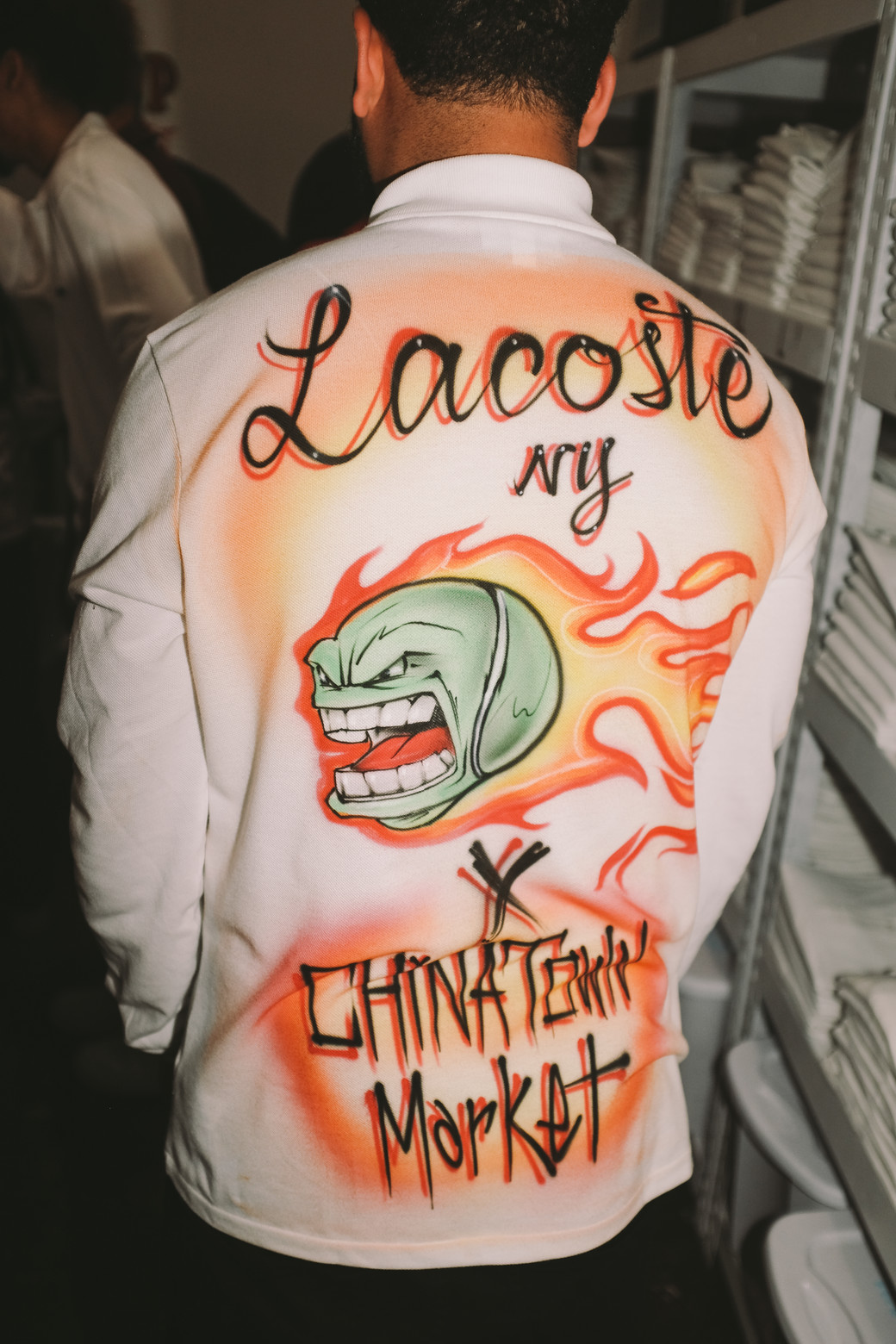
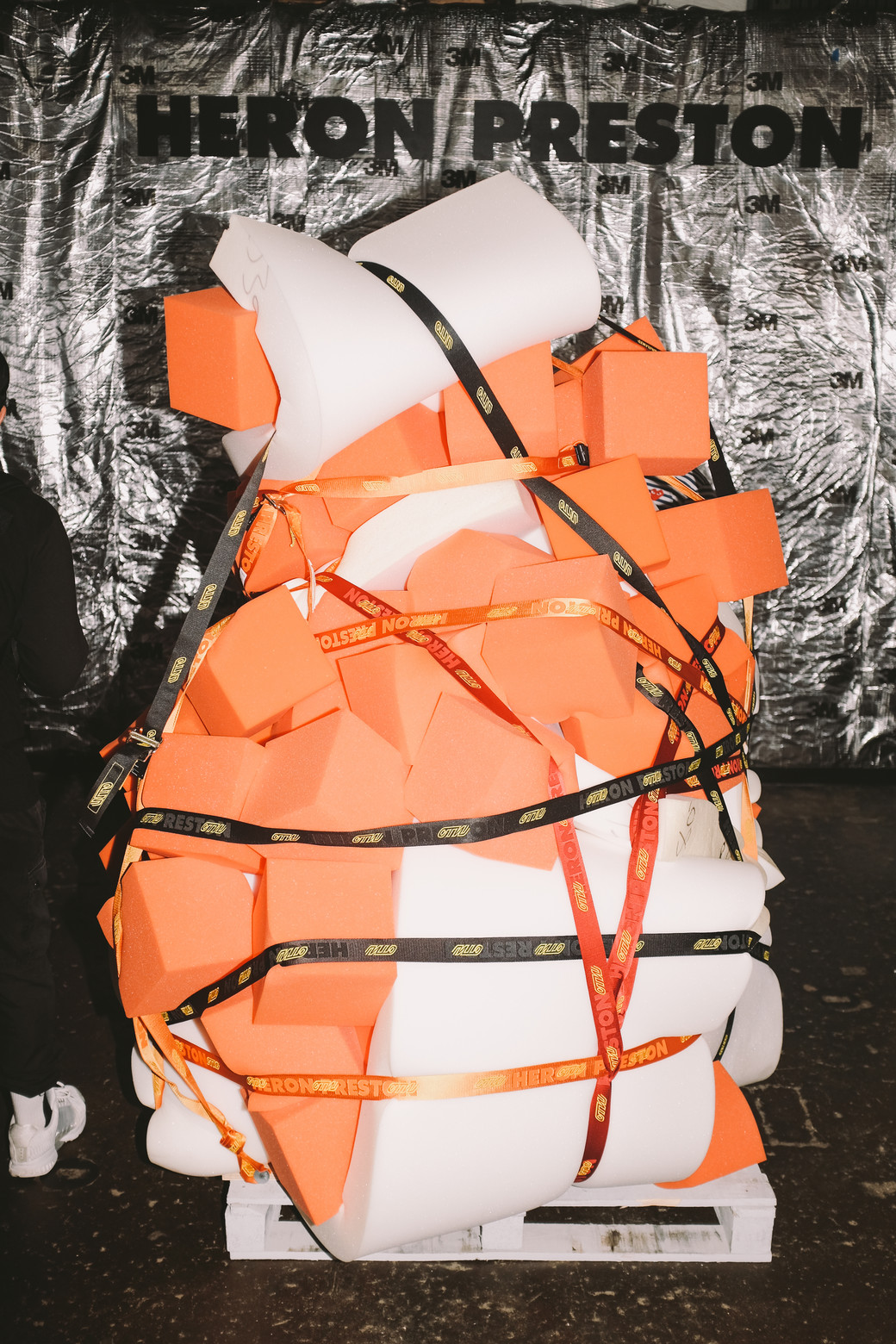
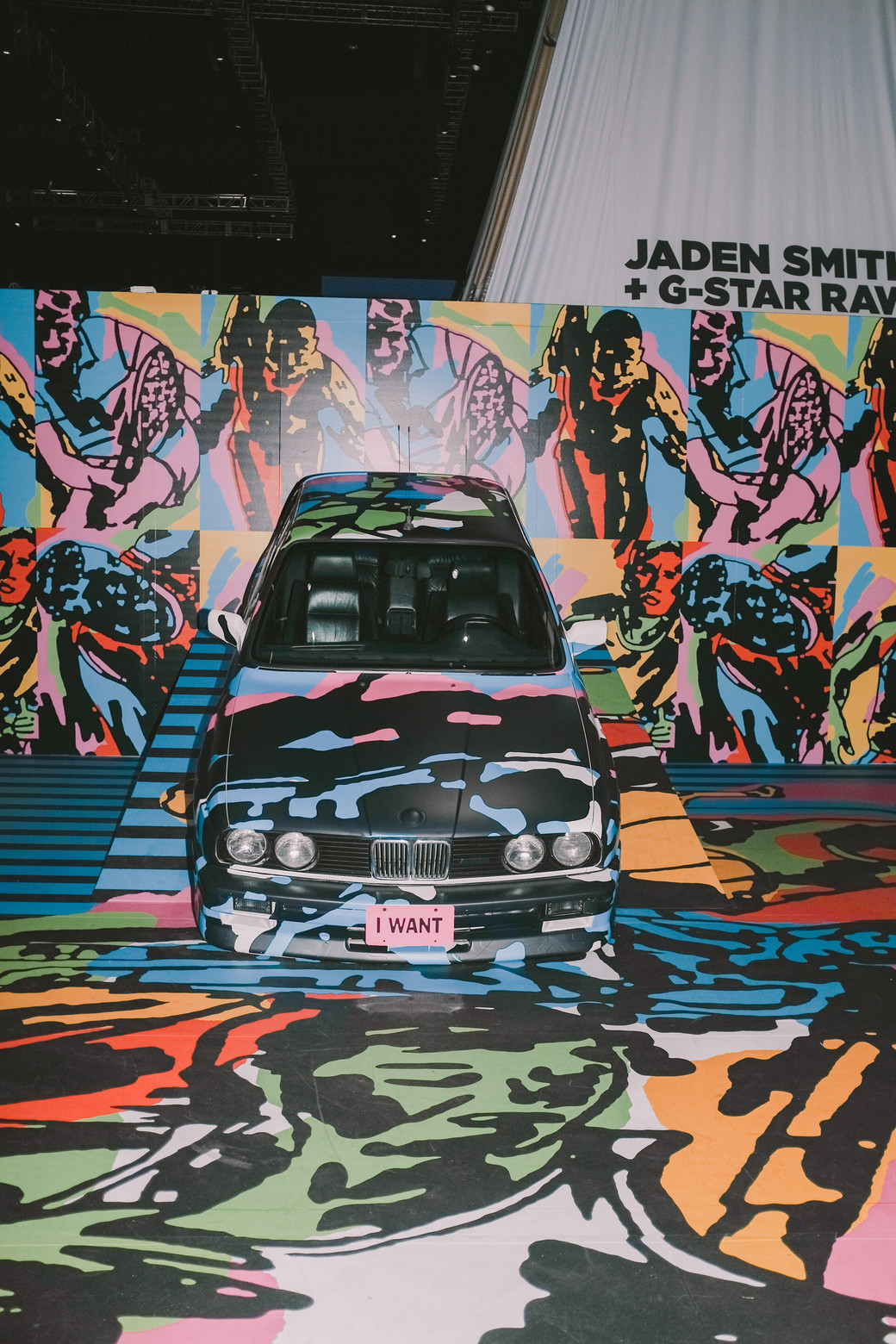
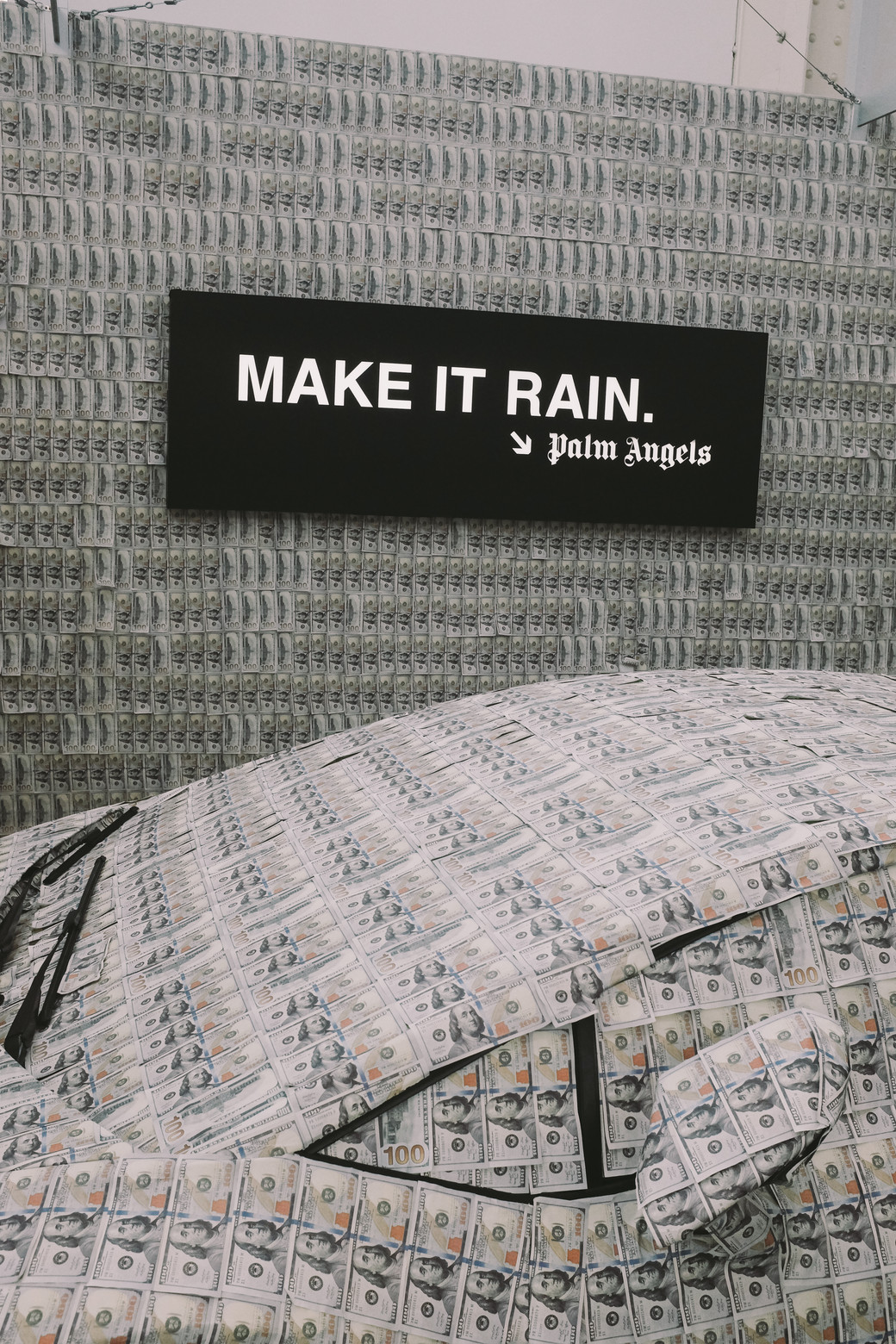
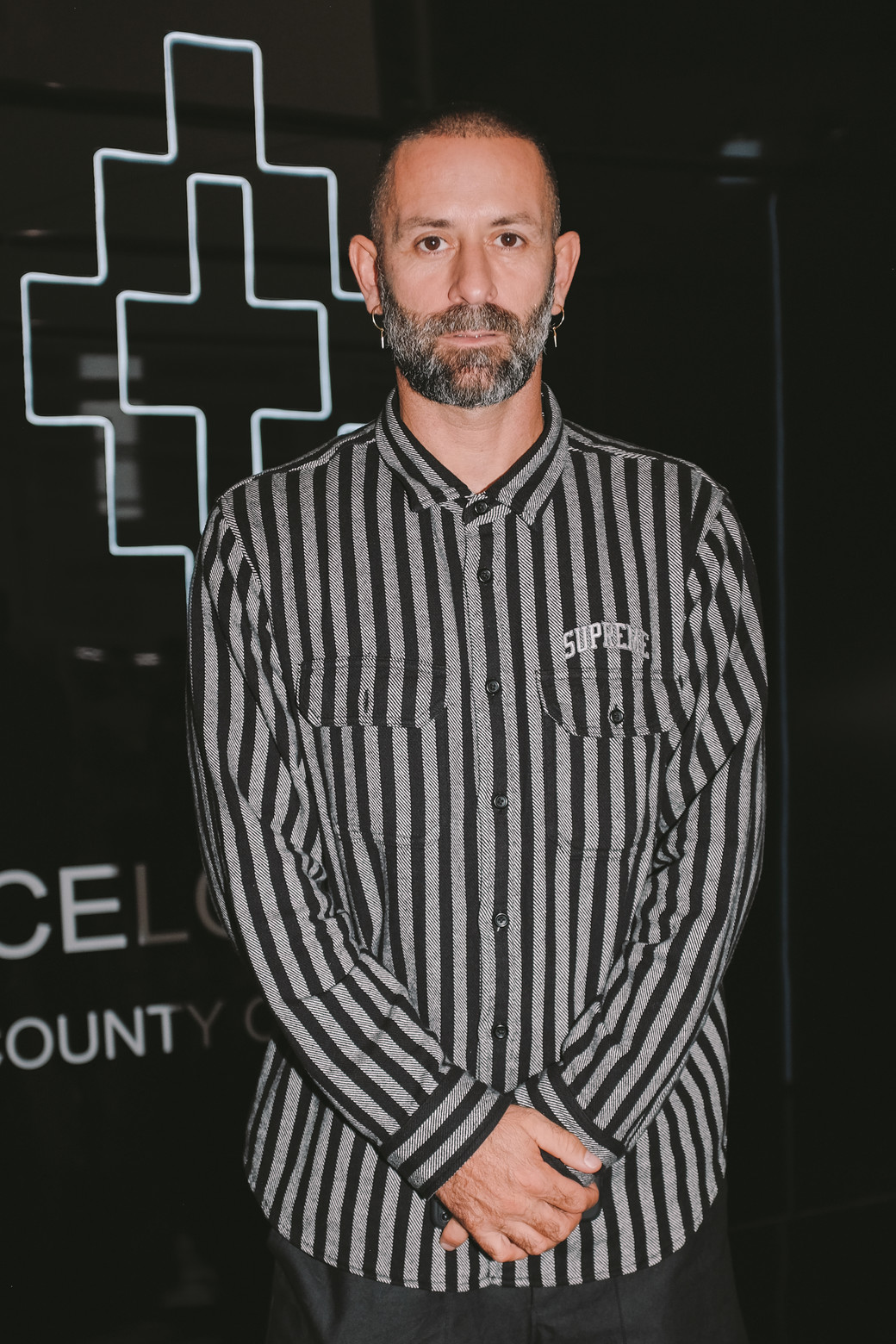
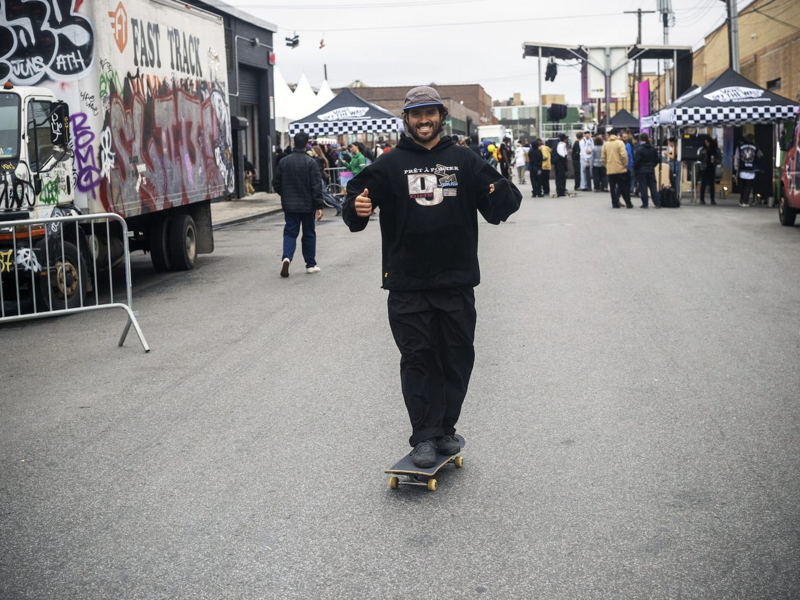
Among them were Hypefest committee members Hiroshi Fujiwara, aka "The Godfather of the Ura-Harujuku scene," and Sarah Andelman, the former creative director at Colette, as well as Hypebest founder Kevin Ma, who sat down with office at the event.
"We want to make it a platform for kids to meet their favorite designers and artists, where they have a more intimate environment to connect," he said. "And hopefully with this kind of platform, these kids will be inspired to become a fashion designer, or get into a creative field, or become a photographer or the next great 'whoever.'"
Peep our photos below, and read our full interview with Ma here.