For Lovers
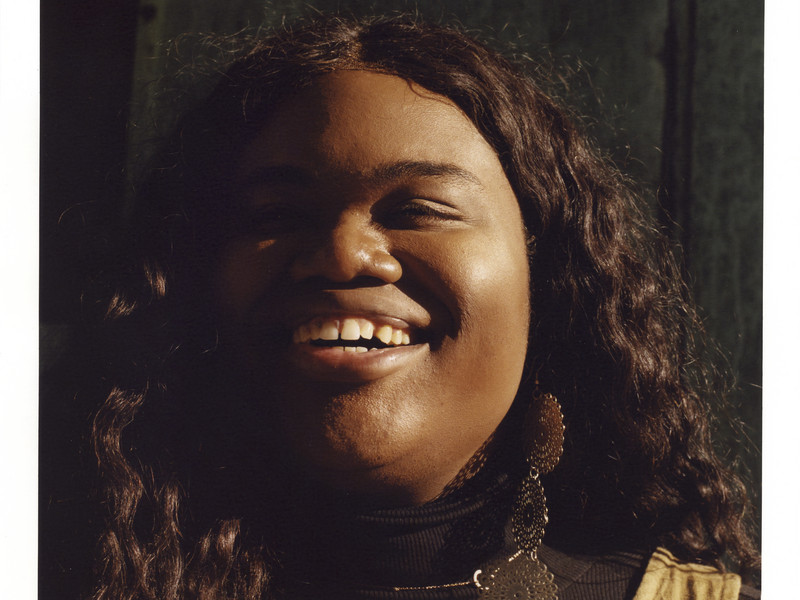
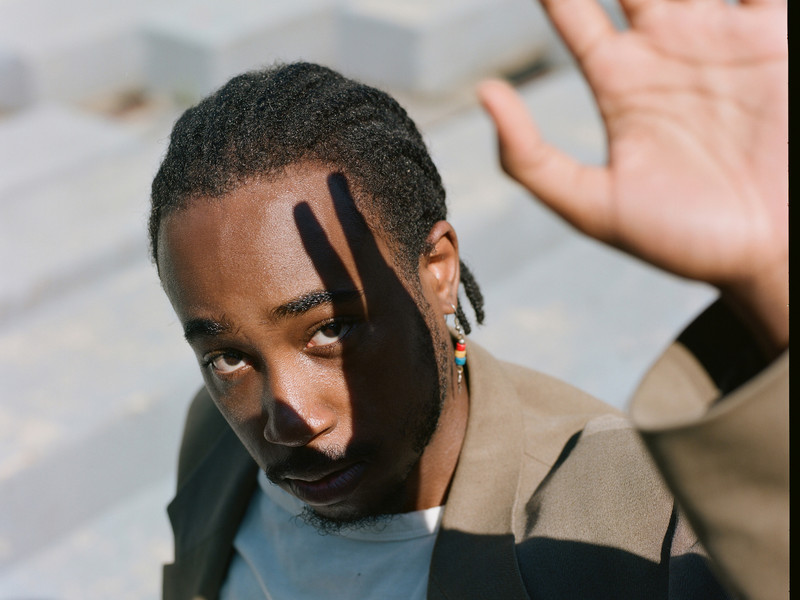
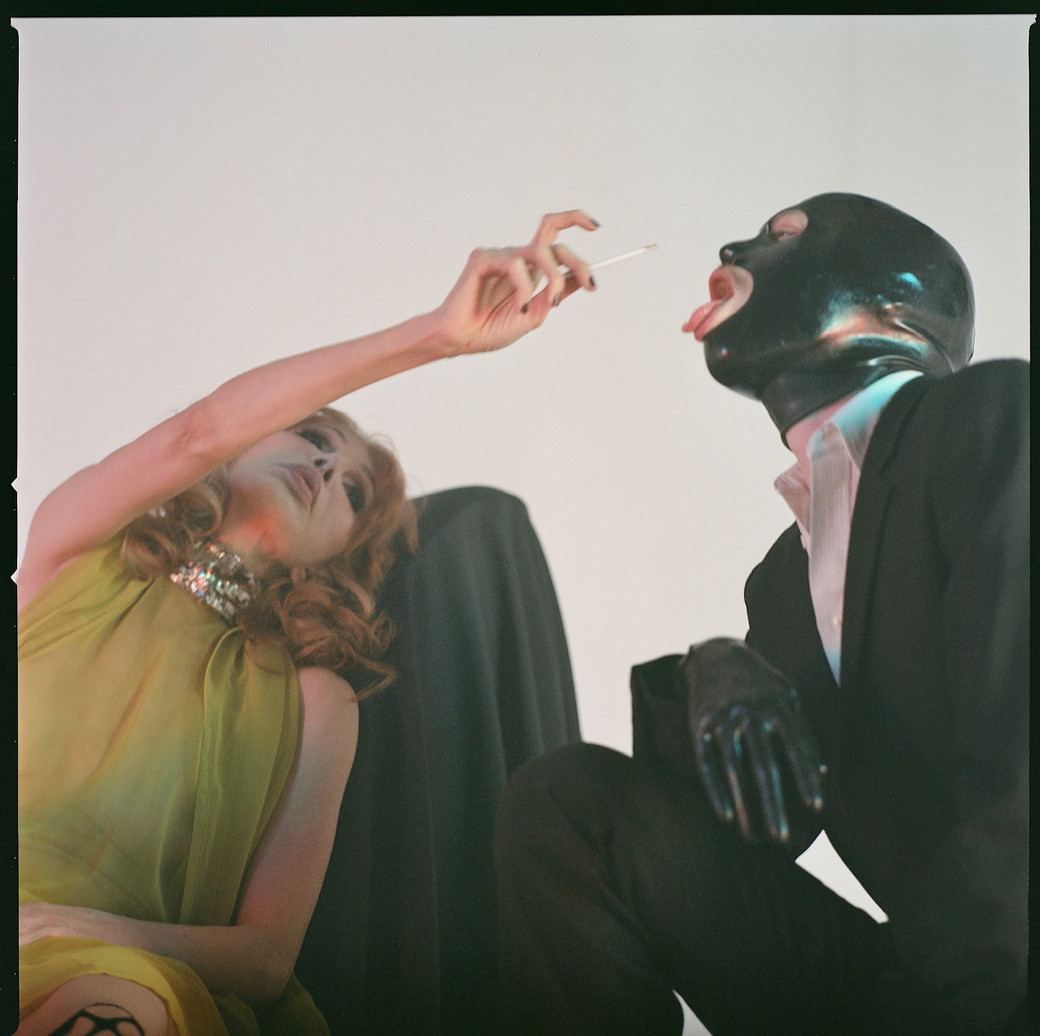
Lamar is a muse for the ages, a lens through which we can explore the love within both our hearts and others'.
Check out the video and photos below.
Lamar is a muse for the ages, a lens through which we can explore the love within both our hearts and others'.
Check out the video and photos below.

And although his work is not always obviously apparent— Parley’s efforts to reverse oceanic pollution manifest in a multitude of projects, and span the globe— over the years, Gutsch has garnered a lengthy list of creative, and branded collaborations with Parley. From a collection in collaboration with adidas (an eco-innovative EQT Support ADV sneaker), to organizing a run with an array of sports stars in support of World Ocean’s Day, Parley’s projects take traditional activism to approachable arenas… and they’re at it again.
Today, they announced a new collaboration with the water bottle company Soma, which will be sold, starting April 3rd, in limited quantities in over 5,000 Starbucks locations in the US and Canada. Find out more about the innovative idea behind these water bottles below.

Americans throw away over 30 million plastic water bottles every year with the majority ending up in landfills and oceans. The sleeve of each Soma x Parley for the Oceans bottle is made from the equivalent of two of these recycled plastic bottles intercepted from remote islands and coastal communities. A proportion of every sale goes to support initiatives of the Parley Ocean Plastic Program and implementation of the Parley AIR Strategy to Avoid, Intercept and Redesign plastic.
“Plastic is a design flaw. We cannot fix it overnight, but we can all take steps to create change," said Cyrill Gutsch, Founder of Parley for the Oceans. “We’re collaborating with Soma to transform marine debris into a neoprene sleeve, bringing Ocean Plastic to a reusable Soma water bottle and directly into the hands of consumers. Shifting mindsets and behaviors is as important as creating new systems and materials. We all have a role to play. This bottle is another reminder of that fact and the beginning of a new collaboration in the movement for solutions.”

First of all I’m obsessed with this project. I’m also kind of shocked that it’s from as recent as 2005 in a major European, cosmopolitan city — gay Paris! What was it like in those days? What is it like now? Does the club still exist?
Around the years I took the photographs, in the early 2000’s, there were a lot of gay clubs and bars in Paris where everyone was out in the open. This club was very unusual in that it was underground and hidden with little provincial feel to it. Casual fun, kinkiness and hard core sex were equally accessible and you could find any kind of people: family men, people who liked to dress up, women, transexuals, regulars who just came for a drink and a laugh or those who were there purely for sex and orgies.
Caitlyn Jenner: thoughts?
She is one of the many who helped bringing the transexuals out of the shadow. Doing it on the later side was also impactful because it gave hope.
I have this theory that the repulsion toward gay people and transsexuals is based in the biological necessity to continue the species. What does the House of Love represent in relation to this idea, and how would they react to it?
Personally, I believe the repulsion comes from ignorance and the human tendency to be scared of the unknown. The MDT, this private club was a refuge, a playground, a universe where everyone could be free and forget the outside world with all its limitations.


Creating a character and discovering your real identity: where’s the line, if it exists?
It is an anthropological question that requires a very long answer! I guess in the process of discovering one's real identity, one necessarily creates a new character in giving birth to the “real self." All I know is that all my friends had this real identity inhabiting them for as long as they could remember.
Does the transition cease after the final operation? How much of being male or female is connected to the body?
The final operation was a huge step. It's an emancipation from a ”prison body” and the beginning of a new life, it's a lifelong process with challenges, steps, mountains to cross. I guess everything starts in the mind that needs to express something with the body. The need to change could be for one night, every night, or forever.
You describe a variegated scene of sex, performance, and trust. Were you simply a voyeur, or did you participate in the debauchery?
It took me three months to get the approval from the owner to take my first picture. At that point, I was hanging out with everyone as a usual customer and started freely taking pictures. My familiarity with everyone allowed me to push the boundaries and to eventually take photos during the sex scenes. In the most intimate moments, the camera was the wall between me and them.
What is your opinion of the heightened sensitivity surrounding gender identity these days?
Finally.


How can photography change lives?
By informing others and fighting ignorance. It won’t necessarily change directly the life of the subjects but maybe the lives of others down the road.
Do you watch RuPaul’s Drag Race? Rooting for any queens this season? Thoughts on Trixie’s All Stars win?
No, sorry. I don’t watch TV or shows much. I would love to be able photograph RuPaul and the queens though!
Describe your first reaction to la Maison des Travistis in three words.
Liberté (liberty). Egalité (equality). Fraternité (fraternity). (National French motro born of the French Revolution).

What inspired you to start this project?
I started Citizens of Nowhere as a creative reaction to the frustration that my friends and I were feeling around Trump, Brexit, and the refugee crisis, and the whole political climate that we’re in right now. A lot of my friends would be calling me telling me how upset they were, and I would feel the same way. A lot of us had anxiety around where we’d be in a year or two and rather than channeling that into anger I though I could channel that productively and make clothes.
Where does the name come from?
It comes from Theresa May’s 2016 speech where she declared that ‘If you believe you are a citizen of the world, you are a citizen of nowhere.’ There was a massive media backlash against that speech, and against the nationalistic and xenophobic implications that it had, especially when you’re constantly told that we’re facing a refugee crisis and these people don’t have the choice to be global citizens and consider themselves that way. Almost 50% of London’s citizens were born outside of England, so it’s just a complete disconnect between Theresa May and the people that she’s actually governing.
Why did you choose to represent global identity through fashion branding?
I’ve been privileged enough to travel around the world, and I’ve noticed that everywhere you go to there’s bootleg and counterfeit culture - people wear Louis Vuitton monogram across the seven continents, Gucci is everywhere and Nike is pervasive in every single culture that I have got to know and it’s something that ties everyone together.


Why do you think the fashion branding and counterfeit culture and symbolism in fashion are particular relevant and appealing to young generations?
I think there’s something about logo culture that transfers importance on clothing that it doesn’t necessarily inherently have. I think the logos demonstrate affiliation to similar interests, but also there’s something democratic about bootleg culture and there's a valuing of the meaning behind the logo more than the authenticity of the logo itself. Not everyone can afford Gucci but people like Ava Nirui and Imran Potato are bringing back the hype around counterfeit and bootleg and everyone can afford to make their own t-shirts also, and that makes them cooler.
How did the other parts of this project originate? How did this project get you thinking forward?
I’ve been thinking to make a magazine to be the blueprint and manuscript for the whole project. I’ve been thinking of expanding into doing parties to fund-raise as well. I think there’s a very strong link between the charitable cause and the t-shirts too, because as much as clothing is a form of identifying yourself, I think many people are looking for meaning behind clothes - and there’s no point in making anything commercial if it doesn’t have a larger purpose.
How does the process of creating the t-shirts happen?
Basically I have to design the fonts myself on Photoshop because they’re hard to replicate, then I hand paint those onto screens and then I expose them with photosensitive fluid and screenprint all the sweatshirts myself. Same for the sweatpants, that also feature a super strong sailing nylon cord. I think everything has to be handmade, everything is imperfect, for copywrite issues but also because it just makes it a more interesting, bespoke product.
Why did you choose Refugee Action specifically and not other charities?
Refugee Action is London based, which is close to home and it’s everything Citizens of Nowhere is revolving around. But also it’s a very small charity that doesn’t focus on giving short term relief, but instead gives long term sustainable aid by giving people free legal aid and job support. There’s already not that many refugees that are being let into the country, so they may as well be supported appropriately while they’re here. For example, now Refugee Action’s big campaign is to round up the government and make sure everyone is getting high quality free English lessons, because if you can’t communicate in the country you are living in, there’s no chance of you succeeding and there’s no point having people come over and not giving them the basics they need.


What do you hope to achieve with this project?
I think mostly it’s a way of transforming general anxiety and frustration into something productive and of showing how everyone with very little action can actually make a difference - whether it’s buying something whose proceedings are going to something constructive, or even making something yourself. It’s just spreading the word and turning these moments of hopelessness into something hopeful.
Do you think fashion can be a form of protest and denunciation of social issues? Is this something you’ve looked into for this project?
I think it can be a form of social protest and denounce mainstream culture. When there was the Jeremy Corbyn Nike bootleg, it wasn’t doing anything constructive but it was showing affiliation to a specific politician, whether you like Corbyn or not.
Do you think this project can get more people and talking about social issues?
I think it can bringing greater awareness. Especially with the Palace sweatshirts - I don’t think or know if a lot of 15-year-old hypebeasts care about the refugee crisis, but if they buy the Palace bootleg they can read more into it and be concerned, or show their concern into a way that’s also marketable and makes them look cooler.