For Lovers
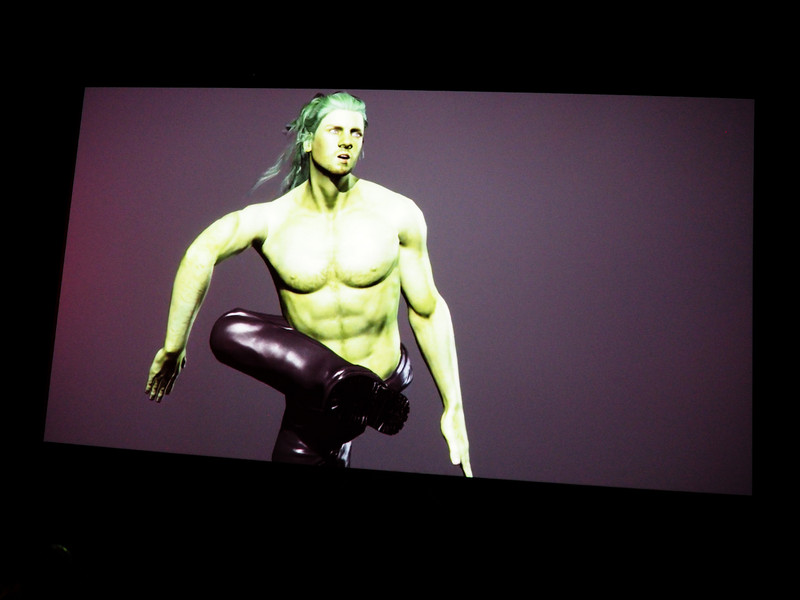
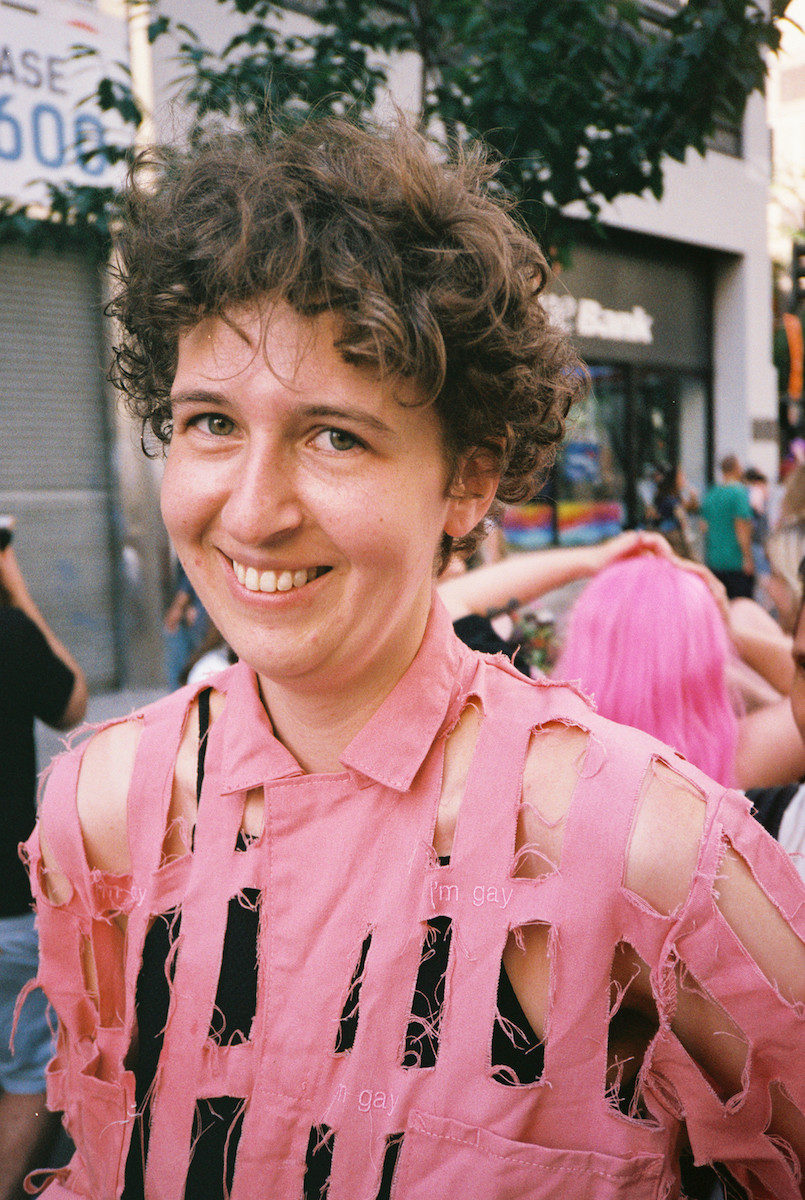
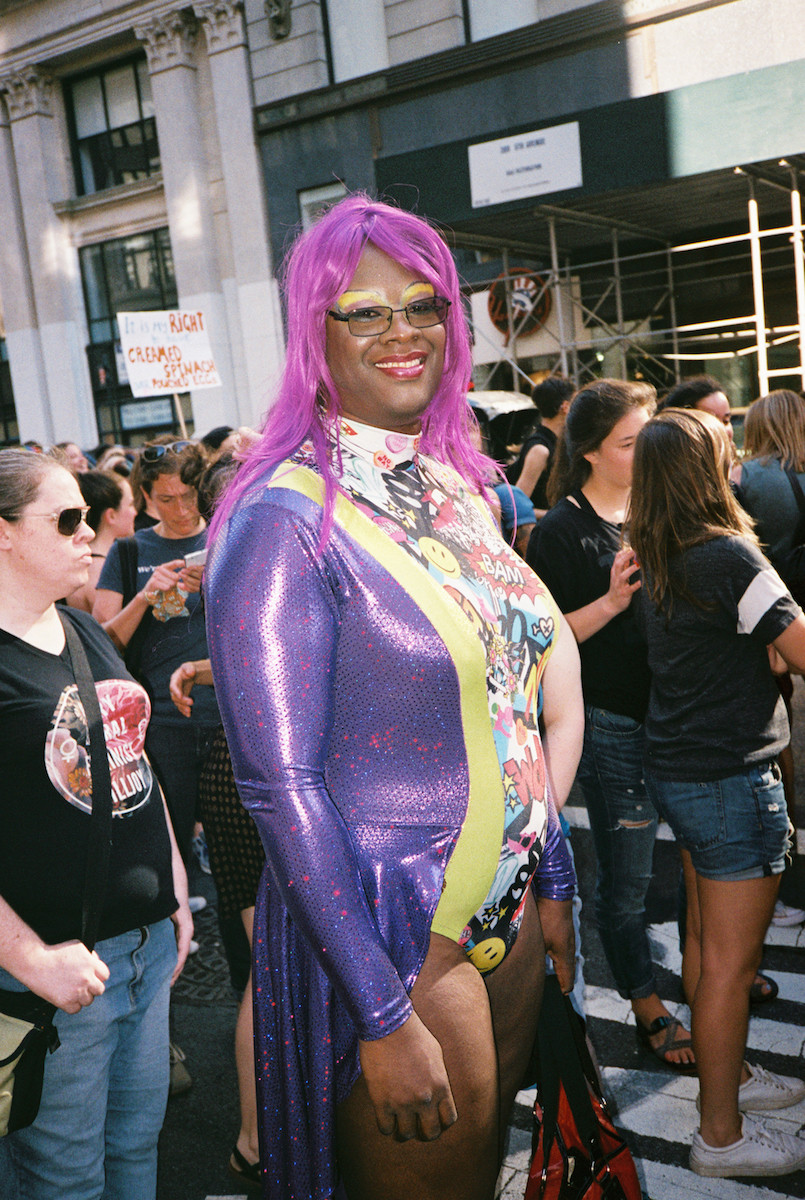
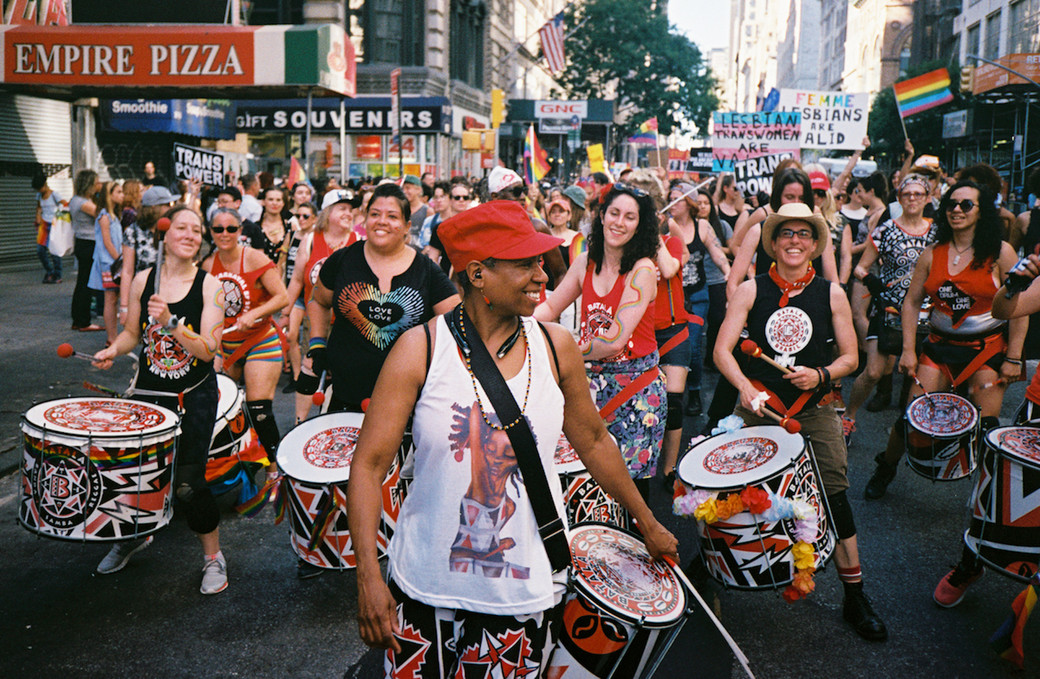
Lamar is a muse for the ages, a lens through which we can explore the love within both our hearts and others'.
Check out the video and photos below.
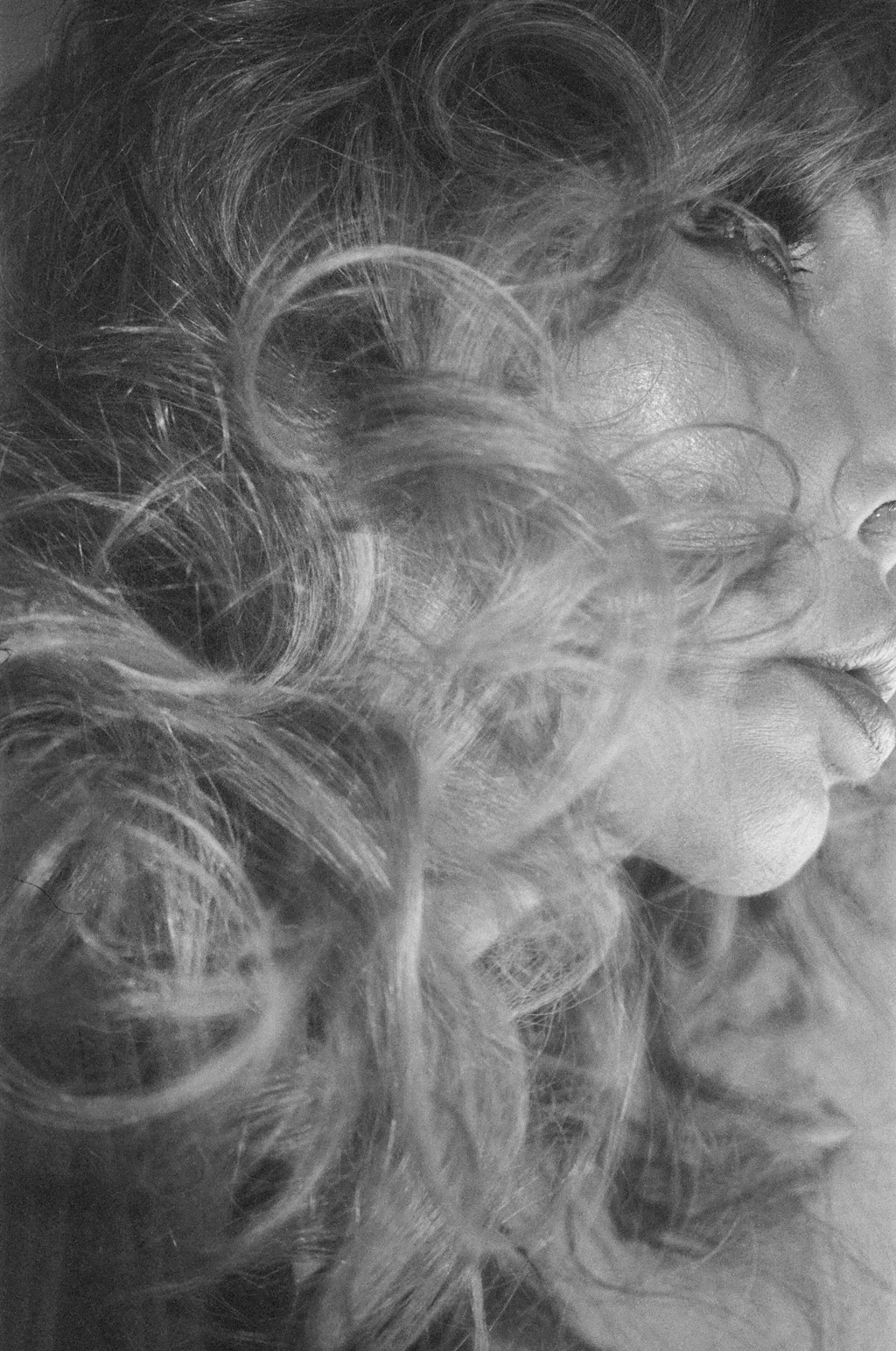
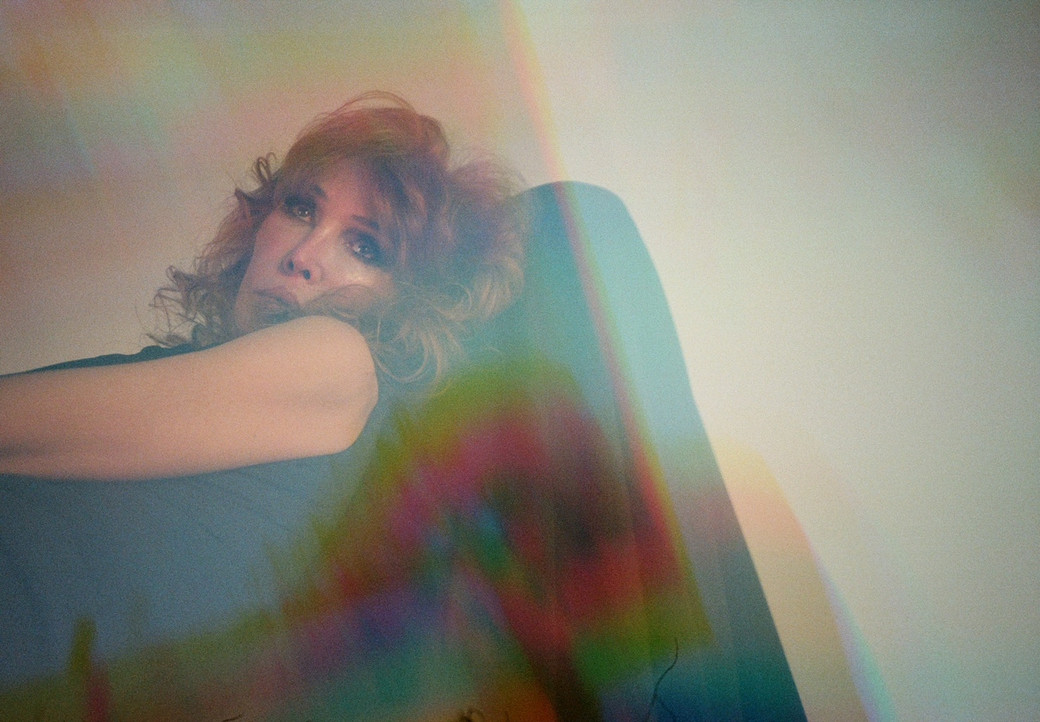
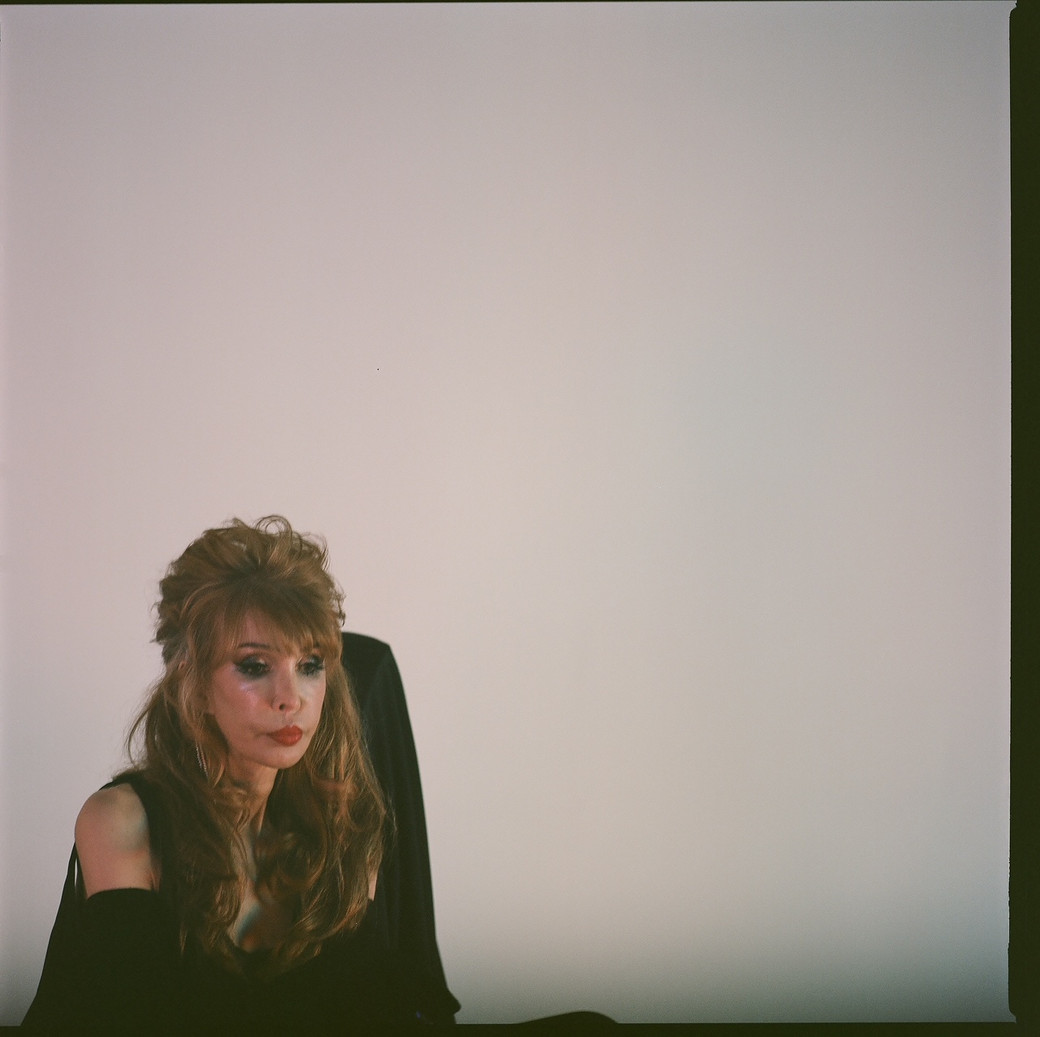
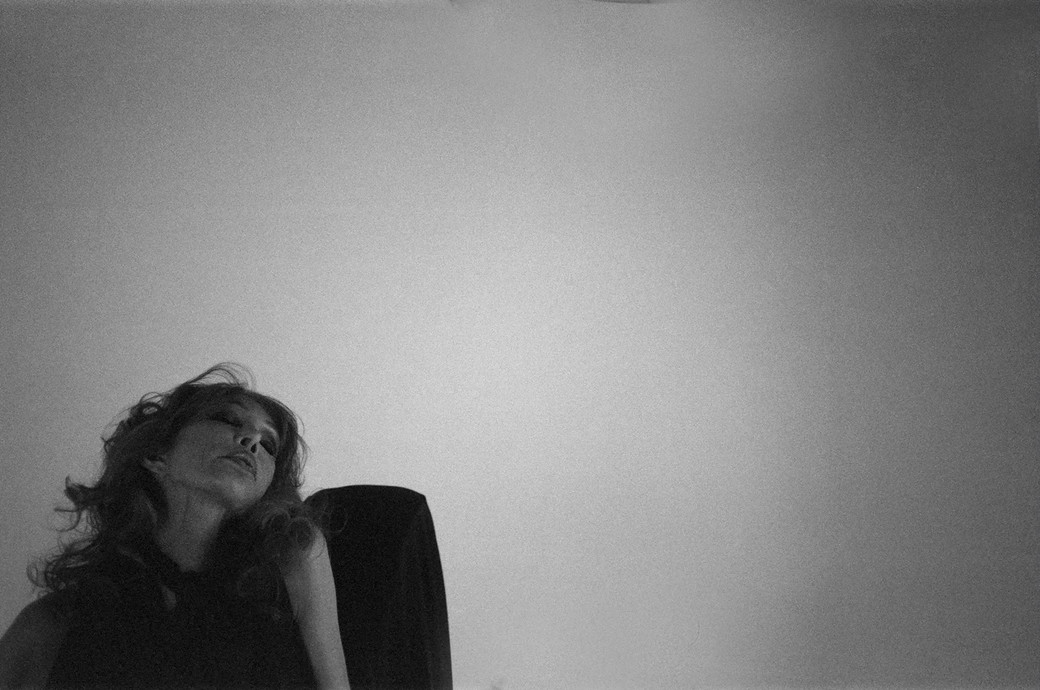
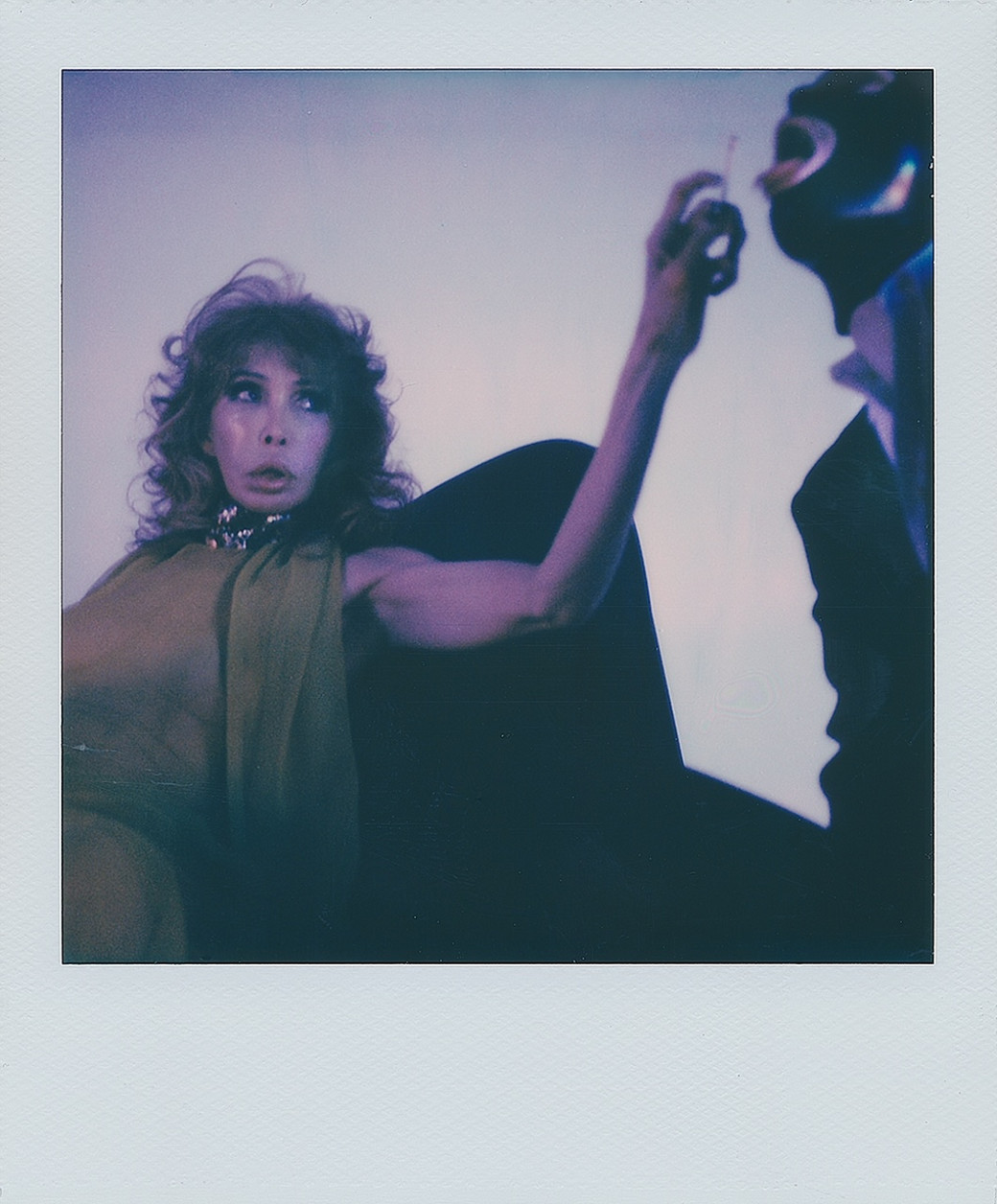
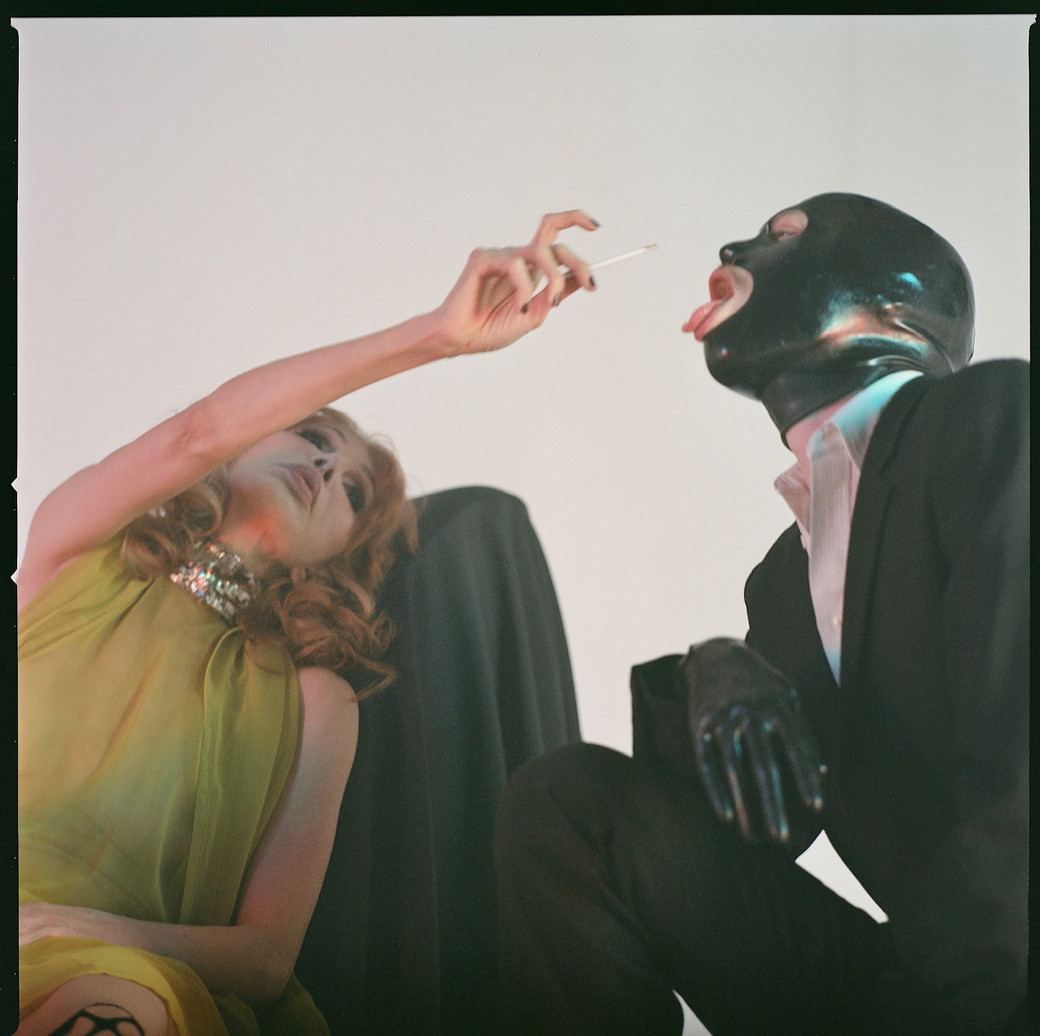
Lamar is a muse for the ages, a lens through which we can explore the love within both our hearts and others'.
Check out the video and photos below.

Tell us a little bit about the new show you star in.
Gypsy follows a New York therapist, played by Naomi Watts. It explores the boundaries between patient and doctor— she kind of starts to play puppeteer with her clients.
Thinking about the darker themes in the show, how did you relate to those or get into character?
I play Alison, and when we first meet her she’s on amphetamines. By the time we meet her, she’s been addicted for a year so she’s learned how to contain it kind of, and lie very effectively about it. It was kind of trying to find a balance between feeling that frenzy and that need, but also keeping it contained.
It sounds very psychological. Have you ever done a project like that?
I don’t think I’ve done anything quite like Gypsy before. Especially the honest way that it is written. Each character would be easy to put in a “box”, make them the stereotype version we’ve seen—drug addicted teenager—but the way the writer has done show is very human and real.
There has been lot of controversy about the portrayal mental illness in media. Especially with some recent shows, also on Netflix. Do you feel like this is doing something alternative to that?
Absolutely. It was refreshing to see someone struggling with that drug instead of glamorizing it. It’s not only about the floundering feeling of what Alison is going through with drugs, but also being a young woman of her age being fed “if you follow this steps, you'll get to a certain place,” and learning that that’s not the way it goes. You see the darker characters in film where their struggle is so dark and glamorous. It’s like, “I know what I'm being fed is terrible, but why do I wanna be Winona Ryder, in Girl, Interruped?” In [Gypsy] it’s the ugliest side of everyone. Even with Naomi’s character. I love to see someone who seems so sane, have a dirty side.
How did you prepare for getting into character?
It’s the hardest thing. I didn't want to do what we’ve seen— a shaky leg, and such. I was trying to feel that frenzy while containing and working out with the director with how much to give away to the audience.
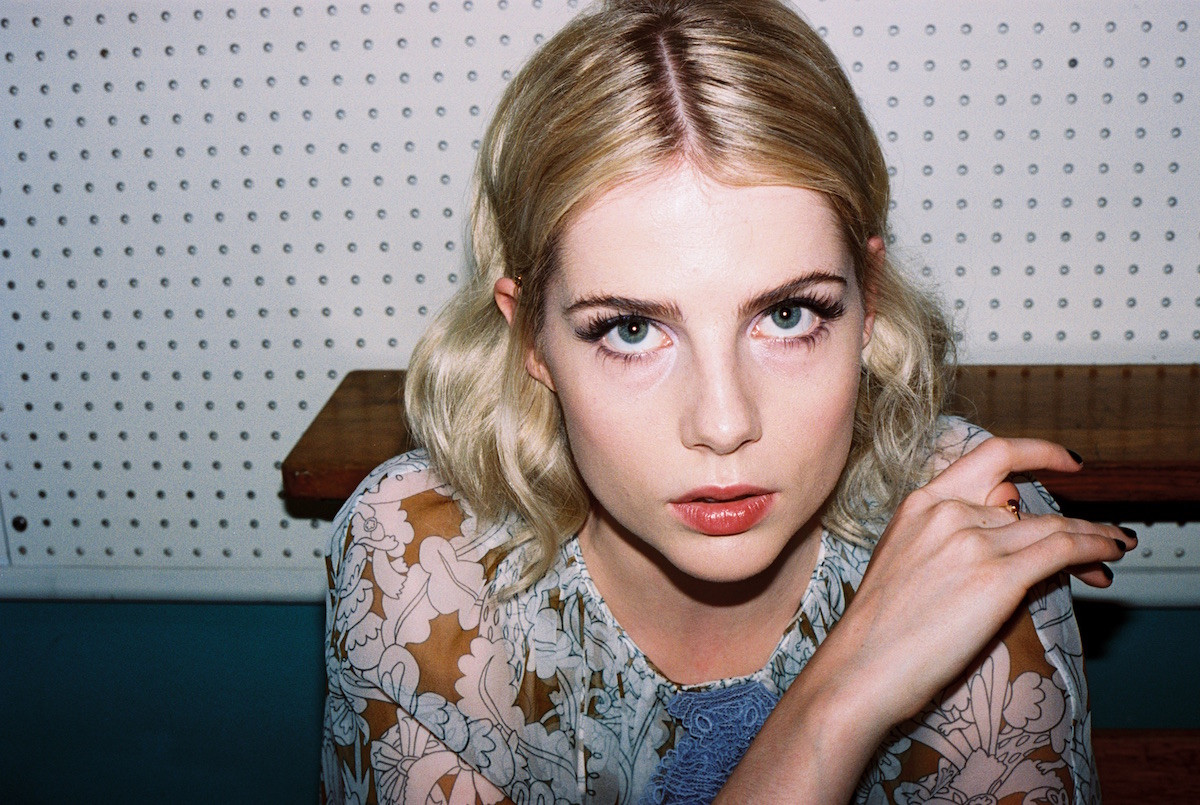
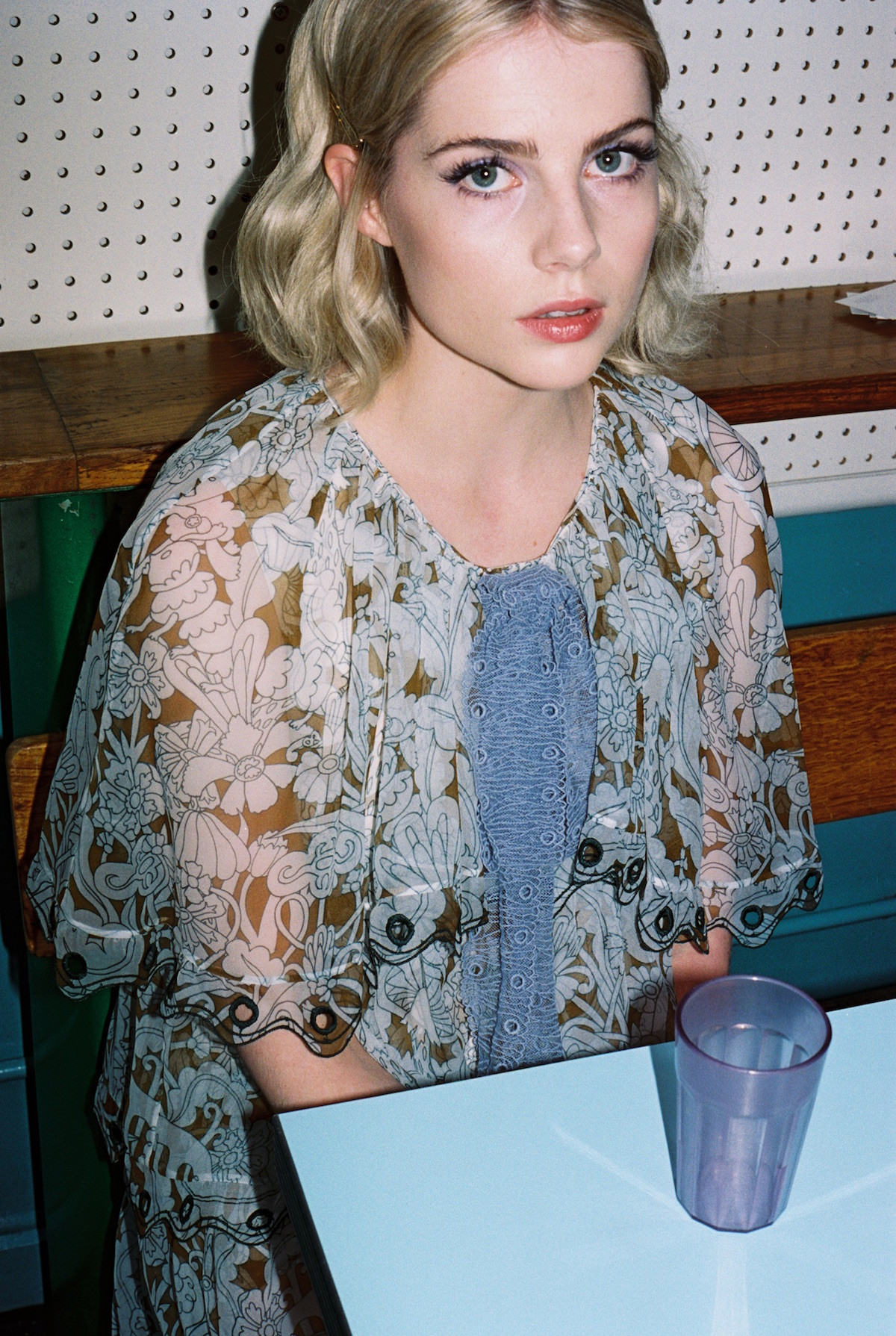
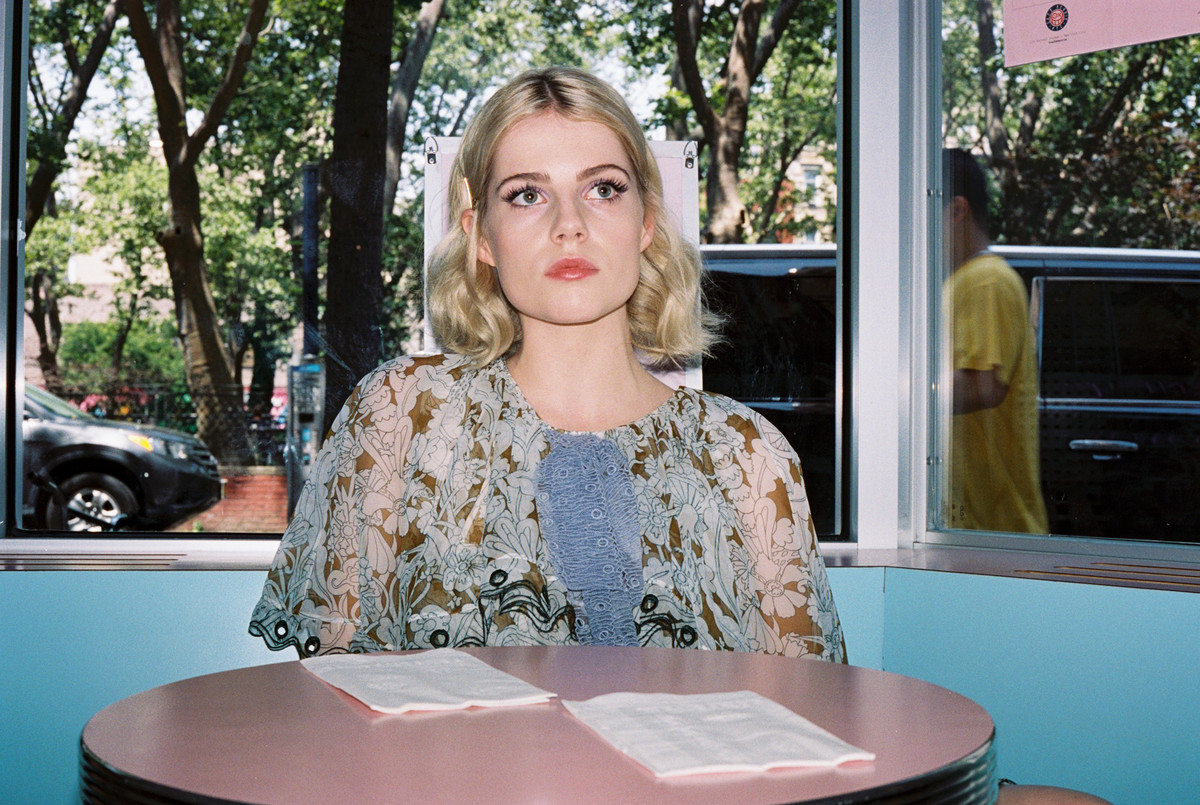
Why is the show called Gypsy?
The writer named it after the Fleetwood Mac song, because it’s also about finding your identity, and the show is mostly about redefining yourself as well.
Are you blonde in the show? I don’t know what color it’s gonna turn out! I wanted to be like mousy brown, but it accidentally went pretty bright red. I don’t really own my own look, I kind of do what they tell me to. I was having a bit of a crisis about that, so that is why I wanted to go back to natural for the show.
What is the main thing that you want people to take from Gypsy?
I feel like it sounds cliche, but I think the show shows that you no matter what stage you are at, you can take a step back, reassess, and do something different. You don't have to stay where you are today.
I have to ask— did you have to do meth to get fully into character?
Ha, people usually ask that a lot less bluntly. But no.

As a queer leader navigating the pseudo progressive environments she endures while bridging relationships, Venus is hyper conscious of the oppressive conditions she identifies in the world. Her ascendance into widespread recognition are a celebration of the statements she’s made with her approach to curating New York’s creative landscape. She remains rooted in a mission she began with the likes of Shane of HBA: to deconstruct the dynamics of injustice in music and nightlife, while honoring community building through music. Inspired by the conversations she shares with her peers expressing their reality and educated by her experience and insights, she says it is the literature she reads that bestows the greatest influence in her work. Venus, who recently became the curator of MoMA PS1 Summer Warm Up Series, connected with Office to revisit her formative years. With a photoshoot down the block from the Harlem Hospital where she was born, and just across from Schomburg Library, we chatted over coffee at Revolutionary Books to explore the landmark texts that shaped Venus’ world, and in turn, inspire our own.
Shortly explain what GHE20G0TH1K is and what it means to NYC culture?
GG is a rave turned record label and store. Basically it was created as an angry brown kid incubator for the apocalypse. At the time, there was a big desire to think about the end of the world for music and culture. What the end looked like and was listening to as we got closer, and also translating that with how we were having sex. It was a space for experimentation that me and my friends were responsible for putting on every week. At first it was with House of Ladosha and then quickly turned into a weekly that Shayne HBA, myself, and False Witness brought to a space in LES on Orchard and Delancey. We wanted people to challenge themselves on who they date, how they fuck, who they listen to, what they wear—in a sense, being democratic about negotiating these things and letting the music speak for itself.
What role does identity politics contribute to the aesthetic fantasy you’ve been activating since the beginning?
The aesthetic is totally derived from the nature of the experience. About danger, fear, the apocalypse.


Necklace by Diminish, Jacket by Kim Shui, Pants by Bjarne Melgaard, Shoes by Nike; Skirt by Snow Xue Gao
You were born at Harlem Hospital across from Schomburg Center for Research in Black Culture. Tell me about the significance of these institutions, and their juxtaposition?
I went to the Schomburg a bunch when I was a teenager. I was born in one of the worst hospitals in New York. There is no coincidence that Schamburg is across the street from “Crack Hospital”. I grew up in poverty and with immigrant parents, and growing up in this environment made me angry. Reading certain books made me active. It helped me relate so closely with so many people and helped me talk about power and influence, and relate through our tension and anger in the club. If you have an angry person, an angry woman, an angry brown person, you can activate that. Now with a certain influence and power it’s important for me to have a place to express how I feel and my existence in the world - whether it means I’m poor, a women, a brown person, queer, and all of those things at the same time. Maybe my whole life is me crossing the street to the Schomburg Center, from the hospital and that’s all of it in a nutshell. Where I am and where I want to be. To make sure I cross the street and read those books at the black library. To ensure my life is the real life and not just a fantasy. Fantasy is important, but it’s not the core of our existence.
What are you reading right now?
I’ve been getting back into stuff from when I was younger. I recently dug them up for an exhibition I did about my materials and design process. The main one I’ve been reading is Eldridge Cleaver’s, “Soul on Ice”.
What does it mean to you?
He was the Minister of Information from the Black Panther Party. He was partly writing a guide to understanding America at the time, which is ironically a question a lot of people are asking right now. Be it people, black people, gay people, immigrants, women. I didn’t seek the book out, but through a series of events it came to me again. The ideas I was thinking about as a teenager, as a radical, were as important as they are now for me to survive, when I think about immigration, sexuality, and sex politics.
How does your research of radical text inspire your role as a cultural practitioner?
I didn’t imagine I would ever become a radical thinker. Not as a young person, without family members who talk about anything I think about. The reality is that most people who grew up around me expected the version of the truth they learned in school and didn’t question it. When I became a DJ, the performance was directly influenced by the stuff I read. It was at first radical black text, then it was gender theory. I’m not just there to please people aesthetically or with content I use. I don’t want people to feel comfortable. I’m also working to become as liberated in the process of DJing as possible. That’s what happens when you read about topics of people's rights, and jump into DJing. In my case, it was the content and using music to tell those other stories. It was the thing that came most naturally to me. I certainly appreciate a role where people let me come into a space to play music for them. I have reference points. In the last few years, I’ve been digging to reconnect with what’s at the core of this evolution for me.


Sunglasses by Gucci, Dress by Nomia, Shoes by Manolo Blahnik
How do you educate yourself outside of the materials you read?
Democracy Now. I look for radical media. I don’t really trust too many sources you know. I follow Edward Snowden on Twitter. I go to zine fairs and pick up zines from radical activists. I meet people. Following social media accounts has been super helpful. There are a lot of young people I trust. If you are looking for it you will find it, but most people just aren’t looking so it’s not really in their face.
Who was an inspirational figure that shaped your development as a cultural innovator? How have they influenced you?
Total Freedom, who is a DJ and producer I work with. His name says it all. He’s got no limits. He lives a life personally and through performance that has no boundaries. You can see that in the way he works, and in his life in the way he relates to his phone, his calendar. He’s been instrumental in living a life that’s more conducive to what I want. Also, a lot of my friends, with the work they do and the way they live their lives. I feel that it’s really genius.
Who makes up your community? Is this a process of you seeking out community or being embraced by one?
My community is constantly changing. A community is made up of people who respect each other. Sometimes we are on a spectrum, and its all about respect. People come into the community and it’s made up of segments of people who listen to music, shop, come to party, elders we look to for guidance. People who express through gender and identity, musical expressions. We want people to not just gather but to make an experience together as musicians and performers
You mentioned respect at the core? How do you design authentic experiences for your community to grow and prosper?
I want to operate my store and record label and party independently. It’s a store that sells music, clothing, and artwork. All we have is an interest in making those things stable and profit so that the people involved in this community can remain stable and profit as well. It is important to not do drugs and drink the whole time. I am making safe spaces. As an independent entrepreneur in this space, we have to grow the business when we profit. You have to respect people and keep it going. The only reason these things don’t remain stable, is that people do not respect people at the center creating. There is not a secret answer. It is about respect and being a good human being.
Keep up with all things Venus X on Instagram. Planet X is open now at 99 Canal Street #3D. Read our feature on Planet X here.
Special thanks to Revolution Books.