Limited to just 1,000 pieces, BLEUSHARK is available now at dorcelstore.com.
Stay informed on our latest news!
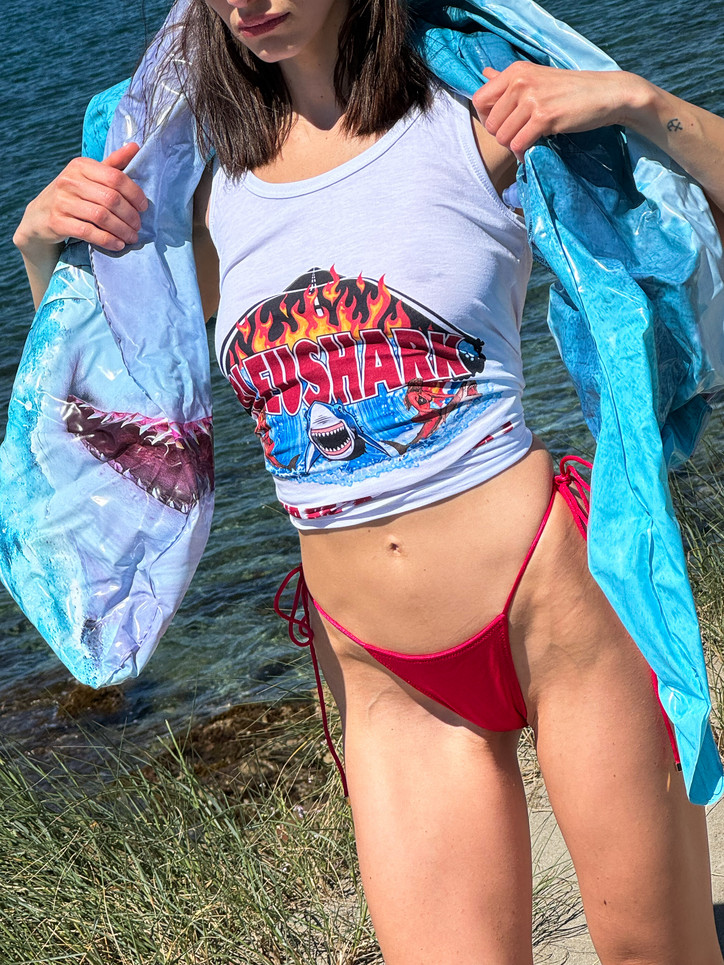
Limited to just 1,000 pieces, BLEUSHARK is available now at dorcelstore.com.
What aspects of your early life and upbringing led you into the erotic publishing business in 1968, and eventually to founding Video Marc Dorcel in 1979?
I’ve always had an entrepreneurial spirit, a lot of curiosity—and some luck. I started young, wanting to launch my own business. After my first project didn’t work out, I was in a café when a friend opened his mail—it included cash and cheques. I was intrigued. He was selling books by mail order. I thought it was a good idea, so I started small, selling a few romance novels. Then someone offered me an original manuscript—the one that became Ursula—and I took the plunge into publishing.
I also noticed a market for pseudo-erotic American magazines, often unsold copies imported by the container and sold at high prices. I figured I could improve on them—add photos to the texts, in the style of photo novels. Then by chance, a neighbor who repaired VCRs offered to film my photo shoots. I hesitated, but eventually agreed. That’s how Video Marc Dorcel was created.
In 1968 you sold 20,000 copies of the erotic novel Ursula, only for it to be banned by French courts. How did you respond to that censorship, and what drove you to continue innovating?
Ursula was a hit, selling nearly 30,000 copies. Though it wasn’t banned outright, it was restricted from being displayed. Still, I was proud to see it in shop windows next to books by authors like Joseph Kessel.
At the same time, I was watching the arrival of pseudo-erotic American magazines in newsstands. I saw an opportunity to create something more polished, with a different visual standard. I’ve always been passionate about imagery, and I wanted to offer a more elegant, more French eroticism—stories with realism and identifiable characters. That’s what led to the first erotic color photo novel.
"Créateur de plaisir pour adultes.” How do you personally define “creating pleasure,” and how has that philosophy guided your work and brand identity over time?
Creating pleasure means imagining experiences. I’ve always wanted to tell stories and stir emotions—desire, thrill, curiosity—with elegance and respect. Very quickly, this approach became part of everything we did: films, objects, campaigns. It wasn’t just an editorial line—it became a signature. Today, “creator of pleasure for adults” sums up over 45 years of what Dorcel offers: a sophisticated and unapologetic vision of pleasure, backed by real expertise. We see ourselves as artisans of pleasure—with that French touch: aesthetics, sensuality, and freedom.
In 1995 Dorcel became the first French studio to sign a star on an exclusive contract, creating the Dorcel Girls concept. How did using “ambassador” performers change the company’s image?
It was a turning point—treating performers as long-term partners rather than interchangeable roles. The Dorcel Girls became true collaborators. Some even accessed mainstream media, representing the brand in spaces we couldn’t. This helped shift perceptions in the industry, highlighting performers as artists with their own voice. Clara Mia, for instance, now represents this evolution by directing and starring in our films.
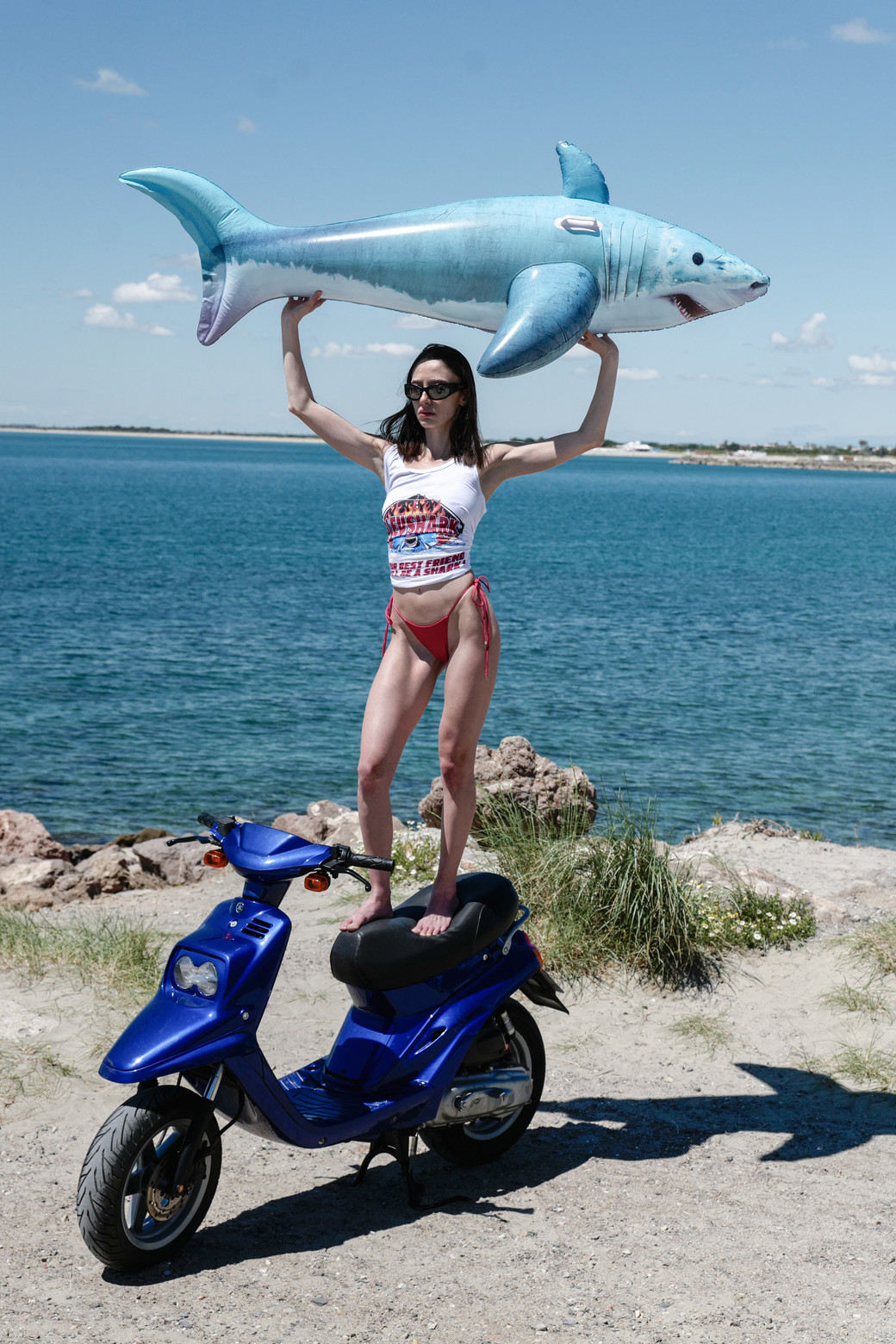
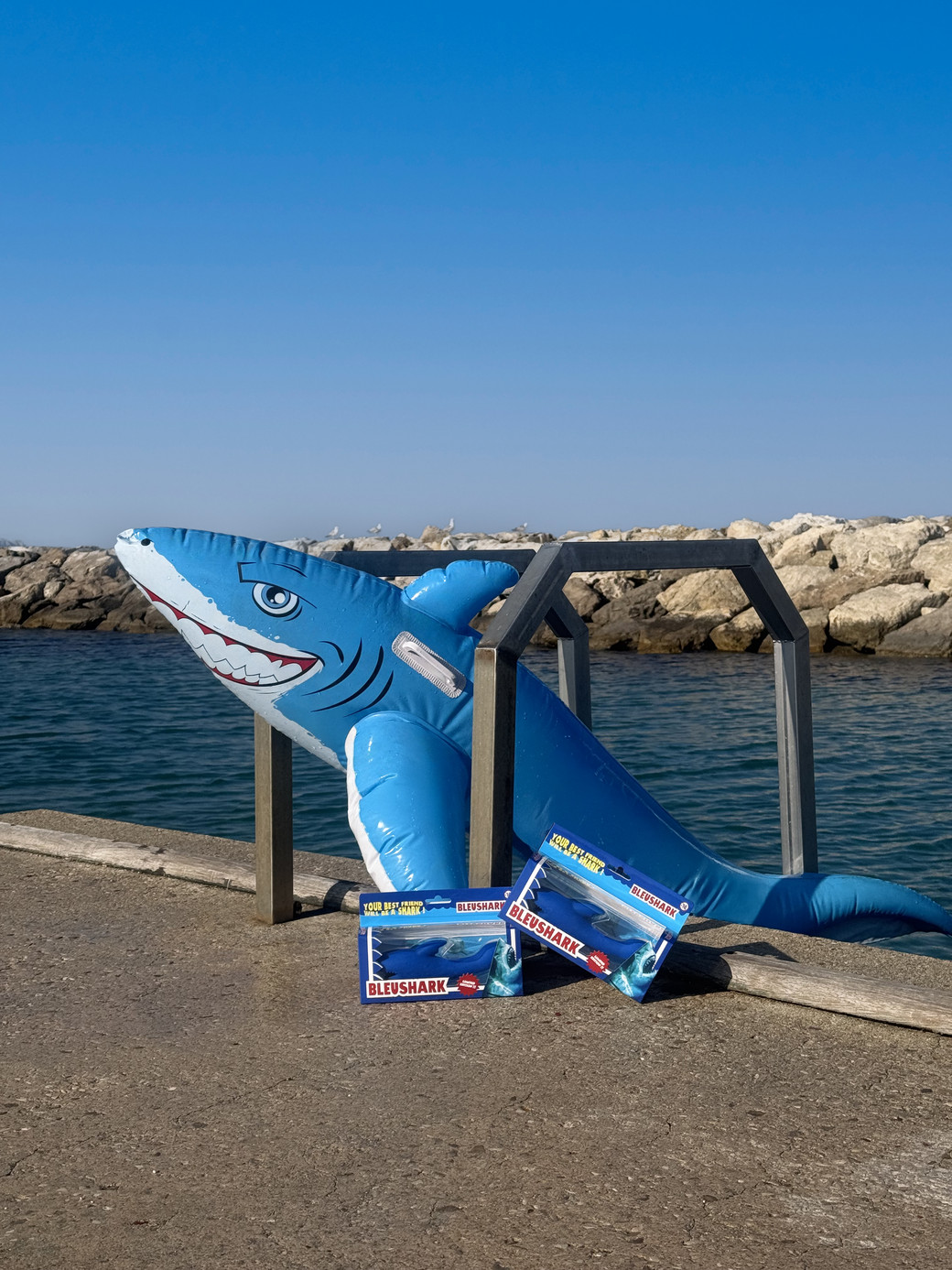
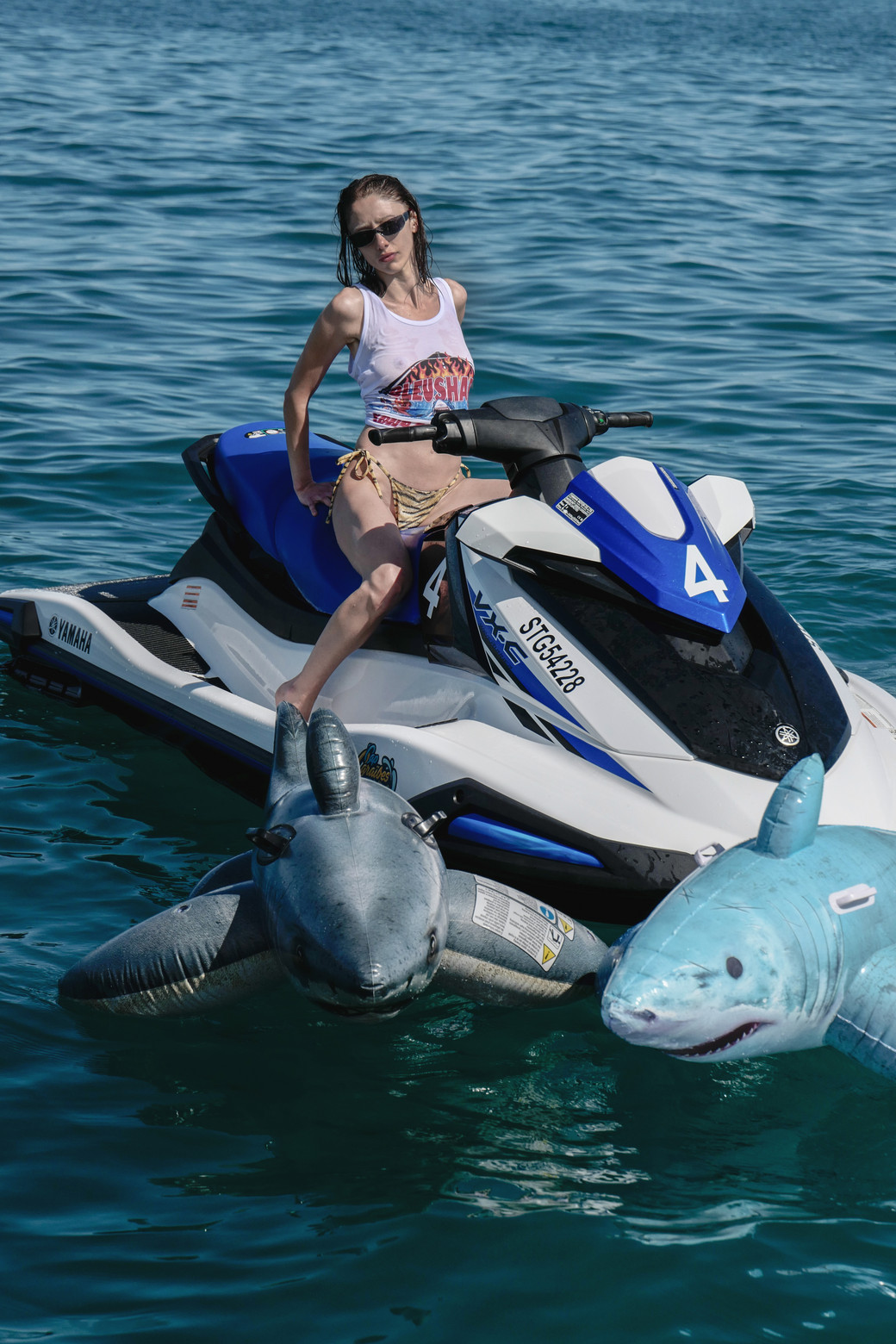

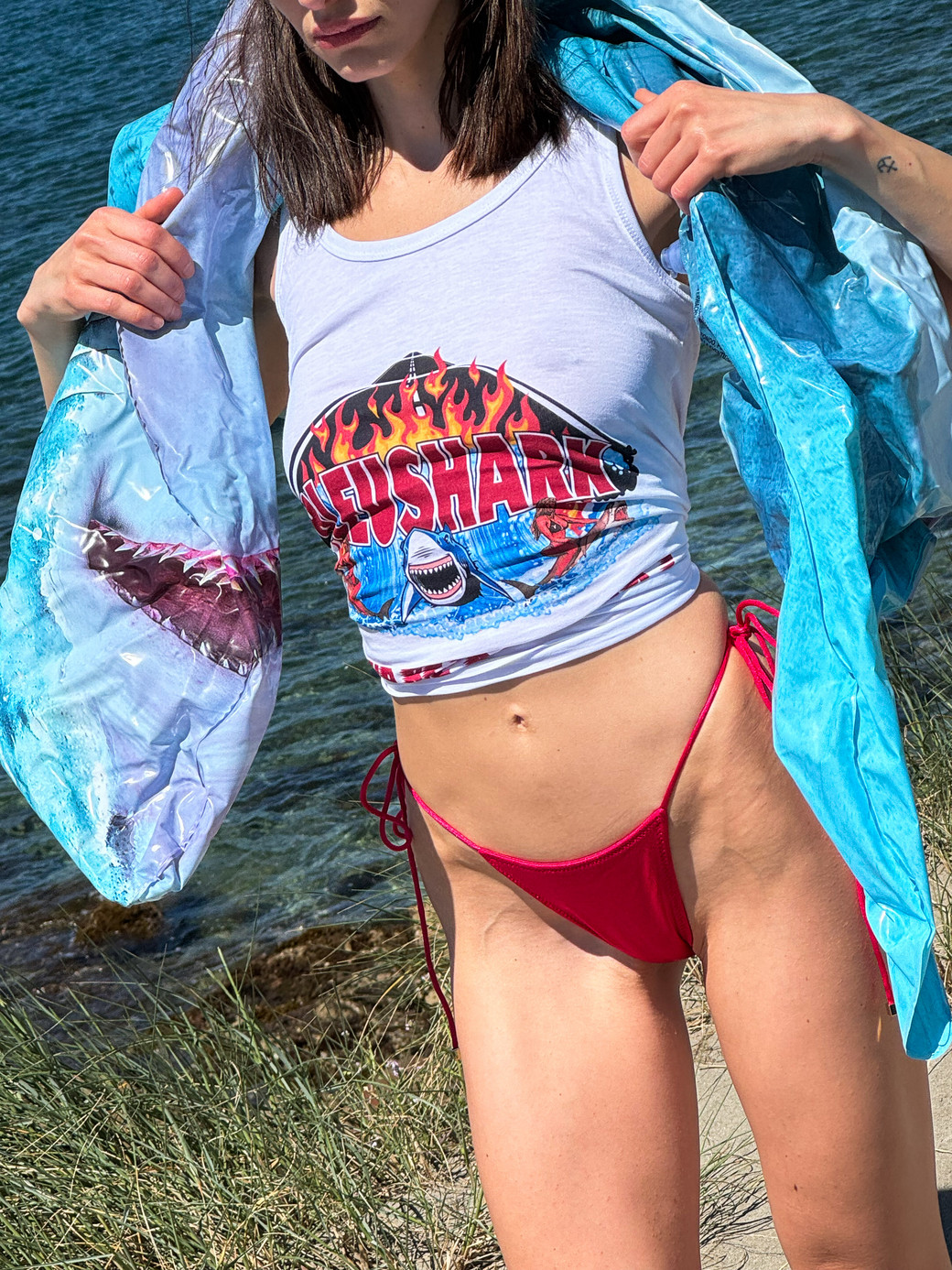
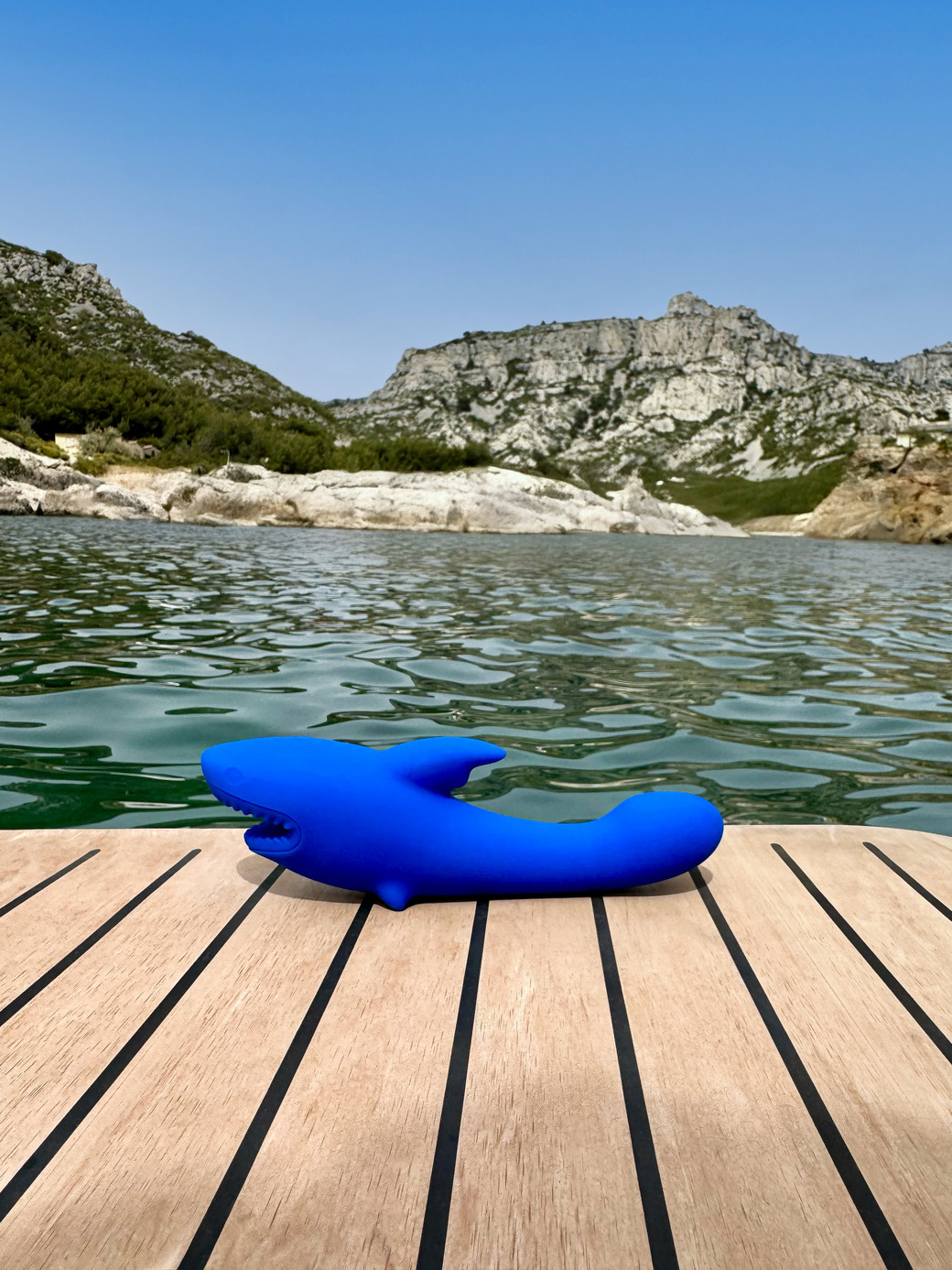
Do you see the BLEU SHARK collaboration as part of a trend of destigmatizing sex toys through design?
With BLEU SHARK, we wanted to rethink the sex toy by transforming a retro shark toy into something playful, stylish, and unexpected. Collaborating with Julien Boudet—whose work mixes street culture, 90s nostalgia, and vintage references—we created an iconic object reimagined for adult pleasure.
Design becomes a form of expression: not just about function, but about culture, aesthetics, and desire. The goal was to move beyond medical or hypersexualized imagery and create something that could be embraced or displayed without taboo.
BLEU SHARK is part of a larger movement toward liberated, joyful, and stylized pleasure.
You still remain active. What daily habits, inspirations, or relationships keep you motivated, and are there any emerging artists, filmmakers, or cultural trends that currently excite you?
Curiosity remains a core value. At Dorcel, we continue to observe, listen and draw inspiration. In a field as dynamic as ours, everything is constantly evolving, and that's a good thing. Pleasure, representations and uses are also cultural and societal issues. They change, they question, they reflect their era. Being attentive to these developments is what allows the brand to remain relevant, without ever becoming stagnant.
How does it feel knowing your son now leads the company you built? Were there concerns or surprises in that transition?
The transition wasn’t formal—it happened naturally, through discussions and shared milestones. There was no plan, just a shared will to preserve what we’d built while letting it grow. Grégory gradually took over in the early 2000s.
Seeing the brand evolve under a new generation is both continuity and transformation. It’s not a fixed legacy, but a living project. That’s Dorcel’s strength: instinct, opportunity, and a vision of pleasure that adapts without losing its essence.
What’s one common misconception about the adult film industry you wish people saw differently?
That it’s not serious work. That it requires no standards or commitment. This is false.
Creating, producing, and distributing in this space demands as much rigor as any cultural or media industry.
At Dorcel, we work with artists, technicians, and partners who uphold the same values: quality, professionalism, respect. Pleasure needs structure. Eroticism needs ethics. It’s the only way it has real meaning.
What’s the wildest or most extravagant project you’ve ever greenlit?
Dorcel has always embraced boldness—but never for its own sake. Every gamble must serve an idea, a new perspective, or a desire to innovate.
From the first adult film shot on video in Europe to our concept store, and all the way through VHS, CD-ROMs, VOD, VR, podcasts—we’ve made bold choices. In 2010, we produced Mademoiselle de Paris, the first crowdfunded X-rated film. More recently, collaborations like the one with Bleu Mode show our commitment to artistic exploration.
But maybe the boldest thing we’ve done is to treat pleasure seriously—to bring rigor to eroticism, without cynicism or vulgarity. And to keep doing that, year after year.

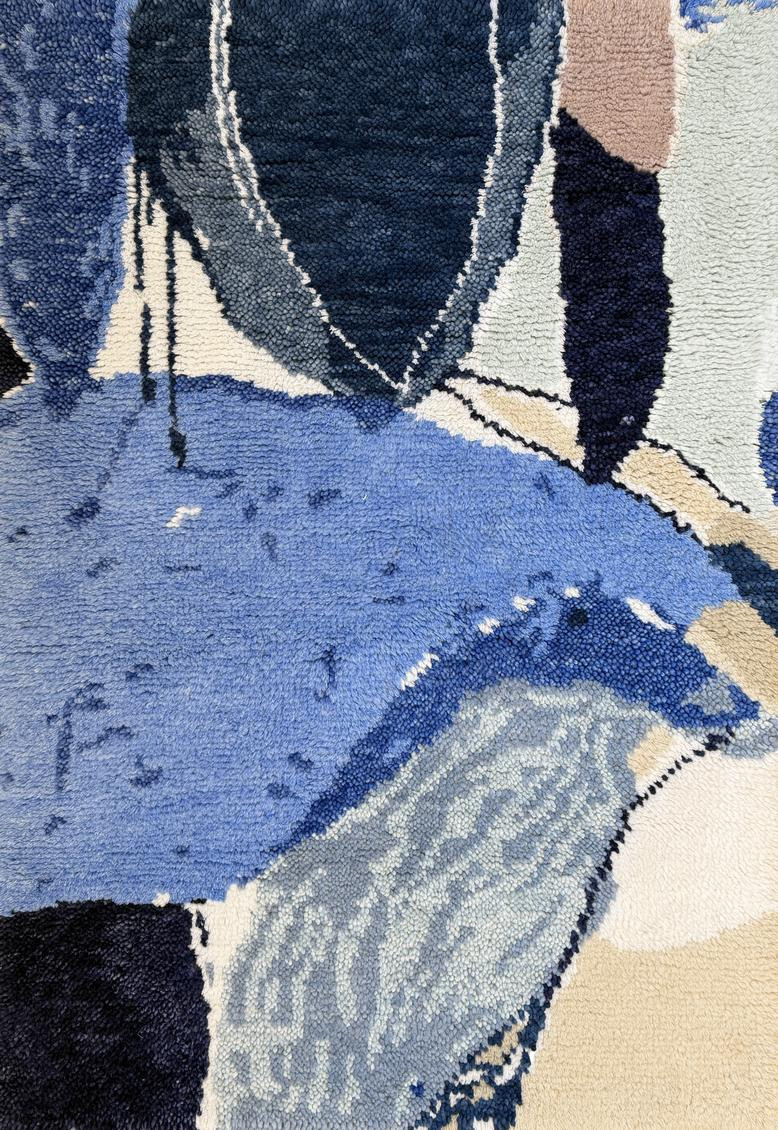
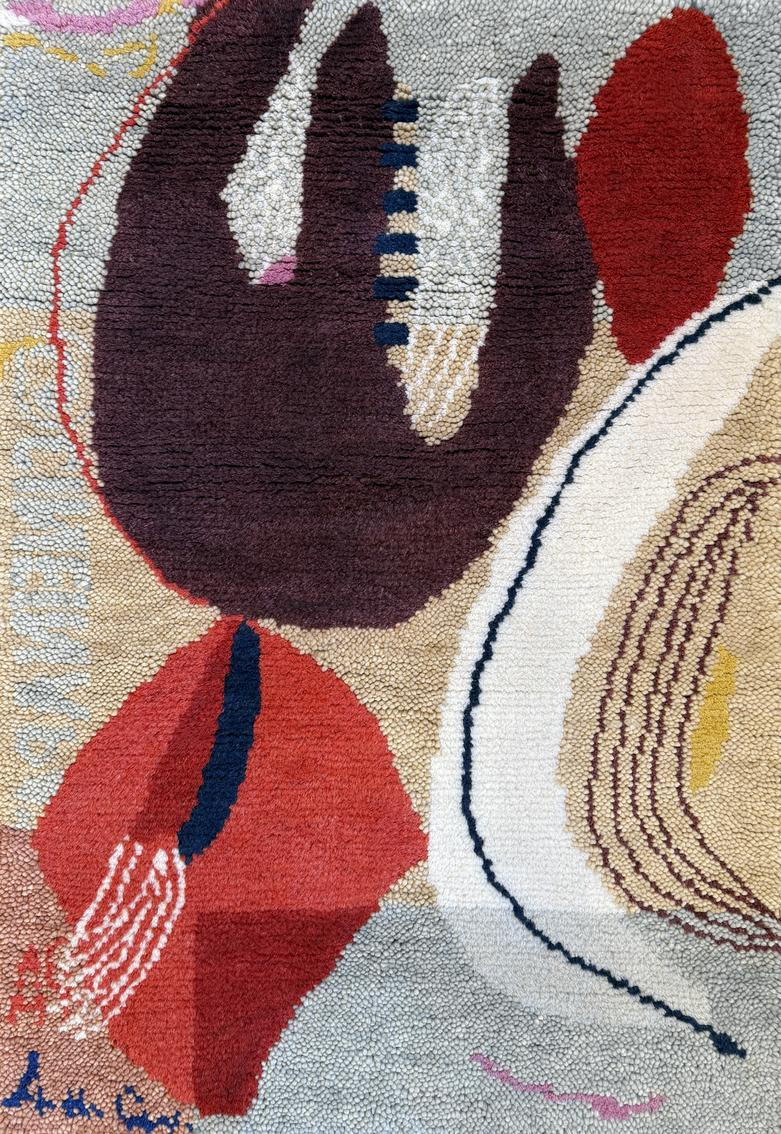
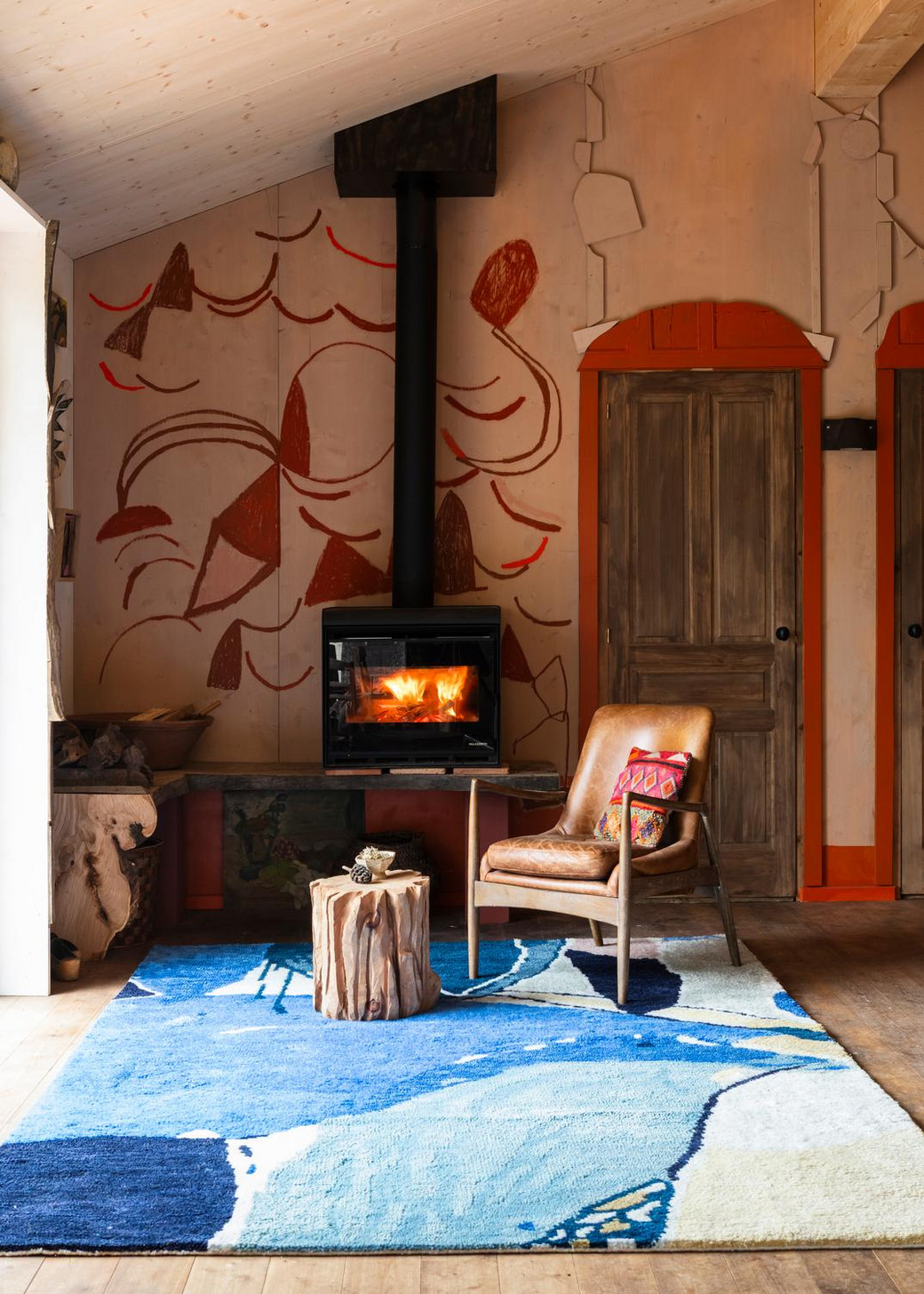
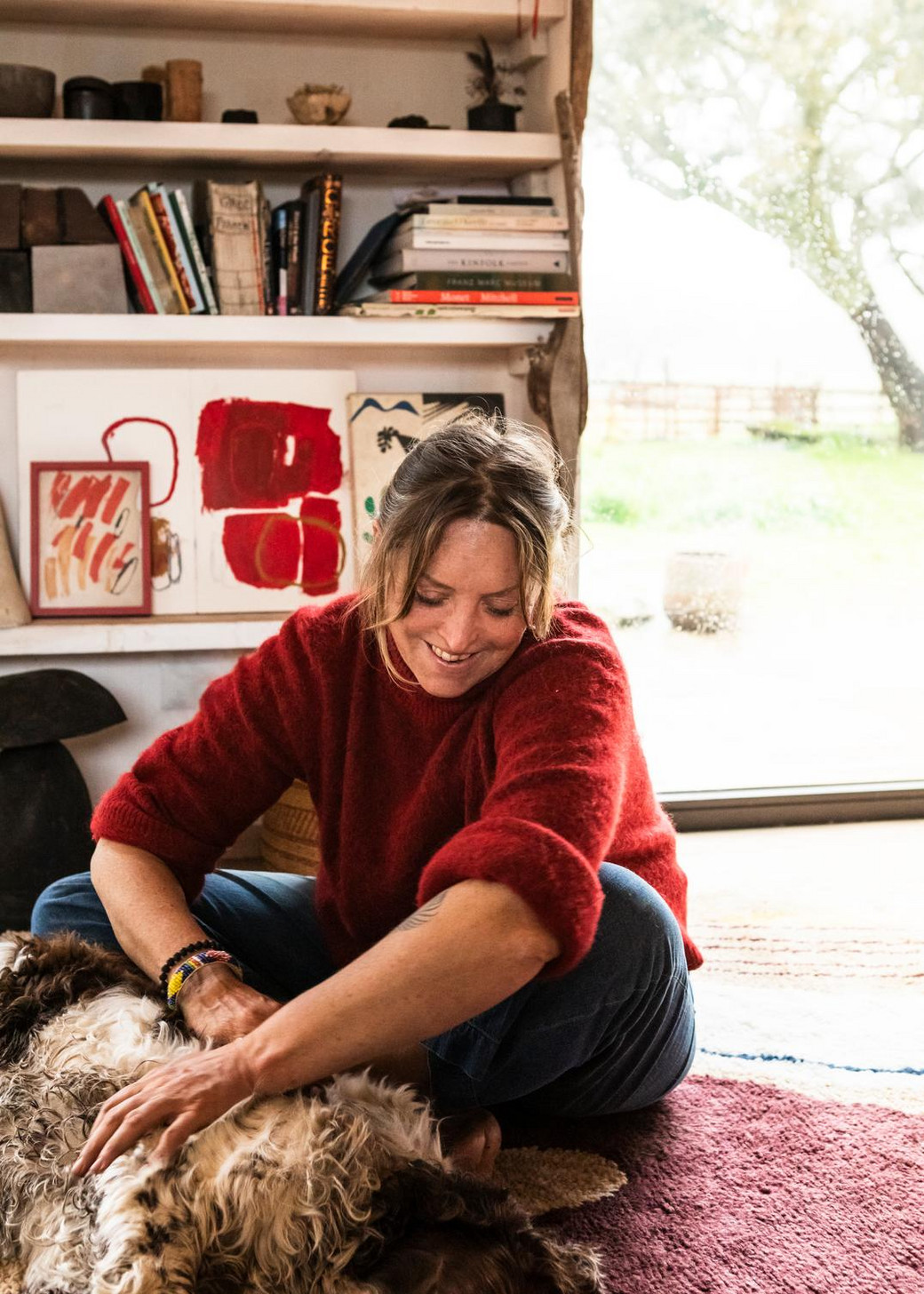
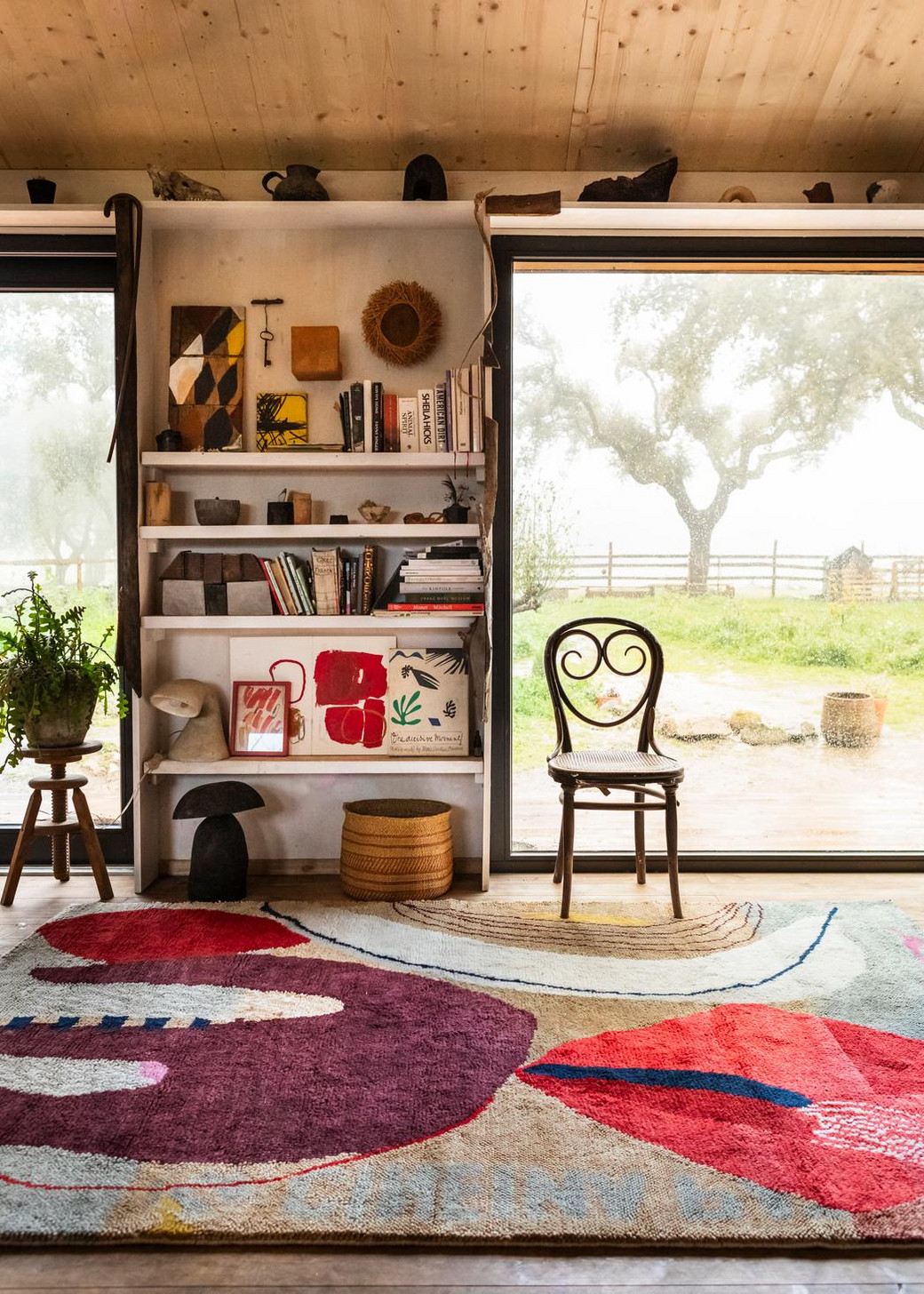
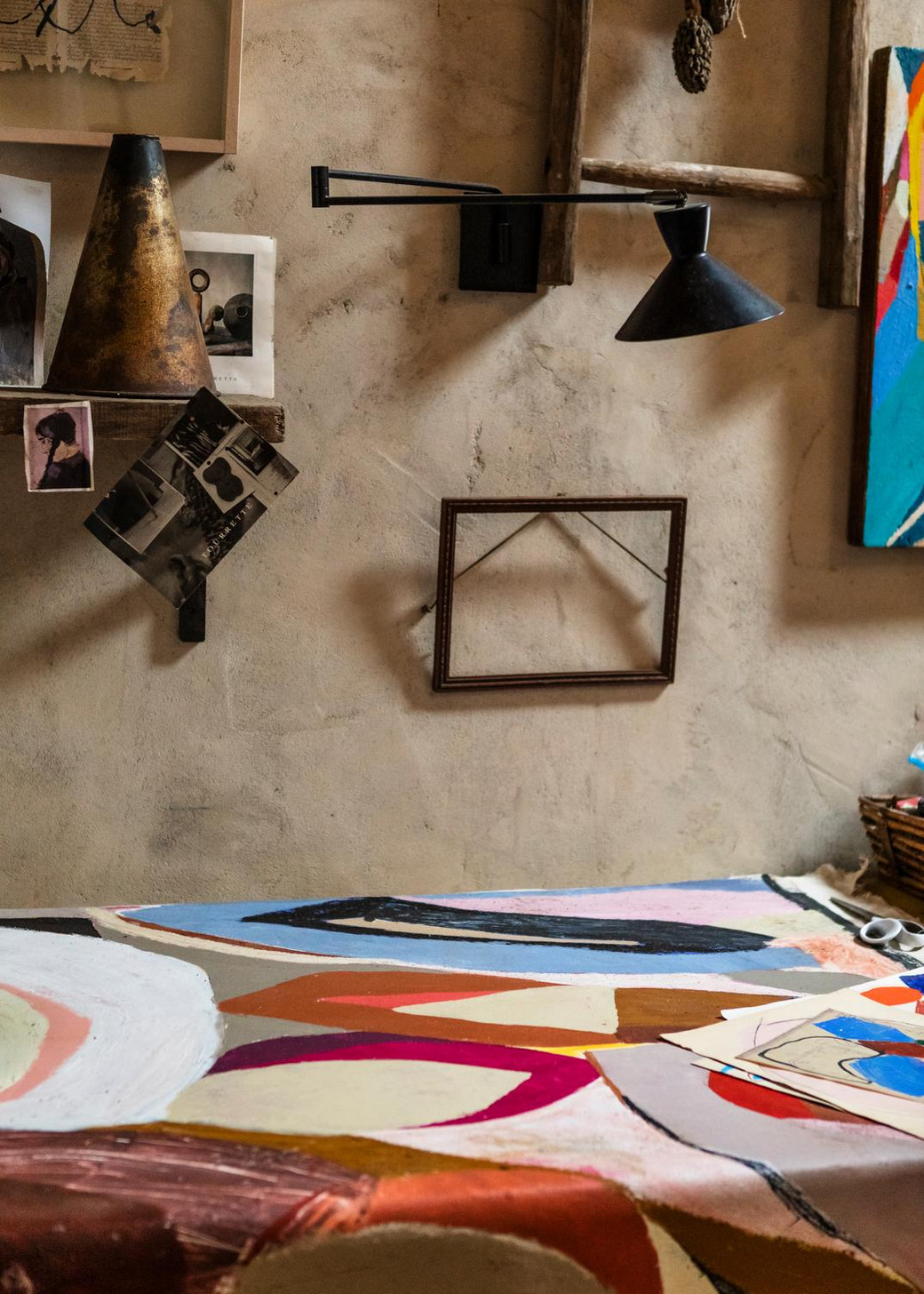
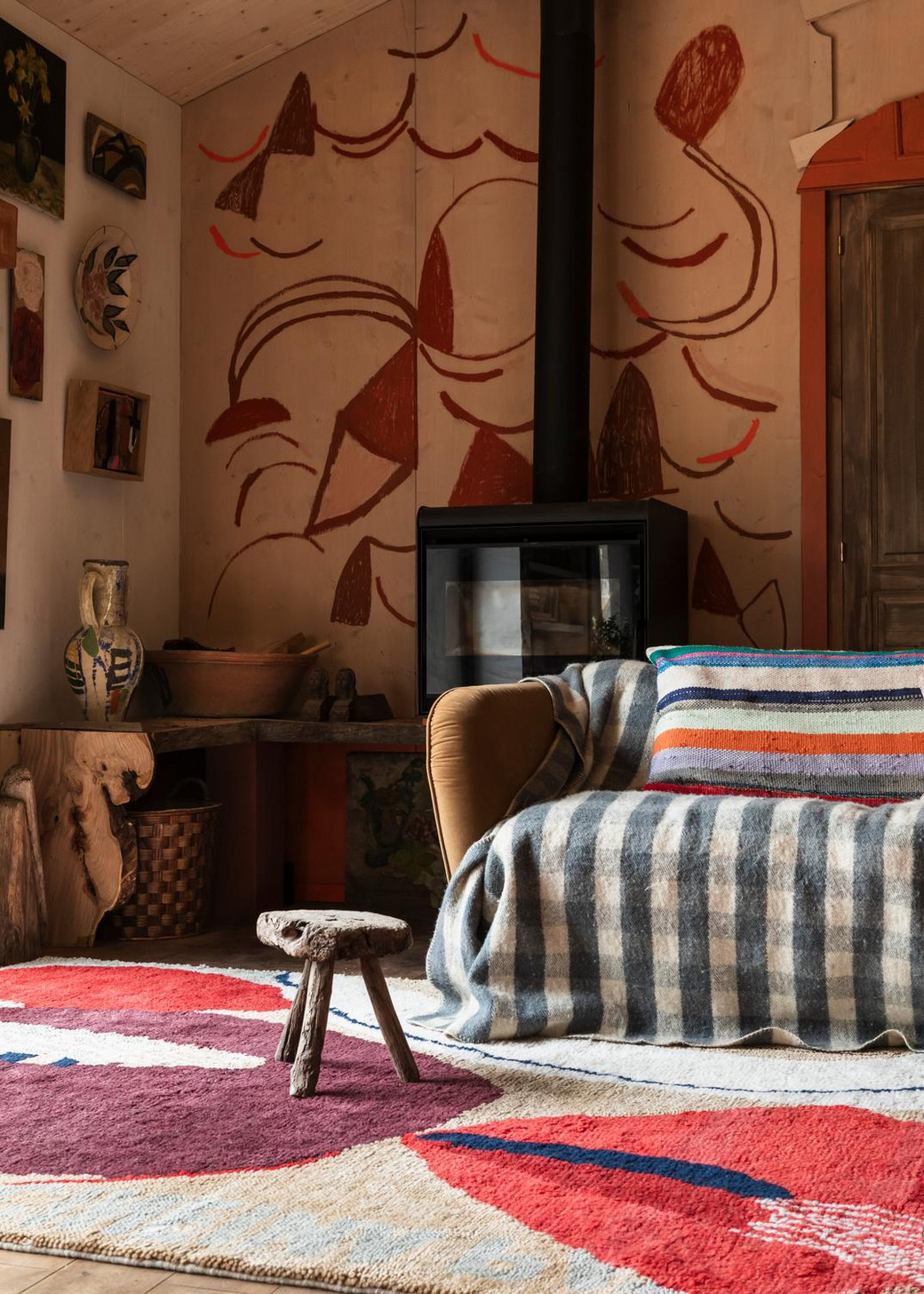
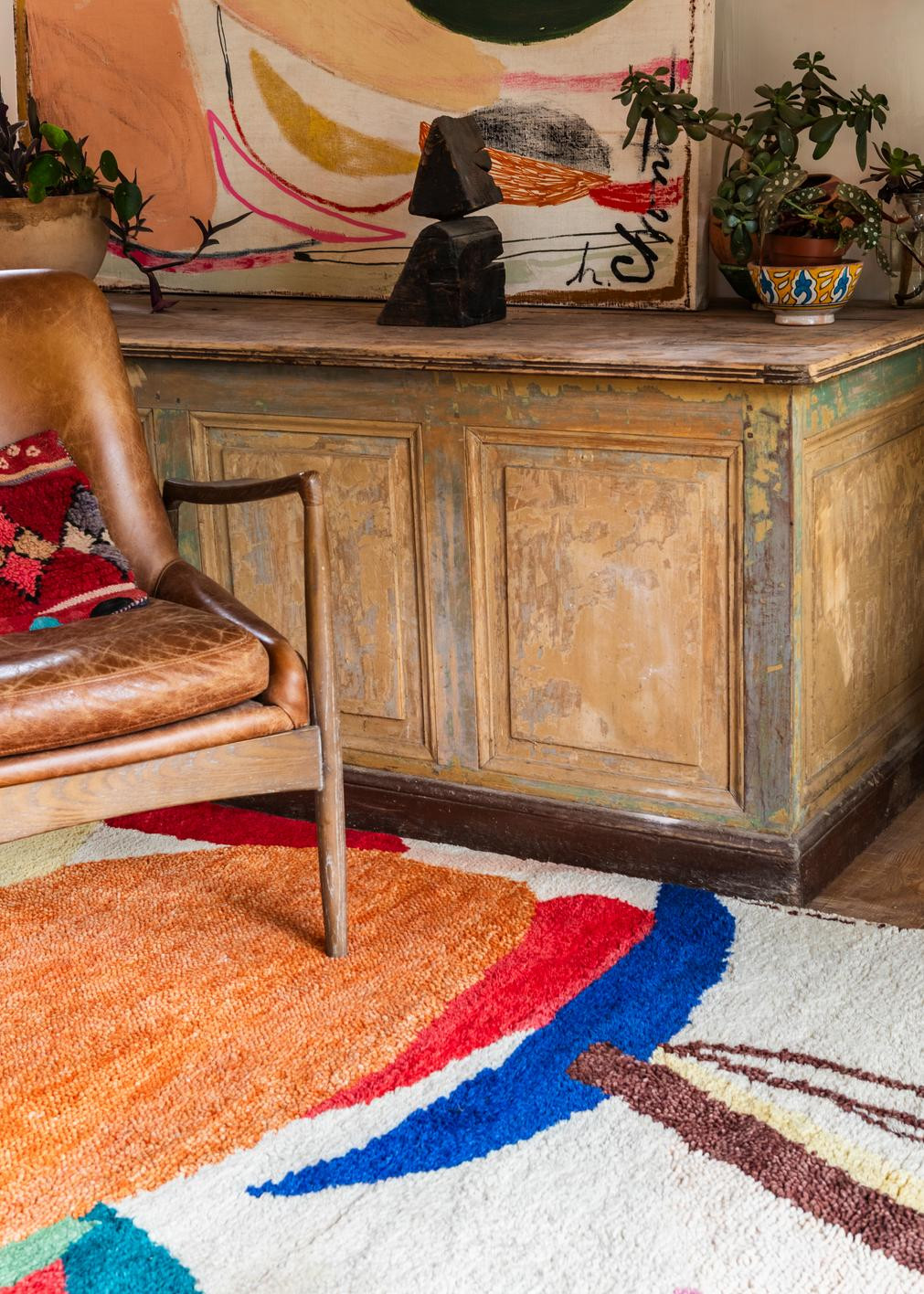
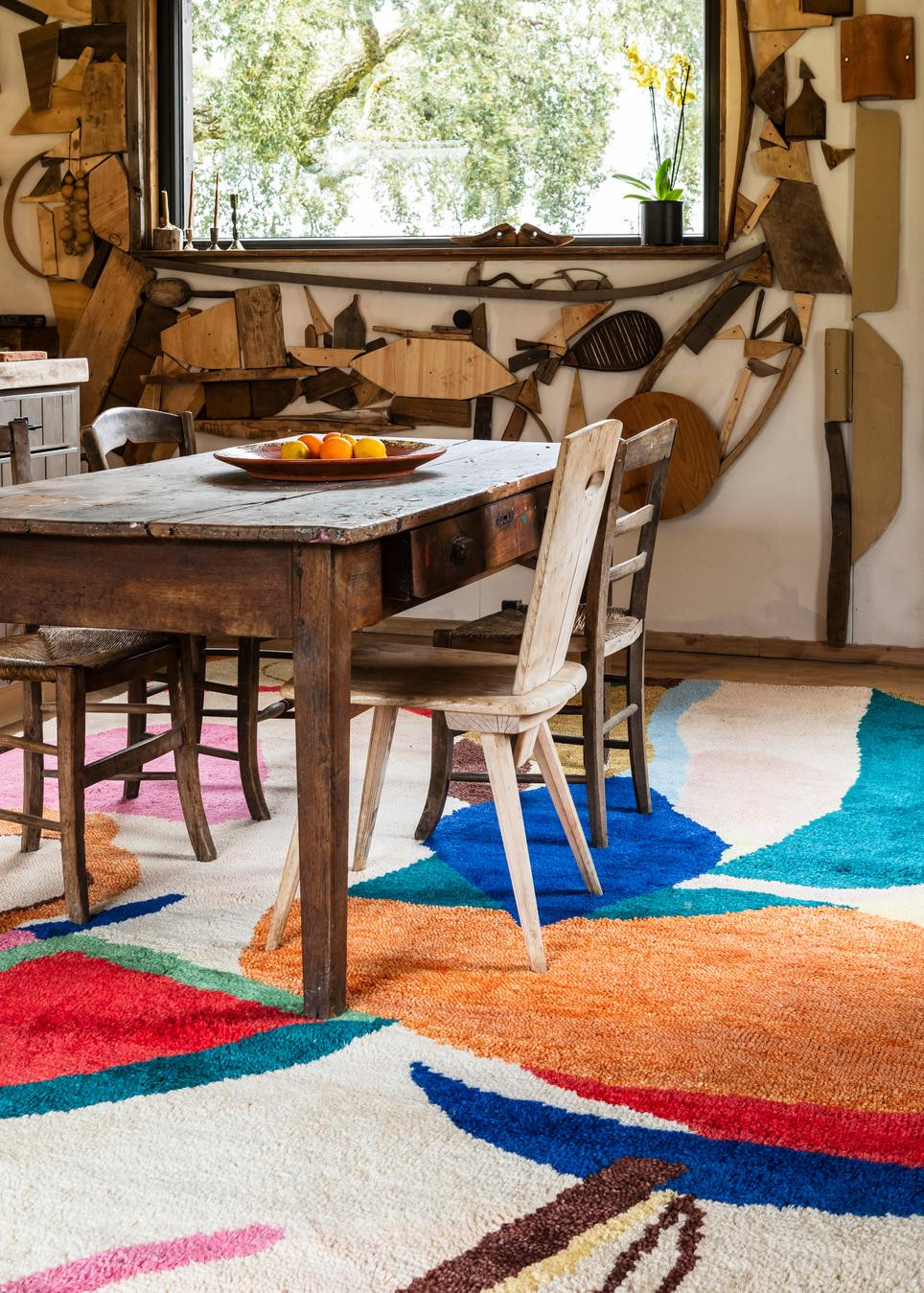
"I gravitate towards abstraction mostly because it feels like a secret language that I am fluent in and that I can translate through color and form. When inspiration comes, I must respond to the impulse to create. I truly can’t ignore it — it’s like my body is saying ‘now!’ and I have to do it”, says Heather Chontos.
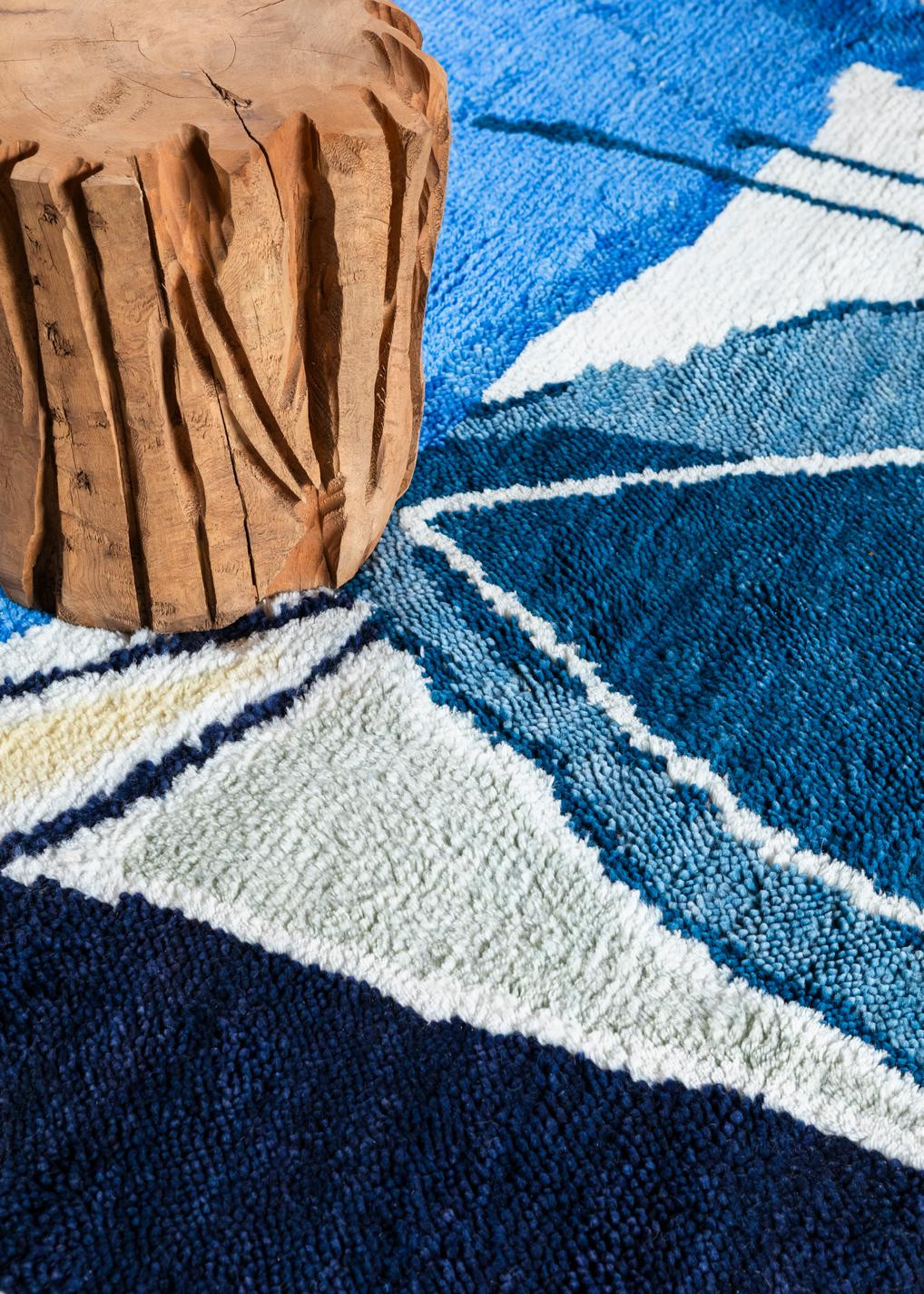
Taking approximately 5 to 10 days to complete each rug, the traditional technique of hand knotting is carried out by 2-3 highly skilled and precise artisans. Allowing the most saturated of colours to pop and a piece that will last for years to come.
"It’s more challenging than you’d think to translate a flat surface into another and still retain the feeling. Getting it right is key. I was so pleasantly surprised when I saw the first samples — they truly capture the color, texture, and most importantly the light of the original paintings. I’m impressed by how dynamic they are — they feel almost theatrical, like they truly understand my work”


(ABOVE: Rog and Bee Walker)
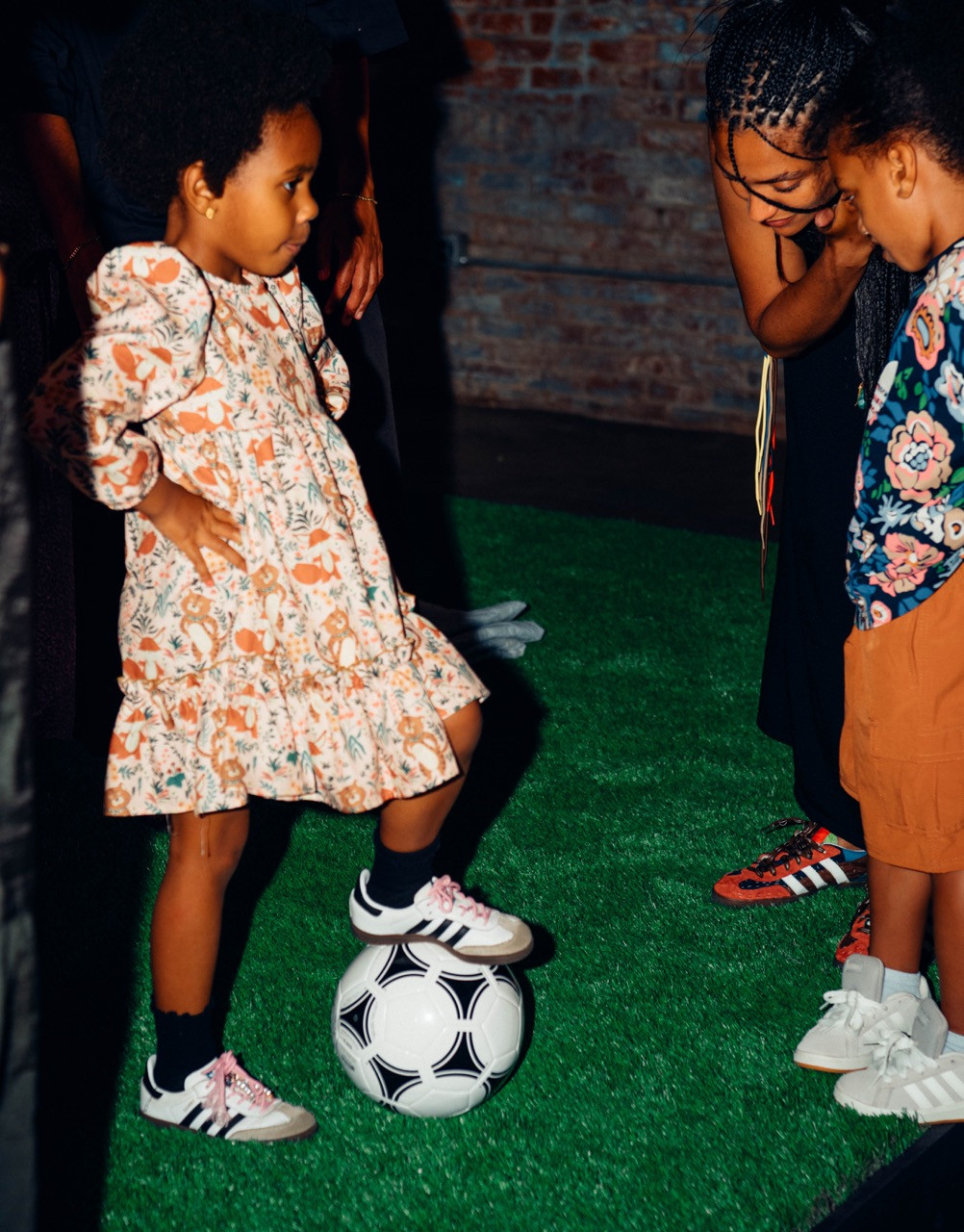
The theme, “Pathways & Pipelines”, explored the idea of bridging legacy and future: honoring Black history while paving the way for new creative and cultural directions. The celebration consisted of an immersive exhibition showcasing the three 2025 Honorees through film, photography, live performances, walk-through installation, and workshops.
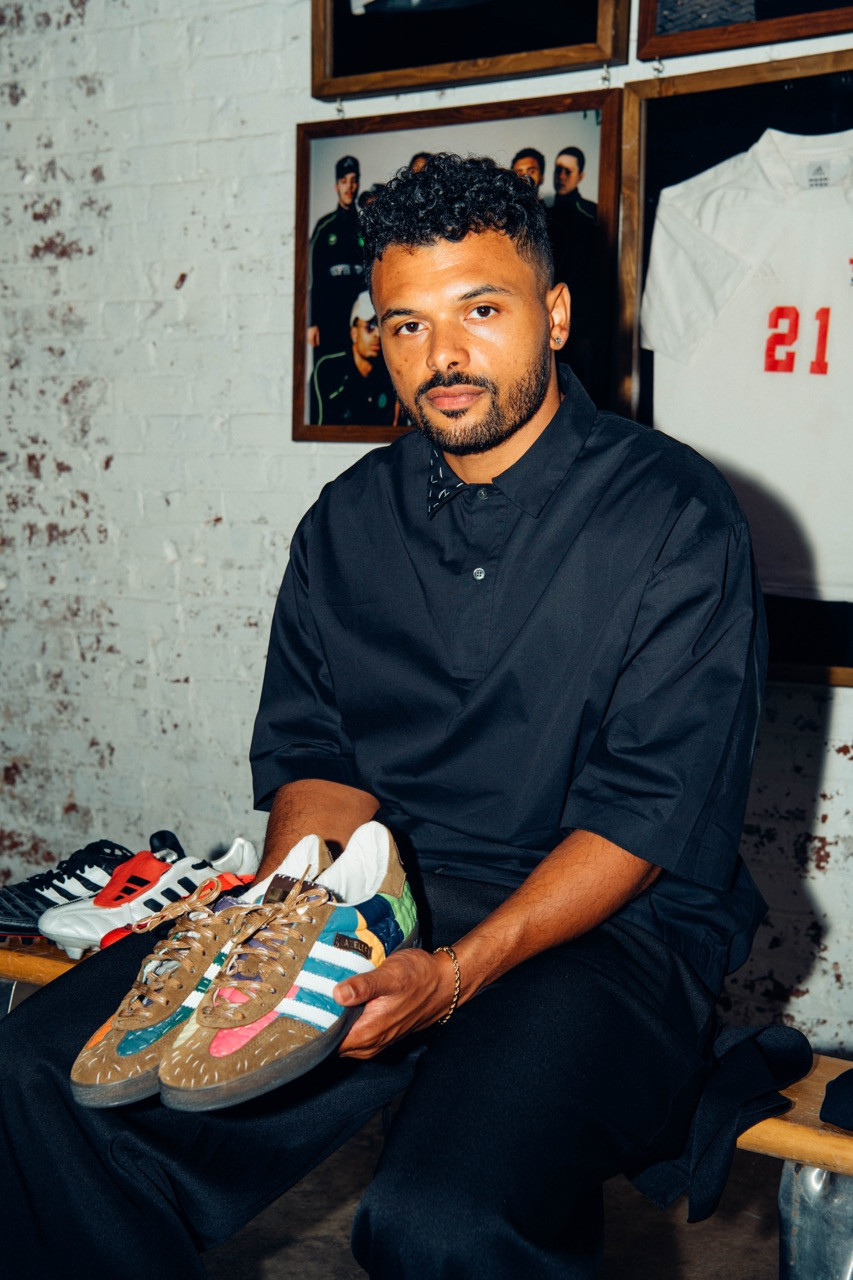
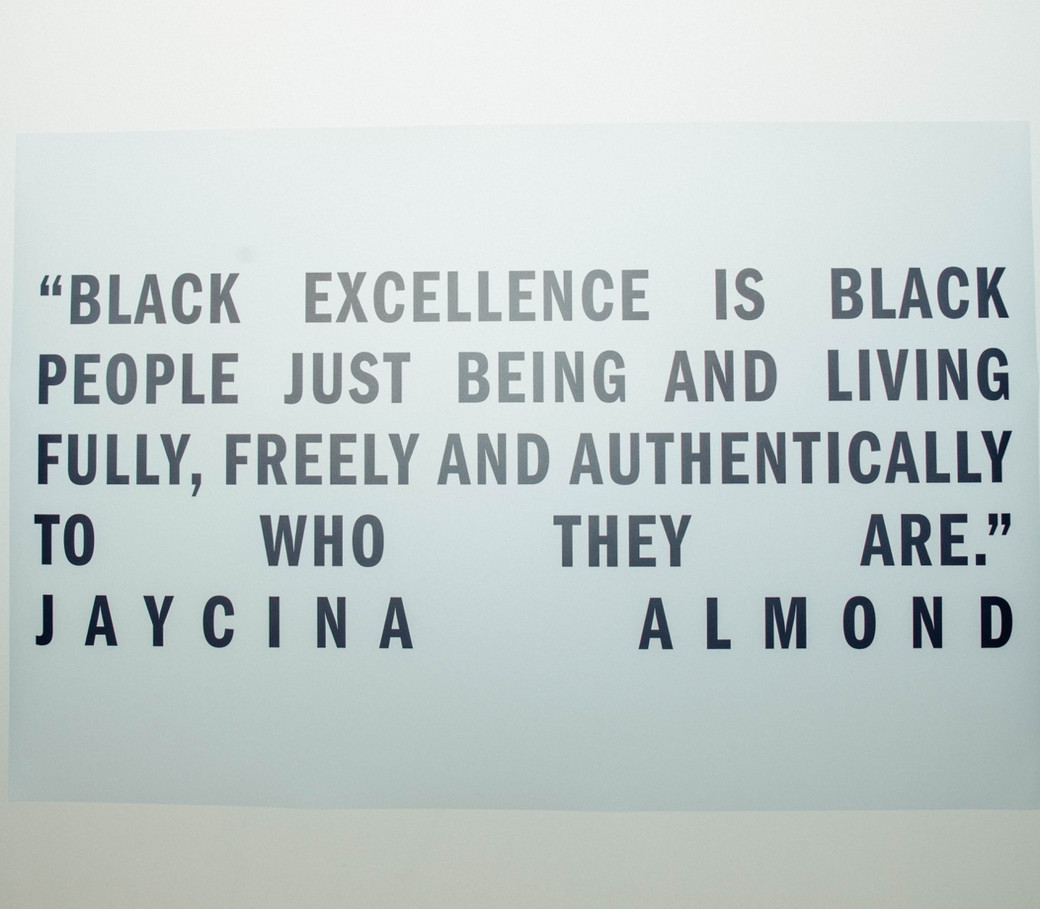
This year’s honorees were the Gee’s Bend Quilters, a collective of women from Alabama who preserve generations of cultural memory through the tradition of quilting; Jaycina Almond, model, writer, and founder of Tender Foundation a grassroots organization providing financial support and resources to single Black mothers in Atlanta; and Sekou Thornell, creative director of Atlanta-based streetwear label Kitboys Club, whose mission is to empower the next generation of Black creatives and athletes while expanding access to soccer.
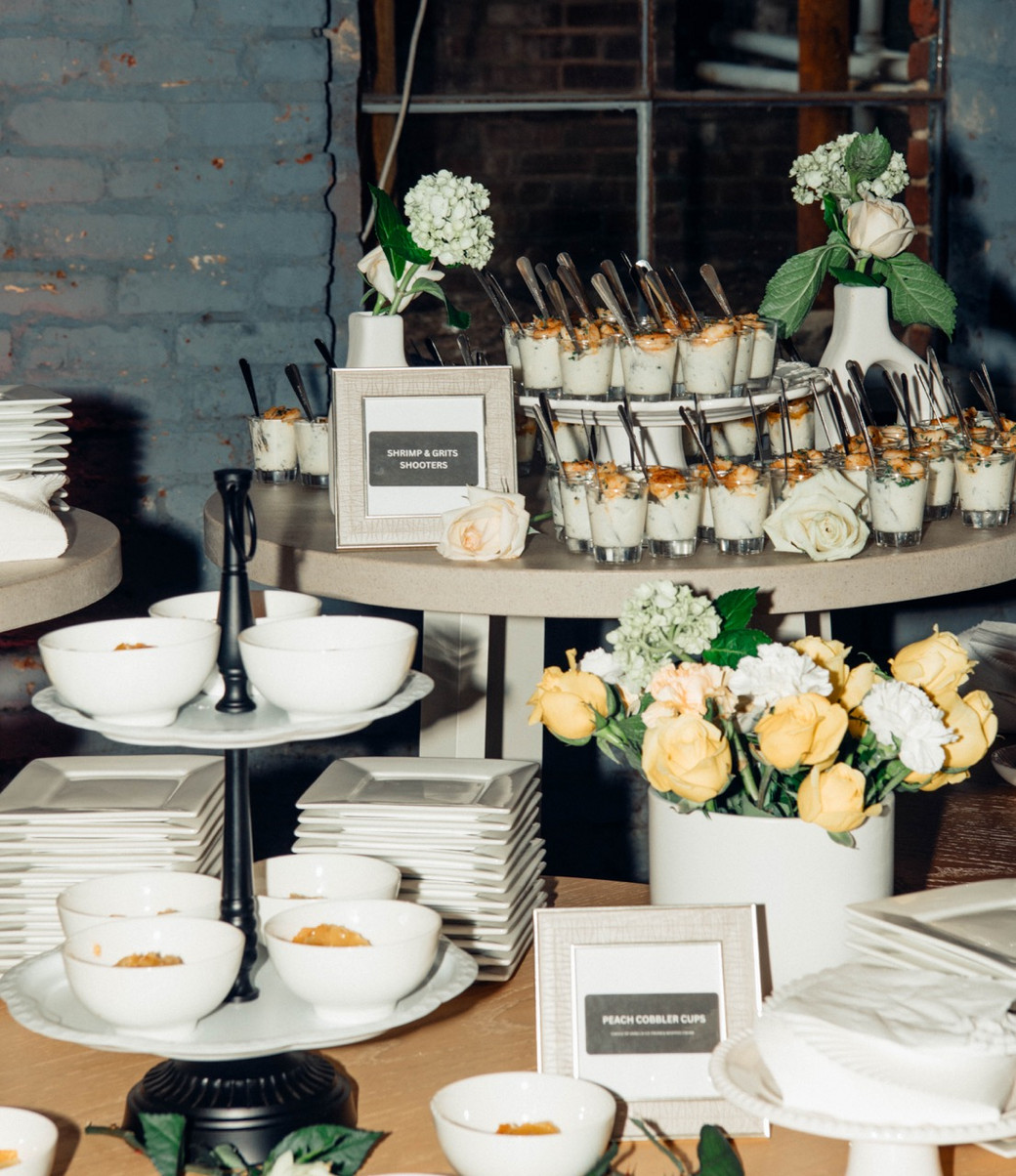
Inside a beautifully restored industrial warehouse in English Avenue, writers, stylists, activists, athletes, and rave experts gathered under one roof. Dressed head-to-toe in Adidas, we shared shrimp and grits, sipped beer from a Black-owned brewery, listened to live music, and celebrated community, creativity, and legacy. Amid the buzz office got to chat with some of the most inspiring minds from across the country including Rog and Bee themselves.


(LEFT: Sekou Thornell) (RIGHT: Gee's Bend Quilters)
Have you faced any challenges working so closely together? How have you overcome them?
BEE-Yes, we have definitely had challenges and overcame many of them over time and through the work.
ROG-The work has actually been the means through which I’ve tackled many of our personal challenges. It can be awkward at times, but I’ve committed to “creating into the feelings” at all times. There have been moments when I’ve felt under appreciated or simply annoyed with something small. Working together to workshop those feelings through storytelling—short videos, photo stories, etc—often serves as a much needed catharsis. We’ve made many short films and collections centered around our personal life. This process has kept us close even at times when we may not feel like drawing close to each other.
In what ways do you aim to affirm or challenge cultural narratives through your work?
BEE-We aim to affirm creative expression and the visual out working of personal identity. That’s been part of the work from the beginning, and affirming that type of expression challenges the idea that any culture is monolithic. I love that we’ve been able to show how beautiful people can be when they dare to live full, expressive, honest lives.
ROG-“Affirming or challenging cultural narratives”would be a perfect summary of my goals for the work. My creative journey has been defined by rejection. Growing up in my traditional immigrant household, I had to push against the preferences of my support systems to pursue this path. As a result, I often desire to show a wider view of cultures and experiences; those that may exist on the fringes or as subcultures. At the same time, I have a deep sense of love for the cultures I inhabit. I aim to showcase the beauty, creativity, and genius of Black/Caribbean cultures through my lens and stories.


As “multidisciplinary artists” Is there a medium you prefer? Or one that you find more challenging?
BEE-My entire creative life grew out of my love for photography, cameras, and the still image. I love photographing real events in a way that makes them seem fictional, and I find great joy in making documentary images. I also love writing. I find almost every other creative medium extremely challenging, and I’m blessed to have a partner more talented than I am.
ROG-The still image has always been my favorite single creative element, but platform building & design provides the most creative engagement and fulfillment. I enjoy bringing multiple elements—still imagery, motion picture, text— together into a single story. Working in physical spaces, whether set building or event direction, provides the biggest challenge. Translating a creative vision or story into a physical object, activation, or set is the height of art & storytelling for me.

(ABOVE: Jaycina Almond)
What stories are you still itching to tell? Is there a project you’ve been dreaming about but haven’t made yet?
BEE-Rog is the one with foresight and vision. I’m much more oriented in the past and present, so I rely on him in these future focused areas.
ROG-There are many ideas in the queue. At present, I desire most to collect the stories we’ve told, alongside new stories, within a modern physical library. Throughout the years, we’ve published physical collections in-house and hosted countless individuals to experience and be a part of the work. I’d love to continue to build on the hosting experience and create a space where the work is honored and guests can gather and commune.
Who would be your dream person or team to do a project with?
BEE-Rog is my dream collaborator. I get to work with him and build our lives together everyday.
ROG-I’m going to go with the low hanging fruit here but my answer is no less genuine. Having worked with the Adidas team over the past few months, we’ve envisioned many ways in which we could further collaborate to tell stories of shared interest. Of note, I’ve been drawn to the ways sport and culture intersect on my home island (Jamaica) and how movement plays a strong role in my day to day life. It would be great to explore the depths of these stories and continue working with the Adidas team.


Adidas’ Honoring Black Excellence initiative is partly about spotlighting trailblazers. Who paved the way for you creatively? And who are you paving it for now?
BEE-So many wonderful people paved the way for us to be where we are creatively - Rog mentions them below. I hope we are paving the way for more creatives to take chances on their work, for more couples who want to work together, and for our daughter to grow into the fullness of her personality and capability.
ROG-We wouldn’t be where we are without support, trust, and others constantly making space for us. Collaborators like Joshua Kissi and Rashid Shabazz (Critical Minded) have been there from the beginning constantly providing opportunities for us to make work and create community. Mentors like Wayne Wu (formerly of VSCO) gave us opportunities and legitimized our practice. Solange invited us into a space that was wholly hers and gave us multiple opportunities to contribute on levels we could never have imagined accessing. Ultimately we owe a depth of gratitude to everyone who has trusted us and supported our work throughout the years. I hope to be paving the way for the people who have entrusted with their stories and presence over the years. Our focus is on archiving and longevity. We want to ensure the stories live on and the people are honored.
What is your ideal office?
BEE-An open air room, ideally at home, with a large and slightly messy desk (it’s organized chaos), from which I can hear the sea, the sound of the breeze through leafy trees, and tropical birds.
ROG-A desk next to a Juliet balcony overlooking the Caribbean Sea, close to a fully stocked kitchen with a breadfruit tree outside the window. This a description of our current work from home situation in Jamaica. I love my family, I love being at home, and I love Jamaica. Bringing all those things together constitute my ideal office.