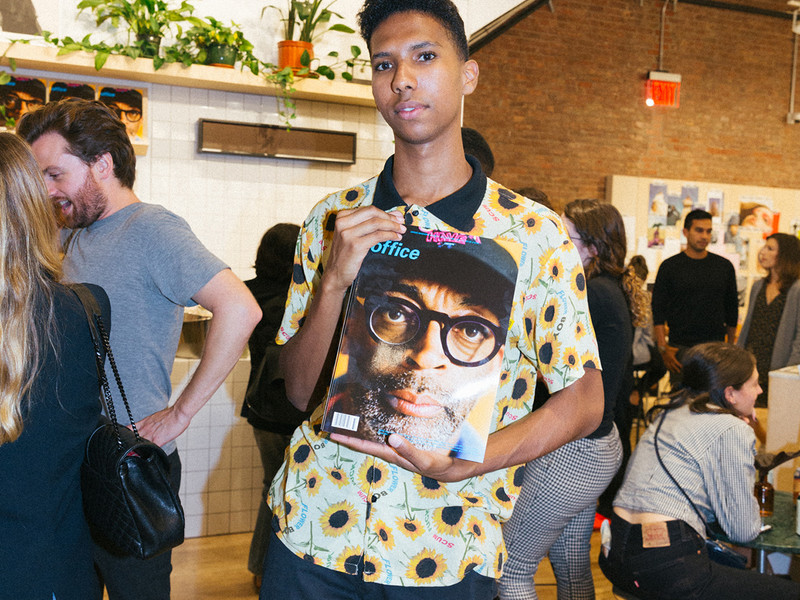
office celebrates CIFF 62
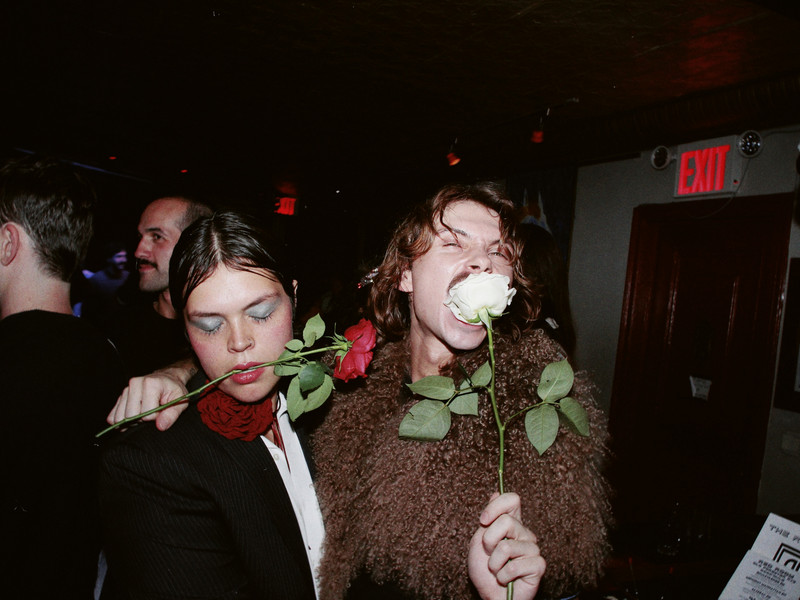
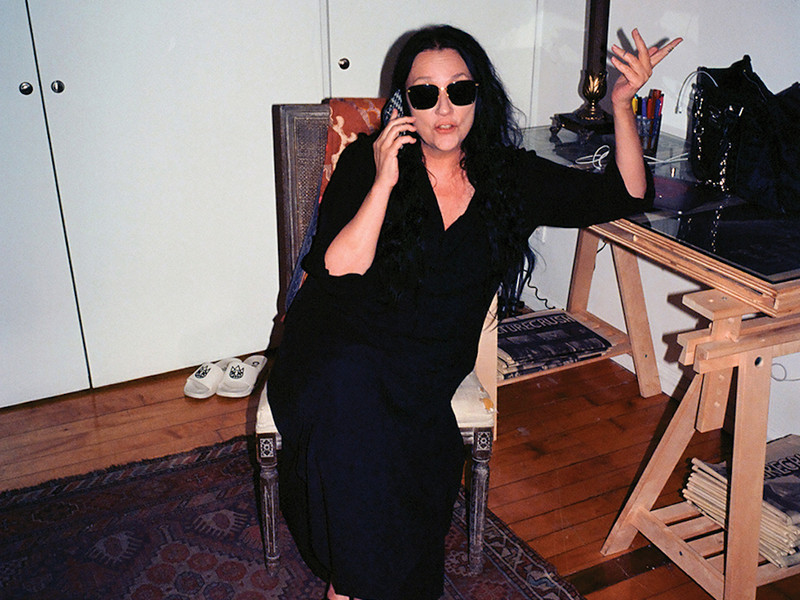
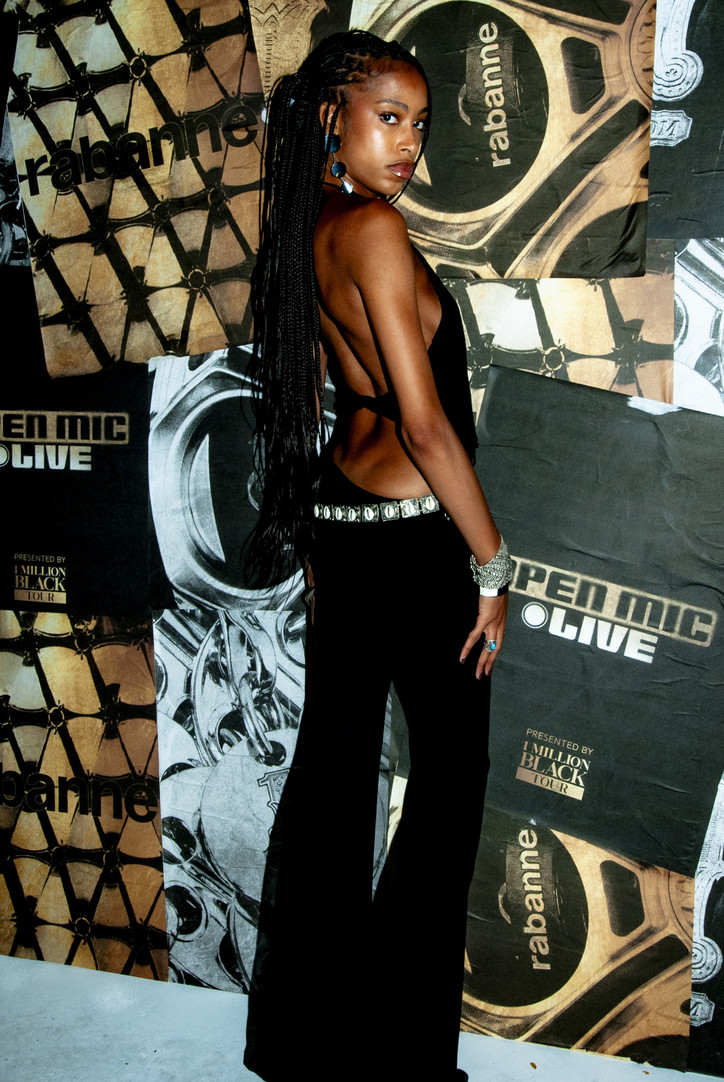
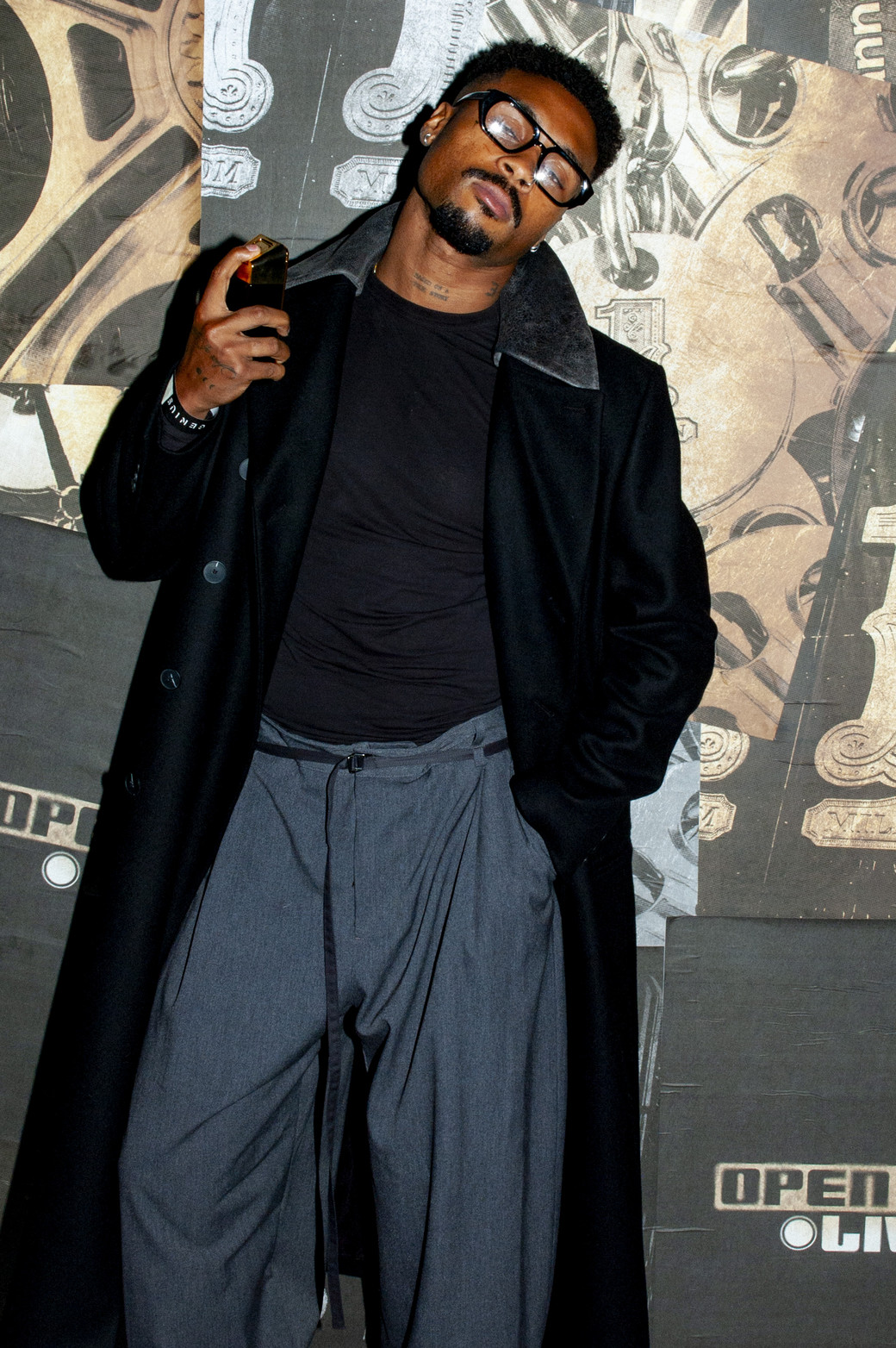
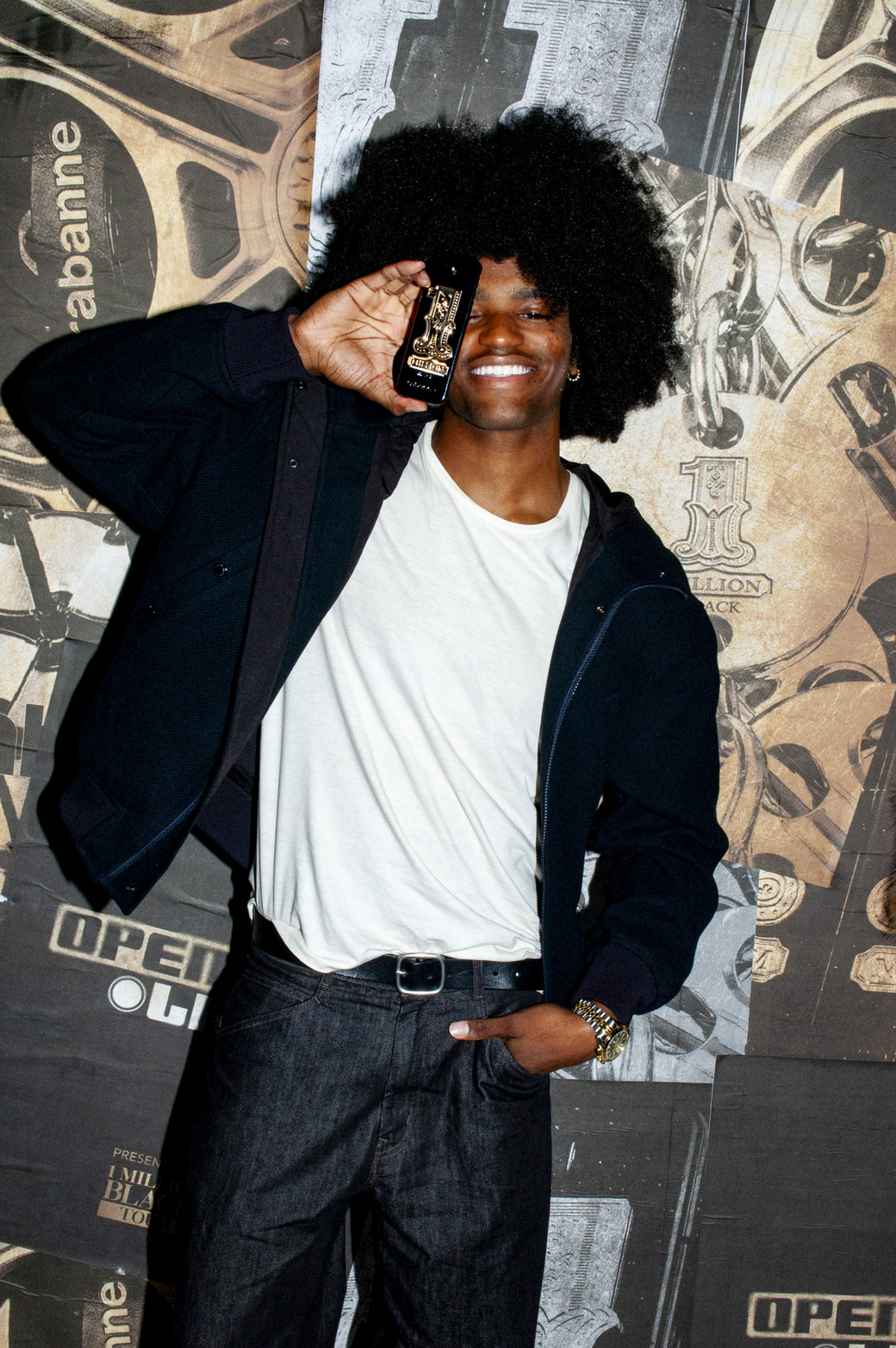
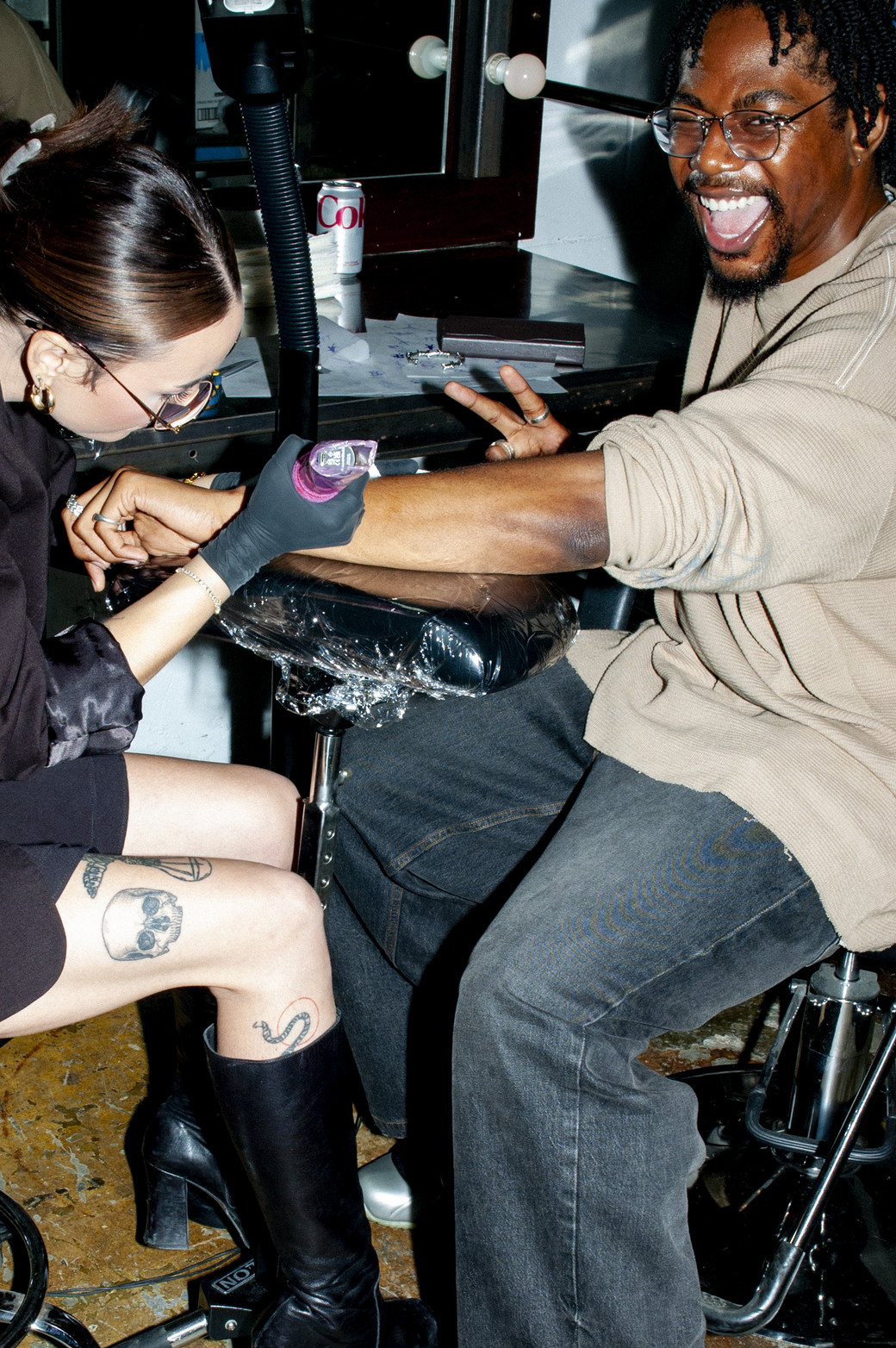
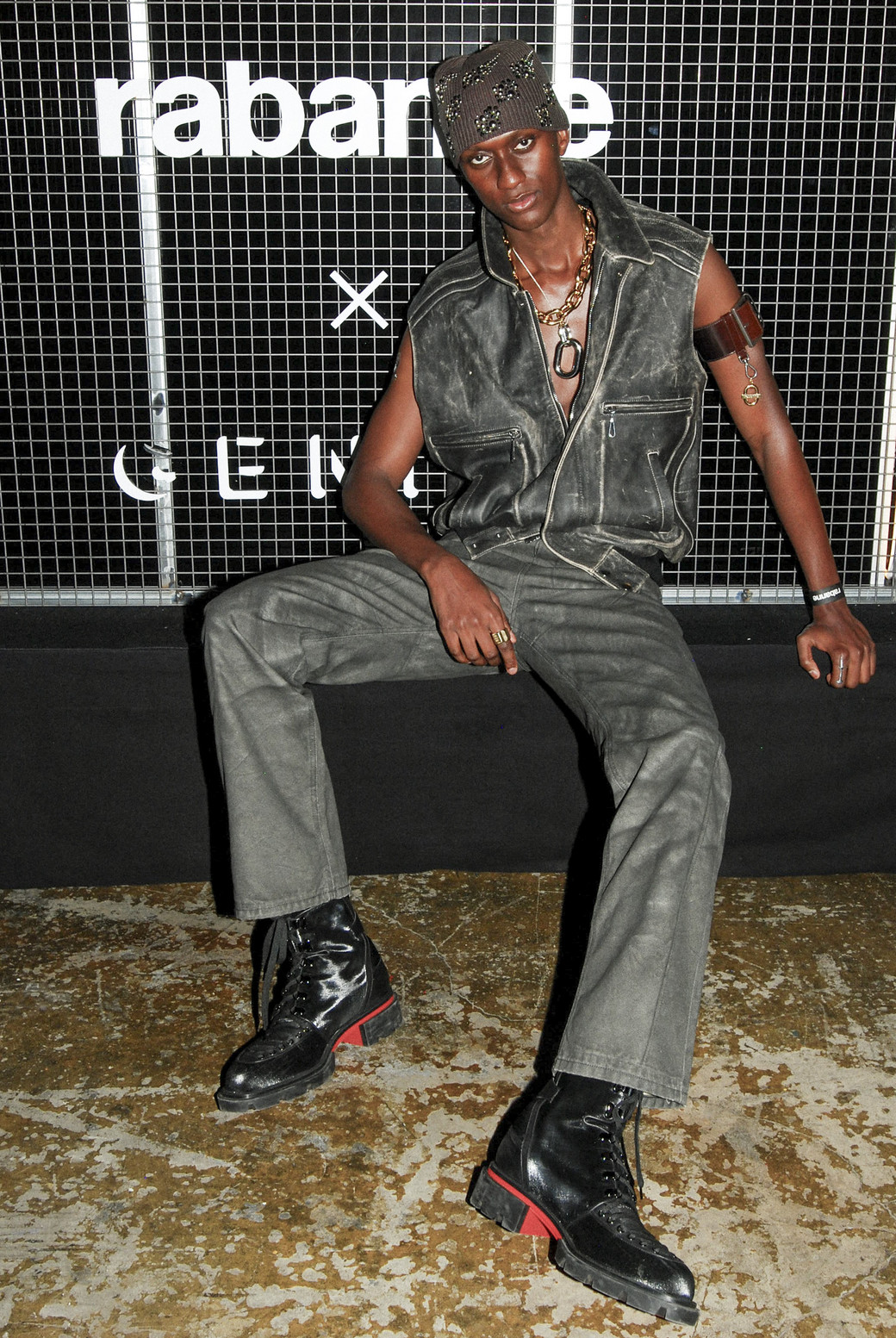
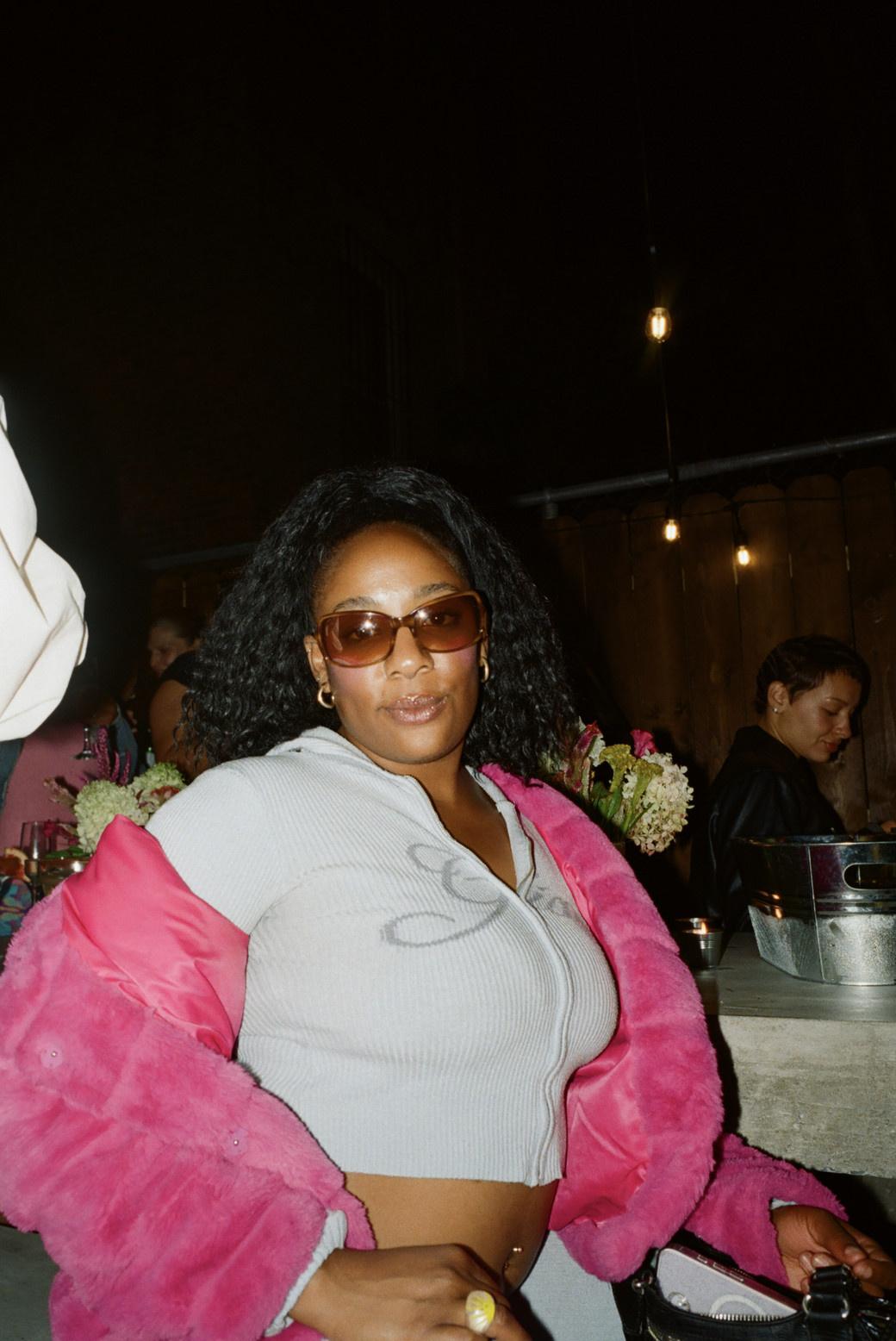
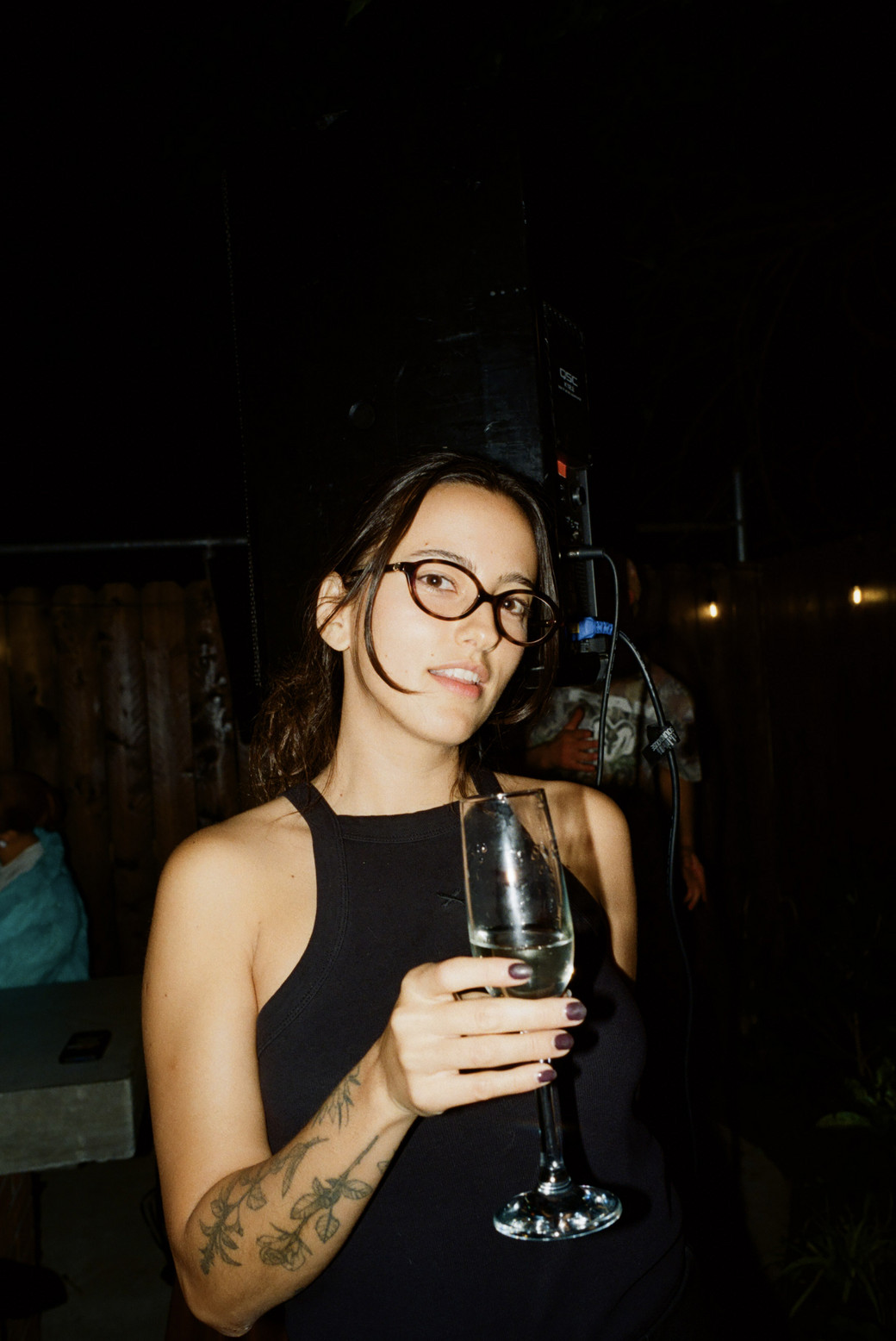
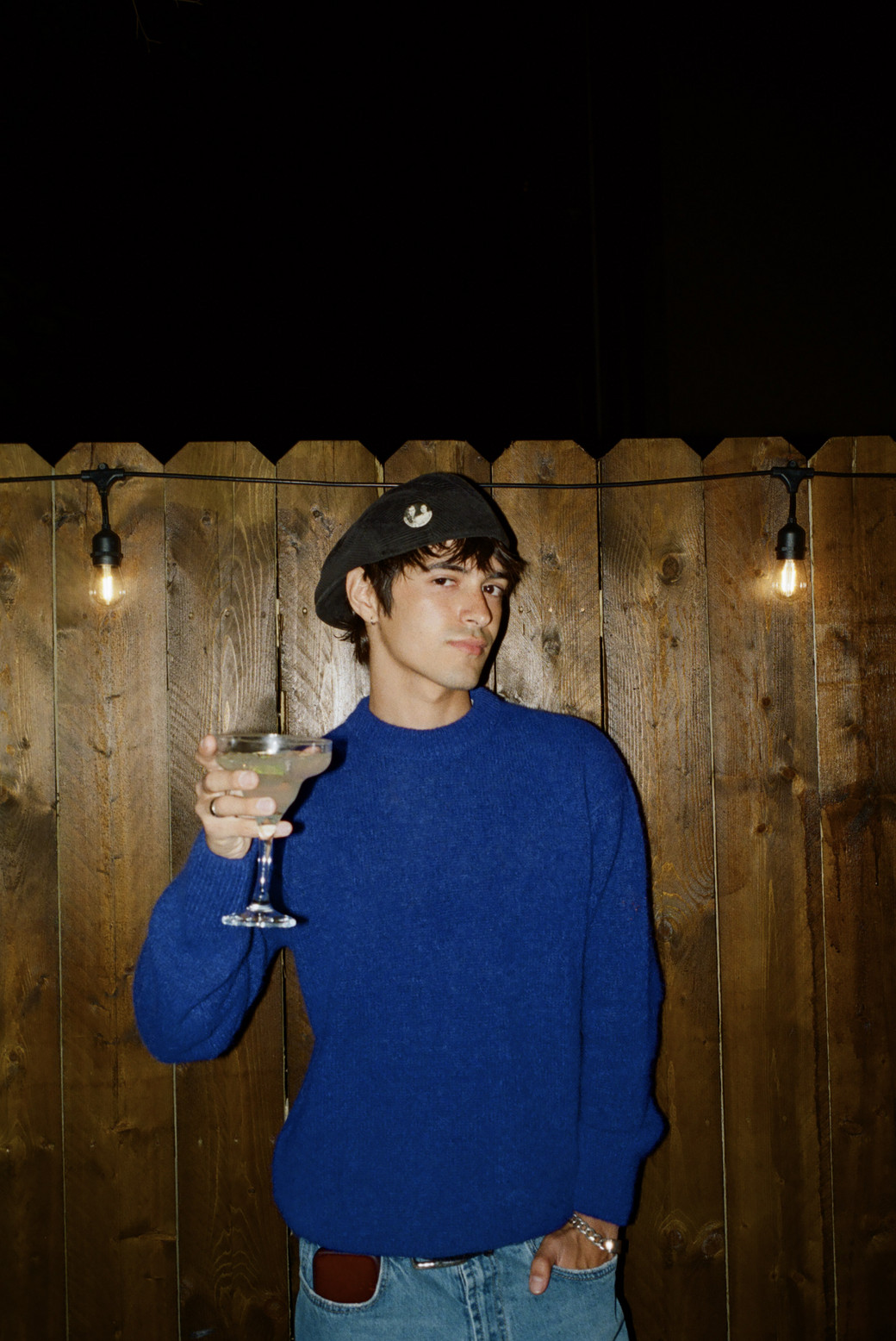
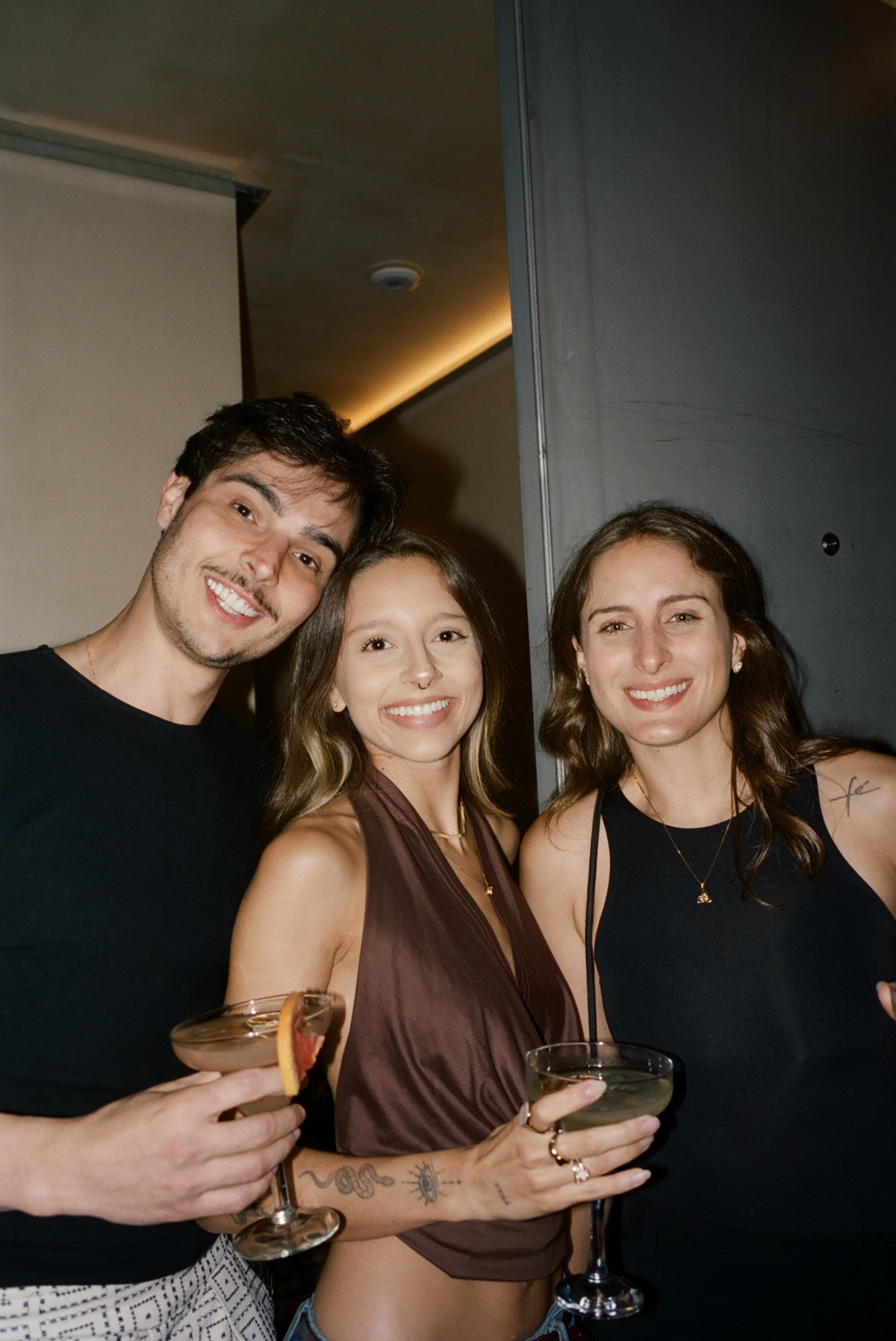
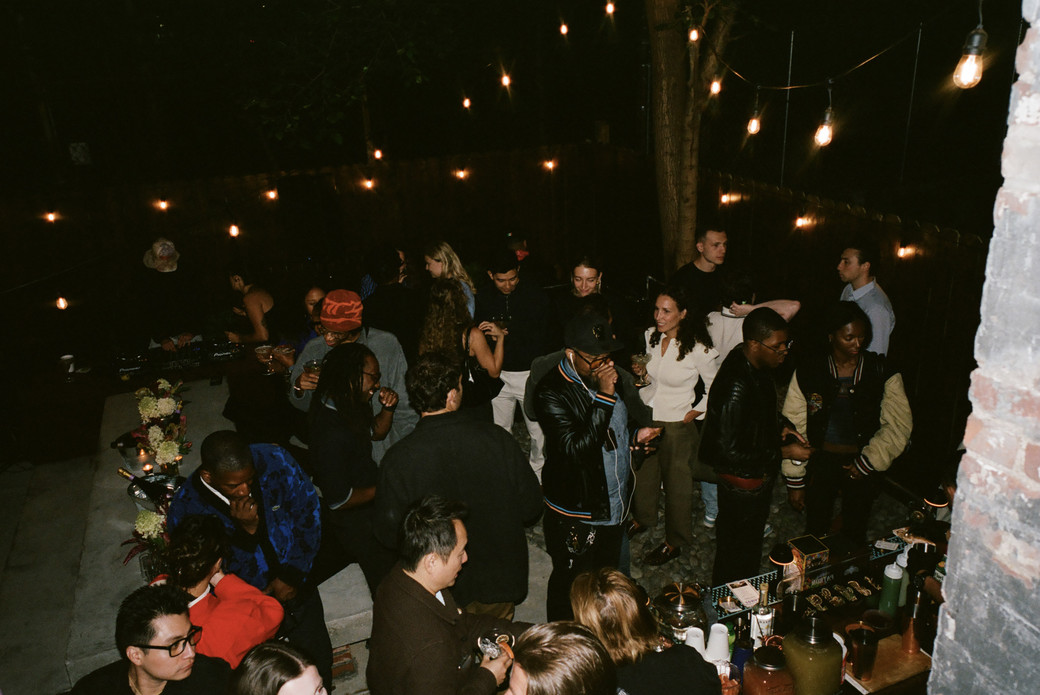
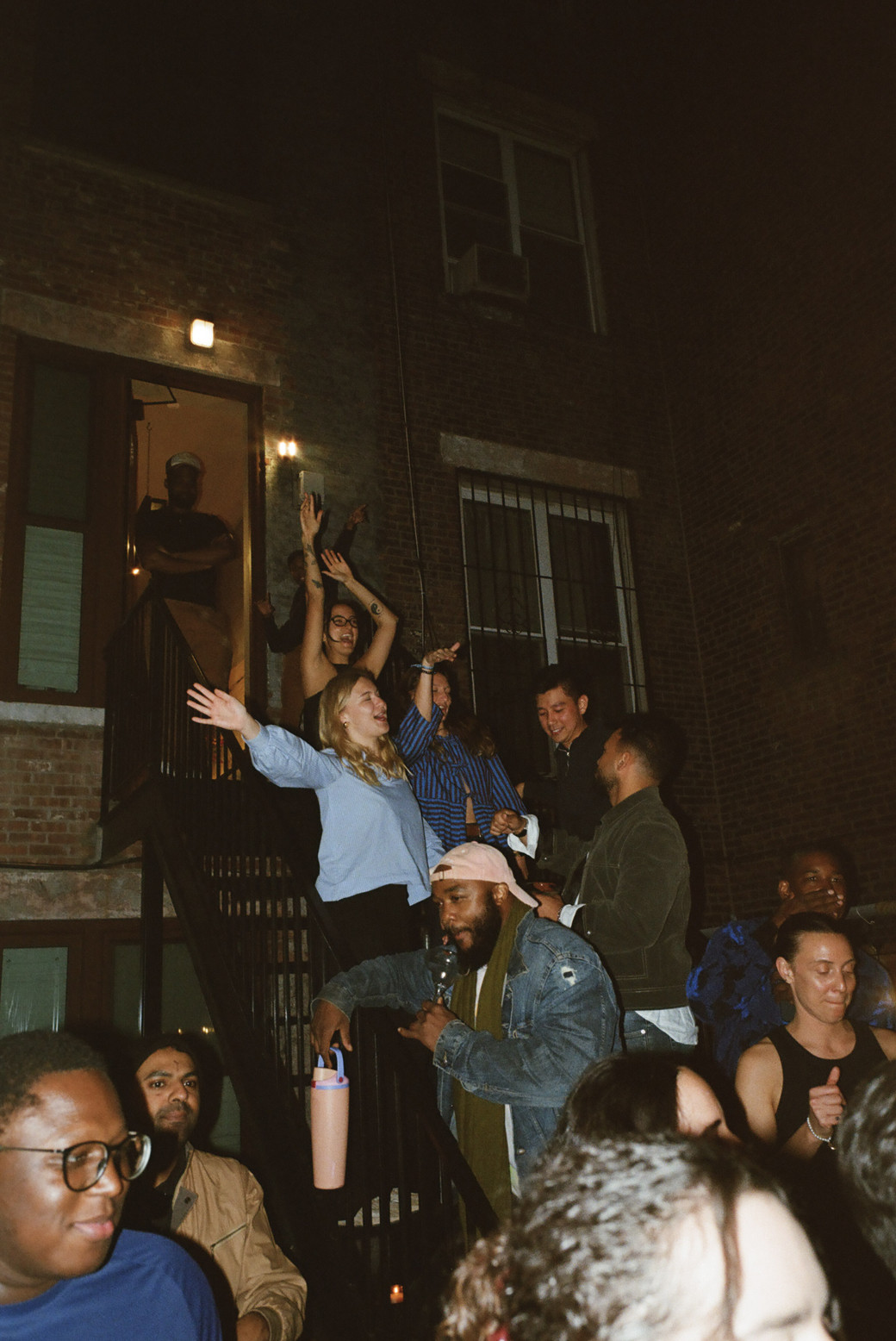
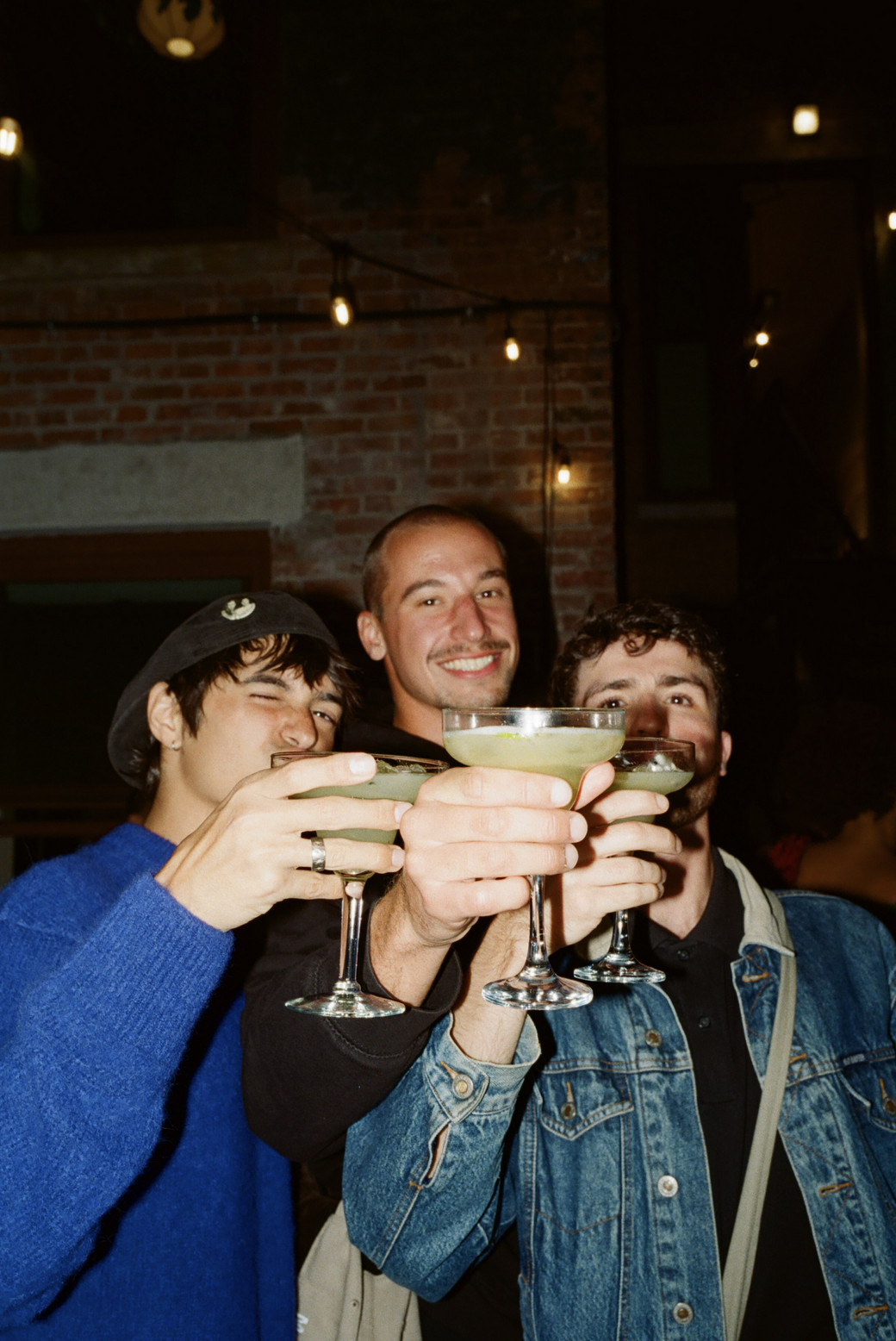
Conversations flowed, guests mingled, and eventually, everyone was on their feet crowded around the DJ booth dancing the night away. If you missed out, relive the magic in photos from the night below.
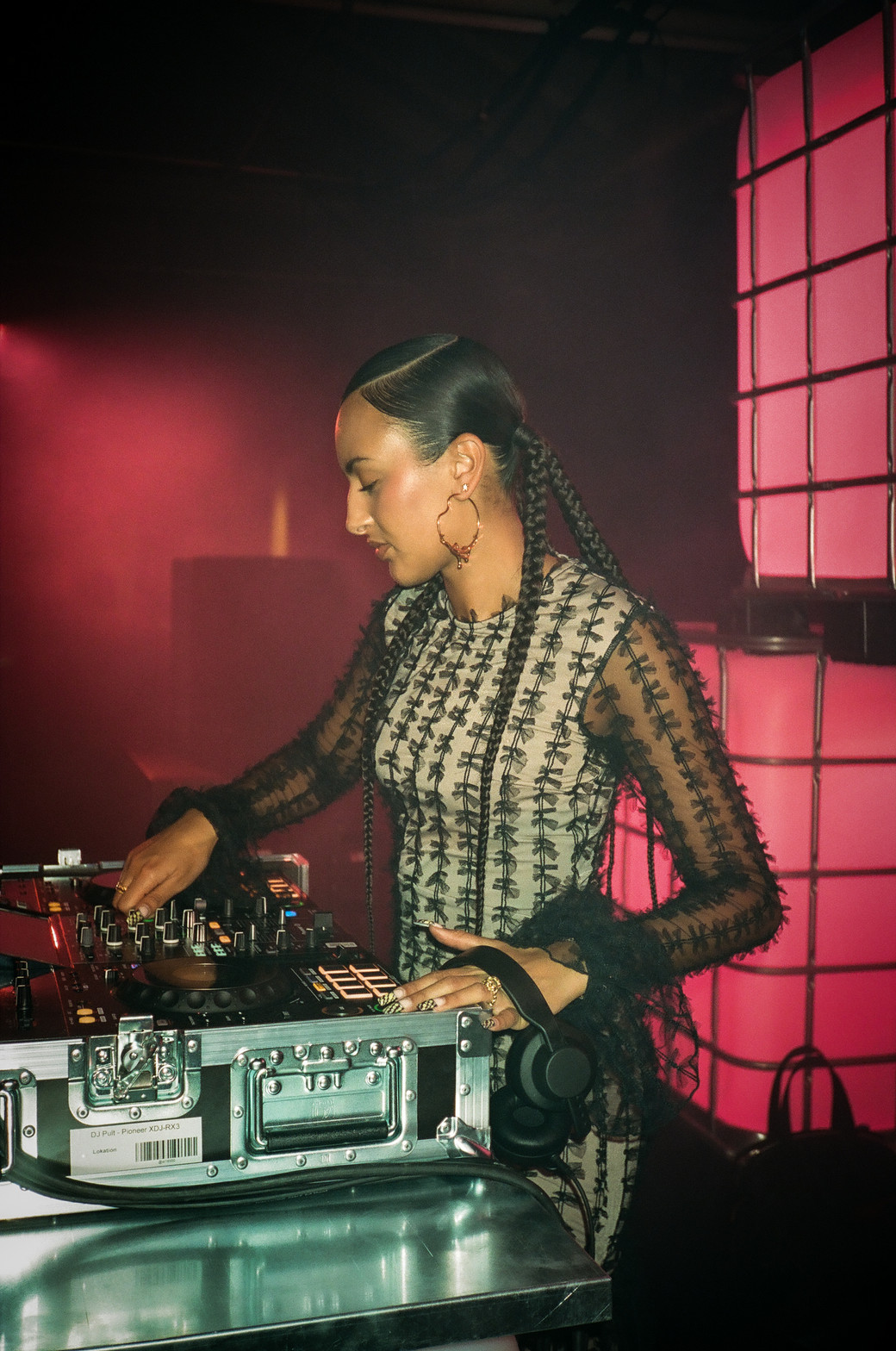
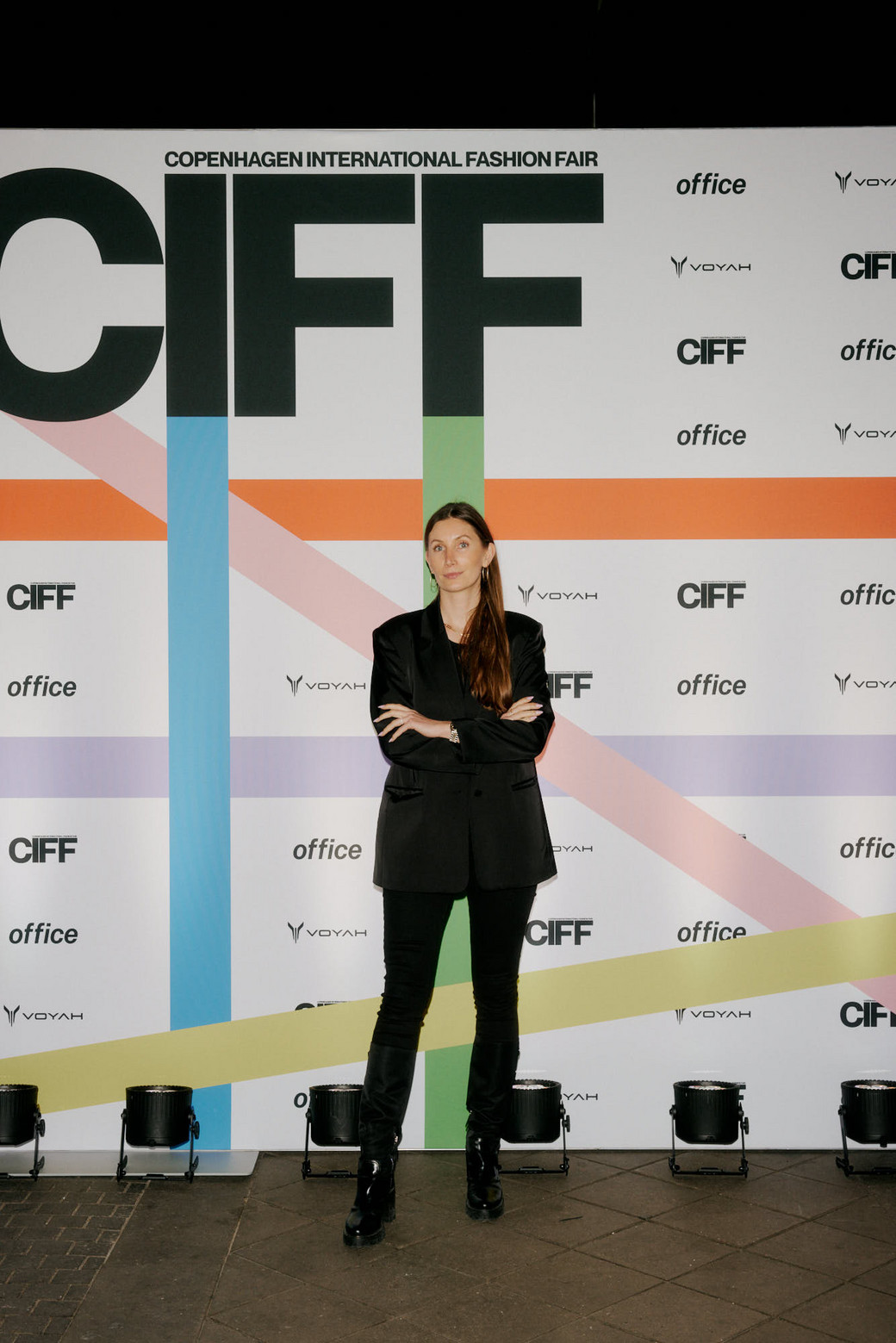
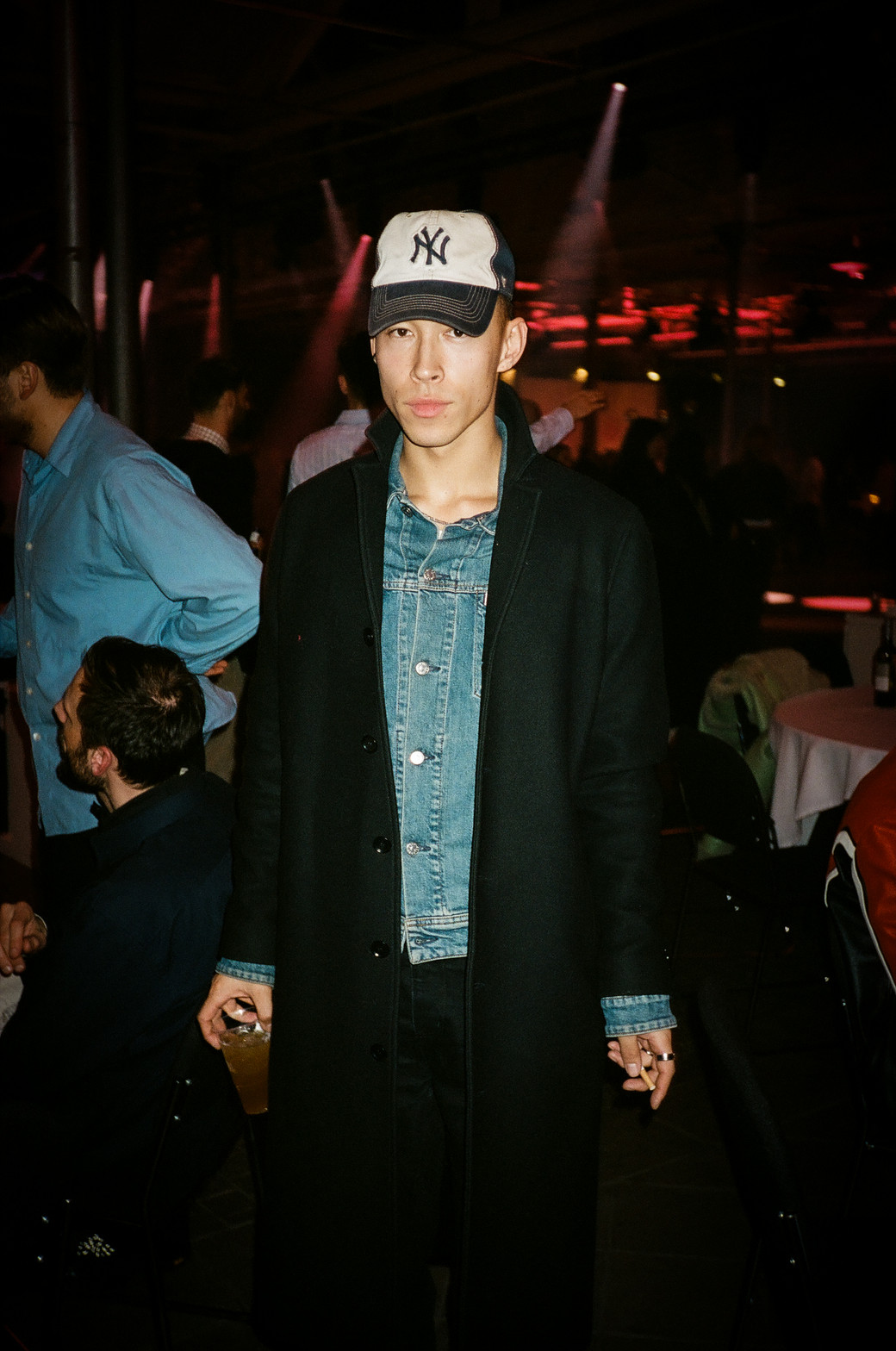

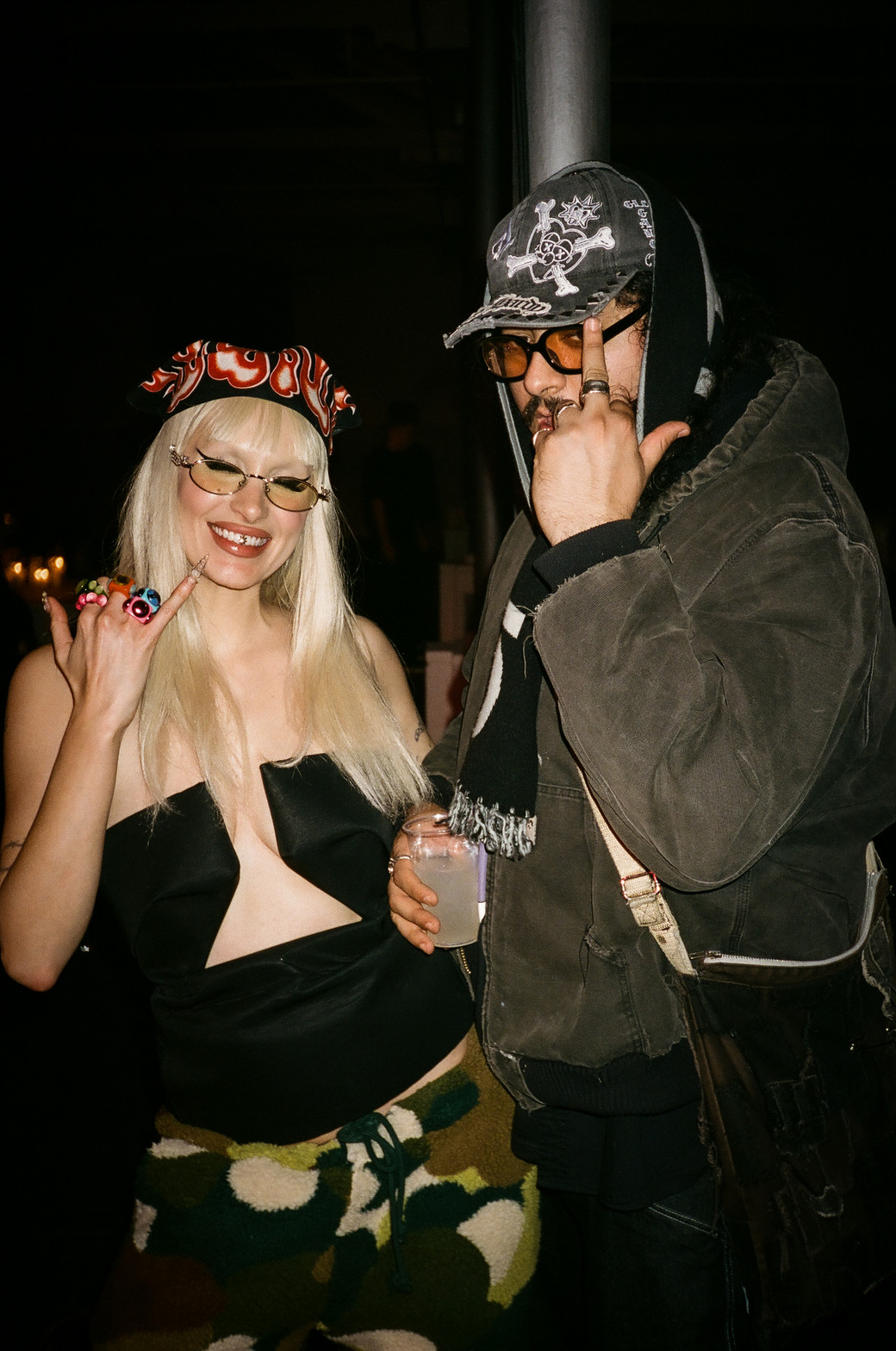
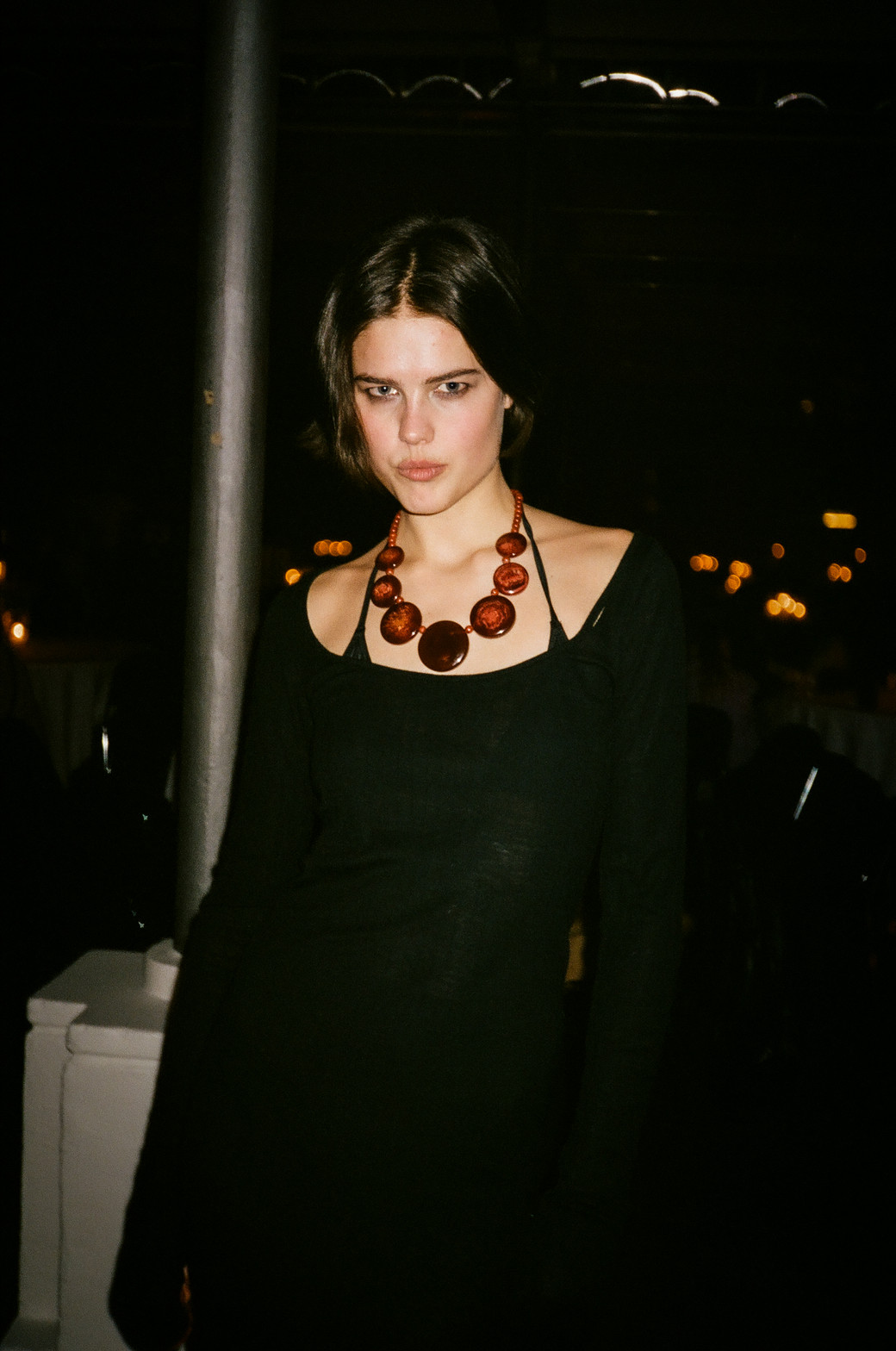
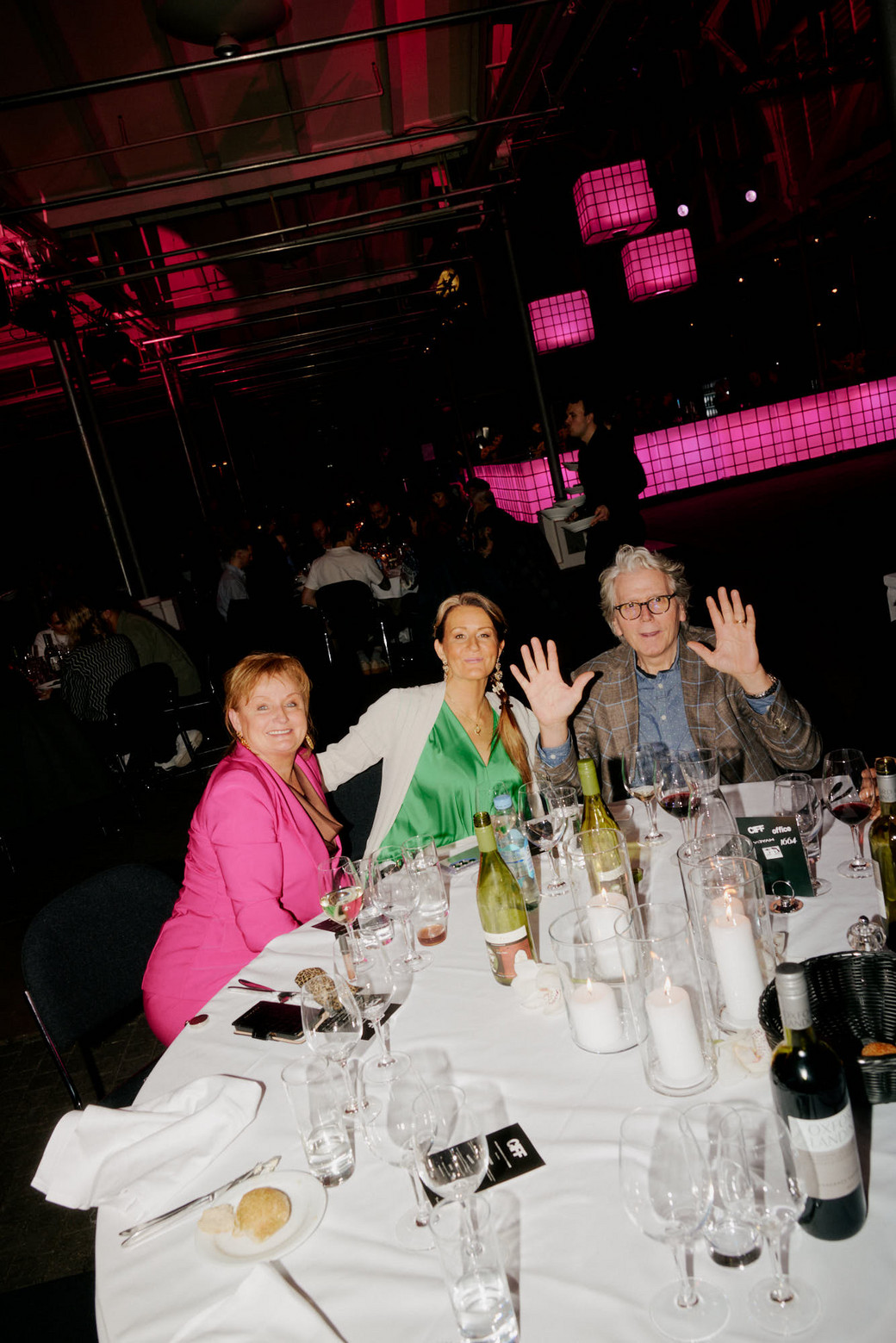
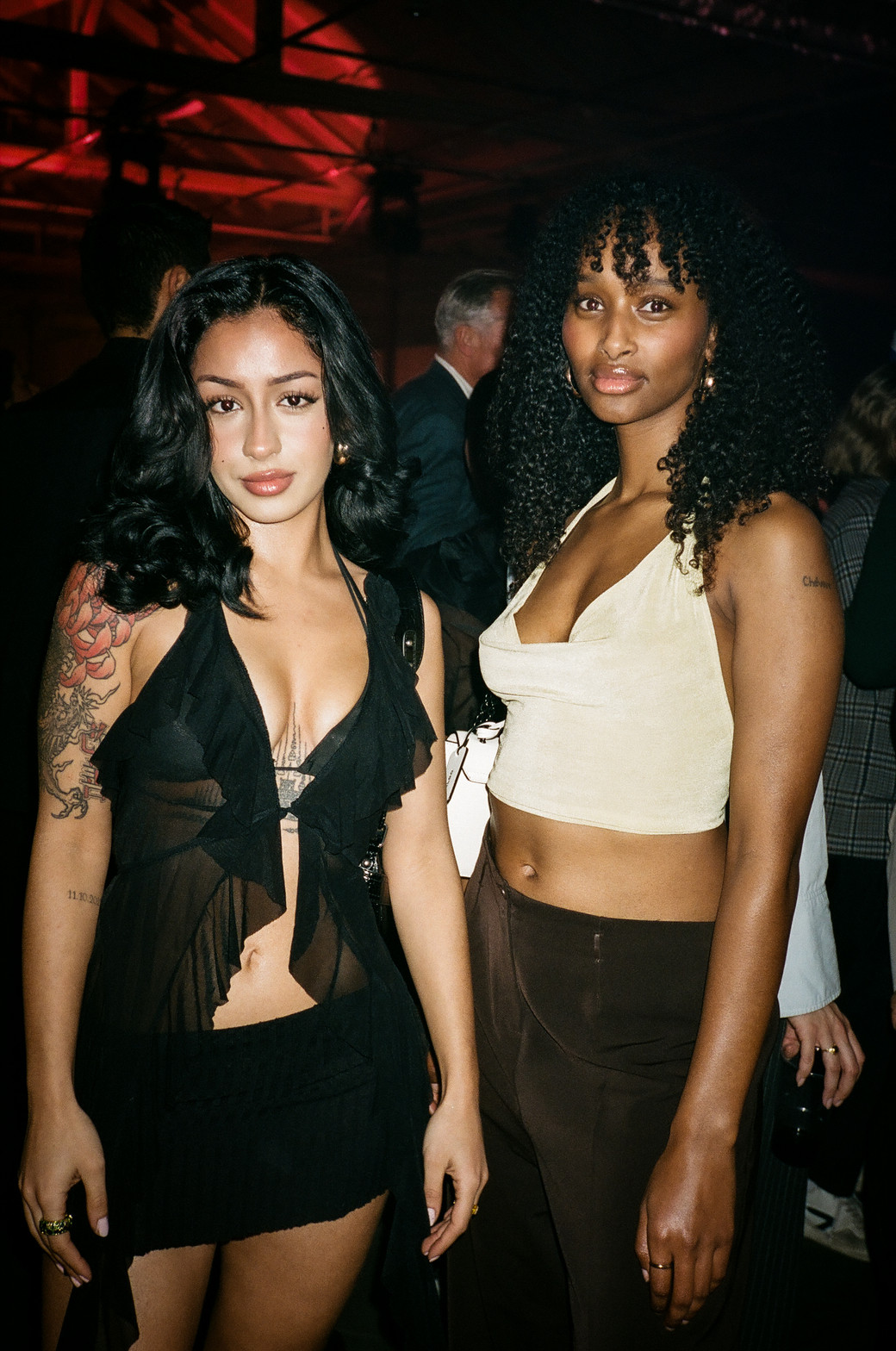
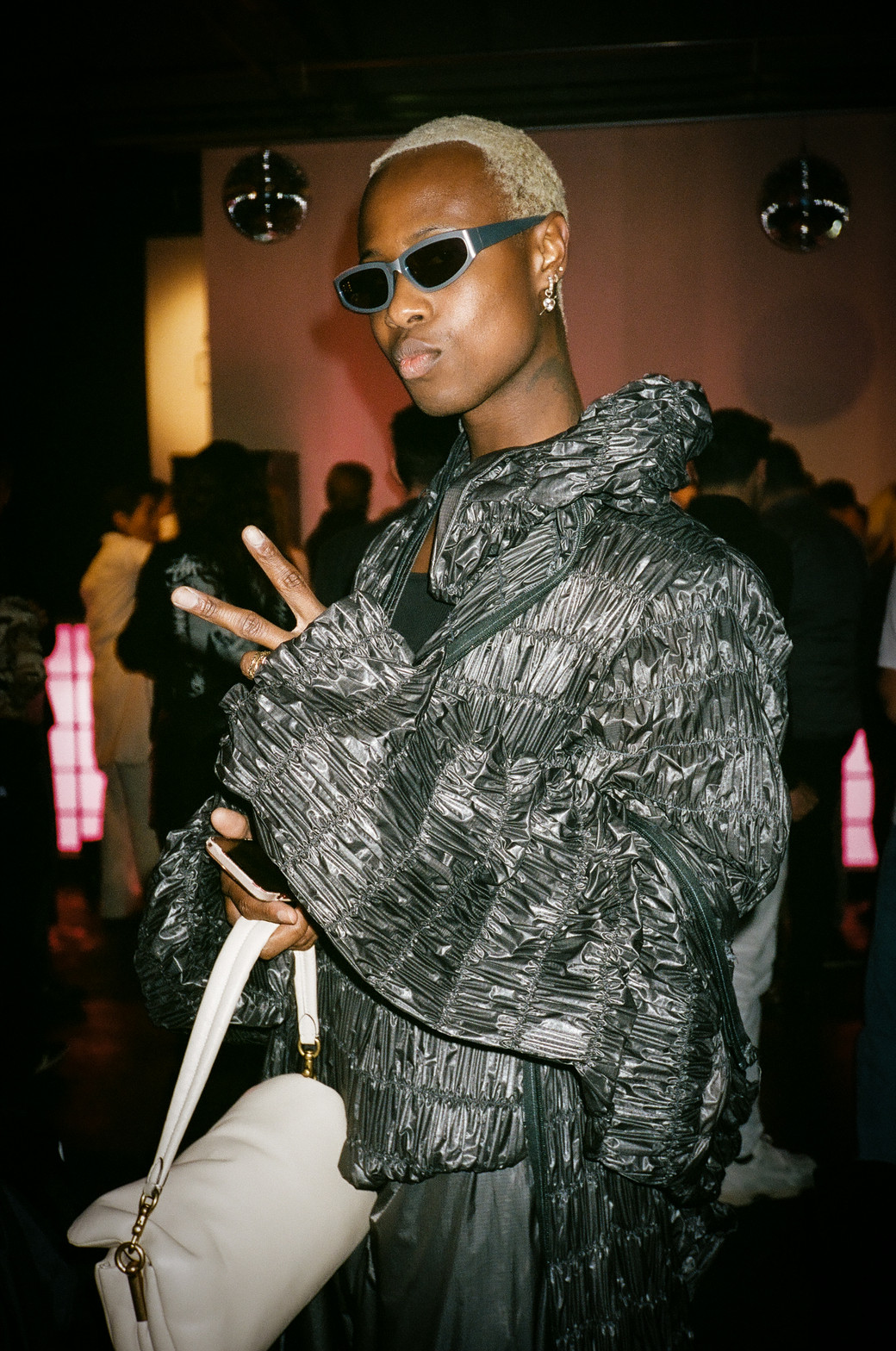
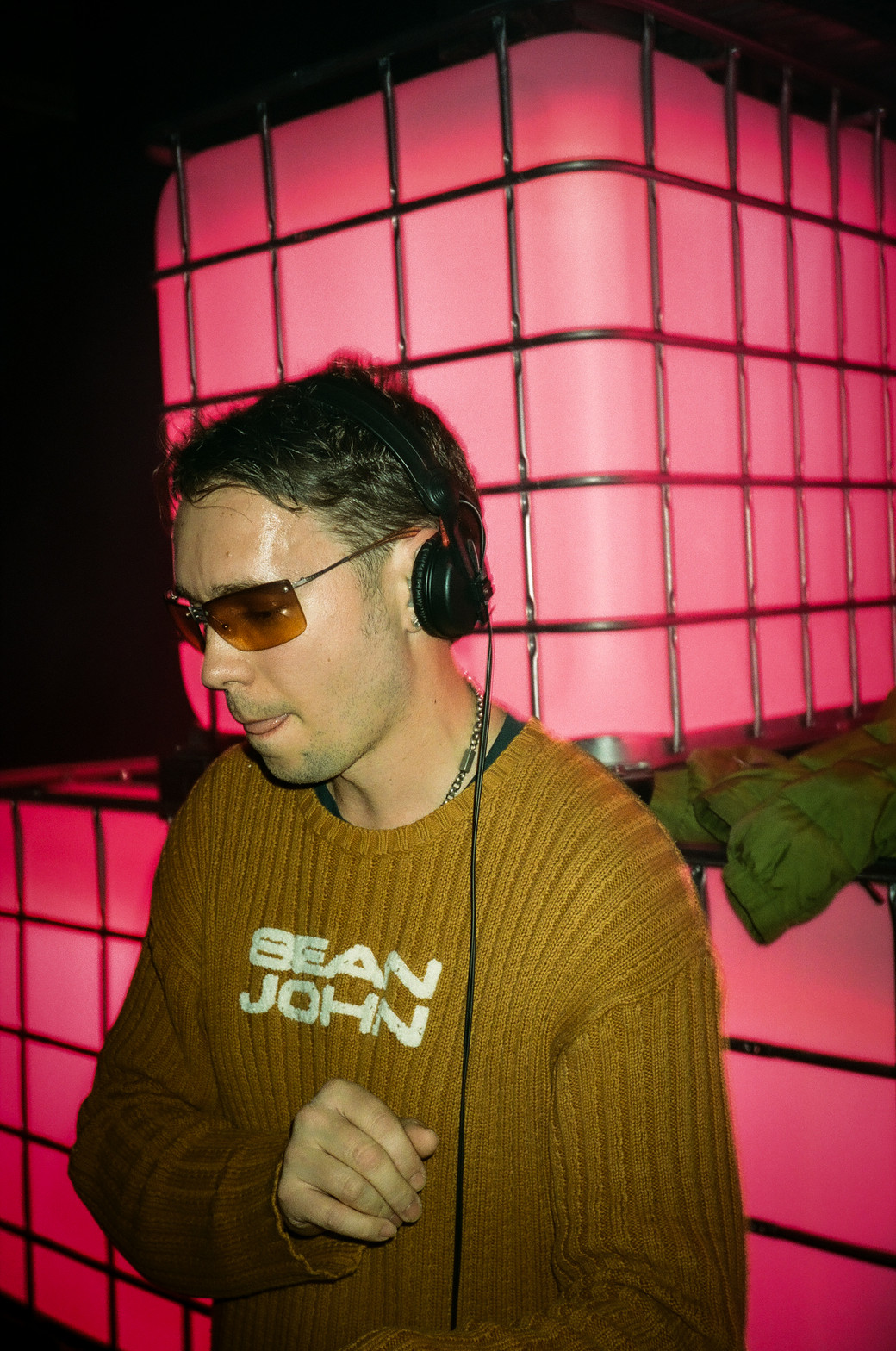
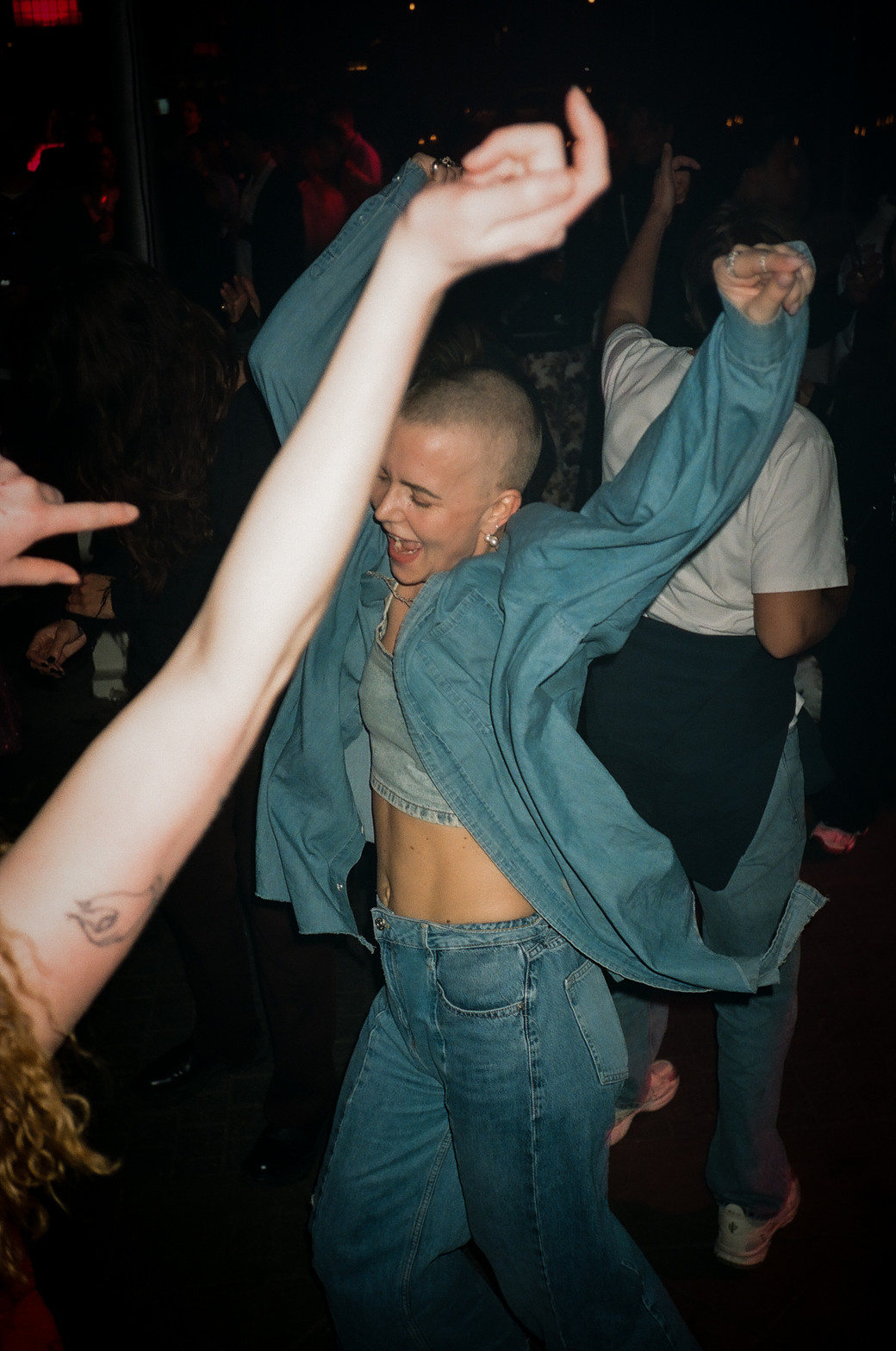
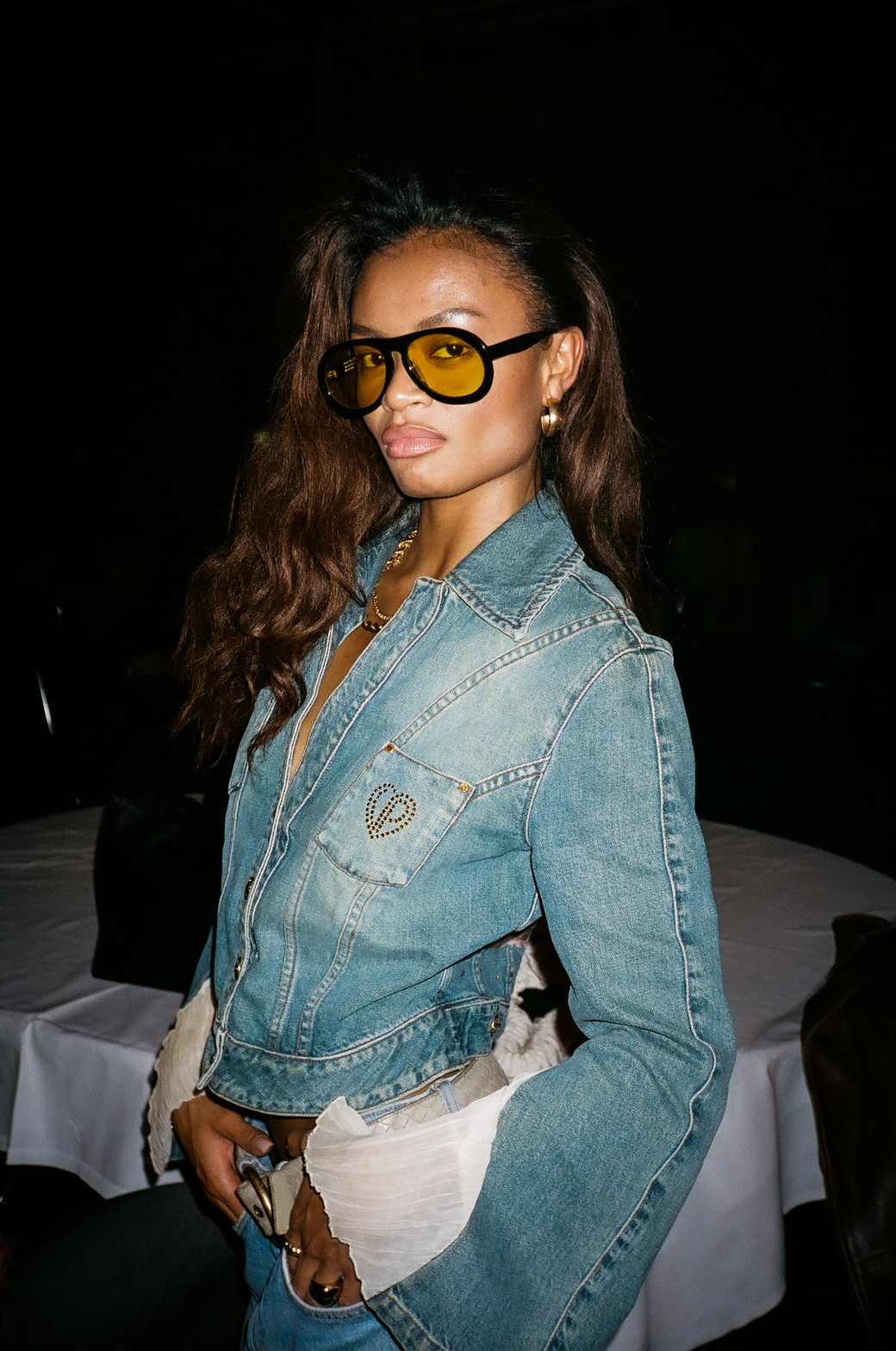
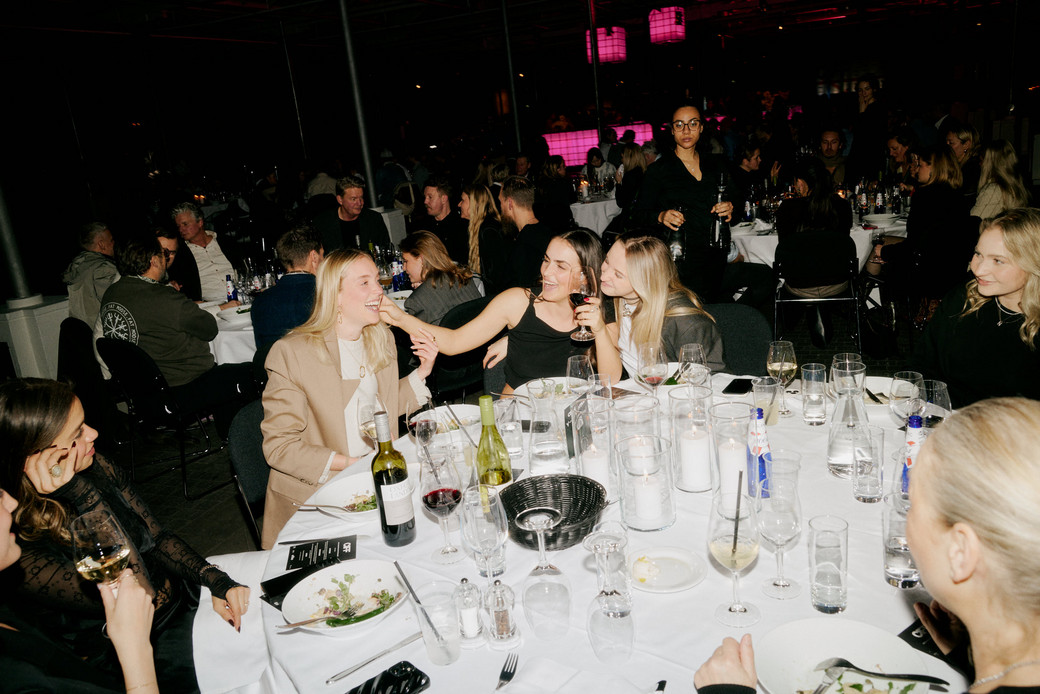
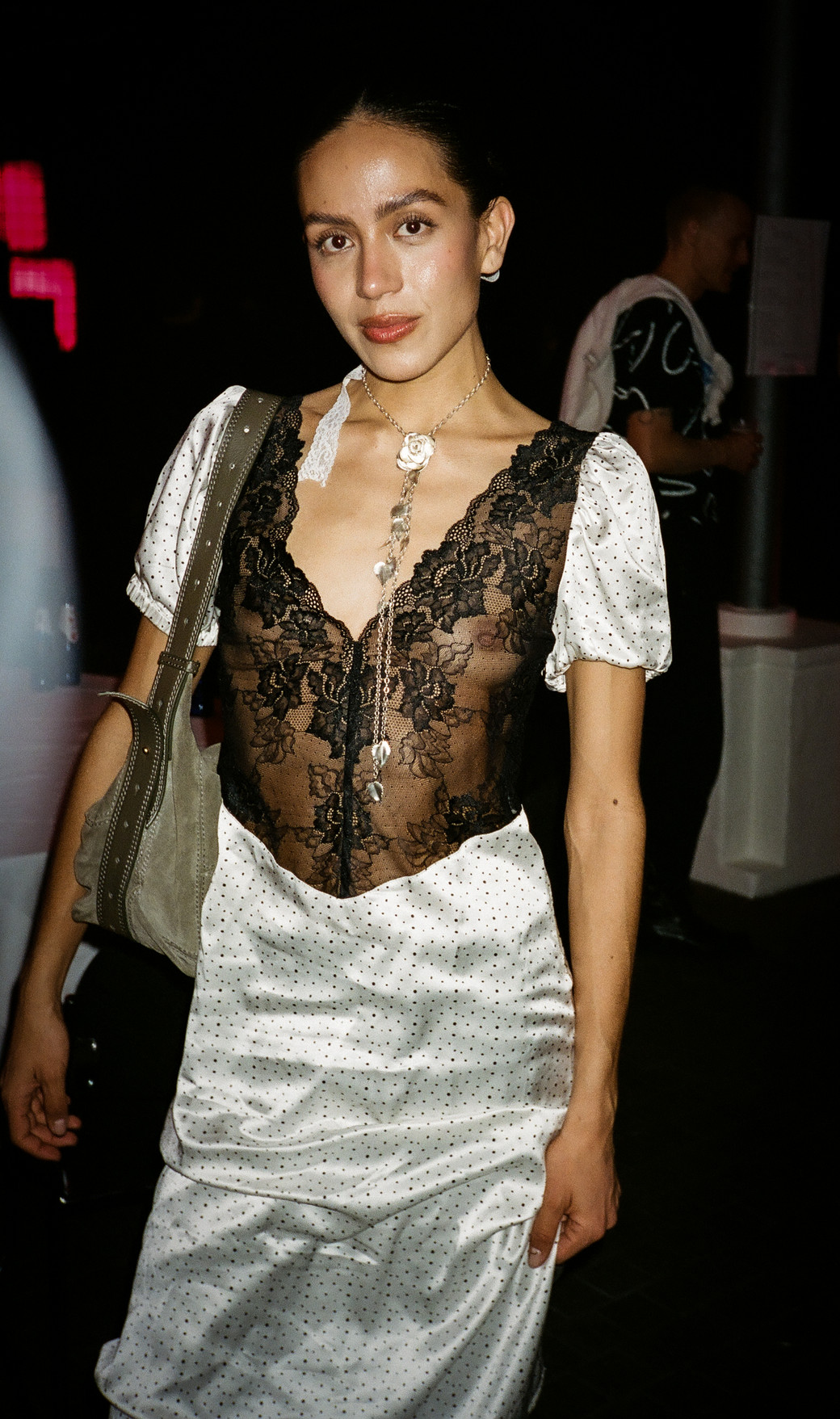
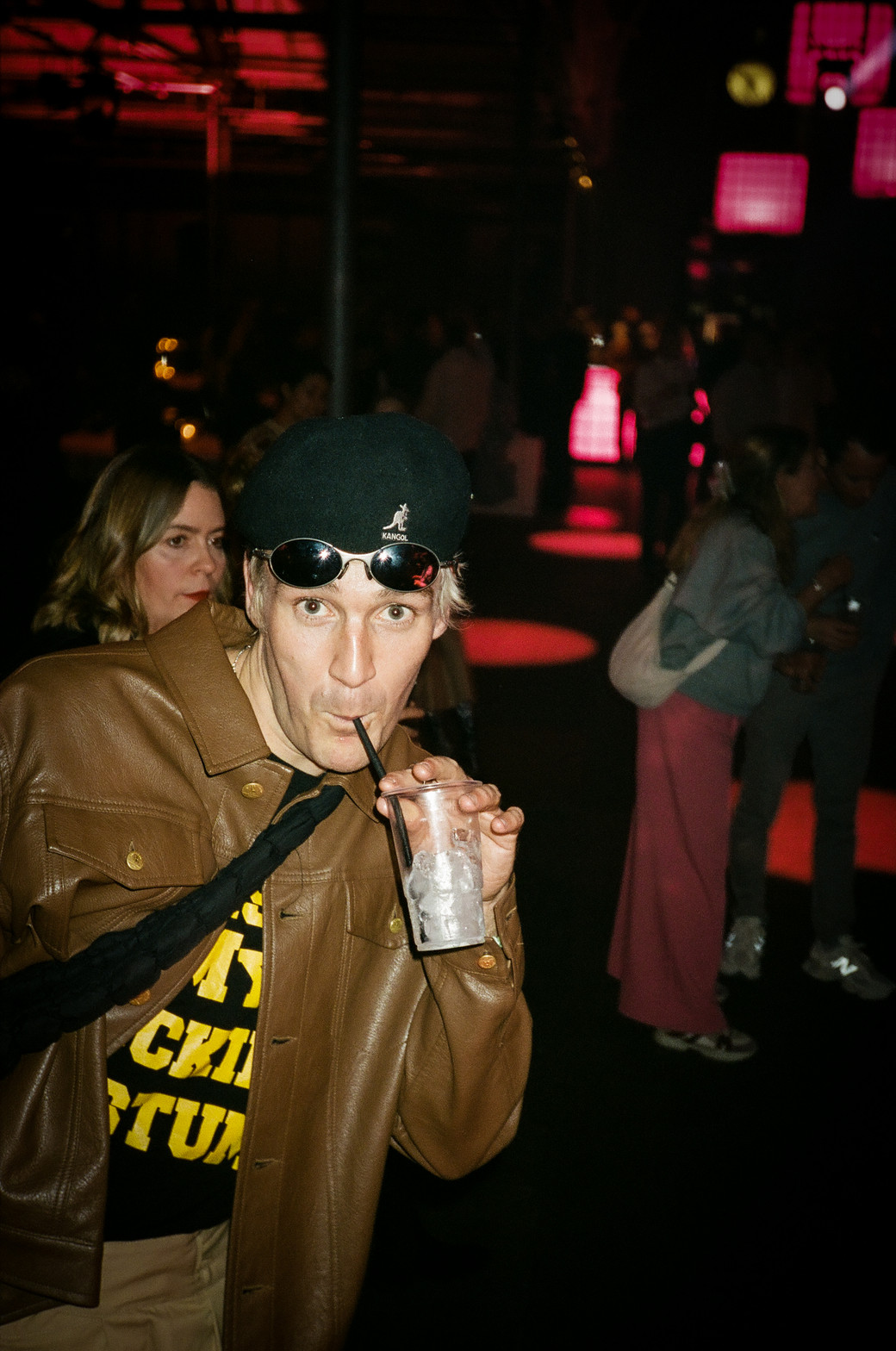

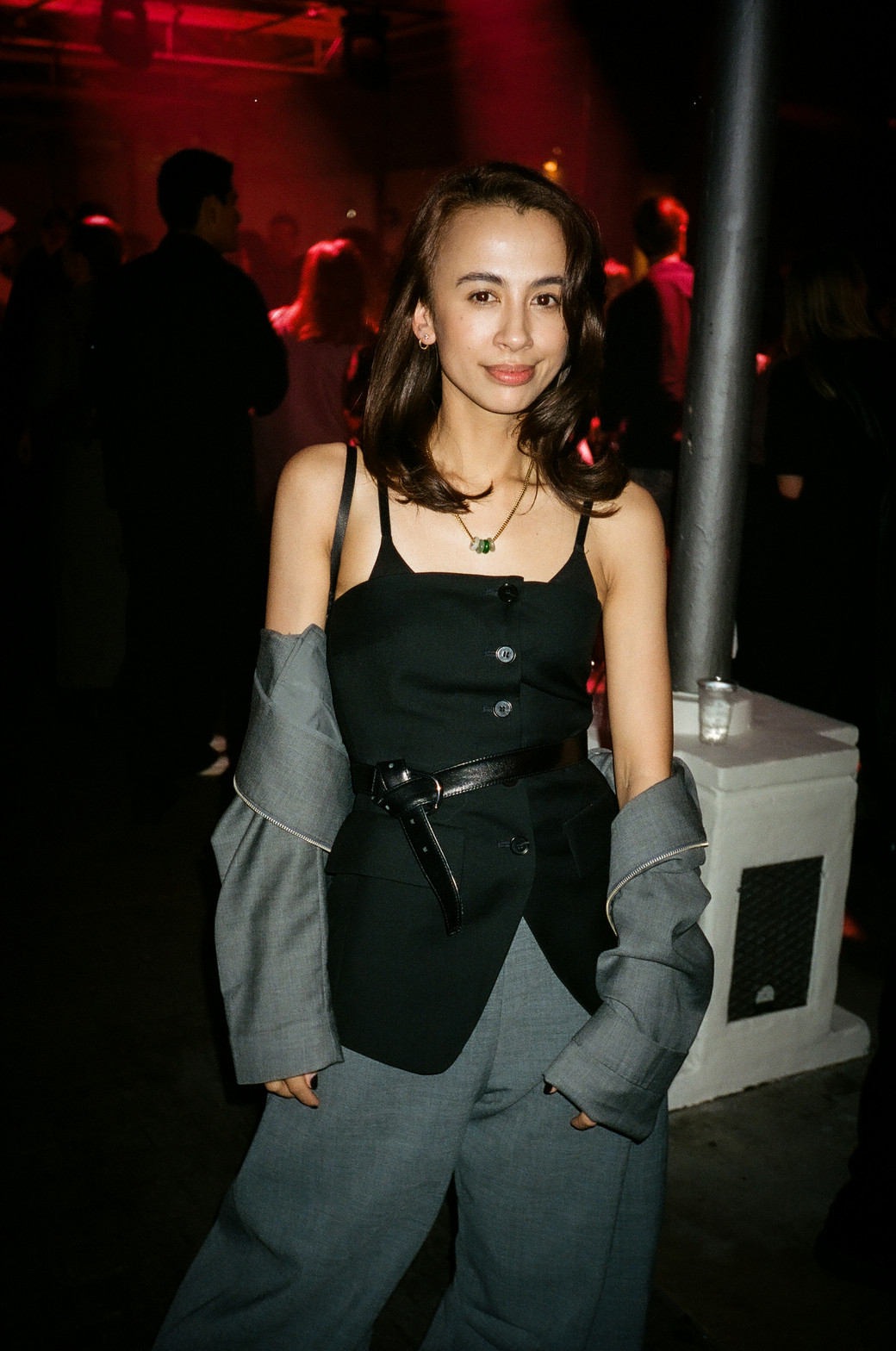
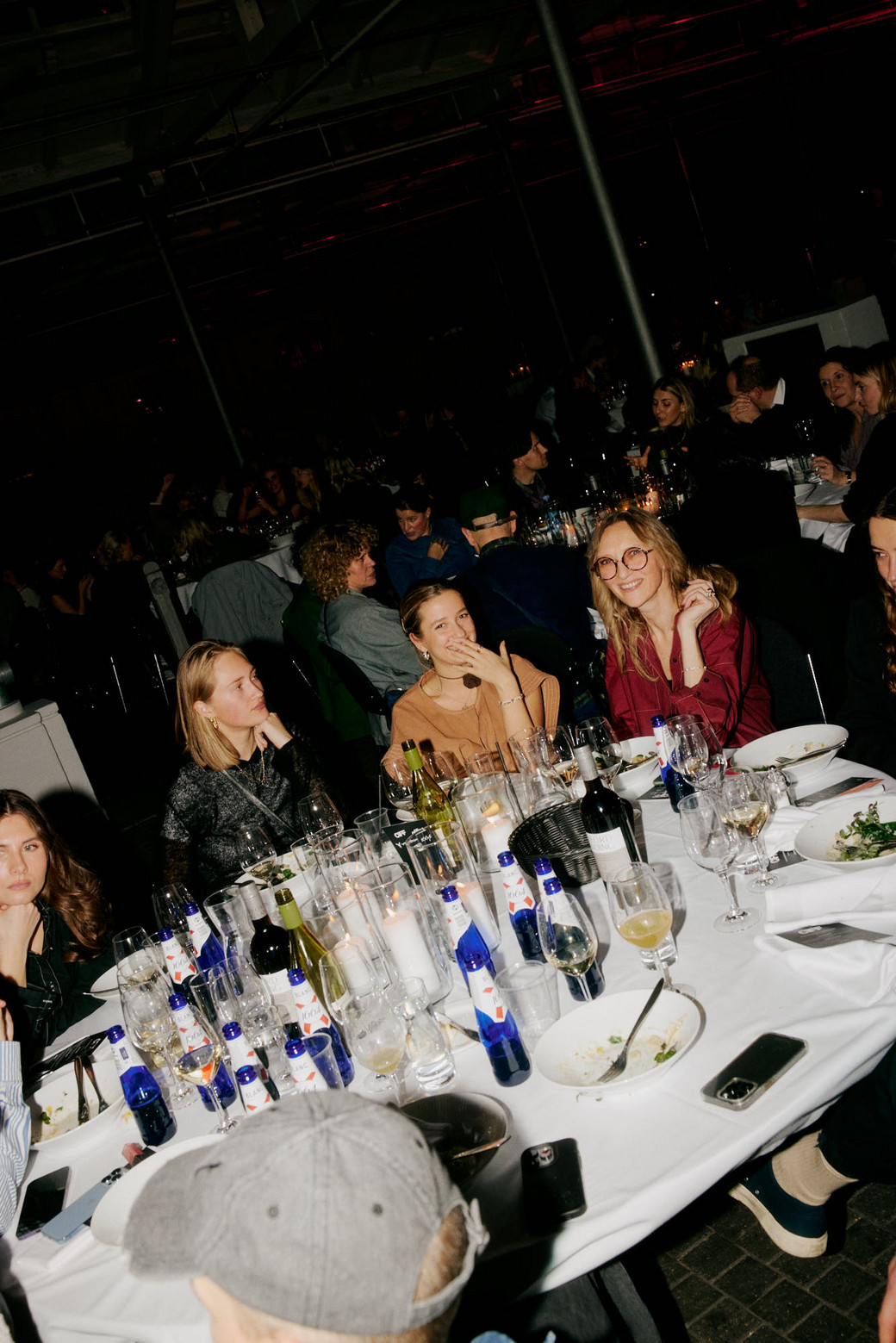
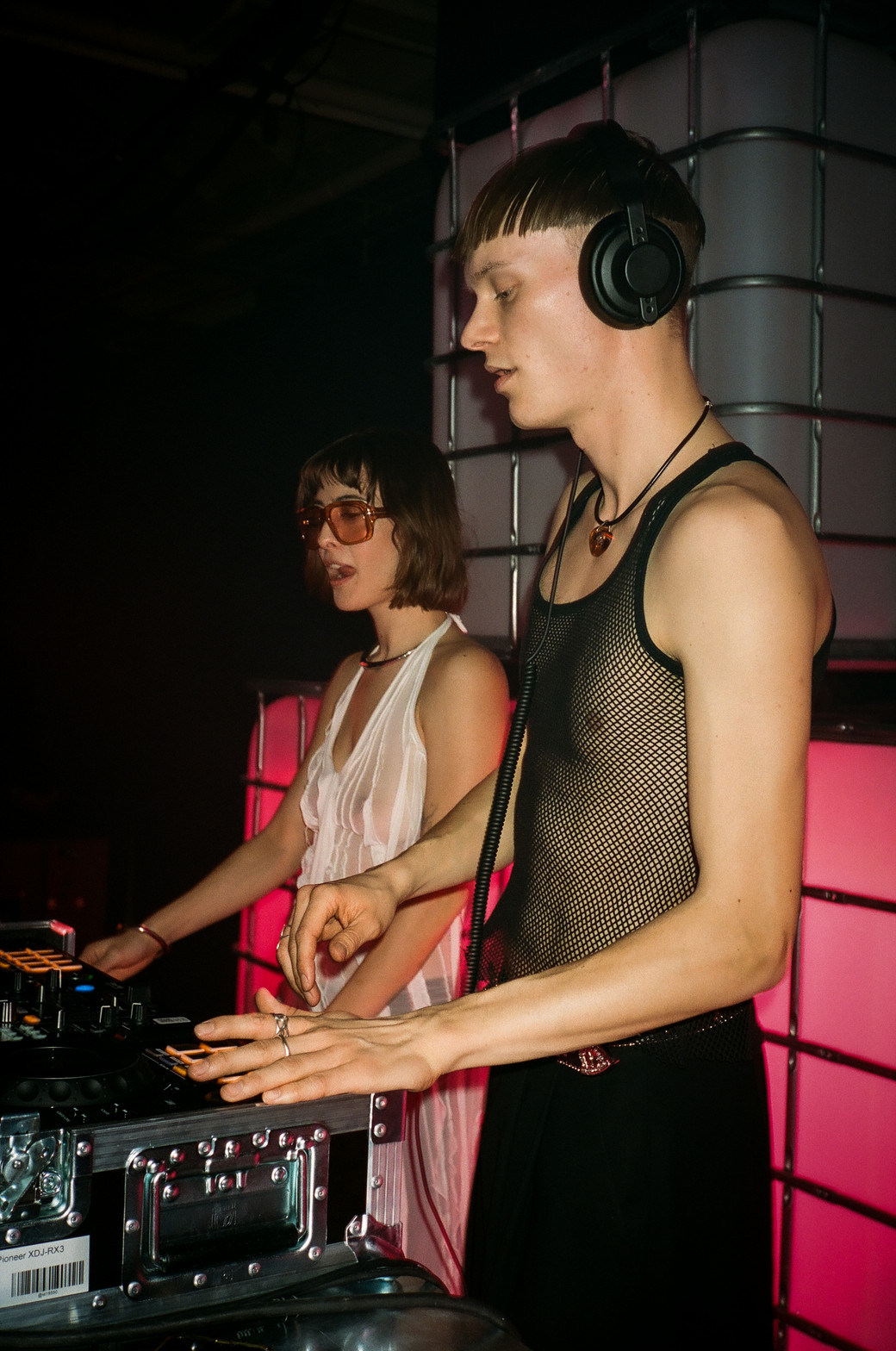
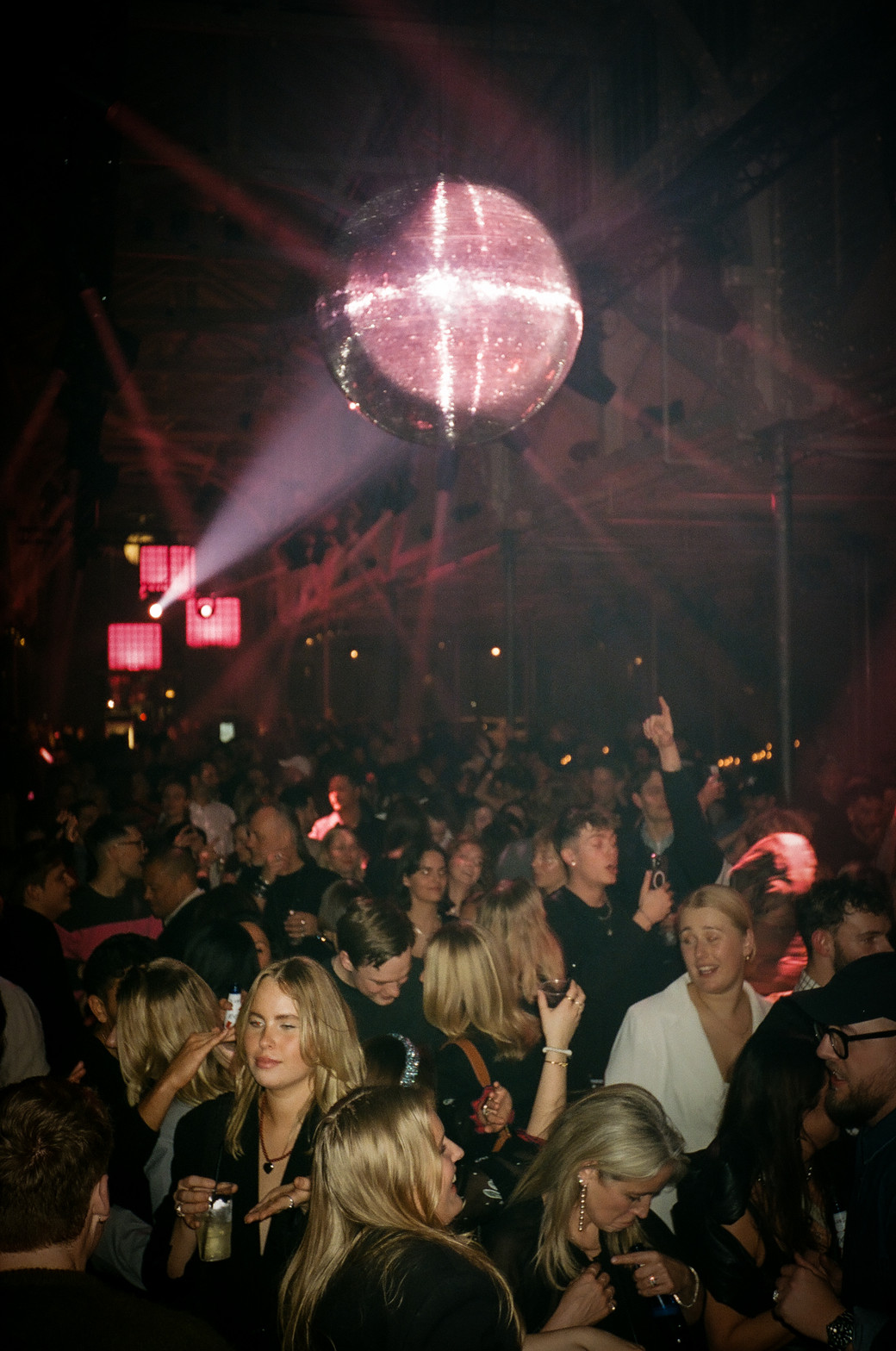

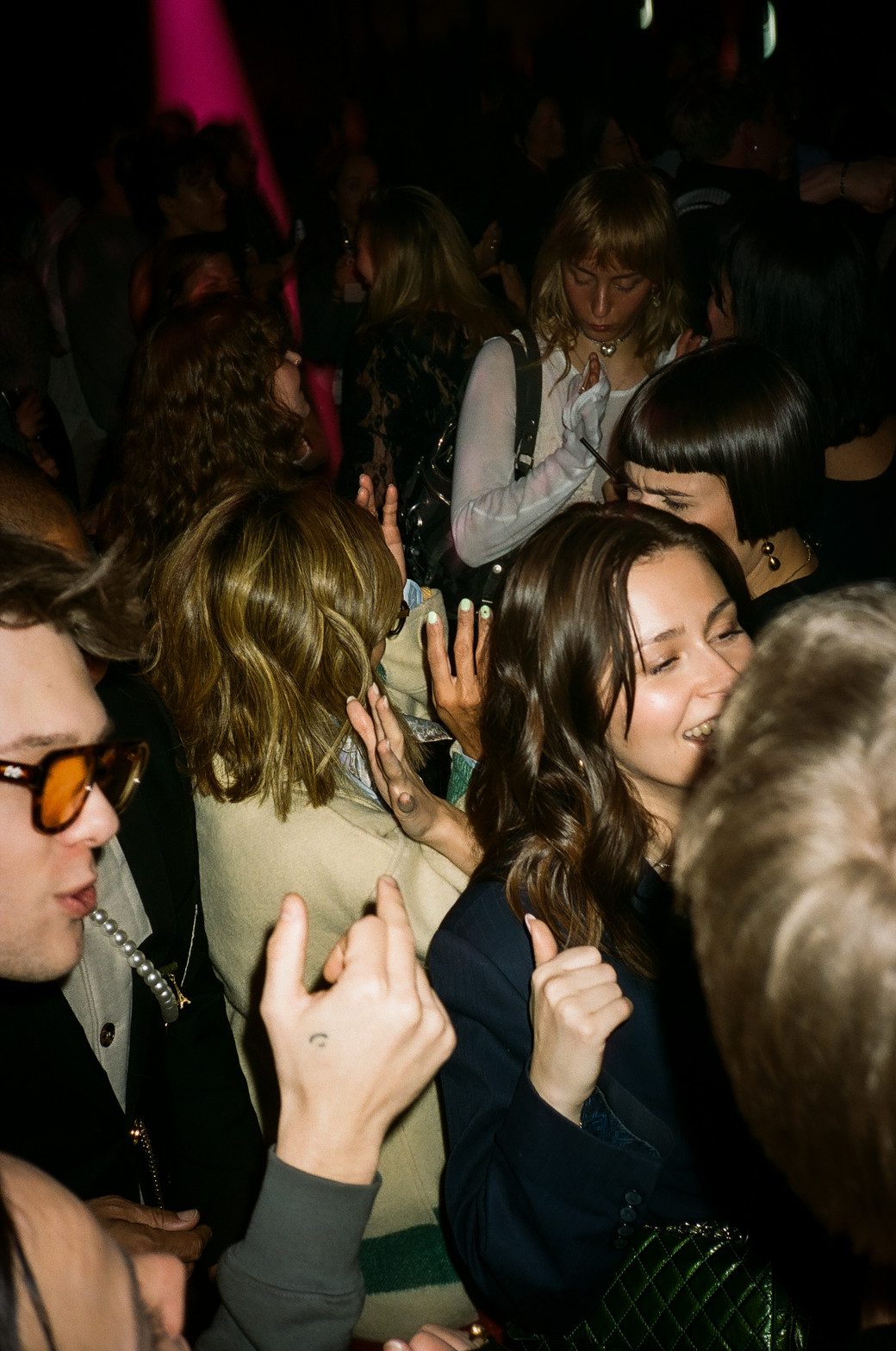
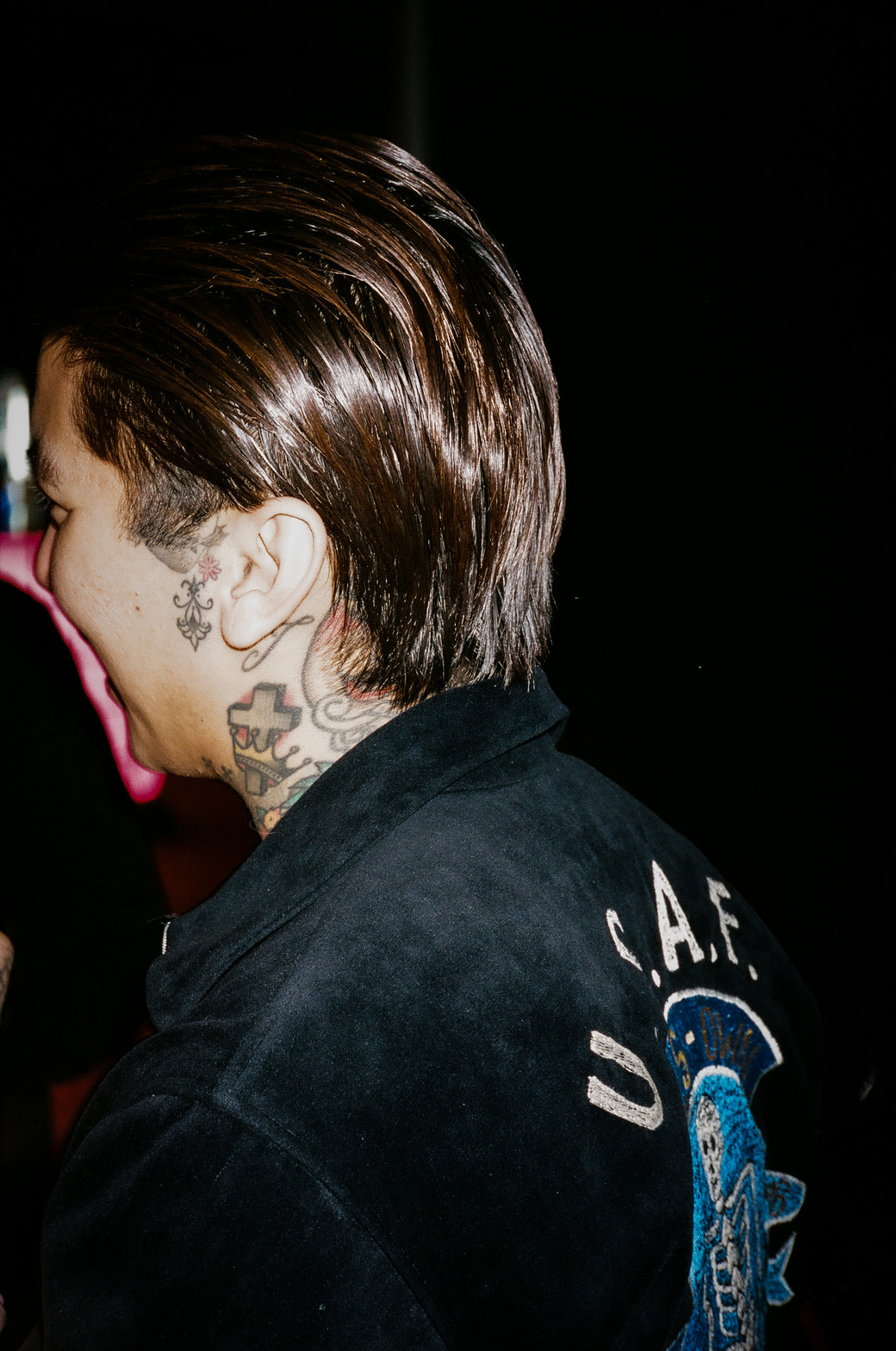
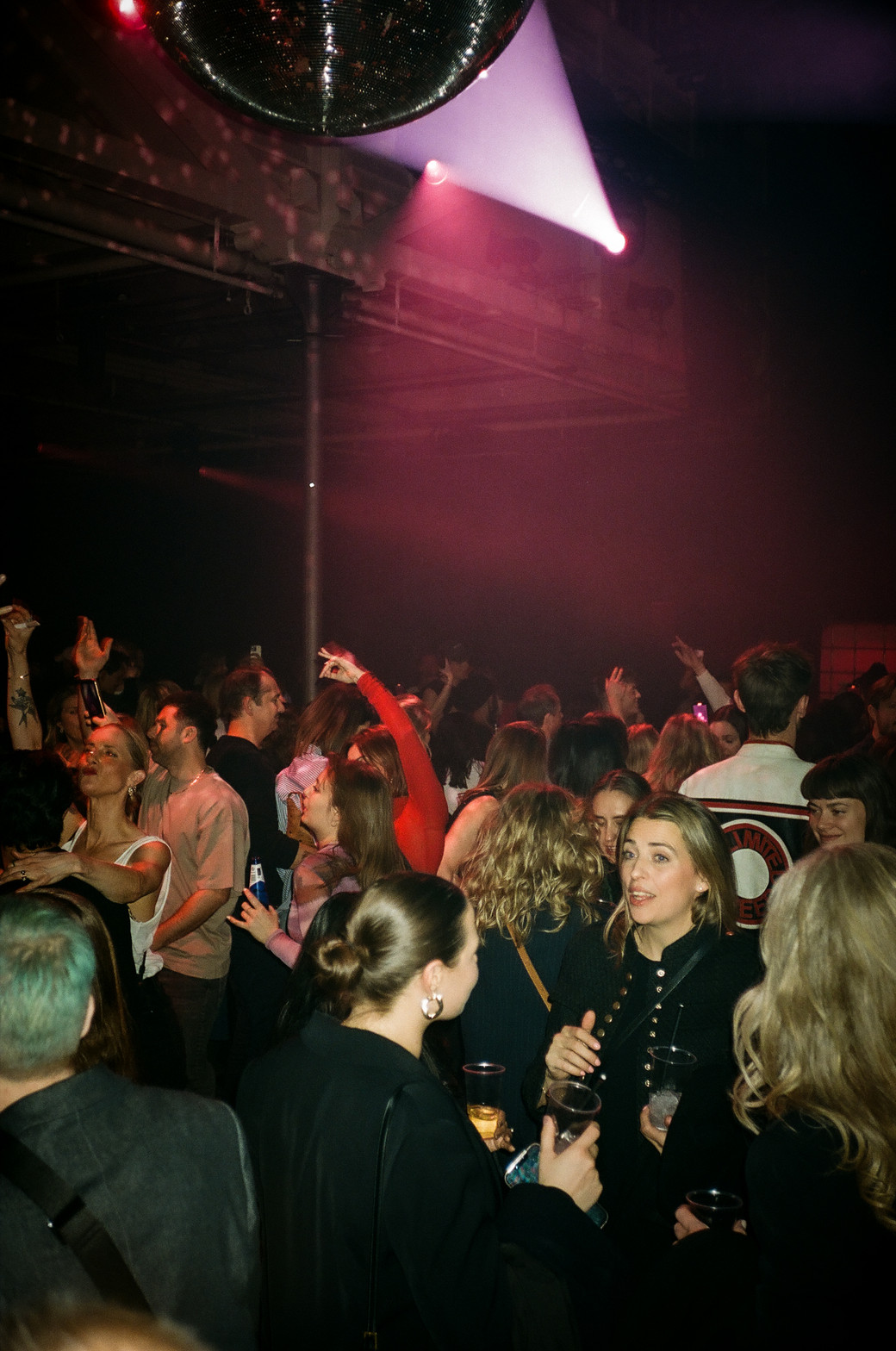

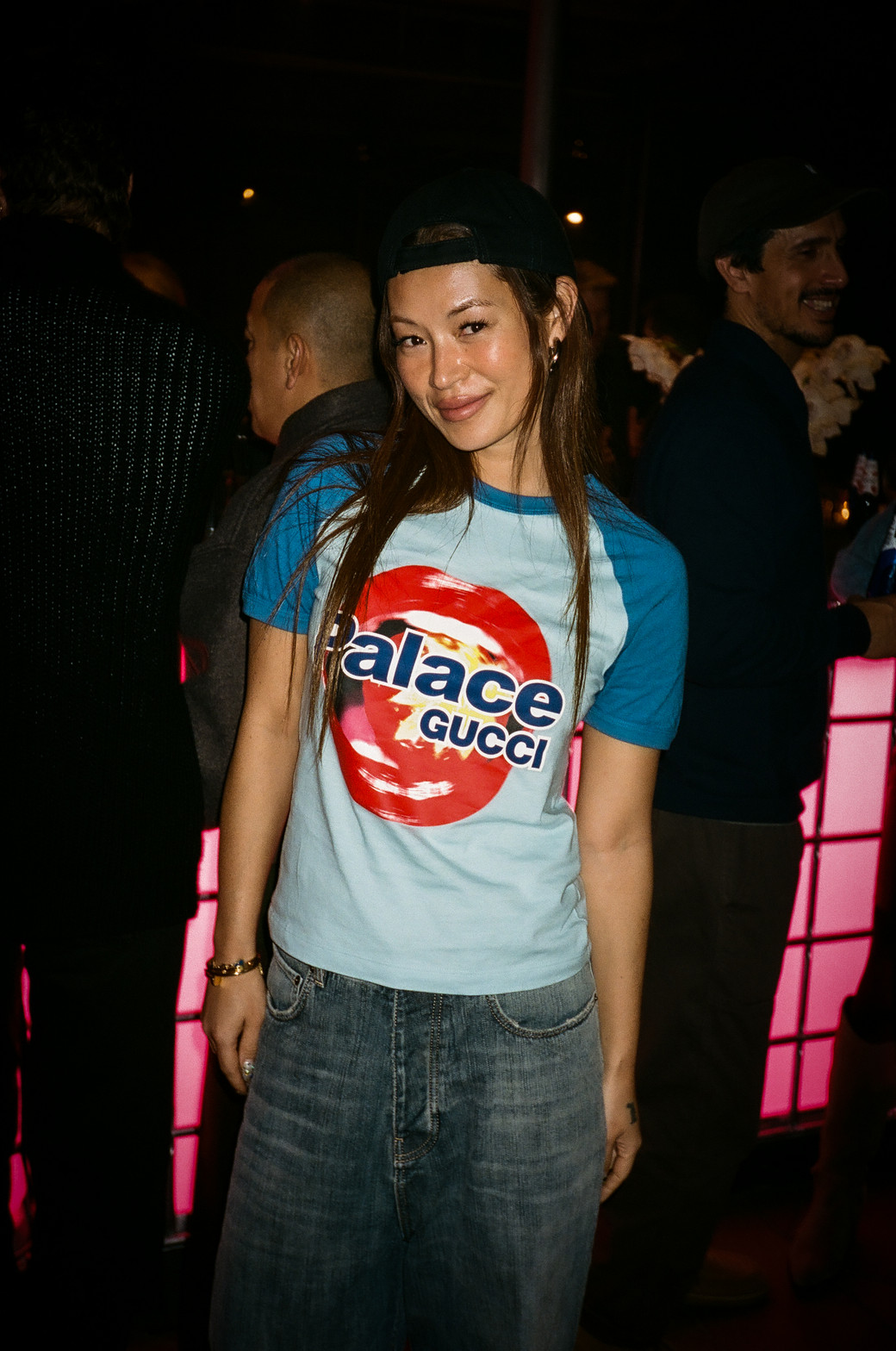
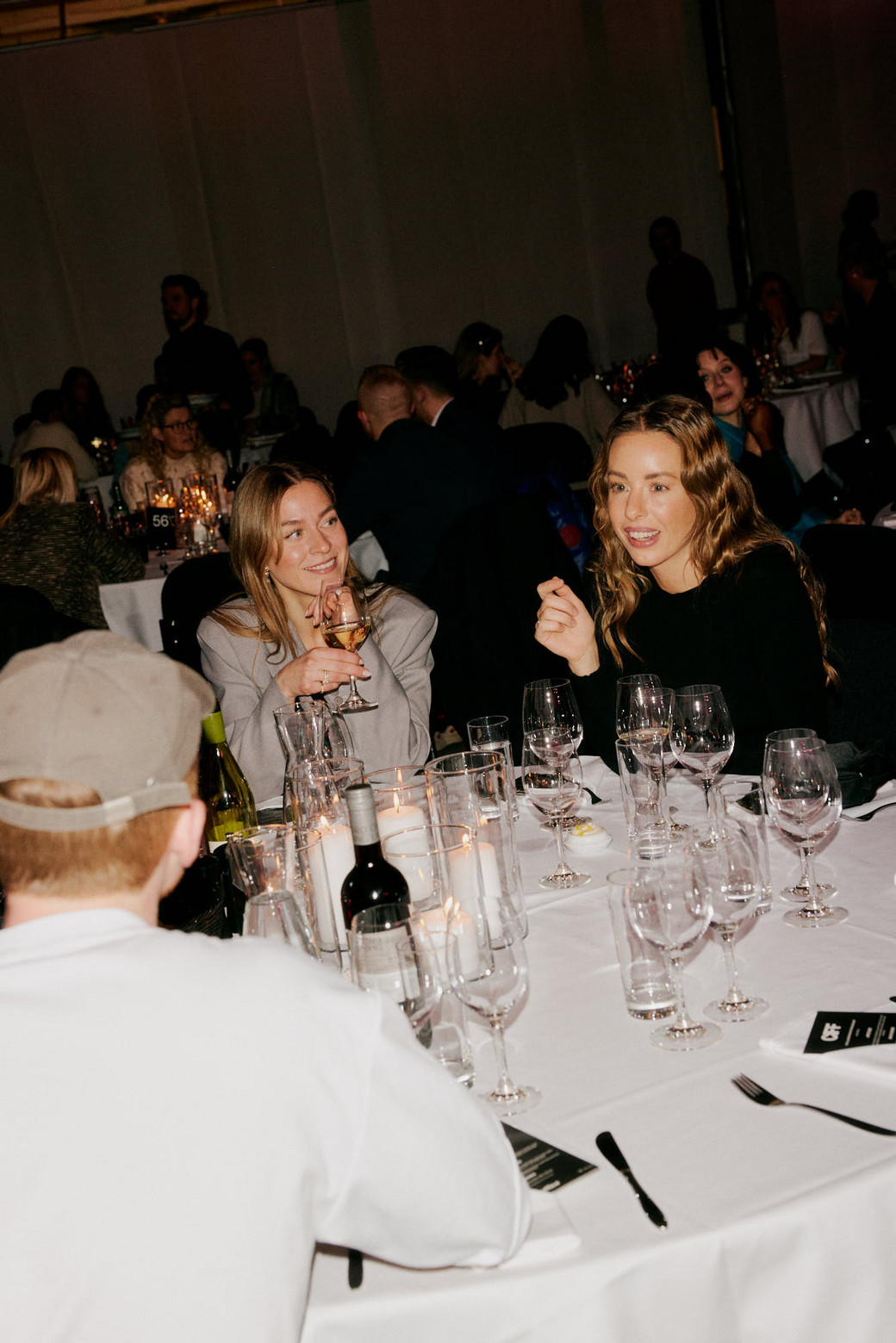
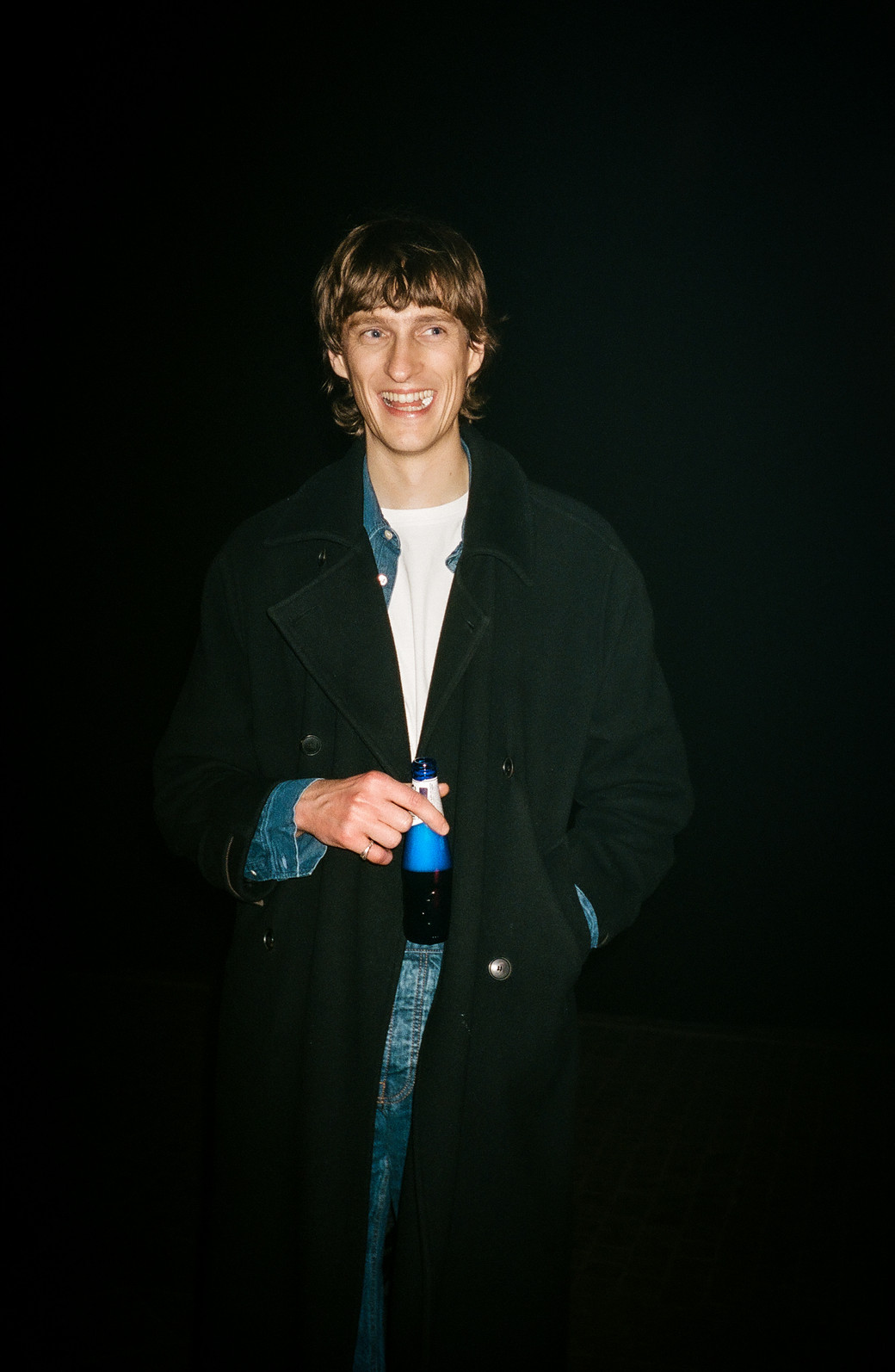
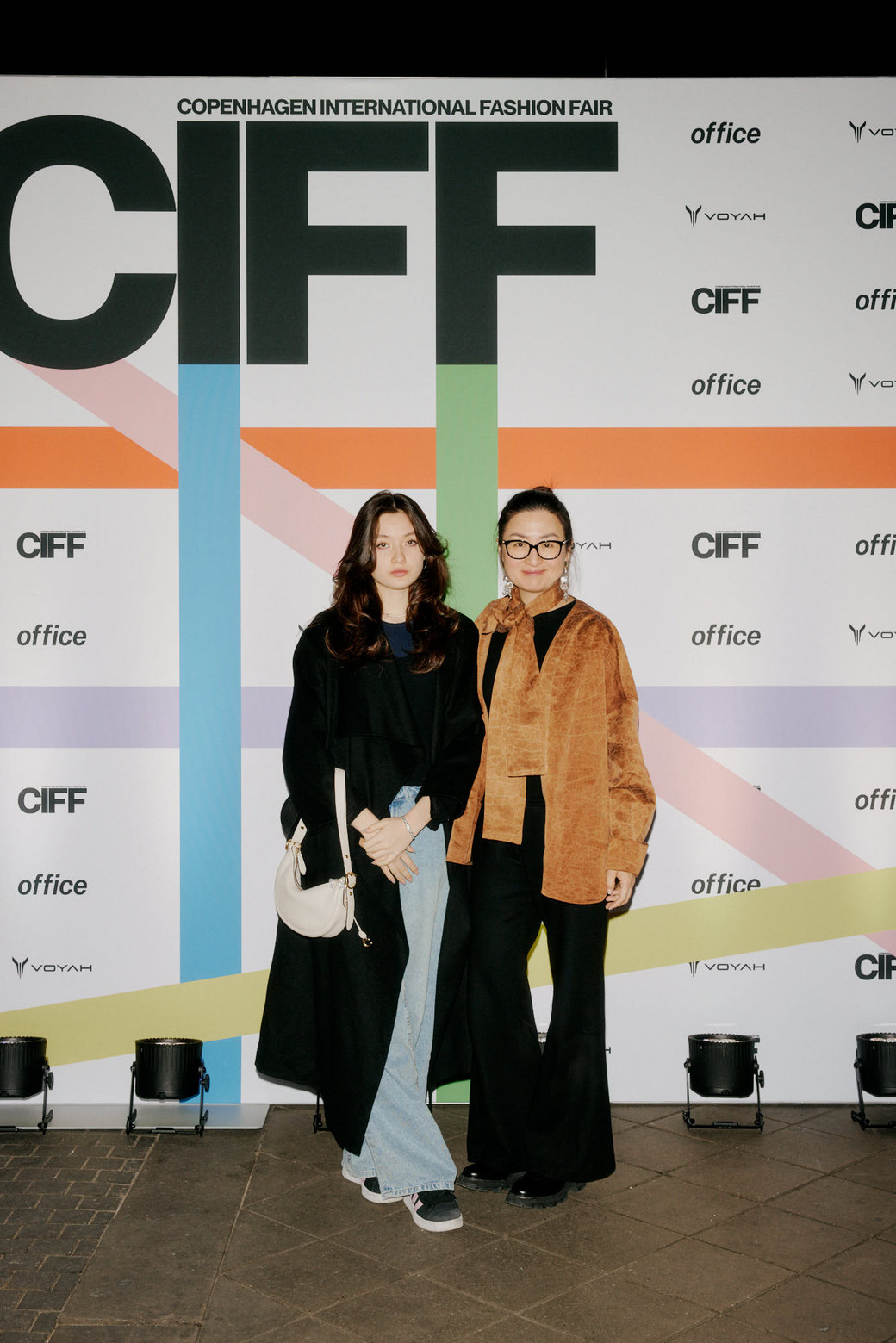

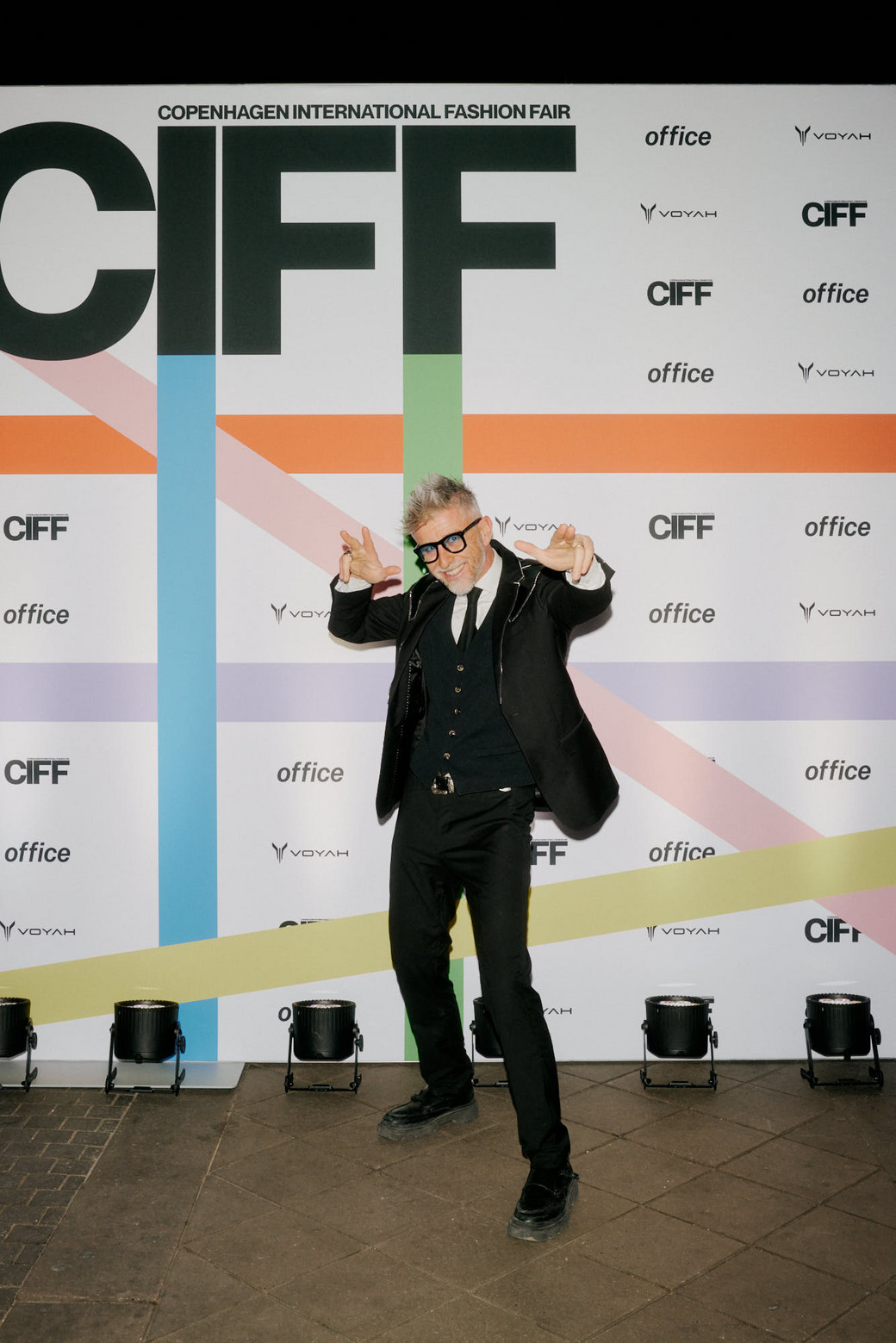
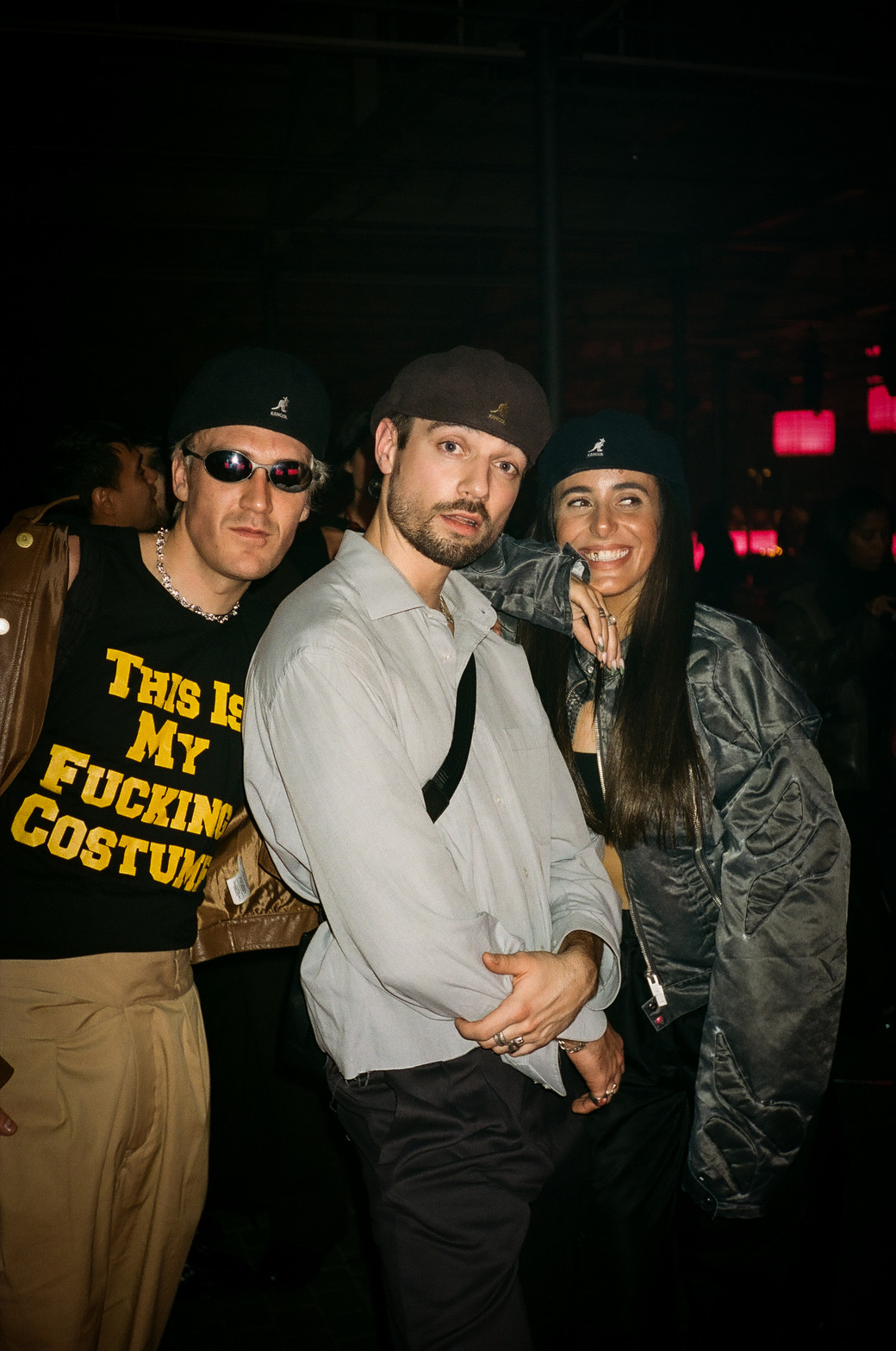
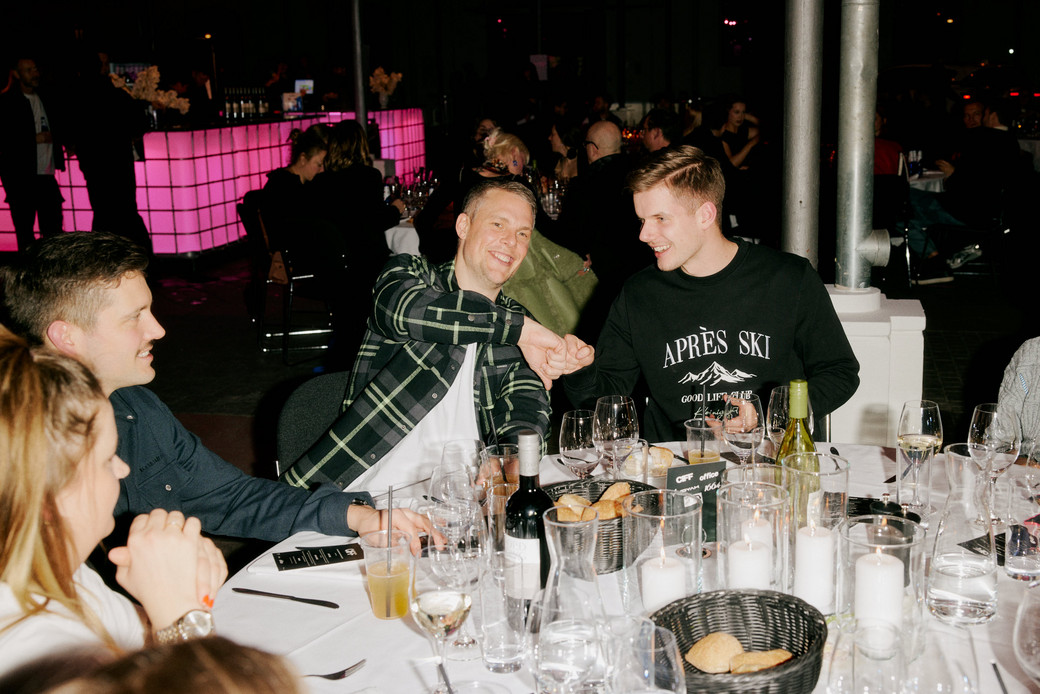
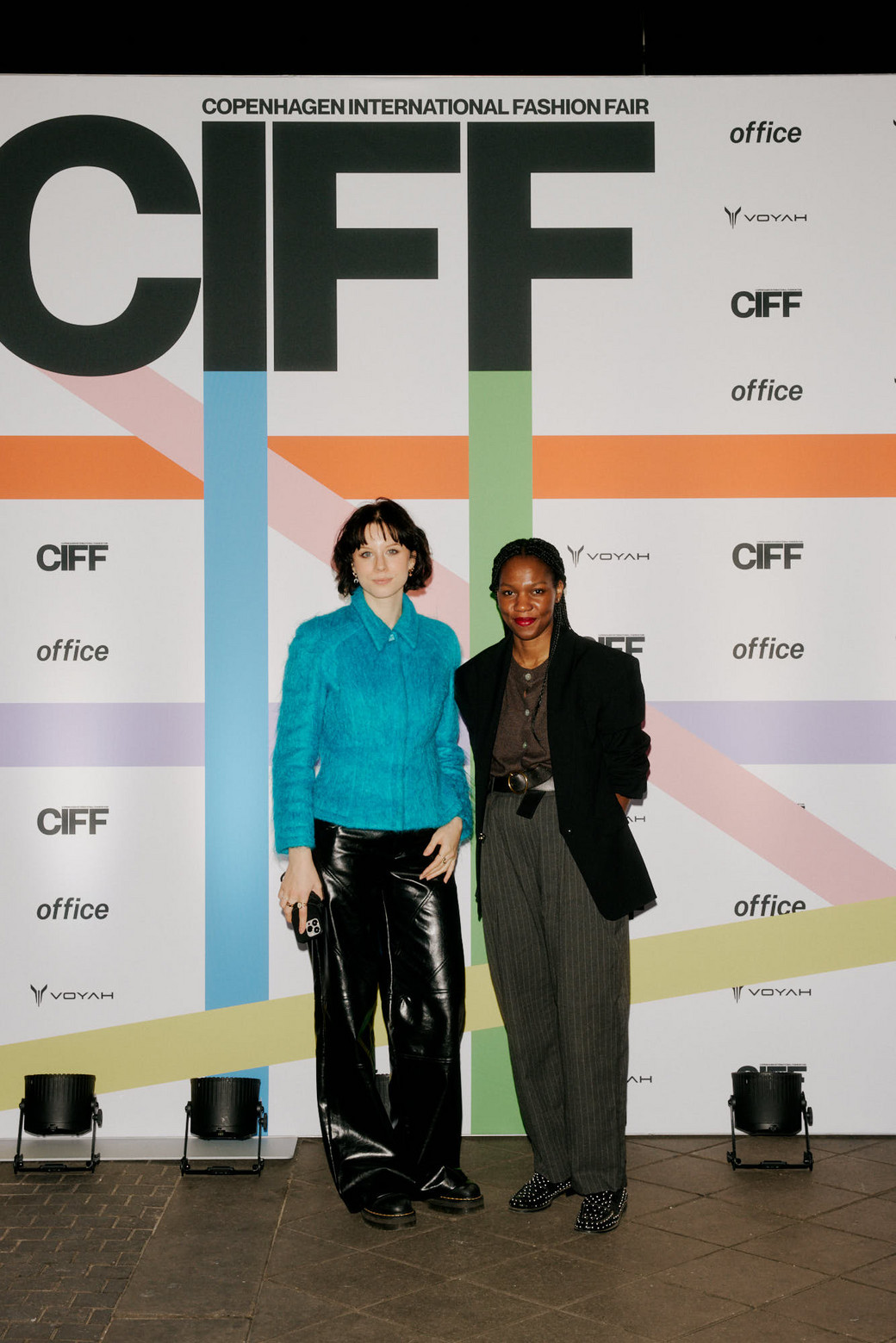
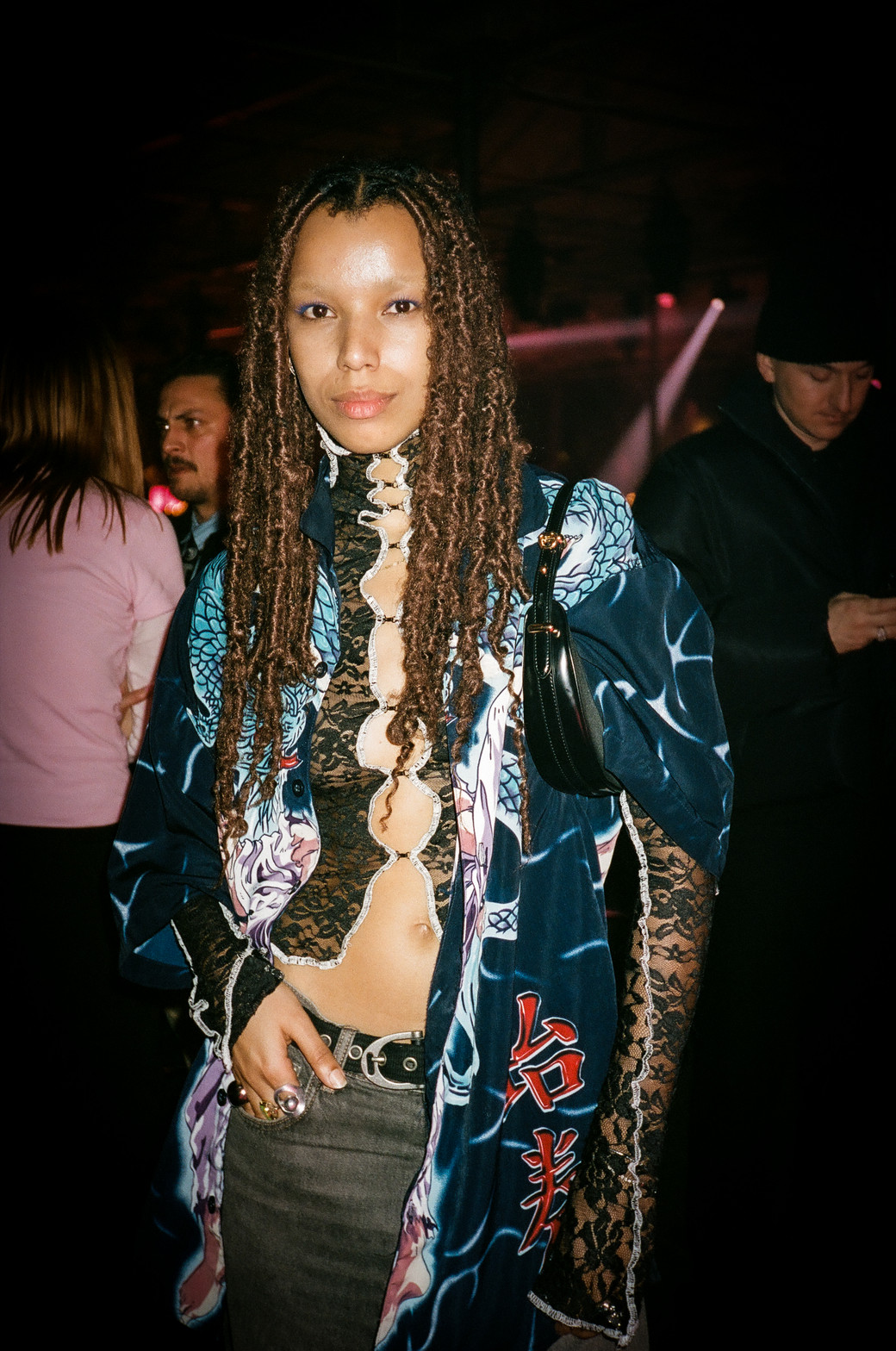
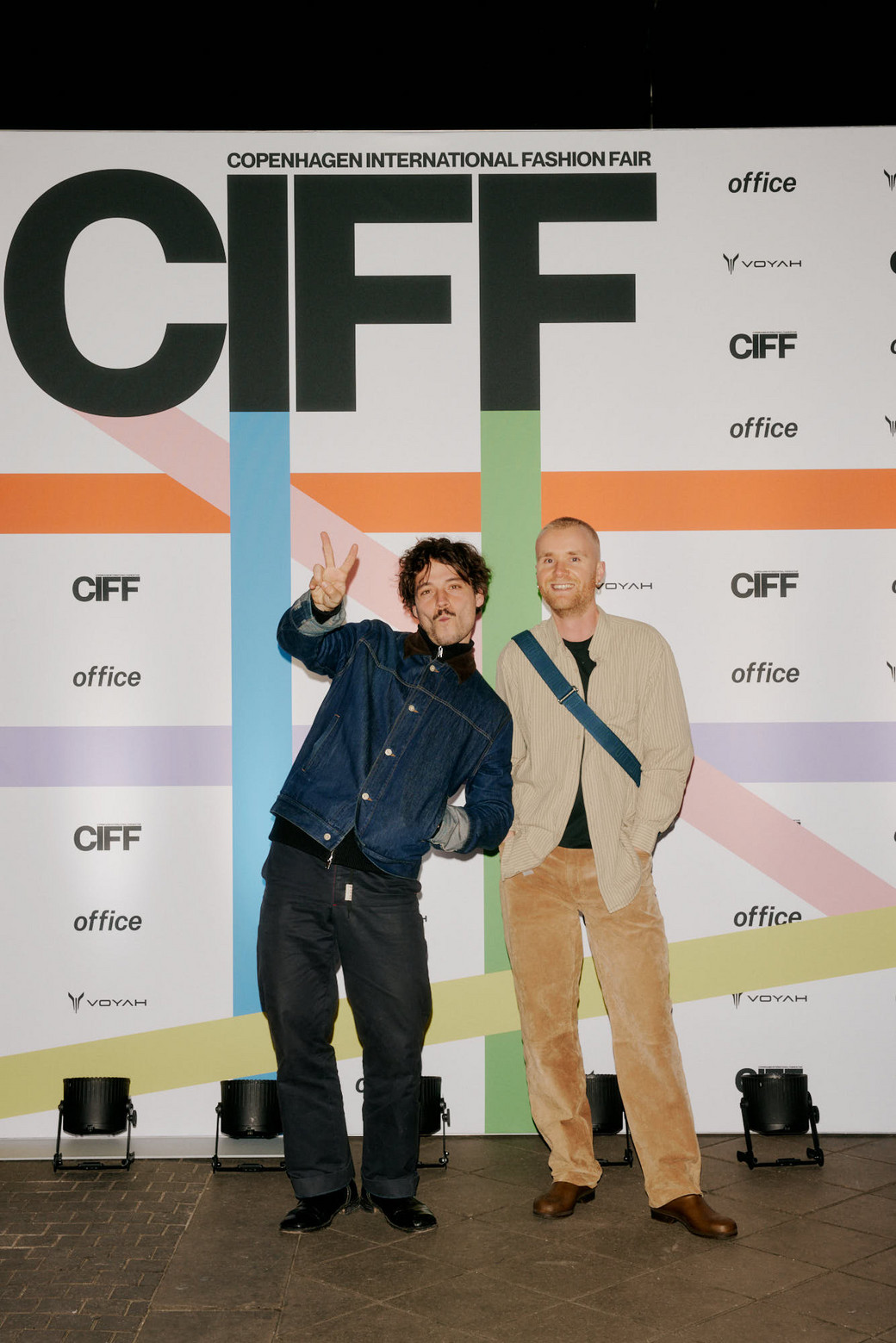

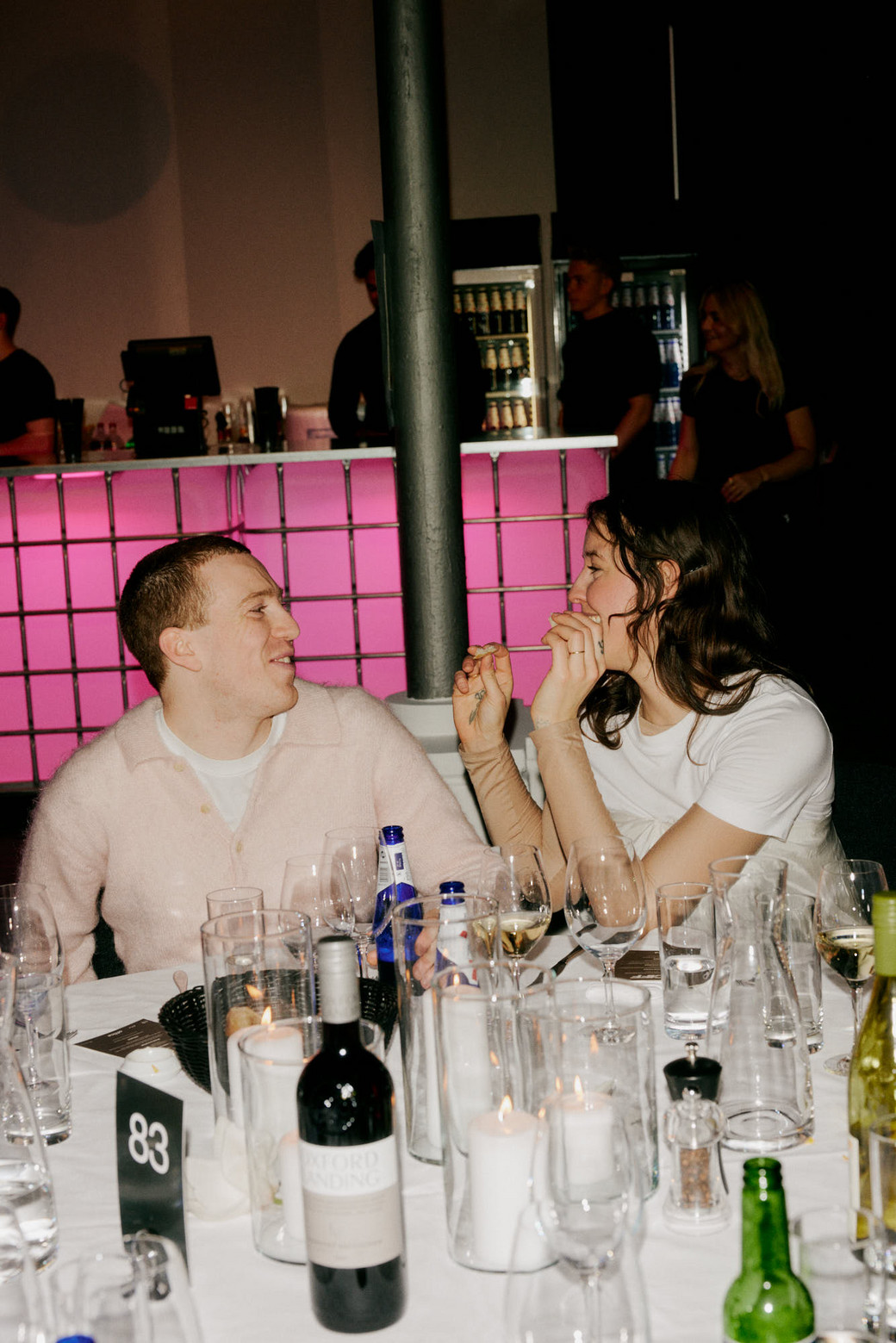
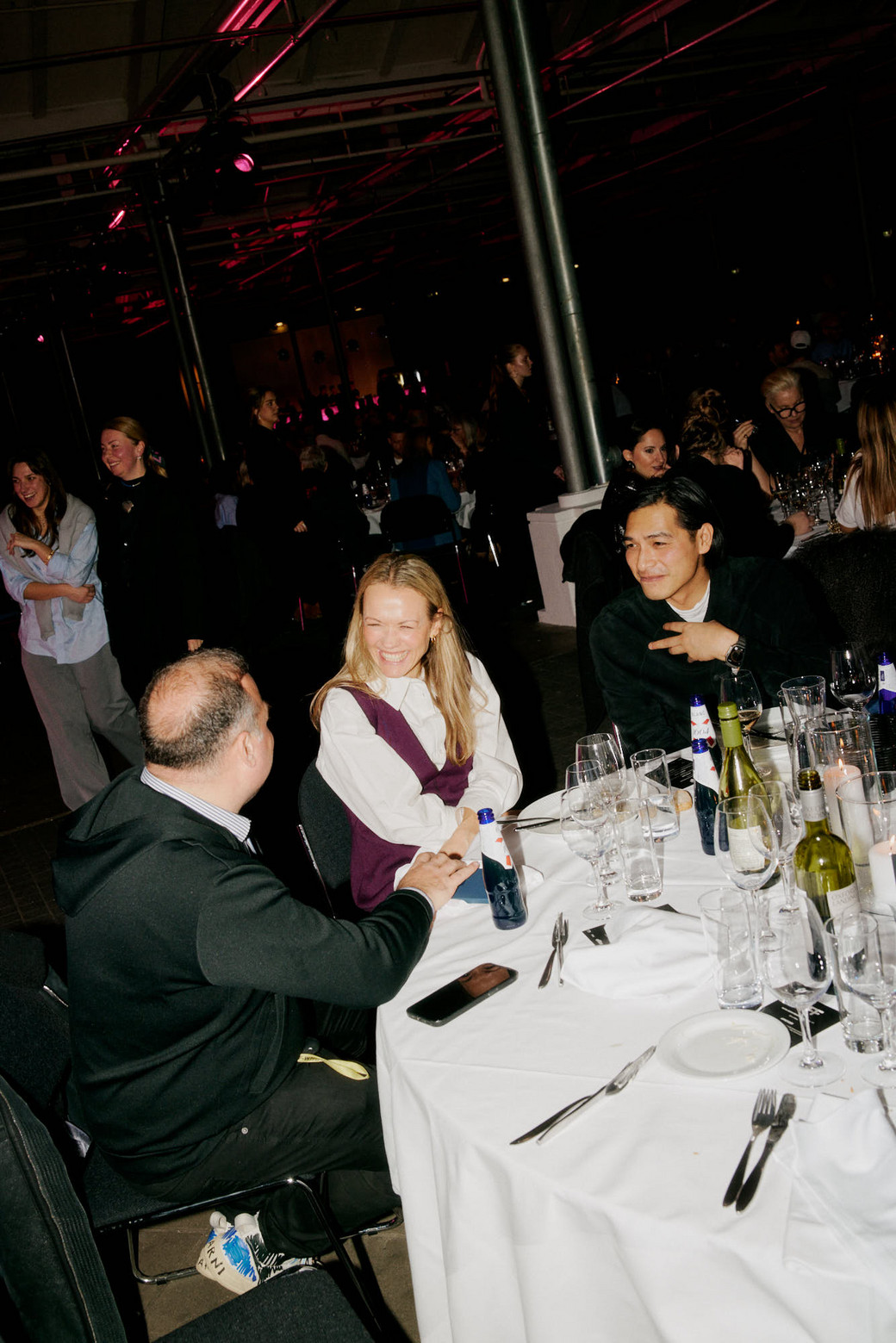
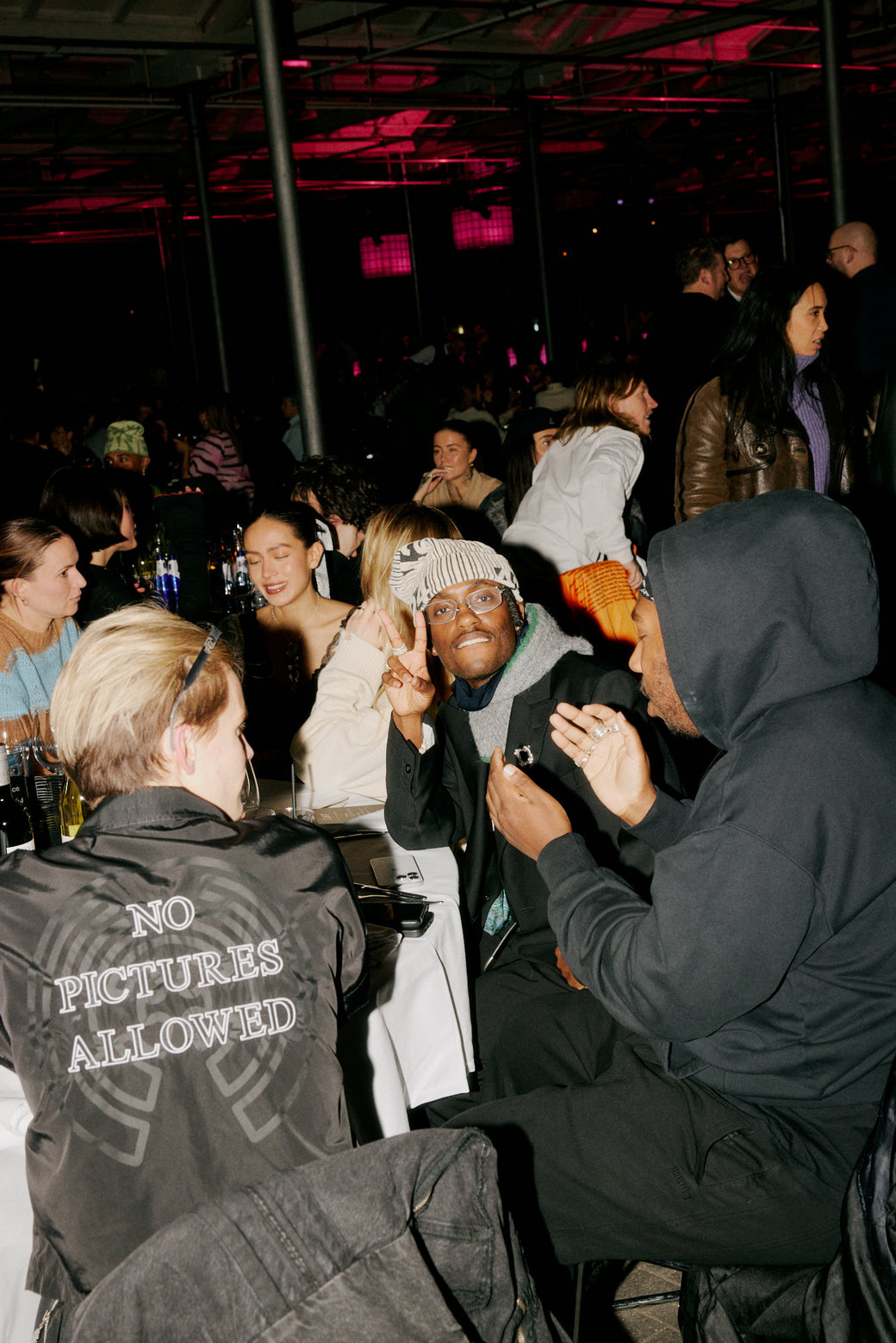
Conversations flowed, guests mingled, and eventually, everyone was on their feet crowded around the DJ booth dancing the night away. If you missed out, relive the magic in photos from the night below.


Right in that sweet spot, before temperatures dropped and while leaves were still a gorgeous array of colors, Belvedere brought a group of journalists out to Warsaw to get a taste of what they're all about. The trip started with a journey into the city's architectural world and contemporary art scene, contextualizing Belvedere so that we could understand not only who they are as a company, but why they are that way to begin with. After a walk through Old Town and a trek into a number of museums and art galleries, the answer became quite clear: Belvedere is all about craftsmanship and is continuously informed by a rich heritage that has mastered the art of embracing change. Sure, they love tradition, but they're not interested in letting that keep them in the past. They move with the times, and actually, working with pop culture names we know and love, like Gabriette, is what sets them apart.
On the first night of my trip to Poland with Belvedere, we tried a myriad of cocktails that left me ravenous. The lychee, passionfruit, and jalapeño martinis were all standouts. Important to note: I hate tequila; I’m very pro-vodka, which is another reason I was the perfect person for this. The jalapeño martini was exactly what I wanted in a margarita alternative, adding a little kick and subverting expectations of a vodka-based drink. But what really took the cake for me was the espresso martini. I was looking forward to it, not only because Belvedere had teamed up with Gabriette for the release of the Dirty Brew, their coffee bean-infused vodka, but also because it was being whispered about like it was some God-like thing.
“How did you get that?” writers at the dinner table asked. We’d just concluded a conversation on Charles Bukowski poetry and also this trend of toe-accentuation in fashion and how journalists need to expand the conversation there, both of which were started by me. The espresso martini wasn’t served at the cocktail hour before our first dinner, which made it all the more enticing. I had high hopes for what this coveted drink might taste like. It exceeded my expectations by far. I hate for this to sound like a commercial, but genuinely, sipping that espresso martini was like licking a coffee-flavored ice cream cone. Delish.
On the second day, we got to investigate the magical powers of Belvedere and figure out what exactly made those lychee and passionfruit martinis so good. After a gorgeous drive through the Autumn trees of Żyrardów and out of the city center of Warsaw, we found ourselves in a quietly tucked-away world of distilleries, where we discovered that harvesting, mashing, and fermenting are the core processes that rye has to go through to turn into a shot of vodka. And with that, shots of vodka were handed out to everyone. Some downed them, some sipped, and some simply sniffed, having had a long night of lychee martinis.
Later that night, everyone was brought out to Nobu, where caviar was bumped all night, as were tunes. Bread soup, miso cod, smoked wagyu, and an endless supply of cocktails pre-gamed the main course of the night: an after-dark dance party. The room rang with music, and suddenly dinner guests were on their feet, energized by the experience and dancing ‘til the night came to a close, because that's exactly what Belvedere does to you. It makes you want to get up and dance with the guy next to you until the sun comes up again.






This space is located in Hamilton Heights. How did that locational identity make its way into your design process?
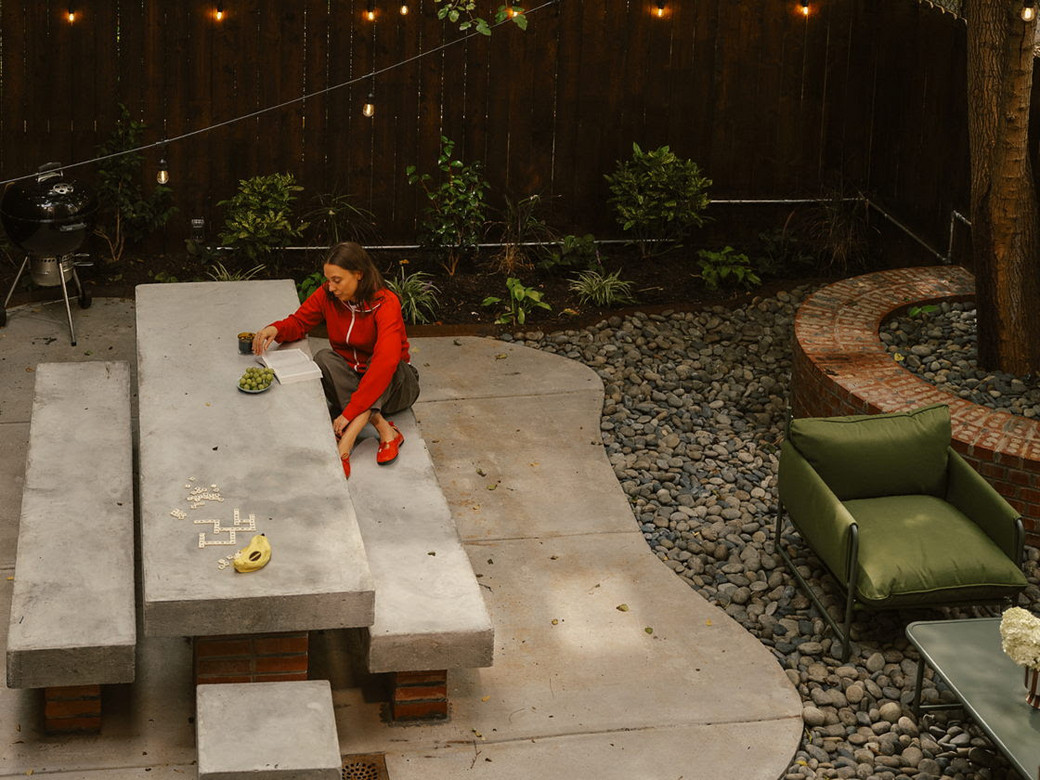
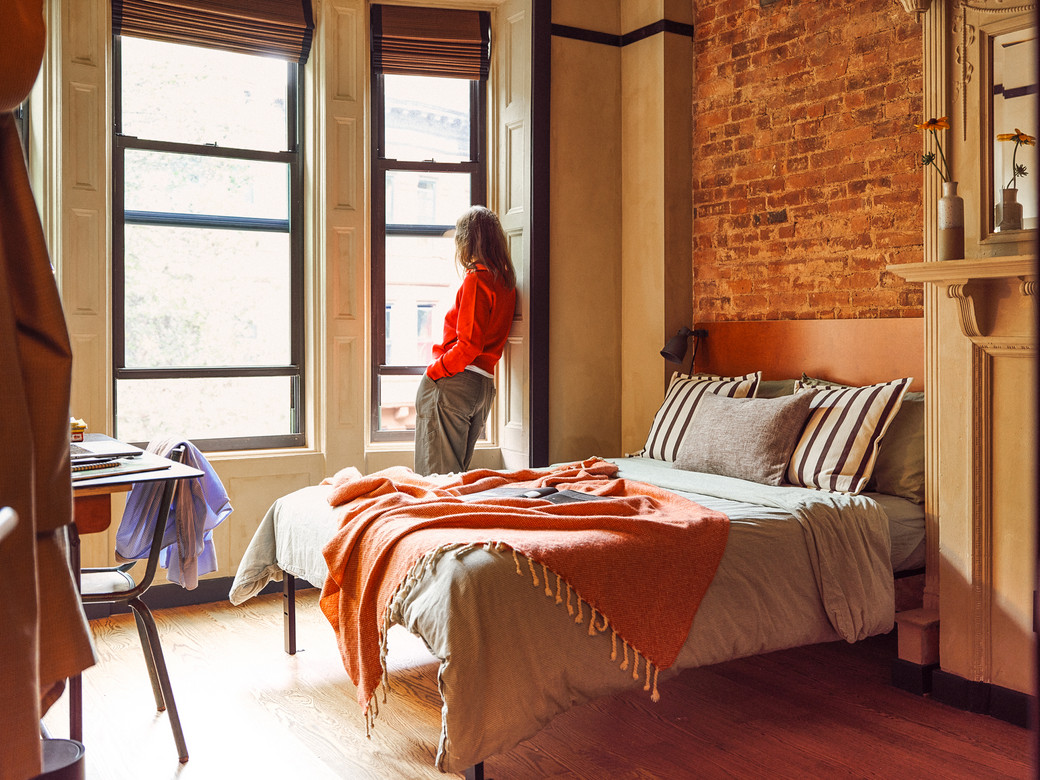
This project is what Cohabs calls a “Lab House.” It means that we experiment with concepts, ideas, and technical and aesthetic solutions. Testing these ideas in real life, at full scale, allows us to analyze both their feasibility and their relevance, and to decide what we will continue to implement in future projects and what we won’t. It’s a very time-consuming process, but also a lot of fun.
Do you have a connection to uptown Manhattan yourself?
Not personally, since I’m Belgian, but I really love the neighborhood’s down-to-earth, honest, and authentic atmosphere.
Adeline Jadot’s bespoke rugs were such a core part of the Lab House’s design, and they featured many references to the neighborhood’s connection to jazz music. Did that theme similarly influence you at all?
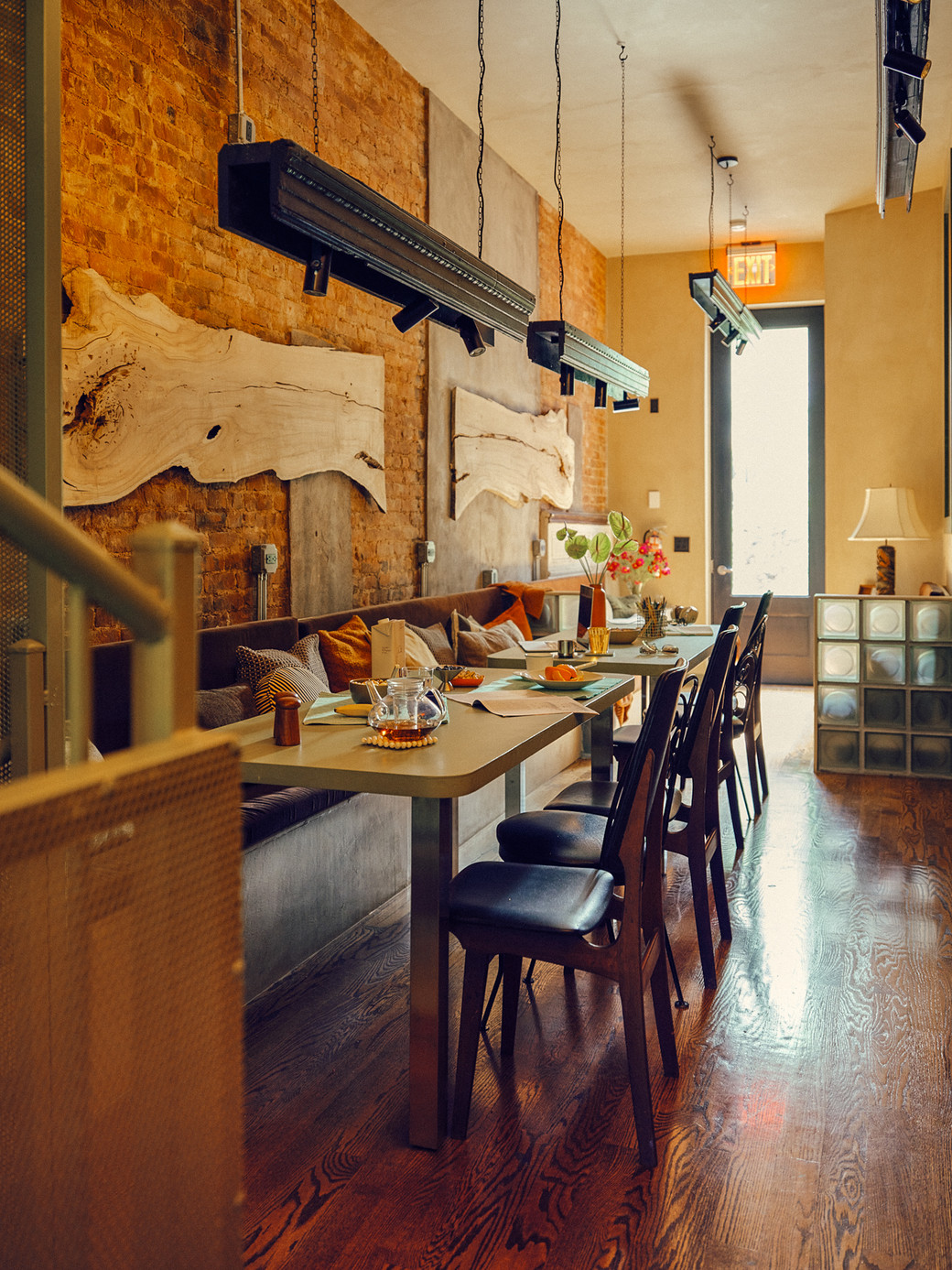
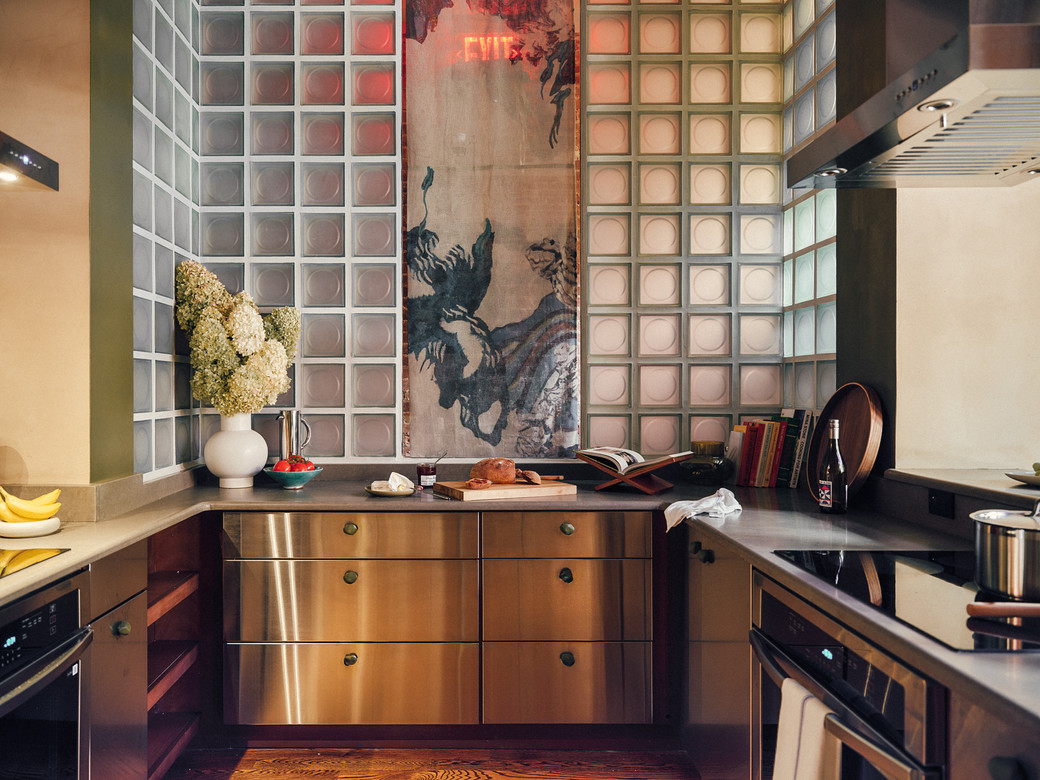
The concept behind this house was also to celebrate existing materials and artistic interventions. The idea was to create a more minimalist yet warm environment, with a strong identity. Quite a delicate balancing act. We had to focus our approach on bold, powerful gestures, such as the use of glass bricks and metal mesh in the stairwells.
You’re an artist of multiple disciplines: film, architecture, visual art, etc. How does that multi-hyphenate background affect your work?
I’m self-taught, and I’m deeply in love with chaos as part of the creative process. I love surrounding myself with an abundance of elements, objects, and materials that create an environment buzzing with creative energy.
In the end, what I do is a form of collage. I bring together objects and materials that aren’t supposed to belong together. I provoke collisions, and I love losing control, especially when collaborating with others.
How did this project compare to some of the other spaces you have designed for?
I design objects, private homes, hotels, and restaurants, but with Cohabs, we’re telling a story about community. We’re creating spaces for people from very different backgrounds who will live together. I love the idea that by creating an inspiring environment for them, we can encourage communal living and foster a real sense of belonging to the Cohabs community.
What do you and Cohabs have in common?
I also create communities of creative people. Zaventem Ateliers in Belgium is a perfect expression of that. It’s a former 6,000-square-meter printing factory that I’ve transformed into a unique creative hub, where I personally curate the selection of designers who can join and become part of this creative family. I also integrate young local designers into all my projects, following the same philosophy.
We’ve created a concept called the “Realistic Circle,” which is essentially a virtuous collaborative circle where no creative or financial interference is imposed on the collaborations we develop.
What was your favorite part of this collaboration?
Working with Adeline was incredibly easy. As I mentioned, I approach my work like a film director. I cast talent, we discuss the script, and then they bring their own interpretation, which I embrace. For me, giving people creative freedom always leads to great results.