MIRRORS

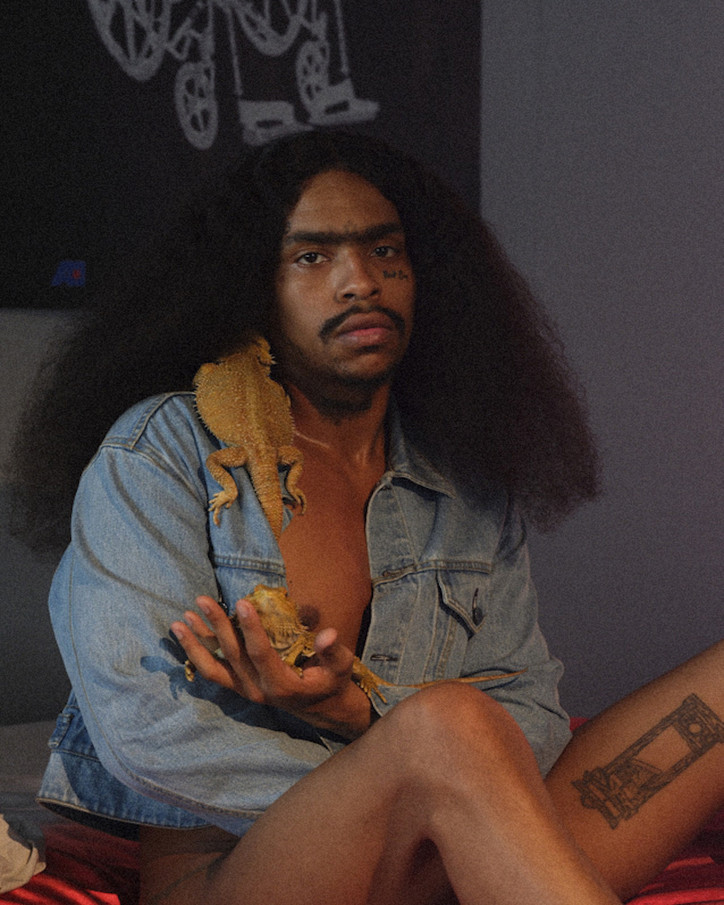
On AC’s debut album, SCREENSAVERS VOL. 1, they created songs like “Ketamean” and “Pavement,” propelling the listener into “Leave Out,” the ultimate song of the summer. The project blares hellish horns in the intro of “Bitch U Basic,” a track that features the likes of Hook and Chicken. Over the past month, AC has released visuals for “Bleedinout” and “Permission,” the project’s standout songs. Each melody embodies a sound that inspires us to dig deep and bring fun and fabness into every environment we enter.
Throughout this whole process, they ki’d and communed, facilitating a familial spirit at all times. Each member maintains a power that gives them the ability to illuminate the room and elevate the spaces they comprise. Together, they sustain their energy and hone in on the community they’ve built.
Check out the full interview below.
I’m obsessed with “Leave Out.” It’s giving song of the summer.
IZZY: I remember when I was just banging the demo. It sounded like one of those car accident commercials on the radio.
Tell me about the song, “Loosen Up.”
Tama: It is kinda about sex, but it's also just saying, like, ‘Have fun. Don't be so stuck up.’ We was channeling Ri so we was like, ‘We need some type of Island track,’ especially since I'm Jamaican. That's how it kind of came to be. It started off very, very bare. I always asked, ‘What does this make you feel like? What is it giving to you?’ Shayne was like, ‘Loosen up.’ He said those reference words so I kind of wrote around it. In maybe five minutes, the song was already made. I came back again, maybe two weeks later. He and Isaiah was there and we went through some harmony options for the track.
What intention did you carry into the studio while creating, “Pavement?”
Santiago: The lyrics pertain to my childhood and how violent it was. I care about my craft so I try to incorporate the way I grew up in any way I can.
Tell me about y’all’s studio sessions.
Santiago: We were bouncing ideas off of each other. Shayne had pulled up with this blonde wig and we were all laughing about it. It was definitely giving Hannah Montana.


What was the first day in the studio like?
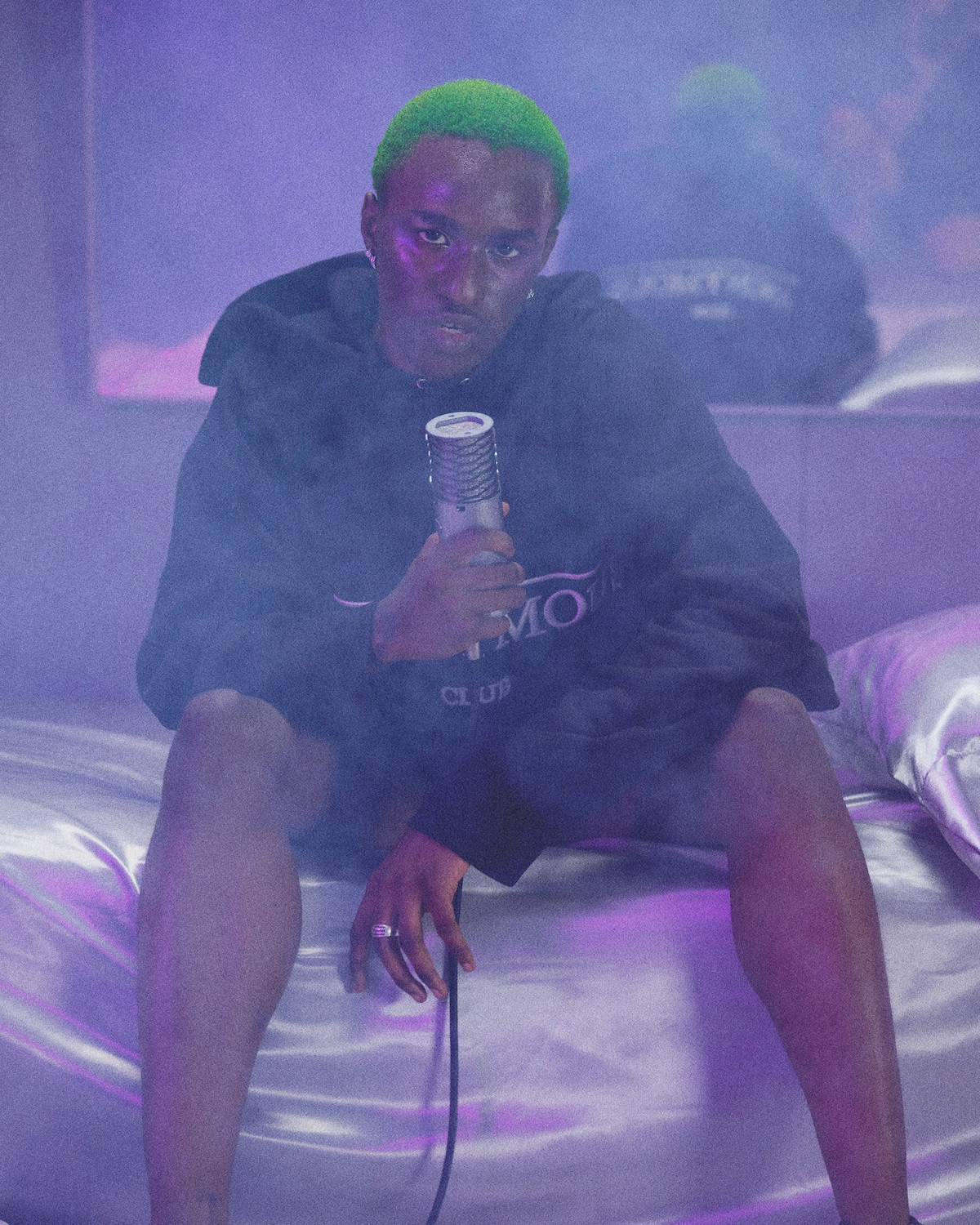
Tama: The first day in the studio, I wouldn't necessarily say that I was nervous. I just didn't know exactly what to expect. You can go to a studio at some point, and there'll be 50 people in the room or there'll be one person in there. So the first time in the studio was great. It was just me, Shayne, and Nick. So many ideas were flowing right off the bat. It was such a good atmosphere. There were so many instruments in that room and I was kind of mesmerized. It was a bunch of synths, a piano, [and] things covering the entire wall. Very intimate, but cute.
When did you first feel accepted by your family?
IZZY: When [I] turned 17, I came out of the closet. I wasn't kicked out of my house, [but] it was just so much pressure so I dipped. I met one of my best friends and we kind of became like family. A couple of weeks later, we're in this house where everyone is practicing for Ballroom. I'm looking around like, ‘What the fuck is going on?’ Everyone's living together in this one-bedroom apartment. There are six people sleeping in the bed [and] on the floor. Then I met my gay dad who wasn't in the Ballroom scene. He took me in and changed my life. That’s when I felt accepted.
Tell me about the sense of family that has branched from the collective, Anonymous Club.
IZZY: Shayne has this way about him that is very motherly. When I was 21, I kind of got put off of making music because of one bad show. It wasn't even that bad, but I put music on the back burner for a long time. It wasn't ‘till I got to the studio with Shayne that kind of pulled it out and made me feel so comfortable. He just has this genuine vibe and is like this glue that sticks people together. Before meeting him, I didn't know any of the other residents. Since then, you know, we're all pretty close. I just feel like Shayne brings creative minds together. I think that's the reason everybody's having a good time. Everybody's just open.
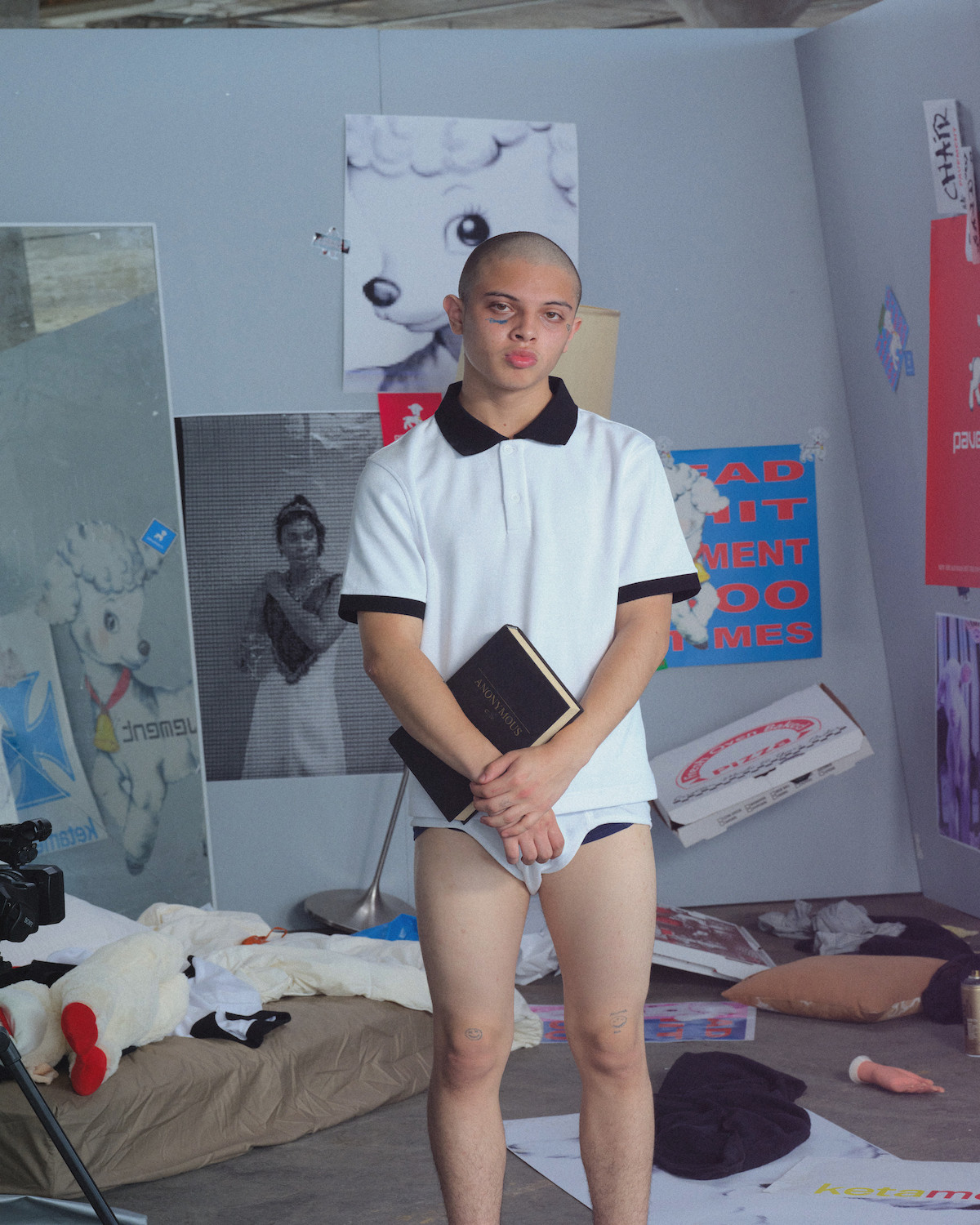

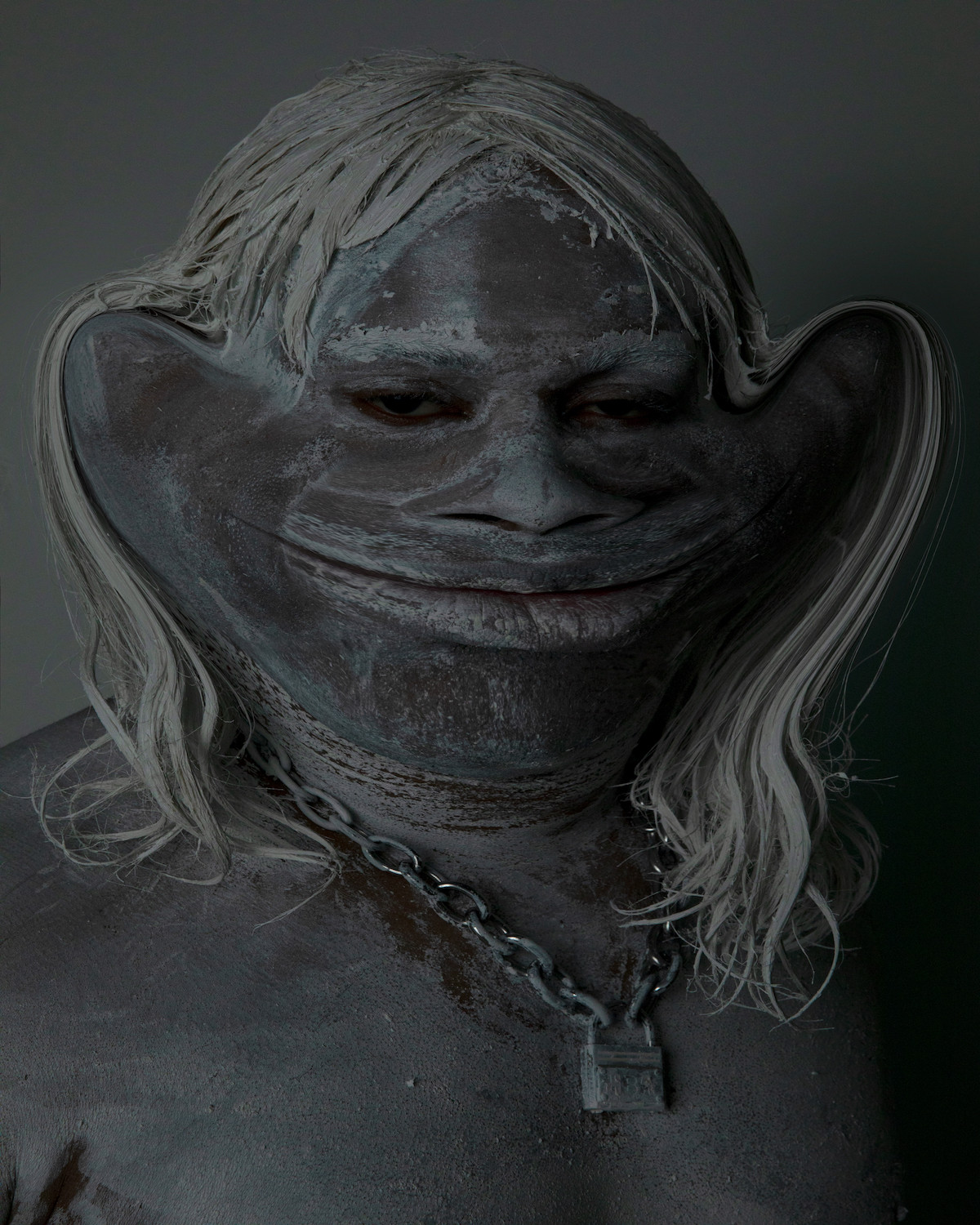
It feels like you got all the girls in the industry and just decided to carry. What was the inspo behind this project?
LEECH: SCREENSAVERS VOL. 1 came out of trying to figure out a way to be less about fashion. I've been having plans of relaunching HBA which is obviously still happening. But with new partners and a new sort of trajectory, I wanted to leave that in its own space, so that it could grow on its own. I started to create demos and work with people that I felt comfortable with and held secrets with. Then I began to reach out to people through doing parties within the city. While I was doing that, I was working on demos with Nick and sending out stuff to kids. Then COVID began to happen. I was like, ‘Okay, I'm gonna keep it even more local.’ This is also around the same time Thugpop was beginning to hang out with Izzy and we were all clicking together. Then it became even more family-oriented. We were kind of quarantining together. Then the writing sessions began, and it was a way for us to build a world that now is blossoming outside of COVID while things are coming back to life. Within that moment, I met the boys who worked on the sound. I started working with Nick and then met with Gabe and Pablo. Sabrina was living in Europe and was only here in spurts. Tama has so many songs because they were just so around. The process was based on trying to organically get back to that place that I felt connected to within New York, and then it grew into a new family.
I loved the song “Ketamean.” What’s been your experience with ketamine?
LEECH: In New York, drugs and that subculture come in so many different waves. I had been out of the loop on that for a long time because I've been in London. I came back to New York and I didn't really feel the vibe of the going out thing. Like, ‘How do I do this?’ Then I discovered the idea of ketamine in London. That got me back into the idea of being comfortable again. It was like a social anxiety relief system. Mistervacation would come over and I began having more insular events. Ketamine can make the smallest room the largest club. You can edit the extreme personalities in and out of situations when you're experiencing that drug. I didn't even do much, but I love how it was easy to make decisions. It was like, ‘Oh, this personality when I'm on this is a very triggering thing. This thing is a very smooth and easy relationship.’ I had a session with Sabrina and she got it immediately. I gave her two different lines because in my version of “Ketamean,” the demo was wavy and all about the mood of creating. She added the structure and stuff like that. I just love that I could relate to the way that a substance makes me feel. The kids just want to connect and that's why they're doing substances in public with each other so that they can become friends easily, you know?
It’s like they’re finding ways to heal. How has this project healed you?
LEECH: When I first started doing music with Arca, it was very healing for me because I had come out of a very tumultuous situation via Ghetto Gothic. With GG, it was the same family situation. It was a rude awakening of like, ‘Okay, at night in this specific situation, we're all really close.’ Then right after that, I started working on music for the HBA projects. You have to create support for yourself, so when I was doing the album, I came off of such a marathon of dealing with fashion as a job, you know. I needed to figure out how to begin to enjoy my creativity again. What I do is pretty emo, at least the beginning of this one was super emo because I was almost needing to be confident. Alejandra, when we first started working on HBA music, was like the healer. Coming from GG to HBA, I was needing healing. This was like a healing situation.
What did this healing process feel like?
LEECH: It felt very, very empty. At the time, I was doing it on my own, by choice. So it was me kind of forcing myself to be even more alone. I leaned way more into the weirdness and it was almost like being in an isolation tank. I could feel the world moving around me, but inside was very cold and I liked that. That part of it was very healing. Then I could add the warmth back. I can add the connections [and] the relationships back. It created a new balance for me. I feel so guru’d not because I'm doing this to be one, but because of the steps that it took to get through it. I feel a new form of Buddhism or something is arising from this sort of process for myself.
Thoughts on fabulosity?
LEECH: It’s about the internal part. Everyone thinks that it’s about you projecting and making everyone feel like you’re the bomb. When you get to that place where you can let it all out, it’s so internal, actually. I’m getting to the place where I’m doing all the artwork for LEECH and I’m just feeling fab in that moment. It’s so amazing to get in your zone and get in your shit. There is no substance or influence that makes you feel fab. It’s definitely a divine connection. You have to get into that headspace and channel what you’re feeling. Christen Mooney is so that. She so has that down. It’s all about the internal sense. You can’t really be fab if the internal zen’s off. Same thing with Alejandra, too. It’s like the internal zen. It is on. That’s what I’m getting back to too.

“The song is fun and gives you a head rush. At this point in my career, I’m looking to give the fans a new experience and express my sound in a way that they haven’t gotten to see from me when I was solely a producer. OUTTABODY grew from the beat I was making, and the lyrics just came naturally. Similar to one of those sparks’ God gives you to keep going, the flow gave me a euphoric feeling, almost out of body.” The East Coast artist freely spills over a unique beat cementing himself as an artist as well as a producer with the release of “OUTTABODY”.
His upcoming album, Hear.no.evil, spin tales of tragedy, triumph, romance and everything in-between, creating anthems that sit at the intersection of despair and inspiration, drawing from a life that’s been filled with unexpected twists and turns.
Check out the exclusive interview with the artist below.
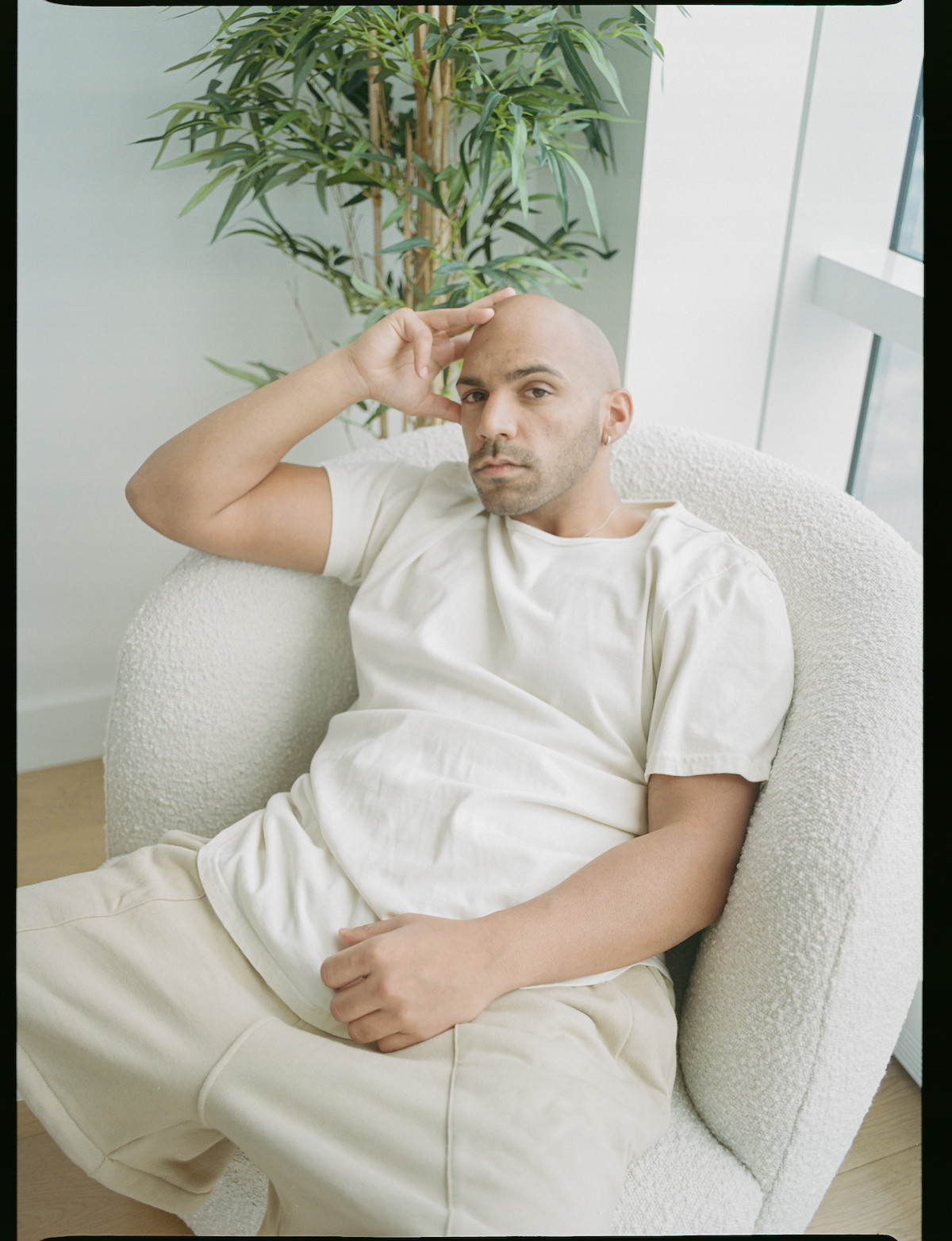
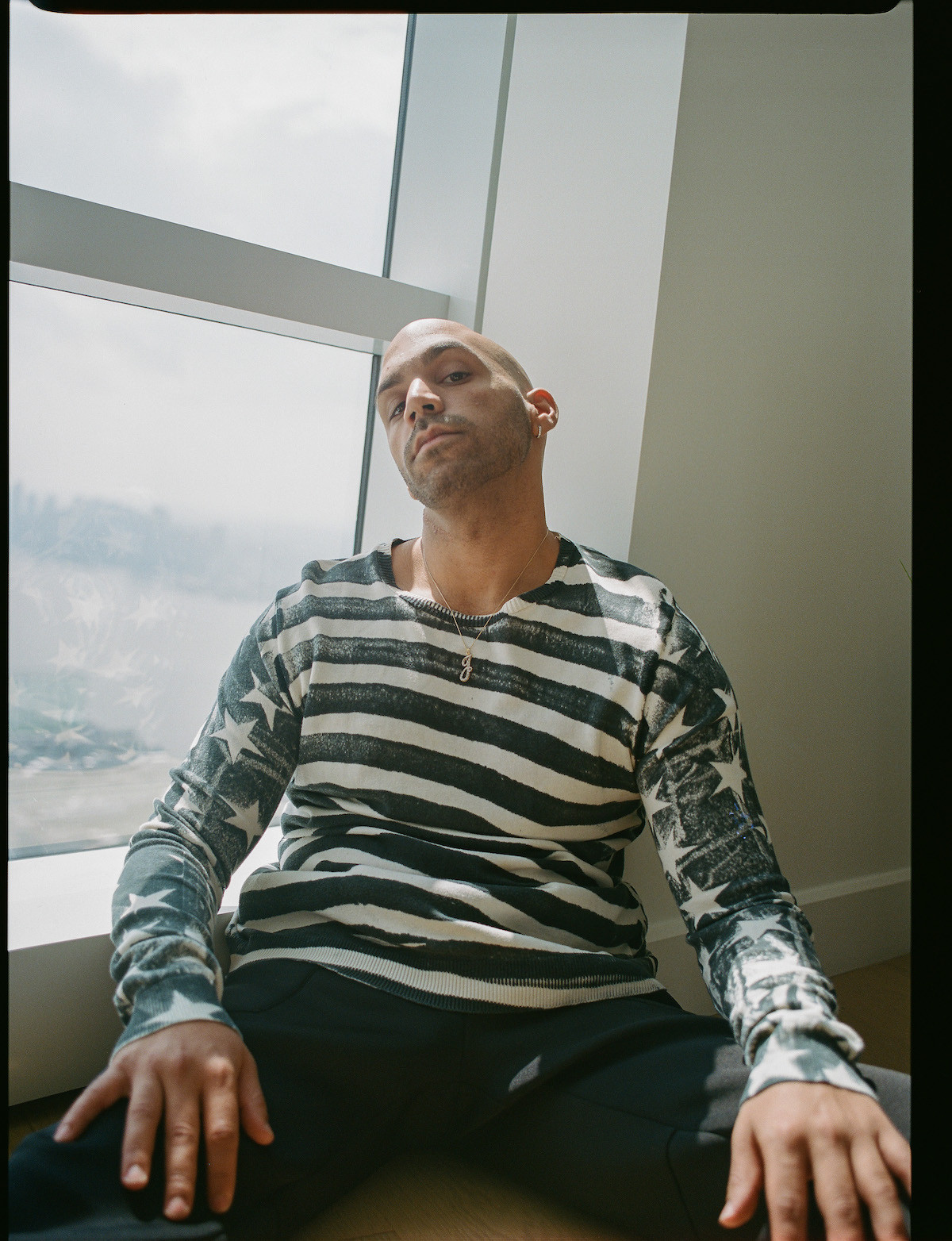
Well first off, how are you? What’s on your mind right now and what are you feeling grateful for today?
I’m feeling grateful that I woke up this morning and I'm healthy, my family's health and my friends are healthy and everybody is striving to be the best right now that I know. Overall I'm thankful to be alive and for all the blessings.
Amazing. You were born in Staten Island, in the boroughs of New York. How did your surroundings and upbringing shape your current values?
Growing up in Staten Island, I got to witness both sides of the metric of society. Being from a half black and half white family and understanding the difference between different social skills that you have to develop while growing up in school. I think that had a large impact on my music because I got to experience different kinds of music growing up. I feel like that shaped a lot of the things that were going on, but at that time and still, up until now, I grew up in Rockland County and Staten island so I had a diverse upbringing. My mother passed away when I was five, so I was raised mostly by my grandparents and my, and my father.
For sure. How have you injected your culture into your music? How do you sort of fuse your cultures together?
My dad would listen to a lot of Motown, Jackie Wilson, and Stevie Wonder so it was more integrated soul music. Then coming off living with my grandparents, I was raised on a lot of rolling stones and Beatles. So I think those two influences had a large impact on the music that I make right now. I don't listen to much hip-hop music. Most of my influences come from the background of my culture and what I was raised on and how I listened to music.
We live in a world where access to making beats and music is much more attainable. Describe your experience as an artist back when you first started.
I feel like it's a lot different now. When I was getting into music, you couldn't just put music out on platforms like YouTube or up on the internet. I came in before all of that, even the SoundCloud generation. It was more structured in a way where you still needed a deal and you still needed the market viewing in a certain way. Coming in around 2010, you were just getting introduced to blogs and MySpace. Now it's a bit easier just because somebody could put a song out and it could go crazy overnight just by the power of social media. When I started, you didn't even have all that. Somebody could work with somebody from the Netherlands through email and collaborate with somebody from Canada and make such a big record.
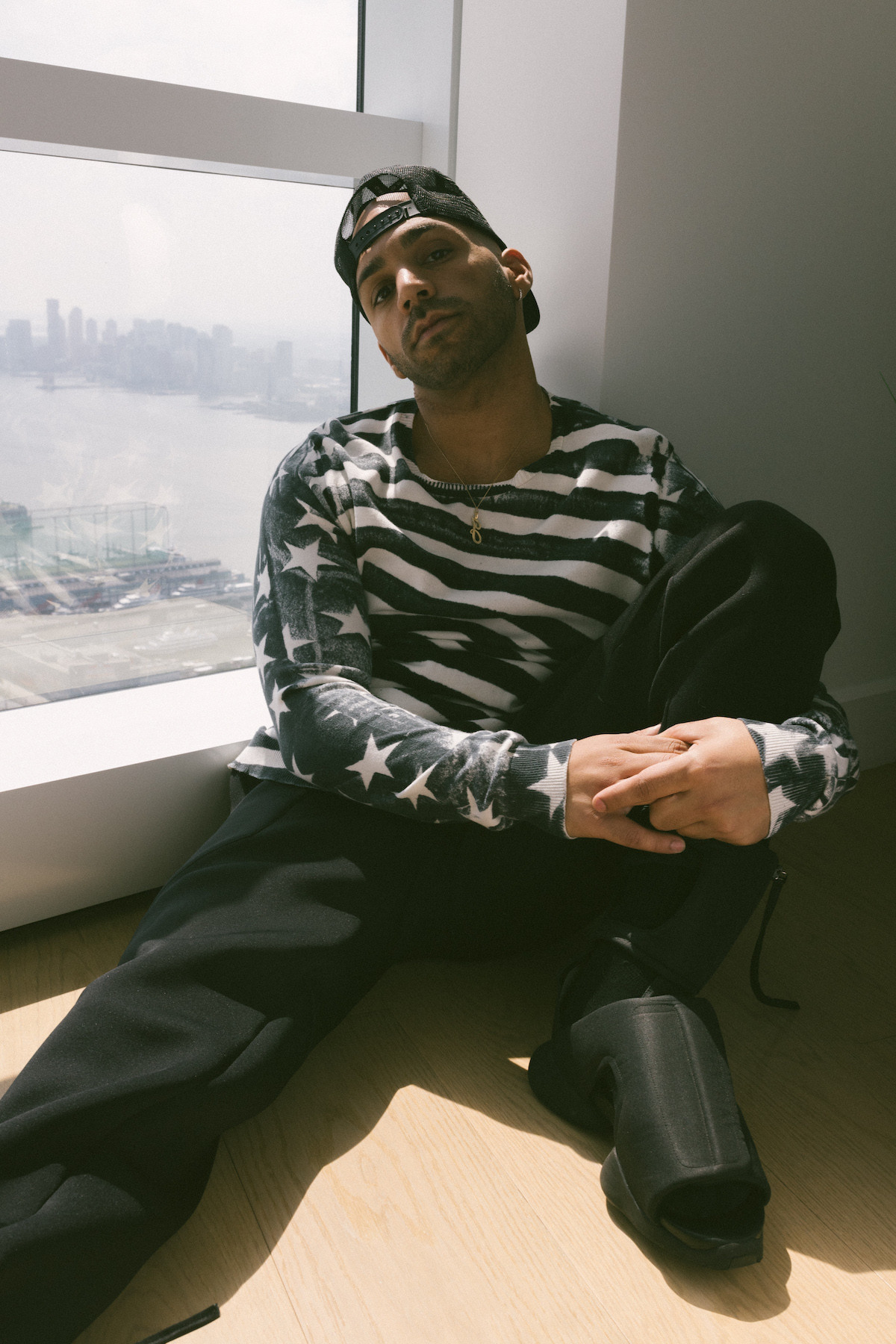
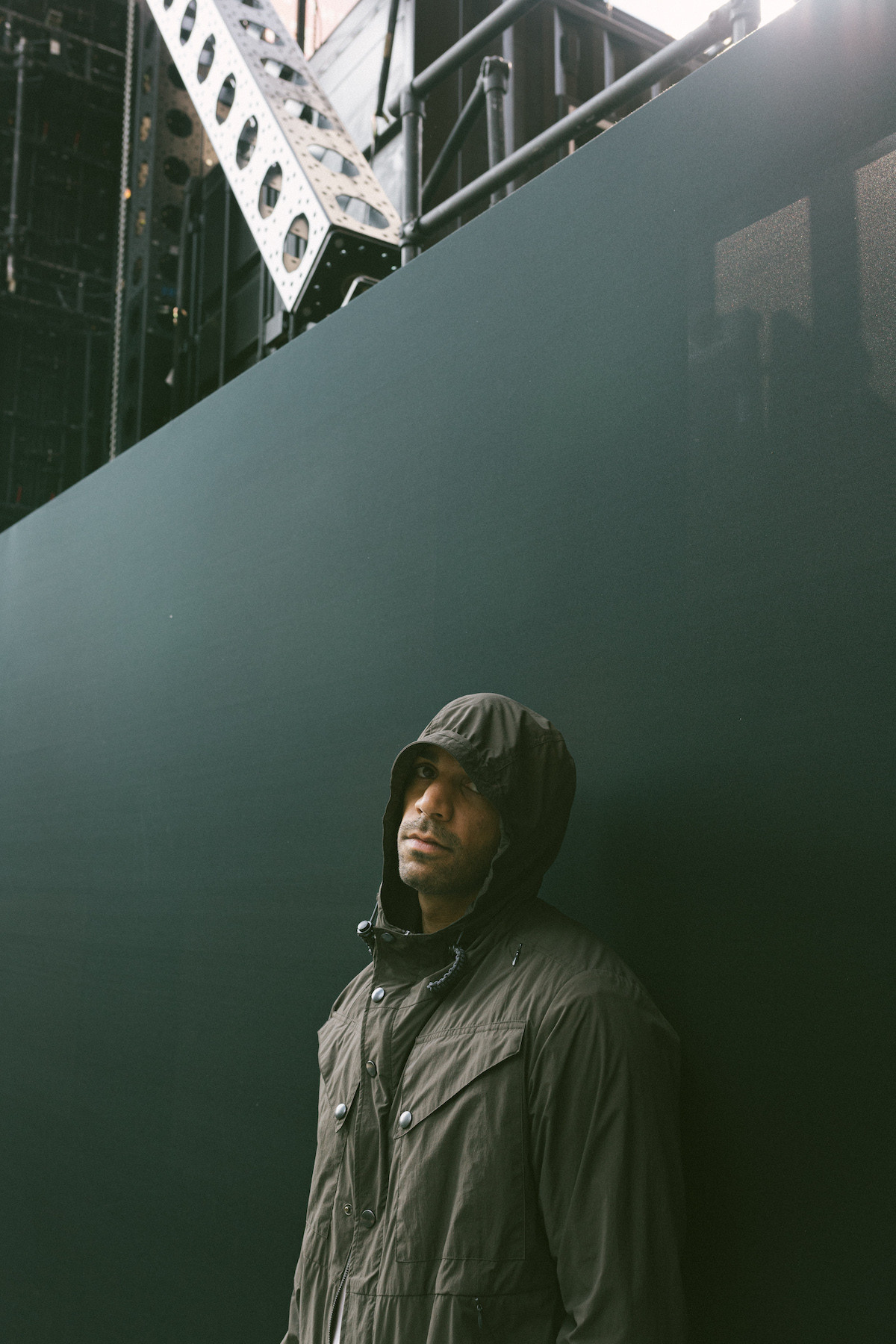
How did working with talents like Drake, Cardi B, PnB Rock, Russ and all of these other artists sharpen your sound? In other words, how have they assisted in paving the way towards your current ambitions?
Working with them as a producer helped shape me out as an artist. I learned how to move in the industry and stay grounded during certain situations, which was important because your personal life could impact your music too. Most of my music is just purely impacted on the moment that I'm living in whatever's going on at that particular time in my life, more of a diary. They also taught me how to perform better and it's inspiring to see those kinds of people work and see what we were able to do together. Also seeing how they integrate their work into the real world and how they're able to make such an impact on society and inspire millions and millions of people just through the power of sound.
So I think that had a lot to do with teaching me how to kind of do the same thing in my music. Once I was able to witness that, it kind of led me to wanna come more onto the scene of being an artist and having my voice and being able to tell my story in the same way they're able to tell their story. I feel like my story is different because it's my life and everybody's upbringing or life is different. So for me to be able to tell my story and have similar situations that people could relate to, I think I could help people relate to me and have them feel more comfortable listening to my music, knowing that other people are going through the same things.
Following your most recent release, Can’t Feel Love, you just released your latest single, OUTTABODY. Could you talk about this song?
OUTTABODY was an abstract of sounds. I tried to do something different with this track, where it wasn't such a standard, 8 0 8 beats. You can kind of catch more cultural backgrounds of things that I was brought up into, like how the drum structure is and even the way that the song is arranged, I didn't particularly arrange it in a standard way, I kind of just did it in a more untraditional way and I feel like that would be able to grasp, uh, the listener a little bit more just to hear something different than what everybody else is doing, because I feel like a lot of the music out right now sounds similar.
So I feel like being able to stick out in a crowded area with people that look the same and sound the same. If I was able to do something a little bit different and still be able to blend in which OUTTABODY kind of relates to a lot. This track still blends into what people are listening to right now and it’s still different at the same time. This track was more about what I was feeling at that time and at that moment. I was feeling in a good mood when I made it, so, it has that fun effect.
Yeah, definitely. What themes are embedded throughout the track?
I was trying to make it a fun track. Something that somebody could dance to and I wanted it to have a more futuristic sound and the song was all produced and mixed by me. Then it was mixed by Nick Cavalieri, who is one of my best friends that I make music with. I also added on production with Joe Spinelli. Those are two people that I credit a lot with my sound but everything is self-produced and self-written by myself. Once I get to a certain point, I send it out to Nick to just put the icing on the cake, and then I have Joe put some sprinkles on it. I feel like in that record I was just trying to get a more serious, but fun aesthetic all while giving off a vibe that I'm here to stay.
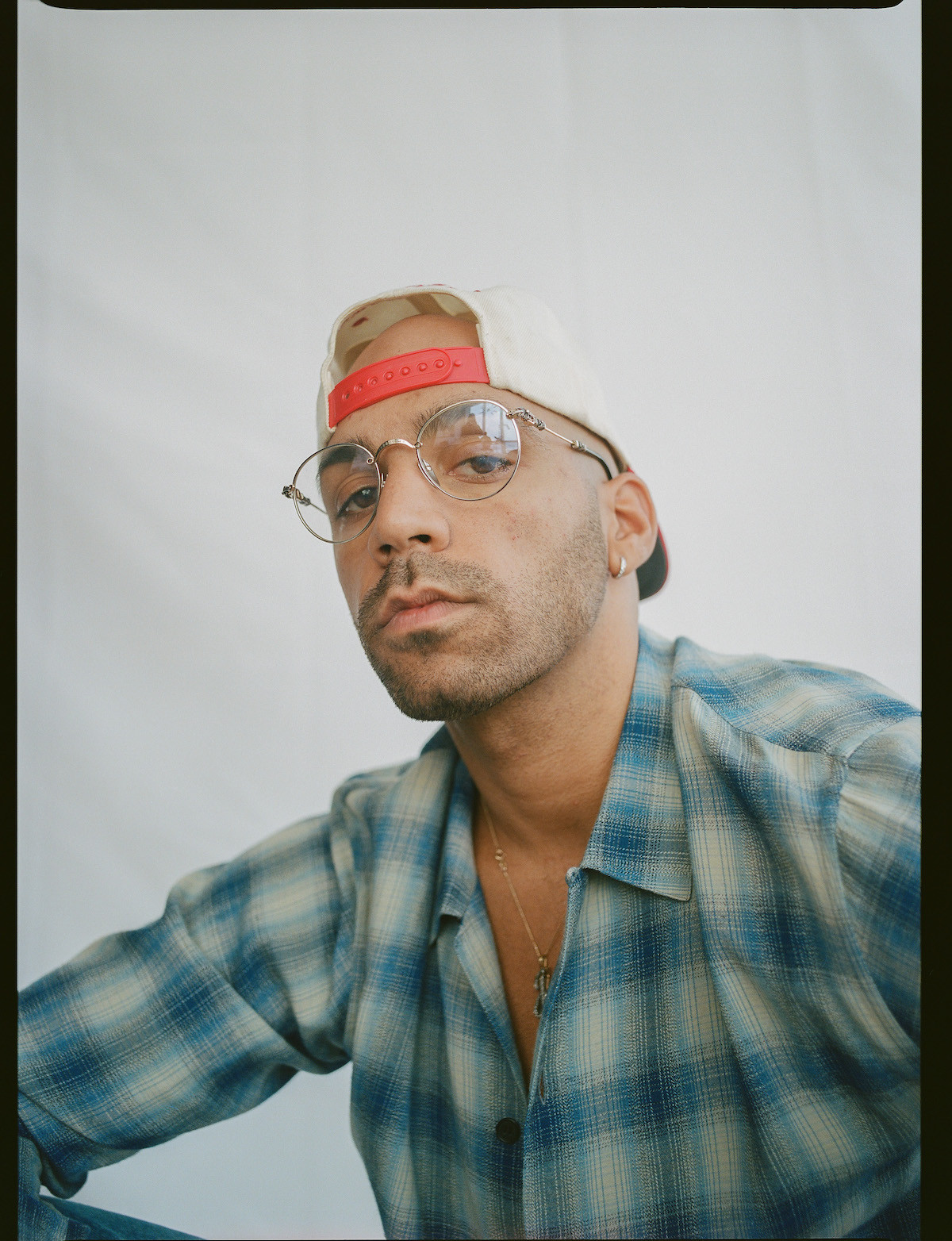
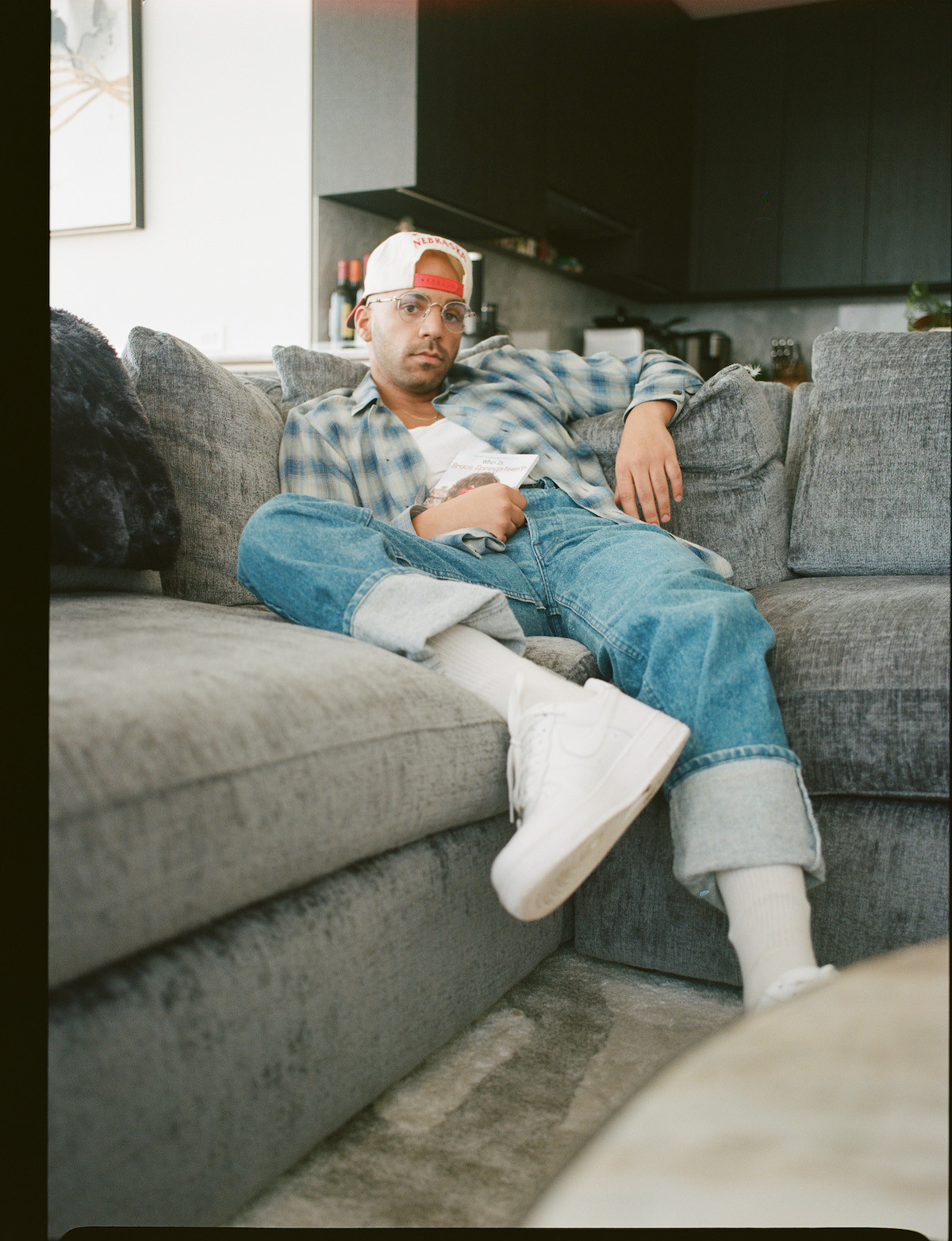
What outside elements helped you shape the entire production of the song? In other words, what was the process behind creating the beats and lyrics?
I pretty much had the whole record done already and the song came pretty fast. I might have recorded a record in about 15 to 20 minutes. I was just waiting for God to give me the words and inspiration to do it. Once I felt it in my gut to sit down and record it, I sat down and recorded it and I was able to get it out fast, which was a blessing. Once I had the record at a certain point I added more effects and accents to it before sending it off to Nick to mix it.
So Nick usually just brings my mixing to a whole other professional level and he’s a very known engineer in New York right now. He's worked with P and B rock, Mac Miller and he's big in the Brooklyn drill scene right now. From him, I was introduced to Joe Spinelli who is a great producer and he’s trained in classical and jazz music and he’s a drummer as well. So anything that I might not be hearing, Joe might be able to add something that I haven’t heard before, but usually, I come to Joe with an idea and he’s able to expand on that, and take it to another height that I probably wouldn't have. So Joe can just add little touches into stuff.
Yeah, that's awesome and I love the collaborative effort between all of you.
Yeah, even when the record's already done, I always have them evaluate it and I always take it to them and see what they could do to it. Even though I know it's done on my part, I always see if we could take it up a notch. But yeah, It's just what I was feeling at that time, you know, and I just feel like the authenticity in the record can express myself as naturally as I can.
I guess my last question to you would be, what do you have planned for the rest of 2021? What can you tell us about your future projects?
I have a lot of songs that I've been working on. We’re still working with this one track that explains the transition from producer to artist. All I want is for people to respect me, know me more as an artist than the producer. So for the future, we're probably gonna put out a couple of more singles depending on how we feel, but we have an EP leading up that should be coming out sometime in November and then an album dropping towards the end of the year. We want to keep the momentum going with new singles and projects. I think it's gonna be something special and right now I’m more on acting out at the moment and just letting it happen naturally.
My upcoming EP tells my story and the lyrics. A lot of the records are to my beats and It highlights the rollercoaster of my life experience. My thoughts and my transition from producer to artist and some of the things that I've been dealing with throughout the industry and dealing with personal life and industry life. I think what people could expect on the EP is that not every song sounds the same. So, you know, there's, there's a song on there that each person could vibe and connect with. I’m just letting people understand that I'm not a rapper, I'm a recording artist and I don’t want to be placed in a box. I'm not trying to be anything more or less than what I am and who I am. I think my music means a lot to me because it's really about how I felt at that moment. I think I've accomplished what I set out to do. You know, if somebody else can feel something, when they listen to my music, I think that solidifies me doing my job and I'm not trying to be anybody that I'm not.
Through this new LP, he’s traveling back in time to when he was a kid in summer camp, being “far too young” to chain smoke cigarettes, and sharing songs with his peers. In that same pure way, he prepares to release a plethora of tunes to his fanbase, bracing himself for the personal development that will blossom through this process.
Read the full interview below.
Tell me about the sonic growth that you’ve experienced since 1 (646) 943 2672?
My project started out sort of stripped-down, singer-songwriter-based. I grew up listening to a lot of Bob Dylan and Randy Newman. When I started my project, I was not a particularly good singer, and I couldn't really play. So I had the feeling [that] the thing that would set me apart would be writing. I kept my recordings very minimal, and a lot of vocal guitars. I just kept the writing in the forefront. Over the last few years, the Del project has taken a few different phases. It was a rock band for a bit and then it became my solo project. After I finished school, I spent a lot of time just producing music, sort of between jobs to make some money. There was a moment two years ago, when it occurred to me that I didn't have to separate my artist project, Del Gap, from everything that I was learning and developing as a producer. I started, for the first time, making music that I would listen to and be a fan of. I think this record is like the first time I've accomplished that personally, which feels like a big accomplishment.
What is a Del Water Gap show like?
I just played my first show in a couple years, a few months ago at Red Rocks. It was the first time I played my new songs, not holding a guitar, and I was just singing a lot. It completely opened me up. I think my show now is a bit more energetic than it used to be. I try not to talk very much. I try to just perform and say hi.
How do you step into the “flow” on stage?
I've been sober for almost a year. Drinking used to be a big part of how I got ready for shows. I never realized that until I stopped drinking. It's been a really interesting process to just sort of try and hype myself up, naturally. Before the show, a couple of months ago, I jumped around a lot in my dressing room. I listened to some Schoolboy Q, and there was a raccoon in my dressing room. I had to deal with that, which was interesting because that gave me a lot of adrenaline. Red Rocks is a venue tucked up in a mountain. We left the door open. When we went back to go in, there was a raccoon sitting in my dressing room eating my food. That was about four minutes before I went on stage. Later, I read that raccoons are a sign of wisdom and good luck. I think he actually helped me have a good show. But yeah, it feels a bit like autopilot. I feel like I watch from the backseat when I'm connected.


I was talking to someone about how to get into the flow of being fab. You have to channel it and find some sort of divine way to get connected to it. I feel like your cover art embodies that idea. How do you conceptualize those visuals?
I agree that there is something a bit divine about all of it. I feel like so much of this is just about openness, rather than actively seeking an idea or a flow state. We were trying to hire a creative director for my album and it didn't work out — scheduling didn't work. My team was like, ‘Why don't you just creative direct this?’ So I just sat down, and I started thinking and trying to come up with ideas. The moment I stopped trying, I had this memory [of when] I was visiting LA. I guess two years ago, I went to a party. The party was at the house of someone who's a professional acrobat. This kid had inflated a stunt bag in his backyard. We were at this party, jumping off the roof of his house onto this stunt bag. It was the most fun I had had in years. I was like, ‘You know, what if I set this bag up, did some wardrobe, and had a photographer post up between the house and take photos of me?’
Is that visual of you being extended in the air alluding to being open to the subjectiveness of life?
Yeah, it's nice to bring that up because I realized the way that I came to that idea was that I was in COVID lockdown feeling very uninspired and bored. I was thinking about the way that I felt right before the pandemic. One of my last memories before the pandemic was this party where I was jumping off this roof, and it came to represent this great explosion of energy that I hadn't felt in so long. Subconsciously, I was reaching back into this action of jumping off the roof, becoming an infusion of energy that I had missed. I think the photoshoot aside, it was a really therapeutic day. I think those types of feelings are reflected in photoshoots.
Definitely. So what are some things you're exploring in the album, but specifically, within “Sorry I Am”?
‘Sorry I Am’ came out of my couple years of life outside of college, going through a few different relationships, and being really lonely for the first time. A lot of the record was made in this time period when I was renting a recording studio, but I only had it at night. I was basically nocturnal for a few weeks at a time. I would be working on this record overnight, and then I would go to bed at eight in the morning, when everyone was getting up, and it was just a time of self-exploration and isolation. ‘Sorry I Am’ is about wanting to apologize to someone and have a conversation, but not having the courage to. Just wondering about someone you know, and then you lose them. All of a sudden, you don't know what their life is [like] anymore. Part of that song is about wondering like, ‘Have you changed your hair? Where do you live, now? Who do you see from our old life?’
As you were writing the project, what were you consuming artistically?
Since the pandemic started, I listened to a lot of ambient music because I think it helped calm me down and not have words in my ears. I started a film club with my grandma. I was worried about her. She was in New York, in her apartment alone, and she’s a filmmaker. So we had the idea to watch a film every week and talk about it on Zoom. She put a list together and the group grew. Now, it’s seven of us and we're still doing it. I've watched hundreds of movies. Honestly, film has been the main medium that I've been consuming through making this record, as a result of that film club that we have. That's definitely come out in the visuals. Writing-wise, I think it is a very narrative record, and it's very scenic.
I just love the fact that you said, ‘Can I kiss you?,’ in “Hurting Kind.” So Paper Towns of you. What’s the story behind that song?
I was at a party in Bushwick in New York and I ran into my ex there. We hadn’t seen each other in six months. I remember seeing her at this party and having these butterflies. We ended up leaving, we went to her apartment, and we were sitting there and that song is basically a conversation that we had. We were catching up, having small talk, and there was this giddy energy. I'm sure you’ve felt this. When you have this massive tension or crush on someone, but you still have to go through the motions of small talk and be like, ‘So what's new?’ All you want to do is just grab them. I left that morning at like, six or seven am and got on the train. Right before I left, I asked if I could kiss her.
Do you think you're a romantic?
Yeah, I think so. I think we're all romantic. I think some of us are just more in touch with it than others. I think it's hard to get in touch with that romantic side of yourself when you're not seeing anyone, doing anything, or feeling wanted. Romance, in particular, is a mirror. When we feel romance reflected in the world, it's easier to tap into that. I have hoped that this fall if everyone takes care of themselves, I can get out, play these shows, and tap back into that.
How do you think we can get back in touch with the idea of romanticism?
I think it's a bit self-fulfilling. I think you have to feed your curiosity and your romanticism. At least for me, consuming art and literature often helps me feel like a bit more of a cowboy. Certain literature makes me want to go and drink the blood of the world. I think this flow of new information constantly, visually, emotionally, sonically, like, turns on your heart in a different way.