MIRRORS


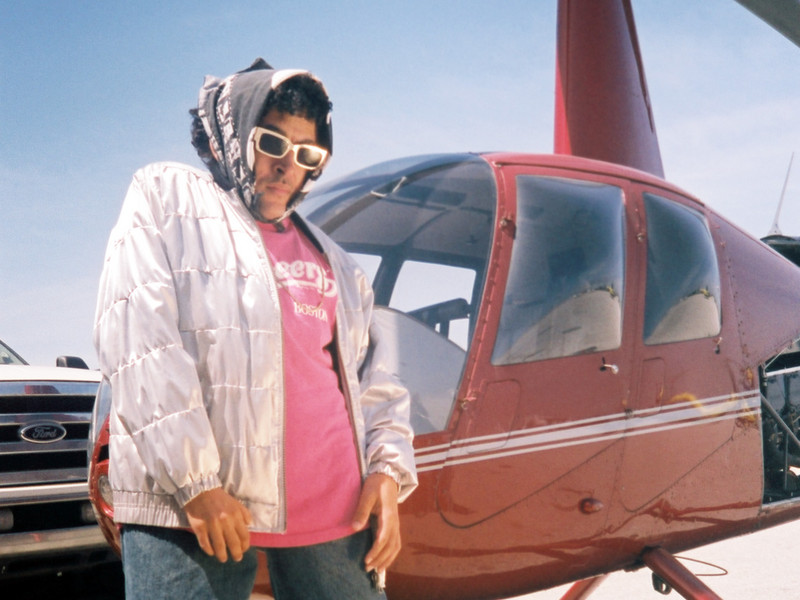
Lead image — Full look by Dries Van Notten, necklace and bracelet by Martine Ali, sunglasses by Gentle Monster
In his earlier work, like “Pull Up Wit Ah Stick” or “Outstanding,” you find a less somber note. But with his upcoming project, Do it For Demon, poetic verse sits pretty in his brother, T3's, crafted cocoon of beats. He raps in detail about the hardship faced growing up in Southwest Atlanta. On this album, SahBabii steps into an emotionally unguarded territory, with Demon Child, and the rest of his family, being the driving force behind it all.
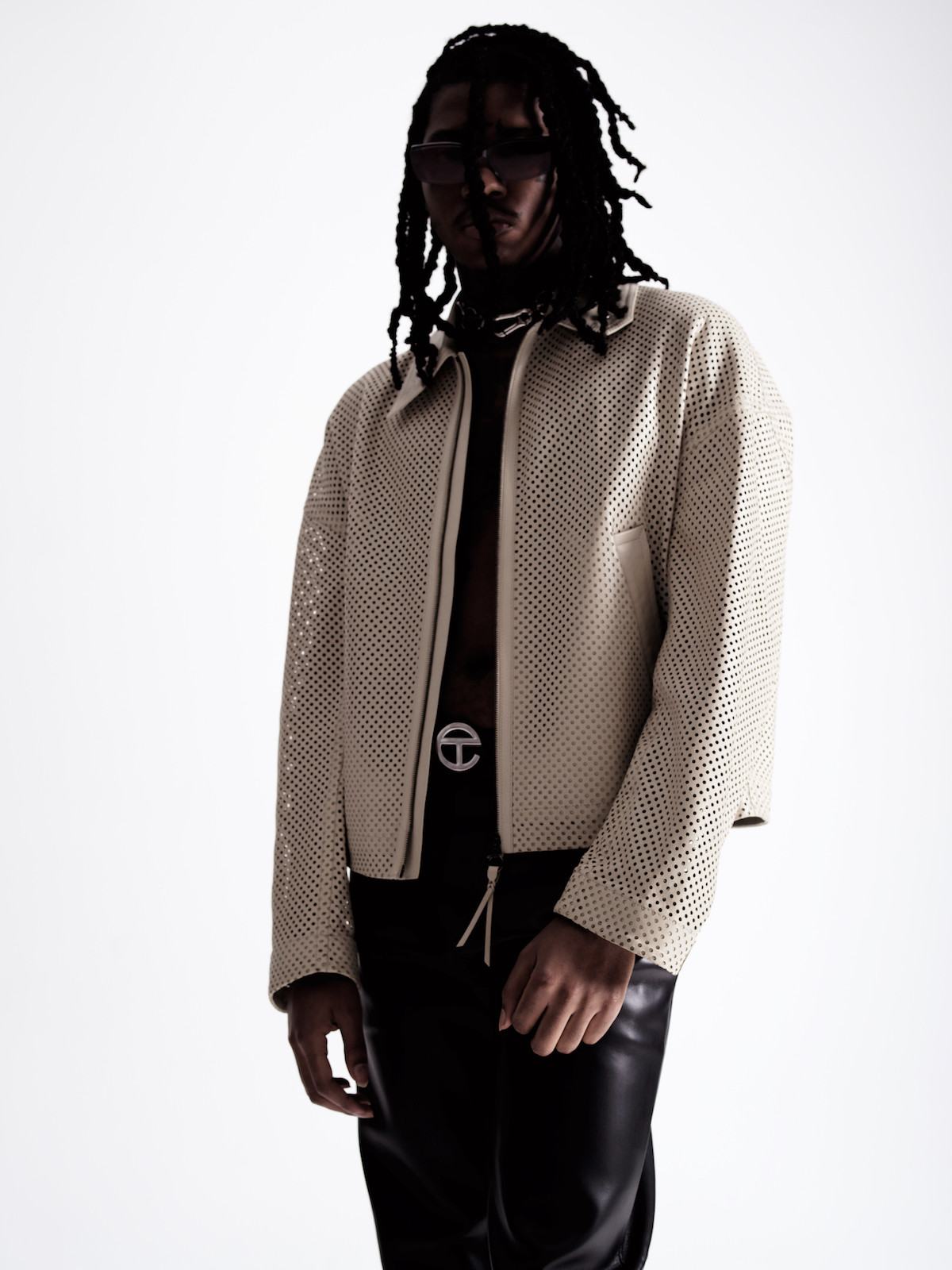

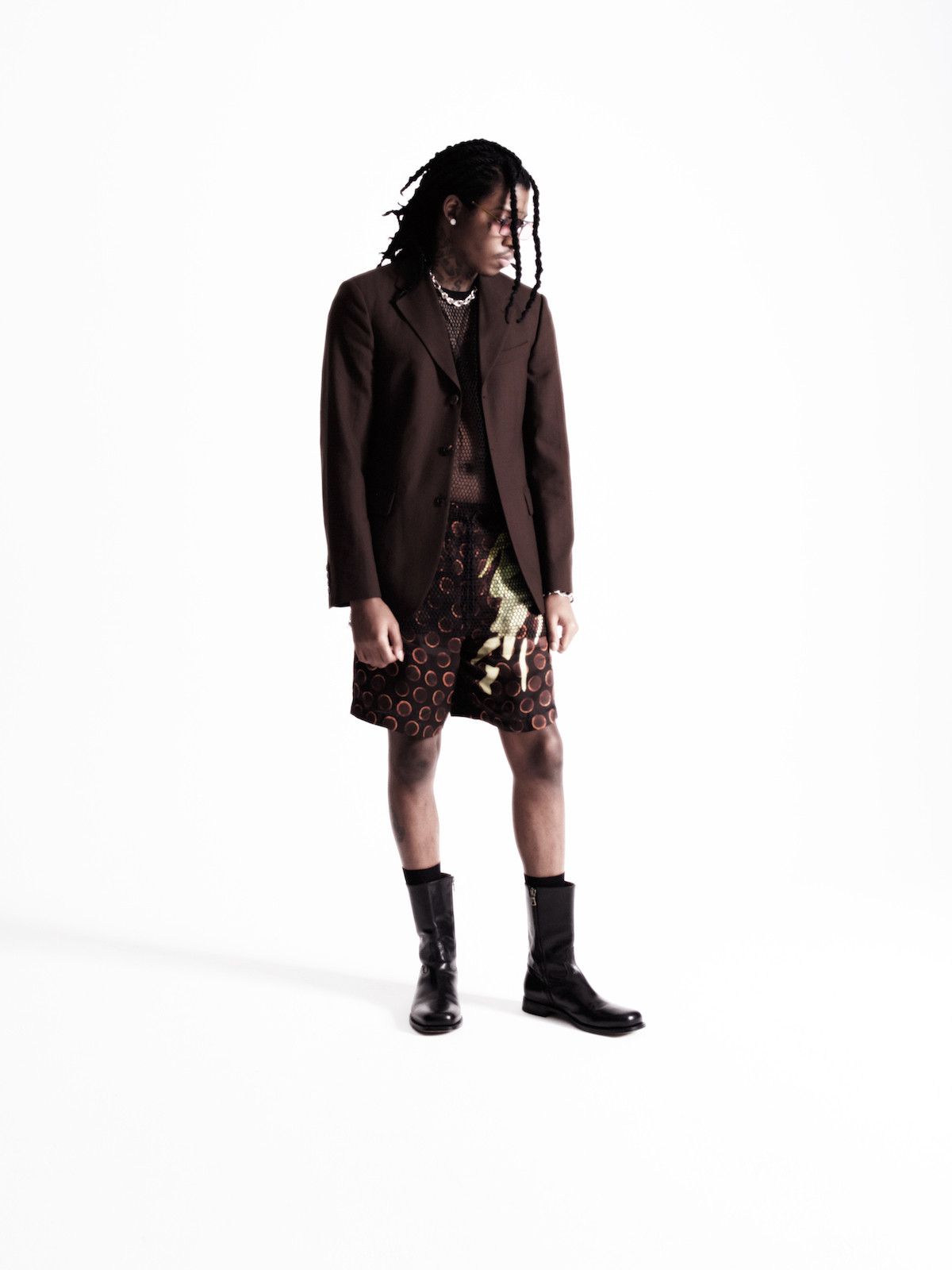
Left — Shoes and belt by Telfar, pants by Noon Goons, jacket by Ferragamo, necklace by Martine Ali, sunglasses by Gentle Monster; Right — Shoes by Dries Van Notten, shorts by Untitled Collective, tank top and jacket by Adolescents, sunglasses by Gentle Monster x Marine Serre
"My family are smart thinkers, we're open-minded people." This sentiment rings true, as the artist is known for working with his father, brother, cousins, and family-like group of friends. They seem to push SahBabii for the stars while simultaneously grounding him. "You go through stuff [as a family], and I'm the one that talks about what's going on while also trying to be diverse and versatile with all art mediums."

Jabari, basically a brother of SahBabii’s at this point, jumps in, giving his perception of what Demon Child was about. Through these conversations, we gain more perspective on whom SahBabii has molded into today. "We'd make money however we did, and he'd put it up for a studio; he always was workin' on songs or a tape," SahBabii says, explaining his first group, 1095. Staying with his uncle on Sylvan Rd when his family moved from Chicago to Atlanta, the rapper reiterates Jabari's words on his cousin always being the guy to be creating some sort of sound. As the men grew up and out of 1095, they aimed to expand their vision.
To make this new record, SahBabii let go of the microphone he used to record vocals for the last ten years—new equipment for a man trying to create new space to prosper. Creating out of his condo, SahBabii and his southern drawl elucidate the fact he gets in a zone. Though big on family and his people, it's just him when he goes to record.
An avid anime enthusiast, he takes on the leading character role when he makes his art. Fighting his past endeavors and regulating the setup for the future, his studio was built up from the ground up by T3 and him. He preferred his own familiar space to make the 20 or so tracks on Do It for Demon.
Though the album may shy away from more lackadaisical lyrics, the cartoon enthusiast Sah can still be found in the severe nature of Do It for Demon. "I always mention cartoons, or old shows, to get that nostalgic vibe," he says. A Pisces, he manages to reference shows like Foster’s Home for Imaginary Friends in his masterpiece. "I like to remind people of their memories; people love to feel that."
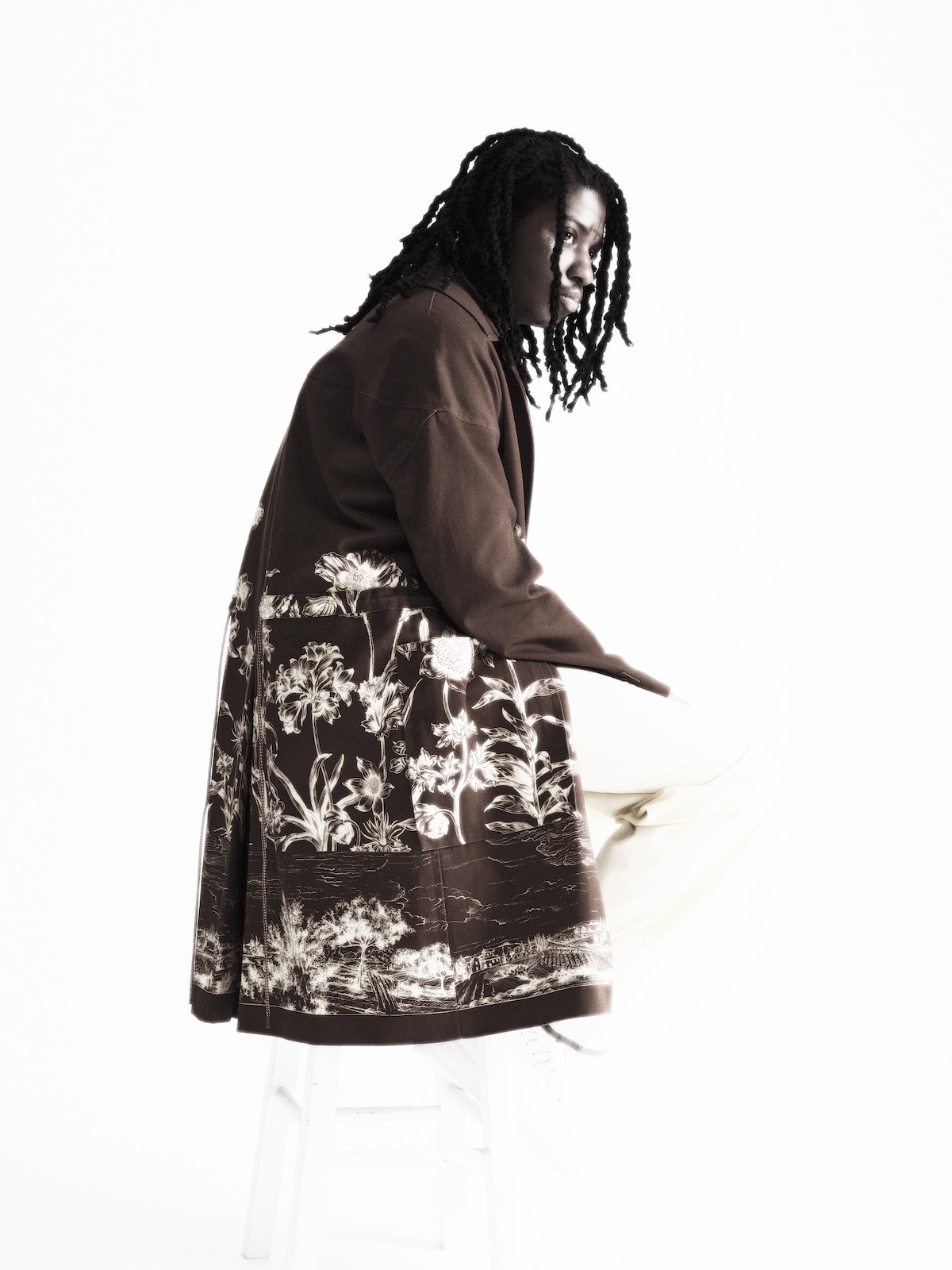
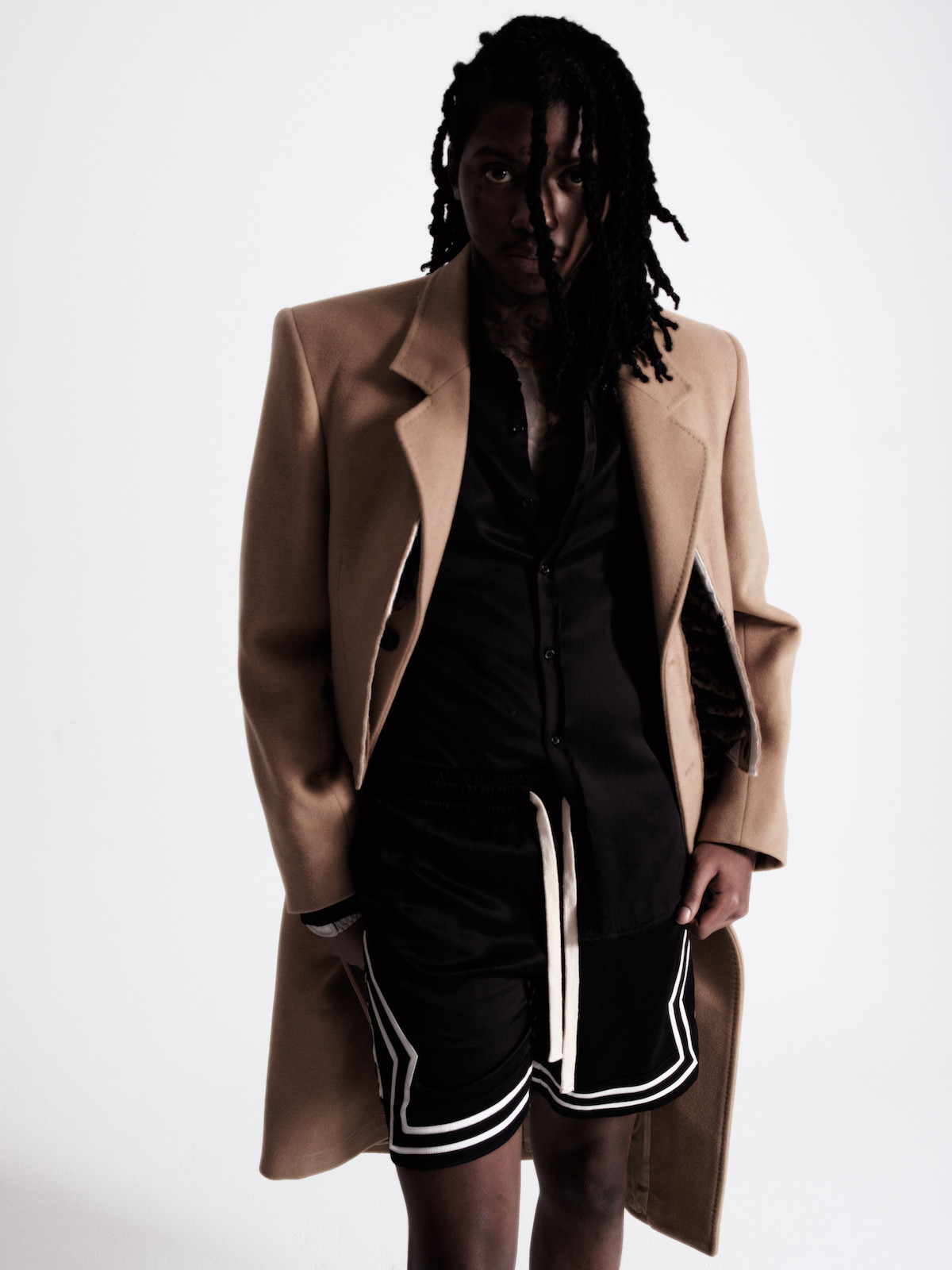
Left — Shoes by Nike, pants by Ferragamo, sweater by Lemaire, jacket by Ferragamo, necklace by Martine Ali; Right — Shoes by Dries Van Notten, shirt and shorts by Adolescents, jacket by Maison Margiela, watch model's own
Keeping that elegant signature of his, SahBabii continues. "I'm pushing, man. I'm just really pushing positivity. Do what you need to do for your family."
The wisdom continues. "Stay doin' what you need to do, don't mistreat nobody. It'll come tenfold like that."

“There’s not much meaning in the name,” San continues, “We just wanted to be fun, and have fun.”
Balming Tiger, one of Asia’s most exciting rising music acts, is on their way to become bigger than Tiger Balm itself. Since they came onto the scene in 2018, every mixtape, music video and single release from the crew has garnered buzz, not just locally in Korea, but also throughout North America, Europe, and other parts of Asia. Last year, SXSW selected the co-ed group as one of four Korean performers for its first Virtual Showcase, and 88rising included them in its DOUBLE HAPPINESS Winter Festival alongside Anderson .Paak, Dumbfoundead and AUDREY NUNA.
Shortly after the Berlin Music Video awards nominated Balming Tiger’s “Kolo Kolo,” frontman rapper Omega Sapien’s “Serenade for Mrs. Jeon” made Colors Studio’s music of the day. All of this happened over the course of one year, and during the pandemic. The collective/label has been lauded by artists like Charli XCX, HYUKOH and Yaeji, and most recently collaborated with Baauer.
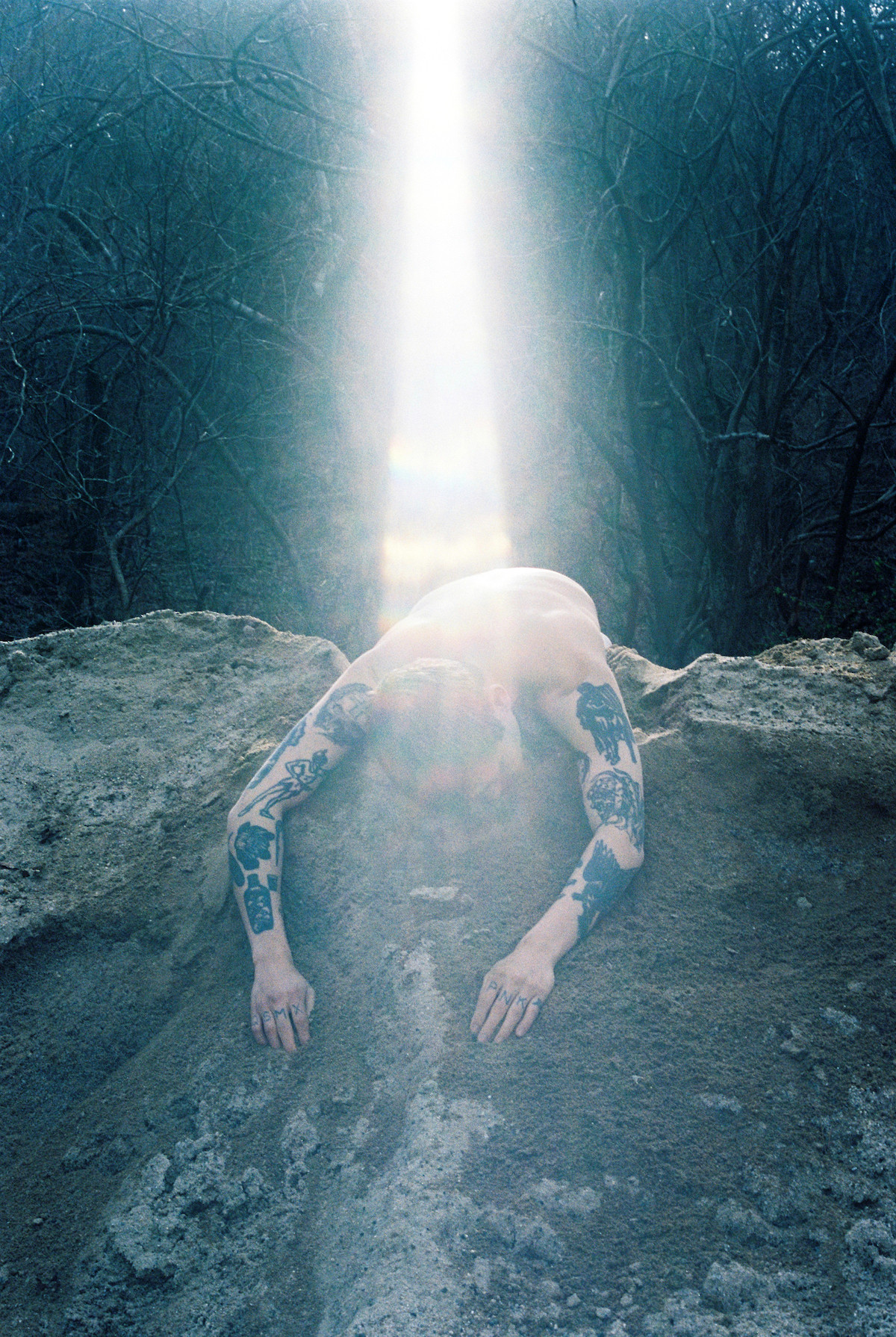
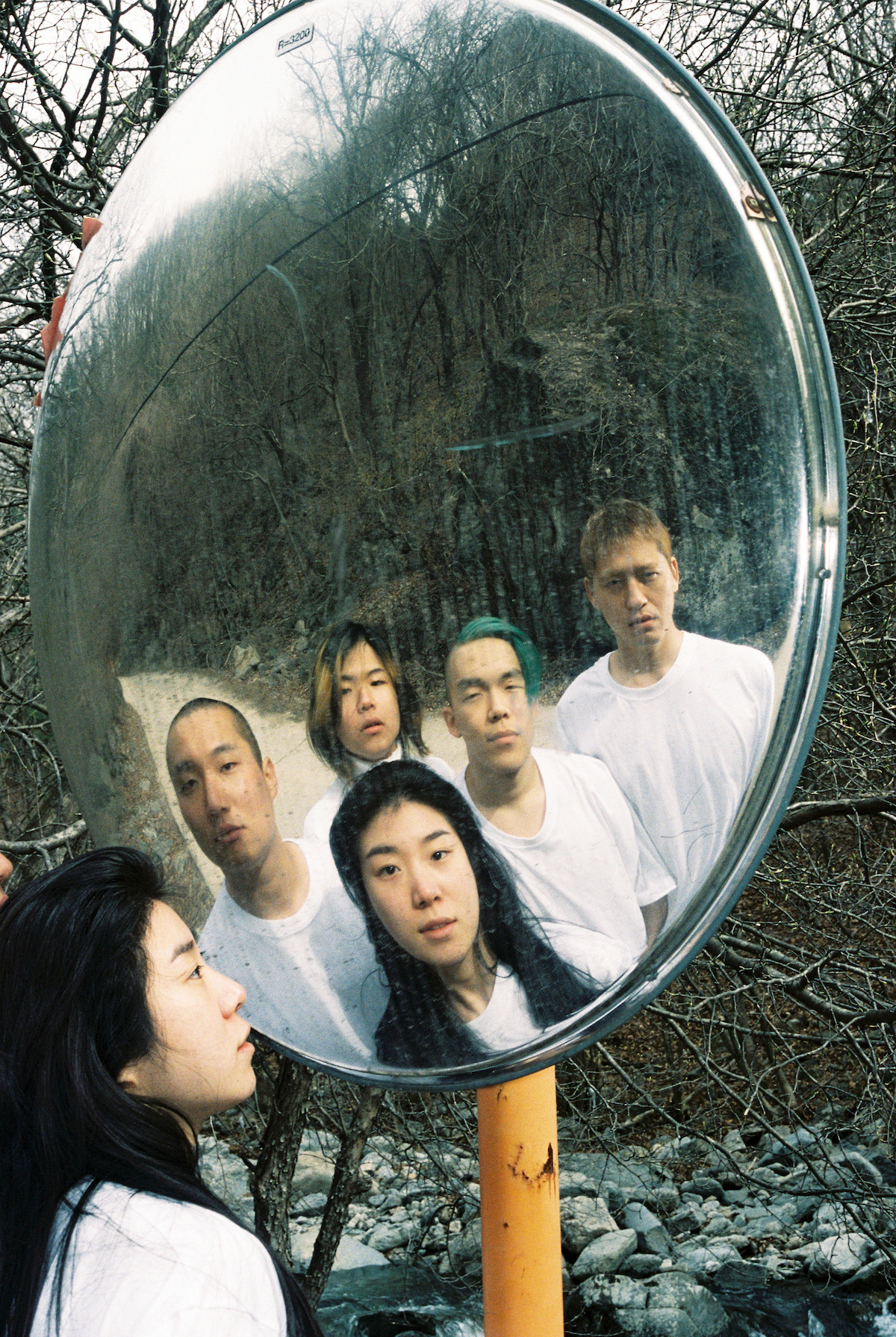
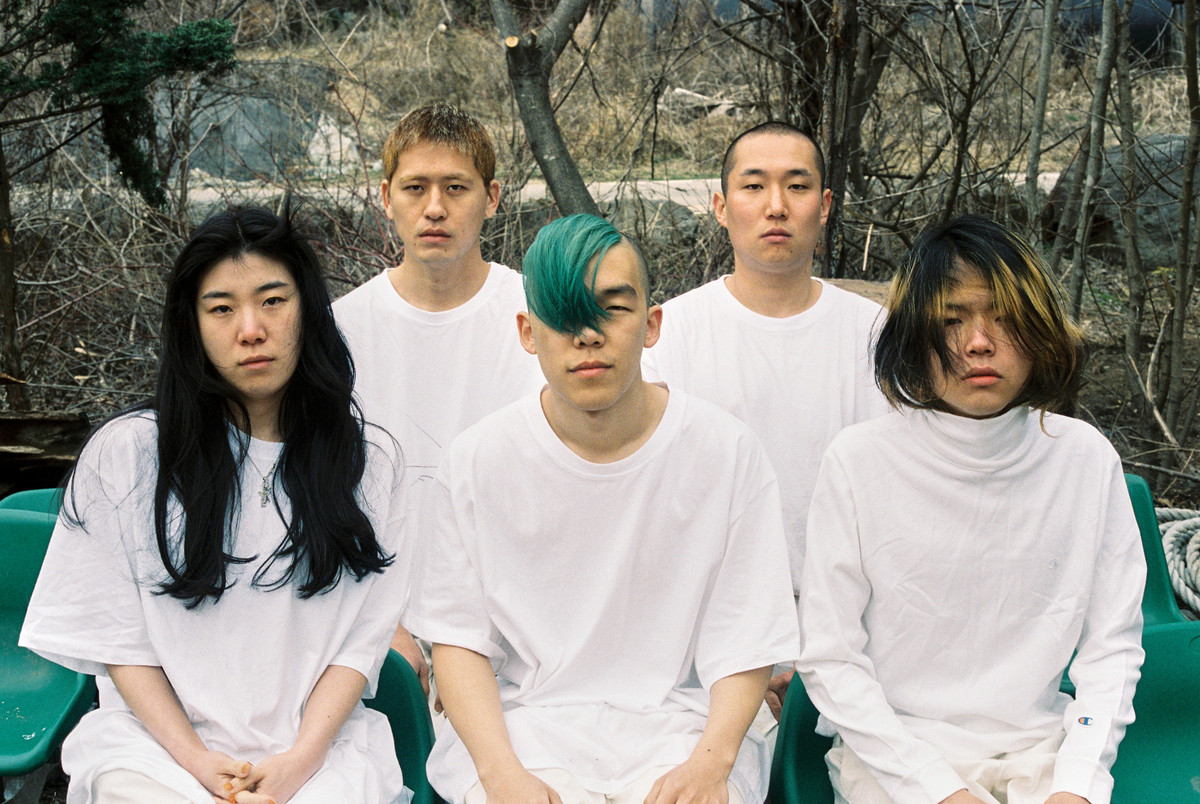
The crew consists of nine likeminded performers and producers who flexibly juggle group and solo activities. There’s San Yawn and Omega Sapien, singer-songwriters sogumm, Mudd the Student and wnjn (read as “Won Jin”), producers Unsinkable and Abyss, video director Jan’ Qui, and writer Henson. While they don’t attach a label on their musical style, they call themselves an “alternative K-pop band,” taking inspiration from a range of genres as diverse as their backgrounds. They cite everyone from K-pop idols Girls’ Generation and 2NE1 to Rick Rubin, Diplo, Michael Jackson, and ‘90s Japanese hip-hop trio m-flo as their influences.
The members, who range from ages 21 to 38, are an unlikely bunch. They mostly met through mutual friends, or via San’s beckoning at parties or on Instagram. But it wasn’t always the nine of them -- some early members have left the group, and Balming Tiger remains as an open-ended platform where new members are always welcome. “We are a management label, a creative production agency, and the artists themselves, all at the same time,” San explains. “I don’t think we need to define our exact format.”
Being an alternative K-pop band means that they aren’t constrained to any one style of music, either. They’re free to be hip-hop, R&B, EDM, rock, jazz and pop, and they are all of it and none of it at once. Their sound is an amalgamation of genres that span different time periods and cultural borders, resulting in an alluring hybrid that’s both new and nostalgic. Adding to this is their flexibility and ambiguity with words; those hearing Balming Tiger’s songs for the first time might not even guess that they’re from Korea. Much of their singing and rapping is in English thanks to Omega Sapien, who grew up in Dalian (China), New Jersey and Tokyo, and fluently switches between different languages, sometimes even rapping in Spanish.
When they do sing in Korean, it often doesn’t sound like it. While female vocal sogumm’s distinctive and sultry voice has earned her a solid fan base, her experimentalism has also received some criticism. “It’s really difficult to decide the kind of music I want to pursue,” she tells me. “I’m a very impressionable person, and I constantly change my mind. I realized that the harder I tried to make good music, the more wishy-washy it sounded. So I just decided to convey my confusion and emotions honestly in my music. I want to turn that natural process of regret and excitement into a learning experience, and hopefully grow from them.”
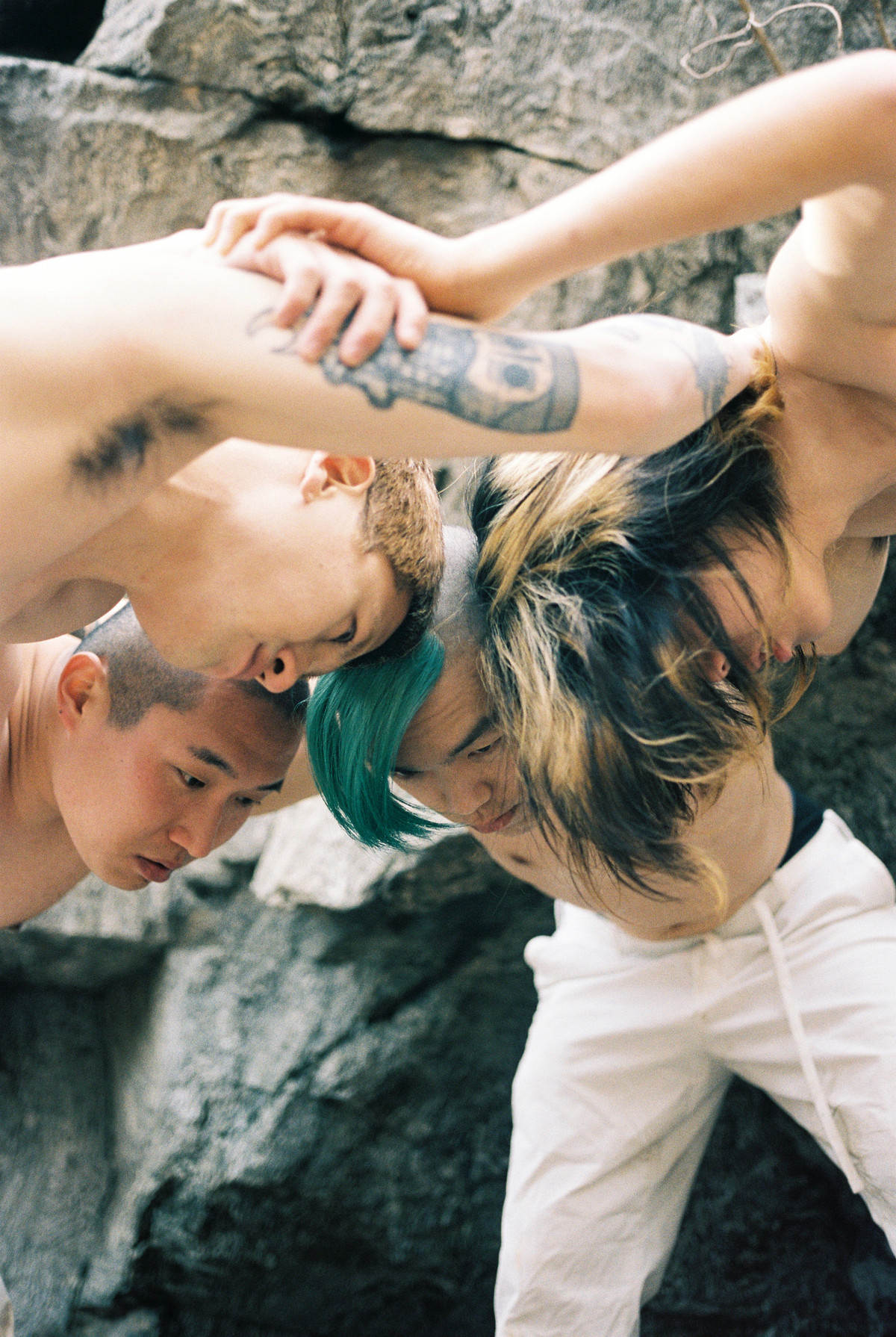
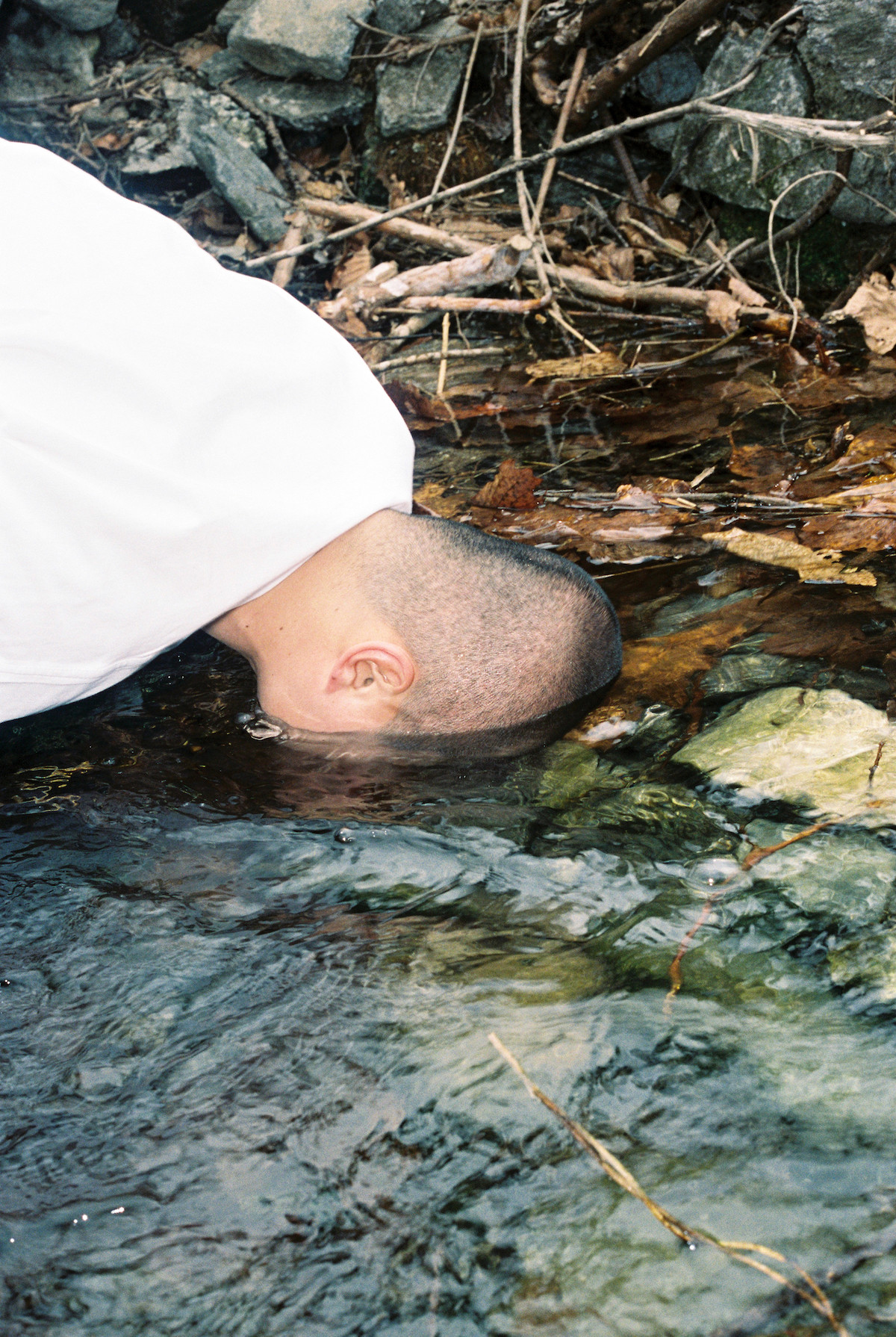
Just as unexpected and original as their sound is their look. They’re raw and off-kilter, with no dolled-up, polished look of K-pop to be found. Whether it’s Balming Tiger’s music videos or live performances, there’s always an element of rebellion and grit, even shock and disgust. Omega Sapien, who calls his hair color “2040 Silicon Valley green,” has said that his goal is to release a music video with more than 30% of “dislike” votes.
“I started working with Balming Tiger on their ‘Chef Lee’ music video,” tells Jan’ Qui, the group’s visual director who filmed the viral video of Keith Ape’s “It G Ma.” “Whereas I used to really improvise and work with my instinct, I’m much more intentional and thought-out when it comes to Balming Tiger.”
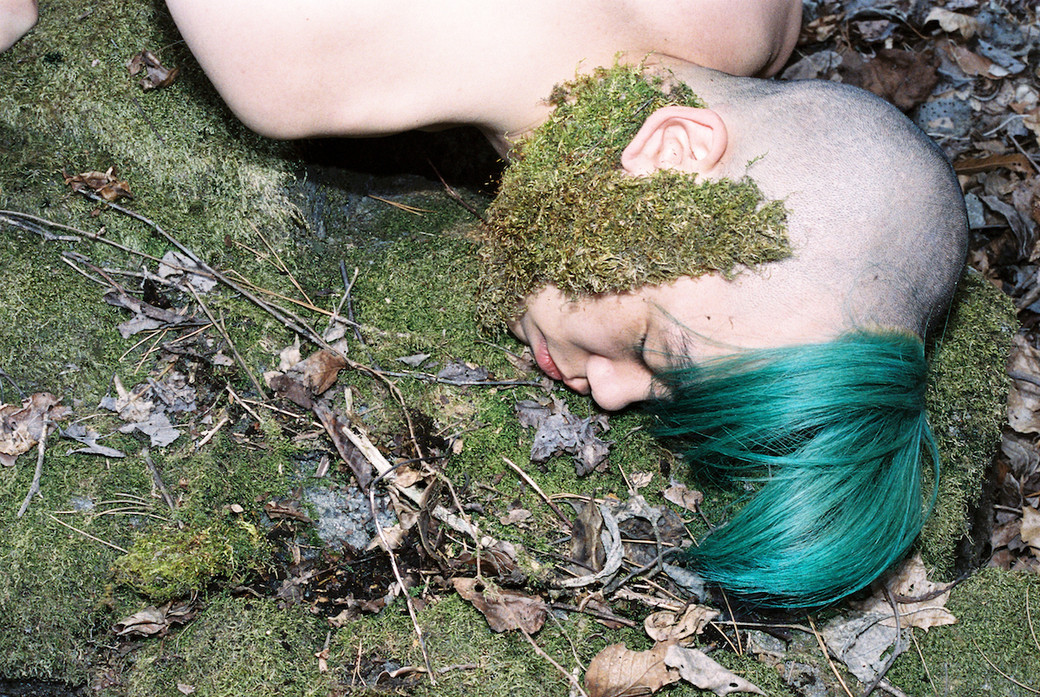
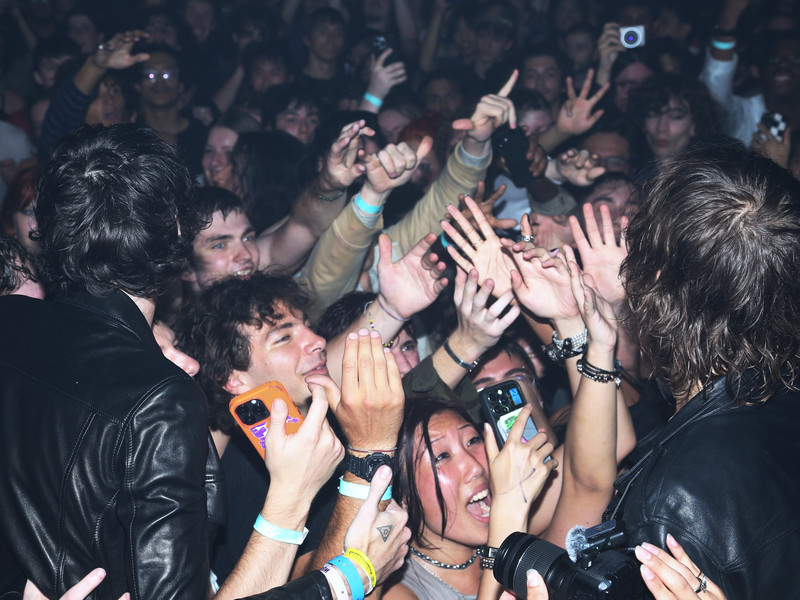
Throughout their three-year journey, one of the band’s biggest propellers has been “Joyful Delivery,” their ongoing series of local club parties that’s given them solid street cred. The members DJ their own sets, invite other performers, and party right alongside their fans. Rather than being mysterious, elusive or exclusive as some K-pop acts can be, Balming Tiger interacts with and touches their listeners directly, and brings that same party spirit to the bigger stage. “Our most memorable performance was at La Magnifique Society music festival in Reims,” Omega Sapien says. “It was our first time in France and no one knew who we were, but the audience started a mosh pit to ‘POP THE TAG’ and ‘Happycore.’”
“It was hundreds, if not thousands of people,” continues San Yawn. "It was the most touching and ecstatic moment of my life.”

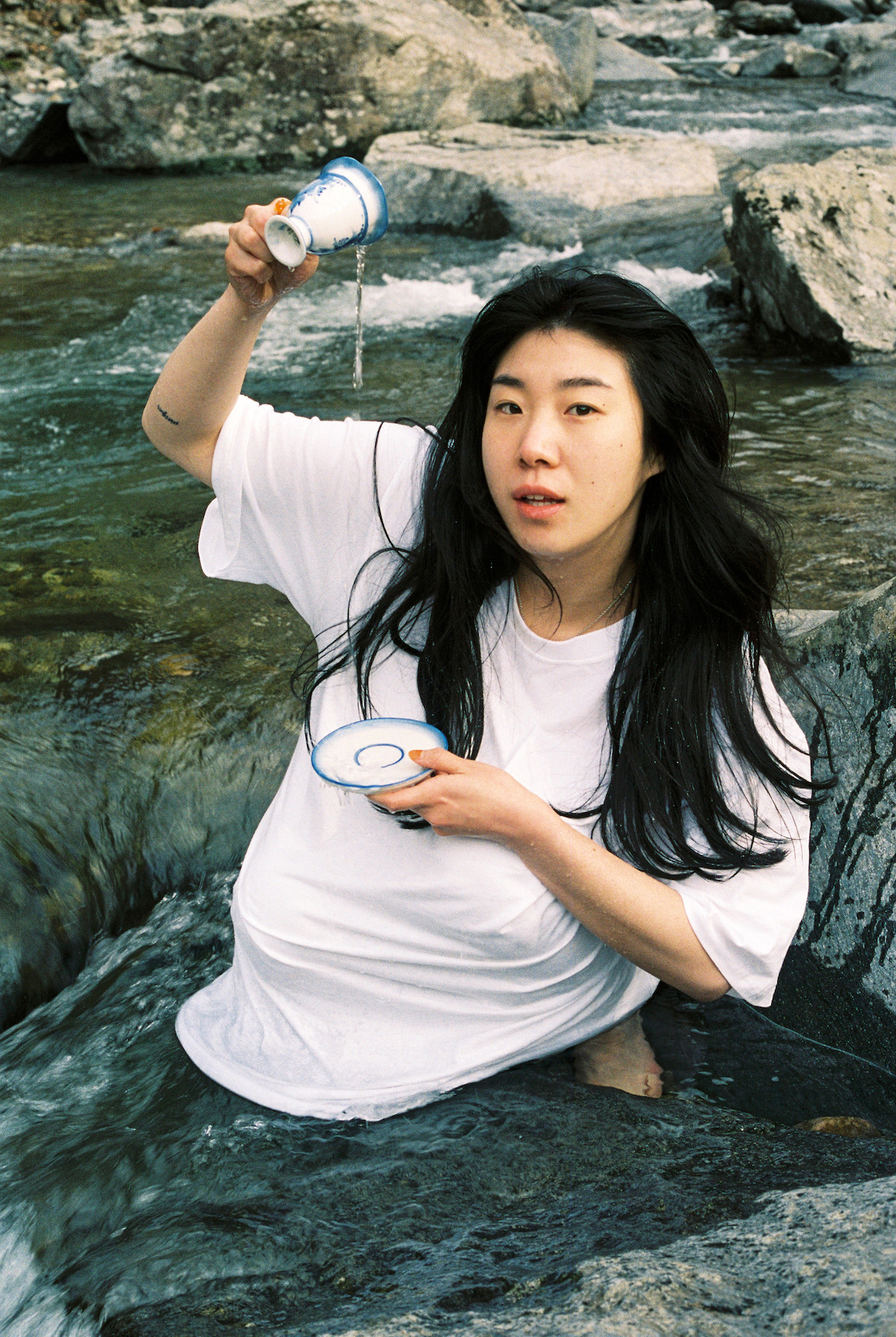
Their pit stop in Reims was part of “The Tiny Tour in Europe,” where Balming Tiger also swept Paris and London, selling out both shows. When they couldn’t continue their Tiny Tour last year due to the pandemic, they took it online with Seoul’s iconic Han River as their backdrop. “We took over six months to prepare for the live performance,” says Henson. “We were super happy with the result, and got quite emotional at the thought of showing off the beauty of Seoul to the world.”
What’s next for Balming Tiger is all up in the air, but anything is possible. Besides aspiring to collaborate with the likes of Slowthai, Frank Ocean and Bong Joon Ho, they have their sights on publishing a book this year, and heading to the GRAMMYs in the future.
Whatever they do, rest assured they’re having fun, just as they intended.
Balming Tiger’s Korean music recommendations:

Check out the video for Valencia below.
You usually like to rely on yourself to cover all ends of production, but for this album, you reached out to supporting hands. Why were you so hesitant to collaborate with other people in the past? And how have you seen this change benefit you in a way?
I think that for me it was a matter of just getting things done. Not only like efficiently or quickly, but I guess it was also just by doing it myself, I was able to get it closest to the vision I've had in my mind, you know? And yeah, I think it does take a while and it's a tedious task to be teaching yourself different things. When it comes to production and mixing and doing that all yourself, you really have to take time with each craft to develop it. And I think that was just time that I, fortunately, had on my hands, like where I was living in Florida. And, you know, I really just utilize the time that I did have in Florida, there's not much happening there, you know? It gave me a lot of years of being able to develop in my knowledge with mixing and producing with many instruments. That kind of just worked and in hand with just doing it myself. I would try to reach out to people and there's a lot of times where people can be unreliable, and there's a lot of empty promises, and this and that. And I kinda just wanted to be like "all right, you know, I'm just going to do it myself, even if it takes me like having to learn all this stuff from scratch."
But, you also placed this really big emphasis on community. How has that altered your initial outlook from being self-sufficient? Also, I perceived your self-sufficiency correlating with your location. You went from arranging everything as a solo artist during your time in New Jersey, where there was a bunch of people who looked like you, to moving to Florida where you were like the only Asian kid around. So do you think those two correlate?
Yes, A hundred percent. I think being from Jersey, it's not an obvious community of Filipinos, but there was, and that's something I had. And moving to South Florida, it was very much so like the opposite, like you said, I was like the only Asian really. I think my thoughts on community have to do a lot with representation and like feeling the lack that I had of it growing up too. Especially, growing up where I did, like spending my developing stages in South Florida, I feel like even just in entertainment in general, there like such a lack of like representation for someone like me. And I feel like someone like me is very a specific demographic, but there is a lot of us. I just feel like in entertainment, we don't have that representation. And like whether I have to play that role or like play a part in the role of opening the doors for that, I think I don't mind that. And it's kind of something that just feel I need to do. And yeah, I think by community you're able to bring that representation to light because I also can't do that alone. You know, I also need to gather the troops, like I need to gather people that share similar experiences to me. And I think my circle and the people that I involve with my creativity and music, et cetera. I think there are a lot of them are people who can really relate to like my upbringing.
Were you bullied growing up for being my only Asian kid?
Yeah. A hundred percent. It was like super— yeah. Words can't even really explain how that was. I got into a lot of fights. I got bullied a lot. It was just daily, almost. And it was just like for looking how I look and just looking different. There's just too many layers.
But with this "Everybody eats" mentality, have you ever seen a downfall come from that?
Yeah. There's sacrifices to be made with that mentality, you know? Because you also have to take accountability for who you're bringing along on the journey. So you also have to make sure those people you're trying to feed and trying to take on this journey with you, you have to make sure that they're doing their part. And as someone who kind of leads that — you have to just take accountability. And I think the downfall being is when you're moving in a group, you're not all the same person. But there might be moments where you're going to be treated as such. Like one person's mistake is just going to reflect on the entire group. And there is trying to find the middle ground between looking out for yourself and then looking out for the people that you love. I think that's kind of one thing that's important to navigate around is taking care of yourself and also taking care of your loved ones.
You talked about how R&B is a big part of Filipino culture. Can you speak more about that?
Yeah, so growing up, It started more with this era — I would say like 2008-2009, and 10, where on YouTube a lot of Filipinos would like to do these guitar covers. And like, even on the ukulele. It was always like Musiq Soul Child. And it was always like 'Cater to you' by Destiny's Child. One of my first songs I learned how to play on guitar was like 'Must be nice' by Lyfe Jennings, so all that was just an era. And I think it was just a big part of Filipinos, just all getting their acoustic guitars and doing these covers.
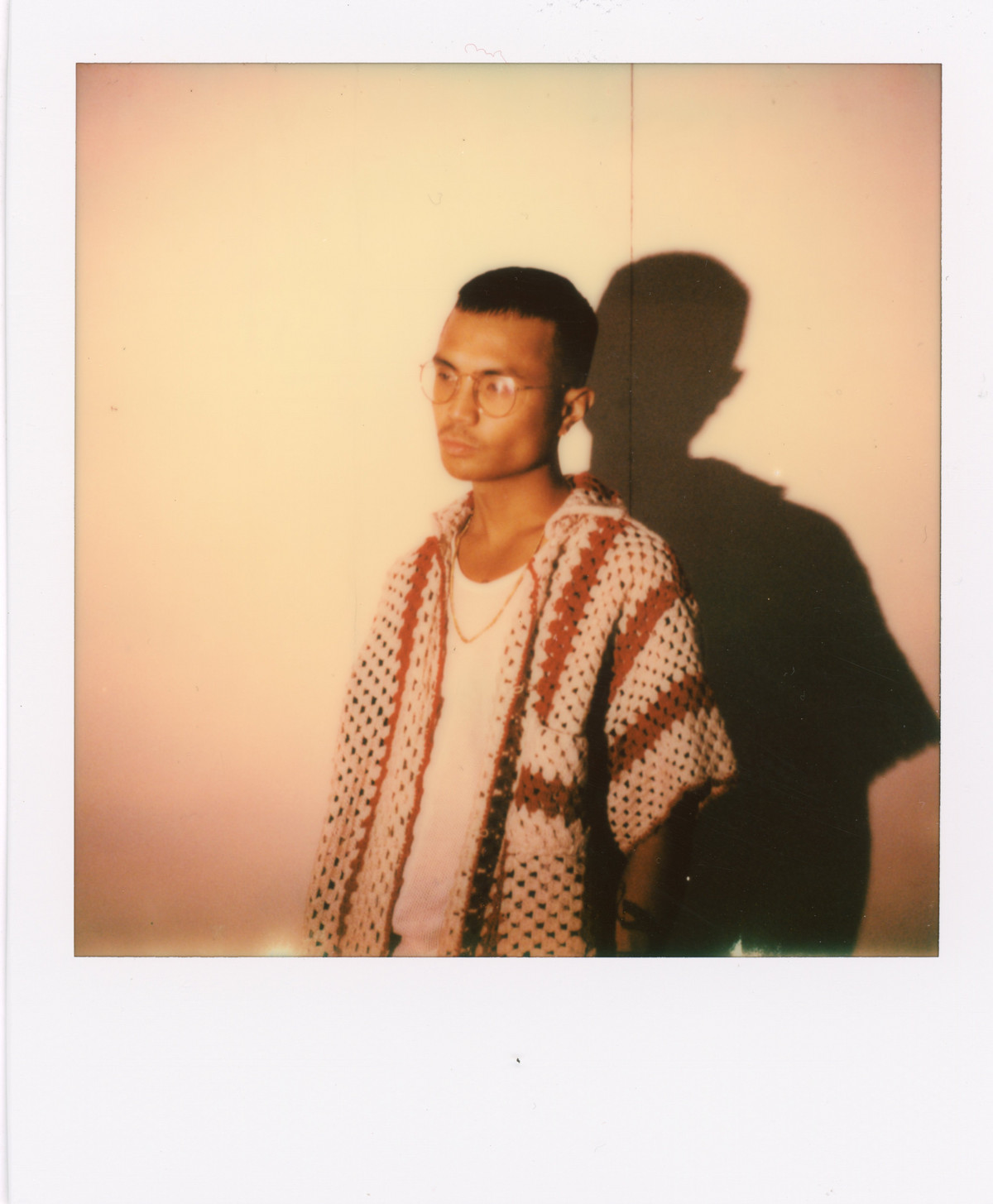
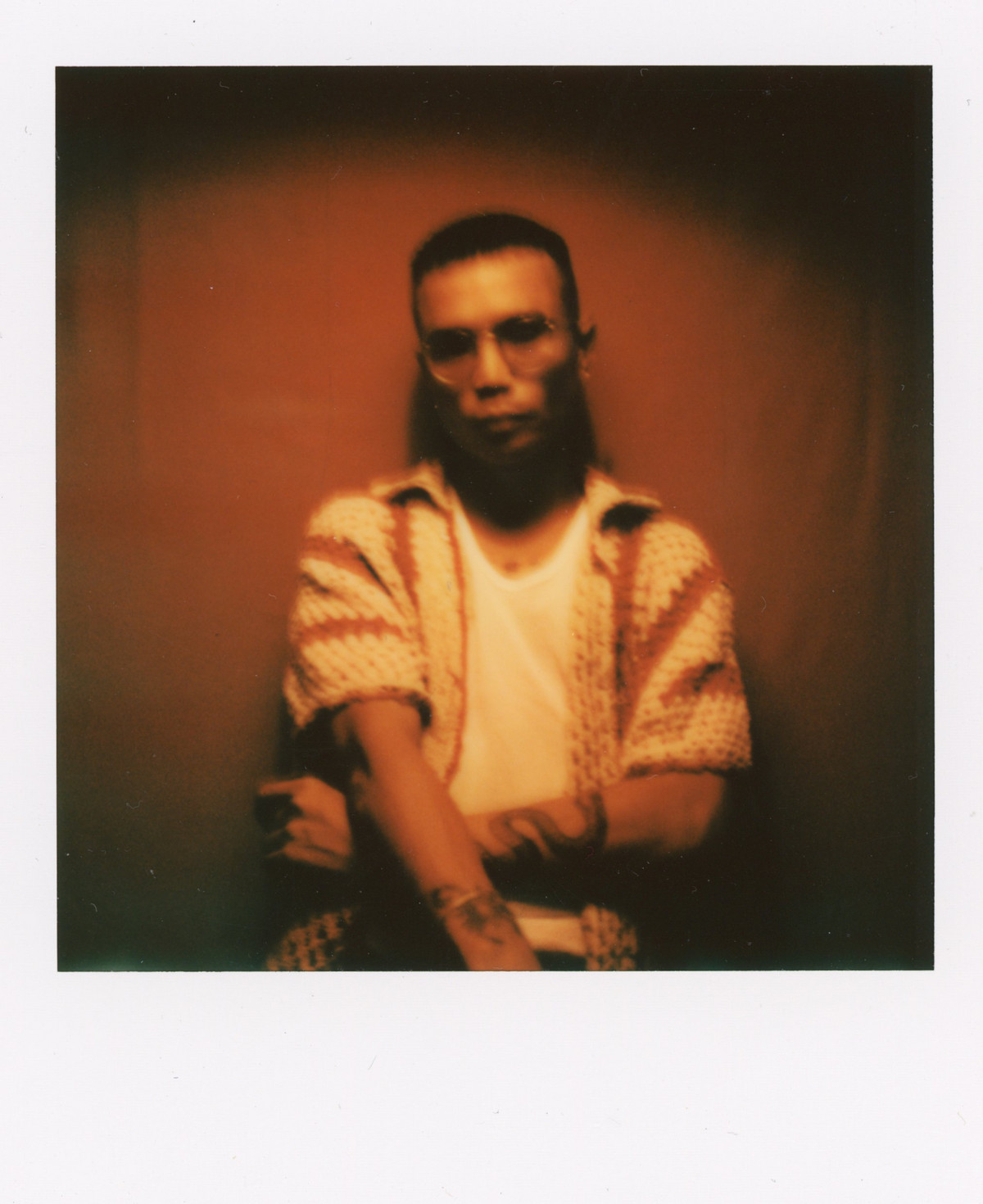
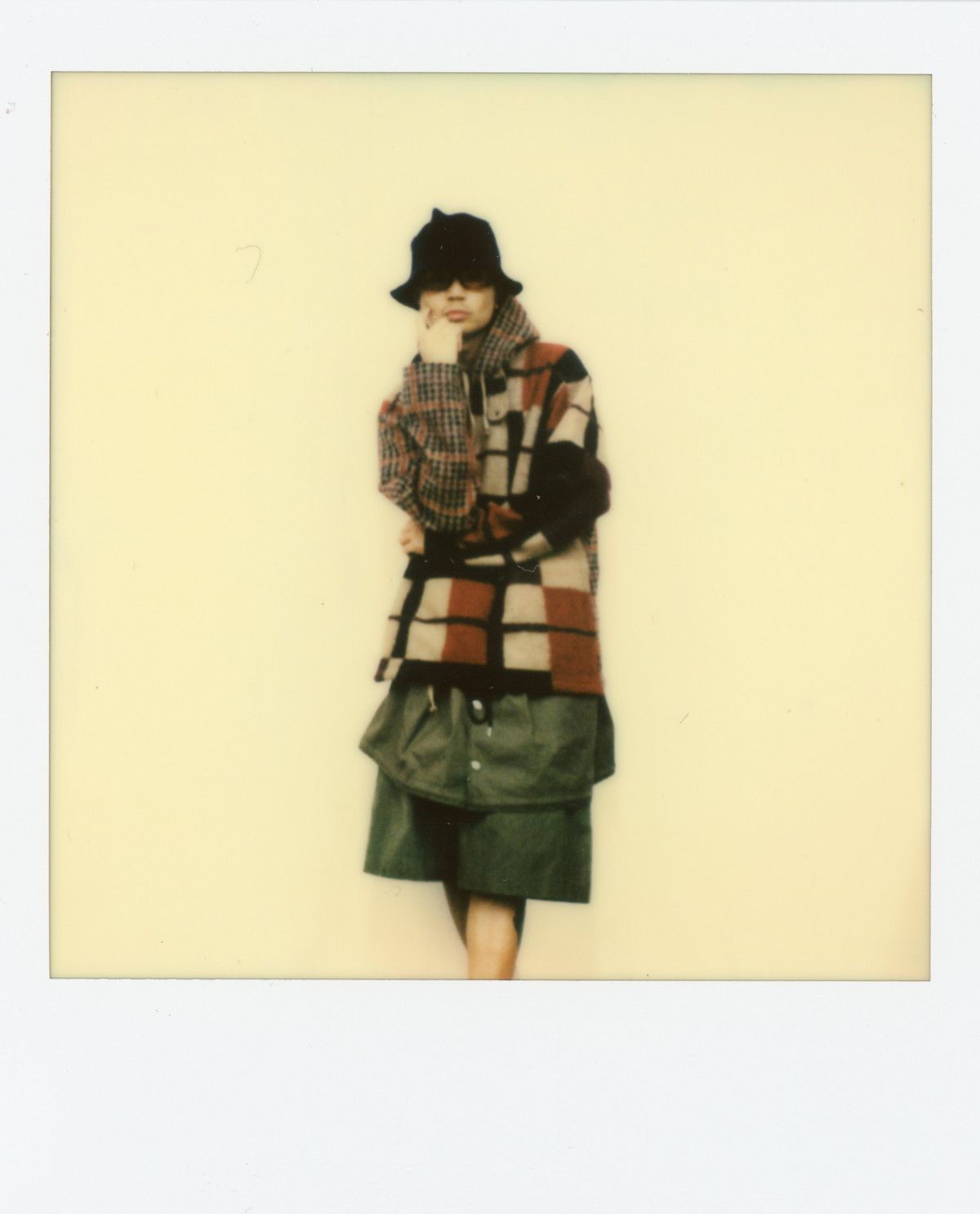
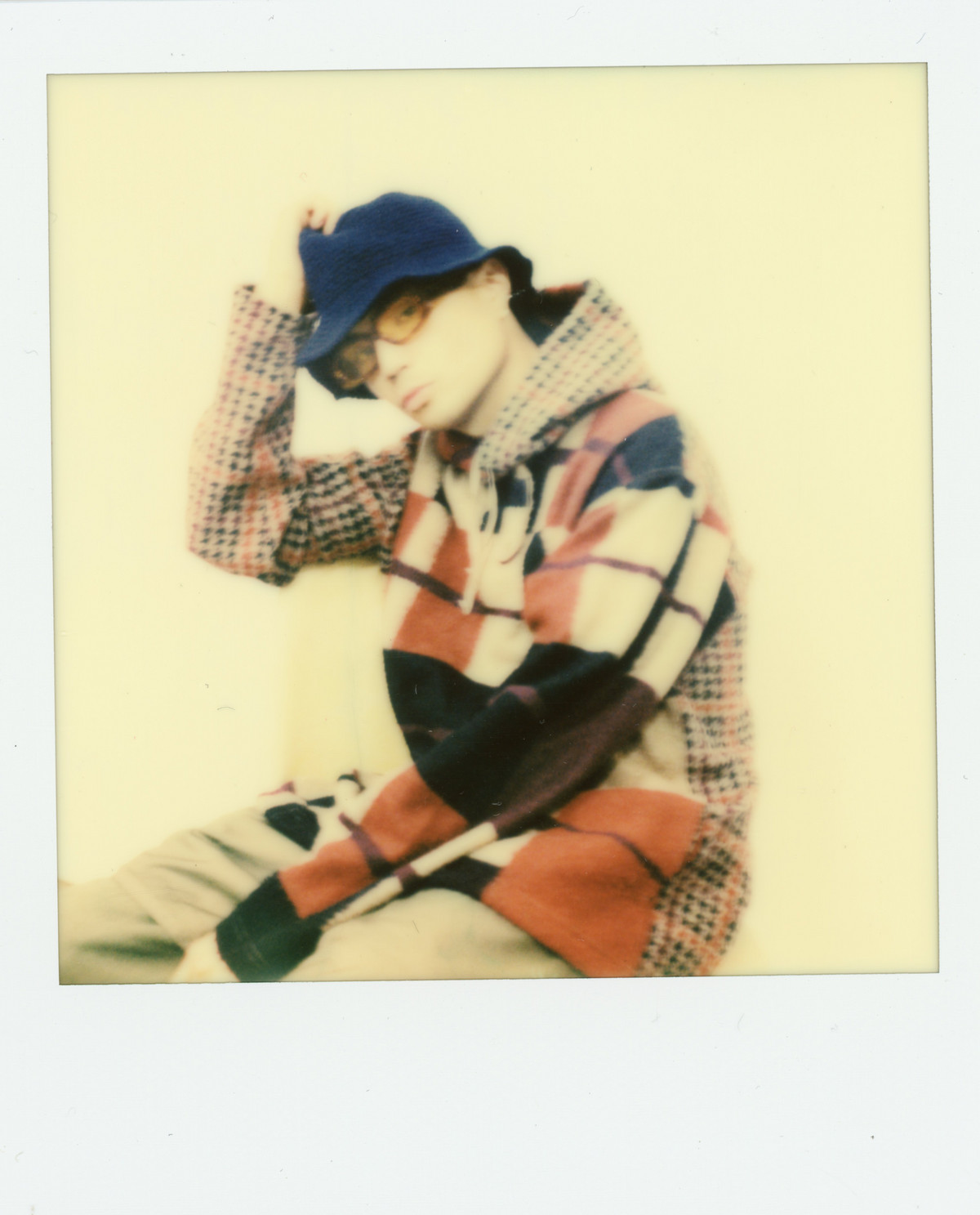
You live in California now. Did you make this last album in California?
Yeah, I do. So yeah, I made this in Burbank— mainly a lot of in Burbank. And I think I may have made some songs visiting Florida.
This album is super honest and very vulnerable, compared to your older music made in Florida, do you think there is something less honest about the suburbs? Or do you think that California had an impact on the honesty and experiences you had?
Yeah, for sure. Like everything leading up to now, like from New Jersey to Florida to California, they've all equally had an impact. They've all played great roles in the music, and like what the music sounds, and what the music is. I think I'm able to be honest because — like surface level, I might be referencing Florida or Cali, but I'm really just really subconsciously referencing everything that's happened in my life, you know?
So you talk about unrequited love on the album. Could you talk more on that?
Yeah, so at the time that I was writing the album, I think it's obvious to guess that I was in a relationship. But yeah, I think a lot of the music was inspired by the relationship I was in. And really when I make music, it's a diary. It's a conversation with myself and it's me talking out loud. And I'm just kind of talking about what I'm going through because there's struggles within a relationship. There's like the blissful parts about it. There is so many angles to view a relationship. And I think that those are just kind of the things I was trying to emphasize in the album, it was just the different angles that I was viewing this romantic relationship. But then like, I think relationships in general is a theme throughout the album, whether it be about family, friends, romantic, it's all there.
Do you ever get scared about people knowing too much or people finding out the answers they had questions about through your music?
I think by the time I realized that I was being as vulnerable as I was being, it was like too late. I was like putting out music and I'm just like 'all right, I'm putting out music. Like this is great, people like it.' And I guess I wouldn't fully register that I'm literally putting all my secrets into this music. For example, if I go to a show and I play a show, someone comes up to me like "Oh, did your mom remind you to drink kombucha?" I'm like I just completely forgot I put that in a small line in a song. And that line is literally like one, two seconds. But it's like, a line could tell a whole thing about your life.
So I'm just like, it's too late. So, you know, I might as well just go all in, everything vulnerable, like fuck it. And that's the purpose that music serves for me anyway. Like that microphone is my psychiatrist. I feel like it's possible for me to maintain a certain level of privacy. And then like when you listen to my music, you're stepping into my personal space. And so because of that, I think I've always just kinda been a private person, but my music really speaks for itself.
What were some things that inspired you while you were putting this album together? That doesn't have to be music, it could be like a show you watched, etc.
I guess movies always play a big role in my music. Cinema always plays a role. Visual arts somehow plays a good role in my music and surroundings, like location, where I am, where I've been. I was like 20 in Europe when I first started the record. And so like the gloominess of Europe just inspired one of the songs.
With albums, people create their own worlds. In Yeek's world, what does it look like? What are the rules? Who's there? What's going on?
A lot of it is very not in touch with reality. Maybe I think, I dream a lot and stuff. And a lot of those dreams, I feel like I'm in another realm with space and time. So like, I think in my world, it's traveling, but traveling to different realms in the universe. I know that sounds corny or whatever.