MIRRORS


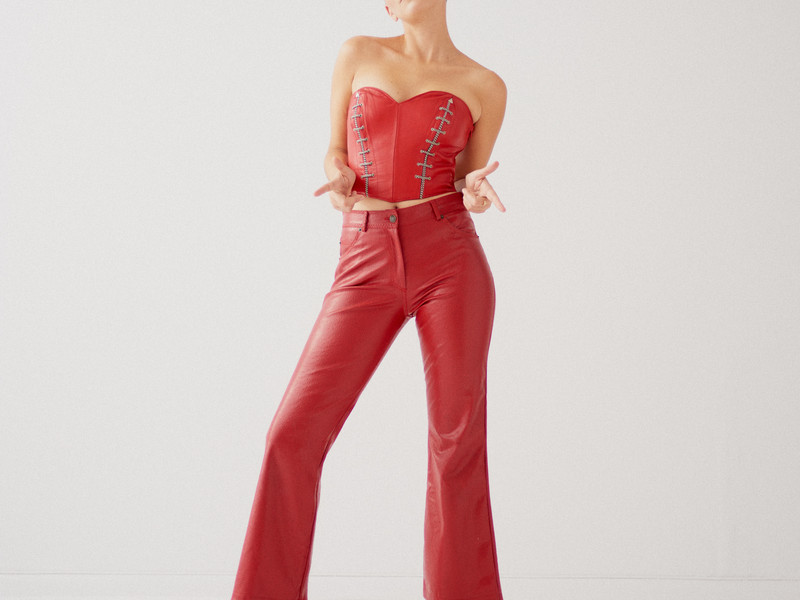
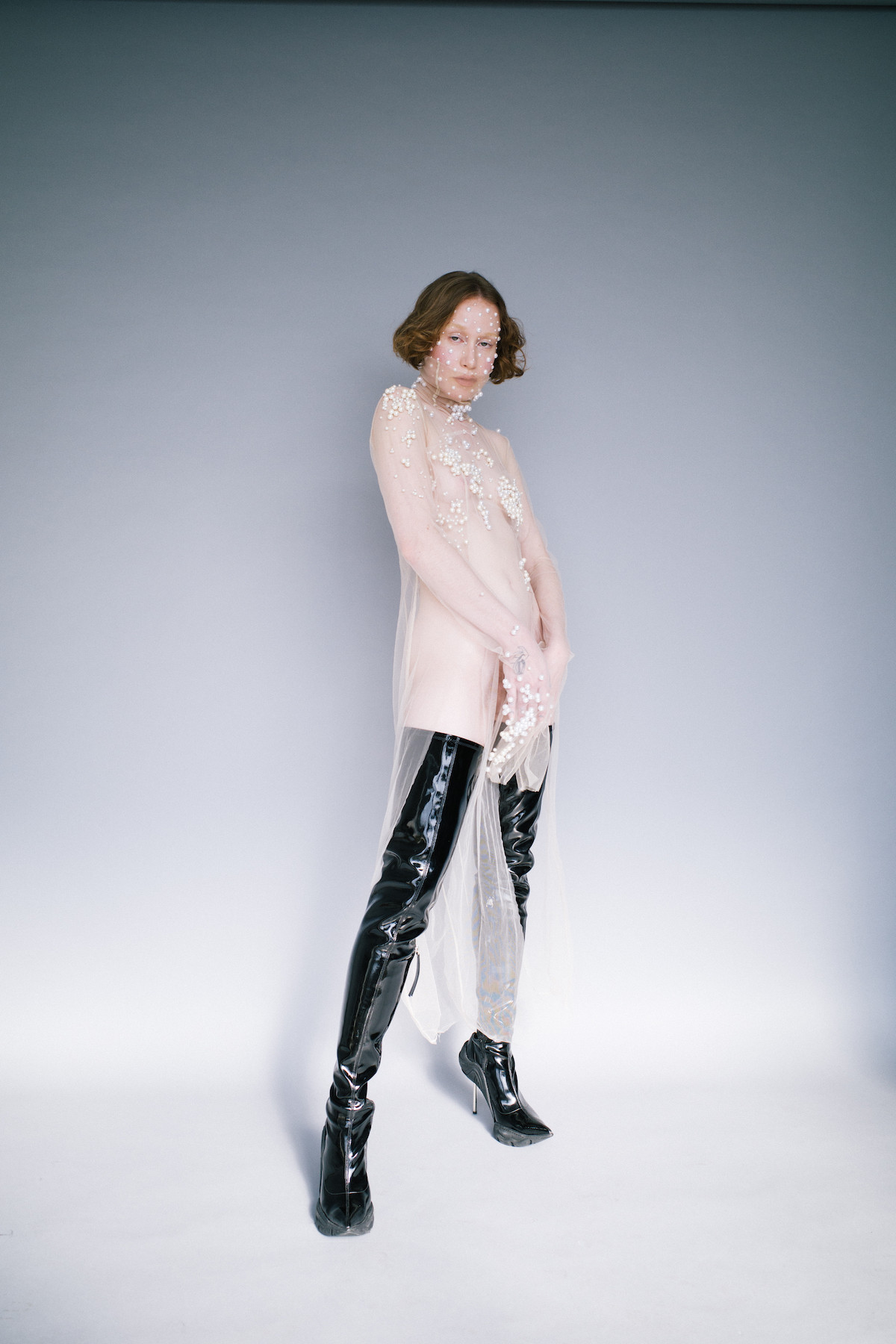
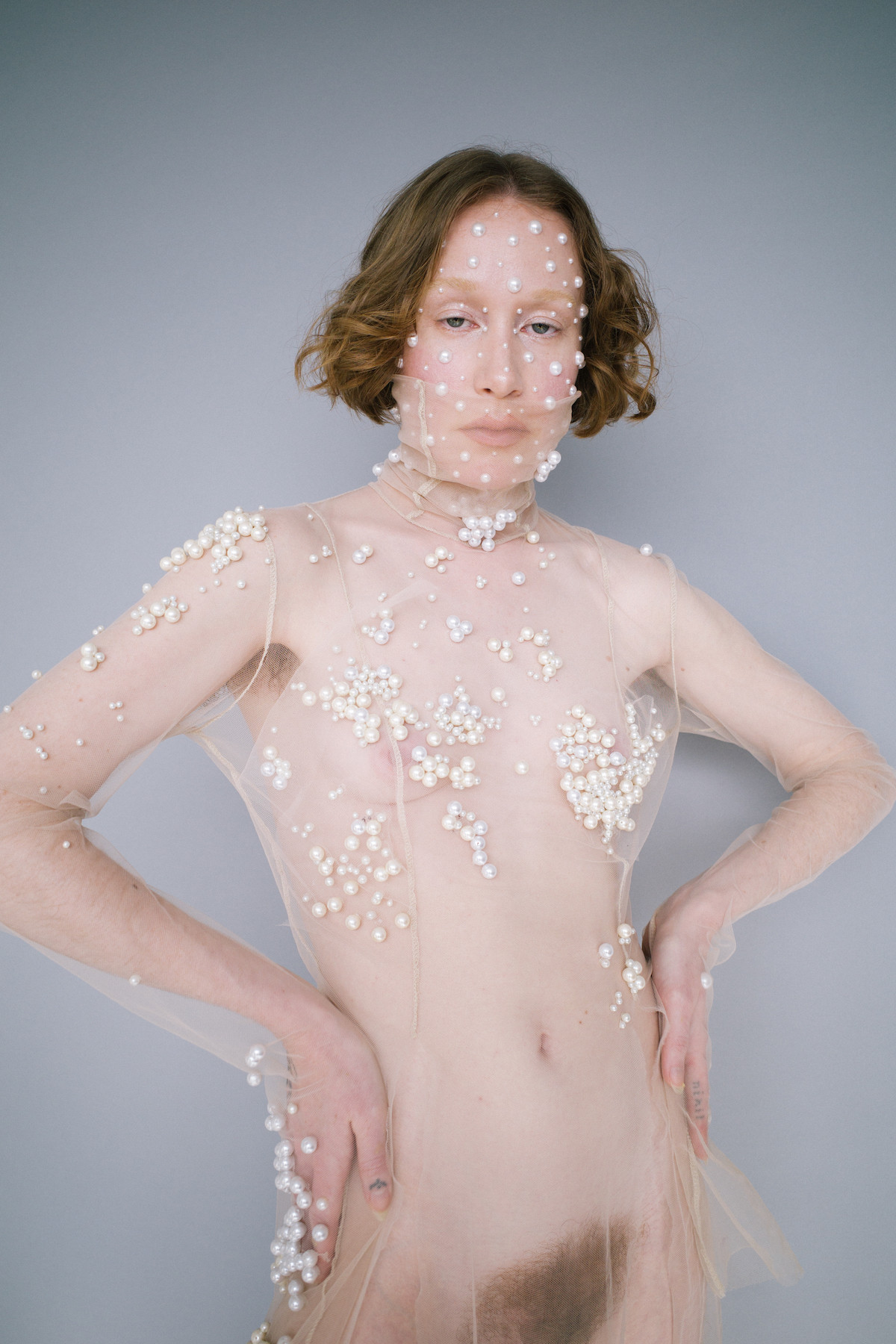
On stage, she evokes a church-like, angelic, and hymnal sound, veiled and often in stunning layered dresses. Harmonic vocals calm and comfort you as you explore vōx’s highly personal themes through her spiritual and hypnotizing songs.
We sat down with the artist to talk spirituality, how trauma is physically inherited, and what it's like to be an artist releasing music during this time.
Congratulations on your upcoming EP, This Body.
Thank you!
"vōx" comes from the Latin word for “voice”. The name is more than just that because it’s also a character for you, would you say this is true?
Yes, definitely. vōx has allowed me to step outside myself, my ego, and my comfort zones in so many ways. The character helps me tap into a power I never knew I had.
“How Do I Connect To The Spirits?”, the single off your EP, is a song about the inheritance of trauma on a cellular level from your predecessors. Can you elaborate on this idea a little bit?
When I'm songwriting, I feel like I'm channeling something outside myself. In that way, the expression is always pure to me. I know that there are so many others with these same questions and emotions. "How Do I Connect To The Spirits?" is at its core an exploration into feelings of fear and shame tied to my ancestry. When I learned that trauma is passed down on a cellular level, that triggered this raw gut feeling. I've completely disconnected myself from my kin, and it's been my privilege to ignore the sins of my family. Whether I want to or not, I've inherited a long line of suppression and hatred. It’s on me to grow and change now. Amends are only useful if they’re immediately followed by action.
The single has three very different sounding parts. What is the creative process of that and the reasoning behind it?
This came very naturally for me. The conflicting emotions within the song itself divided it naturally into sections. We have the questioning, the fear, the curiosity, the acceptance. They're all fighting to be heard.
What is your writing process like?
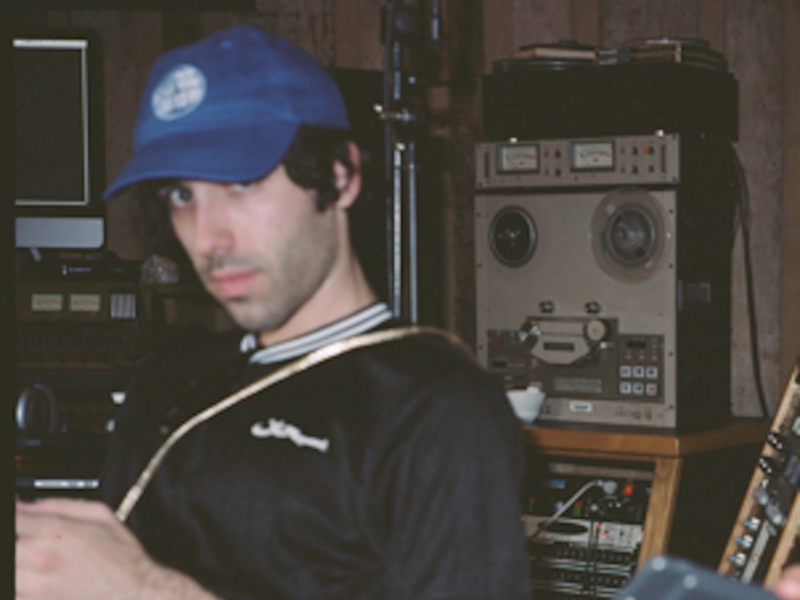
Before I wrote songs, I wrote poetry, so that's still a big part of my process. I always write lyrics first, and then after I'll add the chords and melody, usually using piano. I co-produced this song with the amazing Alexander Vincent. Working with him is a huge part of my process, as a song changes dynamically from piano to production.
Did you have any specific inspirations for this EP, musical or not?
My main inspiration was the body. It's been a long road to acceptance for me of my own body, and I'm very much still on that journey. I wanted to make an EP that questioned these bodily experiences I think a lot of us go through, be it spiritual, through our relations to others, through sex. I also wanted to add some empowerment to it, so there are songs like the first single, "Be Bigger," which is about taking up the space you deserve.
What would you like listeners to take away from this project?
I always want listeners to feel less alone, to feel connected, to feel okay in their vulnerability.
How does “This Body” differ from your last project?
It differs quite a bit, sort of a shedding of the layers. It’s a process I’ve been in for years now.
You mentioned that the EP is for anyone who has ever experienced a separation or a dissonance between mind, body, and spirit. I’d love to hear more about this idea and how it has personally affected you?
I think the separation can come from a lot of different experiences, whether that’s someone you trust, family, religion, idols, or society. It’s that moment that shuts you down, where you need to sink into the numbness to get by. I’ve been doing my own opening up and healing from trauma, especially my first sexual experiences.
There’s an underlying current of religion running through much of your music and your imagery. Where does this come from and what does it mean to you?
This comes from growing up in the church. The experiences I have within religion feel like ones I’ll unpack my whole life. Through the unpacking I’ve done so far I’ve discovered self-worth and power and forgiveness.
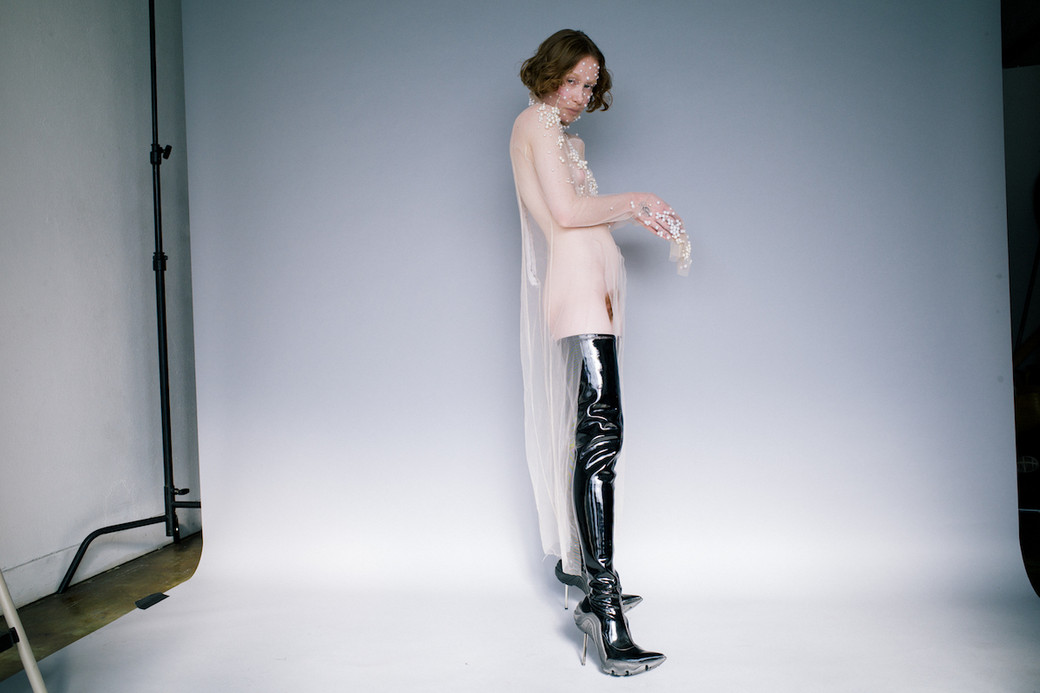
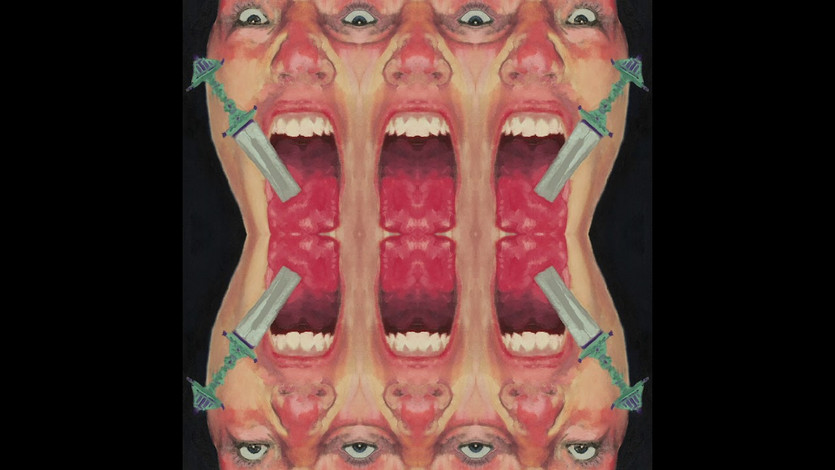
The cover artwork for “This Body” features photos of you in stunning doll-like couture. Fashion and costume is definitely a significant part of your performances, as well. What role has fashion played for creating a world for yourself, for vōx?
Fashion is so limitless. The only thing that holds you back in fashion is your own mind. It has nothing to do with your own skill to wear something fashionable, it only has to do with your confidence. When I was younger I only dreamed of being comfortable enough in my own skin to wear the things I saw in fashion magazines, so it’s very full circle to see that growth like that is possible.
How does it make you feel to release music in this troubling time?
It feels more terrifying and more necessary than ever. Music’s been one of the only things holding me together lately.
How have you been spending quarantine?
Home improvements, talking to plants, microdosing, and trying to get more in tune with my body.
Are you reading anything currently?
I just started Emergent Strategy by Adrienne Maree Brown.

We sat down to talk with Cookiee on the day her “Vibe” music video hit a million views. Even before that, it had almost 50 million hits on Spotify, and millions more hits on TikTok—and that’s just her top song.
But do we really need numbers to know that Cookiee Kawaii has created an entire cultural vibe? The only thing you need to know is the song, and chances are you already do.
How have you been doing?
With quarantine and now even with the protests, it’s been crazy, but I’ve been holding up pretty well. I’m doing all kinds of promotional stuff. Music wise though, I’m just trying to stay grounded. It’s just overwhelming when you look at everything that’s going on right now, from COVID to all the more serious stuff.
Are you the type that’s been super productive in quarantine or are you more just vibing?
It’s 50/50 for me, but honestly more so productive. I play a lot of video games, have my snacks, but at the end of the day I work a lot of managing social media. I mean, I didn’t even have a TikTok but TikTok verified me pretty fast, and I’m all on Instagram, Twitter, everything.
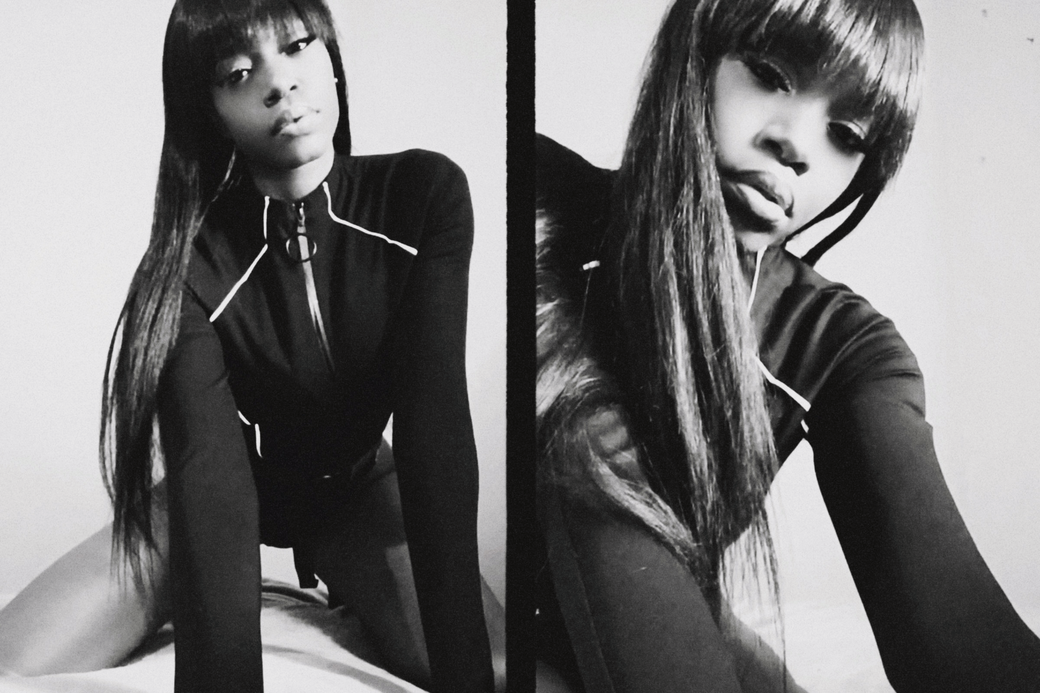
It must be crazy having "Vibe" take off like it did, when it did.
It’s honestly been very surprising. It’s been like a rollercoaster, almost. At first I didn’t even have a TikTok, and I wasn’t in the loop. But when I made an account and I was just seeing all the videos, I started instantly going into the promotion of it, snagging all the videos and reposting them. It’s so amazing because it’s not just covers or challenges. There’s this huge variety of original videos everyone’s making. People are just amazing.
My favorite so far is an artist that made a live Sailor Moon cover. It’s really dope, so as of now, that’s my favorite. I’m big into anime, I’m sort of a nerd. Not just anime though—comics, video games, everything, but anime is my first love.
Any anime recommendations?
For movies, Spirited Away. But I also love Yu Yu Hakusho, which is one of the older series and one of my favorites.
Spirited Away is so incredible. That was one of my favorites as a kid.
Yeah, that’s the movie that made me really want to take a trip to Japan. As a kid when you watch it, it’s just like wow. It’s just a beautifully-made, out of the box kind of thing.
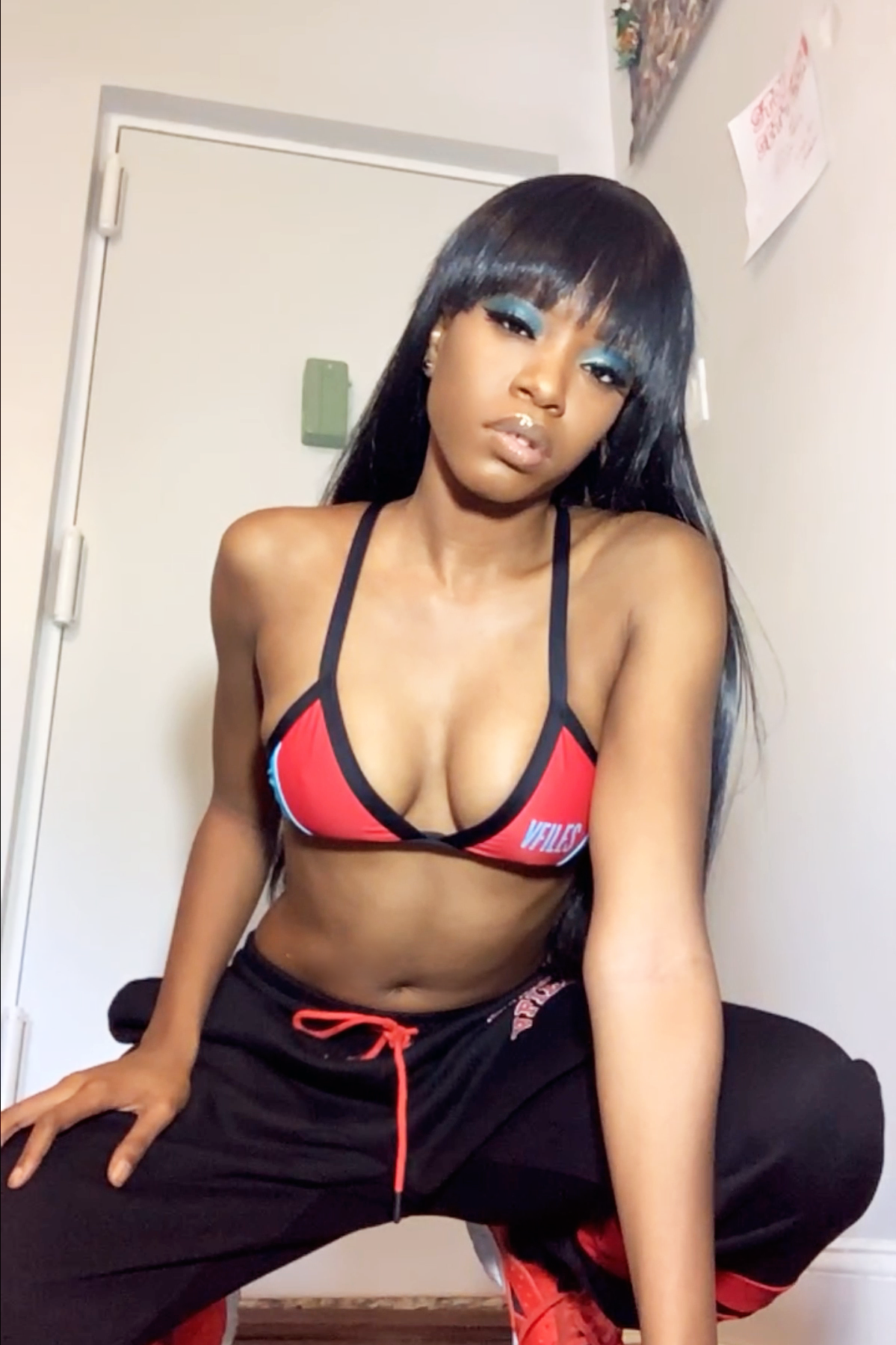
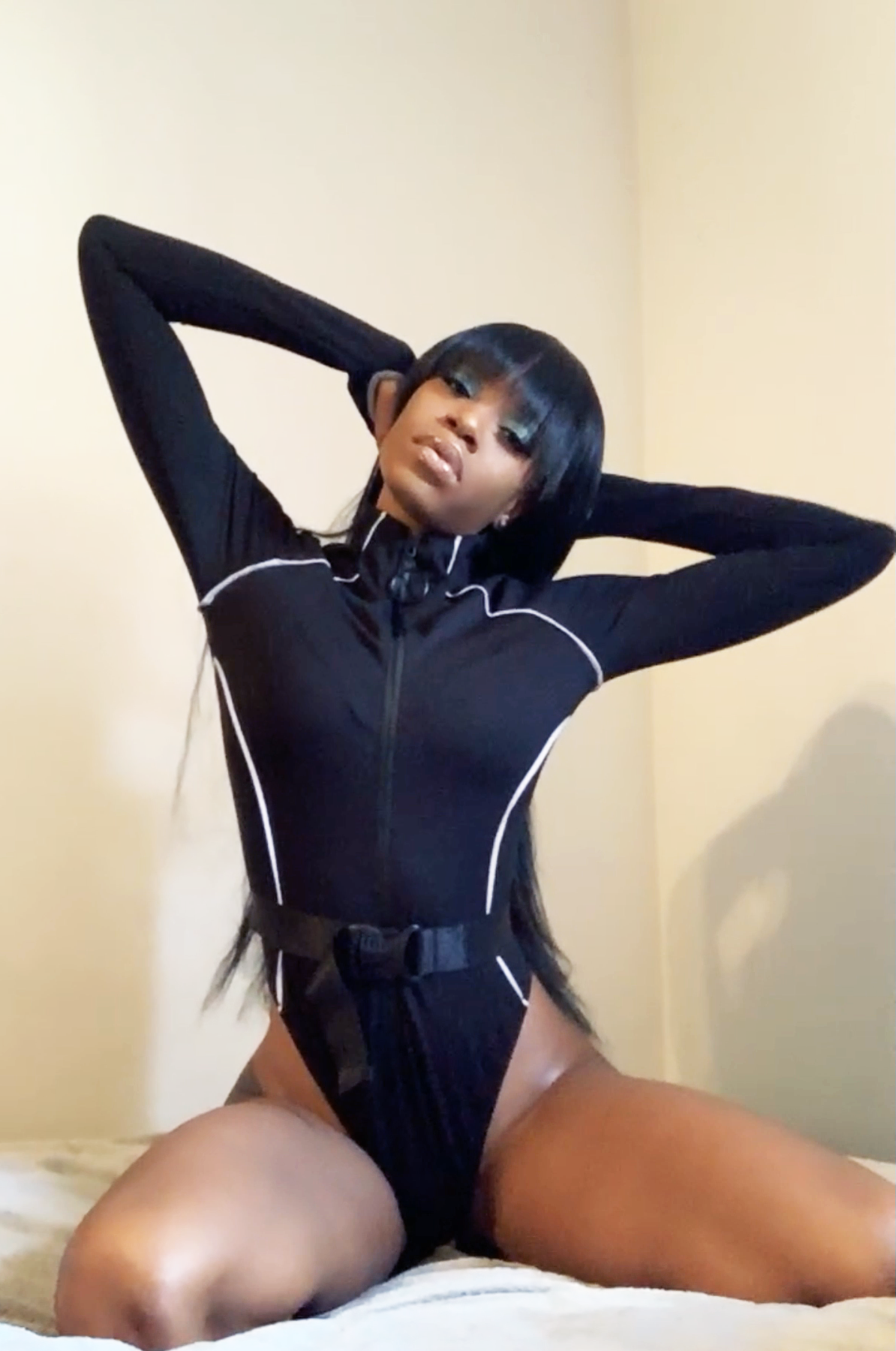
Have you been to Japan?
I took a trip a year ago, but it kind of feels like yesterday. I was in Japan for two weeks, and it was the best thing ever. I would go back a million times over.
That’s one more reason to get into touring. It must be crazy having your song take off on the scale that it did but not getting to tour or really do anything at the moment.
Yeah. I’ve been staying busy promoting, and I’ve been more productive than not, but I’m so excited to go on tour after this.
The universe works very well when you manifest exactly what you want. I was constantly saying before this happened—constantly on social media I was like, “I want to go on tour, I want to go on tour,” every single day. It was my mantra. Now, it’s almost like the universe is playing with me. It’s like, ‘Your song is viral now but you have to wait.” It’s almost perfect that way though—I’m just getting ready. I’m going to be so ready to just throw it back.
Keep up with Cookiee Kawaii as she drops Club Soda Volume II this summer, and keep an eye out for her debut album.
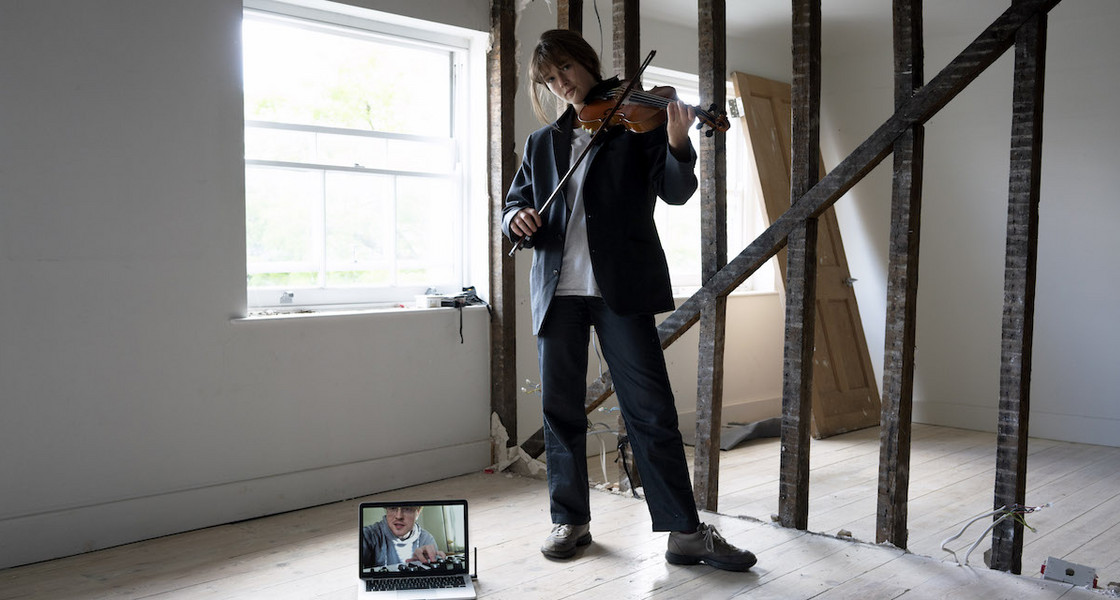
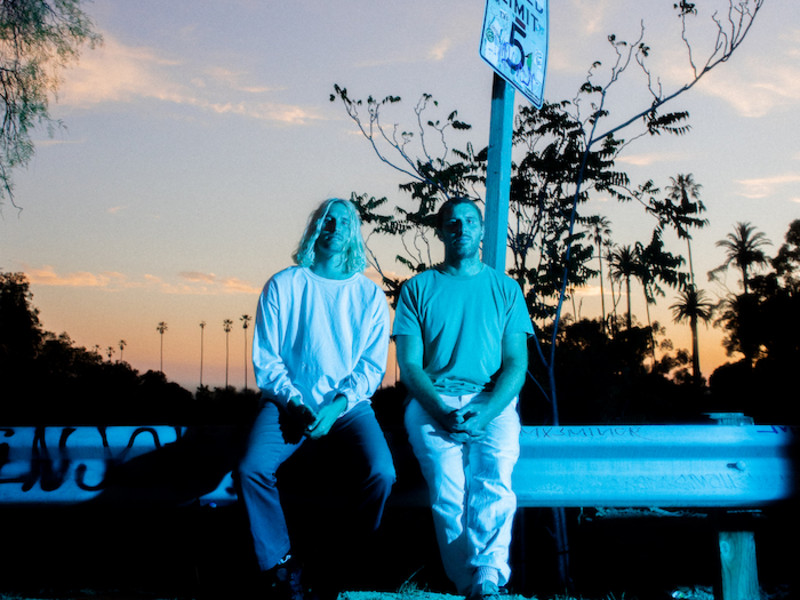
It’s not often that disruptive-pop musicians come out of a classical conservatory; the sonics together create a kind of cognitive dissonance. But that’s what propels a lot of Jockstrap’s music. Many of the songs on both their debut EP Love is the Key to the City, and their new EP, Wicked City, use instrumentation and chord progressions that recall canonic British pop musicians. This, in tandem with Georgia’s vocal performances, which seem to channel, in register and shape, the great Joni Mitchell’s melodic lines, result in music that sometimes sounds like it could be in a Gershwin-era Broadway play. That is, until Taylor injects a buzzed out, saw-wave synth into the mix; in a Jockstrap song, all that which sounds familiar is liable to be disrupted. It’s a chaotic energy that Taylor creates, but it complements Georgia’s lyrics, which might be waxing narrative about a sex-worker, as in the song “Hayley,” or creating a surreal cityscape that’s filled with “mustard air,” such as in the song “The City.”
In anticipation for the release of Wicked City, office talked with the two musicians about their eccentric sound, their relationship to music, and their time at Guildhall.
How are you guys approaching music right now? What role does it play in your lives?
Georgia—Well, when the Beyoncé "Savage" remix came out, I had a big ol' party for one. I just danced around my room for about two hours. I don't know what you'd call it, but it was definitely a release. Also revisiting old stuff, being nostalgic. I don't know, music is so part of our everyday I don't know how much it has changed. But, I normally don't dance around to tracks in my room for hours.
Taylor—I guess I've gone through different phases. I don't really like listening to things while I go for a walk, so I actually don't end up listening to that much music. I'm making quite a lot of music, and when I'm doing it, I'm listening to the music I'm making, and when I stop, I just get some fresh air and revitalize my head. So I end up not listening to that much music. When the Fiona Apple album came out, I made sure to listen to that—when things I'm interested in come out, I make sure to sit down and listen. But I'm not doing massive amounts of casual stuff.
You guys are in your fourth year of university. Though things are quite different at the moment, how was it balancing your studies with burgeoning music careers?
T—Although it was different for both of us, I feel like last year was the hardest because there was the most going on. We were doing our dissertations, and it was also the time that we were just trying to make it a bigger thing; we hadn't been signed to Warp yet. We were doing quite a lot of festivals so there was quite a lot of travel, and we were just focused on making it something while at the same time having our busiest year at Guildhall. That was quite intense.
G—I guess Taylor gets to submit all the music he's releasing to school, so it's killing two birds with one stone, whereas I have to do it totally differently. But it's kind of been in the last couple of years that the Jockstrap stuff comes first and the jazz recitals come second. But, it's been fun. Definitely the right decision to have been made.
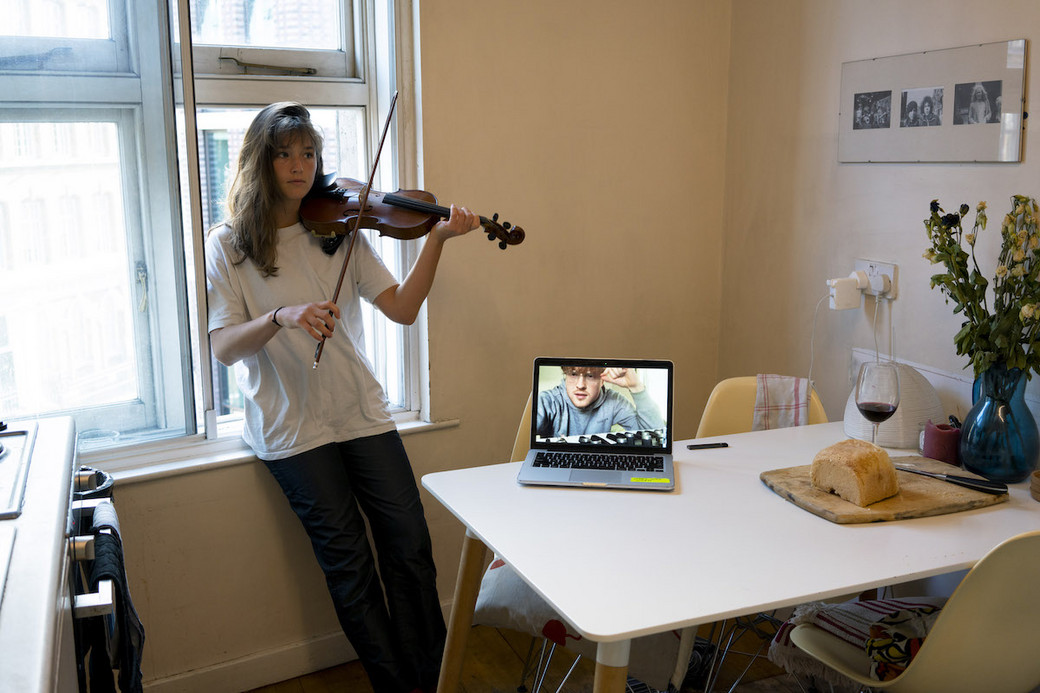
Do you feel as though studying at a conservatory gives you any sort of advantage in the industry?
G—Yeah, one-hundred percent. Because of the people you meet there. We met so many great, forward-thinking musicians who are doing so many great things. We've all kind of been on the same musical journey together in London. So I think conservatoire kind of enables that. But you gotta take what you're given from conservatoire and translate it into something that's going to be exciting. You don't just go to conservatoire and then you're there, you know what I mean?
T—You still need to have an idea of what you want to do. I think a good thing about going to Guildhall over a music course at a university is that everyone was just really serious, which I found really good. But the other side is that a lot of people can be really disconnected when it comes to creativity and composition—that sort of stuff. It's all about getting really good at your instrument.
G—The teaching is such that you can just be swamped with practicing, and then four years fly by, and you're a great cellist, but...
T—That's why it's a bit unusual that we came out of this doing pop music because most people go there just for classical music. But if you know you want to do pop music and at the same time really want to craft what you're doing, I think it's good.
What was your exposure to music like growing up?
T—I grew up with two parents playing and practicing musical theatre songs. My dad plays the piano, so I learned that quite early. All the classical stuff. But I was never really into the classical stuff; it really stressed me out. And then I got a computer and GarageBand, and as soon as I got that, it was pretty instant that it was my favorite thing to do. And because of the internet and being on the computer all the time, I just got exposed to loads of different music. I was massively obsessed with dubstep. That was the thing that made me want to make music, hearing all these sounds on these remixes that were being done around 2010. And then a few years after that I was into James Blake. And as soon as I realized those two things existed, because they were quite opposite to each other, it became anything is possible.
You said that classical music stresses you out. Why is that?
T—Well I was doing piano grades, and I found it really stressful to play music that had already been written. I'm a bit of an over-thinker, and to play something by memory, I could just trick myself so easily into self-sabotage. And the exams, yeah they were just absolutely horrible. Like going into an old church with an old person I didn't know and having a whole year-and-a-half's work being judged during an exam that depends on how well I slept the night before—it's just like too stressful. So I ended up canceling the last grade because I couldn't sleep; I was worried about it too much. It's more the playing of it. Listening I don't mind.
And what about you Georgia? What was your exposure like?
G—My mum was a violinist. She was self-taught, and she played a lot of Irish folk music. I remember getting a violin for my fifth birthday, and I was taught classically from then. I didn't really enjoy it very much until I joined a string orchestra and started playing with people. There were quite a lot of great string youth groups where I grew up randomly. It was great, and I loved that aspect of it—playing with people in big orchestras. I was also listening to a lot of different music. I was really into dance music while I was playing all this classical music, which I wouldn't really listen to, as I do now. Then, I decided to do a jazz degree because I knew that I wanted to do something more creative than play in an orchestra all my life, even though I knew I didn't want to be a jazz violinist. I learnt loads.
You've said before, Georgia, that you like musing about other people within a song. I'm curious about how much of it is imaginative and how much of it is factual. I'm thinking specifically about the song "Hayley," but you can apply it to any of your other biographical songs.
G—It's all factual and biographical, with room for some metaphorical imagination.
What's the process like of trying to get into the headspace of someone else?
G—I think at first it was just that it was easier to write about other people than myself. That's kind of why I was doing it. I would write poems first, and they would be little snapshots of people. Maybe I just hadn't matured enough to write about myself.
Do you feel like you've transitioned and are now focusing your lyrics on yourself?
G—In the new EP, yeah. It's more reflective. I feel more comfortable about writing about myself.
You've also said that this EP is more male whereas the last one was more female. What did you mean by that comment?
G—Well, I think what I meant by the male and female thing is that they're a dichotomy. They're binary from each other. They're coming from very different places, different sides of a coin. Just different in character.
How would you describe their characters?
G—The first EP is kind of carefree and cheeky. Kinda easy going and easy flowing. The second one is definitely more—Taylor said in another interview that this EP has more testosterone, which I quite liked. It's angrier. If the first one's soft, the other one's hard.
Taylor, speaking of angrier, harder qualities, your production could be characterized by combining harsh, electronic sounds with more lush, maybe even posh, classical instrumentation. Do you think of yourself as mashing high brow with low brow together? Is there a particular effect you're hoping to achieve?
T—I think it's just who I am. It comes from the fact that when I was younger, I quickly became into really opposite sorts of music. During the first year of Guildhall actually I felt really weird about pop music. I had to write this essay on John Cage, and I just decided that I was going to stop making song-based music; it just didn't make sense anymore. There's always this friction, for me, between stuff that's really commercial and stuff that's pushing the boundaries. I value both, and I don't really know how I sit with what both have to offer, but I kinda know deep down that they're probably both truthful. I don't think one can exist without the other. So it just makes sense to play with both sides in music.
Relating to that, you’ve mentioned that you don’t see Ariana Grande as being all that different from John Cage in the grand scheme of things. I’m curious about the similarities you find between them.
T—I think it's just that we like both of those things, and that's it. There's an element of beautiful melodies—I mean Ariana Grande is probably just a symbol for amazing vocalists and amazing hook writing. I think there's value in that. But there's also value in John Cage's approach to music, which is a totally different thing. It's more like a way of thinking about everything rather than music specifically. For me, it's just cringy when you say, "I like this, and I don't like that." I think, really, saying that was just a good way to get rid of boxes. It opened up everything, so there was no limit to what we could do.
Do you guys have a songwriting process that you fall back one when you compose together?
G—So, I'll write the lyrics and the harmonic structure, not always completely, and then I'll send the demo to Taylor. And then we'll get together, and we'll suggest whatever ideas we think are as creative as possible. How far on a whim can we go out on and discover new territory.
Is this process quick? Is it slow? Do you guys do a lot of revisions?
T—It takes a long time.
G—Yeah!
T—For all of these songs, there are eleven saved versions of them on my computer. We just keep going until we're both happy. It takes a while until we both have strong opinions about things.
Your newest EP is called Wicked City, is there a particular city in question?
G—It's a metaphor. But I'm not going to say what it is.
Well, there goes my follow up question.
G—[Laughs] Well, to an extent, it's the city we live in. But other things as well.
Was there a song that was particularly hard to bring to life?
G—"City Hell" was pretty hard. It felt like we were grappling with this massive monster. We just tried and tried until we felt something click, you know that feeling inside when you just want to dance to it.
T—They all felt like a bit of a challenge. I think when most people'll listen to it, they'll think, "Oh, that's a lot." And that's what it was like making it.