MIRRORS

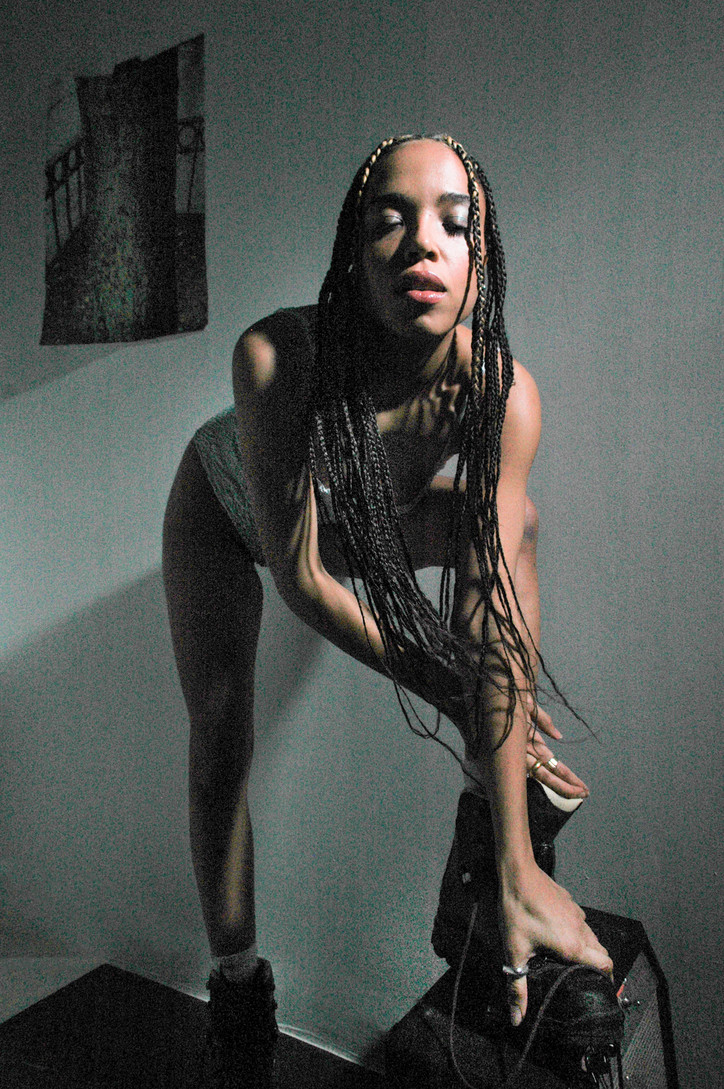
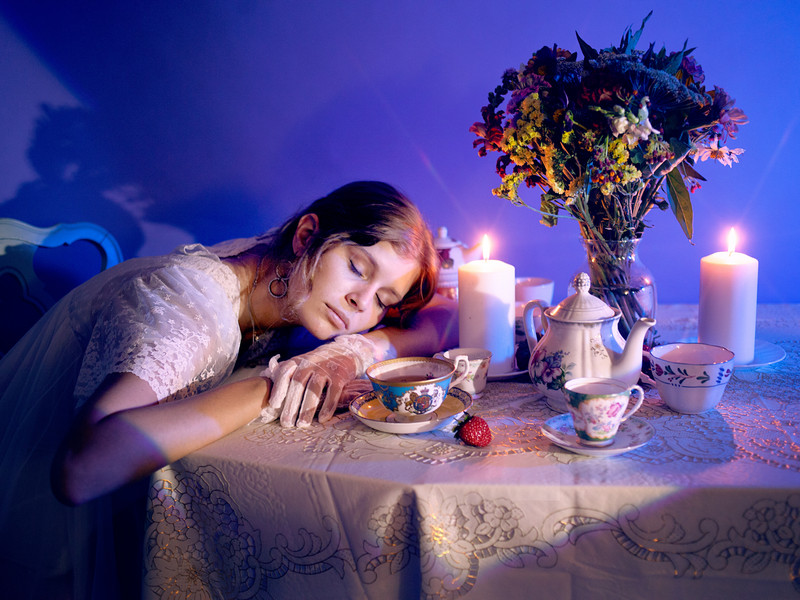
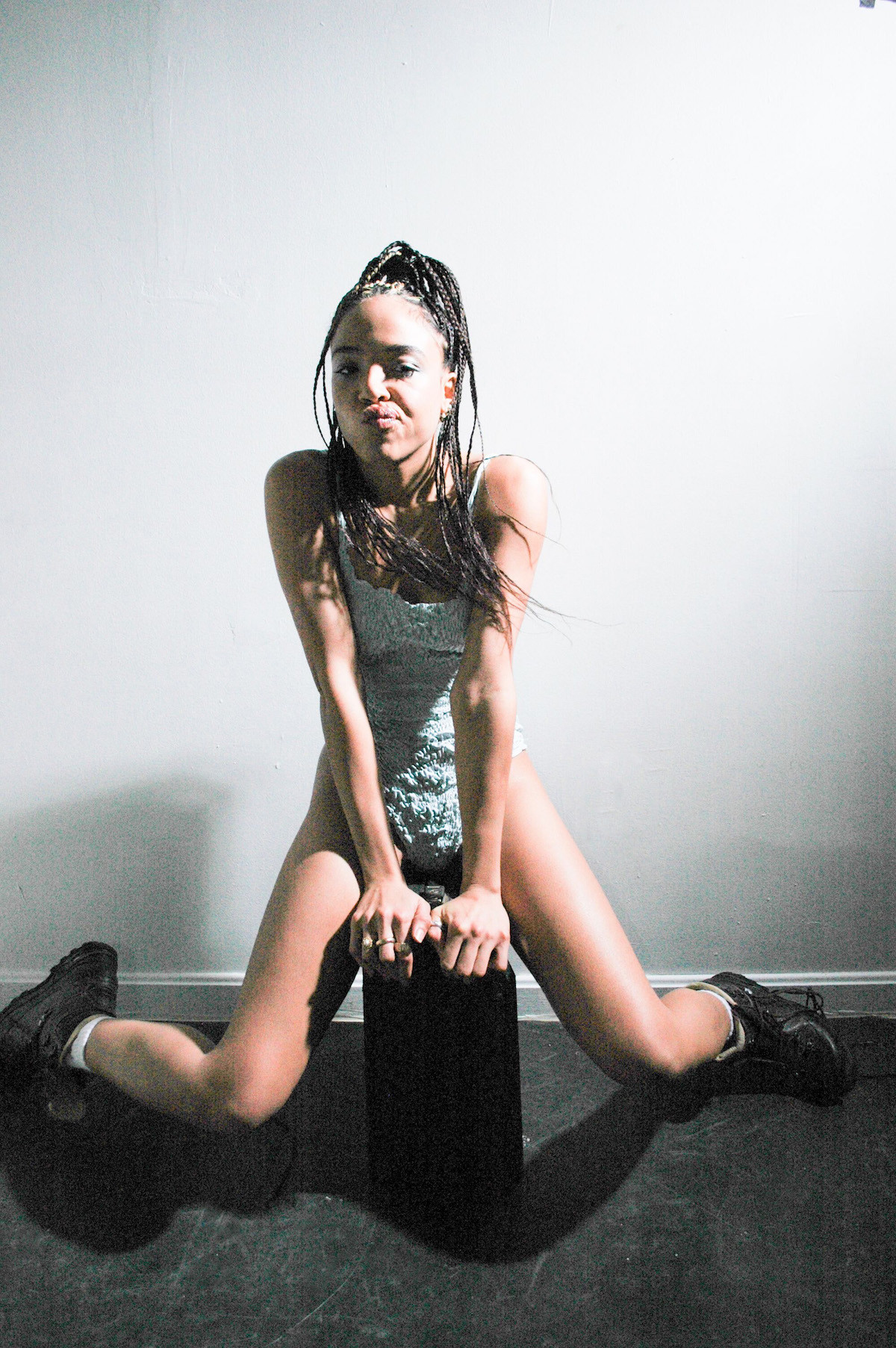
Zsela, in fact, is not one to rush things. Despite coming from an artistic background, she’s gradually eased herself into the industry. Her father, Marc Anthony Thompson (also known by his collective’s name, Chocolate Genius) has been a part of New York’s singer-songwriter scene since the '80s; and her half-sister, Tessa Thompson, has already made a name for herself in Hollywood. After three years at SUNY Purchase, toying with ideas of what she wanted to do, Zsela dropped out to pursue music full-time—but even still, she was hesitant to call it her “career.” She began performing at fashion events put on by friends in New York City and at art museums, such as MoMA PS1—unconventional venues, but venues which suited her music. Around this time Zsela gained a manager, and through her met Daniel Aged, who would go on to produce her long-awaited EP. Things began to coalesce, and almost simultaneously, she went on tour with one of her idols, a friend of her father’s: Cat Powers. Only then was she beginning to think of music as a career.
A week before the April 24 release of Ache of Victory, office caught up with Zsela to talk about her debut EP, her love of Times Square, and her first steps into the music industry.

Where are you holed up for quarantine?
I live in New York, but I'm in California right now, staying with my family. I flew out to be closer to them and help them. As much as it's been hard with space and everything, it's been really beautiful to be close with them.
Have you been keeping busy?
I somehow always feel busy. I'm with my parents and little brother, and somehow there's always something we need. But personally, I have this EP coming out, so I've had to get creative. I want to do something for the day it comes out—some sort of live performance online, so I've been thinking about how to do that. I want to record a radio show, too, so I've been trying to get my dad to help me with that. We also have a game night every week that we do. My sister comes over; my brother MacGyvers a ping-pong table on our dining room table. We've gotten super into it. Everyone LOVES it. We've been playing until 1:00 a.m. I'm pretty steady—I'm trying to get better at those hard, slam dunk moves—but my dad and my brother are the best.
Are you doing anything to celebrate the release of the EP?
I feel lucky that I can have my sister come over, so maybe we'll do dinner or something. Daniel Aged, who I did the EP with—he's in LA too, and he's been quarantining for awhile, so it'd be great to have him over and do a performance. Even just having him will be a celebration, I think.
Yeah, seeing any new faces at this point is a big deal.
Yeah! [Laughs] Yeah, it'd be amazing.
How'd you get connected with Daniel?
I met him, when was it? Two years ago? Through my manager, we met in LA. When we first started working together, we were still trying to find our footing. I think there was a lot of newness for both of us. He has produced for people, but I don't think he’s done a whole project with just one artist. It was mainly just me and him shaping it all.
You told The Cut that the best album ever made was one of your father's, called Truth vs. Beauty. You must have a lot of respect for him.
I do. I really do. For his music, especially.
What was it like growing up with a career musician as a father?
Both of my parents are artists, and growing up in a home that was super supportive and fostering, a real creative environment—I feel very lucky to have had that. They were never pressuring me to pursue music as a career. They weren't trying to send me to law school or anything, but they weren't telling me I should do this. My dad, having a life in music, knows the hardships of it, the finances and inconsistency of it. He would always be supportive of my voice, and I would sing on stuff as a kid, but it always came to me to put that pressure on myself.
Knowing that it's such a hard industry to be in, was he concerned at all when you began pursuing music full-time?
I think he was reserved in a way. He wasn't wanting to put too much of an opinion on it. I think he wanted to see how I was going to go about it. It took me a minute to even be really confident and say this is what I wanted to do. I only started calling it my “career” like two years ago when I got a manager and met Daniel. If any of his concerns came through, it was when I wasn't that confident in it—which is probably fair.
You've spent some time upstate at a SUNY school, but you left before you completed your degree. Why'd you feel compelled to leave?
I really went to college very much to appease my parents. My mom never went to college; my dad never graduated. I was like, "Oh, I should do this." But I went in very undecided. I went from Hawthorne Valley Waldorf High School, which is on a farm with fifteen kids in my graduating class, to a huge SUNY school. I was just really unsure of what I was trying to do. But I made close friends, and then I was going to drop out, because a lot of them were graduating, but I thought, "You know what, let me just try to get into the music conservatory." So I applied, I got in, and they made this major for me. I was super excited about it. But, I don't know. At that time, I just started to get more excited about visiting the city. And then, I started recording in the city and ultimately dropped out, because I felt more inspired doing that.
You started by singing at a lot of fashion events. How'd you get connected with the fashion world?
Mainly just through friends when I moved to the city. I was kinda in the downtown, art-kid scene, and people like doing non-traditional fashion shows.
Do you find that performing at these events is different than performing on tour?
Well, it all kind of hit me at the same time. I had no experience really performing anywhere else. I was at a lot of these really untraditional places, because with my music, we were trying to get creative with where it made sense. I would get hit up by friends who would say, "Oh, you should play at this party." But I'm not really singing party songs, you know? They don't make sense in a club setting. The first show I played at was this lounge bar in Bed-Stuy, and then there was MoMA PS-1. Those spaces made a lot more sense at the time. And when I got the tour—which was a dream tour for me; I love Cat Power—it also made a lot of sense for the music, because the venues were all these small, seated ballrooms. These coincided with the same level of intimacy that the art and fashion shows did.
Your debut EP starts right off with a really poignant song about the effects of alcoholism. Is that a metaphor, or are you pulling from first-hand experiences?
It's pretty specific; it's not really a metaphor. I mean, it was kind of a metaphor for the time I was in; I wrote it during a time when I was going through a lot of things, and a lot of friends around me were going through a lot of things. But it's also been a kind of theme in my life... with family members in my life. So... yeah. [Laughs]
A lot of your music is quite personal. Do you ever find it hard to share it?
In the beginning—well, actually every time I perform it, it's really intense for me. But I've also lived with these songs for a while now, and they're so much a part of me. So much of the EP is about moving on, learning from loss, learning from change, and finding your own success from something that was really toxic and challenging. So, every time I perform or put them out into the world, it feels like I'm exercising some sort of release. In a spiritual and emotional way, it feels like a release. It's wild—I've always made music in a super private way. Like I didn't think about what it means to let people inside of it, but now, I've finally gotten to this comfortable place of really wanting people to be inside of it.
What are some things you've learned while making this EP?
I've learned a lot of patience. I've learned that I need to take my time, and I've learned that that's okay. If I didn't take my time, I don't think I would've liked what these songs would have been. I took care to get them to a place that I feel good about. Also, I feel really good about letting myself get to a place where I'm ready to share with the world. I don't think I was before. So yeah, I guess I've learned a lot of patience, and that time is my friend. That's always something that my dad has said, but I finally figured that out on my own.
Isn't that always the case? Parents can say something again and again and again, but you only realize they're right when you experience it for yourself.
I know! Like, "Okay, you were right." But also, with the songs, they definitely demand a lot of time and space; there's a certain pace to them. I've learned to just trust the songs and what's really supposed to shine through, which for this project is all about the voice and lyrics.
What was the hardest song to fully realize on this EP?
You know, the drinking song. [Laughs] I'm really glad that Daniel and I were on the same page about it. There was something missing or not enough about it all the time. As the deadlines were coming up, we hit a place where I was like, "We need the door slam!" We were just adding things and taking things away up until the last moment. It definitely was the one, at least sonically, that we were tinkering on the latest. It was a very intense song for me, so I got a little obsessed with how it comes through.
Is there a process that you fall back on when writing songs, especially when they get personal?
Well, these songs are personal, but they can also be impersonal in that they're not always about one thing; they're not very linear. It's funny, you have moments in a song where you can look back with hindsight and realize, "Oh that's not about me; that's about my parents." Also, some of them draw from lyrics written at different times. It's not always a set routine with my writing. Sometimes, when I'm really fucking lucky, it'll come all out at once like word vomit. But other times, I put together lyrics that I've held onto for a long time. Or put them together with new lyrics, and it becomes this story of different times and relationships that inspire me. A lot of times on this EP, I realize that I'm just talking to myself.
When you write lyrics, do you write them to music, or do you keep a journal and jot phrases down whenever they come to mind?
I actually do a lot of stuff in my head, especially when I was writing these songs. I was living with six roommates, and then I was living at my grandmother's house—I really wasn't allowing myself to have that much space. So for a lot of the songs, I recorded melody and lyrics on voice memos. I always like to have a bank of lyrics, which goes back to me saying the thing about drawing from lyrics from different times. Like the drinking song I wrote, I wrote the melody and lyrics as one, then found the chords after, which I've done for most of my songs.
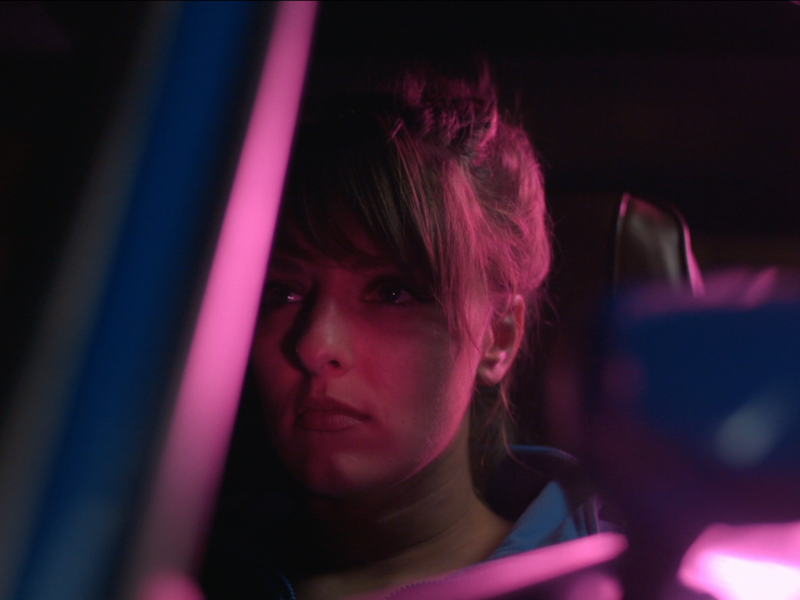
About your music video for "Noise," Daniel Arnold said that he wanted to capture the “New York that drags you through the day when you’re busted… the one who laughs in your flat-broke, sad-sack heartbreak face 'til you’re laughing back.” Is this one of your experiences of New York, too?
Oh yeah. All the time. I think my caption when we put the video out was, "I love you New York. I love dancing with you even when you trip me." It's really weird not to be there right now. I definitely feel such a strong, intense, sicko love for New York. I grew up there, and it's always going to be home.
New York makes masochists out of all of us.
Hell yeah. It's also really wild that we ended up doing that video in Times Square, because I have always loved Times Square, but I didn't realize that was weird. It's like Daniel Arnold's home, and I was living there at the time of writing "Noise," but when I was talking with all these people about it, they were like, "Oh my god, can you even walk down the street?" I forgot that people are really stressed out by Times Square; it was my walk home everyday, and I love it. I just think it's so weird.
It is interesting that so many New Yorkers have such a deep disdain for Times Square.
They hate it. But it's also a thing for New Yorkers to be like, "Ew." And I'm like, "Yeaah, totally." But then I'm like, "Wait, I love it there!" When I lived at my grandma's, I would just go out and run and sing—I didn't care; I wasn't going to run into anyone I knew.
Even though there are so many people there, you have so much anonymity.
That's what it felt like. Nobody cares about what you're doing. You can just be. And the energy of it—I felt good there. It's wild to think about it now and to see photos of it completely empty.
So as a native New Yorker, born and raised for a time in Fort Greene, what are your favorite joints in Brooklyn?
One of my favorite one's was just sold actually. It was called Frank's Lounge. I couldn't go there when I was a kid, because it's a bar. But my dad used to perform there. To practice, he'd do little shows at the bar. They also have this karaoke night, and it's really, really special. A bunch of old regulars come and sing like really well. And it turns into a really cute vibe. I love Mike's Coffee Shop; it's a really cute, old dinner. Fort Greene Park, too. And Soul Summit.
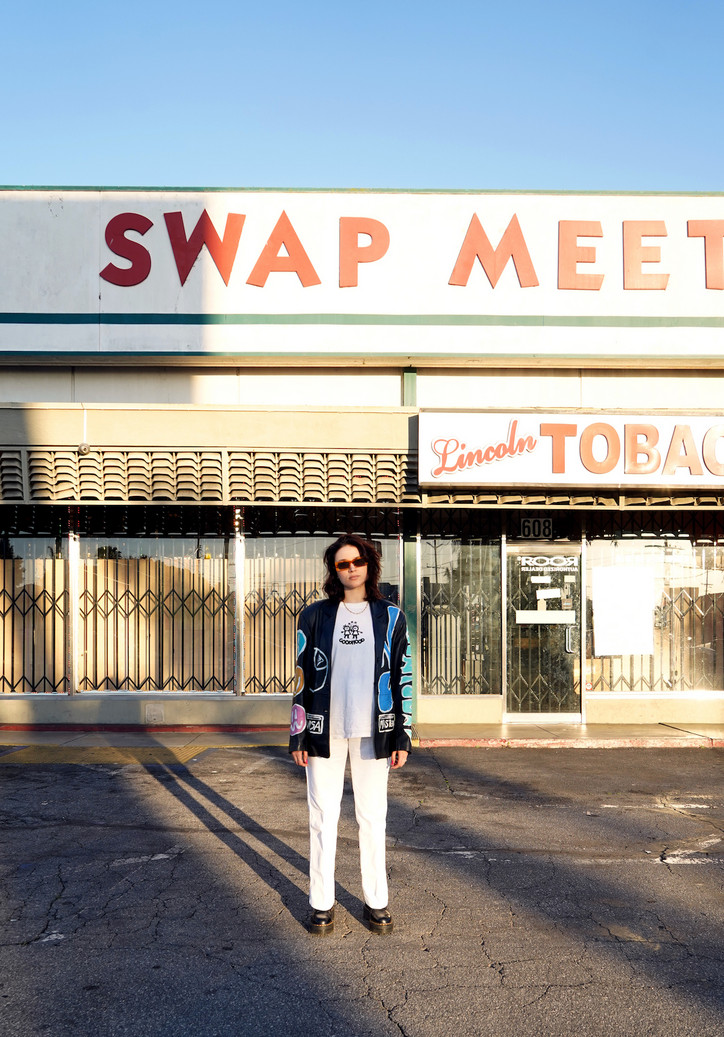
Whether it’s working at Bareburger or jettisoning across the globe, Lolo maintains a leveled perspective about whatever her situation is. She knows what it takes to make it (hard work) and what it takes to keep it (authenticity). No matter the context, she tries only to be herself.
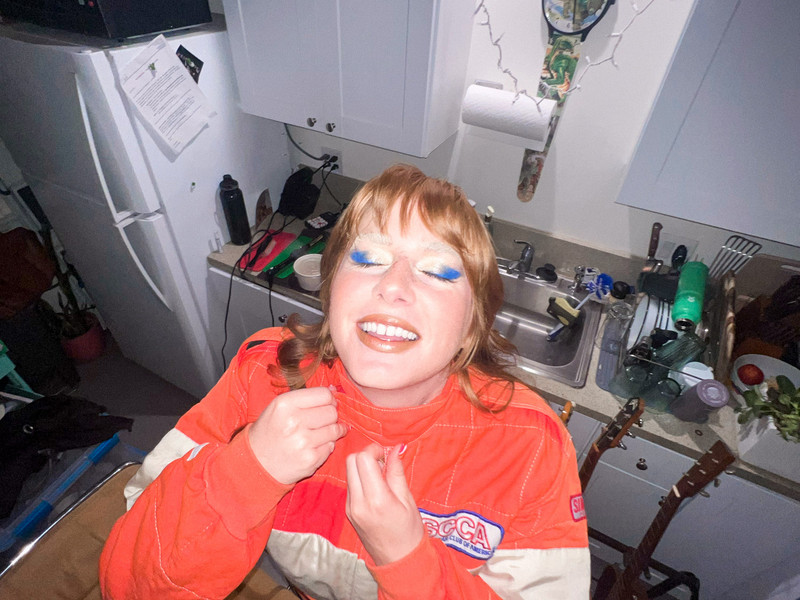
In anticipation for the release of her new single, "It's My Fault," the freshman songstress catches up with office to talk about what form her new music may take, some lessons she’s learned couch-surfing, and the origin of her love for NASCAR jackets.
How're you passing the time in quarantine?
I was just about to play my last move on scrabble.
Oh no, sorry for interrupting you!
No no, it's fine! I think I won anyway.
How's quarantine treating you?
It's been different. I'm grateful that I can still record at home. I set up a little studio and even a backdrop because I'm planning on releasing new music, so I've been shooting cover art in the house. I've been finding creative ways to be productive.


So your real name's Laureen. Is "Lolo" a nickname someone gave you, or a name you created yourself?
Lolo is a nickname that someone gave me in elementary school, but I forgot about it and went by Laureen pretty much my whole life. While I was growing up in San Francisco, I was just Laureen. But when I was nineteen, I moved to New York and decided to try and make it in the music industry, so I felt that I needed to have an artist name. I wanted something to separate myself from what my mom calls me and what the public would know me as. So, I thought let's use Lolo because people have called me that before, and let's use my last name, because it has a lot of vowels, and I think they look good together. I've always liked stage-names that have two parts. Even though I think "Rihanna" or "Beyoncé" is really fire, I don't think Laureen can stand on its own. I think it's better for a country or really sweet pop album.
Like a Dolly Parton song?
Oh, yes. I love Dolly Parton. She’s such a great lyricist.
I'm sure you've been asked this question a lot, but what does your album High Highs to Low Lows mean to you, especially right now?
Oof. It's about to be the year anniversary of the album. I wrote it at a time when I was kinda depressed. I was working at a restaurant and had little money—but I was hustling and trying to get in the studio whenever I could. So that album to me is forever ingrained in my brain as the time when I was hustling, struggling, but really, really passionate. Which, I still am, but it was a different kind of passion back then. A, "If I don't do this, I'm going to work at a restaurant forever" kind of passion.
Given that your music tends to be about your personal experiences, what do you think your next project is going to reflect? Especially now that you've established yourself more financially and artistically. You seem to be experiencing more high highs than low lows at the moment.
Well, you would think. But I think last year was a pretty difficult year for me. I was adjusting to everything, so I still had a lot of the lows—even though you'd imagine I'd have more of the highs. I have three songs that I'm working on, which I'm going to put out, that are really moody. I would say that my album had a lot of emotions; it was going up and down and up and down. These new songs don't have that as much. They're looking internally, but I’m still trying to figure out what the narrative of the new album is going to be now that my life has changed.
You've mentioned before that you used to suffer from stage fright, which is obviously a debilitating thing to have as a musician. How'd you get over it?
Oh, man. To get over it, you just have to jump into it. The stage fright is worse when you don't really have a fan base and no one supporting you when you go out to perform. But once I started going on tour and I had three-hundred people singing my lyrics and telling me that they loved my music, that gave me confidence. I could dive into it and just be myself on stage.
That approach seems pretty analogous to how you broke into the music industry writ large.
Yeah, I guess that's true. You just have to go for it and put yourself out there. I think, especially nowadays, people can really tell if an artist is genuine or if it's forced. People want to see something real, and they want to see something unique. That's my approach when it comes to everything. All you can do as an artist is be yourself, put out music, and tour.
Do you like touring?
I like it, but I like it less than I like making music. My energy gets strained really easily. I'm just sensitive to the people around me, so when you're experiencing all that energy up on stage, all at once, and then go to nothing, it's really hard to find some sort of balance. I mean, I've only been touring for a year and a half or two years, so as time goes on, I'm sure I'll get better at managing it. I was really, really looking forward to the Dua tour that was supposed to start this spring.
I was just about to bring that up! At least it's still going to happen.
Yeah, it's still happening. But see, that's different because that tour isn't my tour. So, for me, it's just an exciting opportunity to make new fans and see how an arena tour works.
So like everyone seems to do with you, let’s talk fashion. I’ve read you’re a big thrifter, where’d you get your style-inspiration from? Big hoops, berets, vintage NASCAR jackets—it’s an eclectic look.
Well, I think my love for the NASCAR jackets comes from Le Mans. My family is from this place in France called Le Mans, and there's this classic race there, where drivers drive for twenty-four hours. When I was younger, I went to one of those races, and I was actually the girl who gave the winners Champagne. I remember I was fifteen-years old, and it was my first time on TV. I was super hyped. So finding these jackets in thrift stores in Brooklyn—these beautiful, colorful pieces—reminds me of that. They just have so much history. You don't know who wore it last. Like it could've been some sixty-year-old man who smokes cigarettes in his basement, but there's something about the history of those clothes that I love. I want to be a sixty-year-old lady with this room full of vintage NASCAR jackets.
You're really close with the Brooklyn designer Kidsuper. You went from crashing in his apartment to walking in his New York Fashion Week show. How'd you get to know him?
So my manager, Doug, DM'd me for the first time four years ago when I just had one song out, and he was like, "Hey you should come by Kidsuper's," because he works with him and the company. So he brought me by, and I basically moved in a week later. I was living with my mom at the time, but I wanted to live with people my age and experience Brooklyn, so I moved in with Kidsuper for six months. And that's when I really started realizing the value of the DIY approach. They had worked with other artists who were putting music out independently, and they inspired me to put out my own singles. They told me I could just put them out on this website for ten dollars, and I was like, "Oh, shit." Everyone really assumes you need a label to put music out, and I just thought that was the case. With Kidsuper it's really more like a family than anything.
Colm's really has a magnetism about him. He attracts a lot of talented people. What was it like to live in that sort of incubator environment he created?
It was really eye-opening. I saw a group of guys who really did everything themselves. Like there's one guy who designs the website and merch and cover art, and another guy who designs the clothes and these crazy claymation videos. And it really made me realize that there's always someone out there working harder than you. Nobody's waiting for you to be successful. Being there really motivated me.
Your mother's French, and your Father's Algerian. How do you stay connected with your French and Algerian roots?
Putting a little touch of french or arabic into my music has brought me closer to my origins. I've been able to go to France so many times in the last two years, and that's part of how I've been tapping into my french culture. And my song "Desert Rose" allowed me to go to Morocco, which has a really similar culture to Algeria. It's really amazing that my music is allowing me to get back to where I came from.
In relation to "Desert Rose," you mentioned on Instagram that you were apprehensive to share that part of your life.
It was a very vulnerable subject, and I didn't want to offend my family. It was more that I was being sensitive to them; I didn't want anyone to feel like I was exposing or talking bad about my family. It was just my side of the story because I had a really hard time; some of my family members didn't want me to be a singer. They didn't want me to have their name out there—it's just not part of the culture or religion to be a public figure. I was just fearful of offending my family and them thinking that it wasn't out of love, which it was.
You collaborated with Stelios Phili for your last album. How'd you guys get together?
Through Kidsuper actually. He was working with a rapper who was also living with Kidsuper at the time. We met, got along, had a couple sessions, and once I came in with the idea for "High Highs to Low Lows," we made that song and it really started going from there. It just felt really good, like we were on to something. We've been working together remotely now for other projects. He sends me stuff and I send him back vocals. It's going to be interesting to see how music changes this year. I feel prepared because I've been doing things for myself for a very long time, so I think I have the knowledge to still make music. But I know a lot of people are going to have to learn how to record themselves and all of that.
In your song "Moi" you sing that you have three passport photos, and in a previous interview, you've mentioned that you don't like staying in one place. Does your time in New York have an expiration date?
I do actually have three passports—an Algerian, a French, and an American. But, yeah. I feel like it's actually coming up. I'm from California, and I've been in New York for five years, and I feel like I've pretty much done what I gotta do in here. I feel a move back west on the way.
Back home to San Francisco or to LA?
Probably to LA. It's hard to be in New York and have a healthy lifestyle. I'm very influenced by the weather, and I really miss the sunshine and the beach. I think five years in New York is really a good time. Ultimately, I would love to be bi-costal, but I don't know. I think I might go to LA for a bit.
What do you hope for the future?
I hope we develop a vaccine for this virus. I hope we all get universal healthcare. I don't know how that's frickin' possible, but it would be awesome. I think everything is really uncertain right now, but I think music is a necessity and can really help people. So, I hope my music can give some comfort.

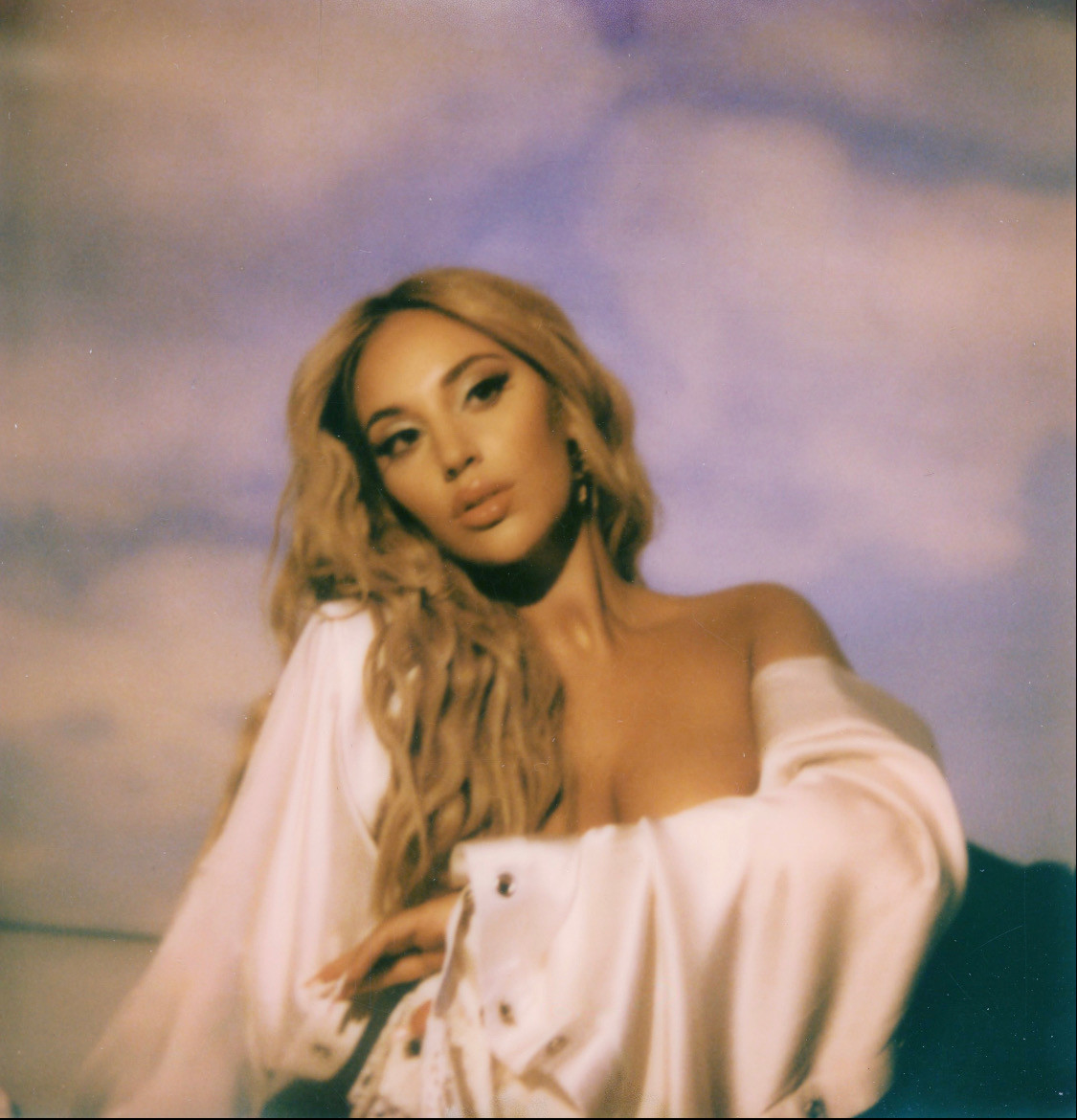
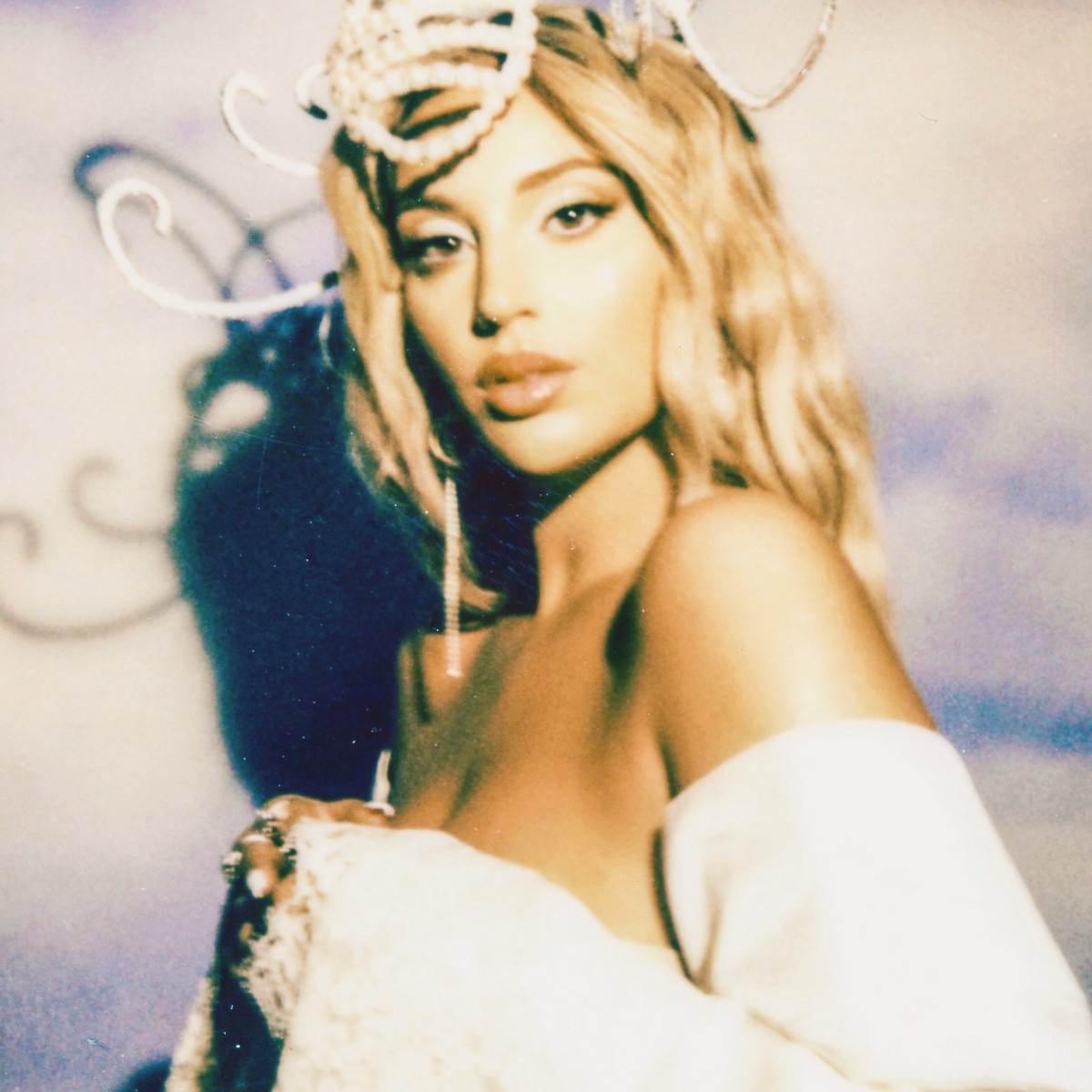
Her debut full-length album, It Was Divine, arrives today. On the project, Baraz is determined and vulnerable, tackling the challenges in her life with a renewed vigor. With impressive collaborators from Smino to Nas, It Was Divine stands as Baraz’s most complete and vulnerable body of work.
office spoke to Baraz about It Was Divine, songwriting’s therapeutic properties, and how loss can teach lessons about love.
Can you talk a bit about your early relationship with music?
My parents are from Russia, so music was very different for me growing up. My only influence was on the piano because they were both classically trained. My brother was obsessed with rap and hip hop so those were my two influences growing up. I didn't really know American bands until I went to grade school. I knew my whole life I would be in this career. I didn't know when, but I knew I would figure it out.
You've got The Color of You and Urban Flora under your belt. Why are you separating this new project as your debut album?
I really don't care what anyone calls it. I consider it my full-length. I've always really done seven, eight, nine tracks. I've never really done this many. I let go of perfection, I let go of it trying to be so constructed. This is just me purely trying to heal, grow, and nourish what I know. It's been one of the most special experiences, writing this.
What pushed you to the point where you decided to release what's in your heart without worrying about the perfection?
Over time I've grown as a person, as an artist. Now, this is my third time working on a project and I just wanted to heal. It just naturally came out this way. I had to let go of structure for a minute, and I had to let go of that personality trait of mine to just perfect something so much. I just truly wanted to heal. That's what I wanted out of this.
A lot of your music is very therapeutic to your fans. Is it therapeutic for you as well?
The healing process is writing it. At this point it's purely for the fans. It heals me to have love from fans, but my healing process is me actually getting it out. It's different to think about it in your head than physically seeing it on a paper. That's where I heal.
Can you tell me about the guests on the new project?
They all came super naturally. I was super excited to work with Khalid again—he's one of my favorite people to work with. Nas is an absolute dream and I'm still blown away; it does not feel real. 6LACK and Smino—I love what they did.
What should fans expect from this album?
It's definitely something new and old. For me as a creator and an artist the thought of having to create something that's already been done by me is dreadful. I never want to do that. I would expect to hear old sounds, new sounds. Some are in the middle—some are not.
Can you talk a bit about how the track "Endlessly" came about?
It was one of the more recent tracks I did. I was listening to a lot of D'Angelo, I was listening to a lot of Radiohead and I feel like when I listen to that track I can clearly hear who I was listening to at that point. I was super influenced and inspired.
It sounds like you have a very eclectic taste in music.
I just made a playlist actually on my Spotify. I feel like there's a lot of 90s influence. Before and after every session we always listen to Erykah Badu who is my balance. She grounds me.
A lot of the artists I've spoken to love making music but the process of putting out an album can be very draining—do you feel that way or does the process inspire you?
The process definitely inspires me. I've been pretty depleted after making an album [previously]. But after this one, I'm still so hungry and in this weird, uncertain time, it's left me completely energized. I can totally see that, though. In the marketing aspect, creating the visuals, finalizing your tracklist, getting all your press done—that's probably the most draining, but not enough to even complain a single bit about it.
How has the pandemic impacted your process as an artist?
It has completely affected it just because I'm so used to having an engineer, so it's been hard to record, but there's so many tools. My friend just put me on to a website where I can listen to the session in real time and it can be a virtual session—it's just new.
On some of the recent singles you've been putting out, when you confront the topic of love, you seem so much more confident and comfortable. What have you learned about love?
I think it's just dealing with the same shit for three years in a relationship. I've learned a lot now. I'm just more confident as a woman, as an artist, as a creator. I've experienced so much and I think—I hate to say it—but the loss is what taught me love. I think, like I wrote: what's love without a flaw? It's one of my favorite lines because I learned so much about the imperfections. I've always romanticized love and I guess I was just naive.
Speaking more about the themes that run through your music; I love the song "Trust." What does trust mean to you?
I feel like I began to trust myself more when I wrote that song. I've always struggled with trusting someone and on that song I just chose to trust someone. Not because I had to, but because I wanted to. I think it just comes with time.
What are you doing to stay sane while quarantining?
I haven't been singing, but I've been water coloring which I've never done before. I do that every day now. I do weird shit all day. I'm in Ohio, so there's so much forest and I'll just get lost. Then I get back. Then my day starts again.