MIRRORS

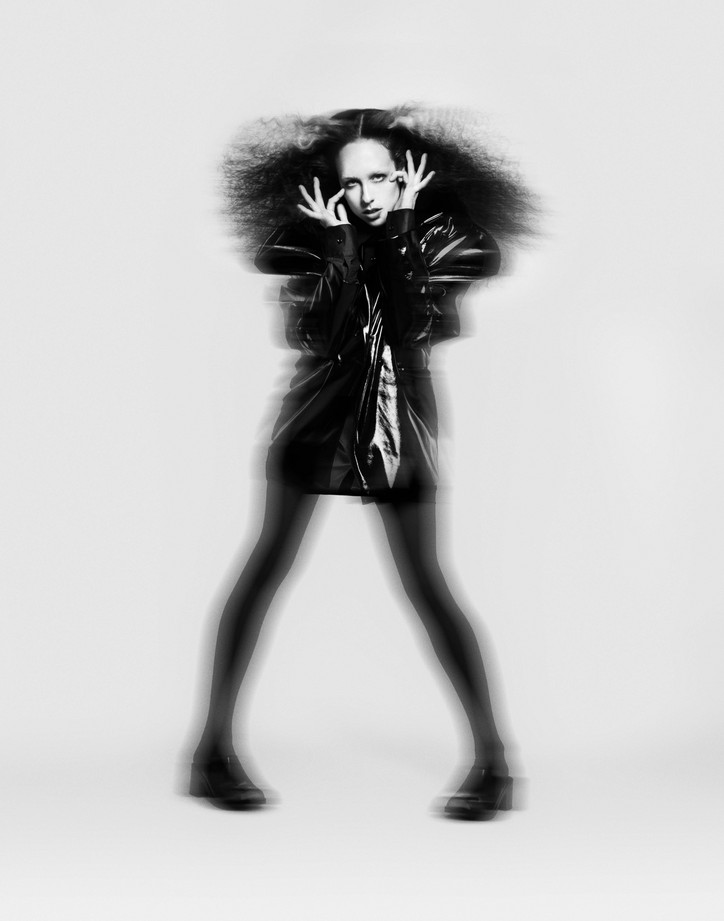
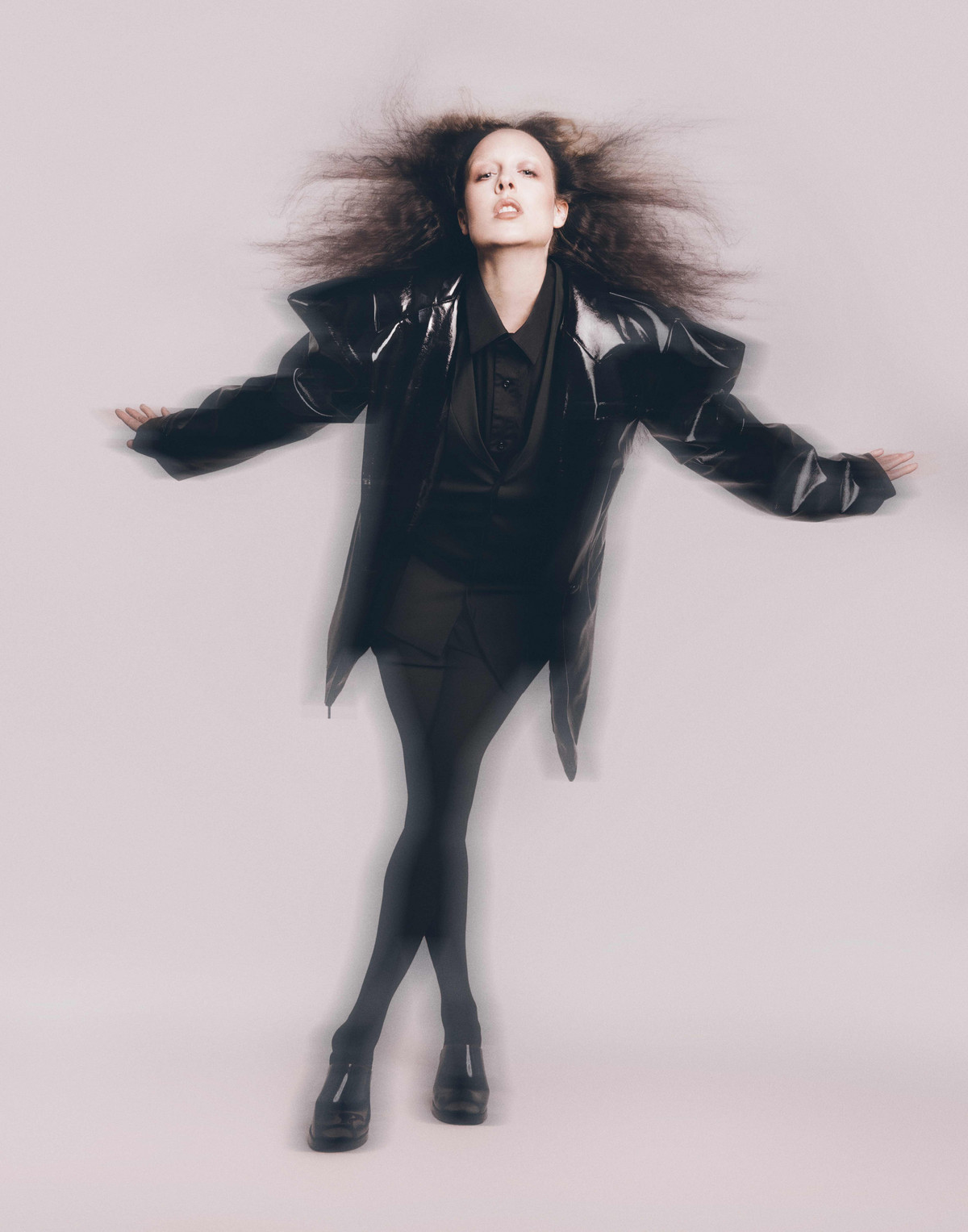
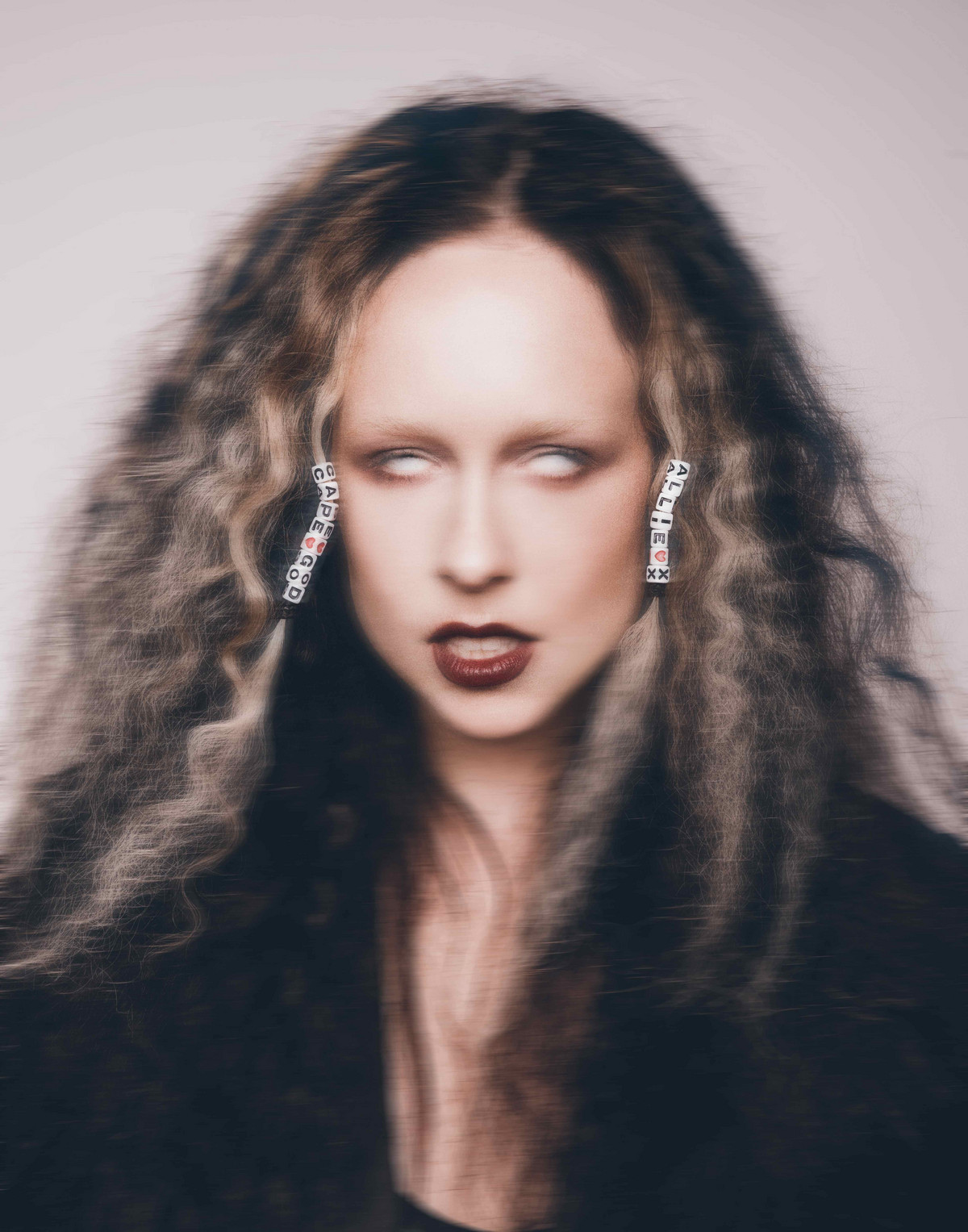
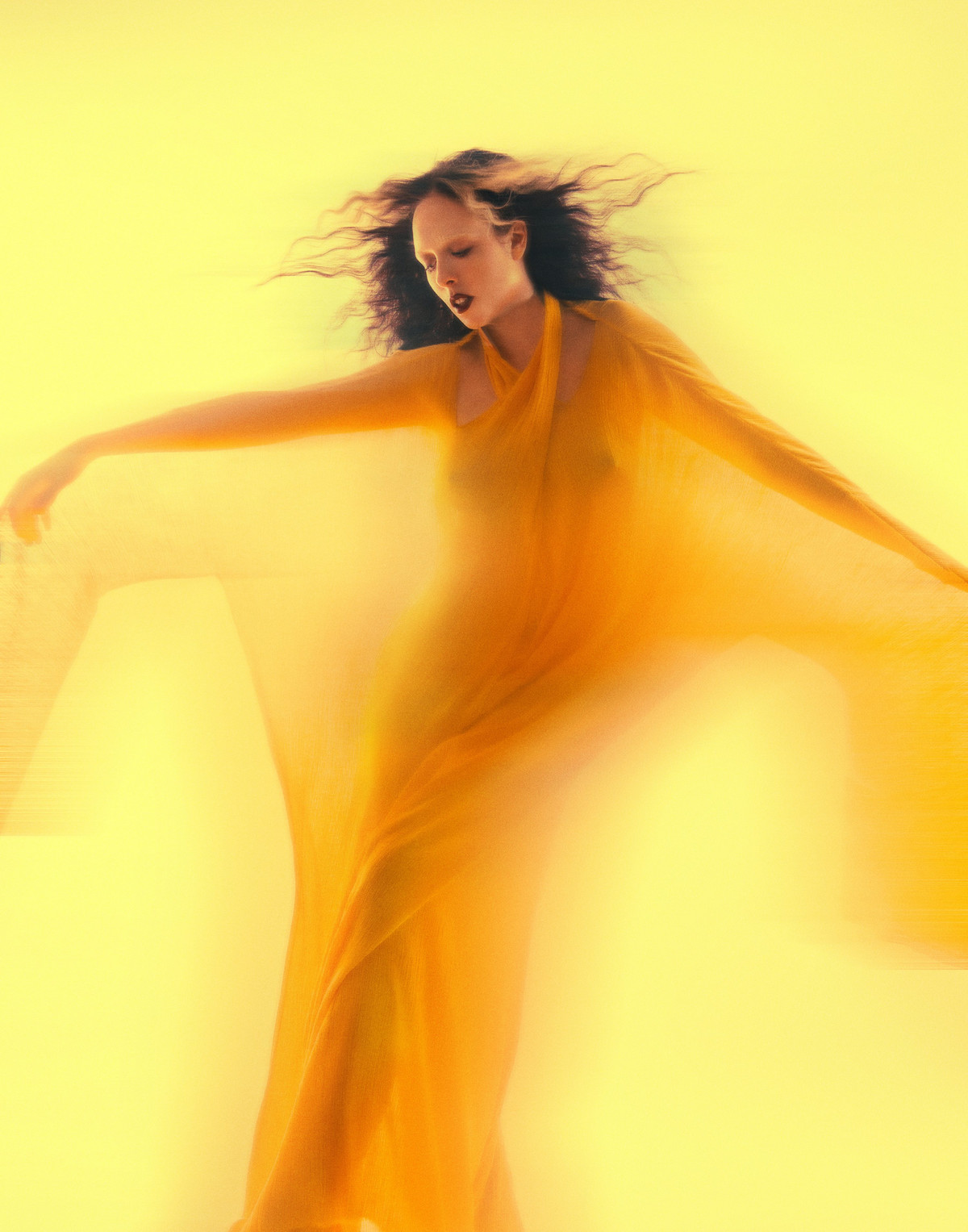
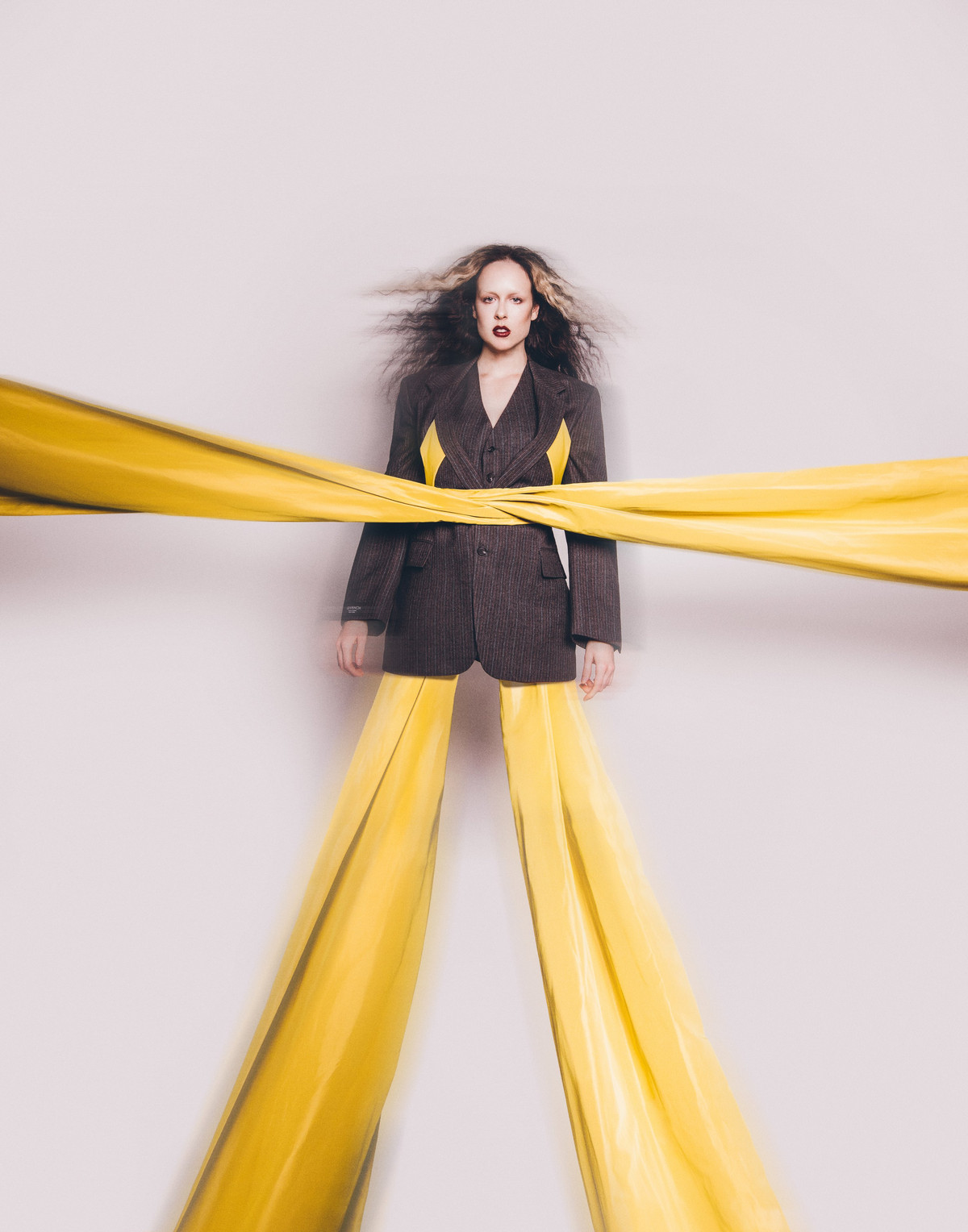
Check out Cape God, and read office's exclusive interview with Allie below.
Did growing up in Toronto and Michigan influence your music? And if so, how?
I usually don't get asked about Michigan. You've done your research. I can't think of a way that Toronto directly influenced my music until I moved to downtown Toronto after college, because that's when I started to meet other musicians, become part of a scene and become influenced by the people that I was around doing music. Before that, I was in the suburbs, and I was a very schooled kind of kid. I did piano lessons, voice lessons and competitions in classical music and that sort of thing. Then I went to Michigan to this boarding arts high school. I feel like that was such a difficult time for me that definitely influenced my music and definitely kept coming back up as memories during the writing of this record, particularly because this record was set when I was a teenager. So you can kind of take that question like abstractly, or you could be like, yeah, my uncle was a drummer—but he wasn't by the way.
In your own words, can you tell us how you decided to make a project around the HBO film?
The HBO documentary is called Heroin: Cape Cod. And I just watched it randomly one night. I'll usually watch something on HBO or Netflix, and it just really struck me for some reason to the point where I was thinking about it for the next few days. Then, as a writing exercise, I decided to write a song from the perspective of a character in the film. I mean, all the characters in the film are real people, and they were struggling addicts, they were all kind of younger, and a few of them had overdosed by the end of the documentary. But this particular character, she just stuck in my mind. So, I decided to write from her perspective and this interesting lyric resulted. I felt like it kind of transported me in a way into my own feelings, which I didn't really understand at the time.
But then, I was in Sweden, and I was writing, and I did the same sort of approach. What ended up happening was just like, me writing as her was me writing as myself at a different time. It took me a while to kind of realize that. And then once I did, that's when I came up with the Cape God concept—Cape God is not a real place obviously, but it's based on a lot of real feelings and real things that I went through. I just decided to sort of put it in Cape God as if Cape God was a liminal space that added that degree of separation and fantasy. It's very conceptual, but it's also super personal at the same time. This whole record is really like a narrative of how I felt at a certain time in my life. That time lasted a long time and really impacted the person that I am now as an adult.
What emotions in particular within the girl's story in the documentary resonated with you?
That's a great question, because you could take the answer I just gave you and be like, "Well, Allie must've had an addiction problem as well or something." But I never had any substance abuse problems. I had other kinds of behavioral addictive things that I went through, but it really wasn't about me relating to them in the sense that I, too, was an addict of some kind. It was really more about the way that they lived. They all had really loving families in the film, but they couldn't connect to them. And that's something that I related to.
And they all sort of like sacrificed their bodies in a way. They didn't really consider the future. They were kind of destructive to their bodies, and I was always that way as well. Just to explain, I went through a illness in high school, and that's kind of what gave me all these experiences, and I felt a lot of shame. I felt like the characters in the film also felt that they had a lot of repressed anger, and so did I. After writing a bit in this experimental way, I realized, "Oh, I actually have a lot in common with these characters." And that's why this has been such a interesting way to write and why it kind of automatically transported me into memories of myself in high school, if that makes sense.
What do you want your listeners to take away when they listen to your latest project specifically?
I mean, as an artist, it's just a privilege to be heard and to have your truth heard by people. So just that, in and of itself, means a lot to me—being able to say things publicly that I was never able to really say before. It's only now in my life that I've reached a point where I feel comfortable talking, singing and expressing myself about these things. It's a big weight off my back and a very liberating thing for me. Beyond that, I think if my listeners feel a sense of connection to this story that I'm telling, that would be really nice. I wish that I had had something like that during the time when I went through these things to hear from somebody that came out on the other side. I really feel like I came through that, and I grew. I'm stronger and more confident as an artist now, and those were all really long-shot kind of dreams to me at the time. So I guess maybe my listeners will see my journey, and that'll encourage them to get through a difficult time.
I know you like write and co-write a lot of your songs. Can you speak to that process?
The process on this record was pretty different than past albums. When I started out with the Allie X project, I did it largely by myself, or I just had one producer help me finish. Then I moved to LA, and I got introduced to this idea of co-writing every day. And then I started working with all these different producers and co-writers. So when I would put a body of work together at the end, I would have to get the files and try to make it all sound cohesive. But with this record, I needed a classic album. We did it all in one studio in Stockholm, and I did most of the writing with Oscar Flores, the producer, and James Allen, his writer. And then, there was limited time in Sweden, and there were certain demos that I wrote in Los Angeles and brought to Sweden. So the process behind this record was very seamless, and I felt like I was Fleetwood Mac holed up in the studio. Focusing in on the people I was working with, we had the sound figured out from day one. We just worked within the palette of sounds we had. I never had to step in and do any additional production or anything like that. It was really fun writing this record.
It's been a couple of years since you released Waiting For The Prize, how do you feel like you've grown or changed since then?
Oh my God, I don't know if I can talk about that actually. It's like beyond anything Allie X-related, that's like what I did when I was in college. So, it's sort of like a secret that only few people know about. I'd rather not talk about it.
If you could collaborate with anybody dead or alive? Who would it be?
Hmm... my go-to answer for this is always Haruki Murakami, the Japanese author. I don't even know what the collaboration would be. I've always felt like a character in his books, so maybe something around that.
Which is your favorite Murakami character?
In 1Q84, it's Aomame. She's the female character.
What's your favorite track of yours that you have released in Cape God?
In Cape God, my favorite is probably "Regulars." I really love all the songs on this record, but that one makes me feel something—it always gives me chills. It sort of put into words feelings that I could never explain verbally.
If your sound was a food, it would be a ______.
Shit, I don't know. There's so many foods I can't eat, so it's hard for me to be able to eat the foods that are my songs.
What can't you eat?
Yeah, I don't do like sugar, gluten, dairy, lots of random fruits and vegetables, grain. But I feel like my sound would be some like gourmet dish that I can't eat. [Laughs] Maybe my sound would be a vanilla bean in one of those fancy glass tubes.

A Celine darling and undeniable cool kid, Lauren released their first body of work, Who Carry's You, in 2018. After working on enhancing their stage presence and widening their limits of vulnerability, Auder has come back with a new EP, two caves in, that is more complex and poetic—as they tell us, poignantly communicating "things that are hard to express."
Having grown up in a Southwestern French town built around the Gothic Cathedral of Saint Cecilia, the singer found community online, crafting their sound with the help of a vibrant underground community of rappers. Up until the release of two caves in, Lauren has shared the box of "alternative pop" with similar artists like King Krule and Lorde. But with this new music, they hope to fulfill their immense musical ambitions and transcend any sort of musical caricature that is placed upon them. With a stunning debut single and artful accompanying video, it seems as if Lauren's got a pretty good shot at doing so.
Read our conversation with Lauren below.

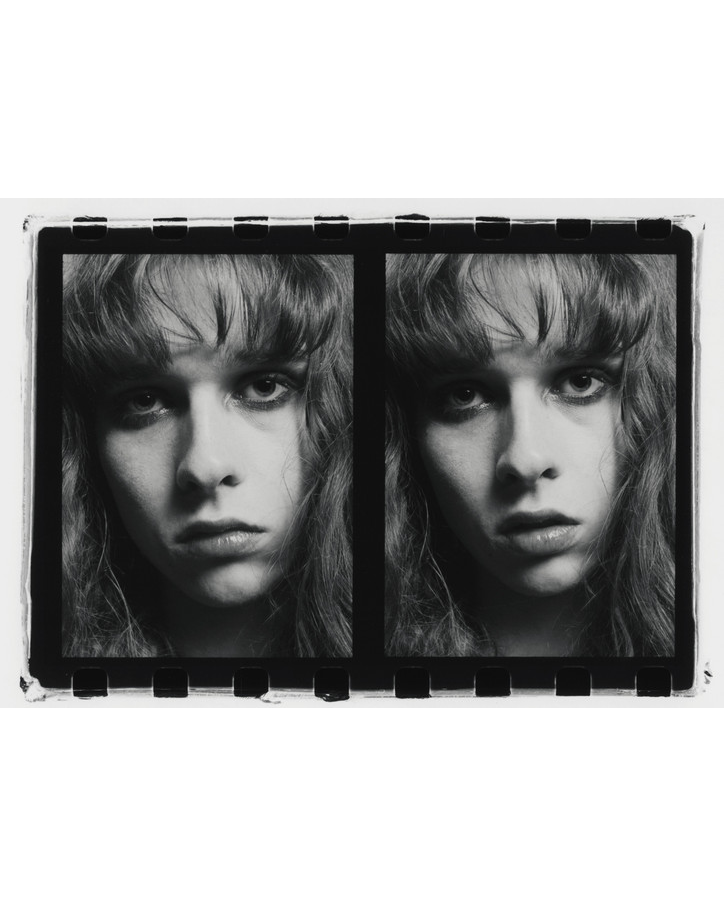
Left— Dress by GOGO GRAHAM, tights by FALKE, Jewelry by ANNA PIERCE JEWELRY
Tell me a bit about your background. How did you get your start in music?
I started making music like many people around my age do—figuring it out as I go along on a slow laptop in my bedroom at age 15 or so.
What were you into as a kid?
I was obsessed with YA fantasy and romance for a quick second. Probably when I was around 10, I’d read a lot of Twilight. I fittingly loved emo music at that time too. I think moving on from there, I went through multiple phases. I remember just after that one exclusively listening to Prince for a year straight.
That is fitting. Why did you choose "June 14th" as the first single?
It felt the most symbolic of change between this record and the last. I wanted to show the world the readiness I felt to perform, to make music that felt dynamic and to be shared. I think that "June 14th" captures that well.
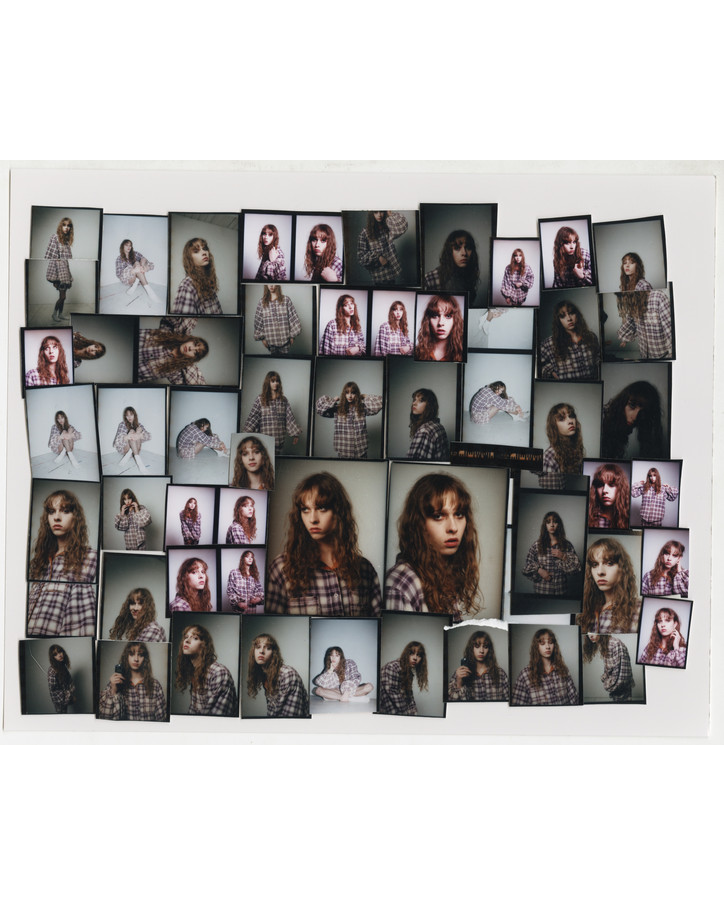
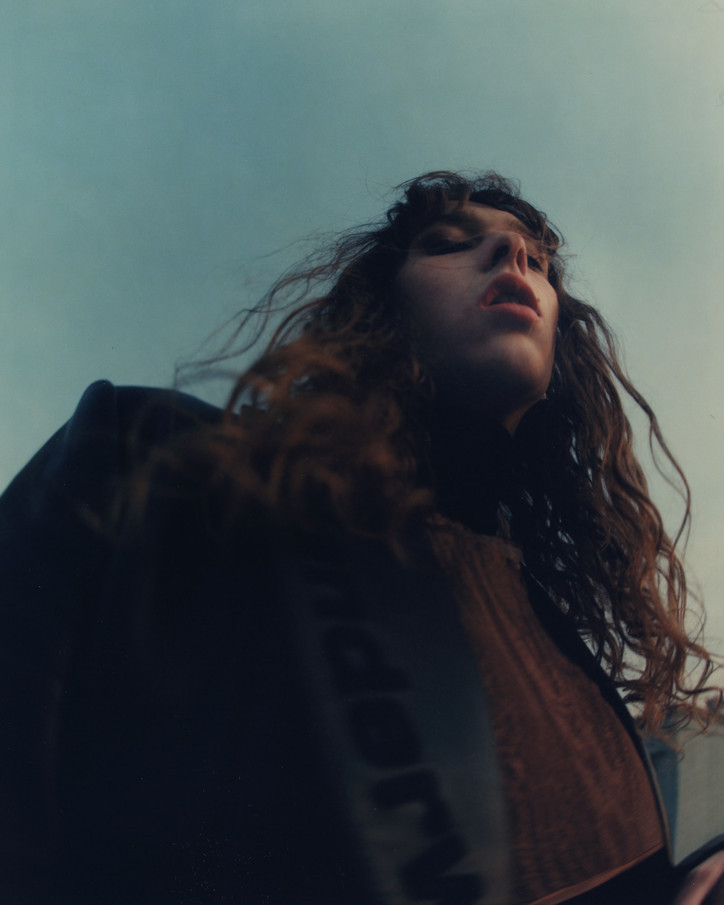
Left— Flannel top and shorts by FRASER KENNETH
Right— Jacket and dress by ALEXANDER WANG, top by PUPPETS AND PUPPETS
What's been the biggest change for you since the last record? How does this body of work compare?
I think the biggest change is simply in writing a record that I conceptualized to be played to and for people, whereas the last was definitely a much more insular experience.
How do people first describe you when they meet you?
[Laughs] This is a difficult one. I think either quiet or very outspoken. I tend to veer between the two.
What do you think is your biggest strength? Sonically, lyrically, etc...
I think for now it’s my music's ambition... I think it tries to communicate things that are hard to express, and I think there is worth in even trying that. I’d like to think one day it’ll be my lyrics. i’m working on it.
Who or what influenced your sound the most? It's very distinct.
I say it again and again, but I think Scott Walker really just completely opened my mind to so many possibilities. I don’t know if it’s truly sonic, but at least it fed the sounds I have built my sound on.
What would people be surprised to know about you?
The fact that I'm not as self-serious as my music is.
two caves in is out now. Listen here.