The Modern Muse


Stay informed on our latest news!


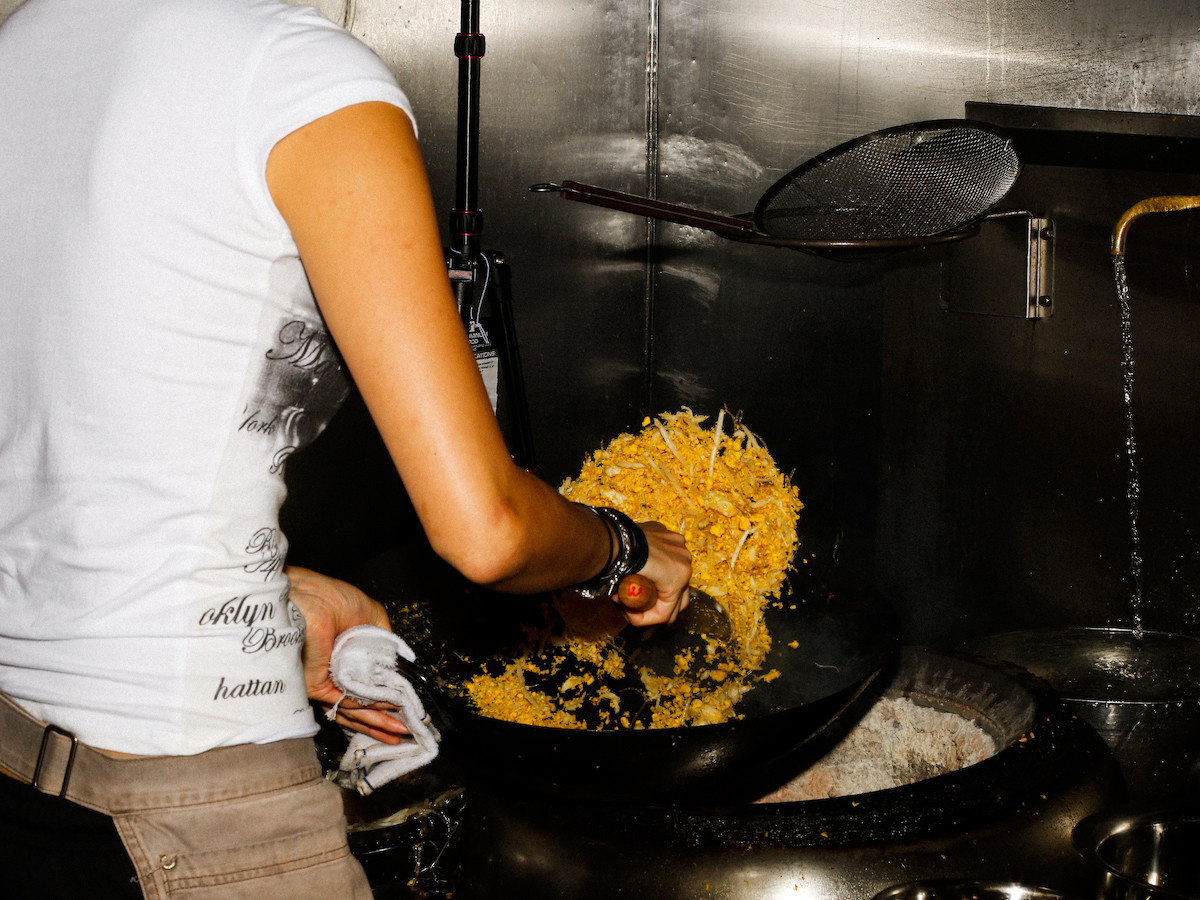
Sam Lui's fascination with the wok laid the foundation for Wendy Wok's World. Through the language and culture surrounding wok dishes, Sam discovered a sense of definitive standards. She explains, "For every wok dish, there seemed to be a certain set of standards that they were judged against; a definite right or wrong that recalled the rectitude and ideological purity that I was personally consumed by."
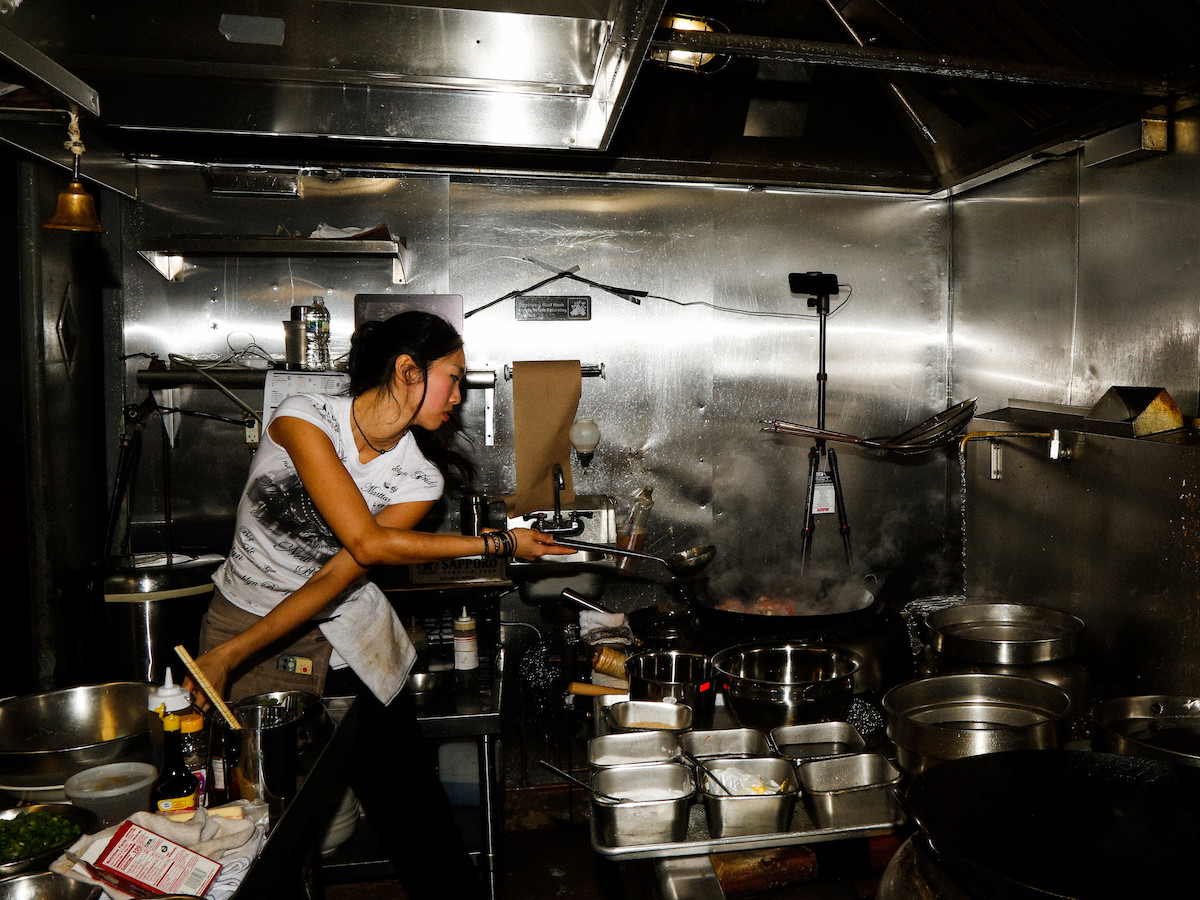
To immerse herself in the practice of the wok, she began her journey at a modern Chinese restaurant that welcomed newcomers, providing her first exposure to the art. However, to truly grasp the fundamental techniques, she spent time in traditional Cantonese establishments. It was through relentless practice at her own wok range, experimenting and investigating the techniques unique to each dish, that Wendy truly flourished. Sam likens this process to "studio time," where Wendy's character progress took shape.


When discussing the concept of "objective perfection,” Sam explains that in wok dishes, the principles of timing and heat control reign supreme. As the majority of these dishes are cooked at high temperatures within a short span of time, every second becomes crucial, and precision becomes paramount. Each dish adheres to its own set of standards, contributing to its individual pursuit of perfection. And this delivery of precision and rigidity is experienced through the dishes, as well as made uniquely visible to the guests via a live-streamed performance during the dinner.
Wendy is more than a character; she is a wok apprentice who embodies the very essence of the cooking style itself. Wendy personifies the values intrinsic to this culinary art form. Sam explains, "Wendy is a mode of being; a mode of being principled, rigid and adhering to an authoritative set of rules, a mode of ideological purity."


Entering Wendy's headspace aligns perfectly with the practice of the wok. By assuming this alter ego, Sam delves into the necessary mindset required to master the various techniques. "This is precisely the process and my reason for having an alter ego," Sam reveals. Becoming Wendy allows her to fully immerse herself in the practice.
Preview five out of the six dishes below.
SALTED EGG YOLK TIGER PRAWNS
STIR FRIED GARLIC CHIVES
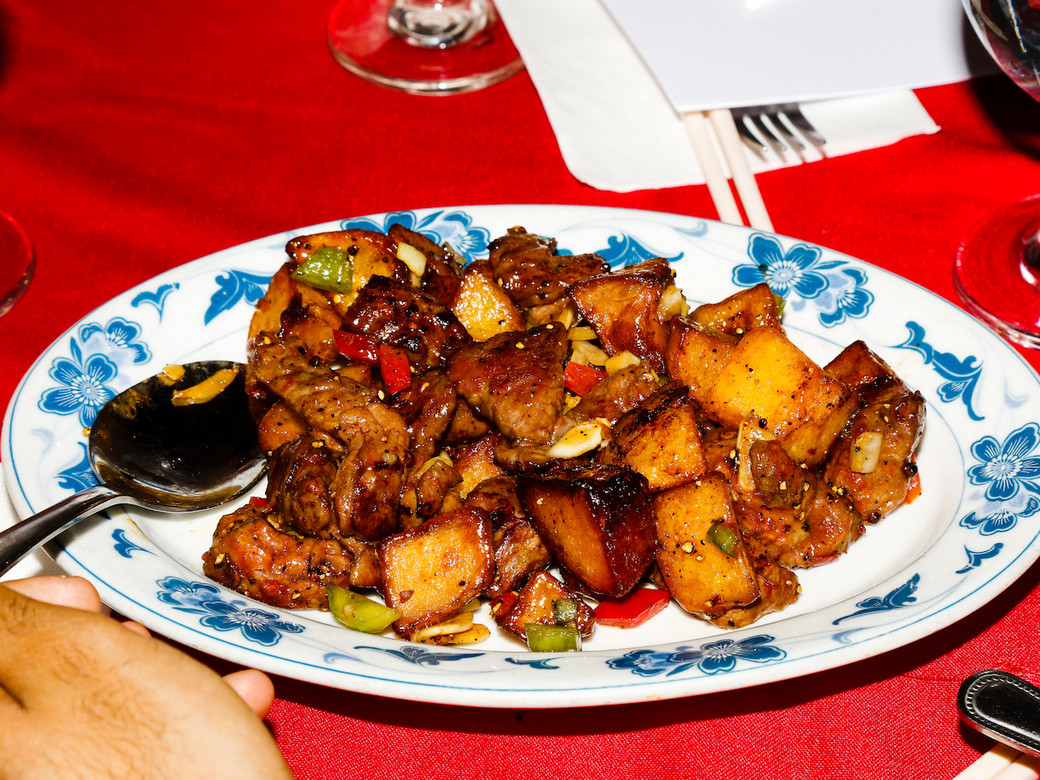
BEEF & POTATOES IN HONEY BLACK PEPPER SAUCE
LOBSTER E FU NOODLES IN SUPREME STOCK
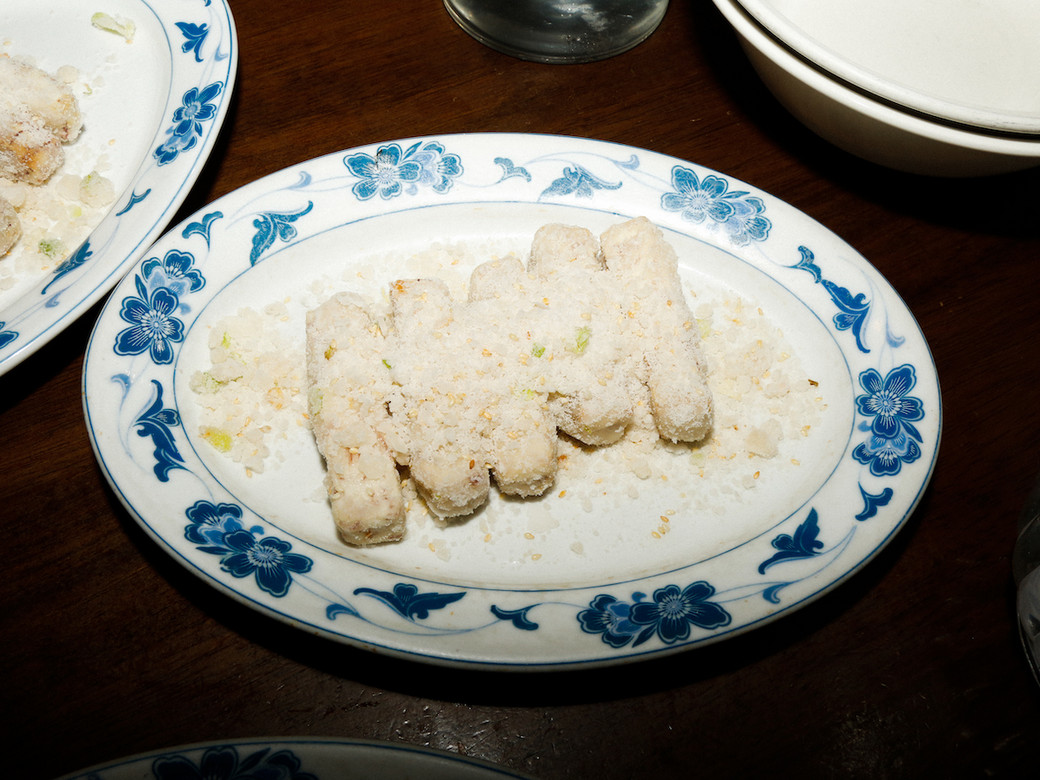
SUGAR COATED TARO
The collaboration between Sam Lui and the Swiss Institute came to fruition after meeting artist Lap-See Lam in Bangkok when both were involved in Ghost2565, a video and performance art series. Sam, along with Hillary, her sister and the producer of the series, gladly accepted the invitation to be part of the Swiss Institute's public programming.


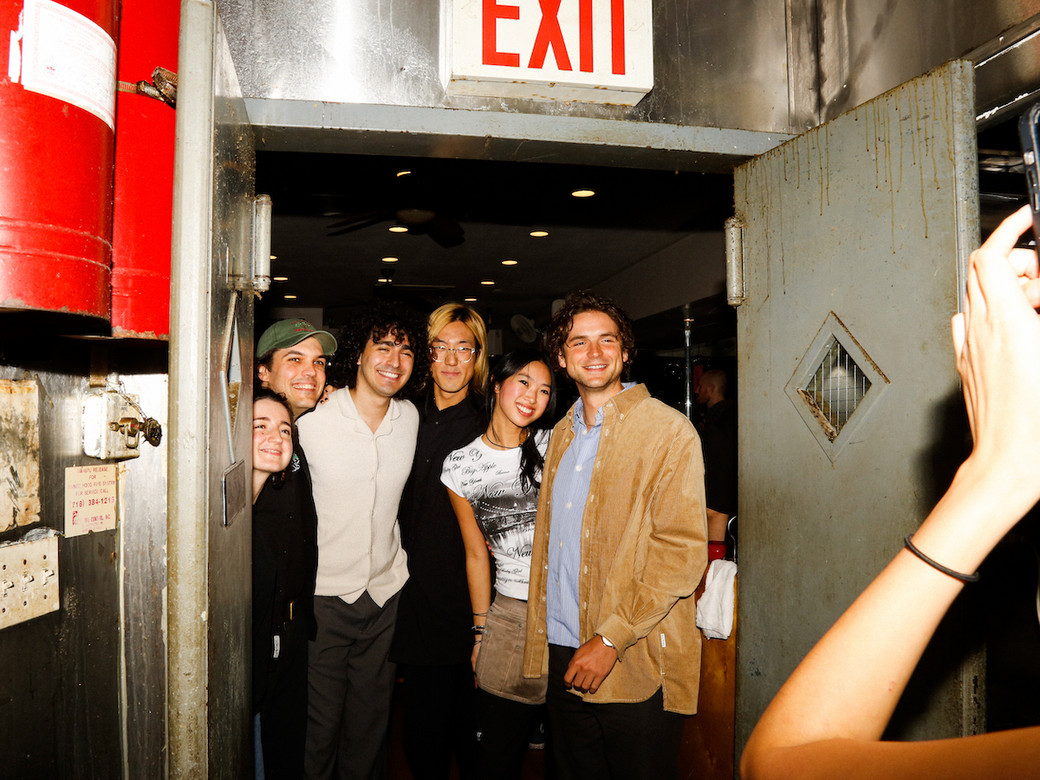
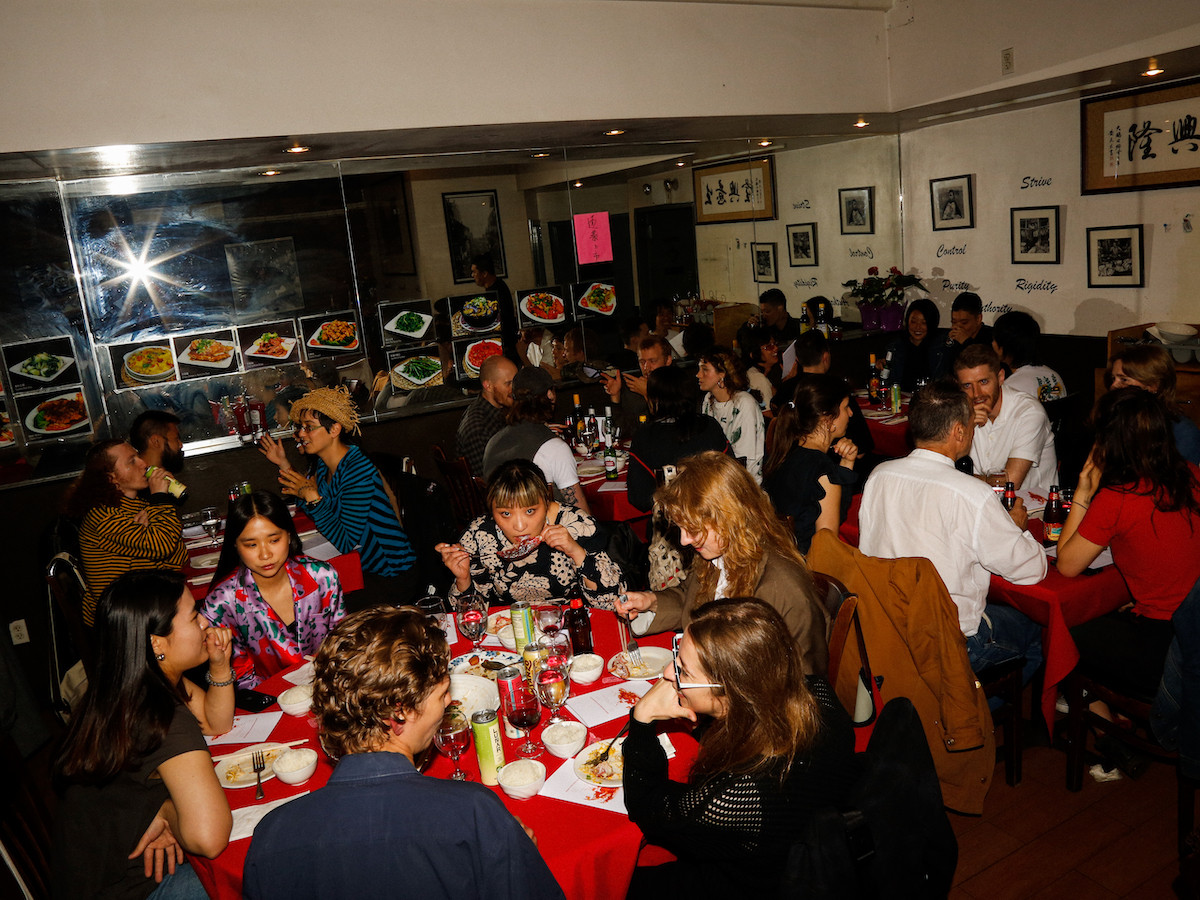
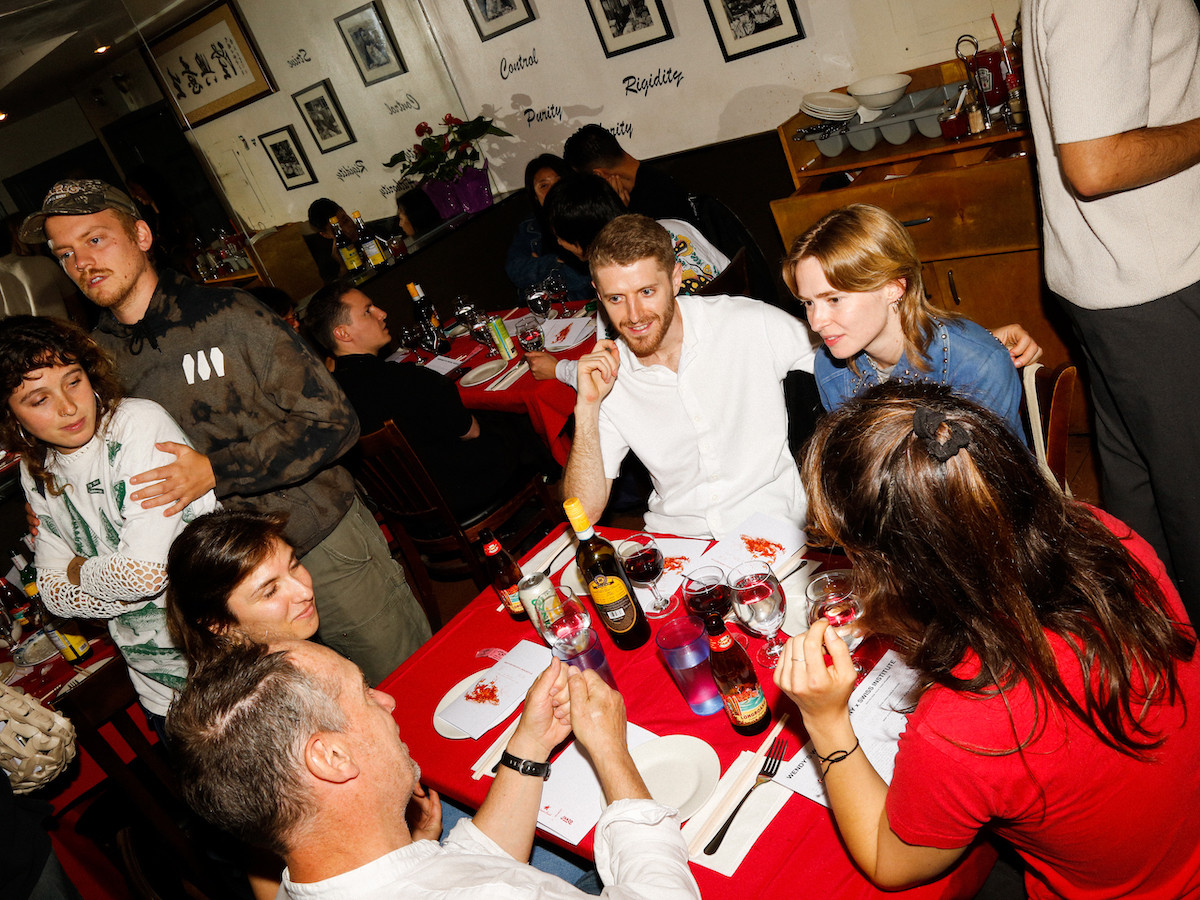
The series kicked off on May 22nd and 23rd, at Cafe Hong Kong in Chinatown, New York City, with a second round that happened on June 5th and 6th. Each night had two sessions, one from 6-8 pm and the other from 8-10 pm, during which 60 guests were served six courses of wok-specific dishes, all cooked by Wendy.

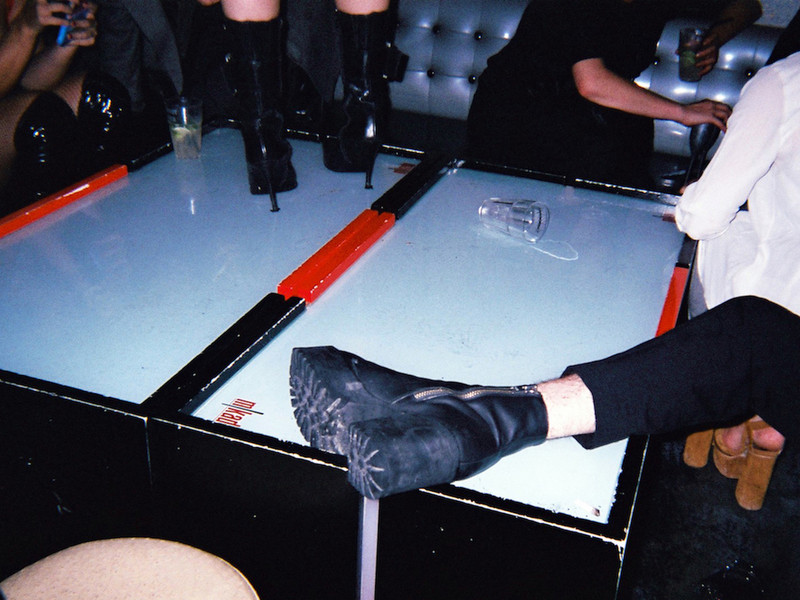
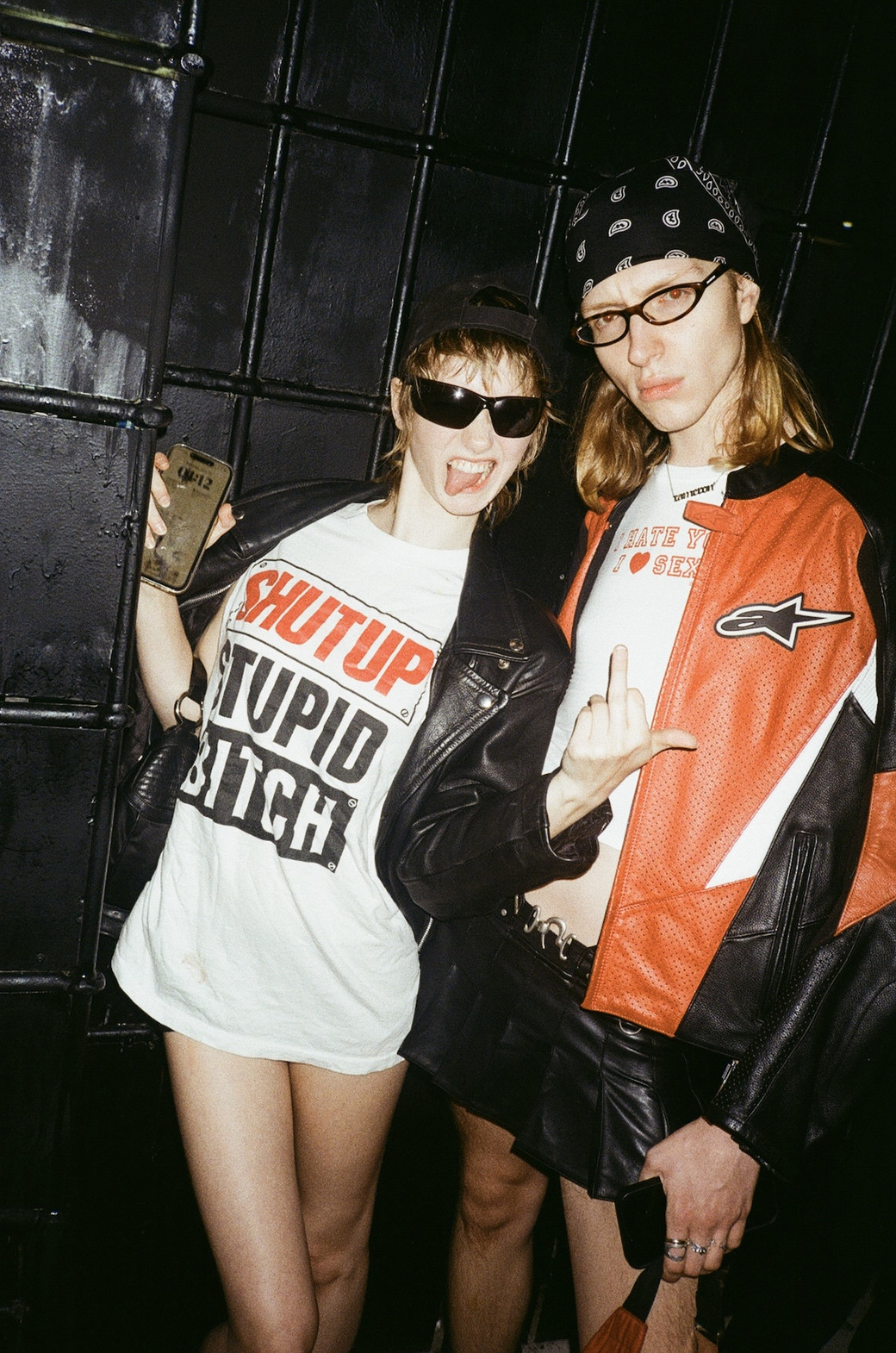
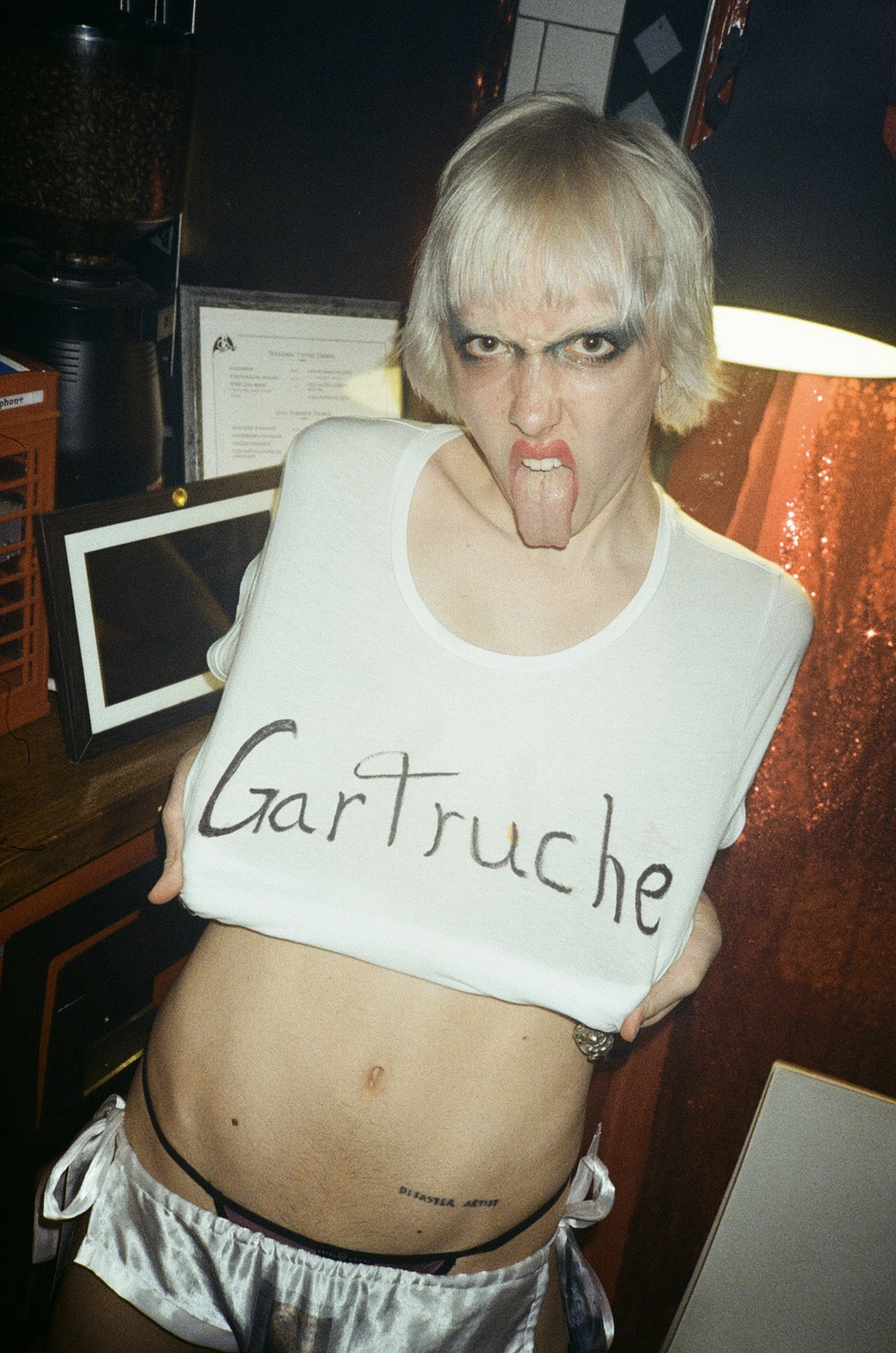
The night began with an intense DJ set from Michigan-born, Brooklyn-based DJ BREE who put so much into the night and looked forward to seeing it all come together. Fittingly, there was also a cocktail named after her and Finlay, who co-hosted the reopening. Although we could barely see three feet in front of us with the smoke seeping through, it was obvious the room was quickly filling up. DJs Daybreak, ÆON, and Eros kept the crowd on their feet until it was close to sunrise.
The well-dressed locals (more or less) didn’t tread lightly; they went hard. And by that, we mean many stayed from the second they opened down to the minute they closed. While Hell Phone was a well-known spot in the area, we anticipate it to become a community staple in the underground music and club scene.
Pacini came to New York City from Nice, France in 2012. She opened Hell Phone in 2014 as a French bistro but saw the potential to do something more with the space. She began to use the French bistro as a space to host private events. Pacini always made it a goal to continuously do better for herself and her businesses. Despite being in hospitality since 2015, she’s been learning the ins and outs of owning an event space and club. “Opening Hell Phone as a regular bar with DJs and music events open to the public is a very exciting feeling,” she says. “As a woman owner, it’s a really profound accomplishment. I’m really proud of this. It was a long road to finalize this idea and I’m finally tasting the fruits of my labor.”
The demand was high for Pacini to utilize Hell Phone as an event space because it wasn’t only Pacini who saw the potential, but frequent customers as well. “Tonight (Friday’s opening) is not only about me but more about a full team working together to make everything possible.”

To explore the enigmatic world of the Ormonds and their films, forensic biographer Jimmy McDonough teamed up with friend and acclaimed filmmaker Nicolas Winding Refn. Known for his unique visual style and unflinching storytelling, Refn brings an outside perspective on one of the weirdest, and most interesting families in American entertainment history. Rather than create a documentary, they preserved the Ormond family’s legacy in a book named after one of their own projects. In The Exotic Ones, McDonough writes with the candidness of someone that was there — because he was — right in the middle of it all, knowing from the start that he would eventually be the one to tell their story.
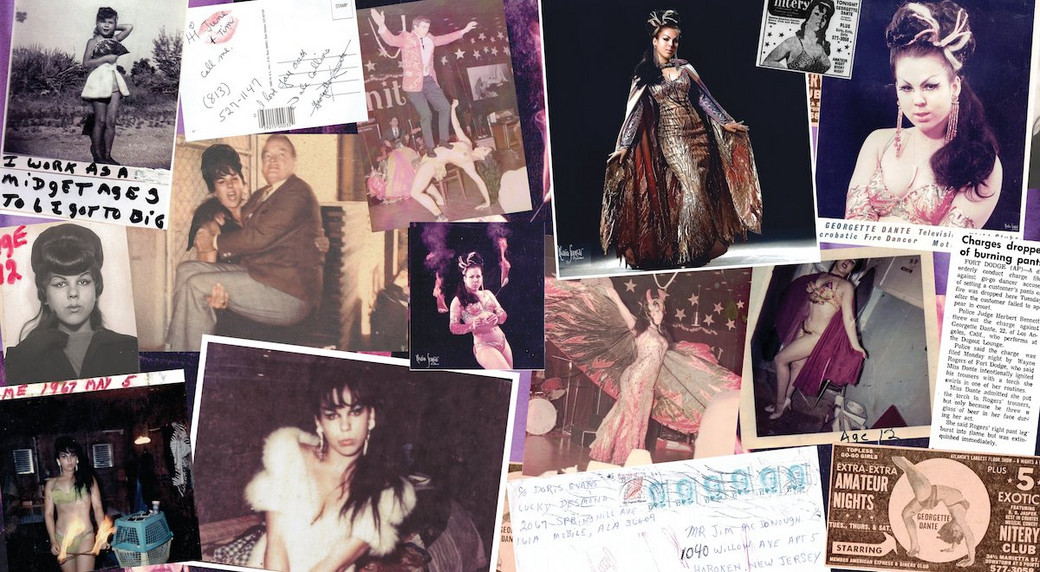
The Ormonds carved out a glittering yet unconventional world. One inhabited by inebriated cowboys, non-acting country stars, UFO testifiers, fire-breathing ex-strippers, egocentric magicians, and sweaty preachers. They ventured into every corner of showbiz, from vaudeville to drive-in movies, before ultimately finding their calling in Christian filmmaking.
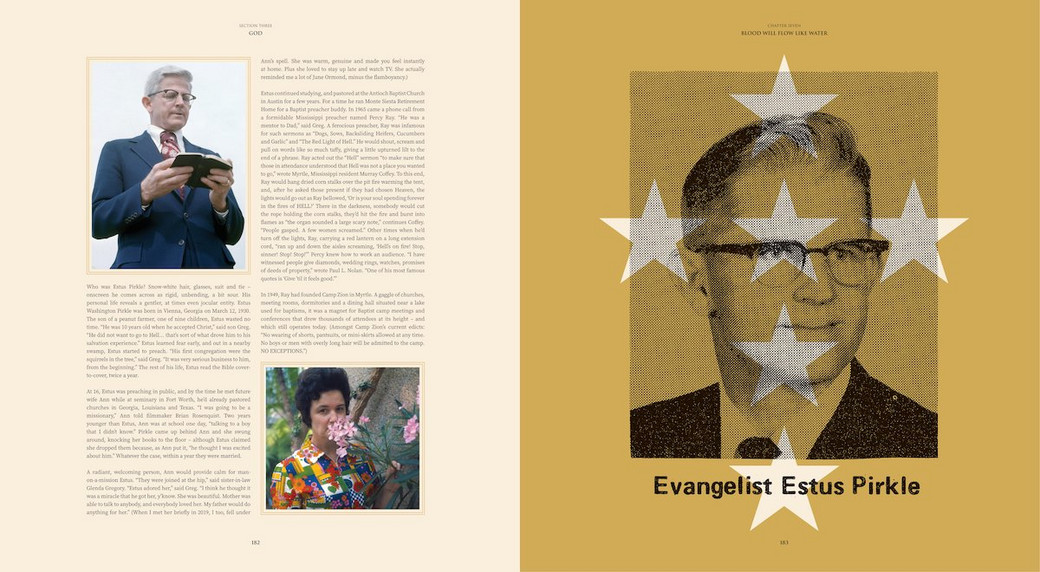
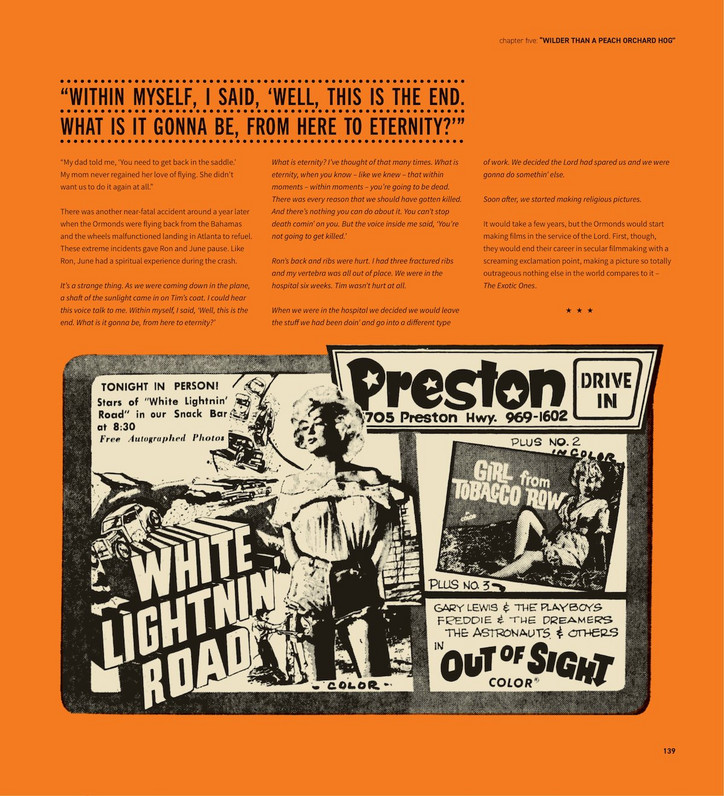
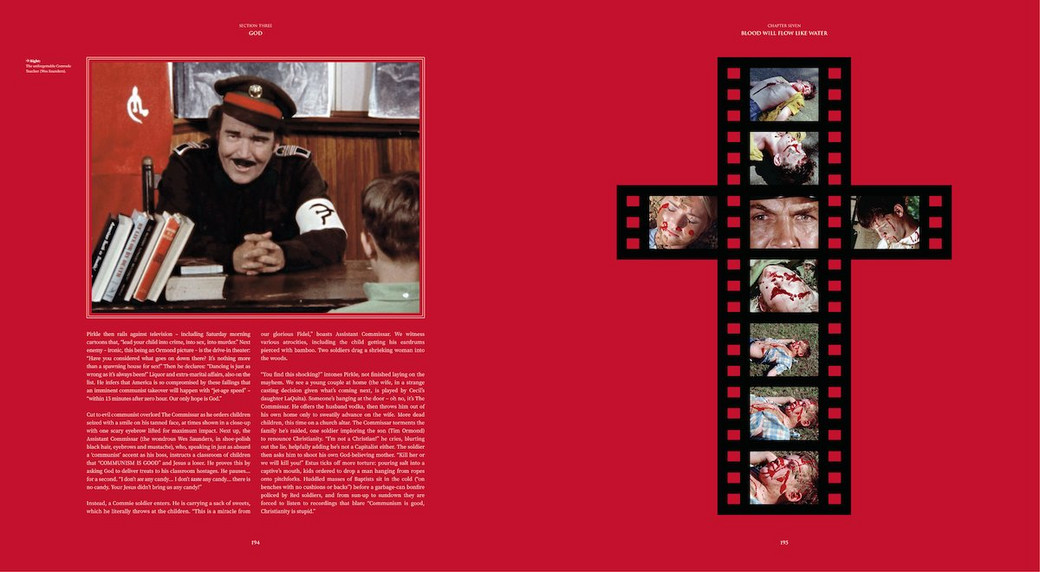
Their most prolific films came after surviving a plane crash on their way to a premiere. The near-death experience marked their abandon of secular show business. They made a series of surreal and shocking religious pictures, many, collaborations with Mississippi Baptist preacher Estus Pirkle. Films, such as The Burning Hell, ring with the vibrato of an America obscured, riddled with pandemonium and driven by fear.
Having spent time with June Ormond and her son Tim, McDonough brings to light revelations previously kept secret. He traces the Ormond family history through June, the guiding force of the family, who fearlessly navigated the cutthroat, male-dominated world of film production and distribution. She and her family brought to life pictures that reflect a true American consciousness, one still relevant today. Her commentary, recorded in the pages of The Exotic Ones, is brutally honest, hilarious, and at times, heart-wrenching.
Ahead of the release, I called Jimmy and Nicolas on Zoom to delve into the challenges they faced in unearthing this hidden history, and the significance of the Ormonds' story in today's world. They discuss the absurdity and genuity of the Ormonds' lives, the relevance of their movies to contemporary discussions about religion and culture, and the combination of fear and surrealism that characterized thei pictures.
It’s near impossible to find information on The Ormonds on the web so to have had a chance to look at The Exotic Ones felt like tapping into a secret history.
How did you meet the Ormonds, Jimmy?
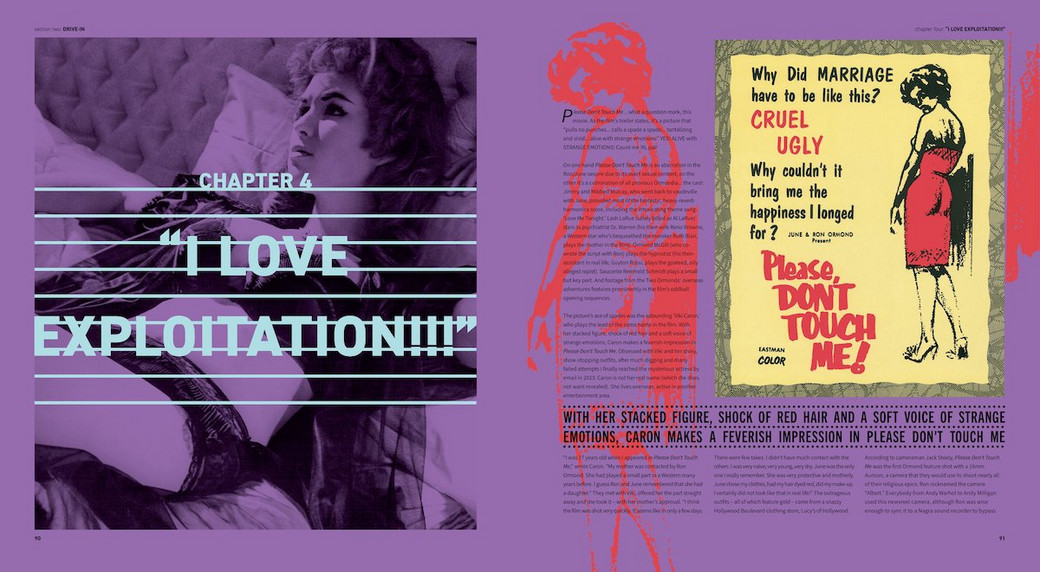
JM— Well back in my youth I was hanging around 42nd Street, going to the movies there, and working with a bunch of low-budget independent filmmakers. That’s when I got fascinated with the whole world. I saw a still from an Ormond movie called Please Don’t Touch Me and I just thought it was the greatest still I’d ever seen in my life. It depicts this woman in lingerie leaning over a shirtless guy, lighting his cigarette. Above their heads is a bit of copy that says “… and after the cigarette, we’ll…” I just said wow, now this is something. You know, as Russ Meyer would say, I felt it in my Grinch.

So I proceeded to do my research, but as you said, it was hard to find anything. Eventually, I got a number and called June Ormond, the matriarch of the family. At first, she was very, very suspicious of me. What I didn't know at the time was they had branched into doing low-budget independent films for Baptist preachers so she was very protective of her past – especially having been in Vaudeville. Bit by bit, I went down there and spent time interviewing her and her son — the father Ron had passed away at that point.
Then — ten years ago this fall — I was sitting with Nicolas and he asked me what my dream project was and it was this. He got Tim Ormond, the son, on the phone right then, and before I knew it, it was happening. This was such an obscure story. Nobody would be crazy enough to undertake it, but that's the beautiful thing about Nicolas. He takes on the unimaginable. We had done one book together, The Ghastly One, the biography of filmmaker Andy Milligan and he said, “OK, you have to top that.” That was a tall order, but I think we've done it. This is the most extreme book, you know, I'll never be the same after this book.
In the first few pages, you say it all comes back to June. How was June at the center?
JM— Well, June was… a very special person. She was the definition of show business, her life revolved around presenting herself to the world in an entertaining fashion and she just had this energy in her. It was like being in a room with Mickey Rooney and Judy Garland. She didn’t have the easiest life, yet was alway so positive. Being a woman in the film distribution business at the time wasn’t a piece of cake. June kept everything going. Ron directed the pictures, but it was up to June to save their collective asses.
You also note June talking about how their films were purposely full of gimmicks. It’s honestly no different than what people do today on the internet, but so much more saturated. How is this story relevant to a younger audience encountering The Ormonds for the first time?
JM— Well, their films are a window into an unseen world and I think that's valuable for anybody. Their religious pictures, in particular, speak to the world today. They made a number of pictures with Estus Pirkle, a Baptist minister who had a very intense need to express his views to the world. The films absolutely reflect what’s been going on in terms of the heated discussion around the role religion has played in American culture.
NWR— I think it's universal. I don’t know what’s so different from the younger generation today than that of twenty years ago. To me, everyone is still attracted to authenticity, something that feels real. You can say that the Ormonds created a business out of fetishizing themselves in a way. For me, it’s a true window into the Americana sensibility that is so different from anything else in the world. These aren’t the hipsters of the New York underground scene or mainstream Hollywood. These people lived in an isolated, rural area of America. They went from producing exploitation content that dealt with violence to making religious propaganda, which is an incredible reflection of the dynamic that exists in the US today.
Their movies were so bizarre, but their life was also far from normal. You said that walking into their home felt like a religious experience. What did you mean by that Jimmy?
JM— So, you know, I’ve heard about these people… I’m a young guy, I’m curious. I go to their house in Nashville and walk into what looks like a set from one of their movies. There were all these knickknacks — religious or otherwise. It was just like walking onto the set of a hammer horror film and finding out the people who made them lived there. And then you got June, this roundish owl-type woman wearing a load of cheap jewelry, hurling one-liners and cackling away. It was just surreal. She was already telling me that I was writing her book. There wasn’t even a discussion. I was all for it.
What was central to you being able to tell this story? Was it that personal connection?
Oh, it was June's voice for sure. A lot of the book is told in her voice. She never had a platform and I felt she had to get her say, so that was of paramount importance to me. It was also the idea of wedding the two worlds — from their independent stuff done for drive-ins to the religious pictures specifically made for churches. I mean, it’s really two books. Like pre-Jesus/post-Jesus, and they mirror each other in odd ways. I’m still in awe of all the minds that came together for this. Of course, it's Nicolas’ touch, but also our design team, who helped us to keenly showcase this divide in the family’s history.
NWR— In a way, it was like making a movie — Jimmy wrote the script, and there was a visual team putting together the imagery. There were all these separate components — the same way you would make a film. Instead, we made it on paper, and that was very important for us, to have something analog. When we started, I was also able to purchase the rights to most of their films — even the religious films. But when I bought them, all the negatives had been destroyed in a flood. The archivist who works with me, Peter Conheim, spent two to three years with Jimmy searching all the archives he knew around the world that would specialize in this kind of film to see if they could find any print material and nothing existed. We also teamed up with the distributor called Indicator to put together From Hollywood to Heaven so you can read the book and also watch some of the original pictures.
JM— Not only do you get the films but Tim also made some tributes to his mom at the very end. It’s honestly like a seven-layer June Ormond cake.
NWR— And that's something that myself and Jimmy have practiced over the years as a team with our work on the byNWR world. I don't believe there's really anyone left like Jimmy who is truly a walking encyclopedia filled with so much knowledge of the Times Square film crowd. The thing is that these stories are true, and that’s why it’s necessary to save them. To that point, unfortunately, I have to go, but I will defer to Jimmy for sharing more exciting stories about this.
It's also such an immense book. It feels very honest. I don’t think AI could’ve written it.
JM— We live in a world where it's imminent that stories are gonna be prefabricated and designed by machines, but this story is painfully handmade. I mean, it's a dollar 98 world we're talking about by its very definition. You turn on the TV, and everyone’s streaming the same thing. There are different stars, but there’s a uniformity in a lot of the entertainment today, and for better or worse, the Ormonds are painfully human — there’s no budget to hide the imperfections. I don’t know if AI could fix this story. I don't know if it could smooth out all the wrinkles. There’s a very palpable human heart here and to me, that's the beauty of it. That's what I love. You know, the very humanness. I made my career writing about people I admire on some level. That was the only requirement when I undertook a project. I had to admire them deeply in some way. And that's certainly been the case with the Ormonds.
For sure. AI exists to fulfill a very specific goal. You aimed to preserve a story that mattered to you.
JM— Right. To me, that's where it's at. I can't do it any other way. I’m really kind of like a shoe cobbler or something. There has to be passion involved, or it just doesn’t happen for me. It has to move me, or what's the point?

What do you hope people take from this being a physical artifact of the Ormond family’s history as opposed to another Wikipedia page?
JM— First, the Ormond family was an important part of entertainment history. They deserve to be recognized for their contribution. I hope people see June as the feminist icon that she was. She was in a male-dominated world and stood her ground, leaving her mark. She didn’t take no for an answer and did it with a lot of style and class more than anything. Second, I hope it also gets people thinking about religion and entertainment and how those two can cross, and what that means in today’s world, where you have people like Trump operating on a lot of the same principles.
I wouldn’t associate Trump with the Ormonds, but his presidency kind of appealed to this very American sensibility: the juxtaposition between fear and surrealism is characteristic of exploitation films and even religious pictures to a certain extent.
JM— I think Trump would be a fan of the Ormonds’ pictures done with Estus Pirkle. Pirkle wanted to scare people into the Church. He felt in his heart that it was so important and that the only way to have people believe him was for them to be afraid. Trump operates in the same way. I think they operate in the same zone. If Footmen Tire You, What Will Horses Do?, The Burning Hell, and The Believer’s Heaven. Those three pictures will be seen as quite relevant in a certain fashion.
It’ll be interesting to see the pictures live outside of the original time and context in which they were first made. Rather than existing as part of Estus Pirkle’s sermon, now the films are a testament to the Ormonds’ life and work.
JM— Correct and as Nicholas pointed out, he's used bits and pieces of the films in his latest work for Prada and who would have thought, as he tells me, “Ron Ormond does Prada.” It was funny because he sent me the work after he created it and I recognized the imagery but couldn’t place it. Speaking of surrealism, I think Nicolas is plugged into that and has a very unique expression and admiration for the Ormond craft. It just tickles me that he's bringing that vision to an utterly new audience in many ways.
He has an entirely different sensibility when it comes to this stuff. He understands the challenge of creation, and he knows there's a hustle involved with all of these people. There's an element of the book that's about the con you have to do to make the art. It's a running theme Refn is well aware of.
Just goes back to the point that we’re all living the same illusion…
JM— And then you wonder where does the dream end and life actually begin? Then you get to the point that life is but a dream. That’s really at the essence of the book and I hope by the end, it evokes that dream.
I have to give it to Nicolas. I will never be the same after this book no matter what I do, but I’m glad I lived through it. I would never do it again, but we surely topped everything we’ve done previously. When I did this book, I thought, wow, most of my books are very dark tales full of doomed destruction and, worse. This is sort of like a sunny day at the carnival.
After the pandemic, it’s clearer that we are at the precipice of technology, one where its advancement rolls into a movie that’s both horror and comedy, drama and sci-fi. All in one.
JM— I guess you can say that we're living in an AI Ormond universe now, for better or for worse.