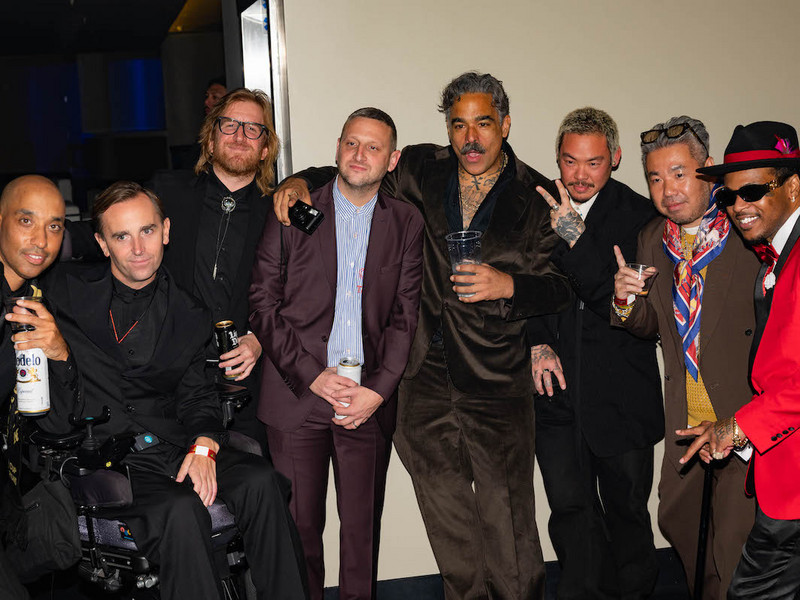
The Modern Muse


Stay informed on our latest news!


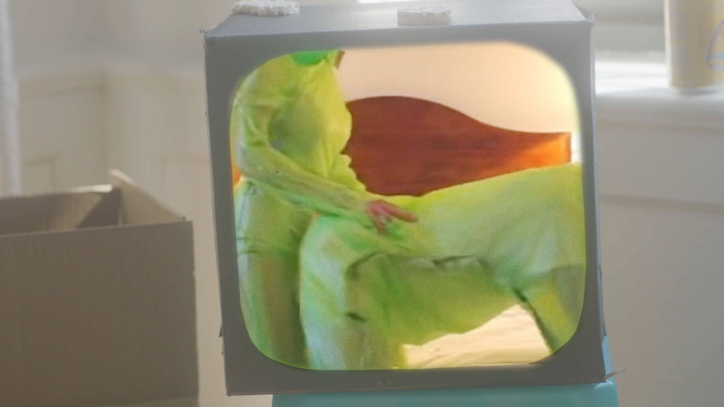
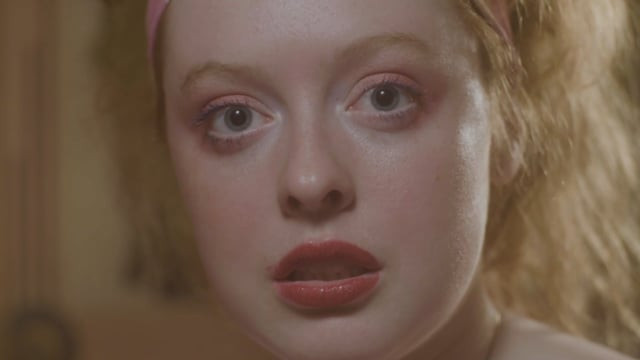
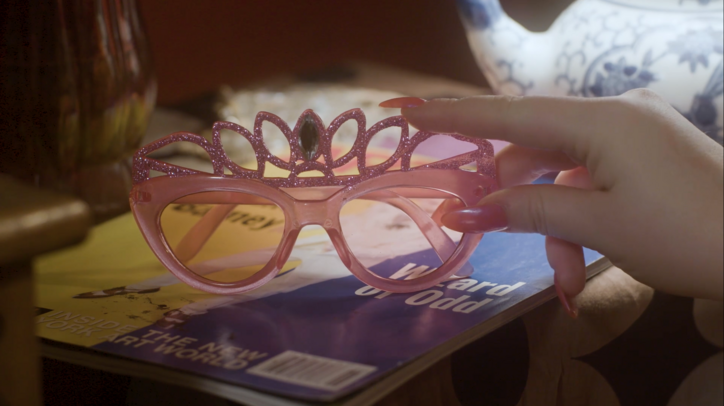
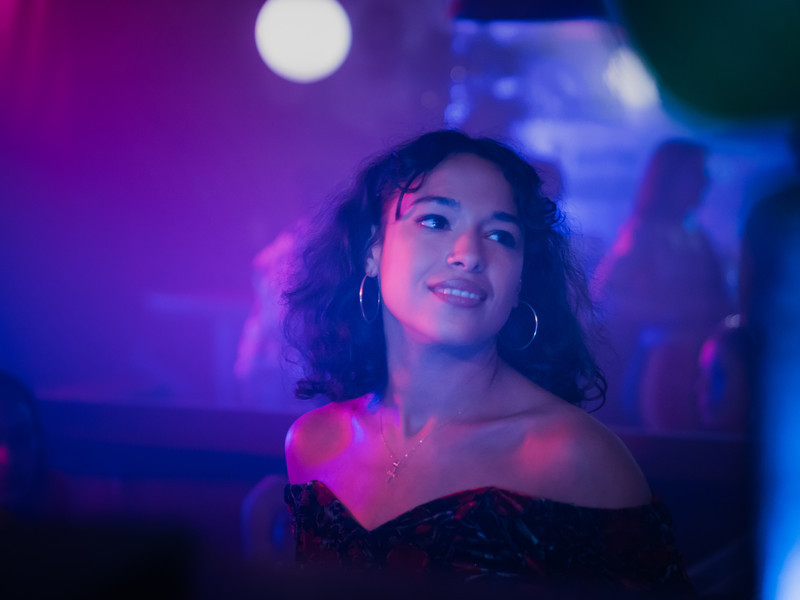
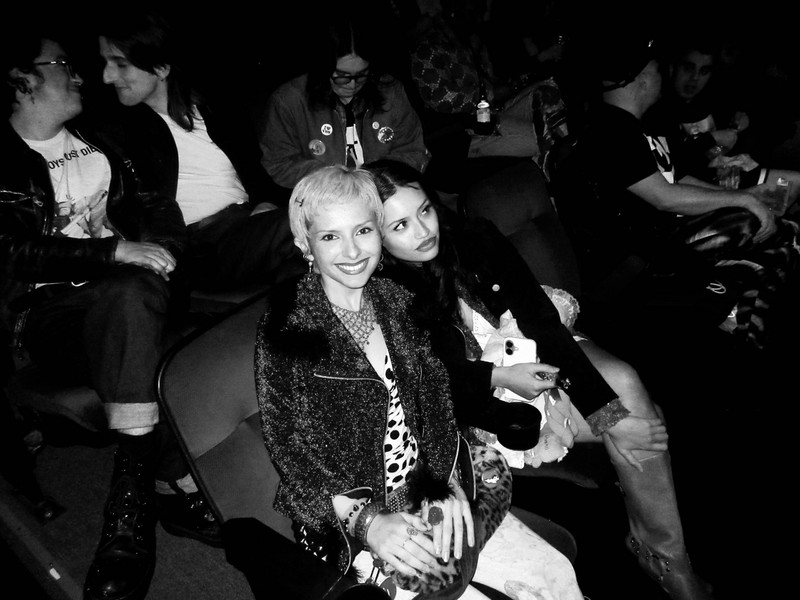
Newly fueled by a Kickstarter campaign, the show is in its second season and gloriously spiraling into new depths of absurdity as Mona and Jean claw their way to the top, blithely unaware of the evil plot lurking in the background.
office is pleased to premiere episode 4, entitled “Semper Fidelity,” and as part of the release, we asked the show’s co-creator, writer, producer, and co-star Leah Hennessey about the show, its influences, and where she hopes it will go next.
Can you start by telling me a bit about how the show was born and how you feel it’s developed since your first episode?
Ruby (McCollister, who plays Mona), Emily (Allan, who plays Chewie), and I had been in a theater group together, and we wanted to make a show that was draggy and vulgar and fun and trashy and easy. We enlisted our friend E.J. (O’Hara) to direct the show, thinking that, as an artist and not a film person, he would make it look cool and not slow us down with film production standards. I guess we didn’t really consider what a precise and ambitious artist he was, and the “easy” part of making Zhe Zhe pretty much stopped with the first episode. Every time we come up with something we want to do on the show I feel like it’s beyond our abilities. The musical episode (Season 1 Episode 6) nearly broke up the band, but somehow we always pull it off.
We used to be really militant about being alienating, using our grab bag of Brechtian tools to ensure that no one ever empathized with the characters, but we’ve kind of let that go. Culture has changed so radically since 2013 and we no longer think escapist, emotionally manipulative, cathartic, narrative fiction is the Big Bad. Now the world is more Zhe Zhe than we are. Post-Trump it's hard to have faith in absurdity as a tool of mental liberation.


You’re obviously influenced by an enormous range of music when writing the episodes. What aspects of the music world are you reacting to and picking up on in Zhe Zhe, both in general and in this episode specifically?
I was always obsessed with relationships in bands. I love how the fabricated intimacy of pop groups seems inseparable from the devastatingly real stories of love and loss. Band stories are their own category of romance. We also love feminine or queer takes on the band story: Josie and the Pussycats, The Mighty Boosh, and Hedwig.
We're also heavily influenced by the ethos of Ze Records (even going so far as to calling our de facto record company Zhe Records). We love music that exists on the fringe of novelty song and soundtrack, and music that’s written for comedy. Especially when it's cool.
I love when parody songs transcend the reference, like the Chris Morris parody of Pulp on Brass Eye, "Blouse", (which in some ways does Pulp better than Pulp). There’s a freedom in making “funny music” that’s still thrilling and daring to me in a way that feels, for lack of a better word, punk. Some of the music I'm most inspired by right now feels new because of how it navigates irony, like Chicken, or Zhe Zhe stars Young God and Toasty.
I always wanted to be in a band. I also wanted to make music. It took me a while (and a few bands) to realize that those were separate desires. Zhe Zhe is not only the story of a band, it also is the band in my life. The five/six of us are the Behind the Music: Fleetwood Mac I was looking for, and sometimes we even make music together.
What is your own musical background like?
Zhe Zhe has been an exorcism for all of us; all the demons we started with have been vanquished or accepted. I think I’ve been able to let go of my band fetish and now I can actually start focusing on my own music. Recently as a songwriter I’ve been trying to bridge the gap between the highly developed camp part of my brain the more vulnerable part that can communicate strong feelings. I think great songwriters don't have that gap. I've been listening to a lot of Lucinda Williams, Momus and Cardi B.
Zhe Zhe is also chock-full of references (both subtle and non-subtle) to shows and movies spanning from the ‘20s to the present. How do you find ways to work these into a sort of collage that’s both surreal but also drawing very potently from our concrete reality?
A lot of our primary inspirations and references are pretty old and/or esoteric but we’re using these quotes and images to talk about contemporary issues and feelings. We love Derek Jarman and Ken Russell and John Waters but we’re not trying to make a show that feels like it’s from the 1970s, we want it to be on the bleeding edge. It’s not important that people get all or any of the references on the show, we’re just using them like colors.
I remember as a kid watching The Simpsons, I loved the feeling that there was a parody at work which I didn’t understand, like in the episode where Homer goes to The Island from “The Prisoner.” I had never seen “The Prisoner” and I didn’t feel like I was expected to get the reference, but there was an eerie and clever aura that I found exciting. I love the Simpsons episode when Homer goes to the 3D world because it had that same feeling. Maybe that was a reference I still don’t get.
It’s impossible for me to write about life without writing about culture. Pop culture is the religion of Zhe Zhe, it makes meaning and purpose out of chaos and nausea.
I have to ask about the show’s costumes. Who comes up with them? How do you find them? What factors might go into the outfits for a given scene?
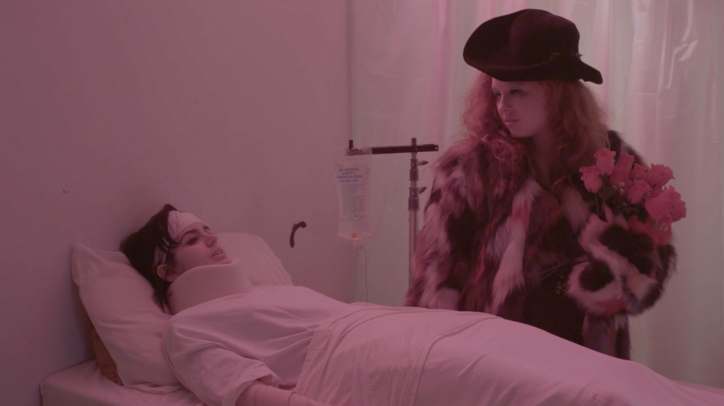
Arabella Aldrich is our official costume designer. She also plays bisected silent film legend Patty Frome in “Back From the Dead” and Jean’s mysterious one night stand in “Five High School Paintings.” She comes up with and crafts most of the more elaborate gowns and sculptural pieces, and she styles a lot of the more casual outfits from her own magnificent wardrobe. Sometimes we want the costumes to be exact references to films, (like some of Jean’s “High Fidelity” looks in this episode) but sometimes we just want them to be ridiculous and disruptive (like Mona’s fur coat and cowboy hat look in the hospital). In the first season Ruby made a lot of the costumes, but now she pretty much only makes clothes for her clothing line, Sofia Paris (which will show its next collection this September).
You guys started a Kickstarter to raise money for season 2. Which aspects of the show did most of the money go towards? What do you feel are the biggest differences between this season and the first?
We purchased a few basic things like microphones and hard drives but I think we’ve spent most of the budget on cabs and wigs. We didn’t raise enough money to pay anyone for anything, so we still rely on the endless kindness of our friends.
Do you have any aspirations to get the show onto a different platform, or do you like the format of the web series? What do you feel are the pros and cons of producing it this way?
We started making Zhe Zhe in 2013, when the internet still felt like a place to be freaky. We naively thought we could use YouTube like public access TV in the 80s or something and that we could make a show about our community and our community would be able to watch it. We didn’t realize that without corporate support the algorithms would bury us. People always ask us whether we’re trying to get “picked up” and the answer is that we aren’t actively pursuing any platforms, but we would be willing to listen to a great offer!
We’re such a small operation. If we had money/support we wouldn’t have to do every tiny detail of the production ourselves, which would free us up to make more episodes more quickly. That would be fun, but it might not be as special. I would like more people to watch Zhe Zhe and I no longer think YouTube is the right place for people to see it. I like showing episodes at galleries, or theaters, and on intelligently curated websites like office.


Tell me a bit about this episode. So far this season, we’ve mostly seen a number of episodes that can essentially stand on their own while also dropping little hints of this developing conspiracy plot. This time, we’ve got Jean opening a record store and Mona going to college. What went into the writing process for this one in particular, and how does it fit within the grander scheme of the season?
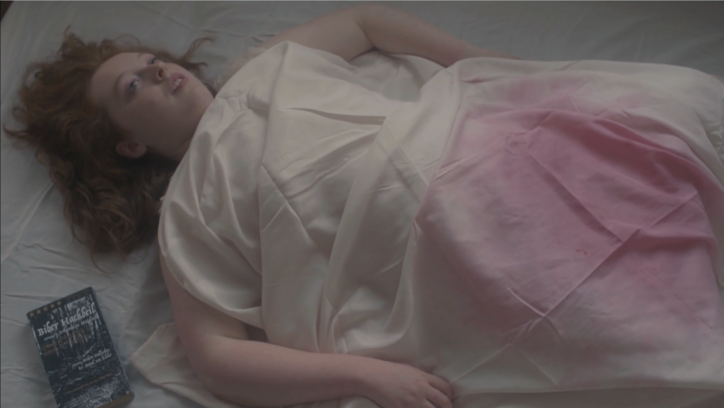
This is, definitely, all part of a bigger conspiracy. This episode is something of a stand-alone but it also features some elements of the unfolding conspiracy (some more explicit than others). I don’t remember who came up with the idea of Mona going to college, it wasn’t me, but I know I always wanted to do at least one High Fidelity scene. When I wrote the episode I didn’t really think much about what connected the two plots, other than liberal arts college being as much of a financial sinkhole as opening a record store, but when I started acting out the John Cusack parts I had some disturbing revelations. I think this episode is our own kind of exploration of “toxic masculinity.” When I was a tween I completely idolized Rob Gordon/Rob Flemming and even though I thought he was “an asshole” I still loved him and wanted to be him/date him. Rewatching the movie and inhabiting that character I finally understood what a miserable butt monkey Rob is, and I can’t believe that I dated him/was him.
And finally: any hints for the rest of Season 2? Or plans for a potential Season 3?
The next episode is very much a Now For Something Completely Different. All I can say is that Chewie fans are going to be very happy. By the end of the season (there will be six episodes in total), many of the questions about the aliens, about the death of Pat Phone, about who’s pulling the strings….will be answered. We will not David Lynch our fans.
Also in September Emily Allan and I will be debuting a play we wrote called "SLASH" at MX Gallery. It's not our Zhe Zhe characters but it deals with a lot of the same themes. There's a lot of cosplaying homoerotic pairings of bandmates so I guess what I said earlier about being over my band relationship fetish is a lie.

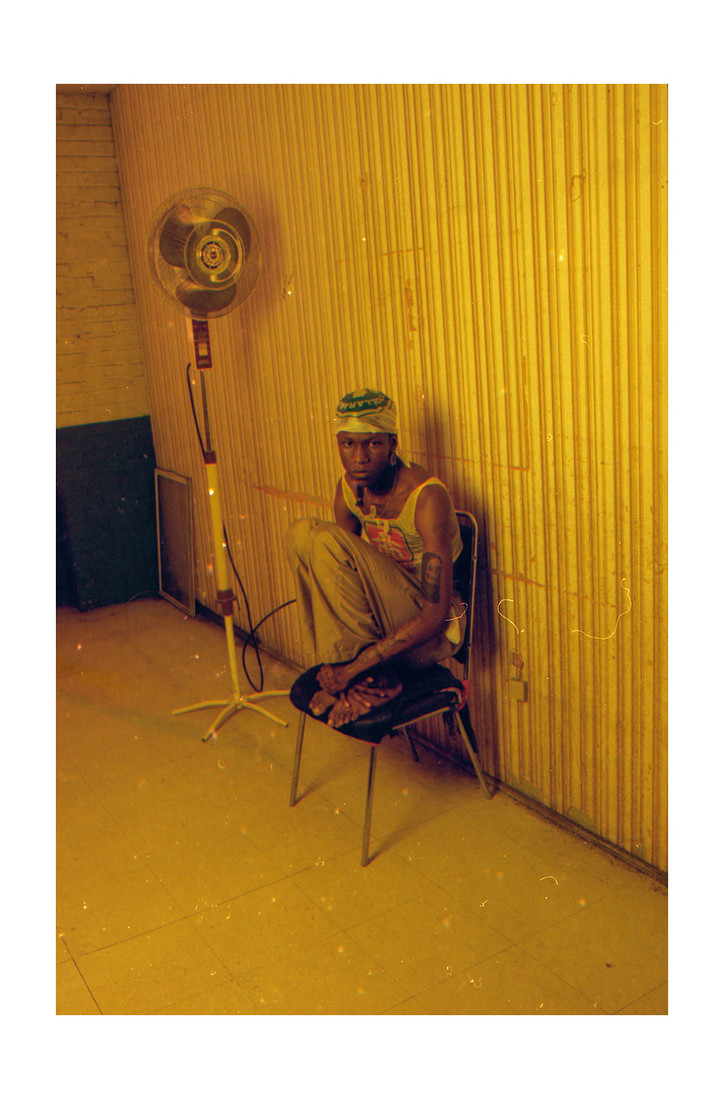
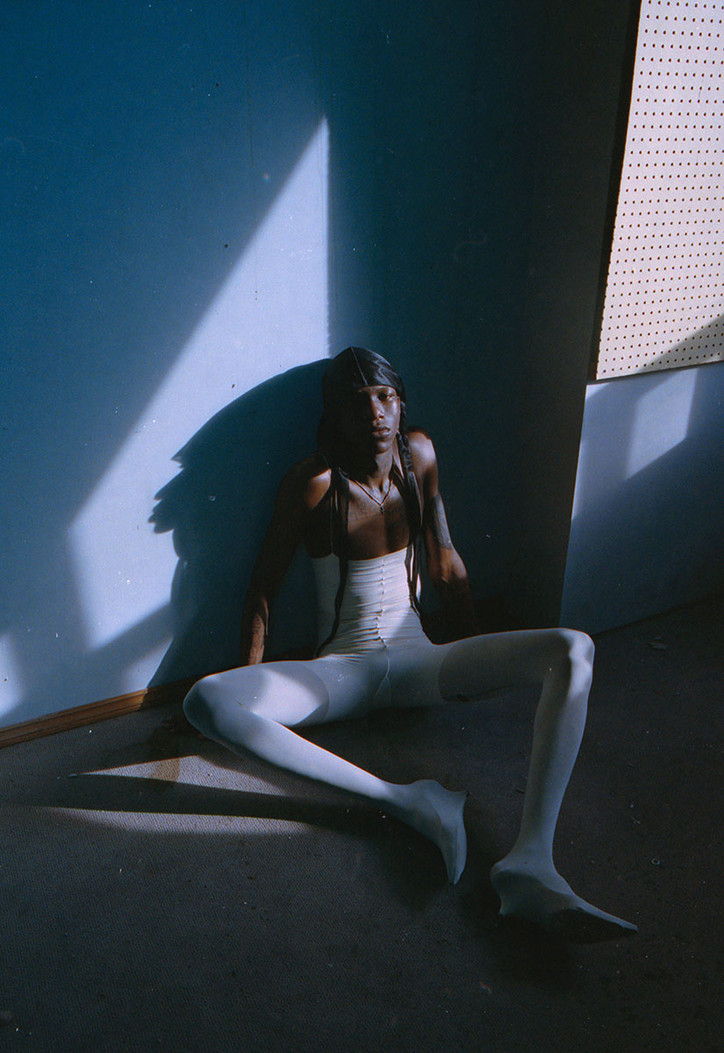
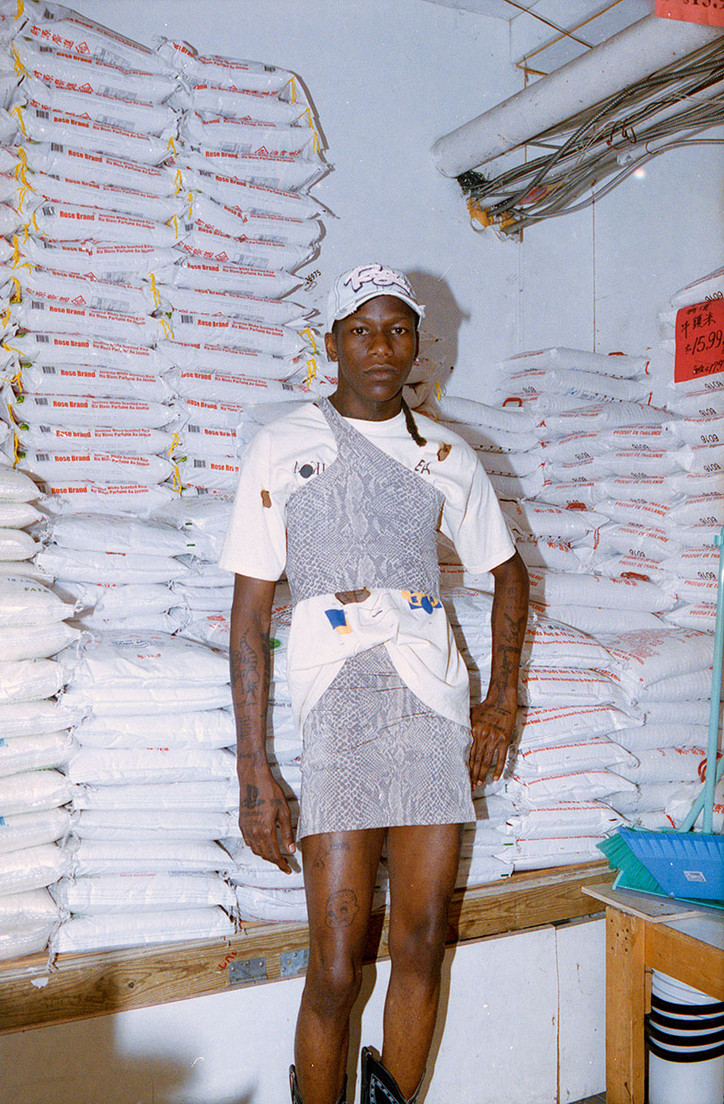
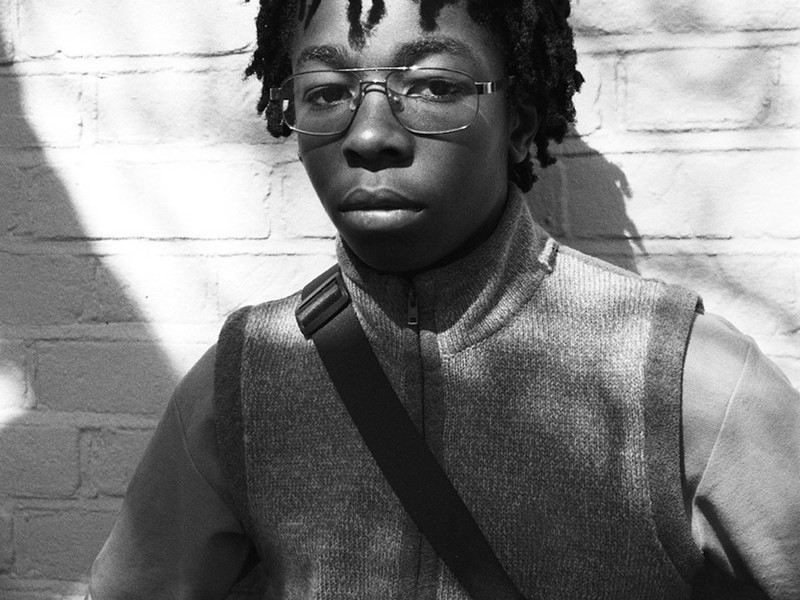
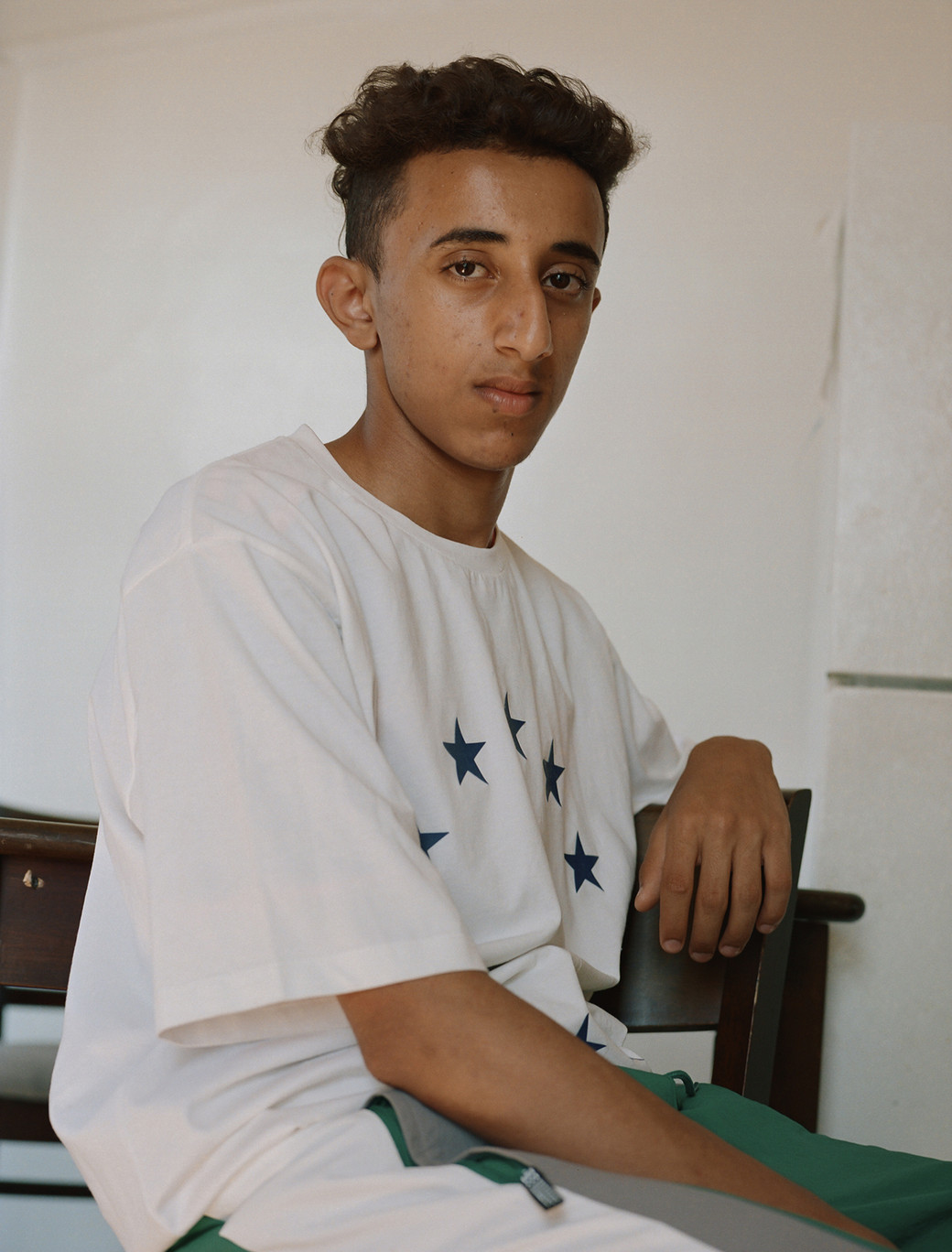
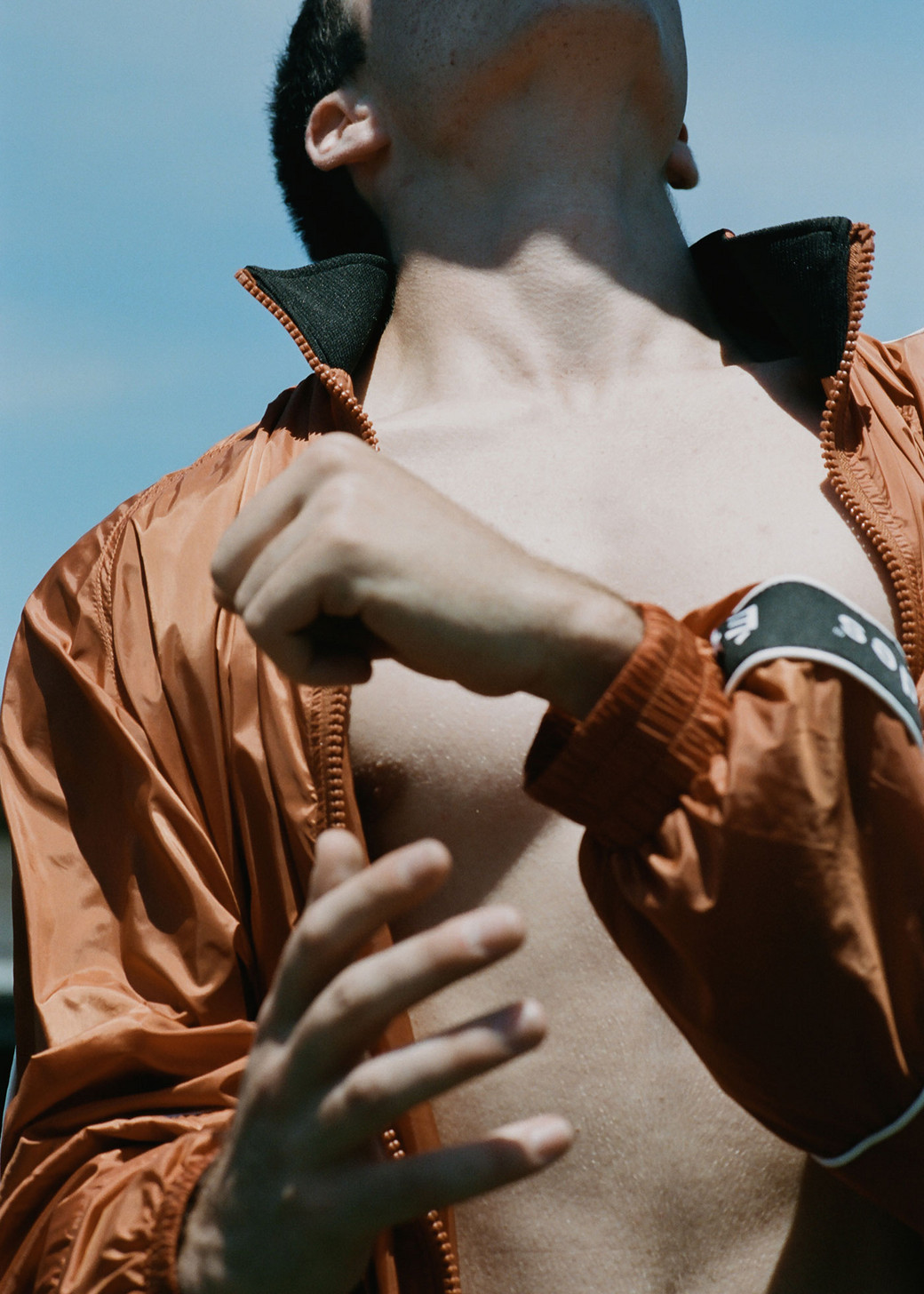
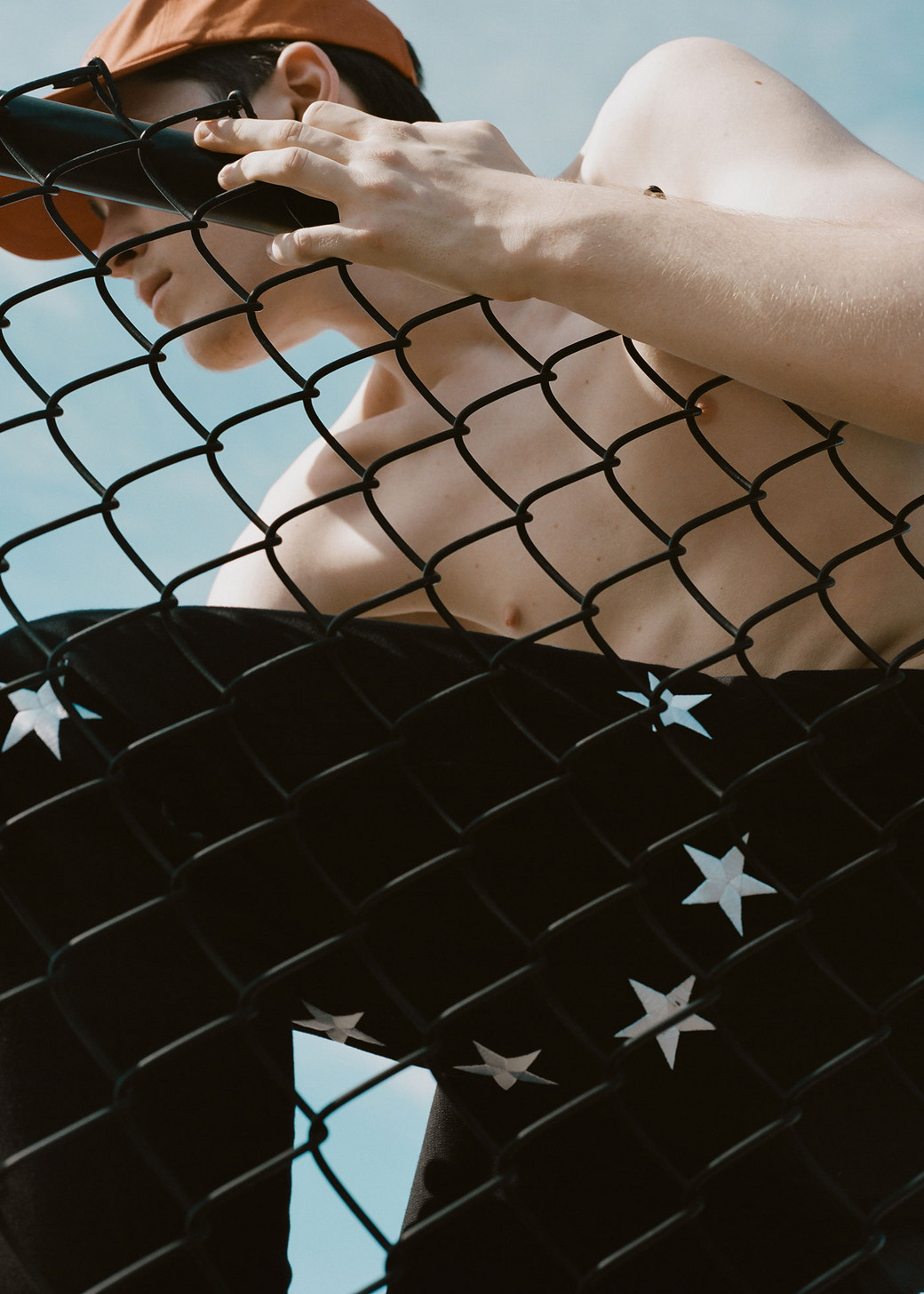
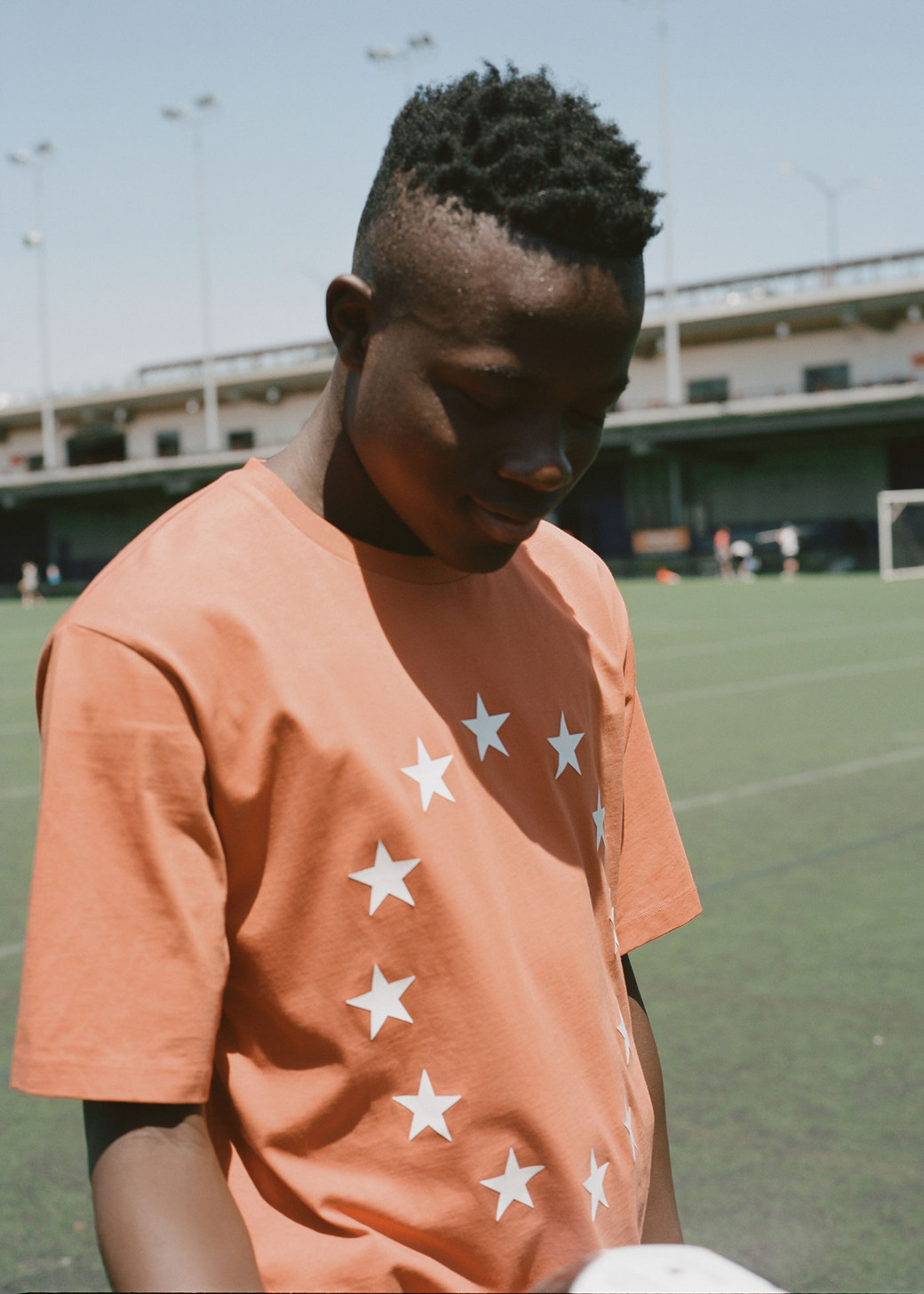
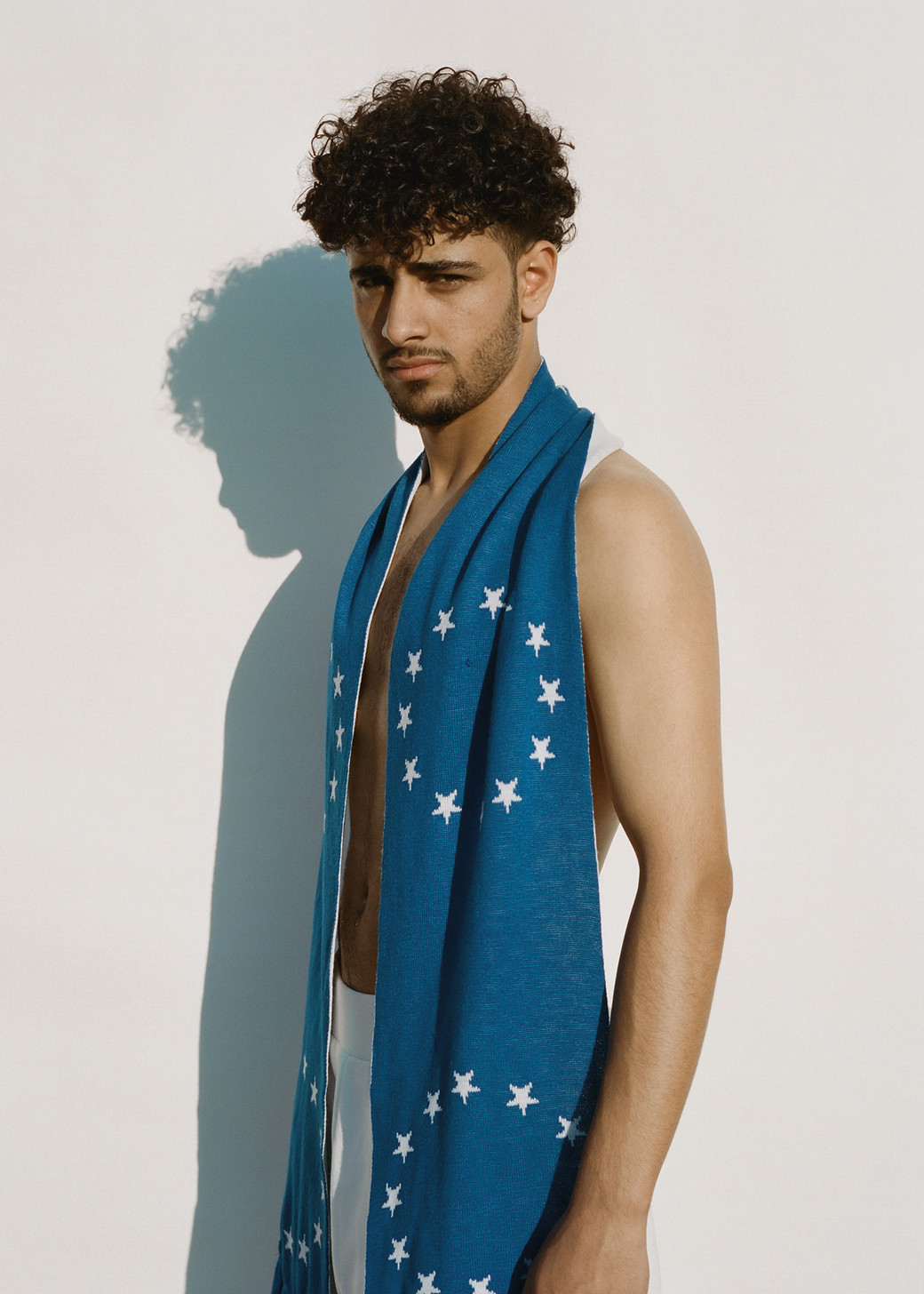
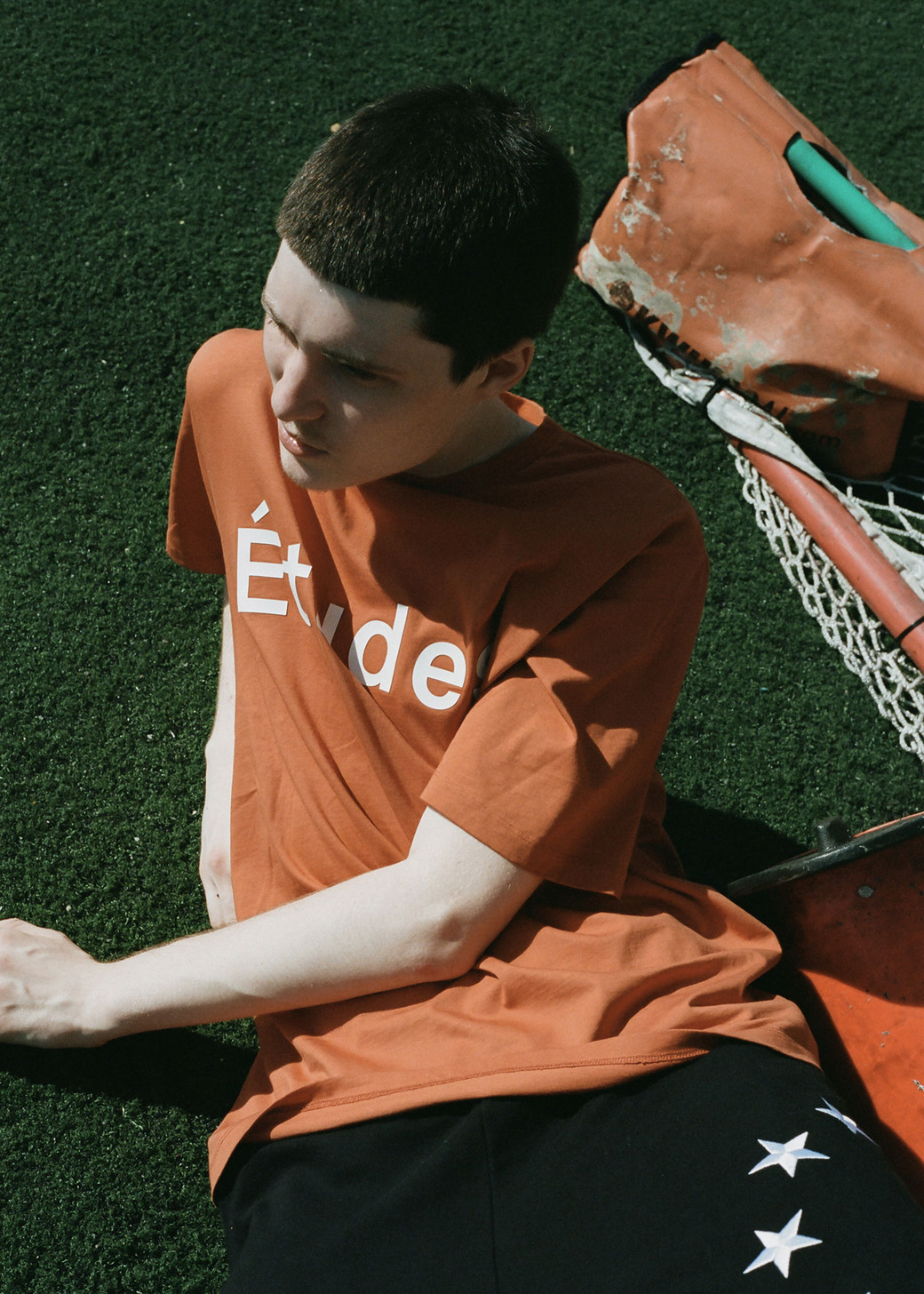
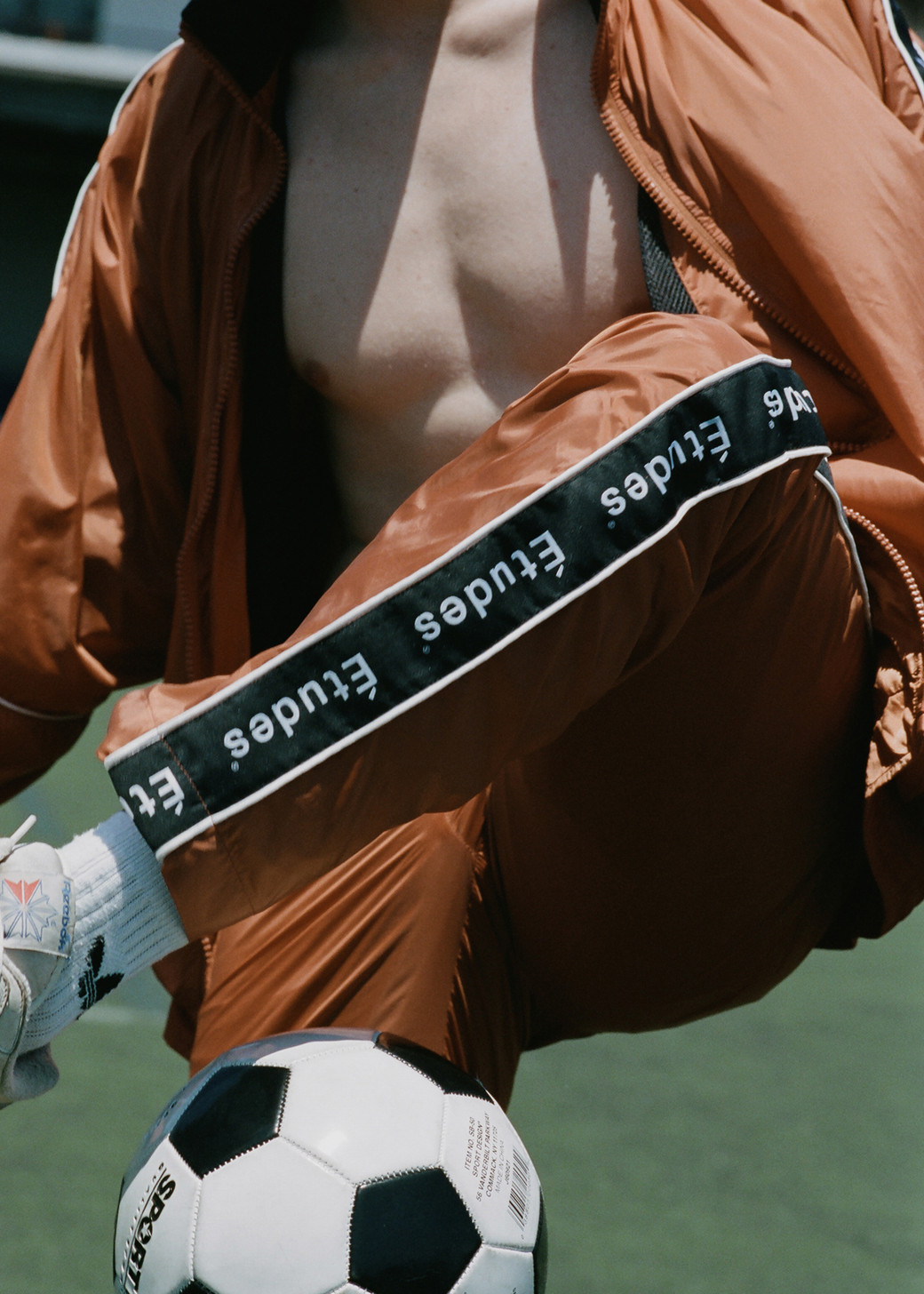
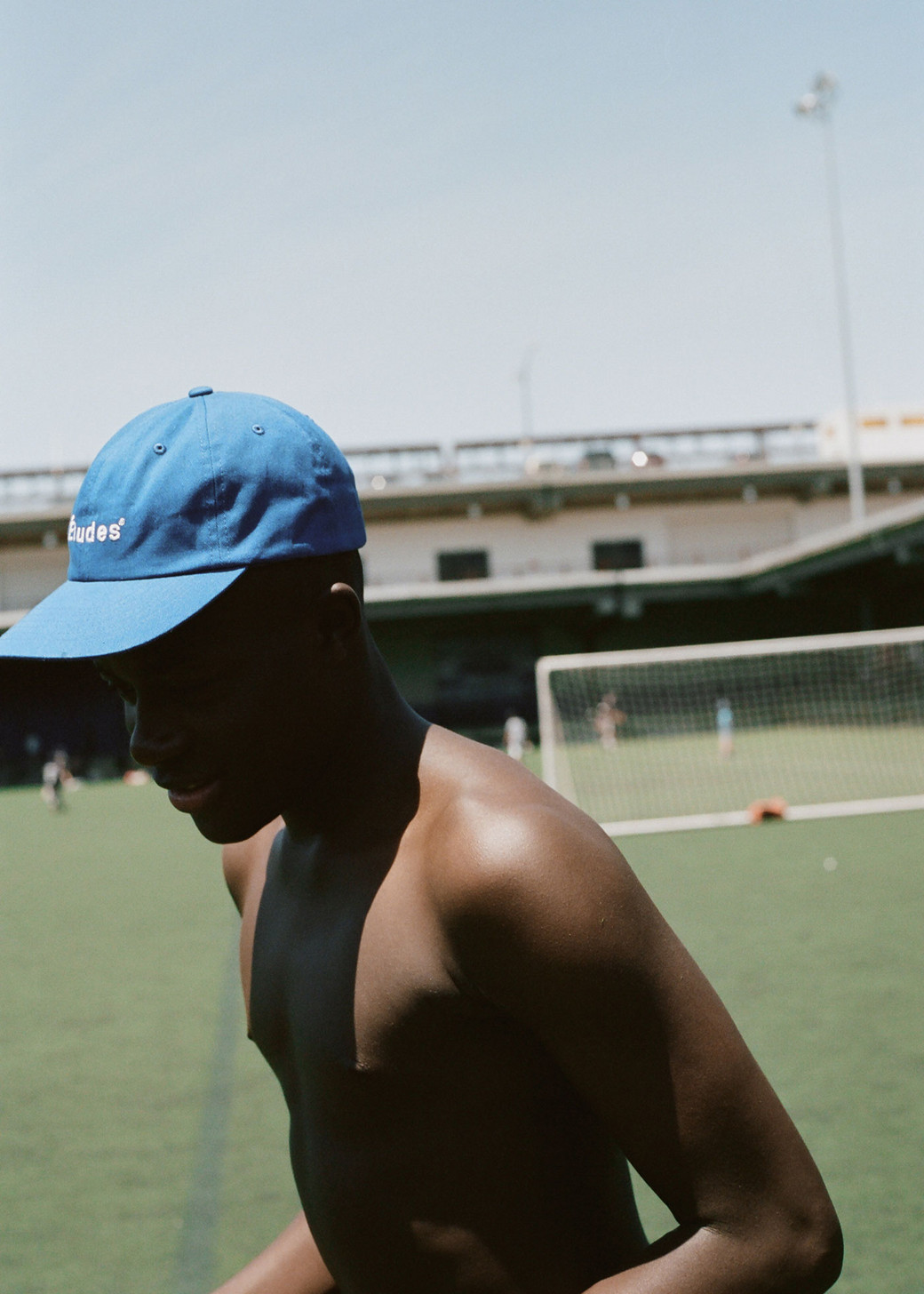
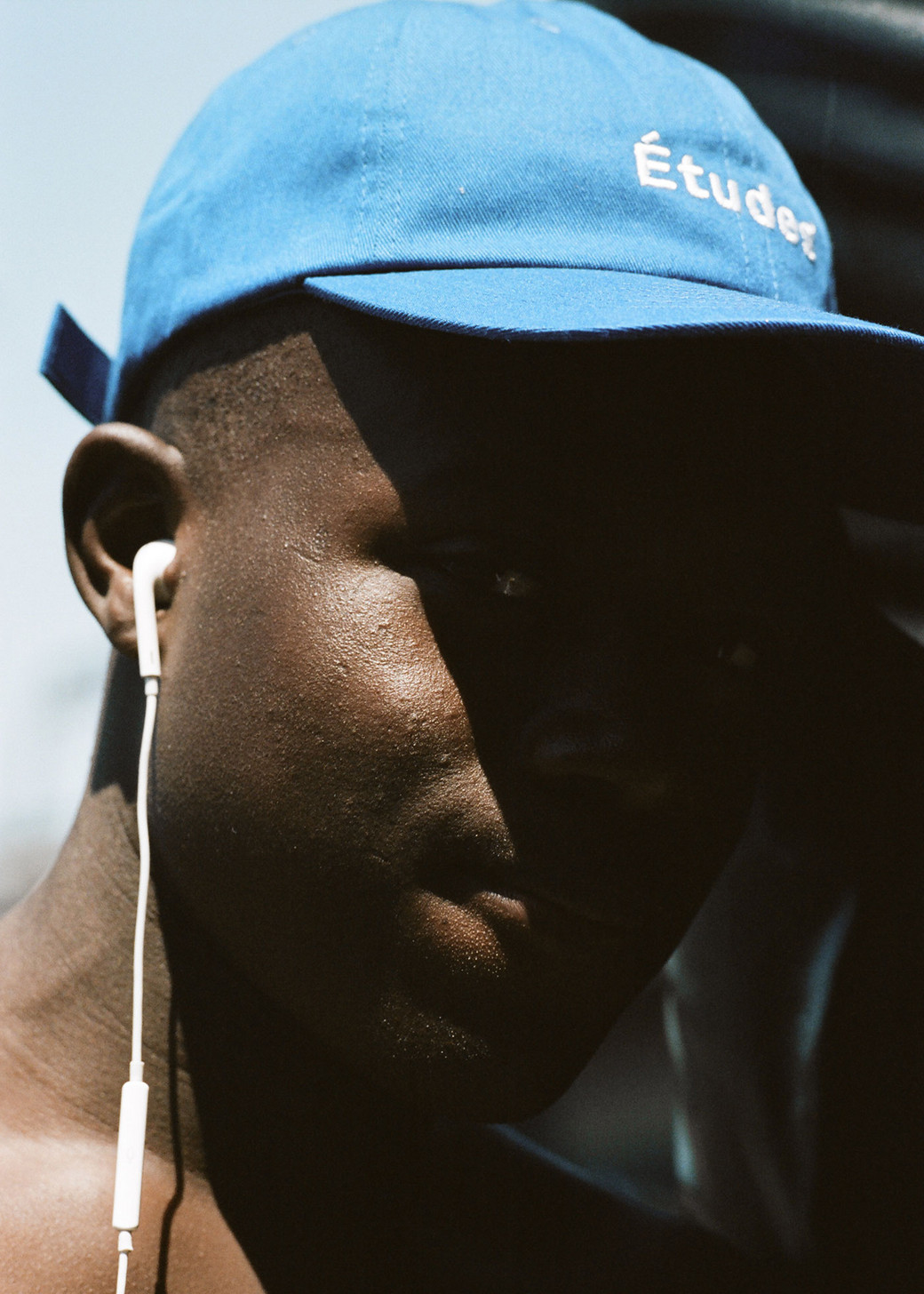
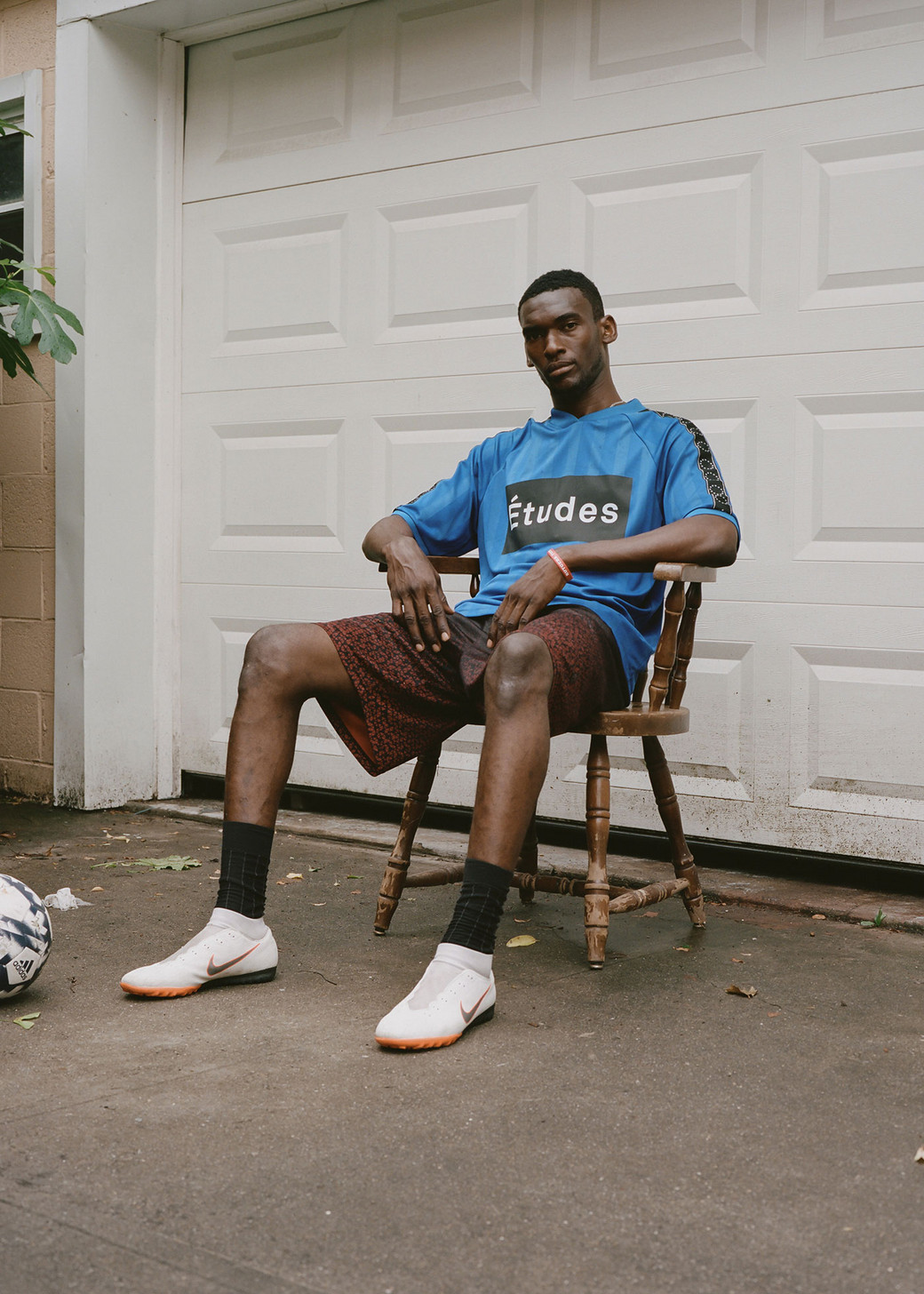
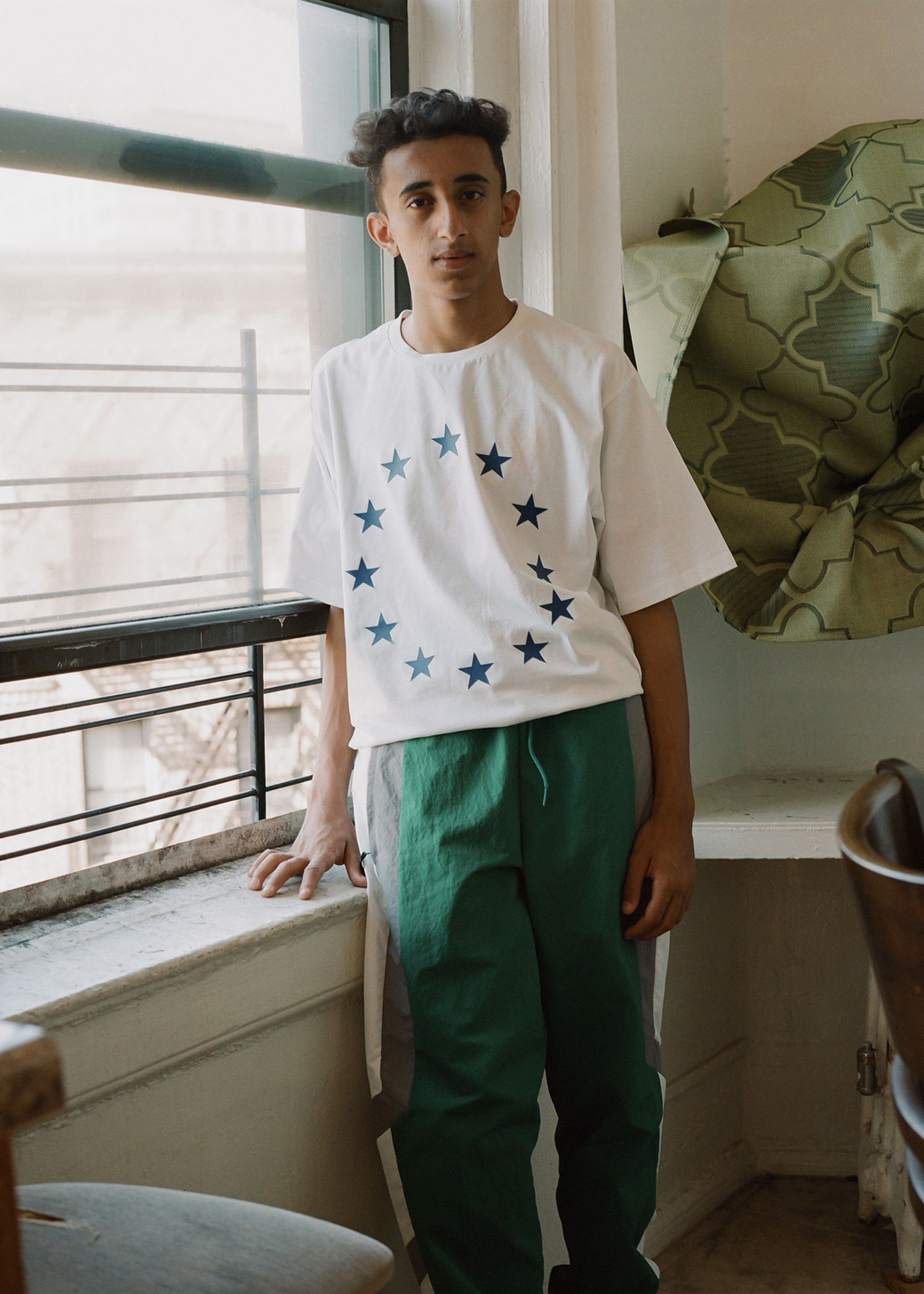
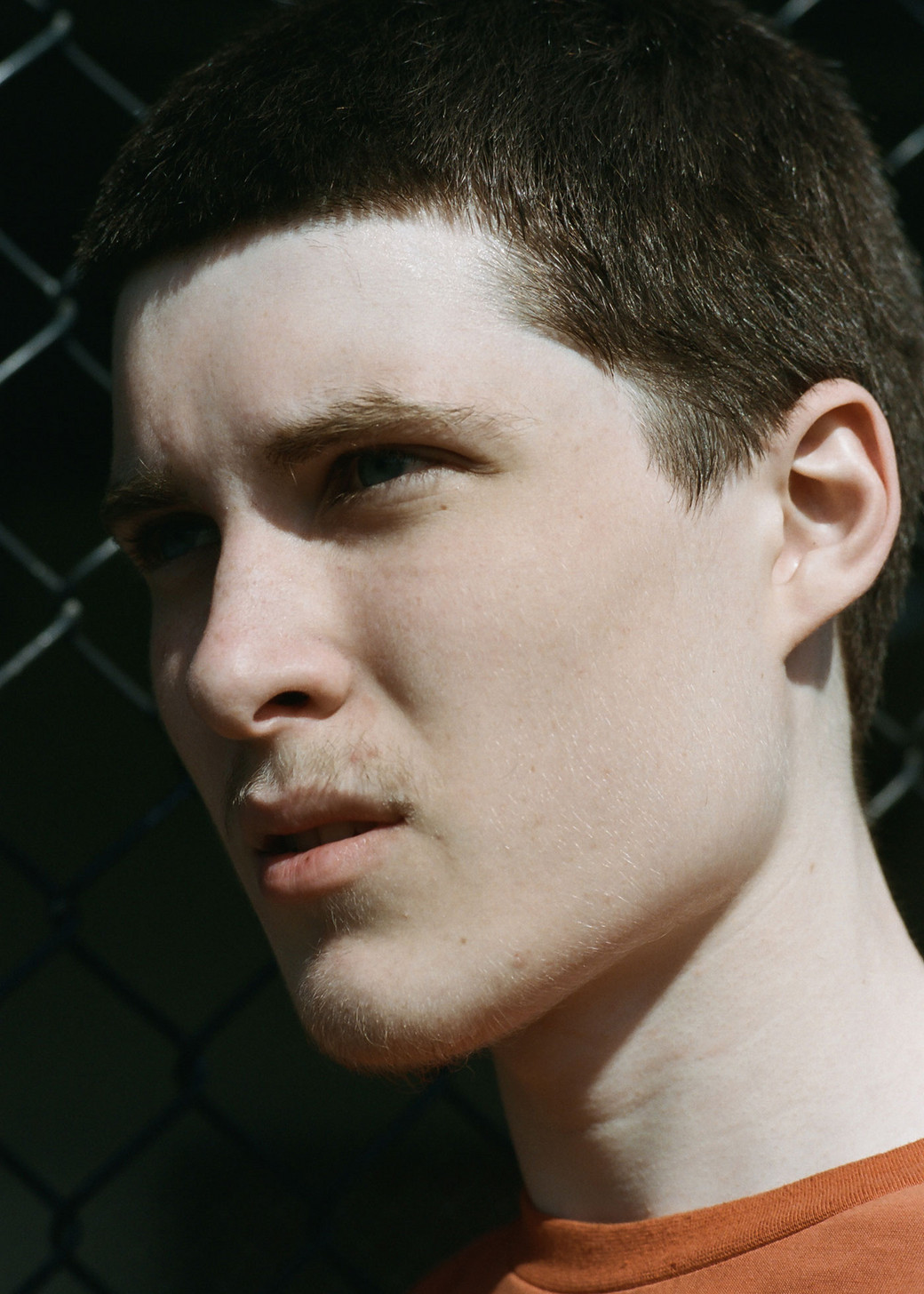
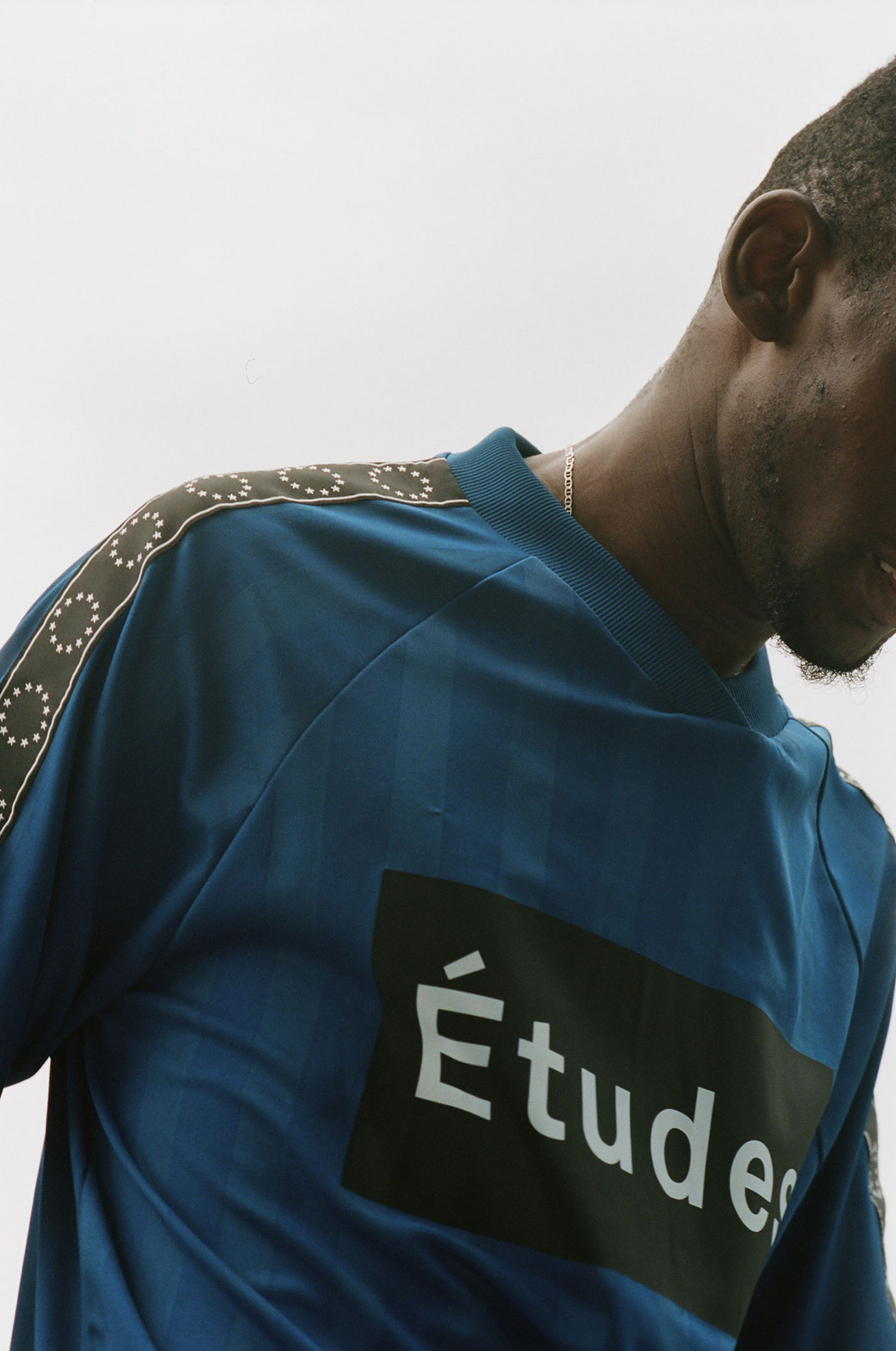
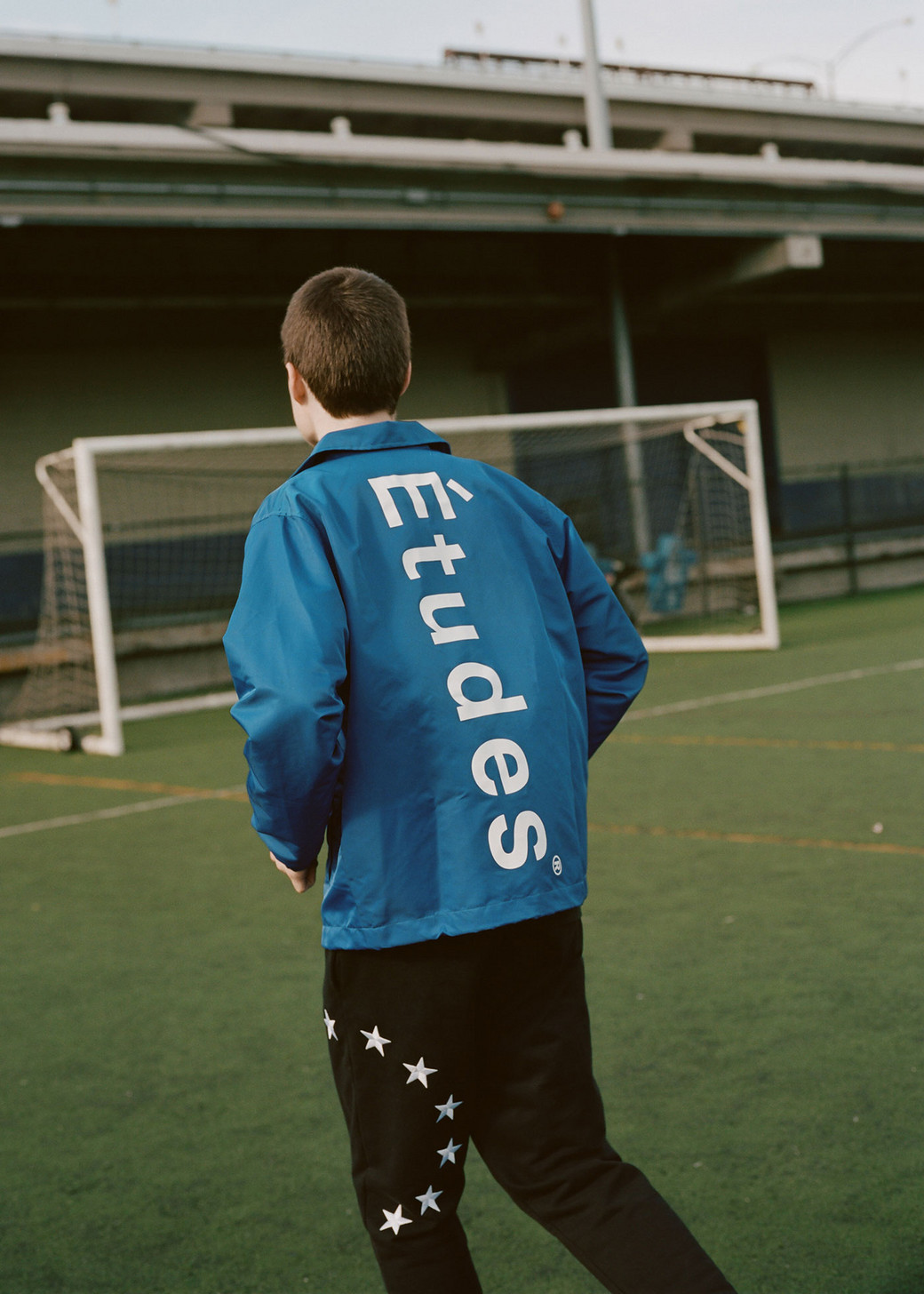
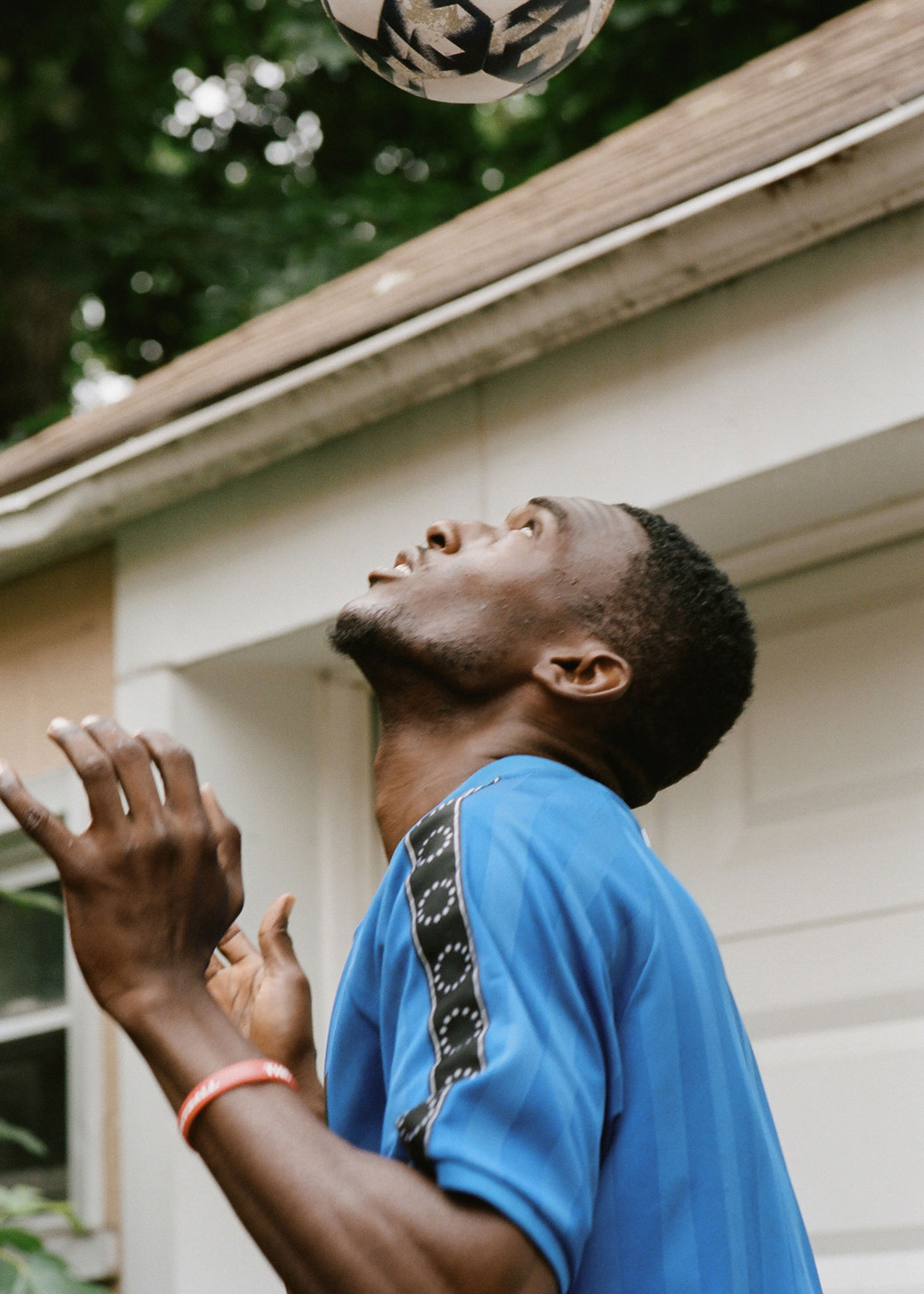
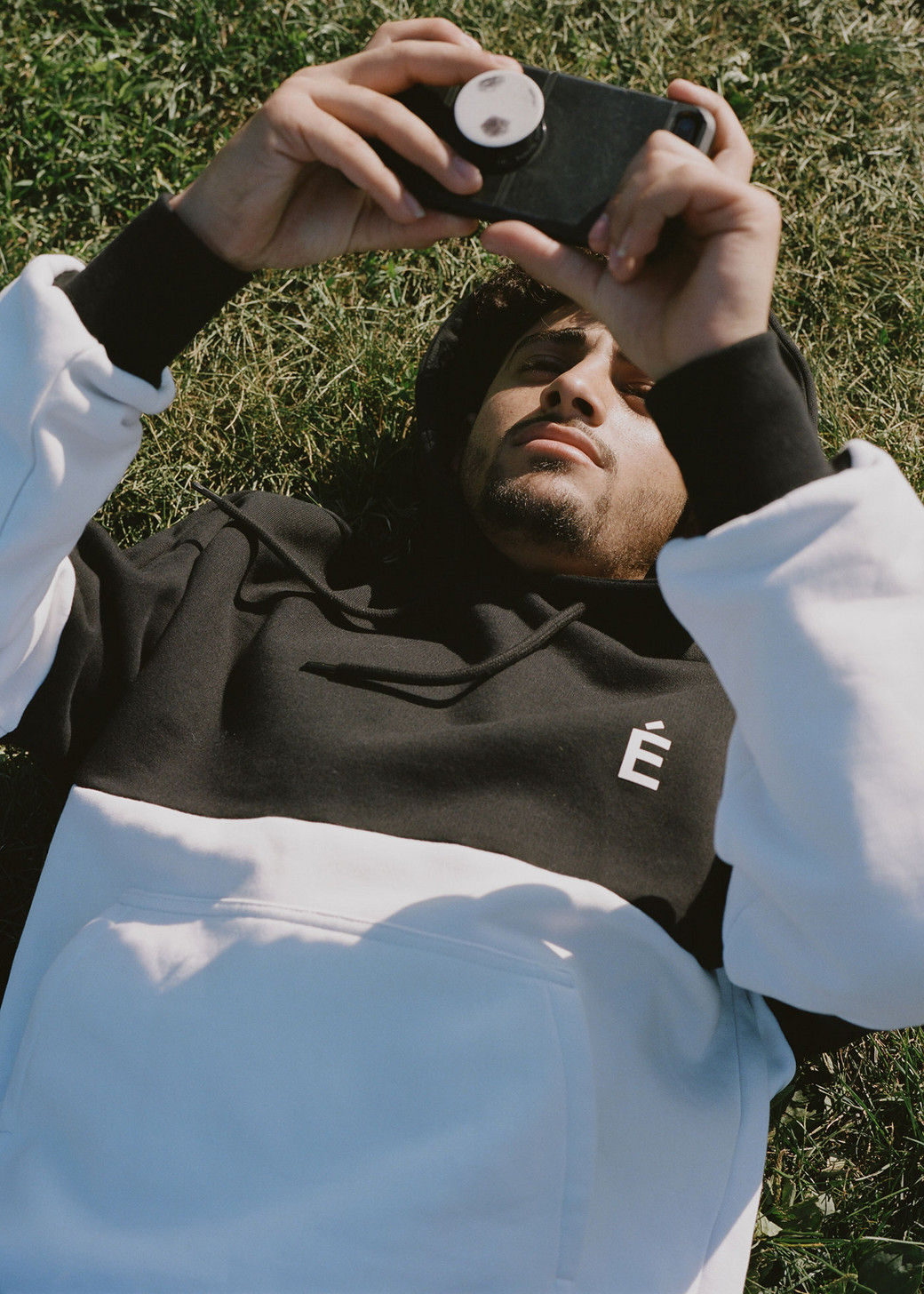
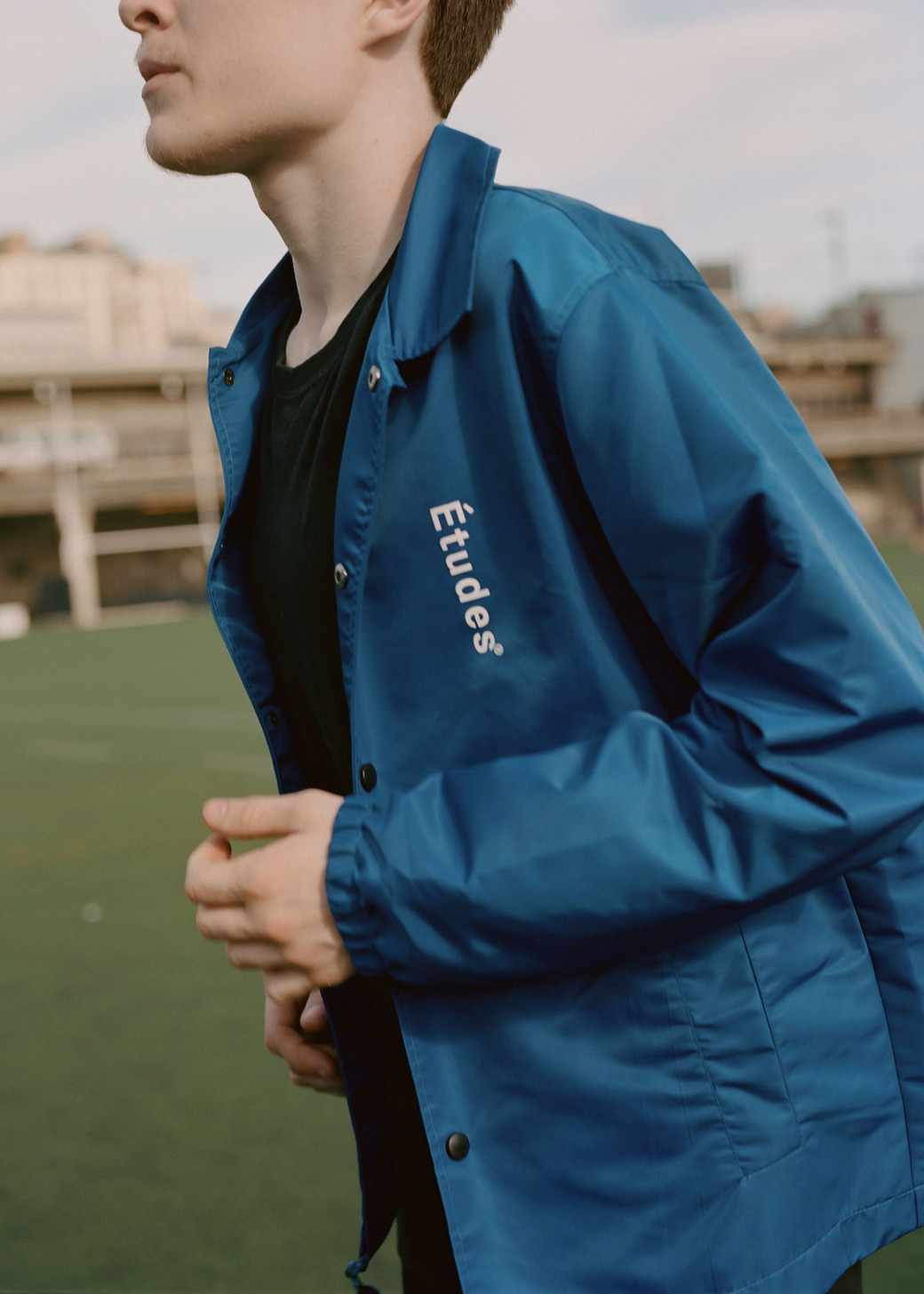
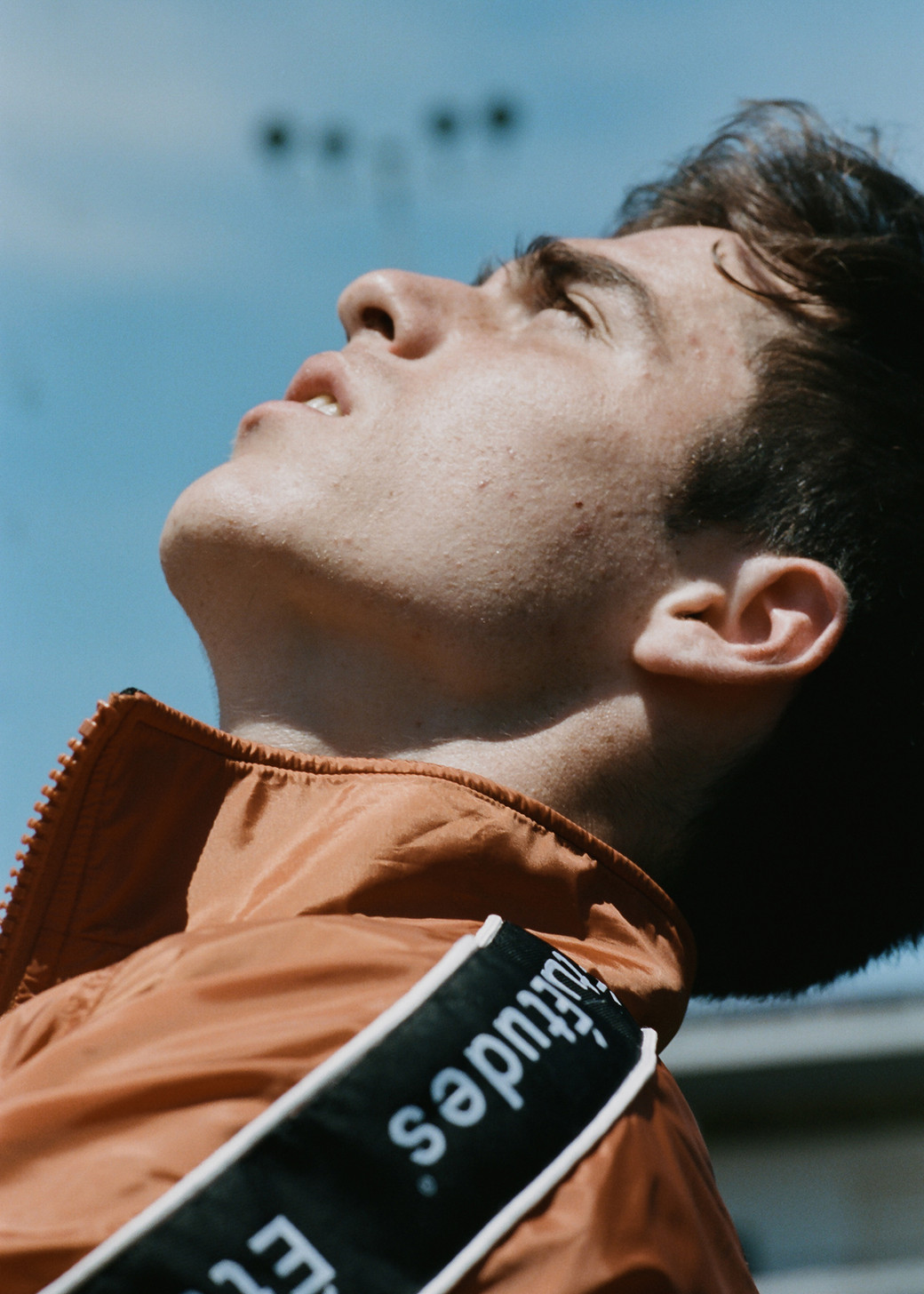
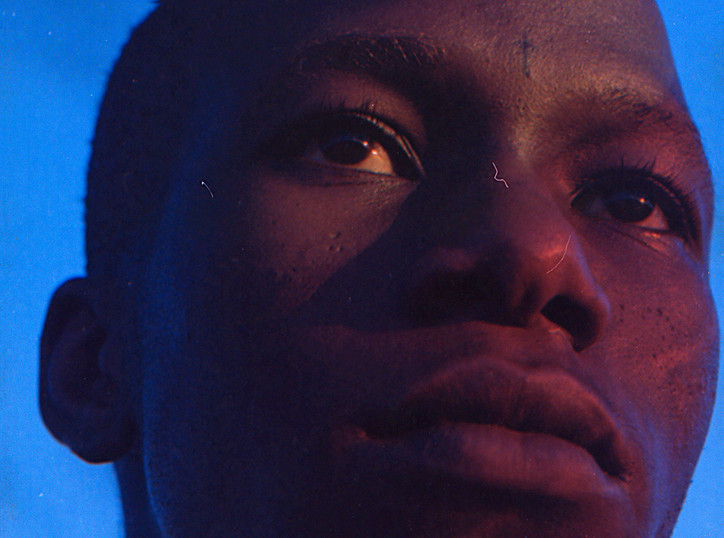
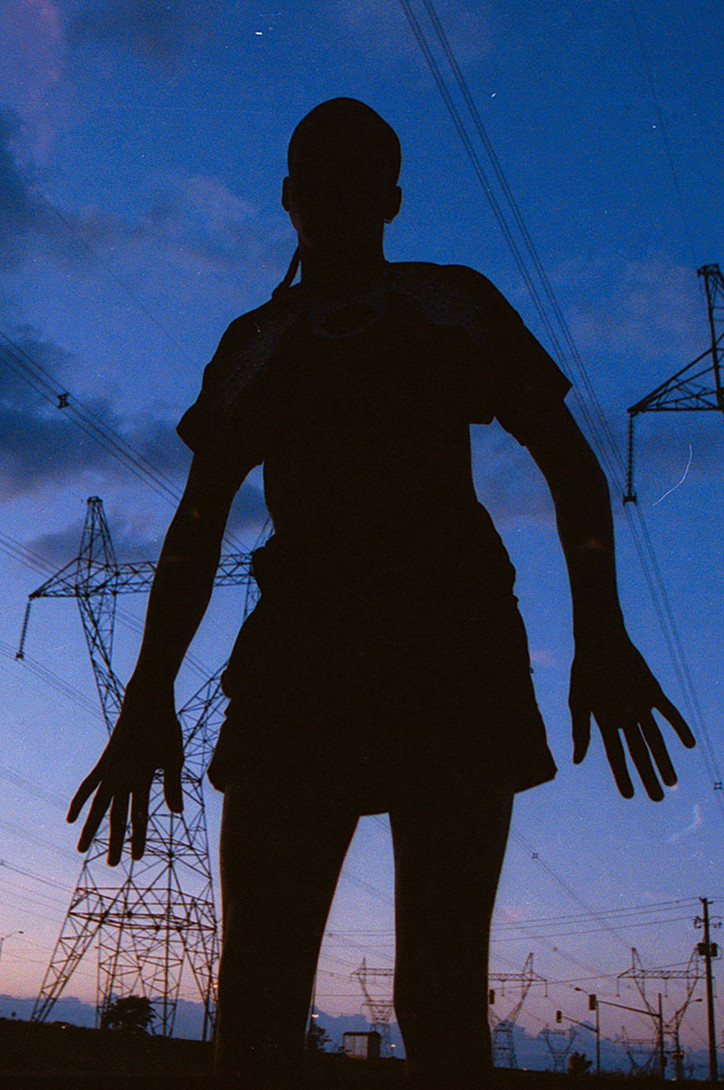
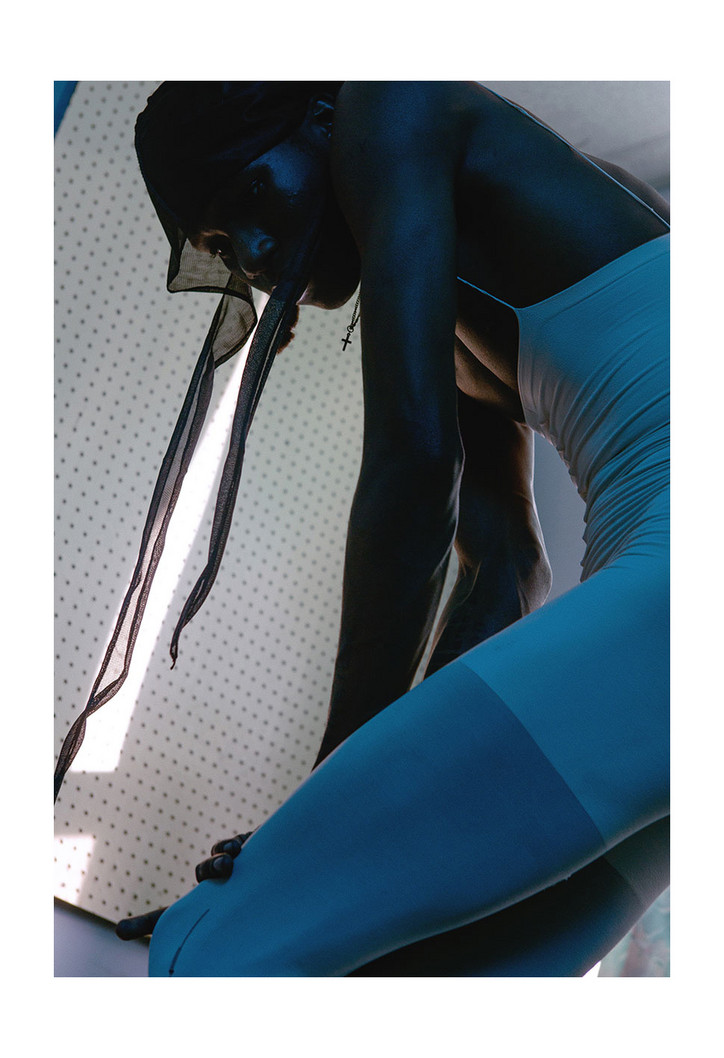
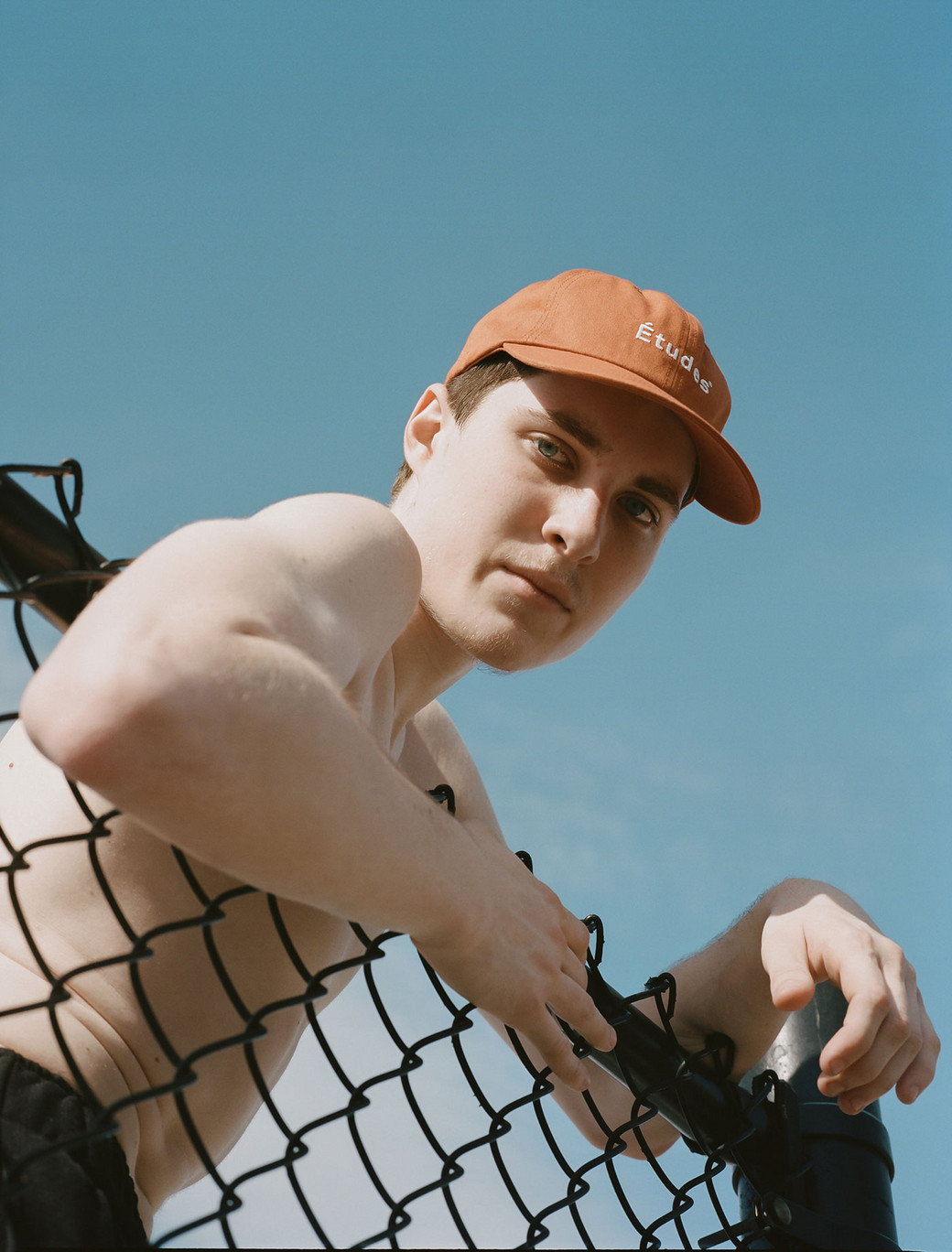
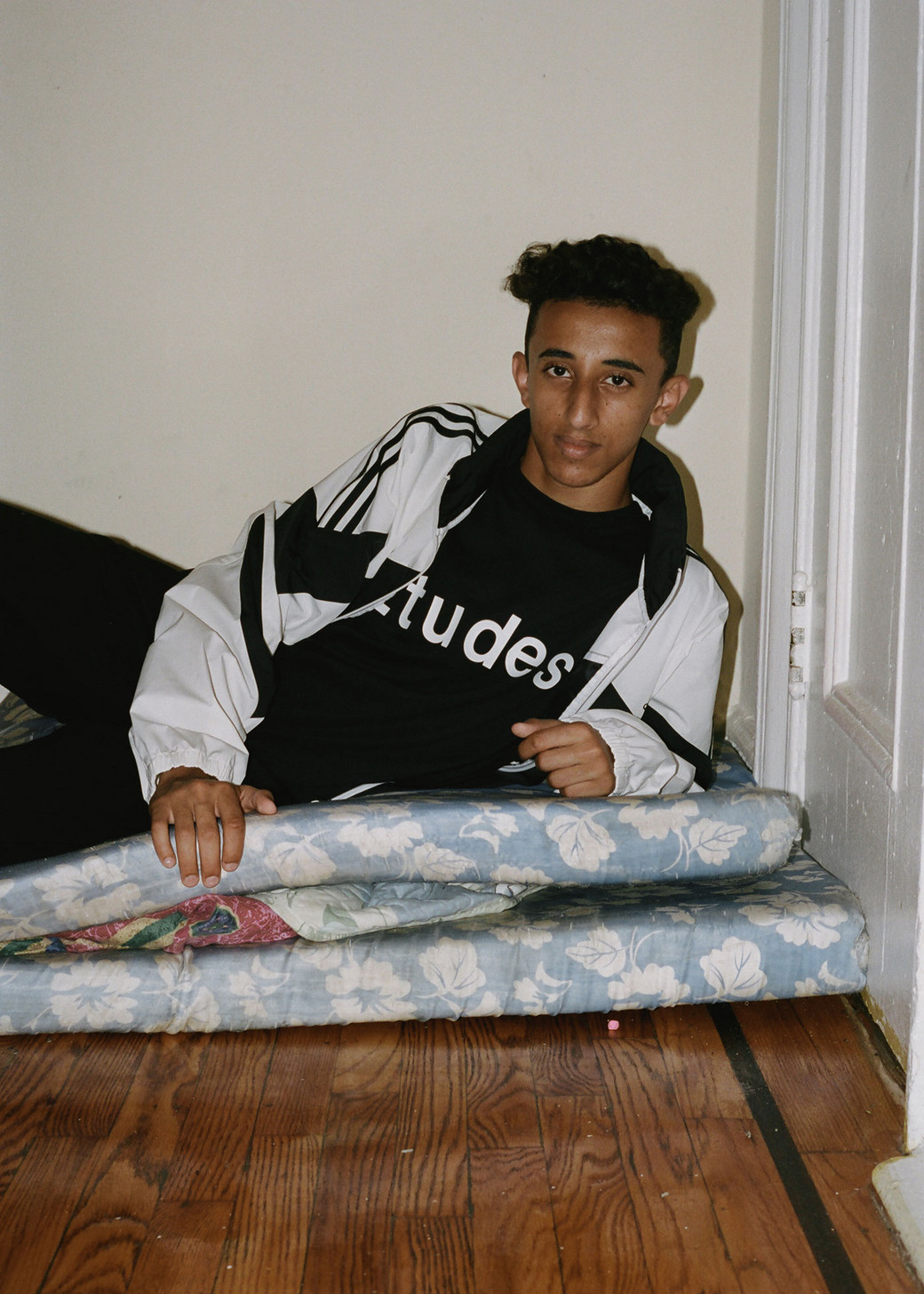
Today, office presents an Études soccer special, highlighting NYC's multinational soccer youth. By casting diverse young men from NYC's five boroughs, and conceiving the project through Études' Blue line, we get a glimpse of the boys who embody the instant and raw cultural unification that comes with playing the sport, those who keep it going year-round.

Tell me a little about yourself, what you’ve been working on, where you’re from...
I’m from Brooklyn and I still live in BK now, I currently have been focusing a lot on Dizzy Magazine, which is an art publication that I started with Arvid Logan a little over a year ago. But I do a lot of different things, I’ve directed a lot of music videos, and done photography, and I actually work a day job at this space called Picture Room. I program events there, like poetry readings and book launches, so that’s a nice thing to do a few days a week. I’m trying to not say yes to everything now, and trying to find more time for myself and the magazine. Just trying to be creative and travel a lot. I was just in Japan and I feel like right when I graduated from Sarah Lawrence, I guess that was three years ago now, it wasn’t too far from the city, I actually lived in Brooklyn my senior year and commuted, which was kind of crazy.
Sarah Lawrence is upstate, no?
Well it’s in Bronxville, which is in the Yonkers area. Yeah I really don’t know what I was thinking, but I really wanted to kind of jump start what I was doing here because I had already started to make a lot of videos with Destiny and generally just had a lot going on. I was also only taking classes a couple days a week. So commuting from home just seemed to make more sense at the time, but it was a lot. So right out of school I just started really hard right away working and doing all types of stuff. Now that I’m a few years out I’m starting to be like, wait a minute, I’m still really young, I don’t need to get to serious, because I am a very ambitious person and I want to be successful and do as much as I can do.


What’s your sign?
Aquarius.
I was just about to ask because I saw you had a scorpion (tattoo) on your forearm.
Everyone thinks I’m a Scorpio because I have a scorpion tattoo, but I’m an Aquarius. I’m definitely at a point now where I’m trying to reconnect with some of the stuff I did when I was a kid, like writing. I’ve started writing more. But Dizzy is what I’m really trying to cultivate because I am kind of all over the place and I have so many different interests and in a way, it helps me kind of contain them all into one project. I get to do writing, and photography, and video, and curating and design and all these things but it all has one outcome, so it's been really nice for me to do that. That’s where I’m at these days.
What childhood memory instantly makes you smile?
So I grew up in Brooklyn, and I grew up across the street from a school, 282, and there was always an ice cream truck outside. So just the sound of the ice cream truck always gets me so excited. Because I would always run out barefoot across the street on the pavement and get ice cream, and that was really fun, that makes me happy.
What’s the last book or movie that you saw that really resonates with you?
I just read this collection of short stories called “Interpreter of Maladies” by Jhumpha Lahiri. It was amazing, the author is Indian and the stories were all really different. I really like reading stories from women authors from various perspectives. I’ve been reading so much lately. I also just read this book called “The Summer Book” by Tove Jansson who actually illustrated the Moomin Cartoons, I don’t know if you guys are familiar with it, but they’re really cute Swedish cartoons and that book was so sweet because it was about the relationship between a grandmother and granddaughter and it took place on this island in Finland, and it was reminding me so much of being a kid and the magic of creating stories; making a little fairy house out of wood, because I had a backyard growing up so I would do that kind of stuff.
I like what you said about the grandmother and granddaughter just because I feel like that’s such an important and distinct relationship that you don’t have with any other member of your family. But the way it comes across in a lot of movies is just really kitschy and not as deep.
Right! And I also just feel like the parent-child relationship is explored so much more, and your grandparent-child relationship offers such an interesting dynamic because you really came from them. It’s so crazy just thinking about your great grandparents, your great great grandparents, what you inherited from them.
And you often find that qualities and characteristics that you can’t place with your parents you’ve actually inherited from your grandparents.
Well there’s actually this joke that my grandpa tells all the time: I just wish I knew so that I would have had grandchildren first, and I’m like alright grandpa, kind of corny, but beautiful.
I’ve seen your Instagram and have looked into a lot of the work your produce. I feel as though you're in Tokyo a lot.
I’ve actually been twice, but I definitely posted a shit ton haha.
I see that influence on you, though, especially in terms of your aesthetic, even looking around your house. How does your location influence or inform your work and stylistic choices?
That question is interesting because I definitely feel a very strong connection to New York with my work, whether it’s photo, video, or writing, everything, it really informs what I do. But in recent years I’ve been more open to the idea of living somewhere else or traveling more. I feel like when someone grows up in NY, they have such a specific experience and it’s so amazing, it’s diverse, its cultured; you just get something that people, at least in other places in America, really don’t get, and in a way you're kind of sheltered to the realities of the world. For so long I’ve been like, “I’m never leaving New York, this is my home”, but I’m more open to the idea now. Japan is an interesting place because it’s so different, and I think that it’s really important for people of all ages, especially young people, to have different experiences and perspectives on the world. So just for that reason alone it was a really amazing trip.
If you were a shoe, what shoe would you be?
Oh, damn, deep as shit ha. Well right now, I’m wearing velvet, ruby red slippers, and I was obsessed with the Wizard of Oz ruby red slippers when I was kid. Lowkey I used to wear my platforms all the time but now I almost only wear sneakers, which is so lame but they’re just so comfortable. Regardless, I feel like ruby red slippers are my shoe.
Do you think you become your name, or your name becomes you?
Well I was named after a family member, my great great grandmother, so that question for me is interesting because I got my name from a fully-formed human being and feel very connected to it. I think I became my name in a way, because hearing the stories of the woman I was named after, she was super weird, rebellious, kooky, creative, and because I’ve been given that name, I think I’ve subconsciously embodied those qualities. I’ve never really thought about it that way, I like that question.
What do you think about the relationship between intention and reception as someone who works in a predominantly visual realm?
I think it’s important. I’m not gonna lie, I care what people think; with a lot of my work I intend to cause some sort of resonance with other women. I definitely think that relationship is something I bear in mind when I’m creating.
Cool. How much does language affect your work, or your thinking?
Well one of my first creative outlets was writing, that is something very important to me, so in that sense I feel like I’m thinking a lot about the poetics of images, and definitely thinking about it in a textual way. Language in my work I guess has more of a literary element, but I definitely think about language and its importance living in a place as linguistically diverse as New York.
Which fictional character would you grab a drink with?
Maybe Pippi Longstocking because she’s wild, and I feel like we would get in a lot of trouble together.
Fate, or chance?
I don’t like the idea that we are bound to a certain narrative, I like the idea that I’m in control. I’d like to think that there’s more chance involved than fate, I guess. I feel like the reality is that it’s fate, but I just choose to believe I have a choice!
What is something about yourself that you’ve always disliked or been embarrassed about, or just an aspect of your personality that you have recently learned to embrace, and that has actually been really positive and beneficial?
I actually have two answers. The first one is more surface-level and the second one is a little deeper. One thing that has been hard for me is something that I actually mentioned earlier, that I have so many interests and so growing up I was a little all over the place. I wanted to do all these different things, and I feel like maybe in a way this quality never gave me the chance to focus and really hone my craft in one area. But now, with Dizzy and just with the culture of creative youth, I definitely think that it’s helpful to have so many different areas that I am interested and involved in. On a deeper level, I don’t open myself to people a lot, but I’m really good at making people feel like I am.

Ok, now for some word associations:
Warm - Hot, haha oh jesus.
Texting - Annoying.
Home - Berkeley.
Universal - Important.
Spicy - Yummy.
Limits - None.
Hair - Powerful.
Power - Hair...no just kidding! Hmm, power...sexy.
Love - Boundless.
Window - I’m being so corny with my answers! Breezy.
Penis - Conflicted.
Smile - Teethy haa.
Mother - Heart.
Vanilla - Chocolate.
Ally - Important again, I guess.
Close - Working on it, haha.
Censored - Oh, one word is hard.
It doesn’t have to be one word, it can be a thought.
So bigotry should be censored, to an extent, but free thoughts shouldn’t, but if its hurting someone — racist, sexist, anything like that — then we don’t want to hear your shit. It’s so complicated now with free speech blah blah, but if your being a biggot, it’s not so simple. I don’t know, the internet is crazy.
Heavenly - Earth.
Childish - Forever.