The Final Echo Isn’t a Sound
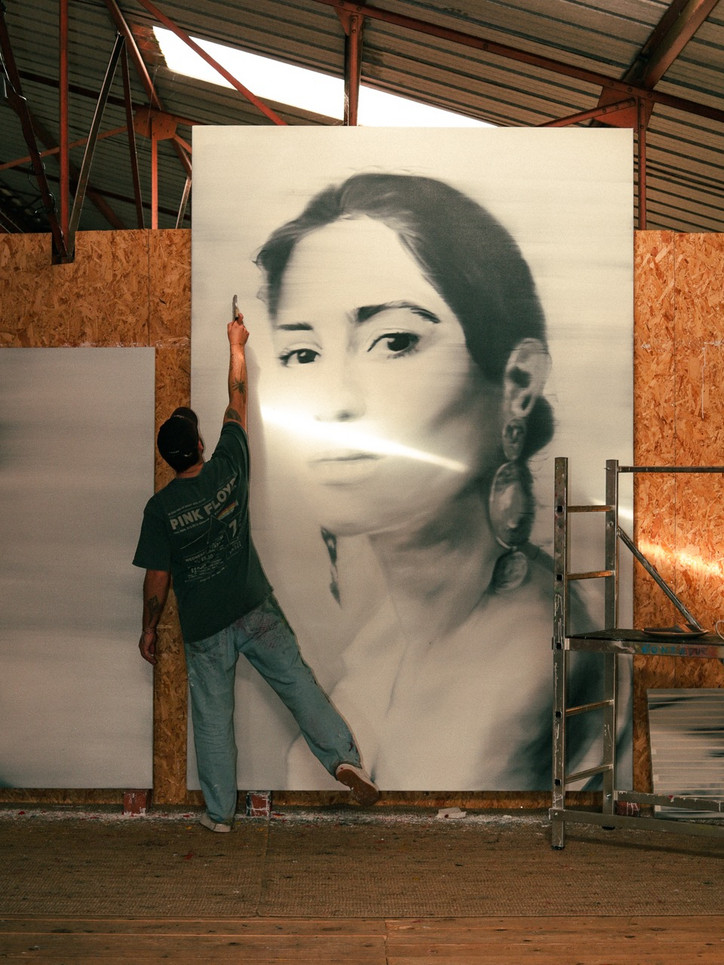
The Final Echo Isn’t A Sound will be on view at 545 W 23rd Street, Chelsea, from June 5 to June 21, 2025.
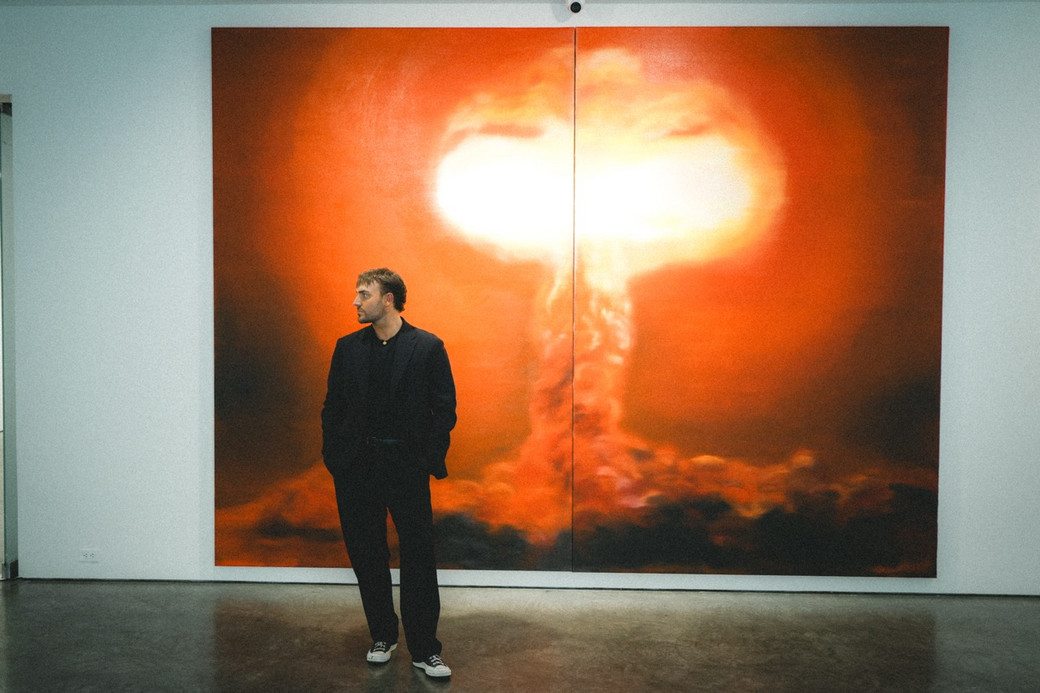
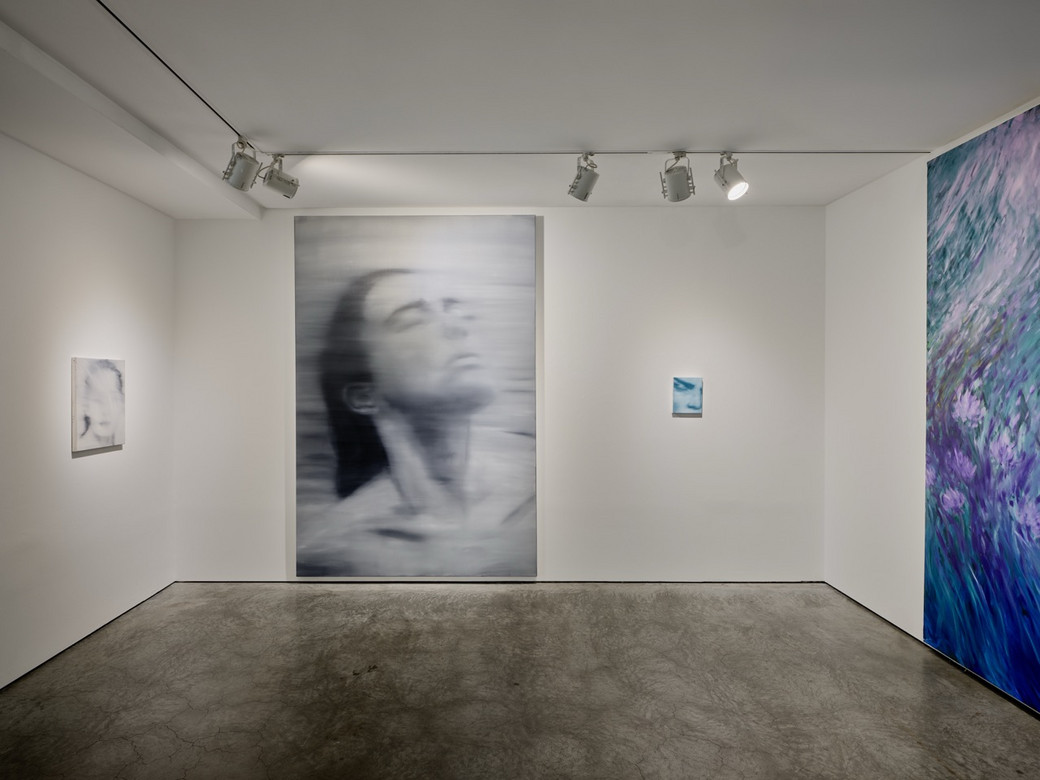
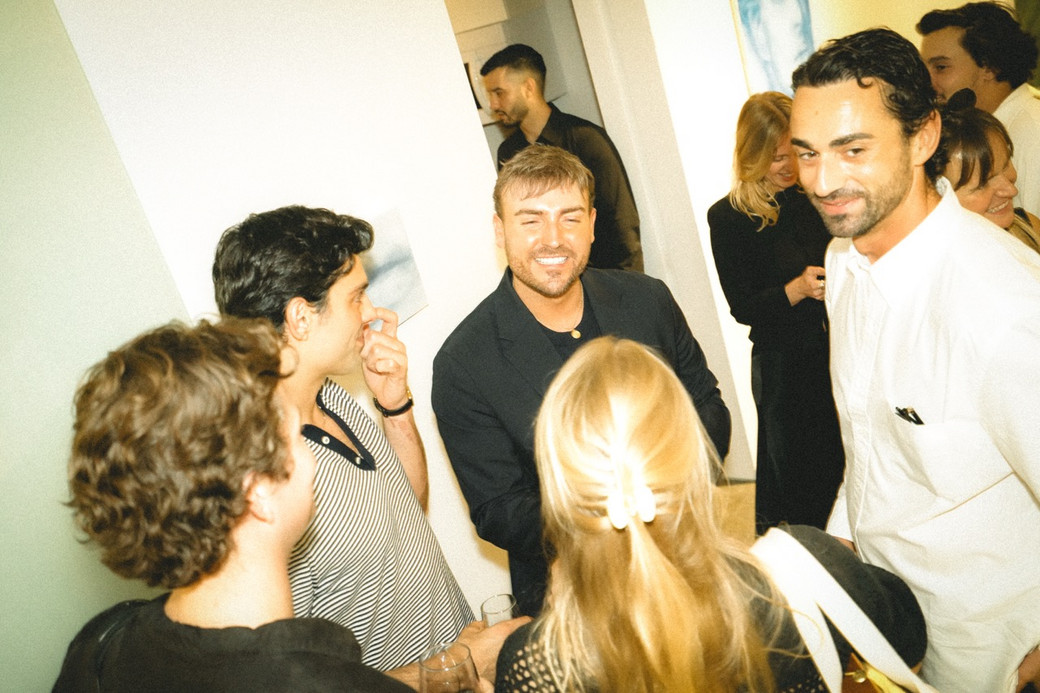
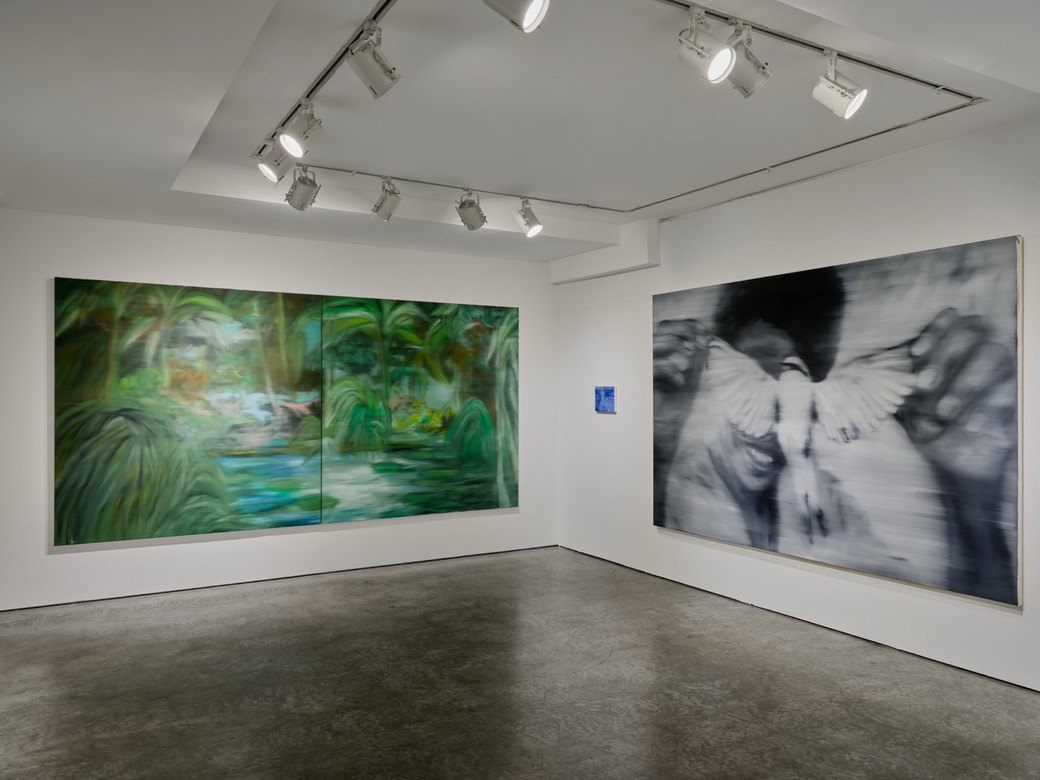
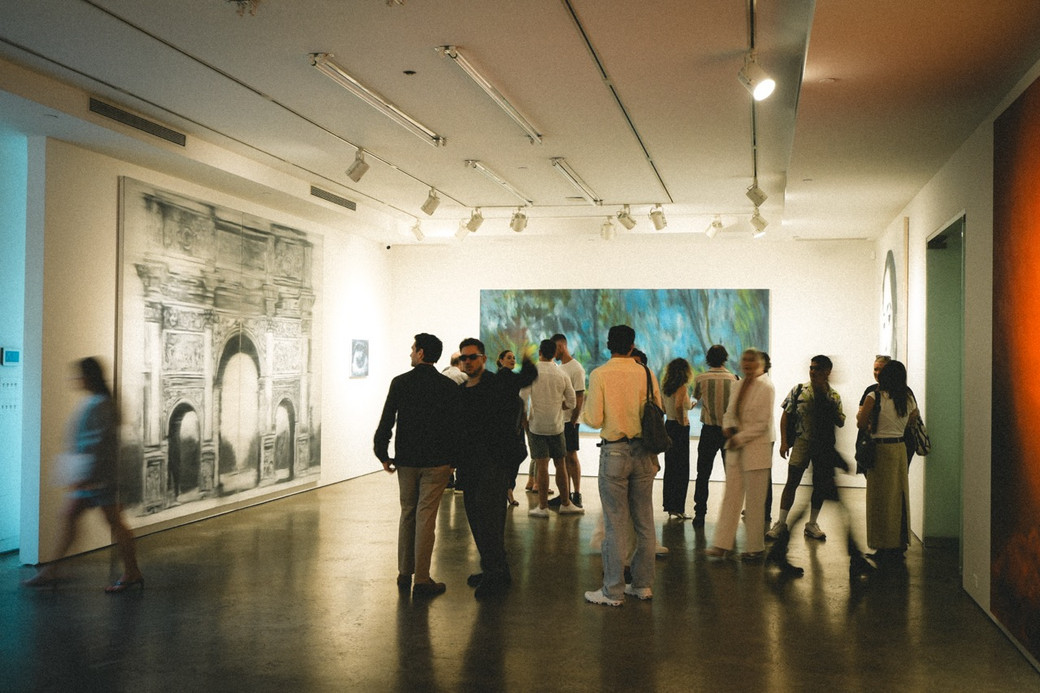
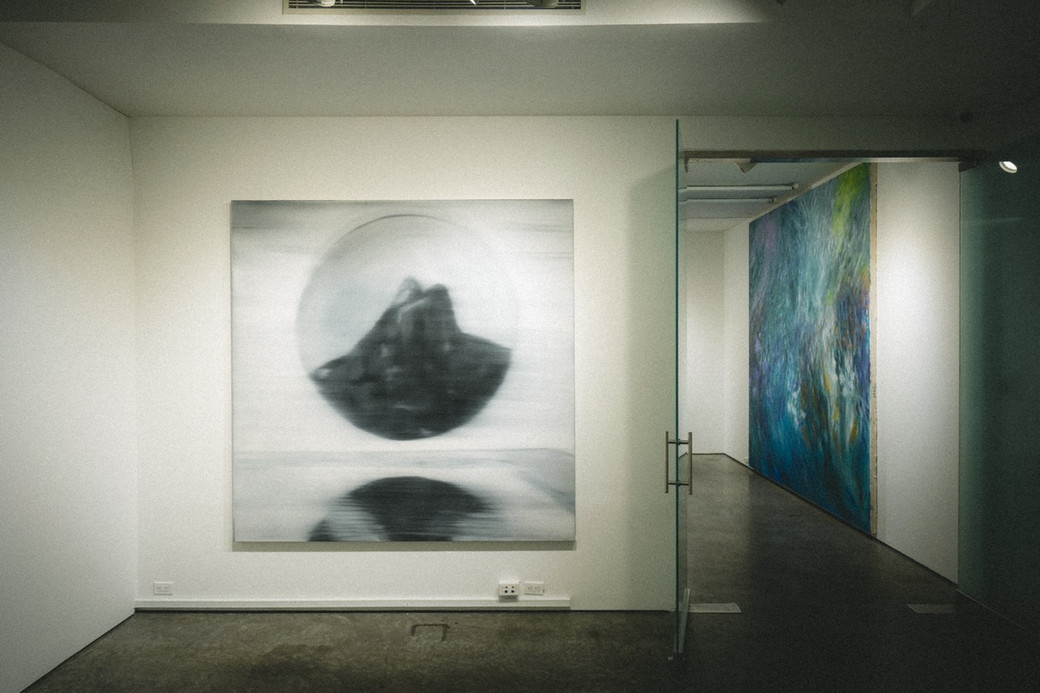
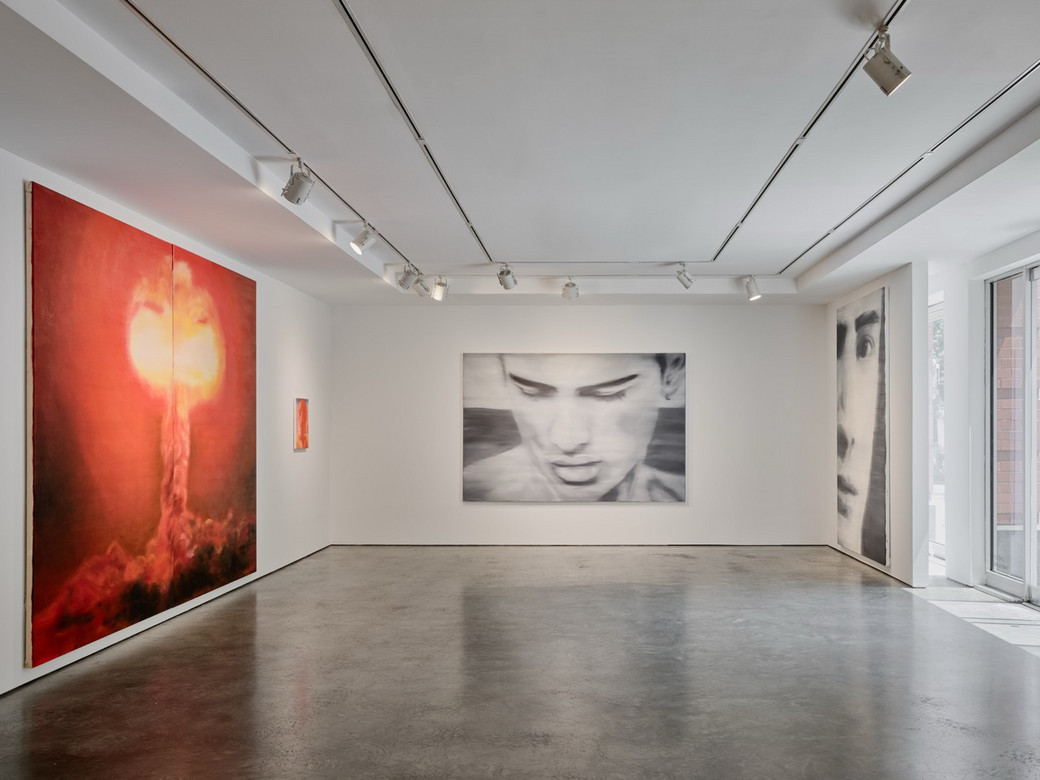
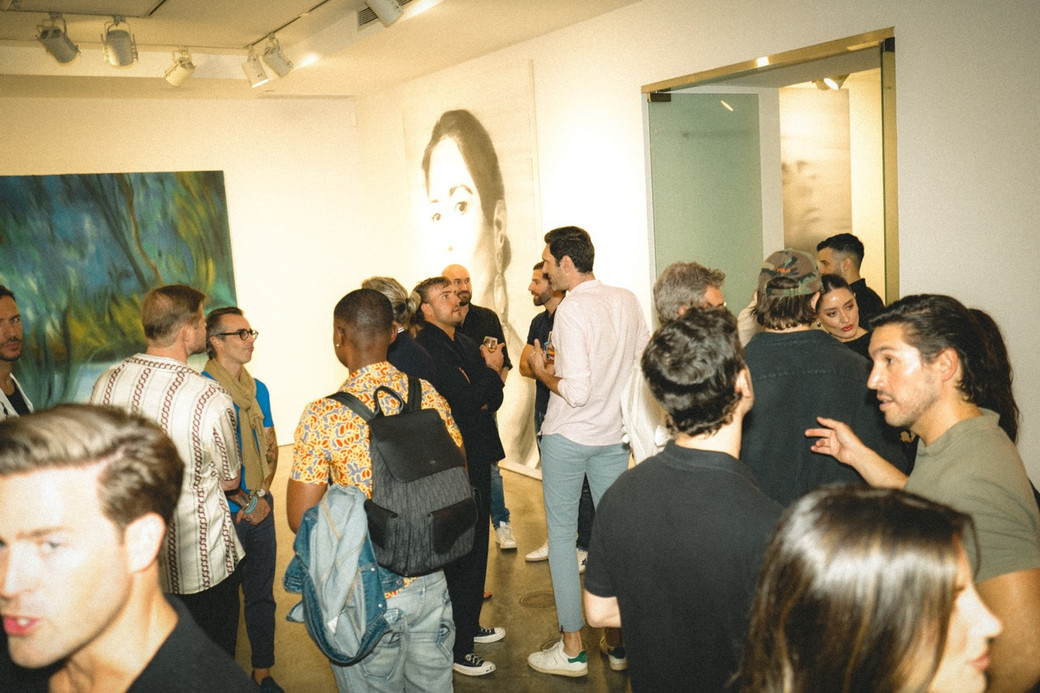
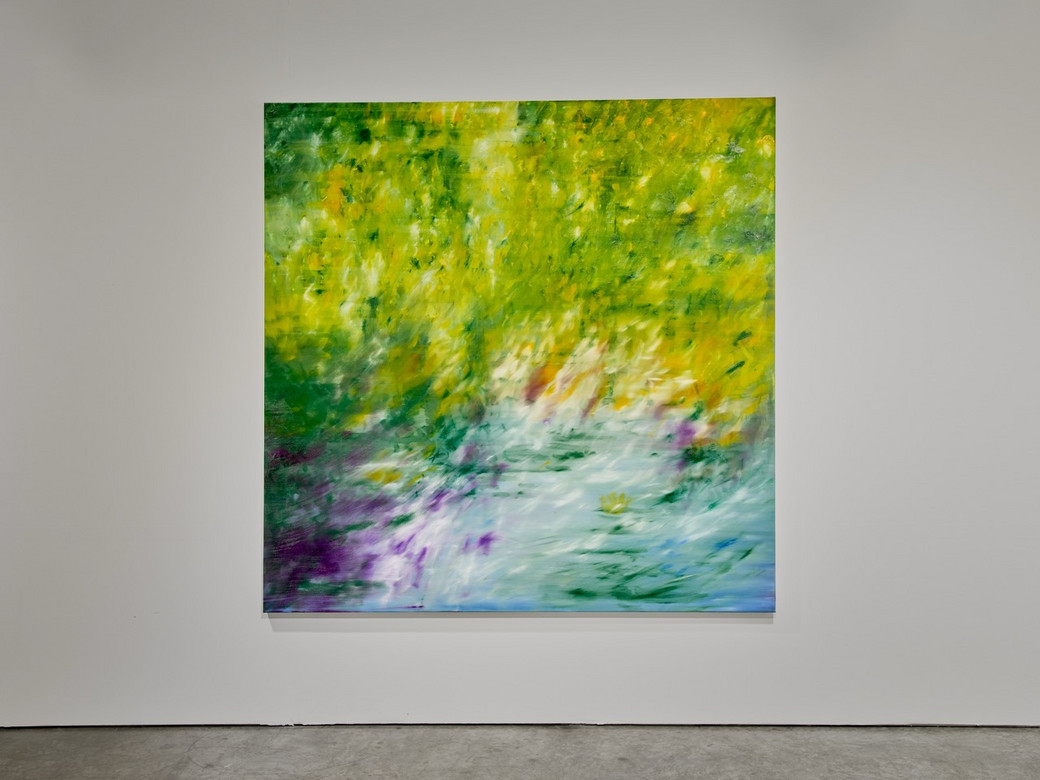
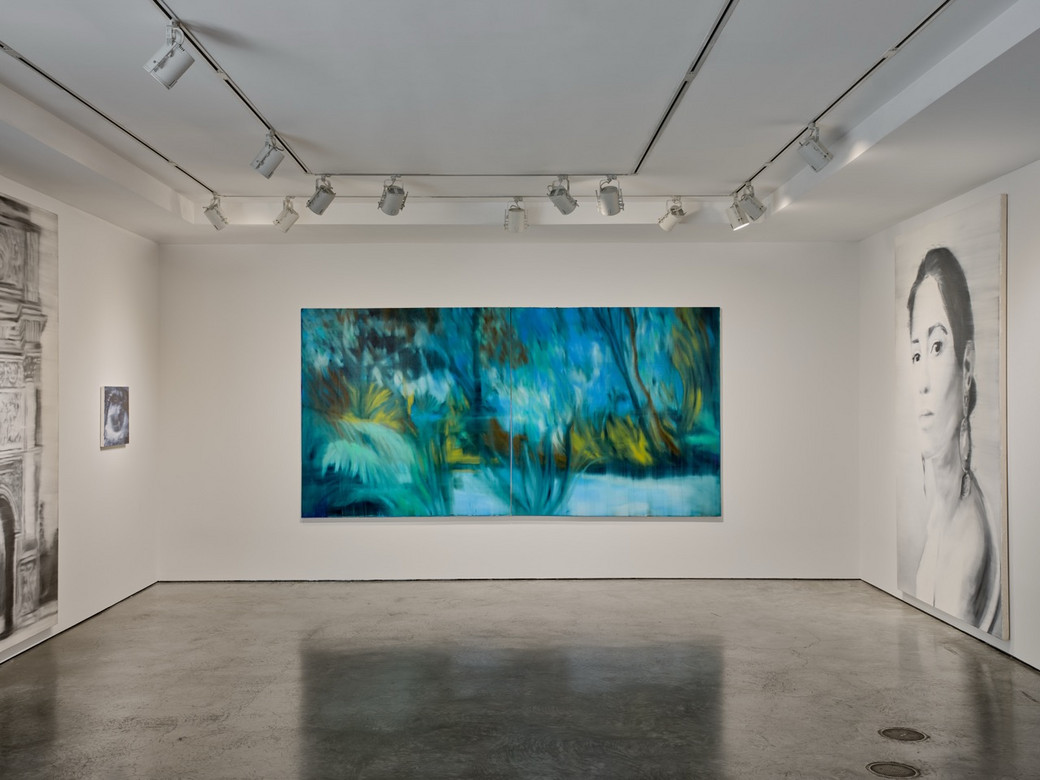
The Final Echo Isn’t A Sound will be on view at 545 W 23rd Street, Chelsea, from June 5 to June 21, 2025.


Where do you find inspiration?
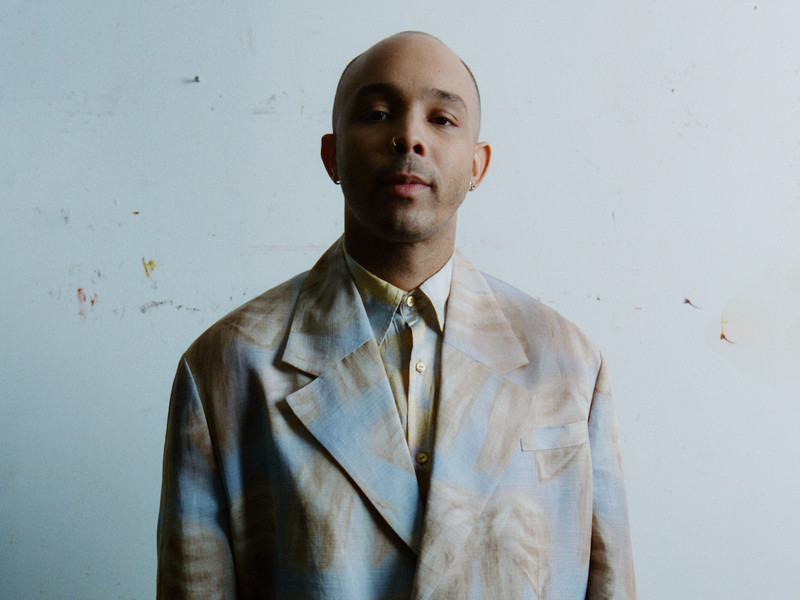
I hyperfocus easily and can get lost in small, seemingly unremarkable gestures and in-between moments. I’m fascinated by how differently people inhabit the same 24 hours, even when their lives look similar from the outside. I love learning about their rituals.
Behind that curiosity is a fear of death and an interest in how we respond to the knowledge that our time is finite. I find beauty in people’s pursuit of life—in their hopes, their rituals, and the inner worlds they build. I’m especially drawn to people who live at the fringes, and to the dreams that sustain them.
Many of the themes come from philosophers and sociologists whose work interests me. For this series, I was very inspired by Marc Augé’s idea of non-places. Visually, a scene pops into my head, usually something surreal, and I can’t leave it alone until I find a way to make it. The conversations with my subjects are where those two threads meet. Their stories give the imagined scenes a personal meaning, and the image takes shape from there.
Most of your subjects look outward; what does this represent?
Each person carries an inner world with them all day, and so little of it can be explained to anyone else. Our daydreams sit alongside the tangible lives we can point to. They have their own continuity, their own characters, and a logic only the dreamer can follow. We can see a face and follow the direction of someone’s attention, but we cannot know where their mind has gone.
What photographic techniques do you use to distort your images?
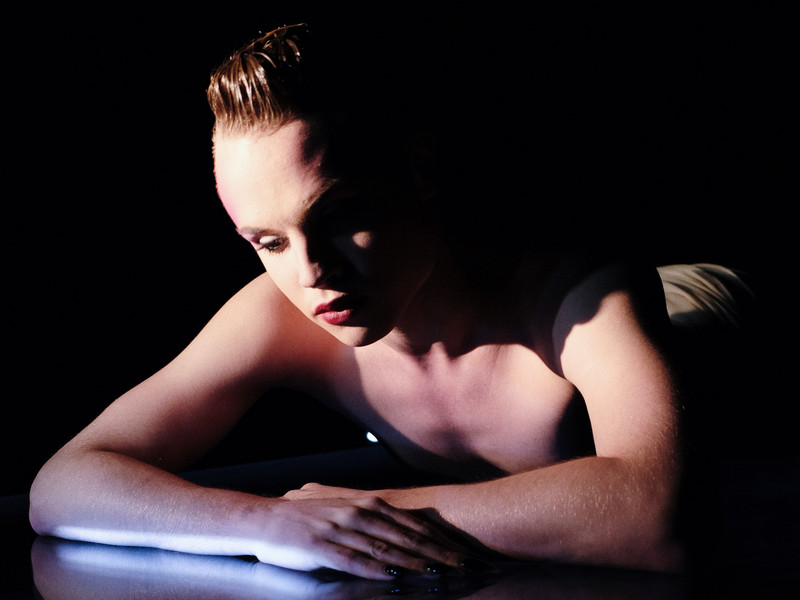
Everything happens on set, in-camera, without post-production. I construct scenes where the subject appears layered, obscured, or held in more than one place simultaneously. Those overlapping layers suggest how we experience ourselves, with memories, daydreams, and the present moment existing together.
I like leaving certain things unresolved. You can recognize the person, but you can’t grasp everything at once. I want the viewer to spend time with that feeling.
How did living in Paris affect your work?
Paris encouraged me to question things more deeply. A catch-up with friends could easily become a philosophical conversation that lasted late into the night. There’s even the expression philosophe de comptoir, the bar philosopher, which captures something I loved about living there.
That connection began before I moved to France. I grew up with a French parent and a French education, so the language and culture were already part of how I understood the world. Living in Paris deepened that influence and gave me an appetite for questioning things that might otherwise seem ordinary or settled. That curiosity carries into the images.


Now that you have moved to New York, how has that also impacted your work?
Moving back to New York was unexpected. I was born and raised there, so I never quite understood why people from elsewhere were so drawn to it. After almost a decade in France, I returned feeling like an expat myself, and I saw the city differently.
There’s an openness here that makes people approachable and possibilities feel within reach. I feel less constrained by ideas of how I should behave or what I’m supposed to be doing. Paris encouraged me to question things deeply, and New York gave me the freedom to act on those questions before I had all the answers. I wasn’t working in art before, and I didn’t know I could make it. Here, there’s a lightness to trying something without needing to know where it will lead.
I’m also fascinated by how many different lives coexist in such close proximity. You’re surrounded by people, yet you know almost nothing about the worlds they carry with them. That feels connected to this series: being close enough to see someone, while knowing there is so much you cannot see.
Do you believe a single image can capture the essence of a human?
The series began with that question. I wanted to photograph someone’s essence, but the more I worked on it, the more complicated that ambition became. The setting, the moment, and the relationship with the photographer all shape which version of a person appears.
I don’t think one photograph can hold a whole person. Much of what makes someone who they are lives in their inner world, and no camera can record that directly. The abstraction leaves room for the viewer, like a painted portrait. I wanted to make portraits that work the same way. I’m not trying to show the essence of my subjects outright. I’m trying to create something open to interpretation, where the feeling does the work and the viewer fills in the rest.
What does the title “Liminal States” mean to you?
It describes the space between places: you are neither here nor there. Each subject is caught in that in-between, holding the person they are now alongside the people they were and the ones they still hope to become. I’m interested in how those selves coexist, sometimes comfortably and sometimes in conflict. The title invites the viewer to spend time in that uncertainty, without needing to resolve the person into a single identity.

As the founder of the gallery, Daniel describes the foundation of the work as being "something for everybody but not trying to be for everybody. I think there are certain people with whom Frisson's program really resonates: people who are design driven, people who are serious about their work but don't take themselves seriously, people who know how to take a joke and have a laugh at a visual pun."
Although maintaining playfulness is integral to how their business has been shaped, Frisson Gallery explores sensuality and intimacy in an otherwise unsuspecting way: discipline. In collaboration with fashion brand Pica Negron, founded by couple Paul Negron and Noah Pica, the two young start ups came together to create 2 x Self, an exhibition that challenges not only their interpersonal relationships, but their artistic endeavours as well.
Lindsey describes the collaboration as a beautiful double date, in which all four artists brought forth their devotion and discipline, ultimately threading both mediums to challenge themselves with the question: "How can we push the boundaries of our business to come together as one?"

Leah - Why were you so adamant on having a fashion exhibition at your gallery?
Daniel - The two disciplines exist in parallel worlds - often touching, sometimes overlapping, but rarely synthesizing. It was an experiment. I looked at the art practice of fashion and thought if there's anyone who can do it - without sacrificing the art for fashion and the fashion for art - it would be Paul and Noah. We allowed both of our practices to exist at their maximum, and at the same time, in a beautiful symbiosis.
2 x self proved that it is not only the final product of something that needs to be acknowledged, but also the relentless process we endure and devote ourselves to get there. When I asked Noah how he would describe the exhibtion in one word, he said, "Discipline. What you devote yourself to will never leave you."
Highlighting the beauty of their artistic process, every garment in the show was displayed as a traditional gallery art piece, while the draftmanship was elevated to art as well. Presented on stainless steel framing devices, the original sketches that Paul and Noah used when making each garment were hung with equal importance to the finished work.


Leah- What do you think Pica Negron's point of view is as a brand?
Paul - Since I was young, when I listened to love songs, I never pictured people; I was just in love with the discipline. Before I met Noah, I didn't feel too deeply about anything except for fashion. I feel completely devoted to it in this insane way. Noah's mom is an architect and she says, 'We are people in the service industry,' and that has always really resonated with me. A designer needs to be in service of people, and as an artist, we need to also be in service of ourselves. How do you find an audience unless you are putting something out that's really honest and authentic?
Leah - There's this interesting dichotomy when it comes to being a working artist. Sometimes I feel like I have to consider the reality of capitalism and consumerism, but at the same time, I don't want to betray what feels right to me. Naturally, the two sometimes conflict.
Paul - I do think the work we create is about accessing someone's sense of desire. I think when you're trying to reach into something like desire, it's also acknowledging that what you're creating is something primal and human. Using fashion as a vehicle to express myself is a need. As much as I think designing is a service, I think love is too. Working with Noah challenges our art and relationship. For example, you have to train yourself to look at things and have an answer for why you like or don't like something. Love requires that same type of discipline. It's a privilege to work with him.