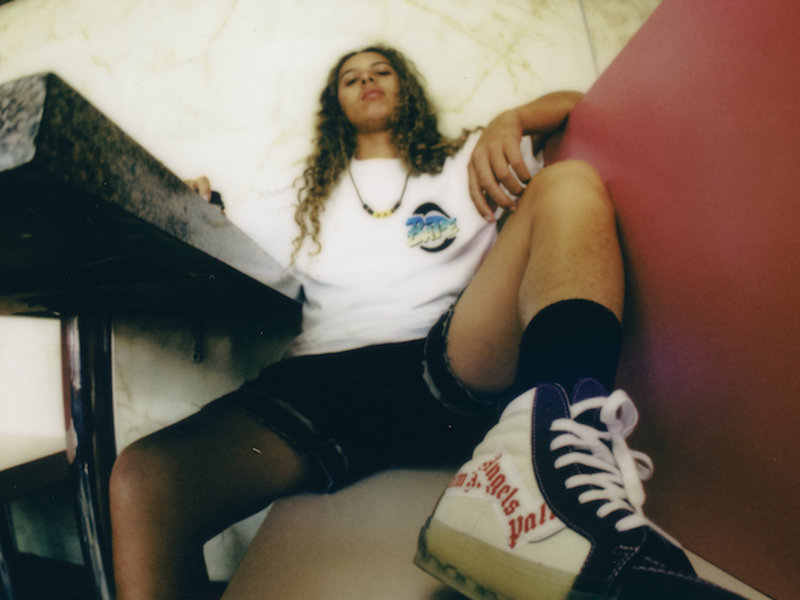
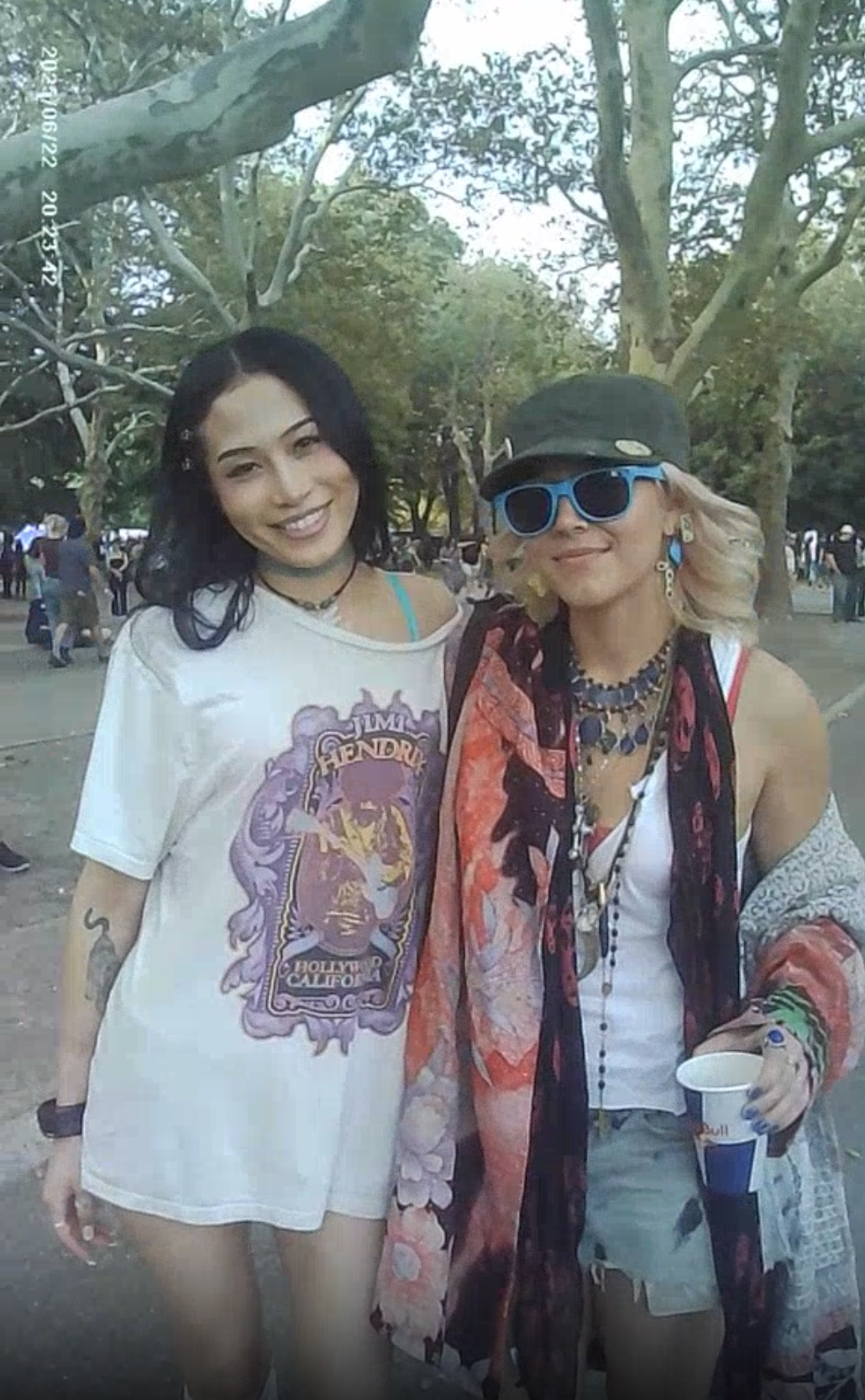
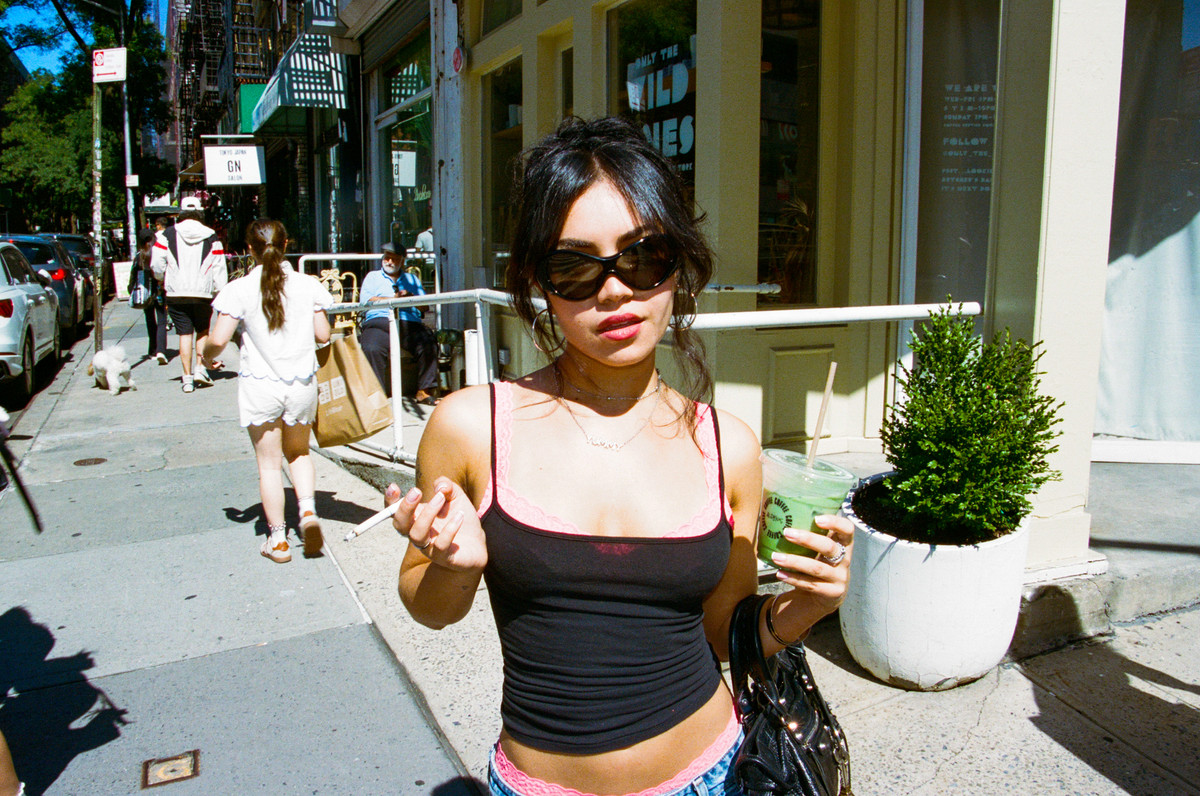
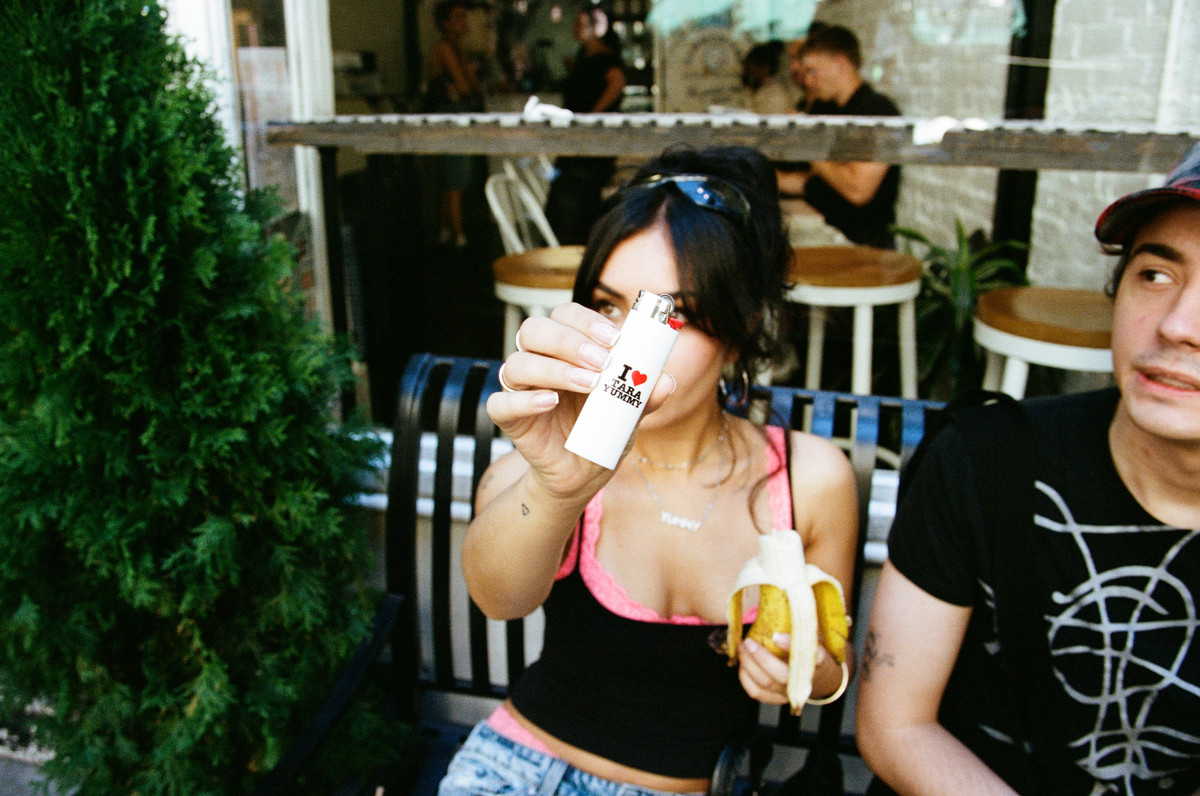
TO: First of all, your fans are so enthusiastic. They really brought the energy while they waited in line, hyping each other up. It made me hopeful to see that younger generations are still finding ways to be outside and in the moment. How does it feel to have created such a positive “mindset” not only online, but in real life, as well?
TY: It's genuinely one of my favorite parts of what I do. I think the internet can feel really mean sometimes, so seeing this community that started online turn into something so real and kind is amazing to me. I love seeing people come to shows alone and leave with new friends. I’ve always wanted my corner of the internet to be a place where people can be themselves, have fun, and not take life too seriously. Seeing that exist in real life is really special to me, and I don’t think I’ll ever get used to it.
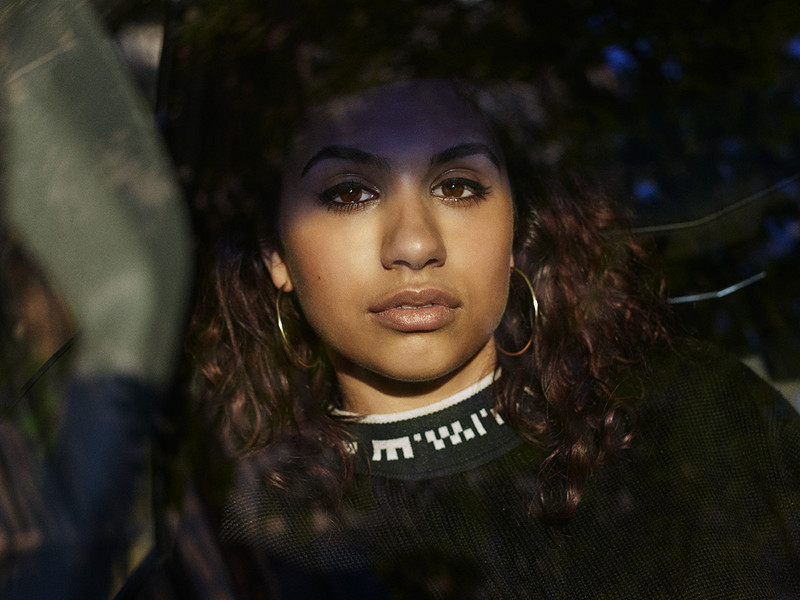
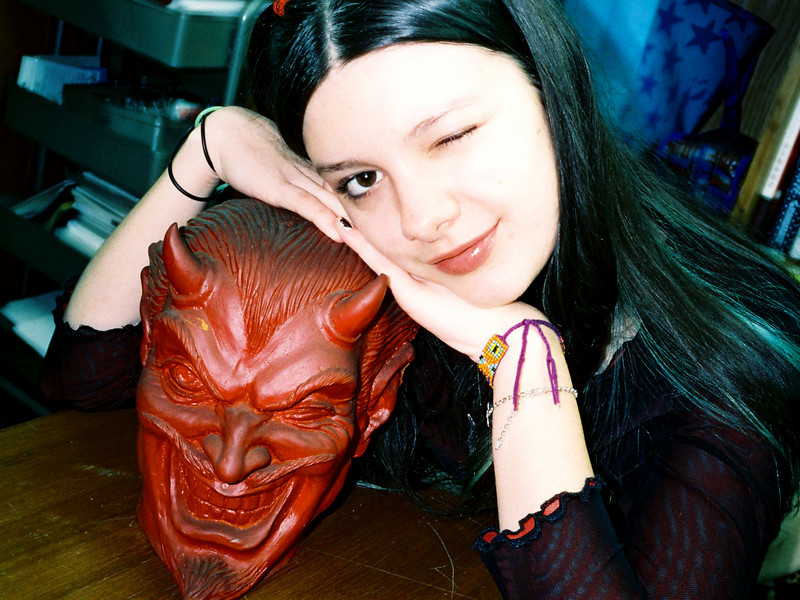
TO: I know you’re no stranger to internet trolls. What advice would you give to your 16-year-old self?
TY: Honestly, I don’t know if I would give her much advice. I think I would just tell her to keep going and not take anything too seriously. At 16, you think everything is the biggest deal in the world, and then you grow up and realize most of it really isn’t. I’ve always been pretty good at letting things roll off my back, and I think I have only gotten better at it with age. You have to decide whose opinions actually hold weight and whose opinions you value, and most of the time, when it’s internet trolls, they don’t hold much. So many times I would just tell her, you’re good; keep being you.
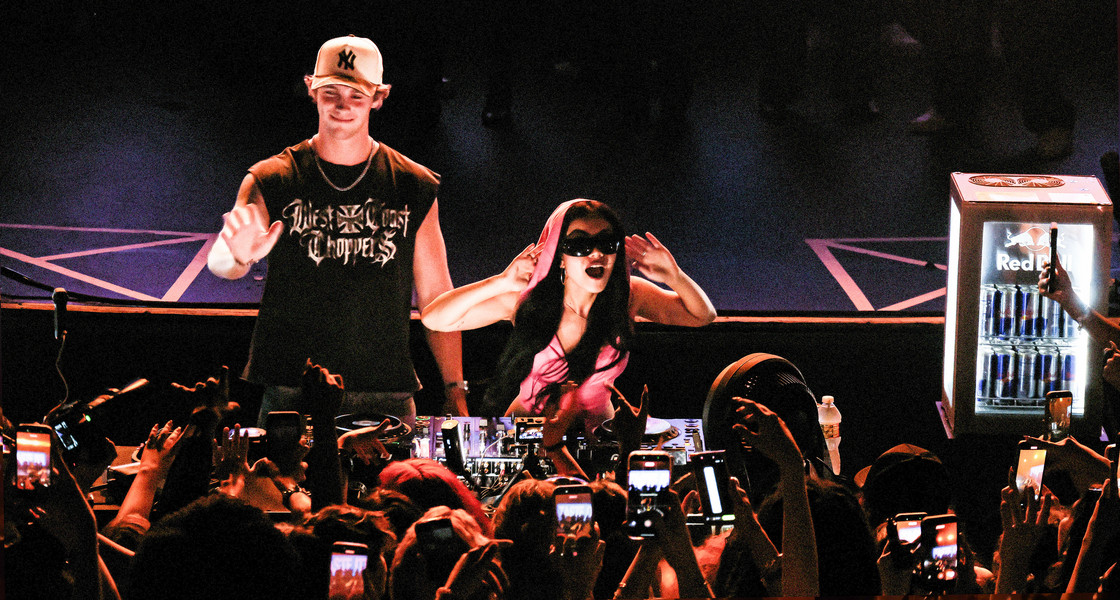
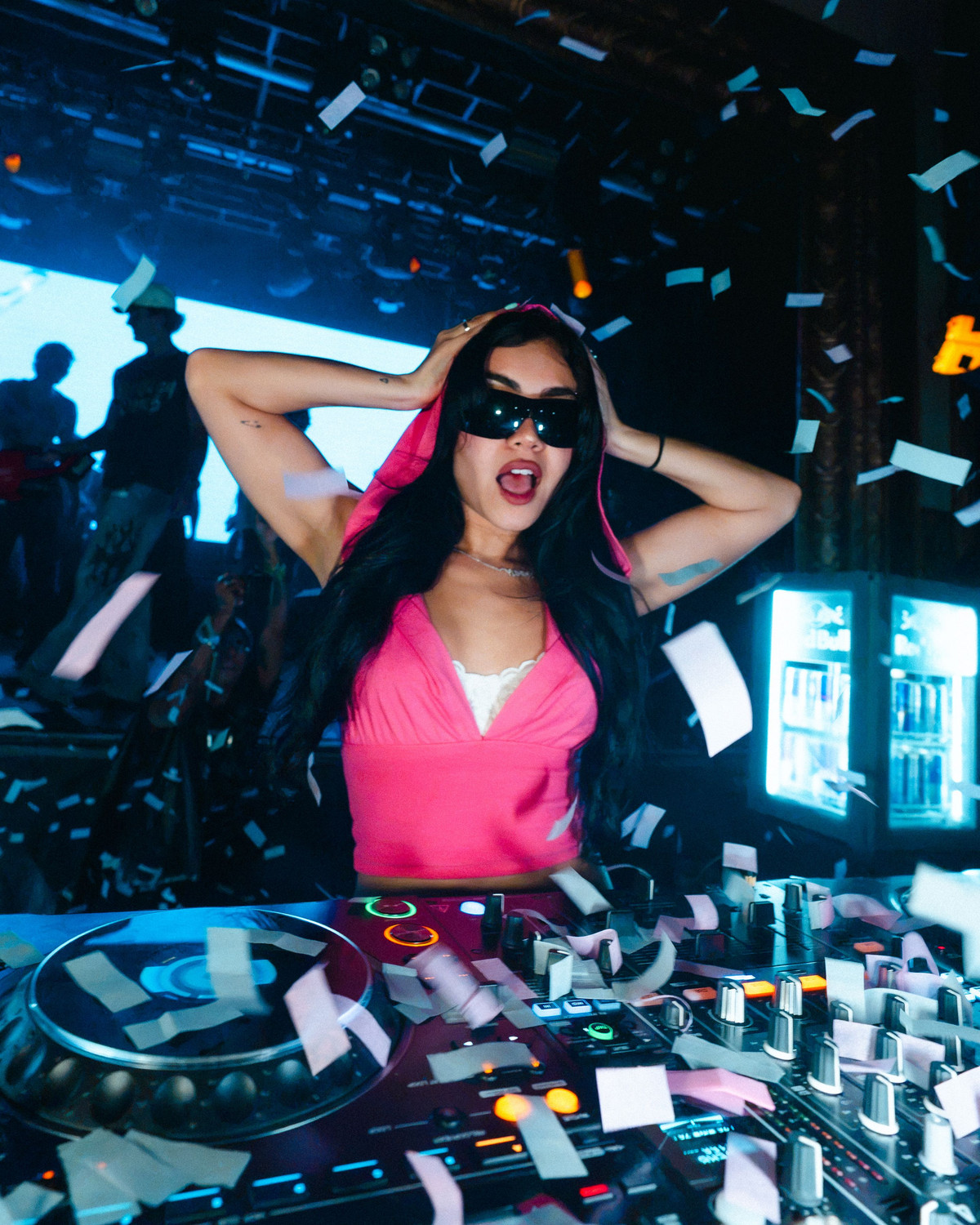
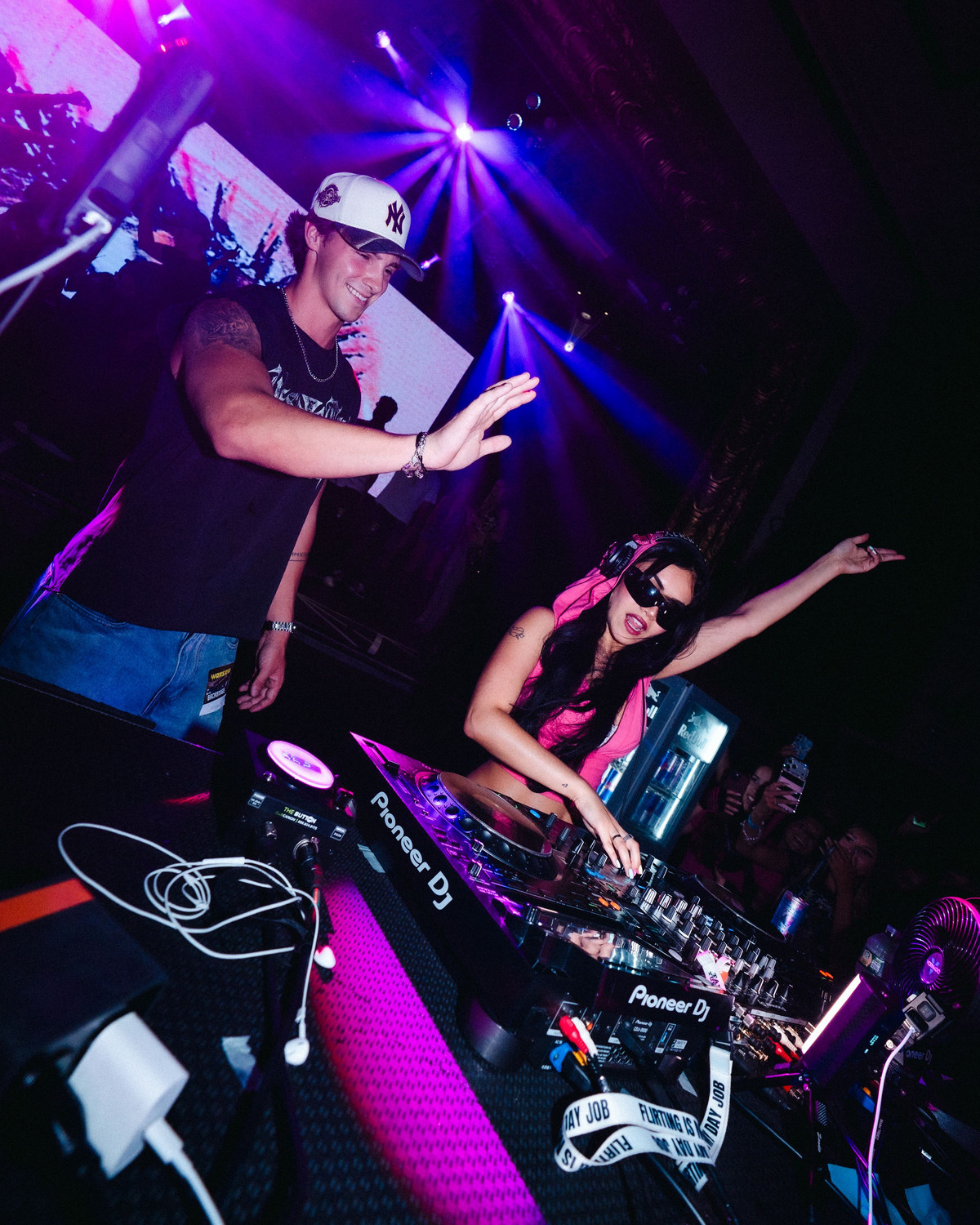
TO: I went to your last party in the summer and had so much fun. You really know how to set the tone. Everyone’s comfortable. Everyone’s free. Any tips on how to throw a good party?
TY: A good DJ, an open bar, and fun people. I also think people know there is no judgment at my parties. If you know me, you know I couldn't care less what people think of me, and I have never judged someone for letting loose and having fun, so why should anyone else? I think that makes everyone feel more free.
TO: What can your fans expect from you in the future, musically?
TY: More music, more shows, more reasons to go out and dance— that’s the plan.