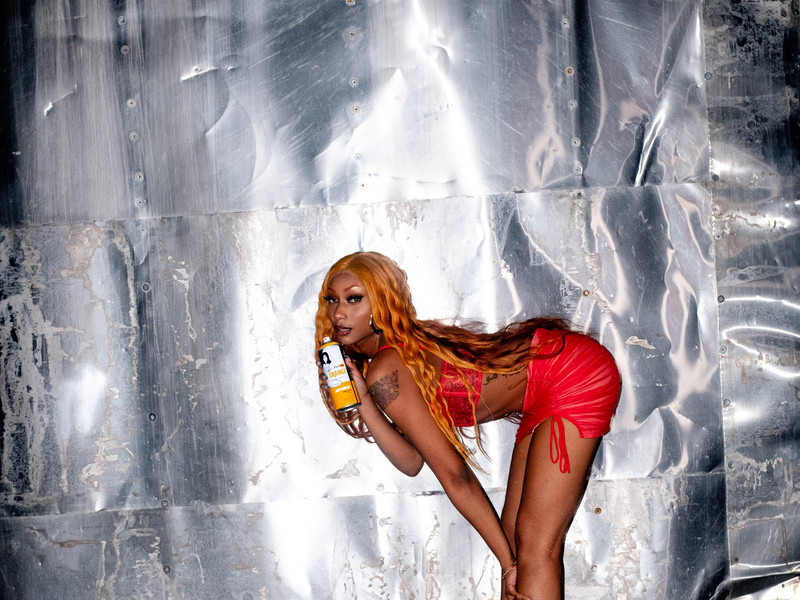
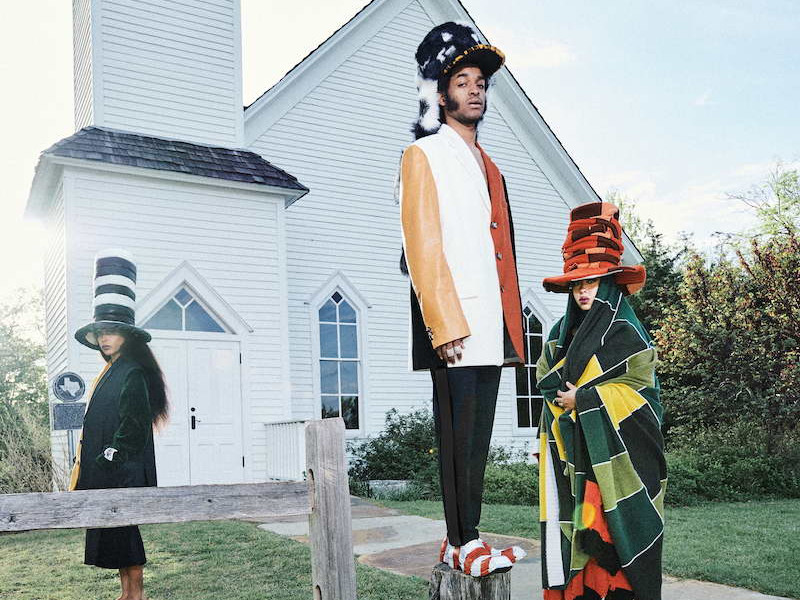
*Better With Age Introduces the Virgin Vintage Collection

Check out the new capsule collection below.


Check out the new capsule collection below.
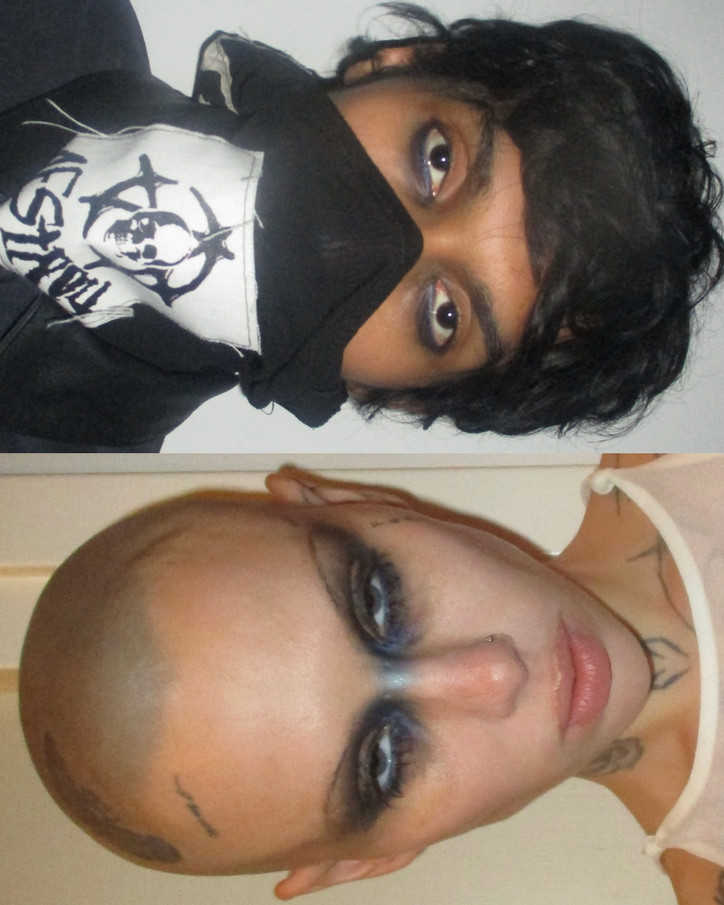
CJ– How's it been?
CT– Super crazy.
Yeah, I can imagine.
There's no break between the last show and this show.
There never is a break.
There's never a break.
And how do you feel about that?
It's exciting. I think it's easier to stay creative than to have a lull.
Yeah, for sure.
Just going straight into it is great.
Would you say that there are any elements from the last show that make their way into this one?
I mentioned that there was a lot of archival research on BOY. It's a 50-year-old brand's 50th anniversary, so we did more of that. I was fortunate enough to find many catalogs BOY at the Met. There were archival catalogs that I was able to get scans of to see where everything came from.
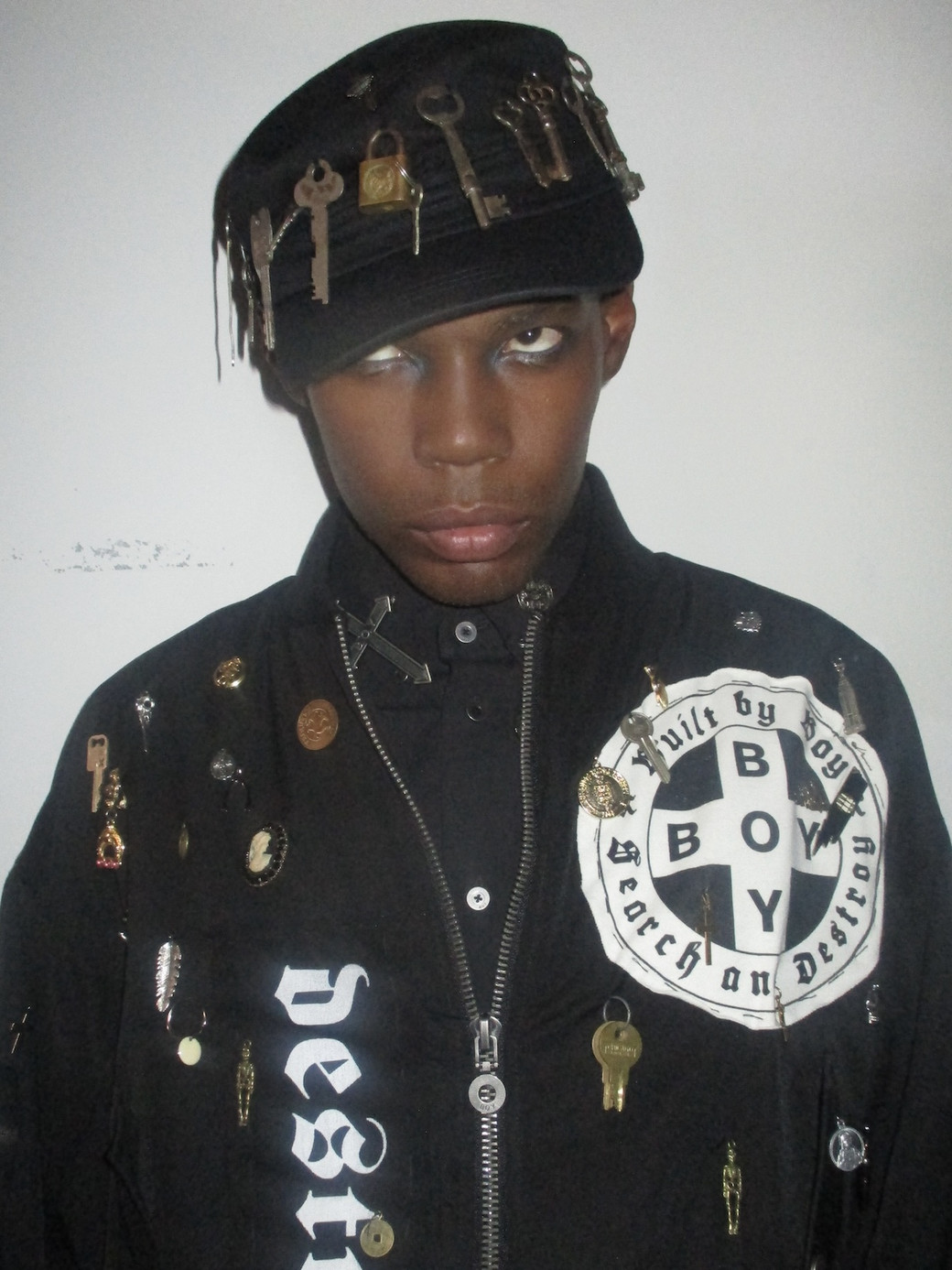
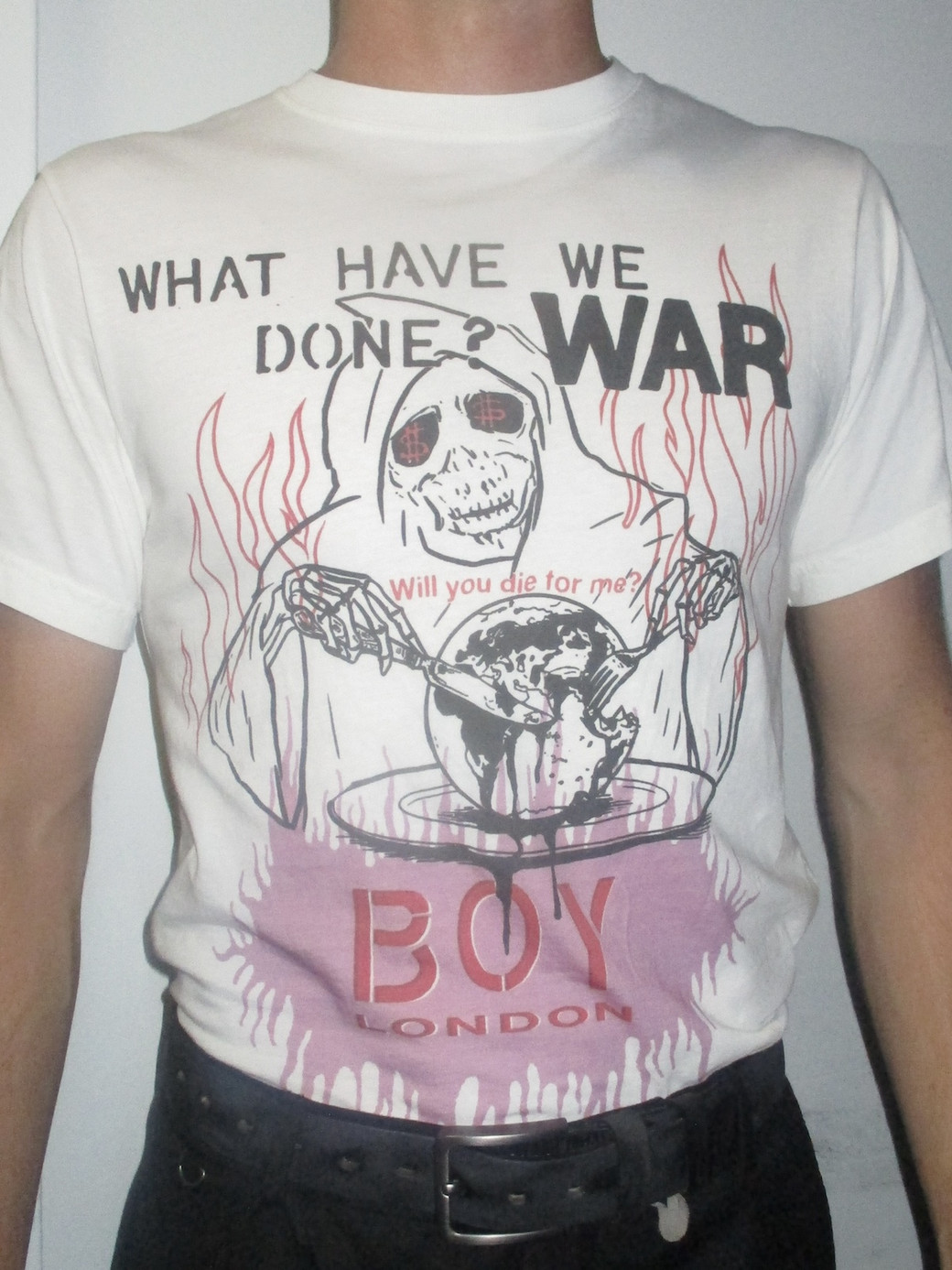
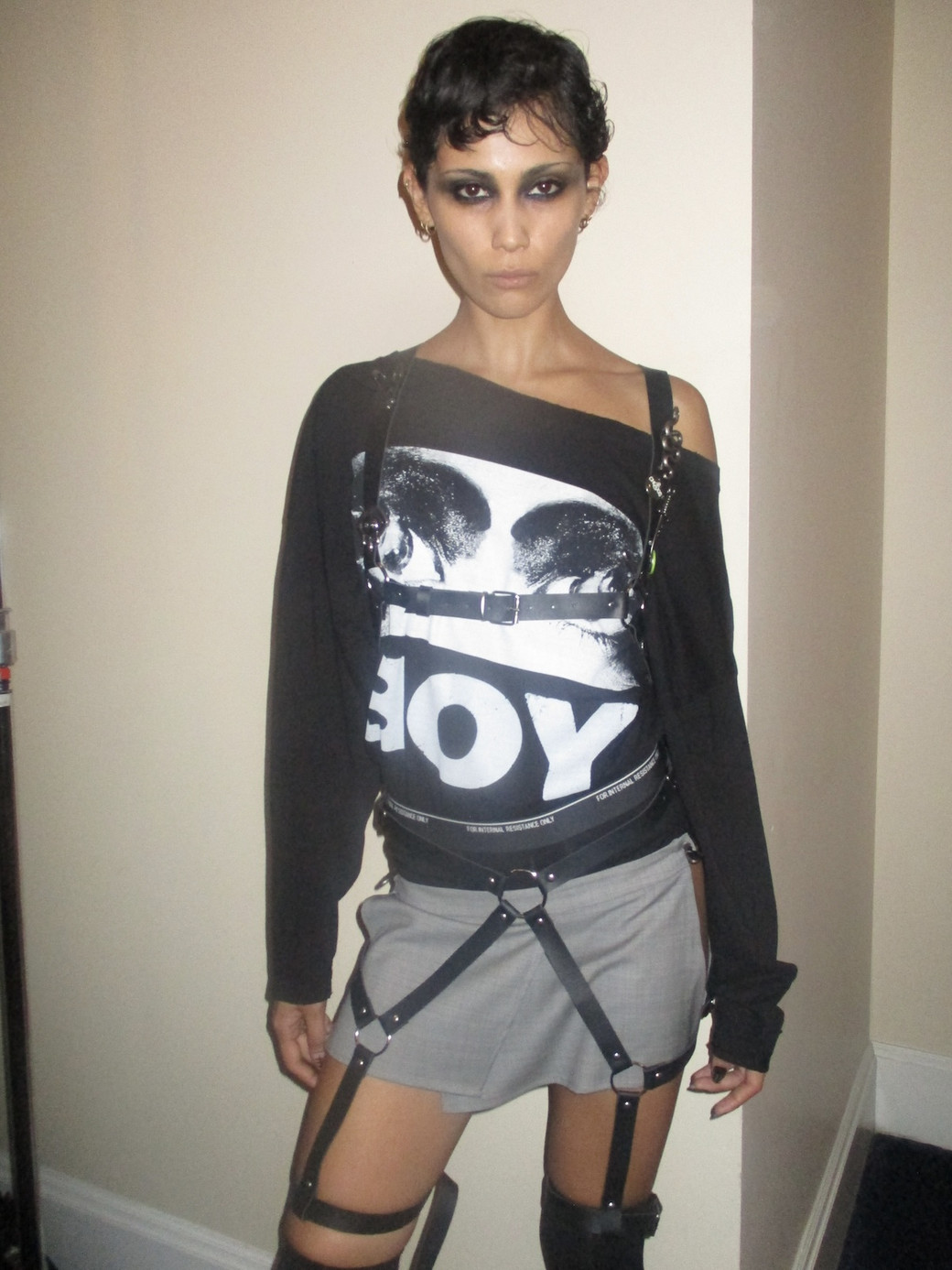
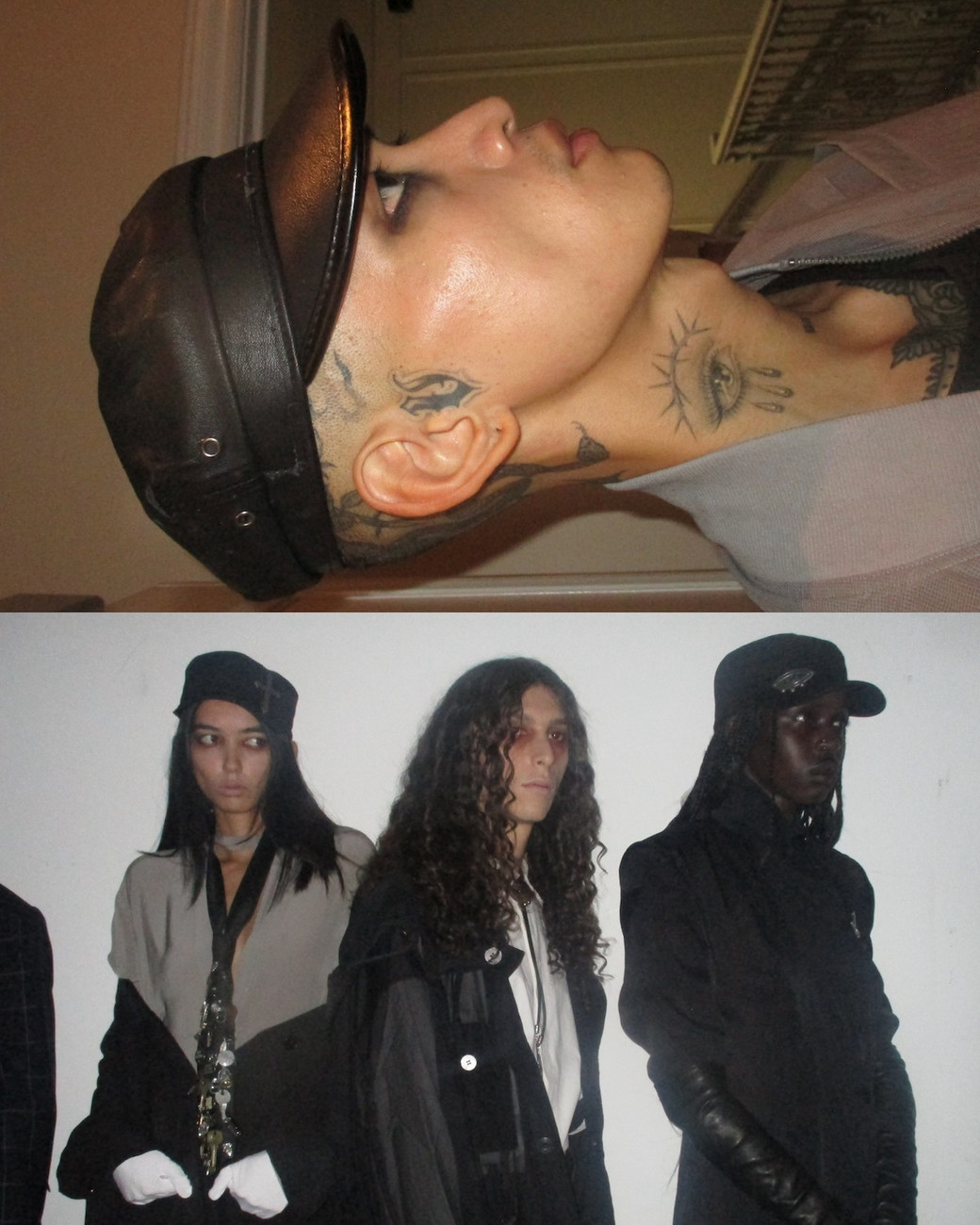
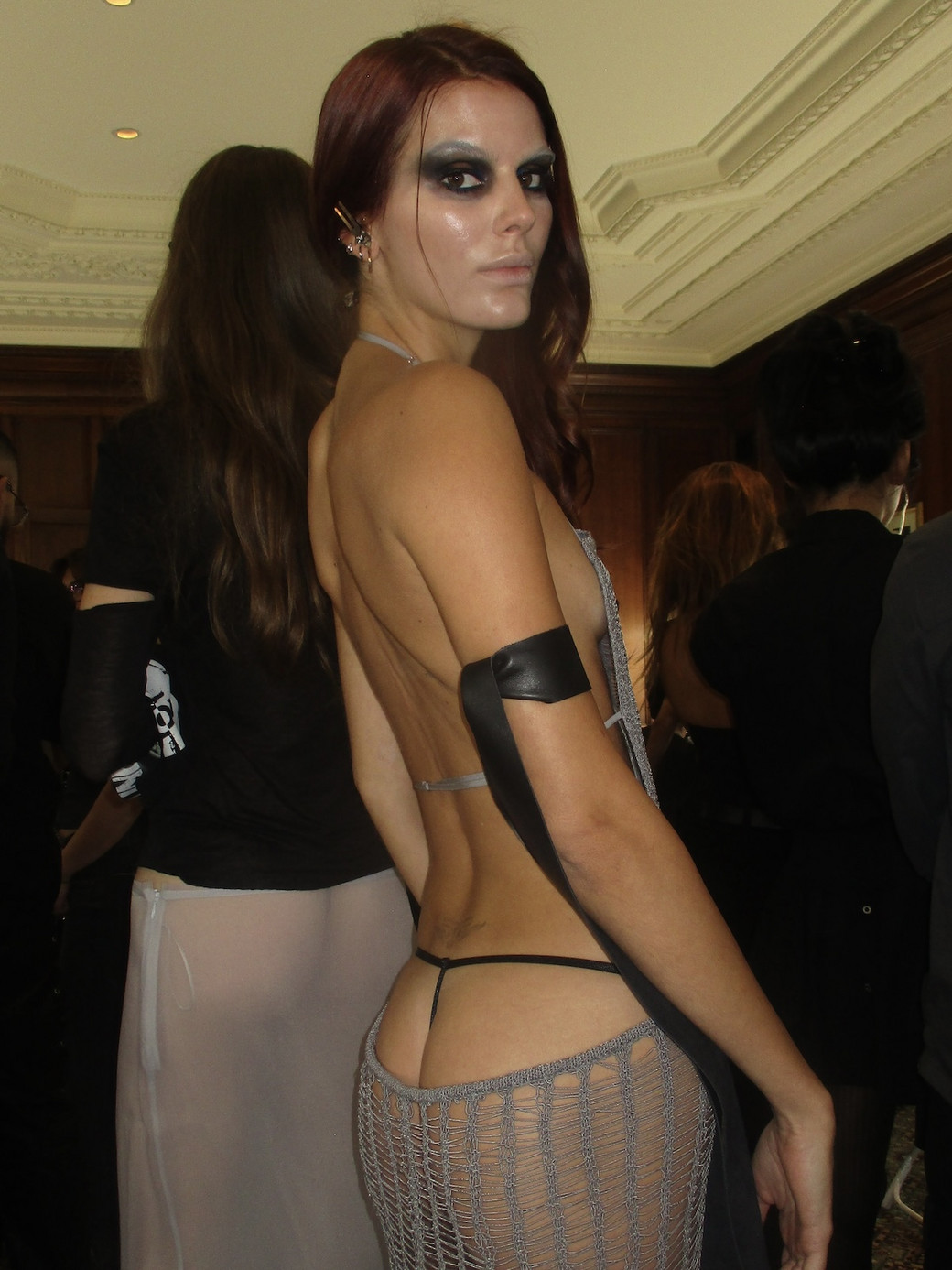
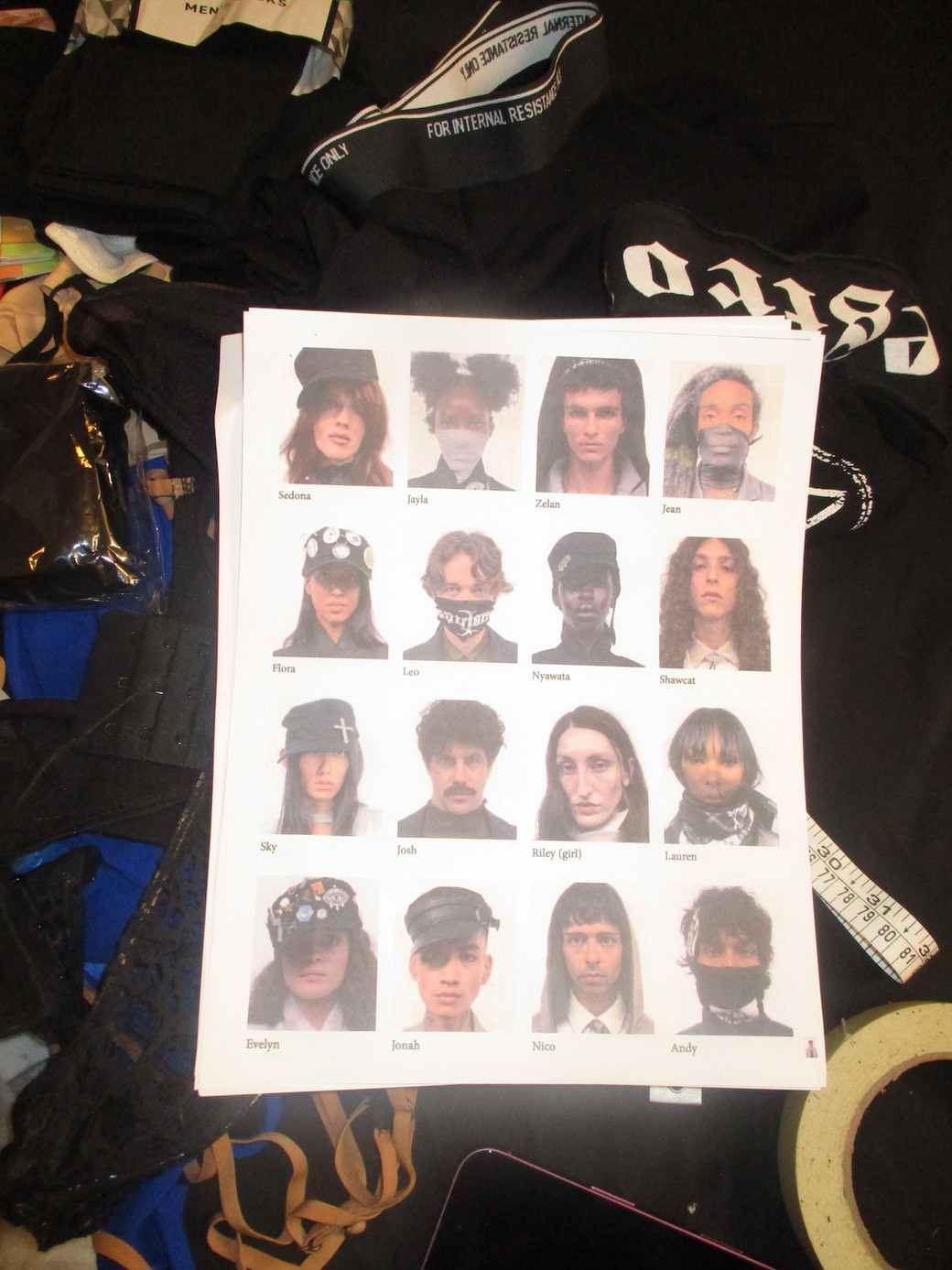
Sick. I just watched the walk through and it's really cool. I know from the last season there were hidden motifs throughout, little Easter eggs and clues. Would you say that there are any in this collection to be on the lookout for?
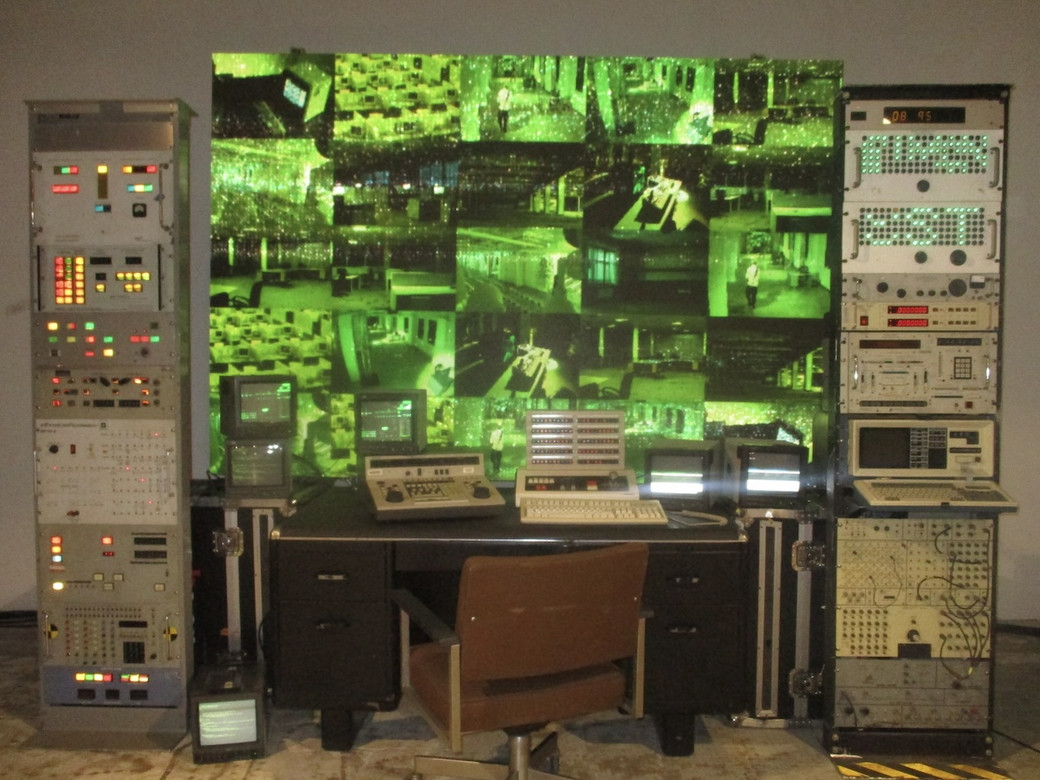
Yeah, the ‘13’ still makes an appearance. There's all these little things that are important to BOY and myself that you're gonna find in the clothing, little embellishments, kind of hidden. The details that you don't really look at, you'll start seeing more and more as the brand evolves. You're gonna see more intentionality in everything that we do, even down to the set. I put hidden messages in the set as part of what I do is build sets as well. So I fabricated some of these surveillance towers, put little messages everywhere. So hopefully, people take a closer look.
Yeah, I mean, even just from looking at everything, I feel like there's such a story to unfold, not only through the clothes, but the set design and the theme, the evil eye. Can you talk to us a bit more about what that represents?
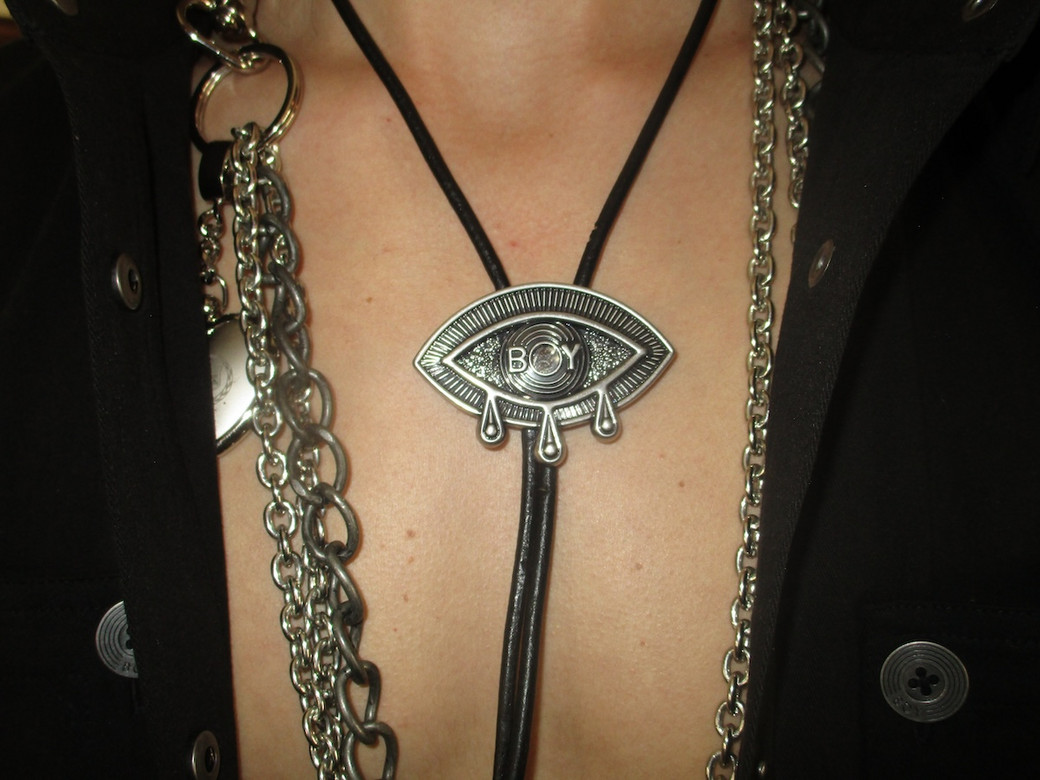
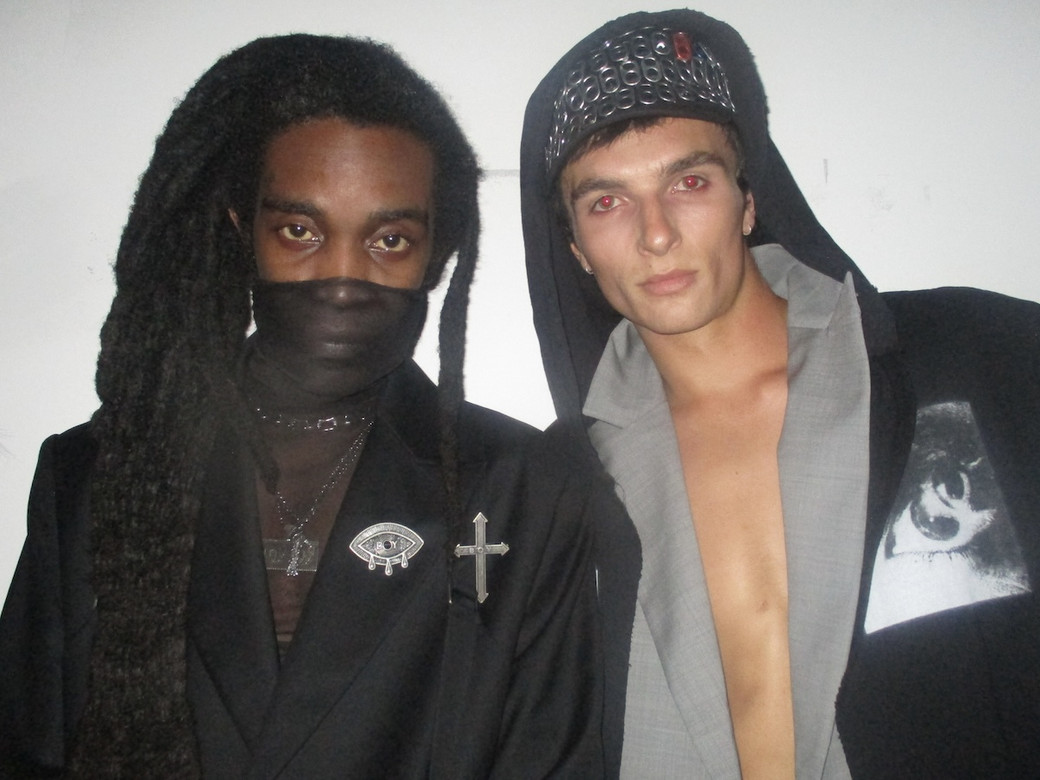
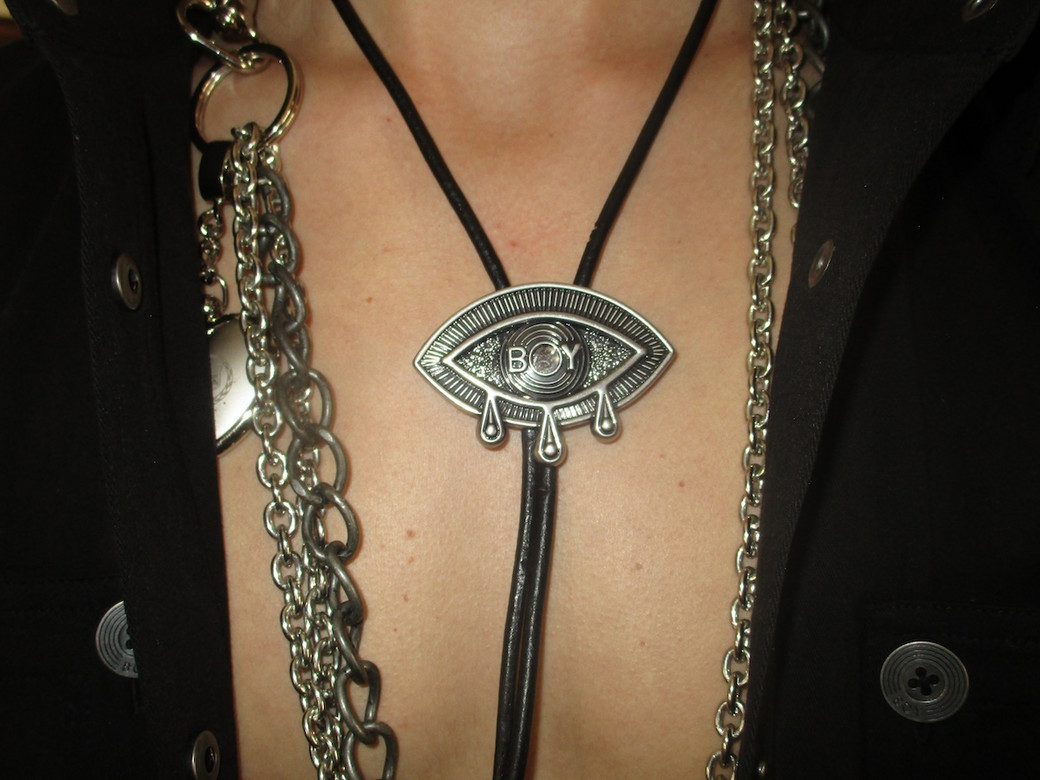
I was thinking of the evil eye before Guillotine. I think of a lot of different stories that I want to tell. The evil eye was always in the back of my mind. I love the word 'evil eye' because it's fascinating. When I was younger I didn't know what evil eye was so when I heard it was a protection amulet I was like 'oh that's a bit strange,' but it also means in this world, the surveillance state, something I've been saying– it's like a catchphrase. It's protection at what cost, right? Everyone wants to stay safe, but they don't want to always be surveilled. So the evil eye speaks to that dystopian future where you don't have any privacy. It's super interesting. Seeing all of it come to life with the screens and the monitors.
You're showing in LA now, what about the city brings you back to that punk root?
It's kind of a personal thing. I was born and raised in LA so it was a natural selection to have this in LA. Everyone wants to do it in the four major cities, but it was just an easy choice for me to do it in my hometown. The grittiness of LA is quite widely known. There's a lot of similarities in this rebellion.
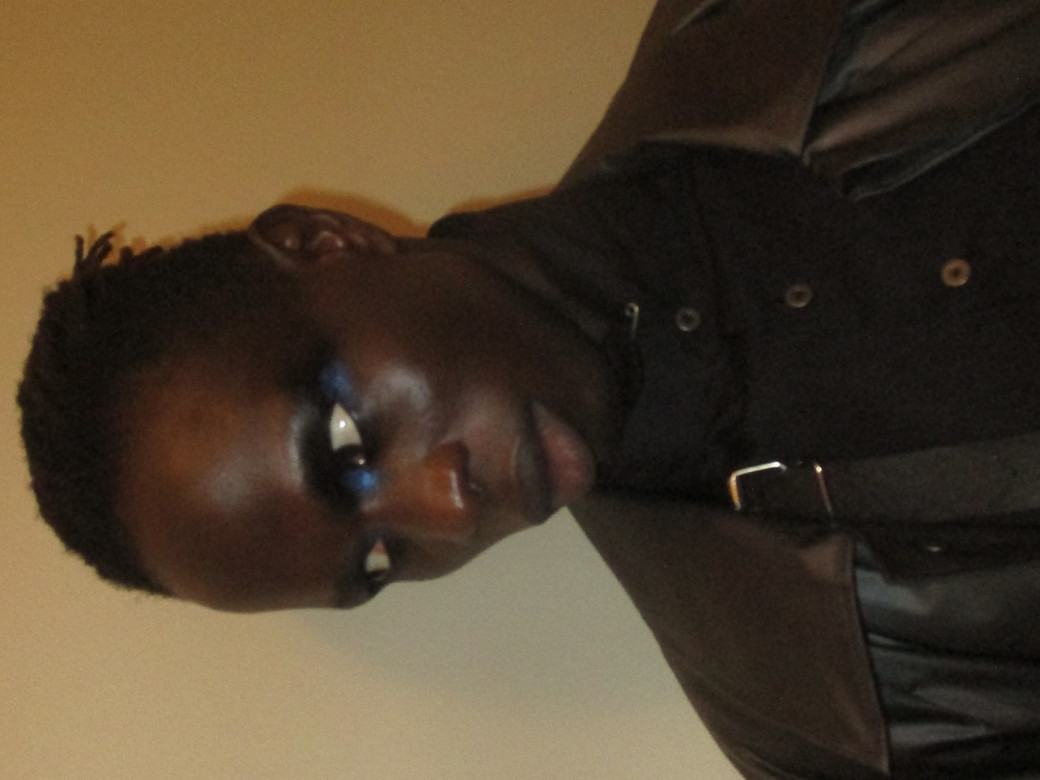
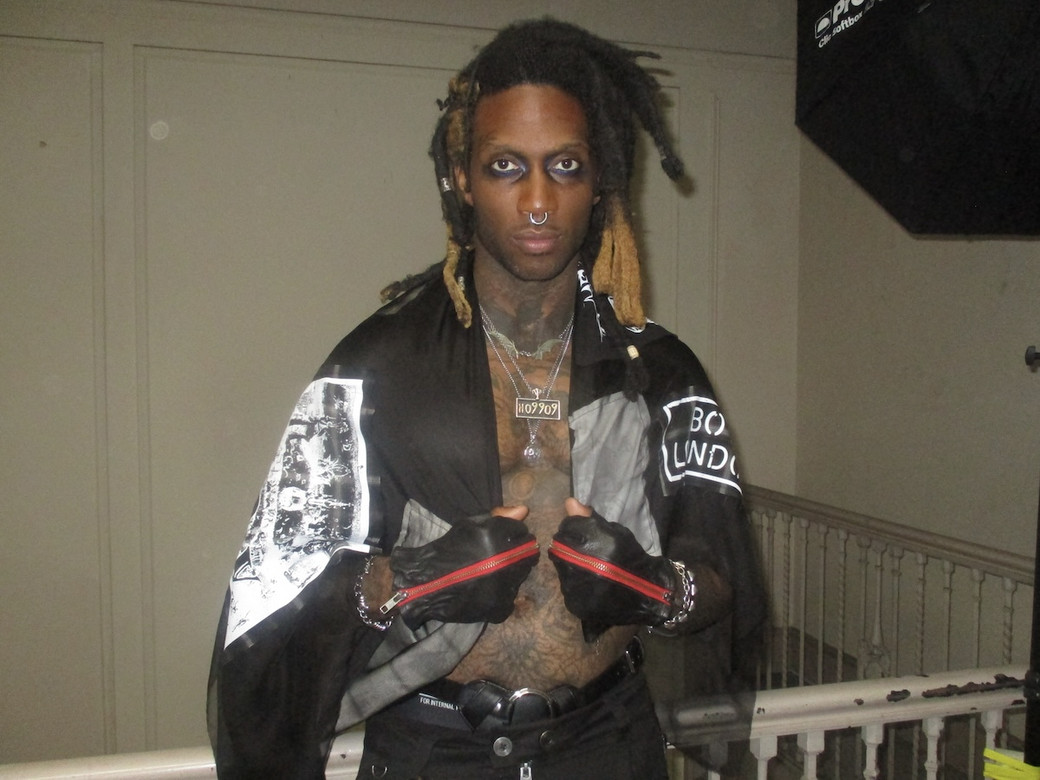
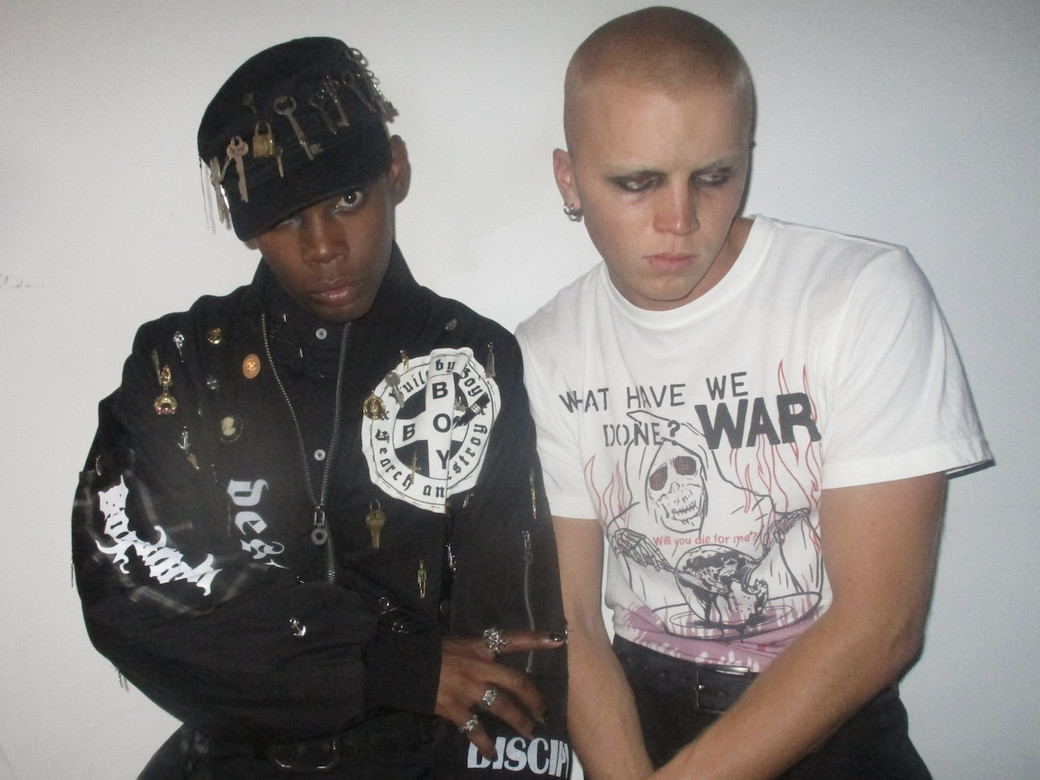
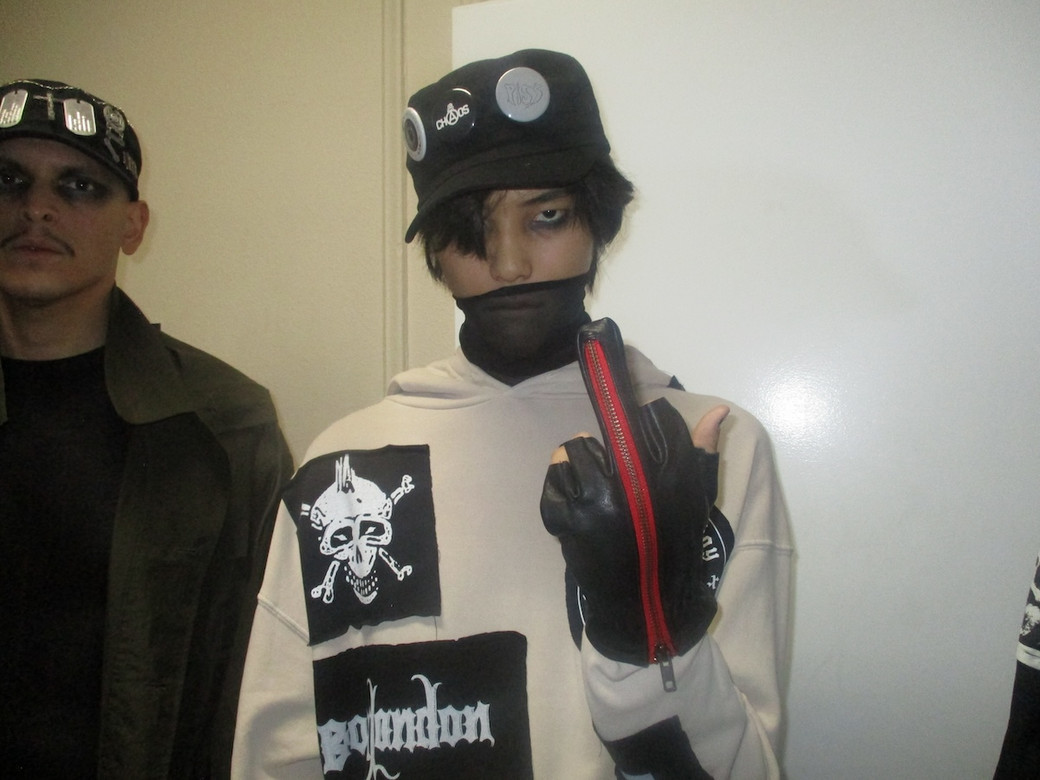
Even then, it's punk in itself. To be doing it on your own speed, on your own time in your home city, like that's just that's cool as fuck. It's really cool to be bringing it back here and to having people that know you, know your story, come and see what you've been working on.
I love my city. I love New York as well. I spend a lot of time in New York, so it was a hard decision at first, but I think when we just settled on it, there was this moment where I felt a lot more relaxed because of the home court advantage. To have the show in LA and not to be constrained by a calendar is difficult for brands to do because we're not necessarily on time for market or having everyone in the same place. But I think people want to be in LA, and there's a lot of great things happening in LA. We just need to show out here a little bit more.
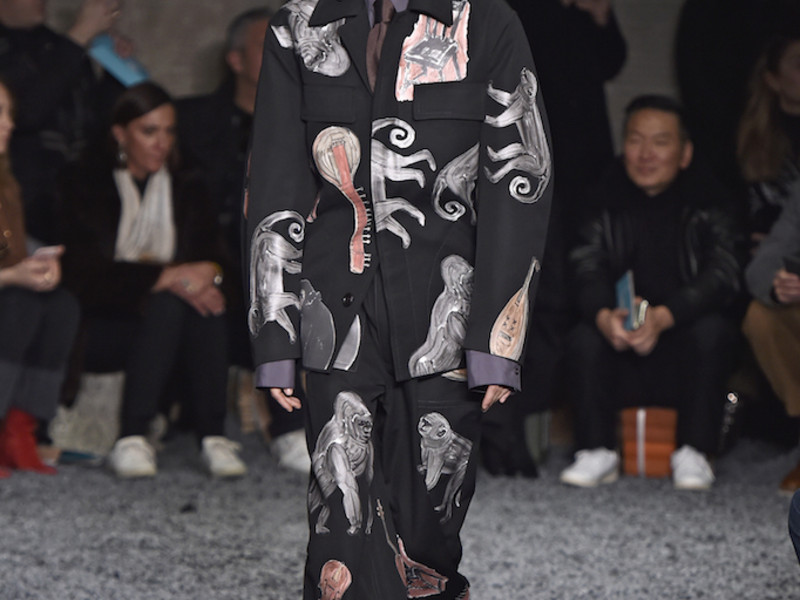
You're doing that. Even seeing how many seats are here that are going to be filled up by everybody, it's going to be really amazing to see the crowd that comes out to support. Let's bring it back to the clothes. I feel like this collection is just really hot. You get the peekaboo's of the butt cracks, you get the slits that are higher up.
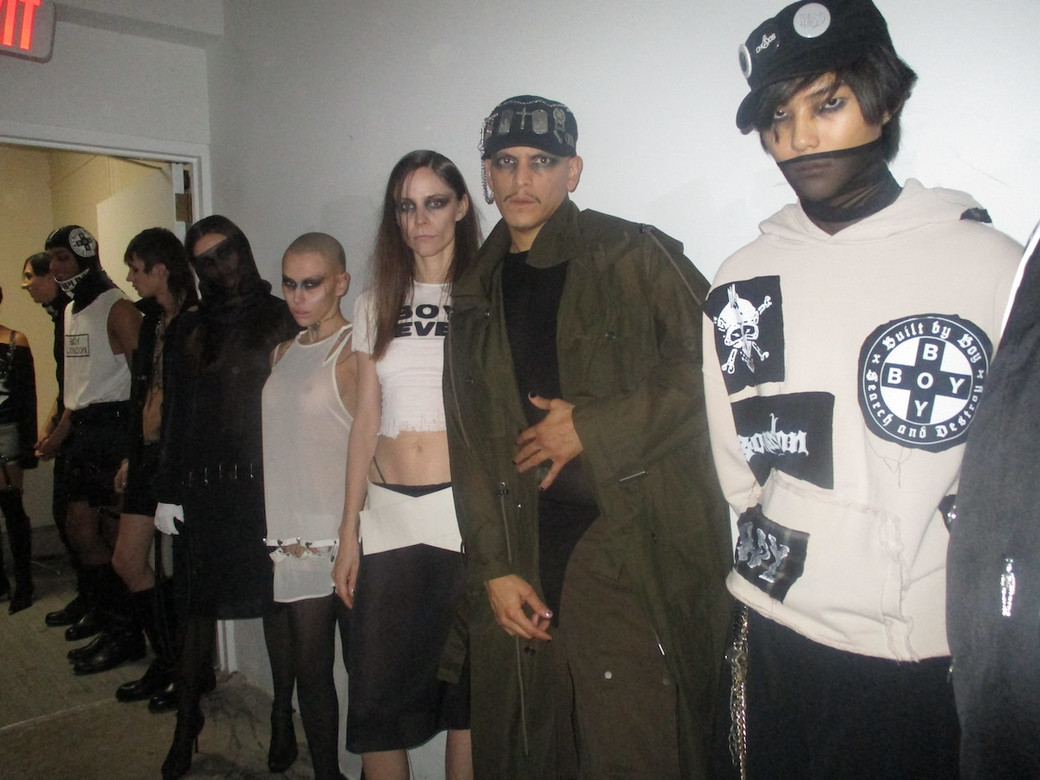
The first collection was in frigid cold February in New York. I love a long coat, I love layers, but this is a spring summer collection. So we need to show a bit more skin, have a bit more elements of transparency and sheerness. I always think that's really sexy, right? Done in a tasteful way. Combining that with tailoring and long silhouettes that have great movement, I think are super important. Not just showing skin for showing skin's sake, but how does that look in a very tasteful way?
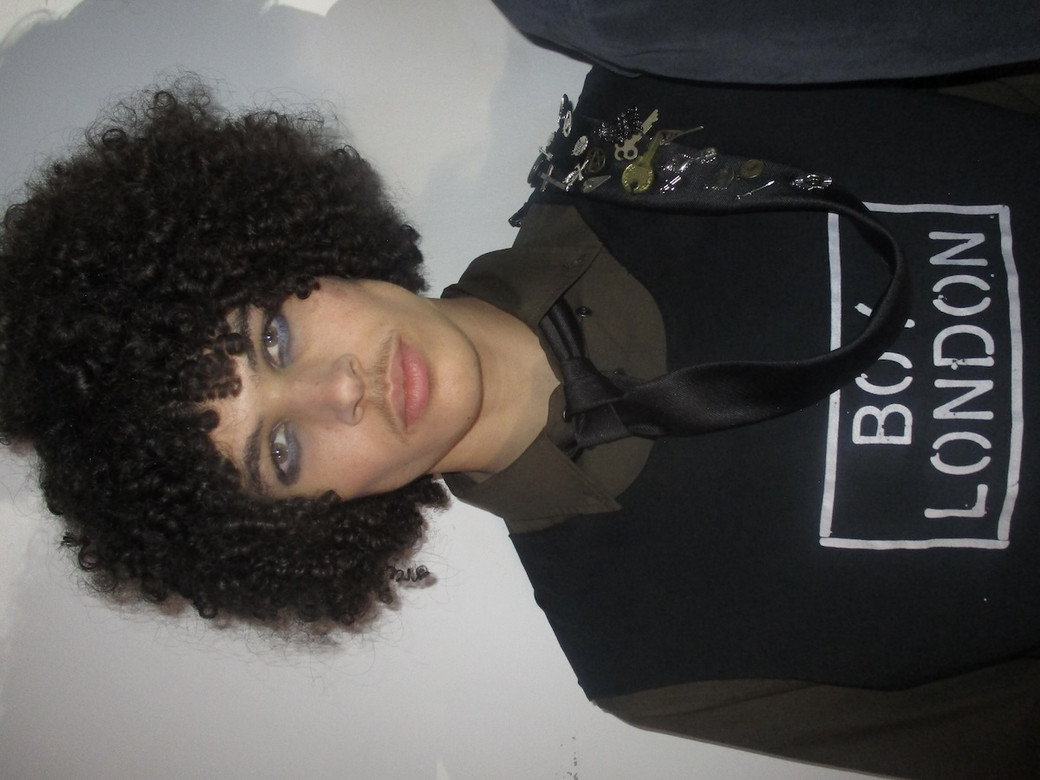
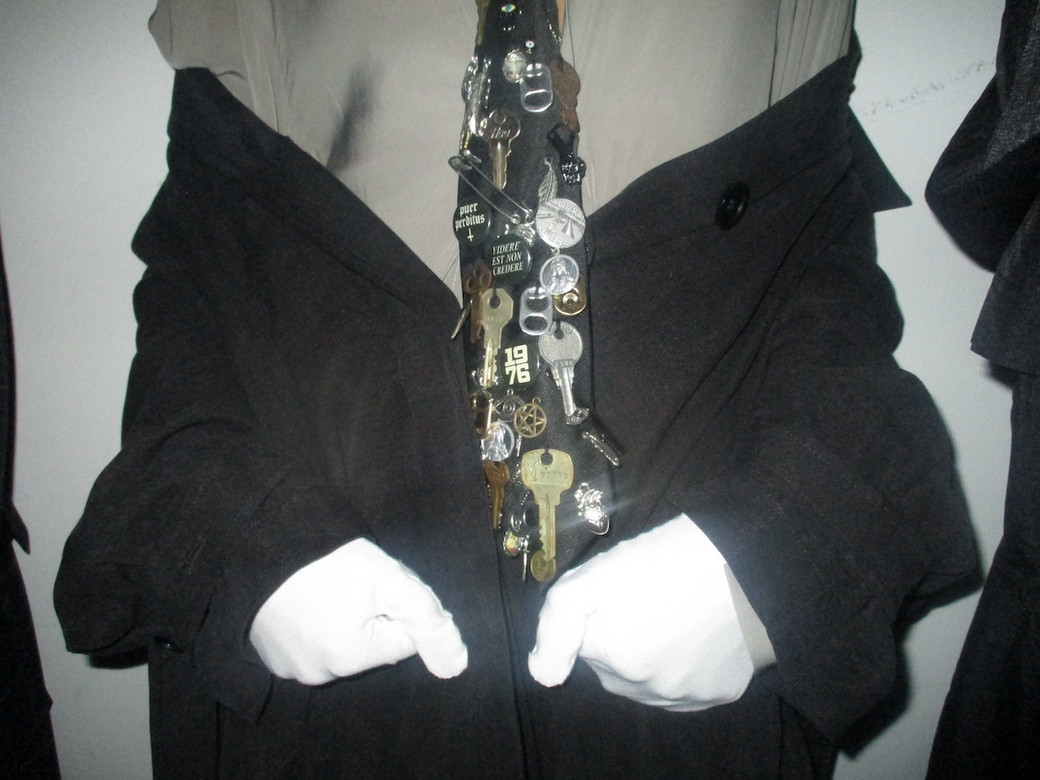
Also the accessories are amazing. The hats with all of the buttons are really cool. The gloves, bags, and all of the chains and keys. It's really cool to see the continuation of that voice and story.
It was fun to evolve the brand a bit. We're in a very fortunate place to be able to iterate in different ways, and the accessory element was really important for this collection. The evil eye is sort of a medallion, and we thought about what are trinkets of protection in this dystopian state. Where when you're looking at the tailored elements, the makeup direction, and the hair, you start off very sort of oppressed in this work culture where people are working day in and day out. Then there's an element where there's tons of embellishments that are almost trinkets of protection. So that was fun to play with. I love elements of ties and suspenders, and I love a briefcase. I wanted to bring a briefcase into the mix because I love structurally what a briefcase looks like, and it goes hand in hand in this retro-future dystopian world.
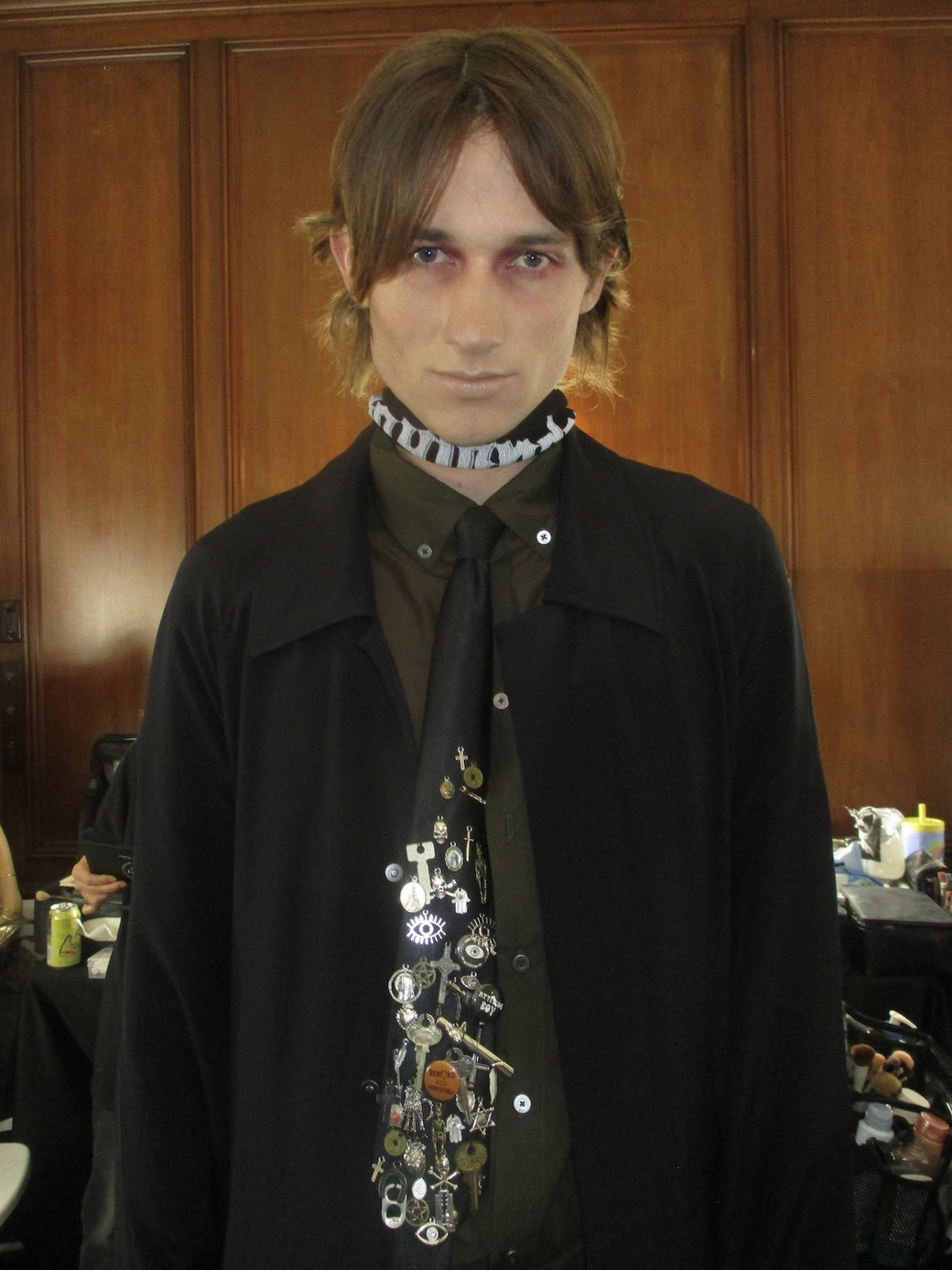
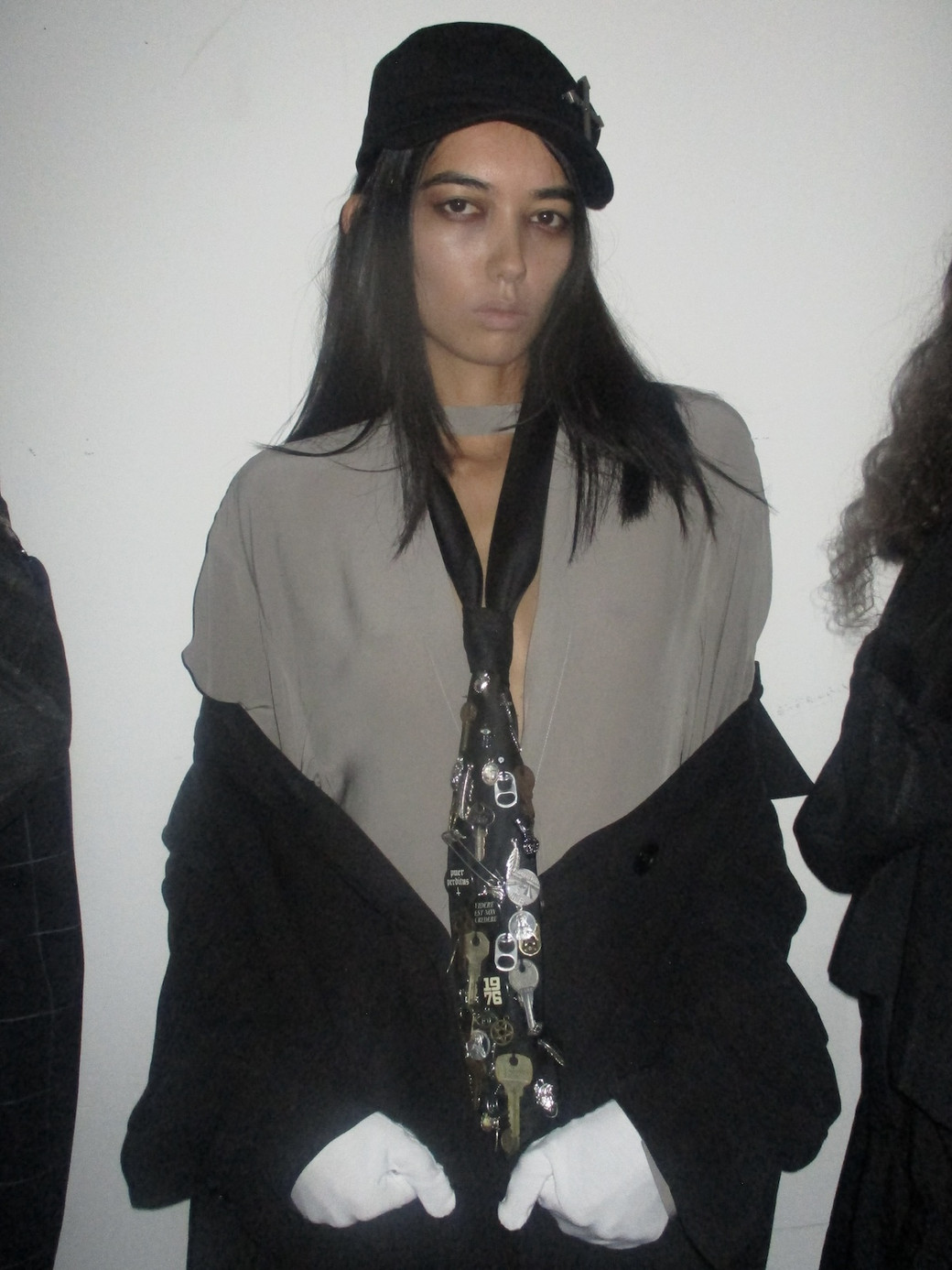
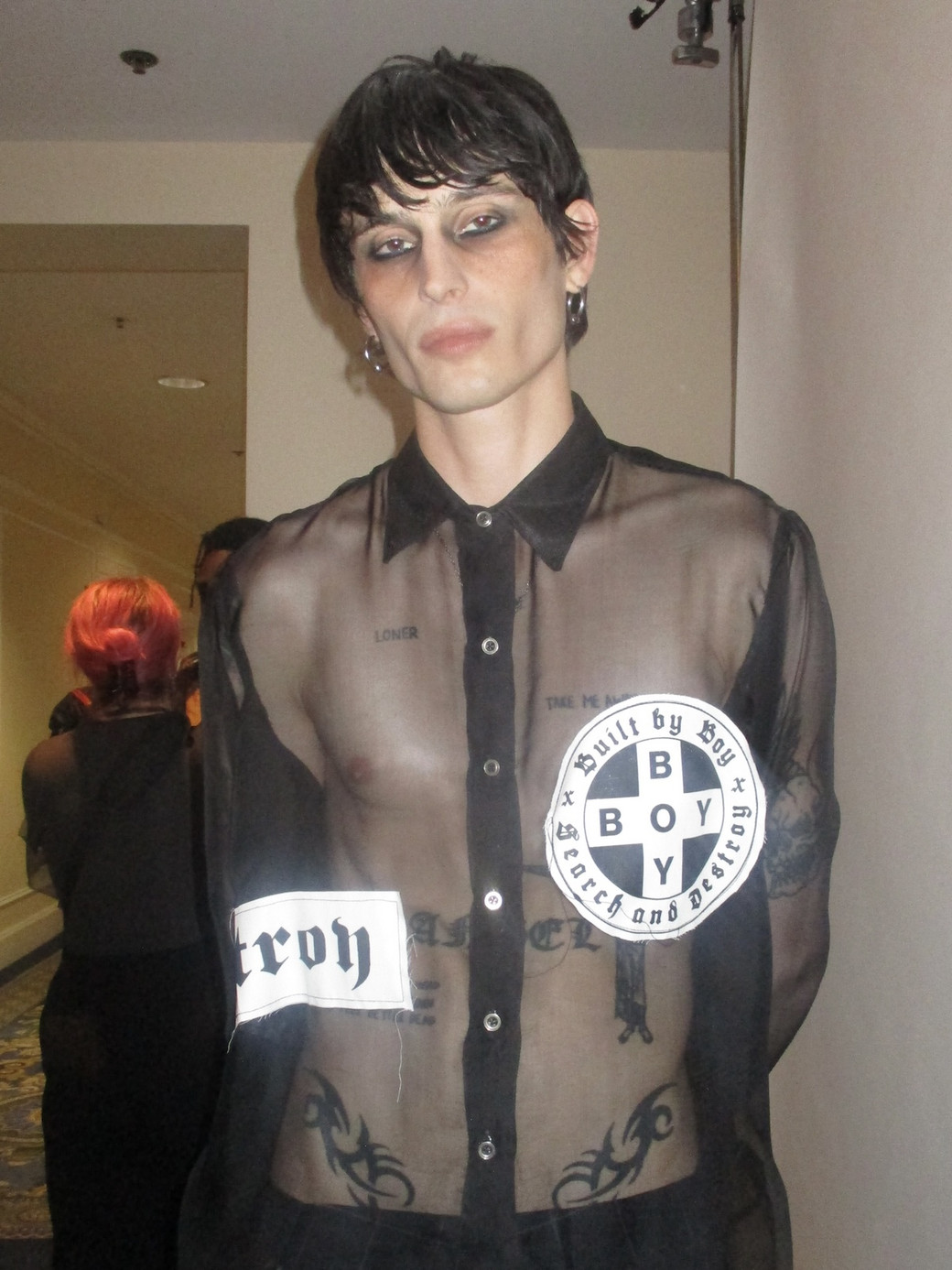
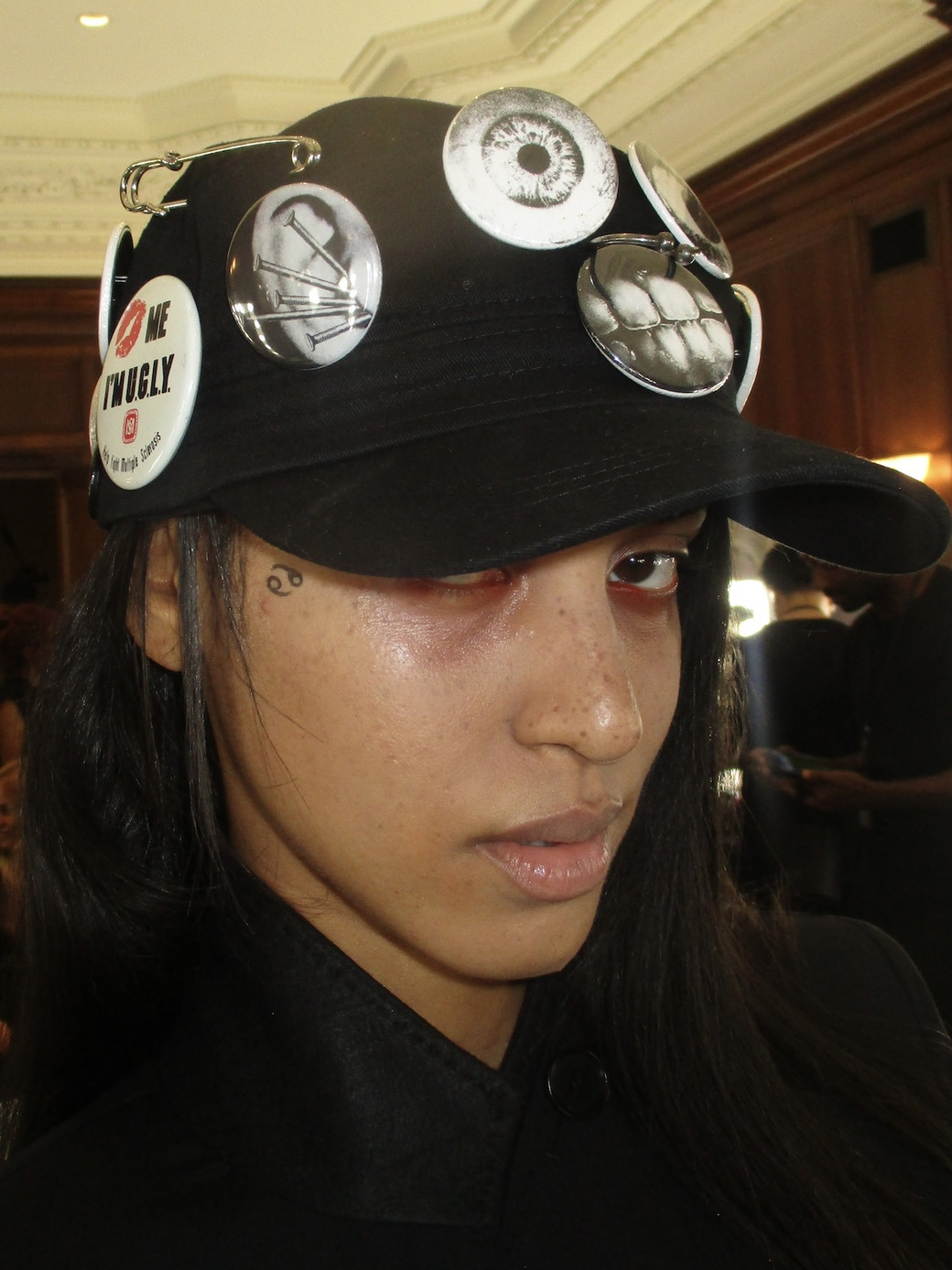
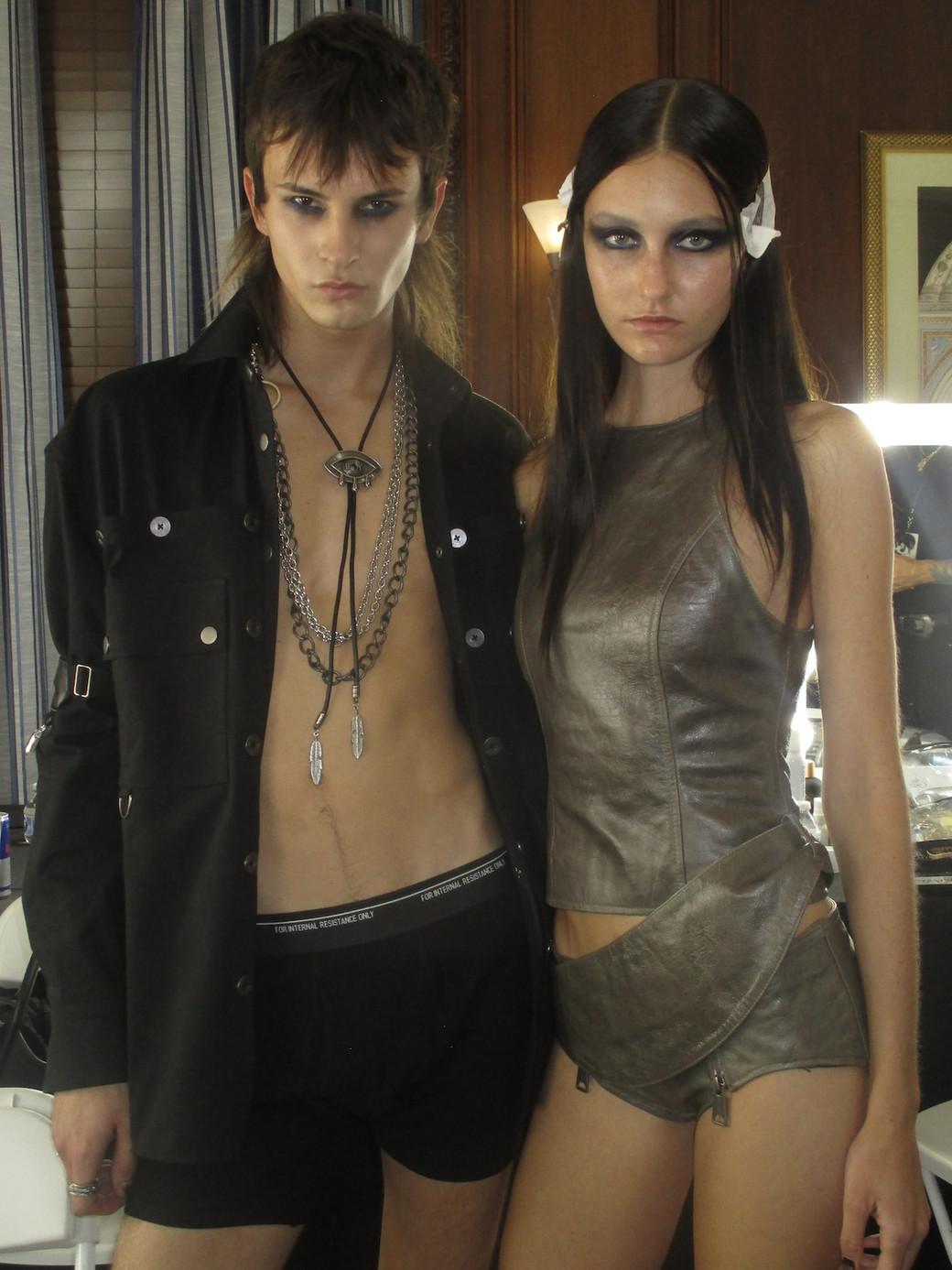
To me, it was pretty militant. It's really refreshing to see a fashion take on that, and how you can show what's happening in this world through clothing and through this runway show.
Some elements are a preview for the next collection.
Can you speak a bit more on that, or should it be a surprise?
Surprise.
What comes next after this?
We're finally launching our fall collection on our site.
Amazing.
boylondon.com. Please go and see it. I think looking at pictures and videos is one thing, but actually feeling the quality, intentionality, and the way things are made, is that much better. So, come take a look at the collection that is arriving.
How has your internal dialogue changed or remained the same over the years? Do you think doubt ever truly goes away, or does your belief in yourself just grow stronger?
It's changed as I've come to know myself and what I'm capable of. I've learned that if you can beat the little voice in your head telling you to give up, you can beat anything. Doubt doesn't go away. I've just stopped treating it as a stop sign. Going independent and taking my name back taught me that doubt and conviction can sit in the same room. You feel both, and you keep building anyway.
On a larger scale, it seems as though you work with the end in mind. Is that true for a partnership like this?
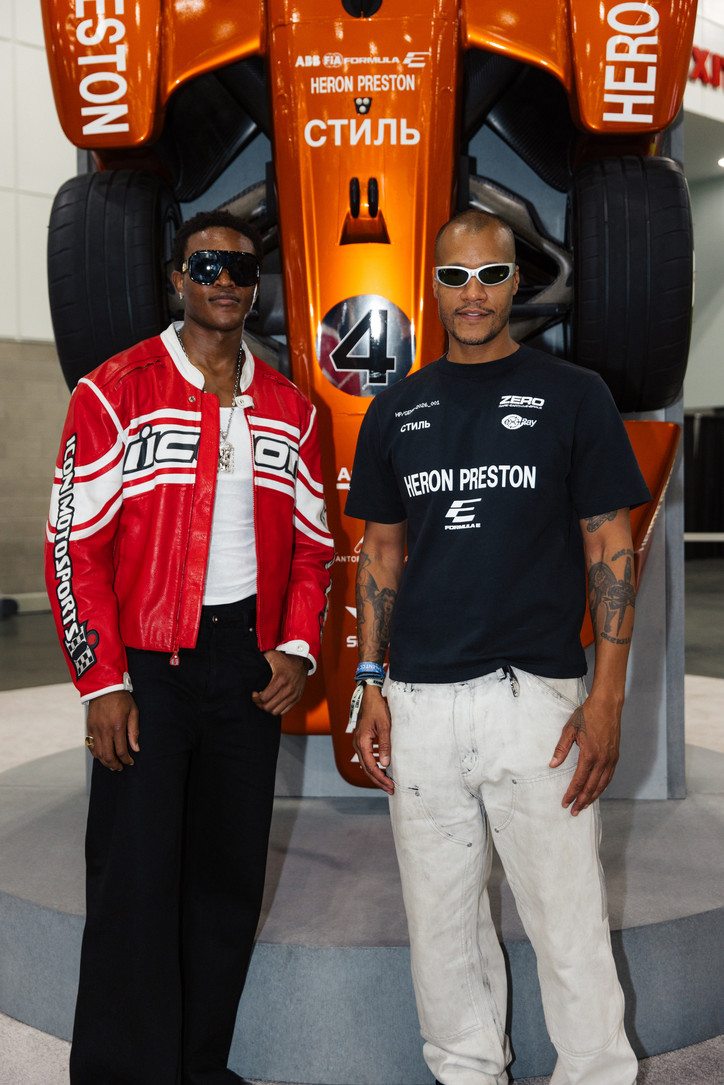
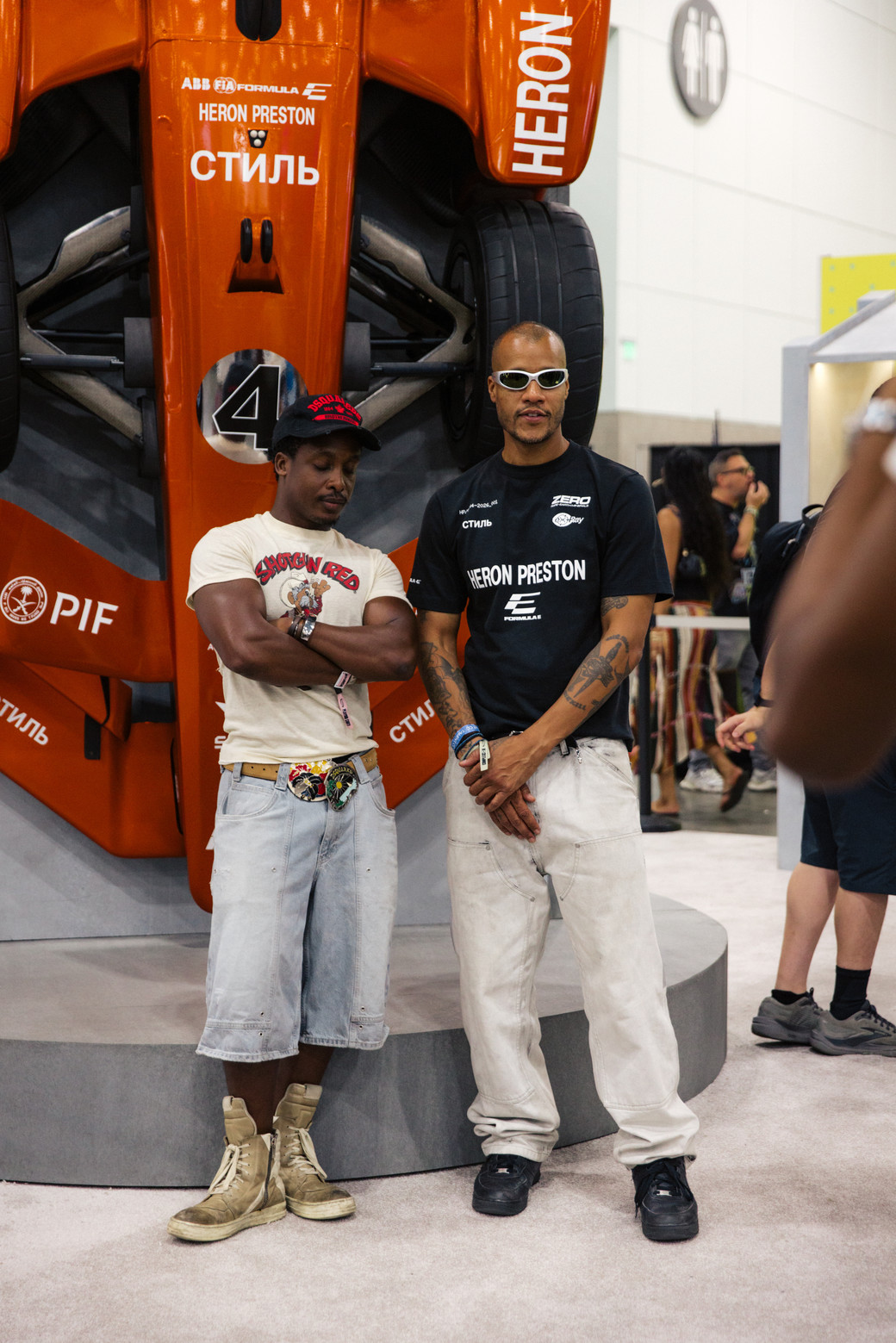
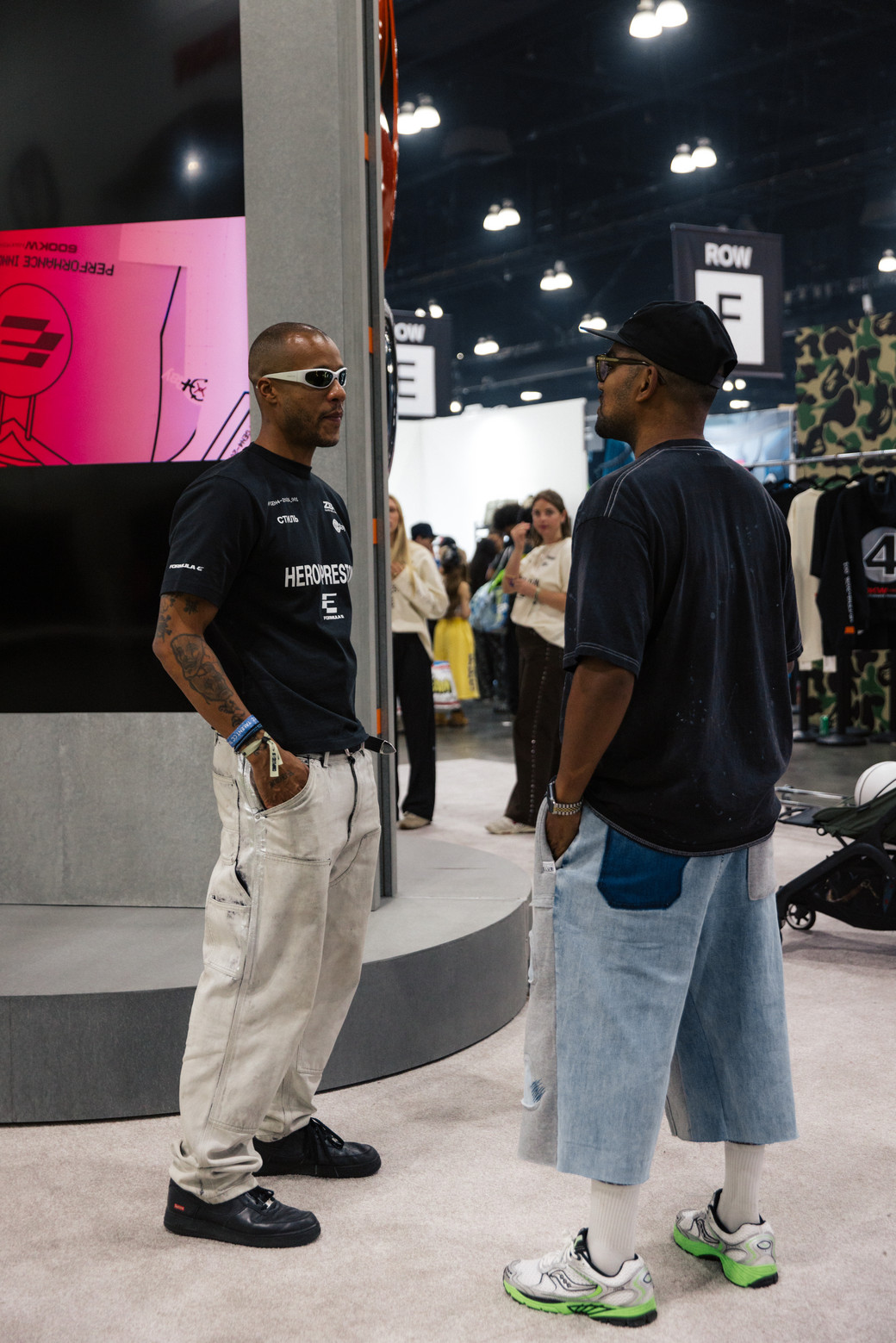
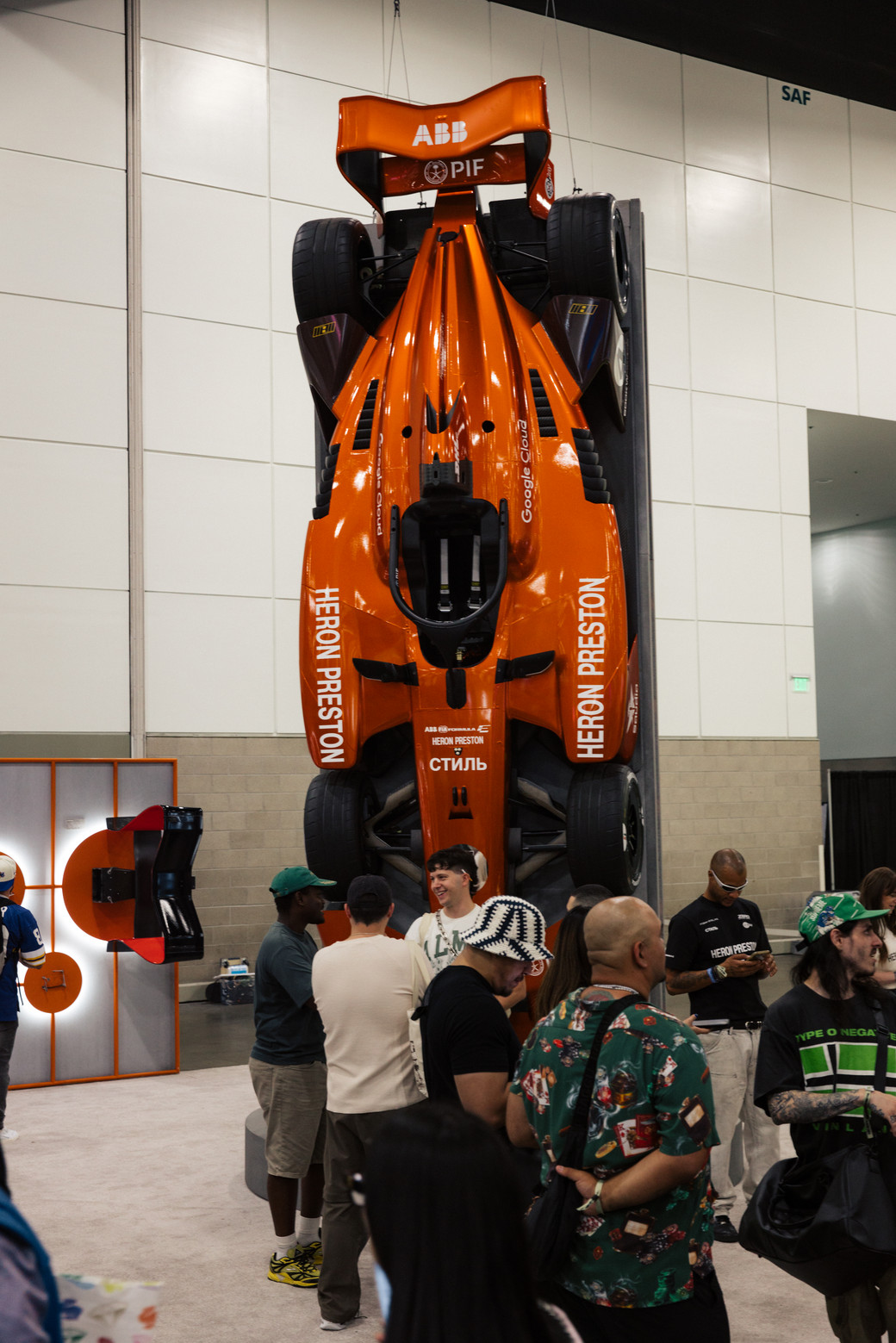
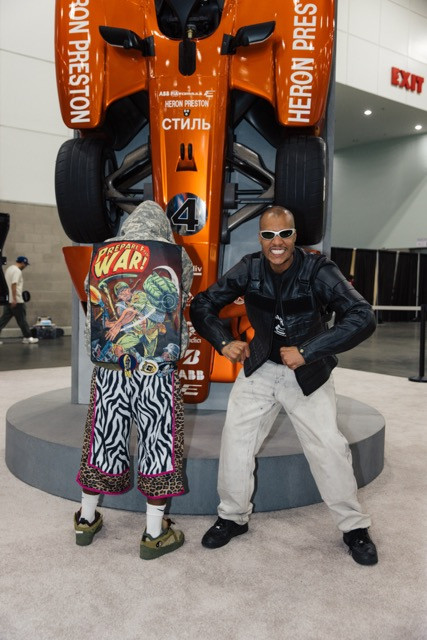
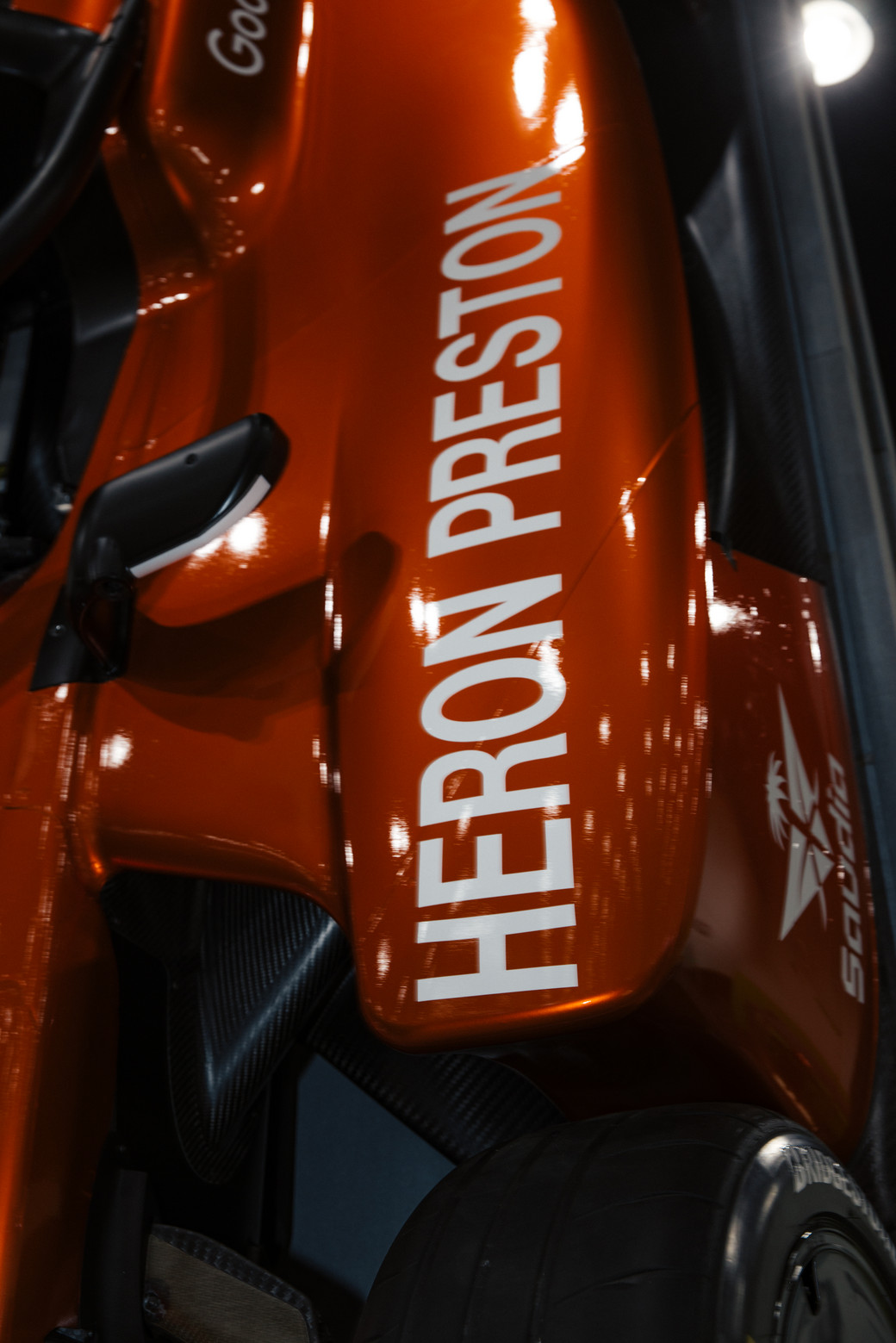
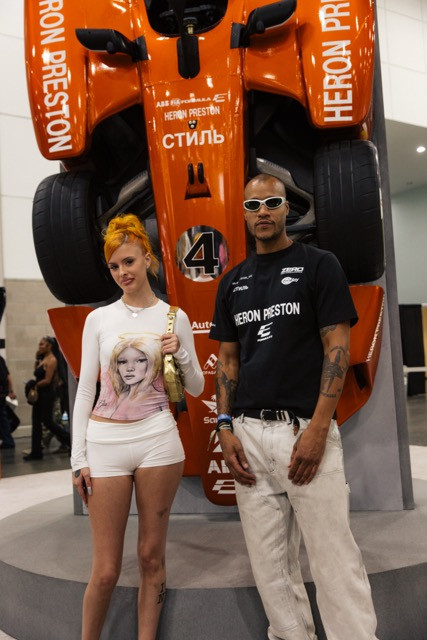
Yes, in two ways. With materials, I'm always thinking about where something came from and where it goes after someone's done with it. With the partnership, we're thinking long term. ComplexCon is a preview, not the destination. The bigger goal is to take materials recovered from the sport itself, like carbon fibre, metals and other components, and find out what they can become through design. Knowing that's where we're headed shapes every decision we make now.
How did you approach working with recovered materials and developing the eX-Ray concept?
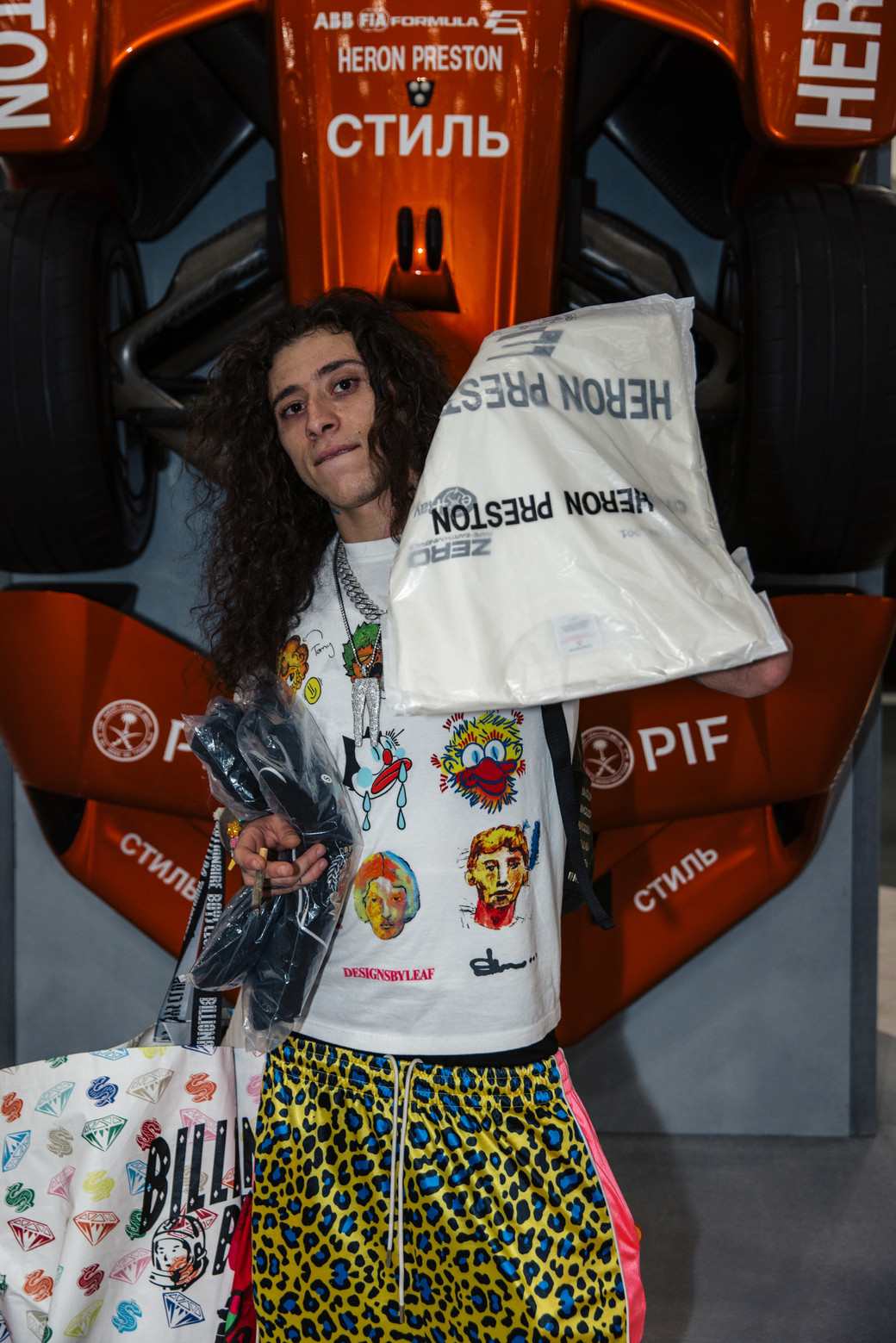
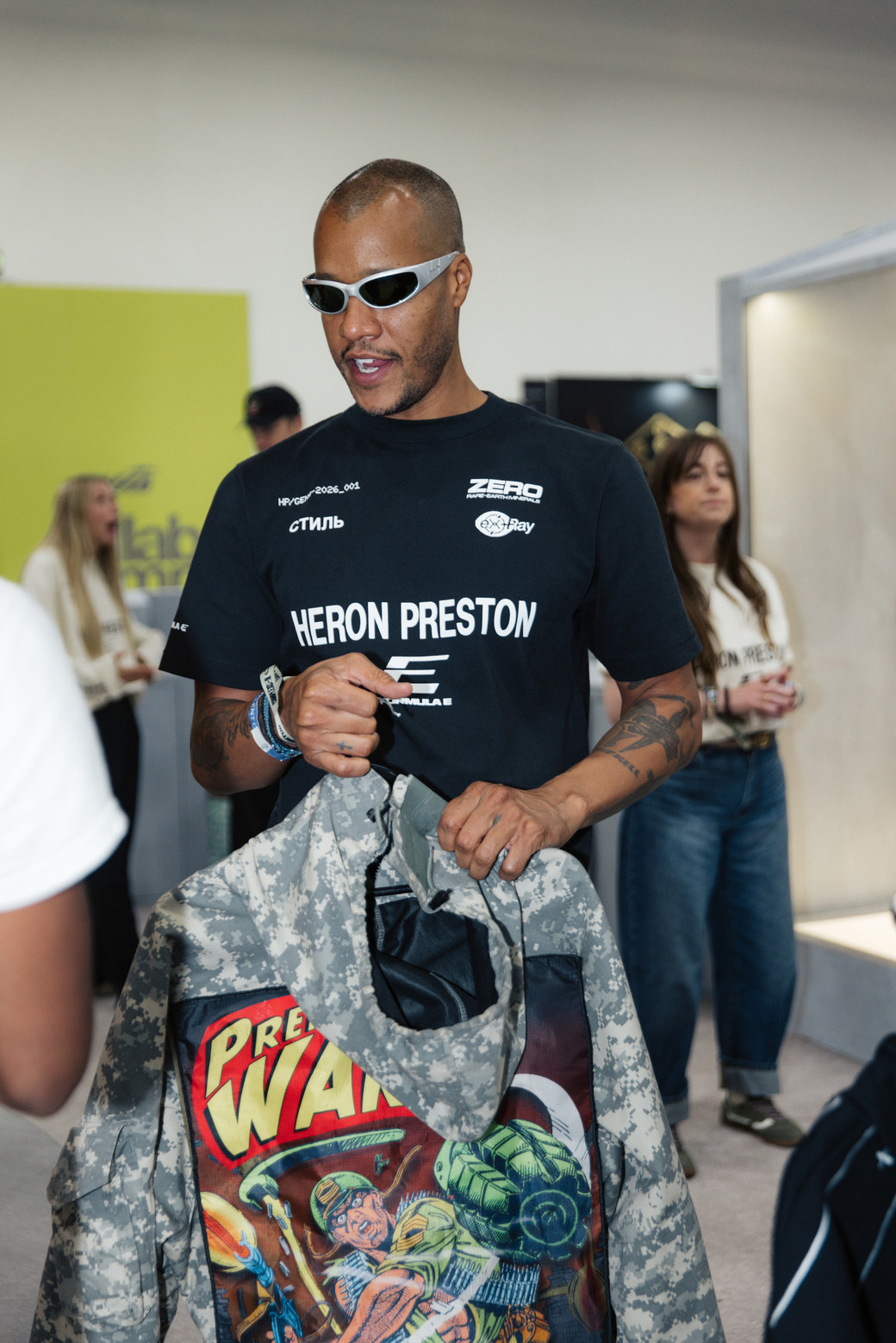
When I started exploring recycled materials, I wanted to give that work a name, the way Gore-Tex or Vibram did. You can spot Gore-Tex because the logo sits right on the material, and you know a Vibram sole when you see one. Logos and branding have always been central to my work, so I thought: why not give this kind of work its own name and a symbol people learn to recognize over time? That became eX-Ray, a mark people can proudly associate with their values. Behind the mark, it's our most advanced L.E.D. (less environmentally destructive) line, where we develop fabrics ourselves instead of sourcing them conventionally. For this collaboration, that means recycled cotton made from pre-consumer factory off-cuts and deadstock pulled from our own warehouse.
Has this partnership changed your approach to design in any way?
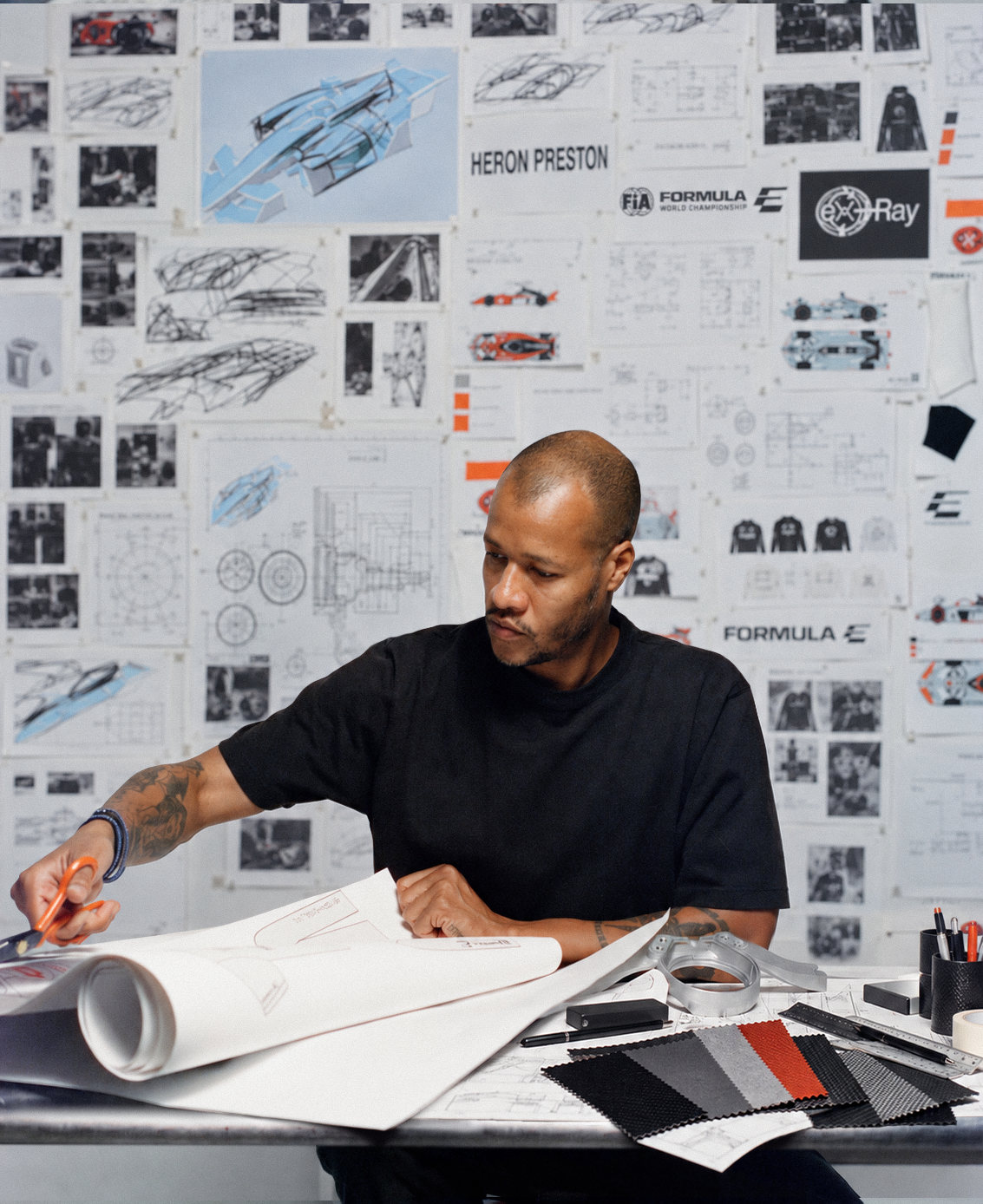
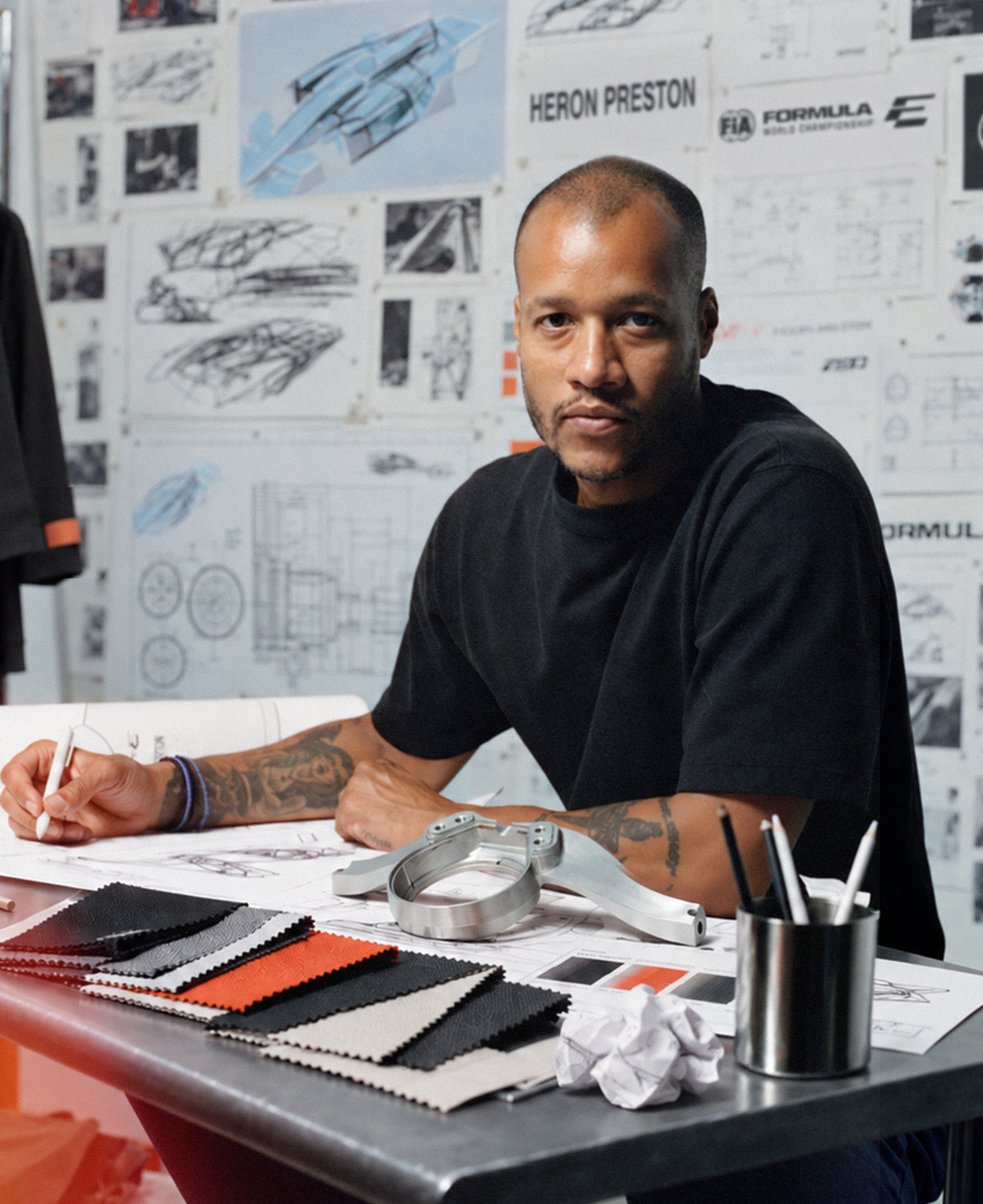
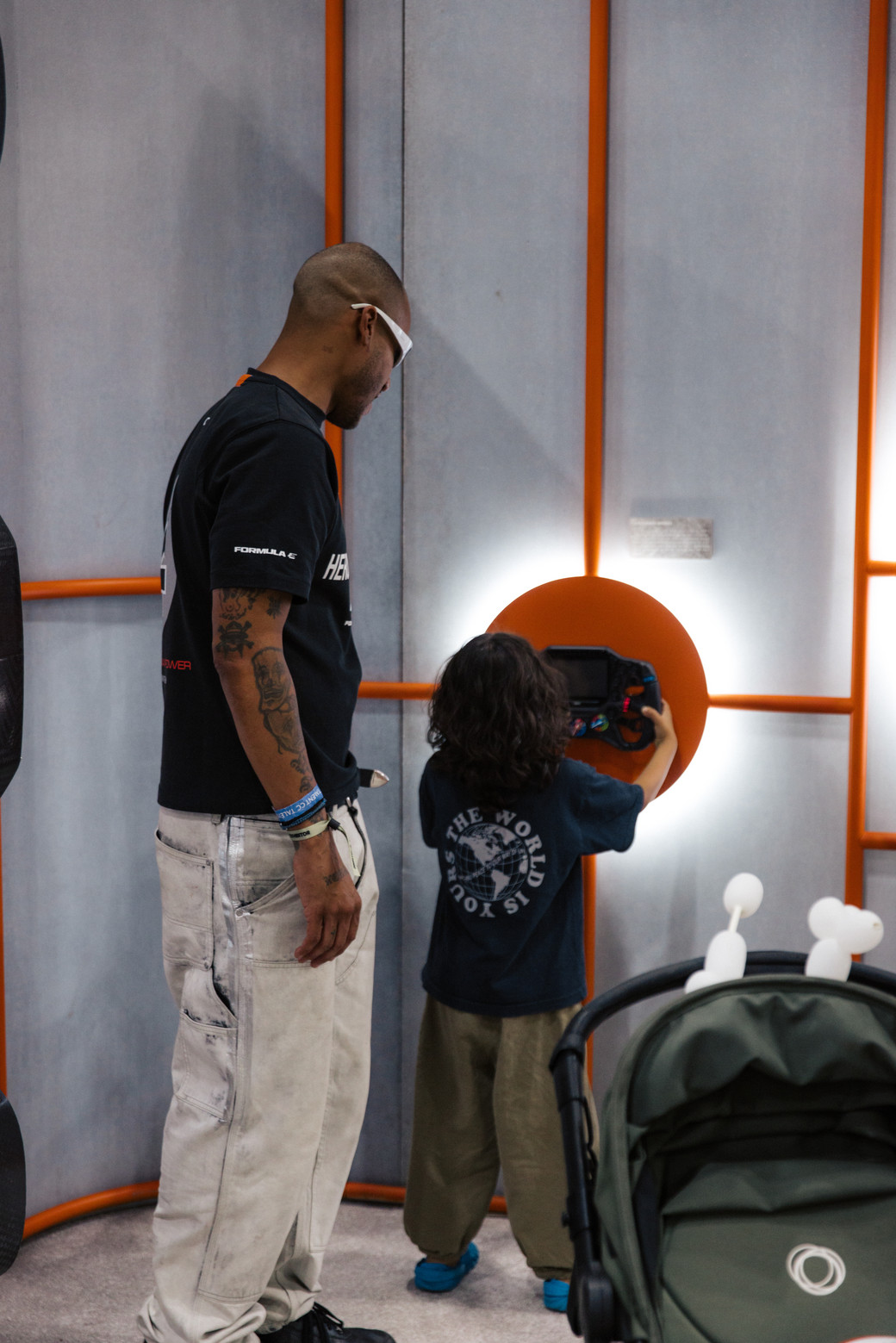
No, it hasn't changed my approach. It strengthened it. Constant practice is important to keep myself sharp as a designer, and a project like this is exactly that kind of practice. Learning about how Formula E cars recover energy through regenerative braking was a good example. It's the same thinking we apply to materials, so it reinforced what I already believe rather than replacing it.
I have a visceral reaction whenever people tell me, “You can't do it all.” I feel like you have rejected that notion throughout your career. Do you believe someone can truly “do it all”?
Do all of what? We all have big lives to live, and we should make room to actually live them. For some people that means doing the most, and for others it means doing nothing at all. I think it comes down to what fulfills you as a human being. Aren't we all just searching for happiness? Don't we all just want to be free? When everything you do comes from the same place, it stops being “doing it all” and becomes doing one thing in different forms.
You work with a range of unconventional and recovered materials, and there is an imaginative quality to that approach. What awakens that deeper creative spirit within you?
Every day that I wake up. It's a new day, and I get to get back to it. Usually it's good weather, fresh air, the sun, the smell of the sea breeze. Knowing I have another day to connect with people and inspire the youth, and another chance to push culture forward. Knowing it's not over. Every morning I realize I can exercise my free will, and that's what unlocks freedom. Waking up is special.
Do you think becoming a father has given your work new meaning or further motivated your creativity, especially regarding sustainability and the desire to create a better world?
It's given my work ethic new meaning. I look at my daughter every day, and I have someone to take care of now: keeping a roof over her head, making sure she gets the best education. All of that costs a lot, especially in New York. So I have to go harder now and stay consistent with my discipline. I also think about the world that's going to directly affect her and how I can make sure she's set up for success. That's where sustainability stops being an idea and becomes personal.
What does a perfect world look like for Heron Preston?
Living life on your own terms. Freedom.
Do you feel like you've found your purpose through clothing?
Clothing is what I do, but it's not my purpose. Right now, my purpose is simply to be a stable, loving anchor for my daughter so she grows up feeling secure and capable. I love my family, and I love being a dad. In my work, what drives me is staying deeply curious about creativity and design.
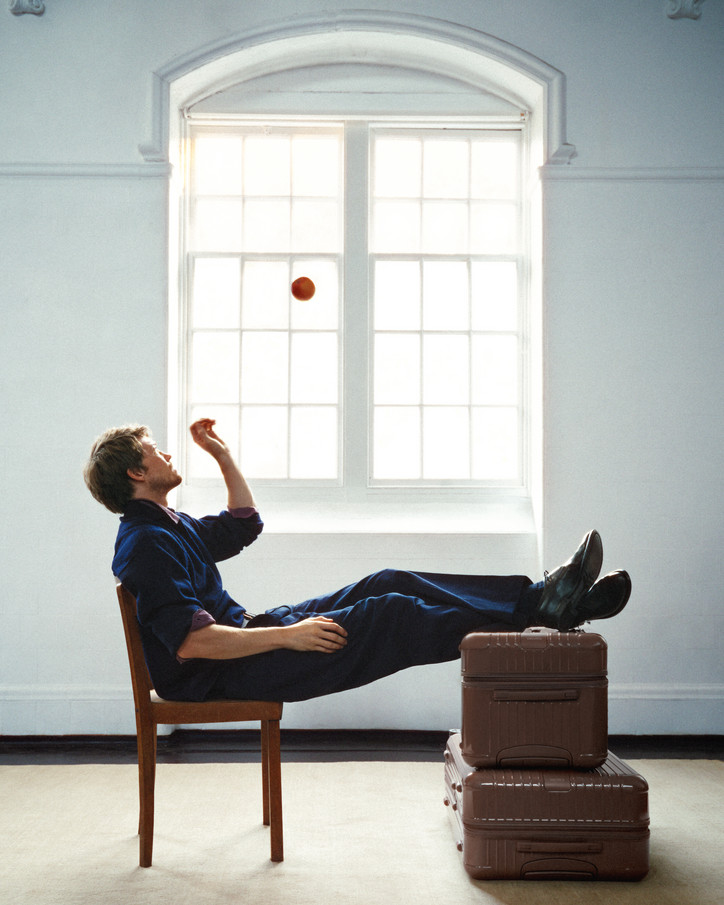
Across the Essential collection, Umber and Ultramarine bring a new dimension to RIMOWA’s familiar silhouettes. The same palette carries into the Groove collection, extending from everyday bags and pouches to a compact shopping bag in smooth Italian calfskin. Together, the pieces offer a more understated take on the season’s colors, balancing the earthy warmth of Umber with the depth of Ultramarine.
The luggage retains RIMOWA’s signature mix of function and engineering, bringing a sensibility to the practical pieces that accompany everyday movement. It’s a reminder that even the most familiar travel essentials can take on a different character with a shift in color.