Collina Strada Glitters in Submission Beauty
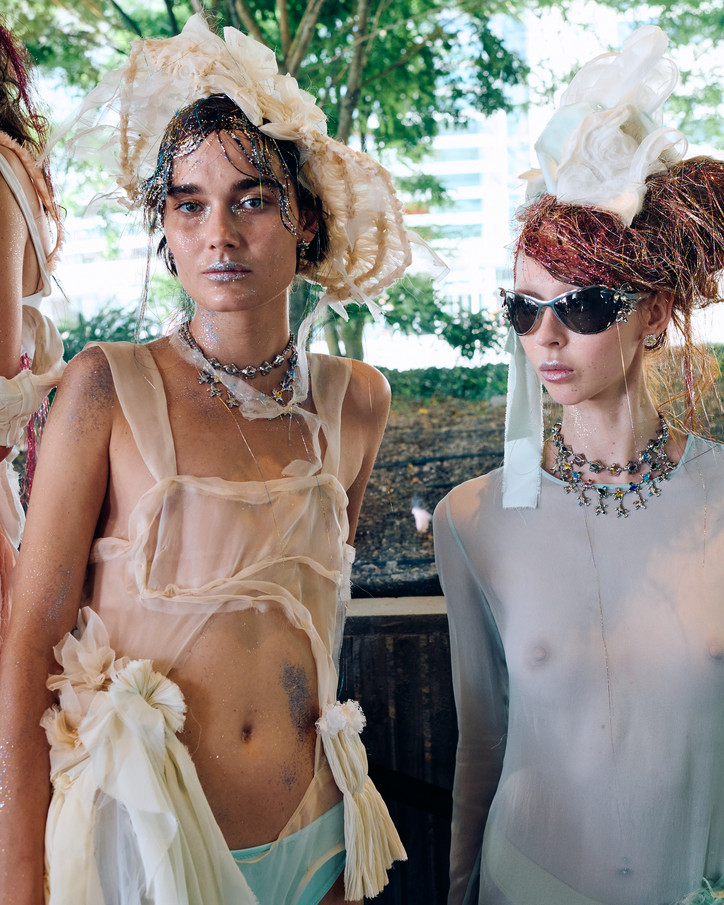
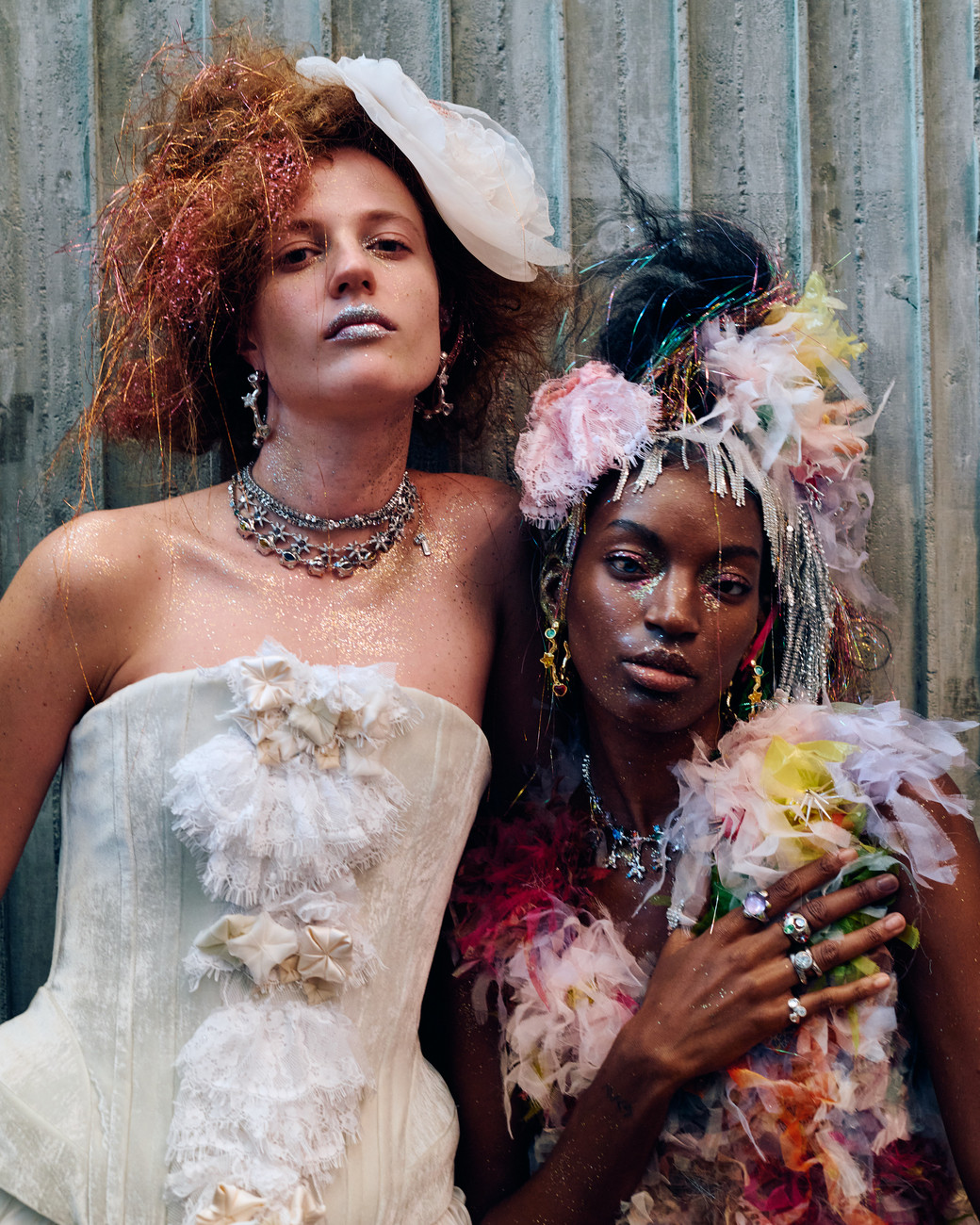
The looks from the show embrace a sense of artistic chaos— loud, expressive, and full of individuality. How did you approach creating this intentionally unconventional aesthetic for Copenhagen Fashion Week?
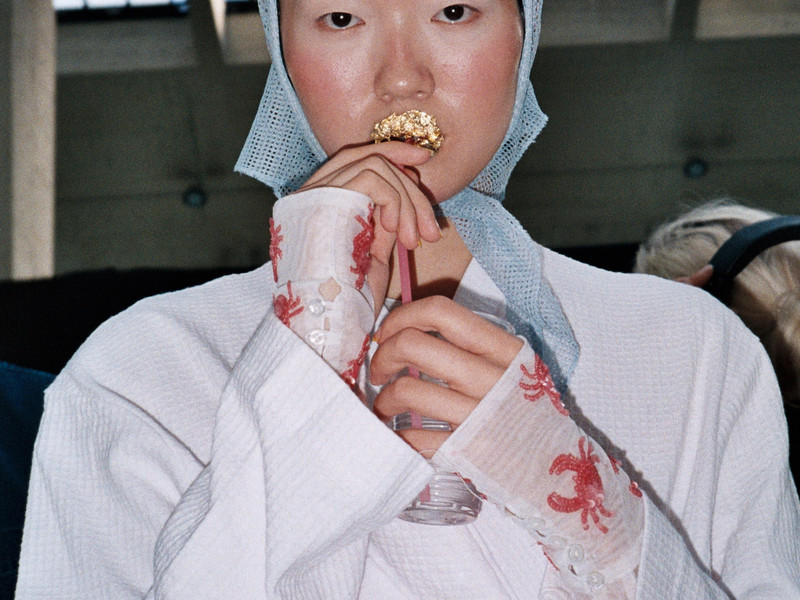
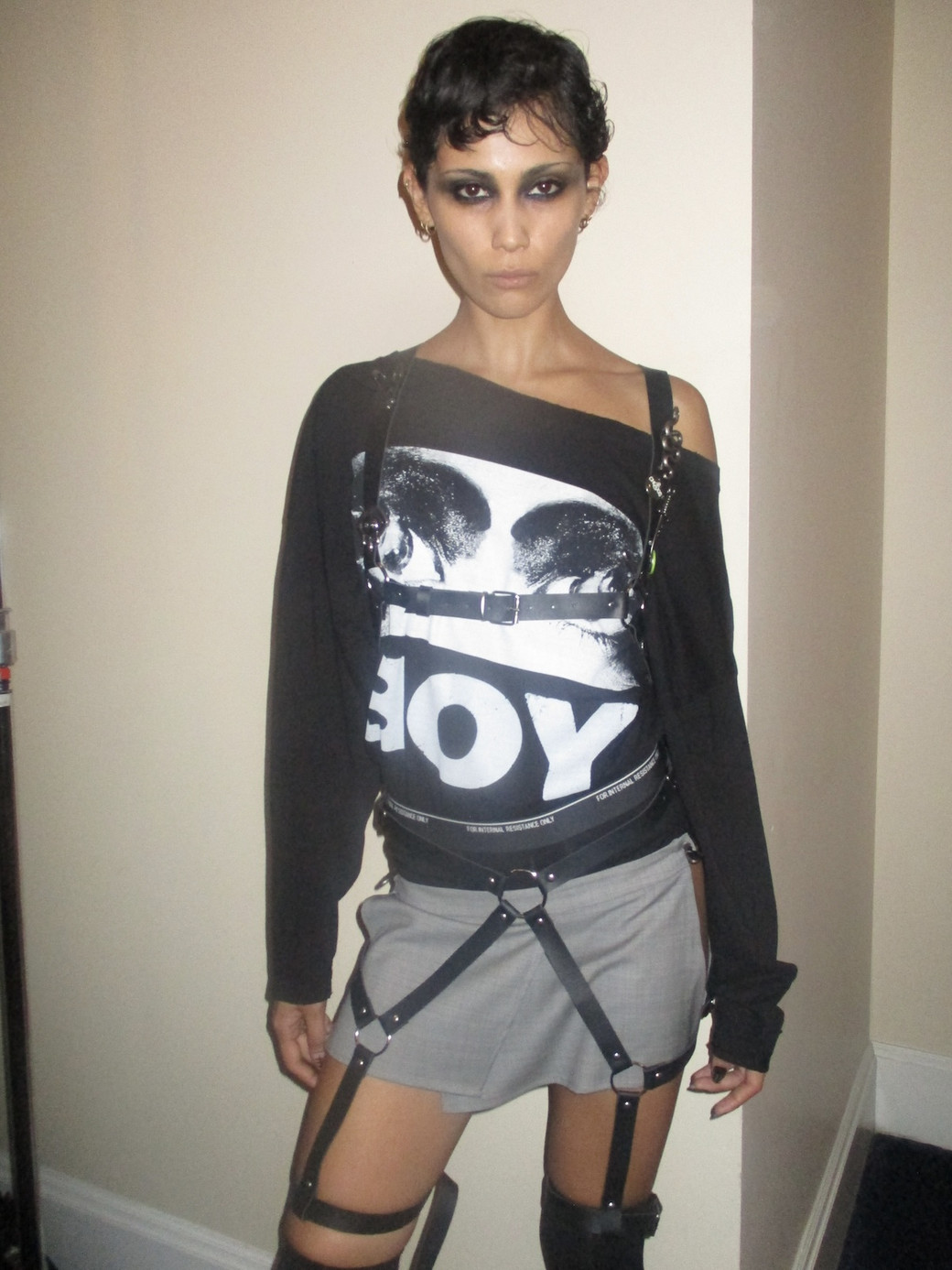
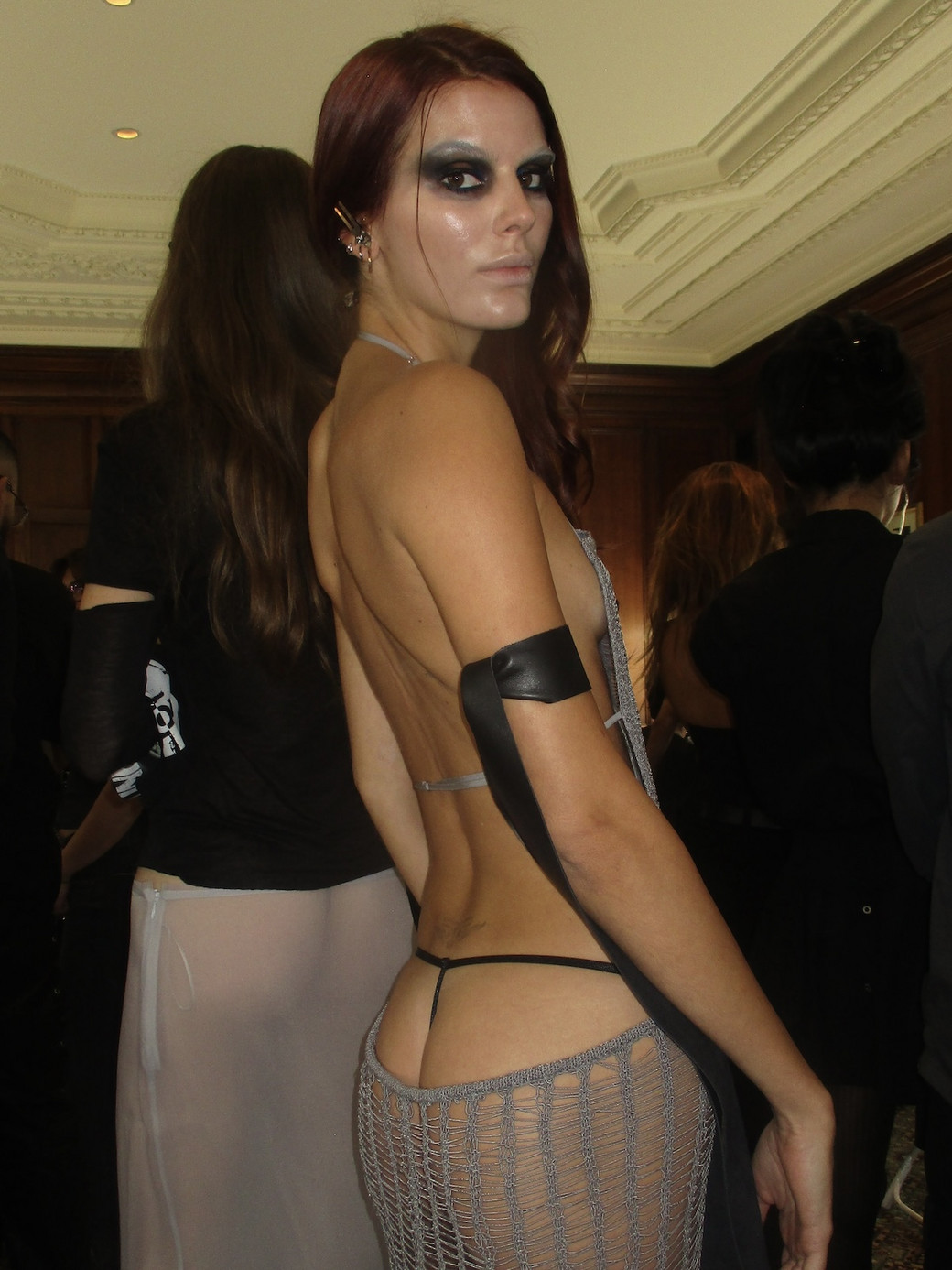
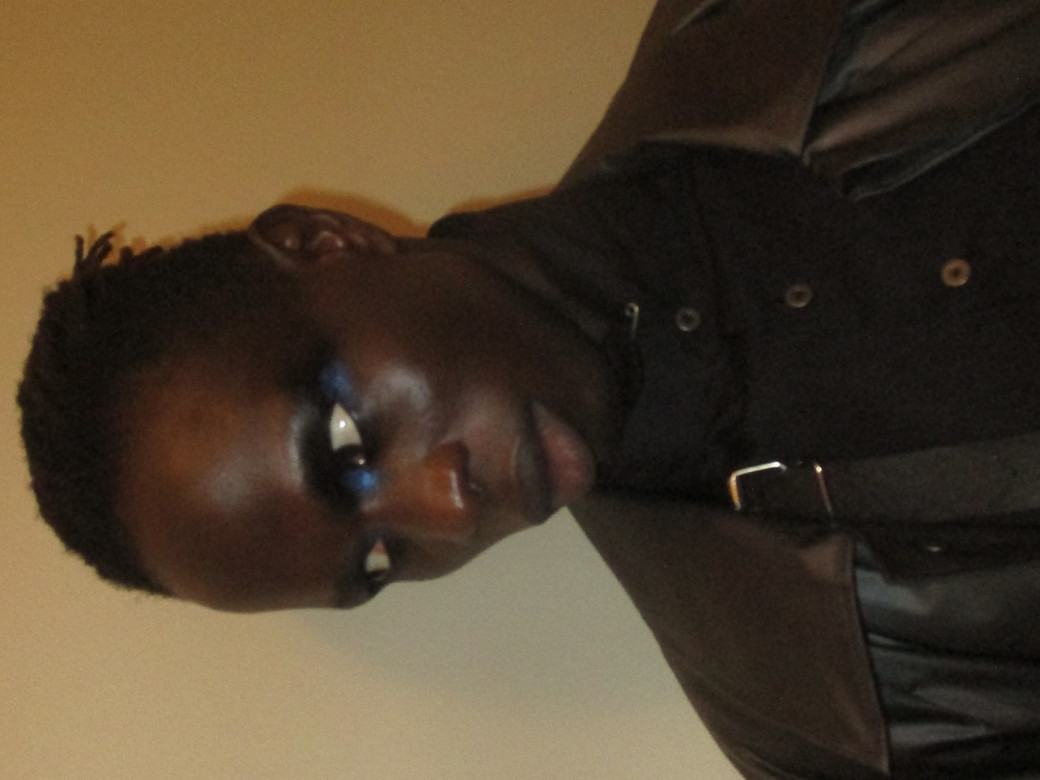
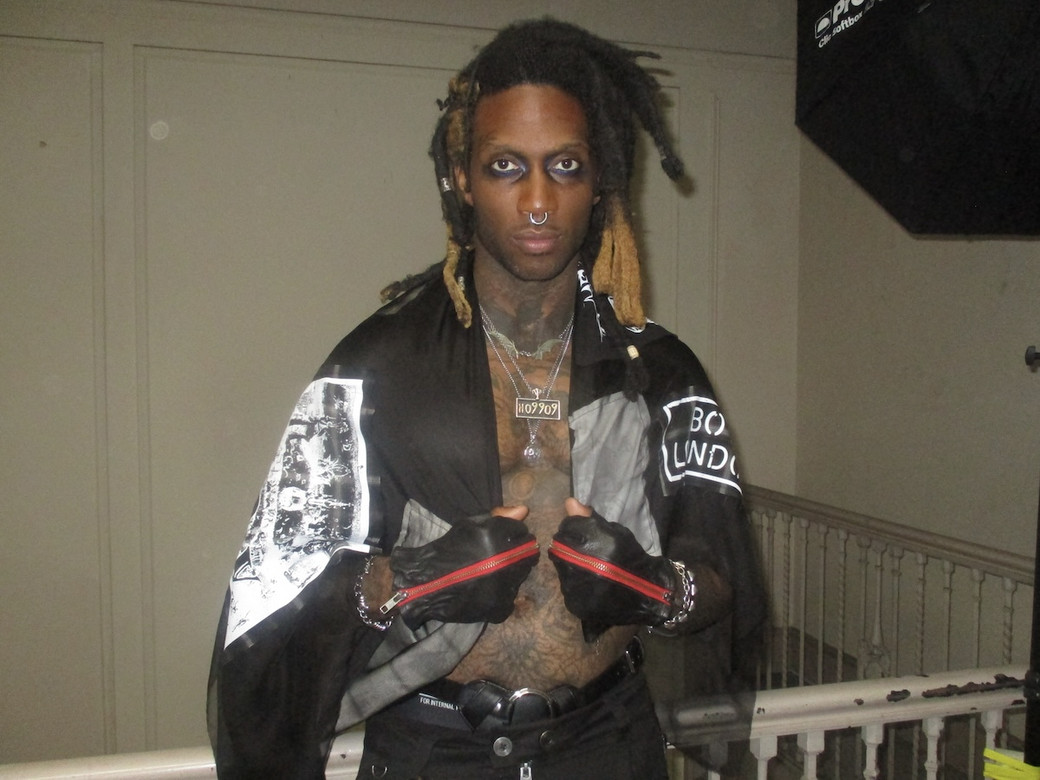
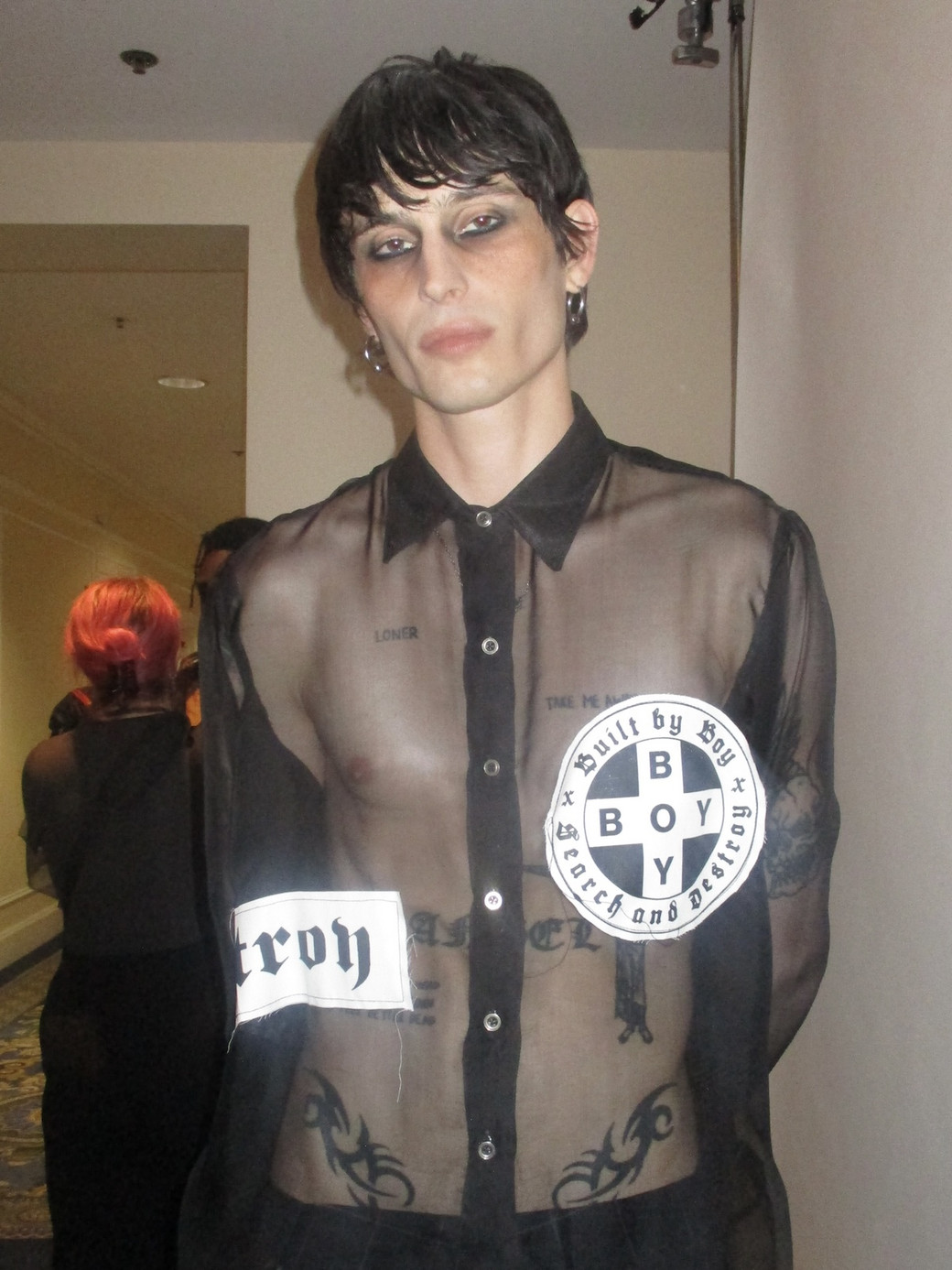
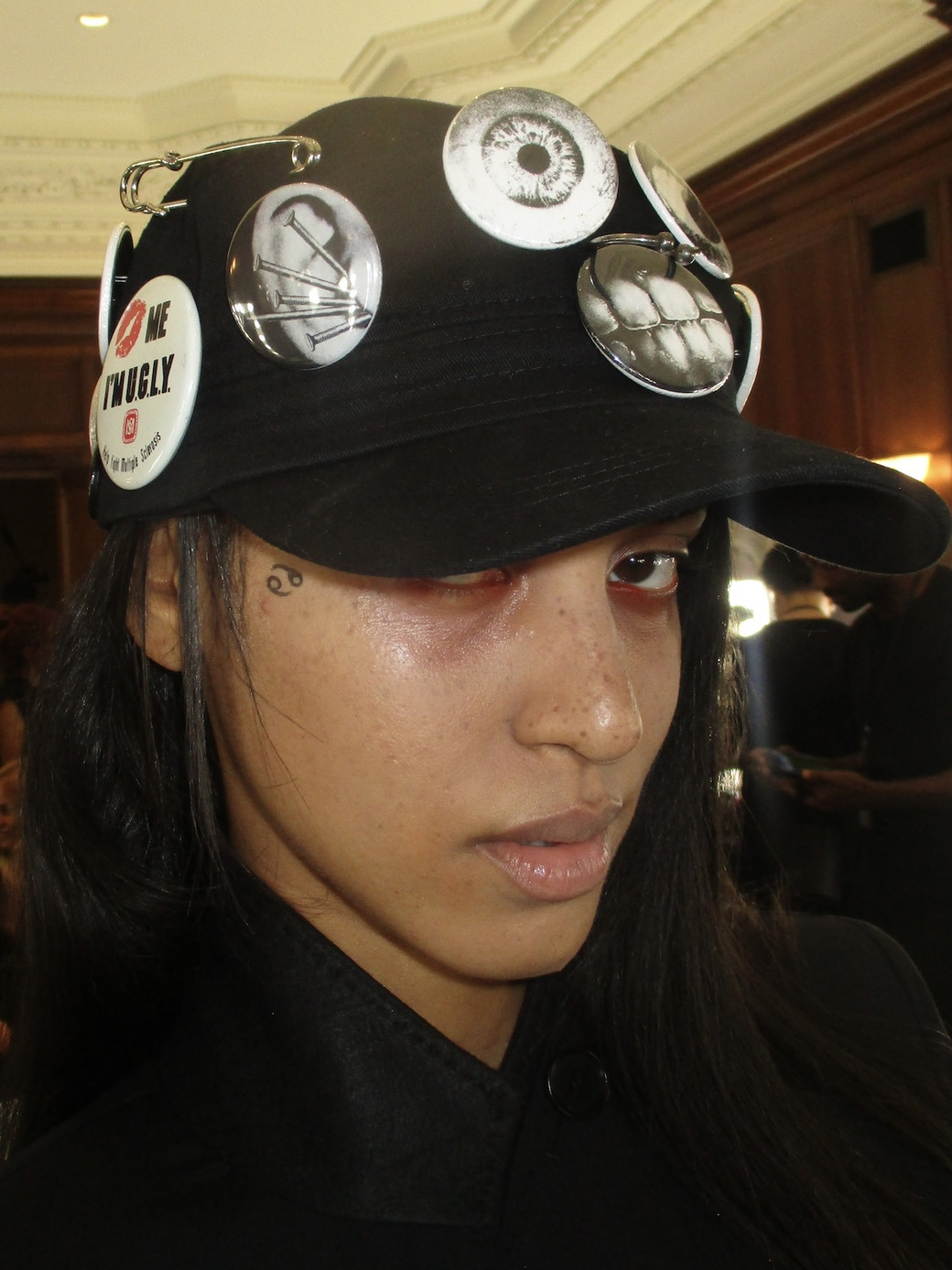
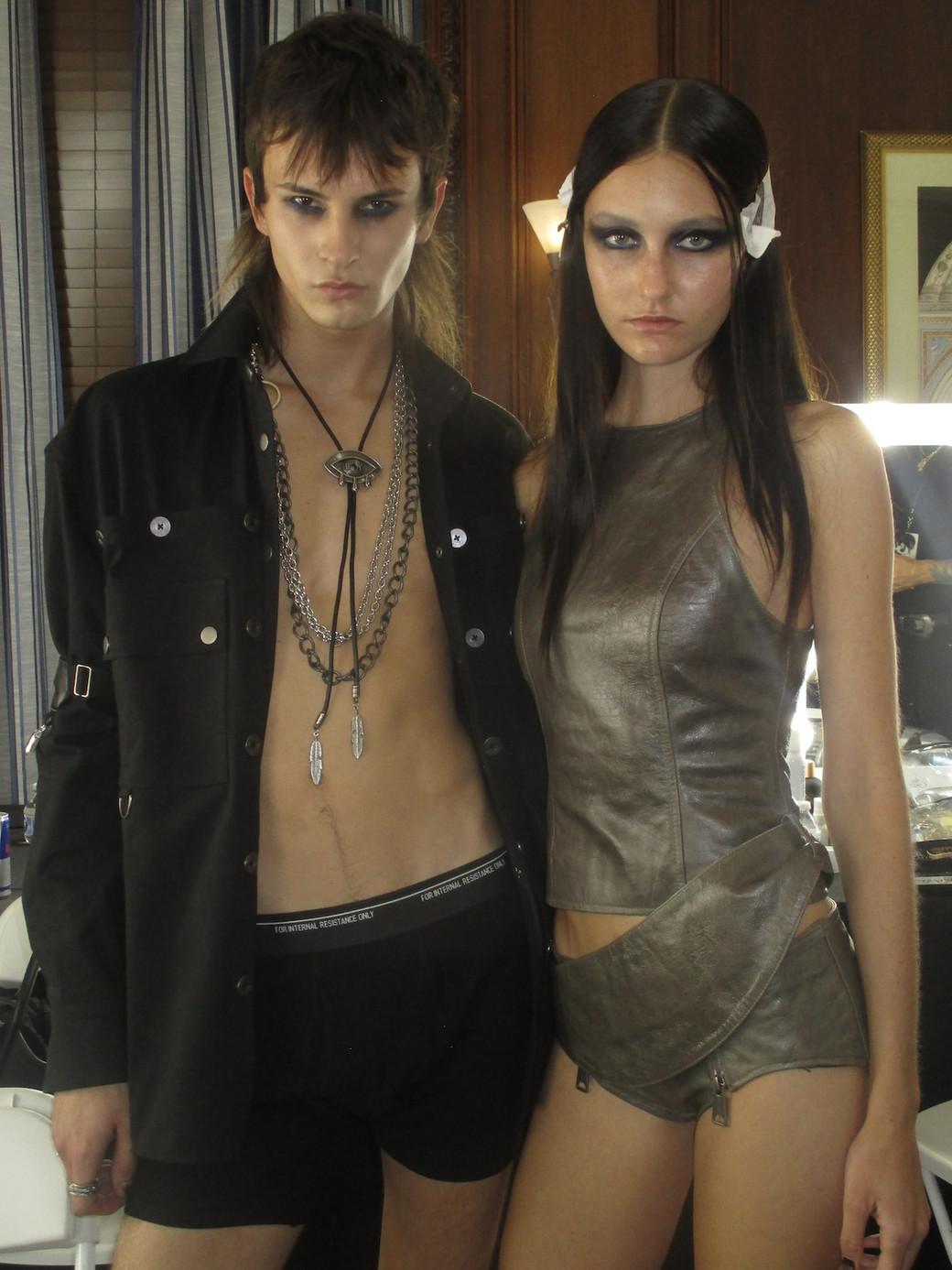
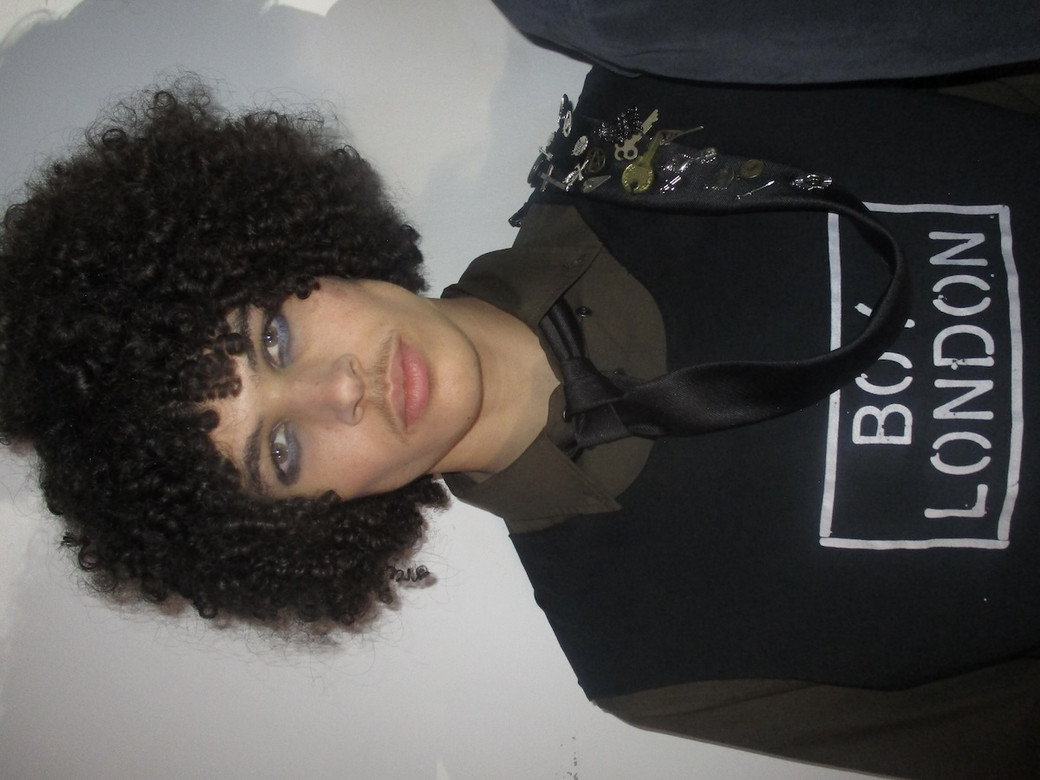
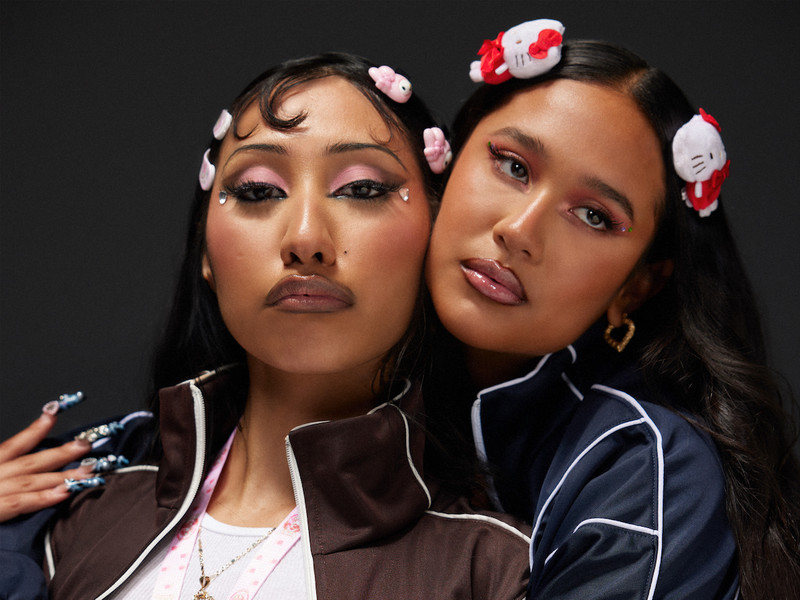
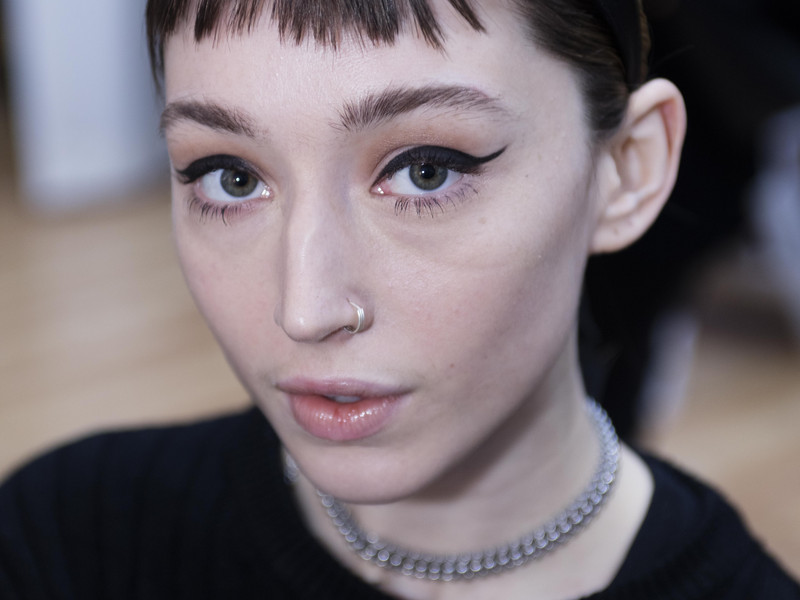
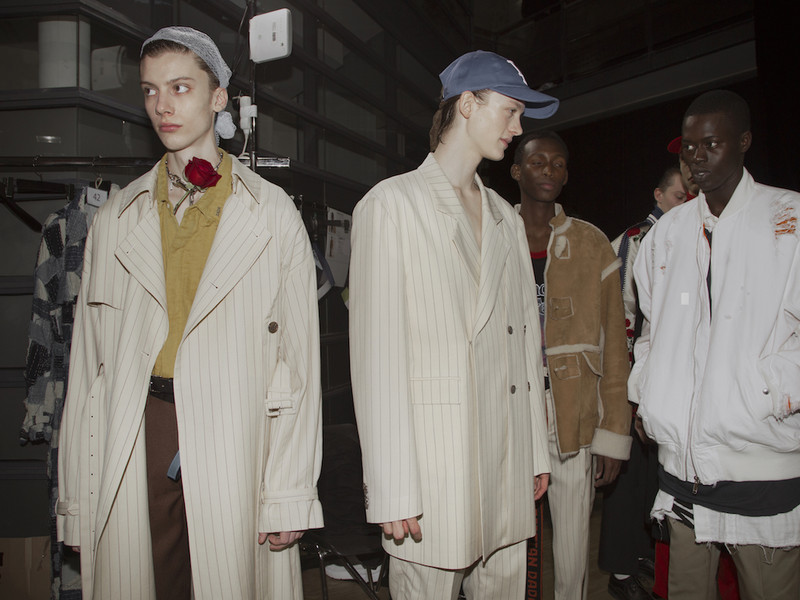
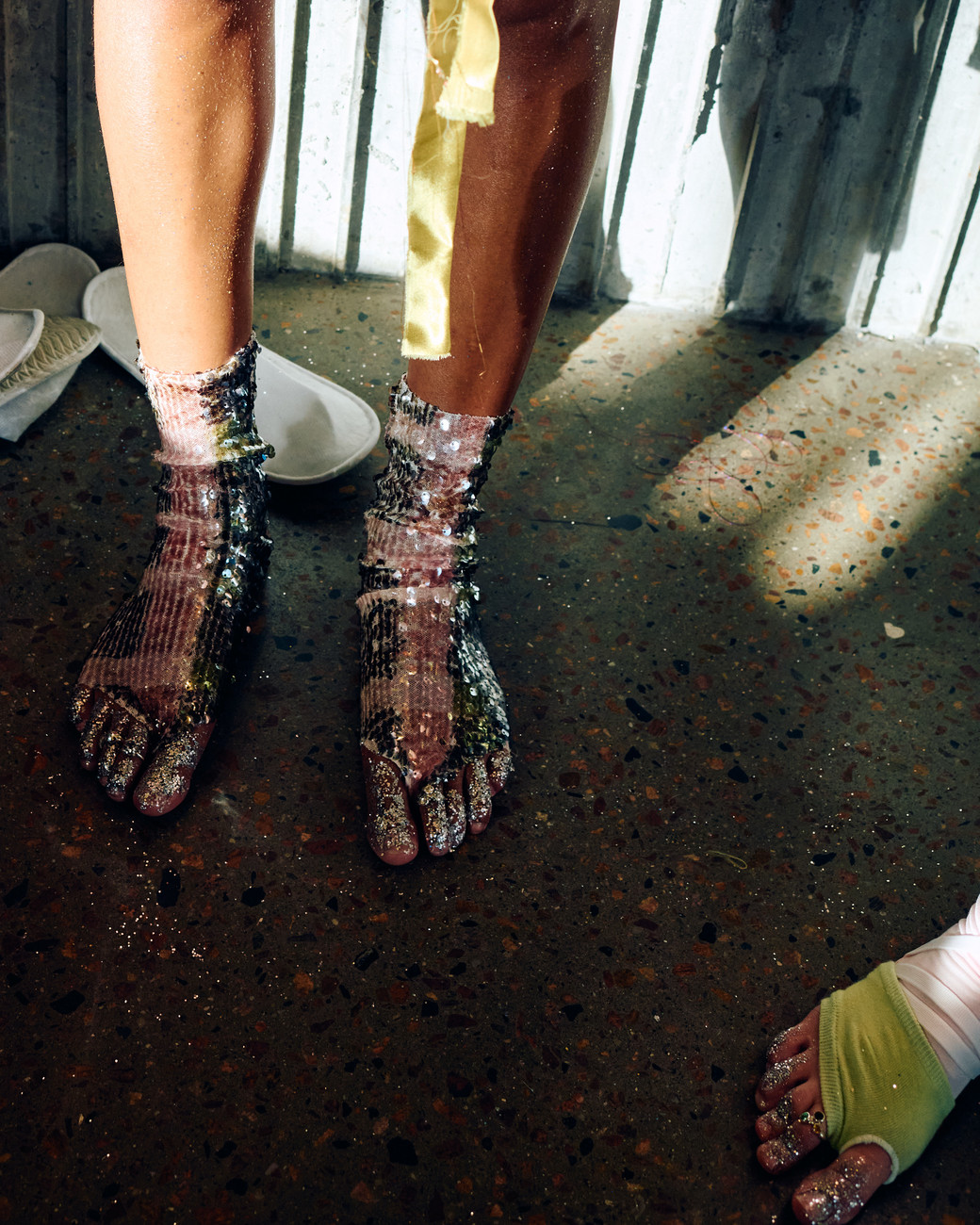
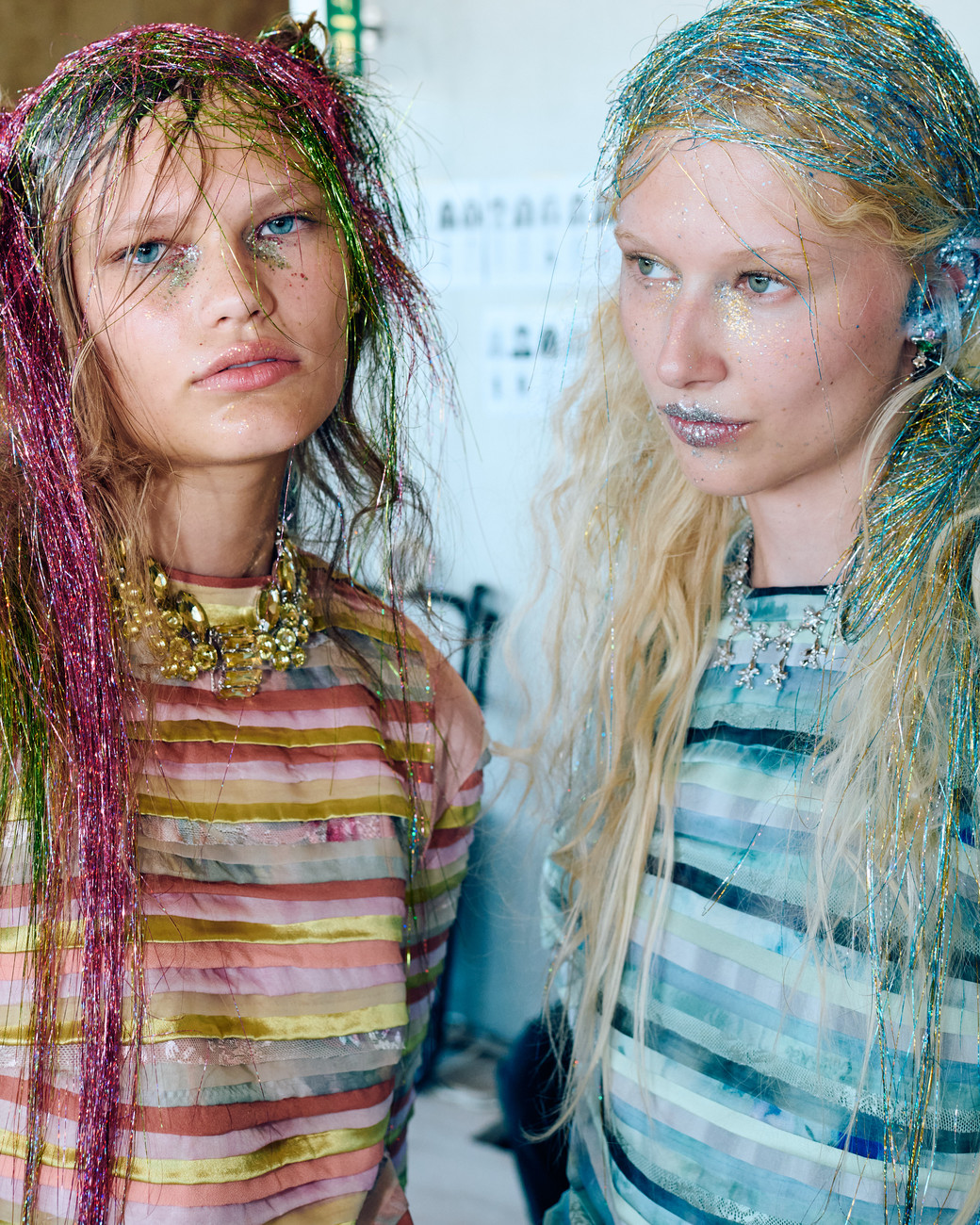
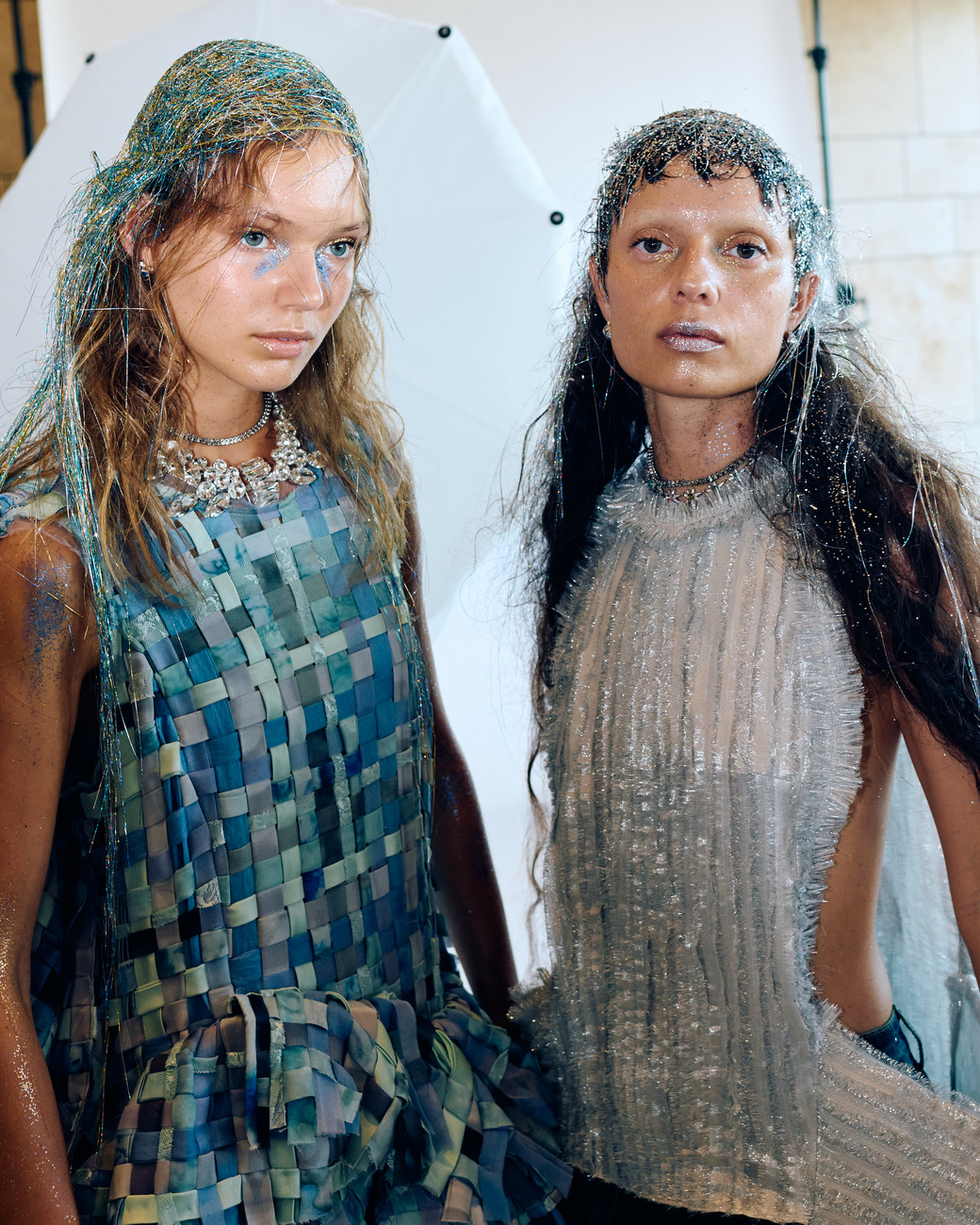
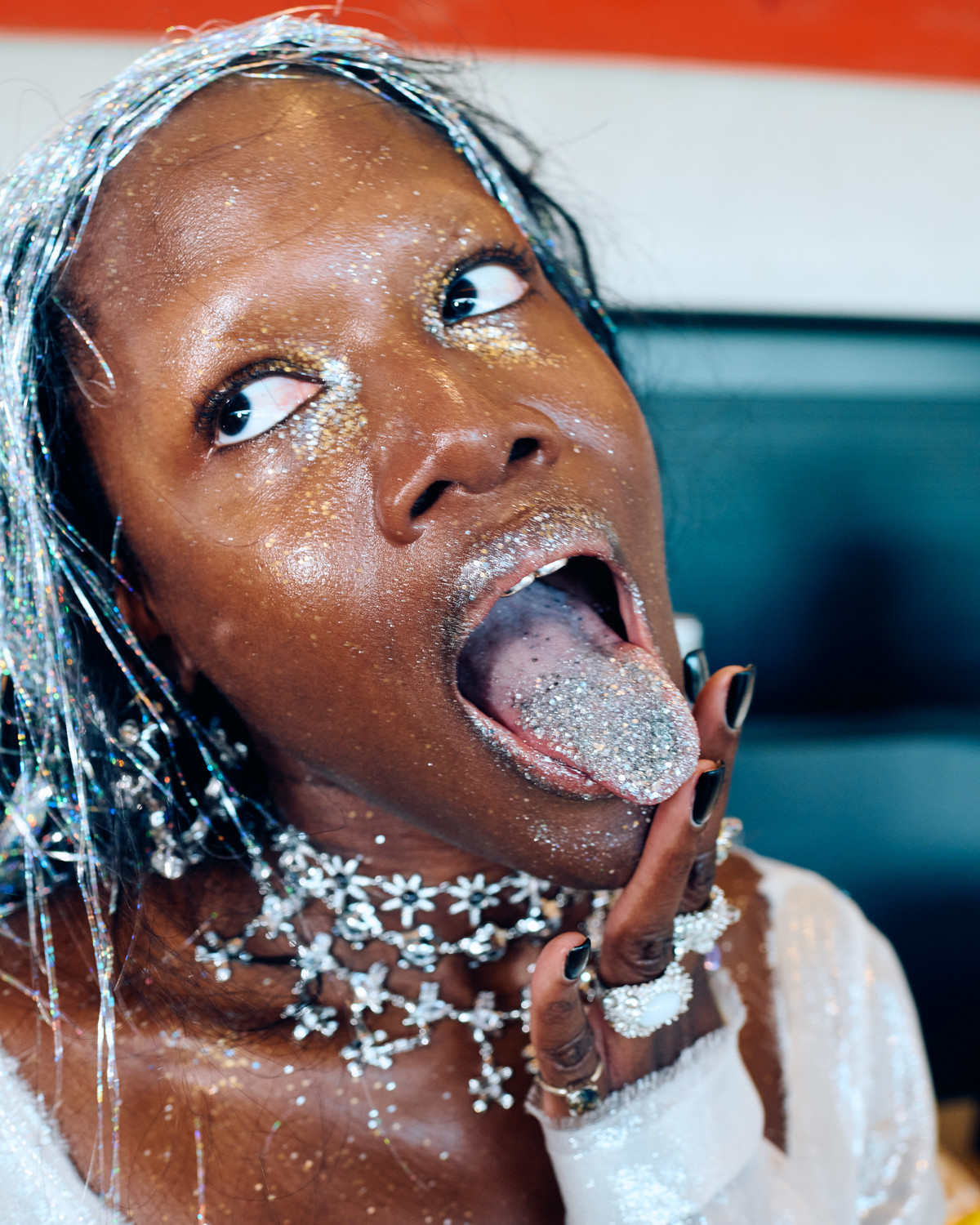
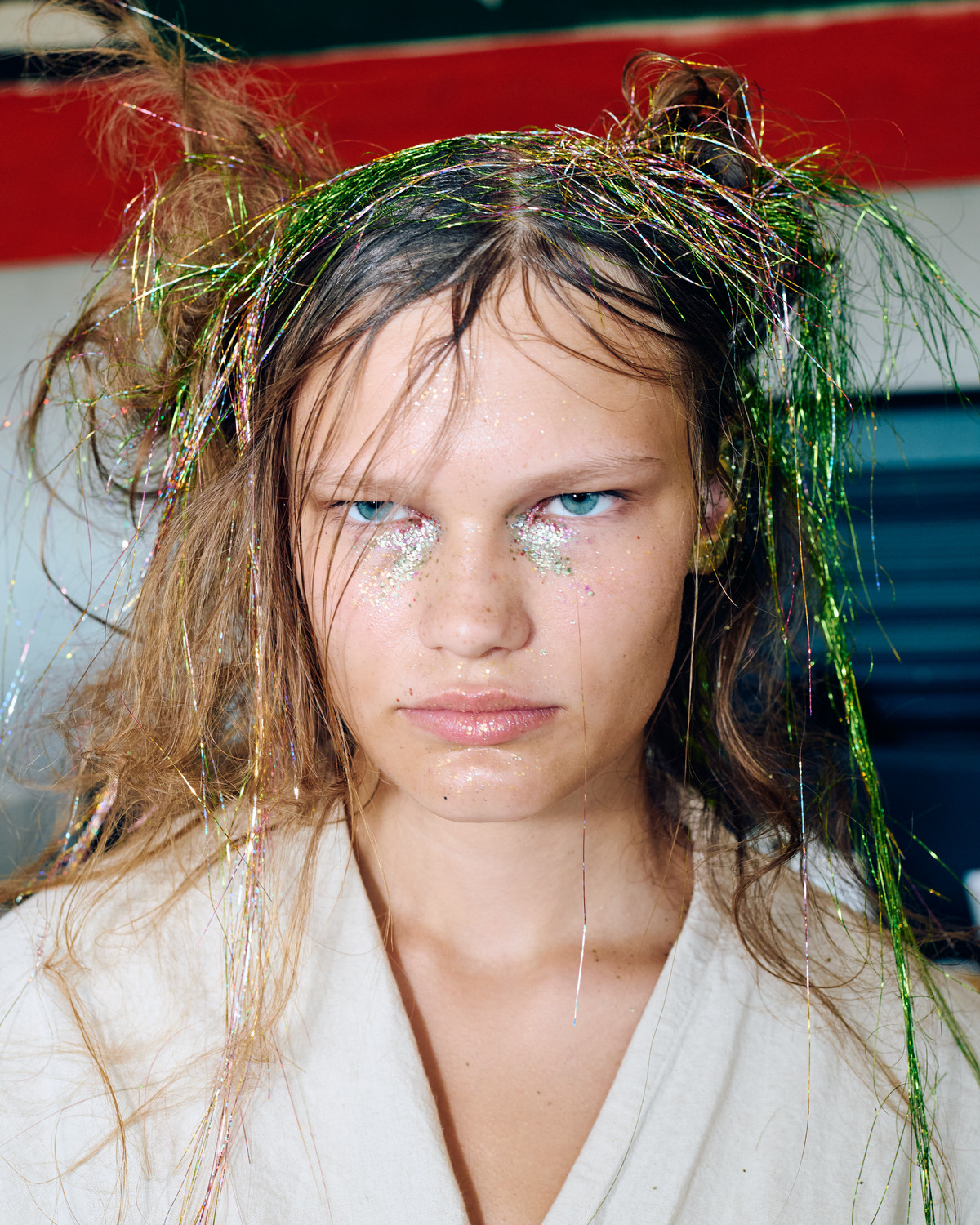
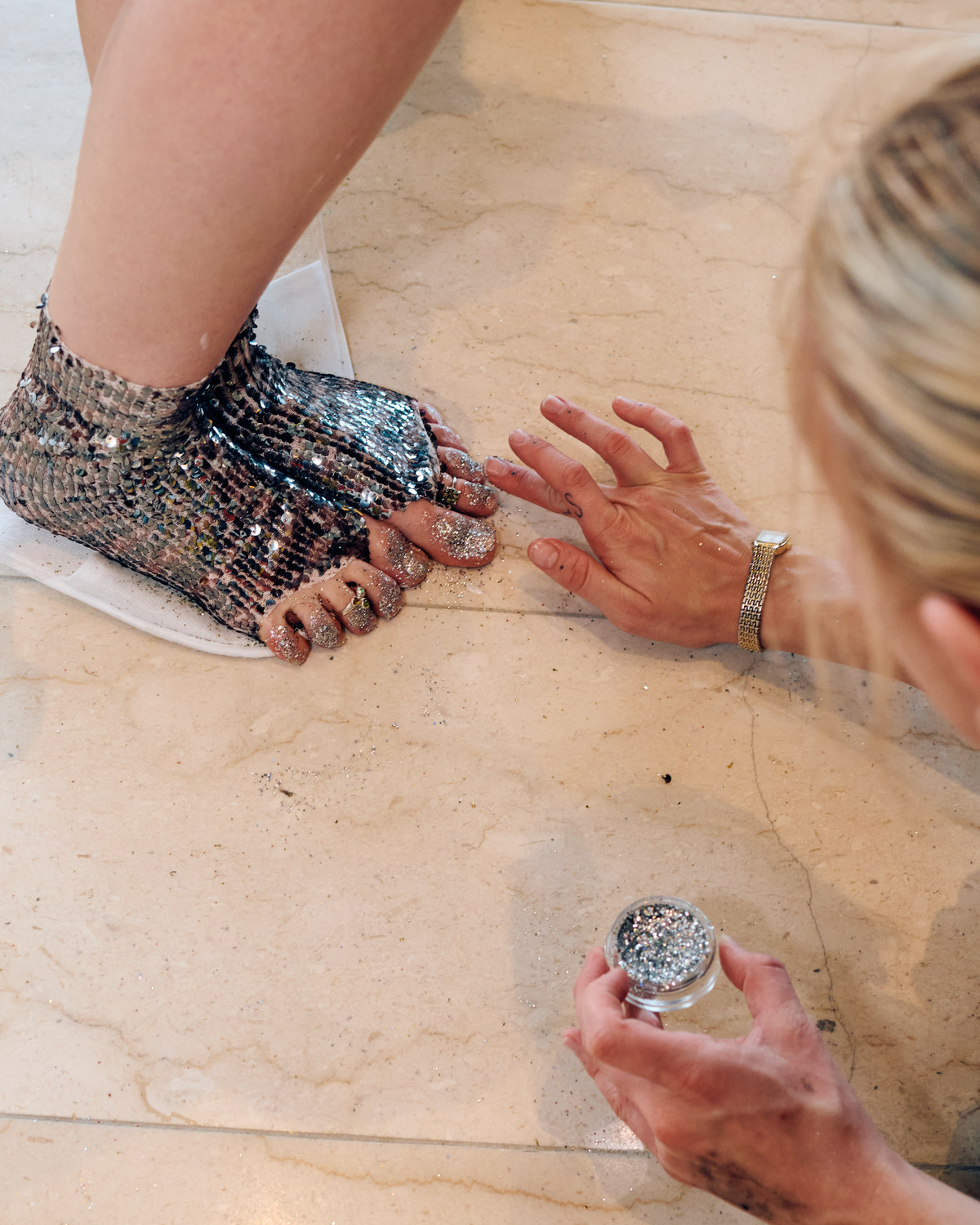
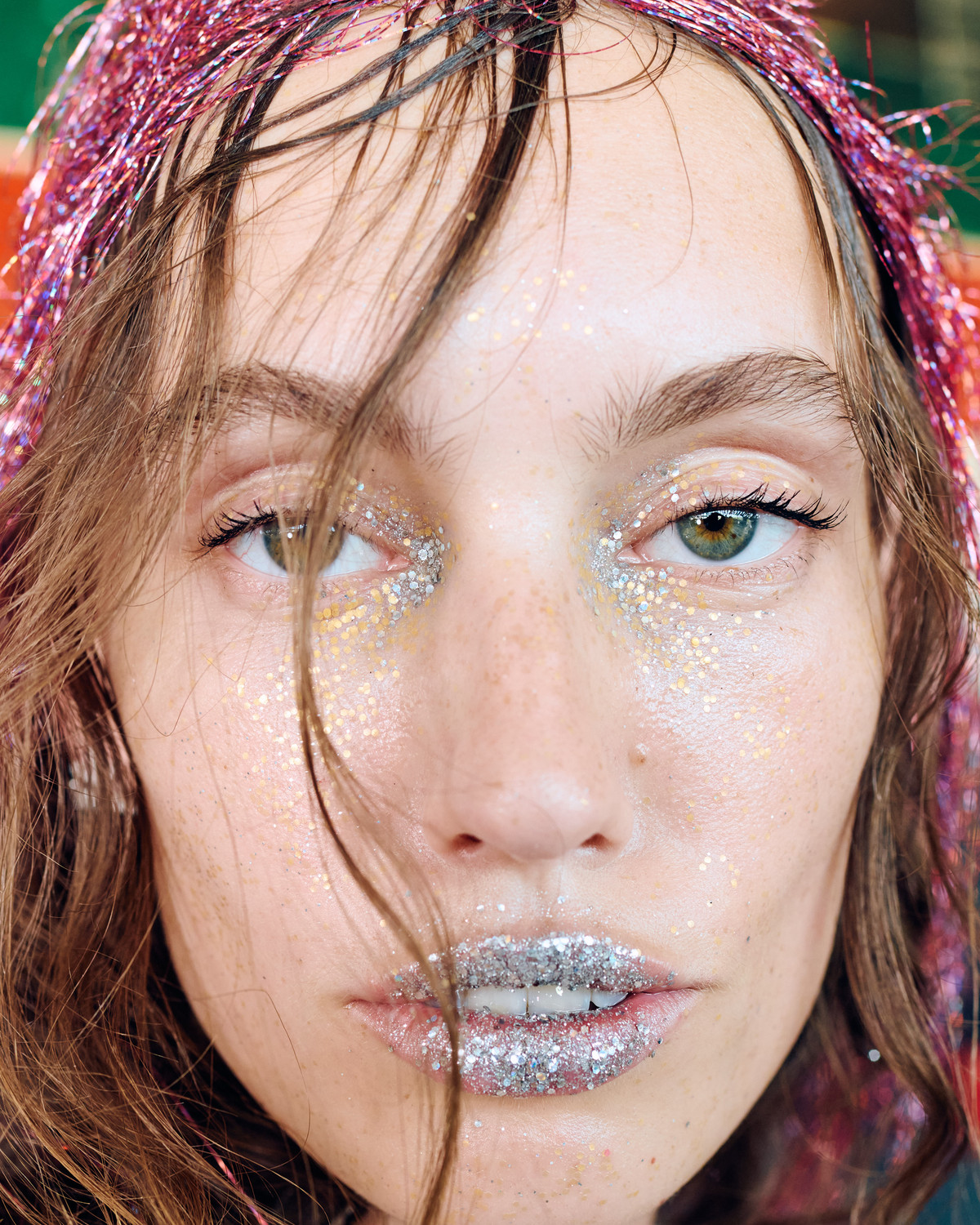
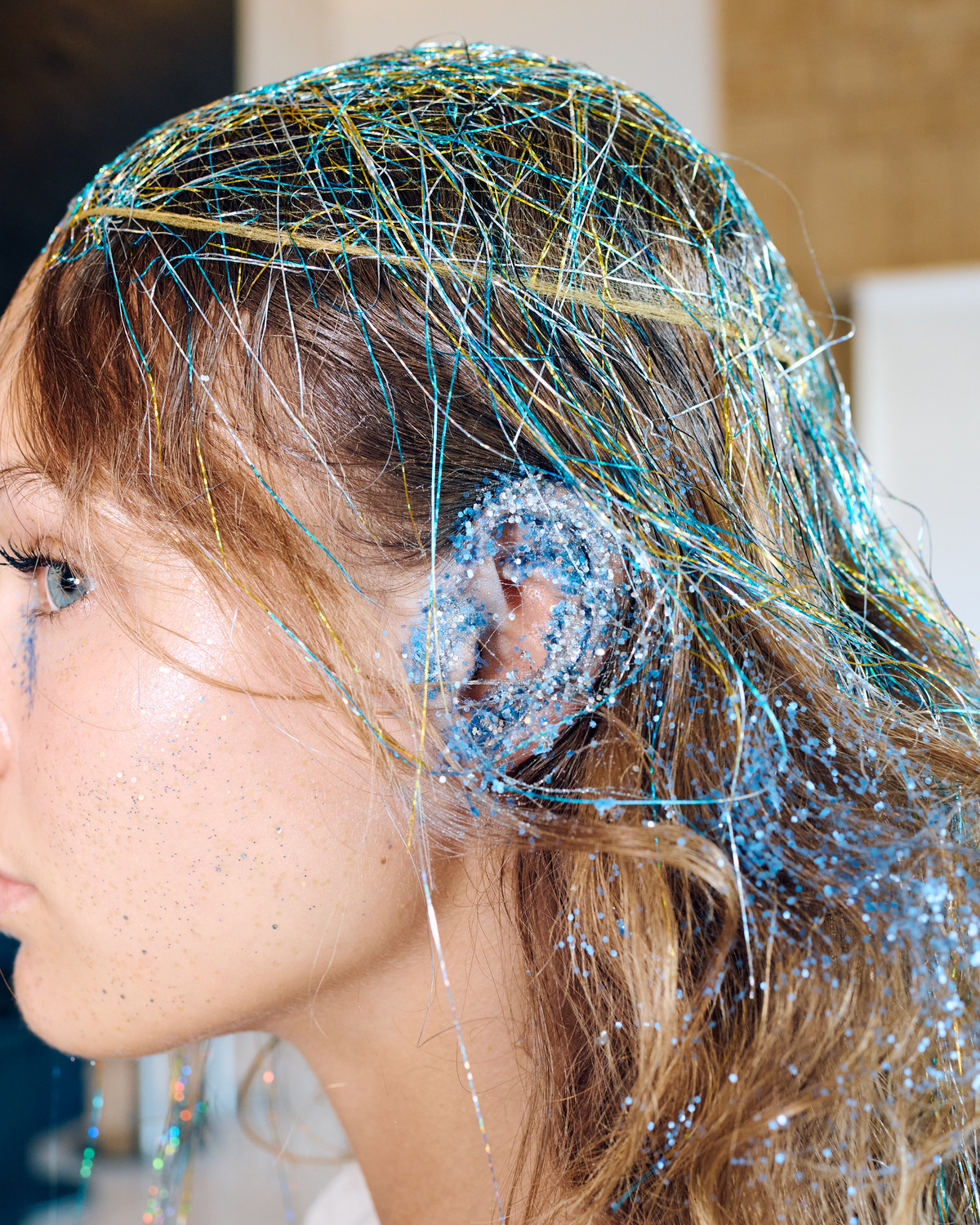
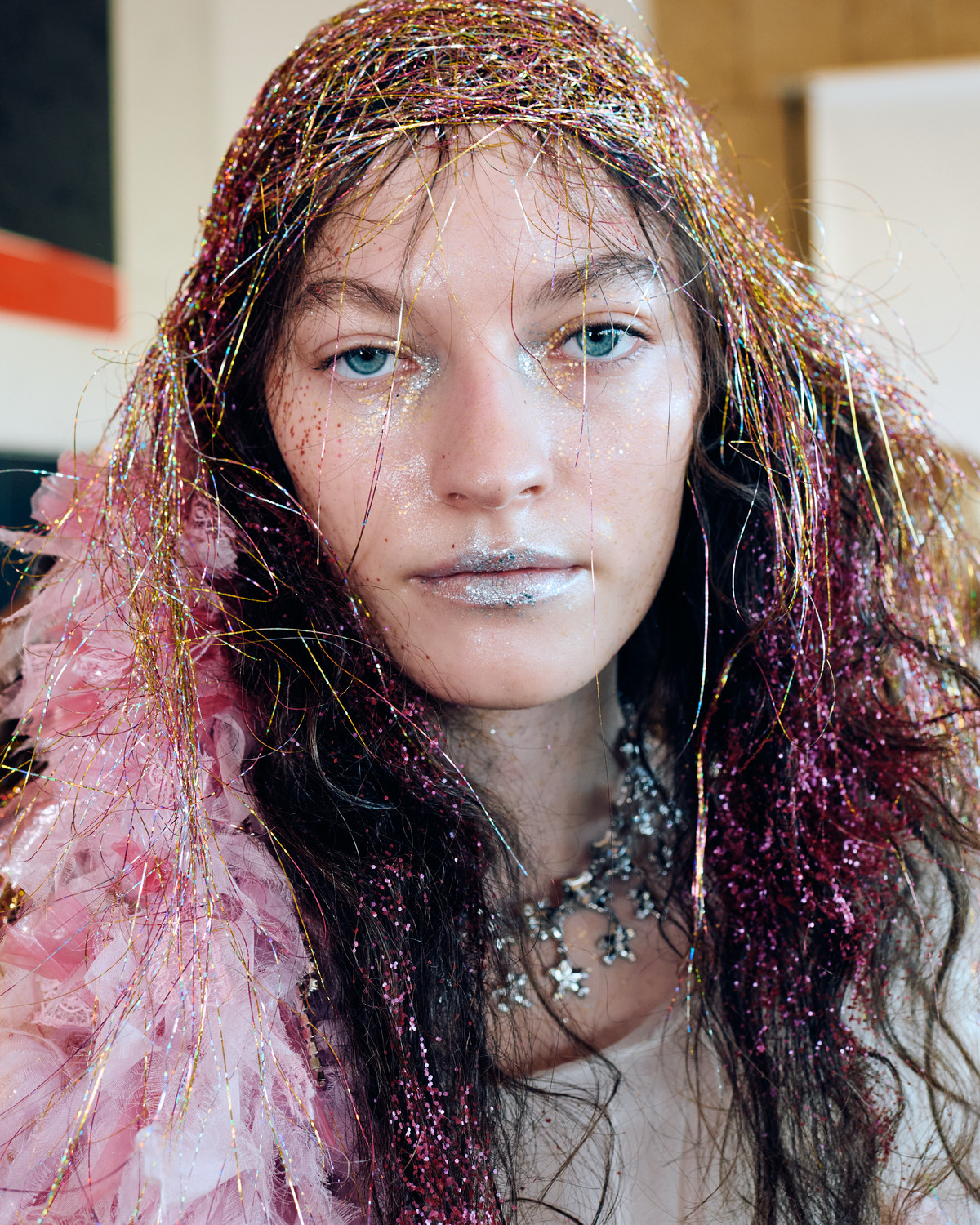
Hillary came to us ready to play, so there was immediately this feeling that we could push things and not be too precious about any of it. I wanted the makeup to have the same unpredictability as the collection— for things to clash, bleed into each other and occasionally feel a little wrong. We treated the face and body almost like a painting. We used custom mixes of our zero-plastic Submission Glitter and dusted directly on the skin in thick splashes, translucent smears and scattered pieces, without worrying too much about whether the colors were perfectly coordinated with the clothes. Actually, sometimes it was better when they weren’t.
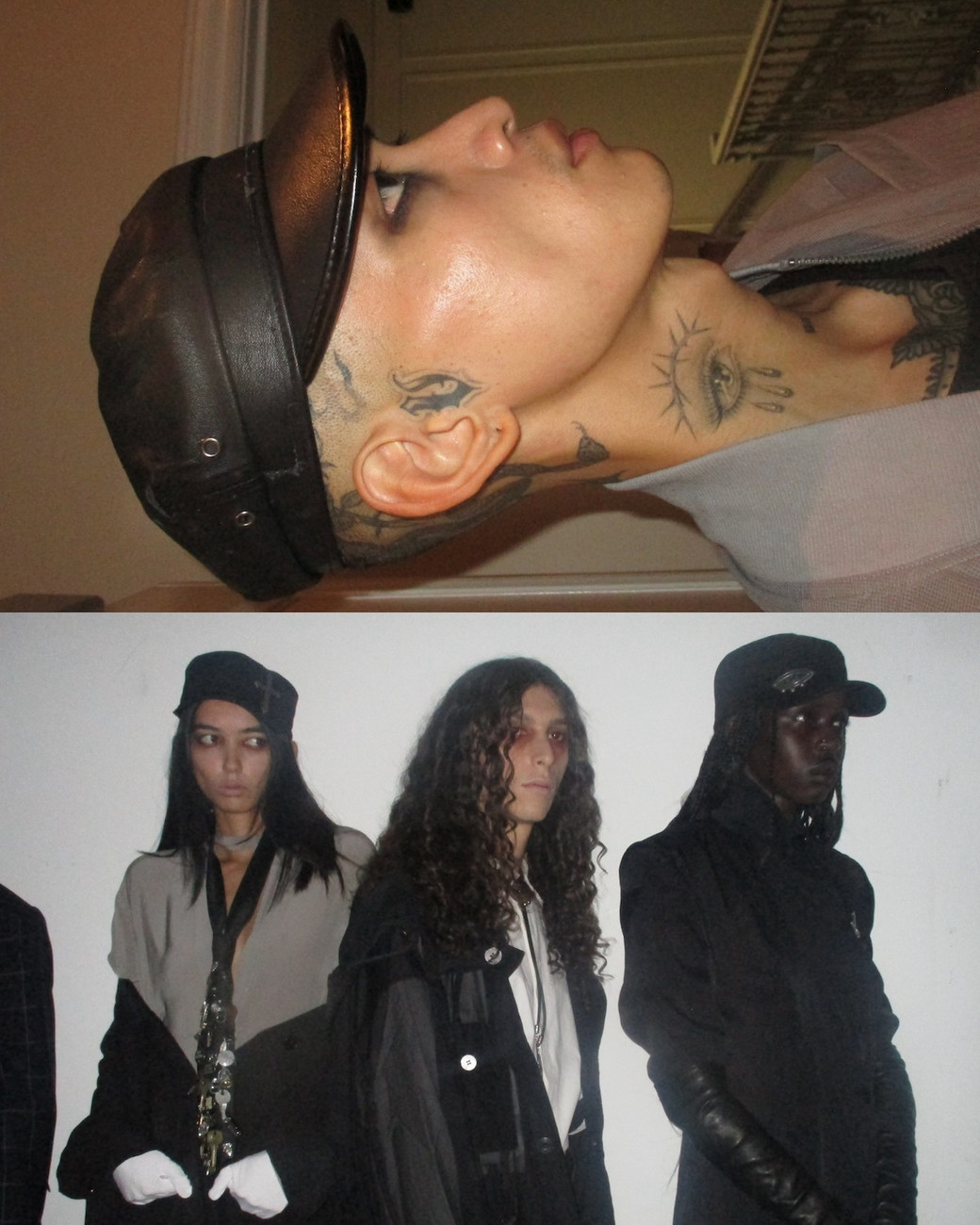
I had originally prepared these watercolor washes underneath the glitter, but backstage I realized it was becoming too much— almost Halloween-y, so we killed them. Once we put the glitter straight onto bare skin, it became much softer and stranger. That instinctive editing is part of what I love about doing shows. You plan things out ahead of time— and then you have to be willing to listen to the energy in the room. It’s an organic process; once we are all in together in the same room, we all change things up as we see them live for the first time. This is when the magic happens. We also approached every model differently. There wasn’t one face that everyone had to become. The casting had so much personality already, so it was really about looking at each person and figuring out how far we could take them without losing what was already interesting about them.

What has taking a sustainability-first approach at Submission Beauty taught you about the relationship between creativity, responsibility, and the future of the beauty and fashion industries?
The biggest thing I’ve learned is that responsibility doesn’t have to dictate an aesthetic. I think there is still this idea that if something is sustainable, it has to look restrained, natural or somehow very well behaved. I’m really not interested in that.
Working within limitations can actually make you much more inventive. When plastic glitter isn’t an option, for example, the answer shouldn’t be that we stop using glitter. The question becomes: how do we make something better? And then once you have it, how far can you push it? That’s why this show made so much sense to me and Submission. Hillary made the collection using materials that were already in her studio, but the result wasn’t apologetic or minimal. It was loud and funny and excessive. That is a much more exciting vision of responsibility to me. I think the future of fashion and beauty depends on getting past the idea that responsibility is a separate creative category. It should simply be part of how we make things. Then we can get back to the fun part— making something people haven’t seen before.
Why did Collina Strada feel like the right partner for Submission Beauty?
Because Hillary understands that having values doesn’t mean behaving yourself aesthetically. There’s a fearlessness to Collina Strada that I really relate to. The clothes can be beautiful, funny, sexy, chaotic— sometimes all within the same look— but there is always a very clear point of view underneath it.
And the responsibility is built into the way Hillary works much like the way we work. It feels very close to what we’re trying to do with Submission. We never wanted sustainable beauty to come with one prescribed look or one idea of what beauty is supposed to be. We want you to be able to cover your entire body in glitter if that’s what you feel like doing; we don’t think that glitter should ever be plastic. So when Hillary basically said, “Let’s go there,” it was very easy for us to say yes.