office celebrates CIFF 62
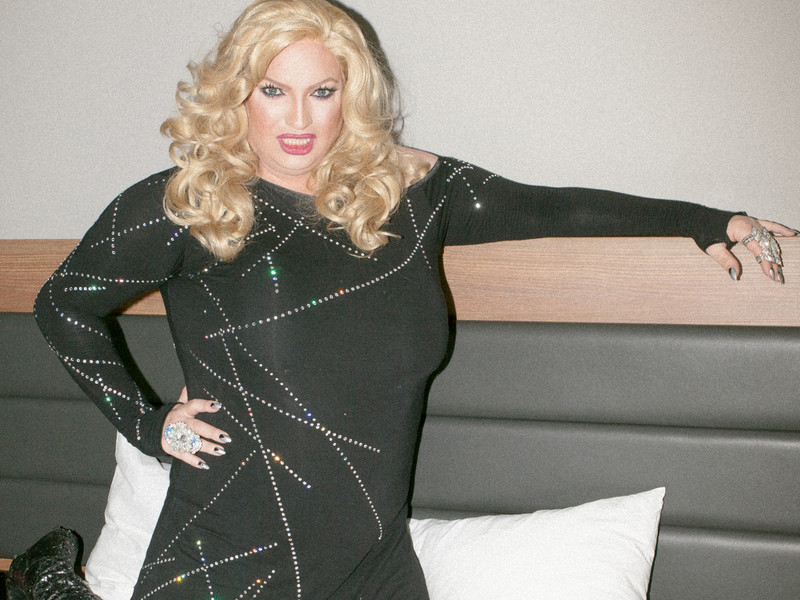
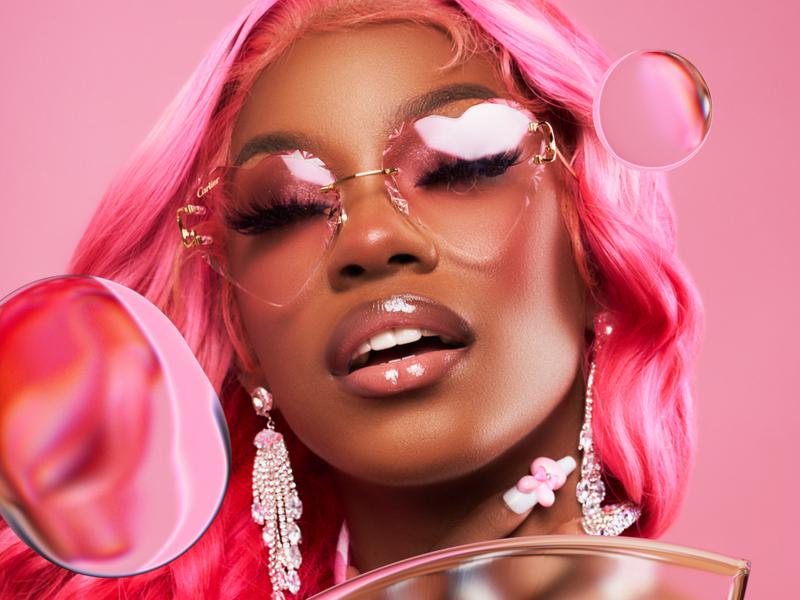
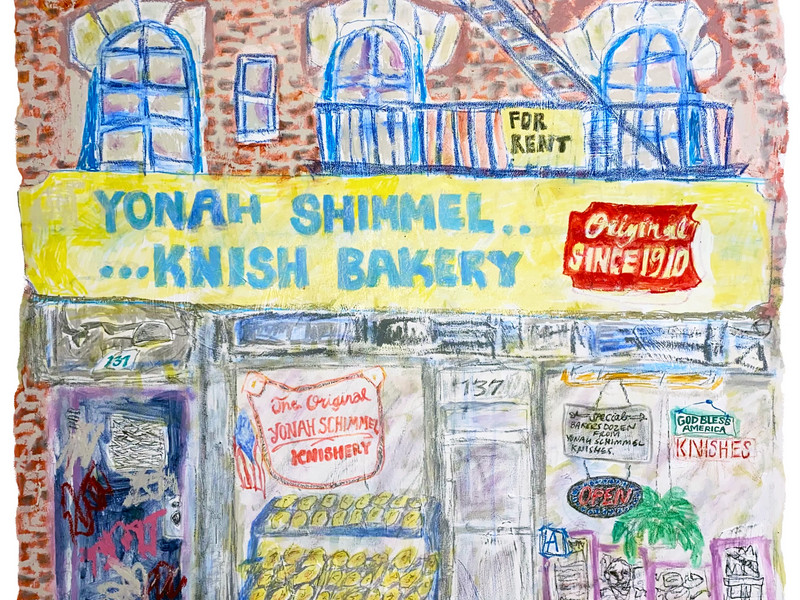
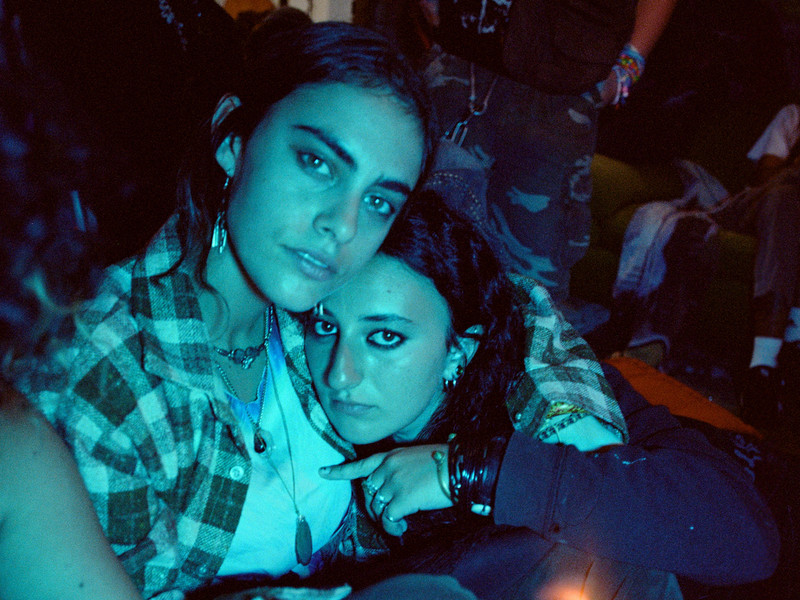
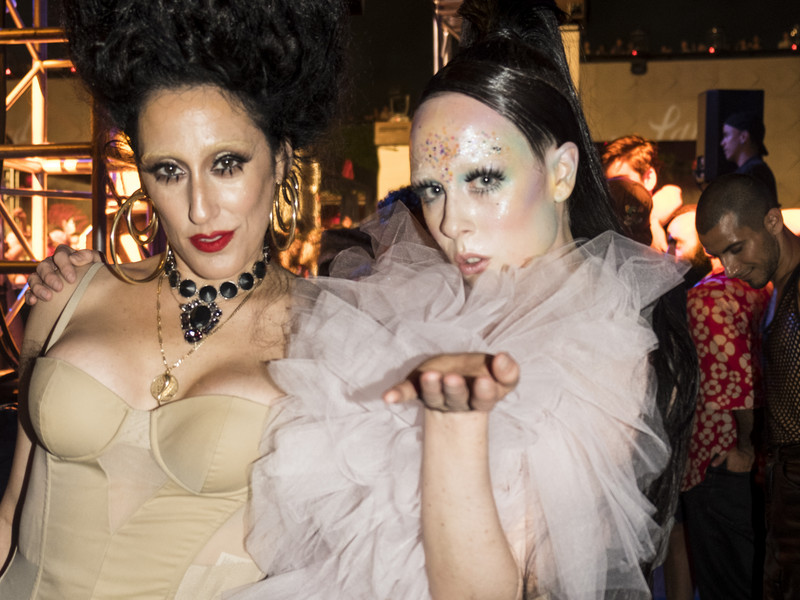
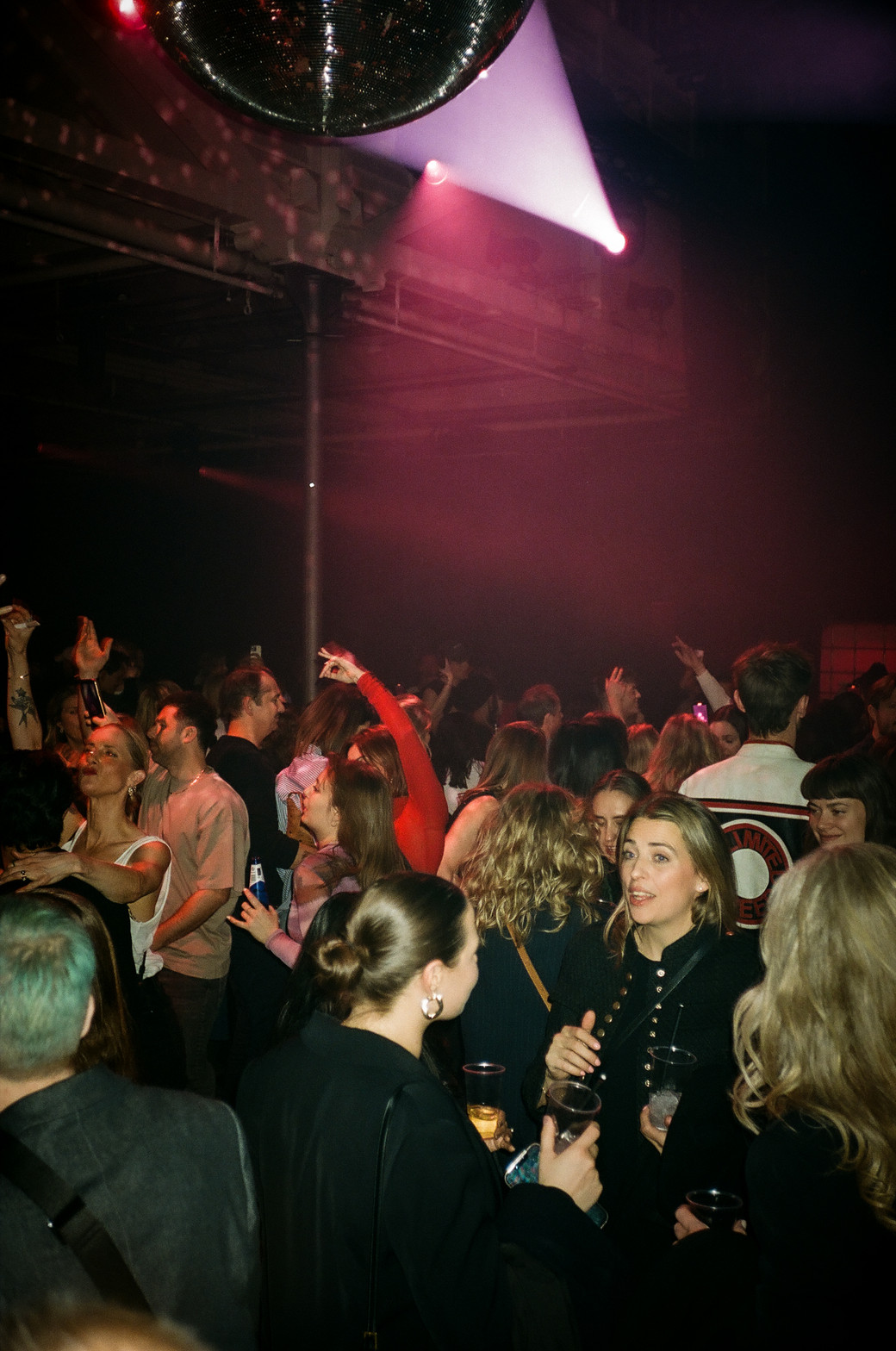
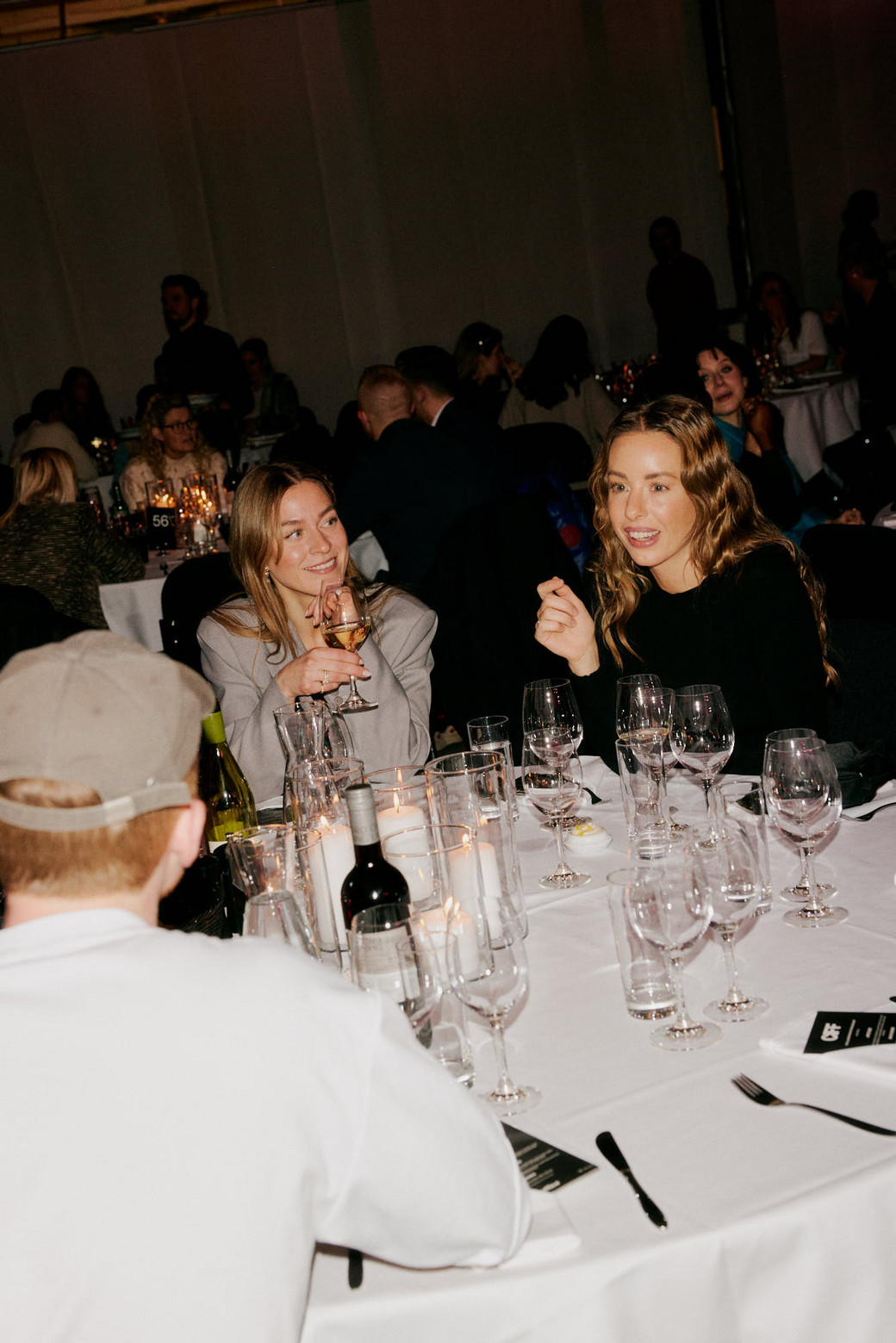
Conversations flowed, guests mingled, and eventually, everyone was on their feet crowded around the DJ booth dancing the night away. If you missed out, relive the magic in photos from the night below.
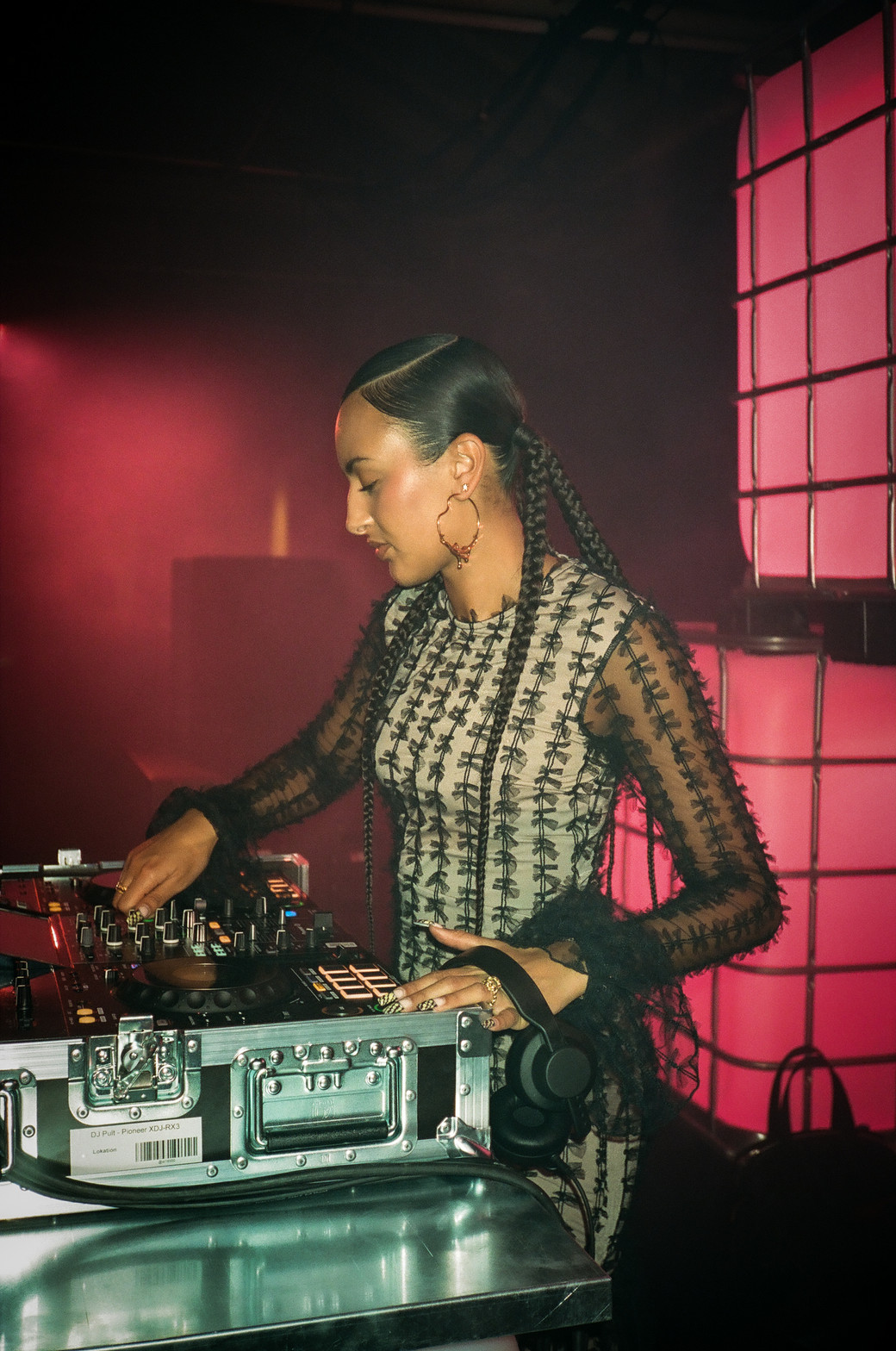
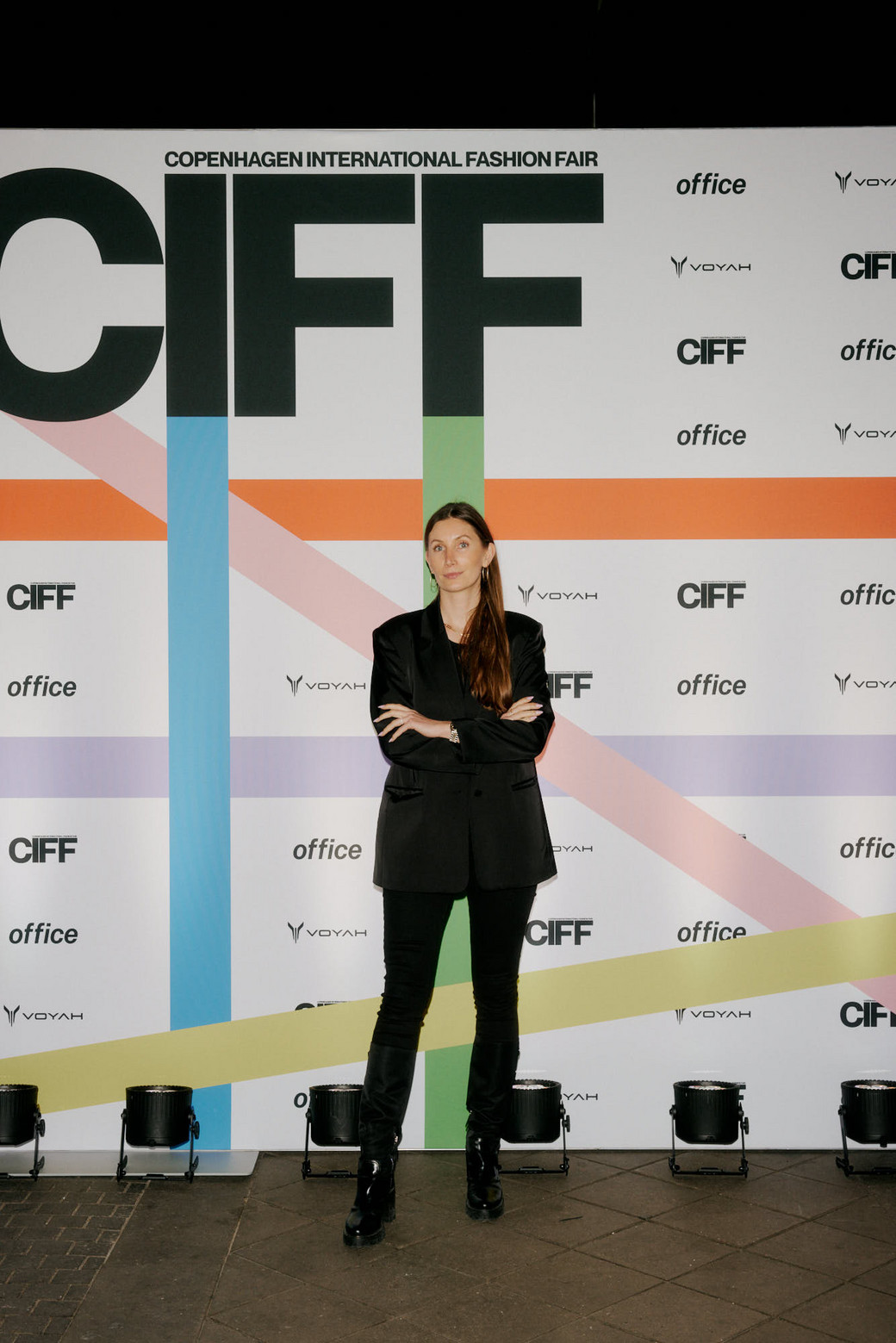
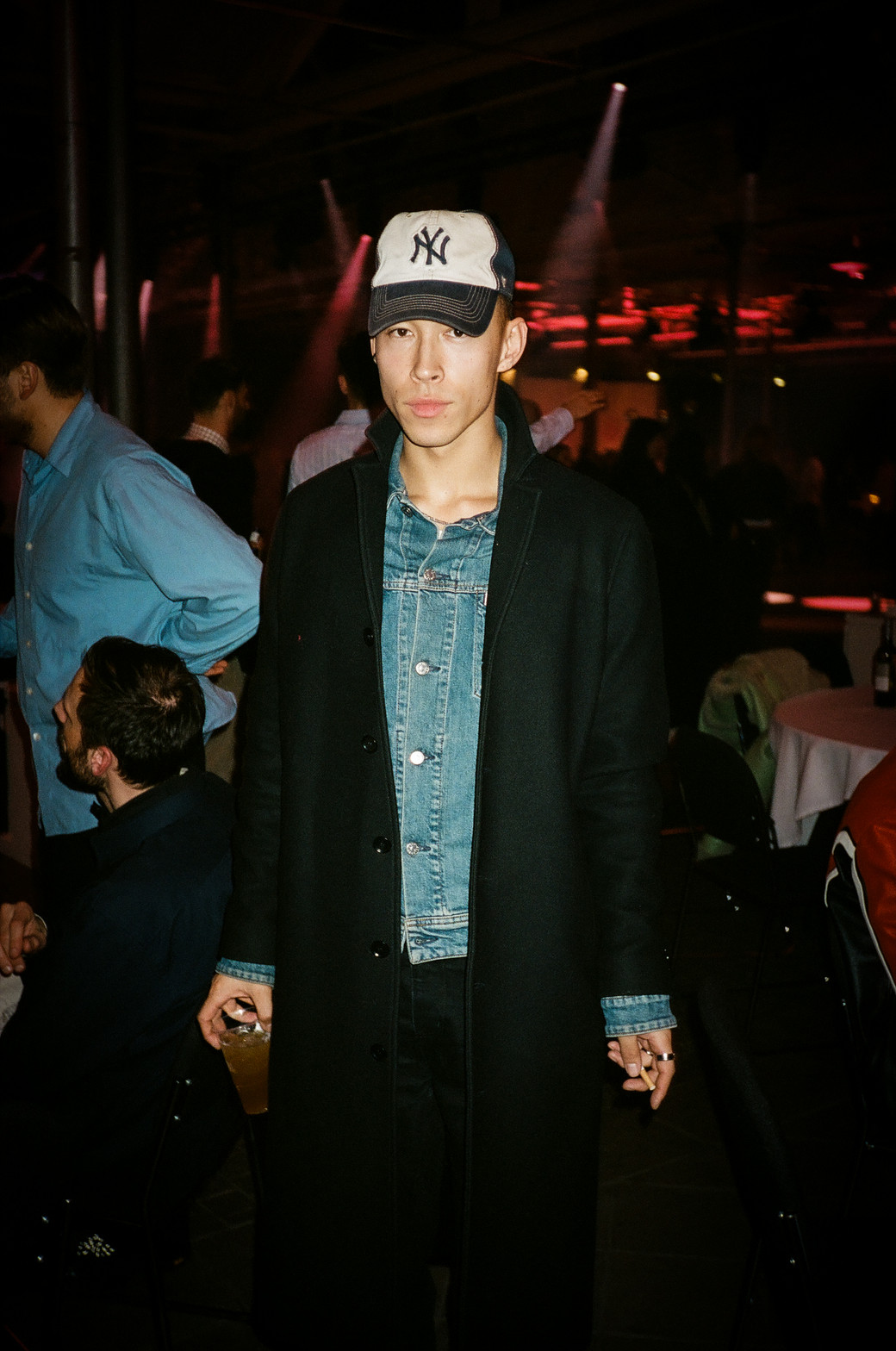

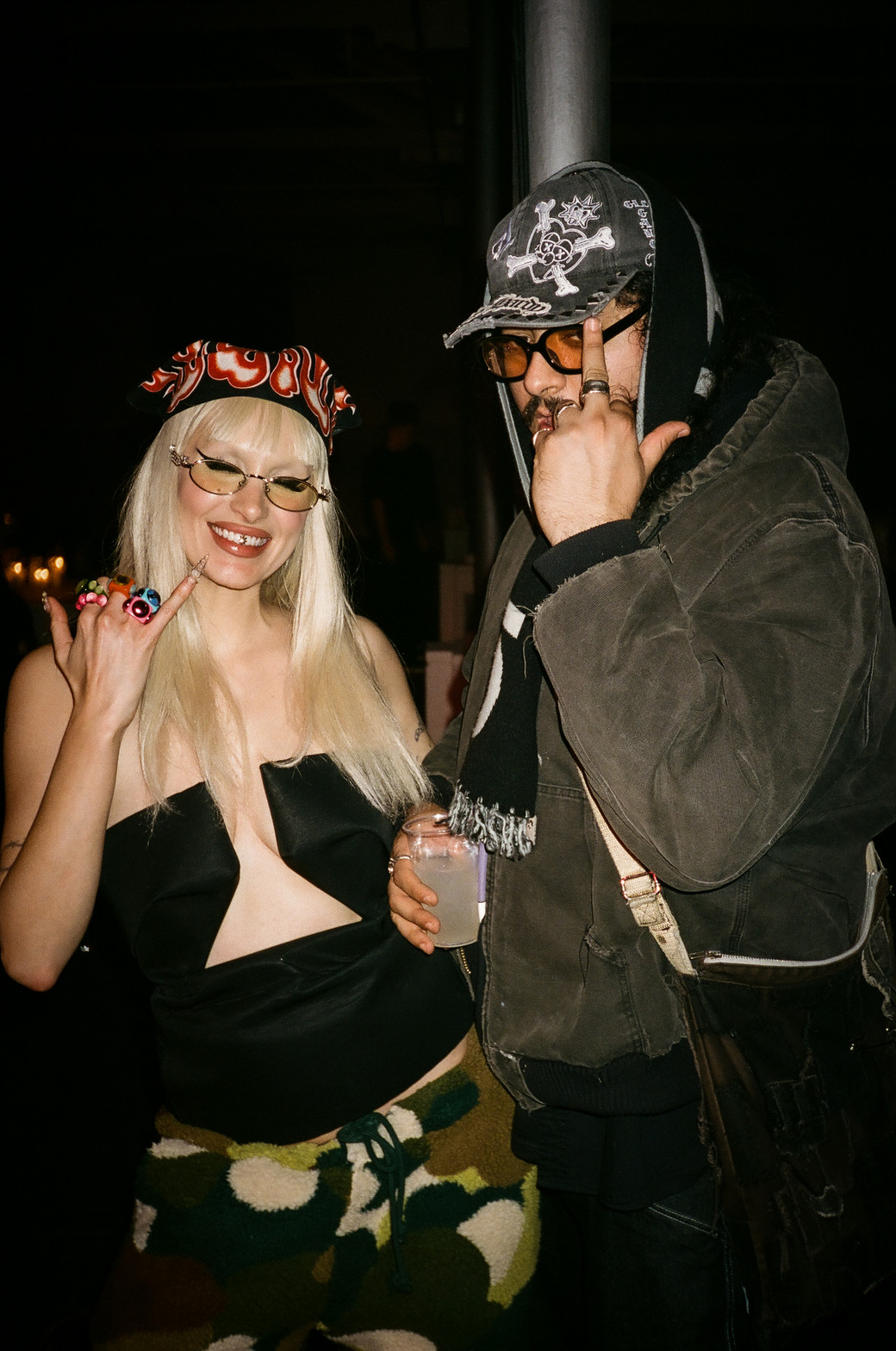
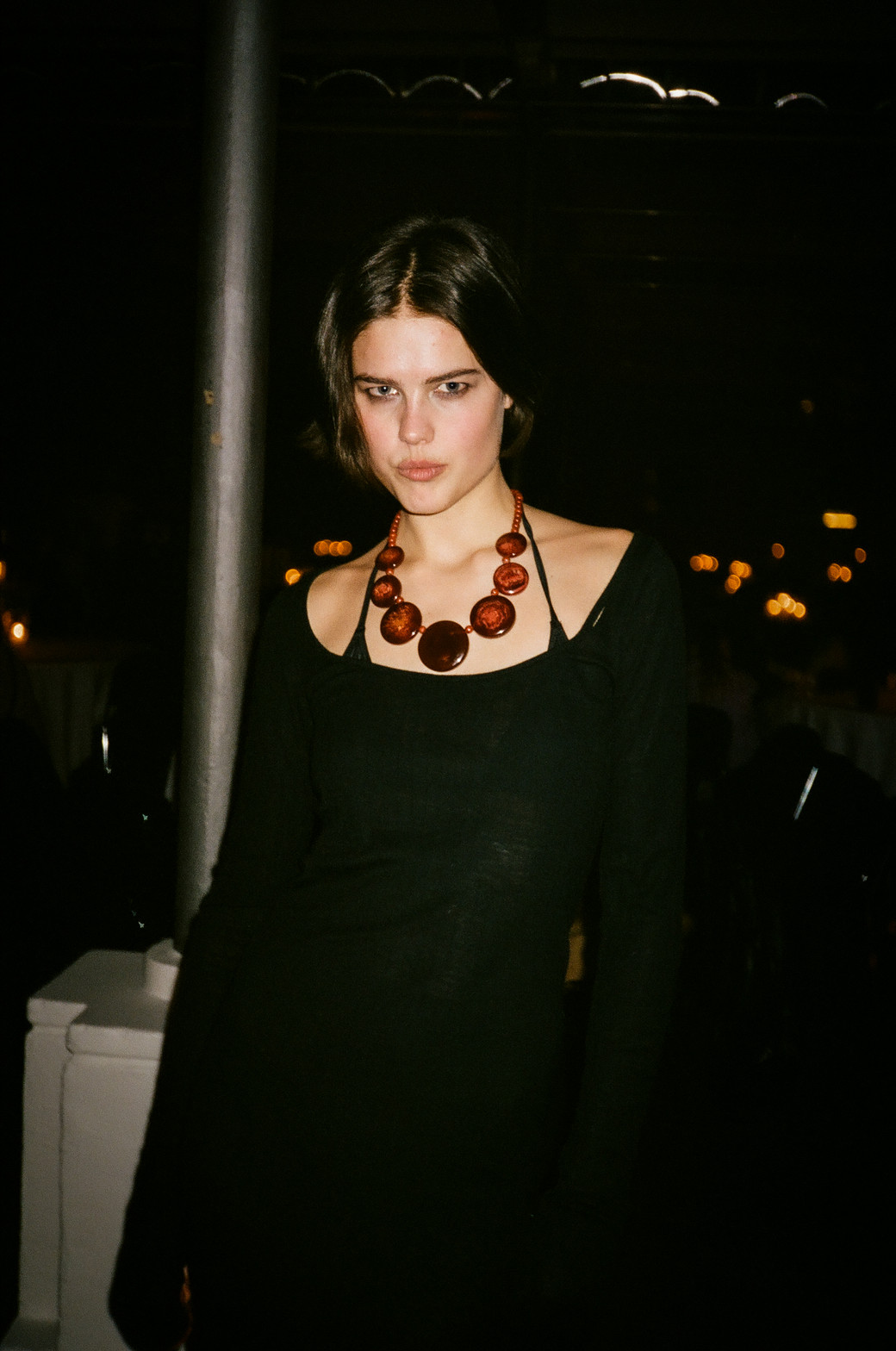
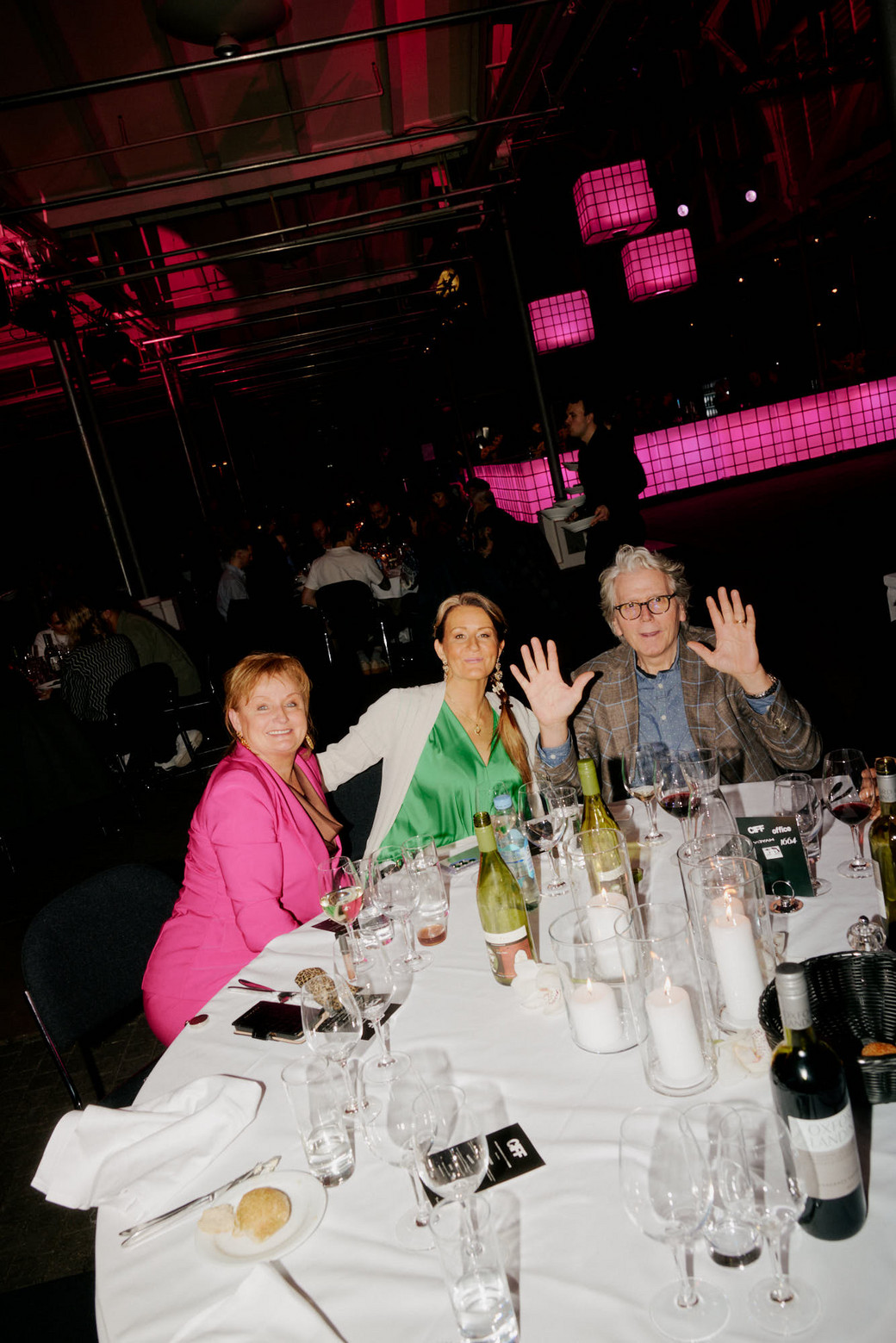
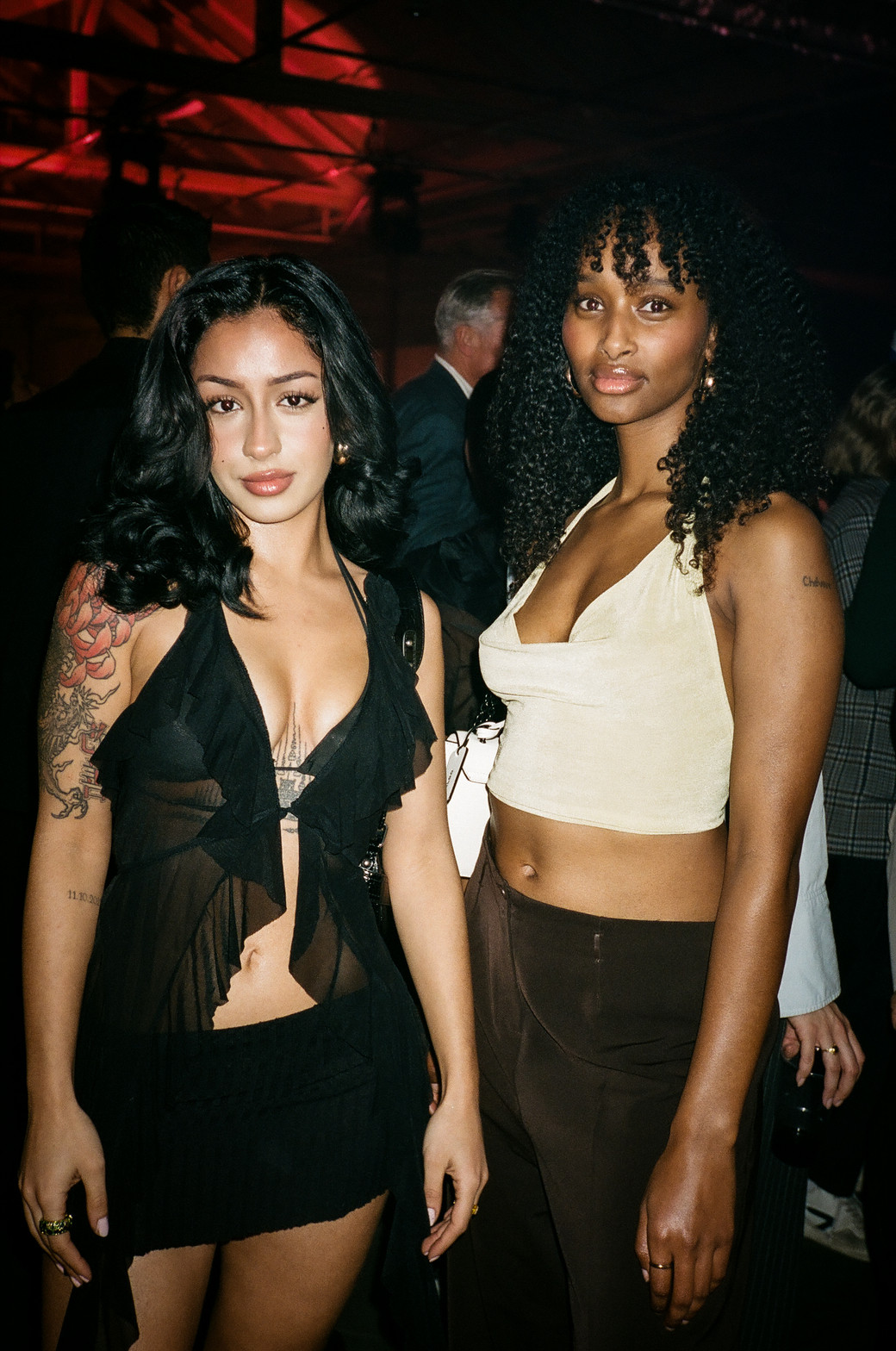
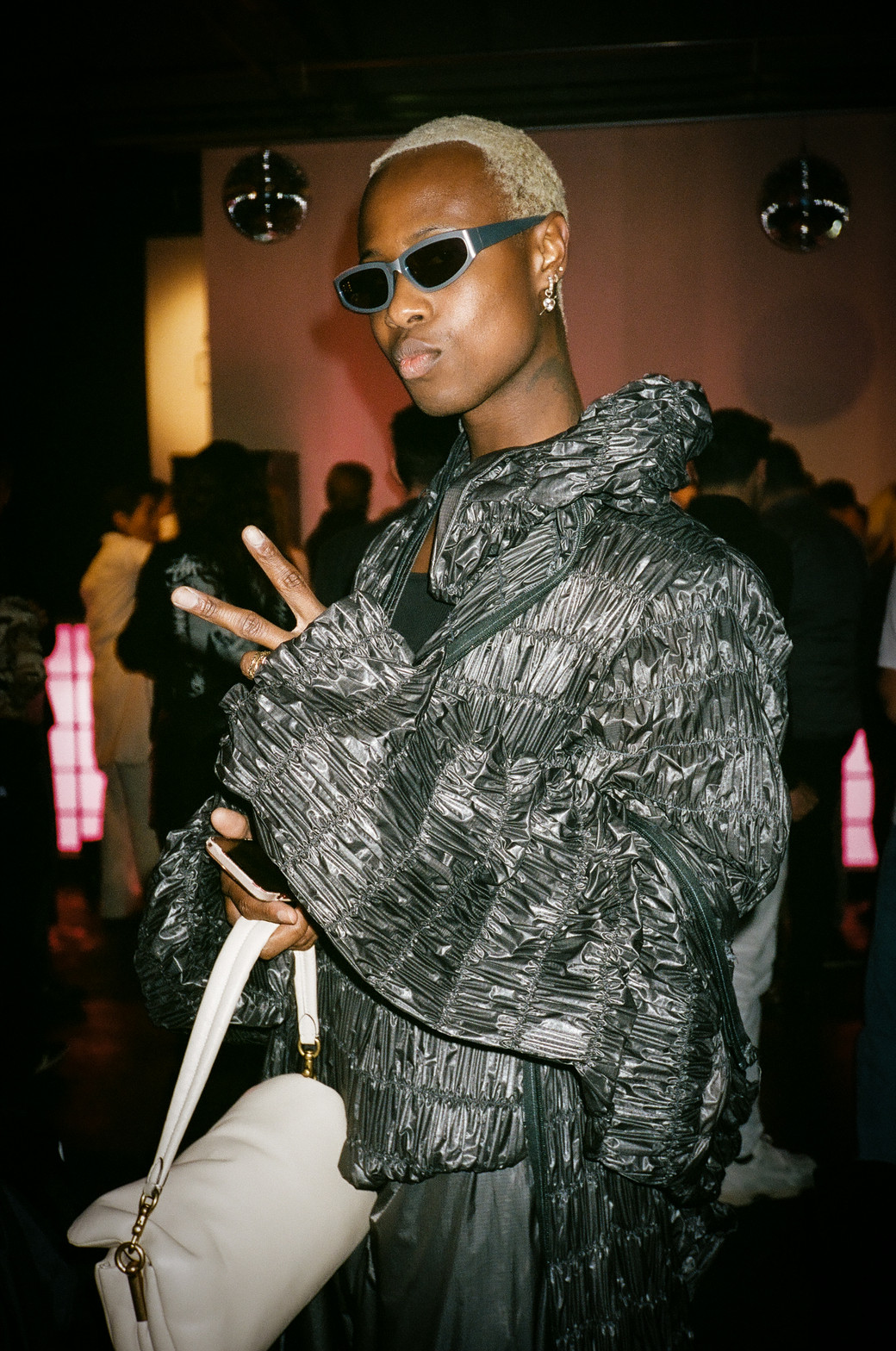
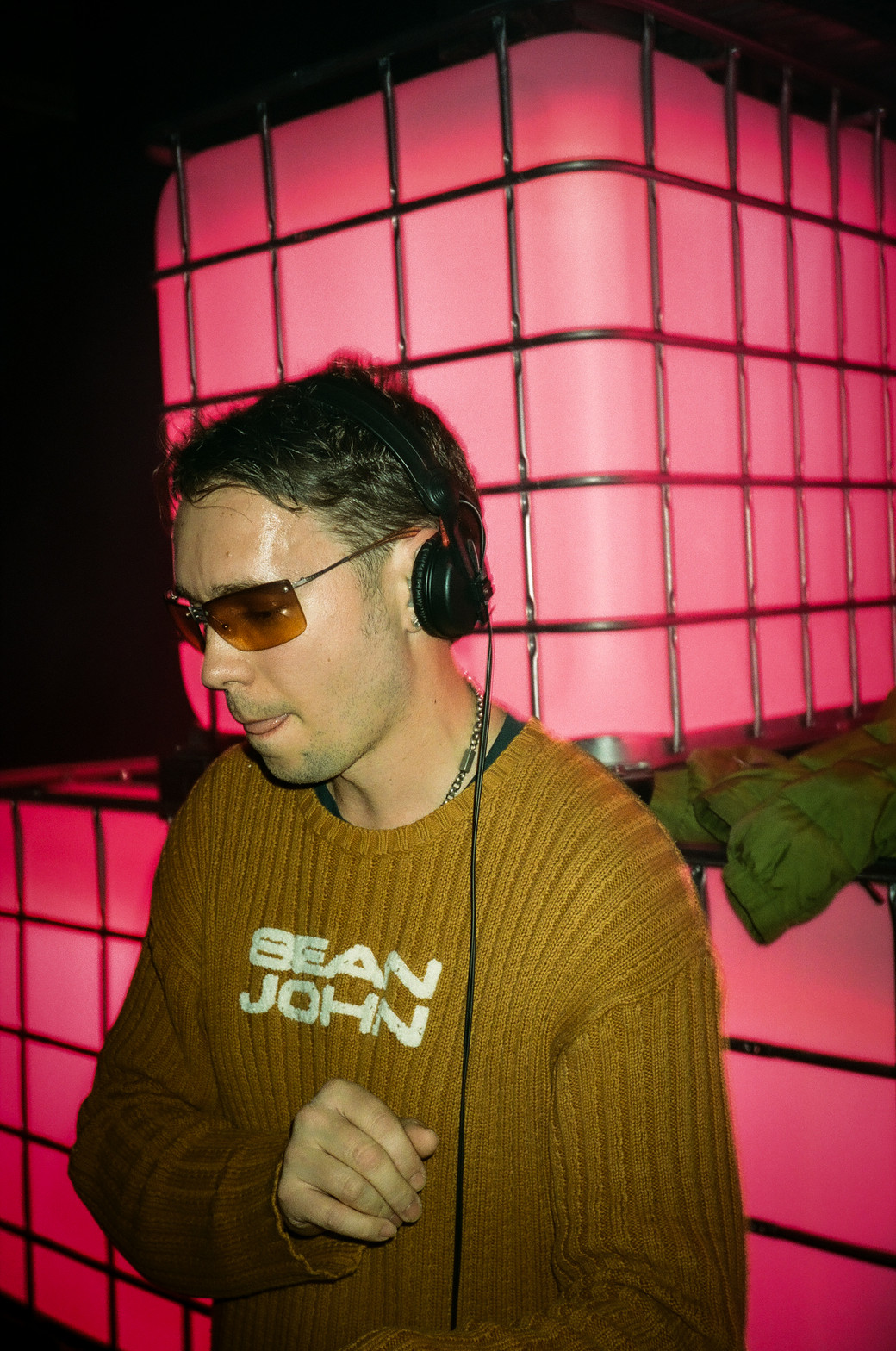
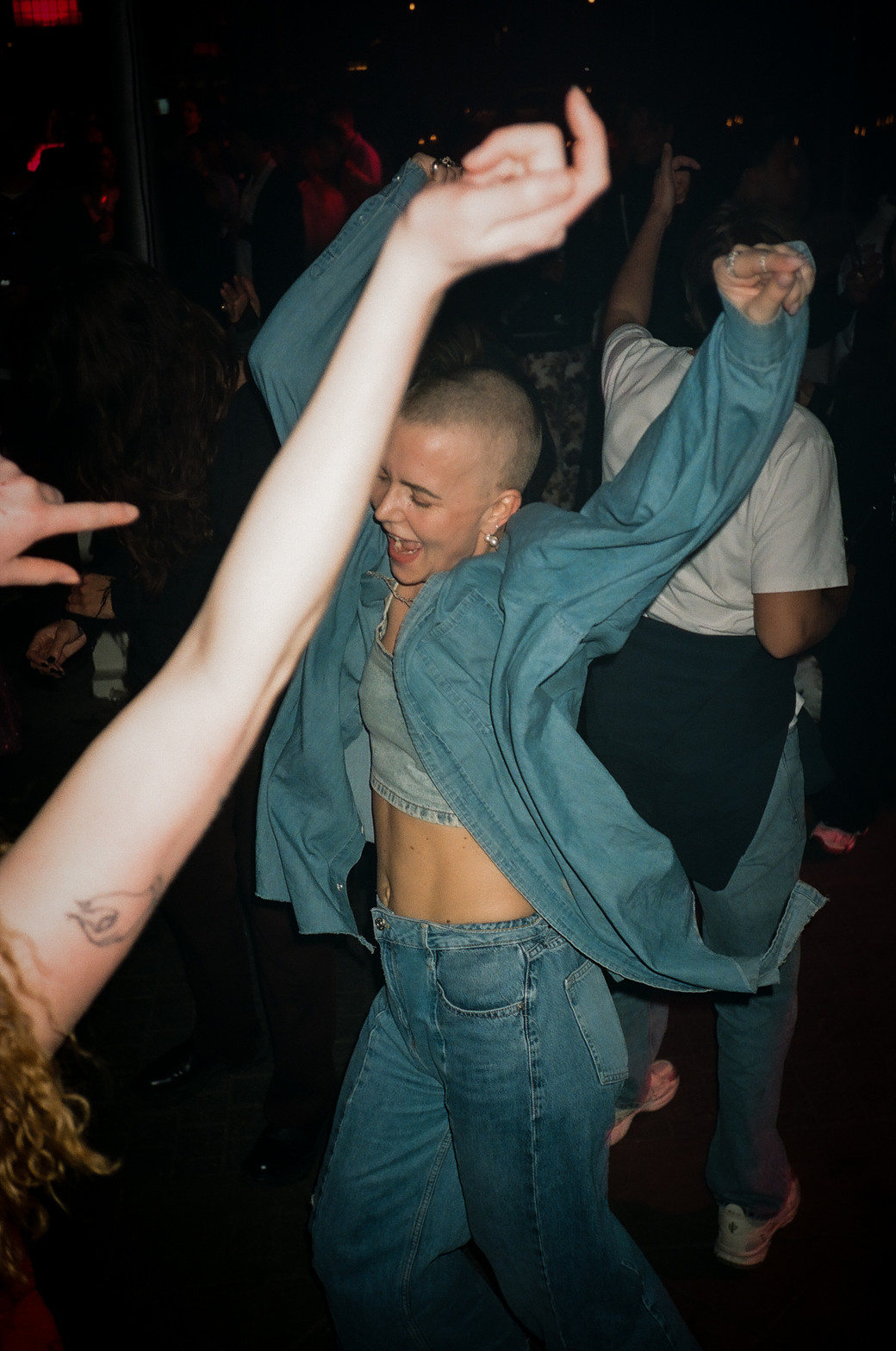
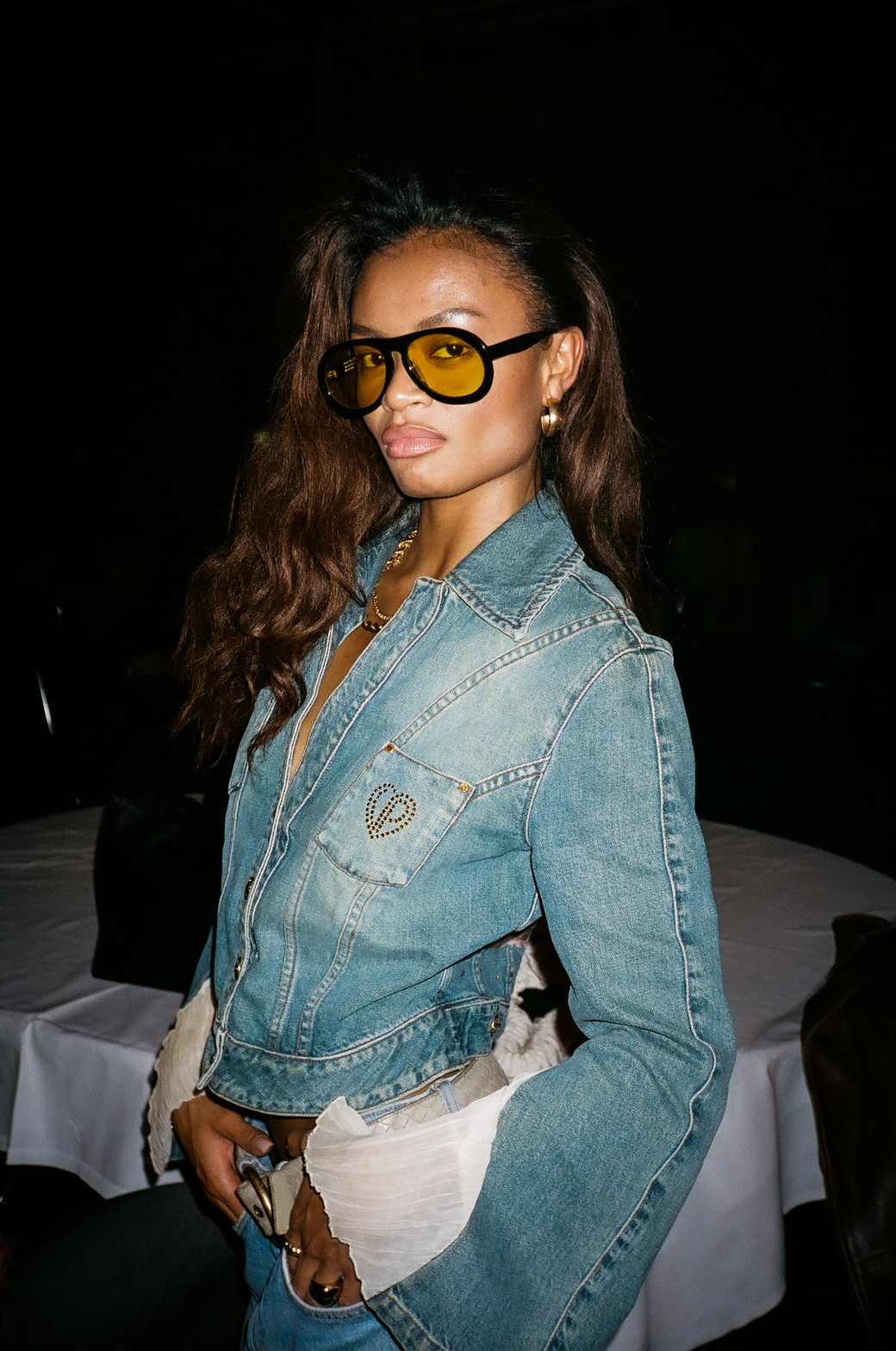
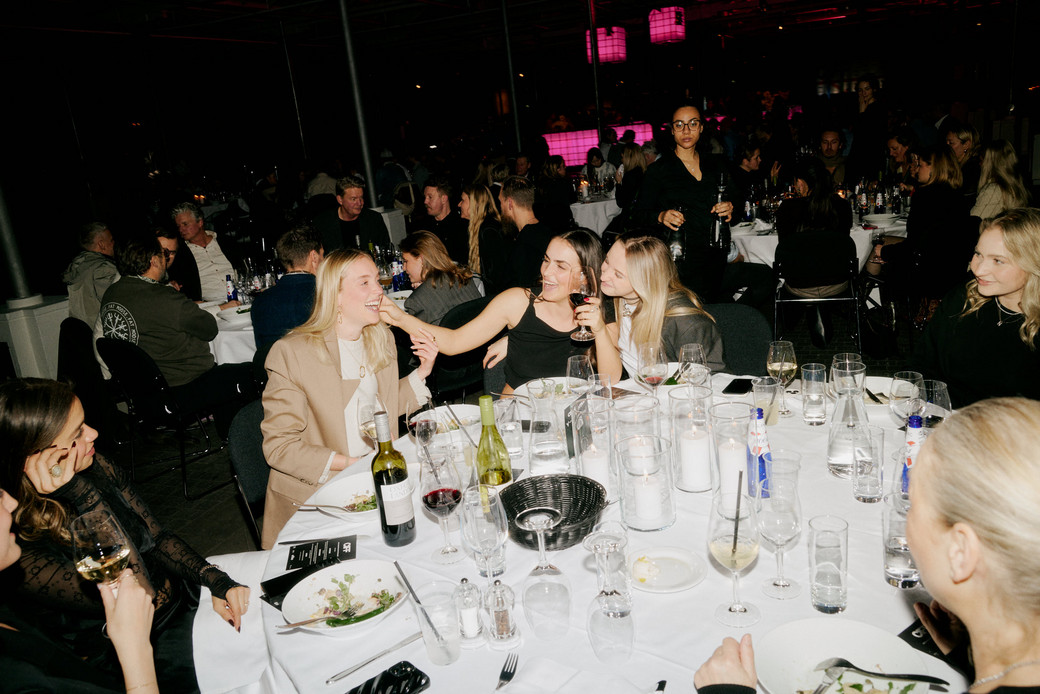
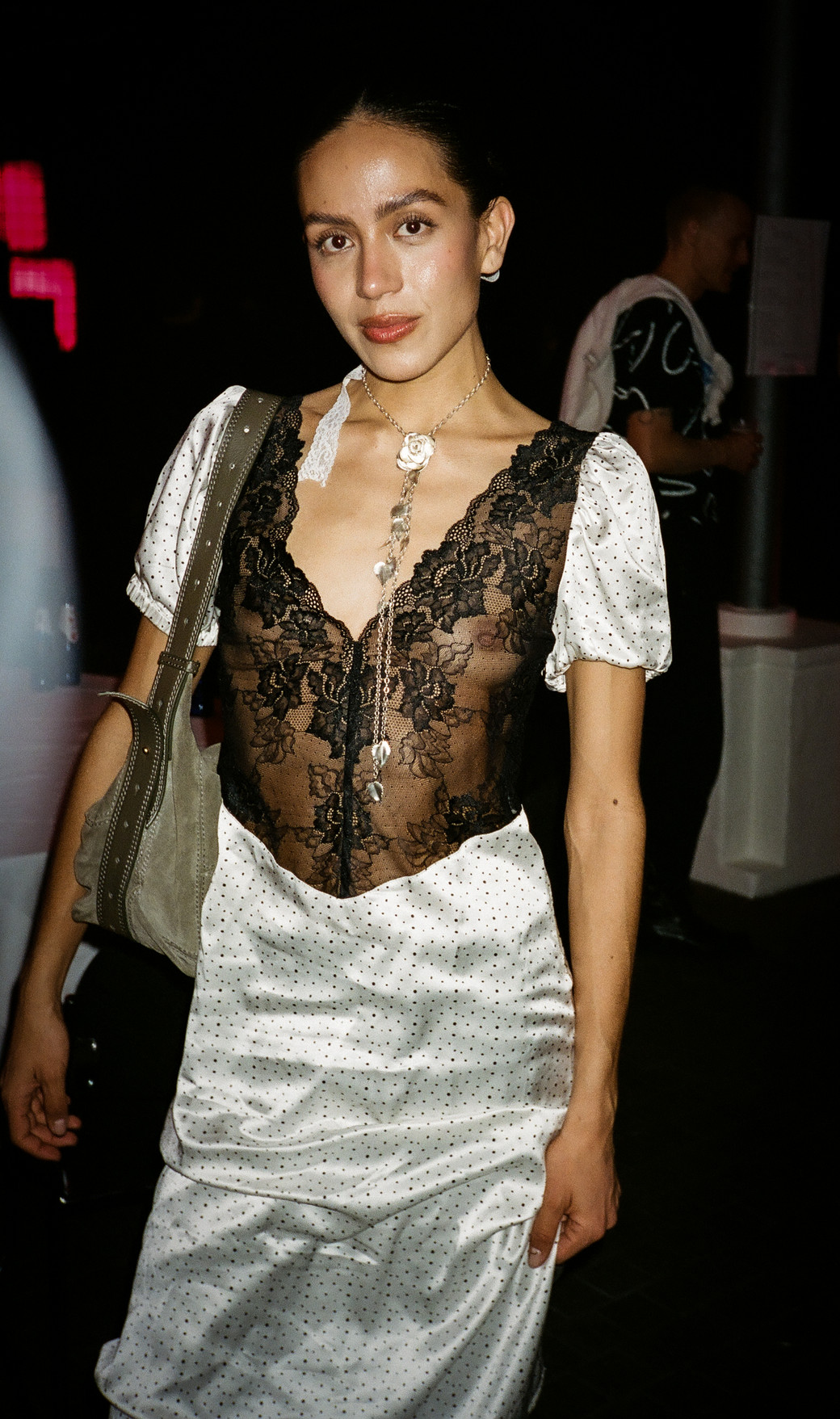
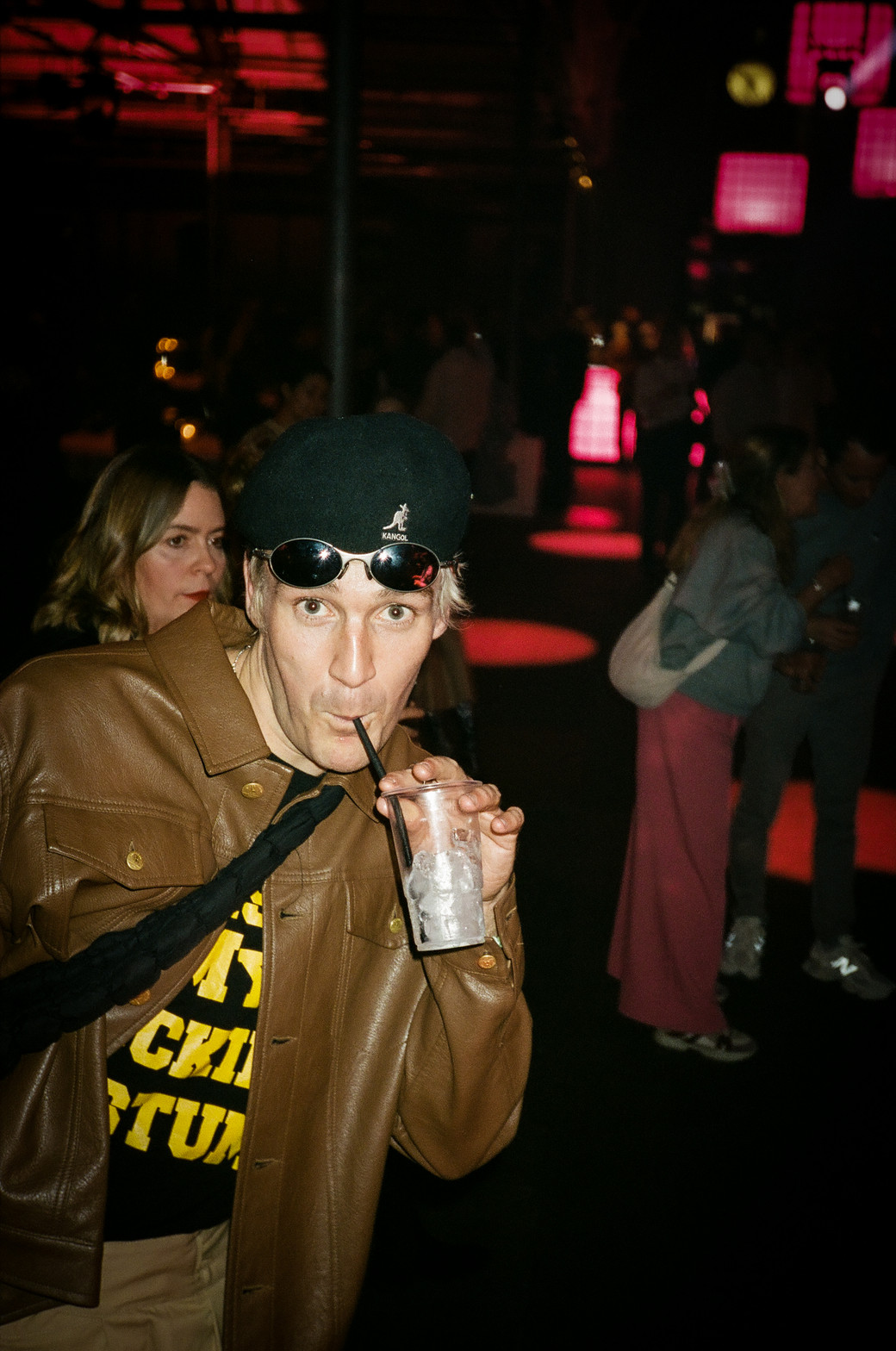

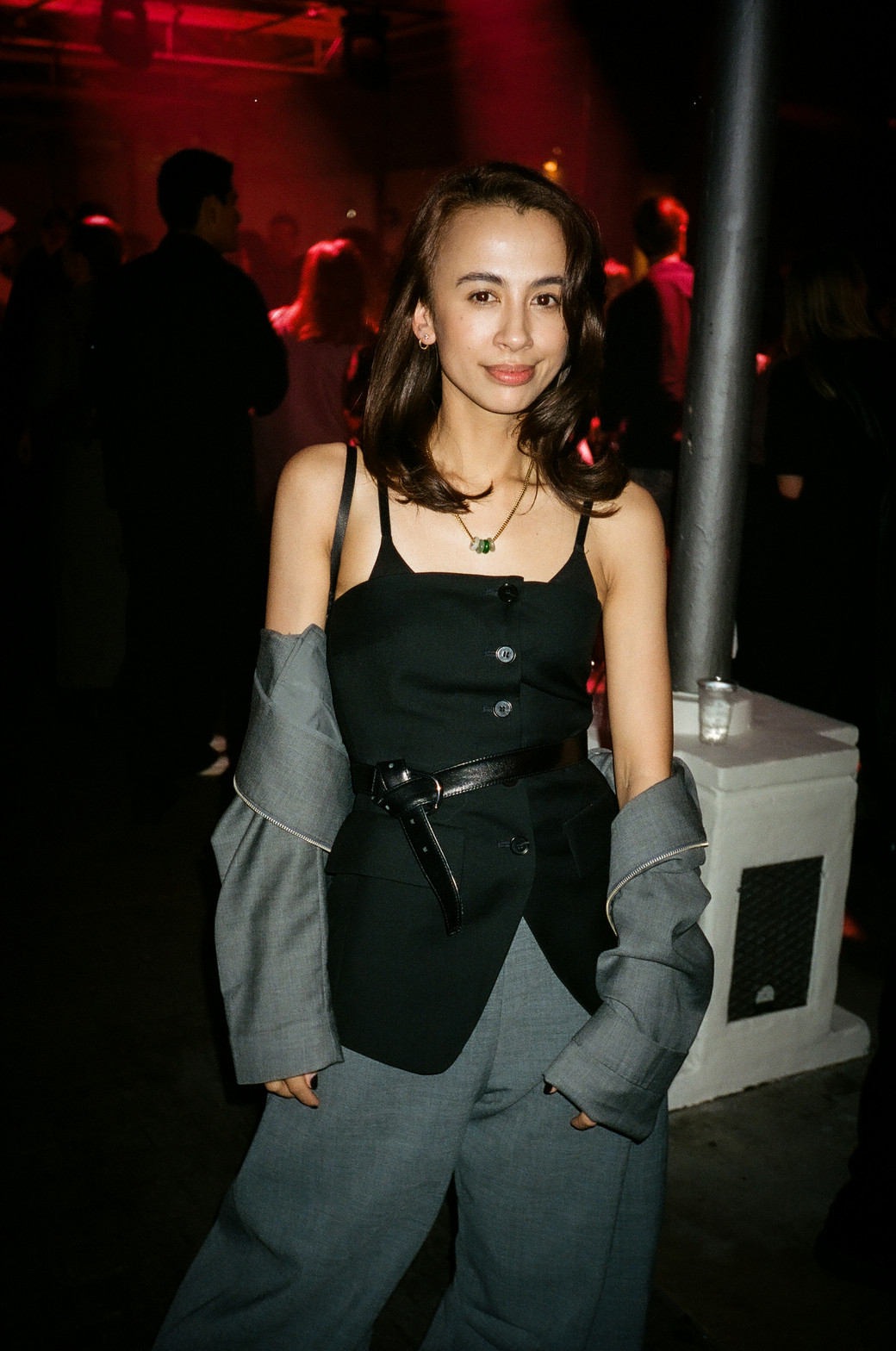
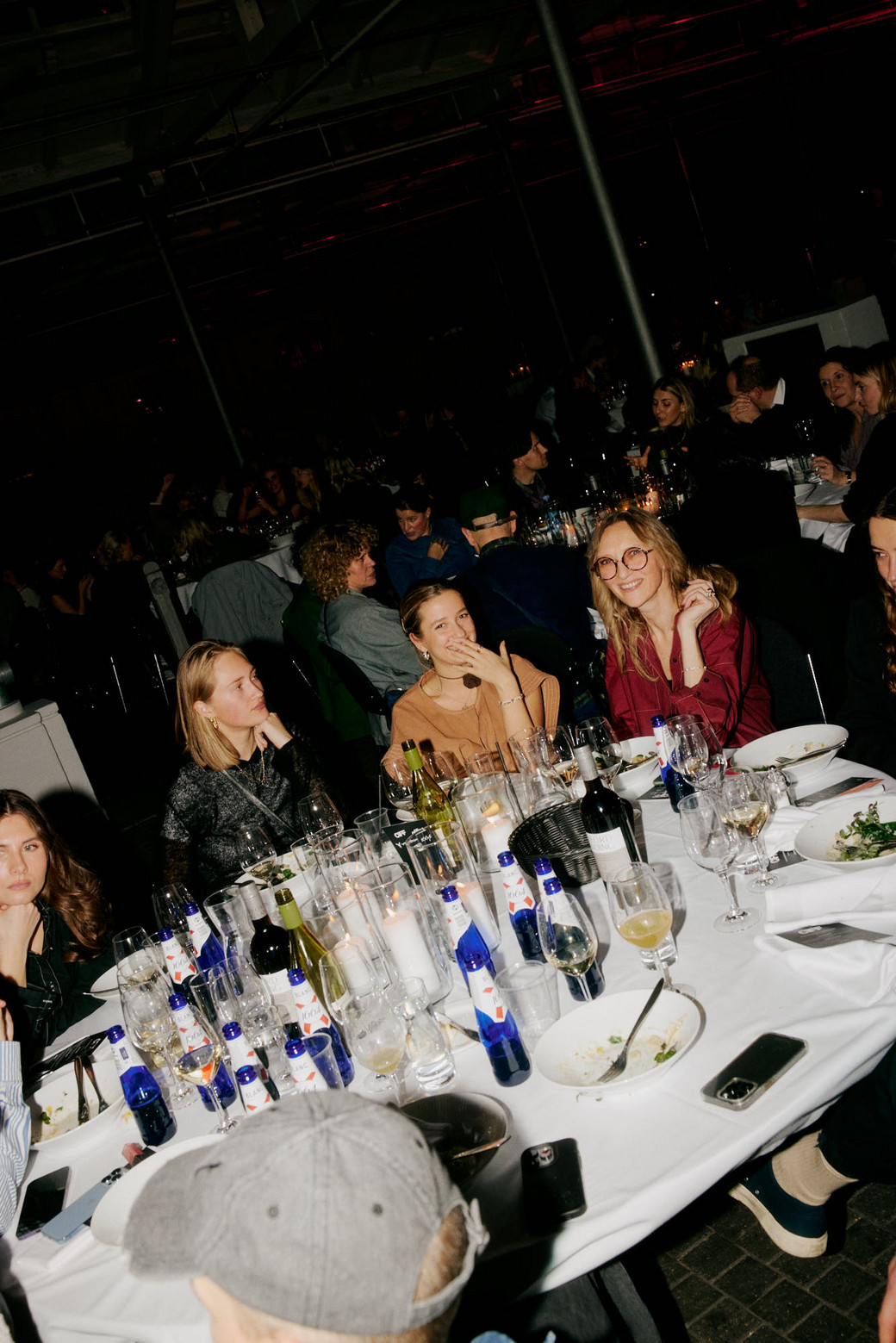
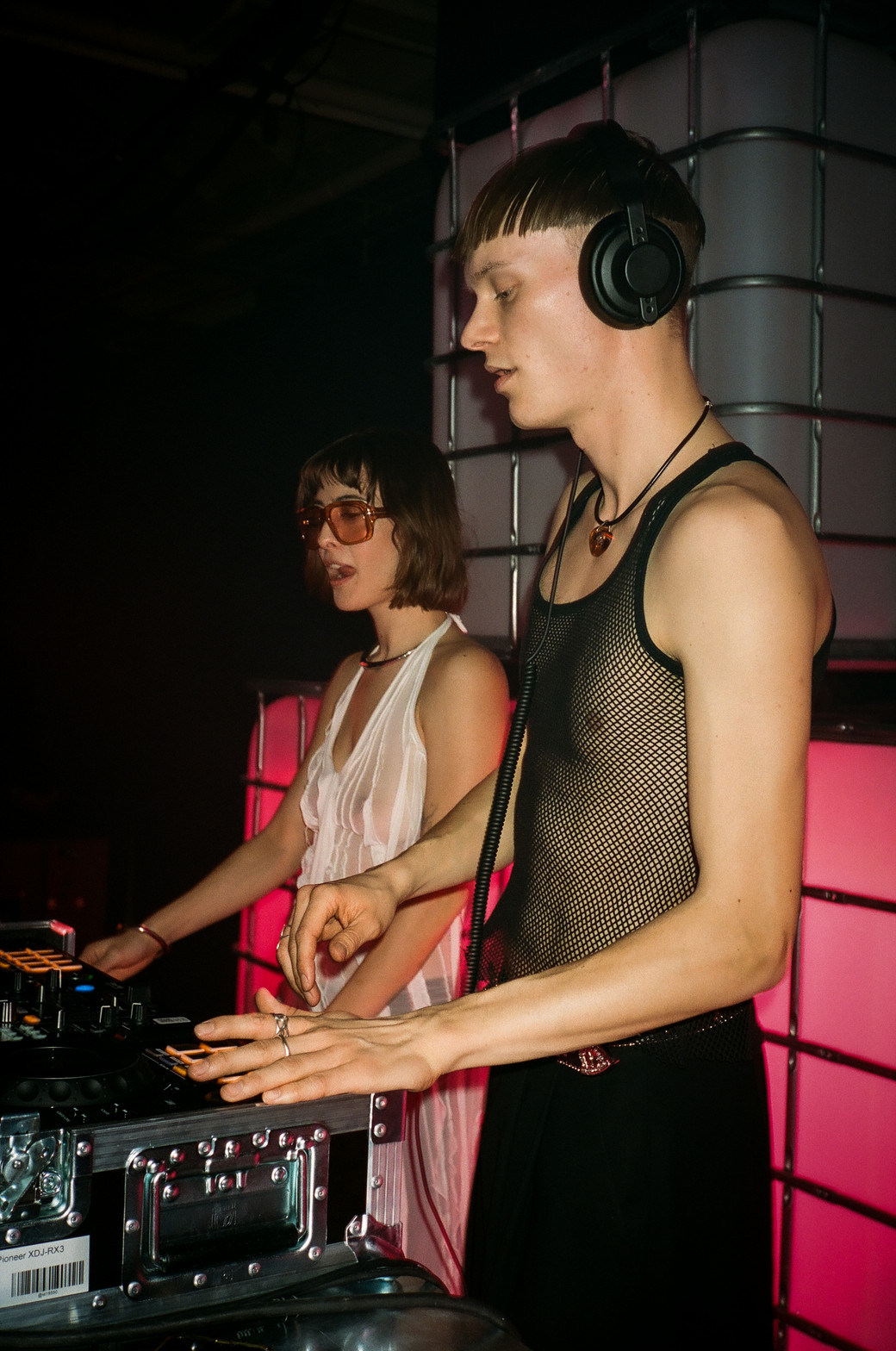
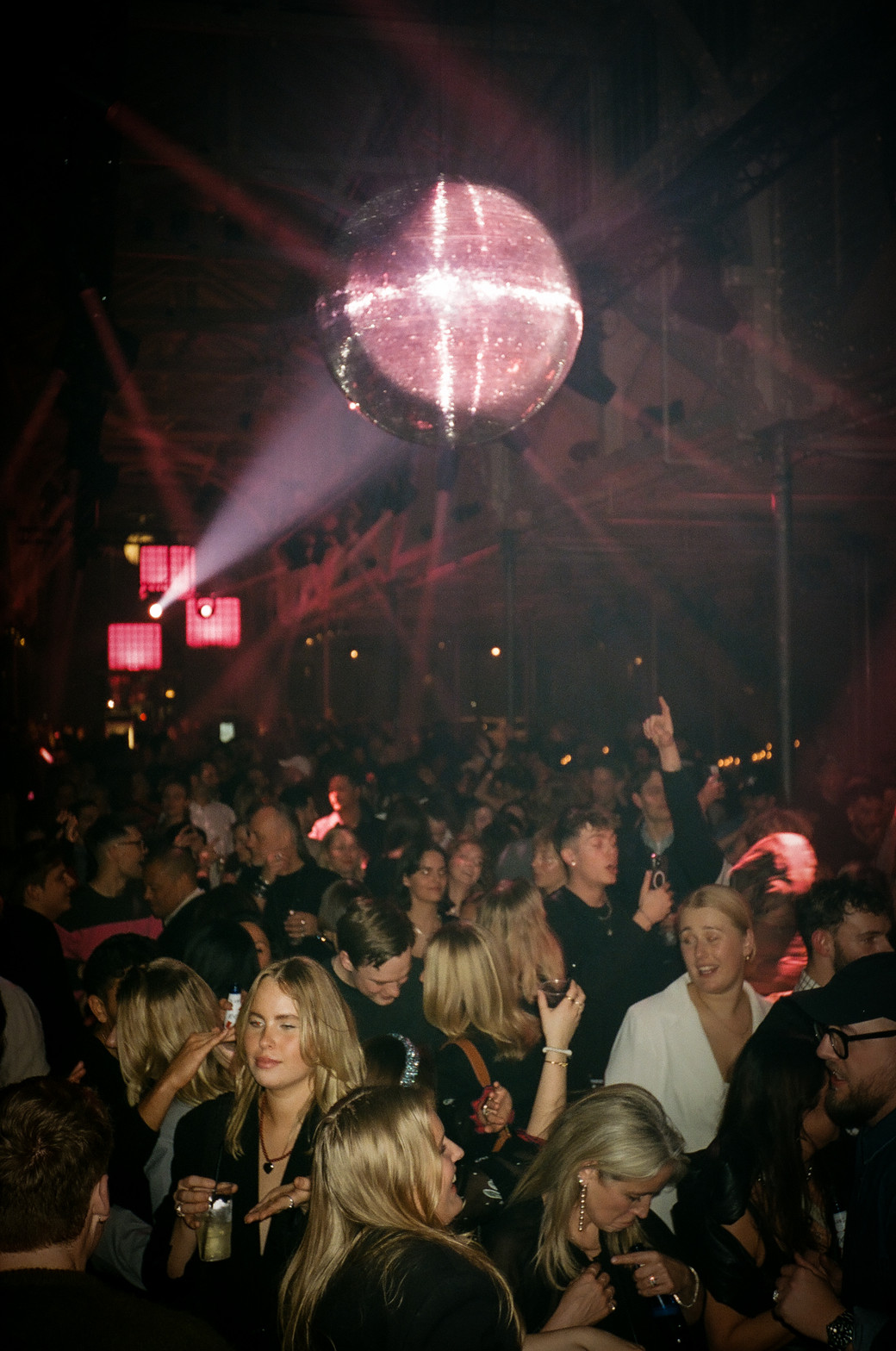

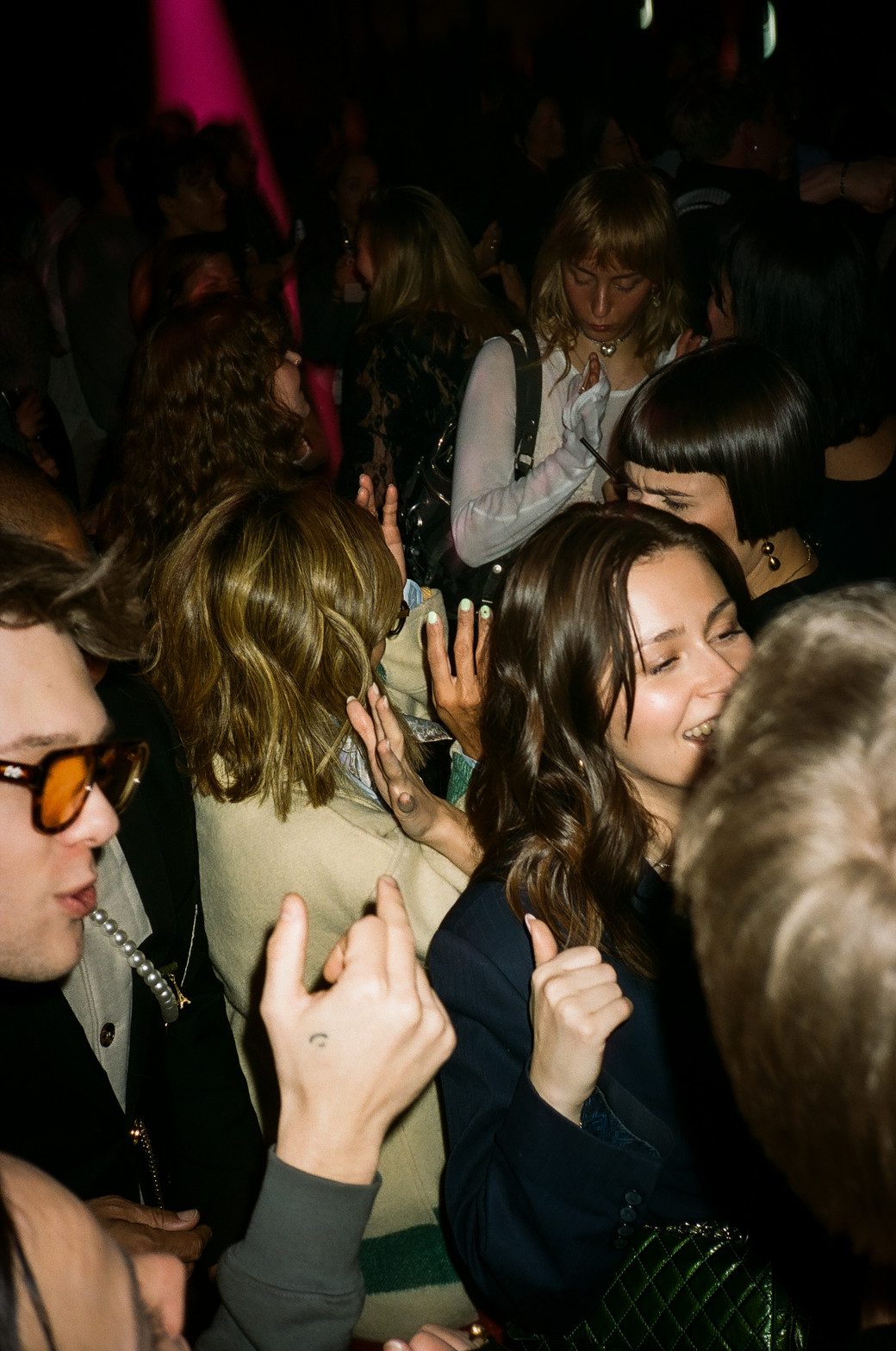

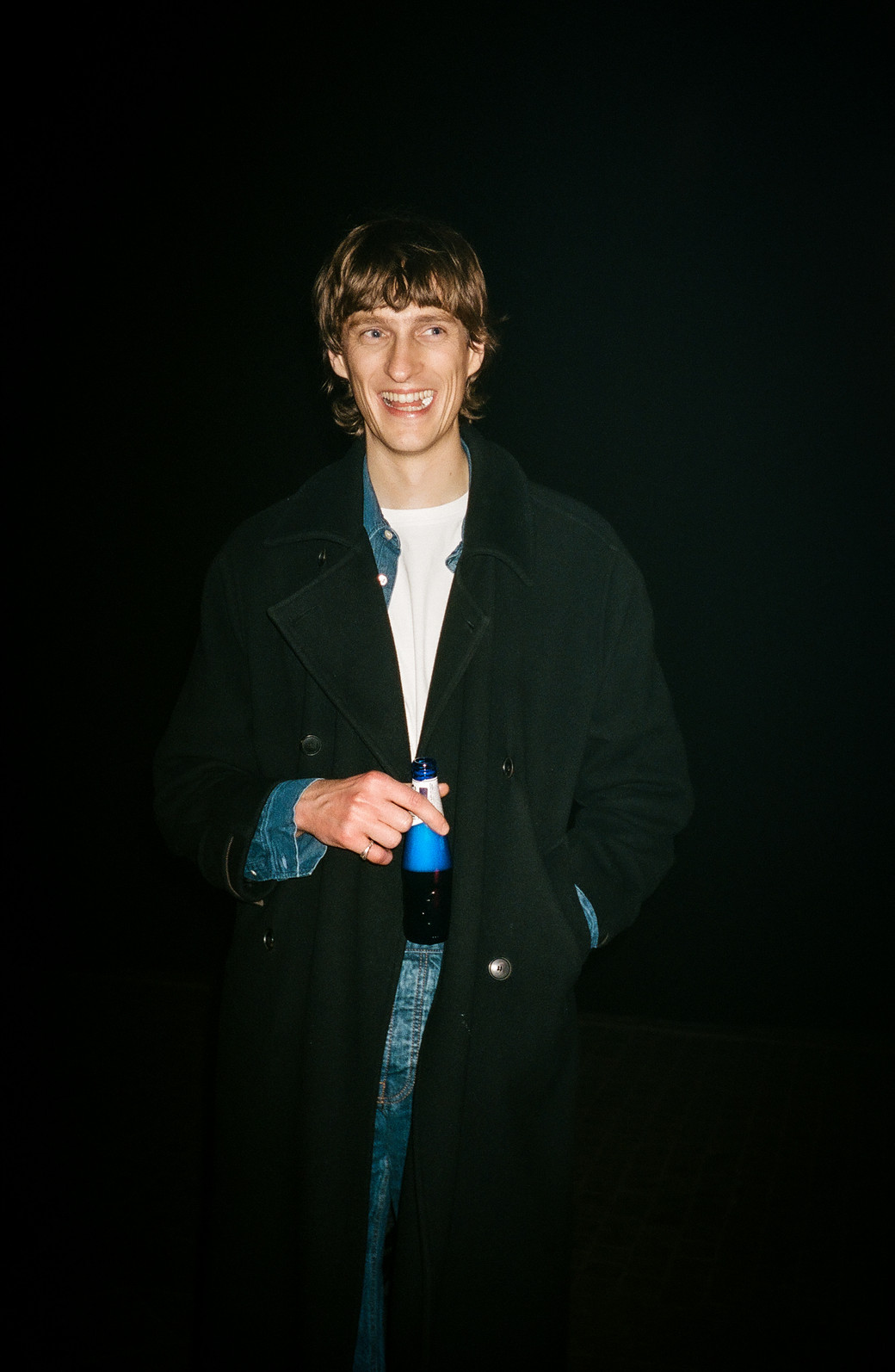
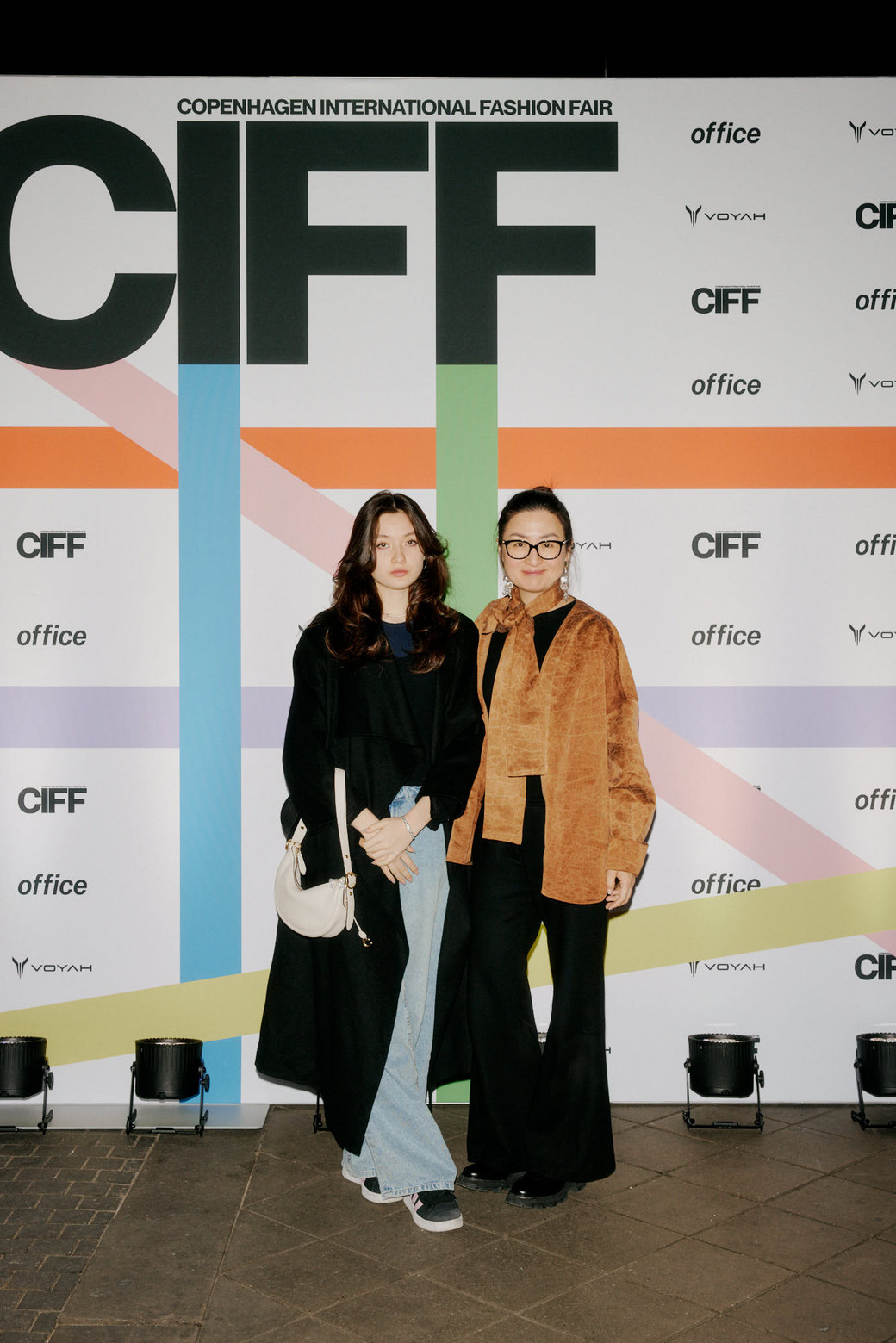

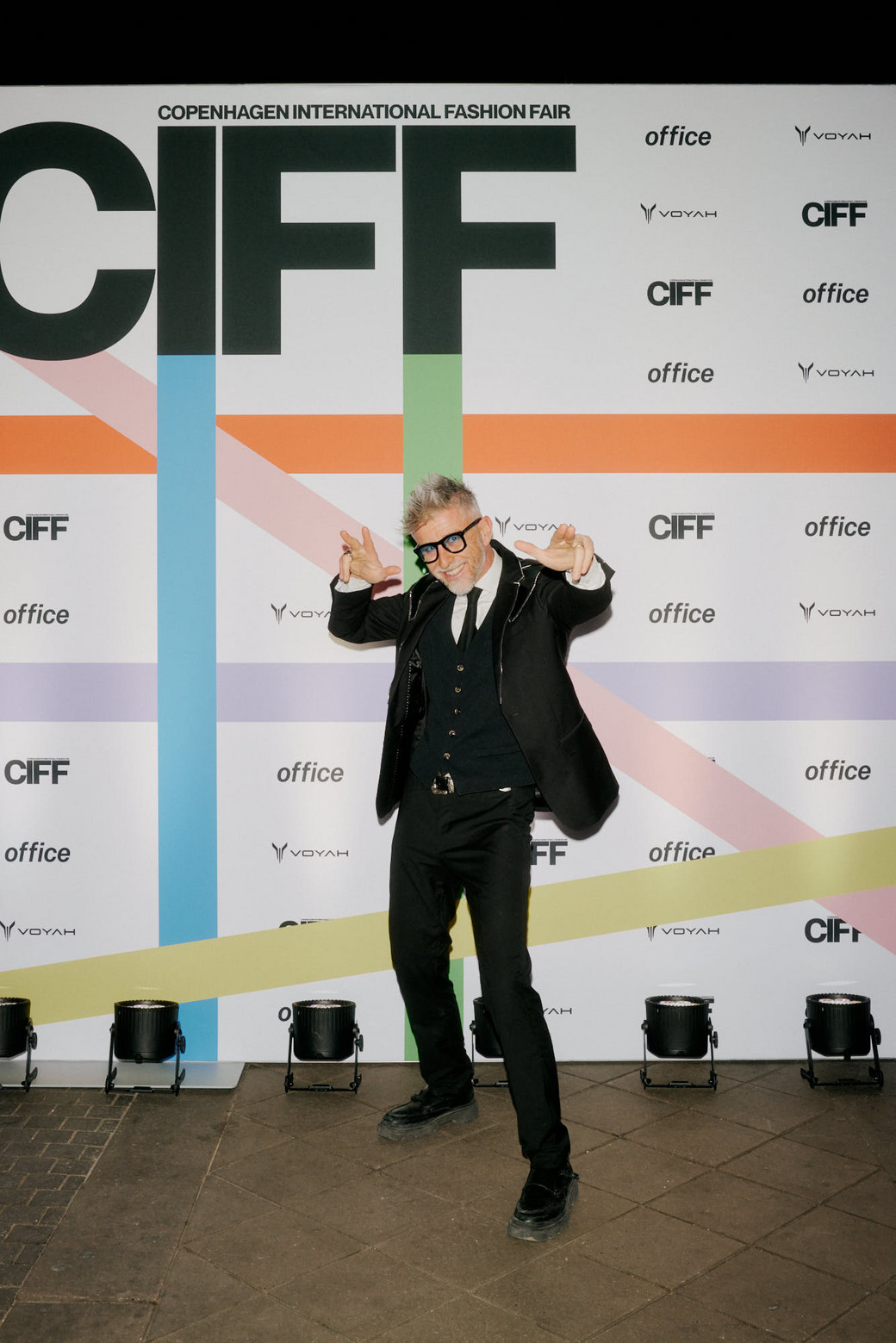
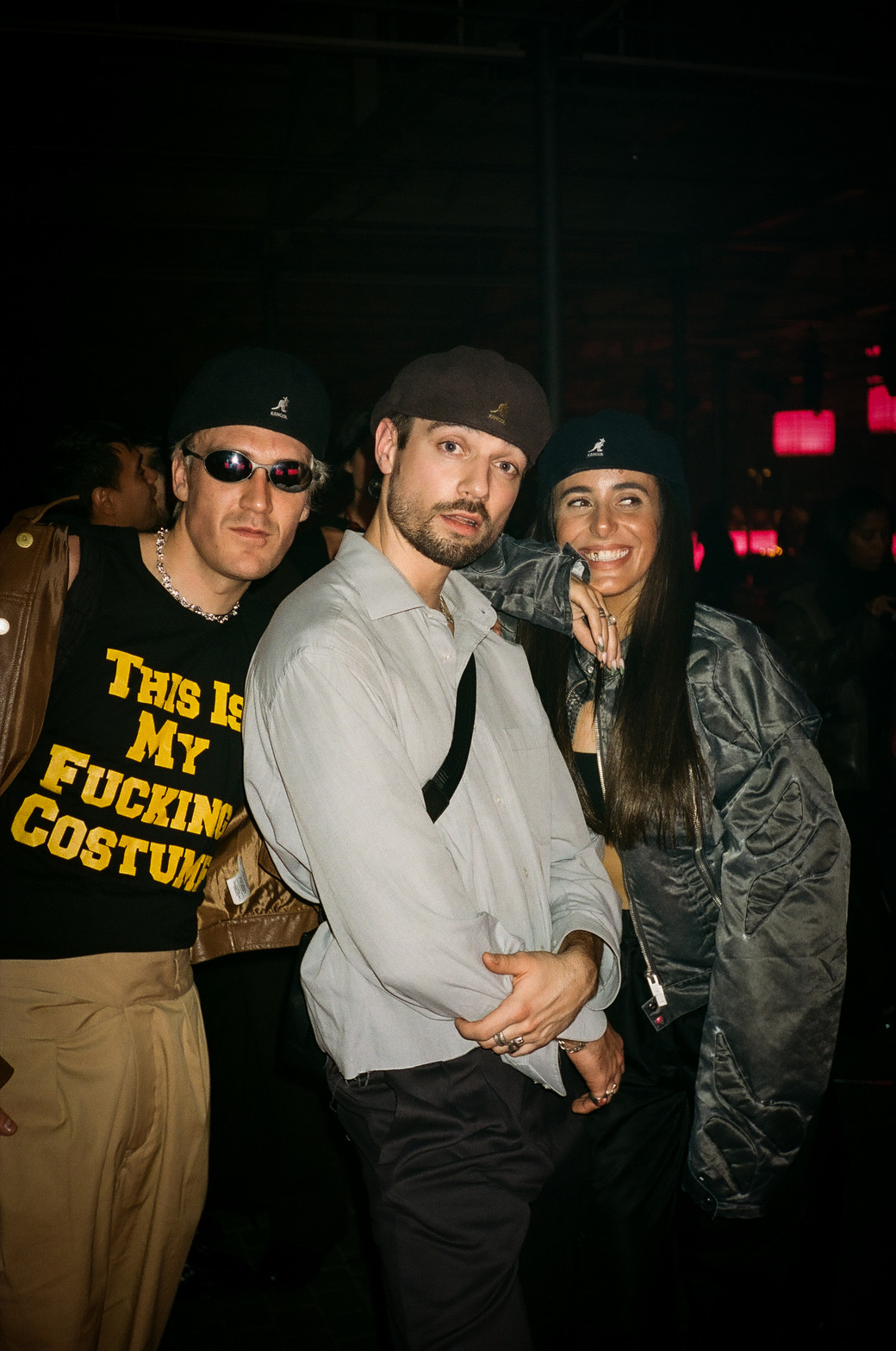
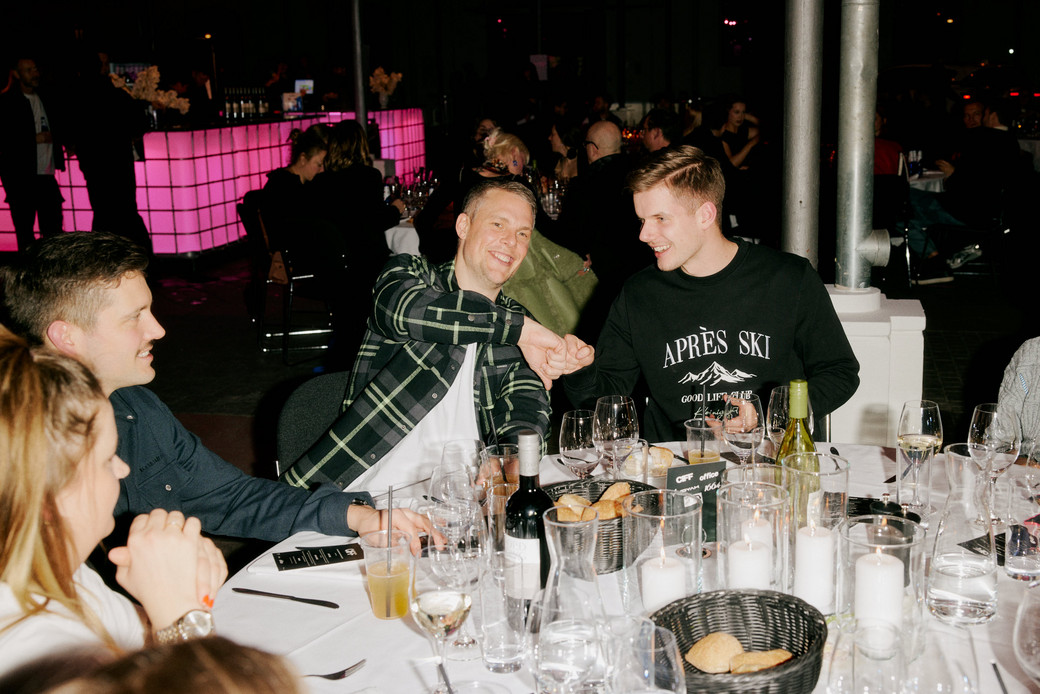
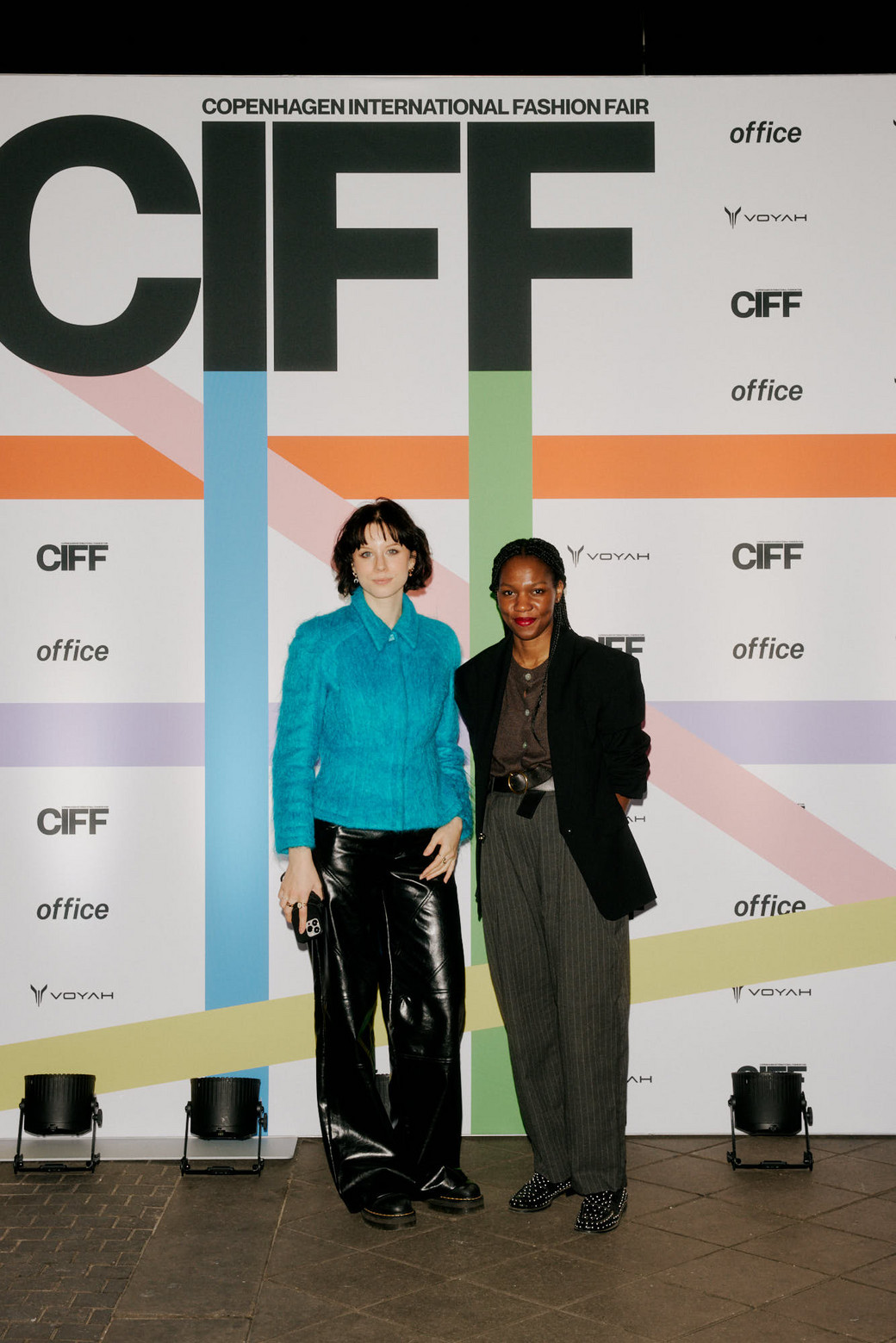
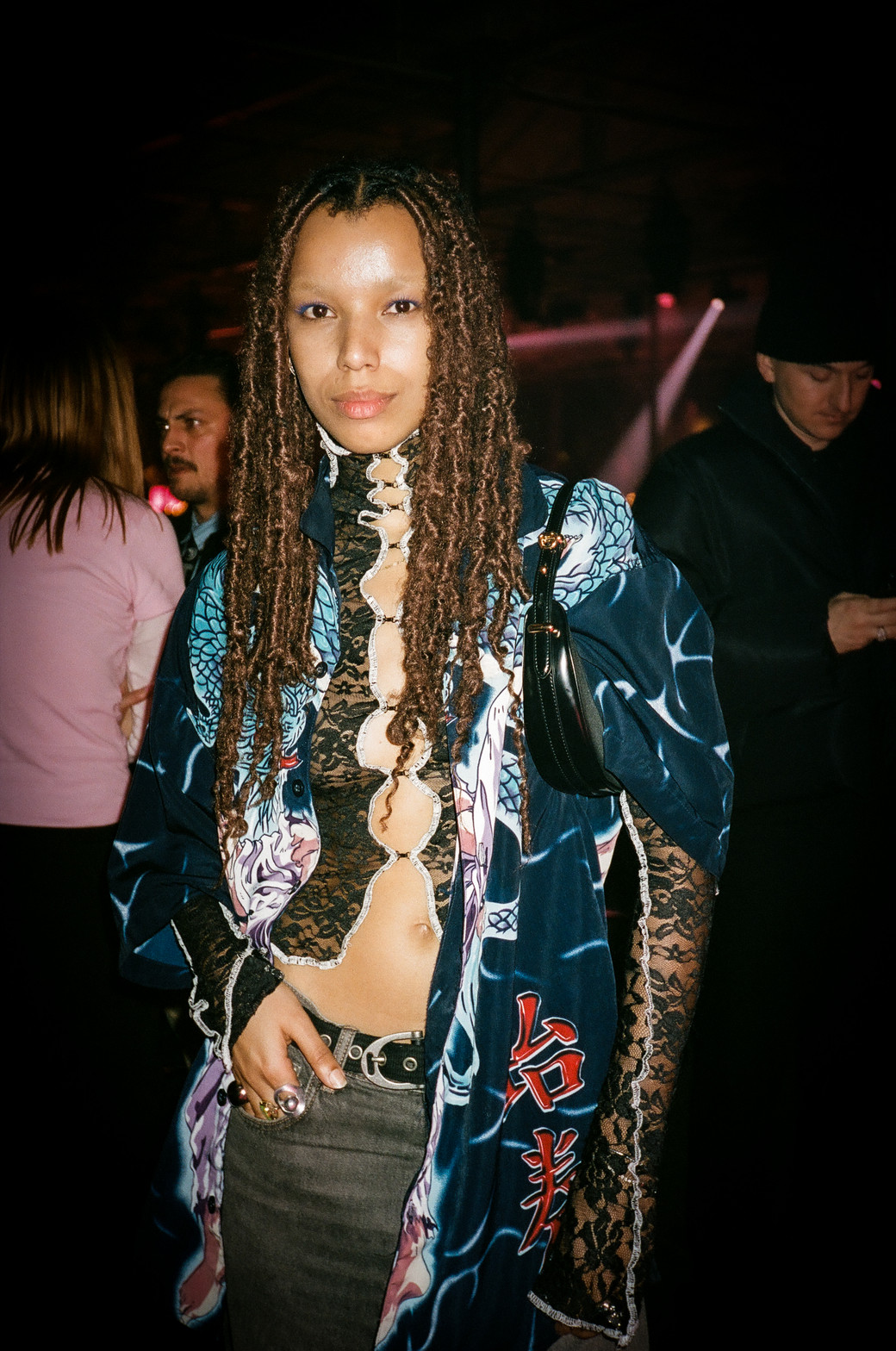
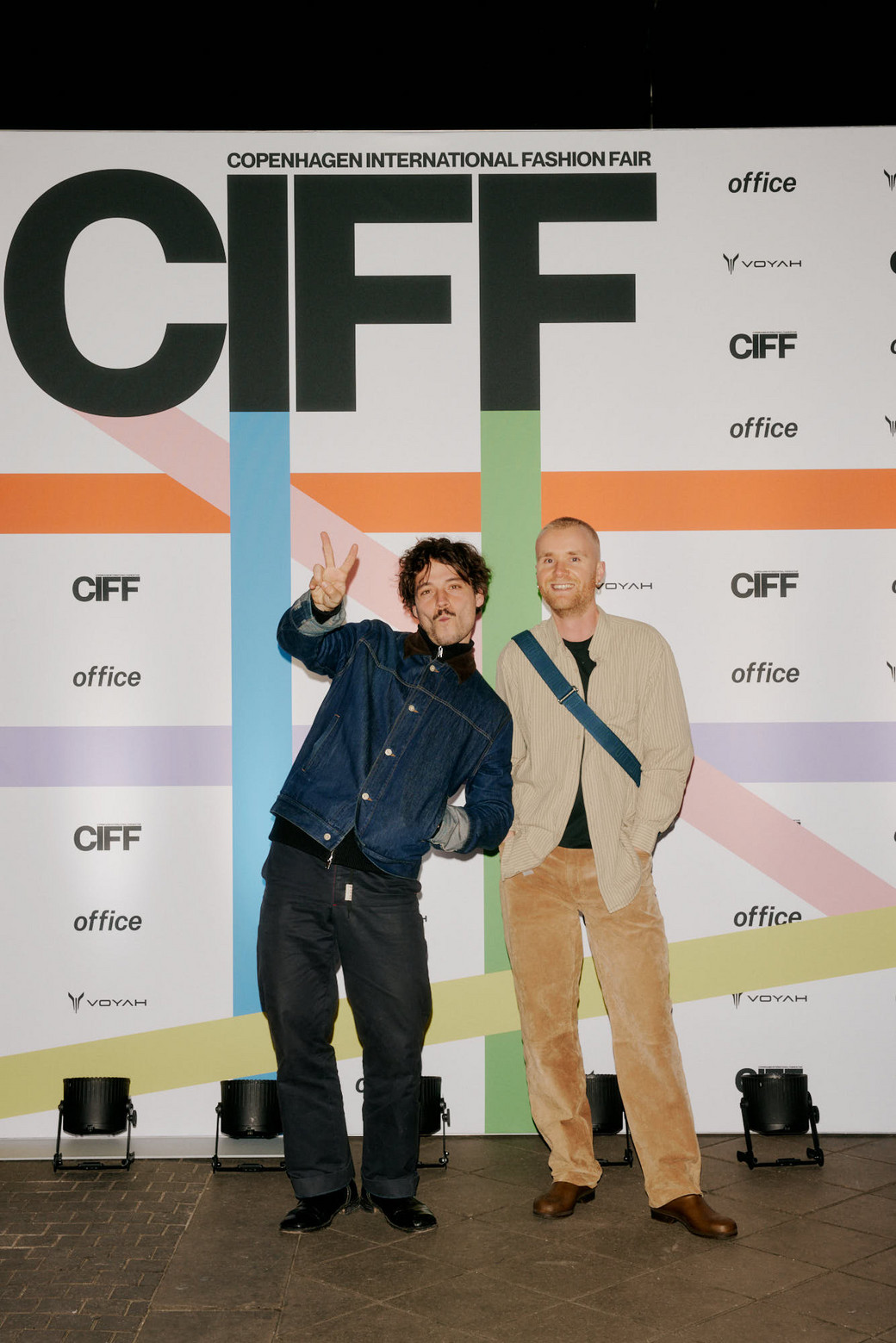

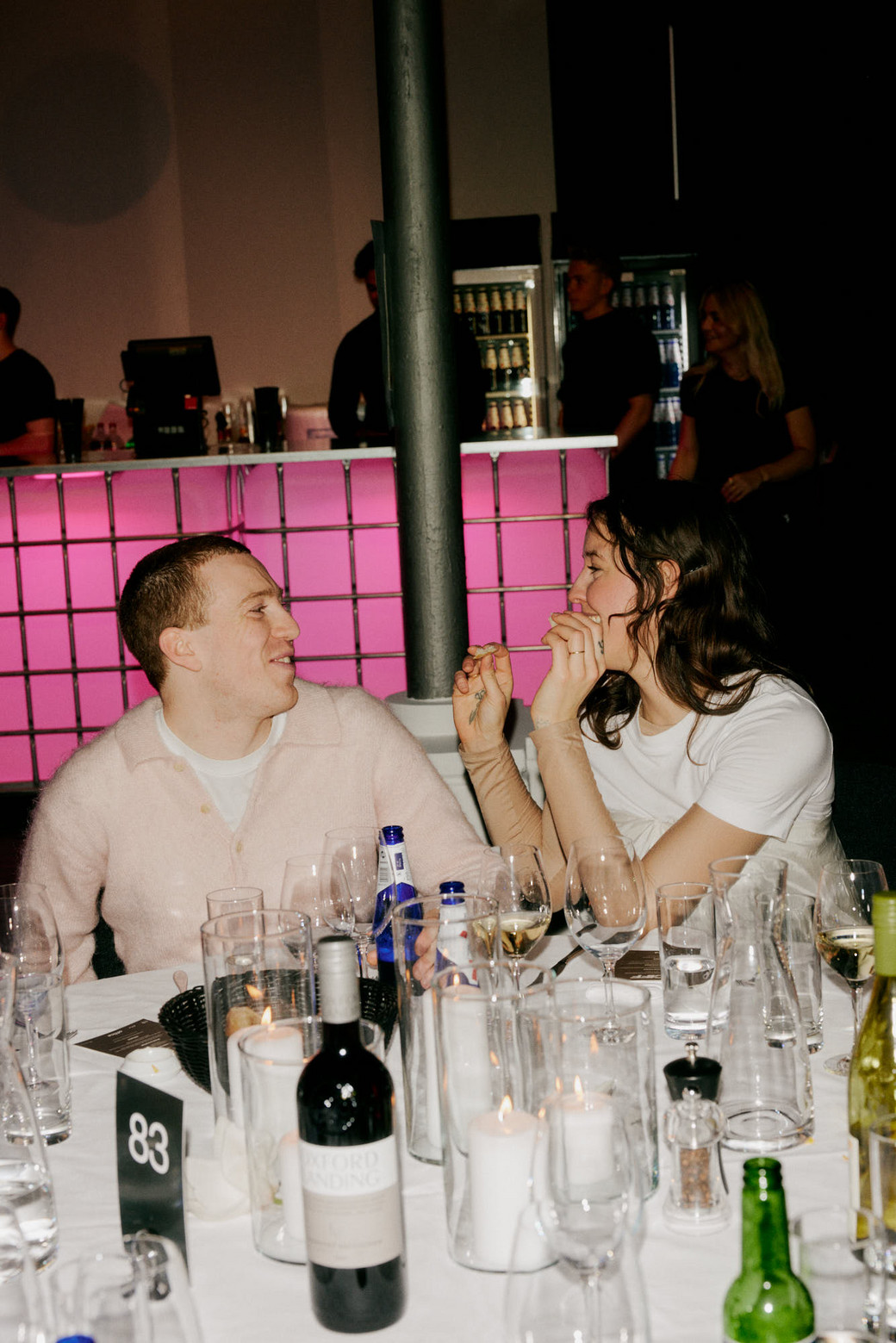
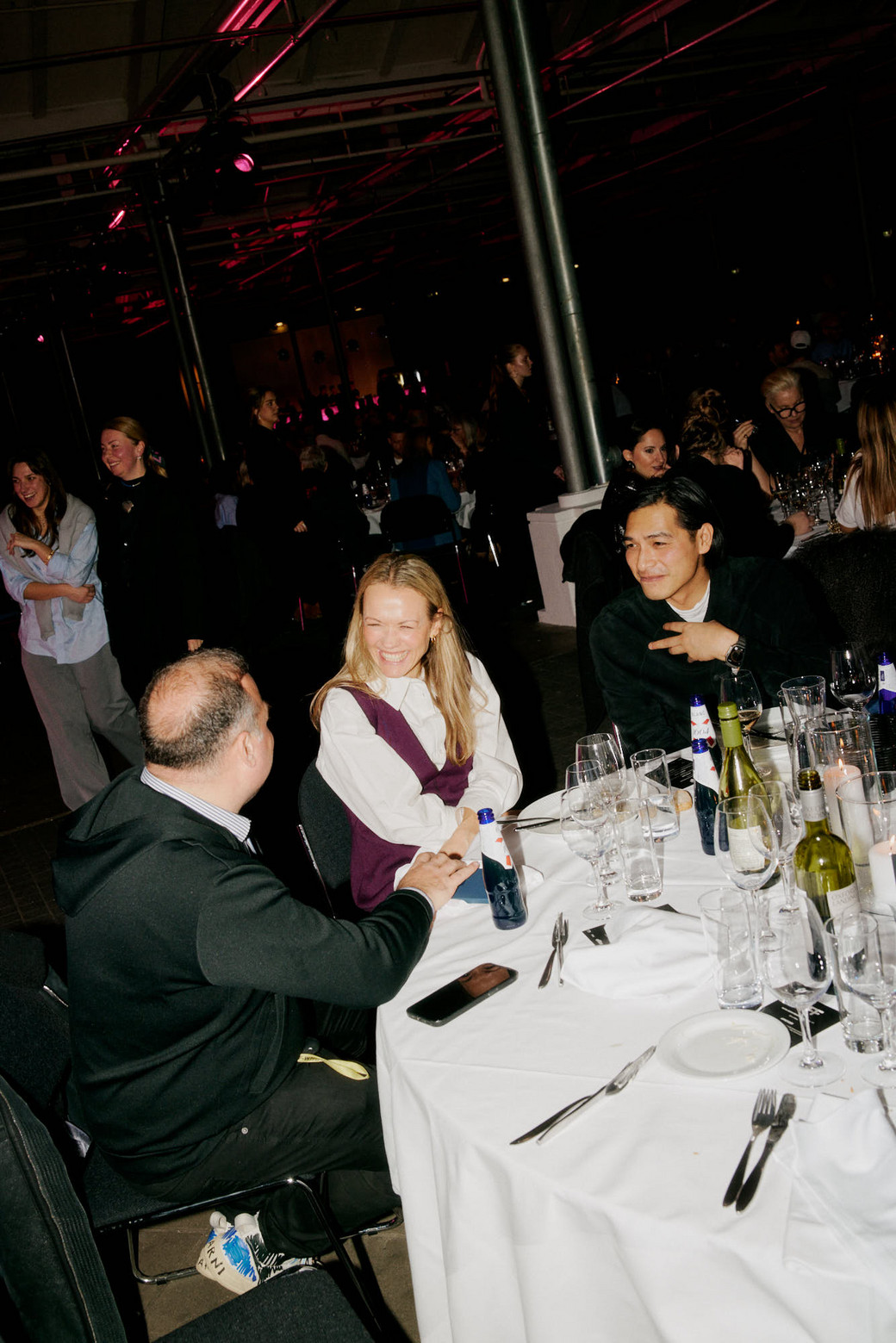
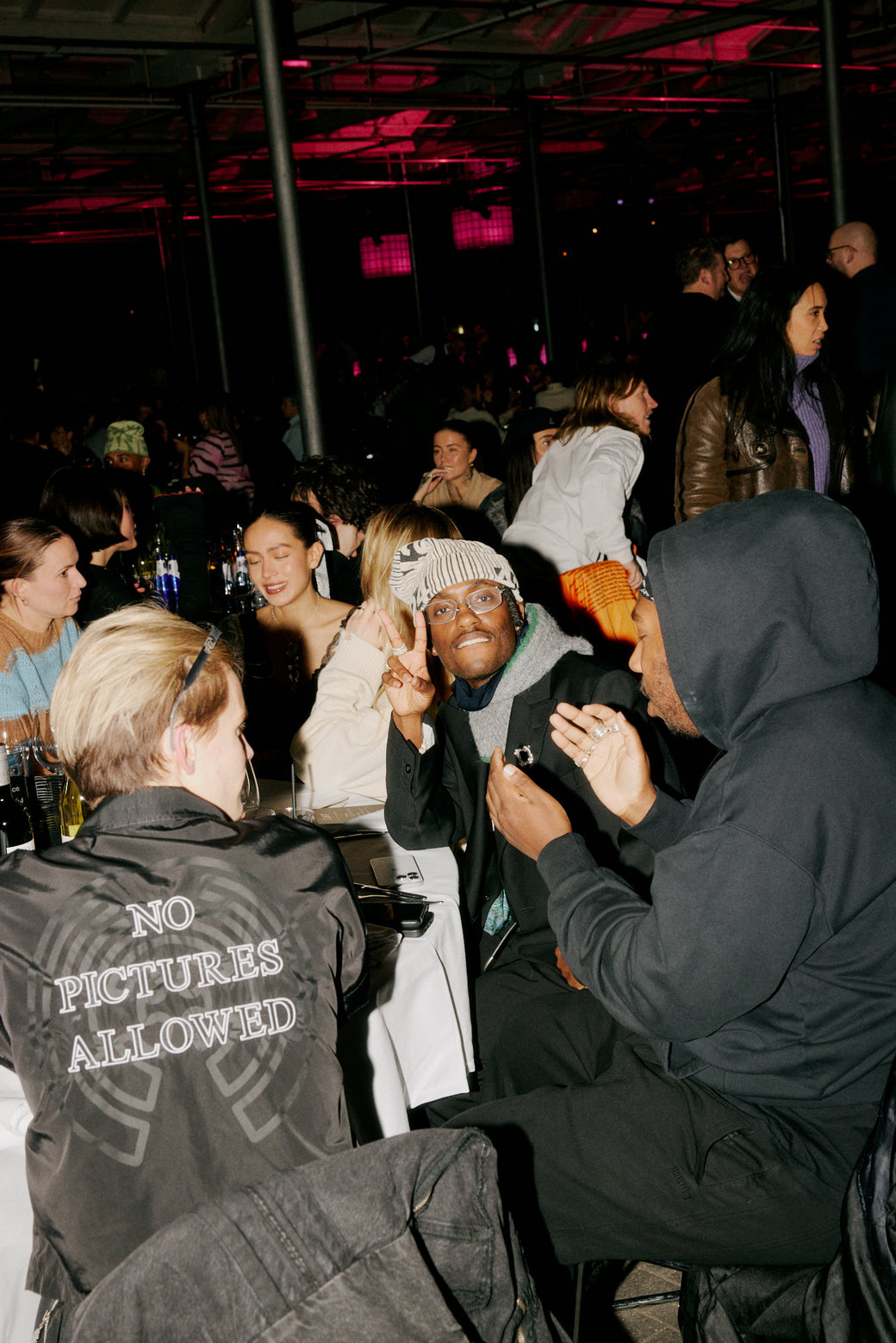
Conversations flowed, guests mingled, and eventually, everyone was on their feet crowded around the DJ booth dancing the night away. If you missed out, relive the magic in photos from the night below.
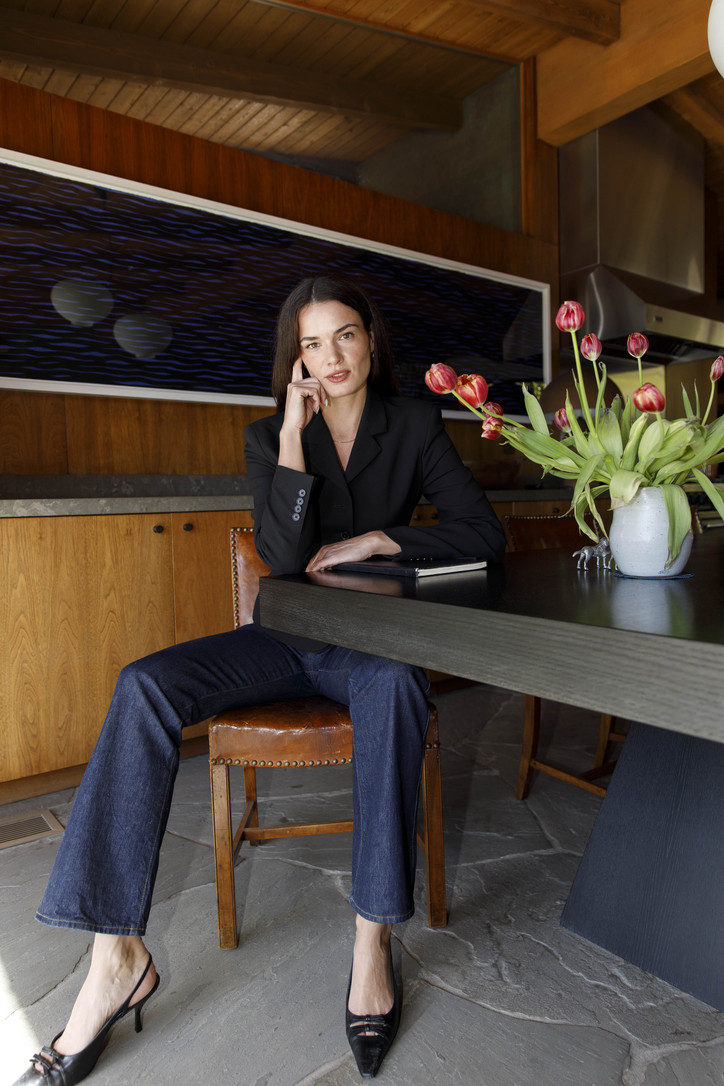
You're a former fashion model, why did you make the transition from modeling to artist management and consulting?
Art was always the through-line for me, even as a child. I had a strong connection to music and art. I started modelling and traveling very young and eventually moved to New York City as a teenager. The city's creative world pulled me in immediately. I sought out gigs with curators, artdealers, and producers, and built a network in the arts in parallel to everything else I was doing. Those experiences were where I started to notice the infrastructure that existed in fashion, supporting talent, agents, managers, and strategists, was almost entirely absent in the visual art world. That observation never left me. It eventually became KUNST.
For a long time, I didn't lead with my modeling career as being part of my story. Not because I wasn't proud of it, but because I underestimated how profoundly it shaped everything I do now. That experience gave me a front-row seat to what good and bad representation looks like. I experienced firsthand what it means to have your career handled with care, or not, and that stayed with me.
What needs did you notice in the industry before starting your agency?
When I entered the art world, I was genuinely surprised to find that most visual artists were navigating their careers on their own. Coming from fashion and entertainment, where agents and managers are understood to be the driving forces behind a talent's trajectory, functioning as strategists, business partners, opportunity architects, it seemed like an enormous gap.
Almost ten years ago, I took my first role at a global agency, CXA, where I focused specifically on bridging the art, fashion, and luxury industries and orchestrating collaborations between them. That role taught me an enormous amount about the industry and being an agent and manager. But it also clarified my ambitions. What we do at KUNST is much more holistic. 360 management that looks at an artist's entire career ecosystem, not just individual deals or brand moments. The industry is ready for this now in a way it maybe wasn't before. The need was always there. The infrastructure just hadn't caught up. The most interesting careers don't fit neatly into one box. We are drawn to multi-disciplinary artists, creatives who work across different mediums. That's always been where the most interesting careers live. The need was always there. The infrastructure just hadn't caught up.
Are there any misconceptions you notice people have about talent agencies and artist representation?
The biggest misconception is that representatives are gatekeepers. That representatives stand between artists and opportunity. In my experience, the opposite is true. At the core of this work is the expansion of existing relationships and the facilitation of new ones. At KUNST, our artists have their own relationships. They work with galleries, brands, institutions, developers, hotels, musicians, and more. We're not here to own those relationships; we're here to deepen them, extend them, and open doors to new relationships. A good representative isn't a gatekeeper, but a career architect working behind the scenes so the artist can stay focused on what they do best: creating.
How does KUNST straddle multiple worlds from art to fashion and music? How did you come to work across these intersections?
Well, I essentially grew up in the fashion and entertainment industry, so working across multiple industries never felt like straddling.I see all of these worlds as part of the universe of culture. It always felt like home.
What's changed is the landscape. Artists today have the ability to build their own brand, cultivate audiences, and pursue opportunities across multiple industries simultaneously. That’s rare. It opens possibilities, but also requires a different kind of management. Someone who can see across all of those avenues at once, ensuring they're complementary rather than contradictory. What I do is connect the dots.
What is something you wish more artists knew about representation and working across multiple industries?
That a good representative is a genuine business partner, not a service you activate from time to time. The relationships that work best are the ones where the investment is mutual. The best opportunities are created from the best materials. The input directly impacts the output. When artists are engaged, there's no limit to what we can build, and those careers move the fastest and the furthest. Similarly, the reverse is also true.
What do you love most about your work?
What I love most is finding ways to turn an artist's vision, an idea, into something real, something tangible. Providing the financial foundation that makes ambitious work possible, and helping shape how that work reaches the world, is what makes my work so exciting. Whether as a project, a collaboration, or an experience. That moment when an idea stops being an idea and finally comes to life is what gets me very excited.
There's creativity and a strategy embedded in making a deal. People don't always see that side, but structuring an opportunity and finding an angle that makes a collaboration meaningful rather than commercial is exciting
Where do you see KUNST in the next 5 years?
KUNST will always be a talent agency first and foremost.
The agencies and companies that will matter in this space five years from now won't just be facilitating other talent's visions. They'll be originating them. KUNST is building toward that goal. A company where artist representation, cultural strategy, and ambitious production all sit under one roof, working together, informing each other.
The natural evolution of what we’re building means we aren’t just managers, we’re makers, shaping the field for the future. Our team is already moving in that direction, working as creative producers of artist-driven projects, events, and cultural strategists for brands and corporations that want to engage with the art world in ways that are genuinely meaningful rather than purely transactional. The through-line is always the artist. The ambition is to build the infrastructure around them that provides the services they require to grow and build sustainable careers.
What trends are you seeing in the art and creative industries that are impacting your work the most?
I've believed for a while now that as our digital lives expand, the value of physical, lived experience will only grow. Offline experience is the new luxury. I think the rise of AI is going to accelerate that, not diminish art, but deepen people's hunger for it. When images and sounds can be generated infinitely, what becomes rare and precious is the irreplaceable human experience. Work that makes you feel something in your body. Work that you encounter with others, that you carry with you afterwards.
I see this in the artists I work with, such as Lily Kwong or Boris Acket, whose practices create environments so immersive and emotionally precise that audiences leave genuinely moved. Sometimes in tears. That kind of collective, bodily experience is increasingly what people are seeking. It's where culture is going. And it's where the most interesting work, and the most meaningful opportunities will be.


Great hospitality to me is about rewriting the script. For so long, “great service” has been this polished almost performative service that feels somewhat rehearsed and distant. My lens is rooted in humanity first. It’s about engaging people as people, not transactions and being present, reading the room and creating interactions that actually feel natural and intentional. I believe in being deeply personable, but with purpose. When its done right, there’s no forced charm, just genuine connection that makes someone feel seen.
What separates a good members club from a great one?
What separates a good members club from a great one is the difference between access and belonging. A good club offers beautiful designed spaces, strong programming and a sense of exclusivity. But a great one goes beyond that and creates an environment where people feel genuinely known and seen. It comes down to intentionality and how people are welcomed when they arrived but also how they’re remembered and engaged over time. A members club shouldn’t be just a place you go, it should be a place that reflects you back to yourself in an organic and natural way.


Honestly, it starts before the doors even open. I think about the energy, the mix and the little social dynamics that aren’t obvious on paper but completely decide how a room unfolds. It’s not just about who’s “impressive” it’s about who sparks conversation, who shifts the mood, who brings a bit of magic. The design of a space matters of course, I am a homosexual after all, but that’s just the backdrop, the real work is in the orchestration and how people arrive, who they’re greeted by, the first few interactions they have. I’m also always thinking about connecting dots and introducing people who didn’t know they needed to meet, making sure no one feels out of place. There’s a level of looseness I think is important so the crowd doesn’t feel over managed but that they’re unfolding naturally even though there’s always intention behind it. It should feel a little electric and a little unexpected as if anything could happen.
Right now, I’m really excited by this shift toward bold maximalism. For a while luxury hospitality felt very restrained, very neutral, almost like spaces were trying not to say too much, but now it kinda feels like the opposite in the best way. Spaces are leaning into color, personality, humor… a little bit of intentional chaos. I love when a space doesn’t take itself too seriously when you walk in and there’s something unexpected, something that makes you smile or do a double take. It disarms people and gives them permission to loosen up and engage more naturally. There’s also something really powerful when a space feels like its been there forever and evolved over time rather than being perfectly packaged. It creates a sense of discovery, people don’t just pass through, they interact with it. Bold spaces create bolder interactions, they feel expressive, playful, and much more human. And that’s what I think people are craving right now.


Exclusivity for the sake of exclusivity. For a while, it worked for sure, there was a certain allure to being hard to access. But now, people are a lot more perceptive and they can tell when something is genuinely special rather than just being positioned that way, the issue is when access becomes the whole story. A great space can’t rely on a door policy or a membership model alone, it has to actually deliver once you’re inside. Otherwise it starts to feel hollow, like the idea of the place matters more than the experience itself. For me, the most interesting spaces are the ones that have a sense of discernment and substance and actually being “in the room” means something because of the people and the energy. Exclusivity should be a byproduct, not the whole foundation because when it’s earned, you feel it. When it’s forced, you really feel that too.
Id say it’s less about status and more about energy. A great member understands that they’re not just there to take from the room but they should be adding to it too. They bring something with them, whether that’s perspective, curiosity or just the ability to make other people feel comfortable. There’s also a level of awareness, they know how to read the room, when to lean in and when to give space and how to include others without making it a performance. I’m always drawn to people who are generous with their presence, in the sense that they love to introduce people and connect dots, they don’t gatekeep the experience.
It’s everything!! but only if it’s real. You can’t fake it anymore, and you definitely can’t bolt it on. People can walk in and immediately feel whether something’s actually connected to what’s happening or just trying to look like it is. For me, it’s about actually being in the mix rather thasing it. The best spaces feel like they’re part of the rhythm already. They have a point of view, they attract the right people, and things just start to happen naturally. It’s less “look at us” and more “you kind of had to be there.” There’s also this openness that’s really important right now. The most exciting places are a little bit fluid and they’re all colliding in a way that feels effortless, a little unexpected and honestly just fun to be around. At the end of the day, it’s not about trying to be culturally relevant, it’s about being somewhere where culture is actually unfolding in real time.