PRESENTE CONTINUO: the intimate ties between then&now

Starting May 30, PRESENTE CONTINUO will be available to purchase on presentecontinuo.com, cpcompany.com, and at the C.P. Company flagship store in Milan, Corso Matteotti 7.
Stay informed on our latest news!

Starting May 30, PRESENTE CONTINUO will be available to purchase on presentecontinuo.com, cpcompany.com, and at the C.P. Company flagship store in Milan, Corso Matteotti 7.

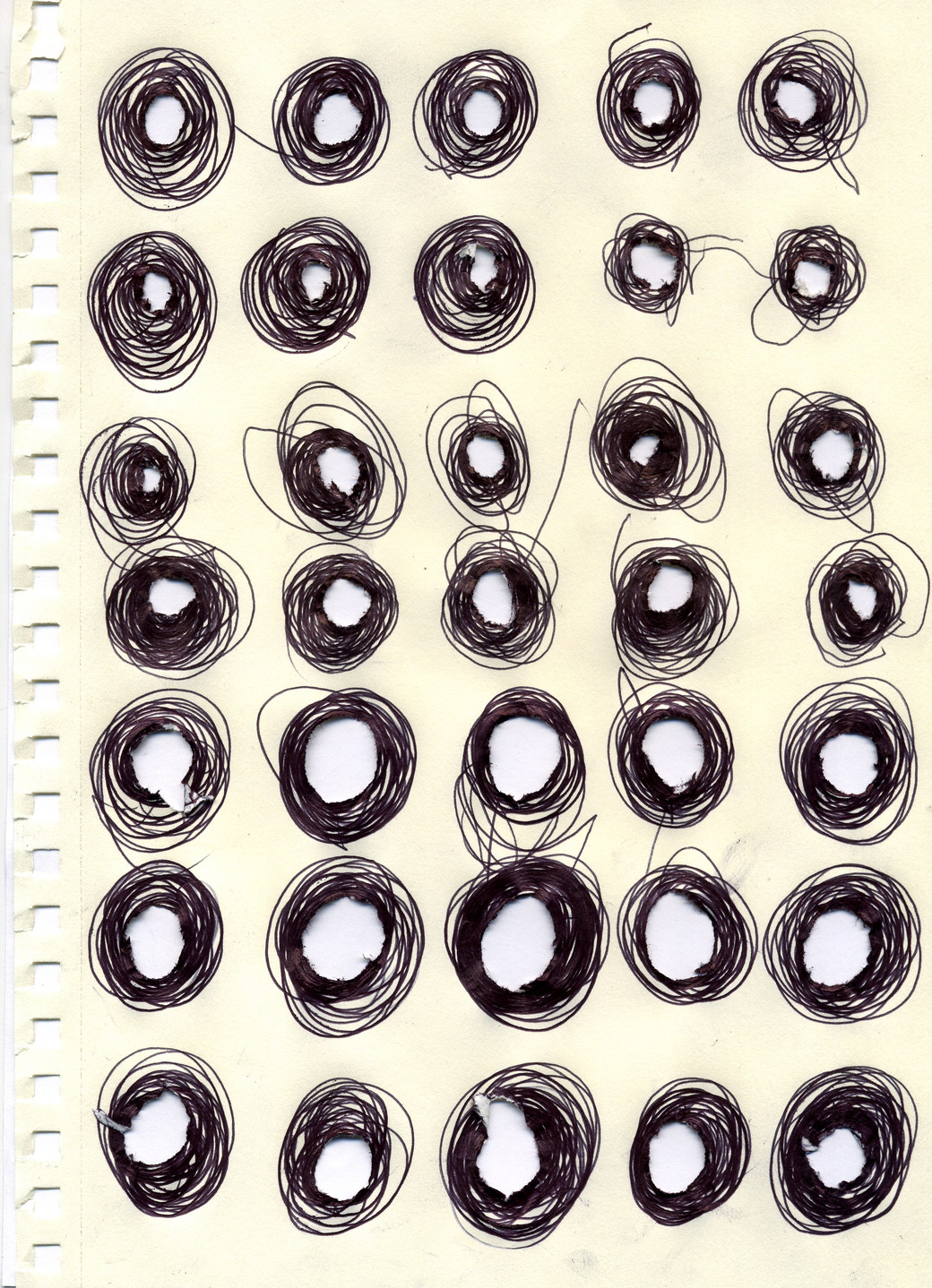
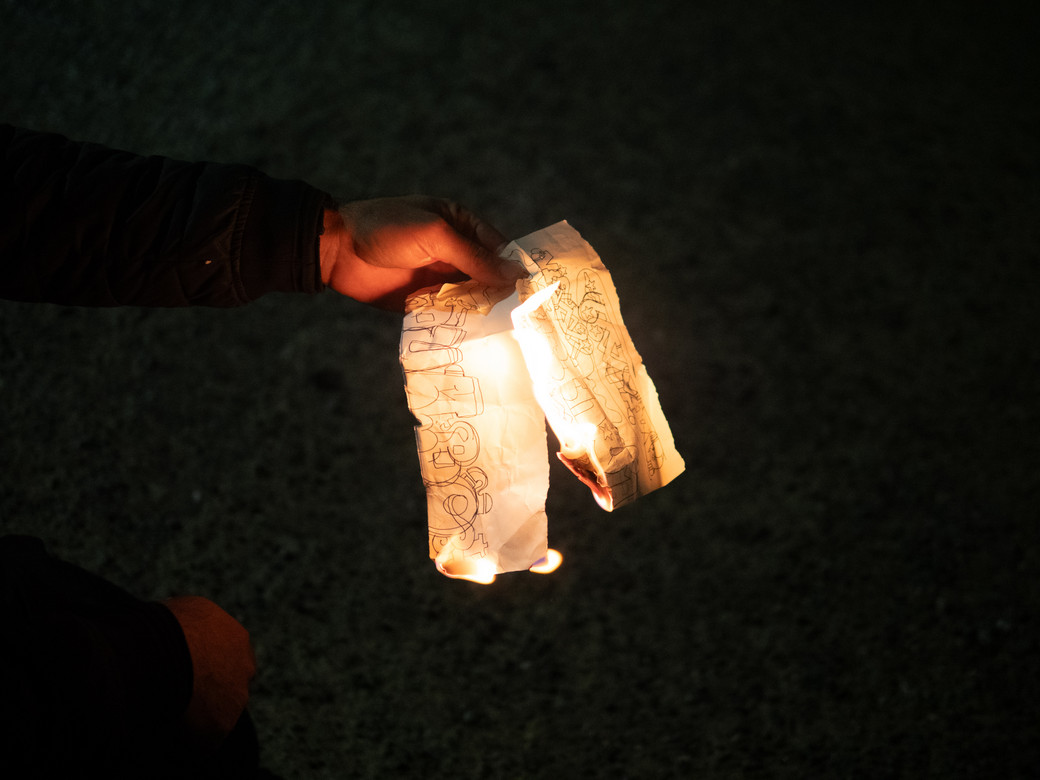
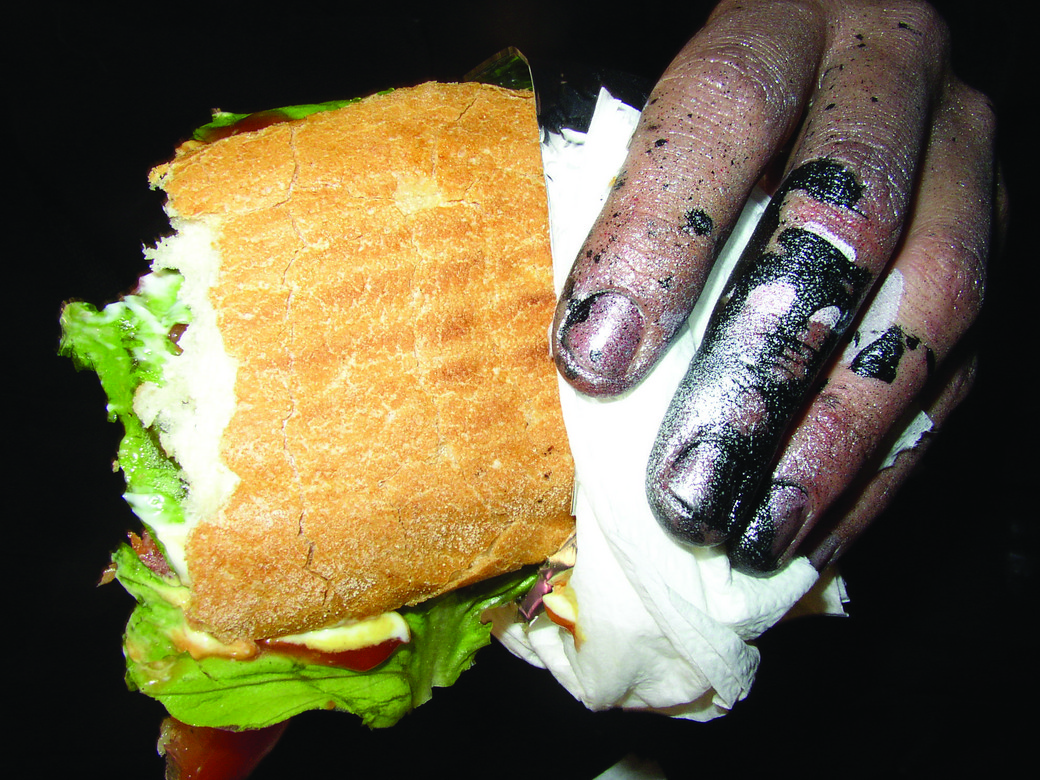
Rovegno makes revelations in book-making aswell, a hand-crafted photo book made with risograph printed covers and inserts that takes the stage in term of functionality and encompassing a personable look. The interior pages are bound with tape, heated, melted, and trimmed by hand, the book serves as a dedication to the art form of bookmaking. And it adds an unexpected experience to the work: the seamless process of opening and closing and reopening this book transports you to Rovegno’s own viewing experience as if you were the one thatc crafted the project yourself. With the same vision as origami, every fold and unfold is a new vision into Rovegno’s every day. The soothing chronology of the photography connected anxious and pointed moments of life. It’s a reminder of the peace caused by obsession-made art.
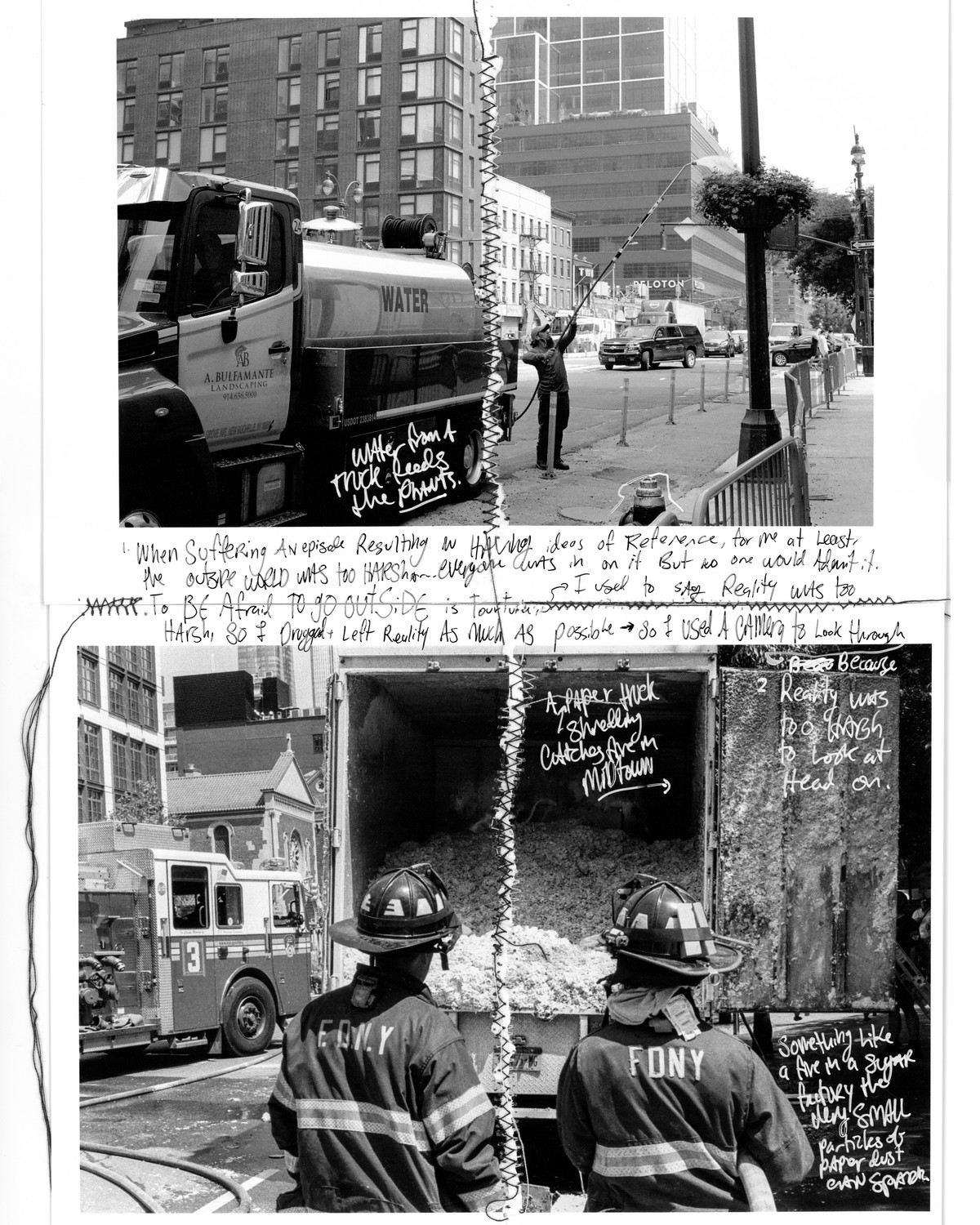
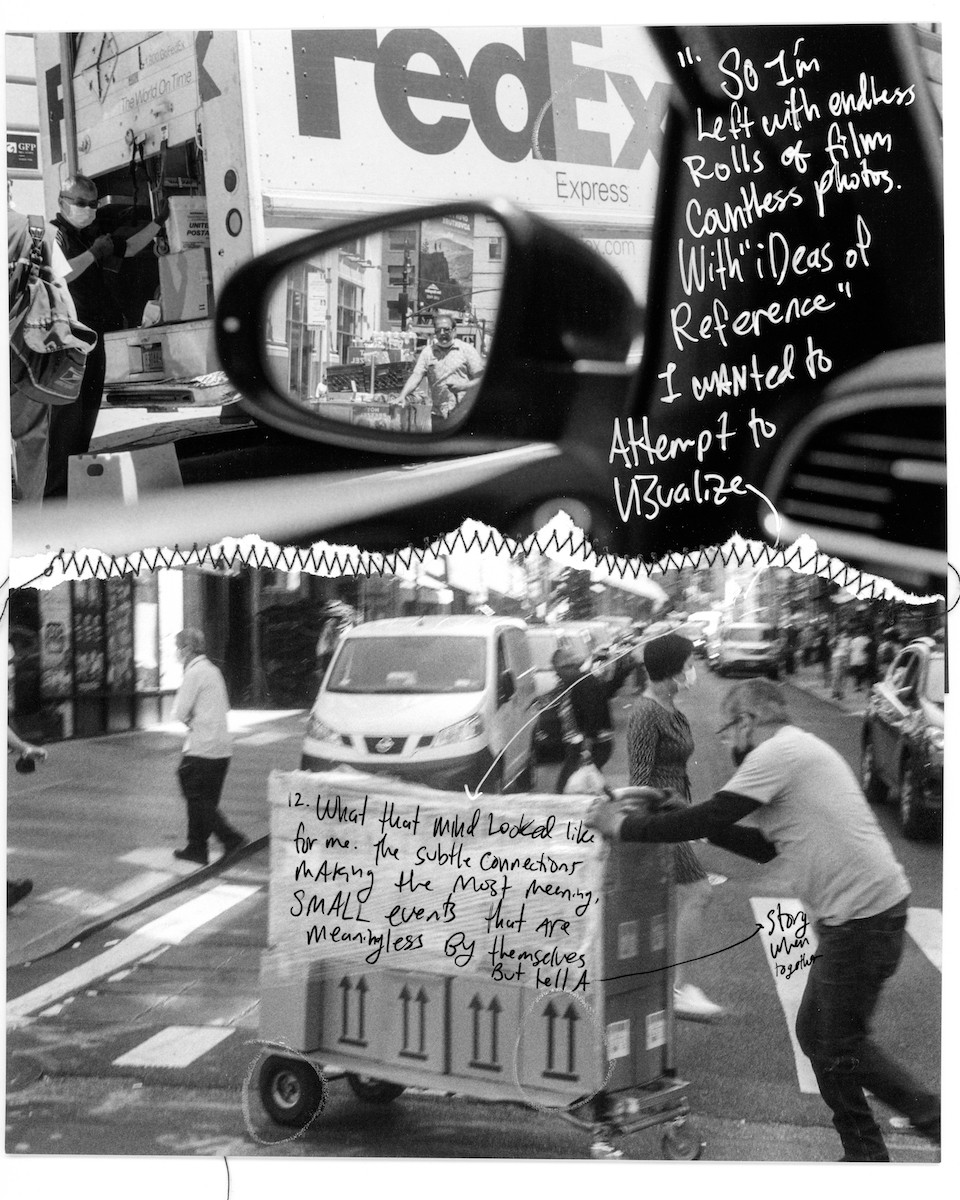
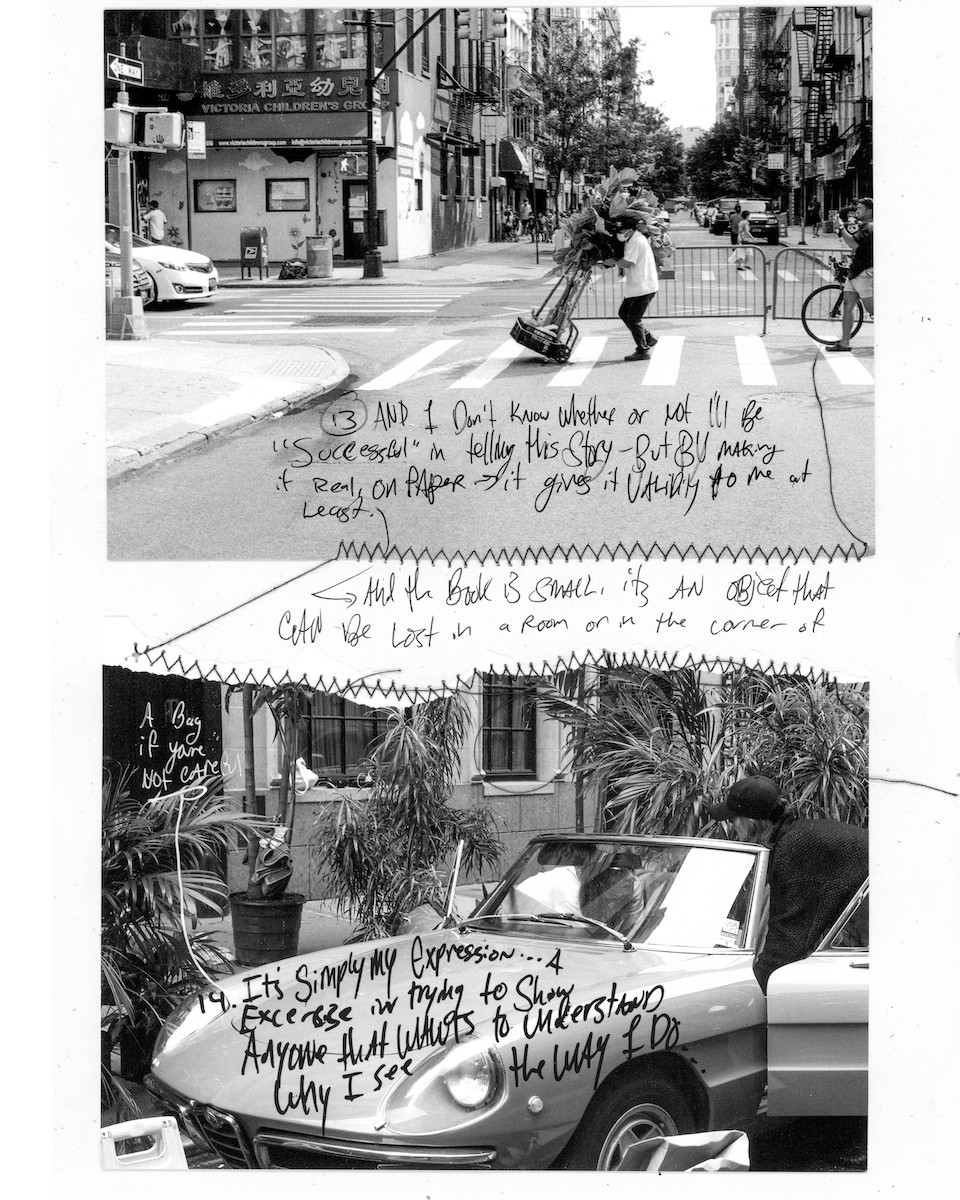
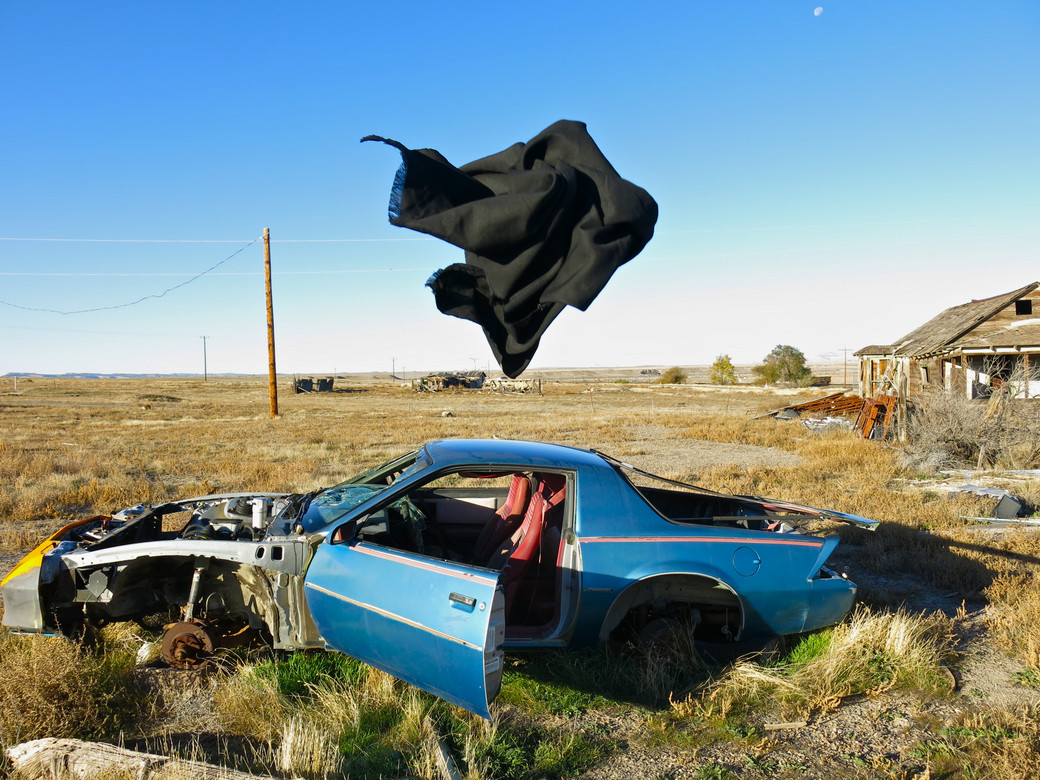
office asked Rovegno to take a different approach to his interview. Instead of having one of our writers speak to him, we asked him to interview himself. The conversation is physically transcribed over a few of Rovegno’s selected photos. It’s a true example of the peace an artist may find only with himself. Rovegno speaks on experiencing the form of fixed delusion called “ideas of reference” and how photography brought control into his world.


Left — When suffering an episode resulting in having ideas of reference, for me at least, the outside world was too harsh… Everyone was in on it but no one would admit it. To be afraid to go outside is torture. I used to say that reality was too harsh, so I drugged and left reality as much as possible. So I used a camera to look through because reality was too harsh to look at head-on.
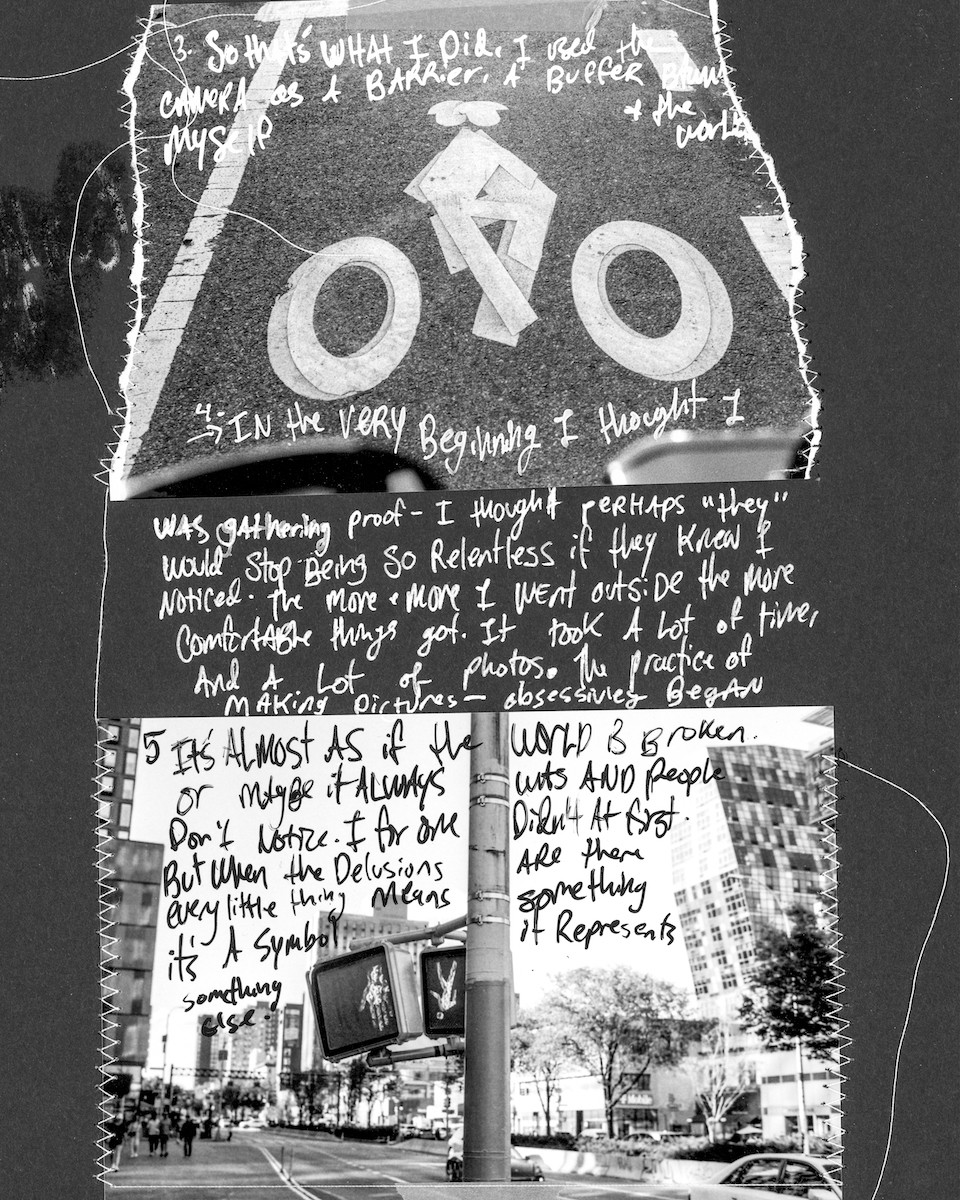
Right — So that’s what I did, I used the camera as a barrier, a buffer between myself and the world. In the very beginning, I thought I was gathering proof—I thought perhaps “they” would stop being so relentless if they knew I noticed. The more and more I went outside the more comfortable things got. It took a lot of time and a lot of photos. The practice of making pictures—obsessively—began. It’s almost as if the world is broken. Or maybe it always was and people don’t notice. I for one didn’t at first but when the delusions are there. Every little thing means something. It’s a symbol. It represents something else.

Above — To acknowledge it’s broken and accept it cannot be fixed or maybe it’s my thinking that’s broken. It’s not like I could be talked out of these ideas… Slowly…very slowly, the obsession with the outside, the inconsistencies, the paranoia, were able to take place behind the camera, while viewing this world I made for myself. Since then…4 years ago, also 5 years ago, also two years ago, I compulsively photographed the world around me, the small inconsistencies, the strange or out of place whatever it was.


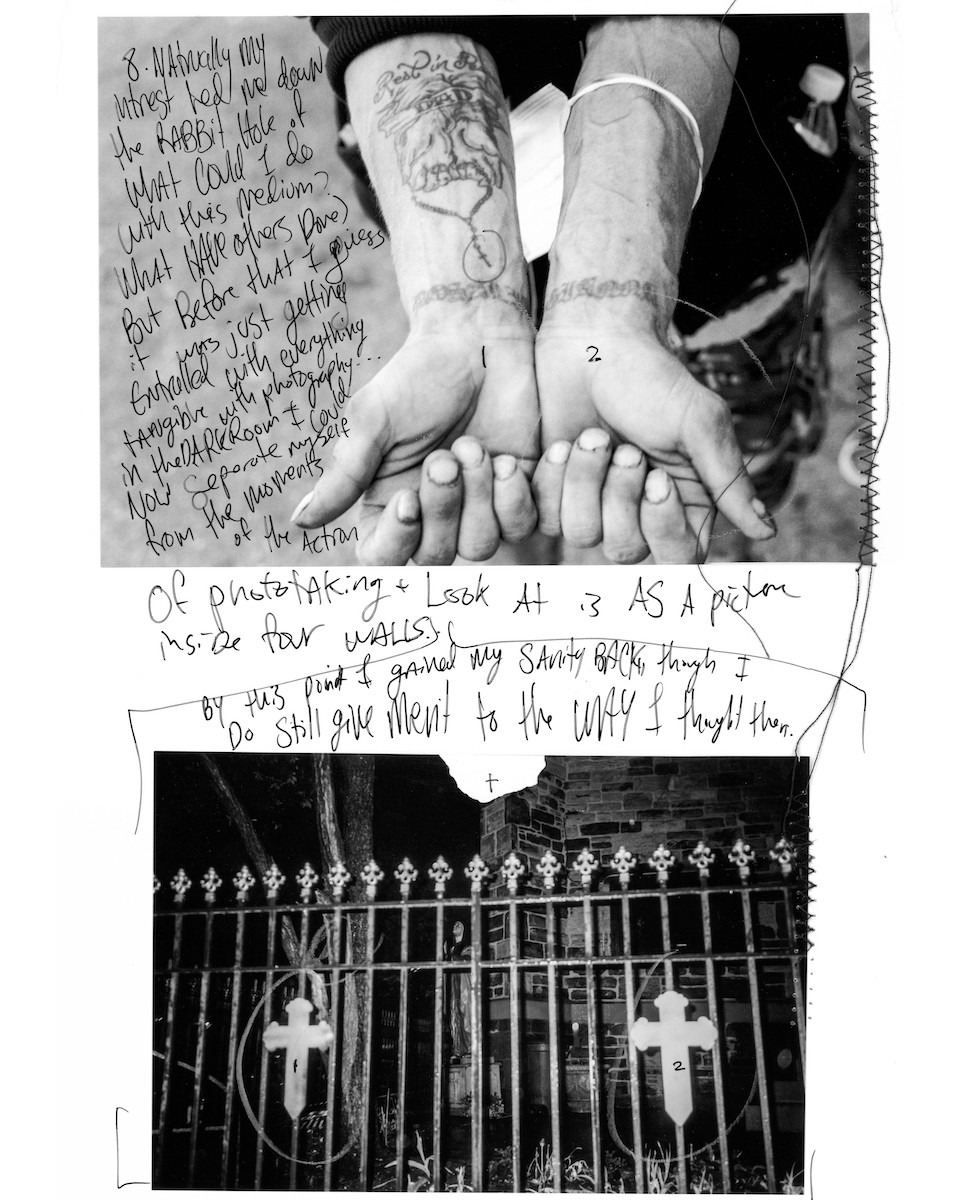
Left — Naturally, my interest led me down the rabbit hole of, “What could I do with this medium?” What have others done? But before that, I guess it was just getting enthralled with everything tangible with photography… in the darkroom I could now separate myself from the moments of the action of photo taking and look at it as a picture inside four walls. By this point, I gained my sanity back, though I do still give merit to the way I thought then.
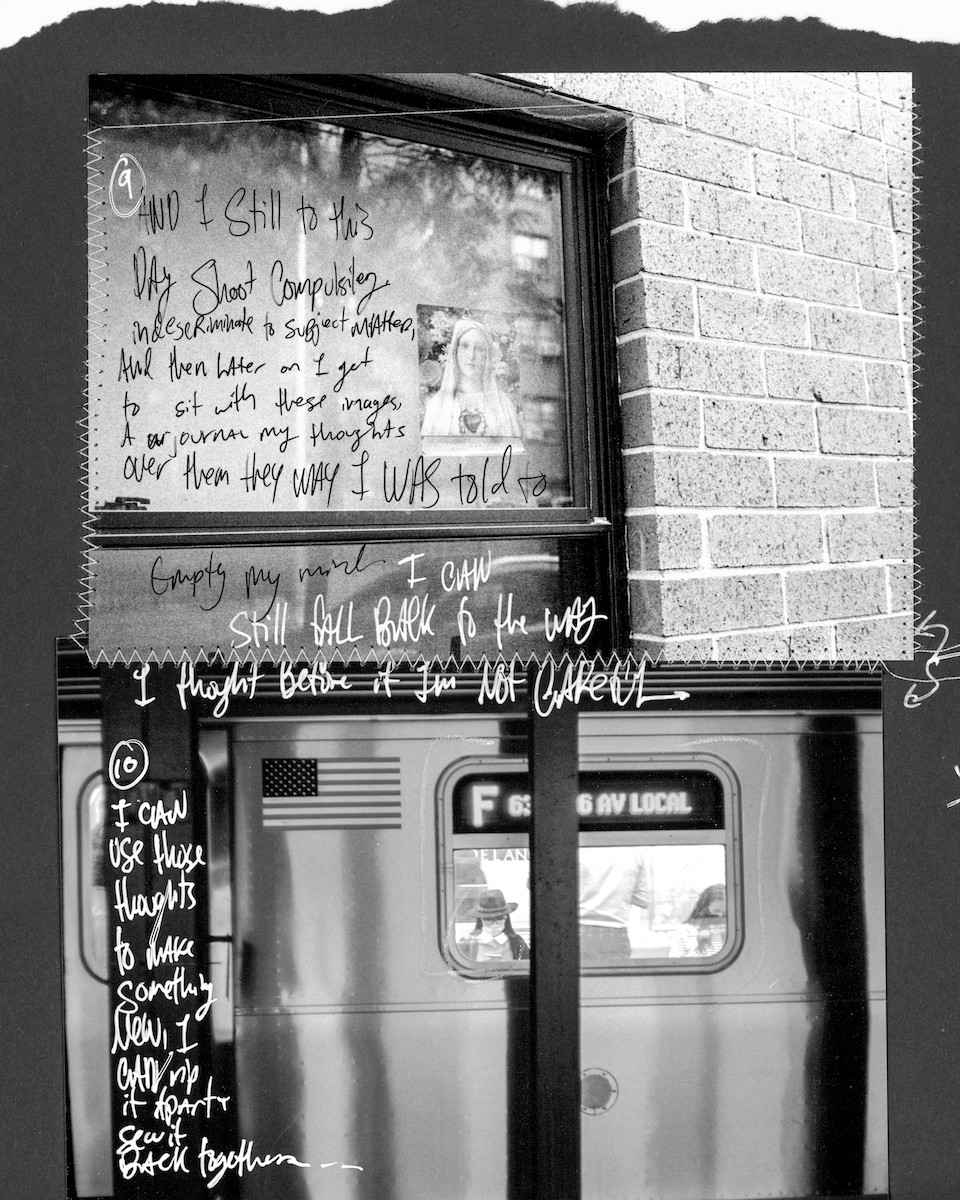
Right — And I still to this day shoot compulsively, indiscriminate to subject matter, and then later on I get to sit with these images, I journal my thoughts over them the way I was told to empty my mind. I can still fall back to the way I thought before it I’m not careful. I can use those thoughts to make something new, I can rip it apart and sew it back together.


Left — So I’m left with endless rolls of film, countless photos. With “Ideas of Reference” I wanted to attempt to visualize what that mind looked like for me. The subtle connections make the most meaning. Small events that are meaningless by themselves but tell a story when together.
Right — And I don’t know whether or not I’ll be “successful” in telling this story—but by making it real on paper, it gives it validity to me at least. And the book is small, it’s an object that can be lost in a room or in the corner of a bag if you’re not careful. It’s simply an expression… an exercise in trying to show anyone that wants to understand why I see the way I do.

Above — My small world, out of a slice of our big world. Limited by my own perspective but aware that I’ve seen the world in ways many do not get the chance to.
Joe Ro, 2022.
The "Ideas of Reference" book can be purchased here.

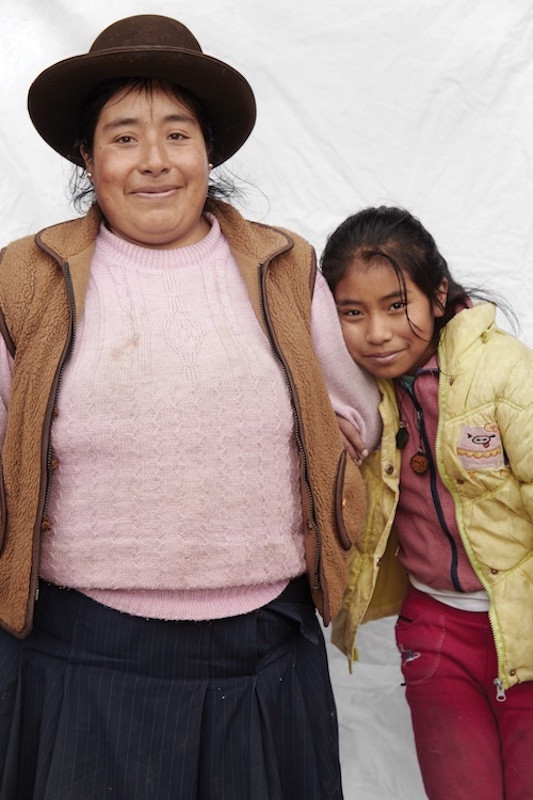
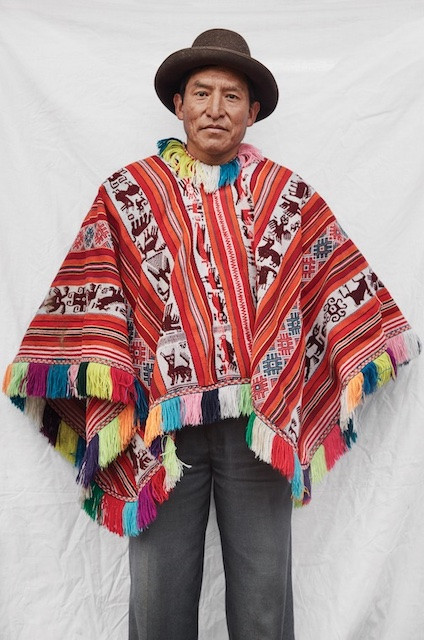
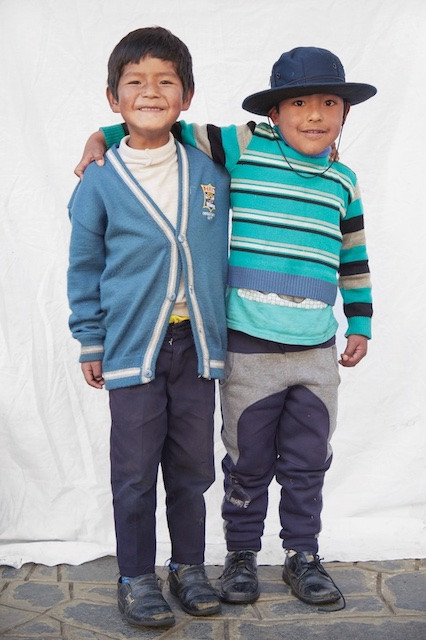
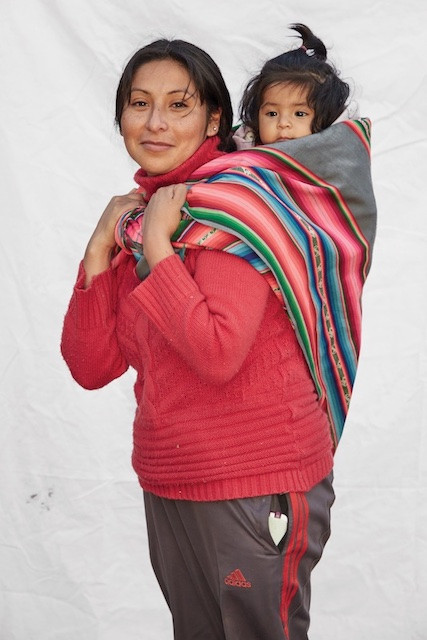
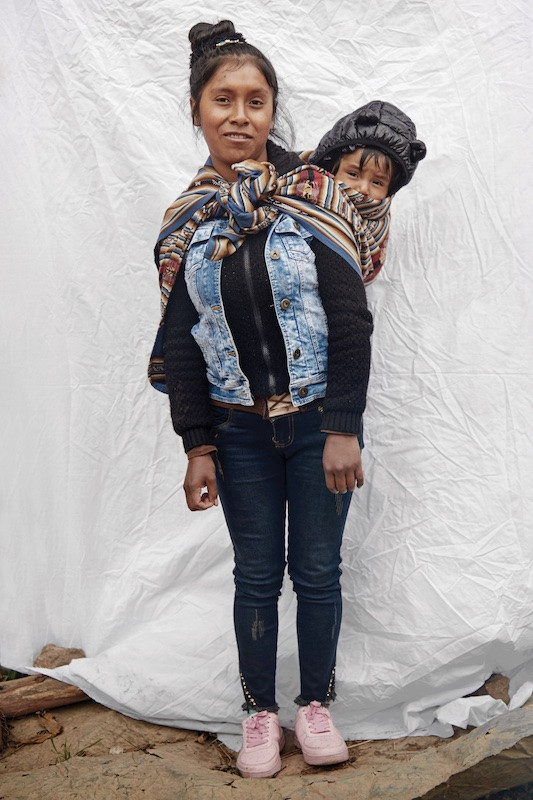
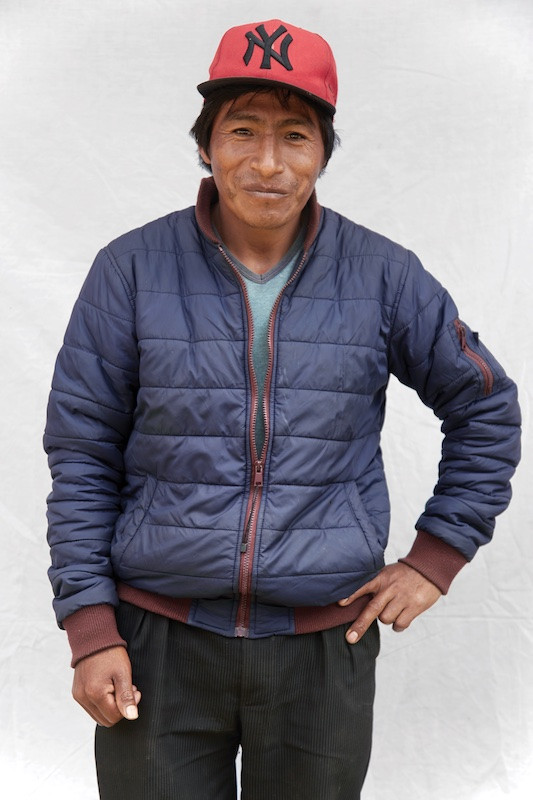
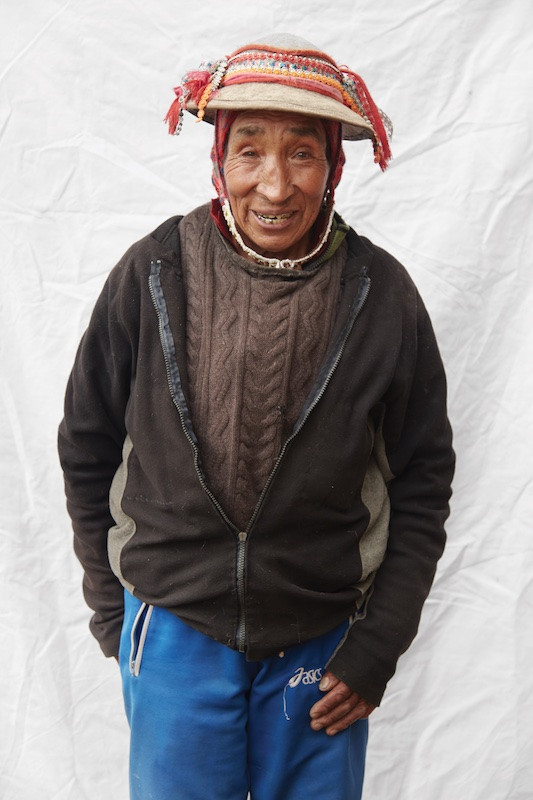
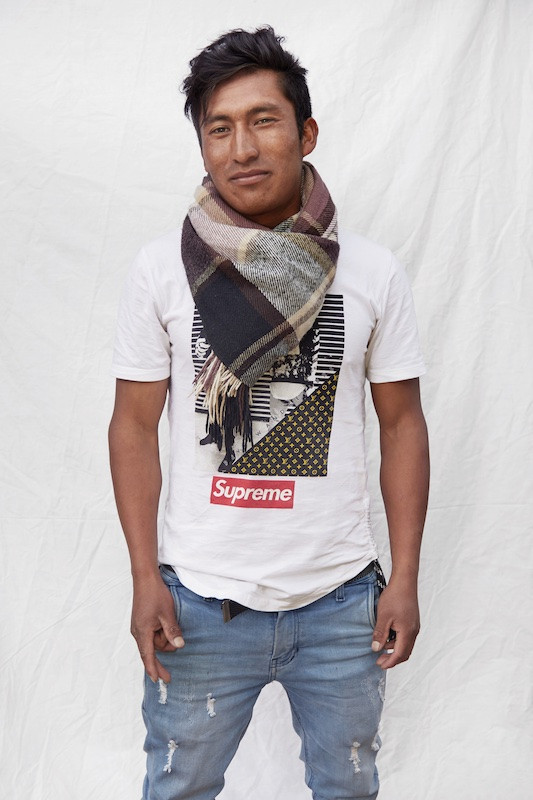
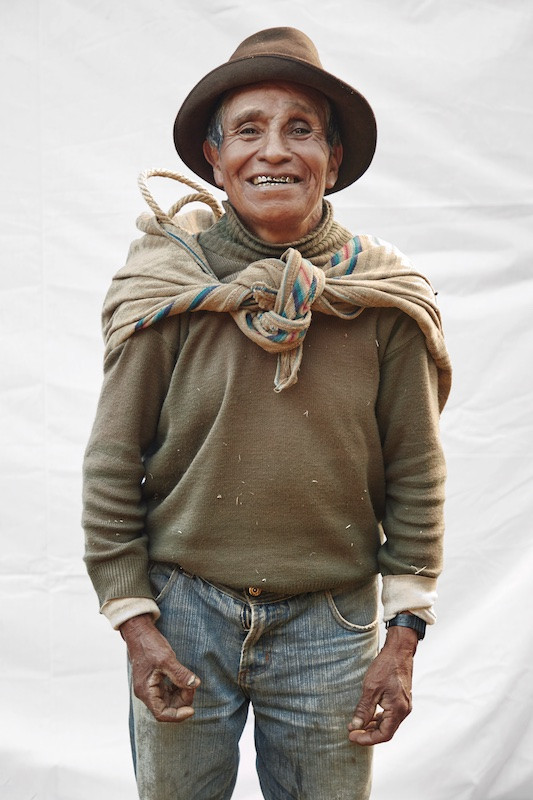
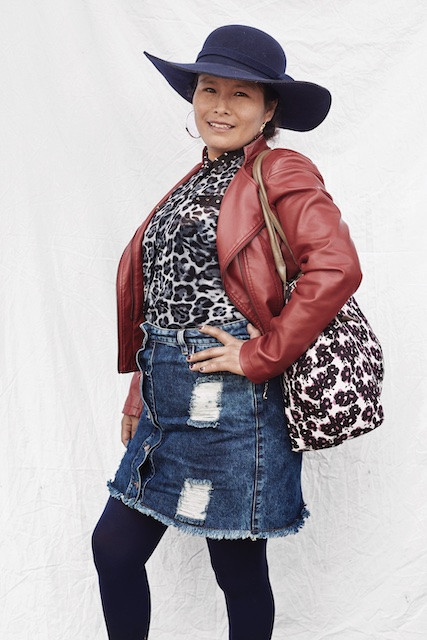
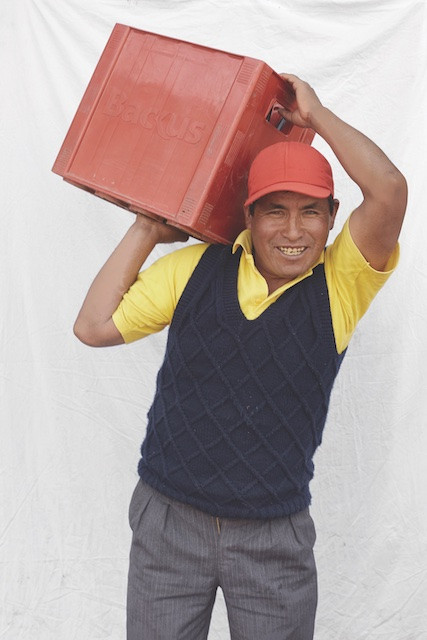
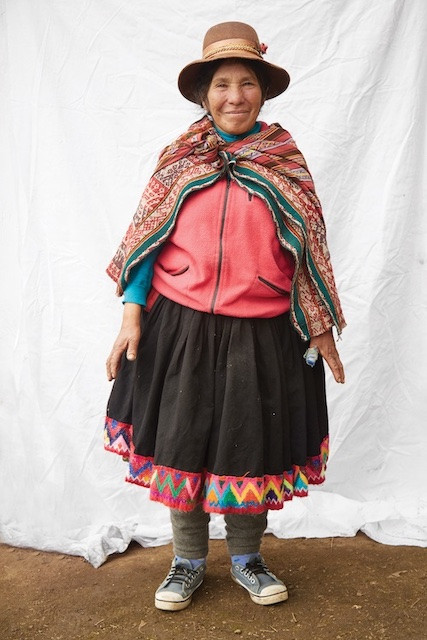
Bentín's first photobook, published by Rizzoli, depicts Cusco locals against their built environment, to reinforce an understanding of Los Andinos as they coincide with modernity and to remove the romantic versions of indigenous people pictured against their landscape and devoid of social context.
Adding another layer to his portrayals, Bentín collaborated with anthropologist Francesco D’Angelo to build a socio-anthropological photographic study offering commentary on the spatial modernity, social hierarchies and struggles against the idealized depiction of indigenous people.
Each image is accompanied by observations of nearby community members to guide readers through individual expression, and cultural modes of recognition. The paired images and commentary serve to articulate modernity in Andean society, creating new language and access points to go beyond documentation and bring life to representations of indigenous people.
Inspired by the popularity of Humans of New York, Bentín saw the resonance of connecting people across physical space. Focusing on commentary around ways of dressing, types of work, and occasions, Bentín creates universal touchstones to build recognition between readers and the subject of his images.
Read Bentín’s own observations in our interview below.
What does the publication of this book mean to you?
I started working on this project right after I left high school in Lima, Perú, and as I was moving to New York City to study photography. I really had no idea what I was doing, but my curiosity and determination to understand the realities of my country firsthand kept me going. Initially, this was only meant to be my thesis for The School of Visual Arts, but as the project moved forward, I started dreaming about the possibility of making it a book. Never in my wildest dreams did I imagine we would end up working with one of the most important editorials in the world, Rizzoli New York, and publish their first book on Peru by their first Peruvian author and one of their youngest authors ever published. I am beyond grateful for the trust that everyone at Rizzoli had on this project and me, especially my editor Martynka and our publisher Charles Miers.
Tell me a bit about the process of working with Francesco D'Angelo. How did that shape your work?
Francesco and I have known each other for a very long time, our families have always been close, but we had never worked together before. After my initial experience in the Andes in 2016, I had thousands of questions, crazy ideas in mind, and a lot of energy, so my first thought was to speak with Francesco. At the time, Francesco was living in a community in Maras, Cusco, as the anthropologist for a restaurant that was opening nearby. He helped me settle on the first community I visited, Kaccllaracay, and we spoke about many of the ideas from the project. Francesco became officially involved in 2019, after I had spent many months living with and photographing the Andes, when I started to question how we could use these portraits to create a dialogue between Andinos.
Using the portraits I had taken during my travels, Francesco devised the methodology to interview neighbors from nearby communities about who they thought the people photographed were, where they thought they lived, and what they thought they did for work, among other questions. By doing so, we meant to break through the stereotypes often associated with Andinos and see how the people themselves see each other based on the perspectives of local people about other Andinos.
Through these captions, we are able to see how Cusqueños relate the traditional, to the rural, and the modern to the urban; progress and modernity are understood as the distance a person stands from the “dirt.” One can see this interplay in the interviews with local Andinos, as they note the dichotomy between themes such as: open shoes versus closed shoes, high altitude versus low altitude, uneducated versus educated, and agricultural versus nonagricultural. At the same time, symbols of modernity stand out to people, such as a laptop representing a good education, a paid job, and a home in the city. These interviews show the complexity of defining modernity in simple terms, as well as the social logic at play in local Andean perspectives.


What feeling or understanding do you aim to convey to readers of this book?
One of the main purposes of this project, even before the possibility of a publication existed, was to help demystify Peruvian culture. Many of us who are not familiar with the realities surrounding the Andean society of Cusco view them through a problematic dichotomy. On the one hand, “The Perfect Postcard” shows the Andes as a magical, lost-in-time place, and the Andinos as pure and almost magical people who are a static version of old folkloric tales. On the other hand, in “The Image of the Poor,” we can observe an insensitive and antiquated postcolonial narrative elaborated by the people of the capital to project a sense of superiority over those who did not inhabit the economic center of the country. With the publication of this book I hope to bring awareness to the realities of the Andean Society of Cusco and to compel the reader to get to know the campesinos, so often looked at through Western perspective as “others.”
How does your photography convey both tradition and modernity, do you feel they are at odds in your work and Peruvian culture?
One of the most fascinating aspects of Andean culture, which I learned during my time living in the rural communities of Cusco, is their ability to assimilate new cultures or ways of thinking into their own. This is mostly visible nowadays through the way Andinos practice religion, the syncretism they have achieved between their traditional beliefs on the earth, mountains, and the sun with the Catholic teachings of Spanish conquistadors blend in a truly remarkable way. From small details, like the Virgin Mary always wearing a triangular robe in the shape of a mountain, to bigger feats like the “Virgen del Carmen” Festival of Paucartambo, where you’ll find masked characters dancing around the town for days on end revering both Christian and pagan beliefs alike.
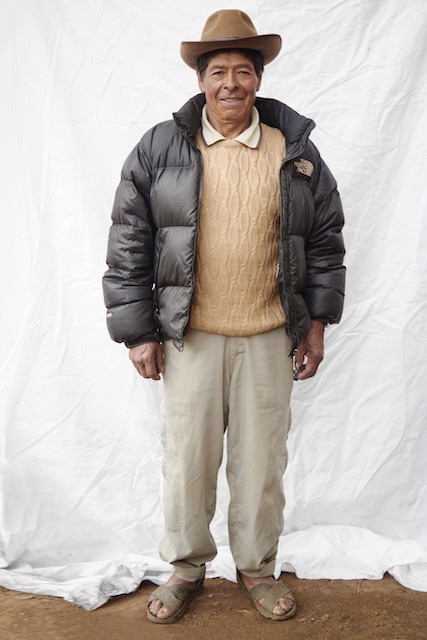
Just like with their religious beliefs, Andinos are seen conveying both modernity and tradition through their clothing, their poses, and their appearance, as a whole on the photographs taken for this project. For example, Lucia, who you see in a beautiful hand sown “pollera”––a traditional Andean skirt––is also wearing what appears to be a pair of Converse sneakers or Eulogio, who is wearing “ojotas,”––traditional Andean sandals––formal pants and a dress shirt is wearing a North Face jacket to keep from the cold instead of a traditional “poncho”. These photographs are meant to fill the gap between what we define as modern or traditional by encouraging individualism to portray the complexity of being a contemporary Cusqueño.


Are there any photographs that have a unique story/significance to you that you'd like to highlight?
Most of the photographs in this publication have a unique story and significance to me. As I thought about how to approach this project back in 2017, I came to the realization that the only way to truly understand Andean culture would be to completely immerse myself in it. To do so, I moved to 5 different rural communities in the Andres, where I lived for about three weeks each. For the first couple of weeks in each community, I wouldn’t take my camera out of its bag at all, the only purpose during those days was to build relationships with the individuals who lived in these communities. From cutting down trees and making firewood to help us keep warm with Luis in Cuyo Grande, to going every Sunday to church and singing “Apu Yaya Jesucristo” to the top of my lungs with Saturnina and her family in Choquecancha, or celebrating Corina’s 5th birthday with Evelyn, Alain, Andrea and the rest of the family in Choquepata, and even drinking Chicha de Jora––a traditional alcoholic drink from the Andes made from fermented corn––with Hipolito and Gabina until sunrise, as we shared stories from our childhoods overlooking the Sacred Valley in San Isidro de Chicon, these experiences are what this book is made of. I have always been someone who loves photographing the people he loves, from family trips to casual meetings with friends, my photography shines the most when there is a relationship behind the camera and in front of it. There is a warmth, a sense of love, and respect in these photographs that were naturally born from the relationships I built with every Andino featured in this project.

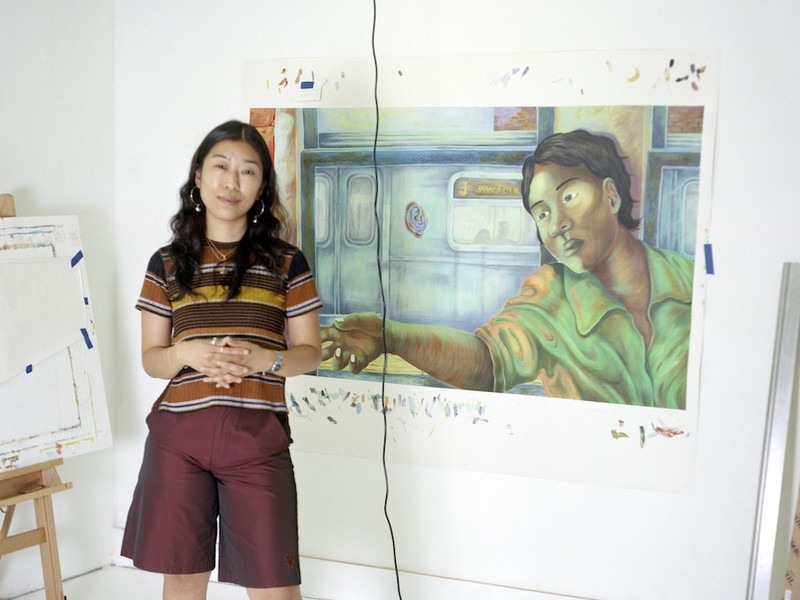
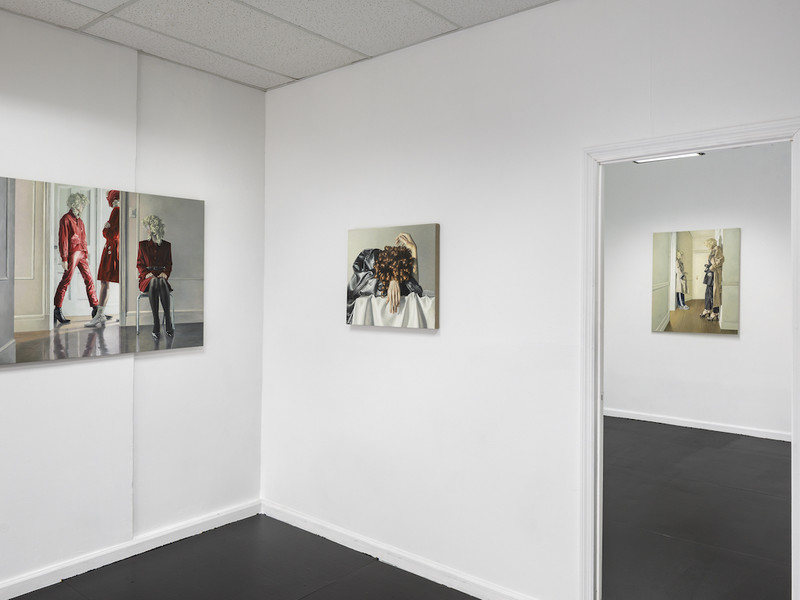
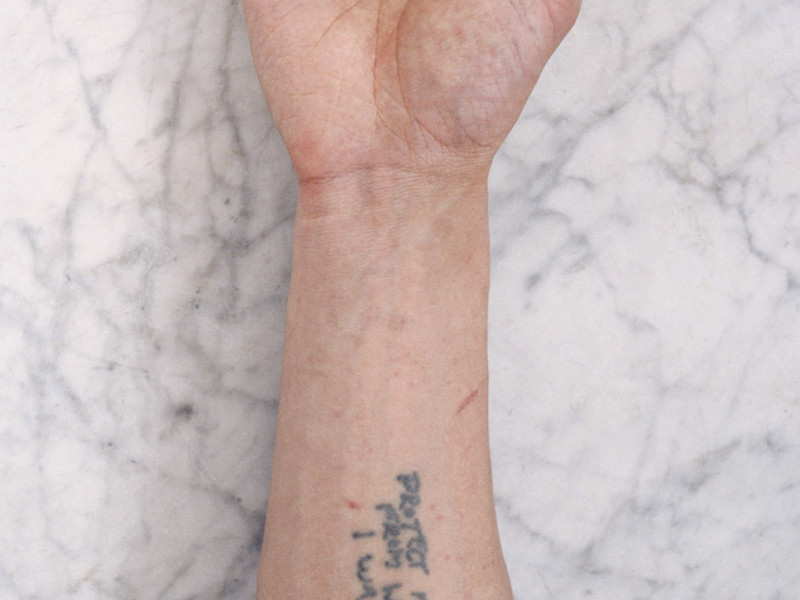
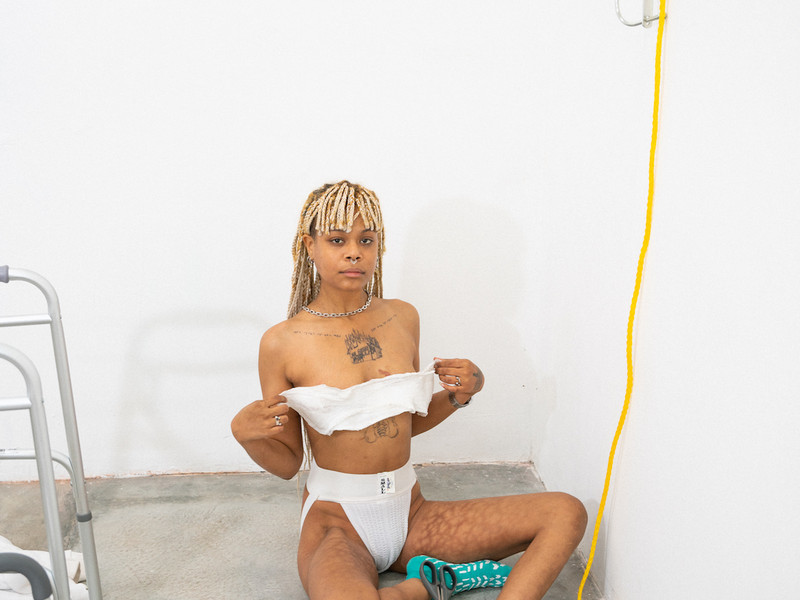
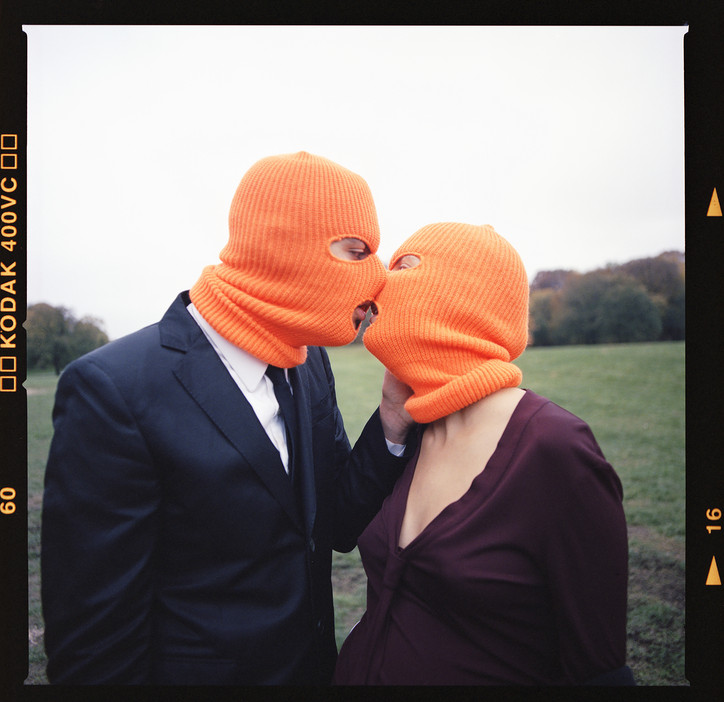
Her Instagram is an extension of her practice, a Cindy Sherman-style pseudo-performance piece that’s equally aggressive and surreal: Taylor, donning a bleached blonde wig and white bikini; standing in the desert in a bodycon and eye patch; deep-throating pickles in Renaissance-style dress. In a recurring series, her long, blonde hair is clipped to the top of her head and her eyebrows have been replaced by small cursive letters reading “eye” and “brow.” Speaking in a British accent, Taylor stares at the camera and repeats, “Are you taking the piss or what?” Of course, Stefan appears in many of these posts, not just as Taylor’s romantic partner, but as a collaborator. And this creative partnership won’t come to a messy, public end. For better, for worse, for richer, for poorer, we now pronounce you husband and wife.

OFFICE—How do you define partnership?
TAYLOR MARIE PRENDERGAST—Two humans coming together to make the haul of life more enjoyable, inspir - ing and encouraging.
O—How do you keep your work and creative practice separate, and/or connected?
STEFAN ROBERT MEIER—We have our own studios in the same building, same floor. We dislike separation.
O—Do you critique each other’s work?
TMP—Yes, all the time. Stefan gets upset when I give him crits. I, on the other hand, love it. Chew me up. Spit me out.
O—How did you guys meet?
TMP—We met through Jason Al-taan at David LaCha - pelle’s Studio. It was a Lana Del Rey shoot and Stefan was drawing at a table staring directly at me for a long time.
O—Who crushed first?
BOTH—Stefan.
O—What was the first thing you noticed about each other?
TMP—His big white teeth.
SRM—Her ball-shaped head.
O—Who asked who out?
TMP—Stefan asked me out, and it took him a year to get me to say yes.


O—When did you realize you were in love?
TMP—We had been friends for a year. One day, he put on one of my dresses and was walking around pretending to be on a serious business call. I laughed so hard and found it shockingly handsome, and realized in that moment that he was the man I wanted to spend my life with. So, I kissed him for the first time that night.
SRM—Falling in love with Taylor for me was a grad - ual process. I was very attracted to her physically and mentally from the moment we met. We spent a lot of time together and that attraction grew into something that I knew was more permanent. It was something very natural – true love.
O—What are your rituals when it comes to work? To your partnership?
SRM—Taylor warms up in the studio with 45 minutes of left-handed drawing.
TMP—Stefan goes to the studio every day around 11AM after drinking large quantities of coffee.
BOTH—We watch shows and pull pranks on each other —studio time takes up most of the weekdays. We have to go on an adventure once a week.
O—What makes you feel most inspired?
TMP—Looking at other artists who have a similar visual language, visiting museums and traveling. Right now, Joyce Pensato is my biggest inspiration. Making a piece of work that hits right makes me feel defiant.
O—Where would you like to be touched more often?
TMP—My feet. SRM—Not my face.
O—Do you consider yourself a WEB3 couple?
SRM—Working on it! The Heart Project has been a really exciting venture in our relationship. Stay tuned for something in the near future with Taylor’s dogs in the Metaverse!
O—What do you want to make people feel?
TMP—Empathy, confidence, strength.
O—What bothers you about Taylor?
TMP—How often she changes the sheets.
O—What is your favorite quality about her?
SRM—Taylor is actually the funniest person I’ve ever met. She is very caring and considerate. She is an actual genius and we have great conversations about art and life. Her laugh is my favorite thing about her. She laughs a lot – I love that.
O—What bothers you about Stefan?
SRM—His driving.
O—What is your favorite quality about him?
TMP—I love his sense of humor, how much we are able to laugh together, his smell, his dance moves, his big genuine smile, how supportive he is... Stefan is a wonderful listener, he is so considerate and wants me to truly feel taken care of, loved and admired. And I love how much we are able to talk, his passion for art, history and the world. He just never gets old! Every morning I wake up and look at him and thank god I get to spend another day with my best friend.
O—How do you express your anger?
TMP—I usually talk about the issue with friends, but recently, I kick walls.
O—Who is the alpha in the relationship?
BOTH—We go back and forth.
O—What’s something you used to believe about relation- ships, but no longer do?
TMP—That all men cheat.
SRM—That all women poo.
O—What color best matches Taylor’s personality? Stefan’s? SRM—Yellow.
TMP—Clear.
O—How would you describe your relationship?
SRM—We are a team and our relationship is built on elevating each other and helping each other achieve our dreams. Taylor has been a guiding force in my life since we met.


O—Are you planning on having kids?
BOTH—Not right now. We are enjoying our freedom together.
O—What song reminds you of each other?
BOTH— “I’m On Fire” by Bruce Springsteen.
O—Most important item in the bedroom—material or metaphorical?
TMP—His hands.
SRM— Taylor.
O—If you could have any musician write a love song for you, who would it be?
BOTH—SOPHIE.

O—What is the sexiest smell? Taste? Texture?
TMP— Linseed, burrata, linen.
SRM—Smell: Taylor. Taste: a San Diego burrito. Texture: slime.
O—What's your fantasy?
SRM—Standing in a glass box high in the sky holding hands in a fart bomb cloud while we are contemplating the mysteries of the universe.
TMP—I hope we die at the exact same time holding hands. In a fart cloud.
O—Taylor, Do you take Stefan to be your lawfully wedded husband?
TMP—I DO.
O—Stefan, do you take Taylor to be your lawfully wedded wife?
SRM—I DO.