PRESENTE CONTINUO: the intimate ties between then&now

Starting May 30, PRESENTE CONTINUO will be available to purchase on presentecontinuo.com, cpcompany.com, and at the C.P. Company flagship store in Milan, Corso Matteotti 7.
Stay informed on our latest news!

Starting May 30, PRESENTE CONTINUO will be available to purchase on presentecontinuo.com, cpcompany.com, and at the C.P. Company flagship store in Milan, Corso Matteotti 7.

When the cancer consumed Gretchen Bender at the tender age of 53, the art world had already forgotten her name. She died in relative anonymity: void of the recognition she truly deserved.
Fifteen years passed, and Red Bull Arts New York presents Gretchen Bender: So Much Deathless, an extensive, thoroughly researched, and venerated retrospective exhibit. Opened on March 6, until July 28—though it will close too soon, it is still not too late to visit.
I came three times. Not only because there was so much content to consume, but because to truly digest the body of work, you must have an engaged mind. Bender comes from the "Pictures Generation", an era of appropriating the alarming amount of image being fed to Americans through visual media: through television. As the women of the 1980s entered the work force, female identified artists were continuing the conversation beyond.
Bender’s work explores inequality. As social beings, it is difficult for consciously alive individuals to ignore such ill political tidings. American history is wrought with violence—the Reagan era is so clearly not exempt. It is important to remember: just because war is not in your backyard, does not mean that your government is not participating in it, or profiting off of it. This show is titled So Much Deathless as an homage Bender’s very last body of work; one that is unrealised due to her very own death. Do bodies that become forgotten indicate their lives have become forsaken?


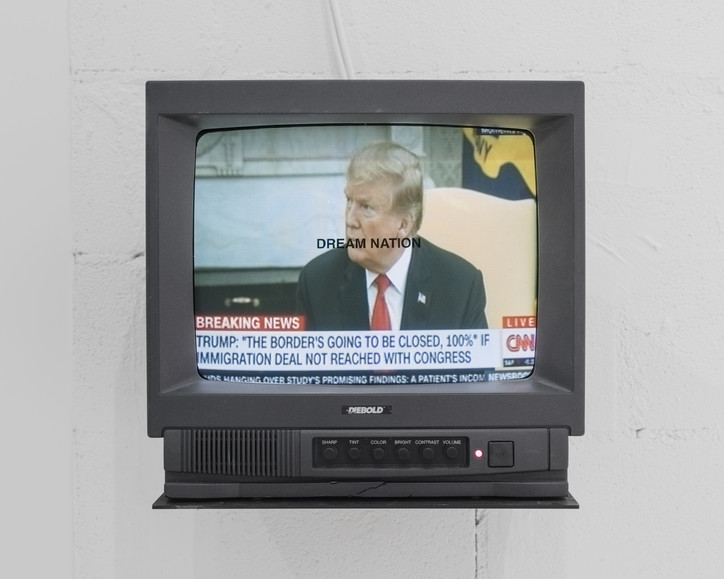
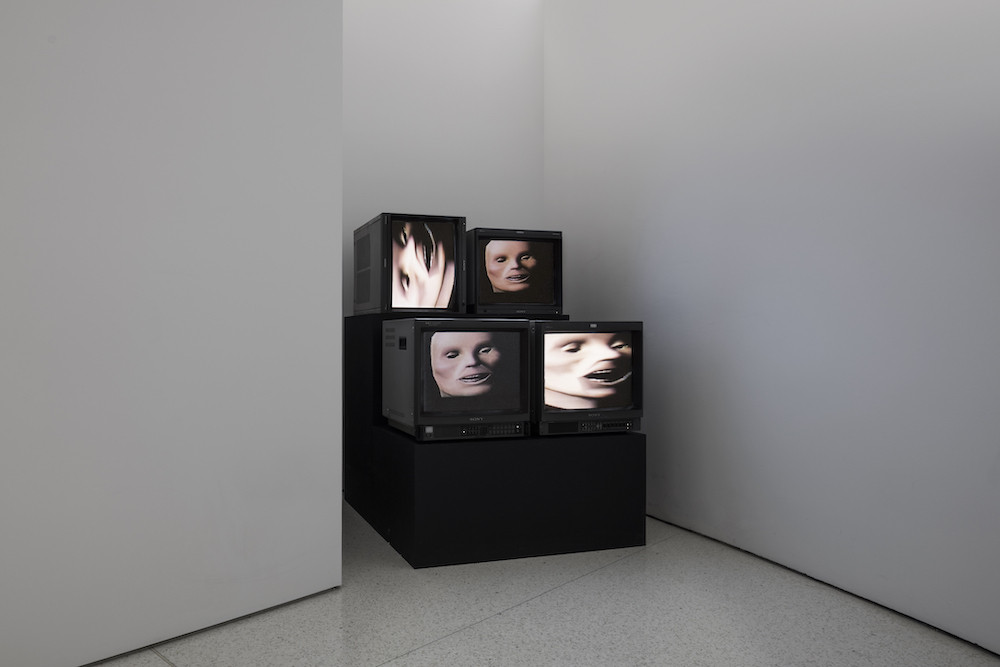
One can not talk about this exhibition without mentioning, Total Recall (1987). Many consider this to be her magnum opus. Running 18.2 minutes long with 11 channels connected to 24 screens, and 3 projections, this video piece is a fully immersive experience. Much of Bender’s work appropriates television: news, commercials, entertainment programs; all designed to brainwash consumers into... consuming!
Total Recall is loud, and bombastic. Capitalism is everywhere; branding is everywhere. It is in your home; it is in your purse; it is in your mind. Audiences figuratively (and physically) sit in the dark where they are most vulnerable. Bender’s screens appear to be the only light within this abyssal visage. It certainly helps when your viewing is informed by a can of Red Bull, glistening at the entrance. To be honest, that artificial boost of energy, actually allowed me to hone my focus, enhancing the experience.
Bender’s work taps into—dare I say—primal fear. To delve into such heavy topics requires immense mental dexterity: emotional stamina. History repeatedly disservices female artists by asking them to display their trauma for carnivorous art buyers; gallerists acting as the butcher. Perhaps, part of Gretchen’s erasure stems from her conscious uprising. She rejects victimhood. Gretchen Bender confronts society with violent truths: the normalization of dehumanization—the economization of individual, and collective, pain. Fear simultaneously feeds off, and fuels, the Freudian death drive. When the artist holds the mirror to our meager faces, oftentimes we shy away.
Curator: Maxwell Wolf, and Associate Curator: Kenta Murakami, breathed life back into Bender’s deathless corpse for a new audience. Now more than ever, these uncomfortable truths hold a deeper truth. Information is viral; and it becks the question: which data holds the most weight? How can we decipher, and delineate? Much of Red Bull’s restorative efforts, include contemporary interpretations, or news reels, reminding us that society never changes. Oppression changes form (rebrands), and releases its radio signals into our psyche once more.


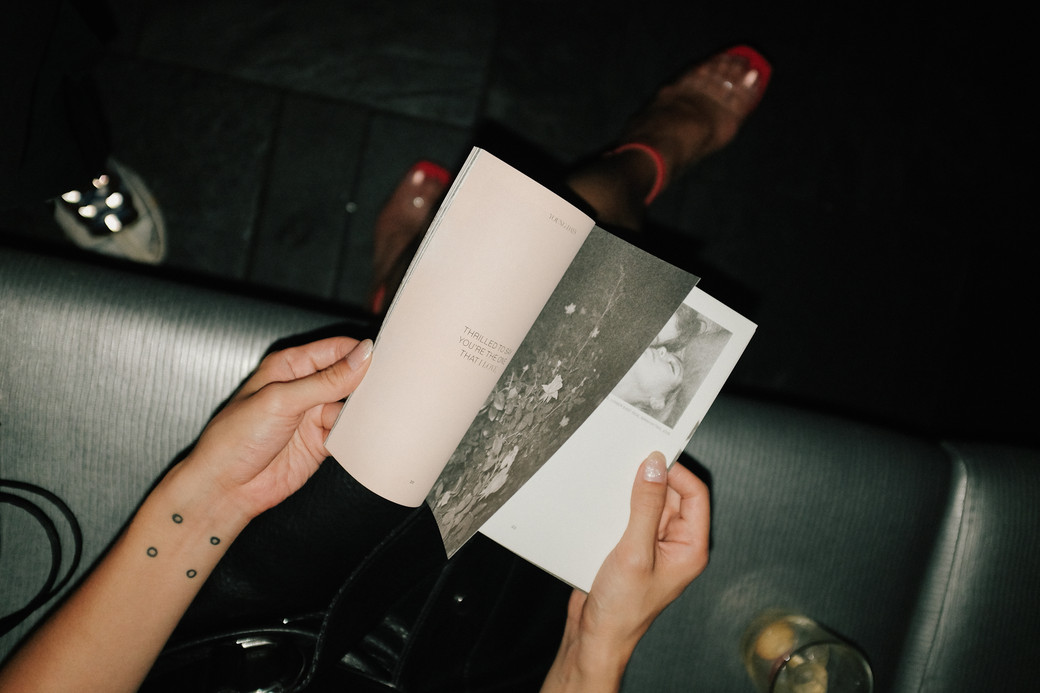
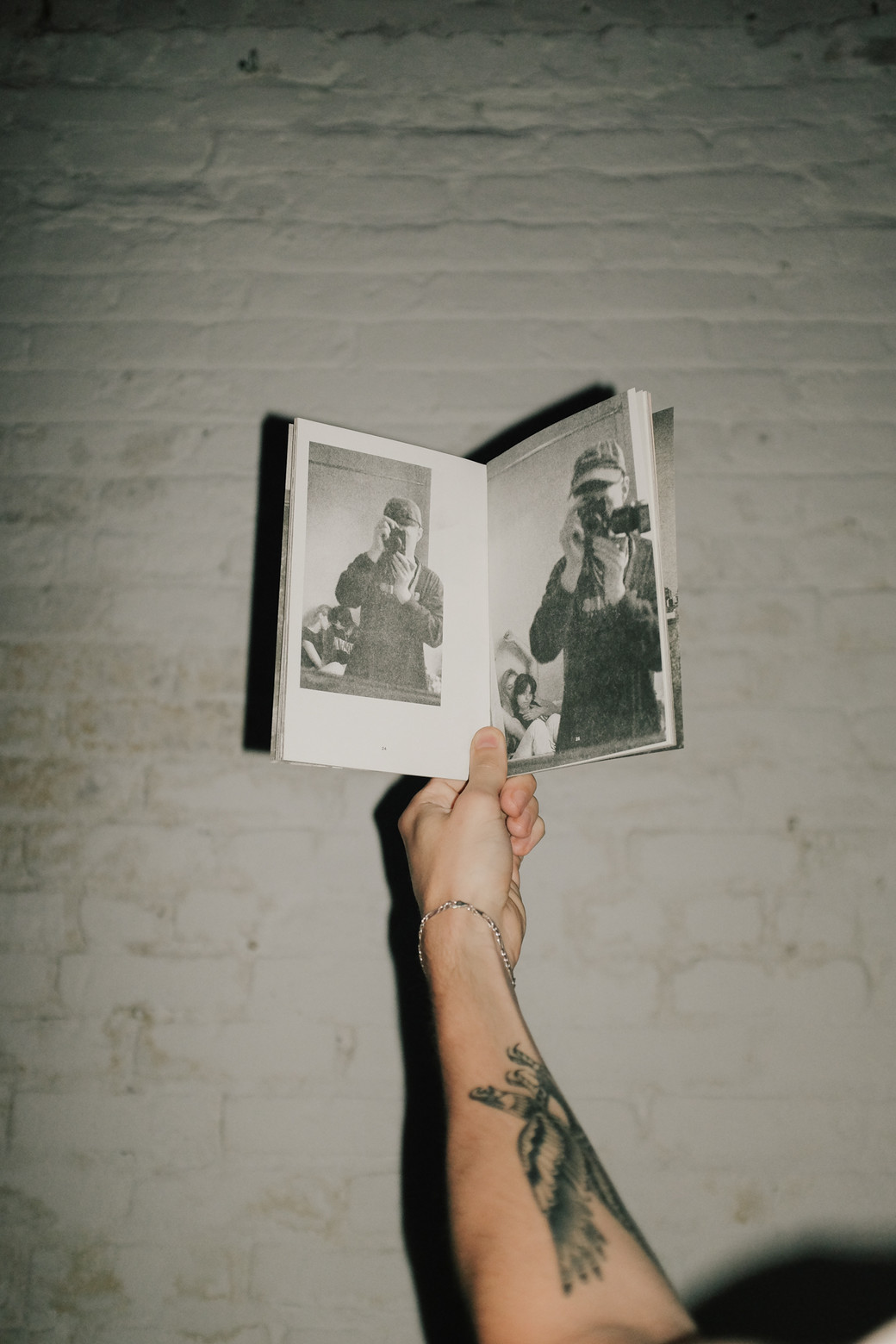
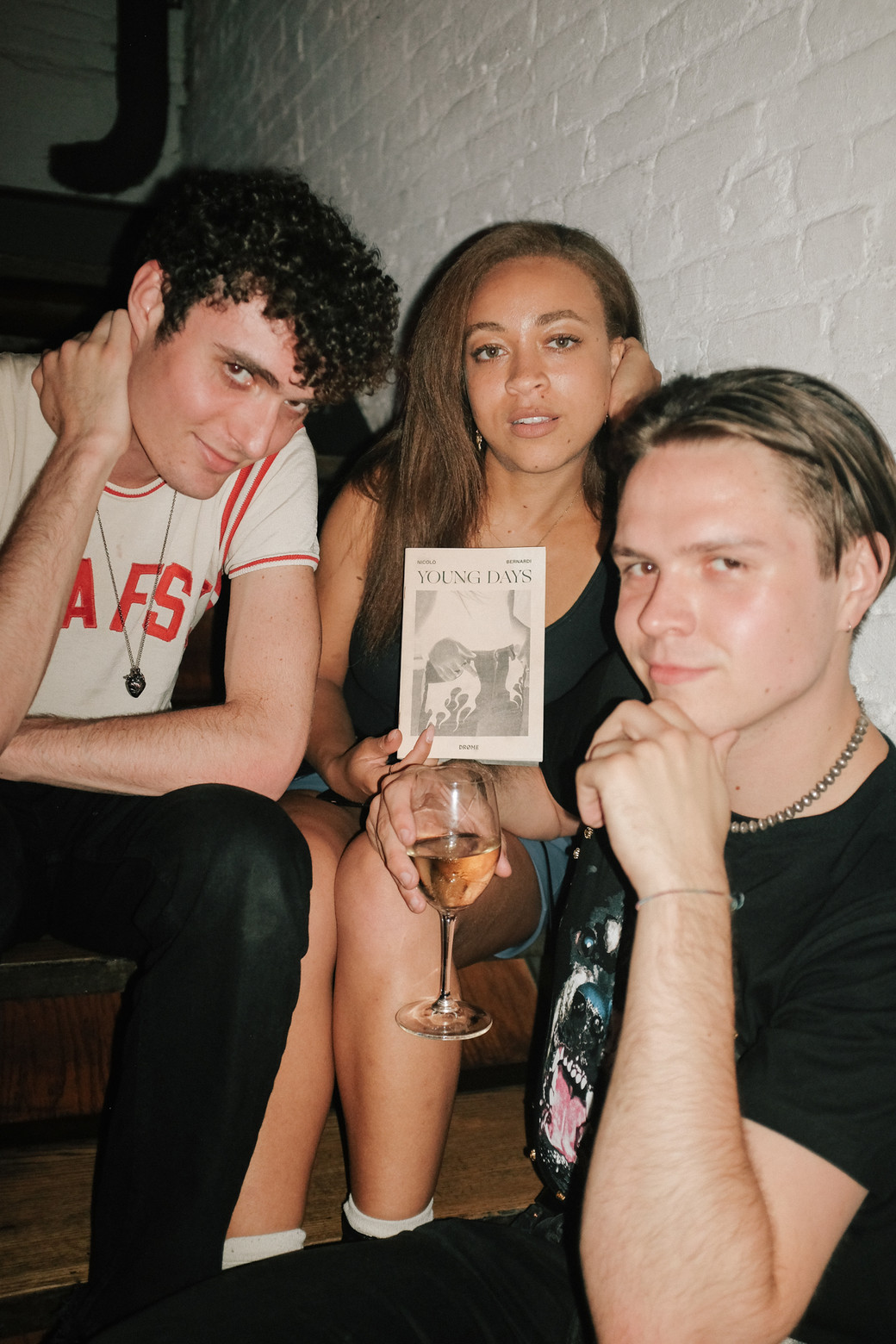
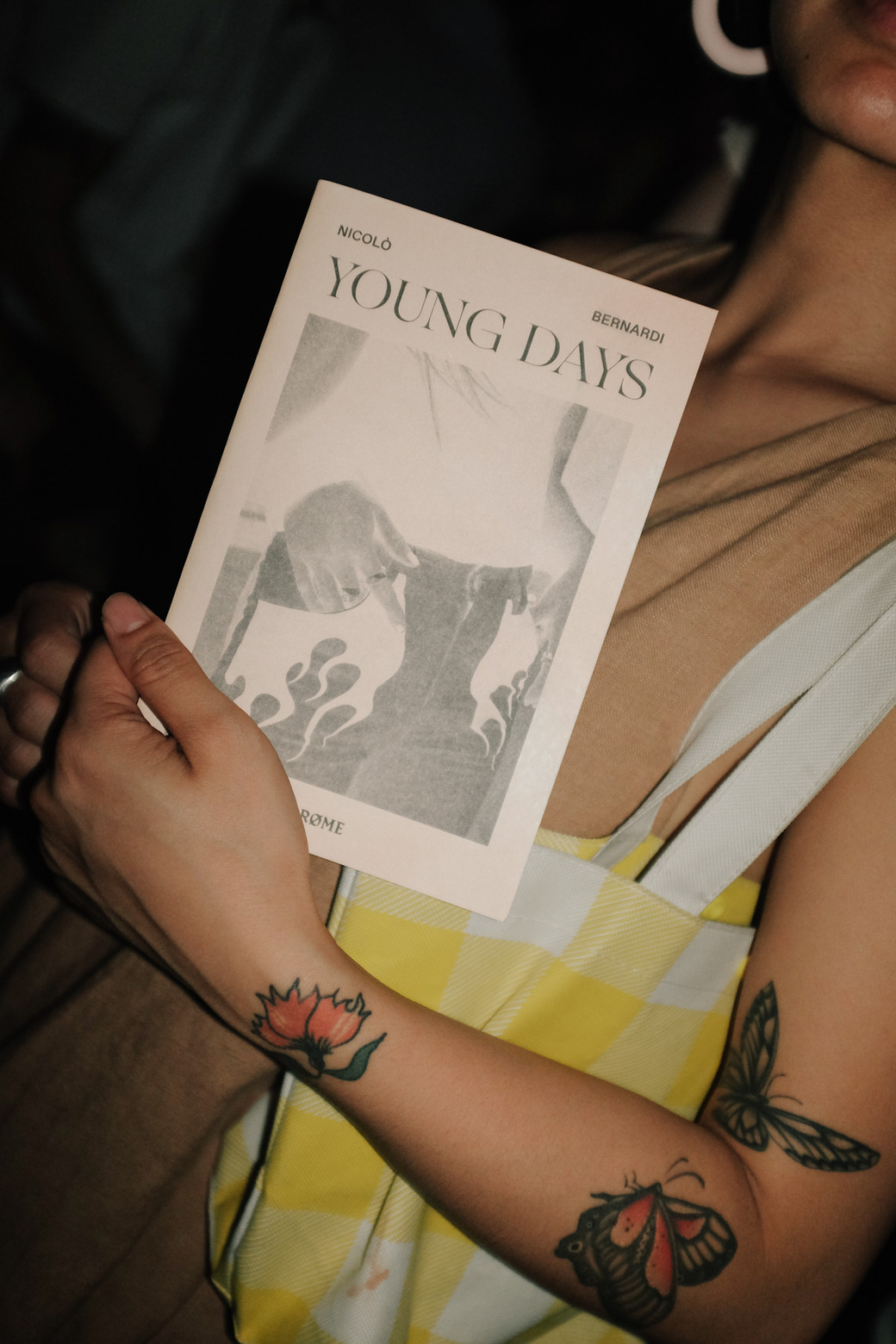
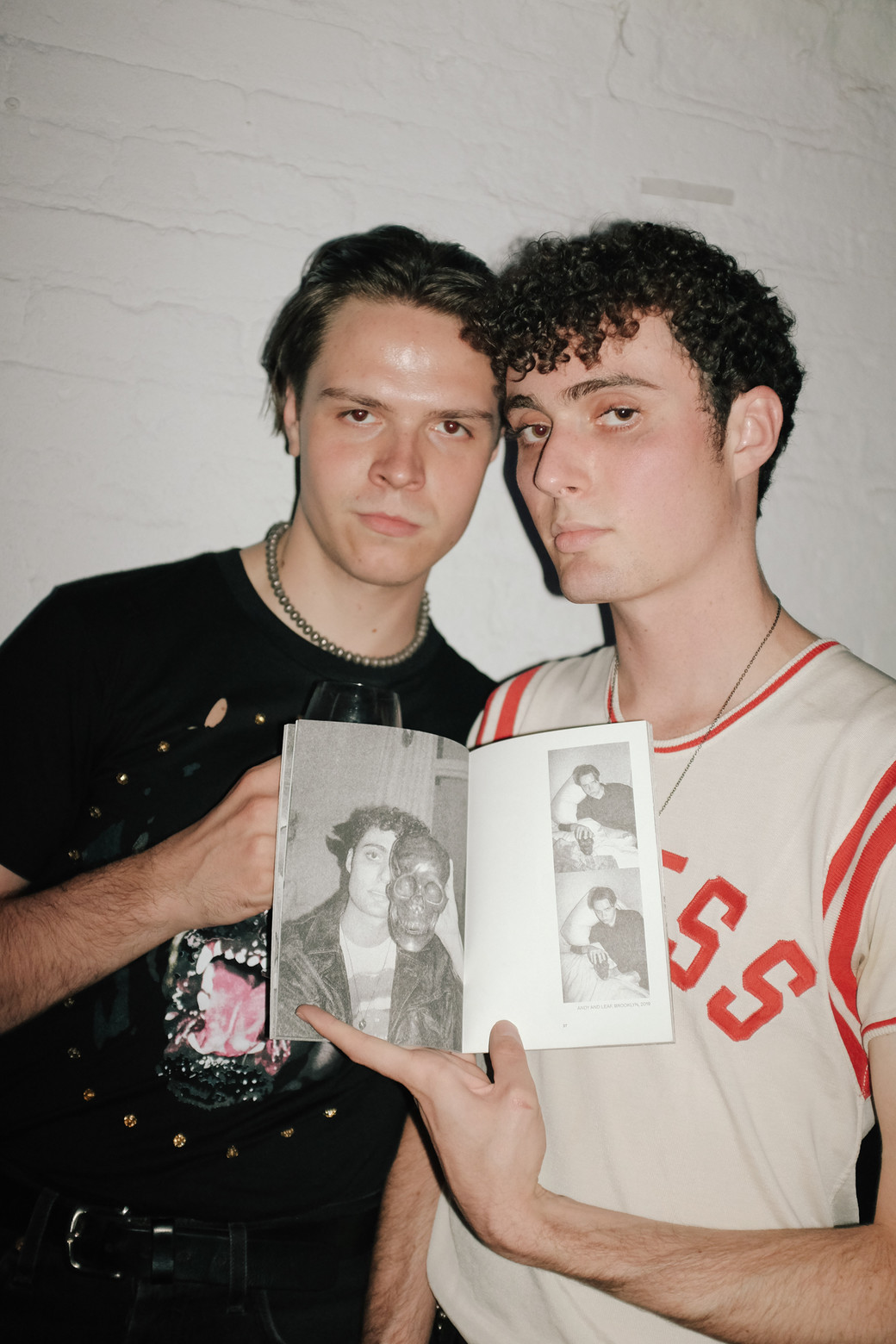
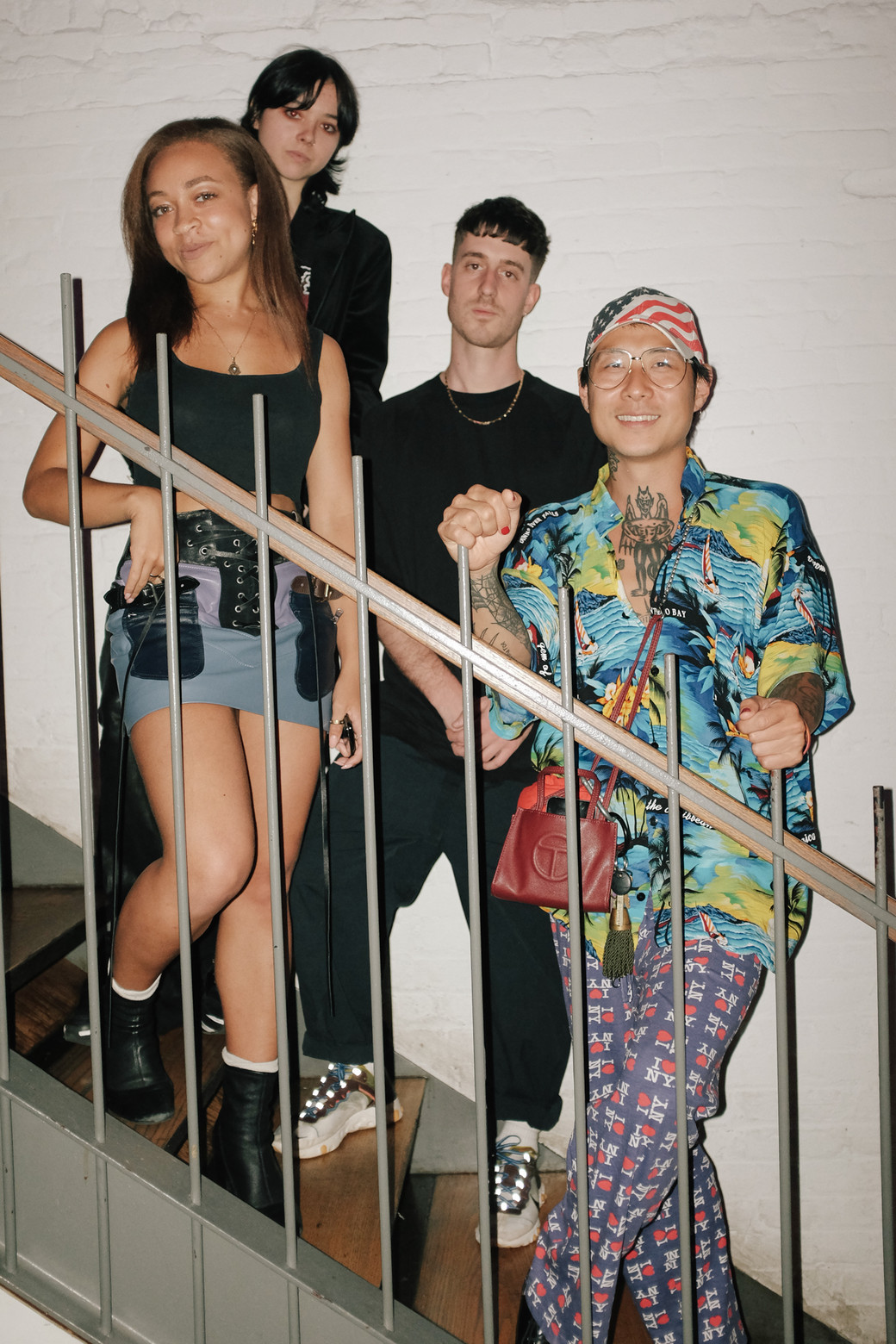
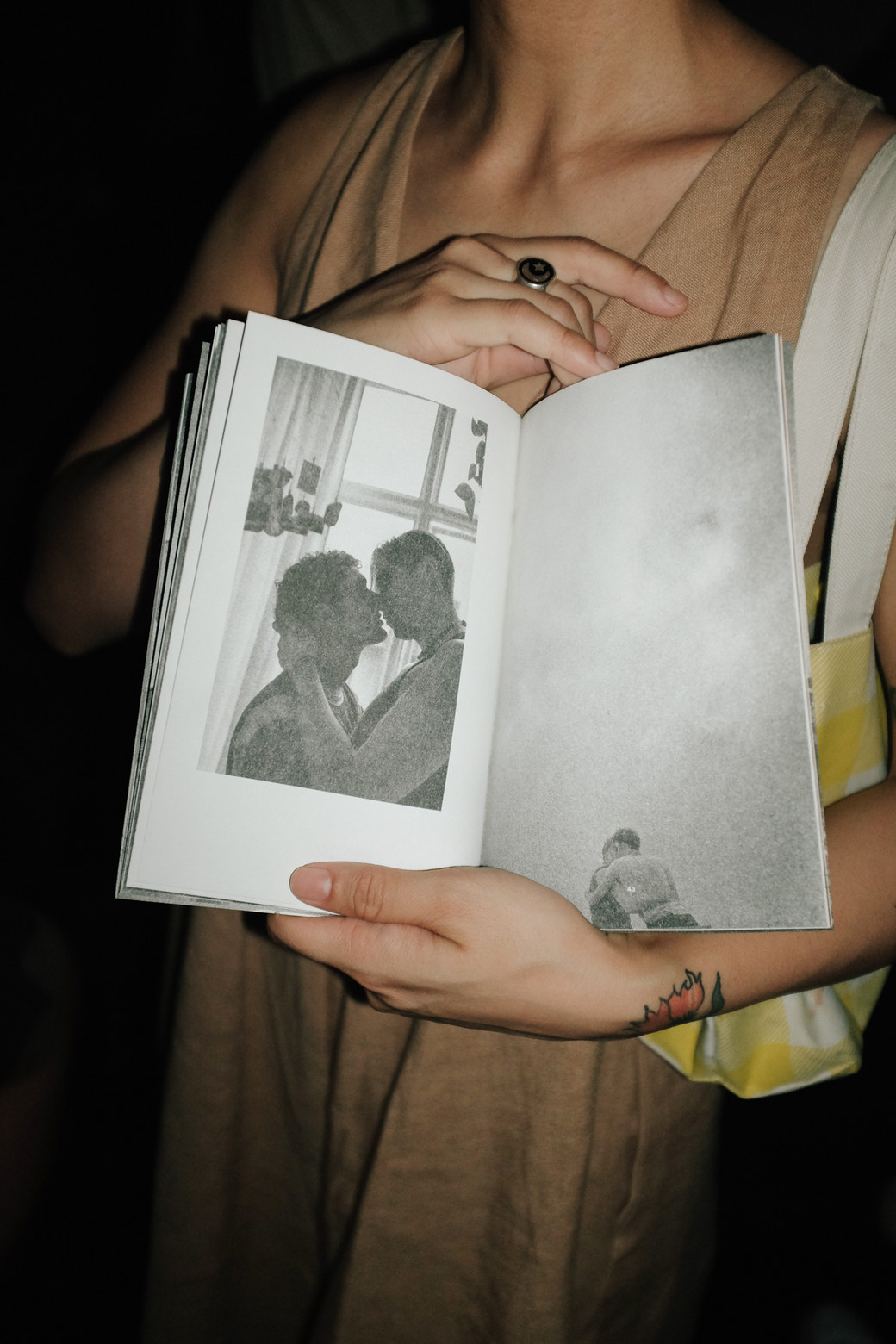
Check out our pics from the zine release, below, and DM DRØME to cop your own 'Young Days,' here.
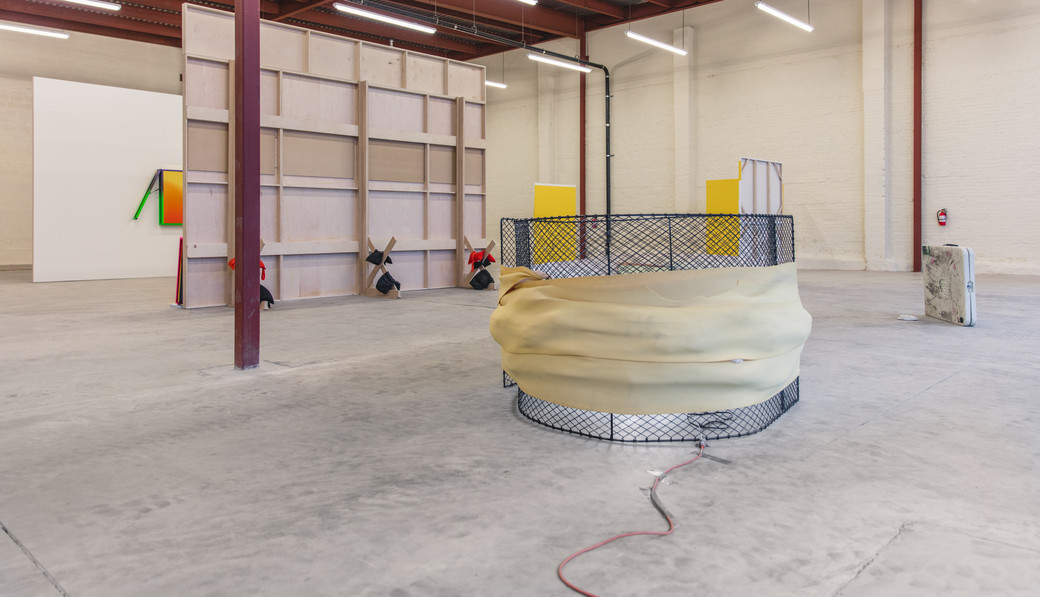
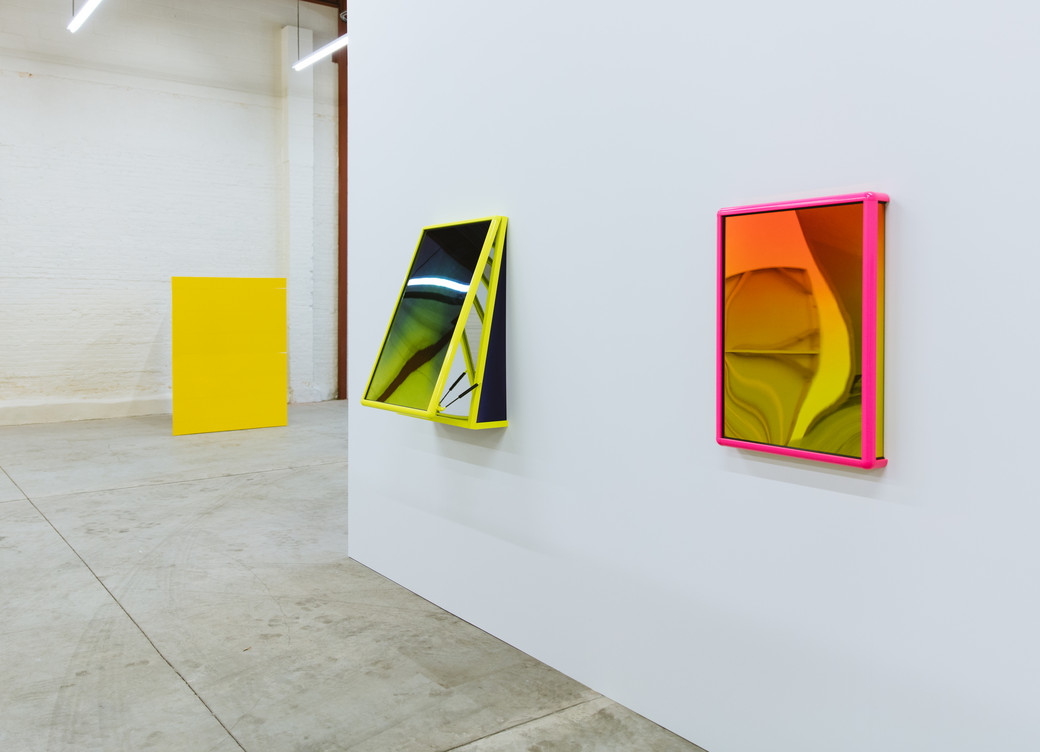
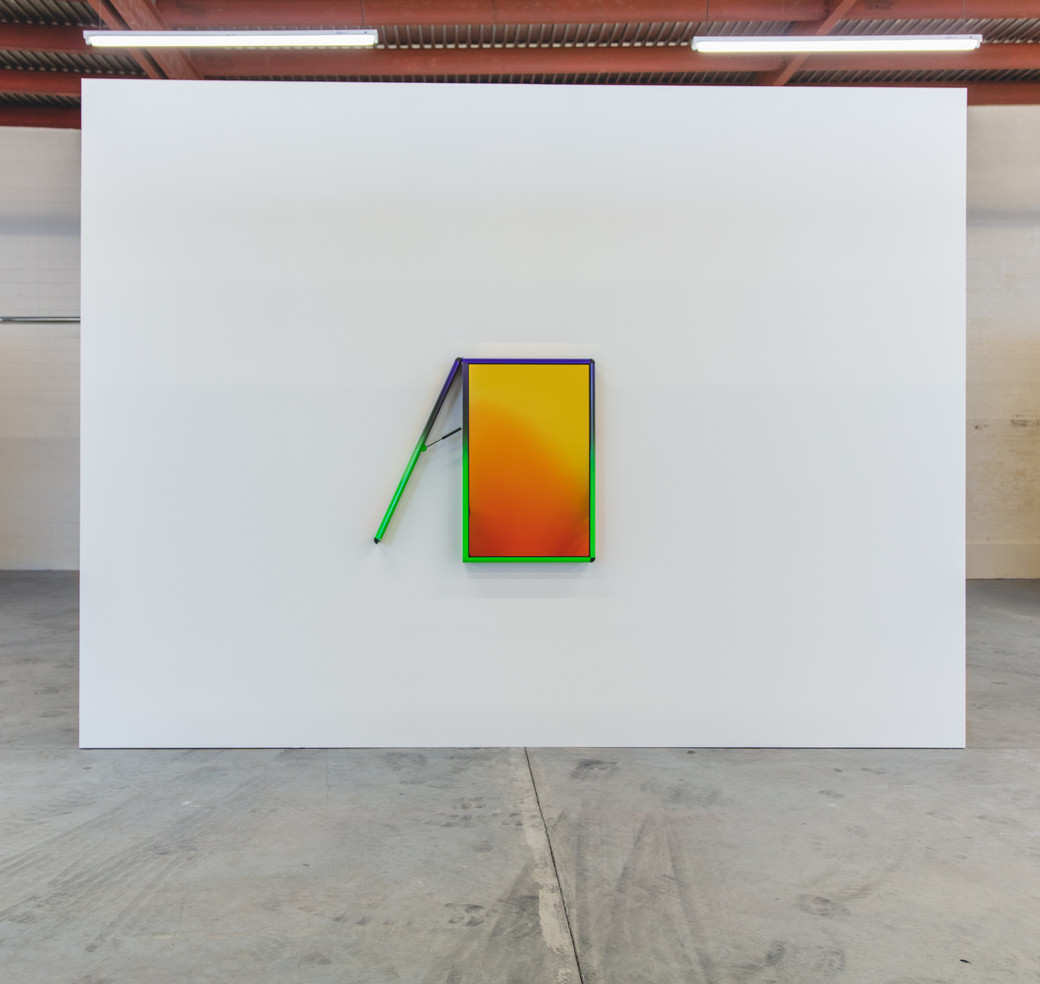
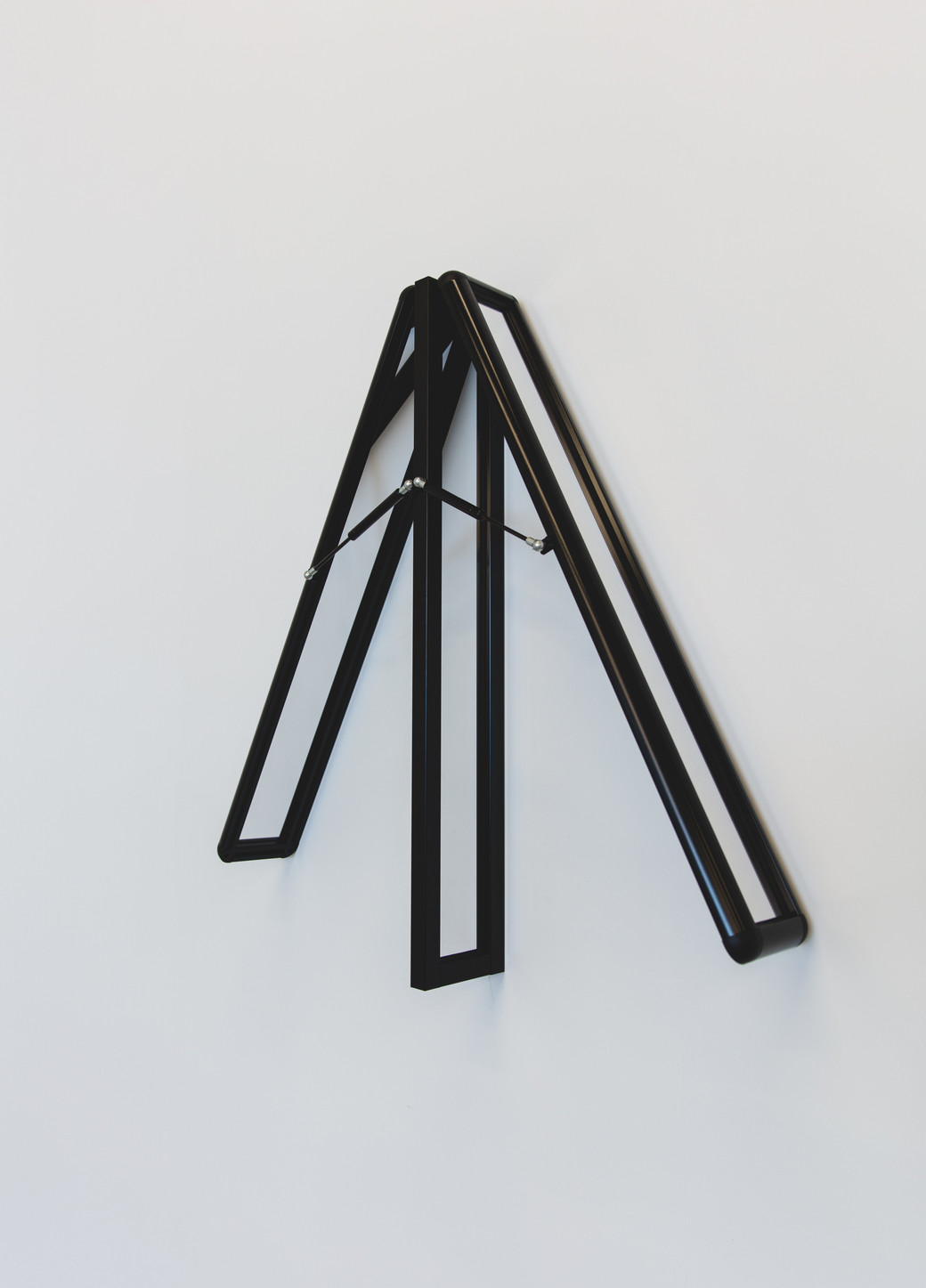
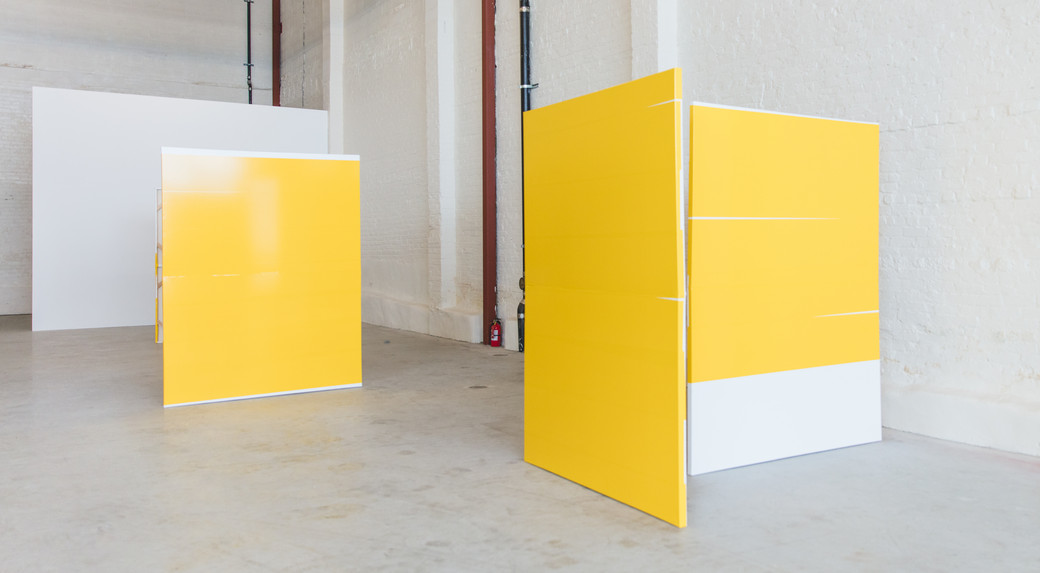
"There is the feeling of permanence and stability in these forms, their vibrance is reliable like the glow of a screen," Soriano describes. "Where Müller’s work has the qualities of the industrially immaculate, in Muret’s work, we see him toy with this sense of stability, combining two canvases and bracing them to stand straight up by economical means—wood stilts and sandbags. The effect is jarring—the vernacular of advertising becomes in some ways amusingly DIY and dinky, its structure exposed."
Landmarks demonstrates Bahnhof's considered approach to the work it exhibits, but also the way it exhibits it. The raw space in Williamsburg lends itself to the juxtaposition in Landmarks, and it would be hard to imagine the same effect in a more traditional gallery space. For Soriano, who has already led curatorial projects in Russia, Ukraine, and France, Bahnhof is an opportunity to utilize underused spaces for new ideas. "I think there is a growing interest in exhibition models that can accommodate the pace and attention span of a contemporary audience. It’s exciting to make use of a space that would otherwise be unused or to consider adaptability as inherent to the form of the gallery." It's an exciting prospect indeed, but one that will only be driven by the ideas it houses within. "First come the artworks, and then I find a building that becomes a cohesive part of the exhibition itself."
'Landmarks' is on view at 55-59 Kent Avenue, Brooklyn, through June 23rd, 2019. All images courtesy the gallery. Lead image: 'Hyper-Realistic Straight Lines (pink box)' by Greg Allen-Müller.