PRESENTE CONTINUO: the intimate ties between then&now

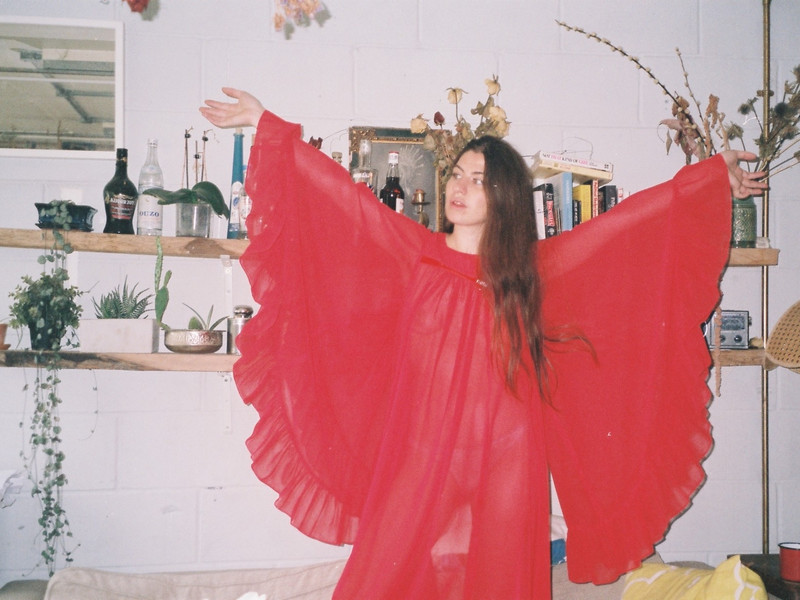
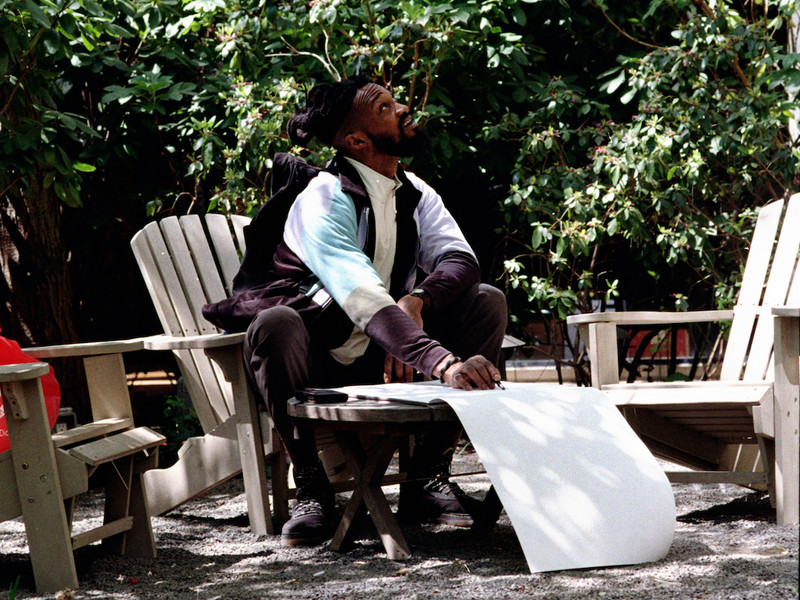
Starting May 30, PRESENTE CONTINUO will be available to purchase on presentecontinuo.com, cpcompany.com, and at the C.P. Company flagship store in Milan, Corso Matteotti 7.
Stay informed on our latest news!

Starting May 30, PRESENTE CONTINUO will be available to purchase on presentecontinuo.com, cpcompany.com, and at the C.P. Company flagship store in Milan, Corso Matteotti 7.

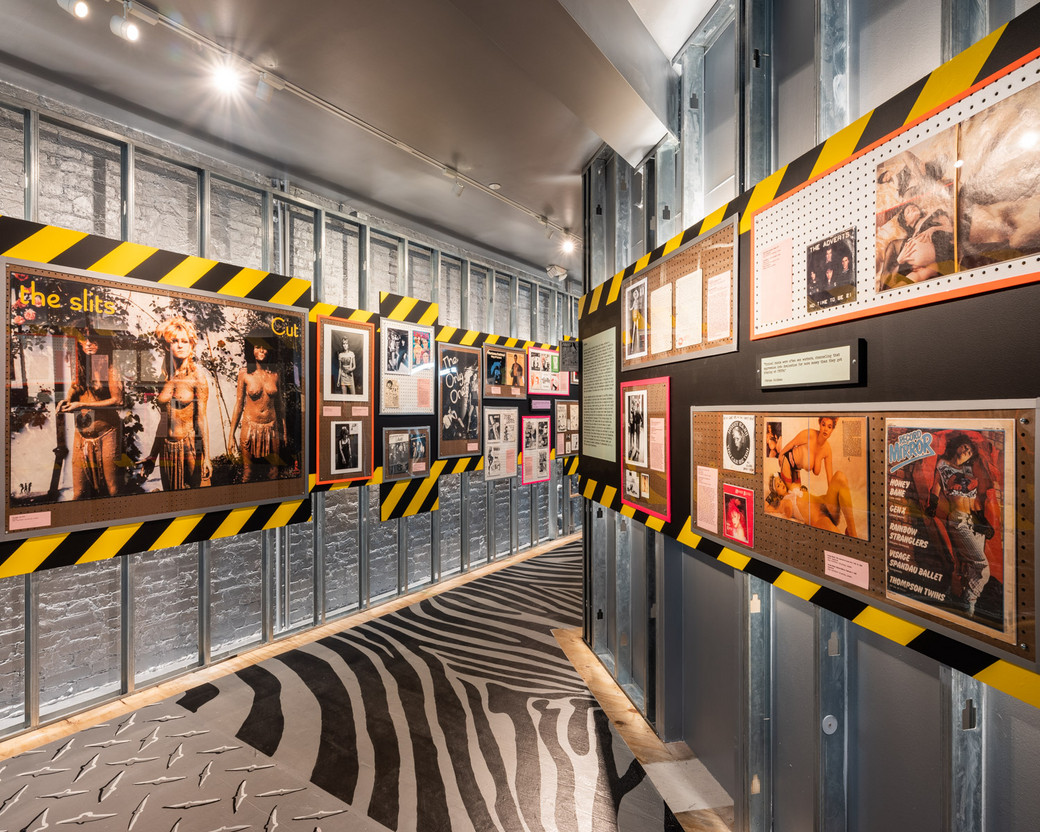
Onstage nudity and pornographic imagery on t-shirts and album covers was vital to the force of the scene. “It’s difficult to explain because today we’re so inundated with it that we’re numb to it,” says Becker, “but it wasn’t like that at all. Back then, you had to actually go to some special shop to buy [that stuff]. And as a young kid you couldn’t go there—that was for trenchcoat guys.”
Punk championed gender fluidity and artists like Cosey Fanni Tutti fused sex work with their art. In a way, it was a similar time to now—except way cooler, because there was no social media, which allowed for the existence of an actual underground.
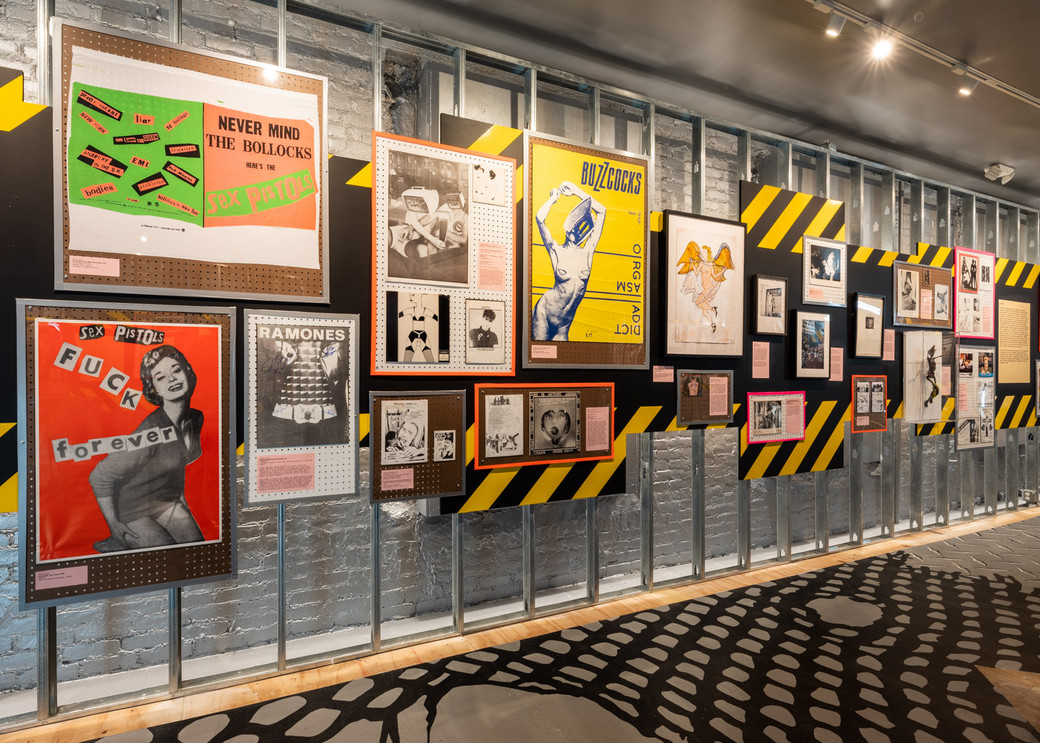
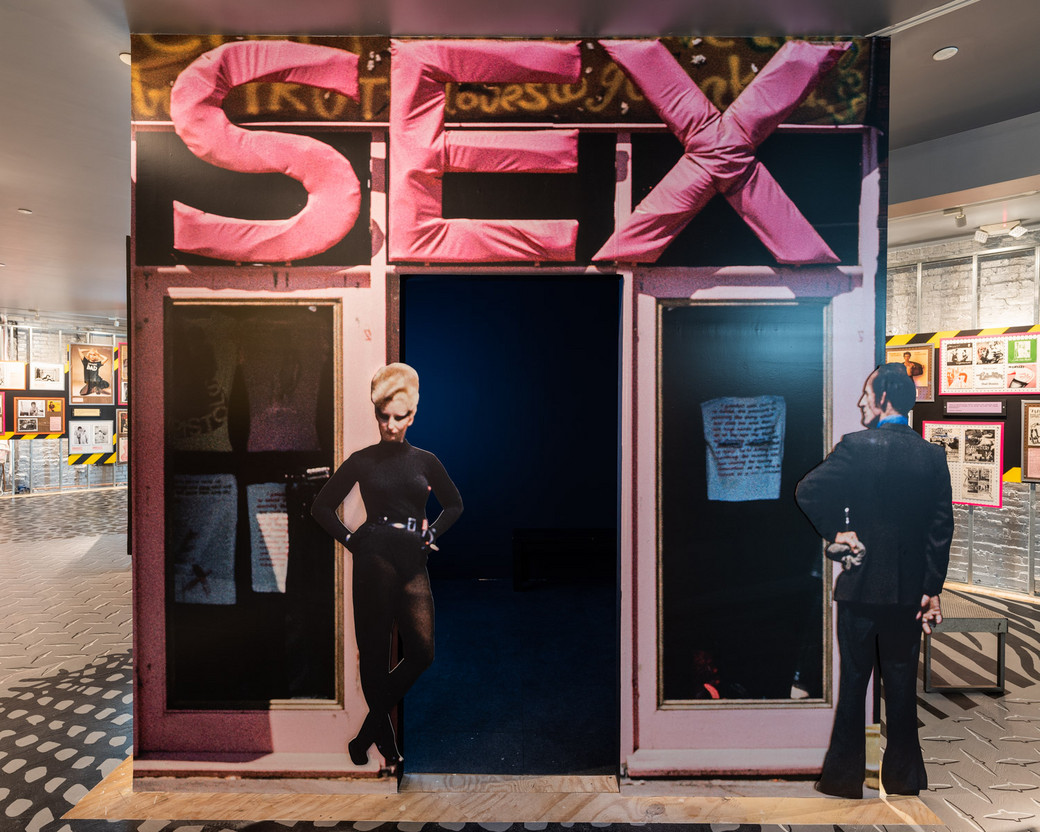
Since taking over as creative director at the Museum of Sex in Manhattan, Becker has been planning to organize an exhibition around artworks and mementos, like t-shirts, patches, pins, flyers and zines from those early punk years, an ode to a time that set the stage—and perhaps even broke the barrier to allow—for the subversive artists, musicians and even social media personalities existing now. Exploring the movement’s use of sexuality as a tool for that kind of radical cultural change, Punk Lust: Raw Provocation 1971-1985 is on view now, through November.
office stopped by the exhibit to chat with Becker shortly before the new year. He told us all about the show and what it means to be a punk. Read the interview, below.


'Iggy Pop: Penetration, No. 10,' 1977, Fanzine. Toby Mott/Mott Collection; 'Penelope on Leopard,' 1977 and 'Plungers Take Broadway,' 1978, Ruby Ray. Courtesy of the artist.
When did you get into punk?
When I was a kid, I was definitely into Bowie, and Lou Reed, The Velvet Underground, and Iggy, and they had their looks. But then when the [Sex] Pistols came, it was just such a massive explosion for us. We were all in art school—I studied graphic design and just these graphics [they used], breaking every single rule I was being taught. So, I’m in school and they’re teaching us one thing, but the things I’m into are ripping it all to shreds. It was such an amazing moment to be there at that time.
How were people reacting to the sexual graphics?
It really shook us—that’s the only way to describe it. At the time, sexual imagery wasn’t present. I’d never seen hardcore porn at that age. Never. I was like 15, and had no idea what hardcore porn was. There were sexy girl images and whatever, but no genitals—but then they had it on t-shirts! It was fucking crazy. It was really outrageous and shocking at the time.
Why did you think it was important for this exhibit to focus on sex in relation to punk, specifically?
Because punk used sexual imagery as a means of provocation. It was really in your face and [about] breaking the rules, because it was forbidden at the time. Everything was so censored. It’s difficult to explain because today we’re so inundated with it and we’re numb to it, but then, it wasn’t like that at all. Back then, you had to actually go to some special shop to buy [porn]. But as a young kid, you couldn’t go there—that was for trench-coat guys. We just were not quite there yet—we barely understand why we were getting hard-ons.
What cities does this exhibit cover?
It’s about the exchange between New York and London, because that’s, early on, where it really happened. But there are a couple of pieces from San Francisco and LA. New York at this time was almost bankrupt—’77—and London had the worst labor crash, and people were totally desolate and desperate and angry. So, I remember going to London and being like, ‘Whoa.’
Just because of the punk scene and the energy?
It was just so different. I grew up in Switzerland which is very middle-class, boring, dull—but relatively wealthy. Whereas in England, you saw people that were poor, which I didn’t know [existed], and you have a strict class system, so punk really spoke to that—this disaffected youth. Malcolm [McLaren] really pulled the strings together, he pulled the narratives he saw in New York and brought them to London and pulled it all together, gave it a philosophical outlook. A lot of that came from Guy Debord from The Situationists. So, these are very rare artifacts.


'Sex Pistols: Anarchy in the U.K., No. 1,' 1976, Fanzine, 'Glitterbest' and 'Sniffin’ Glue, No. 8,' March 1977. Toby Mott/Mott Collection.
How do you think the internet has impacted the way music or cultural scenes are formed?
[Back then] images weren’t shared the way they are now. So, you took a picture and it was yours. Maybe a couple of your friends saw it, but that was it. It wasn’t like now, where everyone has followers and likes—it’s a completely different world. Now, everyone’s an endless self-promoter, but back then, you just did this stuff with your friends. I think that also allowed for different things to flourish and take on their own shape, because you weren’t always seeing what everybody else was doing. You were in your own head.
So an original scene could actually emerge.
Yeah, within its own. Which is so interesting because when you travel, and you go to these places that were—I’m not saying hermetically sealed, there were always trade routes and stuff like that that [allowed for the exchange of] culture and ideas and products from place to place, and that’s important. But still they were allowed to be on their own. In Europe, you still have that—you go from this country to that country, and each has its own flavor. But now, it’s becoming like everybody listens to the same thing everywhere and has the same ideas and everything’s one big Pinterest board, basically. There’s just no more underground, because nothing is underground. Everybody immediately publicizes what they do.
In New York, where do you think punk lives? Do you think it’s still here?
I don’t think it’s in New York. I can’t imagine that you can still do that here—it’s totally changed. Part of it is to be an outsider, and embracing that idea of being an outsider. So, you have to be outside to be an outsider. But back then, when I came to New York, downtown was empty. It was a wasteland—there were empty storefronts everywhere. It was basically like being in the middle of nowhere. Like Buffalo, almost. I think Buffalo is much more punk now than New York City. If you want to be punk, you’ve got to go there because [NYC] is a shopping mall. Straight up.
How would you say punk has evolved over its lifetime, now that there’s a thriving queer scene in New York and a slightly more open mainstream embrace of gender fluidity?
This [exhibition] is about that—about gender-bending. I think punk did that, as well, and disco obviously even more. It kinda went back into the closet after, and now it’s coming back out—thank god it is. In that regard, I think we’re in a really good moment, where people are just open. But the thing that’s so annoying about it is the language police around it where it’s like, ‘Just shut up.’ It’s the opposite of punk. It’s trying to make rules of what you can say and what you can’t. And that’s so not punk, like being a rule-maker.
What is punk about, for you?
A lot of it was the freedom to just express yourself and not need to be perfect, and to have this immediacy and honesty, as opposed to trying to make it the most perfect thing in the world. To not be a connoisseur and not be this perfectionist—it’s DIY. That, for me, was the big thing I really liked. There’s always some room for that—to express human imperfection, because there’s always going to be people who connect to that element. There can be these super highbrow polished things that are amazing, and then there can be the things that are completely falling apart. They’re still amazing, as well.
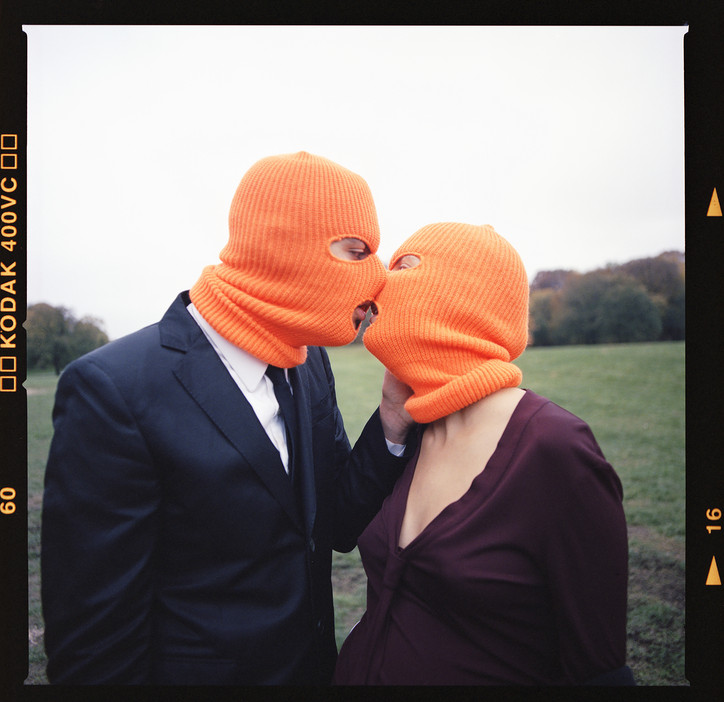
‘Punk Lust: Raw Provocation 1971-1985’ is on view now through November 30, 2019 at the Museum of Sex in Manhattan.
Lead image: Joey Ramone and Debbie Harry, Robert Bayley, 1977. Courtesy of the artist.

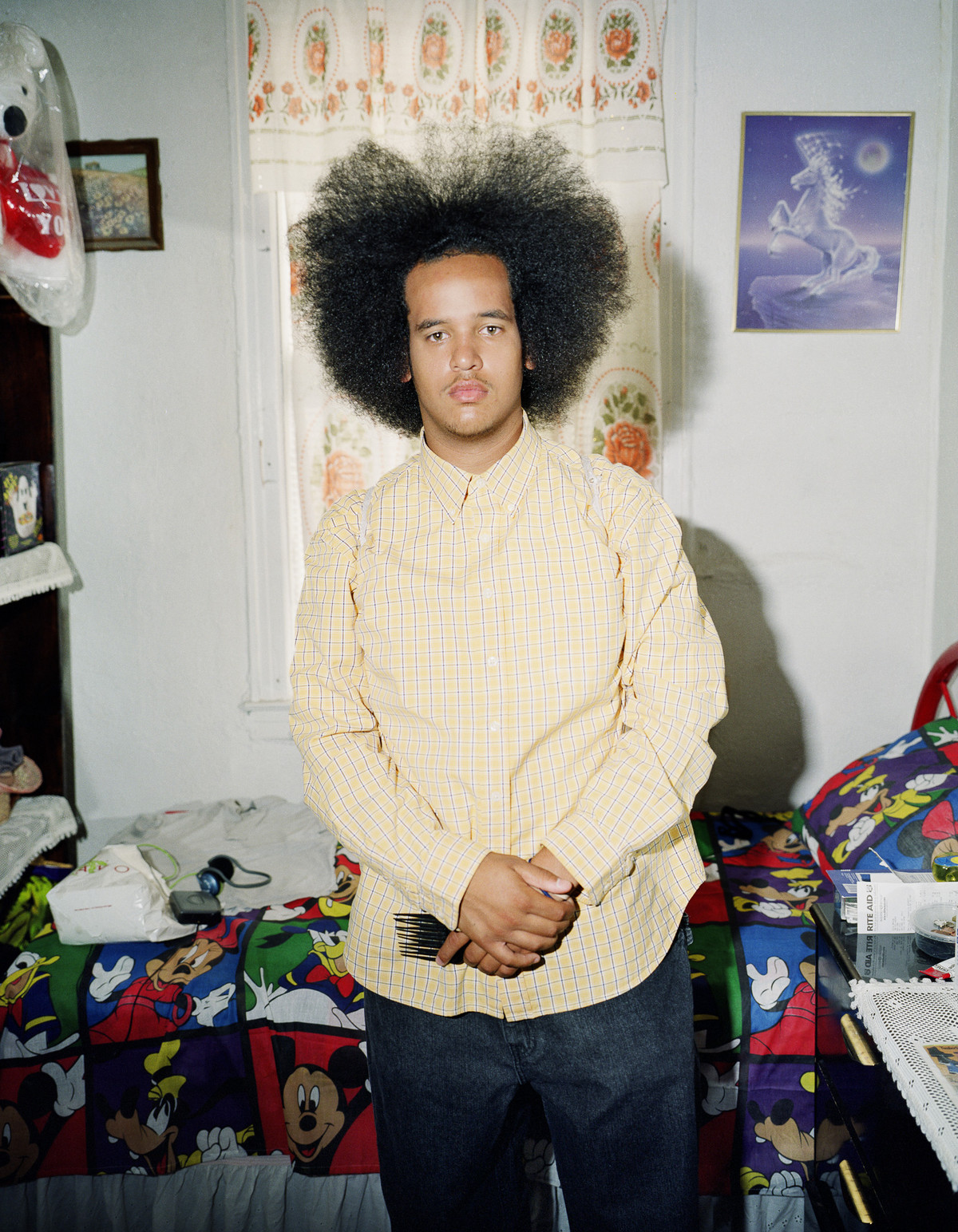
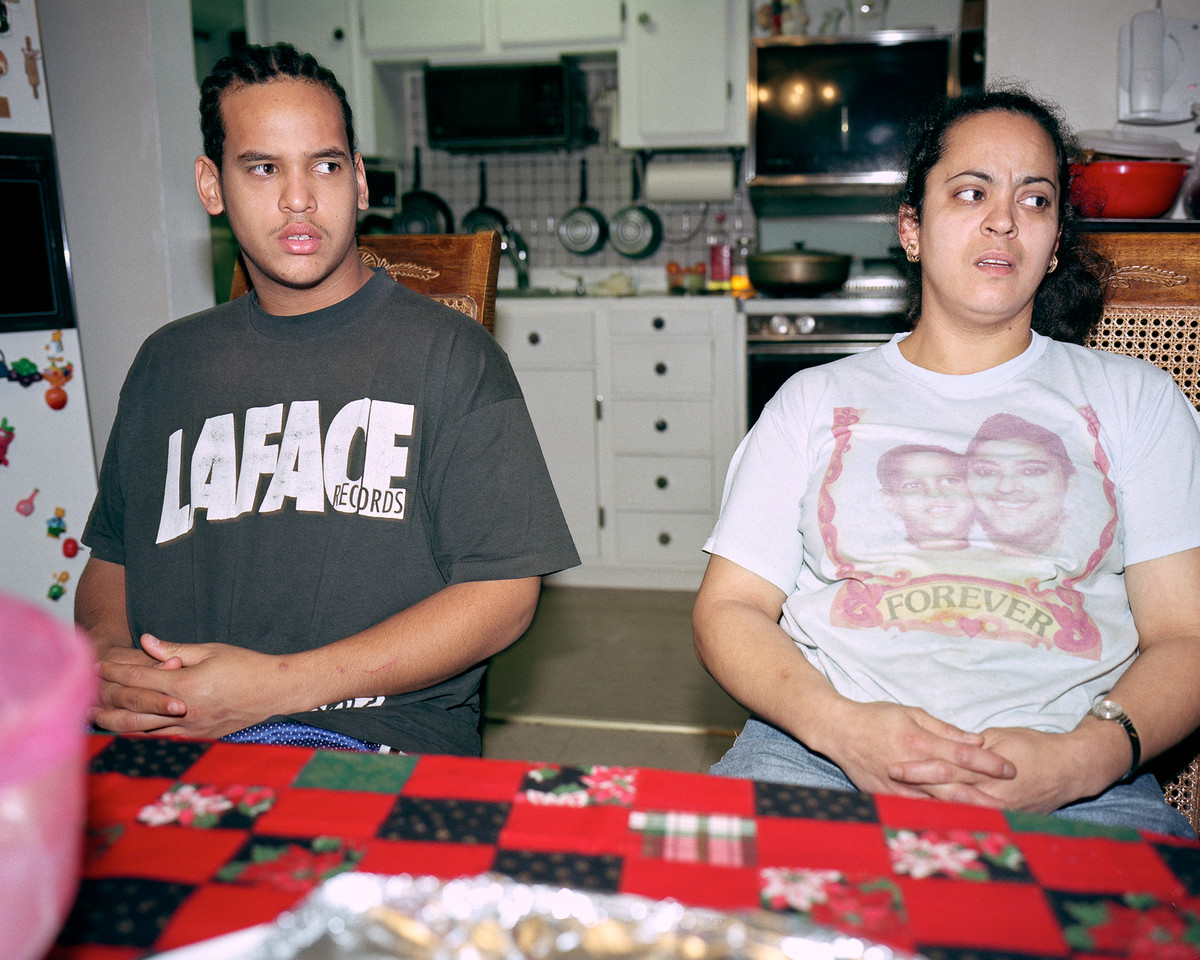
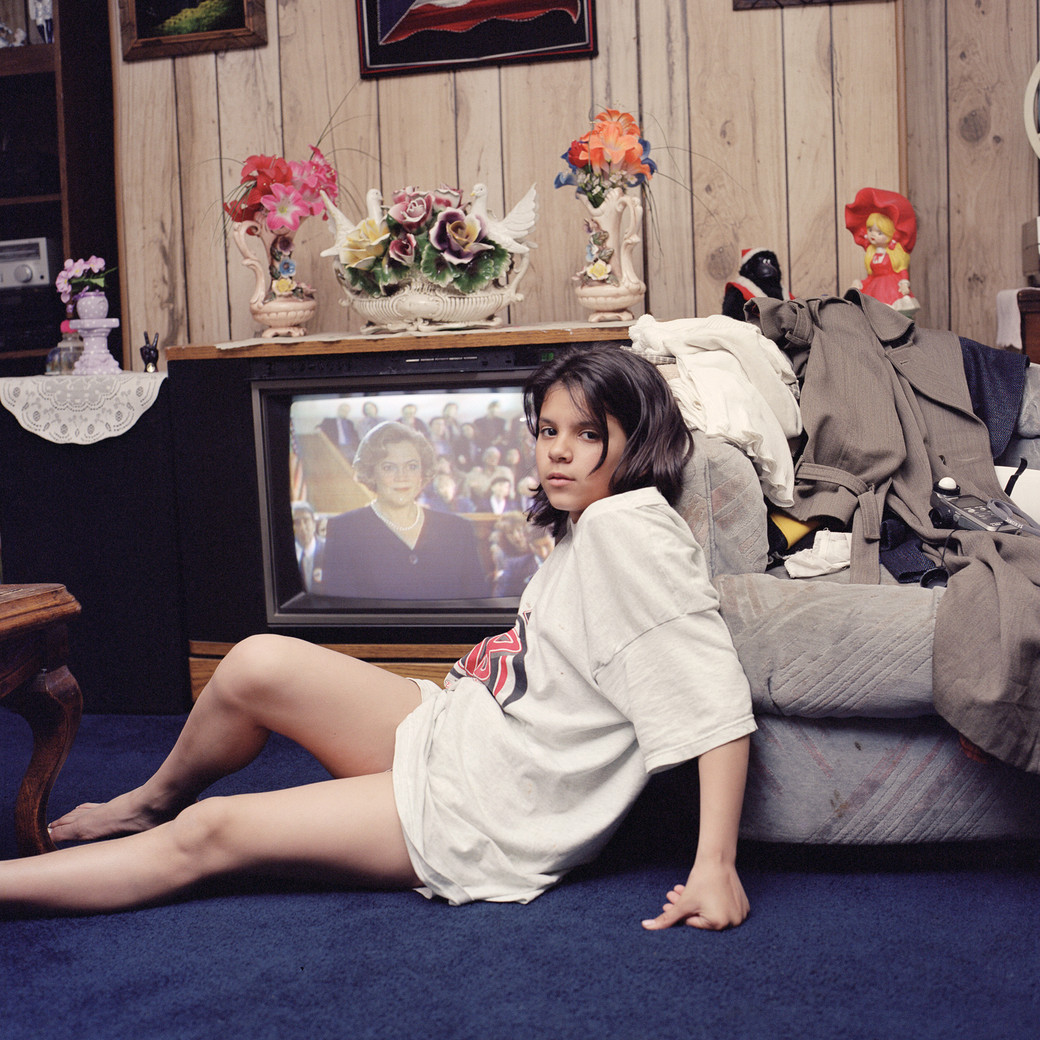
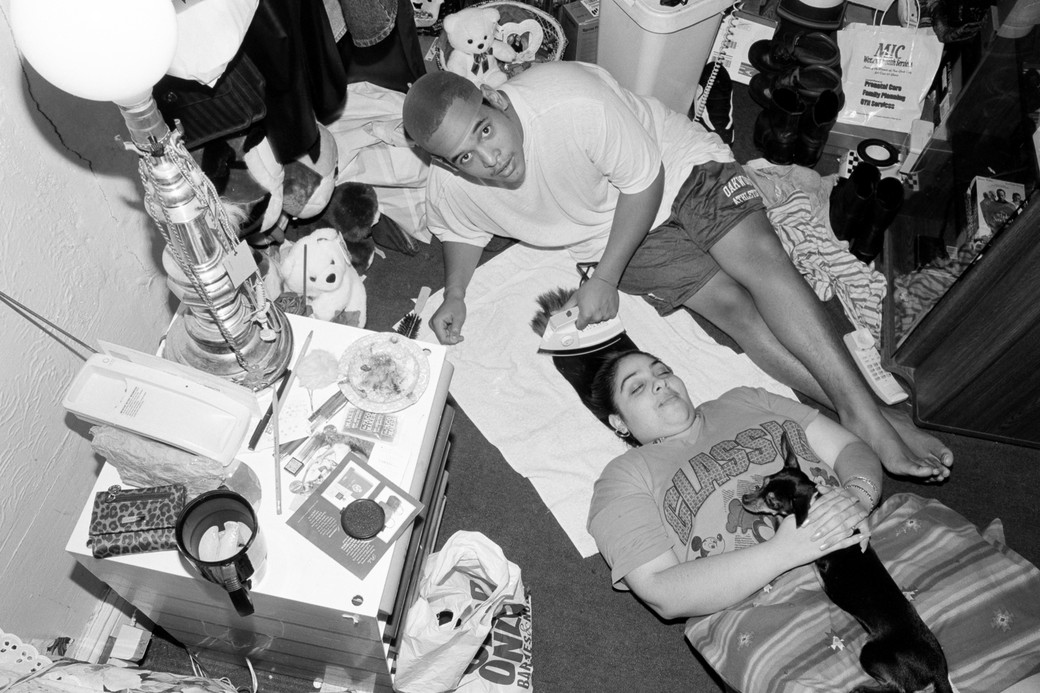
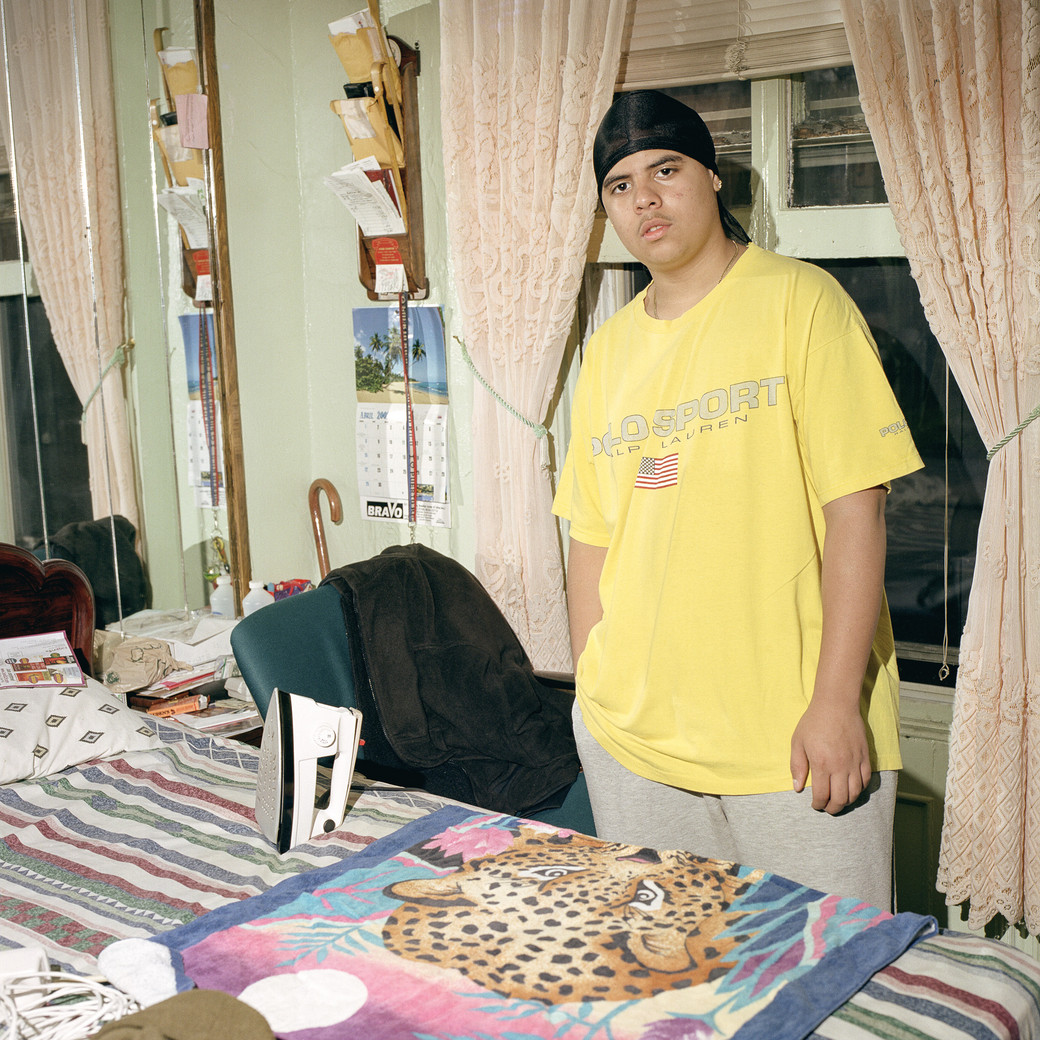
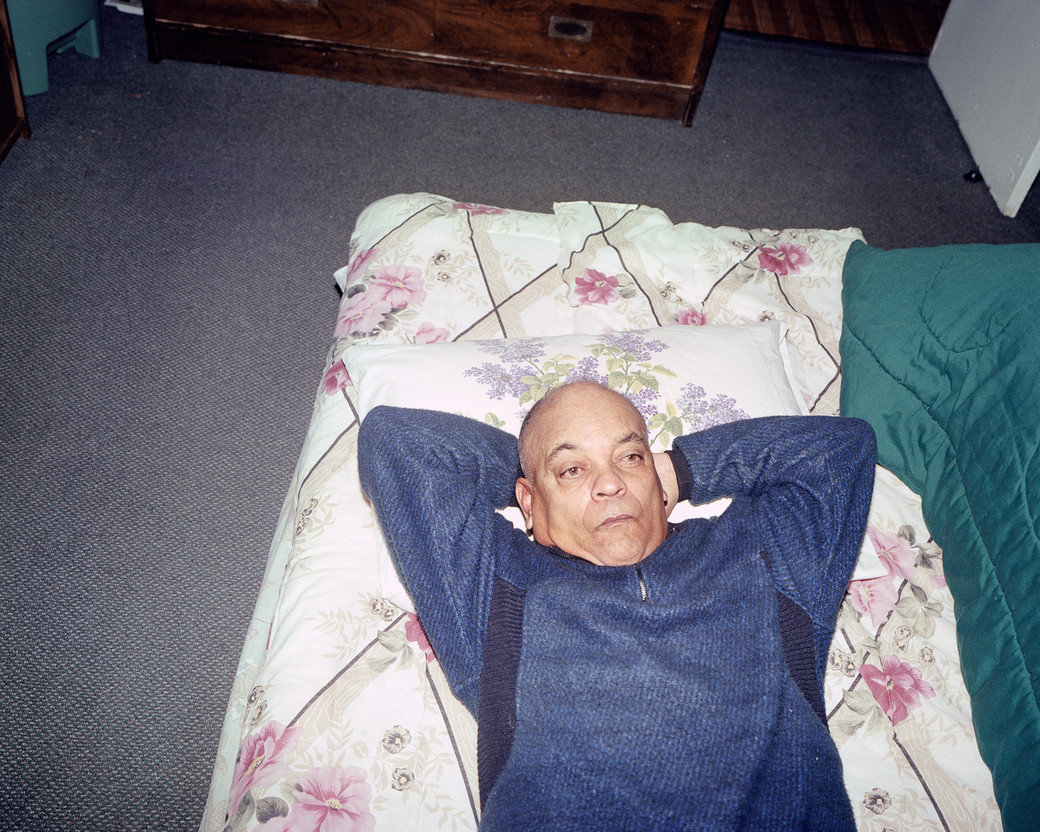
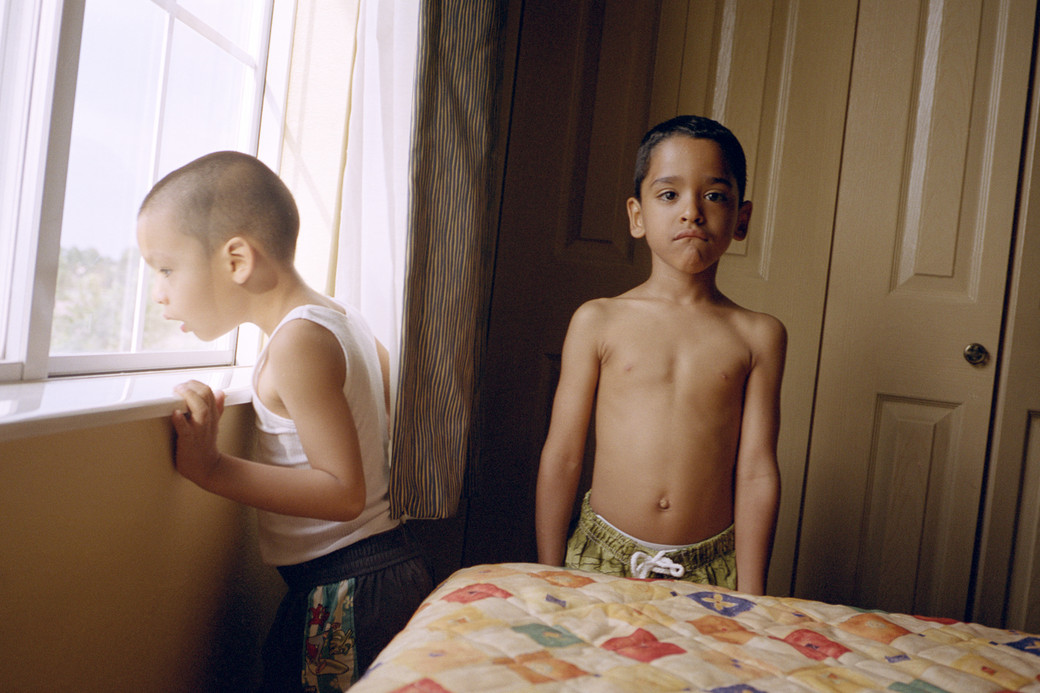
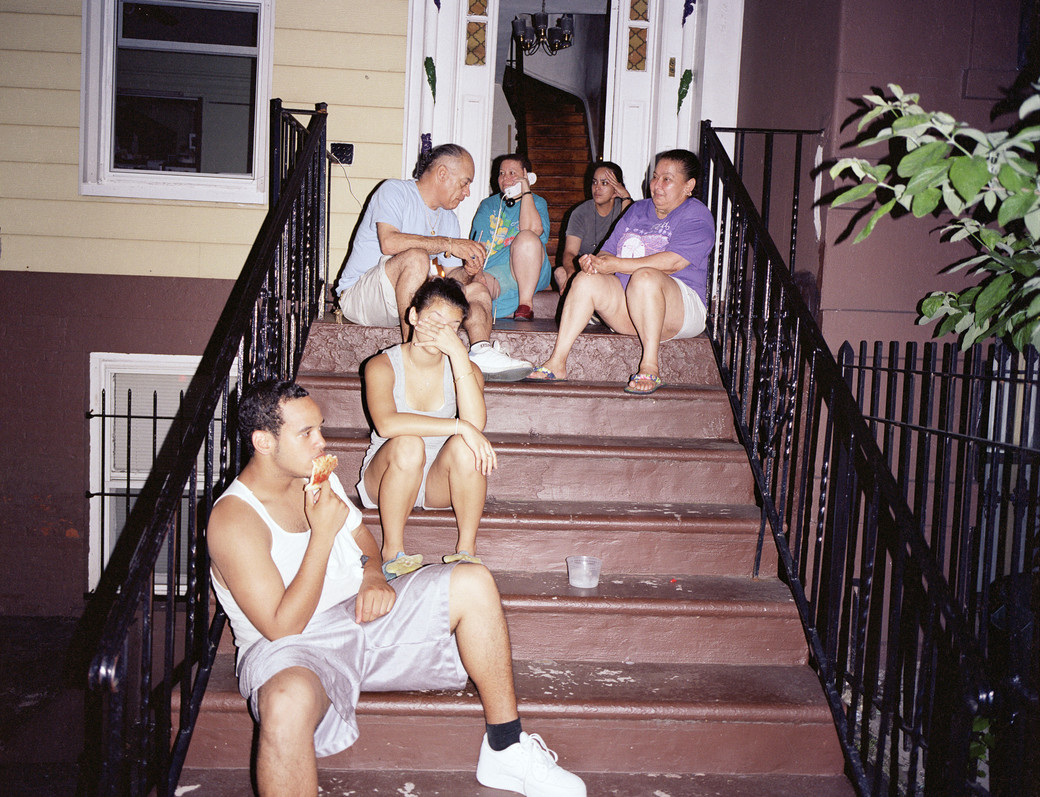
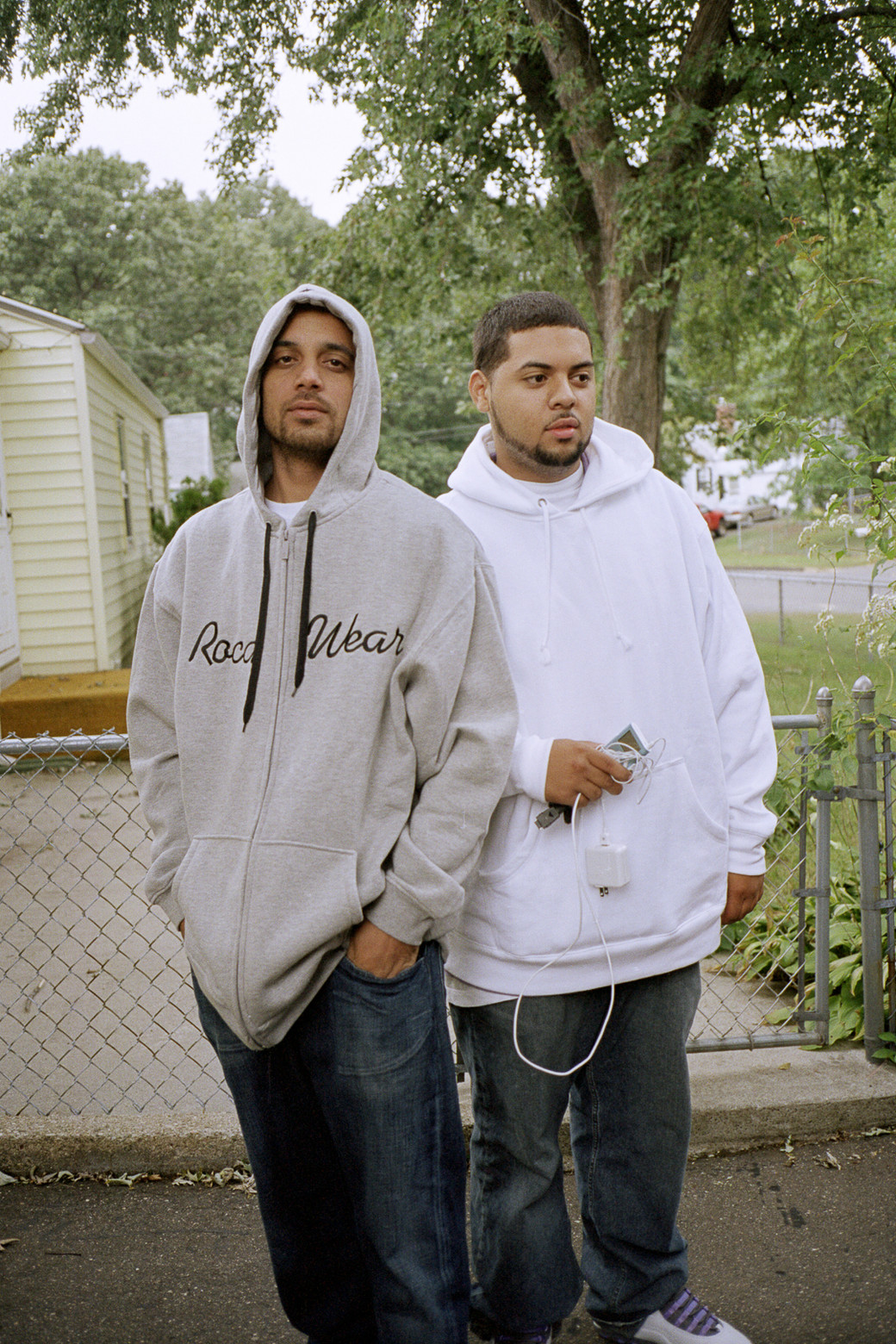
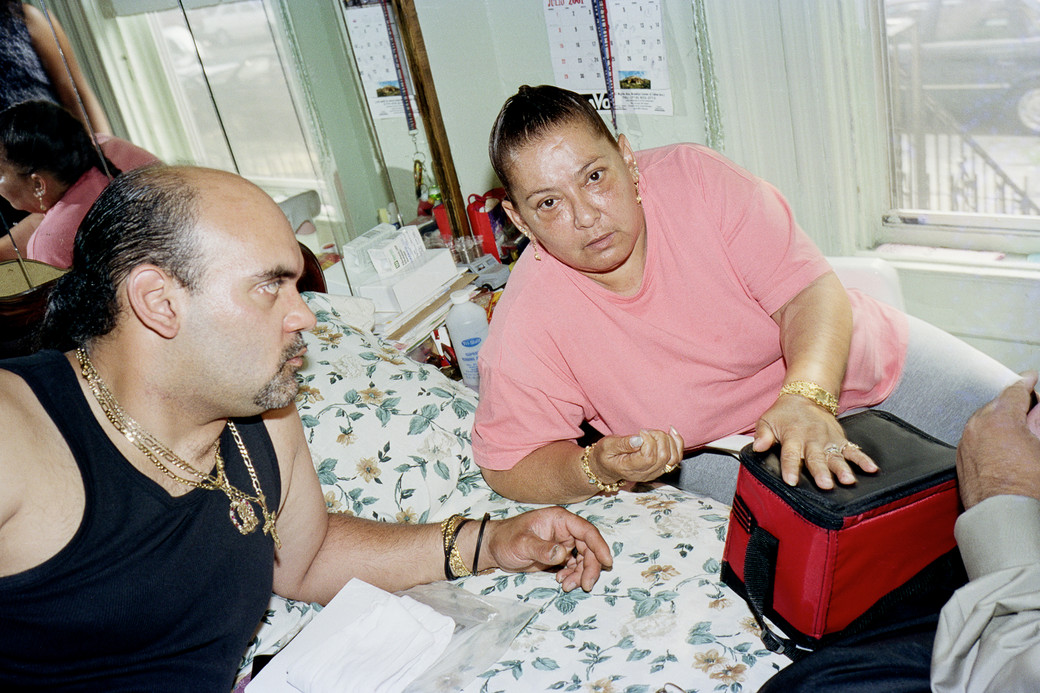
Not bogged down by their all-consuming technology, like iPhones and Nintendo Switches, Rios' photos almost feel like a time capsule; a portrait of a family who actually wants to communicate at the dinner table—and with Rio from behind the lens.
The photographer told us more about the project, and the process of compiling years and years of photos. Read our interview and pick up a copy of Family at the office Newsstand.
Tell me a bit about the book in general—I know it spans a specific timeframe in your life.
Yeah from ‘99 to ‘06. A lot of these images I shot while I was still in high school. I went to boarding school in Jersey and started shooting when I was around 14 or 15. I was always using the darkroom and then senior year I was like, ‘Do I wanna go to culinary school or do I wanna become a photographer?’
Was cooking always something you were into, as well?
It was an interest but I can’t cook for shit!
You made the right call then.
The book stops in 2006, even though I continued shooting after that. [I just thought] for the book’s purpose, it was one of those projects where you have to stop, otherwise it keeps dragging and you never put it out.
So, were you away at school for most of the week and making this work over the weekends?
Yeah, I’d come home on the weekends and then after high school, I applied for two colleges—SVA and Parsons. I ended up going to SVA and moved back home. It was kind of weird—I moved out a 12 then then came back home at 17. I did SVA for a year and then, at the end of the year, I reapplied because that program was way too expensive. I got accepted at Hunter College, and in New York City, professors teach at all the same places. Like, the last professor I had at SVA was the first one I had at Hunter.
How did your family feel about having their lives so thoroughly documented by your photos?
When I was shooting they didn’t really care, because I was doing it so much. And also, with film photography, you don’t print everything. So, I would take pictures all the time and they would be like, ‘What’s the point? We’re never going to see these pictures!’
My grandmother always says the same thing—‘You take all of these photos and I never see them!’ But eventually she always does—like two years later.
I only told everyone about the book when it was already done and they loved it. That was very important to me. Now that this book exists, I’m responsible for how people interpret the images. That was a big deal for me because you can see an image and people can read certain things into it.


There’s a deep level of trust that people give you when you photograph them—especially family. Even though it’s intended to be a view into your reality, you also want to keep it presentable. When you were editing this together was there anything you came across where you were like, ‘This is too much for the book,’ emotionally or otherwise?
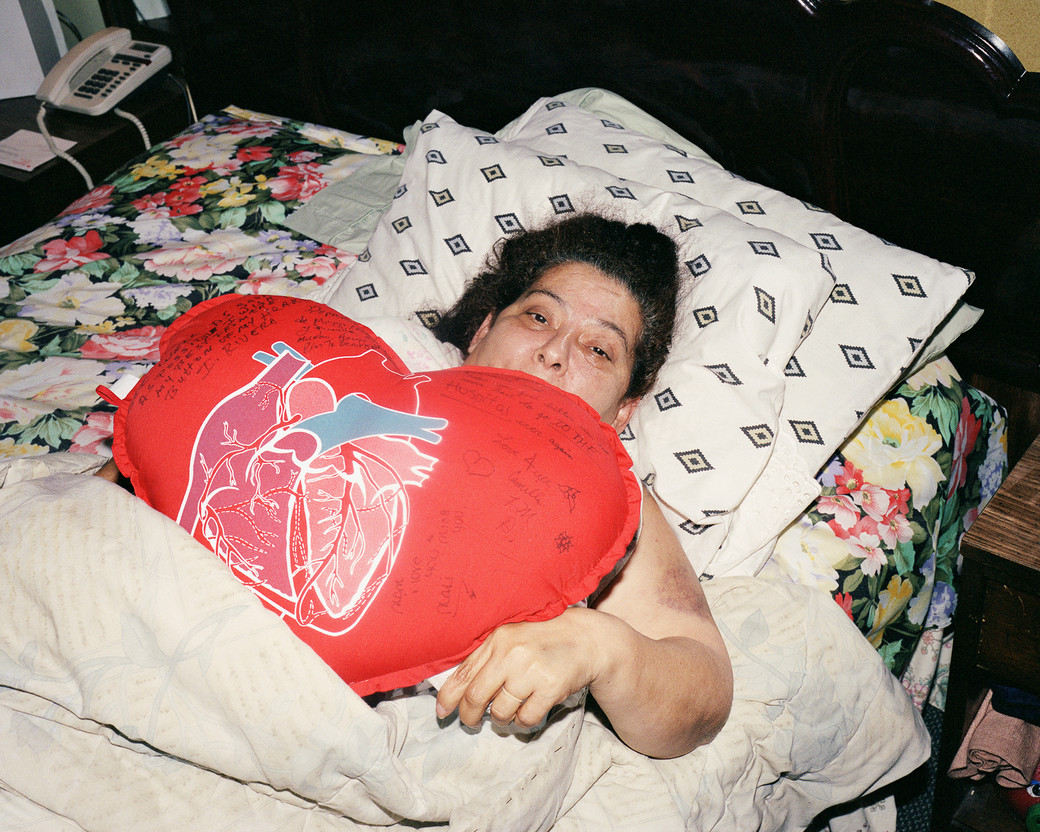
I think with photography, when you look at a picture that you’ve taken, you can think, ‘Oh this is a great image but it’s a little too personal and I don’t think they’d appreciate that being shared’—like the shot of my aunt in the hospital.
It’s a tough photo but it’s so full of love. What was she in the hospital for?
She had open-heart surgery. Everyone was at the house a lot and I got a lot of pictures of family friends and cousins.
Do you think seeing this documentation of that time helped her see how far she’d come in getting through that moment?
She’s such a character and she’s not concerned about looking bad or whatever. She does funny stuff all the time and has a great energy.
What’s some of the best feedback you’ve heard from your family about the project?
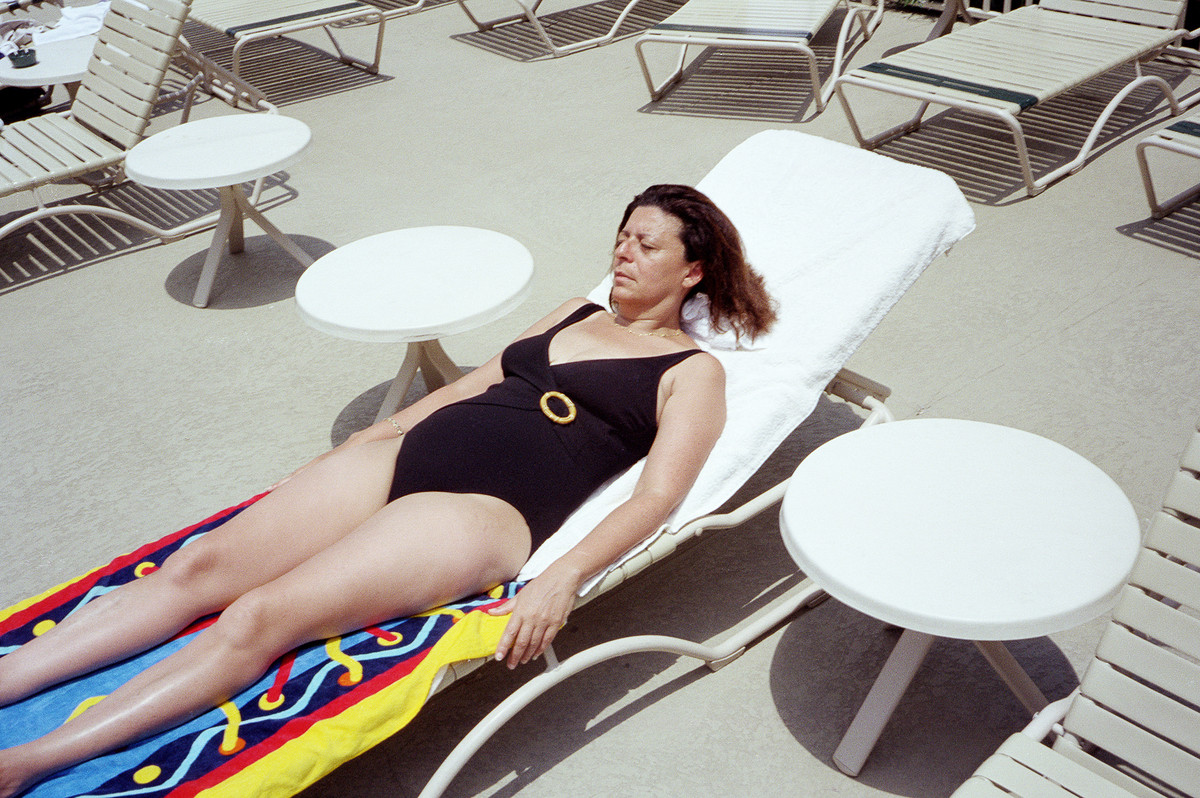
There’s one of my cousin laying out in her bathing suit by the pool, and I was worried she was going to get mad at me about the photo, but she was like, ‘I love it—look at my hot body!’
Did you learn anything new about your family while you were making this work?
No, I think everyone was just natural all the time—it was easy going. There was no one who didn’t like getting their photo taken.
The book also functions as a little time capsule of technology—ten years doesn’t seem like forever ago, but I love the iPods and old-school house phones from back then.
Yeah, there’s not even one cell phone in the book.


How long did it take you to edit the whole book together?
I was horrible at archiving. I had binders of negatives and back in the day, in the darkroom, I would pull something from one binder, print a few images, then just throw it back into a different different binder. So, three years ago, I just sat down and digitized the whole archive—it was 25 binders of negatives and took me all summer. Through that process, I edited all the work I’d shot, scanned everything hi-res and from there, I kept editing down to make this body of work.
Did you work with anyone on the book’s physical design?
Yeah I worked with graphic designer Stephen Serrato, he’s based out of LA. I did an initial edit of the photos then tweaked it. I really think it’s important for someone else to look at the work. Stephen did the overall layout and cover design.
With any photographer who documents their life like this, I like to ask: why do you think we do this? What compels you to photograph your experiences?
I was just thinking about photography, in general, and all of the people who’ve documented their lives—I didn’t feel like my story has been told. Like, Nan Goldin—her friends were her family; or Tina Barney had the Upper East Side. I love my family, they’ve got a lot of energy and I thought it was something people would want to see. At the book signing, people came up to me and were like, ‘Oh that reminds me of my family.’ There are just certain elements [within the work] where I feel like Latinos across the board can connect with it.
So, you noticed there was a gap in photography that you could start to build from?
Like Bruce Davidson, for example—[East 100th Street] is a great book, but it only shows poverty and that’s the only way you see people of color in photography. I wanted to put something else out there.
It’s also not like just photographing a family—it’s your family. How do you think having that perspective as an artist affects this work?
I think that that person [within the community] will treat it as more than work. Like, this is obviously photo work, but it’s more than that for me, too.
Do you think you’ll publish a follow-up ever?
I’ve been thinking about that and considering the images that aren’t in the book and other ways to present them. I’m actually working on a show right now and in mid-January I’ll have an exhibition at this space called The Storefront Project on Orchard Street. It’ll be up from January 17 through February 2. I’m showing 30 prints from this book.

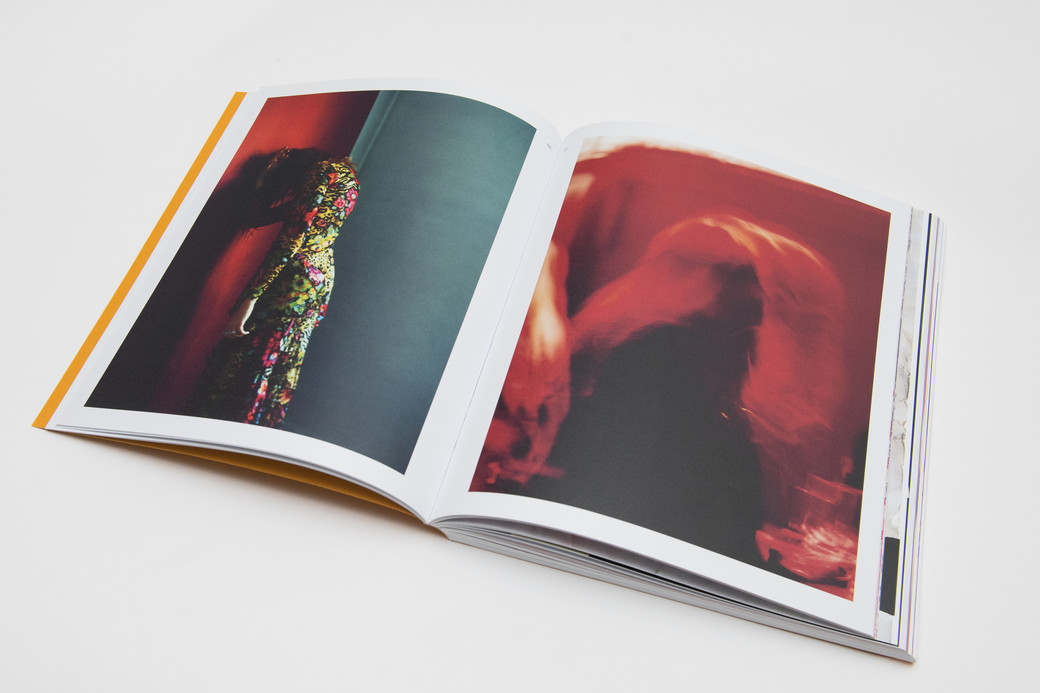
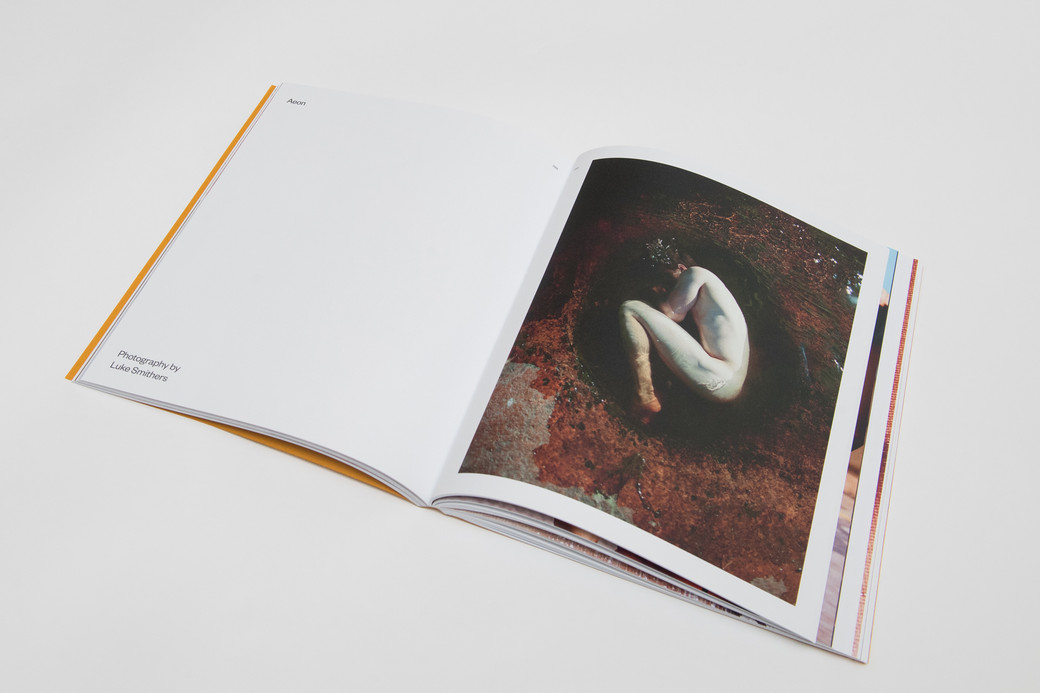
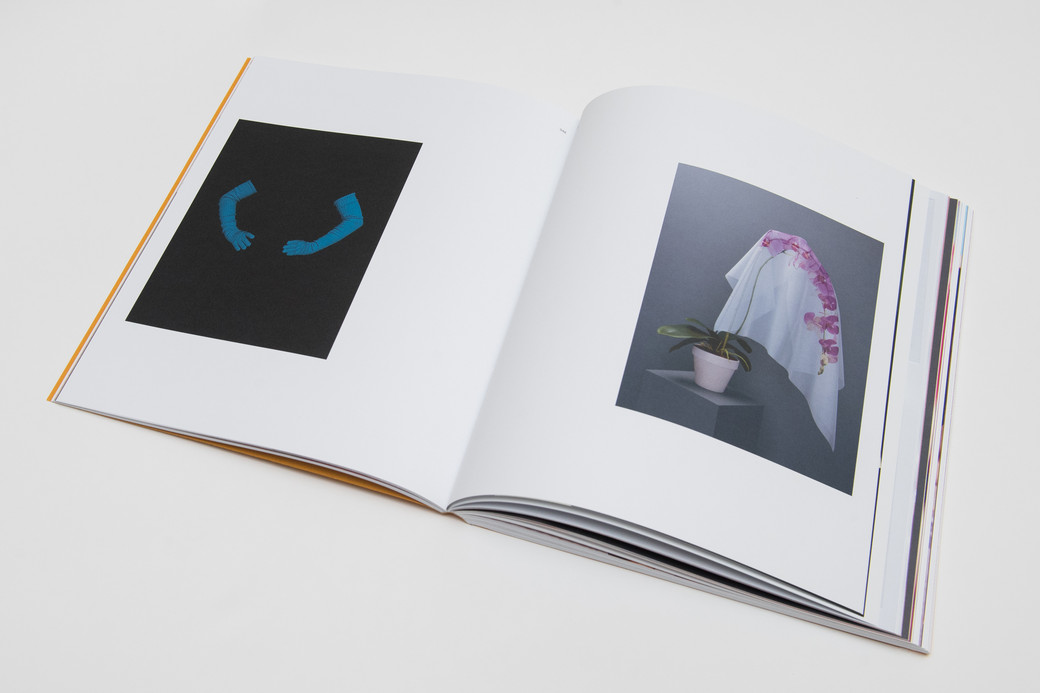
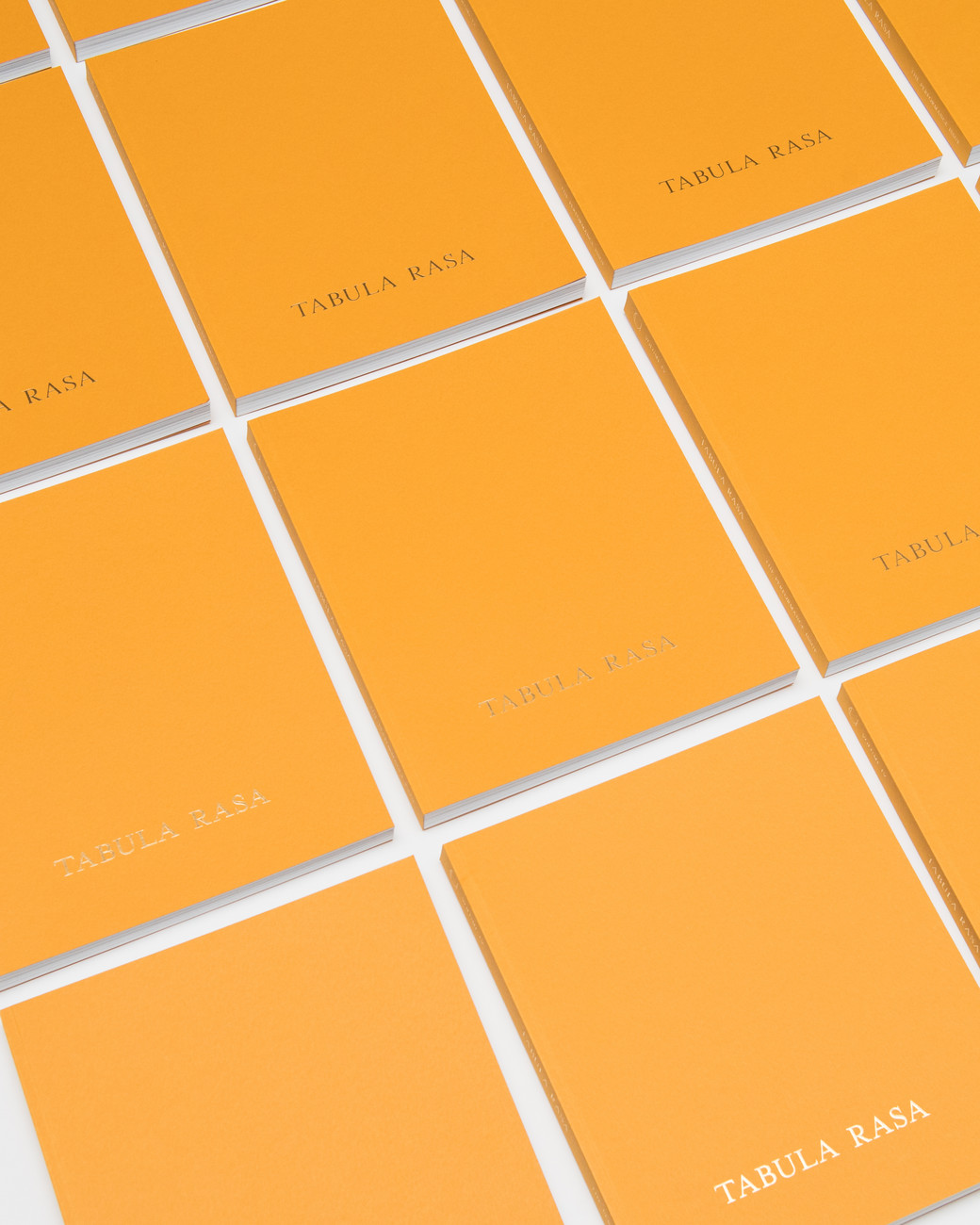
A "non-profit organization that gives artists a platform to collaborate and create without commercial restraints," Tabula Rasa is dedicated to letting their artists and contributors express themselves freely, without ever interrupting their vision. And like office, they're also committed to sustainability—the Performance Issue cover was actually made from paper cups that are destined for landfill by London-based company G.F. Smith. Each issue actually upcycles about five paper cups.
The issue, which is available for pre-order now, will be available this January at the office Newsstand. In the meantime, peep some of our favorite spreads, below.
Photos courtesy of Tabula Rasa. Pre-order Volume IV here.