

Oh, mundane America
home of the free
I let you embrace me
I let you rape me
And yet I walk your streets with the sway of an old house song

Oh, mundane America
home of the free
I let you embrace me
I let you rape me
And yet I walk your streets with the sway of an old house song


I'm tough


Cloaked in capitalism and Jesus
I know your ways
All starry eyed and wet
Finger marks across your neck


Brown Boys in the border towns dressing up
in Polo Sport and Abercrombie
As a flashing sign that they too are America


Your grip is tight
Your tongue is dangerous
And still I walk with the spec of a freshly faded hair cut


I’ll fuck the hell out of you


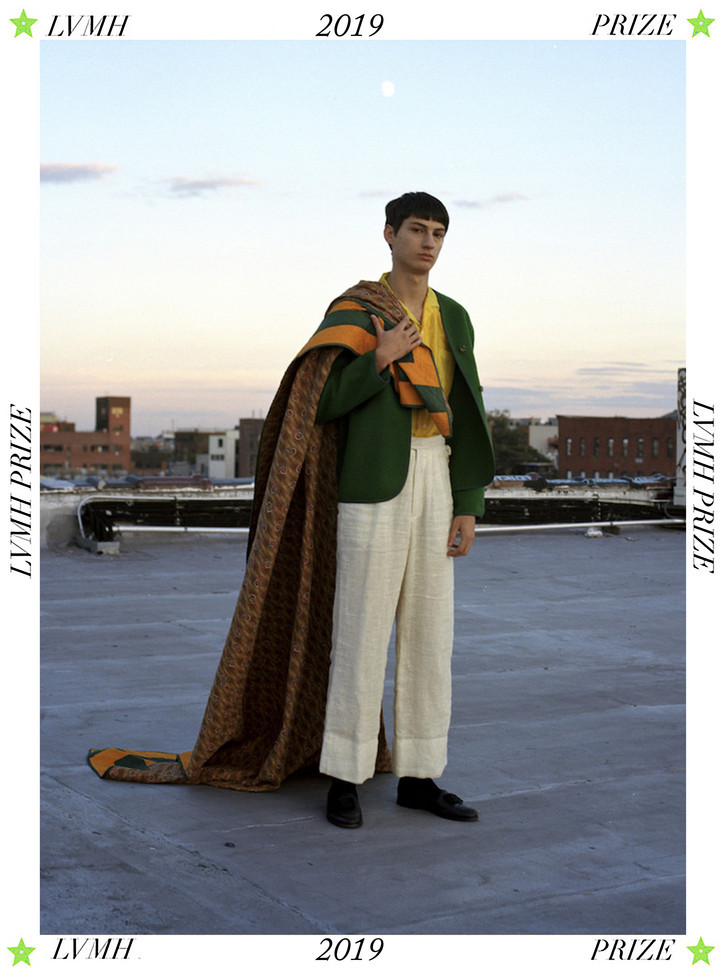
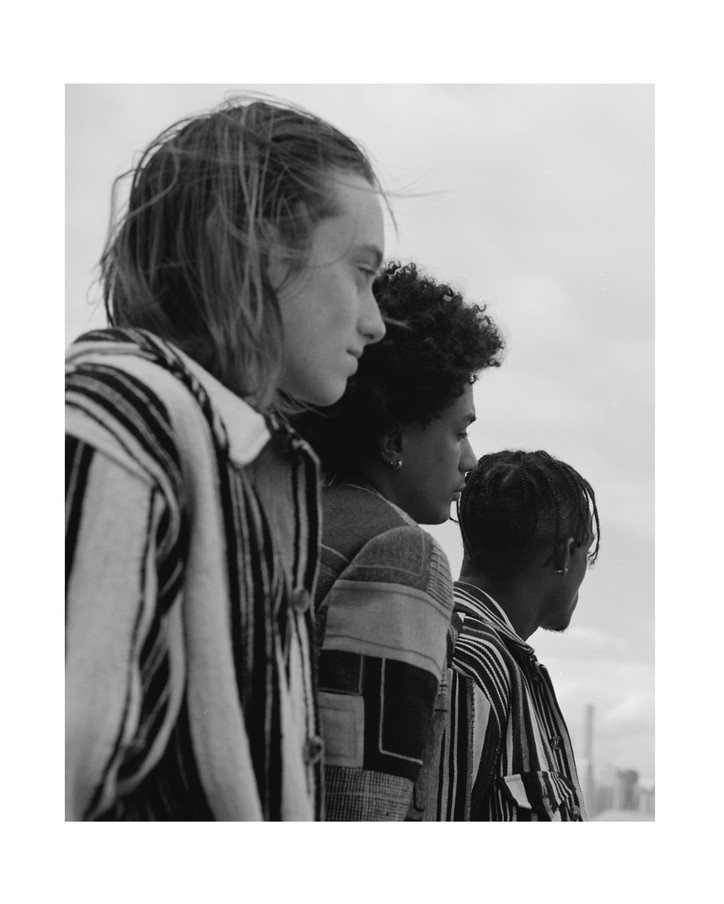
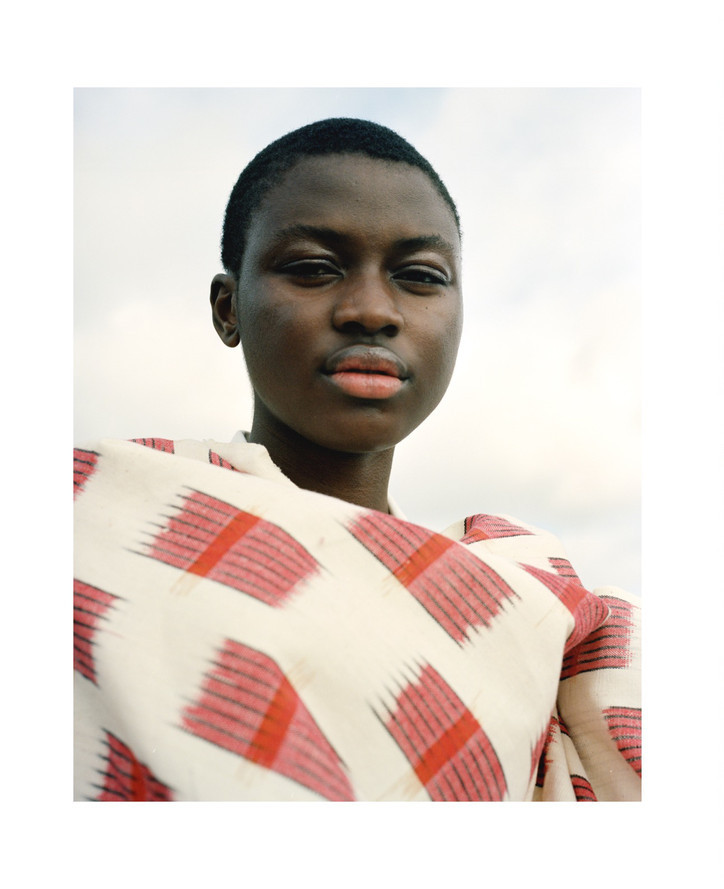
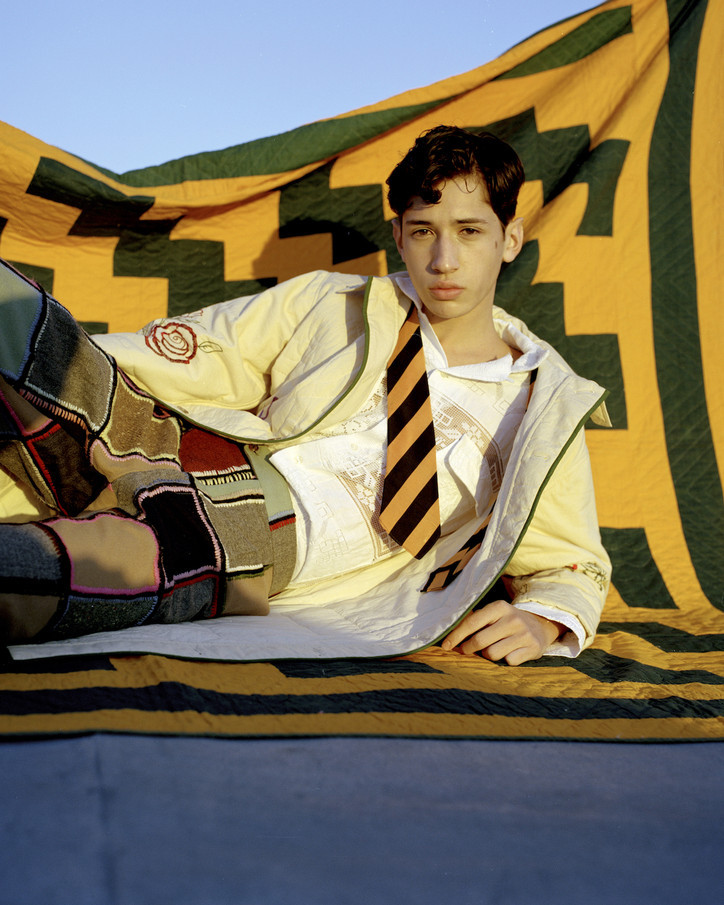
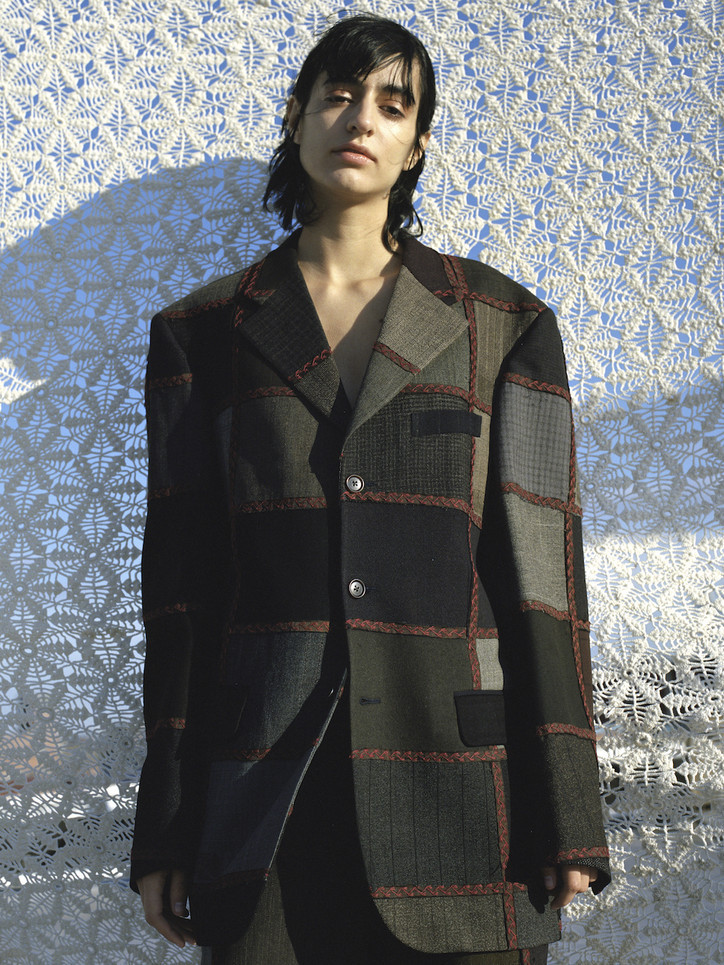
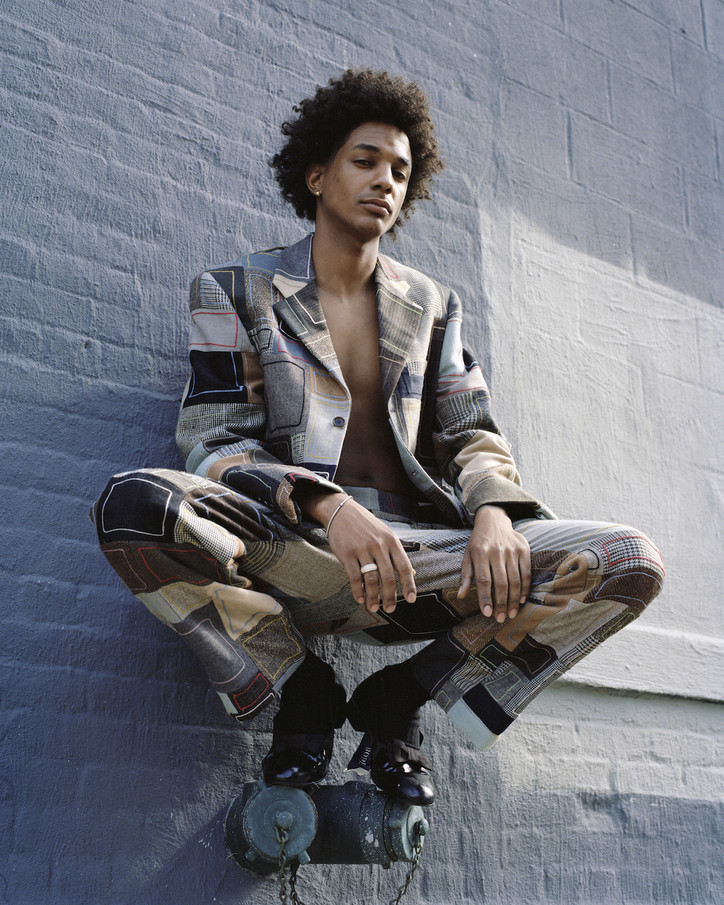
Brands crave a saleable story, a recognizable customer—a tanned woman in the South of France, the phantom skater with disposable income. But Bode’s work comes with a built-in legacy. The designer sources antique textiles, and may be best known for her patchwork jackets and love of quilting (she plans to build out a private manufacturing space with the CVFF prize money). The result is clothing you could see on a consumption-ridden Victorian child that still seems easy to wear; beautifully constructed garments that feel like they will actually last forever, prized heirlooms in the making.
We spoke with the designer about success, antique dolls and repurposing the precious.
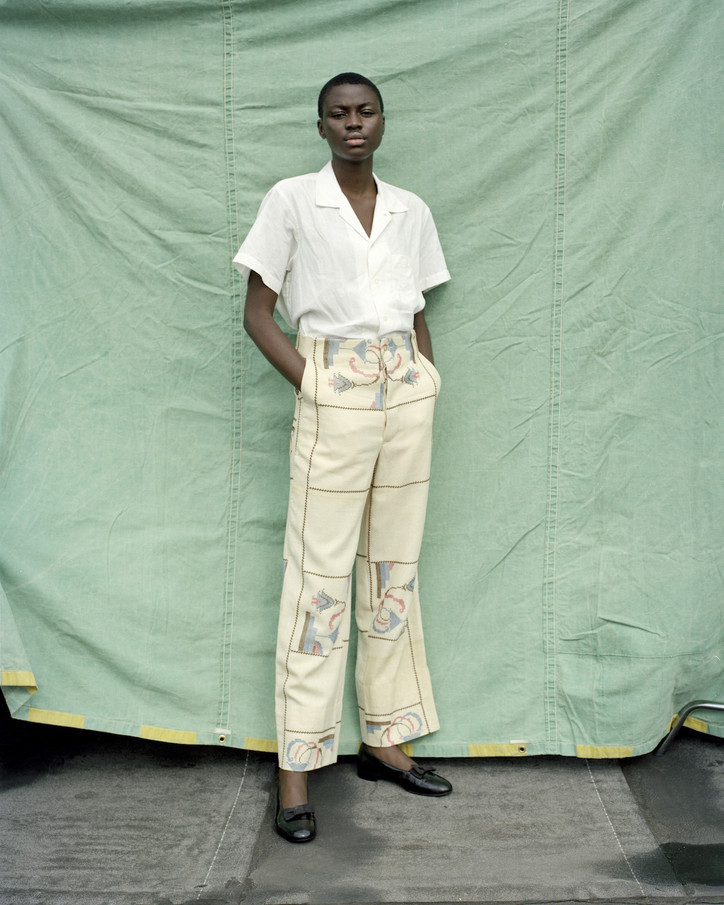
You founded Bode in 2016. This is annoying to ask, but did you expect it to take off so quickly? It’s been so successful, so fast.
I don't know. I feel like people ask me that question and in a way, I wouldn't have started a brand if I didn't think it would work. I feel like it was definitely a surprise, but I always knew that I wanted to have my own brand and my own company since I was little. So, it just made sense to me to do it in this way. But I think who's shopping with me and in what way, and I think that was really surprising to me. I don't think that I would have said that I was going to be a business that has their own e-commerce. I feel like sometimes you look at a young designer or luxury price point brands and people don't really sell online, but I think I pictured myself having a store, which is definitely a next step. But I probably didn't realize the way that my business was going to unfold.
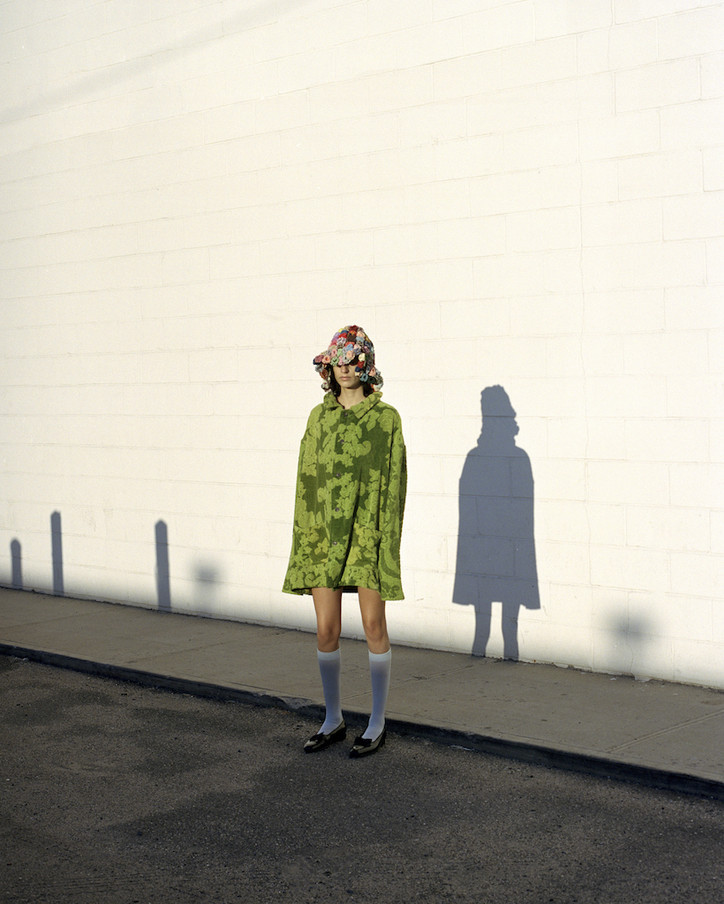
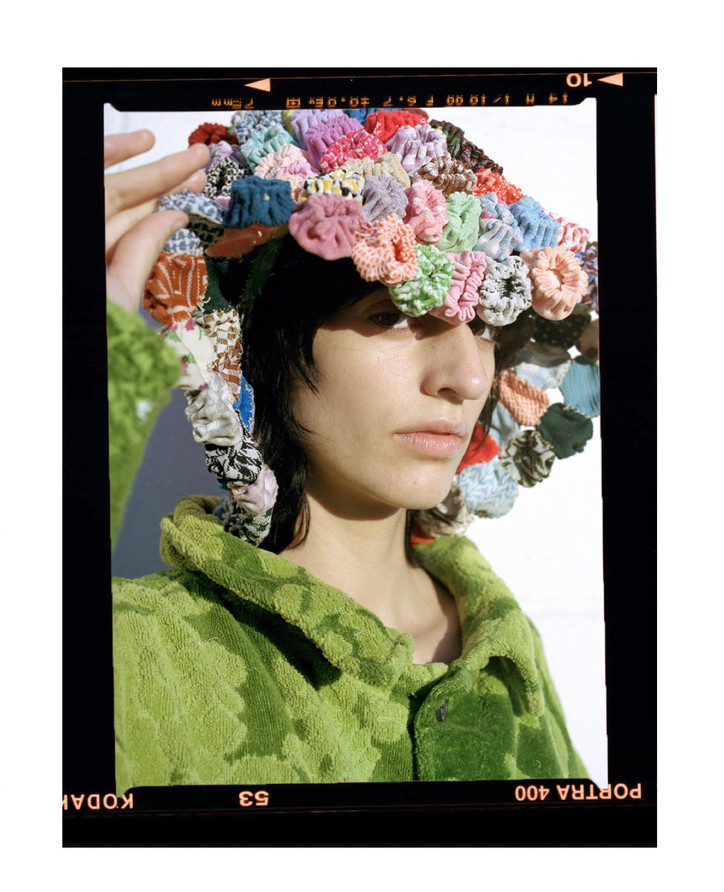
Your brand is rooted in tradition, like quilting. What sparked your interest in vintage textiles?
I grew up antiquing with my family, so my mother's father was an antique collector. He was really interested in American antiques and my mother and all of her sisters, so all of my aunts are big into collecting. It's just kind of the way that we grew up. We went to flea markets and antique stores and big antique fairs and auctions. I grew up around them and even as a little kid, I gravitated toward antique toys. So, I had a doll from the 1800s and a little grocery store from the ‘20s. That's what I loved, the past histories of objects, and that somebody made something with an intent and a purpose, and there was this history that had to go along with it. I think that's where my work came from.
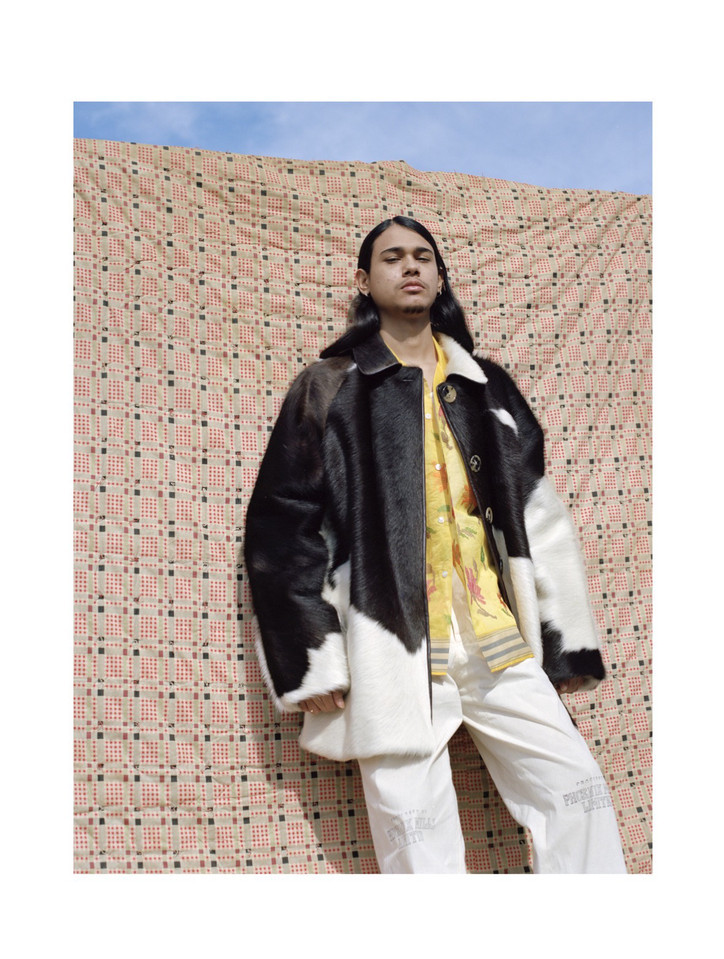
There was a great profile of you that mentioned some controversy with the quilting community. Is that still something you experience?
No, it was actually just two main women. But, no, but we're actually very supported in the quilting community. That was probably an old one, I'm not sure. There was a blog post one, but, for the most part—
There's nothing.
Yeah. I've had some of the most important, well-known quilt dealers come to my studio, historians. We have a lot of support from the quilting community. I think it's also knowing what to cut and when to repurpose something, and also when to keep something for domestic use, and when to be able to use it for craft making.
We do a lot of private client commissions. And if a customer says, ‘Here's my great-grandmother's lace,’ I'm like, ‘Oh, I'm not going to be the one to cut that.’ You have to realize that if something is signed or dated or it's really in pristine condition, or if there's a rarity about it and the history or significance of the quilt pattern used, then you physically wouldn't cut something like that.
When do you feel it’s appropriate to cut or restructure something?
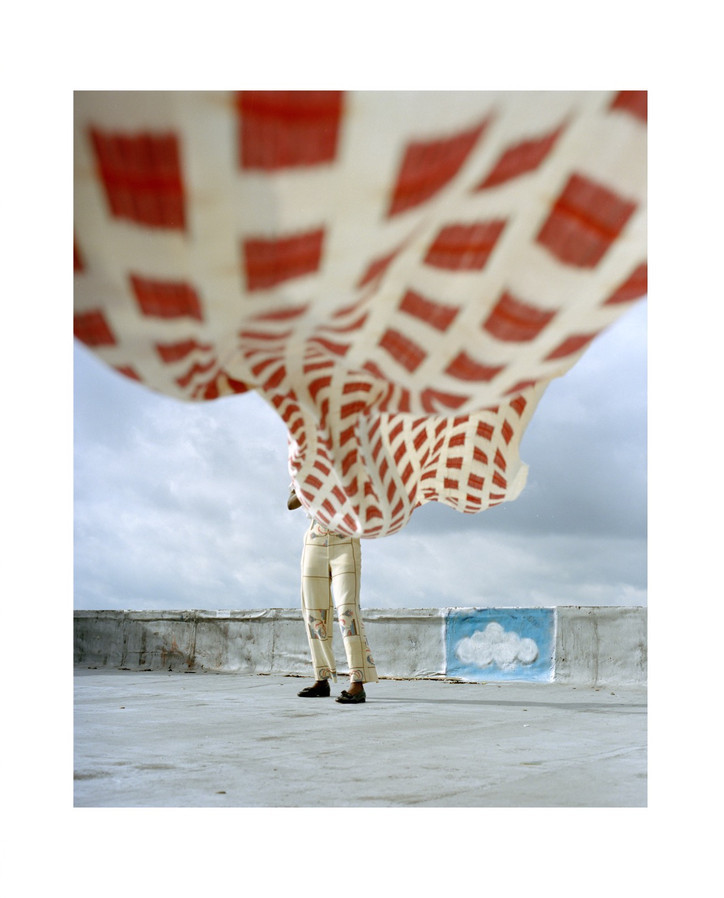
What I do love is working on commission projects where someone will say ‘I have this lace,’ or ‘I have these handkerchiefs that I've had in my family for a 150 years, and it just sits in a trunk. My kids don't want it, and we have to downsize the house.’ And that's what I like—for someone to be able to love and reuse an object. They're not gonna put lace on their bed. They're not gonna put a quilt with a huge stain in the middle and bring it to get repaired. There's no interest in that. So, to repurpose those kinds of domestic textiles that have a strong family history is the goal for me—that's the foundation of the brand.
We did a really wonderful project for this woman who we met through other mutual friends. This woman was actually terminally ill, and she wanted to give her grandchildren something—she wanted to pass something on. So, I made shirts for all of the grandchildren out of all of her handkerchiefs. Because we make handkerchief shirts for men.
People don't really use hankies anymore, but they're all so—there's so much work that's involved in handkerchiefs. The embroidery and the lace and all of that was done by hand by her family, so it was a really beautiful way for her to give her heirlooms away, but without giving a five-year-old a handkerchief. She fully understood the way that we make clothes and what our goals are as a business, and being in this culture of giving and sharing personal histories and oral histories.
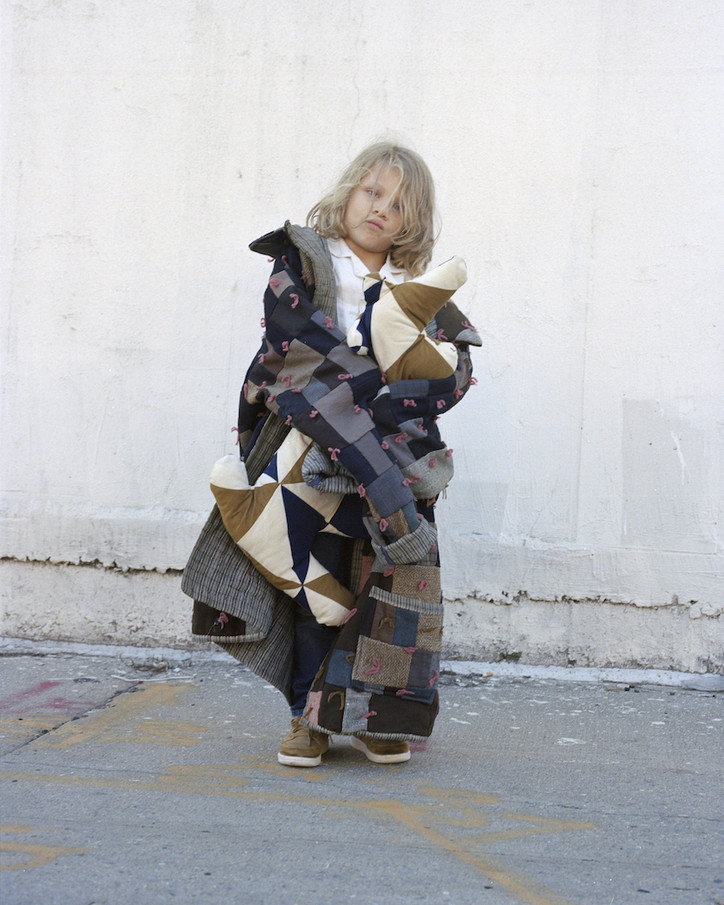
The way you describe repurposing clothing and giving it a story is really lovely. You’ve spoken about this in the past, but now—especially considering the wide range of CVFF coverage using the word—how do you feel about using ‘sustainability’ as a descriptor?
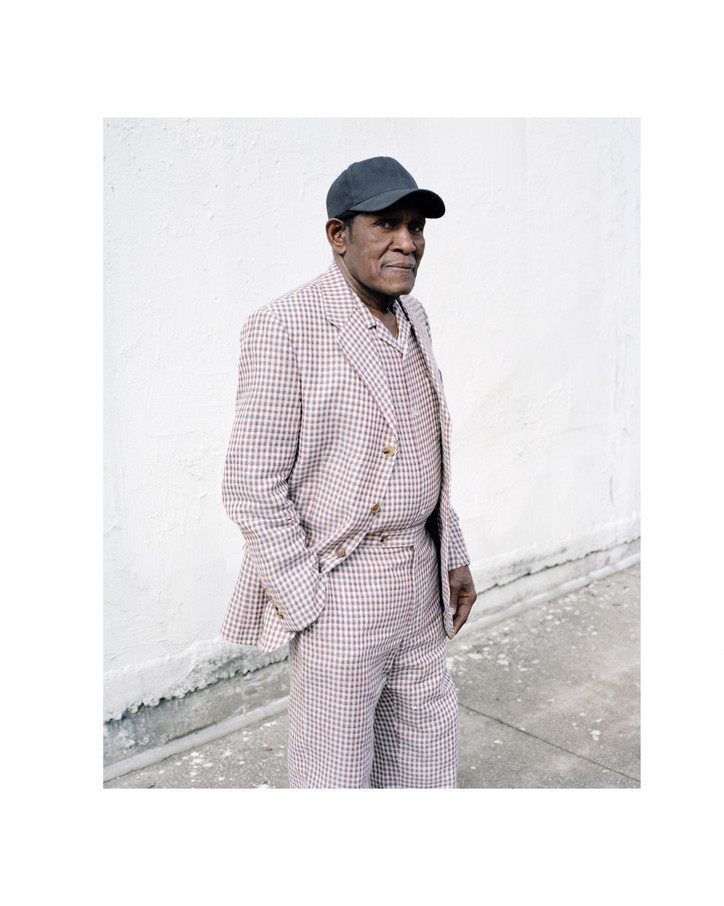
We don't outwardly say that we're sustainable. To me, it's just an important aspect of our brand that we're sustainable. I think we'll always be sustainable as we scale. It's really important to me to work with individuals who are informed about sustainability, especially as you scale with factories and overseas. We do a lot of manufacturing in India and so what a sustainable brand should look at in terms of fabrics that they use, or dyes that they use, or production practices, that's always definitely at the top of our list. But I don't publicize that we're a sustainable brand. To me, it's just something that I feel very strongly about.
Models: Freddie, Ibukun @ D1, Roman @ Akrav, Jan @ Midland, Chad @ Midland, David @ Midland, Lou @ D1, Zach @ One Management, Diego @ St Claire; Styling Assistant: Samantha Wahl.

Stefan Cooke is no stranger to the fashion scene. Receiving both the H&M Design Award and the L’Oreal Professional Creative Award within the past few years, the London-based brand, directed by Cooke and his partner Jake Burt, seems to operate with a natural effortlessness.
Their past collections manage to bridge that ever-elusive gap between whimsicality and normcore, playful and nerdy. Burt brings his savvy for the silhouette while Cooke weaves in a tang for textiles, and resulting as a brainchild from the best of both worlds.


Can you tell me a bit about the inspiration behind your FW19 collection?
In the end, we called it "Joan," but only because when Stefan was trying on samples about three days before the show he said he felt like Joan of Arc. Honestly the inspiration came from us trying textile techniques and silhouettes we liked. I guess you could say we just picked up on loads of things we liked and expanded from several points. The leather-strip pieces were inspired from the side of a Chelsea boot we found in a charity shop and the knit came from an illustration on an old book.


How does each element of any final look interact with one another to represent your overall brand?
The hope is that we can explore techniques with textile, cutting and construction but still deliver believable garments.
What is the most valuable piece of advice you have received thus far in your fashion career?
Plan ahead.
Who is your dream person you would like to dress?
Cindy Sherman!


Top 3 designers (dead or alive)?
Dirk Van Saene, Olivier Theyskens, and Martin Margiela.
When you aren’t designing you are ...
Walking around London.
The year is 3005 and someone is curating a retrospective of your brand, what would the title of the exhibition be?
"Stefan Cooke, a retrospective".