Red Bull BC One

Stay informed on our latest news!


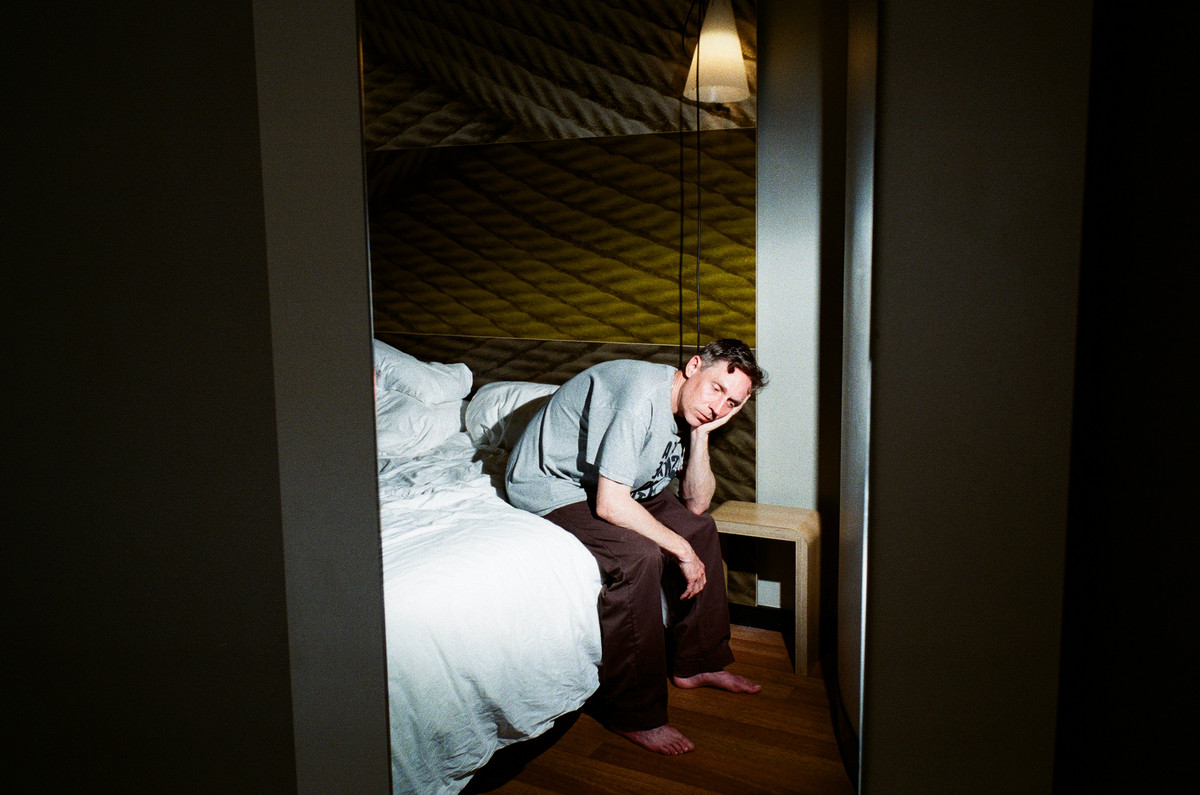
ANDREA’S DIARY ENTRY
Friday, March 13th 2026
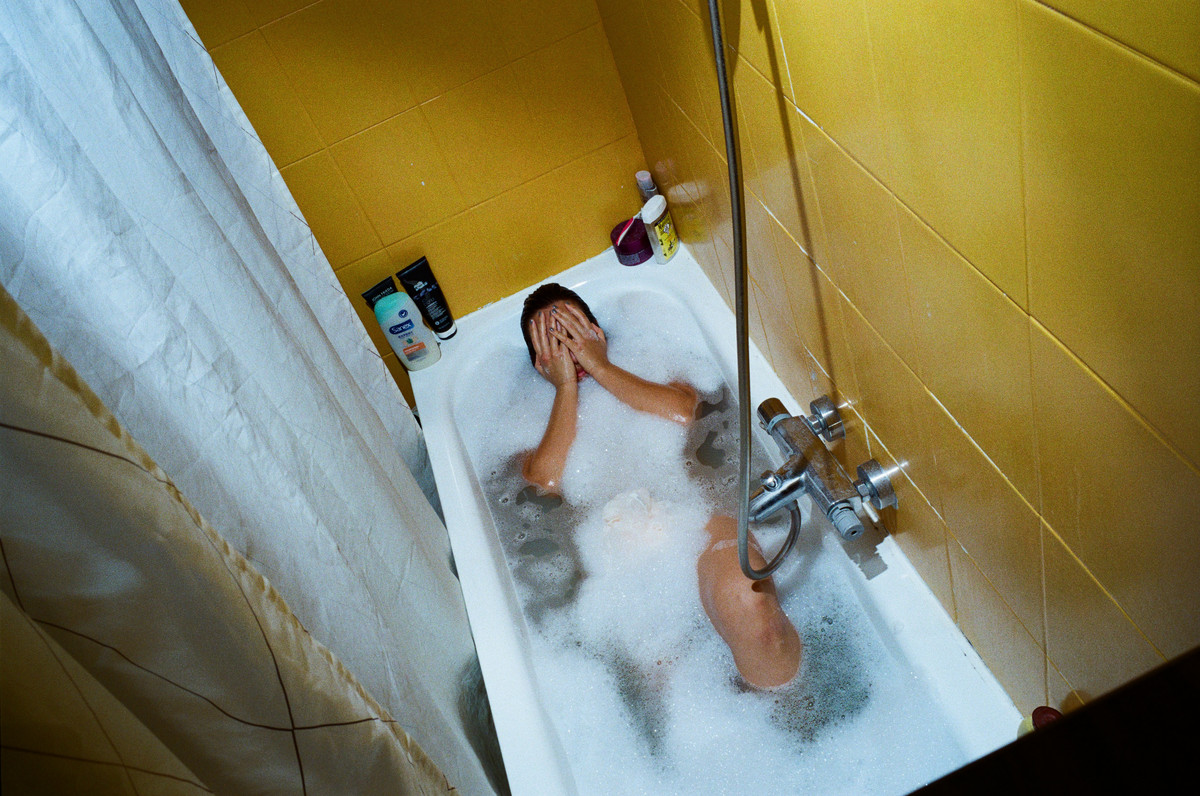
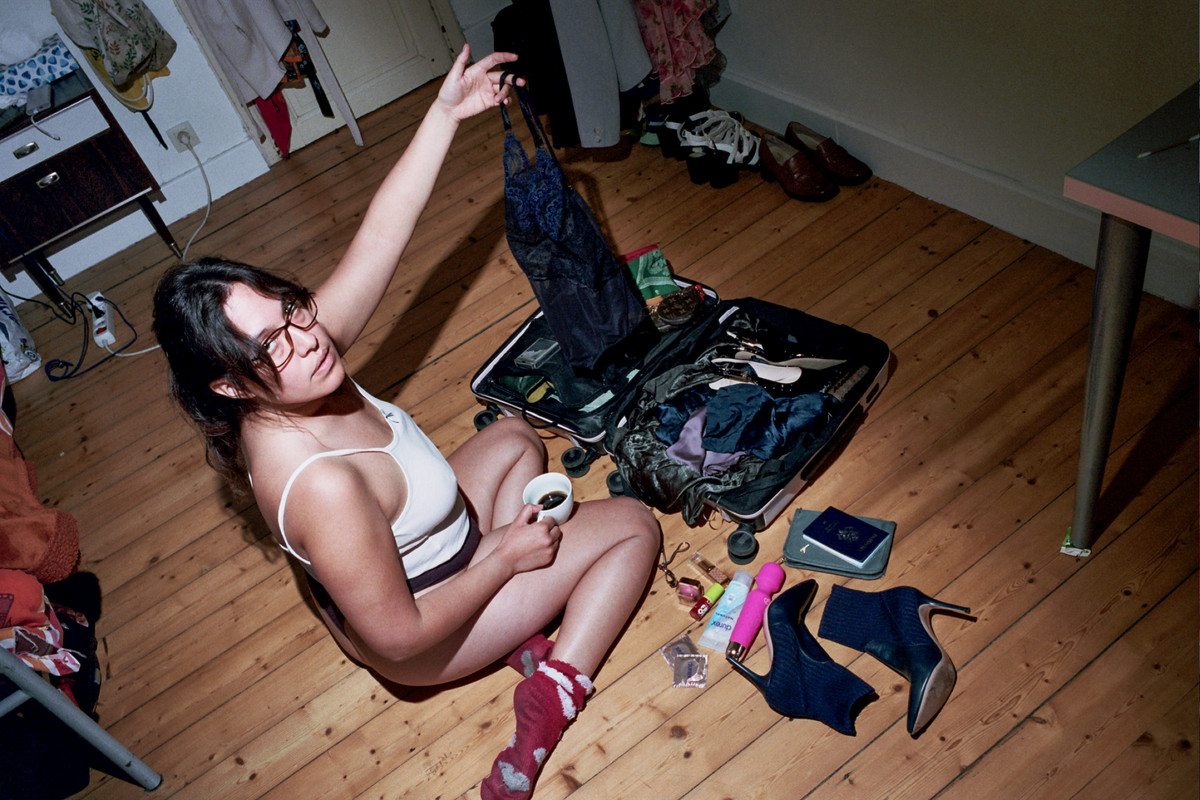
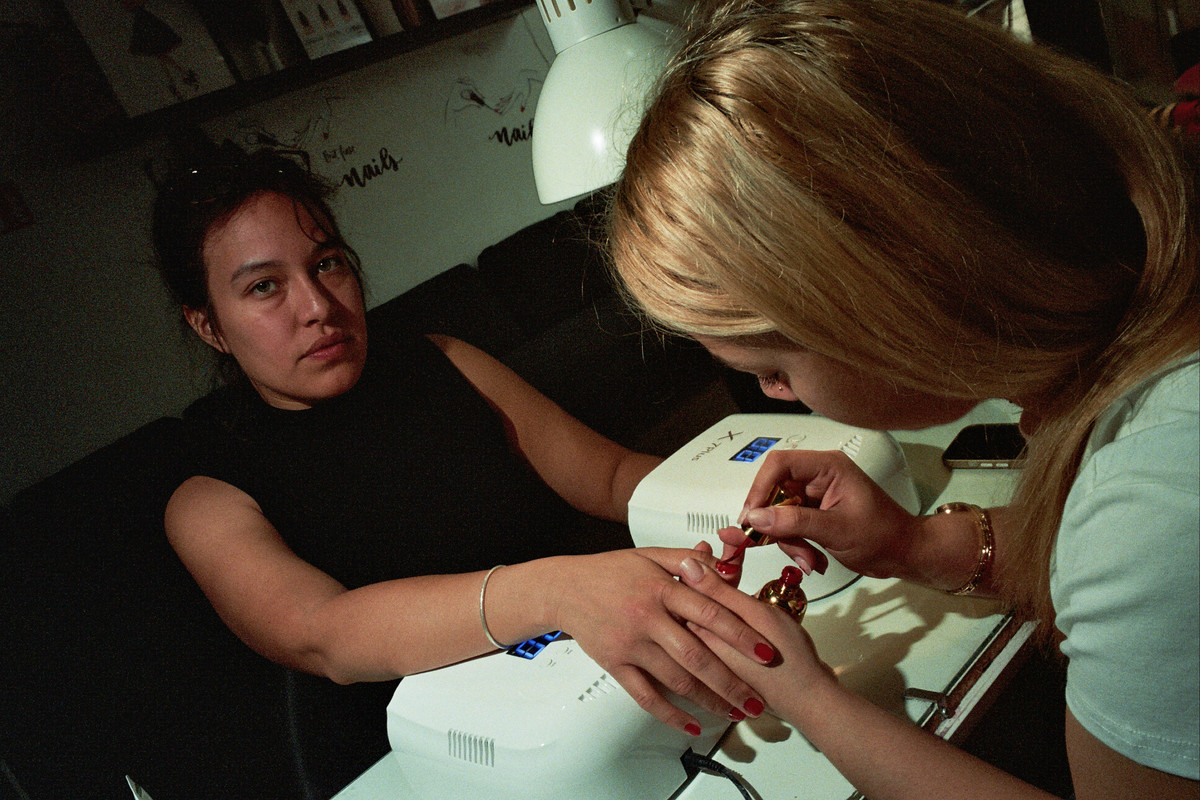
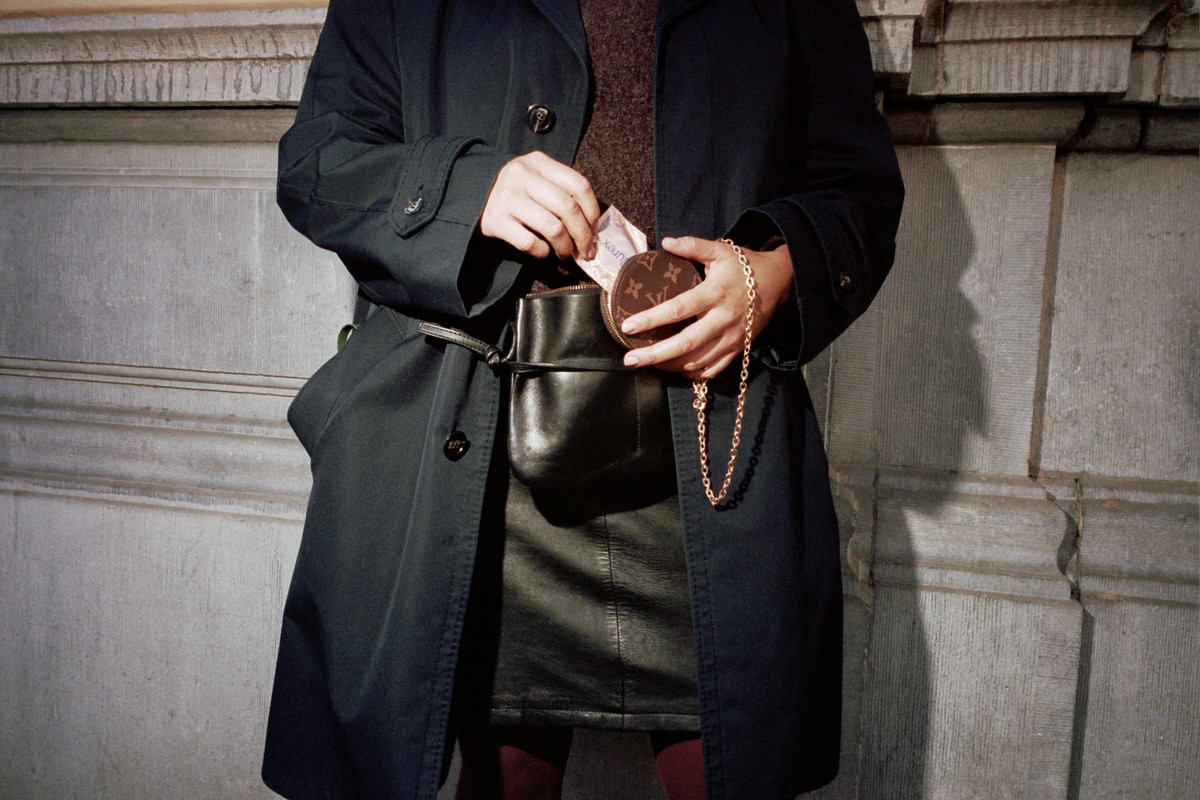
“I promise I’m almost done” is what I say whenever I have to leave him. Goodbyes have never been harder than when he watches me pack condoms he knows he won’t use and slip on tights he knows he won’t be slipping off later that evening.
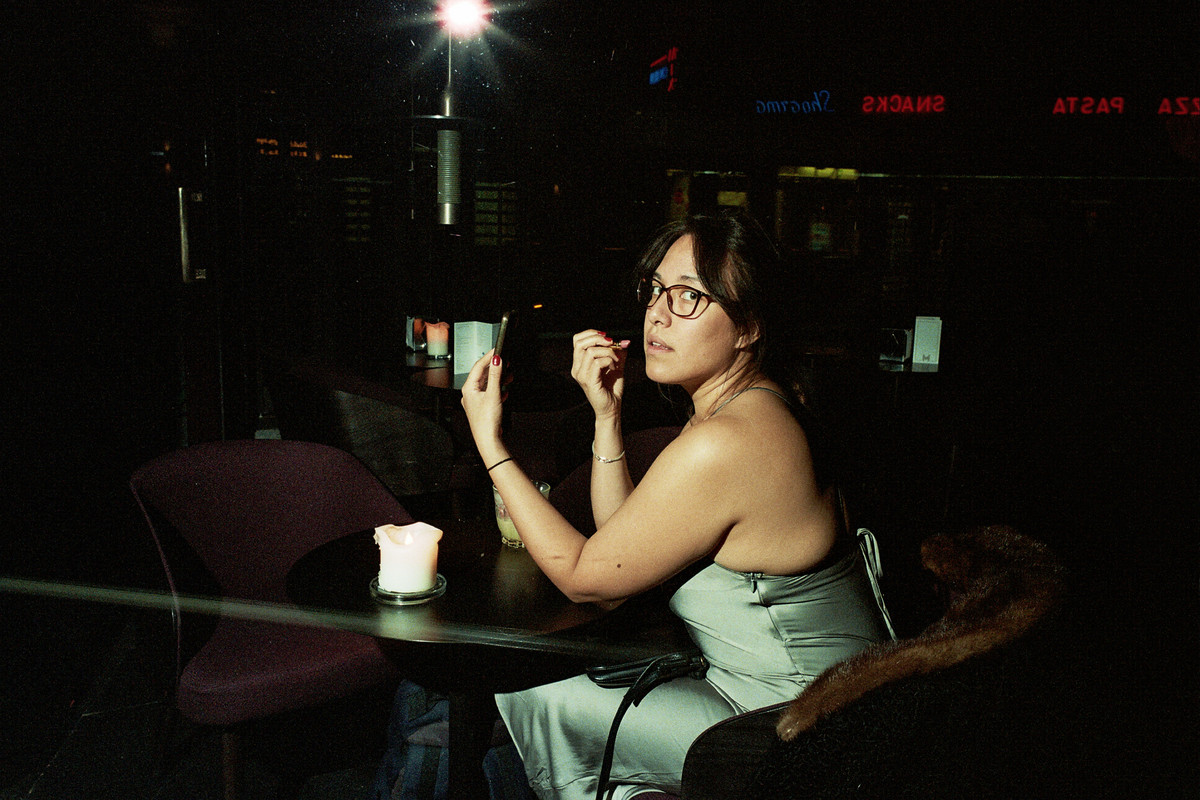
What he doesn’t know is how I can’t close my eyes while lying in the bed of another man. How my arms fall weak, and my legs paralyze. It’s a kind of comatose state I enter when a strange man enters me.
I don’t close my eyes because I don’t want to enjoy it.
The darkness swallows me and allows me to escape to a better place, back to his warm embrace. I see the spit I left behind on his chin shimmer in the light after a passionate kiss and how he turns away in an extraordinary effort to suppress his natural calling. It shows that he cares, that he still wants me.
And for some strange reason, I open my eyes again. Staring back at a loveless transaction, longing for the love I left behind.


ANDREA’S STORY
In the 2009 movie Chloe, Amanda Seyfried plays a beautiful, young escort hired by Catherine, a suspicious wife who decides to test her husband’s fidelity. A plan destined to fail, I might add.
During their first meeting, the wife, played by Julianne Moore, is shocked to learn that most of Chloe’s clients are married. She hesitates before asking, “How do you do it?” After a brooding silence, Chloe meets Catherine’s gaze. “I try to find something to love in all of them.”
Not me. I thrive on their weakest moments and revel in their deepest insecurities. Like a succubus, I feed on their fractured lives just to get me through the day. But it wasn’t always like that.
In the beginning, I felt virtuous. A courageous do-gooder offering touch, desire, and intimacy to anyone who felt worthy of physical connection and brave enough to walk through those brothel doors. In a space that breeds false identities, you learn not to trust anyone. Cynicism embedded itself deeper into my psyche with the same script recited five or six times a day:
“My wife wouldn’t understand.”
“She’d leave me if she knew.”
“The kids are too young.”
“We have an arrangement.”
“I’m single.”
Sure.


The brothel becomes a fleeting sanctuary where vice feels like home and sin feels like safety, yet guilt is the only thing you take with you when you leave. People often say to me, “But it’s all a performance, isn’t it? You must be pretending to like them.” If only it were that simple.
When you convince yourself you’re doing something meaningful, it feels like your duty to glue together the pieces of a broken stranger. You share vulnerabilities, empathize with their loneliness, and satisfy their hunger for touch, and suddenly, you become human.
By the time I met Jodi, I was already withering away, my self-worth holding on by a thread. Seeing clients had become an excruciating task. By that point, I’d realized I wasn’t strong enough for the work. Setting boundaries wasn’t second-nature for me like it was for the other girls. Every no eventually became a yes. And then the timer would go off, forcing me to watch my naked reflection in the mirror and confront reality.
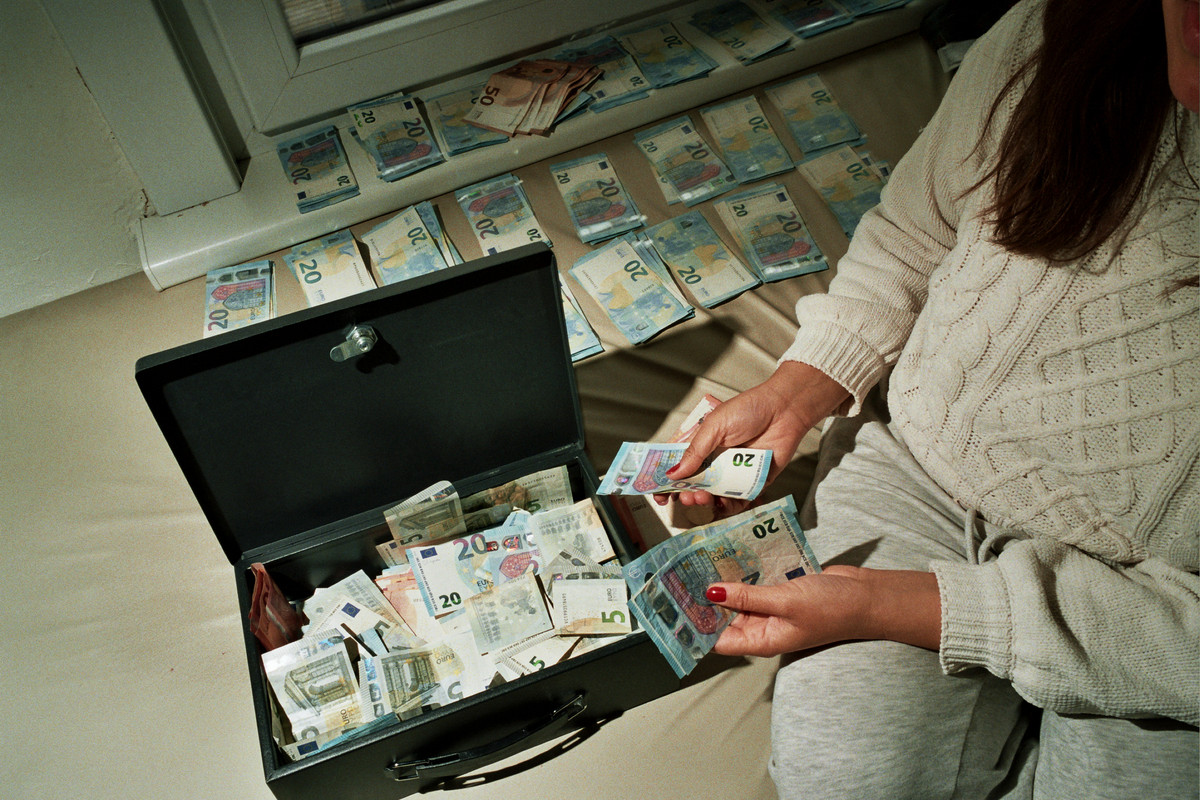
Every time I met that sad girl in the mirror, I would ask, What the fuck are you still doing here? And she would answer very carefully, Luxury. Travel. Time. And she’d whisper to herself, Luxury. Travel. Time. I wore the title like a badge of honor after I revealed myself as a sex worker, careful not to let him see my dignity slipping through the cracks all over my body. So when Jodi asked me if I had come to London just for the workshop, I nodded my cocky head. “I have the time and money, so why not?” “How do you do it?” he asked outside the pub, where I realized how much older than me he was. “I’m giving back to society. I’m giving people a chance to feel loved.” That was months ago now.
Since Jodi and I fell in love, he’s watched me leave my best only to come back home with what was left: an empty vessel of a woman, apathetic and pitiful. He’s cried on my shoulder, desperate for me to see his worry, pain, and jealousy. “Are you going to leave me for some rich asshole?” He asked in pleading tears. “Never.”
Sex work isn’t about empowerment. It’s about the pursuit of power. And in the end, if there ever is an end, you don’t always get it.
“You can’t just pay for us when you want us and then dispose of us when you don’t.” Chloe (2009)


JODI’S STORY
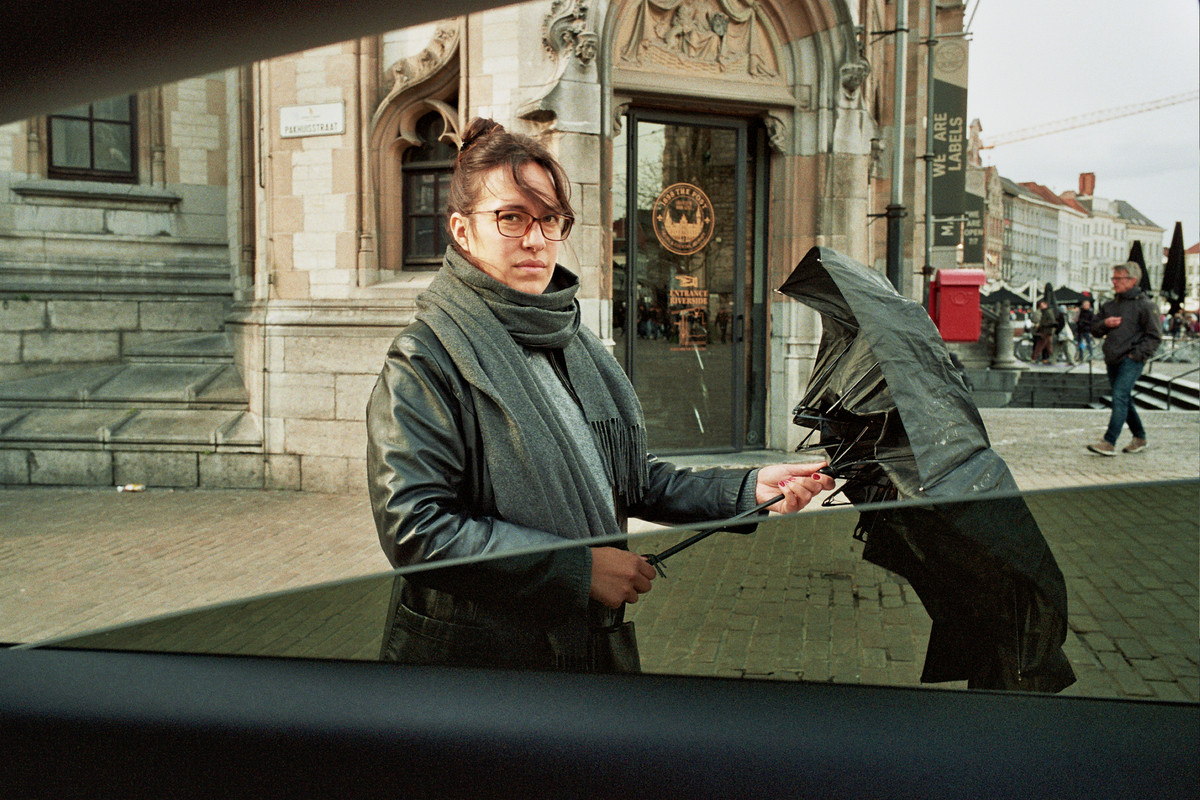
That’s the thing with photography: a camera can giveyou access to people and moments you would never normally have the chance to witness. In my time as a photographer, I’ve always been amazed by how it can take you on a journey, bringing the unimaginable into your life. People, stories, and emotions all ebb and flow. It’s easy to take the beauty of this for granted.
Sometimes the stories we think we’re documenting begin documenting us back. The distance between observer and subject disappears so quietly you don’t notice until you’re already emotionally invested. When the story is no longer framed by a viewfinder, but by the person standing in front of you.
It was on a cold winter morning, assisting a friend running a street photography workshop in London, that my camera brought someone into my life who would affect me in a very real and personal way. At that point, it became clear I was no longer observing the rollercoaster. Instead, I was on it.
I never expected to fall in love with a sex worker. As a young man, I had strong feelings about sleeping with prostitutes, shaped by trips to places like Thailand where sex tourism is rampant, and my male friends indulged without a second thought. I was always the odd one out, unwilling to take part.
When I met Andrea, I was stuck in the monotony of internet dating, like so many others. This chance meeting challenged me in ways I couldn’t have imagined. I never saw her for what she did. I saw her for who she was. Passionate, lively, determined, dreaming of a bigger and brighter future for herself. Yet, as our love grew, the relationship became more fragile.
I often felt like a man without a country. When you grow up with deep-rooted family trauma and lose your safety net as a teenager, you learn to hold on to what you love with a grip that is almost too tight. You become hyper-aware of every shift in the wind, always waiting for the person who matters most to fade into the distance. So when someone finally felt like home, my first instinct wasn’t comfort. It was fear.
Because our relationship was long-distance, she often reminded me how lucky we were that her job allowed us frequent trips across the English Channel. When I held her in my arms, I could forget the estranged intimacy she shared with other men. But when we said goodbye, the darkness crept back in. My mind became a gallery of worst-case scenarios: How many are there today? Is she safe? Will some rich, handsome man sweep her off her feet and take her away from me?

It was a vicious cycle I couldn’t break free from. Learning to express myself without putting my needs first became our greatest challenge. She fought for independence while I fought for reassurance.
“Do you think of me as a client when we have sex?” I asked one evening after she came home from work. It was a desperate plea, proof that our intimacy was still a choice, not a habit. She comforted me with unwavering love, though sometimes it met the wall of her exhaustion. In the quietest hours, when her work felt like it was winning and old memories of loss rose to the surface, I reached for the only truth I knew how to hold onto.
“Tell me you love me,” I’d say. “Tell me you love me like the work doesn’t exist.” I needed to hear it to believe I was still the center of her world. I was terrified that if I stopped asking, silence would become our only language. But when she said it, through the distance, the differences, the defenses, it became the only thing in the world that wasn’t a transaction.
We existed in a space that was raw, confronting, and relentlessly transparent. And despite the constant struggle and emotional upheaval, her work somehow brought us closer. It fast-tracked our relationship. We had to navigate intense jealousy and resurfacing insecurities time and time again. However, it created an honesty and openness between us that built a trust and emotional connection that couldn’t have been forged in a conventional relationship.
She says she’s almost done, and so I stay. I stay because despite the jealousy, the frustration, and the ghosts of my past, her love is the only country I have. “Life moves pretty fast. If you don’t stop and look around once in a while, you could miss it.” Ferris Bueller’s Day Off (1986)

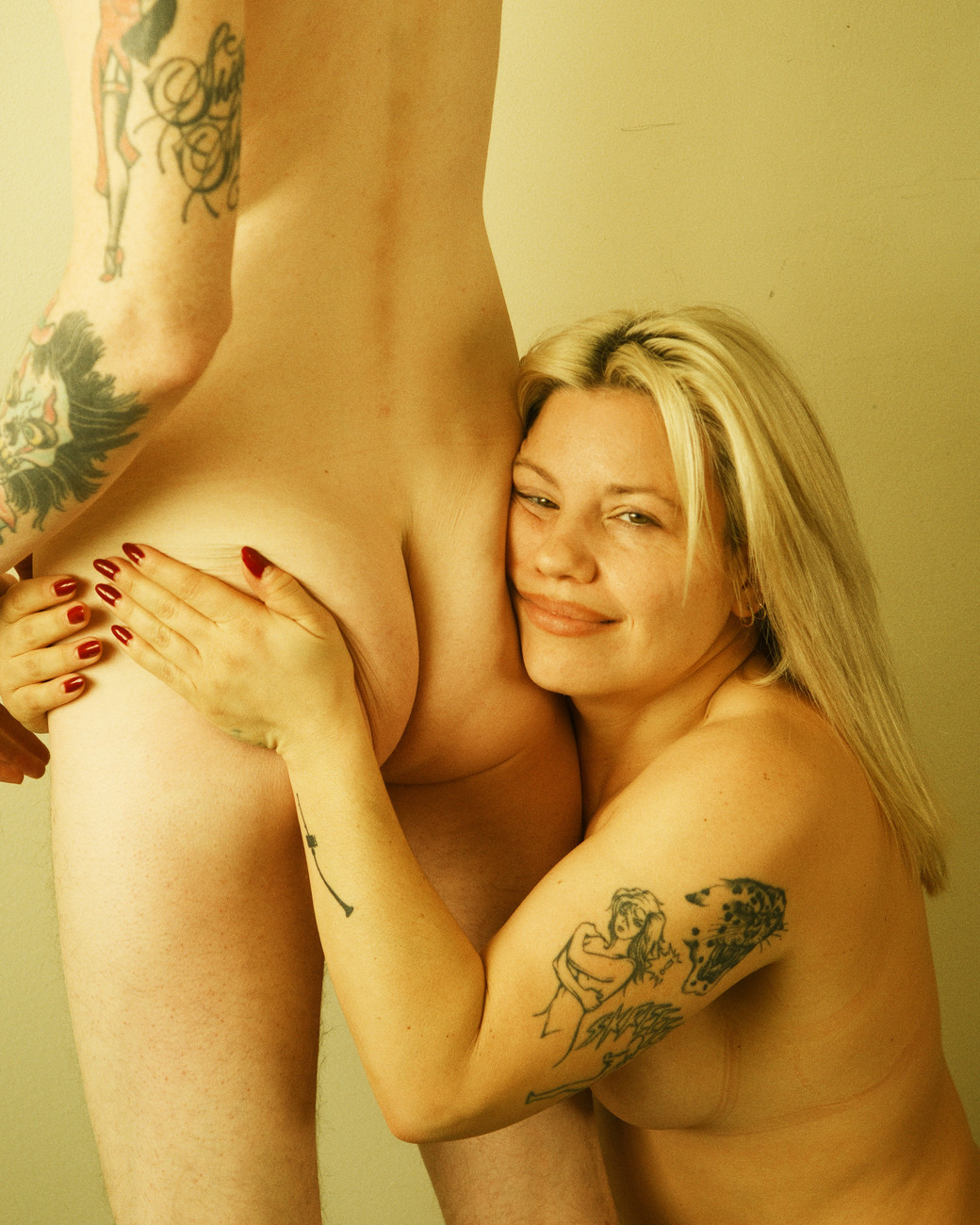
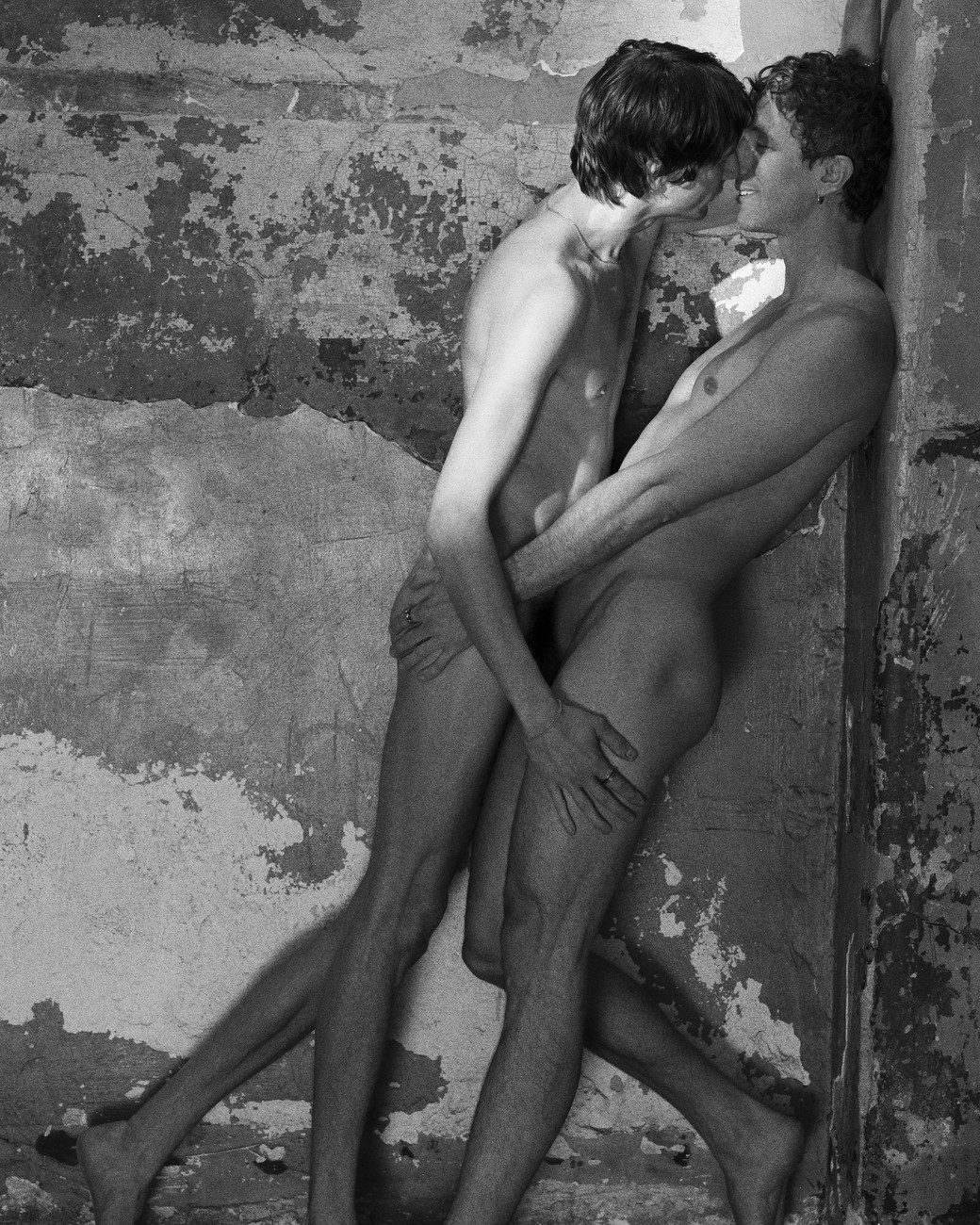
I am deeply interested in love beyond romance. For love exists as friendship, collaboration, chosen family, and creative partnership. The intimacy that develops when people build a shared language over the years. It is through growth and change that allows people to return to one another, or stand by each other’s side, through all of the different stages of their lives.
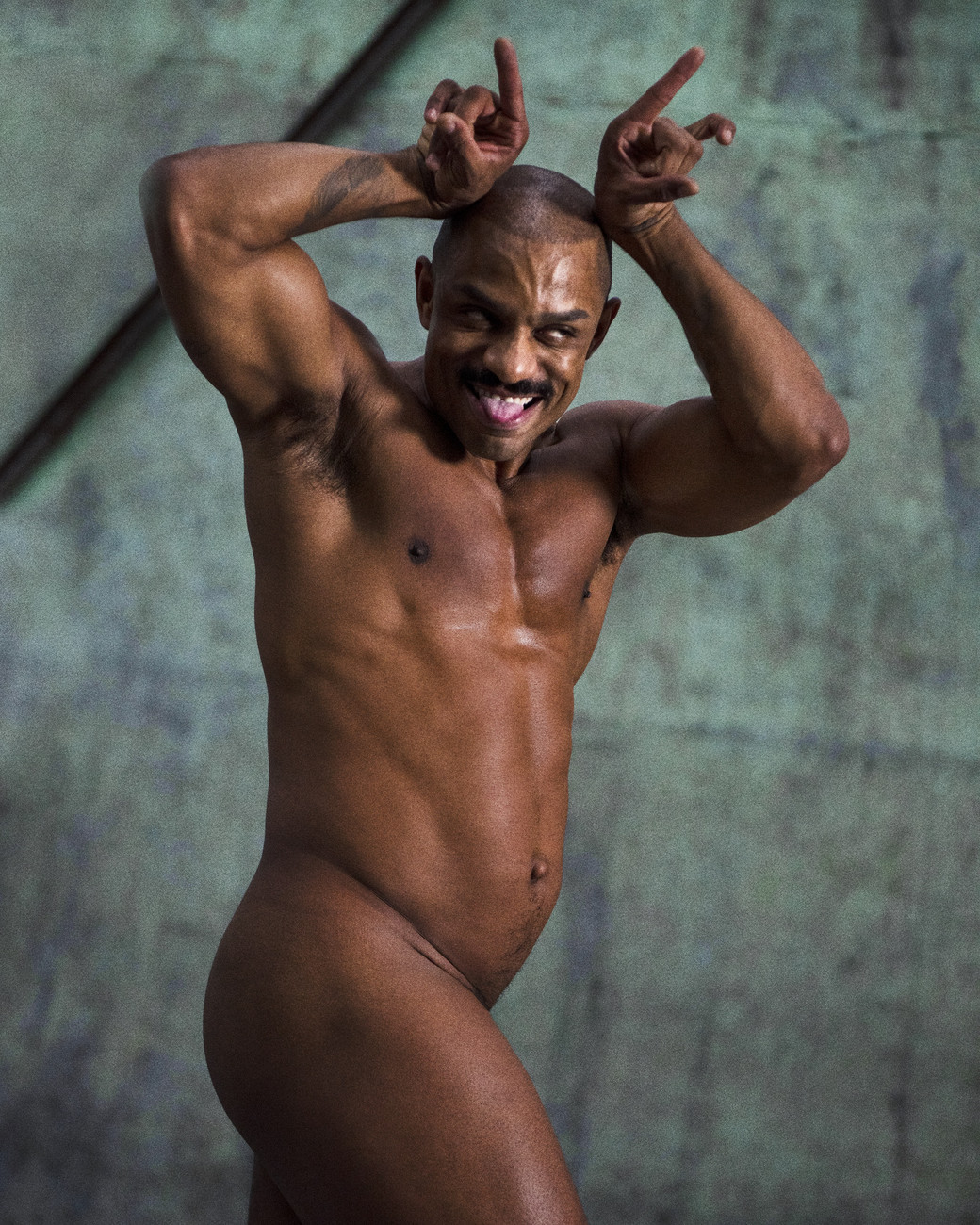
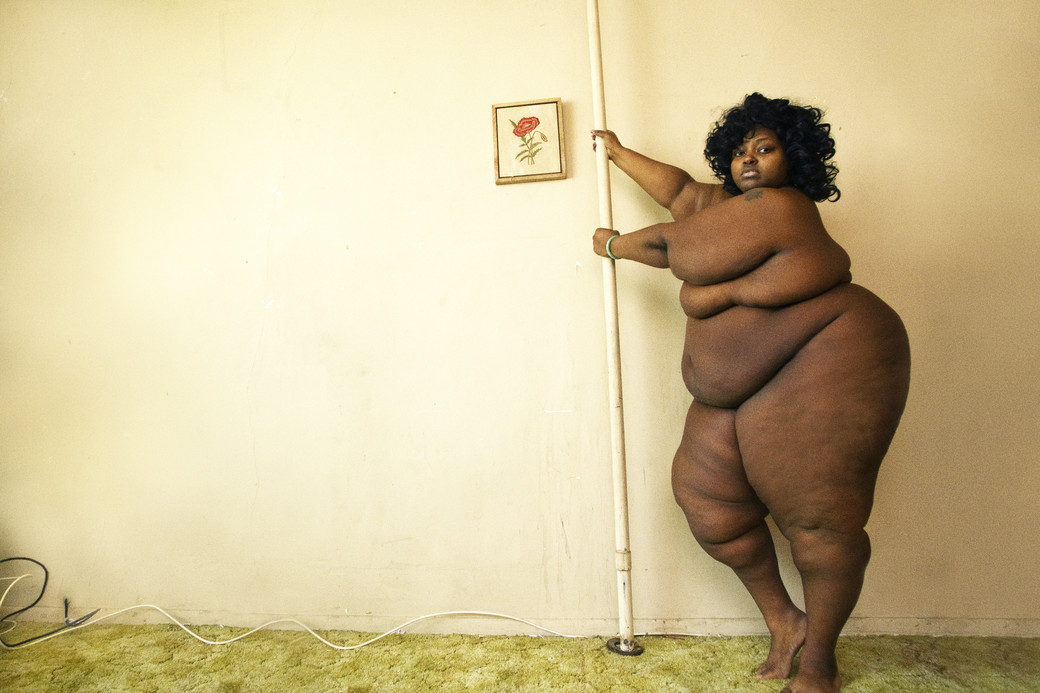
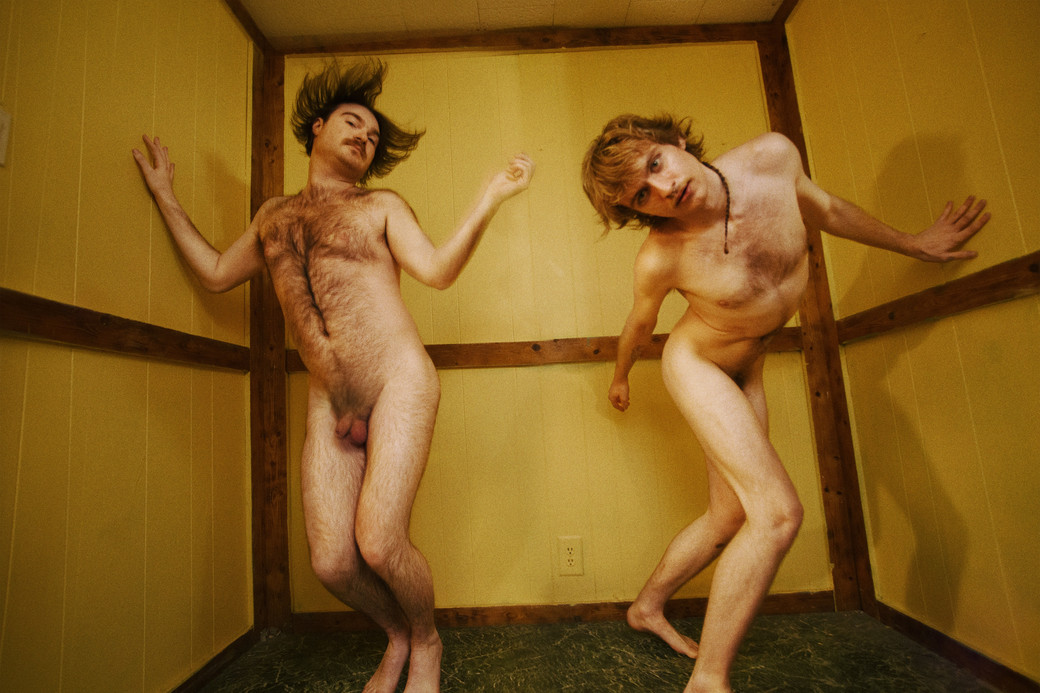
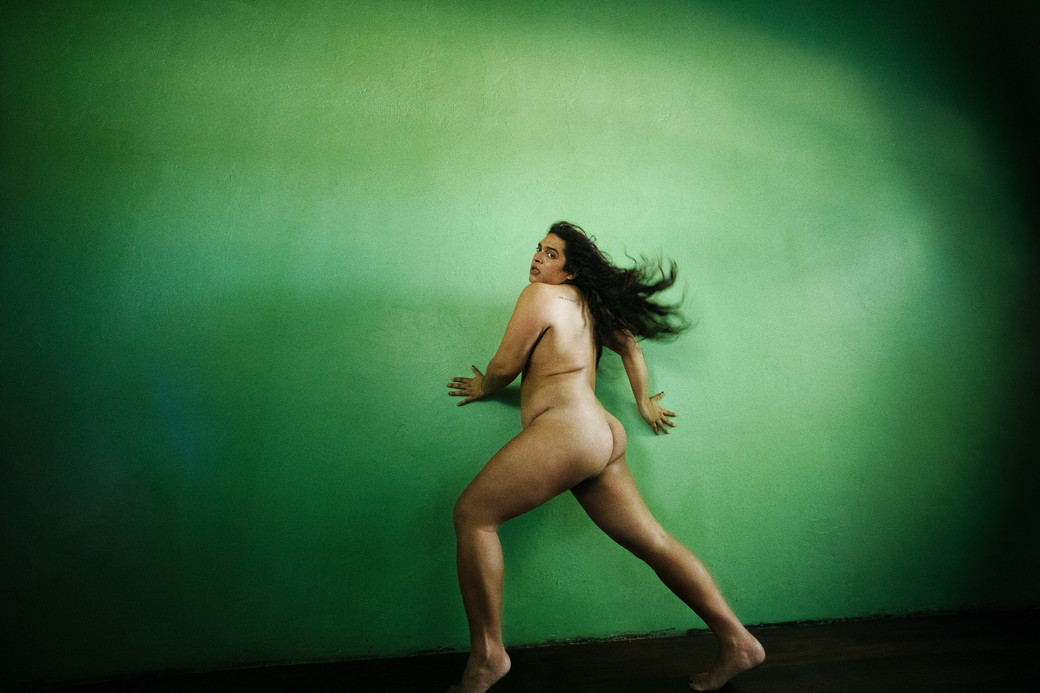
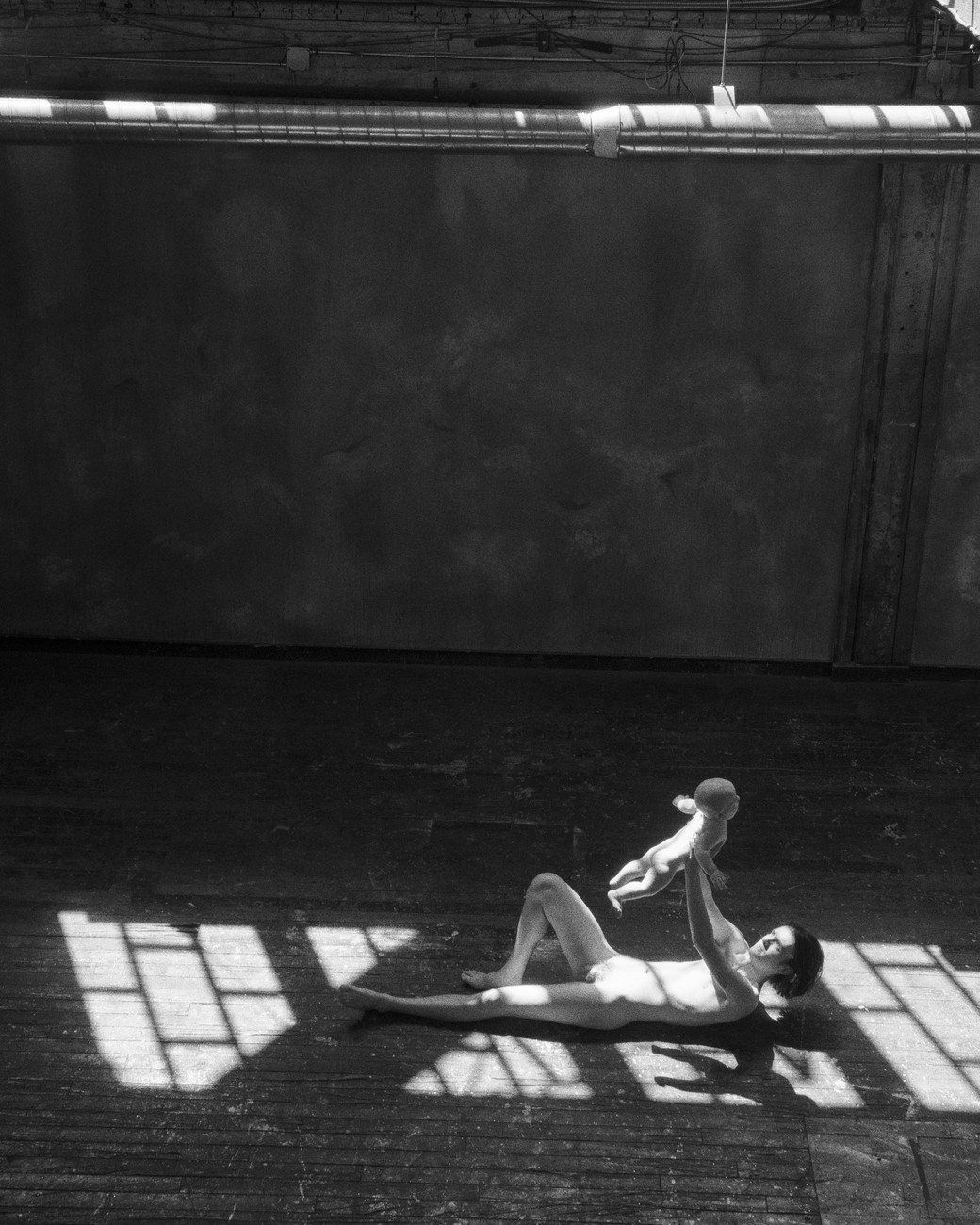
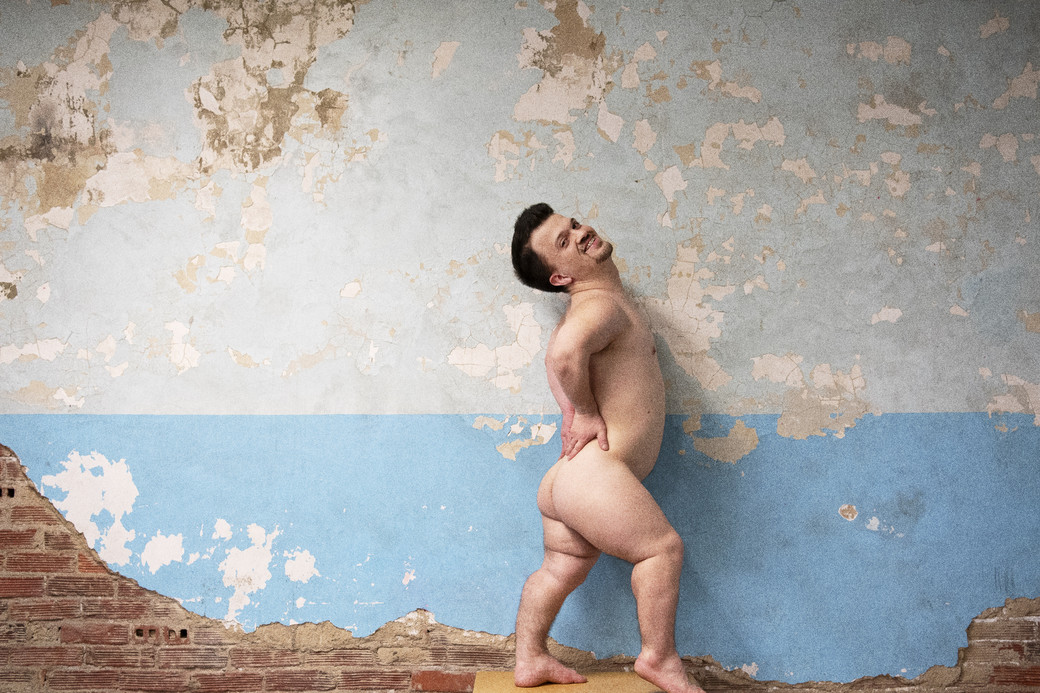
My favorite subjects to photograph are people who surrender to the image. They allow themselves to be liberated. In a willingness to clown around lies a seductive vulnerability that emerges from the unthinkable. Through photography, I want to challenge the narrow ideas of beauty and allow people to be embodied. Presence is all that we have and it needs to be celebrated.
And then there is the studio itself, which becomes an act of love: a space where people can feel unguarded enough to reveal themselves. We are protected from the outside world, even as we spill out of the bounds of the studio walls. Four walls cannot contain all of the spirit generated by being uninhibited by the streets or by nature. It is where spontaneity exists to build a container of trust.
Love is unruly. It is a messy contradiction full of softness and sabotage, lust and loyalty, devotion and devastation. All because it is wholly alive. We have to choose to create anyway. Choose to celebrate bodies anyway. Choose intimacy anyway. Choose play anyway. Without this, how would we create, transform, or exist together?


Who do we think we are? What makes me think I should be privy to advising others as to how to do anything, let alone undergo a venture as extravagant and odious as throwing a penthouse party in a city I don’t live in in mid-July? Our previous accolades consist of:
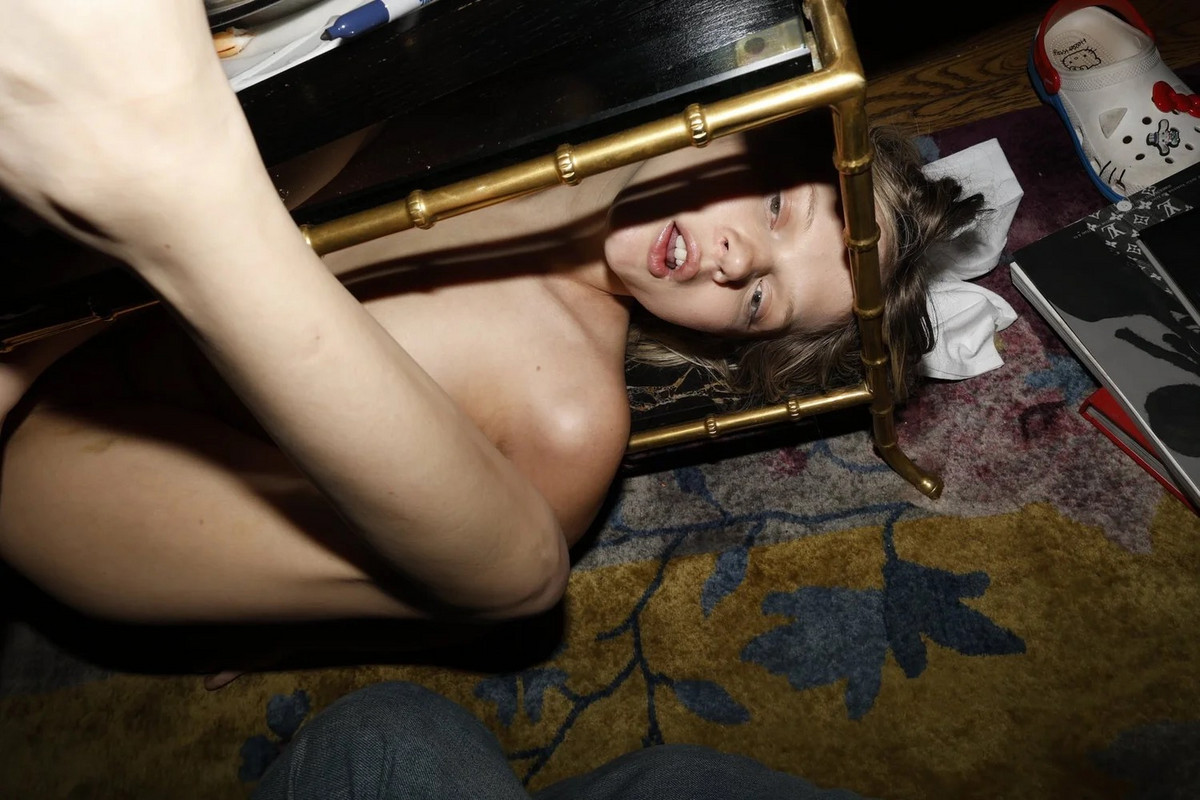
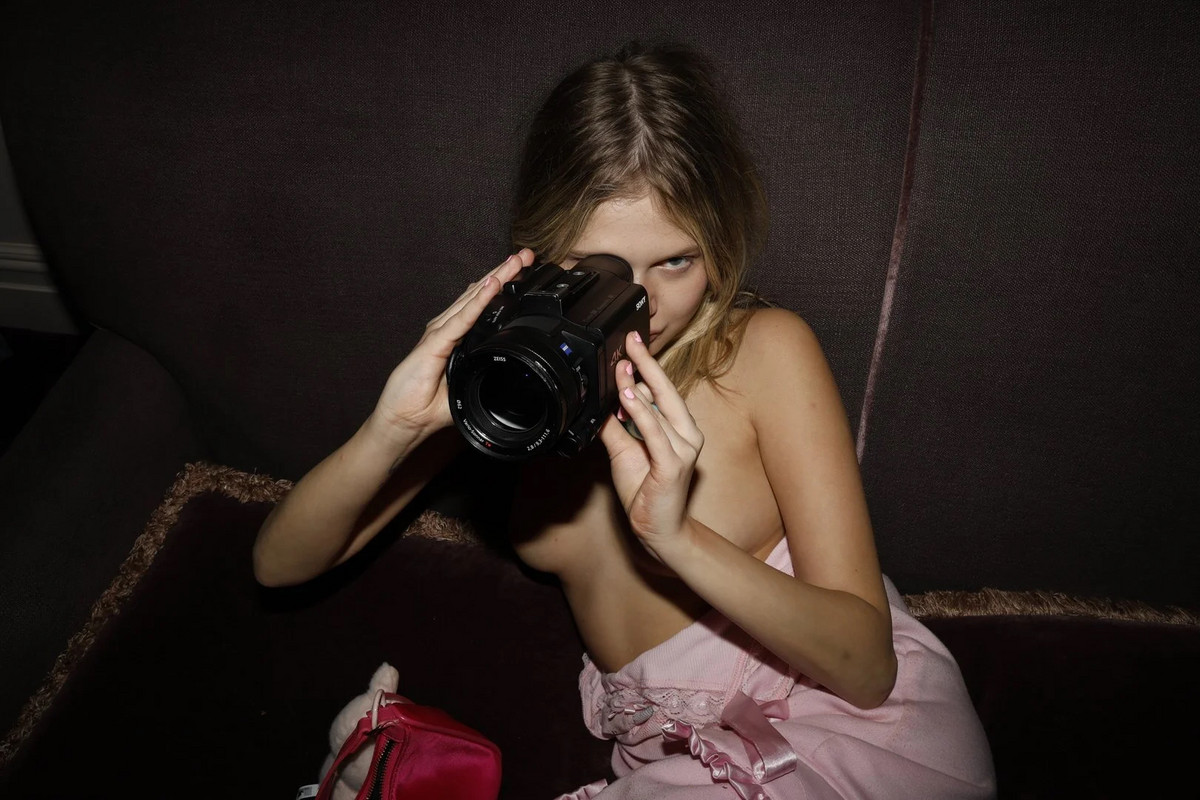
FW SS 2025: The one that started it all. Spontaneous, impulsive thought experiment of the party. First edition of the Chelsea. Competition against Fashion Week. Beat them. Run up 4,000 k tab. Porn on the TV. Porn in the rokom. Chicken nuggets with caviar. Ted Skata mentions he ordered 7 ice creams and proceeded to let them melt all over the sticky velvet living room. The image is disgusting, and I ask no further. Three music videos filmed. One with Andi Vaus, one with Dimond, and the third, as the boys recall, was but a man with a camera who recorded whatever it is that his footage entails.
Halloween. A retired MMA fighter wrestling an 18-year-old nepo baby on the floor of someone's apartment, for reasons nobody present can later reconstruct or agree on. The one that got announced 45 minutes beforehand.
Valentine’s Day: Francis Delacroix’s book launch. It lasted as long as it took to conjure it. People were trying to book the Ritz from the street outside. Unsuccessful. Moved to the Mercer. Security footage exists of at least one person being blocked from entering their own party.
New York has no single etiquette for entertaining. The city's best parties happen in railroad apartments, gallery back rooms, Chinatown restaurants, borrowed rooftops, and living rooms where half the guests barely fit. They are held together less by perfection than by momentum, good casting, and the feeling that everyone is exactly where they're supposed to be.
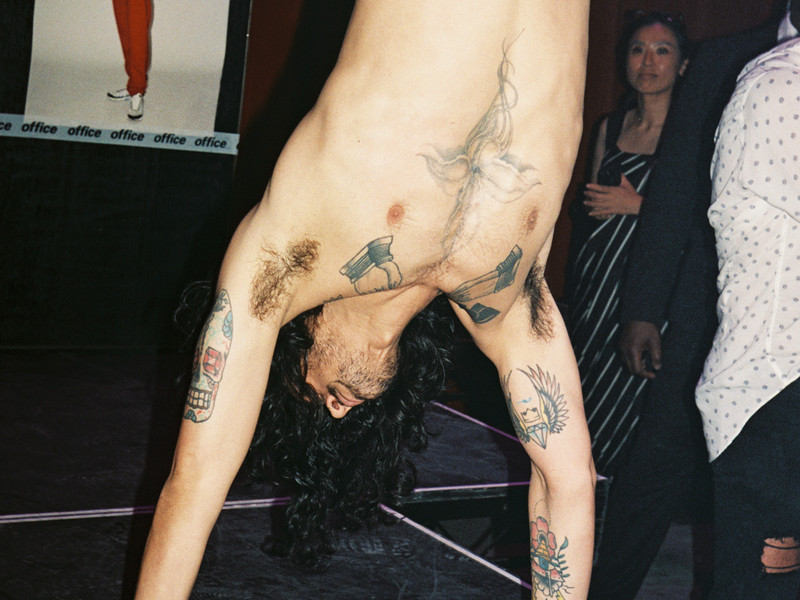
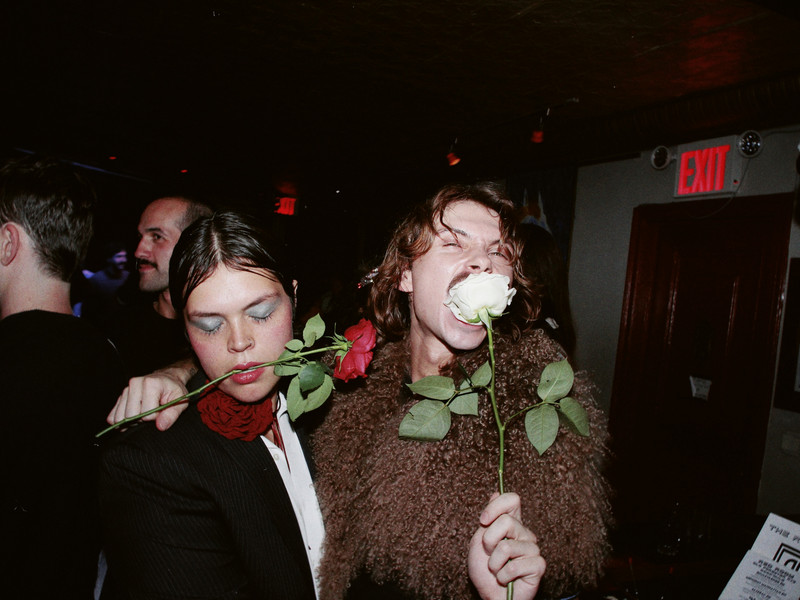
On July 3, five of us hosted a bottle party in a Manhattan penthouse. Friends arrived carrying whatever they wanted to drink, strangers became regulars by midnight, playlists changed hands as often as bottles did, and the apartment settled into the kind of rhythm that only New York seems capable of producing.


The Method (As It Is)
Step 1: Three martini lunch.
Step 2: Drunk-talk your way into booking the room. At the Chelsea, ideally. This time at NoMo Hotel Soho. You went in for one drink with a friend you haven’t seen in a while. You immeditely Trojan Horsed the idea of a party after hearing about their vivacious life in the city.
Step 3: Make a flyer. It’s the next morning. You remember what you’ve done. You need to make a flyer: you have learned your lesson of disorganisation last time when you just posted about the event on your close friends’ stories. You’re too hungover to put any actual effort in. Besides, it’s meant to look nonchalant. A handwritten, barely legible note on a hotel’s cocktail napkin, stating a room number and a time by your hands which are still shaking.
Step 4: Post it. Turn your phone off and ignore anyone who actually RSVPs. Make your own mental checklist. It begins and ends with the one person you’re trying to hook up with.
Step 5: Pre-party dinner with co-hosts. You can’t afford it because you just dropped a bag on the hotel room. You’re chain-smoking outside and ducking the waiters trained by American hospitality who desperately want your business. You have nothing to offer them. You have nothing to offer to anyone. You are worthless. You are also wearing a skirt that will pop open if you even think of an appetiser.


Step 6: Arrive in the room. It’s too small. You have been betrayed once more. The balcony is bolted shut so you ask your dodgy friend from Brooklyn to run to his car and unsrew the door.
Step 7: Too many people come. You regret playing God with the guest list. You also never told the hotel reception you planned a party with 1000 people. Not to worry.
Step 8: Cobrasnake pulls up. To worry
Step 9: Booze delivery arrives 2 hours late. Crowd is elated. You drink your weight in booze. Cobra takes an awful photo of you. Baddies are clawing over a White Claw.
Step 10: Have a two-hour conversation with a stranger in the bathroom. This memory only comes back to you when you check the Cobra website the next morning.
Step 11: Get banned for life. Walk out ashamed, escorted by security and sweating vodka and ecstasy as the flash of the camera scorns your eyeballs, unable to hide behind the darkened frame of the too-big-for-your-face sunglasses you have on. Notice the exiting carpet you’re walking on is red. Shrug, order a car, and go home. Do it again in a week. Learn nothing from your mistakes.