Time for Toadstools

All made in Portugal, these carefully crafted sculptures are available on EckhausLatta.com, Farfetch and Nordstrom.
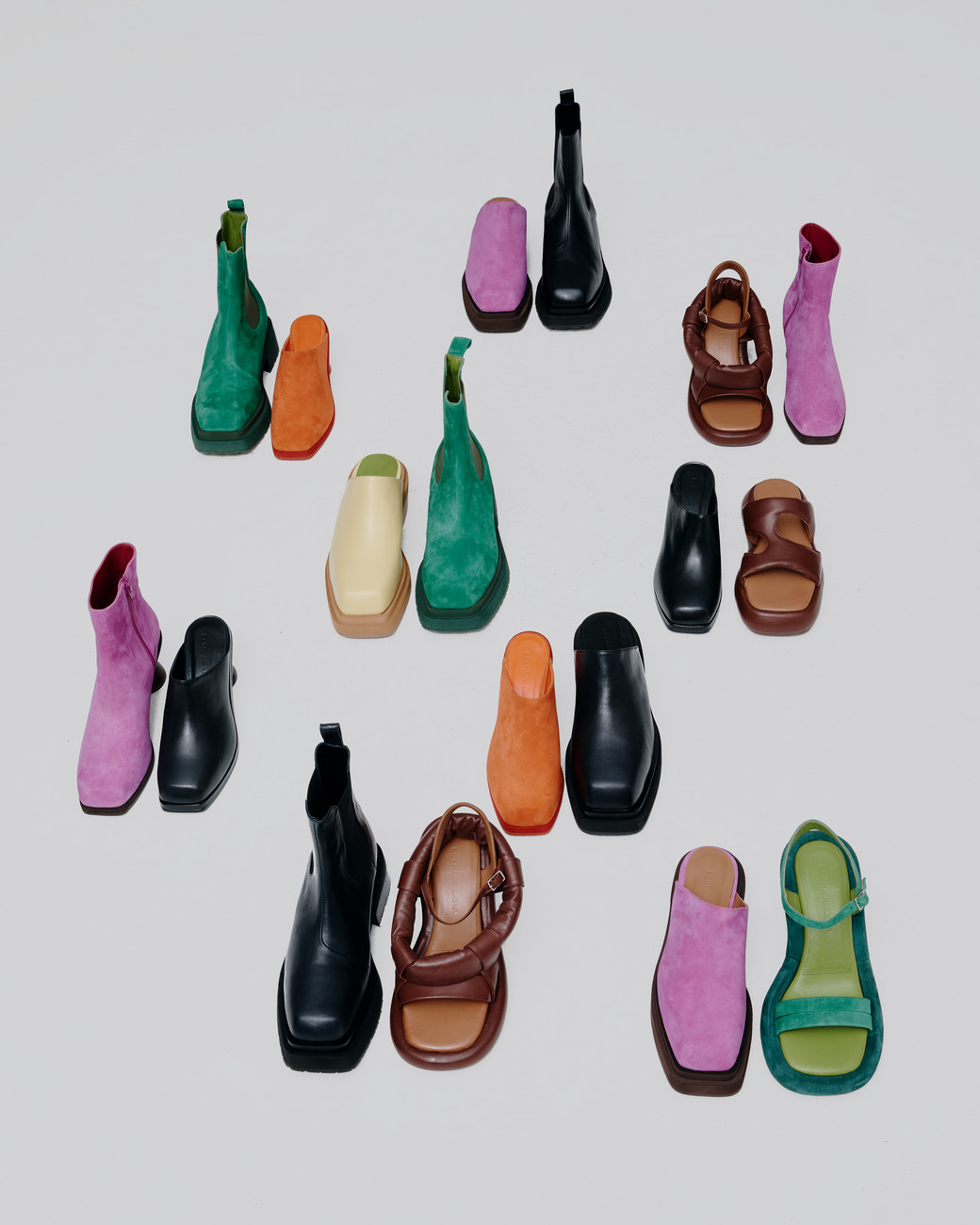
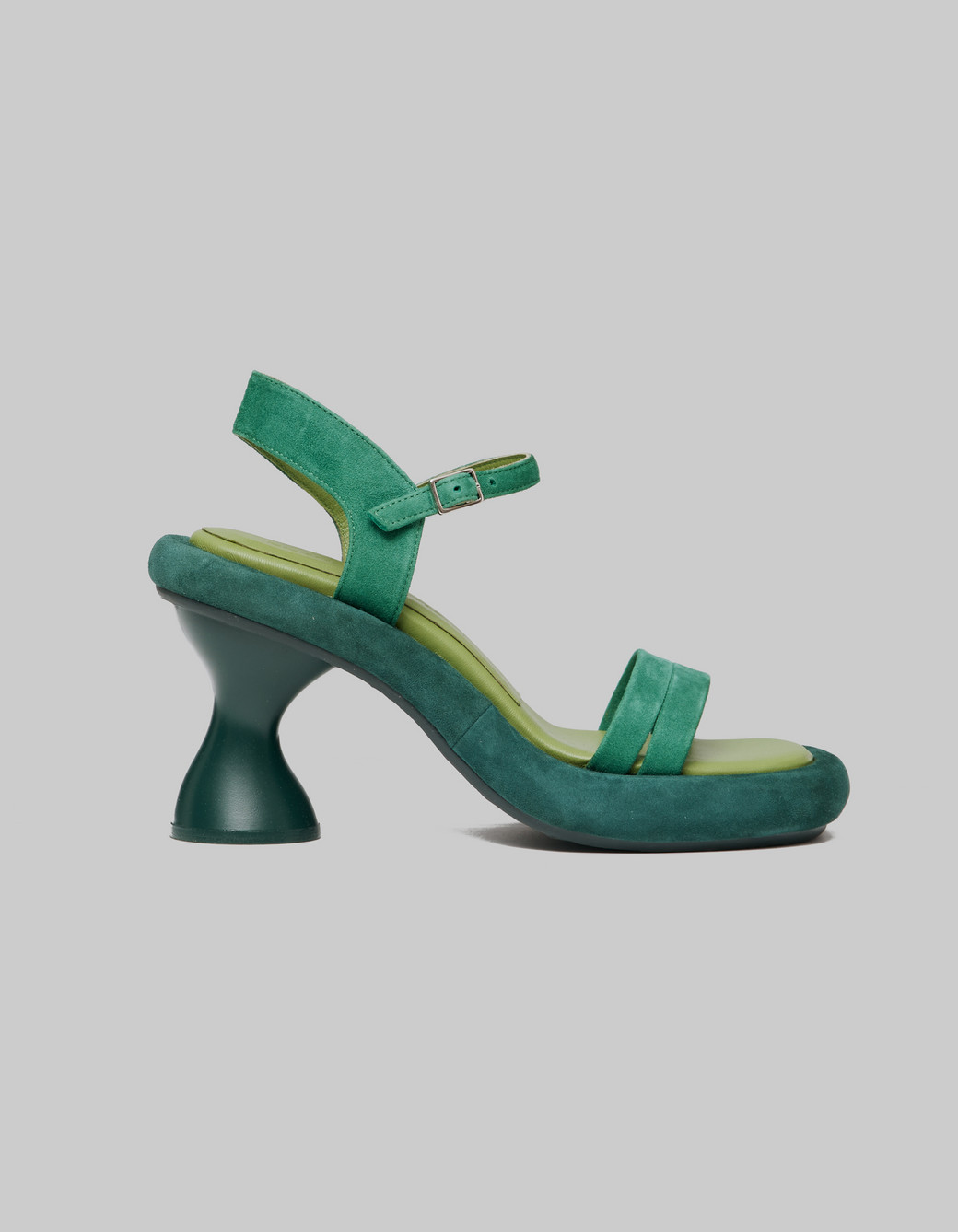
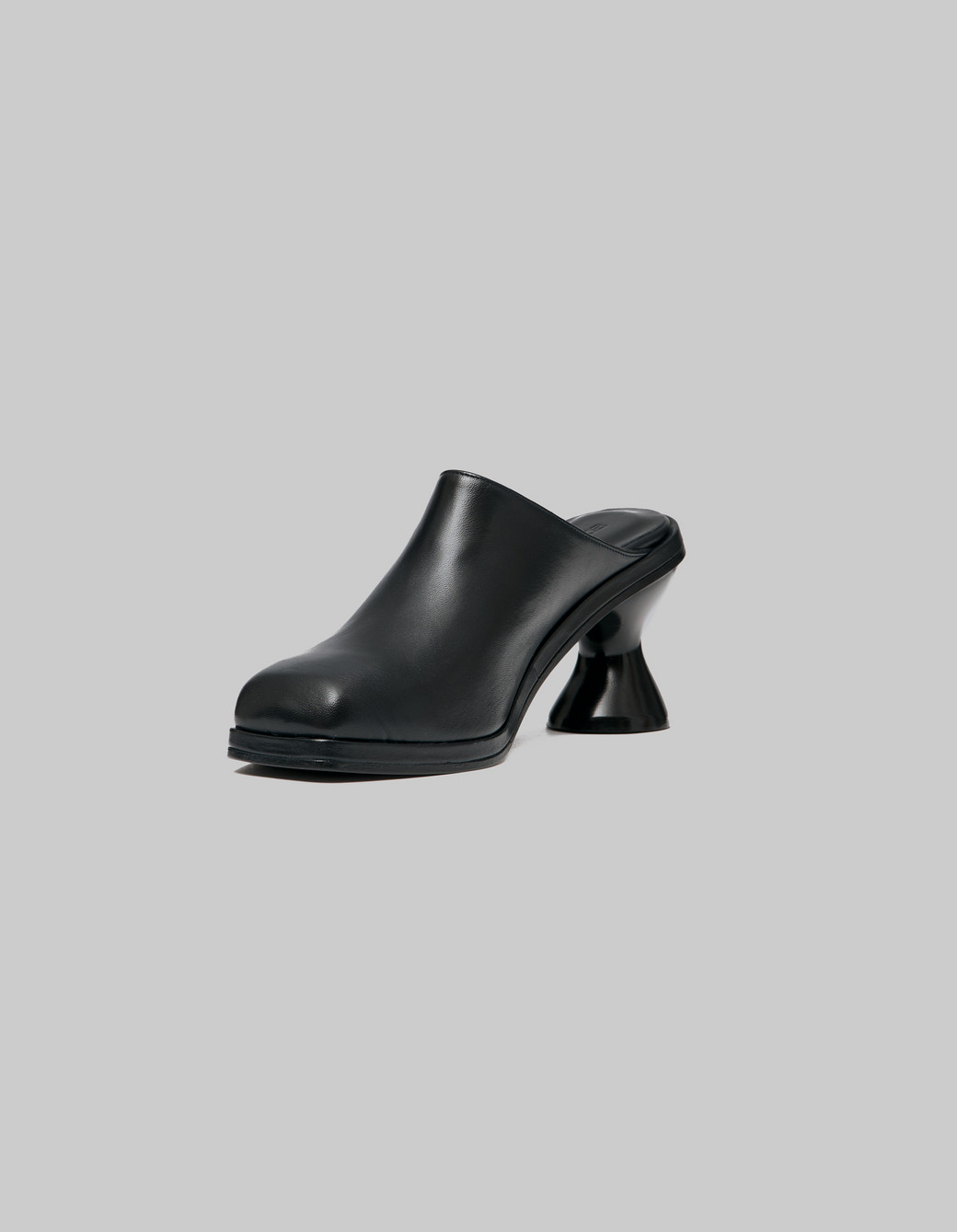
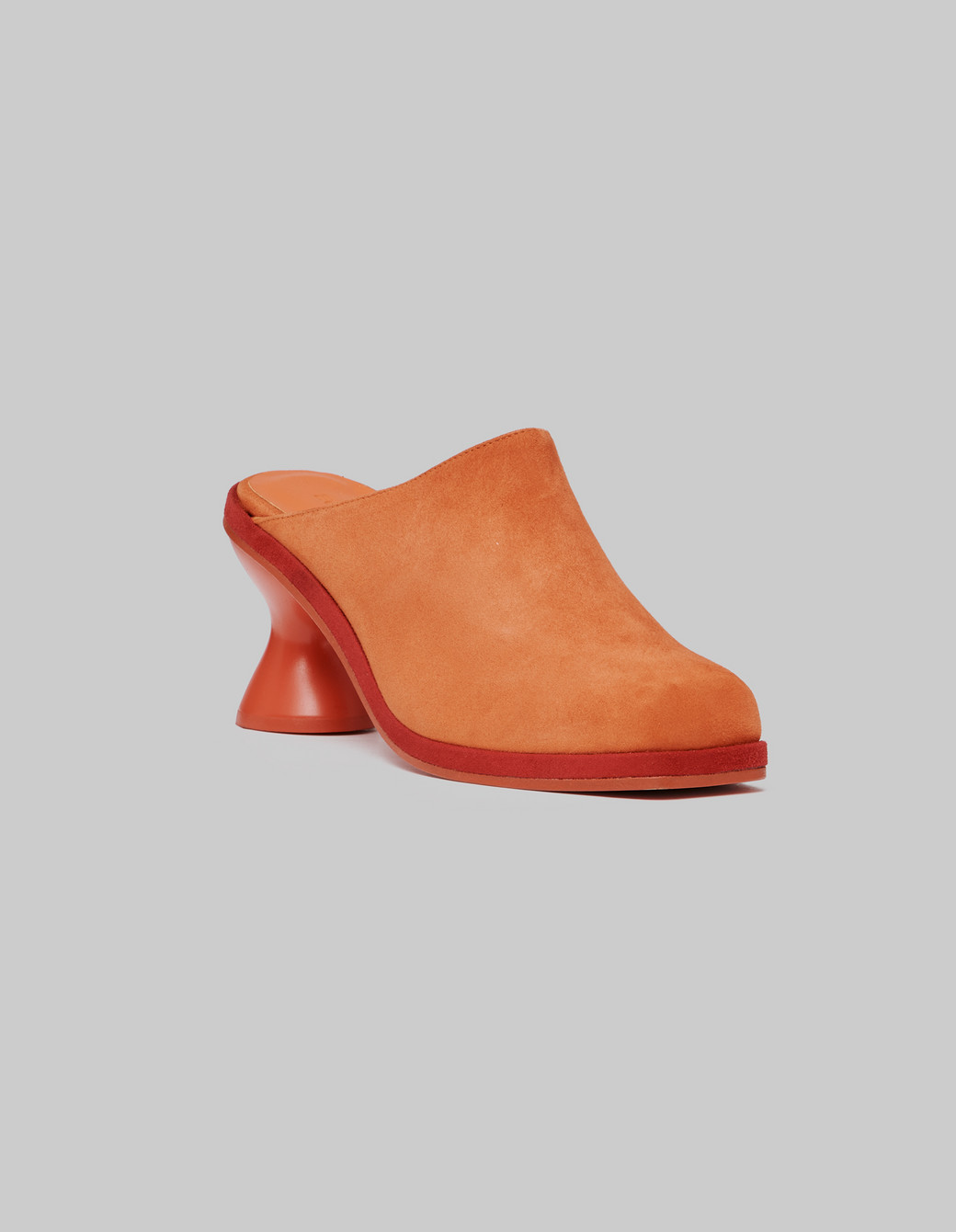
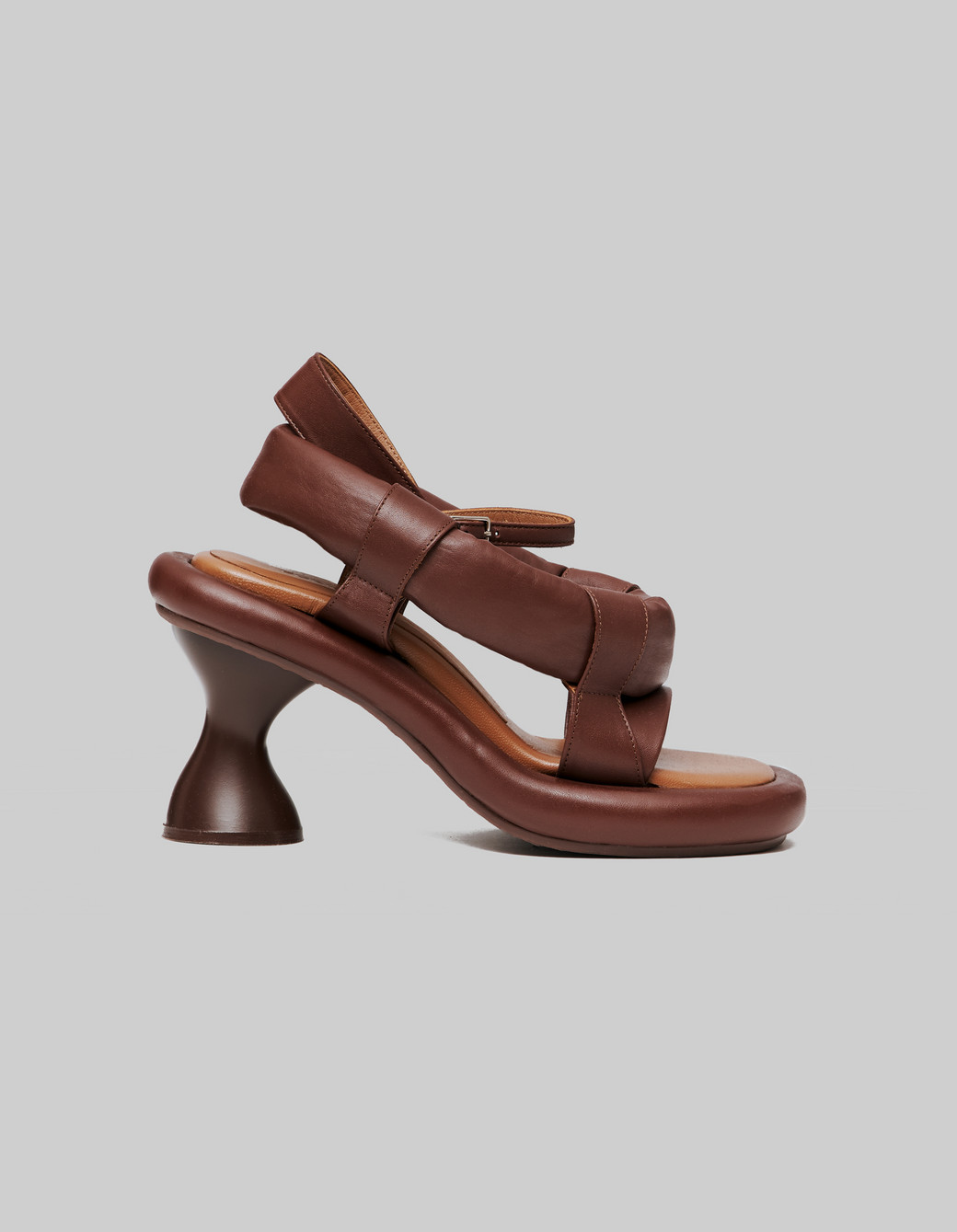
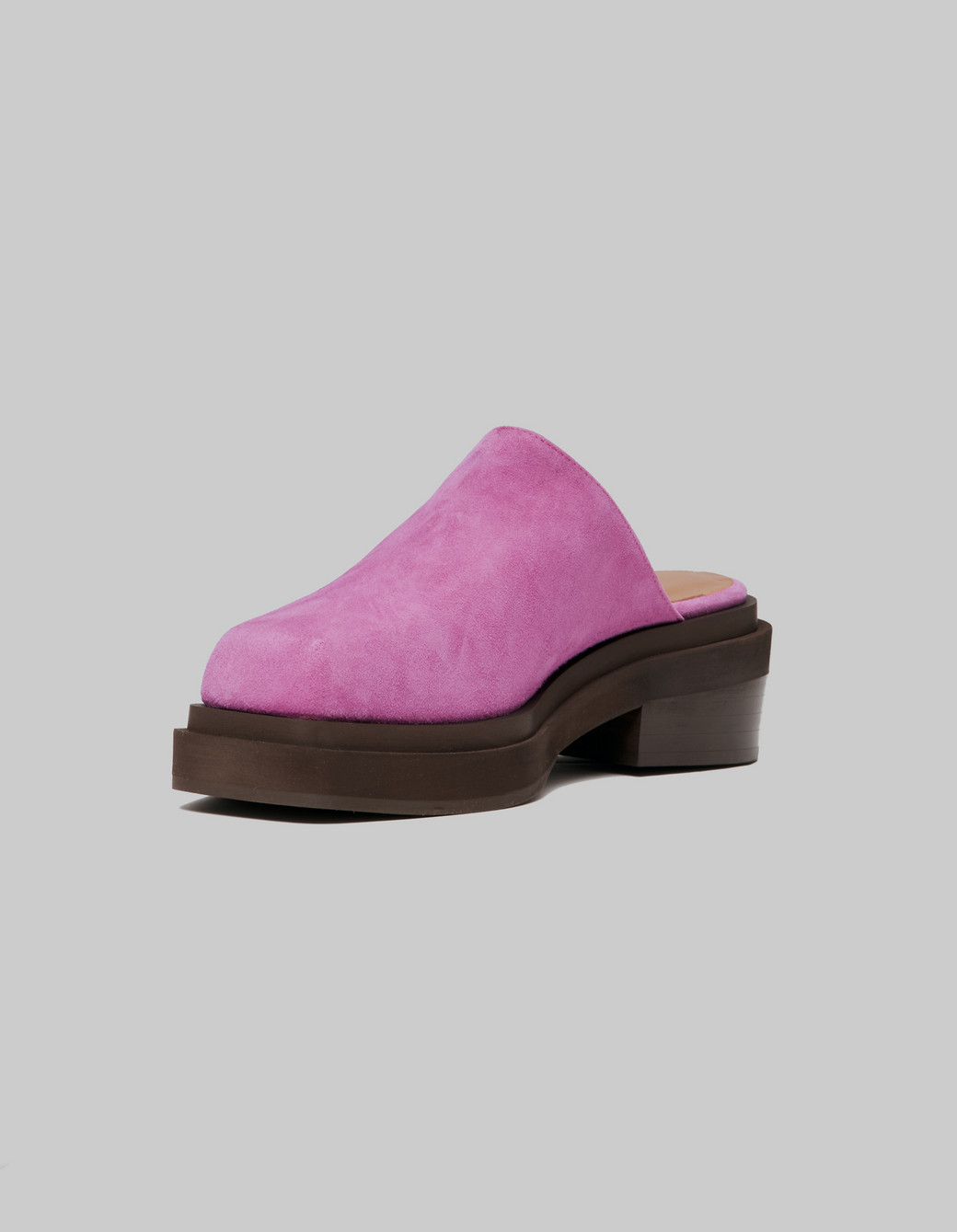
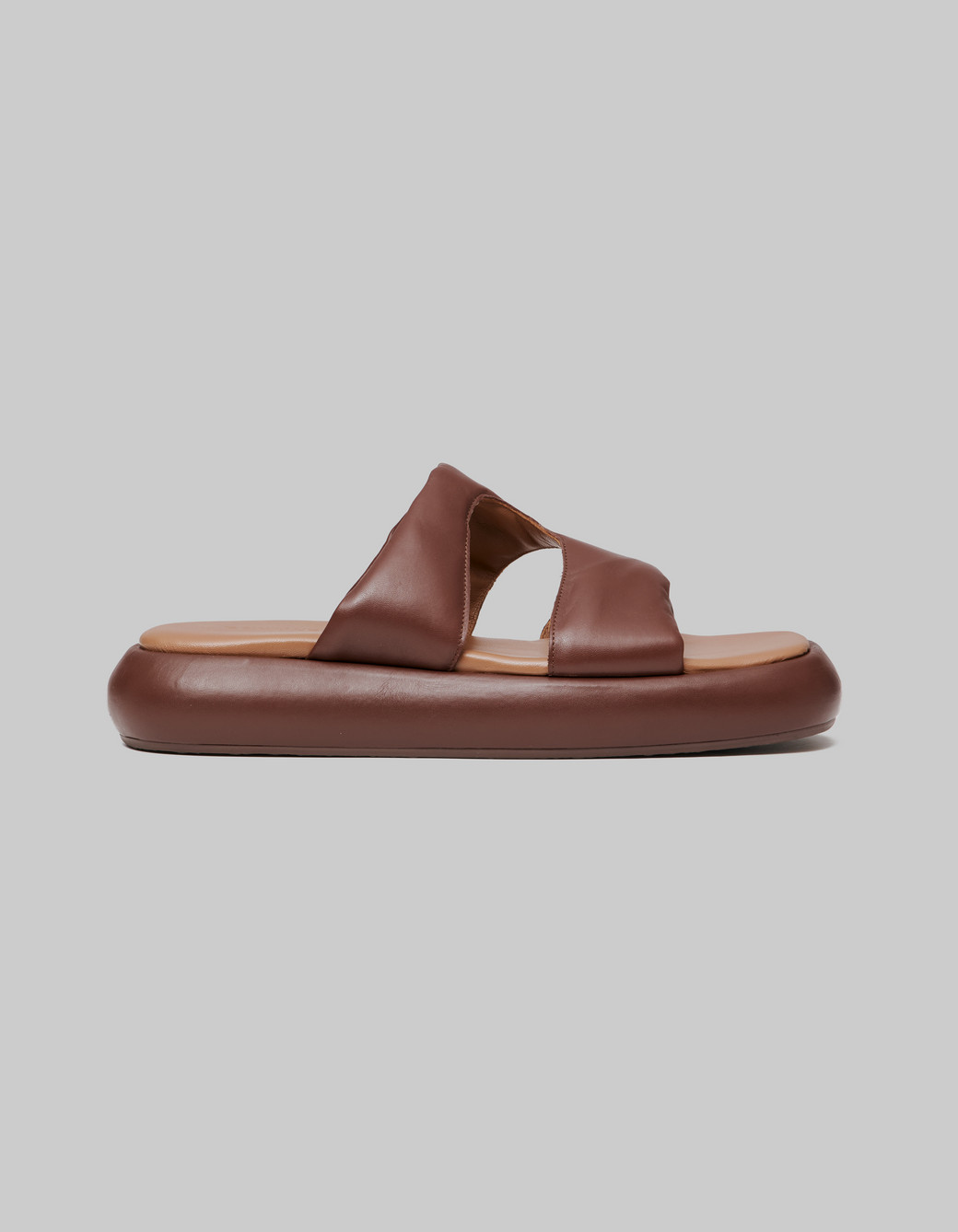
All made in Portugal, these carefully crafted sculptures are available on EckhausLatta.com, Farfetch and Nordstrom.

That tension is where Ophsides lives. The brand taps into a largely unseen network of American creatives who have deep ties to the sport but have lacked an authentic outlet to express that connection. Rather than forcing football into fashion’s existing frameworks, Ophsides builds its own ecosystem, one that reflects the hybrid identities of its community.

At the center of it all is the relationship between co-founders Uyi Omorogbe and Ruja. The two met as teenagers at Shattuck-St. Mary’s, an elite residential football academy in Minnesota, where both were navigating what it meant to exist between cultures. Omorogbe, a first-generation Nigerian-American raised in upstate New York, and Ruja, a Romanian-American from El Paso, bonded over shared experiences of feeling out of place; socially, culturally, and often racially. Football became both a connector and a form of escape, offering structure while allowing space for self-definition.
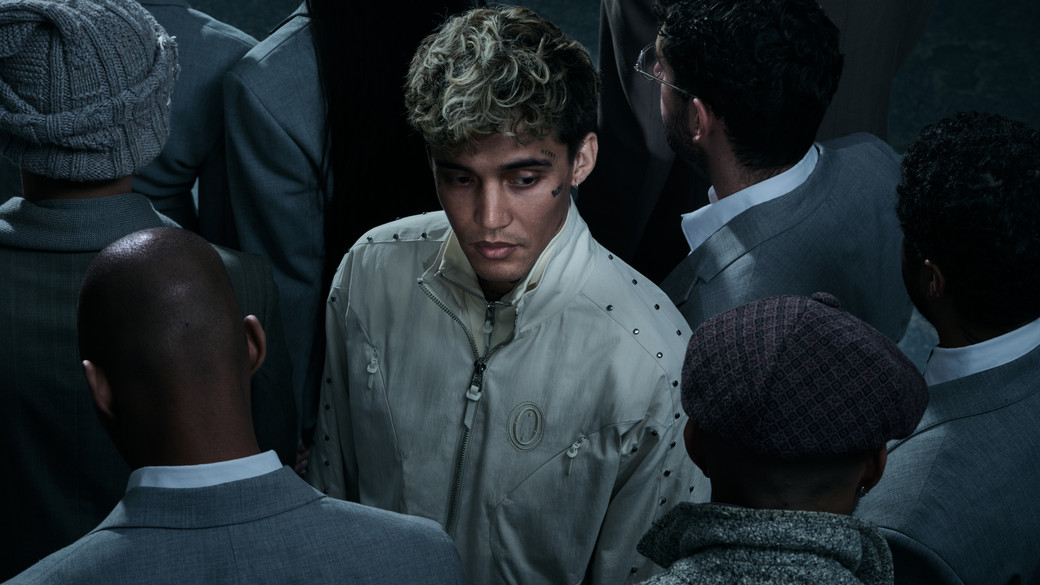
Ophsides’ debut collection launches May 7, anchored by the “00 track suit”, the pieces are designed to move fluidly between environments. Alongside the apparel, Ophsides introduces its first tooling product: Play Tape which allows users to create a football pitch on virtually any surface. The idea is simple: play anywhere. But the underlying message is broader; claim space wherever you are, whether or not it was designed for you.
Ophsides isn’t trying to insert itself into existing systems. It’s building parallel ones, rooted in friendship, shaped by displacement, and driven by a community that has long existed just out of frame. On May 7, when the website goes live alongside the official launch party, it won’t mark the beginning of the brand so much as the public arrival of something that’s been in motion for years.

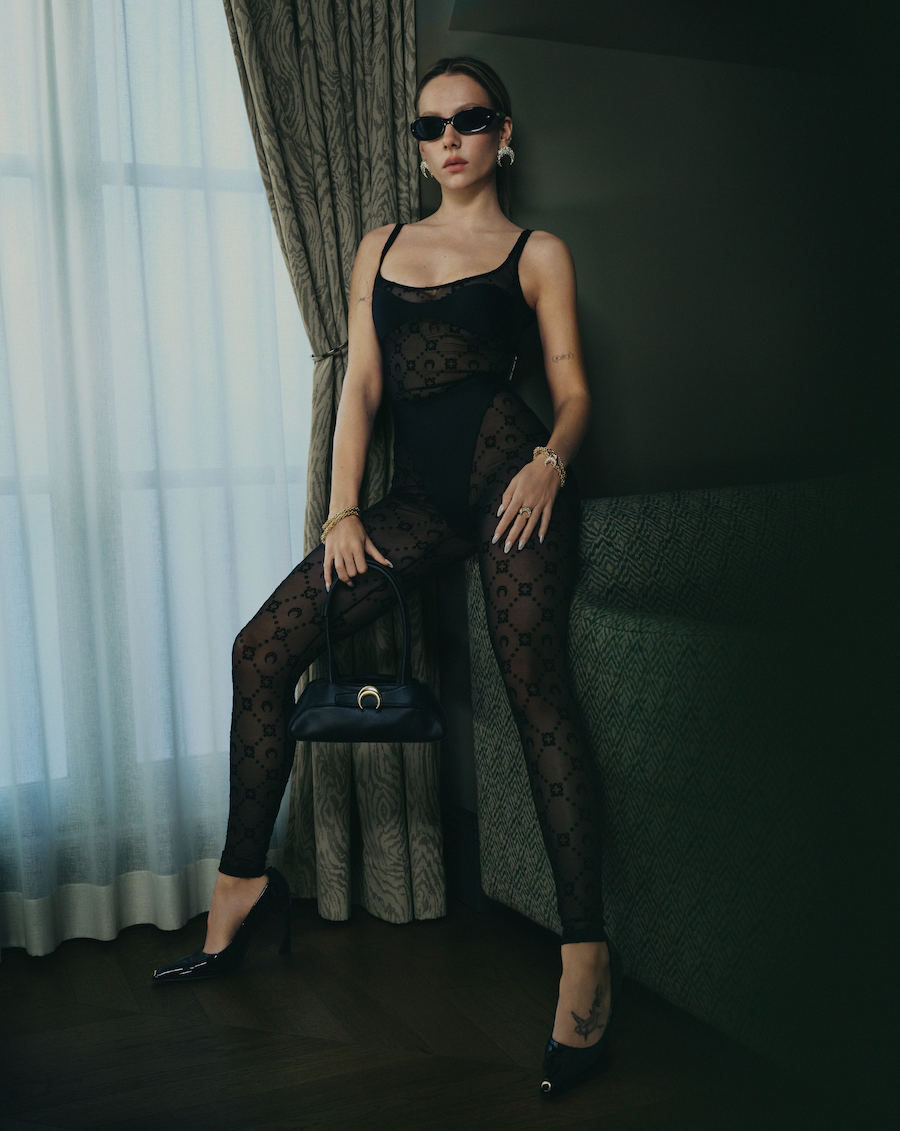
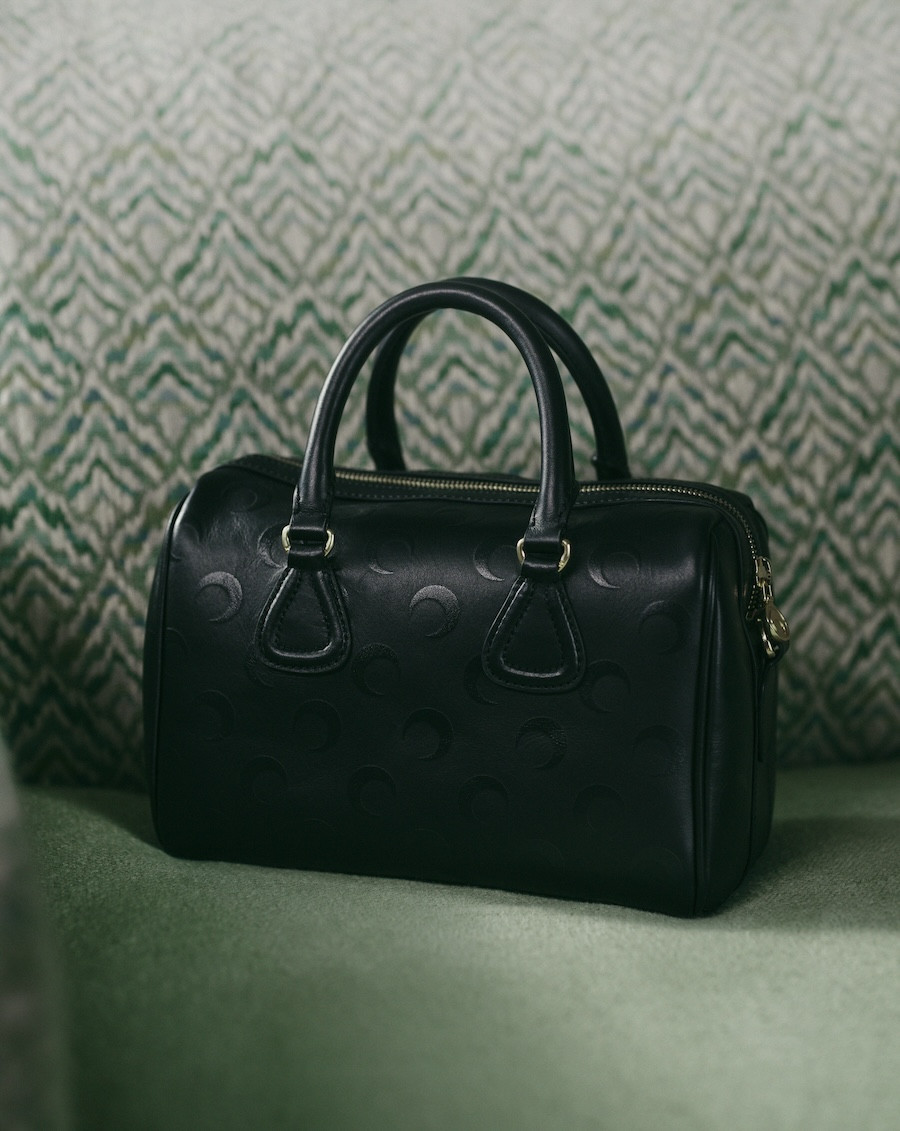
The third chapter returns to the campaign’s origin, where instinct evolves into certainty. Ester Expósito reappears with a new sense of control— no longer tentative, but fully self-possessed. Within the same intimate setting, the atmosphere sharpens as gestures become deliberate and silhouettes assert presence rather than suggest it. Garments continue as extensions of the body. A black knit dress follows the form with precision, while the House’s flocked mesh catsuit reveals through transparency and texture. Structure and fluidity coexist, reinforcing a sensuality that feels instinctive yet defined. Accessories, from the Mini Aurora to the Eclipse and Strike bags, punctuate the narrative with clarity, grounding the chapter in a femininity that is both intimate and assured. Alongside her, Momo Ndiaye offers a steady counterpart, his presence understated yet grounding. Together, they complete the campaign’s arc where what begins as instinct resolves into confidence, and presence becomes power.