Vulvatious

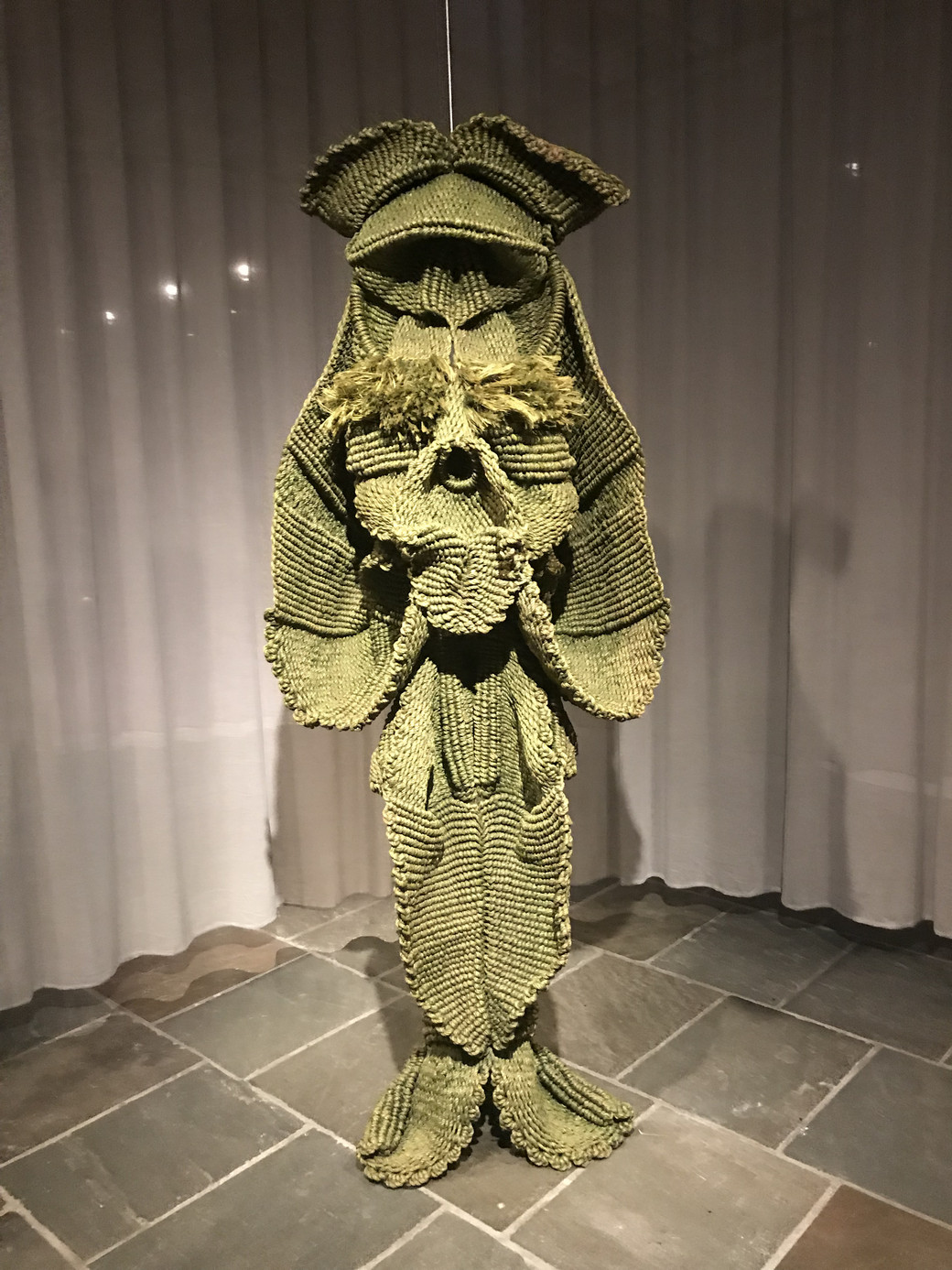
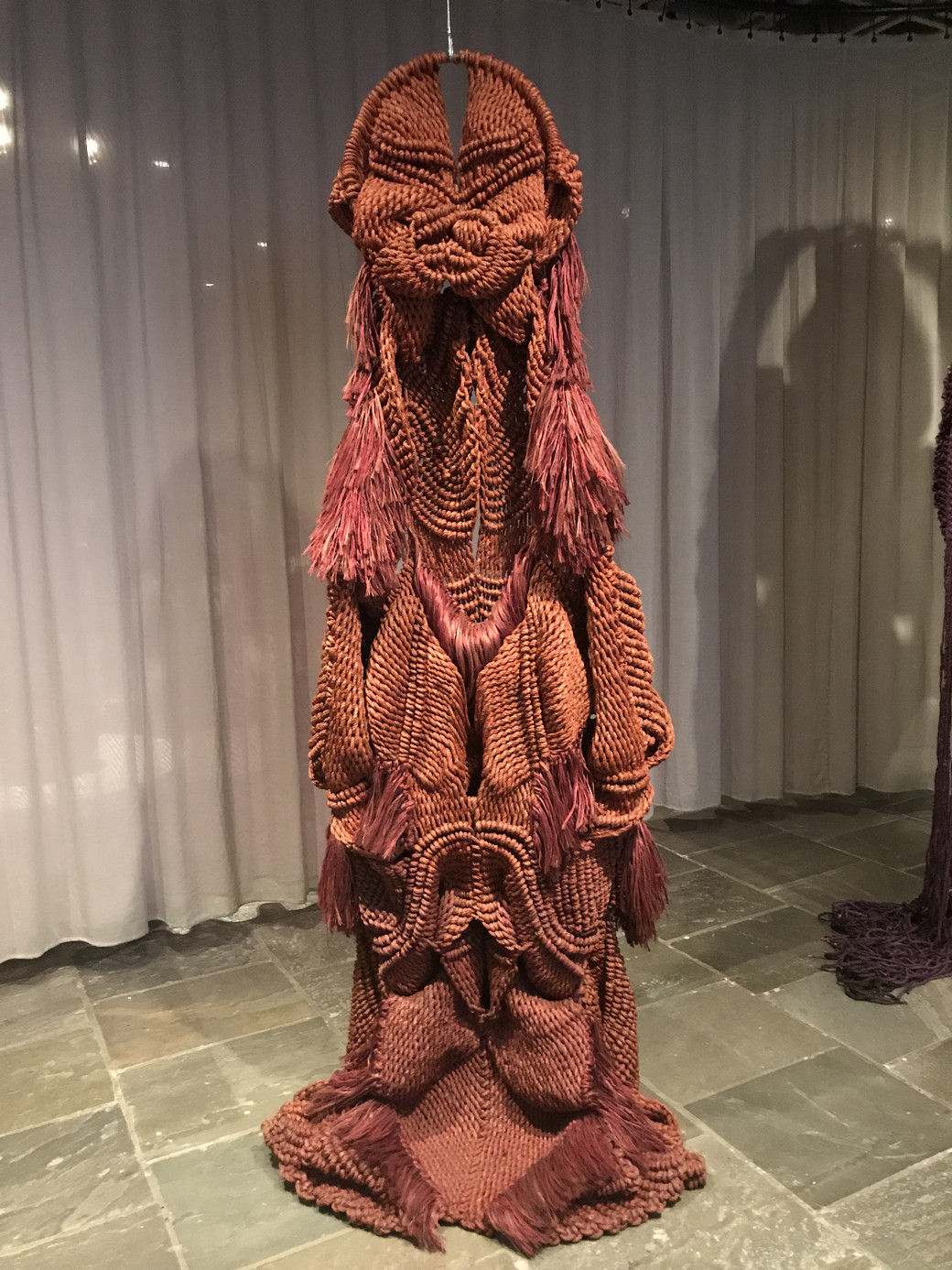
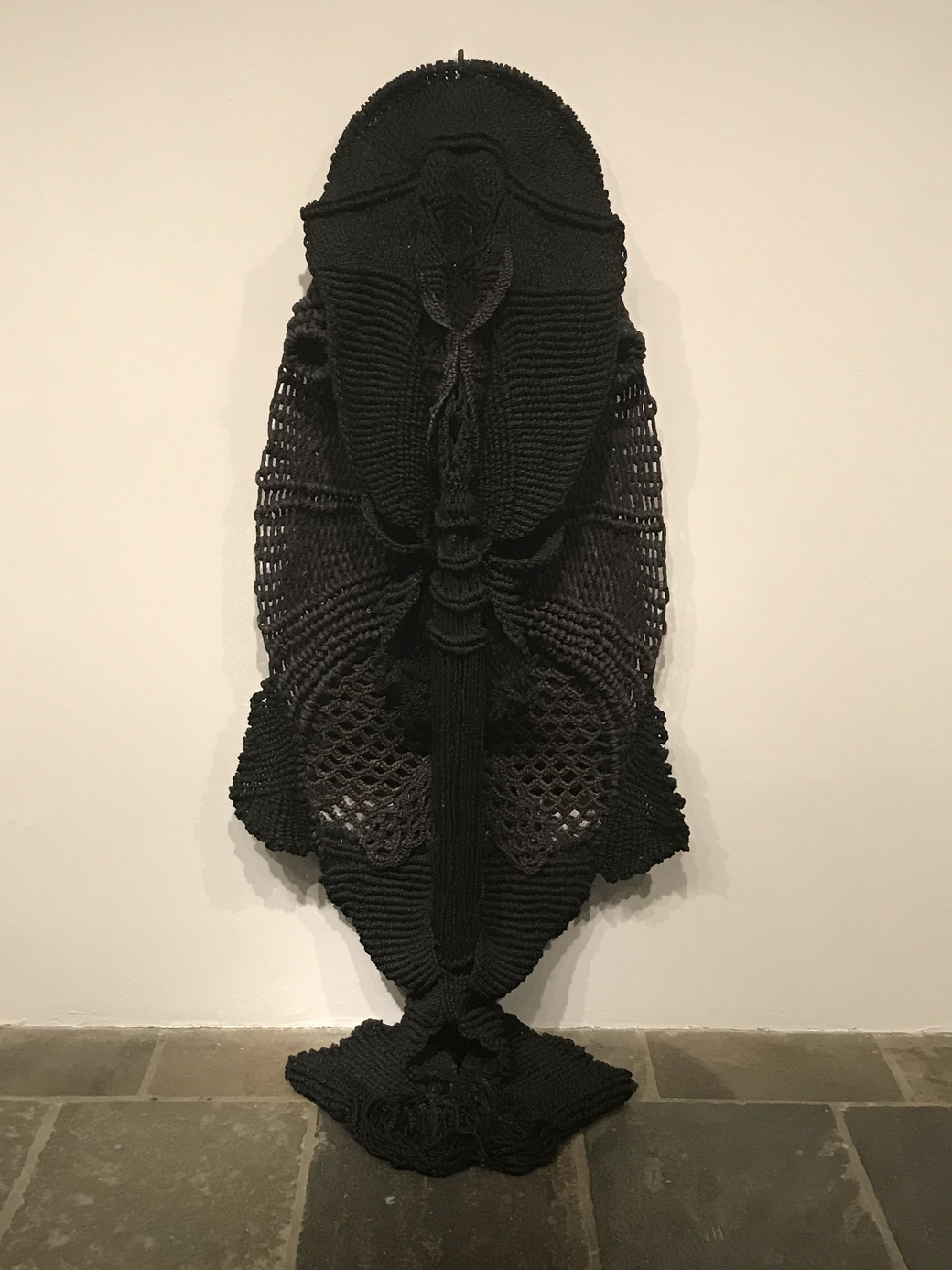
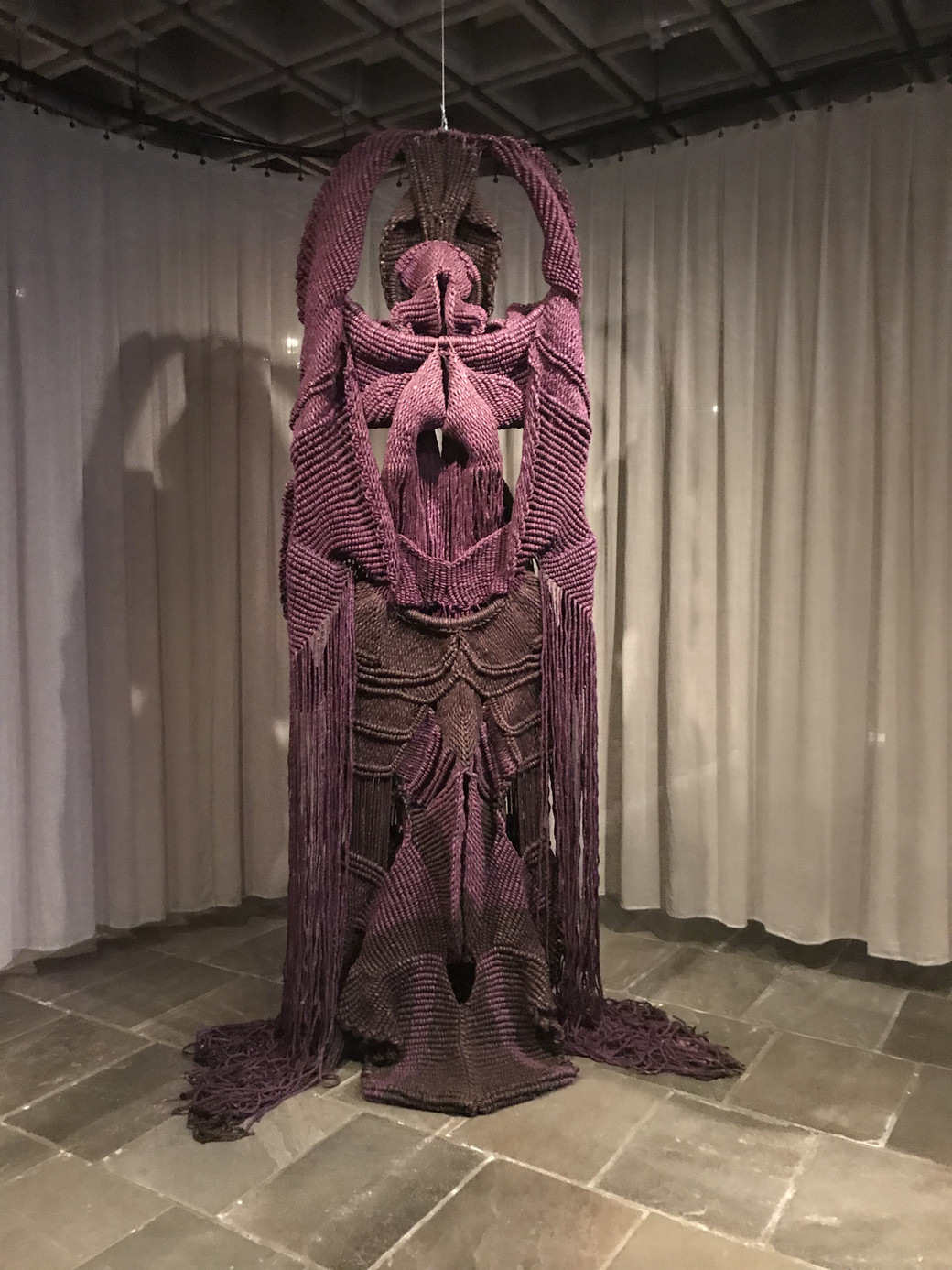
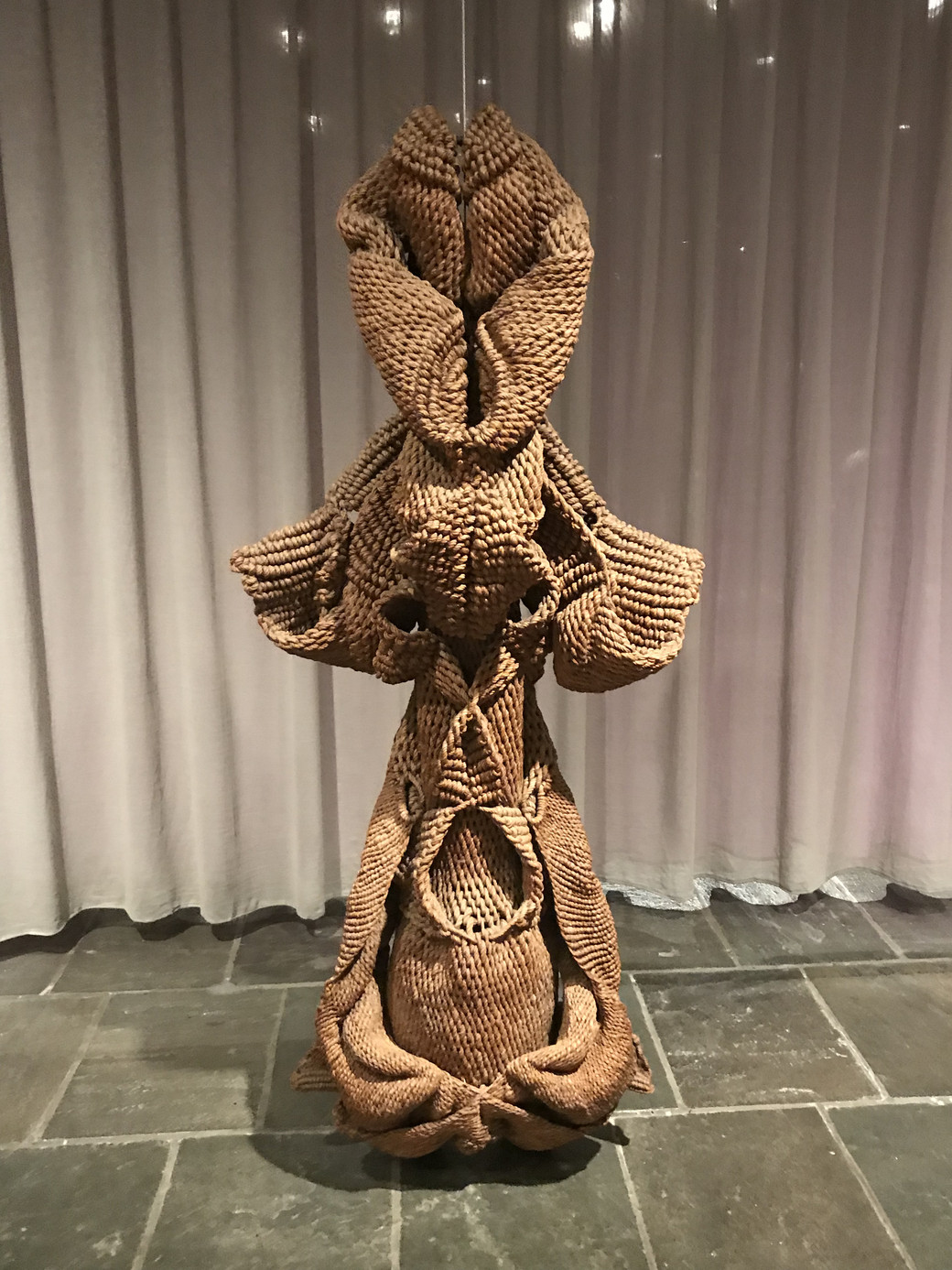
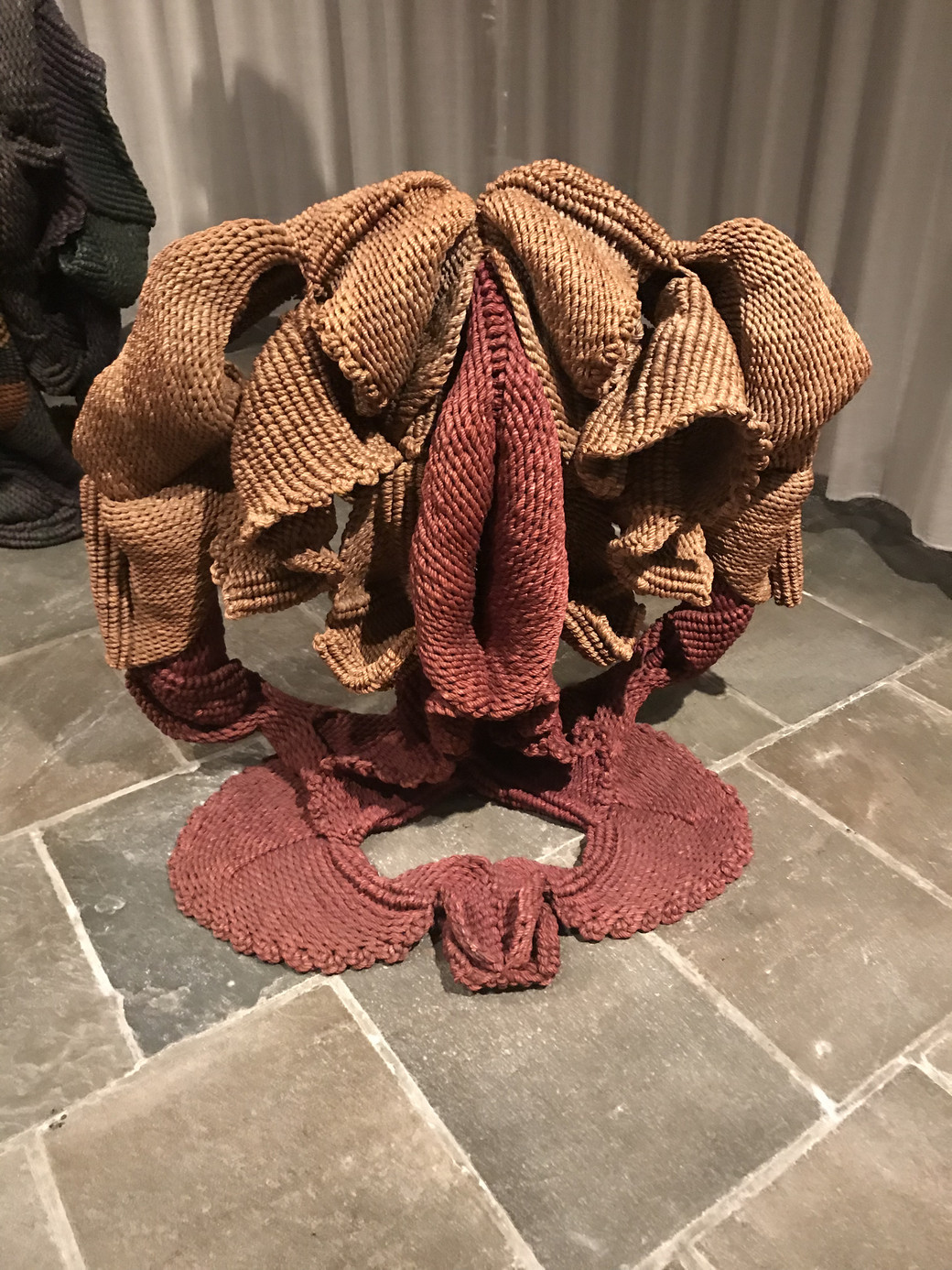
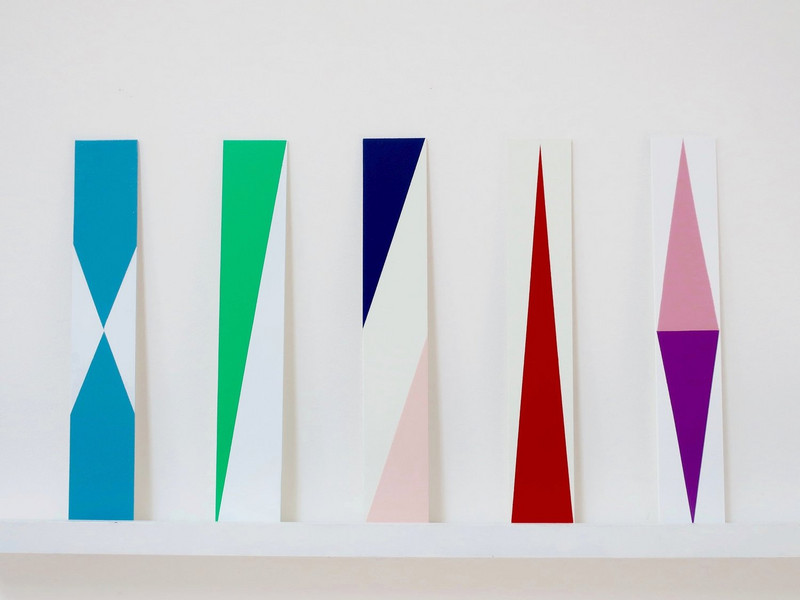
"Phenomenal Nature: Mrinalini Mukherjee" is on view at the Met Breuer through September 29th, 2019.
"Phenomenal Nature: Mrinalini Mukherjee" is on view at the Met Breuer through September 29th, 2019.

Since social media has completely upended the art world paradigm, the wave of artists whose careers it spawned, including Miceli, are writing the blueprints for a brand new art-career trajectory. Instead of selling her illustrations for thousands of dollars to rich art-buyers, she sustains herself by selling merch to her audience directly and teaming up with brands that commission her for projects. But making a business out of what she loves hasn’t always been easy—or healthy—especially since Instagram began introducing engagement algorithms that mysteriously keep some posts unseen.
“It can be hard—it sounds silly—but to post a drawing I felt was great if it feels like no one likes it,” she laments. “So, something I’ve been working on is not attaching my self-esteem and self-worth to that stuff. It can be hard not to, because being an artist you tie that shit so much to your identity.”


Fusing your art, work and self-identity sounds super inspiring—until likes and follows become the metric from which you measure your value or talent. While Miceli feels #blessed to not be living a 9-to-5 lifestyle, she’s had to overhaul her approach to creating over the past year. She’s newly sober and prioritizing her mental health—which means spending time meditating, indulging in plant-shopping and candle-making and spending nights at home drawing with her dog, Tony.
If you pay close attention to her feed, these life changes have manifested in her art; with her junk-food drawings gradually transforming into healthier options, like our relatable favorite, “Fear of Rejection” Vanilla Almond Milk. Of course, she’s still staying true to her comedic and radically honesty aesthetic. She's just figured out how to make the modern artist-entrepreneur lifestyle work for her.
Below, the artist sounds off on internet success and the relationship between mental health and the art world.


How did you see your art career panning out when you first graduated from college?
I think I was just naive. I went to a liberal arts school in Western Massachusetts, so it was very detached from New York, and I had the fantasy that you moved to New York and galleries would want to represent you, and then you just start having shows. I was an assistant working at galleries for artists and I was like, ‘Oh, that’s not what happens.’ I’m glad I realized that.
So, how does it work? And how did you make it work for yourself?
The people I was working for either had a lot of money from their parents, or they were just always totally broke. So, I worked a day job in retail for three years here, and was just trying to do as many DIY art shows, curating my friends, doing anything I could, doing so much work for free. This was before Instagram functions the way it does now, where brands just go through and pick people to do stuff—back when everyone was still using filters.
How I first started meeting peers was on Tumblr—I was so into Tumblr during college. So, the internet was always really important for me—that’s how I was networking. I knew the end result I wanted was to have my job be making art, whatever that meant. But I won’t lie, a lot of it has to do with luck and who you know, and I’ve been lucky enough that some friends I made starting out had a certain level of success, and they put me on, hired me for stuff, suggested me to their people. I would not take credit—so much of it has to do with help from other people.
The Chelsea gallery world is kind of unappealing in comparison to what you and the people you work with do.
Exactly. So, I guess I realized when I moved here what I thought was the art world I wanted to be a part of—I realized I was able to build something different and better.
Now that you’ve been doing this for so long, what kind of obstacles or roadblocks have you or your friends encountered in the more traditional art world?
I can’t even say that it’s an external thing necessarily. It’s more of an internal thing of feeling that’s not where I belonged, because—now I have nicer markers, but for years I was drawing with Crayola markers. My studio was my bed. It’s not like anyone was saying, ‘You shouldn’t do this’—that’s just how I felt. From friends who do similar things, now we realize [that when you’re] just starting out, people expect you to pay for stuff, maybe even more with brands. Doing so many jobs where brands wouldn’t pay you, or pay you in exposure, that sort of thing. I guess it’s just a sense of building confidence and learning to advocate for ourselves. My friends and peers have just had to learn to do that. It’s a newer thing to just be an artist that shares their work online and that turns into paying jobs. I don’t know how that worked before.
It wasn’t a thing before.
And younger—I just turned 30, I feel weird calling myself young—but a lot of friends I have that are early, mid-20s, they work hard, but they were able to transition from college to just working in art or fashion, which is really cool. [Instagram] cut out certain gatekeepers. That doesn’t exist as much anymore.
It seems like you—obviously you did spend time working to figure out your way, but you’ve subverted the natural path getting out of art school.
Yeah and it’s just great that that’s a thing people can do. And once you start doing it, it’s still not easy. Being in a gig economy, it’s still like, I have a job and there’s a week where I’m like, ‘What’s the next thing?’ There’s still not security to it.
It’s interesting to hear that from you, who’s had a lot of success, that you’re still in that position.
Yeah! And I think when you sign up for it, that’s just what it is, especially if you don’t have another steady source of income. I’m sure it’s a combination of my own anxieties about it, where I’m doubting myself too.


Well, it’s also the mirage of Instagram.
Exactly. It’s weird. I’m not gonna post on Instagram my credit card debt or the shit every day where I’m like, ‘What am I doing?!’
There are definitely some younger artists who overshare, though. Having been on social media for so long, you probably just have of a better gauge on what to actually share.
Right, I’ve seen a lot of people do that and I think sometimes I do want to be more real about it. But when I get the opportunity to do interviews, that’s usually when I am more comfortable talking about that kind of stuff. Because Instagram is a business card. When brands come to hire me and there’s a video of me crying about not having money—no shade to the people that are like that—but there’s a part of me that’s a businesswoman that thinks about these things, like, what does and doesn’t make me marketable.
How have you continued learning about your practice after graduating, since you didn’t continue with an MFA?
I think just practice—just doing it so much. I’m lucky to have a close, great group of friends who are also artists and encourage me to try new things.
How have you seen your subject matter progress? Have you noticed changes?
For a while, I was doing drawings that were trying to be funny—I wasn’t being as sincere with my stuff. But since I’ve been in therapy this past year, I’m finding myself making work that’s more genuine. The medium is still the same—I’m still drawing in the same style—but it’s been exciting for me to just feel more genuine and sincere with, I don’t know, even a saying I put on a cereal box. In the past, I’d be thinking I was joking about it, even though inside it came from somewhere. And I wasn’t being up front with that—I wasn’t being honest with myself. Now, I genuinely feel I’m being sincere with the stuff I’m making and that feels so good. That’s the best feeling—to be able to express myself with words, and visually. Then, I love the extra element of Instagram, where it’s like you post it and have all these people relating to it. It’s so good to know you’re not alone—to be like, ‘Okay, all these people get it too.’ I think in the past I’ve felt like, ‘What will people like?’ rather than, ‘What do I want to talk about?’
Some people worry that if they go to a therapist or work their shit out, they won’t be able to be creative.
Totally. And that is true for me, sort of. Before, I would just get these floods and stuff would just pop into my head because I wasn’t processing anything. But now that I’m dealing with my stuff, I have to try harder, which is fine, but that’s something I’ve noticed. I don’t get inspired the same way I used to. But I would never go back to how I was. Before I was just partying—that’s how I would deal.
How do you think Instagram’s algorithms have affected making it as an artist on social media?
These days, I feel better about it. There was a while where, when that algorithm stuff was introduced, I felt stressed out about it. I’ve also been trying to work with not attaching my self-worth to all that stuff, which can be hard because that’s where my job is. So, I’ve been working hard to separate that—this is my job, I make art, but it’s not who I am. Because when you do that and your posts aren’t performing well, or people are unfollowing you—I had a breakdown about that shit.
It seems like art is still your passion, but it’s become more business for you for the sake of your own mental health.
Yeah, exactly. Sometimes, I get bummed about it because it’s like, ‘Yeah, I miss that feeling of just creating something,’ because it’s inside and you just need to get it out, and not thinking about if it fits in with all your other stuff. But I guess that’s a sacrifice I have to make. But I have friends that work 9-to-5’s, and I also don’t want that. Being able to draw all day—even if it’s not without outside influence—is better than sitting in an office all day, at least to me. I’ll take the social media anxiety over that if I can just hang out with my dog all day and draw.
Follow @artbabygirl for more sarcastic and self-aware doodles. And while you're there, follow @officemagazinenyc, too.

An office favorite—we profiled him in Issue 07—Pigozzi is no stranger to the creative world and has spent much of his life collecting art and working in environmental philanthropy. Ahead of tomorrow’s event, office caught up with the photographer to discuss his latest book, his hate-affair with kale and his lifetime practice. Pull up to the signing tomorrow and read our interview, below.
How are Charles and Saachi today?
Sadly, I don't know because they are in the South of France, not with me.
In the foreword of your new book, the actual Charles Saatchi writes that he would love to be reincarnated as the offspring of one of your dogs—that way he could live with you and hang out forever. I love that. So, if you had to be reincarnated as an animal, which would you pick?
Well, obviously one of my dogs, because they have a fabulous life! They have nothing to do all day long; they have a big park; they have nice people who take care of them and they don’t have a job like sniffing for bombs or guarding people. Their job is nothing—just eating, sleeping and walking around.
That sounds like the perfect schedule to me.
Yeah, it's a good job. Flexible hours.
So, you would not want to be a wild animal?
Oh no! You have to hunt for your food. Here, you get fed twice a day and even more, because when I'm there, they hang around at the dinner table and hope that someone will gonna give them something. So, a wild animal? That’s a big job because you have to hunt all day long for food, and at night, they don’t have a warm place to sleep. So, no, a wild animal would be no good.
The photographs in your new book are beautiful. They remind me of Daido Moriyama’s work with the striking black and white contrast. What made you want to shoot the project in that style?
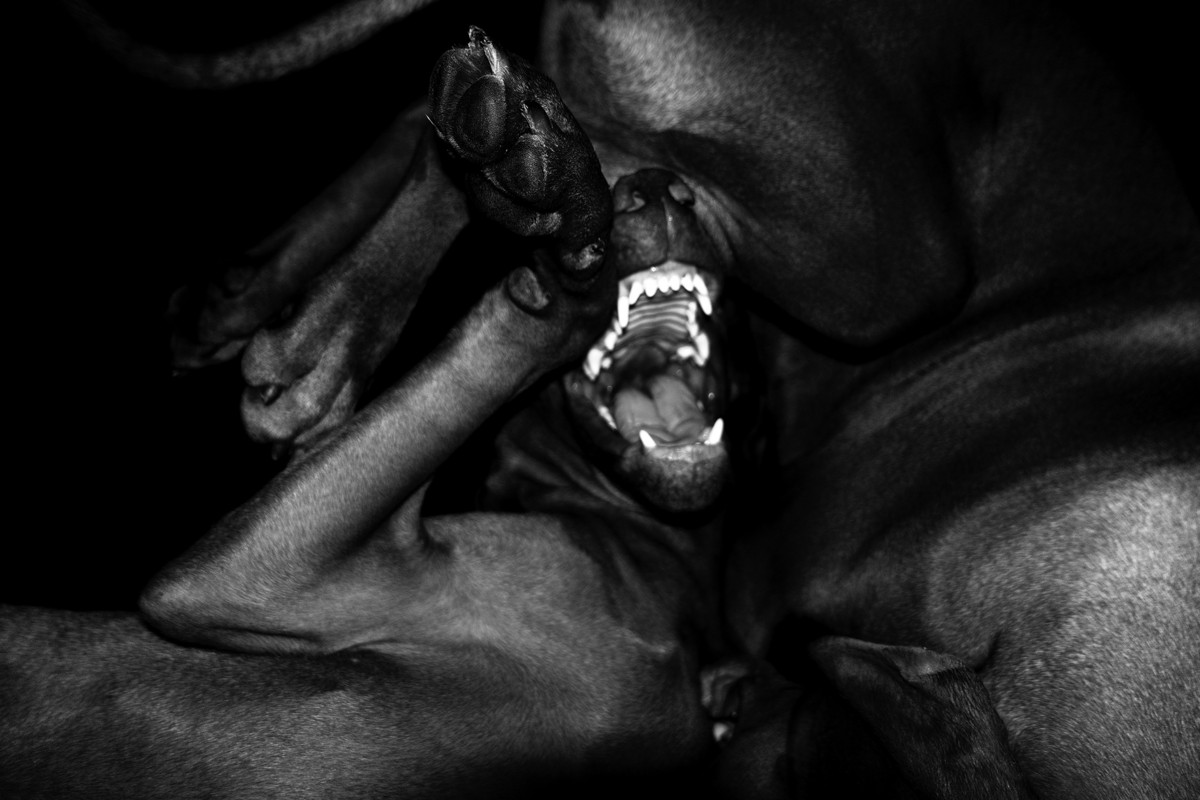
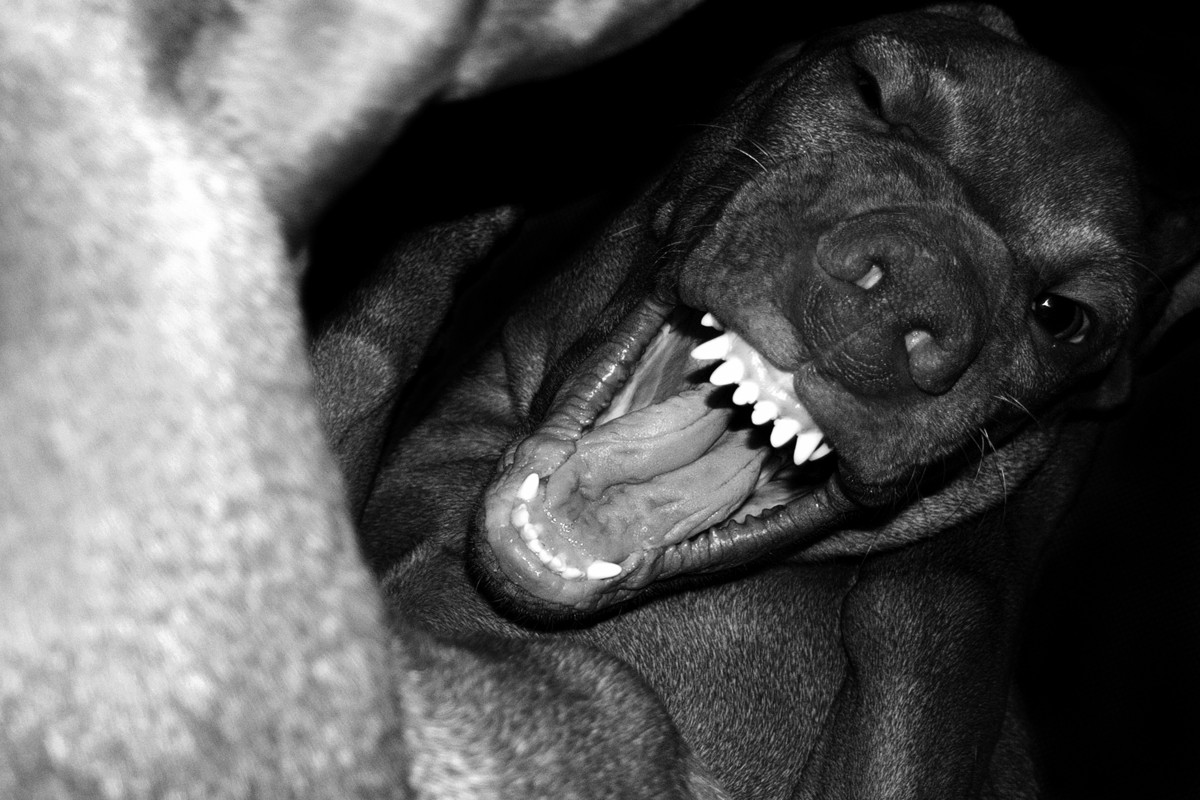
Well, black and white is not the real world—the real world is in color. So, it adds another dimension of bizarreness as we don't see the world in black and white. And I also think shooting them in black and white made the pictures stronger. They're very graphic. I thought they were more like etchings—the blacks are more black. And I rarely take pictures in color—very rarely. 99 percent of the photographs I’ve taken have been in black and white. My world is black and white.
Do you have any other pets that you have photographed or would like to photograph in the future?
No. I always took pictures of my dogs, but these two dogs were so playful when they were kids and now, that really everyday we would spend like ten minutes together and then they would get tired of me taking pictures. Every morning around 11, we had a little show and I think they were really performing for me. Now, they're older and I tried to take some pictures but they weren't interested anymore.

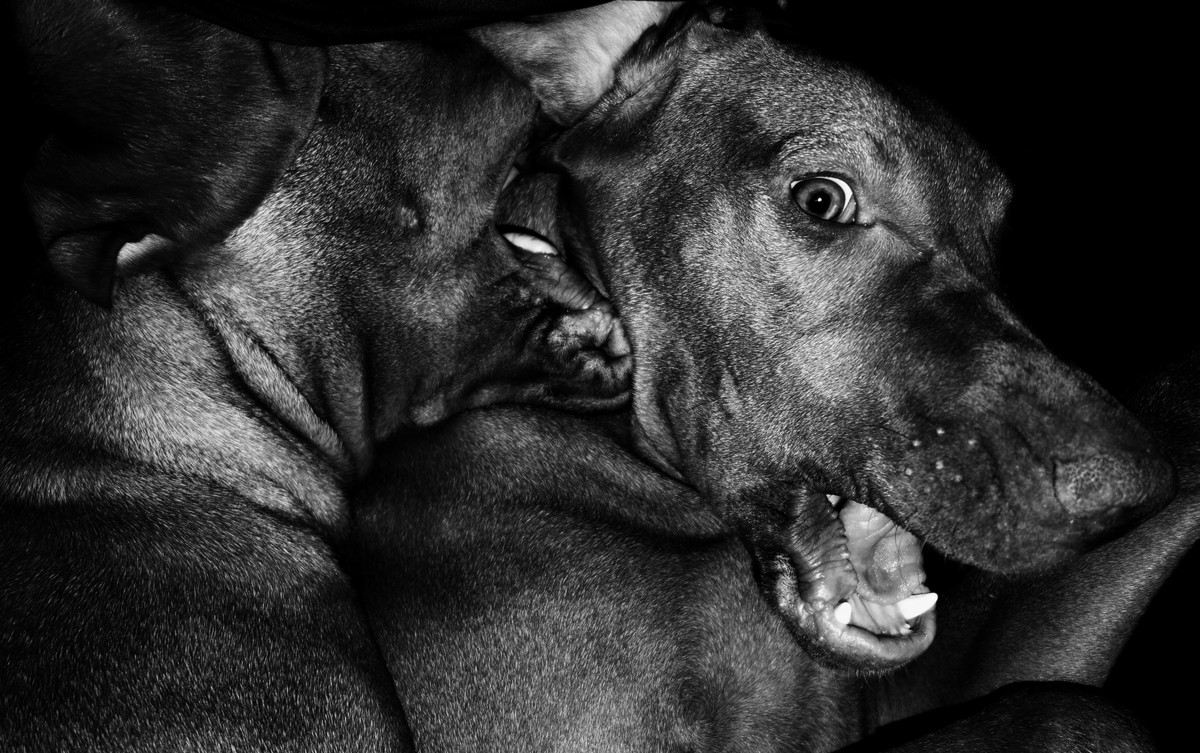
Did you have to coach them to have that level of energy?
No, no they were playing really hard. I had to do nothing. They look like they're angry, but they're actually playing. So, I had nothing to do—they would do it themselves and there was no encouragement or anything. I think they even liked the flash—I think it amused them to see it.
You're also known for pioneering the celebrity selfie. Have you taken any selfies with famous people recently?
Now that I finished my other book, ME + CO, I’m a little less nervous about taking pictures, but I can't remember the last one I did. I know I missed one yesterday. There was the Italian singer, [Andrea] Bocelli but I missed him—he walked past me and I didn't react. He was across the street with like, three other guys.
Is there anyone out there that you would like to take a photograph with that you haven't yet?
I wouldn't mind Putin. And I wouldn't mind some beautiful actresses. Some of these actresses that I don't know that are very beautiful. Lady Gaga. I like Beyonce. And some of these very rough rappers if they would invite me to chill with them. I would like to take pictures of them. But if not, maybe some famous scientist that I don't know. There are always people I’m interested in.
So, ME + CO is sort of an ongoing project?
Eventually, I will do part two of the book. It took like, 20 or 30 years to do the first one.
You’re kind of like me as a photographer. I always walk around with my camera and photograph my life as it happens. There are many of us out there that do the same thing, but why do you think that is? Why do we have this compulsion to photograph our experiences? Not everyone does that.
More people are doing it now, but they do it with their iPhone. So, they photograph every meal they eat, every time their child pees, every time their dogs sniffs a piece of grass, every time a boyfriend of girlfriend puts on a bikini—they take a picture. Everytime they have a pizza, they take a picture. But the reason I always took pictures is because I’m quite dyslexic and I also have terrible handwriting, and sometimes, when I write notes I can't read what I write. So, it was a way to document my entire life.
But I’ll tell you one thing: if I go to a party and I'm not allowed to take photographs, I’m bored. That happens less and less. So, if you seek pictures with your eyes, keep on looking for something. Like, if I’m on the streets, I’m looking for something weird or different. It keeps me busy all the time.
How serious are you about kale? On Instagram you seem to really like it.
Well, I had it once and thought it was the most disgusting thing in the world. So, I decided to fight kale with all of my energy. But I was hoping that all the people who grow kale would come and say, ‘Here's a million dollars, stop speaking about kale,’ or the people who grow spinach would say, ‘Here's a million dollars, could you please promote spinach?’ But none of the above has happened.
Not yet, at least.
It's really funny because I see people in the street who say, ‘Oh hello Mr. Kale, how are you Mr. Kale?’ It's really funny—we invented something funny.
Is there any kale recipe or dish you would ever want to eat?
No way. I tried kale chips and it’s all disgusting. It should be banned. Also quinoa—that’s horrible. I don't like these fashionable things that just pop out of nowhere. Like, I don't do juicing.
What are your top two go-to foods?
Häagen-Dazs coffee ice cream is number one, and a good veal milanese. But it has to be very thinly sliced.
Right. So, you have the selfie project that’s ongoing, but other than that, do you have anything that’s brewing in terms of photography or another creative pursuit?
I’m doing a lot of nature videos. Things like that, that I will be showing in the next year or two because they take a lot of time to do. And I'm still taking pictures everyday. But they take a long, long time. All of my projects take like, three or four years, but I do a few at a time.
With your nature work, are you photographing people?
No. Just animals and trees. It’s completely different from what I've been doing—it has nothing to do with people. I have a place in Panama, so I mainly do them in the jungle there.
And what about Charles and Saatchi The Dogs—what was your experience photographing them, since you’re so used to working with people?
I just want to thank my dogs for being so cooperative with me—they could’ve run away. I don't know how to thank them—I mean, I gave them some biscuits and all of that. But they really were fabulous. And just seeing them play together and work together—it's really fun.
‘Charles and Saatchi The Dogs’ will be available at the office Newsstand starting tomorrow. Come at 6PM to get your hands on copy of the book. Limited quantities will be available, so be sure to arrive early.
Tell me about your show, In The Eyes of Each, at Faction Art Projects.
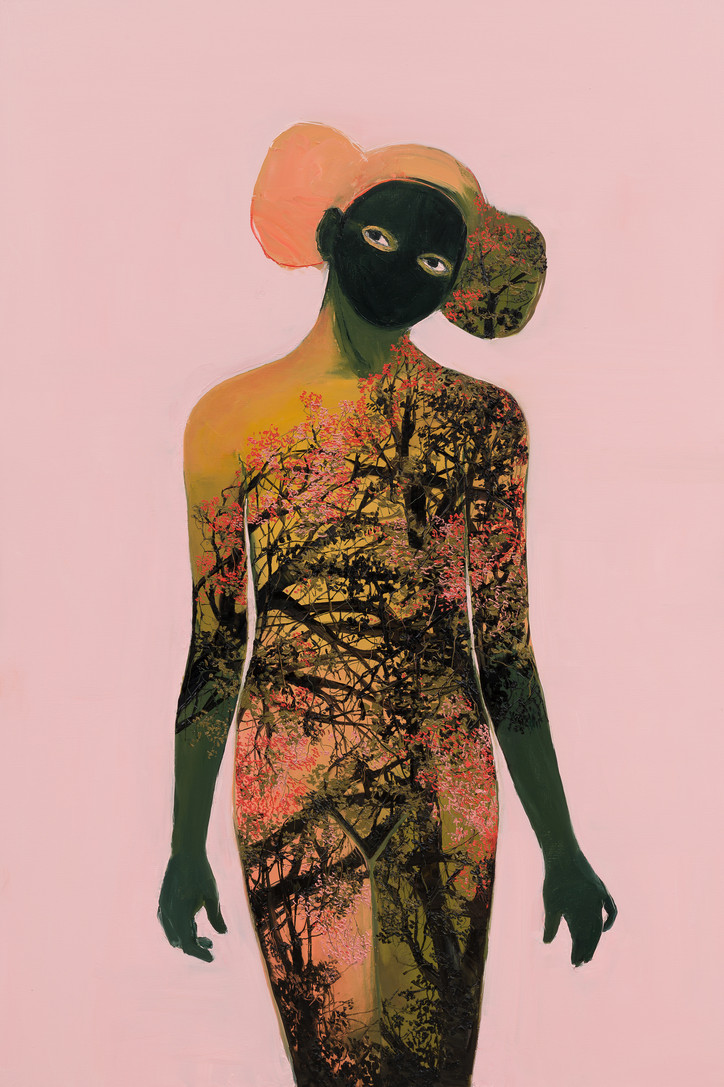
I’m super excited about this forthcoming exhibition because it’s the first big solo show I’ve had in New York and it’s great working with Faction Art Projects—from what I can tell it’s a fantastic space. I’ve been working on a series of paintings for the last two years to prepare this body of work for this exhibition. The work is a connected series of paintings which continue a theme that’s been present in my work for many years, it’s developing that fervor, and talking more about figures that are caught in a transition of self-knowledge and understanding and innocence—they’re transitioning from childhood to adulthood. That’s the overarching theme that’s been embedded in the work for some time, in this particular series of paintings, which is called In the Eyes of Each, it really does begin to explore those themes in connection with nature as well. So, they’re kind of protectors of nature. Each figure has nature within it and scribed across their bodies and through their bodies—they are kind of vessels, containers for nature. They’re acting as sort of time capsules—they have that sense of time held within them.
They’re almost like little goddesses or nymphs.
That’s really interesting that you respond to them in that way because actually, as part of my research—this is connected to historical painting and other historical research—and one of the key elements that I researched was the Apollo and Daphne story.
Is that the one where she turns into a tree?
Exactly! So, the arrows are shot by Eros, and the golden arrow goes to Apollo and that leaves him eternally in love with Daphne, who in turn has been shot by a leaden arrow, which means she’ll never reciprocate that love and because of that she tries to escape him. With her father’s help—she pleads with her father because she cannot escape Apollo’s pursuit—he turns her into a laurel tree, and so forever she remains in that state, she’s forever untouched. I thought that was an extraordinary connection with what I was researching, which is about that transition, about that discovery in oneself and the connection with others, and those formative connections with exploring others at that pivotal point in puberty. So, it really resonated with me in terms of that theme, and visually it was quite extraordinary, because in a lot of visual representations of Apollo and Daphne she has tree roots growing out of her, and branches for arms, and so on.
I love that they have Mickey Mouse ears—they’re almost like animals, too.
That’s quite interesting—I don’t see them that way, those forms for me are kind of an evolution of different references. The mask element, for example, has come through a lot of past paintings where I reference Venetian historical painting, so the idea of hiding or concealing one’s identity, which again resonated with the idea of finding an identity as you’re transitioning from childhood to adulthood—it’s about finding an identity but also about being like your peers, and not wanting to appear different, having that tribal connection. But also, those Venetian masks I’m referencing, the Moretto masks, are held in place by a button or a bead in the mouth. So, if you wore a mask like that, you were rendered speechless—so, this idea of non-communication I found really interesting. The masks and the headdress shapes evolved through drawings and research and references, all sorts of things, Velasquez paintings with those extraordinary shaped wigs and headdresses, and also more contemporary references, like the way young people wear their hair these days, the bumped hair at the side—they almost have that same beautiful silhouette of shapes that I’ve seen in historical paintings.
I think of the modern mask being a presence online—a social media account is a kind of mask. Teenagers are always performing for each other, and in your pictures, it seems like they’re retreating into themselves.
And I think there’s that sense of protection. So, a lot of the aesthetic qualities I’ve used, the decorative qualities, the embellishments, are almost a kind of armor, a sort of protection, maybe a cocoon or something similar.
Do you interact with teenagers a lot?
Well, I’ve had two of my own! So, in a very indirect way, my creative journey has been informed by my personal journey through motherhood, really, and having those connections with both my own children and their friends and peers, and just observing those different stages and how fascinating it is to be up close to that—seeing your own children transition, and the whole breadth of that as a stage in one’s life. We’ve all been there, as adults we connect with that, both for ourselves, and seeing it with others around. And to a greater or lesser degree, people have trickier times than others, but however we’ve navigated that transition, there are always key, pivotal moments that are difficult for us all—and this is what I’m trying to tap into. But also, there’s this sense of wonder and beauty, the youthful element, the innocence of that.
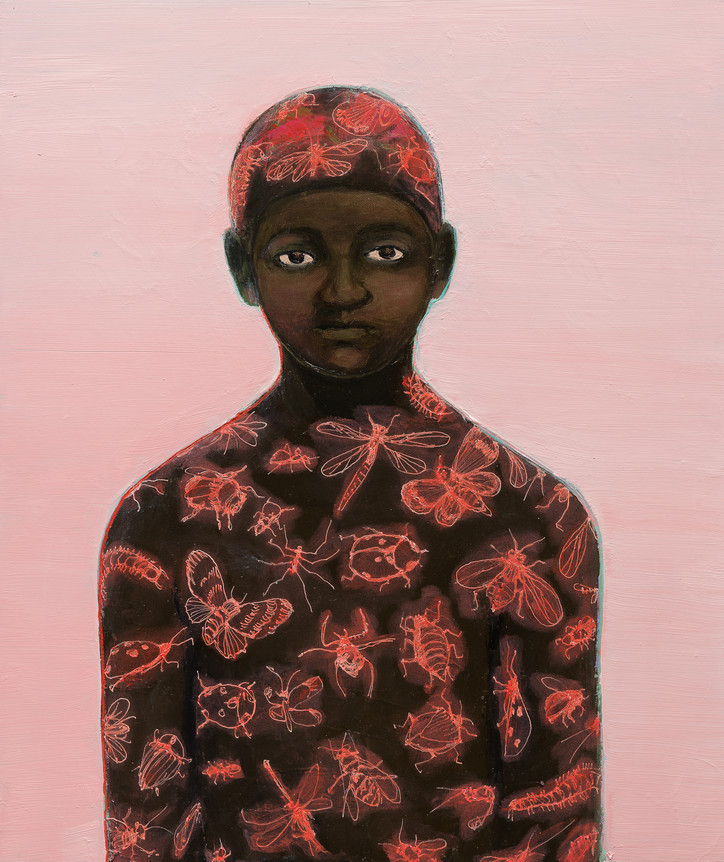
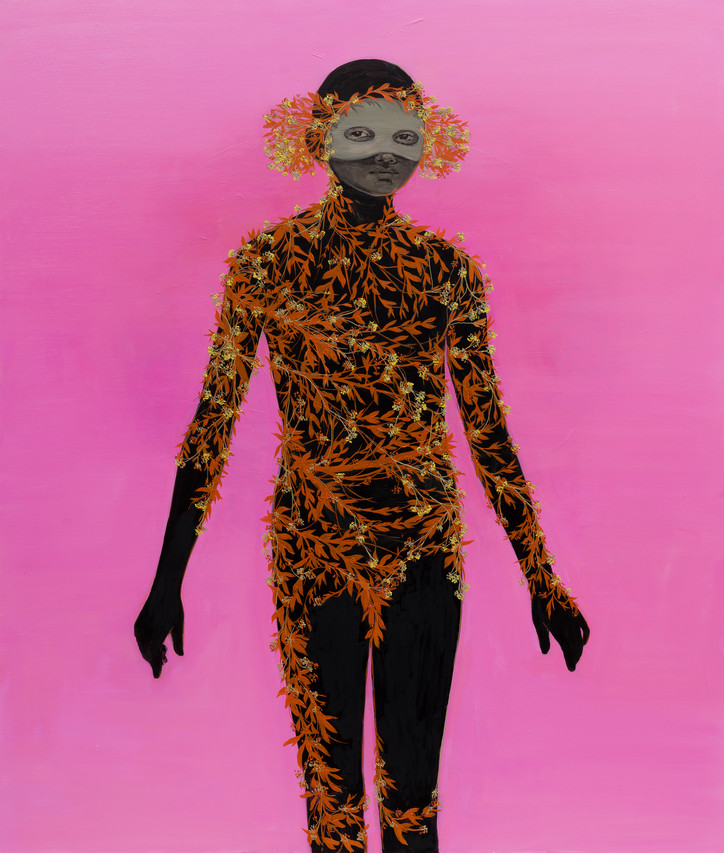
Above: 'Luminous' and 'Golden Arrow.'
It’s such a universal theme. Why do you think we’re drawn to that time, even as adults, because it’s always a subject in film, art, etc. What is it about that time that's so fascinating for us?
It’s very hard to pin it down, but I think it’s because so much happens at that point, you’re at a particular peak, both in terms of your physical manifestation, and very often it’s about the sexual awakening or the innocence—there’s that tipping point between innocence and awareness. I find that really fascinating, that pivotal point. Also, there’s almost an oversensitivity about that as well, we’ve all become hyper-aware of these different stages of puberty—maybe there’s even too much focus on it at one point.
I didn’t even think of the sexual aspect—do you feel there’s a certain sexuality to the paintings?
No, I don’t. They’re more innocent in that regard—they invite the viewer to to reconnect with that innocence, and maybe to reconnect with something simpler, to be at one with things, with nature, in a less complicated way.
So, it’s like they’re not entirely physical.
They’re sort of poised, as well—they’re very still and quiet in their moment.
I love that they’re connected to historical paintings, as well—I feel like people forget about historical painting in their crazy pursuit of weirdness in the art world.
My whole artistic practice is very connected to historical imagery—it’s always been a really important part of the development of my visual language. I think when you’re going through early stages of your creative journey, historical painting is a really important reference—it’s really important to understand what you’re connected to and how your visual language develops from that. For me, that’s key. As a figurative painter, that’s a very important element, this connection to historical imagery—painting and sculpture, as well. It informs the work.
What do you think makes something that references historical painting 'modern?' What pulls it into today?
I suppose it’s not such a literal thing, it’s just so embedded in my practice that those connections and references are very subtle, but if you looked at a Velasquez painting or Rembrandt or Vermeer—Vermeer is one of the painters I constantly revisit. There’s a stillness in a Vermeer painting that I’ve always emotionally connected with, and that’s something that I’ve taken from Vermeer, that sort of caught moment that is quite extraordinary—I’ve held onto that emotional connection that I get from his paintings, and it’s something that subconsciously enters the work. Velasquez has a sense of drama and draftsmanship and real impact—I’ve always wanted that sense of drama, but also color. Color is very important for me—that sort of playfulness with color, those odd combinations of color that bring the work through in an interesting way.
When you say Vermeer, it’s almost like they’re voyeuristic, or caught off-guard.
There’s less that sense of Vermeer and more the sense of being in that same space as that figure—that you’re actually transported to that moment in time and you’re sharing that moment with that figure. It’s like a frozen moment. Even though they’re very small paintings, the space opens up to you, and you are engaging with those paintings, and the physical barrier of paint dissolves and you are there, looking at it in great detail. The detail in Vermeer is like witchcraft—painterly witchcraft.
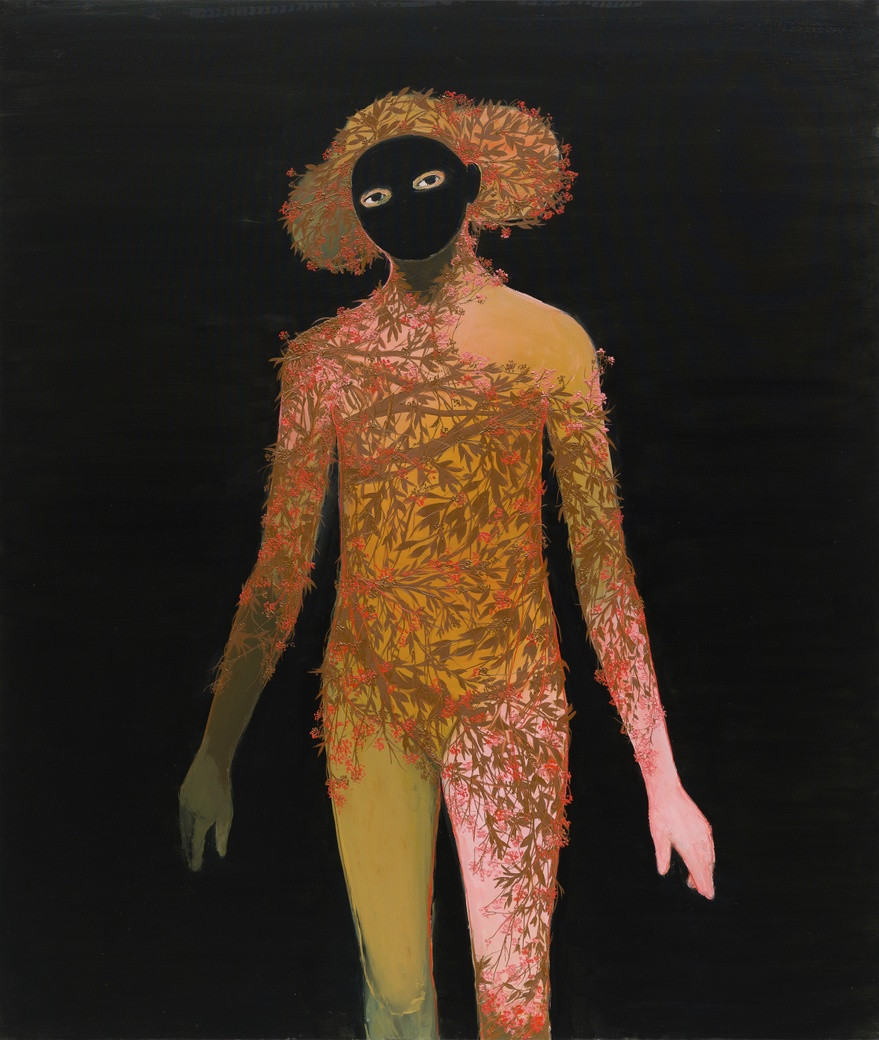

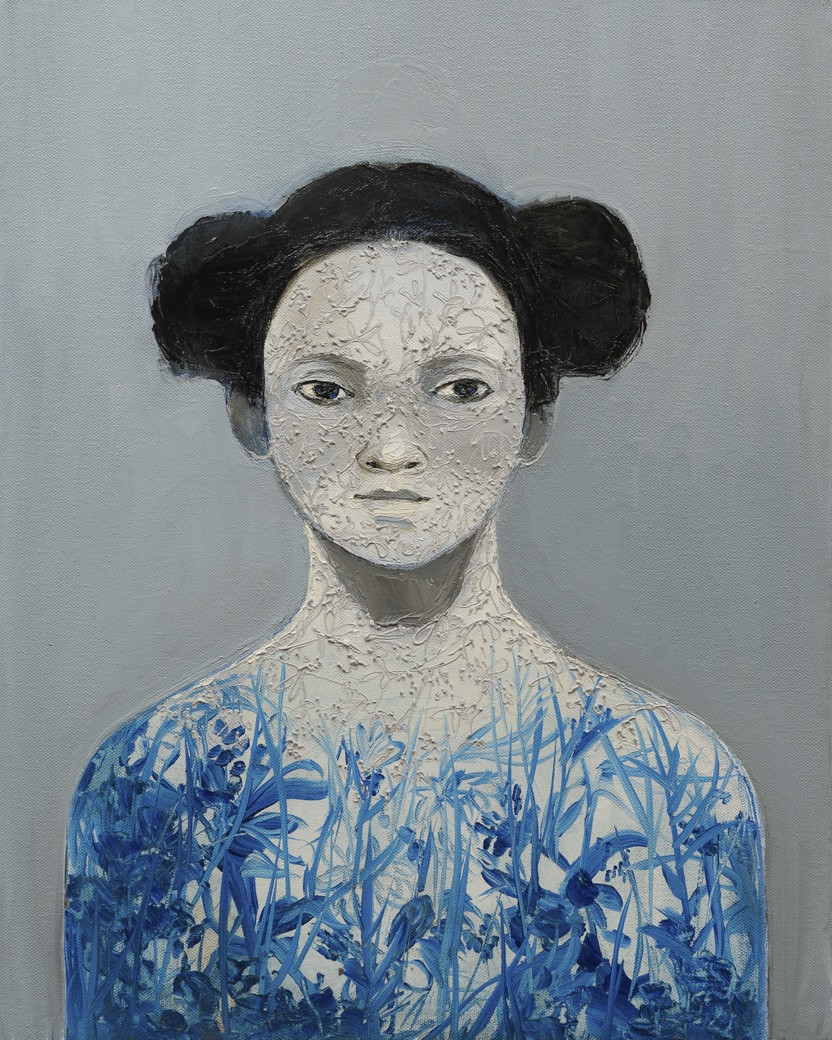


'In the Eyes of Each' is on view at Faction Art Projects from November 1 through November 25.
Lead image: 'Song of Starlings;' all images courtesy of Faction Art Projects.