Vulvatious

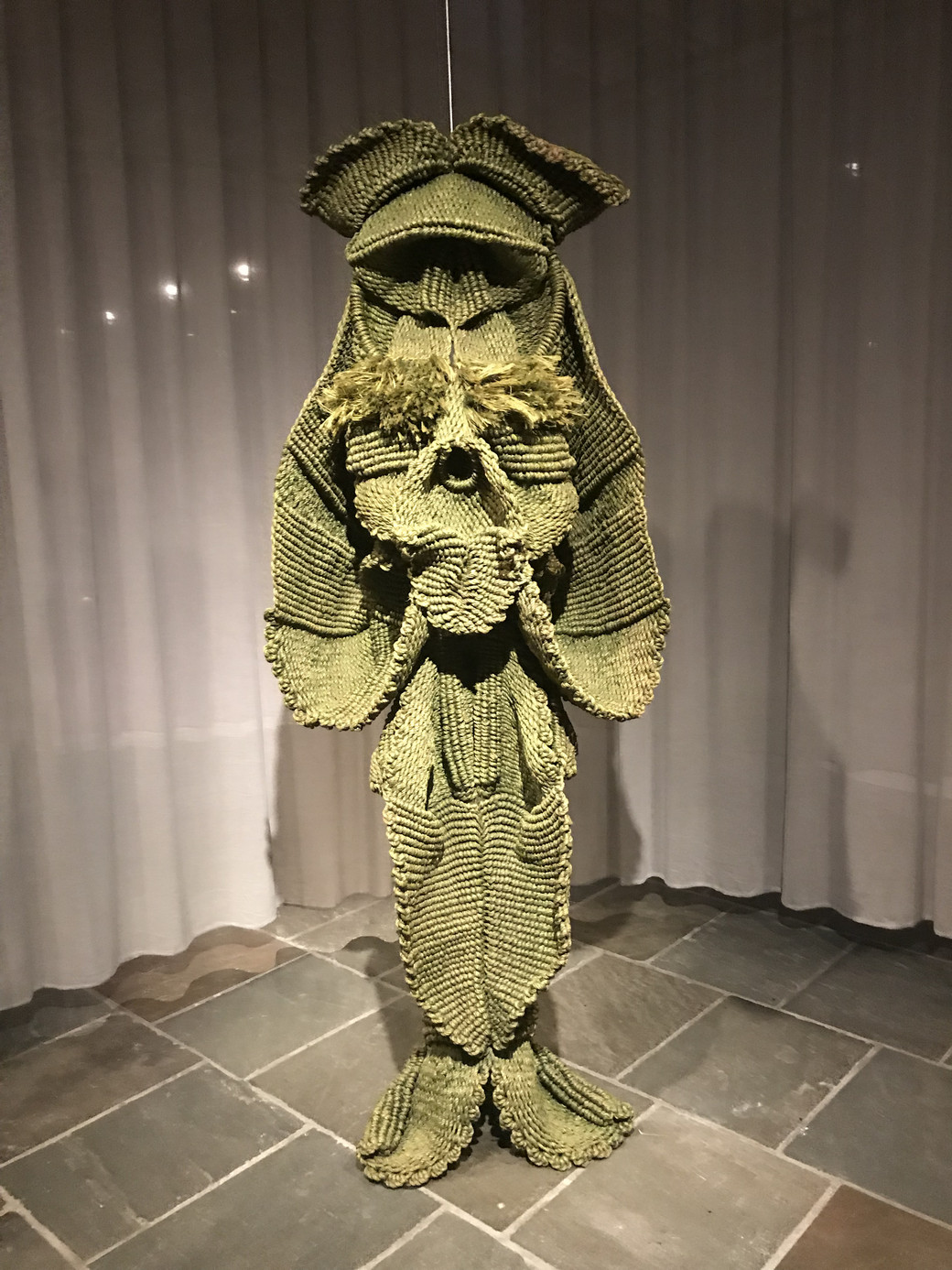
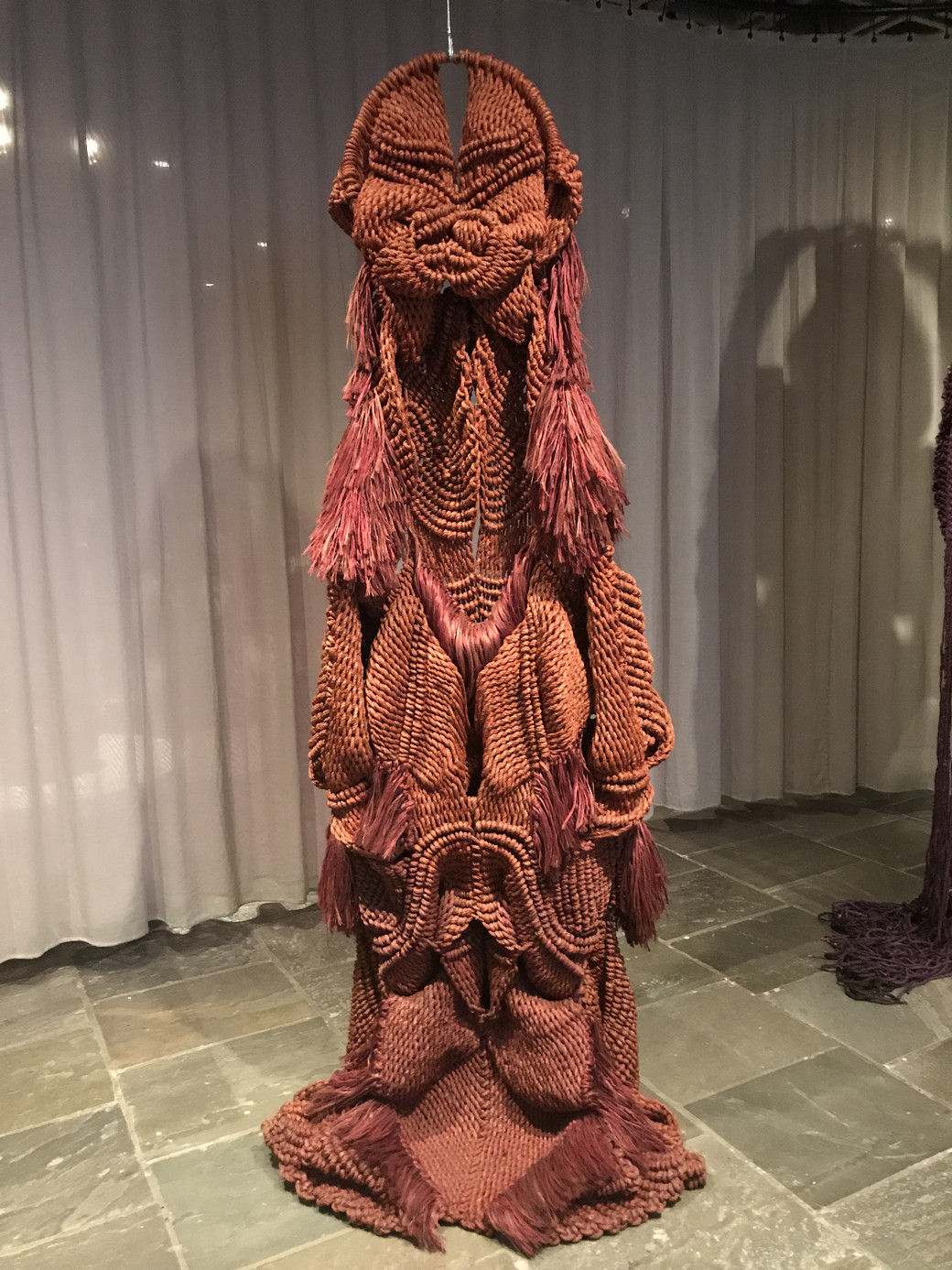
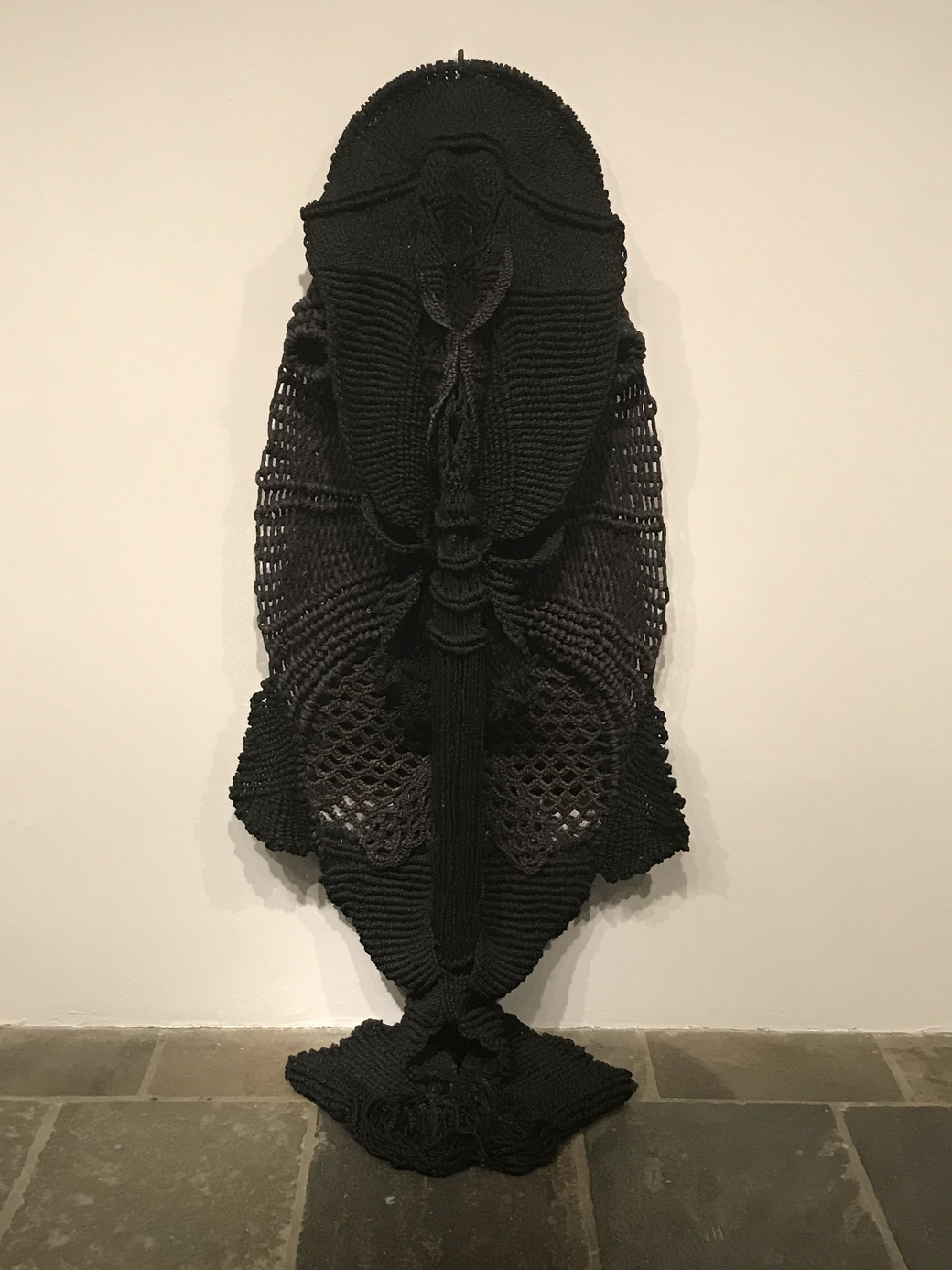
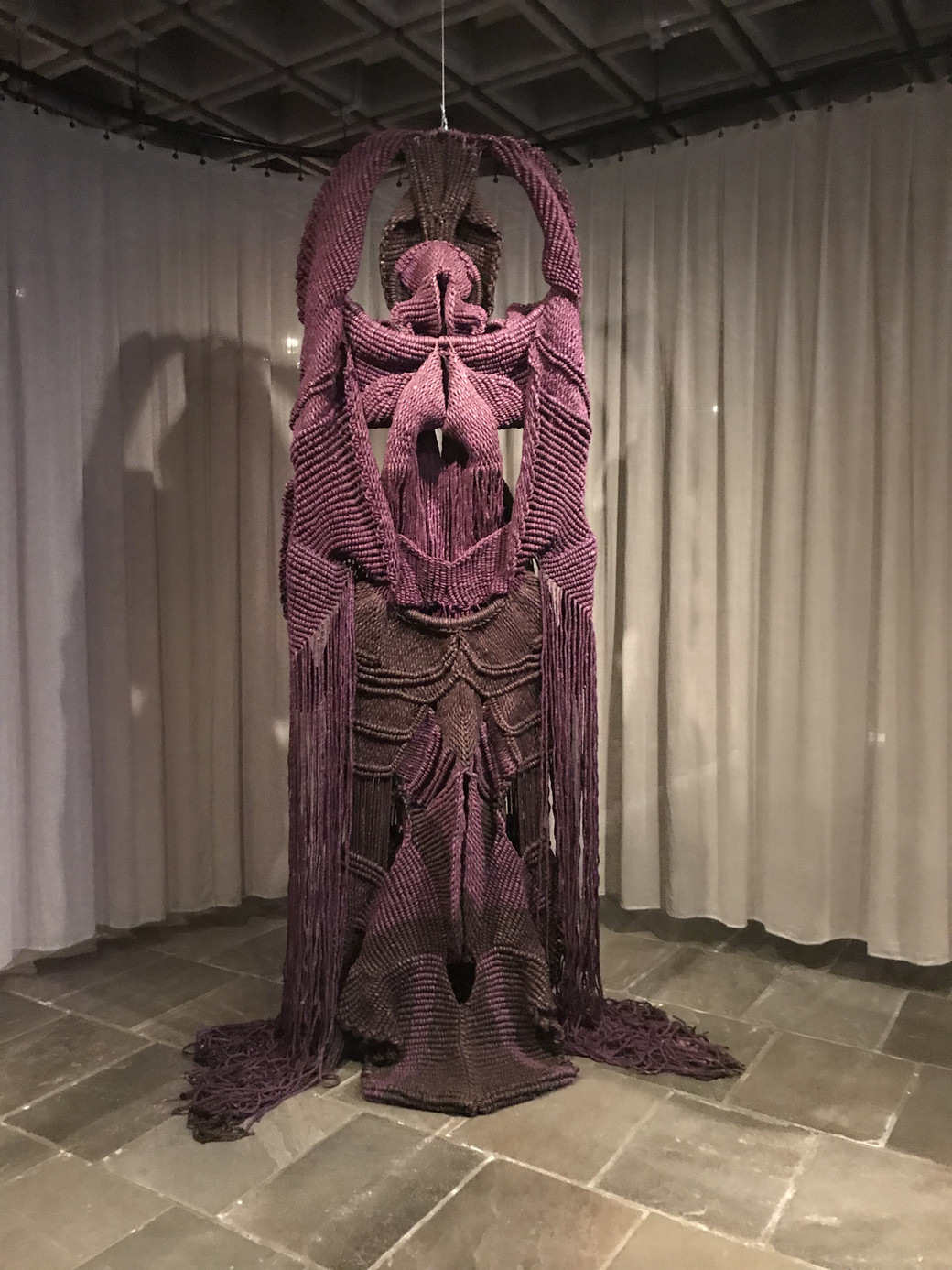
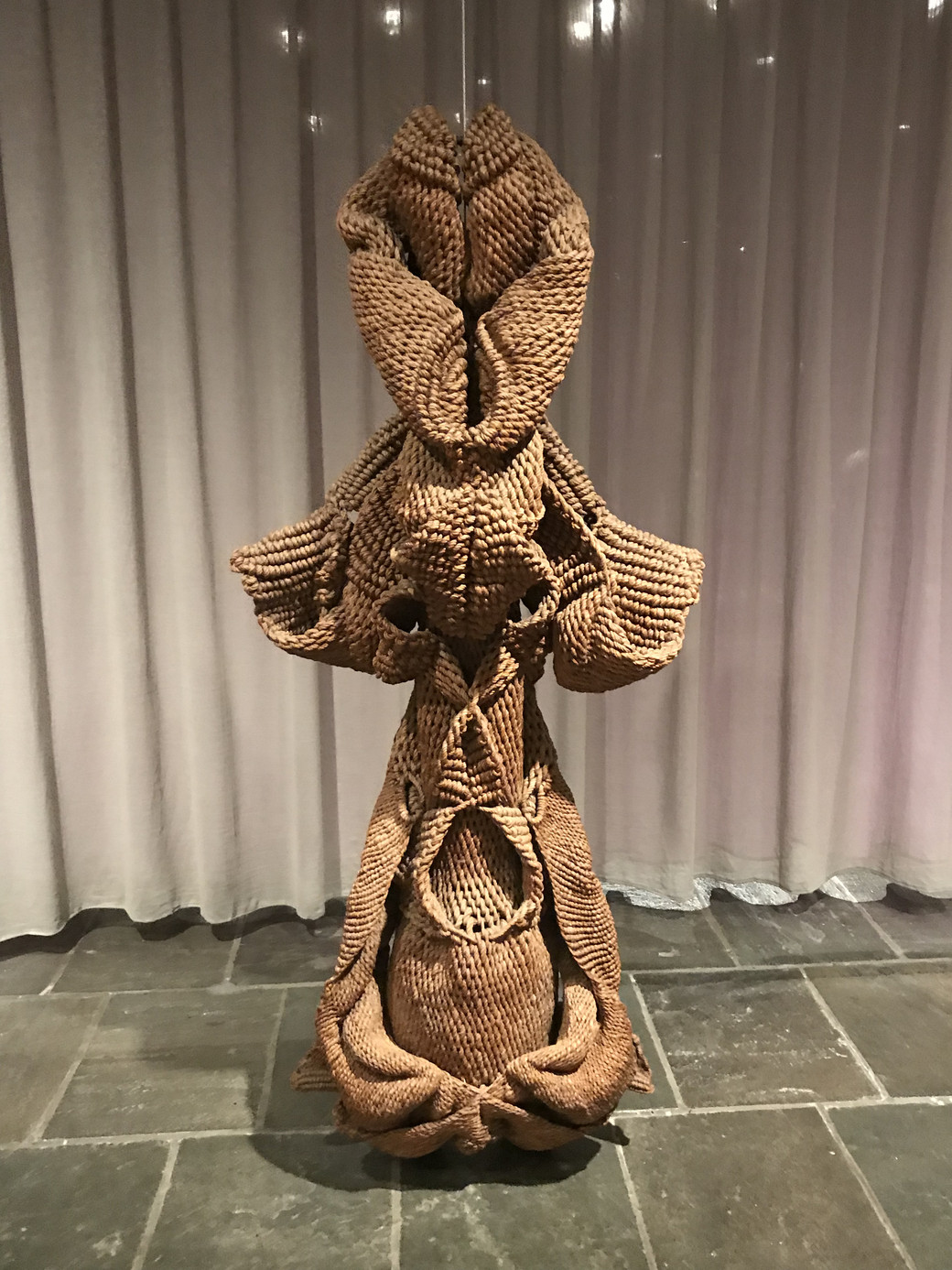
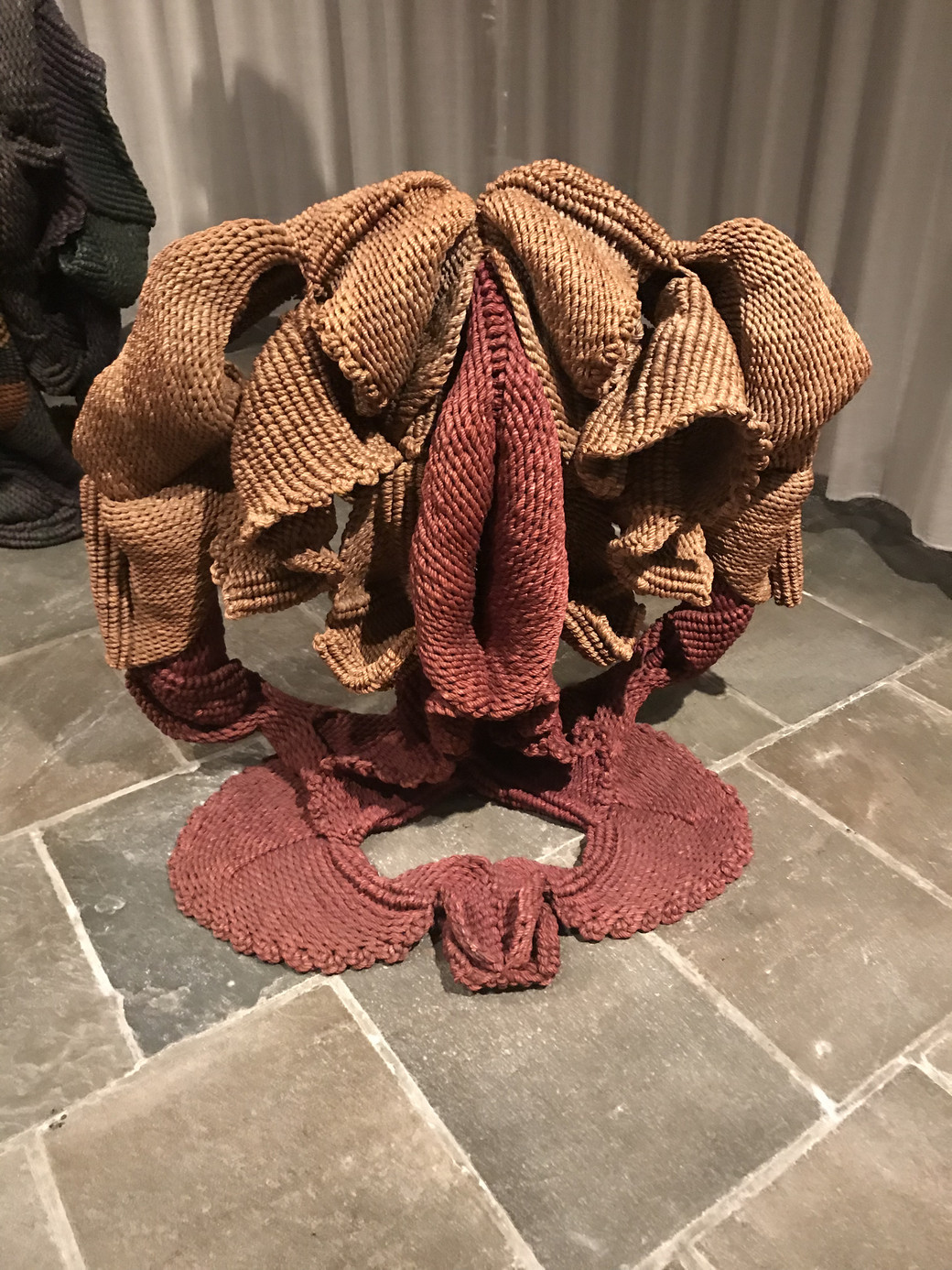
"Phenomenal Nature: Mrinalini Mukherjee" is on view at the Met Breuer through September 29th, 2019.
"Phenomenal Nature: Mrinalini Mukherjee" is on view at the Met Breuer through September 29th, 2019.

“I was thinking about this the other day,” Soda says on a rainy Tuesday in Brooklyn, where she is currently based, “when did I start waking up everyday and scrolling mindlessly through Instagram and Twitter first thing. When did that transition become routine. What did I used to do when I first woke up? Did I look at my phone at all? In a lot of ways, yes, I would like to distance myself from these habits. But at the same time, my work is so much about those habits, and about the sadness linked to them.”


Soda is of the first generation to truly grow up with the internet. On her notorious social media accounts, all of which have amassed cult followings, Soda breaks down our posting habits to the reaction we hope to receive. We post selfies to feel beautiful, we tweet to feel funny. This is not in and of itself a particularly groundbreaking idea. The nuance is where this lies within the artworld, and it is within this nuance that Molly Soda feels at home.


Can you tell us a bit about what you [did] at NADA?
Yeah, so at NADA I [had] booth with 315 Gallery, and we basically [did] a sort of reiteration of a piece I did with them in June. The piece was a laptop that I had bought and essentially filled with content, and files, and what not. So I invited the visitor, or viewer, to rifle through the computer and do whatever they wanted with it. So, essentially, they’re looking through someone else’s stuff. They’re able to do whatever they want– there are no parameters with the piece. So if you want to say things, delete things, or add things, whatever you want to do is up to you. So we made the booth again, but we added a new layer. I created a chat-box that talks to you. The bot lives on the computer with the files, and it’s kind of customer service-y. Maybe it’s just a bot, maybe it’s me, the artist, or maybe it’s whatever you want it to be. It’s there to interact with you, if you’re interested in doing so.
When did you begin sharing your art online?
Well, I’ve been someone that grew up with the internet. Most people my age, and younger, did. But for me, in high school, I was really into early online social media and vlogging - particularly live journals, myspace even, so I started posting stuff online at a really early age. It came really naturally to me. When I was in school studying art I started to blend the two together, because I had felt like I needed to keep these two world separate. I made art, and that was my art life, but my personal life was online - I was posting pictures, and writing these public diary entries, so I decided to combine those. And I think that really happened in 2009, when I started my Tumblr, that was the first time I ever used the name Molly Soda, and really started experimenting with performance and the internet.


I loved when you did a 30 minute karaoke livestream, and just watched as the numbers started dwindling.
Yeah, it’s interesting how you have numbers. Everything online is just numbers. I think it was like, maybe with the advent of myspace, where you had a top 8, a ranking system, and now it’s likes, there’s this weird feeling of collecting people, or collecting numbers. I guess people become numbers.
Totally. I was just talking to my friend about this yesterday. Since brands have started recruiting “influencers” online, it seems the only way to show you worth as an artist or whatever is through your follower count.
Yeah, it’s a marketing thing. Likes equal money, or social capital. Either way, that can really translate into “opportunities,” it’s weird, it feels like everyone is showing their resume, or subconsciously applying for jobs, but we don’t know what they are.

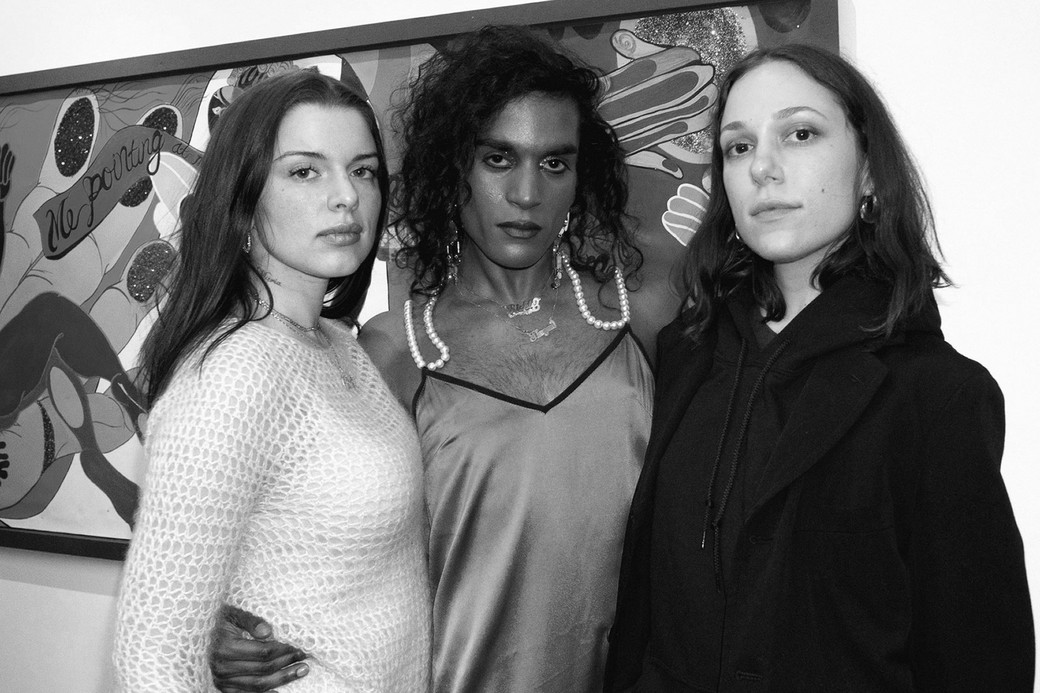
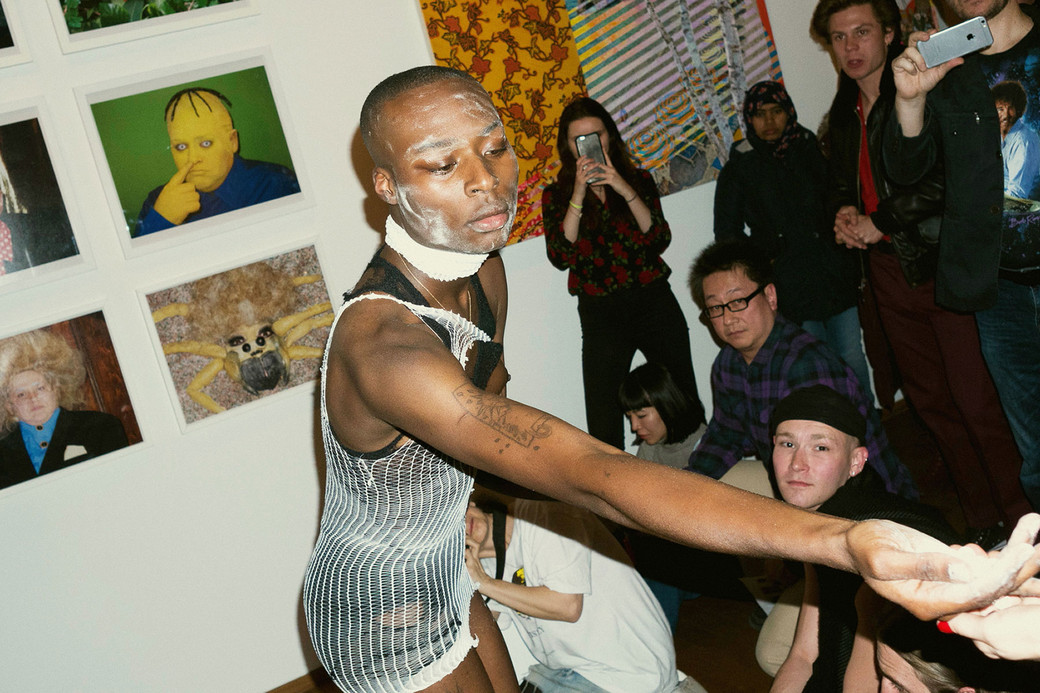
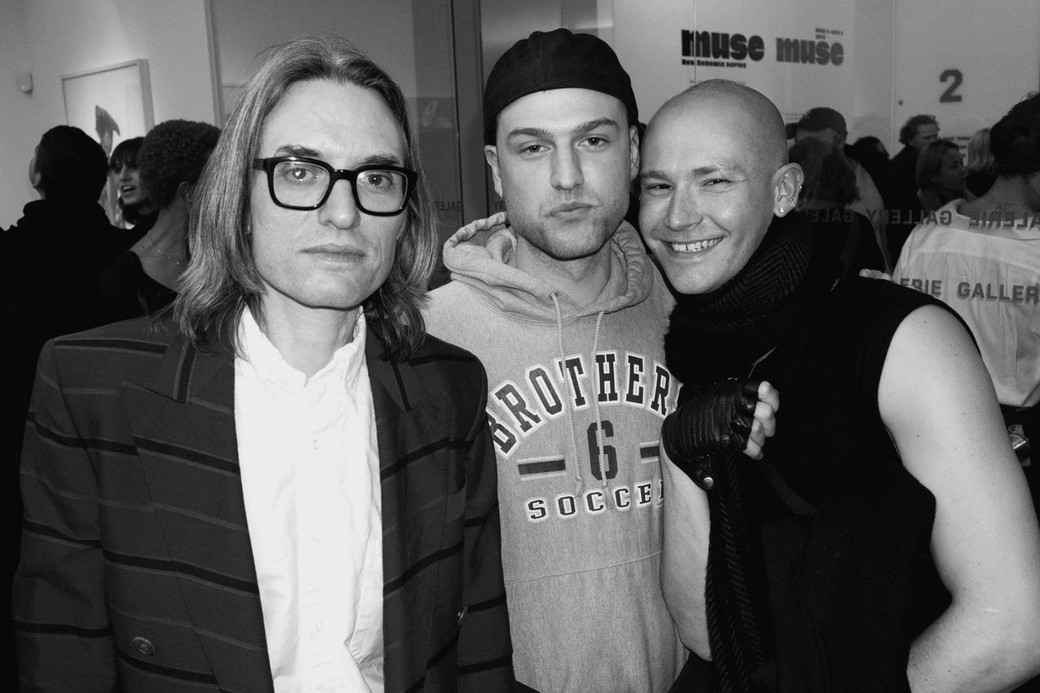
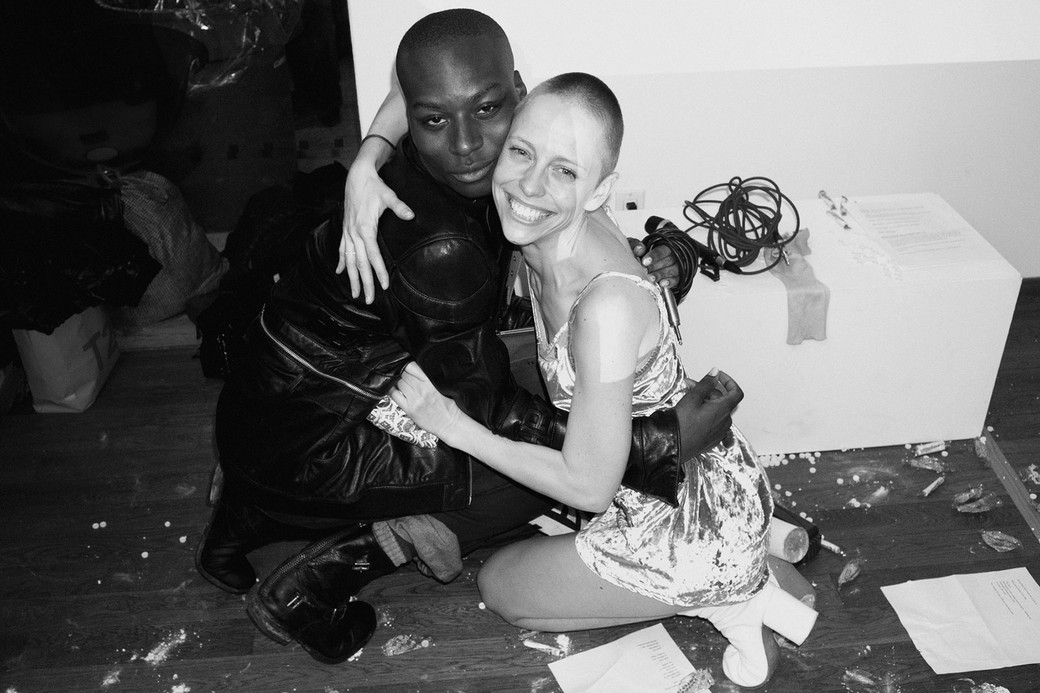
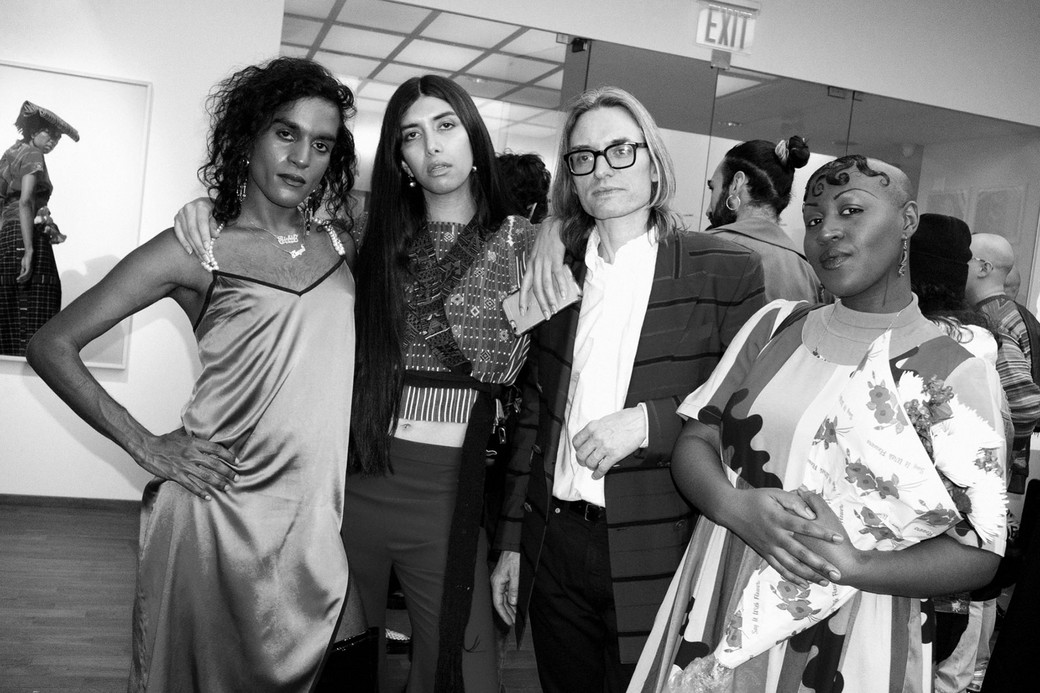
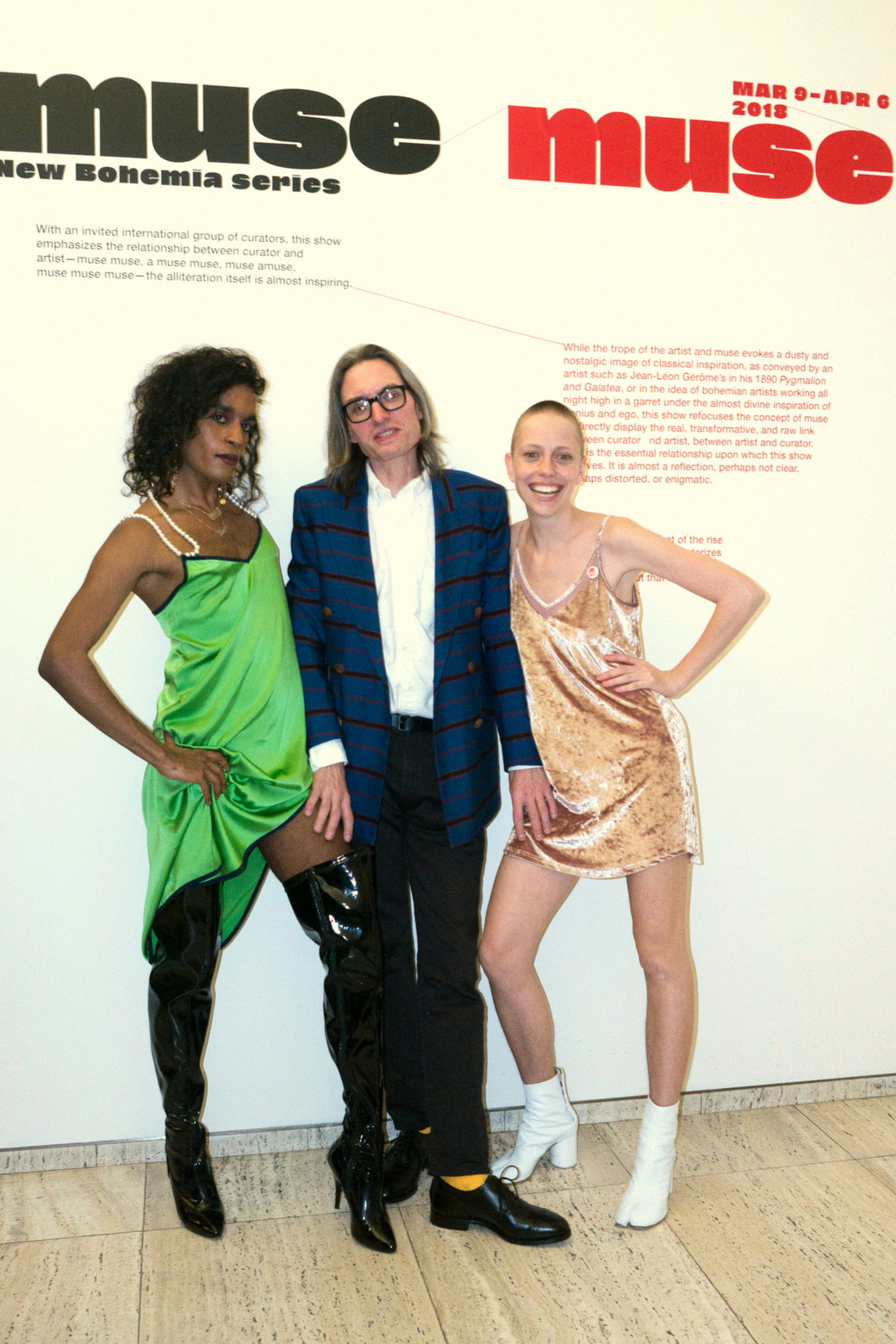
This was the core inspiration for muse muse, the group show which opened on Friday at the Czech Center NY. With the goal of mirroring the democratic, driven revolutionaries of the first Czechoslovak Republic, a group of current curators and artists gathered to give new meaning to the concept of "muse". We sat down with two of the curators, Marie Tomanova and Thomas Beachdel, to talk about how they're re-inventing the identity of one of the industry's most important relationships.
"muse muse" will be on view through April 6th. Find the full list of curators and artists included below the interview.


Can you explain the role of the Czech Center in realizing this show? Did you decide to do something there and then the idea for Muse Muse materialized, or was it the other way around?
The Czech Center New York founded The Bohemian Creative Hub, a program dedicated to supporting working artists and fostering public engagement with the creative process. The Bohemian Creative Hub’s vision is inspired by Thomas. M. Messer, the Director of the Solomon R. Guggenheim Museum in New York for 27 years, who was of Czechoslovakian heritage and who epitomized a spirit of risk taking, innovation and resourcefulness.
Part of that program is the New Bohemia Exhibition Series created to support young artists and cross-cultural exchange. Muse Muse is a part of that series, for which we also helped organize Youth Explosion: The New Bohemia in July 2016, and Baby I Like It Raw: Post-Eastern Bloc Photography and Video in March 2017.
The idea for Muse Muse began as a way to celebrate the 100 year anniversary of the first Czechoslovak Republic and the democratic ideals ushered in by Tomáš Garrigue Masaryk. This is why we invited multiple curators to each choose artists to include in the show, as the First Republic was a powerful and meaningful shift from the singular voice of a Monarch to the many voices of a Republic. This show examines the transformation of identity and self against the background of post 1918 political and social change reflected in the shift initiated by the First Republic. Stressing the freedom of a multiplicity of voices and viewpoints, the inclusion of multiple curators mirrors a democratic vision centered around the theme of creating and celebrating new identities. In a word, this show is about freedom.
How did you decide who would be in the Curator group? What was the criteria? Are there any themes that connect all these artists in their practices, outside of being chosen by the group of curators?
As we began to put the show together, we started by asking friends who are curators to participate and to start thinking about artists they would like to include based on the general themes of identity, transformation, and freedom. As the list of curators and artists started to come together, we changed the title from Against the Grain to Muse Muse, as what began to emerge, almost magically, was the fourth, and perhaps most important, theme revolving around the relationship between artist and curator. It was a very intimate and special process to begin to speak with curators such as India Salvor Menuez, Lissa Rivera, Antonia Marsh, David C. Terry, and Richie Shazam, and to see how invested they are with the artists they were including, such as Jahmal B Golden, Naomi Okubo, Grace Ahlbom, Jaimie Warren, and Theresa Chromati and Martine Gutierrez. For these curators, these are not just artist that they chose to fit a theme, they are artists that they believe in, and with whom they have very meaningful relationships. Theophilos Constantinou and Nemo Librizzi’s close work together is also emblematic of this, as well as that of Jo Rosenthal whose zine for the show, VirtuosoVirtuoso, brought together distinct voices. For Marie Tomanova there is something about Pixy Liao’s work. Michal Nanoru had no question about Dusan Tomanek. For Thomas Beachdel, Aaron Young has been in his mind for over a decade... In particular, our interaction with Richie helped us realize that the show was not just about a multiplicity of voices, but about the unique relationship between curator and artist, artist and curator, hence Muse Muse.


It seems like the art world has appropriated the idea of “curator” with galleries and art fairs getting commercialized and so focused on monetary gain… How does this show stand up to that, and how can it continue to do so? Do you have plans to do another project on this subject?
To us, it seems like everything now is “curated,” a “carefully” and “tastefully” “elite” selection of goods, and services—everything from coffee to closets; and this should probably come as no surprise under such an onslaught of consumer capitalist culture. On one level, then, the idea of having multiple curators could neutralize, we hope, the idea of the elite voice of one CURATOR, particularly in emphasizing not the idea of the curator as a selection mechanism, but the curator as a relationship. That is what we tried to do with Muse Muse—to emphasize the relationship between curator and artist as a symbiotic and inspirational one that goes both ways, that goes all ways.
We loved working with so many people who each brought us into their intimate worlds and relationships, and we hope that this is clear to the viewer of the show. When one looks at the works in the show, what we hope they see is not only the work itself, but some ethereal hint of the essence of the artist and curator. Each is showing the viewer who they are, each is letting us all in. It is a privilege to see beyond any veil, and we hope that this may be what is special about art (or literature or poetry); it goes beyond the surface, it gets inside. Going forward, we look to get inside, always get inside.
During the opening, several young women were deeply touched by Theresa Chromati’s paintings and were overheard discussing with the artist her work and what they meant, almost in tears—they were tears of identification, not sadness. It was a powerful moment, one brought forth not only by the work itself, but by the relationship of Richie and Theresa. That is the Muse Muse…Muse.
Your press release is so poetic, and it really emphasizes the inspiration you got from language, and the music to the word “muse”. Do you think that this concept can be carried over to other mediums? (music, writing, design, whatever…)
Definitely. Between you and us…muse muse, amuse a muse, a muse muse crawls over miu miu to erode an old-fashioned (tired) patriarchal vision of artist and muse to grow stronger on the absolute absence of Harvey Weinstein and ilk (fuck them…no, not reallyJ).
I know you referenced early 1900’s politics, but did current politics play a part in putting together this show?
Absolutely. We are tired of power and money and exploitation. Really tired of exploitation, money, and power.










Curator Artist:
Thomas Beachdel Aaron Young
Theophilos Constantinou Nemo Librizzi
Richie Shazam Theresa Chromati / Martine Gutierrez
Antonia Marsh Grace Ahlbom
India Salvor Menuez Jahmal B Golden
Michal Nanoru Dušan Tománek
Lissa Rivera Naomi Okubo
Jo Rosenthal VirtuosoVirtuoso zine: Medar de la Cruz, Kellian Delice, Emma Kohlmann, Mica Levine, Hayley Martell, Marian Martin, Ambar Navarro, Kat Rose, Emerson Rosenthal, Charlie Rubin, Leticia Sampedro, Shane Saunders, Andrea Sisson, Marie Tomanova, Amanda Wallace, Thomas Watkiss, Linda Yang, Yulia Zinshtein, Dale Zine
David C. Terry Jaimie Warren
Marie Tomanova Pixy Liao
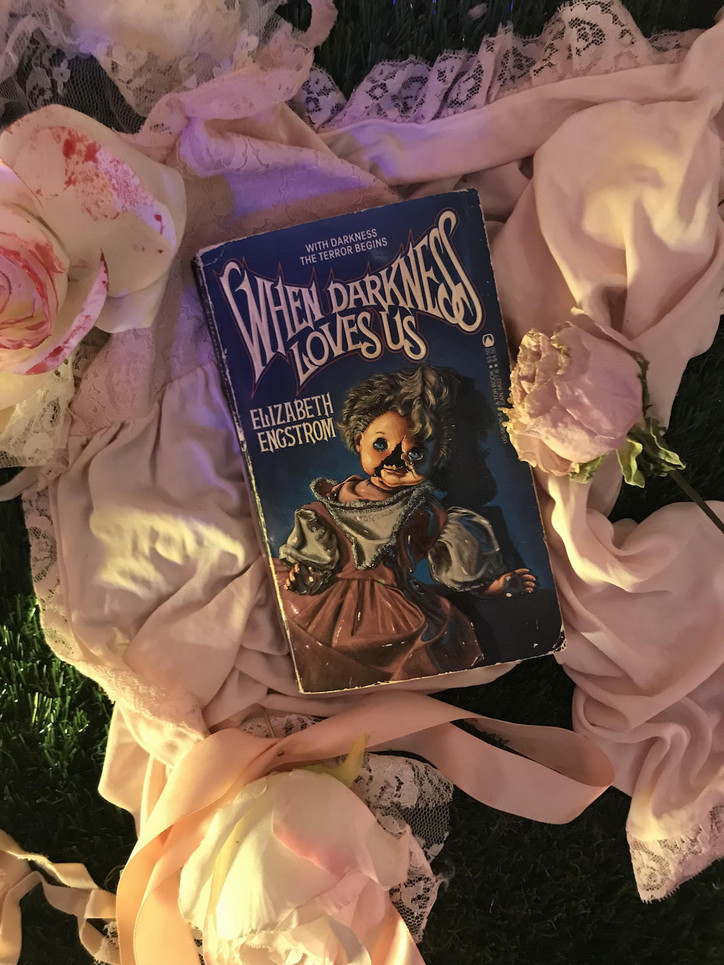
Juxtaposing the dramatic and darkly hilarious work of artists Parker Day and Robert Hickerson with more analytical and meditative pieces by Maggie Dunlap and Linda Friedman Schmidt, the sisters construct a fuller vision of what dying means––for the dead, the living, and the crime-and-death-obsessed public eye. The floor of the exhibit is blanketed with green astroturf and mini-memorial sites, imitating a cemetary. And since we all have to die someday anyway, we might as well take inspiration for our own graves from When Darkness Loves Us.
office sat down with Rémy Bennett to talk about the thing nobody ever wants to talk about––the inevitable end.
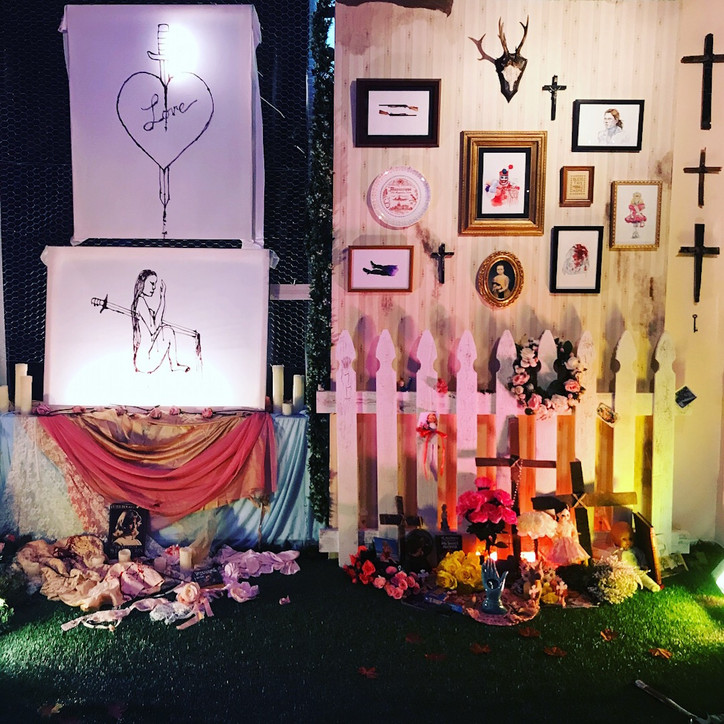
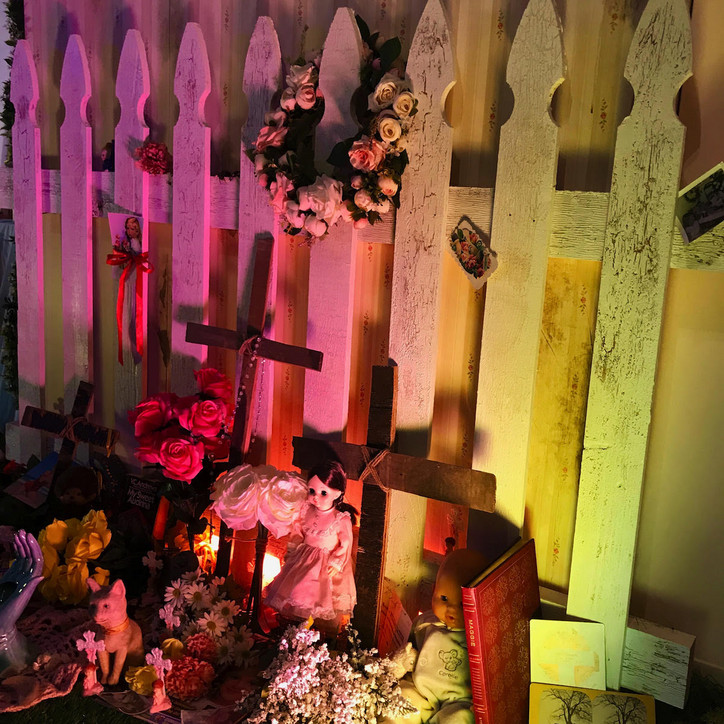
Tell me about the work you and Kelsey chose to display in When Darkness Loves Us.
There’s a sense of irreverence that’s strong with all the artists we’ve chosen––they’re depicting content that’s what people would describe as “dark,” but they embrace it is in this anarchic, visceral, joyful, funny, extreme way. It’s that sort of anarchic teenage spirit. We talked about the idea of harking back to being an adolescent discovering things you shouldn’t be, that give you this sense of titillation and exaltation.
What did you get to do in curating this show that you haven’t in the past?
Incorporate older artists, and realize how much they can teach us and the humility they can offer us. Linda Friedman Schmidt [who’s 68 years old] has become a really close friend and inspiration––her work examines more of a personal process of grieving. The artists in our show are all sensitive people with very lurid interests, so we’re explaining both sides of the coin. We’re not just going for the satire or irreverence, we’re trying to bring our audience to a bit of a deeper place that makes you feel sad.
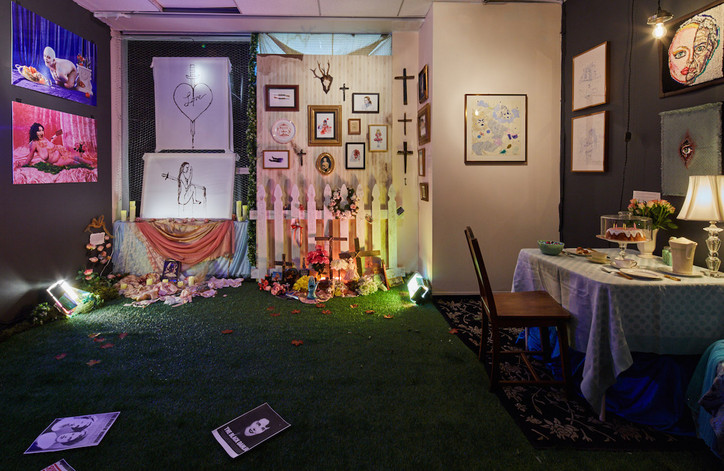
How would you describe the theme of When Darkness Loves Us?
The theme of the SPRING/BREAK this year is “Stranger Comes to Town,” and for us it was like, the idea of death is universal. It’s literally the only thing in life we know is going to happen. It can be left unsaid, but it’s collective. There’s something about coming together and having a collective celebration and also a meditation on how hard it is to grapple with it. It’s this existential crisis that we all have to face, but if we all talk about it, what kind of positive forms of expression can come out of that? It’s about catharsis in a lot of ways, and acceptance.
Which is your favorite piece on display?
I don’t want to leave anyone out but something I’m really excited about is Ambre Kelly and Andrew Gori’s [screenprint] series, “Forever Michael,” which is about Michael Myers. That’s something that I’ve been dying to find a way to exhibit for years. I’m proud of that piece.