Vulvatious

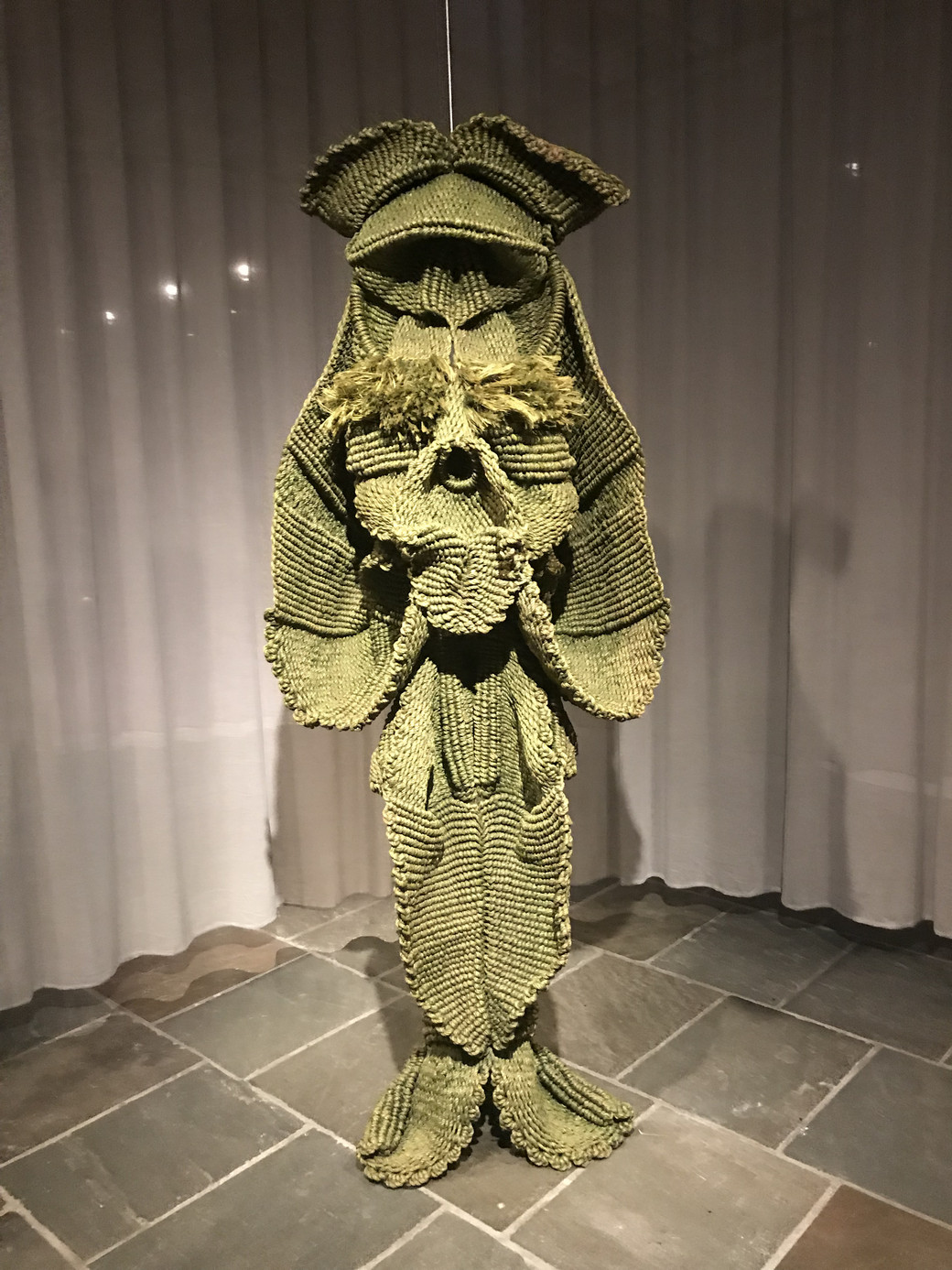
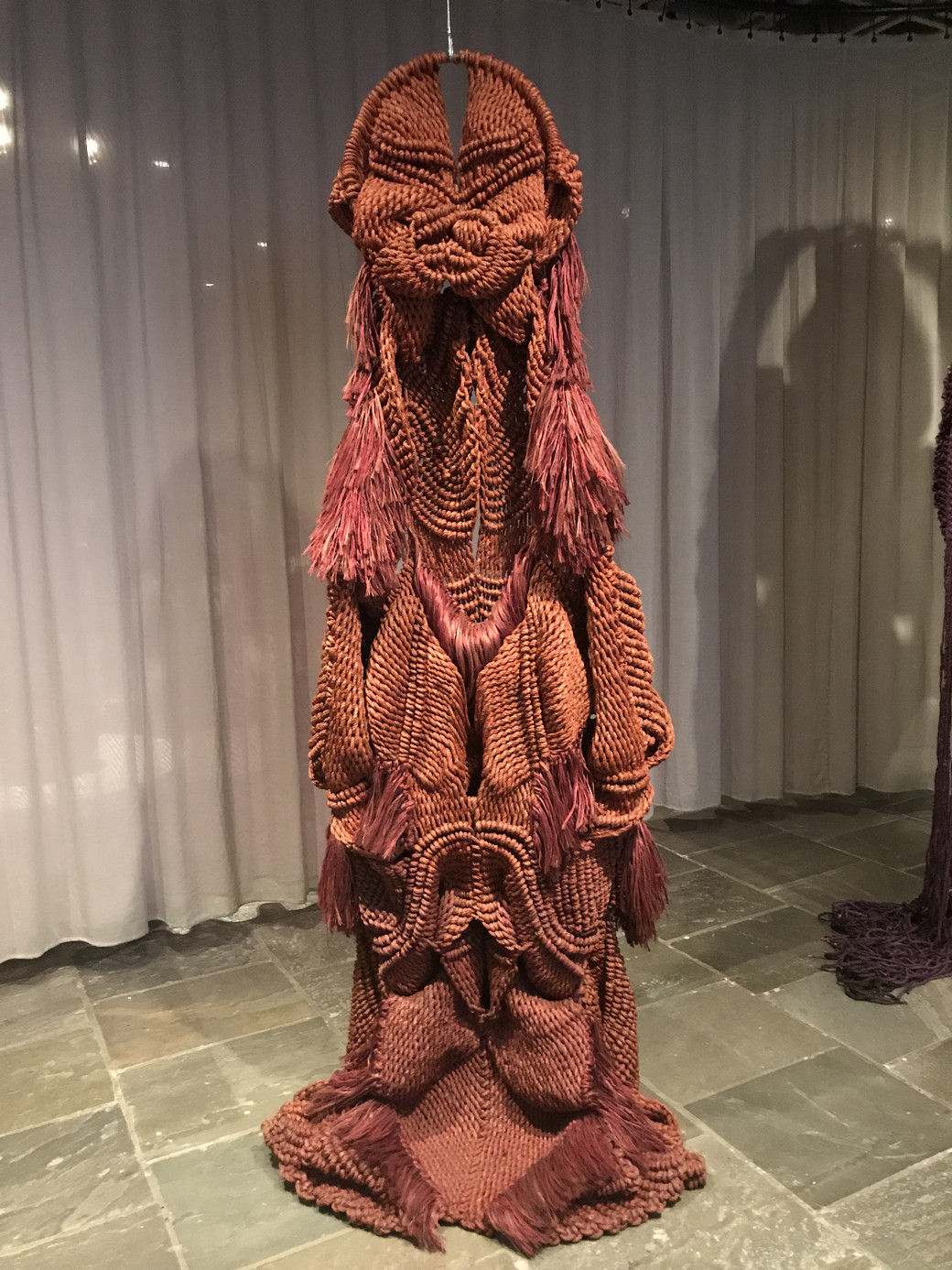
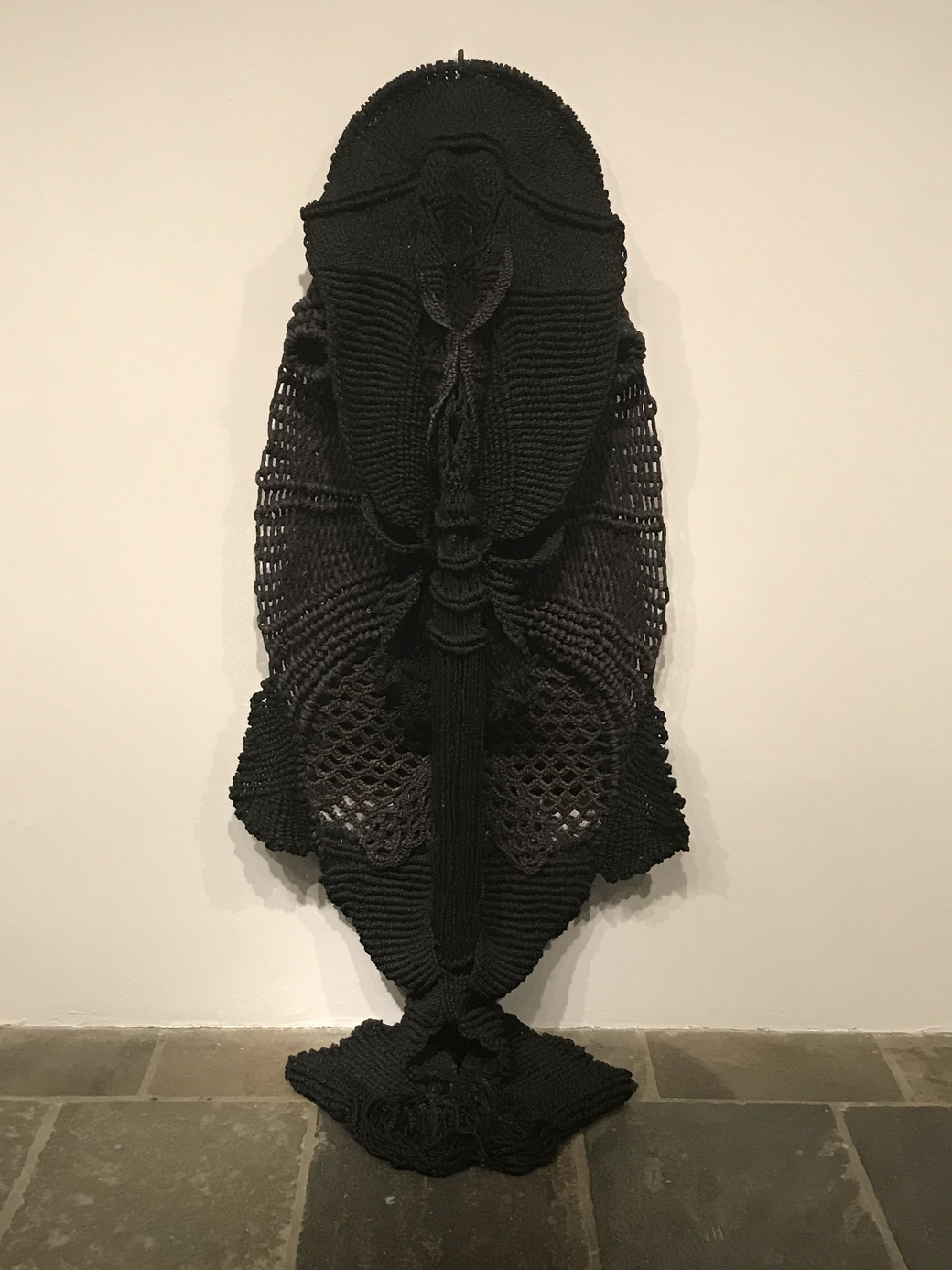
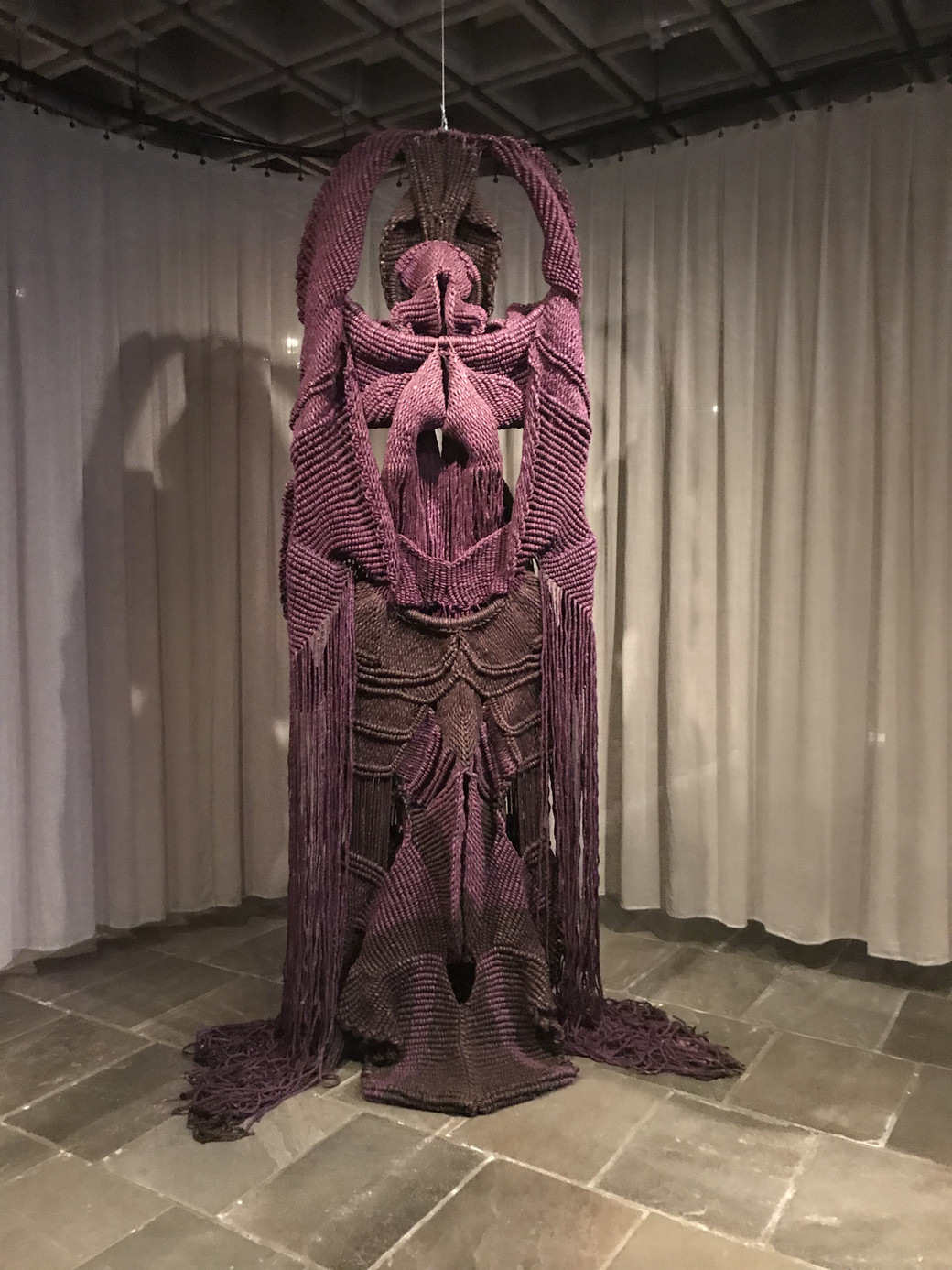
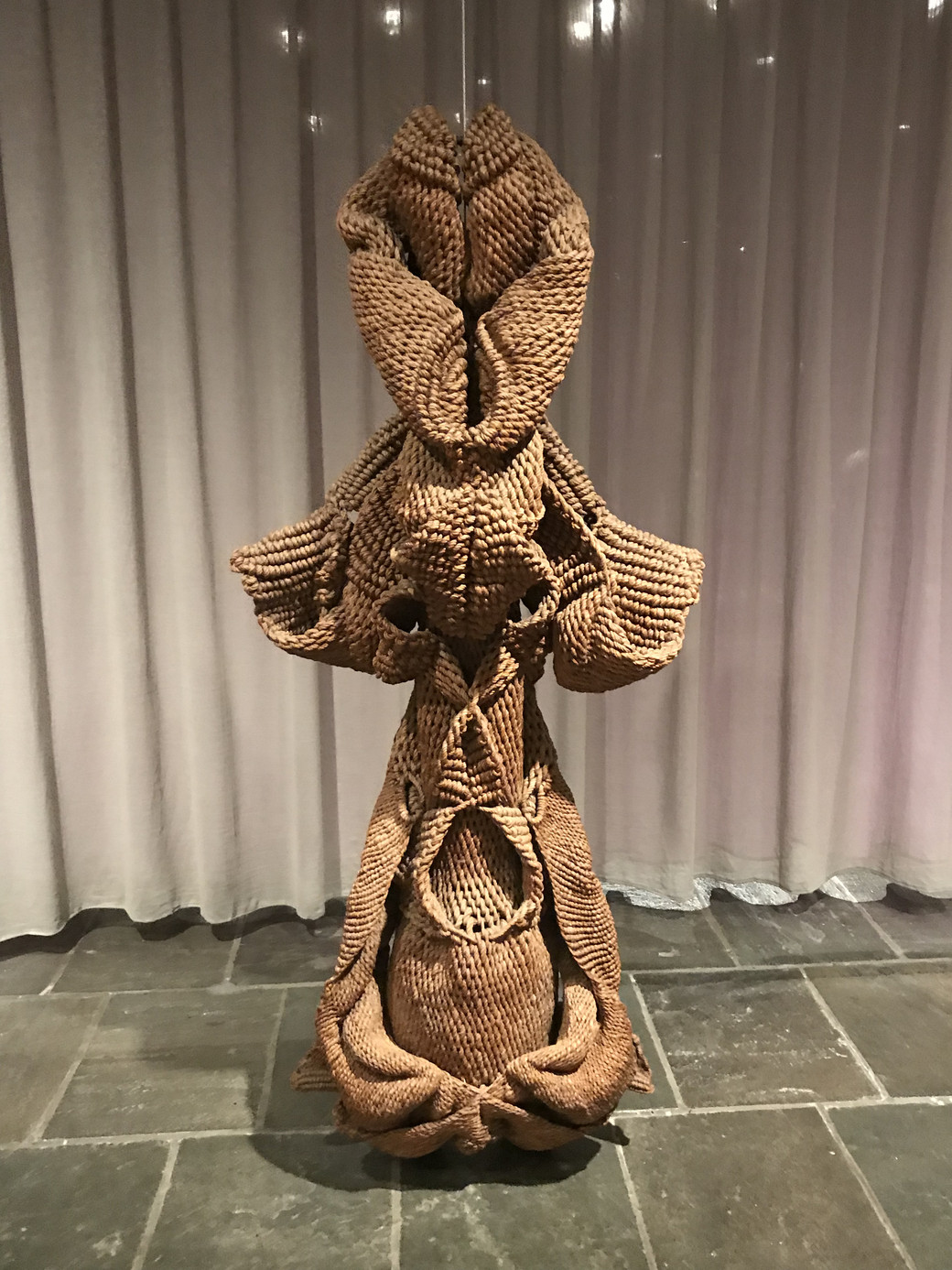
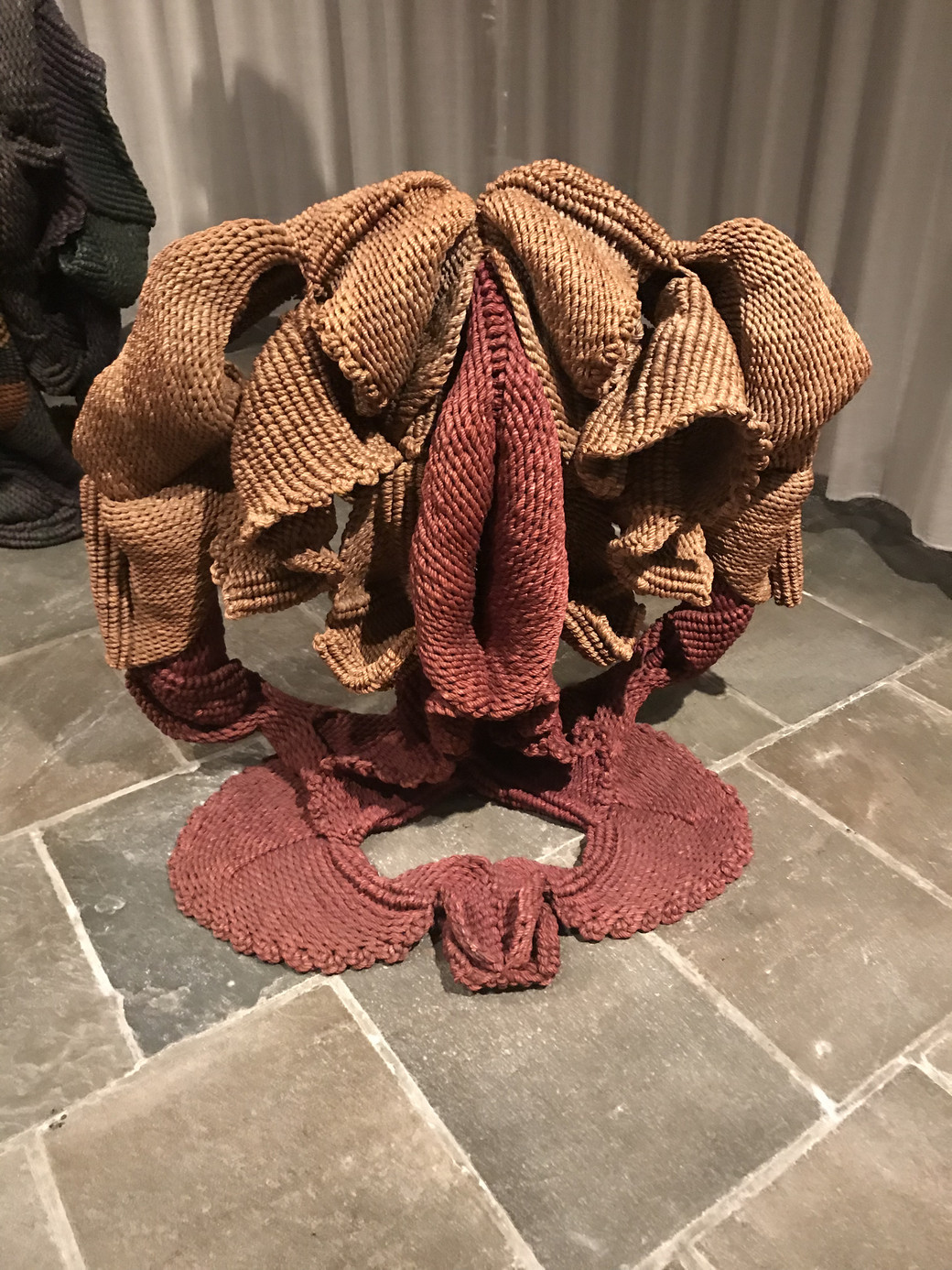
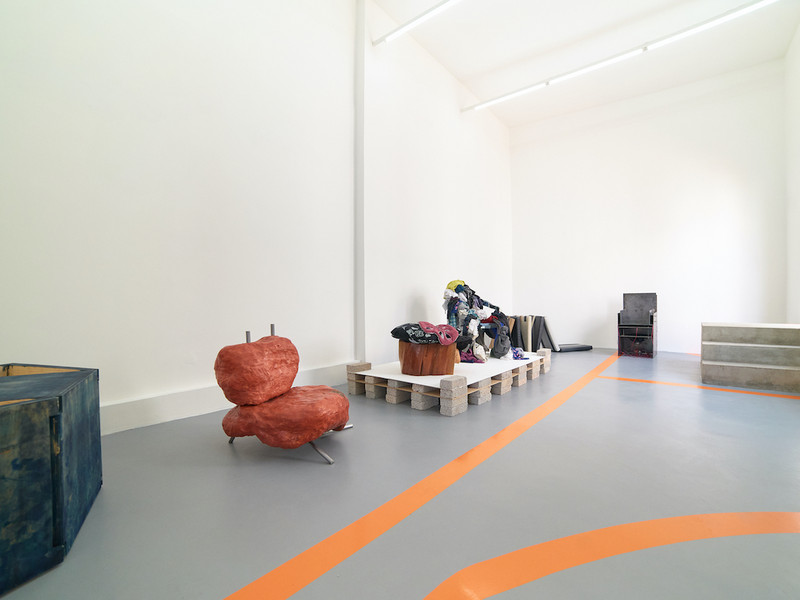
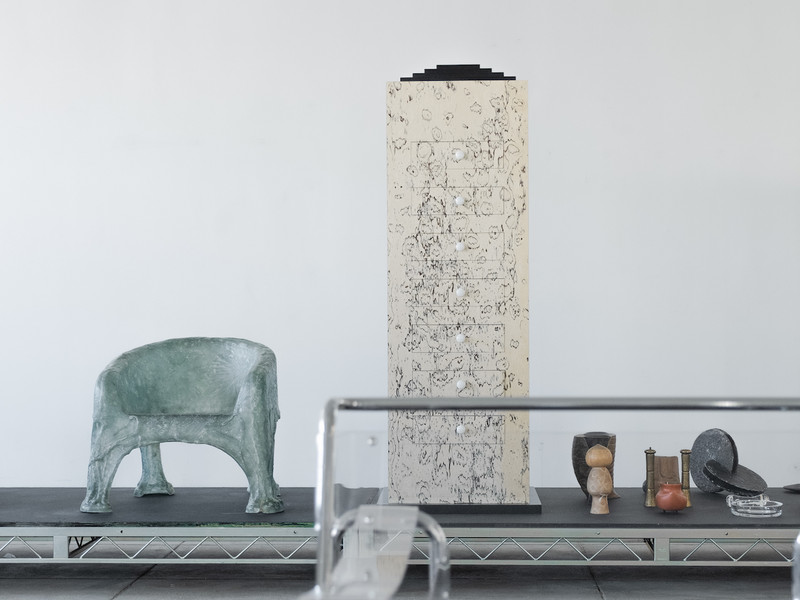
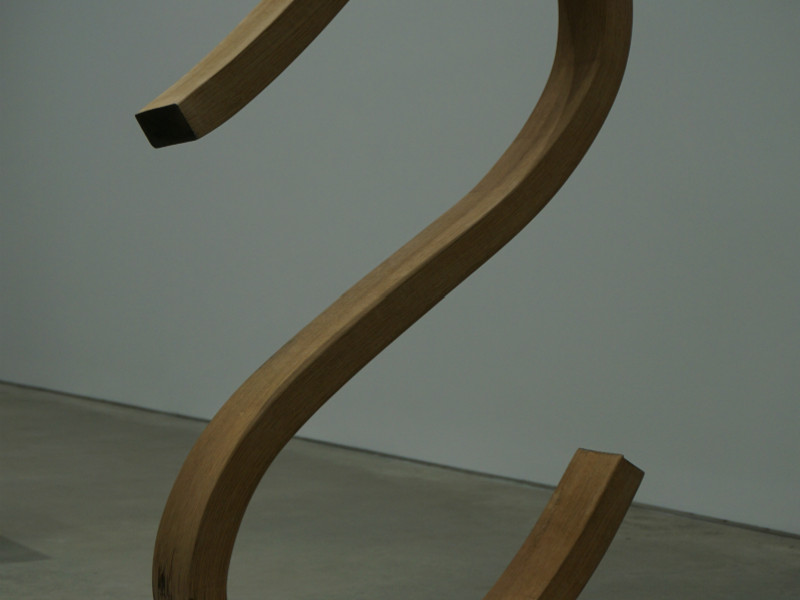
"Phenomenal Nature: Mrinalini Mukherjee" is on view at the Met Breuer through September 29th, 2019.
"Phenomenal Nature: Mrinalini Mukherjee" is on view at the Met Breuer through September 29th, 2019.

What got you started with Cakeboy— what inspired it?
The first issue profiled three people I knew whose work I loved, plus a poem. It was really just to see what print could look and feel like. I shot everything and did the interviews myself. For the second issue I raised $5,000 on Kickstarter and reached out to a few different contributors, but kept things small. What inspired me then is very different from what inspires me now, and the project reflects that.
How do you feel you stand out from other queer magazines and zines?
It's a gay mag and it's not a gay mag because "gay" and "male" aren't Who I Am™. I know that sounds super nebulous, but that's the point—that's why it feels a bit different than a straightforward magazine about gay men or for gay men. OK, a men's magazine is a construct, your masculinity is a construct, your gender is a construct... How do you fuck with that?
You seem to be doing most of it yourself, and from home! Does it stress you out, and how do you deal with that?
Last year I was so concerned with how to achieve bigness, but this year I'm kind of like, fuck bigness, fuck "scaling" a "brand". I'm not there yet, but I'm working on it... It's always going to be a bit stressful, but anything worth doing is, right?
You collaborate with a lot of amazing artists and photographers, many doing some risqué content. Any interesting stories from behind the Cakeboy scenes?
Ha—behind the Cakeboy scenes is mostly me, at a laptop... It's funny because I'm always tip-toeing around "risqué" content. There's just already so much "sexy" gay content out there that it's hard for it to not feel done, or just cheesy. And like, I get it, but really how many here's-the-guy-I-slept-with-last-night's-cock or just cum-all-over-everything-but-its-art zines do we really need? That being said, I did rub baby oil into our very naked cover star and like, styled his pubes on set.
The typography and design is fucking amazing. Has that always been an interest of yours?
I'm pretty obsessed with the way text and images can work together to create impactful moments. I think a great magazine spread can kind of hit you like that. This issue is the first time I really tried to channel that more explicitly, kind of took the kid gloves off a bit. I really love the challenge of designing the magazine myself, rather than being like... how do I make my Instagram pretty? Like, what the fuck is an Instagram grid? It's Mark Zuckerberg's dick is what it is...I think so many indie zines are affected by this and end up with design [based on] about how prettily the one object sits next to the other object, increasing the chances that the consumer will consume both. But consumption is boring and capitalism isn't the point! Which is a long way of saying that I became really interested in grids as a construct, of how we appear in them, all these boxes we put ourselves into and how we break out of them.
Did you read magazines from an early age? What design influences do you most attribute to your strength in graphics?
I like a strong point of view, and print can be so compelling in that way. I think Fantastic Man was one of the first magazines that made me say, oh, this object has a very specific viewpoint, down to the captions. They manhandle every square inch of that magazine, pun intended... [Also I am inspired by] bold colors, aggressive typefaces, nude nail polish and [again], grids.
What item of clothing makes you feel the most confident?
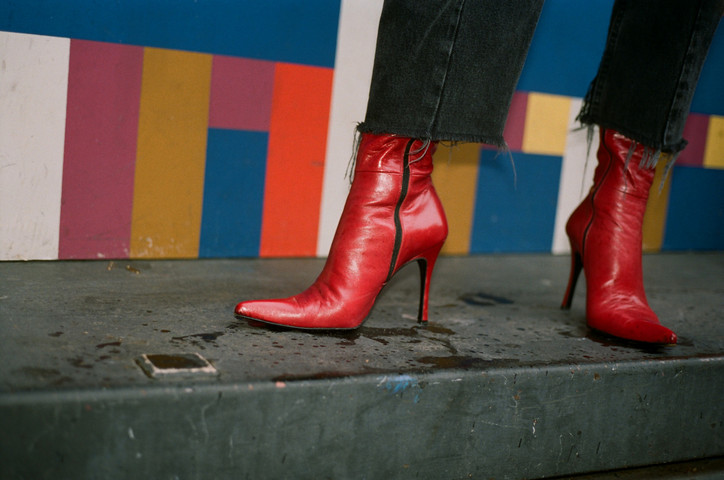
I do love a good boot, but I have to say a high-waisted pant makes me feel the most confident and sexy. And I wore both of them for this shoot!

...Are they playing Justin Bieber right now? Sorry. Hope this is in the recording. You should also lead this story with the fact that you have only been to Taco Bell once before.
Good idea. So, what is the thing to get here? What is your go-to?
I mean, I have tried, I think, the entire menu. Try to get something different every time. You should also emphasize heavily the Taco Bell theme, rather than the interview with me.
You should request corporate sponsorship.
Unfortunately I have tried but they won't. I am working also on more Taco Bell Drawing Club volumes, so after people do a bunch of drawings I collect them and make a little book, and go to book fairs.
You draw basically without looking?
If I am looking at the person, it seems like more of an authentic thing because I am not making as many decisions. Which I like. Fast food places really are the ideal people watching, I am learning. People don’t focus on me, or anything, here really, just the food. So that is part of all of this.
Weirdest thing you have seen here?
I saw a guy get arrested, during a TBDC, a bunch of us were sitting here and a guy came in and the cops all came in after him, arrested him... He had just stolen shoes from the store next door and there was some weird interaction, where the cops made the guy’s dad, who was there, pull off the shoes while the cops were like holding him, like, horizontally. We were all drawing what was happening, but were also like “What?! This is so weird…” I don’t know though, things are usually pretty chill in here.


You come [to TB] at a pretty neutral time. It probably gets stranger later in the day, or super early in the morning. So, what are you working on right now? You had that huge Uniqlo thing, and the Tokyo drawing book, the NYT... you’re everywhere...
Yeah, I am doing some more for Uniqlo, right now...
I see that Giraffe everywhere. All over the city I am seeing that shirt. Not the giraffe you have on though-- are giraffes a theme for you?
I think you get this shirt if you are a recurring member at the zoo.
Do you go there to draw, or do you just really like the zoo?
I like going to the zoo, drawing animals in the Central Park Zoo, where you’re walking through central park and you kind of pop into the zoo. Anyways, yeah also I’m working on the New York Times drawings, which is every day.
How long before it’s in the paper do you have to send it to them?
I send them a block of ten drawings weekly. They’re not really specific to a topic, unless it’s a drawing for Father’s Day or something.
What was the Father’s Day drawing? I wouldn’t honestly know where to start with that one.
I mean, it’s funny, I don’t know if I initially made it for Father’s Day but it was appropriate. It was somebody sitting and reading the newspaper with a bunch of mugs that all said ‘#1’. They’re kind of subtle, not trying too obviously to be jokes.
You seem like you have a pretty good sense of humor.
Thanks. I try not to think a lot about making things funny, because then it can come across weird. I am often not aiming for funny, but just want it to be ‘fun’.
I feel like the problem as an artist trying to hard to be funny is then you are potentially setting yourself up for getting way in your head and end up paranoid self-conscious and/or... failing.
Yeah, sometimes I will think a joke is funny at the time, and then I will look at it, even just a few months later, and I will think “My goodness, this is not funny.”
Well, overt sense of humor is definitely not timeless. When did you start drawing, did you go to art school?
I was probably four or five years old when I started. I went to University of Michigan, for art school, but I also studied Anthropology. So I did the scienc-y side of stuff as well as drawing and painting.
Probably where your fondness of the zoo comes in.
Anthropology is the study of our evolution, human, and that’s why I kind of like cataloging things. I think the zoo is just me intrinsically liking animals.
Where are you from, originally?
Michigan. I have been here since 2004, when I finished college. And I ended up leaving for almost a year, doing this thing called the Art Train USA. Basically a train that travels the country with four artist ‘fellows’, going to different communities talking about and teaching art.
What kind of train is this?
It ran on our nations railways, and it was four cars and a caboose. There was one guy who stayed in the caboose, and we would drive in vans between locations, doing volunteer training and going to schools talking about art. But the train would take a couple days to get places... That was a good part of 2005. I still think about it a lot. And after that, I came back and started doing more projects in New York.
What kind of projects have you been involved in since being here?
I had an art show Nicholas Robinson gallery that was on 20th Street, a couple summers ago. I have shown things with Jen Beckman. I have work in the Levi’s store on 14th Street, done projects with Warby Parker, Nike (my drawings on shirts and Air Force 1s). I guess I have more commercial projects than art shows in galleries.
And what is that like?
I like making things that more people can interact with. Doing a project with a company like Nike can hopefully reach a lot of people.
I appreciate that. If you believe in your art, everyone should be able to have access to it. You have a wider reach to more communities.
I also just think the idea of having a show, for instance in Chelsea, and you have an opening, and say 500 people see your opening, that’s awesome. But you can post on Instagram and 50,000 people can see your work. It’s such a different, easier interaction, and I love that.
Last question, what was the last song you listened to?
I find that it’s totally random. Brian Eno, Radiohead, Selena Gomez, Lana Del Rey, it’s all just pretty embarrassing YouTube connections.

Catalina was seated amongst cardboard boxes when she answered my FaceTime call. She had a small black crescent moon drawn on each of her cheeks. It was 10 pm on a Monday and she had been unpacking all day in her new home in New Haven where she will be attending Yale for her MFA.
Are those tattoos?
No haha I just draw these on sometimes as part of my makeup. I saw an old portrait of a woman from the Song Dynasty with moons on her cheeks and I really liked it.
I know you’ve moved around a lot, but where are you originally from?
I was born in Chicago to Chinese immigrants, raised in a trashy white suburb in Illinois, then I lived in a trashy racist highway town in North New Jersey until moving to St. Louis for school.
How do you navigate your practice and the art world, or the real world for that matter, as a female Chinese-American artist? I know this is something you touch on in your work.
Well when I first started allowing identity to creep into my work—or flood into my work—I was all about excavating my oppression, injustices I had experienced specifically as an Asian-American. Losing my mother tongue—Mandarin– having this cultural shame and self-loathing bred into me….almost every east Asian-American young artist I know has gone through this phase. And with young Asian-American women, it's often making work specifically about their relationships with white men and how that's fucked them up….and I did that too, really intensely, for a minute. But recently I’ve been more interested in how that fits into a far wider power structure.
You've mentioned that you like to allow the viewer to take an active role in deciding how they perceive your work. How did you do that with your most recent installation, “sister, lover, destroyer”?
I really just don’t want to be prescriptive with how the work is read. Some artists can get pretty anal-retentive about the viewer receiving exactly the signals that they sought to broadcast. I make the work, and it comes from a particular place. Once it’s in the world it takes on its own life and I’m okay with that.
So, what do you think the show’s title “sister, lover, destroyer” conveys to its audience?
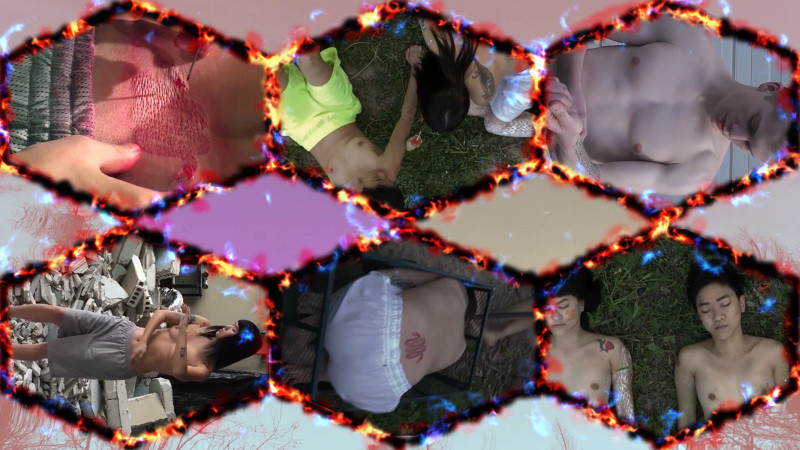
...I think this show was speaking directly to ideas of sisterhood, love over a man’s desire, violence, anxiety, things getting in the way of sustainable relationships, and personal and interpersonal growth.
I thought it was really effective how you used something from your heritage, a Chinese folktale, to talk about imbalances of power.
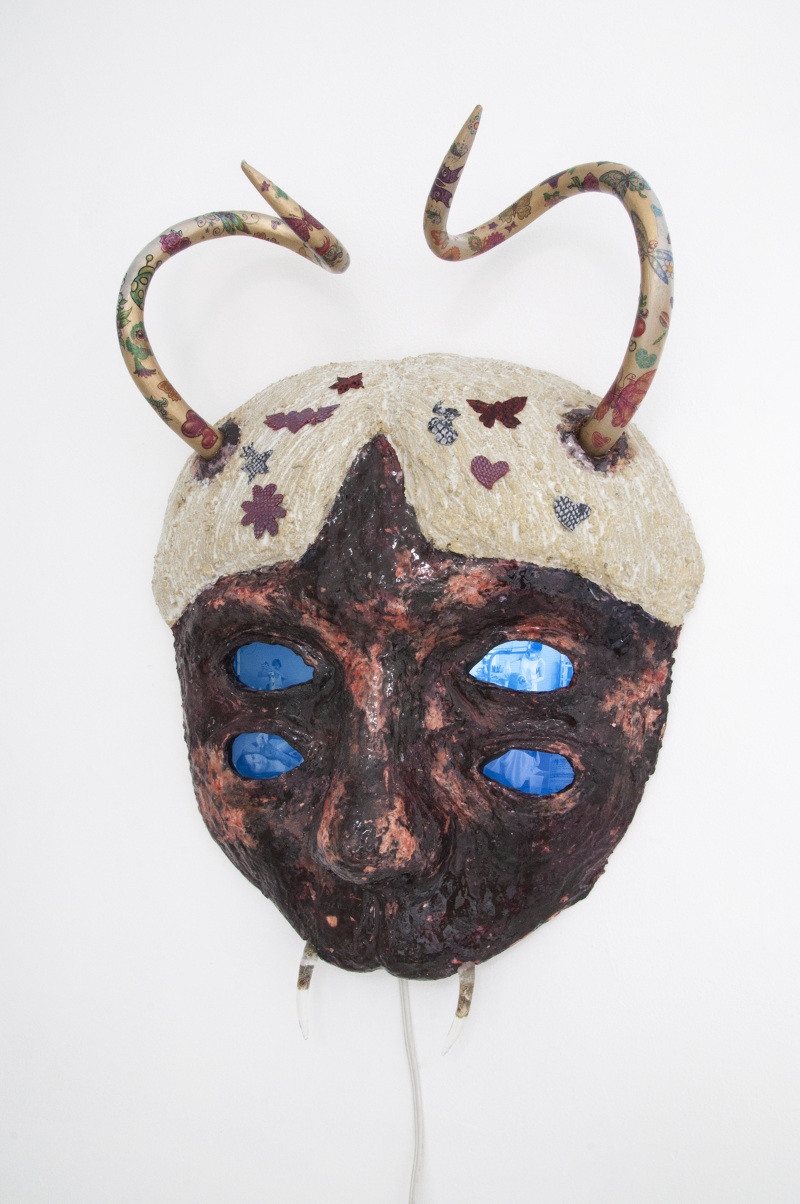
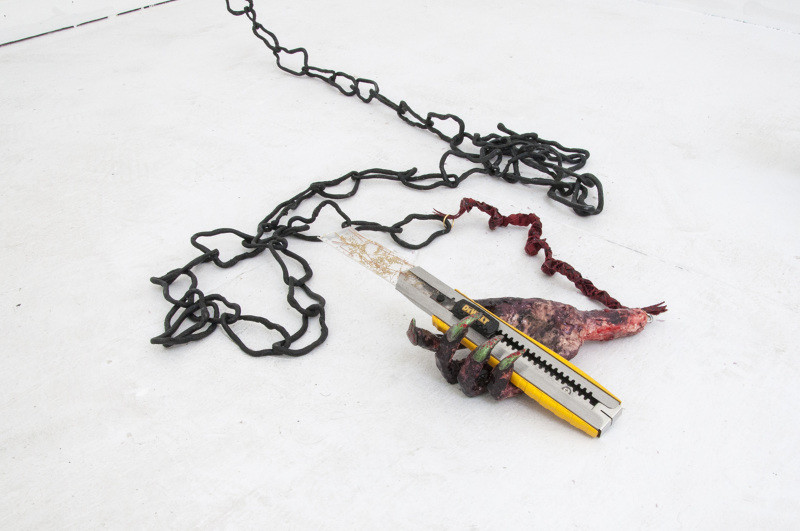
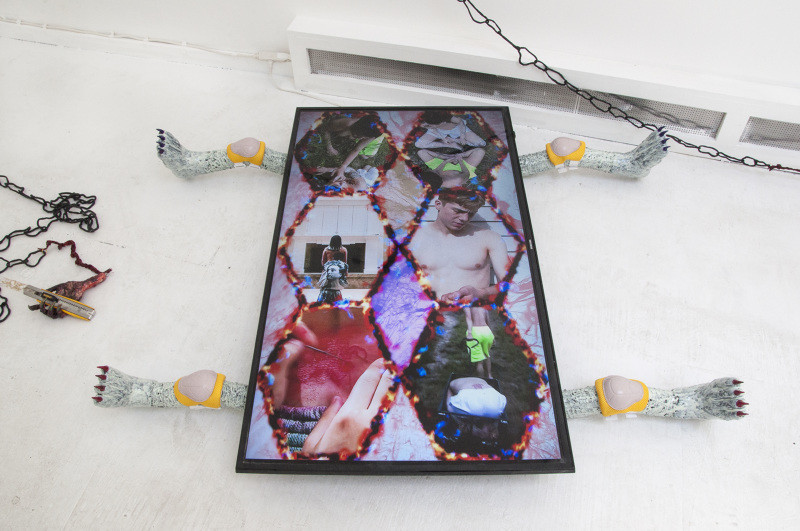
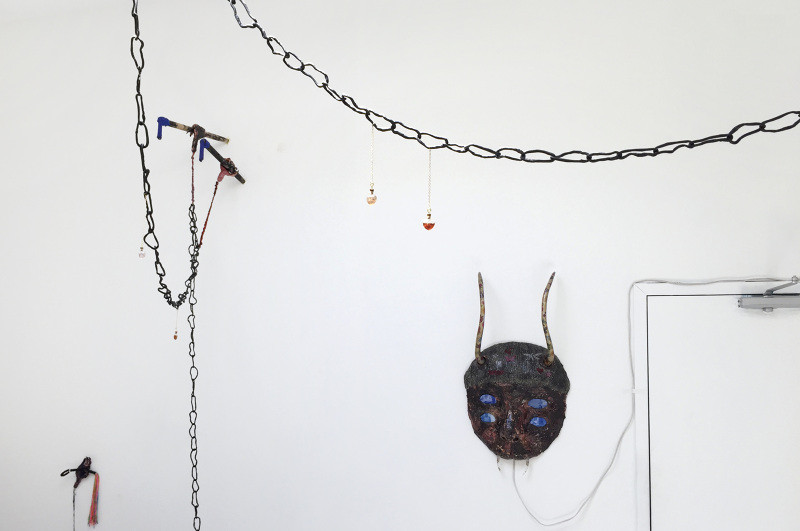
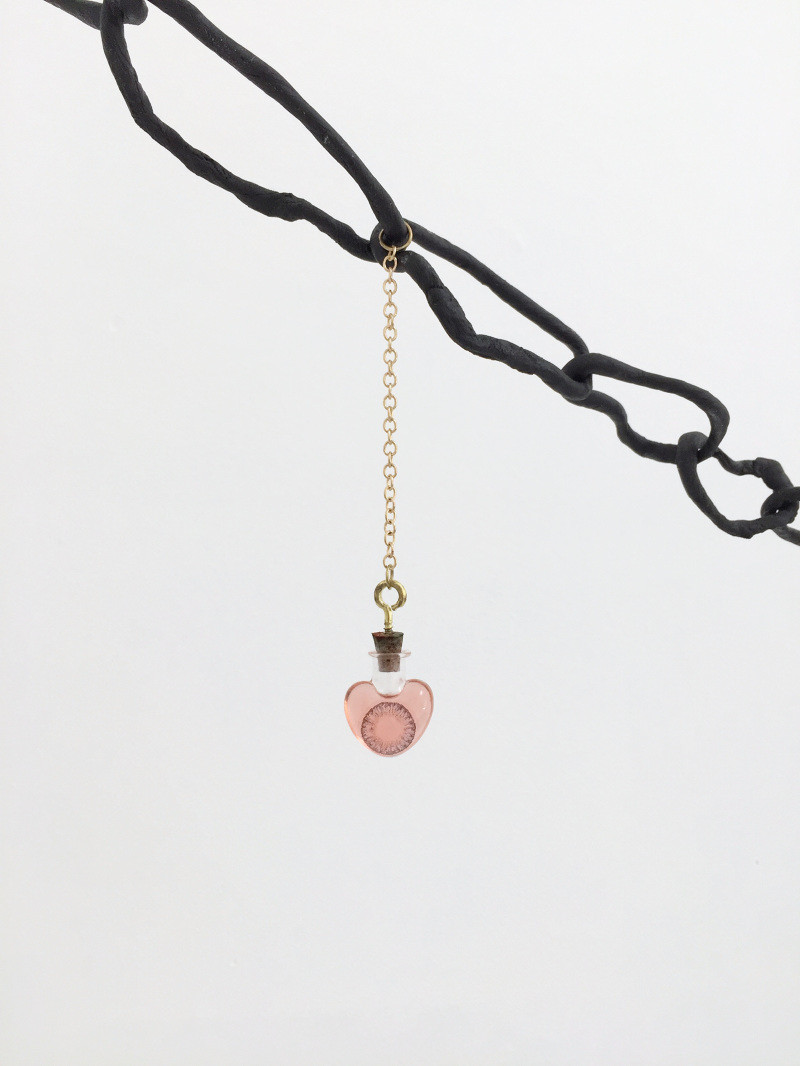
Yeah! “sister, lover, destroyer” is based on The Legend of the White Snake -- which is pretty ubiquitous in China, as much as Little Red Riding Hood is in the West. The white snake and the green snake are powerful demon-goddess-snake best friends. One day, the white snake falls in love with this clumsy scholar man. White snake says, “I want to give up my immortality to be with this man and have his child”, and green snake is like, “what the fuck” …Over time, as the mythology and economy of true love got popularized, the myth says true love is the route to salvation not your awesome fucking friendship with your witch friend. I was working through the intricacies in that narrative and applying it to personal scenarios, and our current fucked up political climate.
What were your main influences for the exhibit?
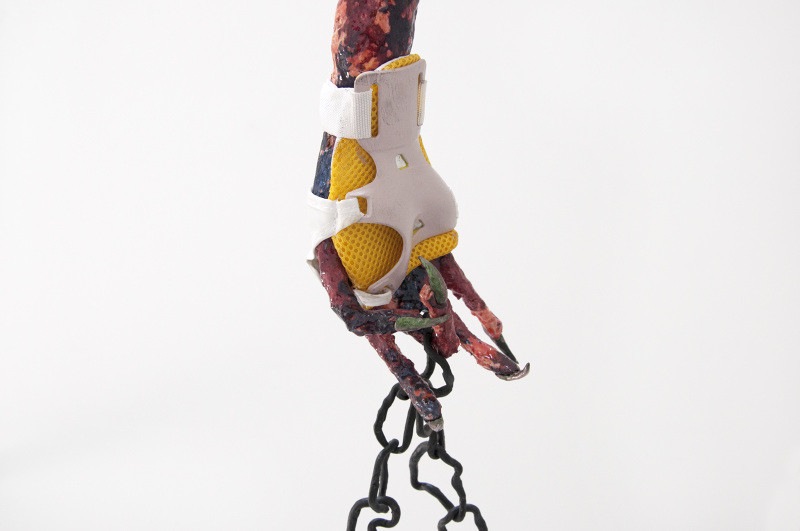
In the several months leading up to the show I made a conscious decision not to look at other art. I was all into demons, chains and weapons, then I got to New York with all of my work, and as I was installing and looking at other shows, I started seeing demons and chains in everyone’s work. There’s definitely something in the collective consciousness right now, for a number of reasons that extend probably way beyond our president. Everyone is thinking about being in hell. Somehow all this shared anxiety converged into us all making the same thing.
How do you think you’ve grown and changed as an artist? It seems like you’re moving toward more immersive, conceptual exhibitions [than in your previous work].
I was using the image of the phallus as a crutch in my work for a while. My entire identity and sense of self-worth growing up was formulated around and in relation to white masculinity… About a year and a half ago, I escaped from an abusive relationship with a white man who by all accounts would be considered an ideal member of society: conventionally attractive, charming, from a well-off family…there was a sexual assault investigation and I pursued charges, and it all ended unsurprisingly bad for me… Elegy for Marco was a cap to this vein of my work. This was the point where I decided to stop lending power to a thing by having it always present.
How do you see your role as an artist?
For me, it’s trying to work through the unknowable. I tussle with these existing conditions in the world, many of which happen to deal with inequity, and that’s unavoidably political. My experiences in my body as who I am is unavoidably political.