What does the next evolution look like?
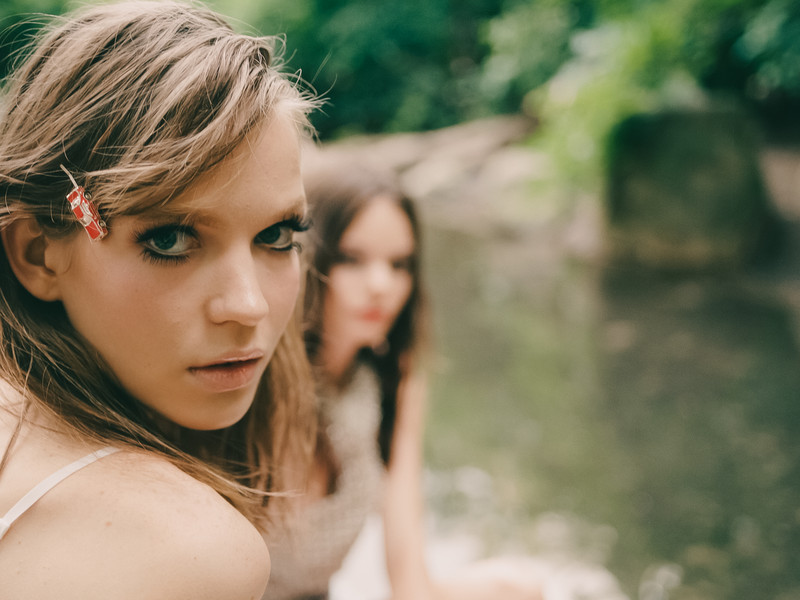
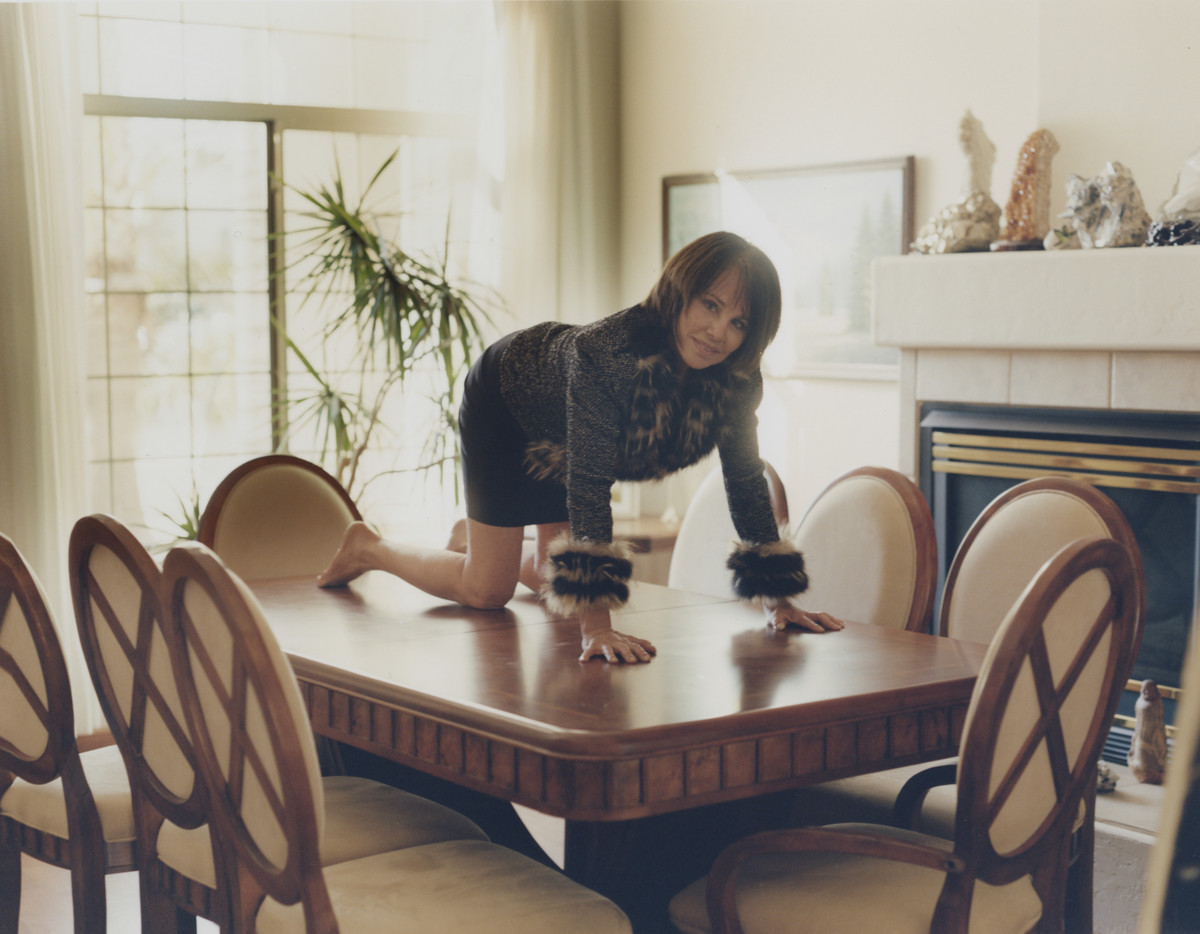
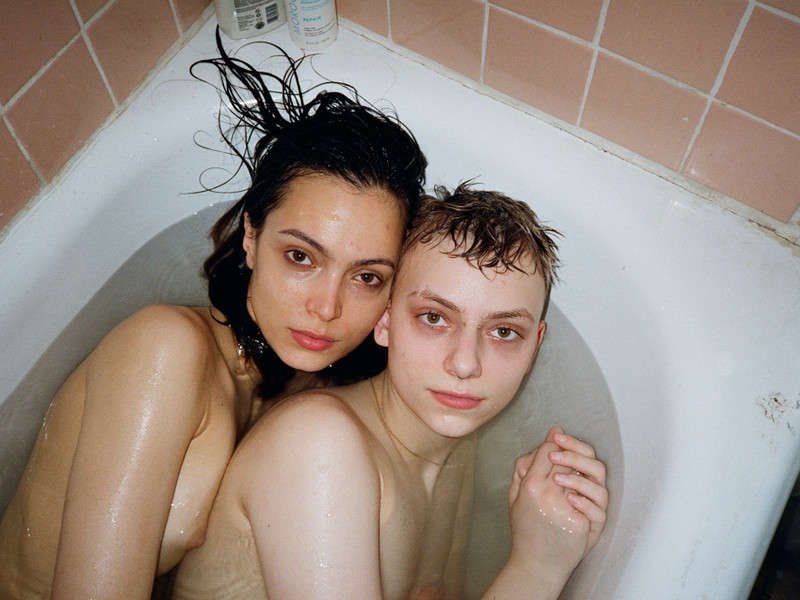
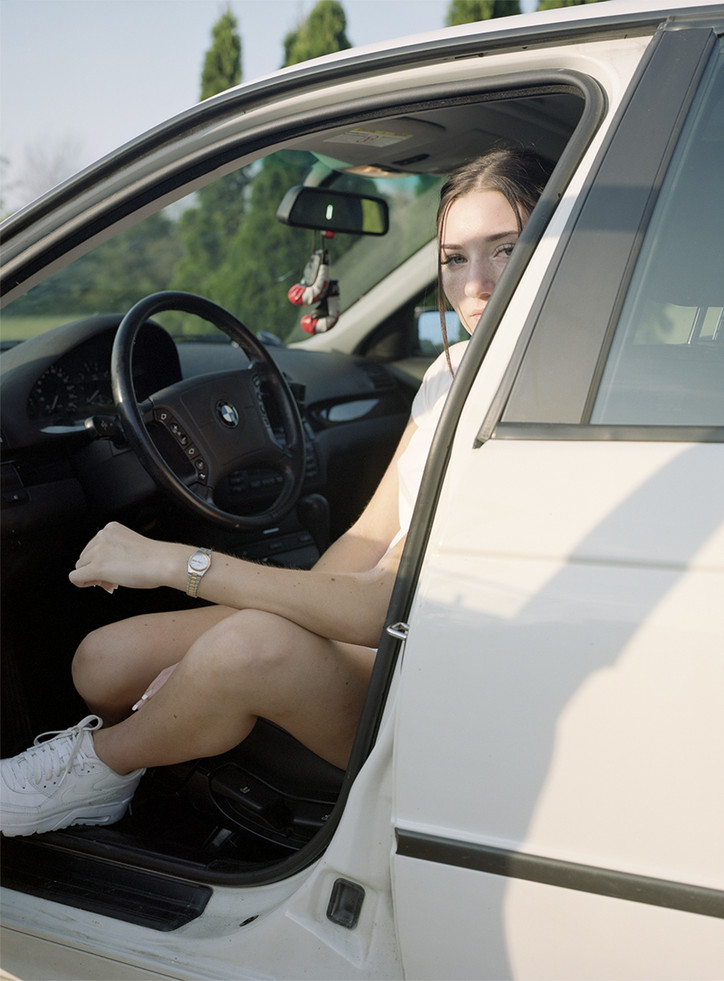
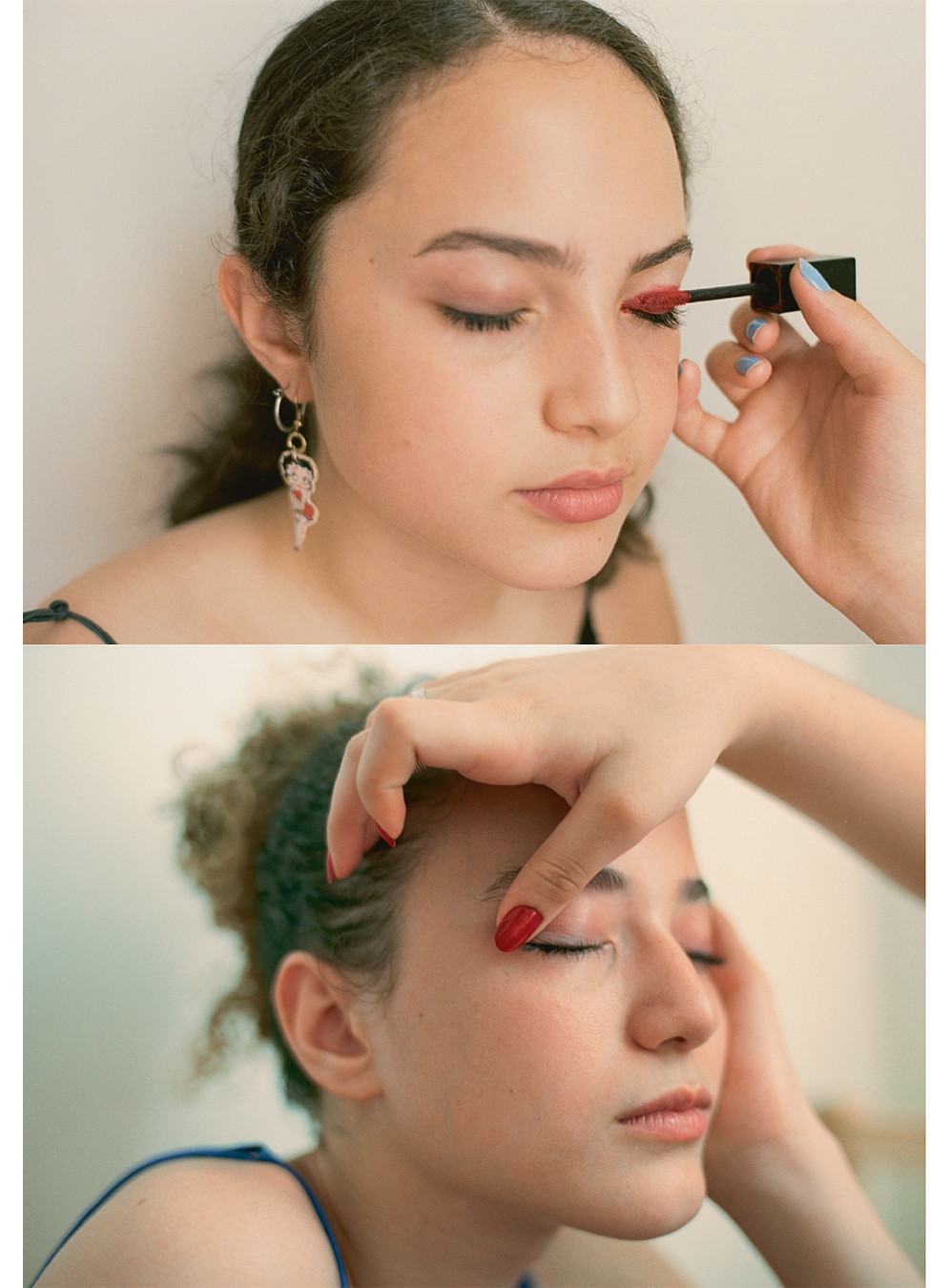
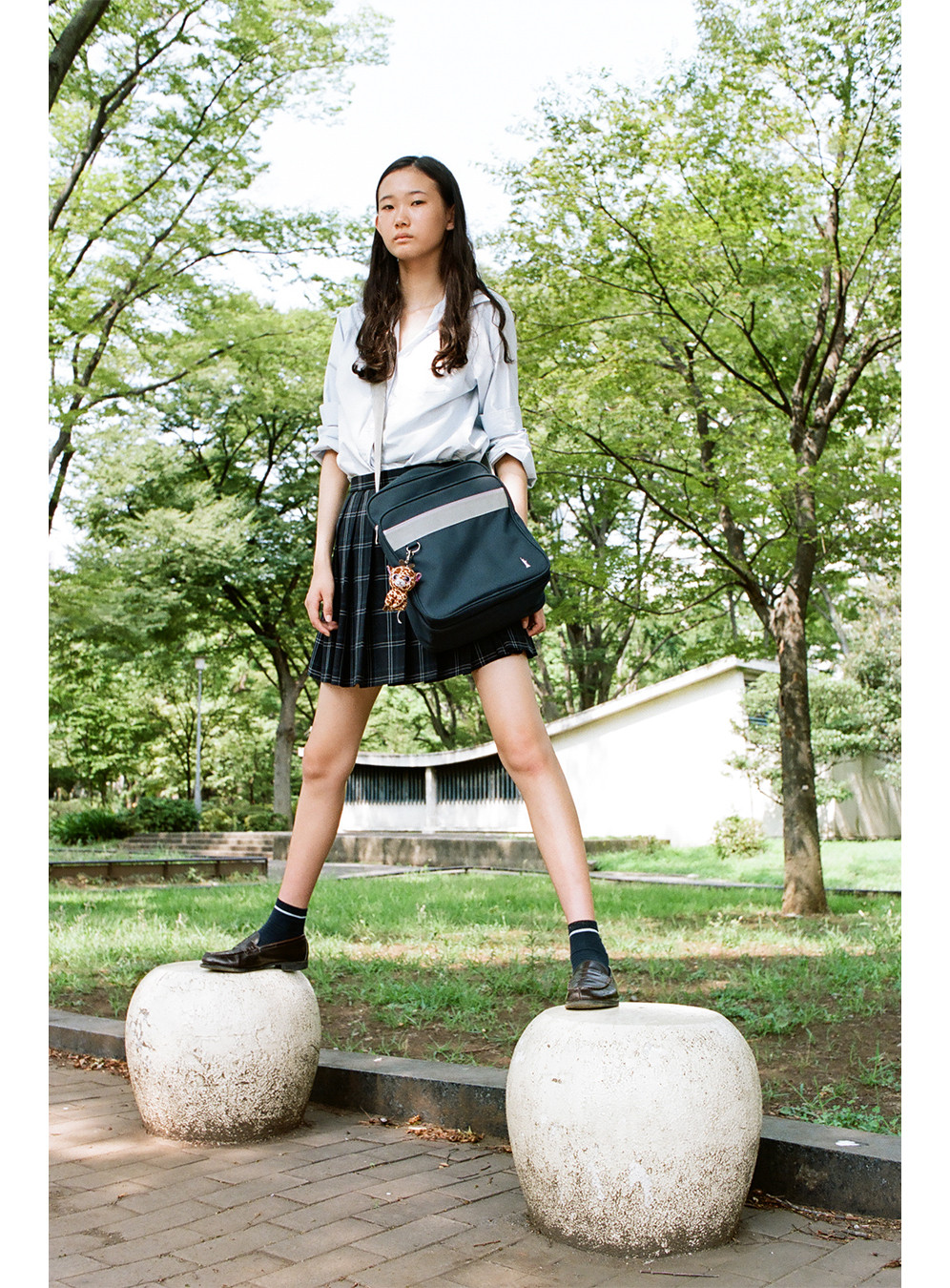
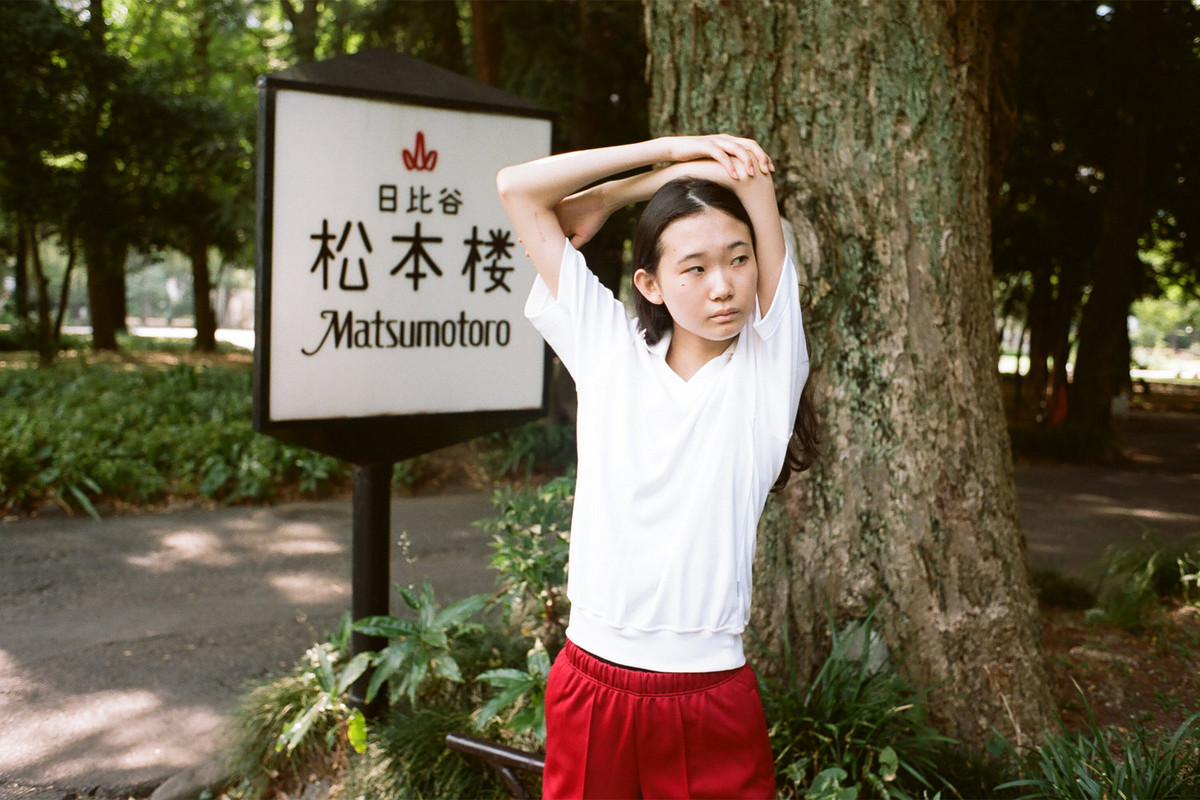
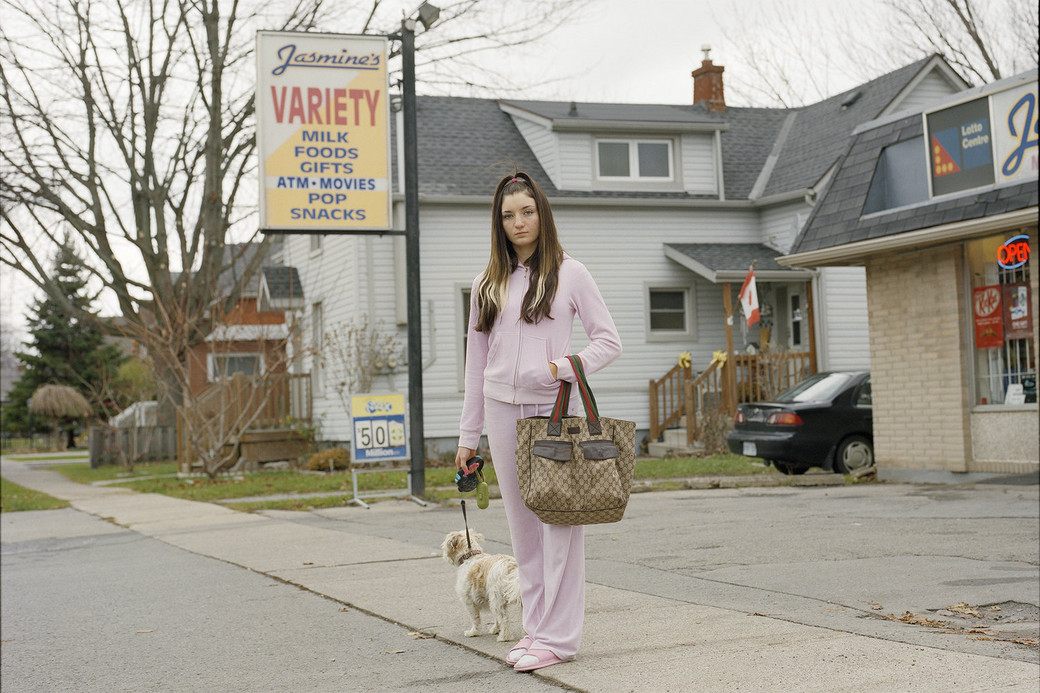
Well, photographing teenagers is my passion. But recently, I’ve been photographing older people as well, and including landscapes and still lifes with the portraits. I like a documentary style.
I was going to ask why you don’t shoot elderly people for instance, who have so much more behind their eyes.
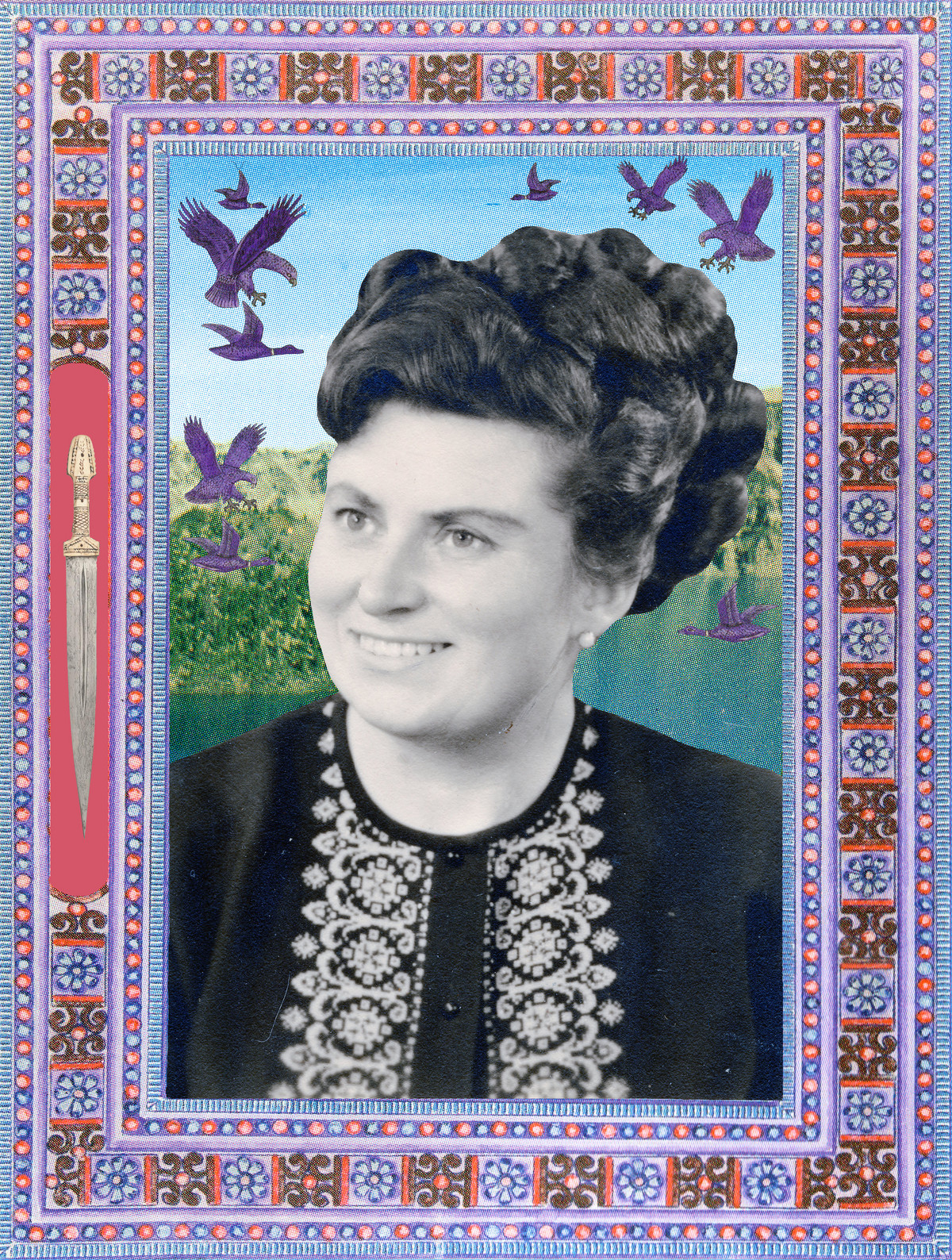
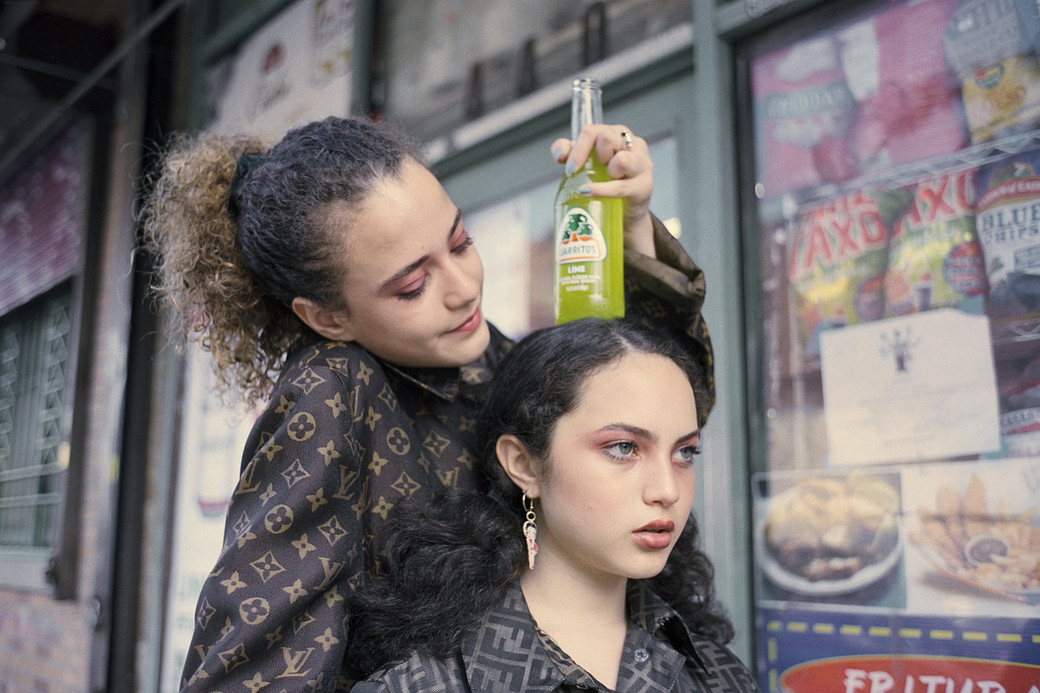
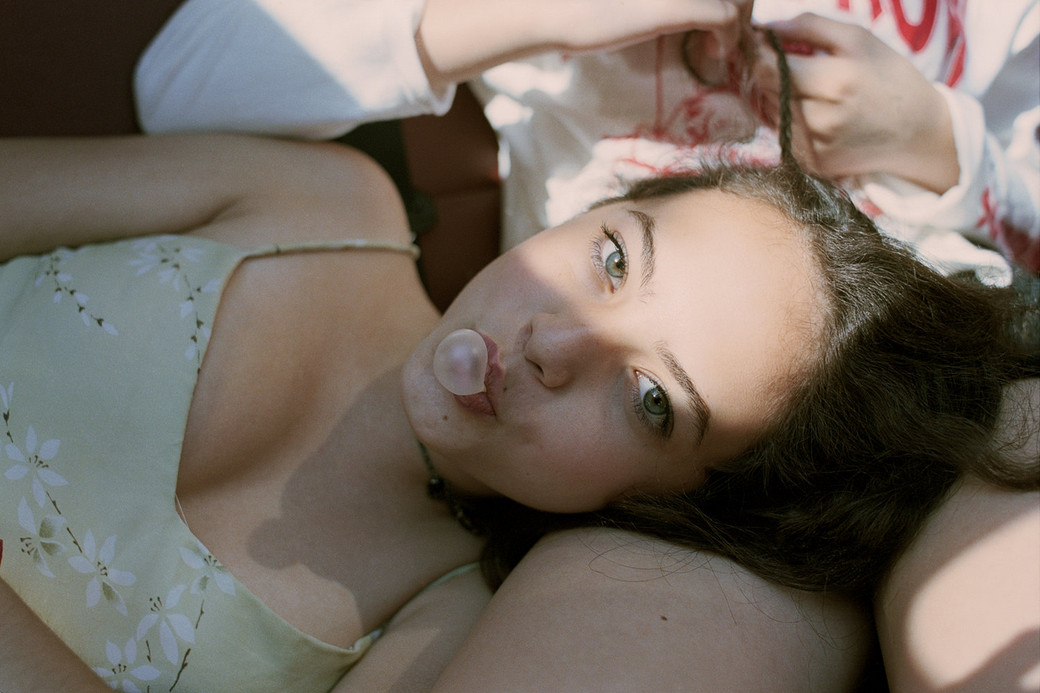
Everything that goes along with being a teenager is so fleeting—they have beautiful skin and don’t have to worry about their futures. They fall in love and think they’ll get married. There’s a freedom in the way you think as a teenager. They don’t need to think about making money and paying bills. So, that’s why I love this age, but then because they’re young, I always need to get permission from their parents, who are more like my age. And then I’d meet their grandparents. So, now I’m photographing them, as well. And especially living in New York, I’ve met a lot of people from different nationalities and backgrounds. Like, I photographed this Russian family in Brighton Beach. The parents moved from Russia in the ’80s, but their kids are American and they all speak Russian to one another. And their grandparents came from Russia, but they don’t speak English even after living here for 40 years.
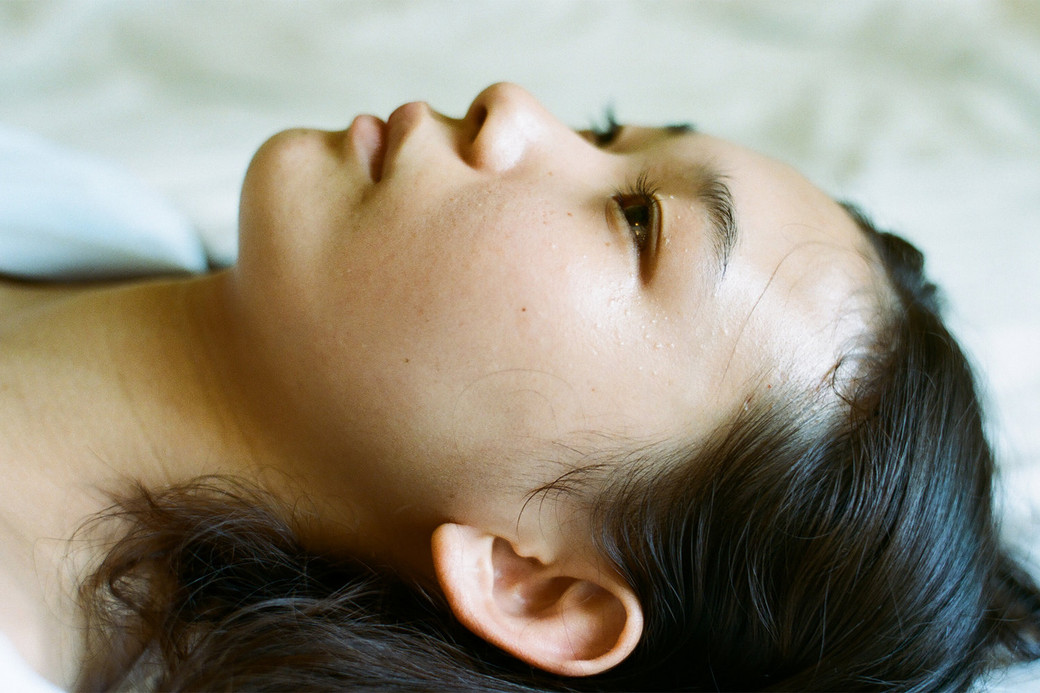
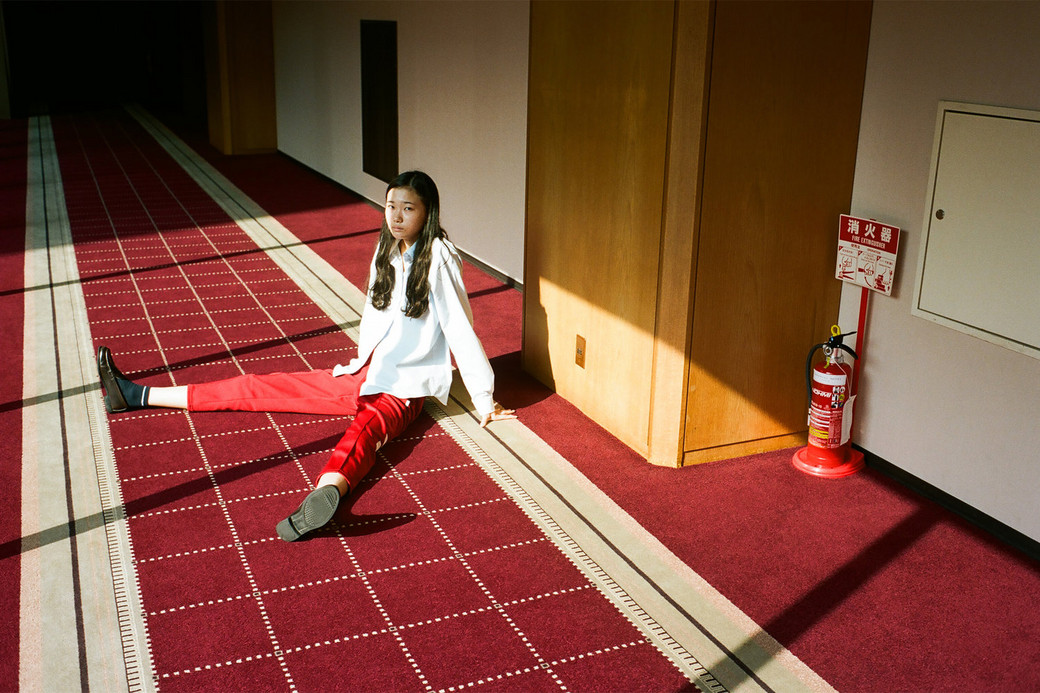
When you spend time with the girls, do you ever give them advice? In a way, especially with the Japanese girl, it’s like you can speak with your younger self.
Well the girls already have their own strong opinions. I don’t want to push them to think another way. I respect who they are. At the same time, if they ask me for my opinion about boys or what to wear or how to do makeup, I always give them opinions. One of the sisters is into art and asked me how I began my career. So, I tell her to do whatever she wants, to express herself. For my first book, I photographed over 200 kids over seven years. Some asked my advice about life, parents, sisters and brothers or girlfriends and boyfriends. I give them advice, but I don’t push them too much. I’m just happy to listen to their stories.
What do you learn from them?
To remember how I was when I was younger—I was very pure and I trusted everyone and respected everyone. And now, like with anyone who grows up, it’s not all about myself. You have to live and you have to work. There’s some pureness and truth in my photography. They’re raw and real and I think that comes from how I communicate with them. I think it’s very important for my photography. I want to be innocent—I want to be pure.
How do you define honesty and purity?
For instance, kids in New York have a lot of information for everything. Compared to people in the small towns, the kids in the cities are already grown up. They know more. And sometimes they have attitudes. Sometimes they’ve already worked with some other photographers on their projects. And they’ll ask me how much I’m going to pay them. So, I try to explain to them that this is my art project—it’s not about money. I will show them my work and most of the time they’ll understand and agree to work with me.
How do your parents feel about your work?
Well, I do not come from an art family so it was hard to make them understand about art and fashion and photography. I don’t think they understand my work. If they see photos of flowers or landscapes, they think those are beautiful pictures to hang on the wall. But I photograph mostly people, so they don’t really hang any of my photos up in their house. But they’re just happy that I’m doing well and they’re supportive. And my mom is obsessed with Instagram, so whatever comes out she reposts and tells people to buy my books.