Can you talk more about your fist performance as a drag queen?
I remember my first performance at a club in my hometown [San Paolo]. It was pretty amazing because all my friends sang with me my own song, written by me. The memory never went out of my head because it was like a dream come true.
When you were first starting out, what were the venues like that you performed at?
When I started performing the clubs had amazing energy. All my friends would go out with me in drag to these small clubs that didn’t have many people.
What’s the drag queen culture like in Brazil?
It's amazing. There are so many drag queens, so many people who are fighting for this message. I feel so grateful to be Brazilian and be part of this culture. It's hard to be LGBTQ in Brazil, but at the same time, I'm still happy because I have my sisters and my brothers, and we are family.
Was it always like that?
When I started to do drag in San Paolo, I didn't do myself up in drag, I didn't call myself drag. I was a young, gay boy. An androgonous guy, trying to be someone. Trying. Only trying.
How would you describe "Pabllo Vittar," your drag persona?
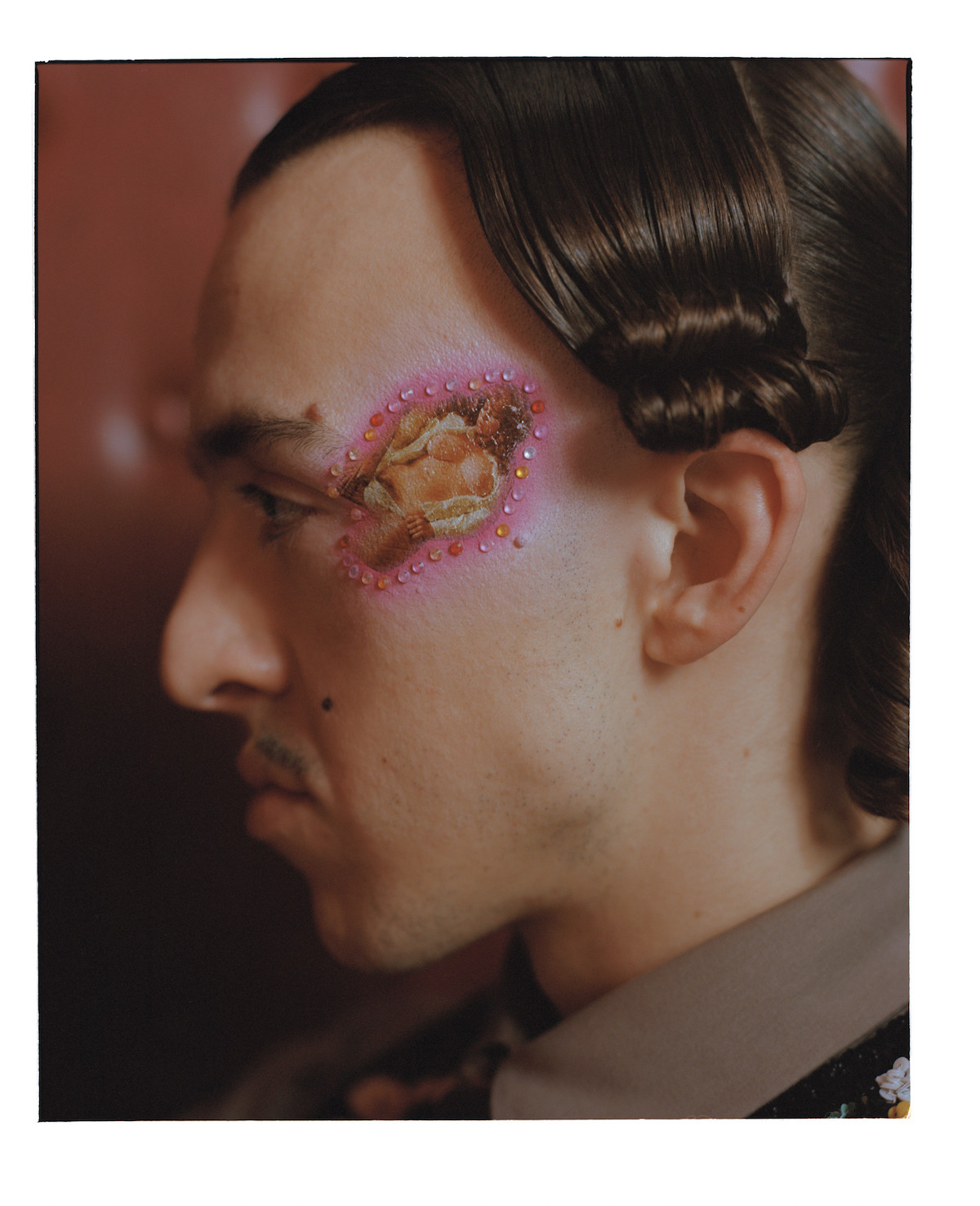
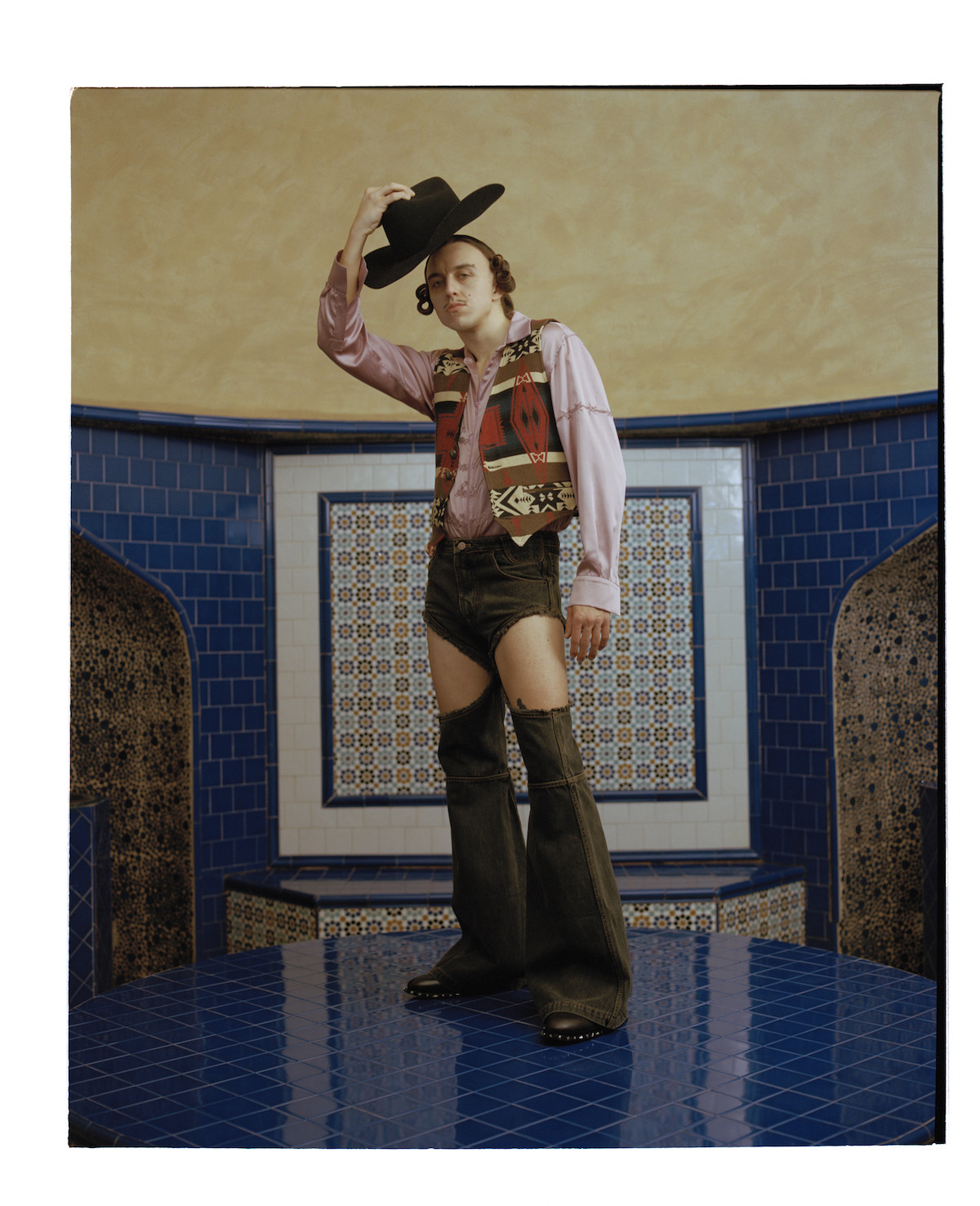
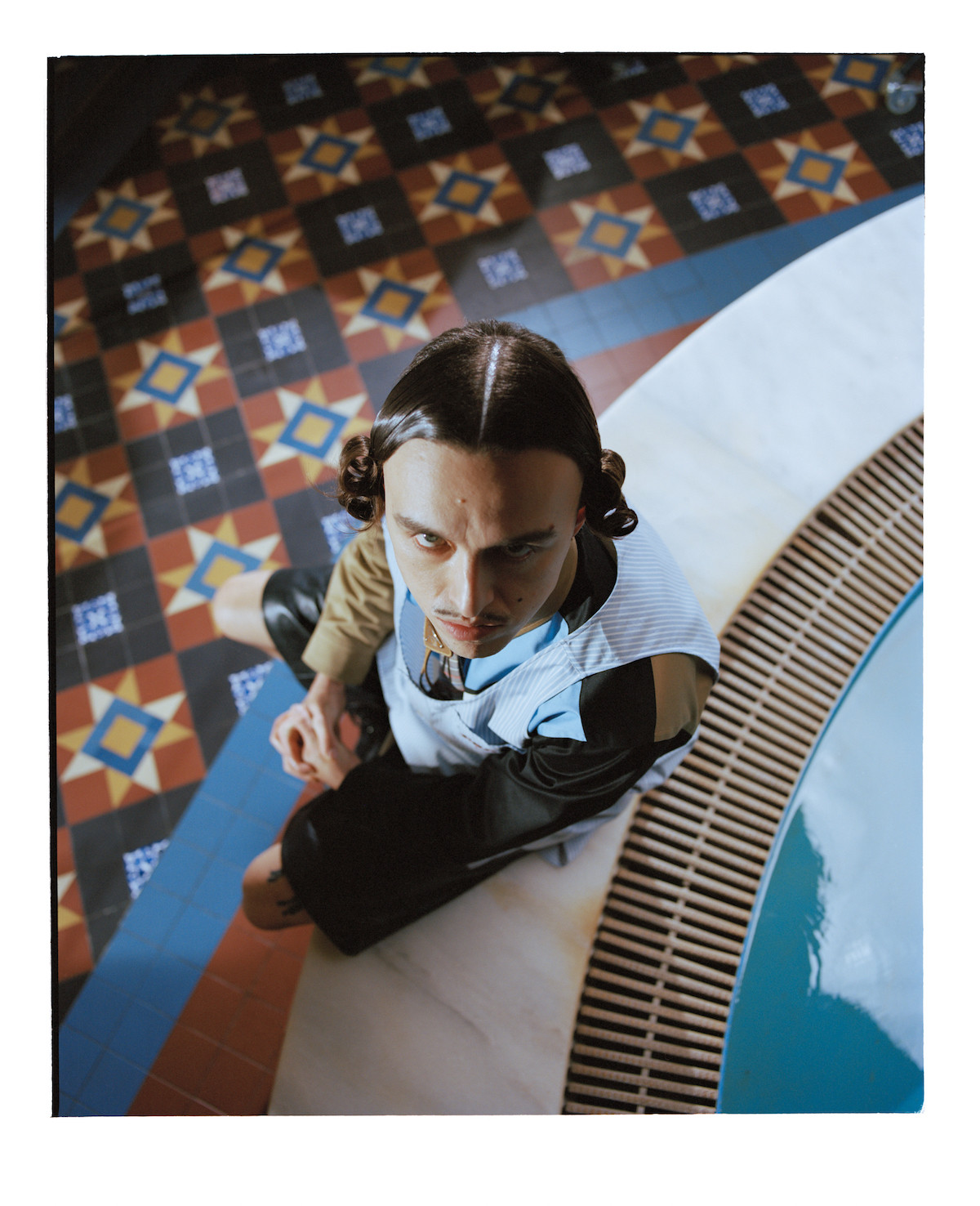
My drag persona really, really embraces the queer message. I always be trying to tell my fans my truth. My drag queen is one-hundred percent brazen and sexy and feminine. I love to be a fashion girl, I love to be a queer figure. Not only just a drag queen.
Who would you say has had the biggest influence on your music?
The biggest influences on my music are actually the new producers right now. Music electronica and Brazilian rhythm, especially. I love Baja, I love Samba, I love Bossa Nova. I love everything that sounds Brazil. I'm so proud to be Brazilian and work with this rhythm.
How'd you go about promoting yourself before you achieved commercial success?
I promoted myself, like everybody, through the internet, on my facebook page and social media. I always posted videos. This way I was able to meet other people, other drag queens. Social media has helped me from these days til now.
You broke onto the world stage when you performed the Whitney Houston classic, "I Have Nothing," on a Brazilian TV show. How'd you get that gig?
It was a small TV show that did a game on the streets. They said, "People, if you can sing, come on and sing for us to show your talent." And I said, "Oh my god I can do that and show my voice to the world." From this day, so many people in my city noticed me.
So your mom raised you and your sisters by herself for many years. Are you close with her?
So much. She always supports me and embraces me. She gives me a lot of love and kindness. My mom is my hero. I owe her everything.
Your mom was a nurse right?
She was, but she doesn't work anymore because I have worked a lot and give her everything she needs. She don't need to work anymore. And I feel so grateful for this! She carried me for so long.
What can drag do for the LGBTQ community in Brazil?
I think it can do so much. I'm a drag queen, and I'm one of the voices that's screaming into the world, "We are here. We need our rights." We fight for this. The drag queens in Brazil have an important role, and I feel so blessed to be one of these voices.