At The Circus

Oh and the peacock feathered suit was killer. See it, and our other favorite looks from backstage at the presentation, below.
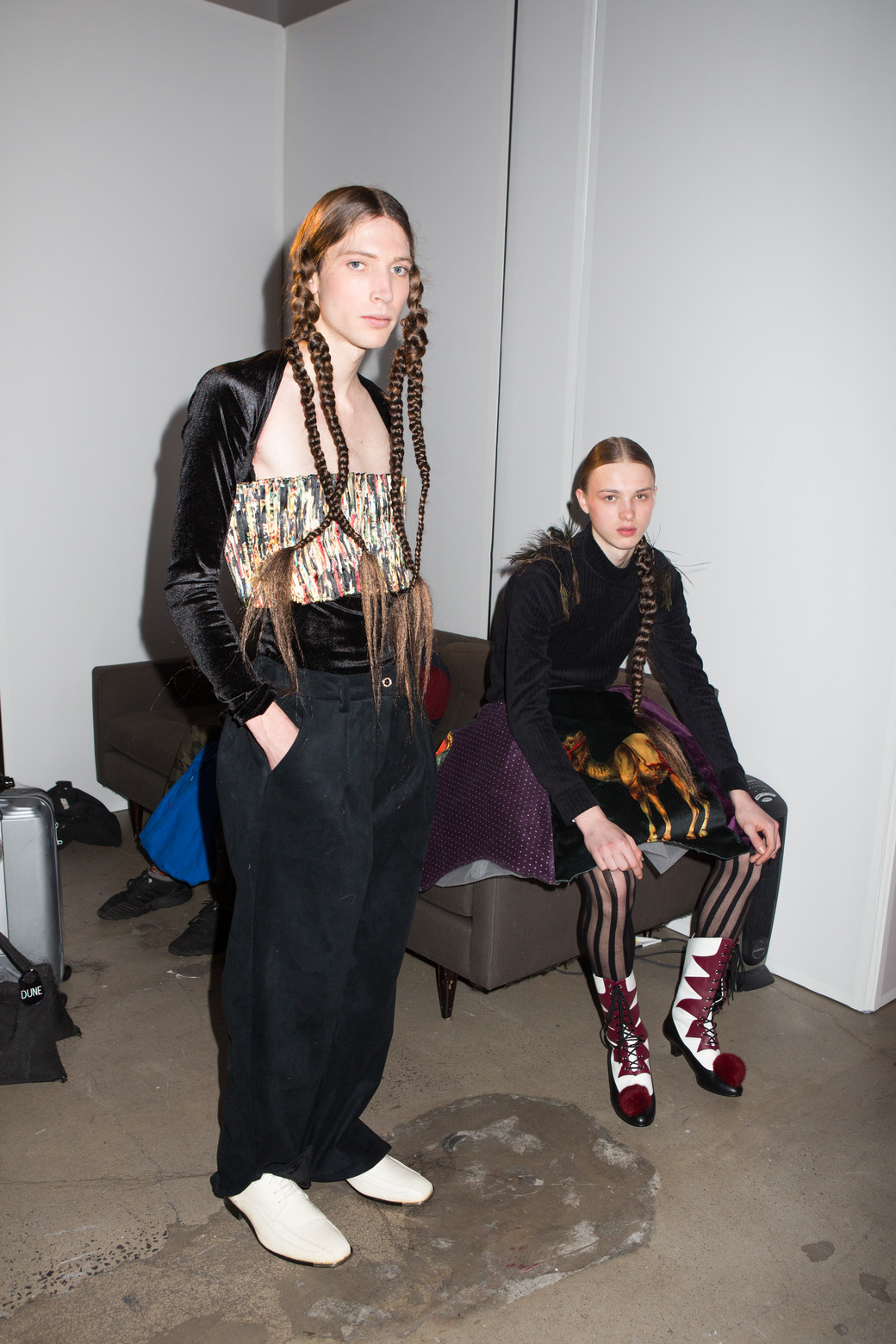
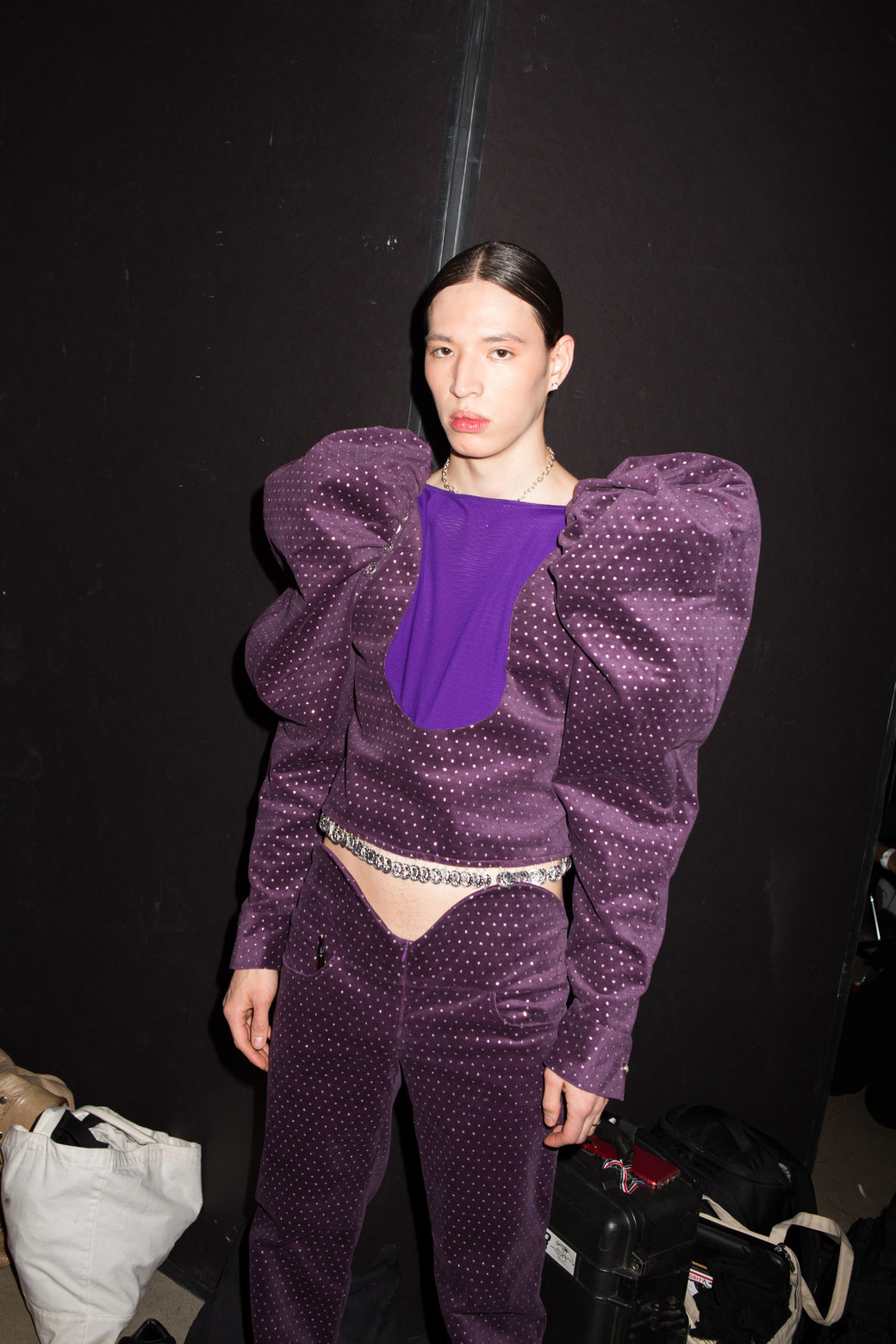


Oh and the peacock feathered suit was killer. See it, and our other favorite looks from backstage at the presentation, below.

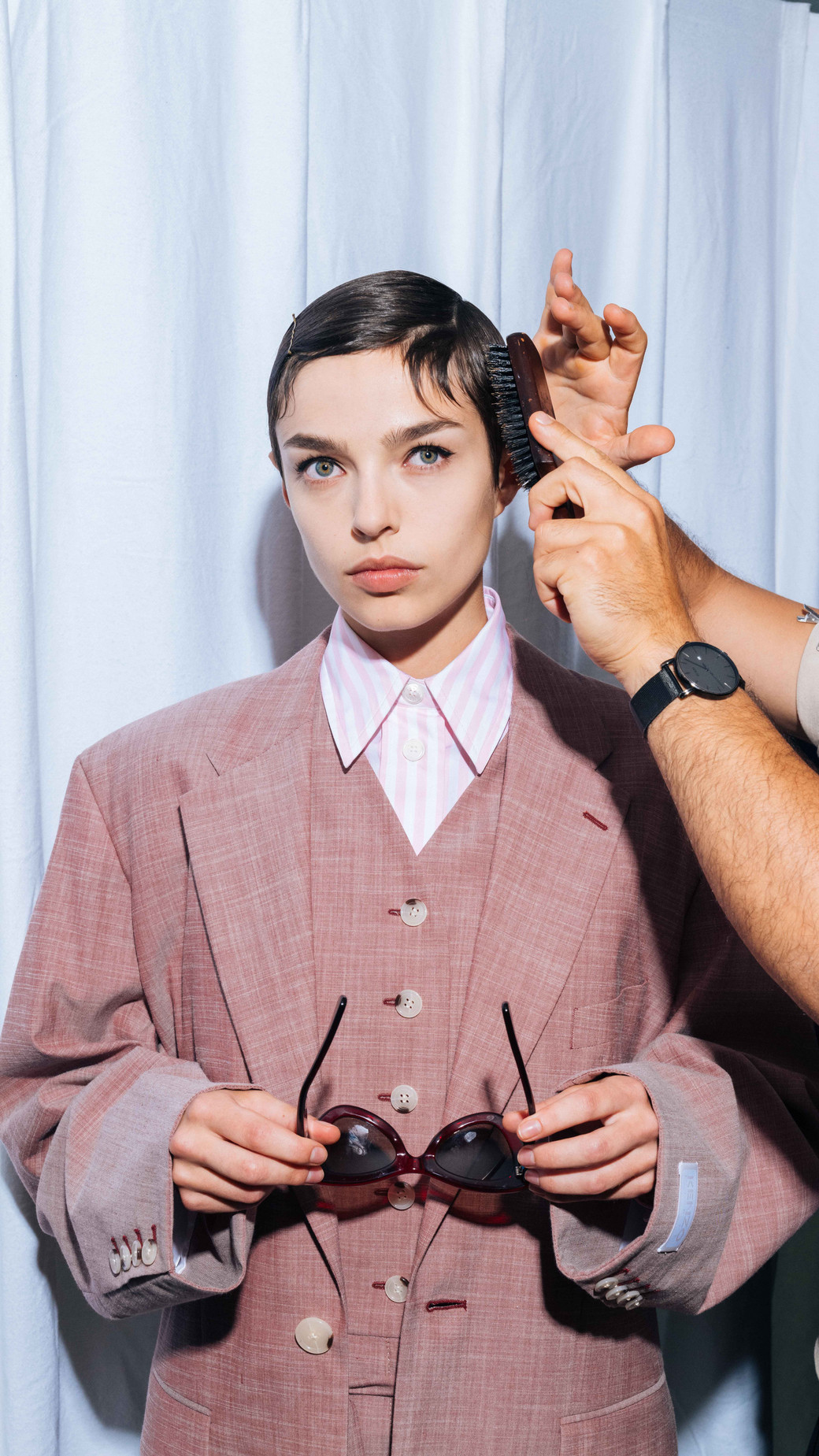
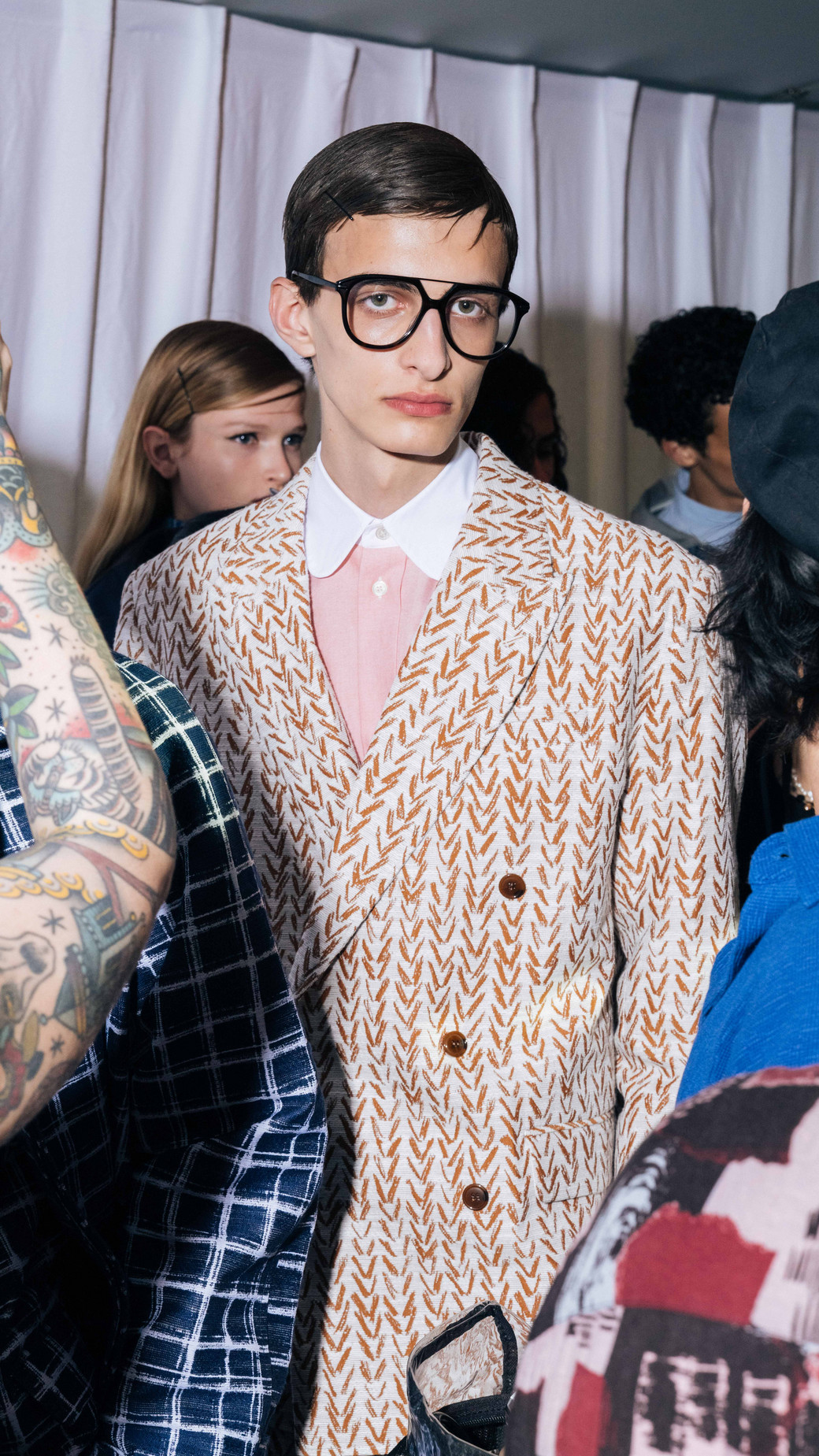
The collection marks a return to functional and wearable garments as opposed to the clickbait logomania of the previous fashion week season. Especially with the industry’s current hyperfocus on stealth wealth trends and stripping wardrobes down to the essentials, everyone forgets that these ivy-style silhouettes are timeless, hidden away within American and European culture, and — as Avery Truffelman concludes in her podcast Articles of Interest, therefore never trendy. By highlighting the enduring charm of schoolboy-inspired fashion, he reminds us that certain styles remain embedded in our cultural consciousness. The collection acts as a testament to the inevitable melding of traditional fashion codes with contemporary forms of dress.


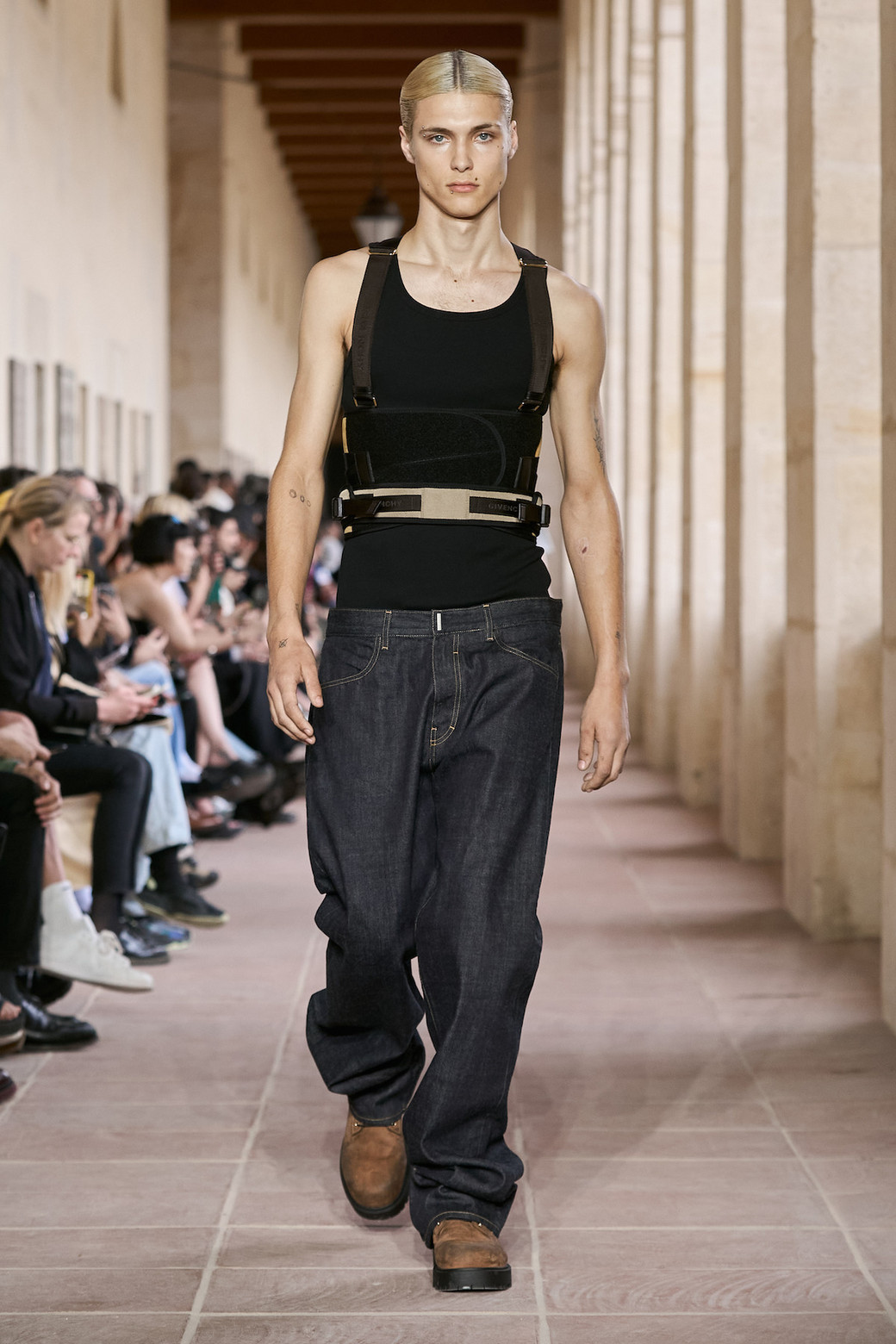


Beirendonck’s new collection opened with ominous music in an abandoned-esque, industrially concreted-up, minimally-gray floor in Falguiere, Paris. Models began pouring out with three-tiered hairstyles; the front, middle and back parts of each head would mix-match into odd combinations like a front of bleached hair, a side spiral-permed brunette and wispy black back, all on one head. The collection and its title was based on the ancient lost city, Dawleetoo, and Beirendonck used some depictions of the city to craft a collection based on this world of ‘mixed realities’. Although much of the city is herded into the pen of myth and legend, A.I. generated something. The collection followed, heralding a new reality: one both real and unreal.
The silhouette’s were wearable and sharp (with the exception of a few ruffled collared shirts similar to Prada’s Fall 2020 sheer silk organza dress, and unusually tie-dyed dresses which swarmed the models) and involved numerous protruding padded vests, jackets and pants. The padding was shaped to create some of the letters from the A.I. generated alphabet, and dropped down to pants and shorts making them look like extraterrestrial wicket-keepers in an off-world cricket match. Padding also extended onto sharp-pointed shoulder pads which popped out of blazers and bombers and a navy blue car coat with a black PVC collar and streaks of orange angling down the juts. There were also a lot of red-and-white striped socks and red-and-white looks which developed into the iconography of the alien alphabet which ultimately wrapped some looks. The last look in the collection was worn out by all of the models. The brigade of models walked out covered in plastic bag with a spray-painted cadaver (with some holes — for breathability). As the models ultimately walked away, instead of words of warning being left behind, there was a startling image.
The entire collection was replaced with body bags. The message was open to interpretation, but the reality was clear.
There can be growth and dreams, but keep an eye on your six.


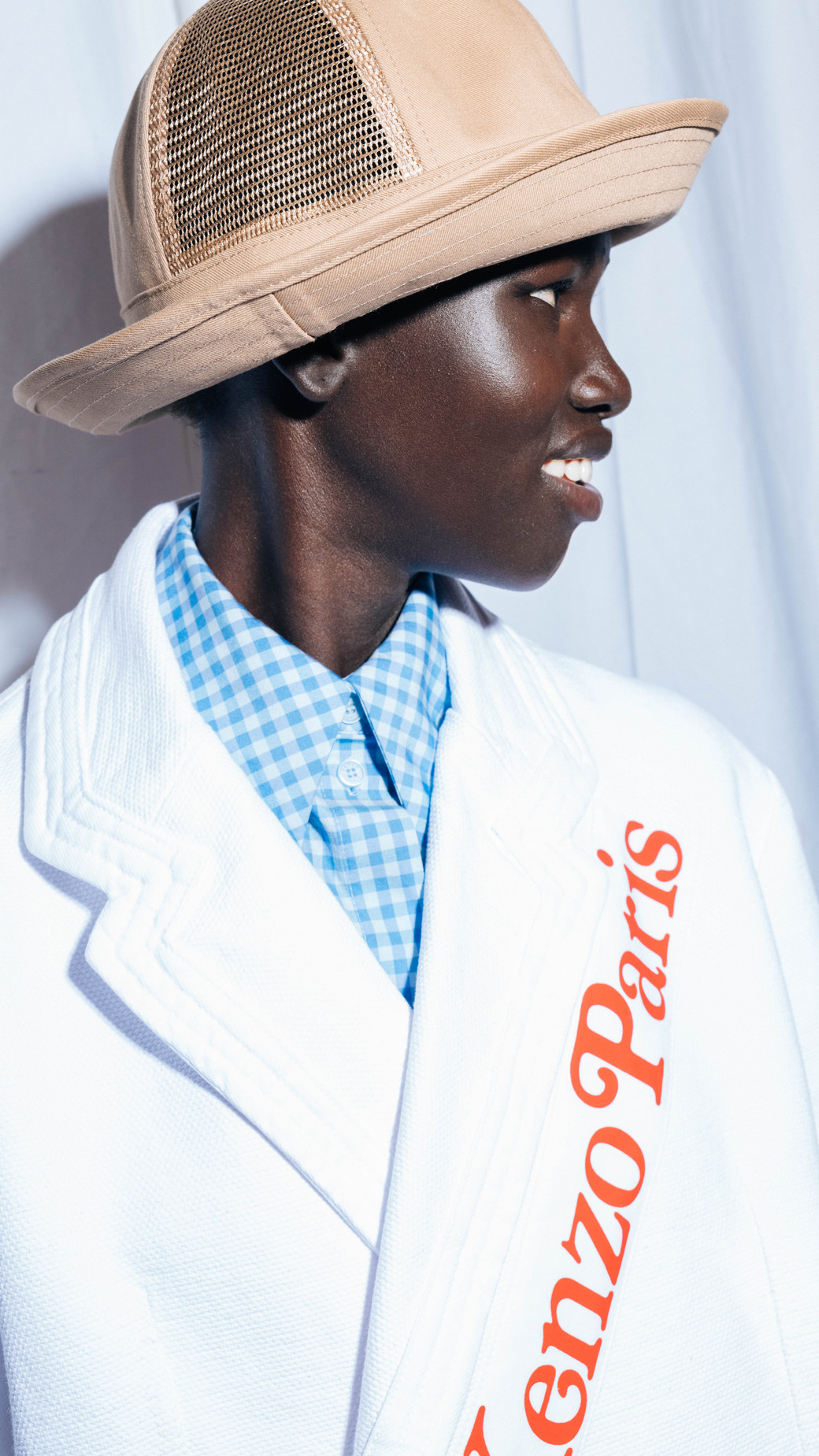
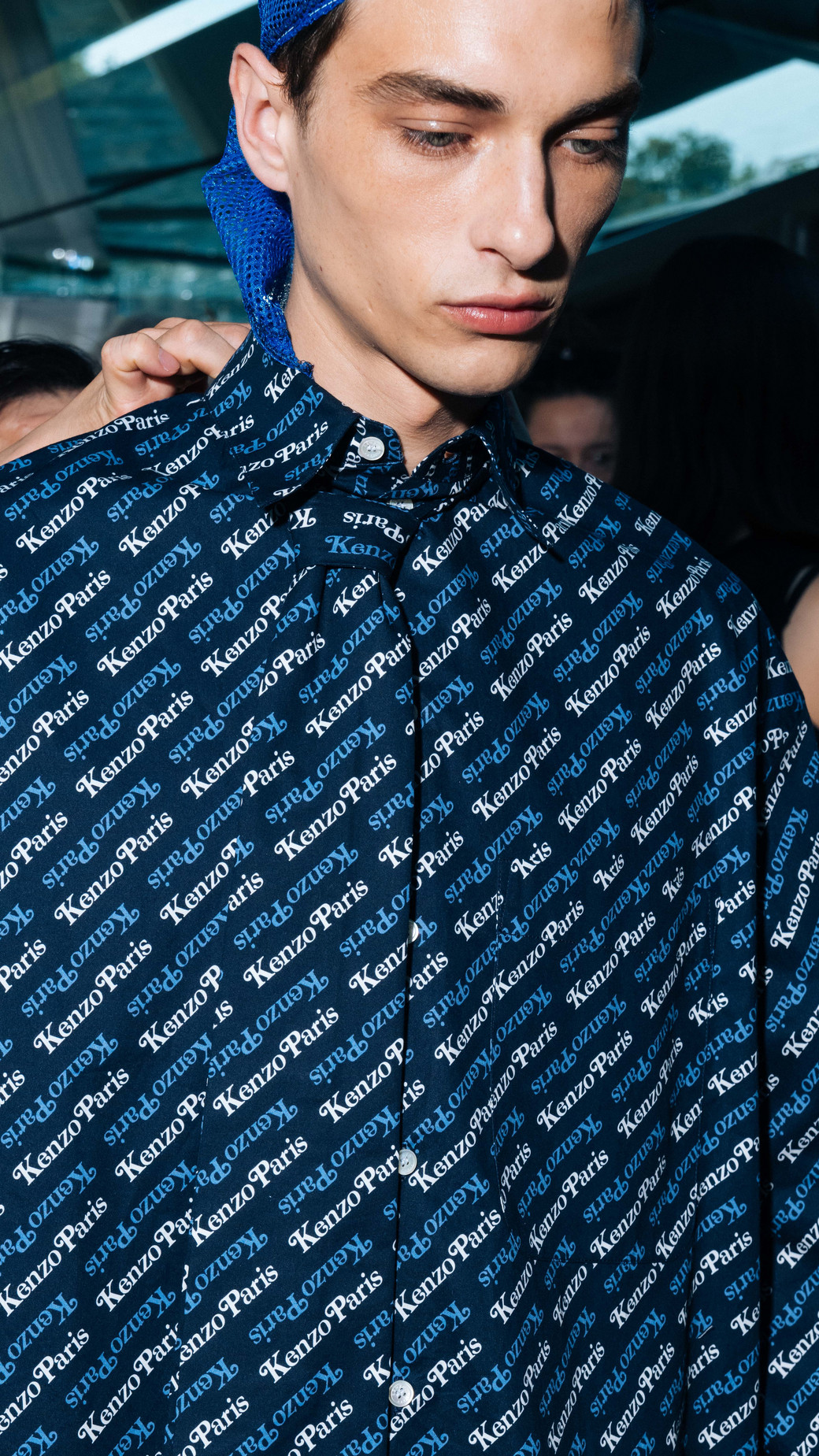
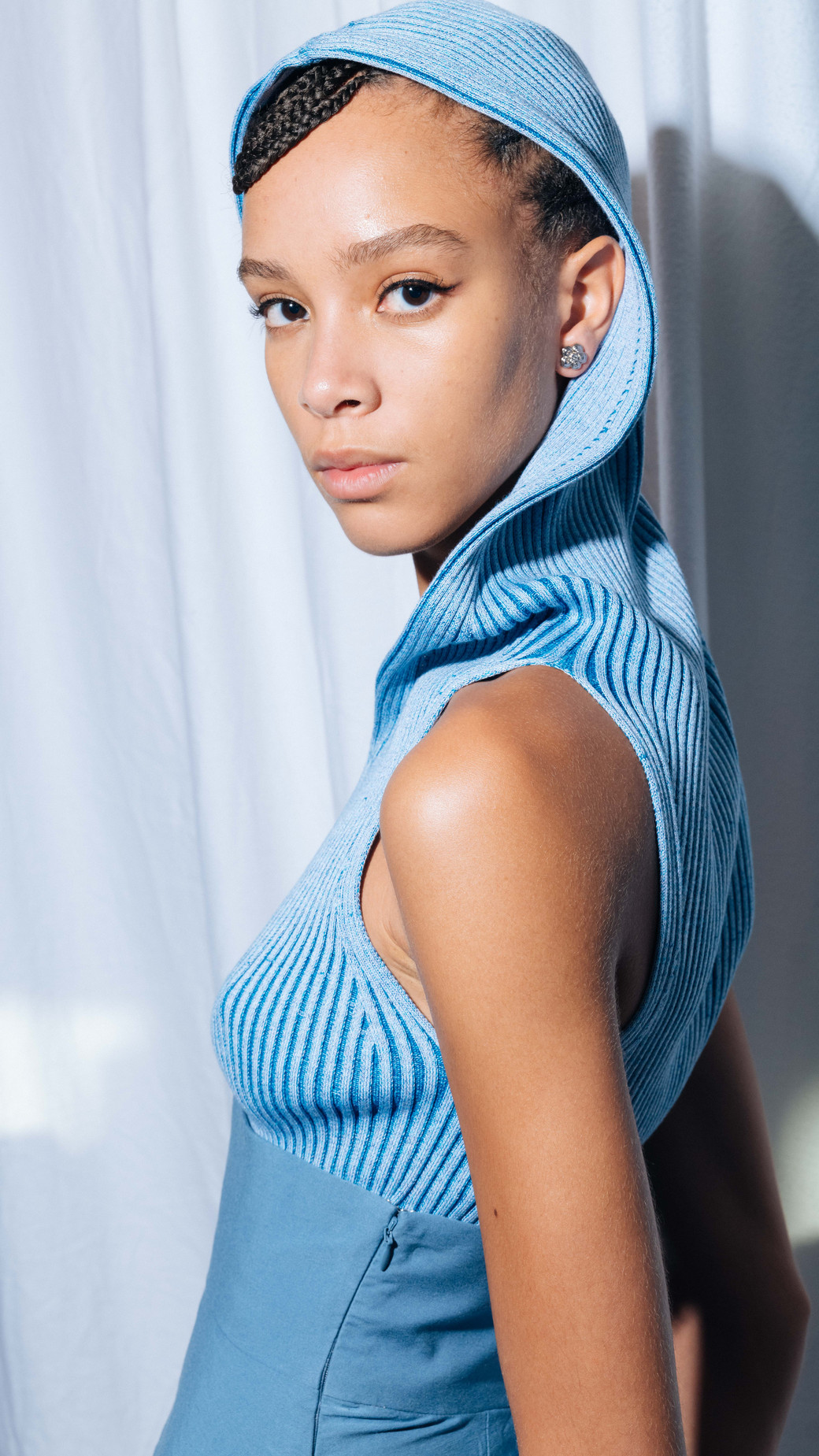
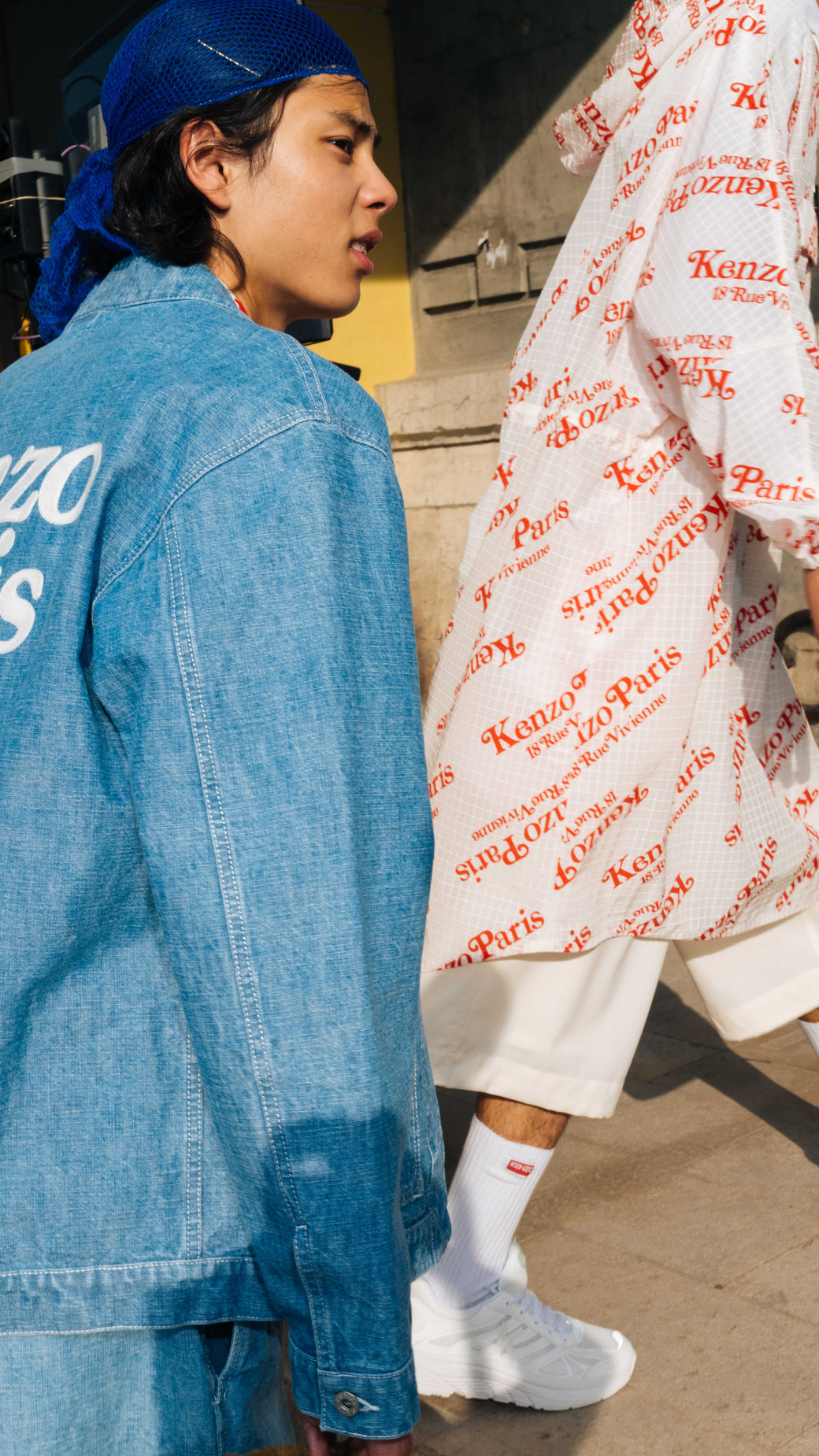
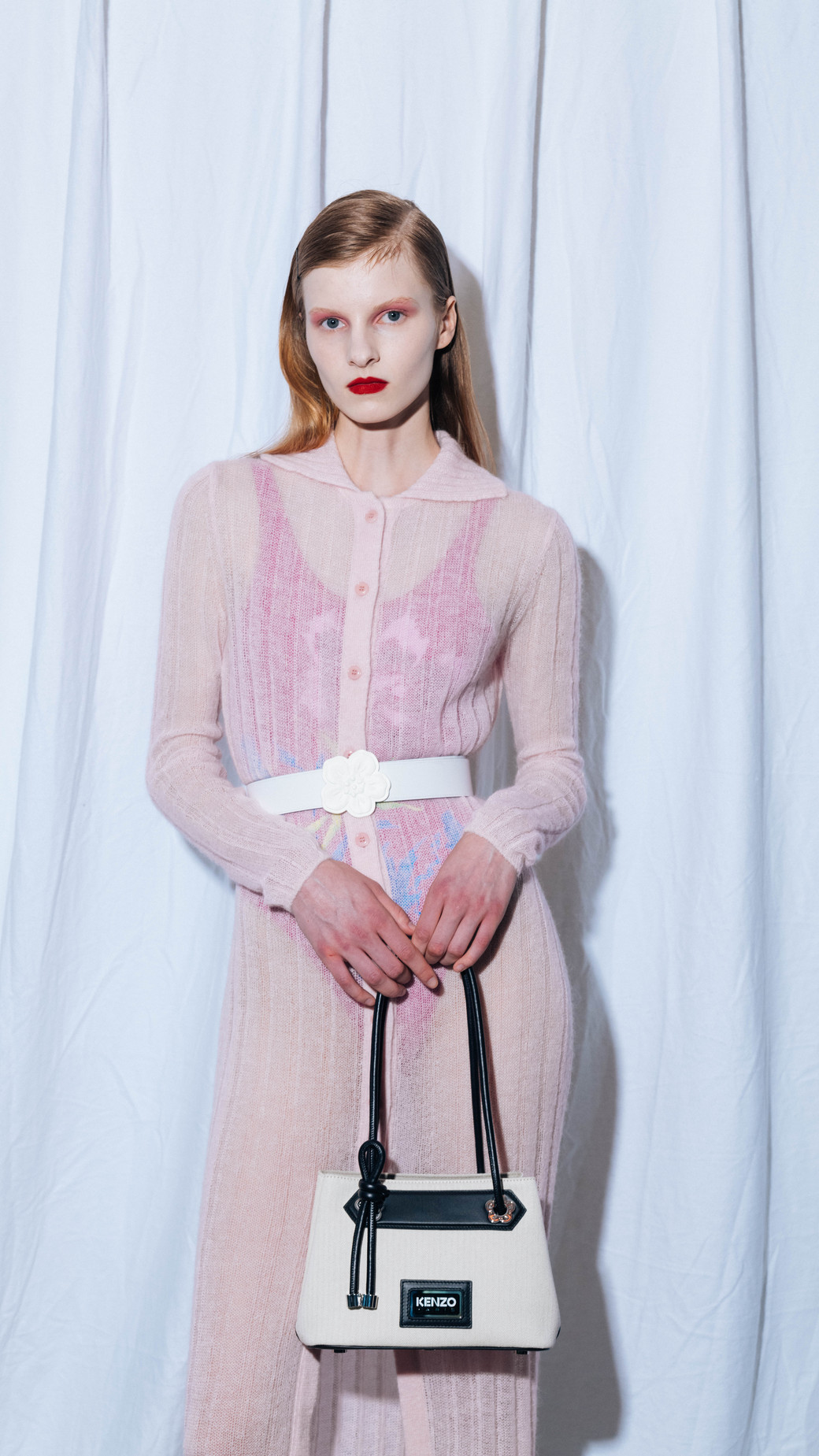
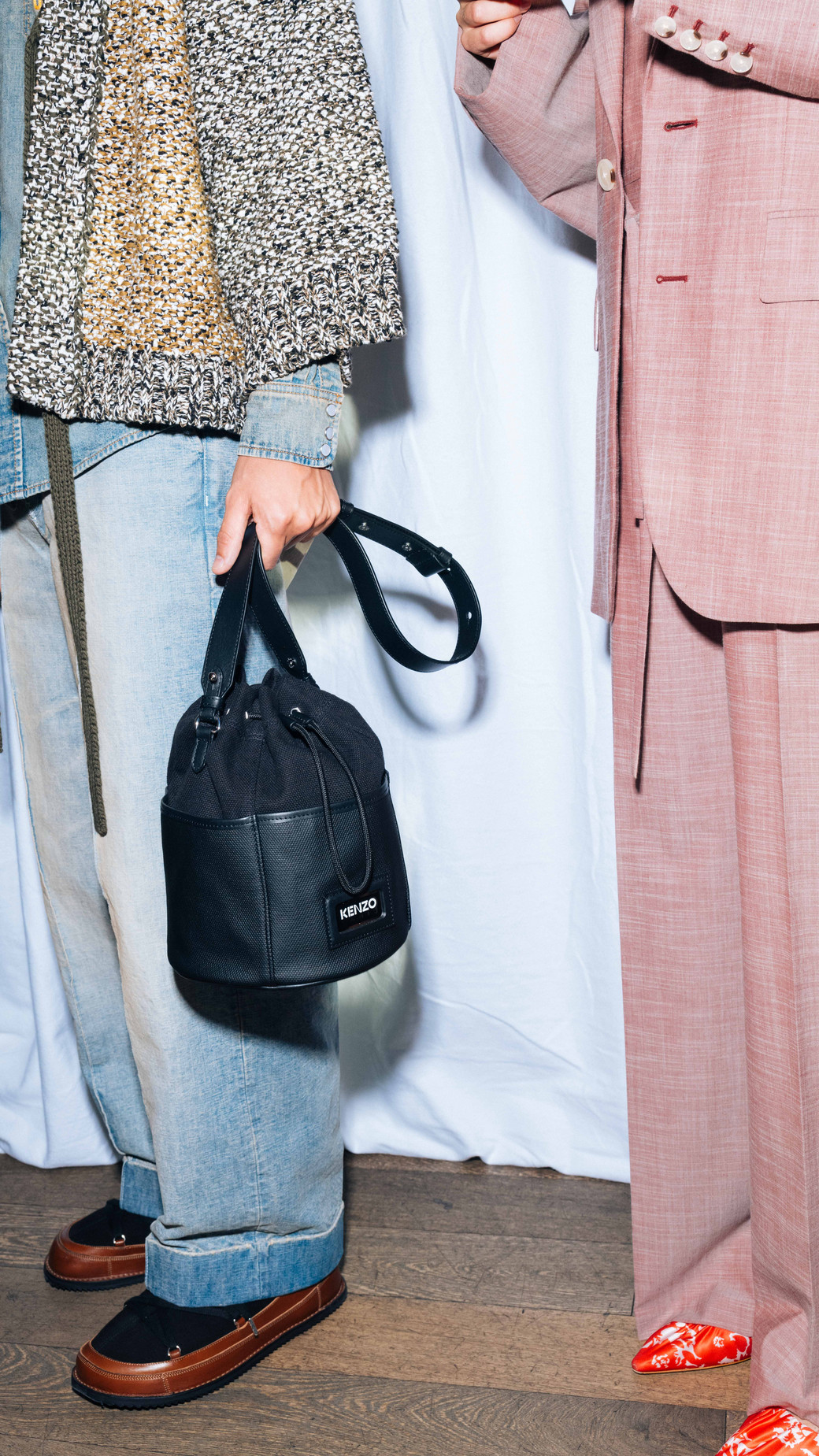
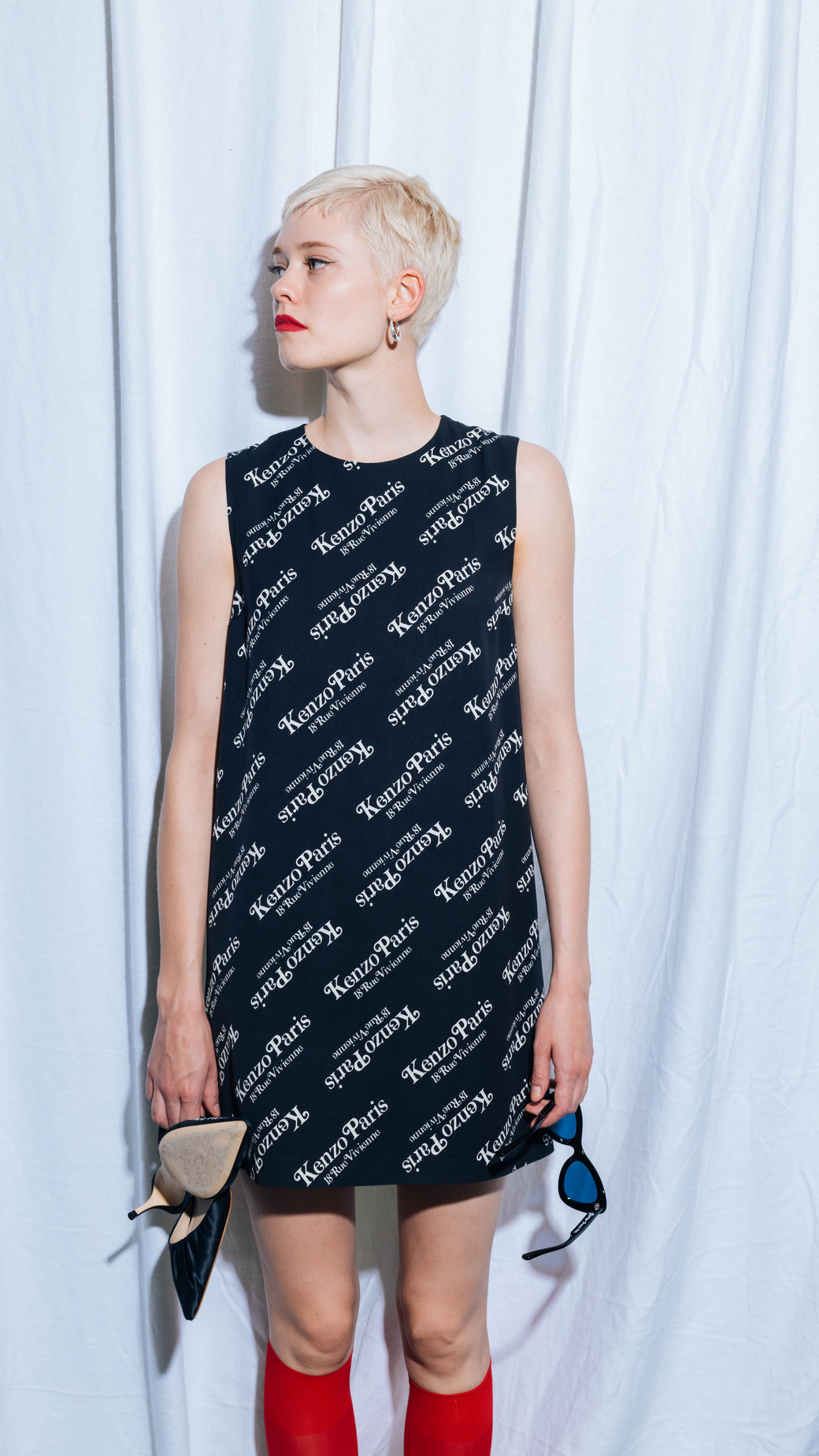
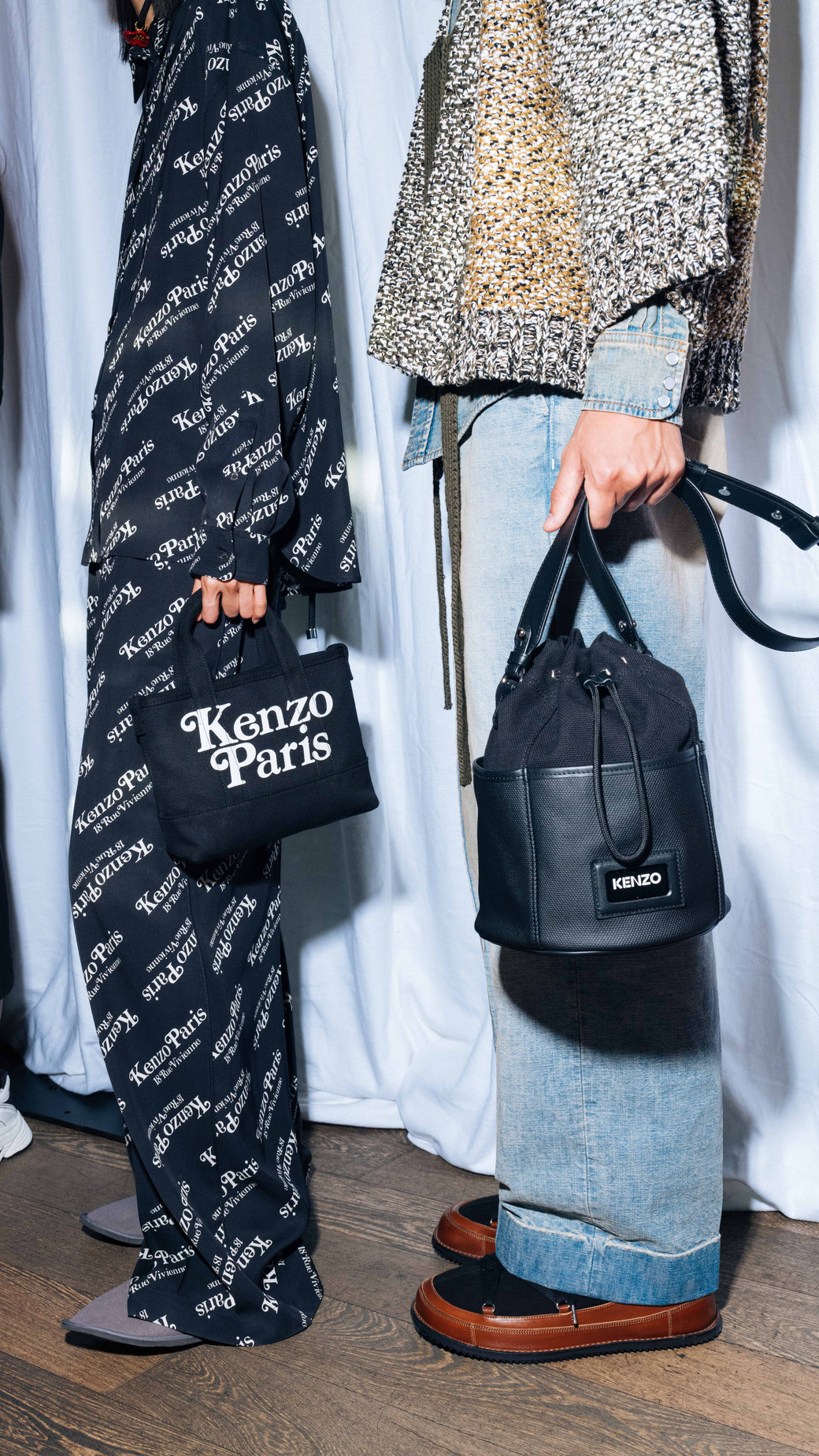
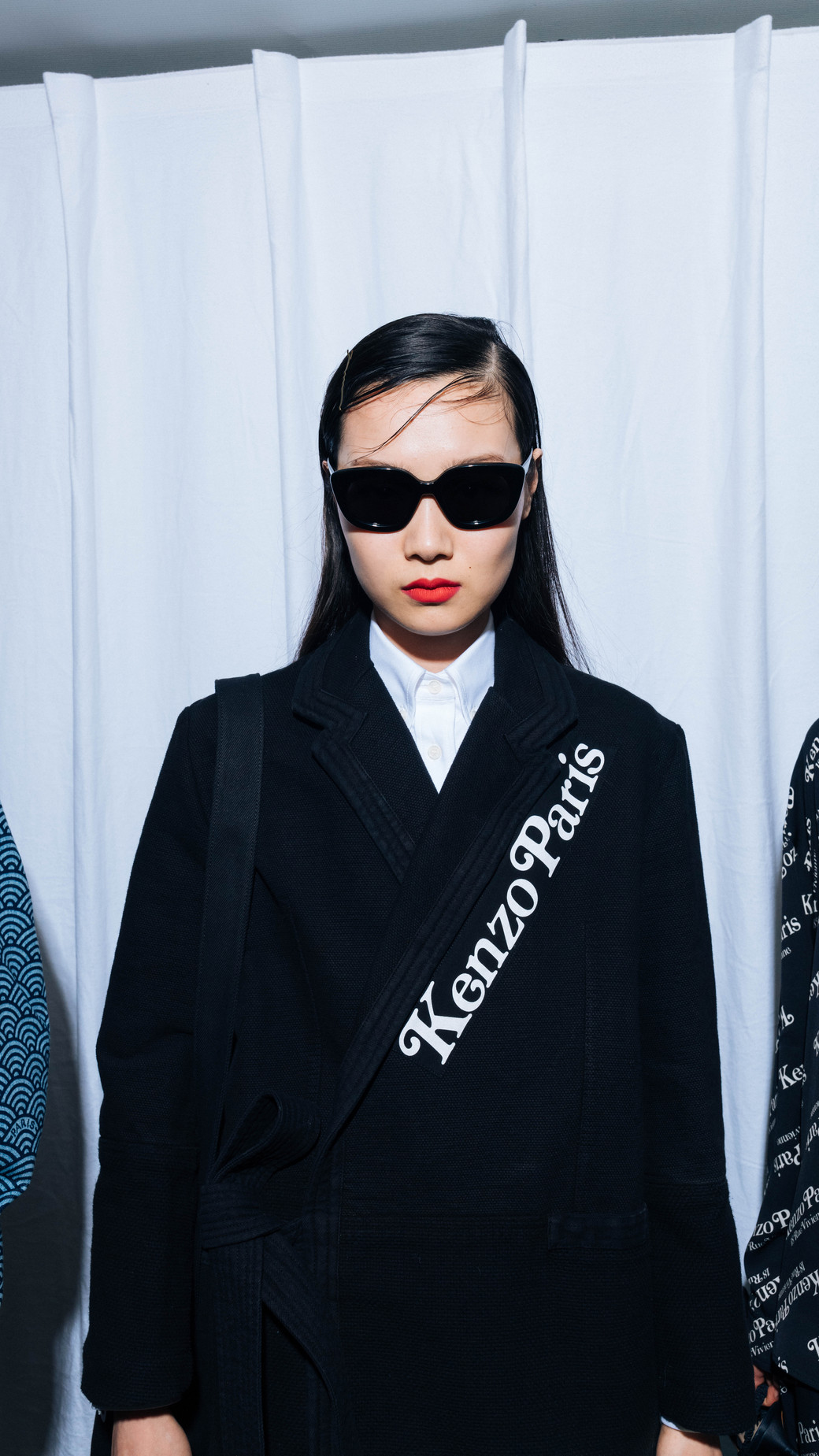
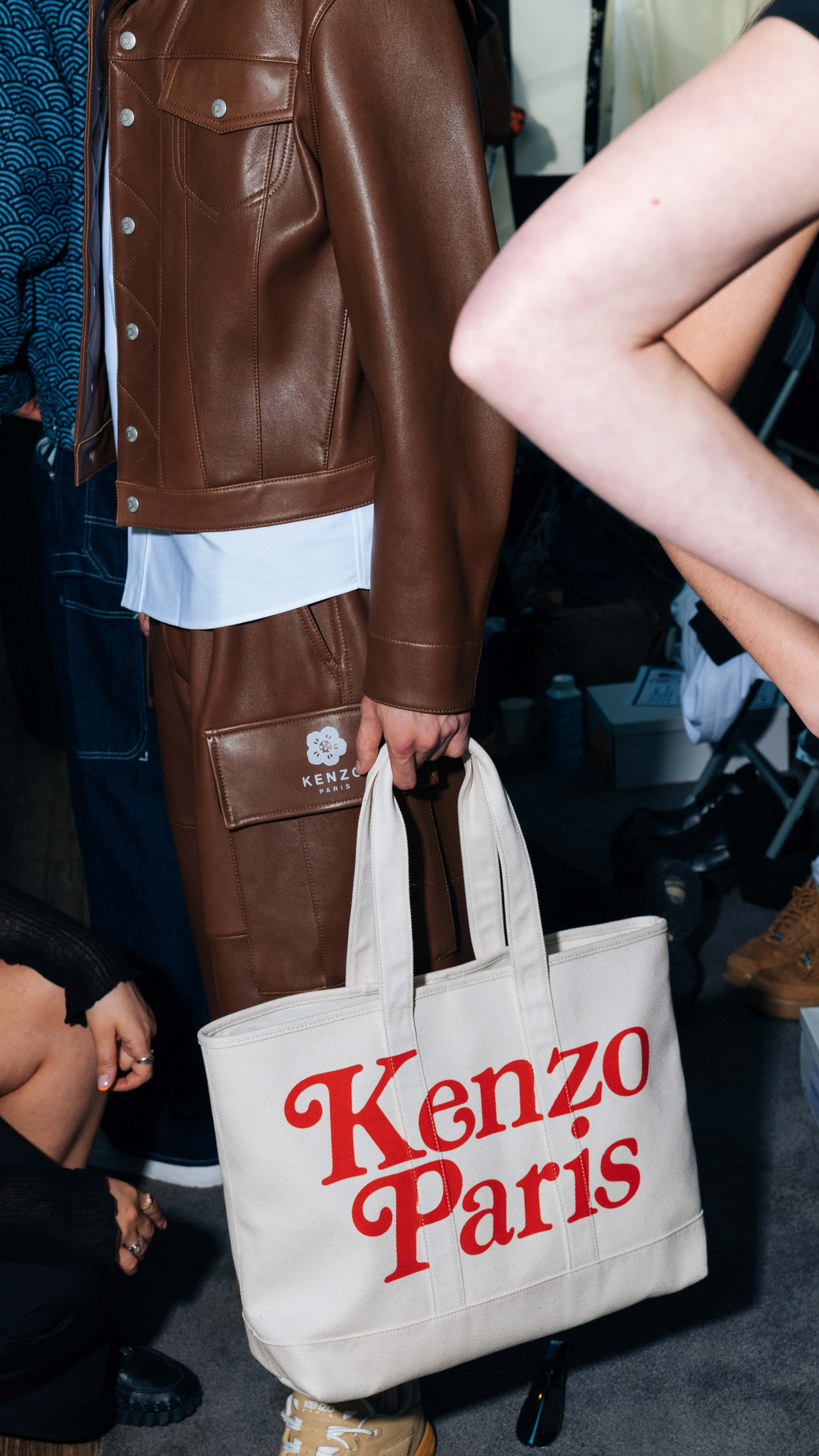
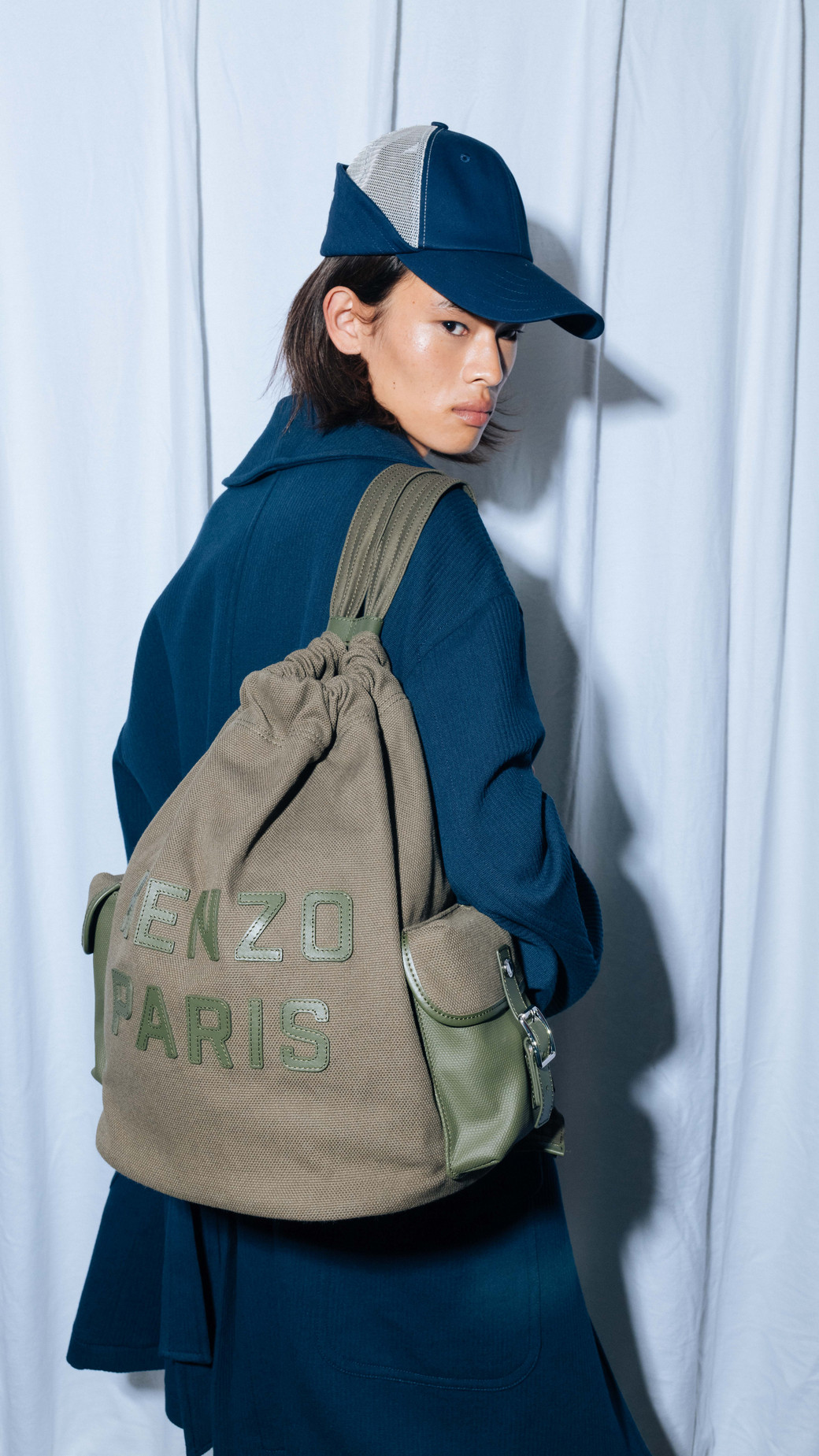
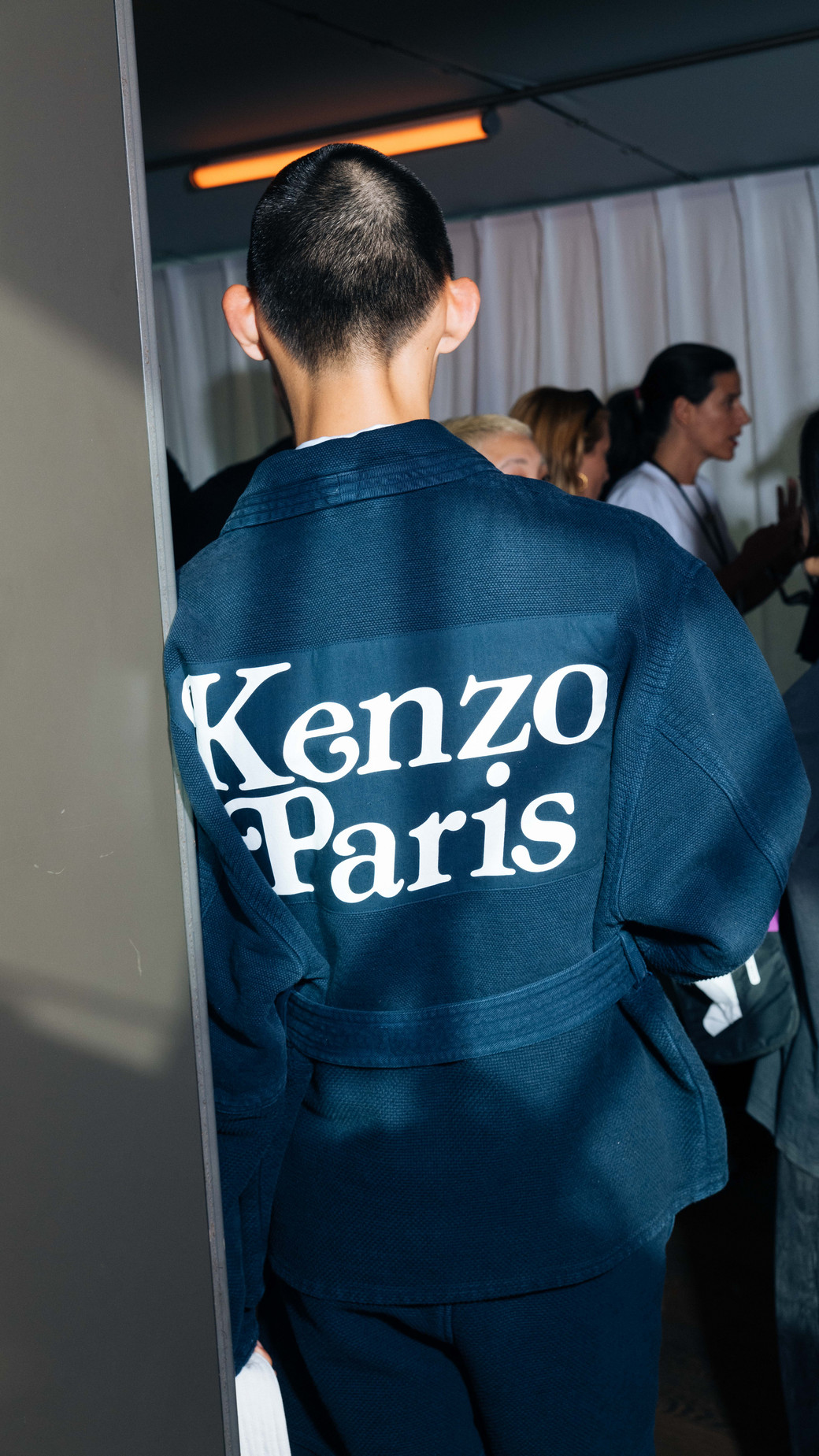
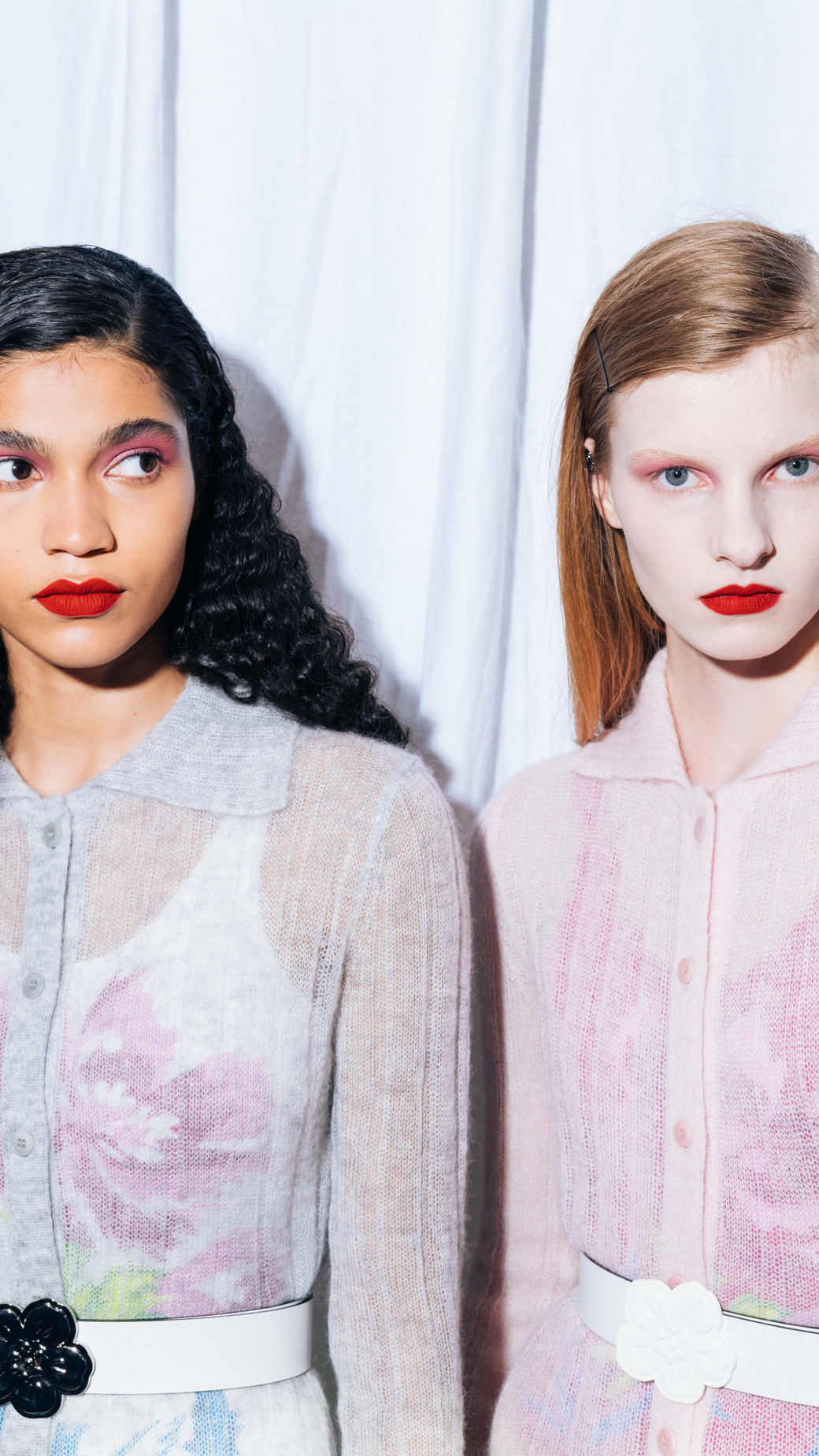
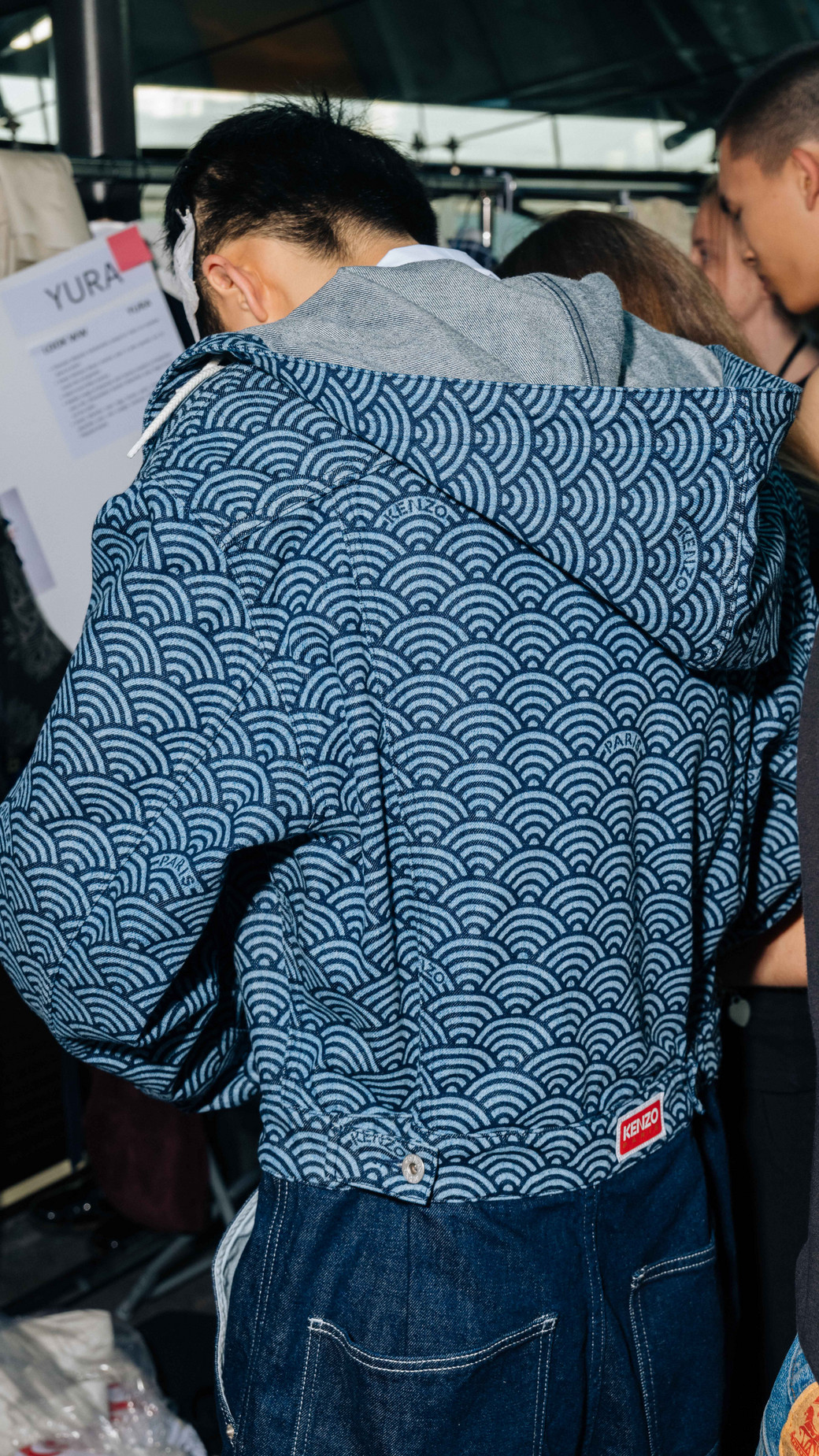
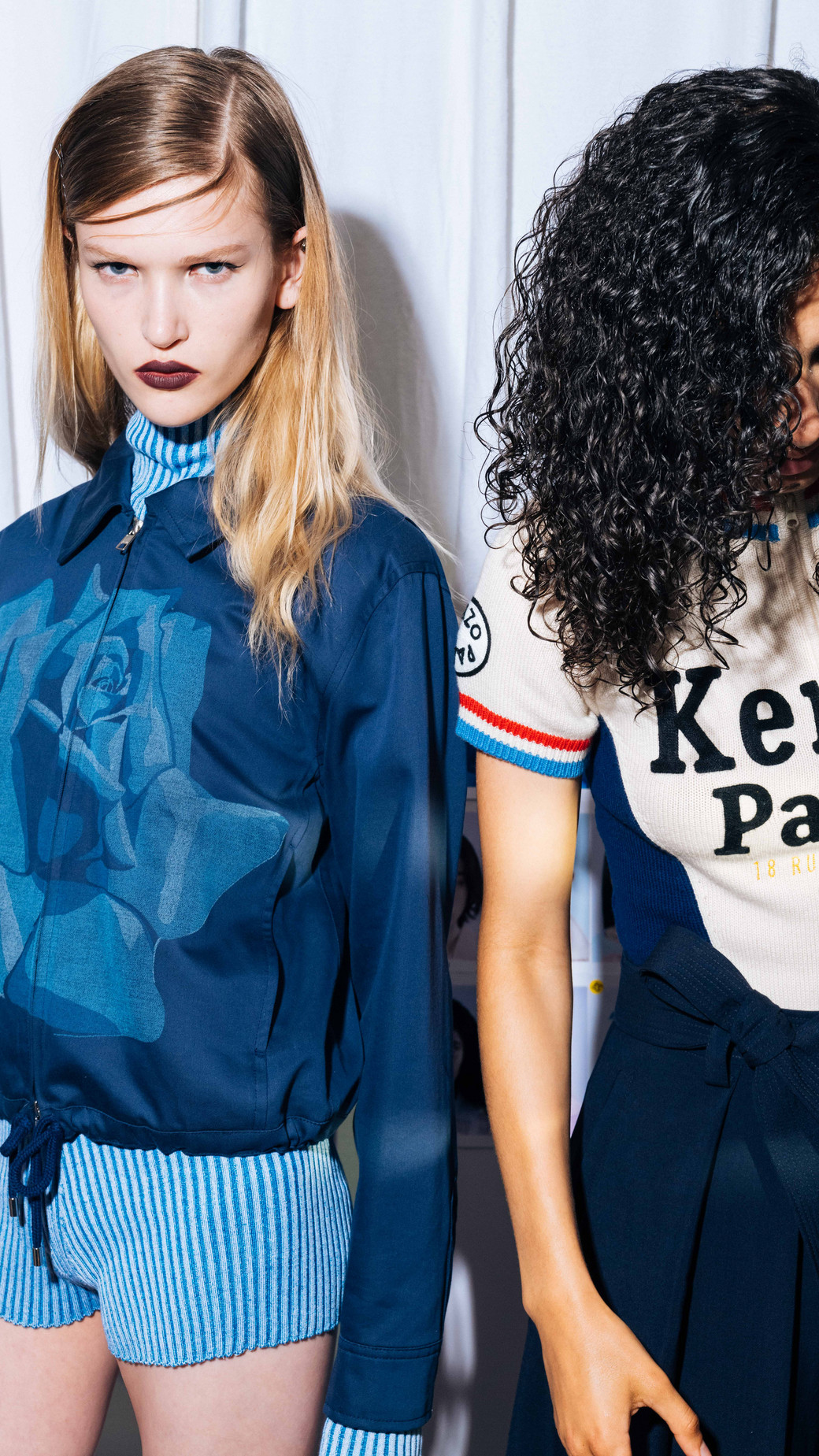
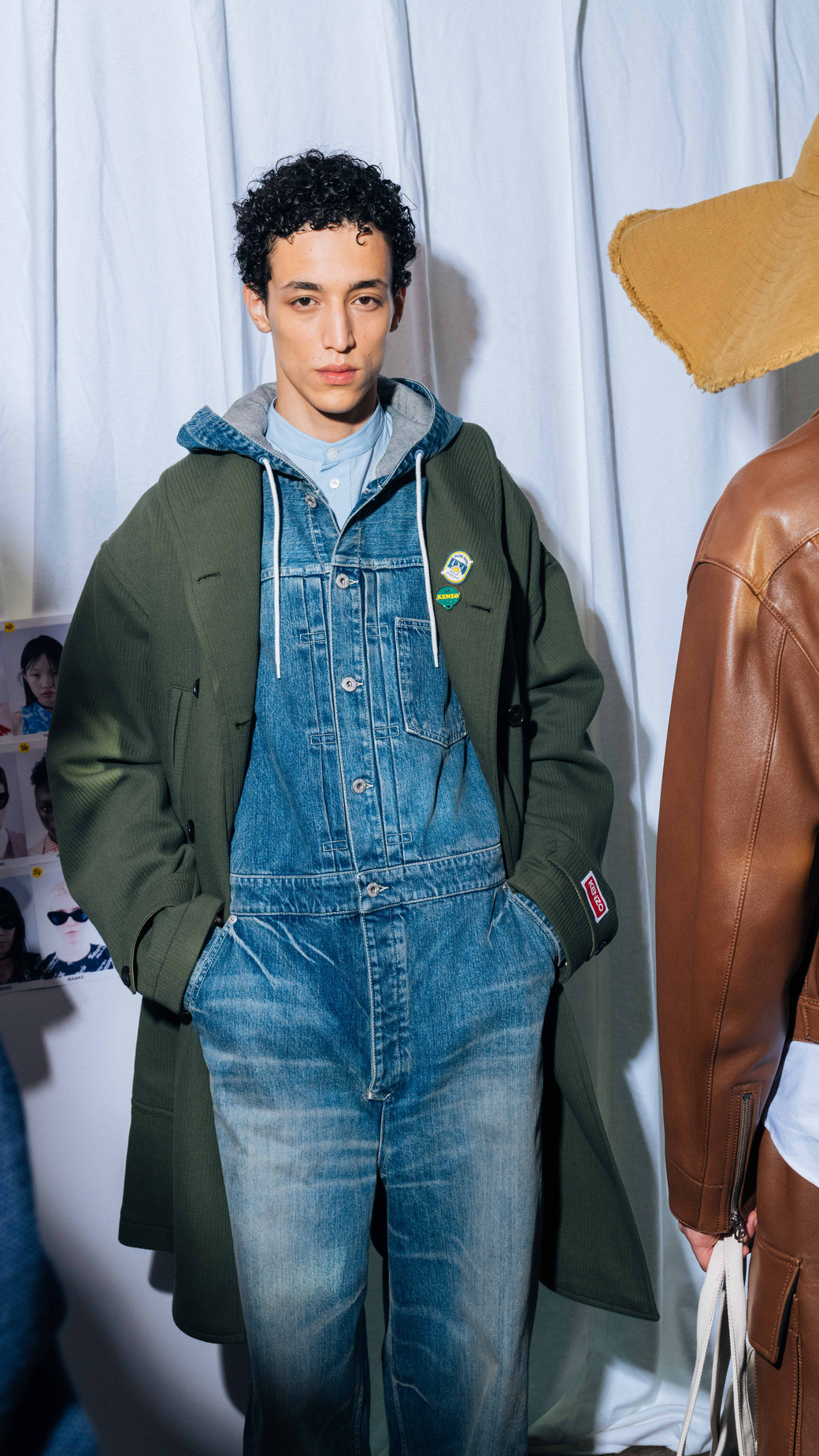
For women, the collection emphasizes an intensified elegant design through the use of lightweight layering and translucent fabrics. These elements, adorned with refreshed archival motifs, create a graceful silhouette that exudes refinement. The creative collaboration between NIGO and the Japanese graphic artist Verdy adds an additional layer of uniqueness. Verdy, a longtime friend of NIGO, interprets the KENZO logo in his distinctive swashed font, resulting in striking visuals that embellish garments and accessories.
To accompany the collection, a specially curated soundtrack by Cornelius, a contemporary musician and occasional collaborator of NIGO since the mid-1990s, reflects the essence of City Pop. The music serves as a reminder of the interplay between fashion and music, as well as the shared admiration that NIGO and Cornelius have for the genre. City Pop played a significant role in post-war Japan, coinciding with some of Kenzo Takada's most memorable moments. NIGO sees the recent global reevaluation of the genre by a younger generation as a powerful metaphor for the enduring relevance of the KENZO legacy in contemporary fashion.
It demonstrates how a style and culture originating from a specific time and place can transcend boundaries and captivate new audiences with its timeless appeal. By incorporating Japanese and Western aesthetics and infusing the exuberance of City Pop, the collection celebrates the past while embracing the present, leaving an enduring impact on the fashion landscape.