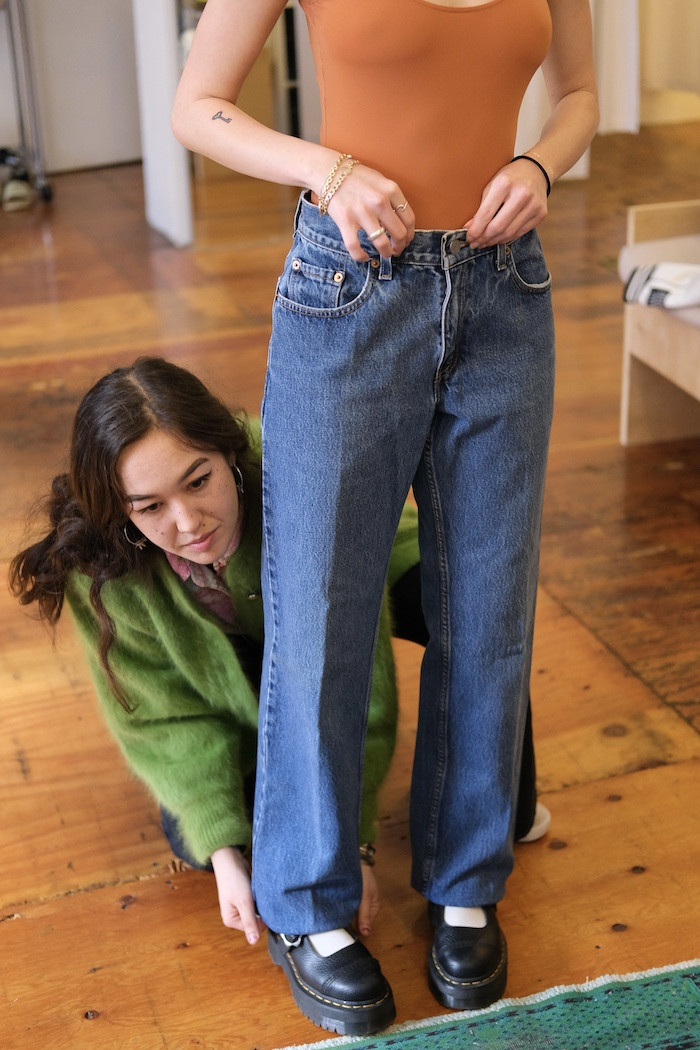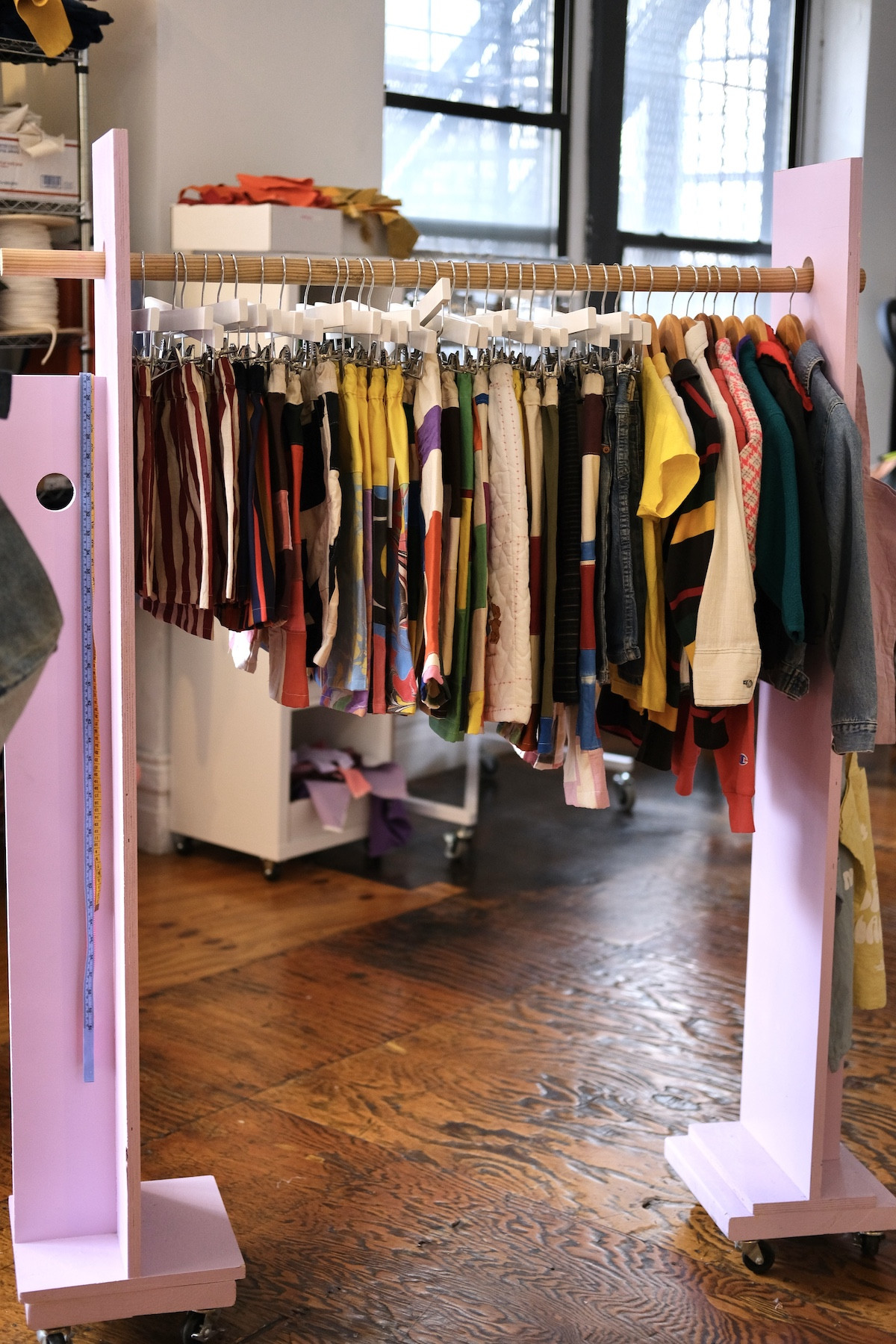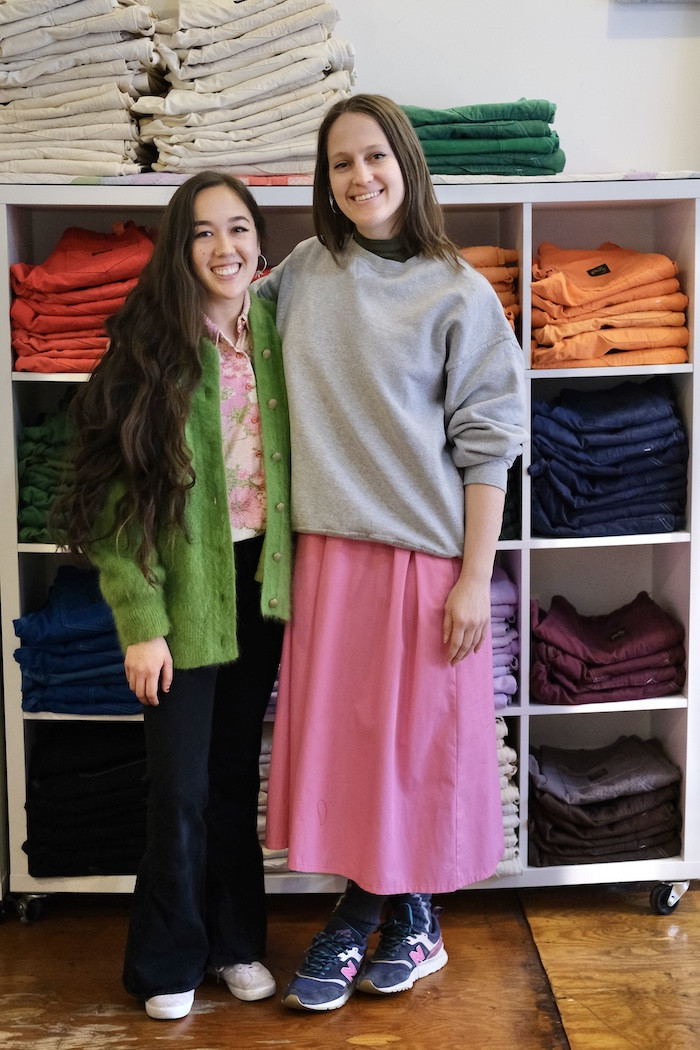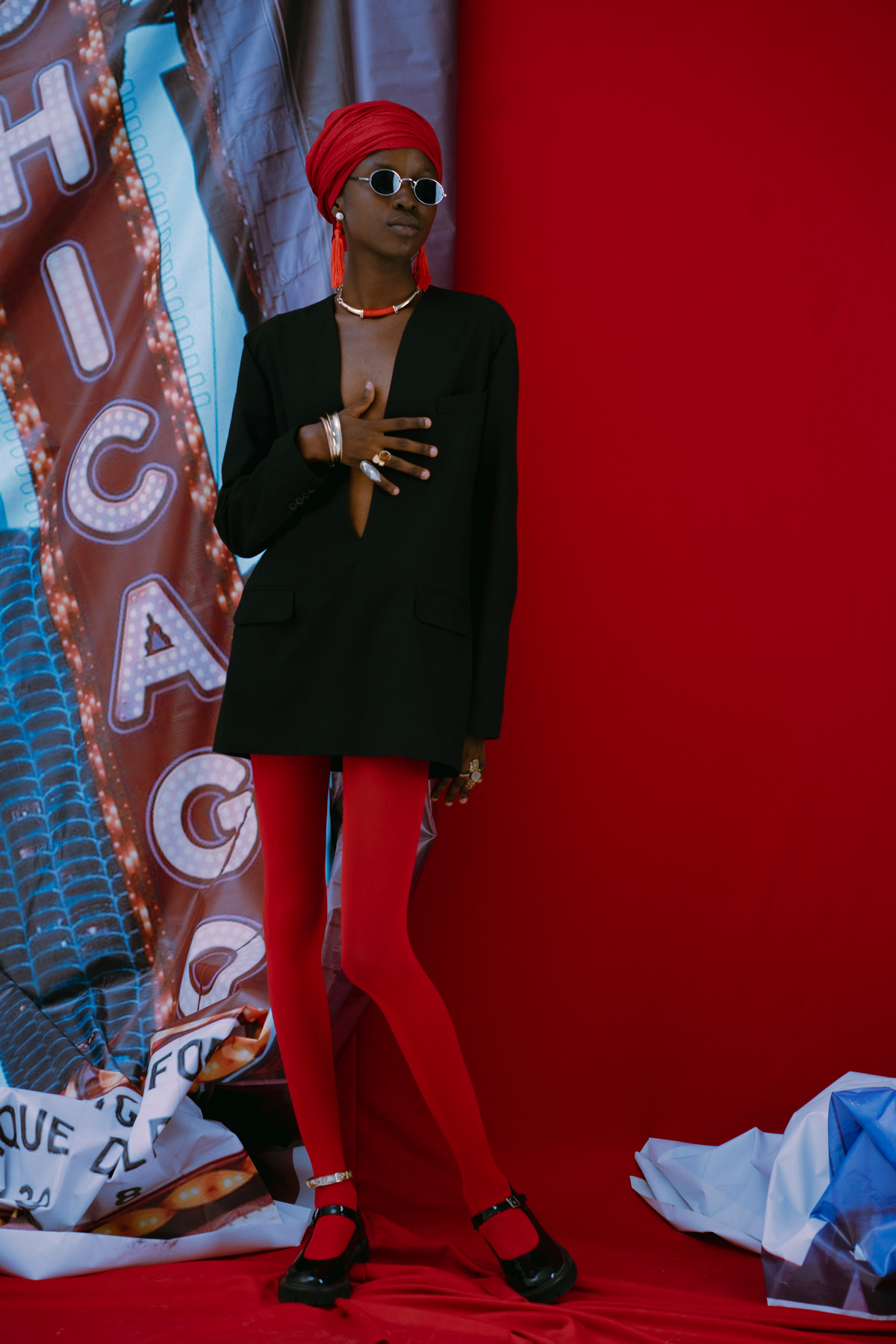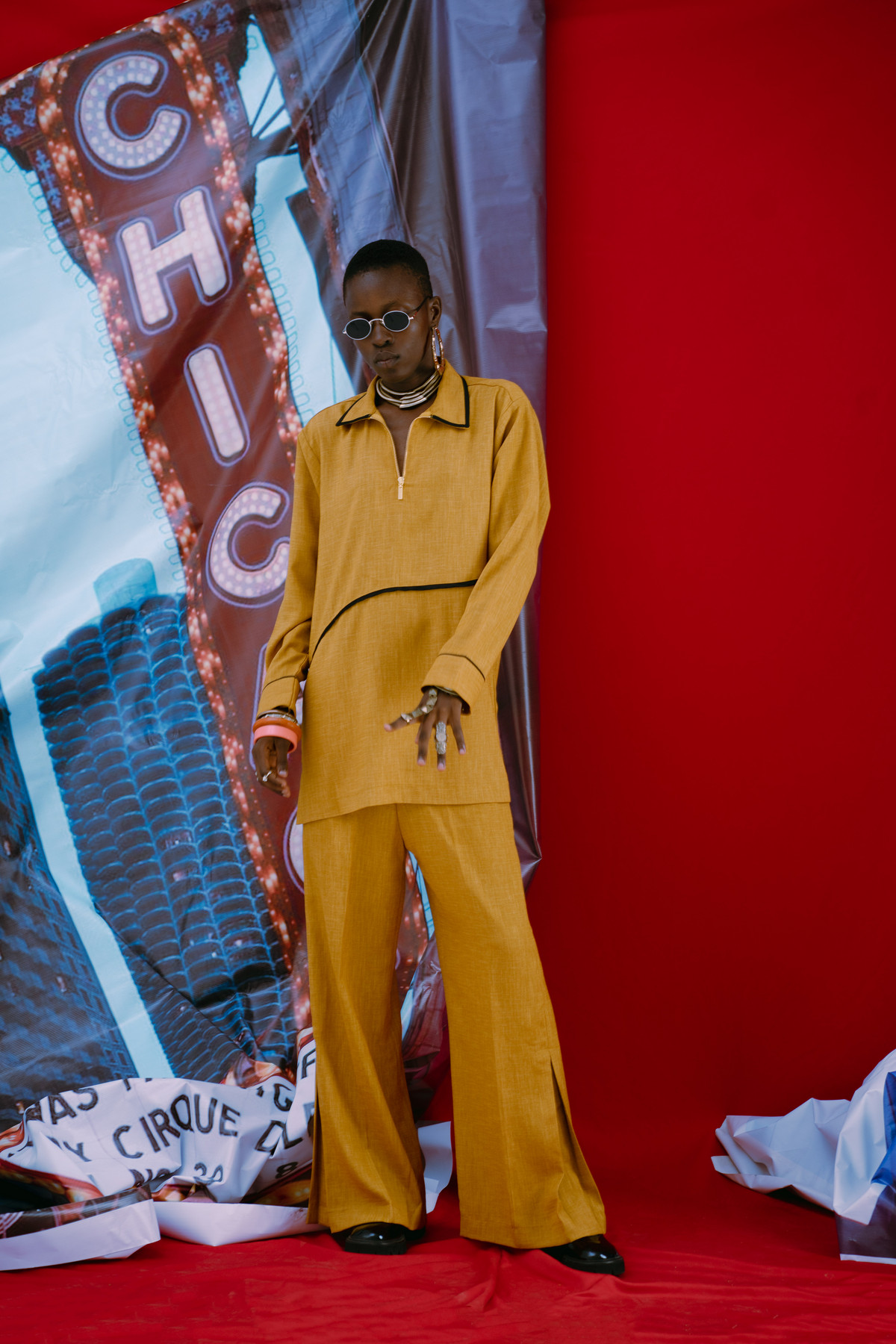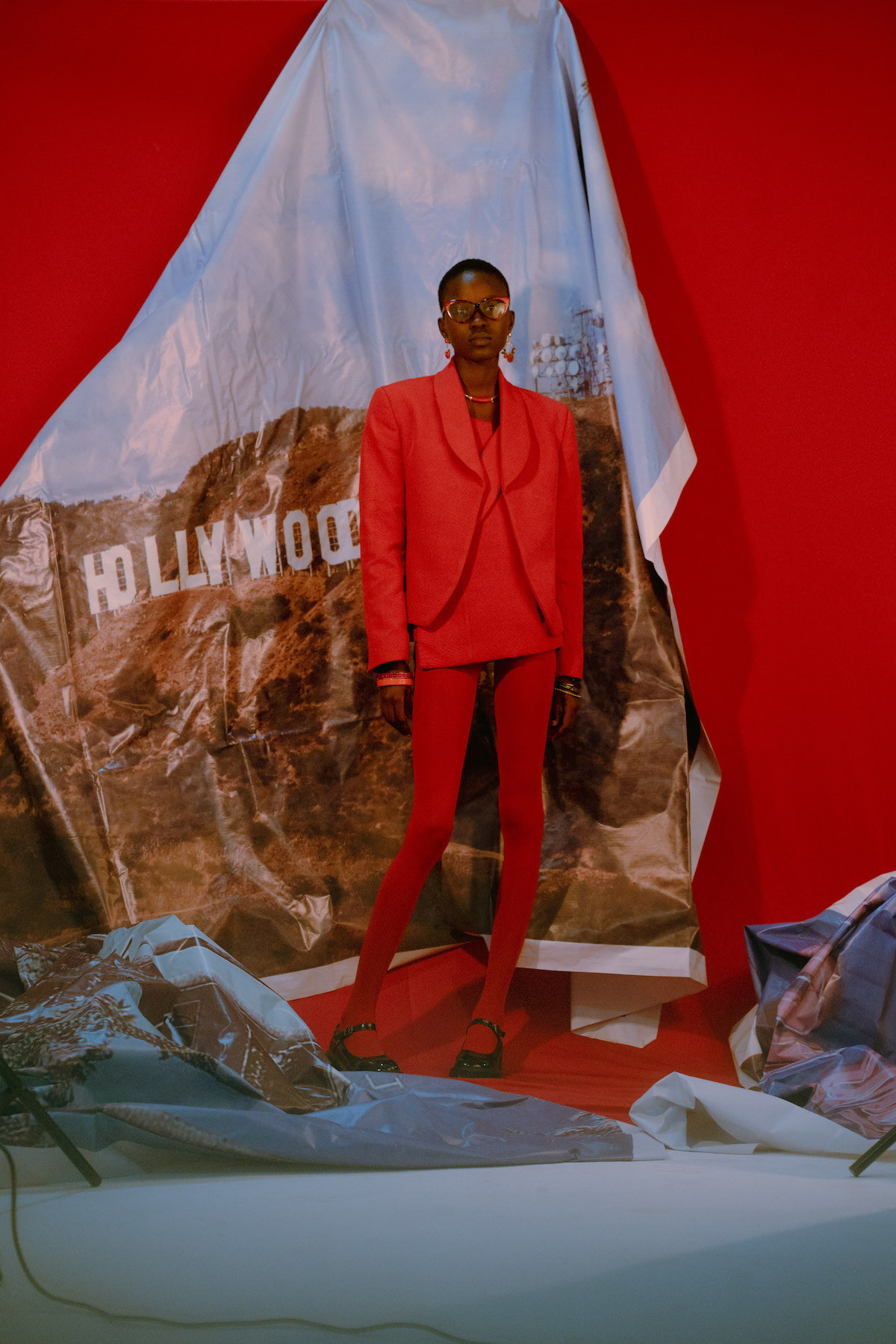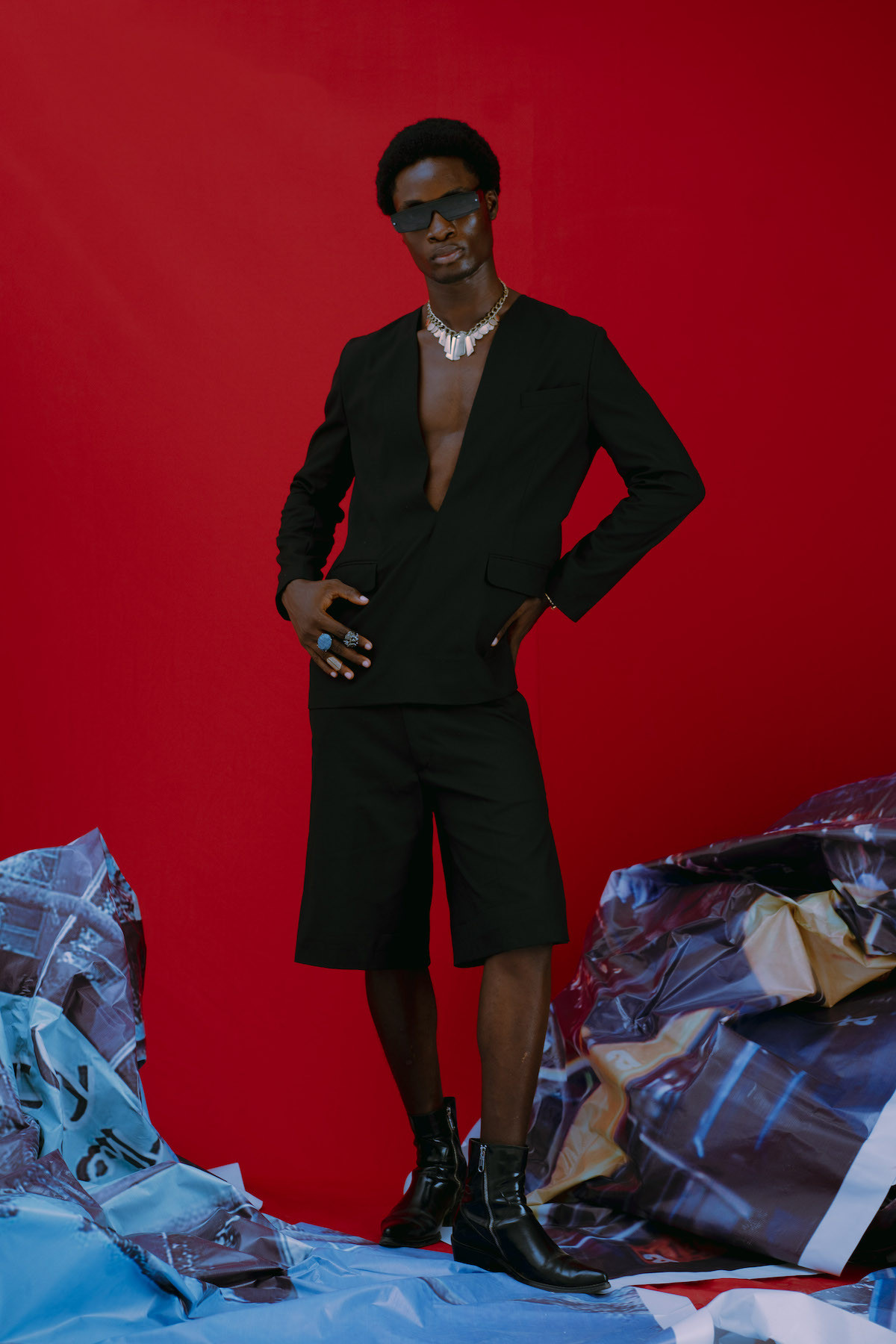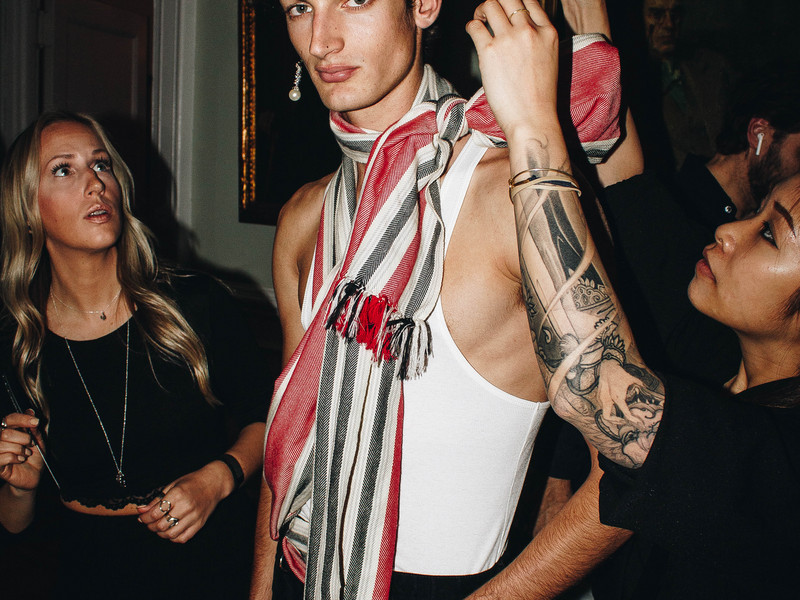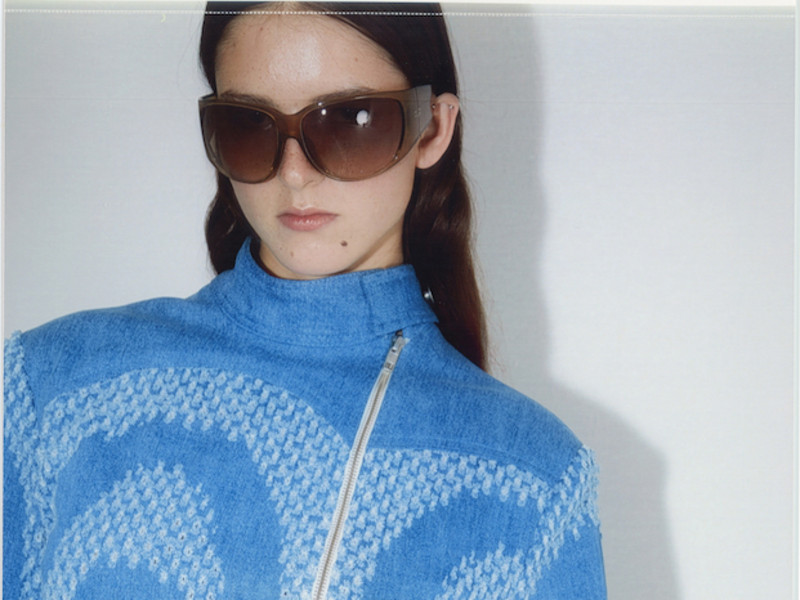
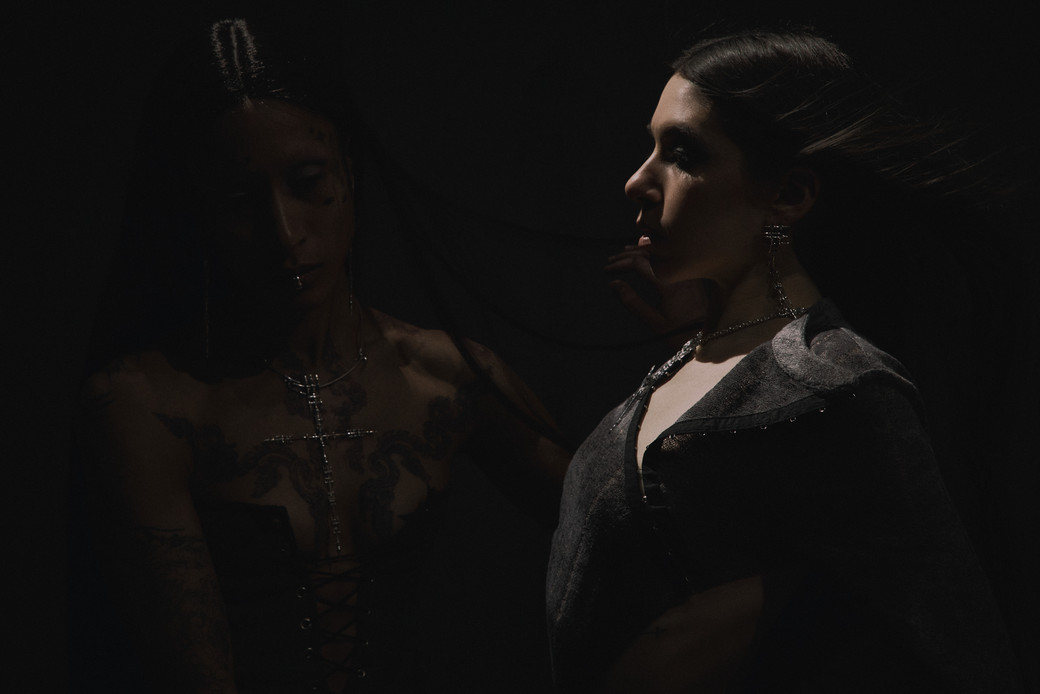


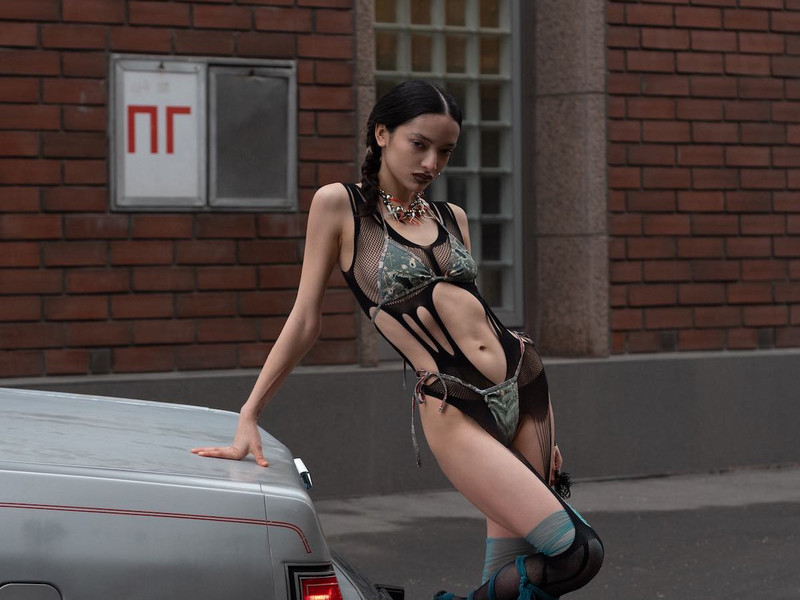


office visited The Consistency Project for a personalized fitting session guided by Natasha Halesworth, Maddy Stoopack, and Nikki Stewart. Dive into the process below.
What first got you interested in secondhand clothing and exploring the possibilities of reinventing pre-loved pieces?
Natasha — I always wanted to study fashion but because of a mix of reasons I instead went through a traditional college experience studying business. But when an internship came up for a fashion PR company, I seized the opportunity and went for it. I was pretty green when it came to understanding the industry so I quickly felt out of place and didn’t connect with fashion as much as I had hoped. It all felt a little surface-level and a bit pretentious. After that internship, I decided to put anything fashion related on hold. Fast forward to when I was working my corporate job, I felt the itch to explore it again. This is when I started The Consistency Project back in 2014. What started as a side project exploring one’s relationship with their clothing, quickly became an opportunity for me to learn about the fashion industry beyond being a consumer. As a teen, I shopped secondhand clothing out of necessity not realizing the environmental or even style impact it had. But it was when I started TCP that my relationship with secondhand became more developed. I sought out alternatives to fast fashion and just “new” clothing in general and realized if I was going to be in fashion, it would be in secondhand fashion. It was not till after the pandemic that TCP began to explore rework as a part of the business.
Tell us a bit about where the name “The Consistency Project” comes from.
The Consistency Project started as a project (surprise!) — a side project that helped me explore a relationship with fashion and clothing. When thinking about the name at the time, I was really just thinking about what I wanted this “project” to be for me personally, which was to strive for more consistency in my life. I never really knew if TCP would ever become a viable business so it is funny to think about how the name still holds the same meaning within the business today. At the time of starting TCP, I was learning more and more about the impact of consumerism and the waste we humans cause and I felt like if I could inspire people to shop for secondhand clothing, it could maybe spark them to consider changing other parts of their lifestyle like shopping secondhand for other things besides clothing or considering things like composting to provide more consistency for themselves and their values. To me, this is what The Consistency Project is all about. It is about the relationship between us and our clothing which then helps us understand and slowly analyze other parts of our lives in a more mindful way.
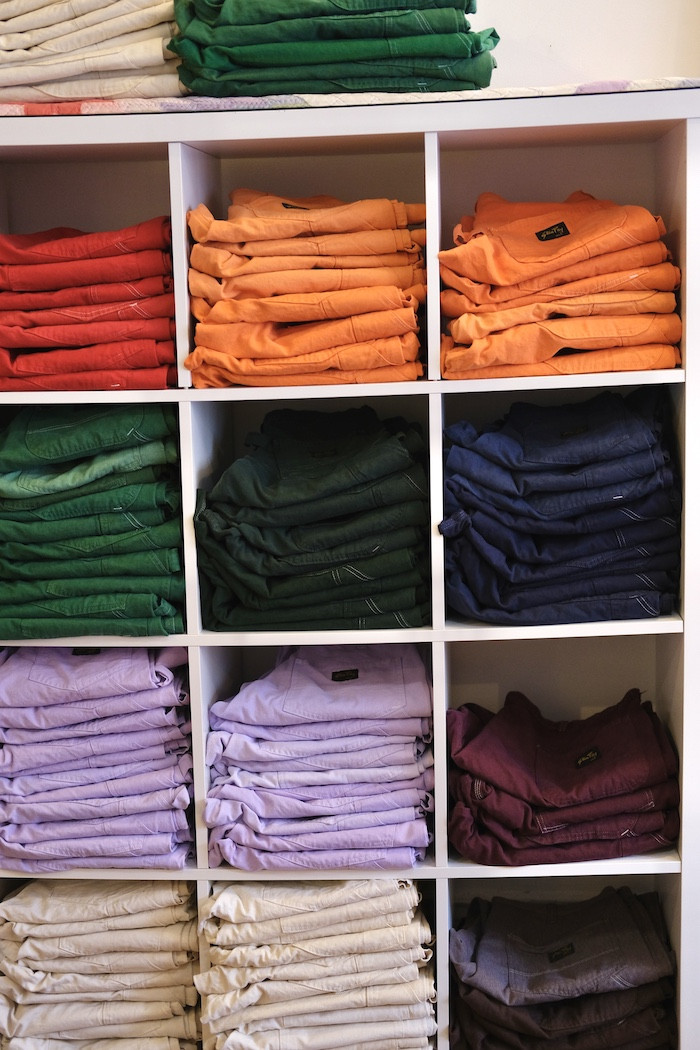
Where does The Consistency Project’s interest in American workwear stem from? Did any of you grow up wearing or buying Stan Rays or Levi’s?
Honestly, it really just stemmed from a personal style choice and was most likely influenced by my time growing up in Hawai’i & living in California. When I started selling vintage, I wanted to sell things that I felt were a functional and comfortable alternative to the vintage that most people thought about, which were styles like 70s polyester sets or decadent beaded dresses. I wanted to provide everyday vintage and secondhand that suited a more versatile lifestyle. The perception of vintage typically felt like it only captured a certain style aesthetic and I wanted to open it up a bit more as I personally didn’t resonate with most of the vintage I was seeing at the time.
I was always a city girl living on an island. Growing up in Hawai’i, I was far from wearing (or even knowing about) Stan Rays and Levi’s but when I went to college in California, it should be no surprise that Levi’s became a huge part of my style. It was at the vintage warehouse I started sourcing from when I started TCP that introduced me to Stan Rays and it became one of my favorite styles to wear. A lighter-weight cotton than denim, it really suited warmer climates like Hawai’i. I realized that American Workwear really encapsulated TCP’s style — function and comfort. Traditionally American Workwear signified blue-collar work, but now we’re excited to showcase how we, TCP can redefine the approach to American (modern) Workwear.