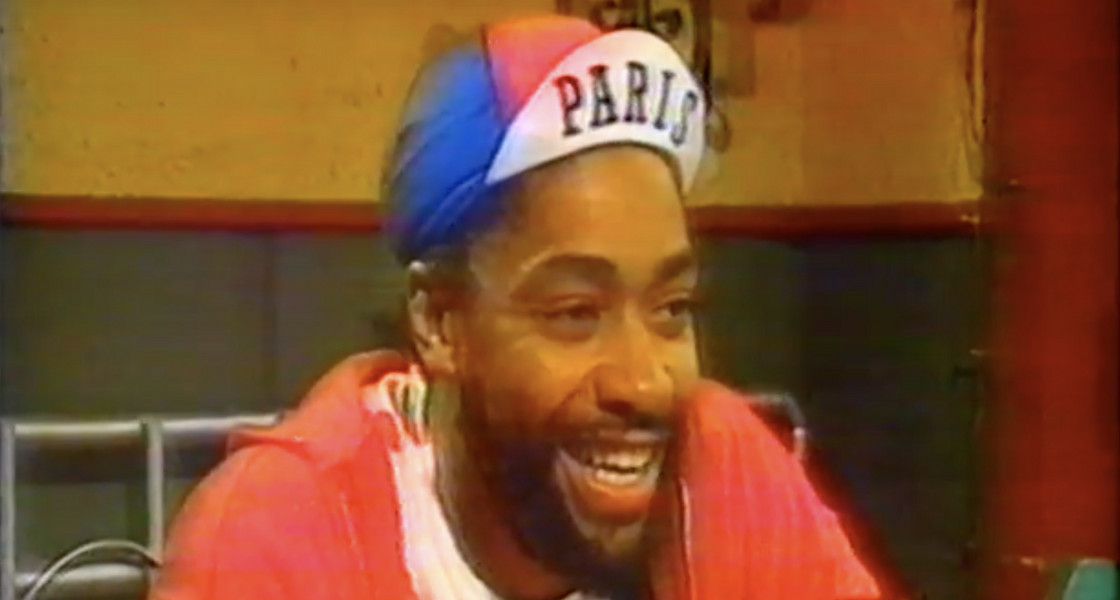
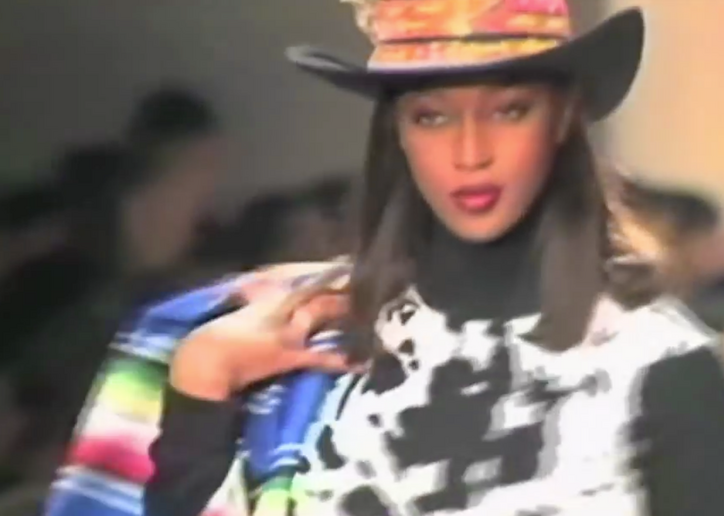
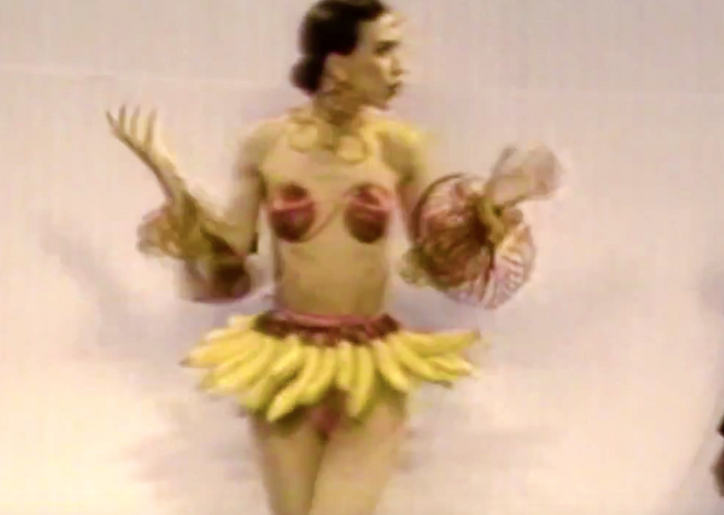
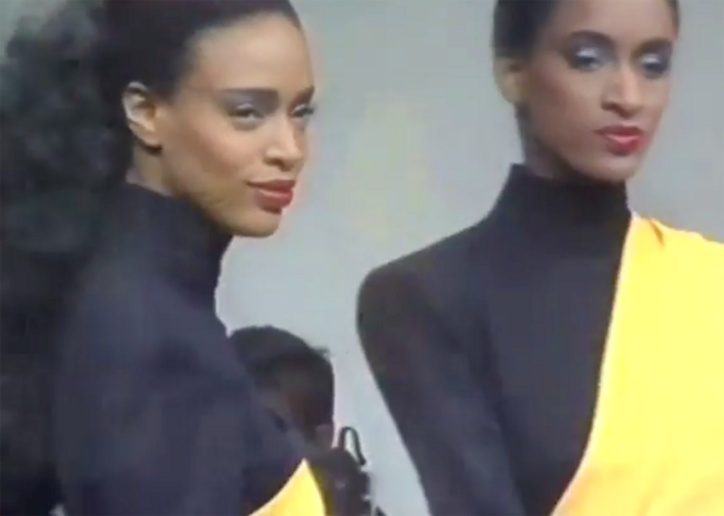
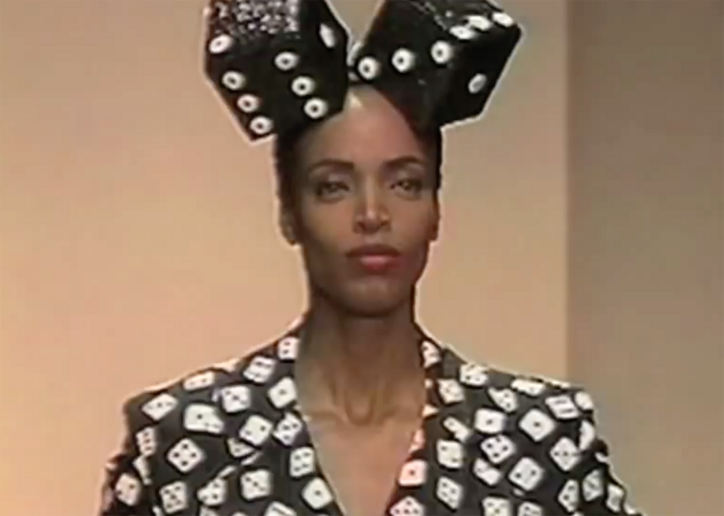
The racist black memorabilia Patrick loved was something that became increasingly popular amongst black collectors in the 1980s. Many black people, including a few of my own aunts, thought of it as a way to preserve our histories. Given that the preservation of racist memorabilia was a hot button issue in the black community, Patrick’s re-appropriation of racially charged imagery and the placement of it on bags and dresses available for sale was something that turned more than a few heads. Patrick embraced the caricatures as part of our unique African-American culture. U.S retailers refused to buy his ‘golliwog’ prints and Warnaco asked him to stop using his polarizing logo altogether. Patrick had the space to engage with his race via fashion in a way that isn’t possible for black creatives now, partially due to fear of backlash and because of how his more controversial work was received.
Patrick was on the verge of establishing himself as a major force in fashion before he sadly passed away from AIDS-related complications on January 1, 1990. He created many beautiful things and opened many doors in the five years he showed in Paris. Throughout his short life Patrick managed to accomplish so much for which he rarely receives praise from anyone outside of the girls who knew what was up back in the day. Patrick was a precursor to what we started to see in the late 90’s with urban streetwear labels like FUBU and Sean John; he capitalized off of his marginalized identity. Like many poppin’ black streetwear labels that came after him, Patrick fully embraced his blackness and wasn’t afraid of glamour. His application of racially-charged imagery mirrors the way that today’s black designers incorporate cultural motifs that black people are maligned for wearing; du-rags, long nails, door knocker earrings, and athletic wear. Obviously these exist in a different cultural context from blackface imagery, but still represent a stripped down aesthetic of blackness, symbols of a counterculture, repackaged for consumption.
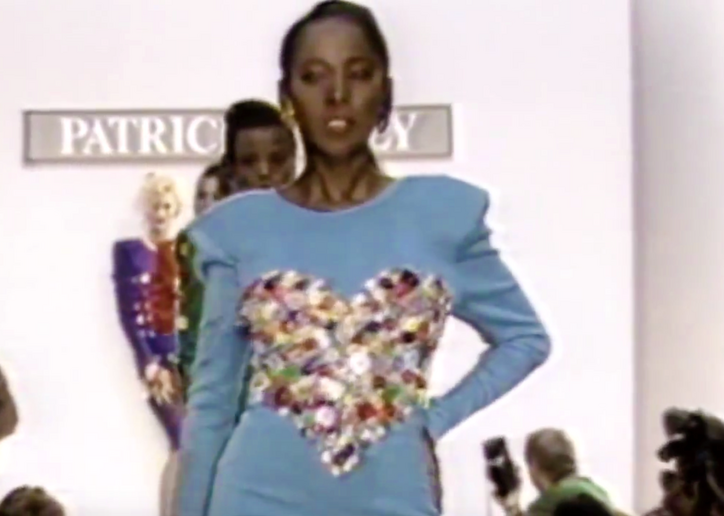
On the surface, Patrick’s complicated legacy looks to be one of triumph and broken barriers. That’s true, but his experiences in the industry are much more like black creatives of today than one would think. He encountered many of the same roadblocks, and even though women couldn’t get enough of his clothes, others in the French fashion scene were dismissive of his talents. Sonia Rykiel, who was a huge supporter of Kelly, said in a phone interview that many of the French designers had “reservations” about his skill level, saying “All we knew was that he did his [button and bow] patchwork thing very well,'' but they eventually took their heads out of their asses and realized that Patrick was making more than just skin tight dresses with buttons on them. He was giving us ‘Business Fish Moments of Whatever’, which is what the girls were screaming for in the ‘80s, and full-on old Hollywood-esque glamour with a contemporary twist that was sexy without taking itself too seriously. When black people do anything we’re always held to a much higher standard than our non-black contemporaries and after reading a lot of the fashion press’ initial criticisms of Kelly’s work, I can’t help but be reminded of how I see fashion people react with the same disbelief to black designers working now. Their skill level is always called into question and they always seem to want an explanation as to why we are in the spaces we are in.