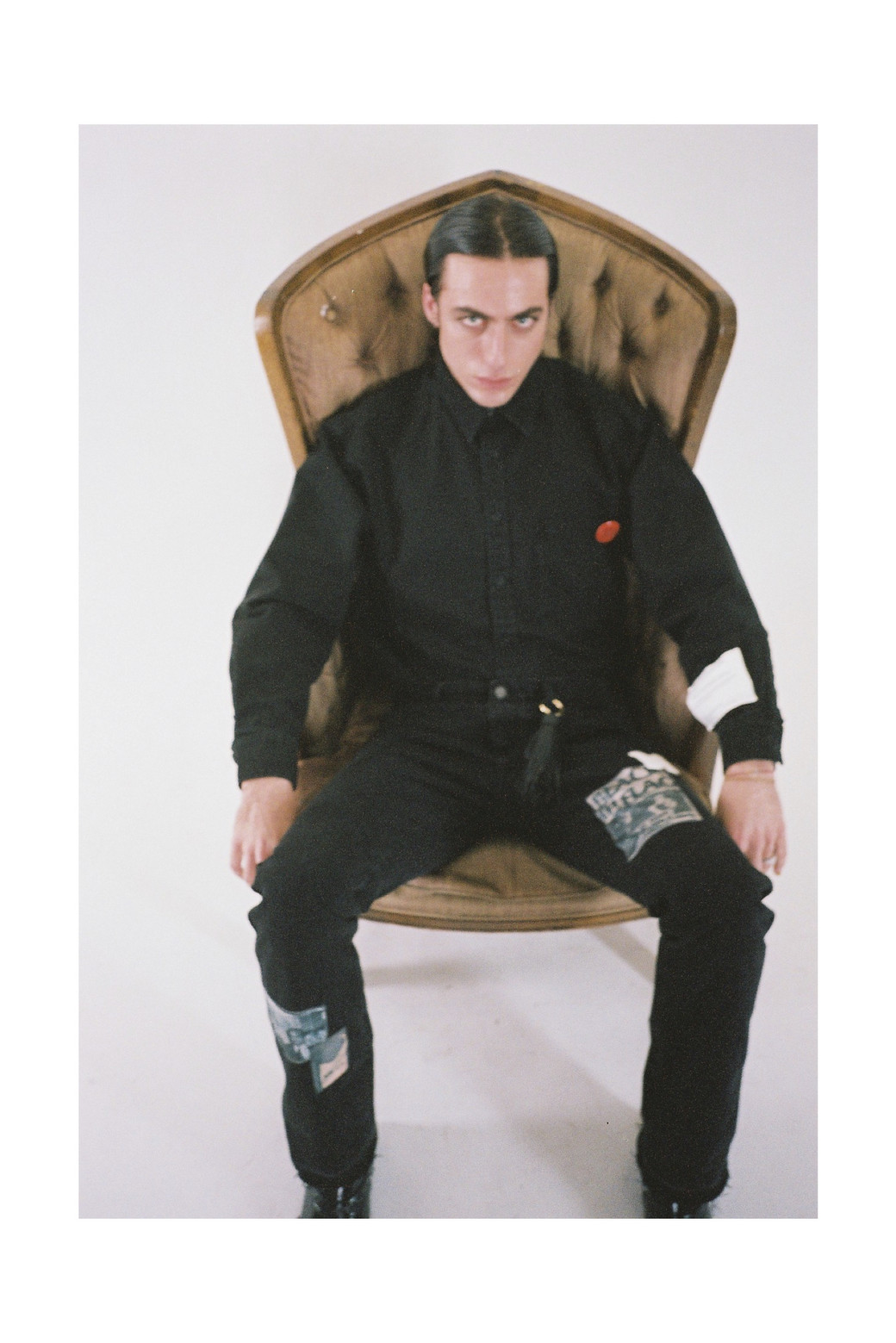
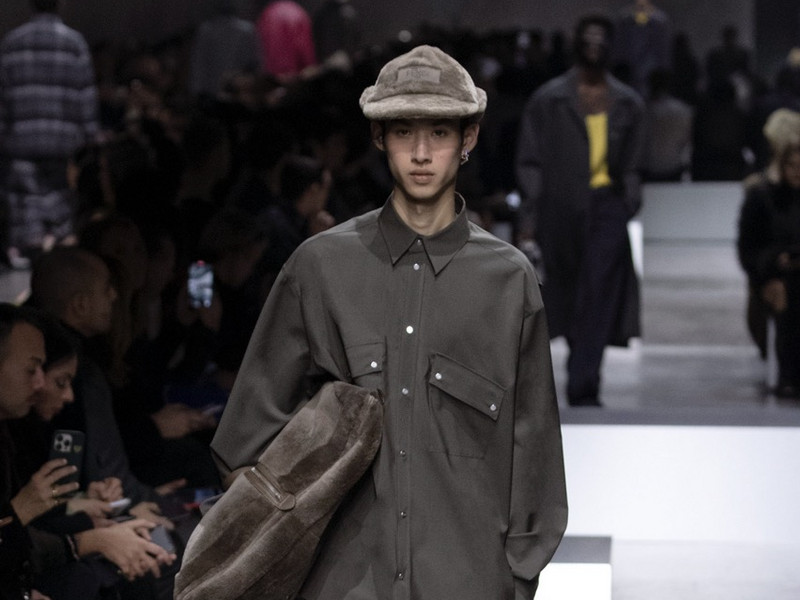
Check out more from the collection below.
Stay informed on our latest news!

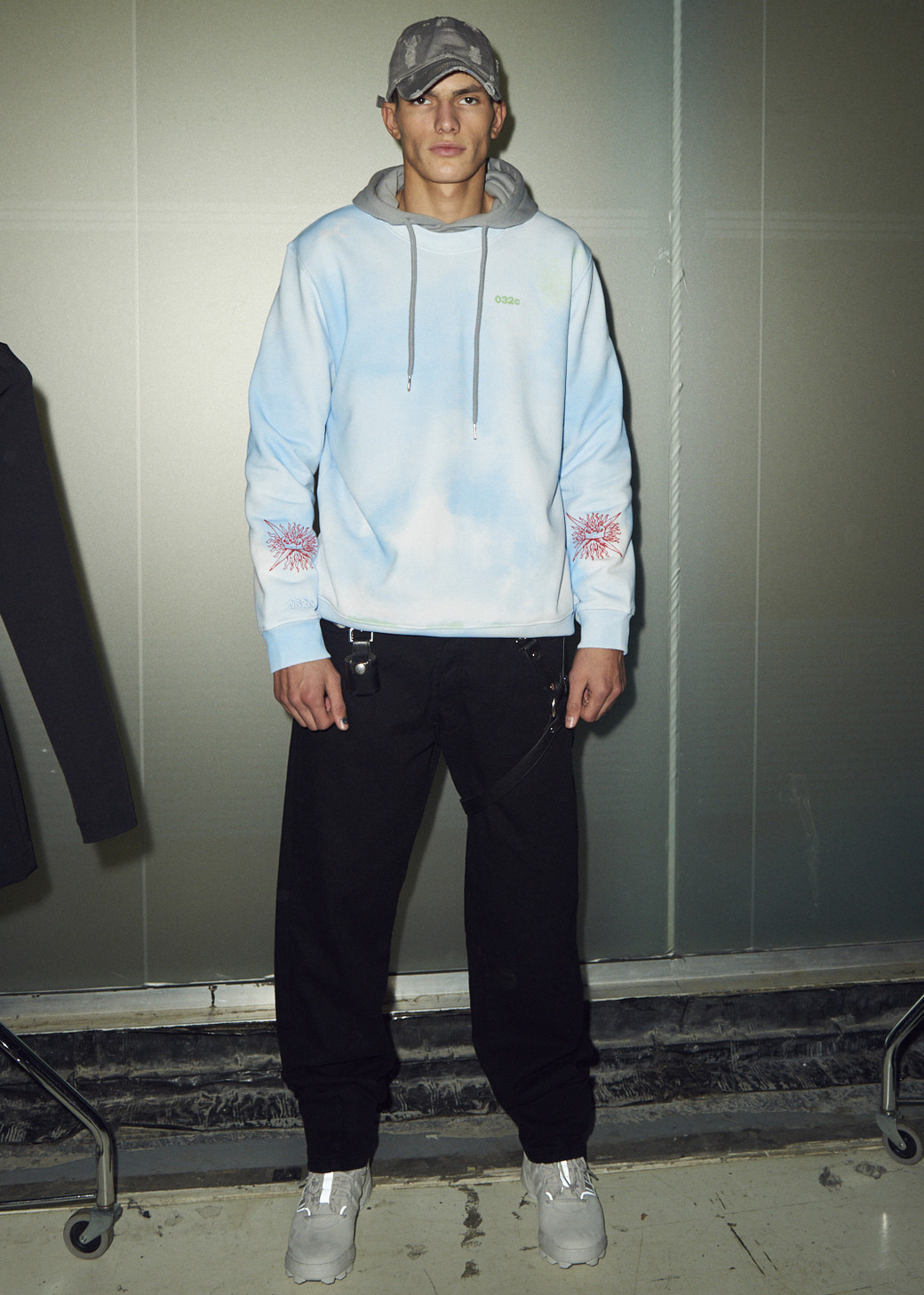
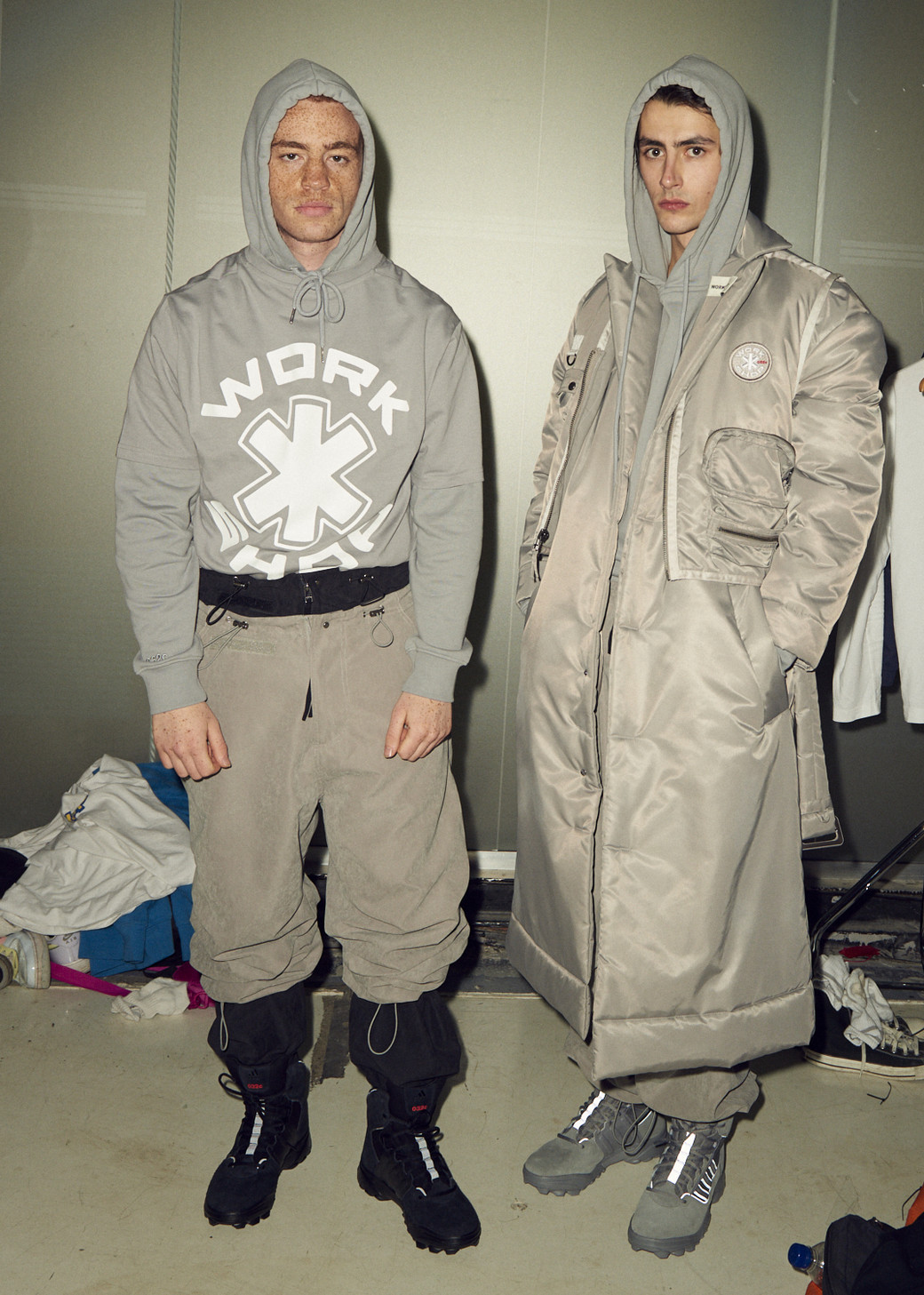
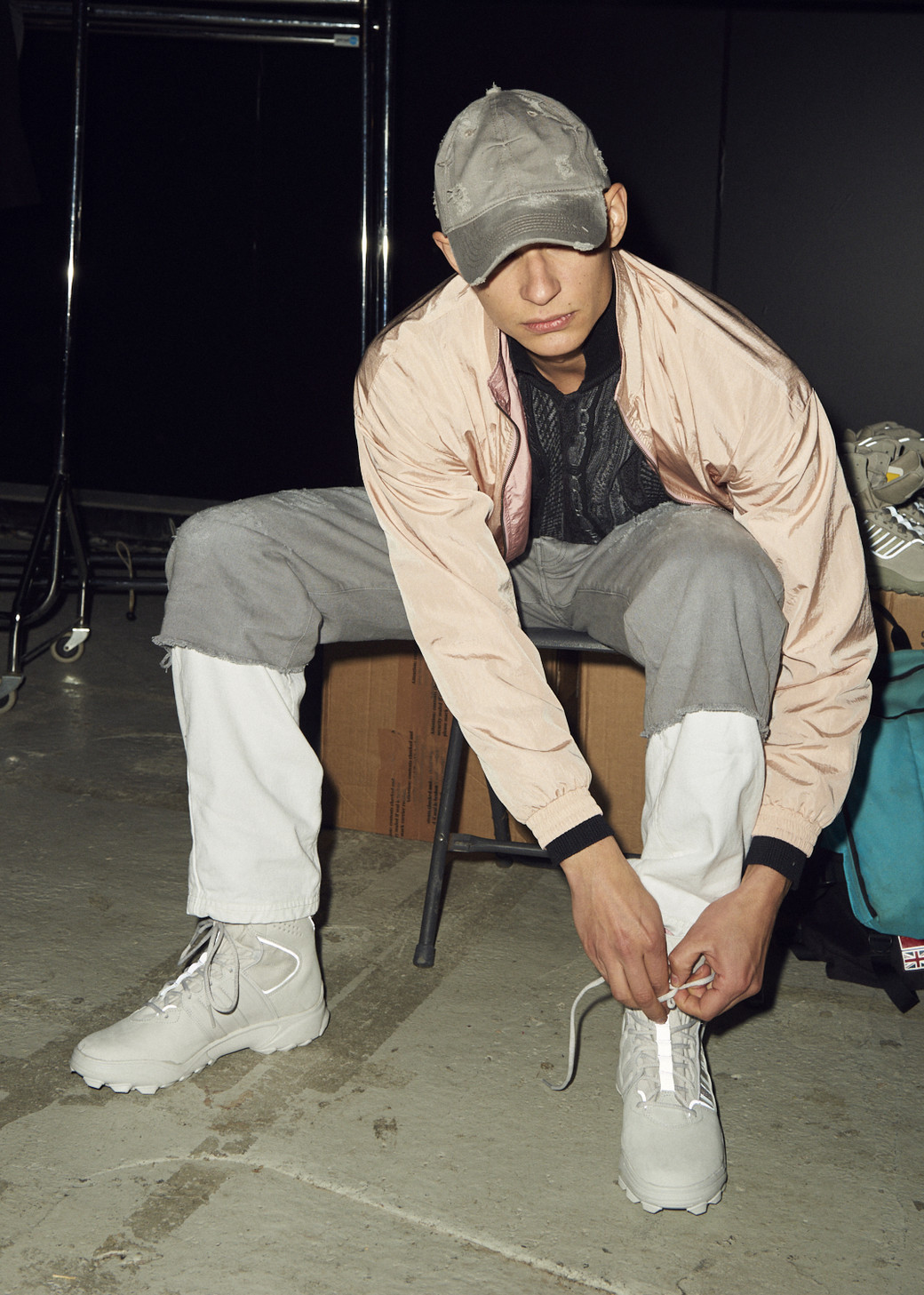
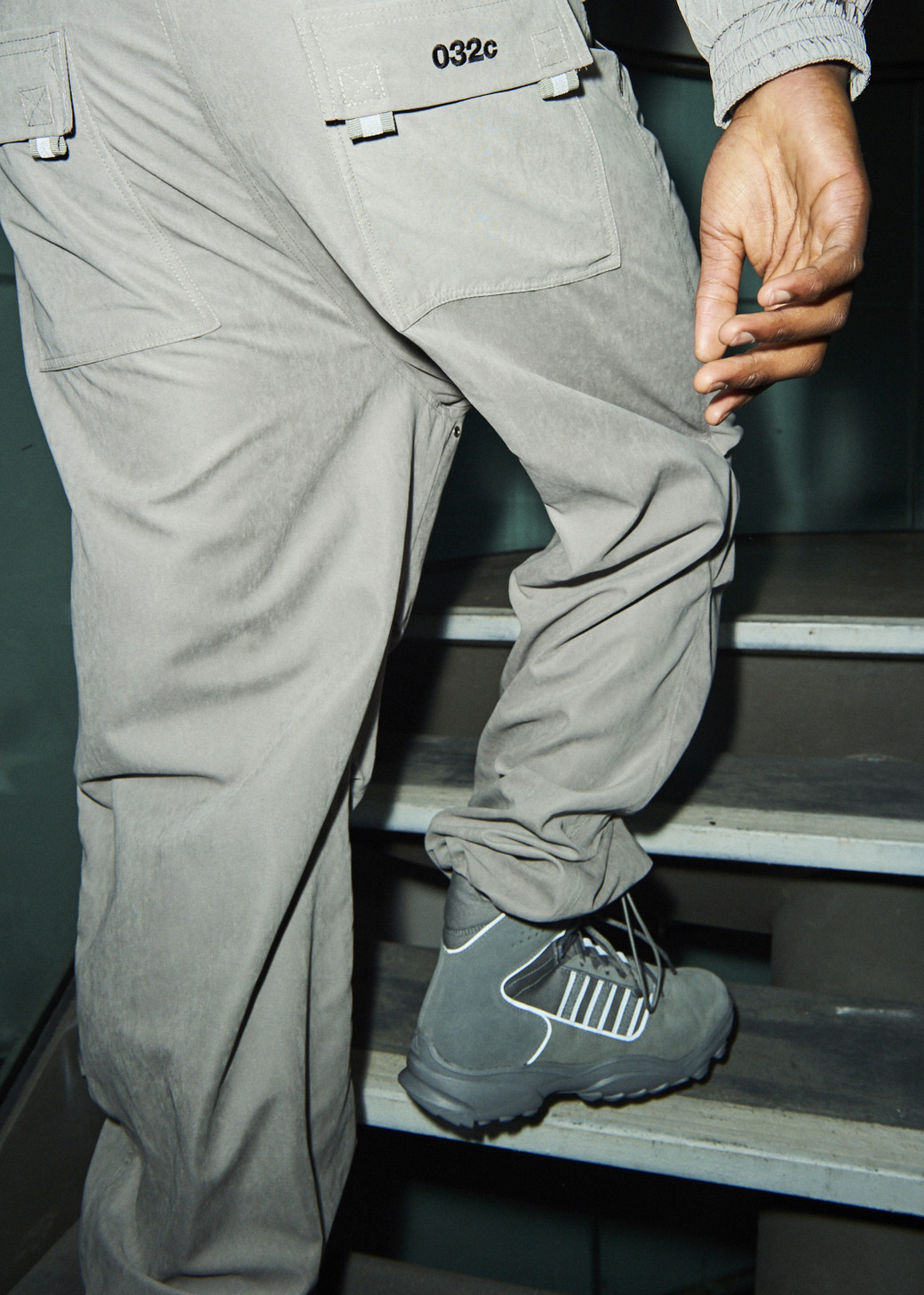
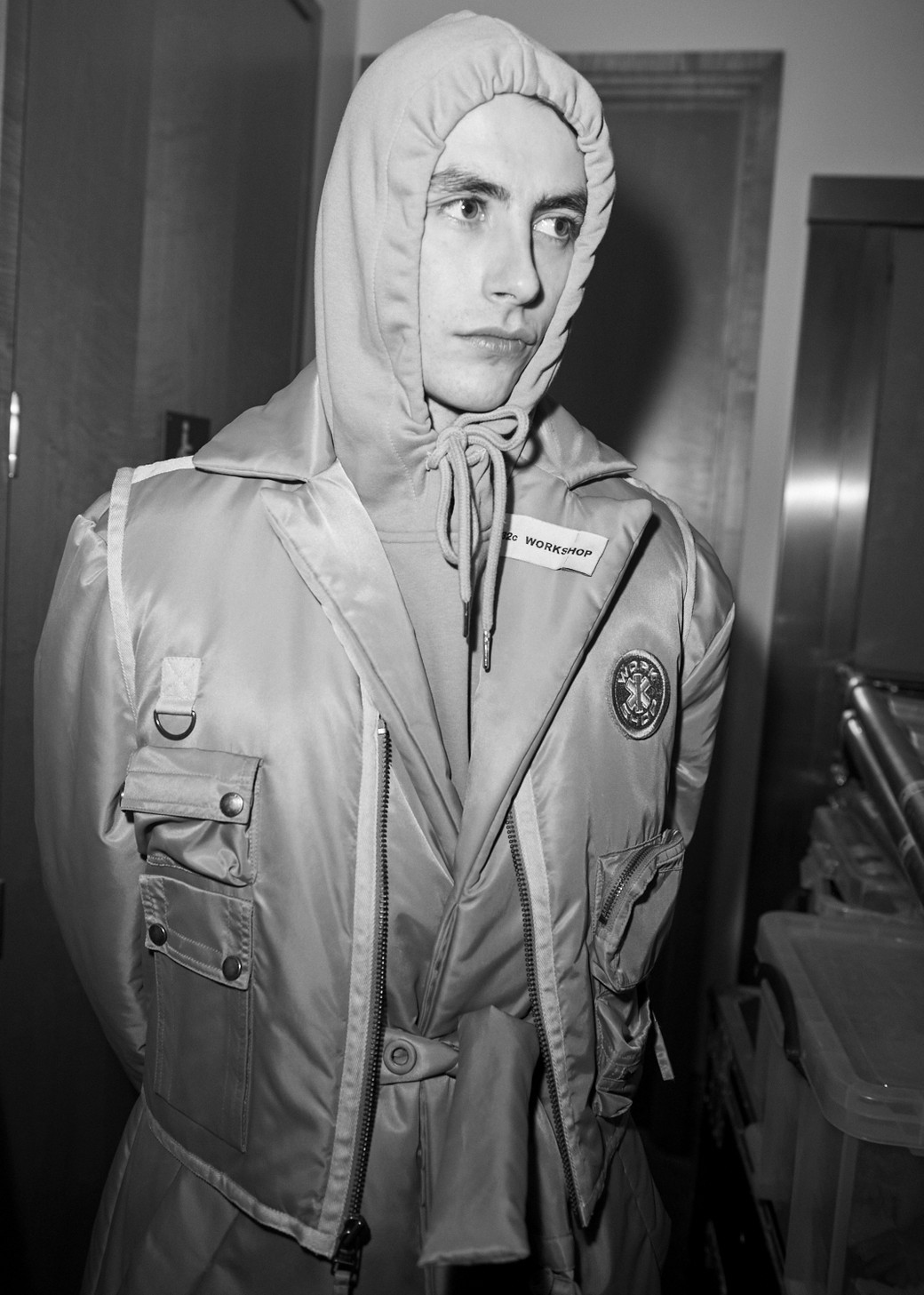
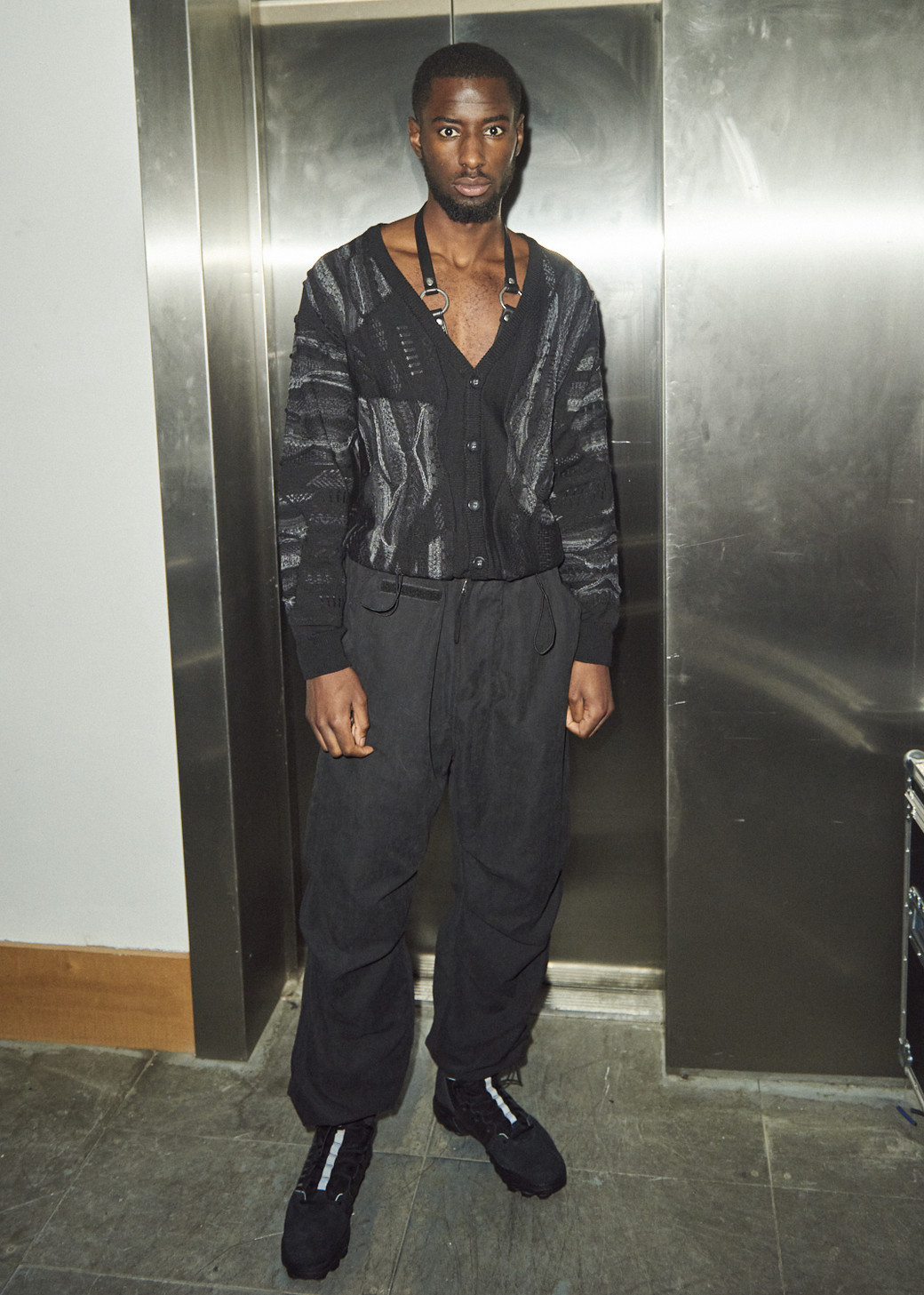
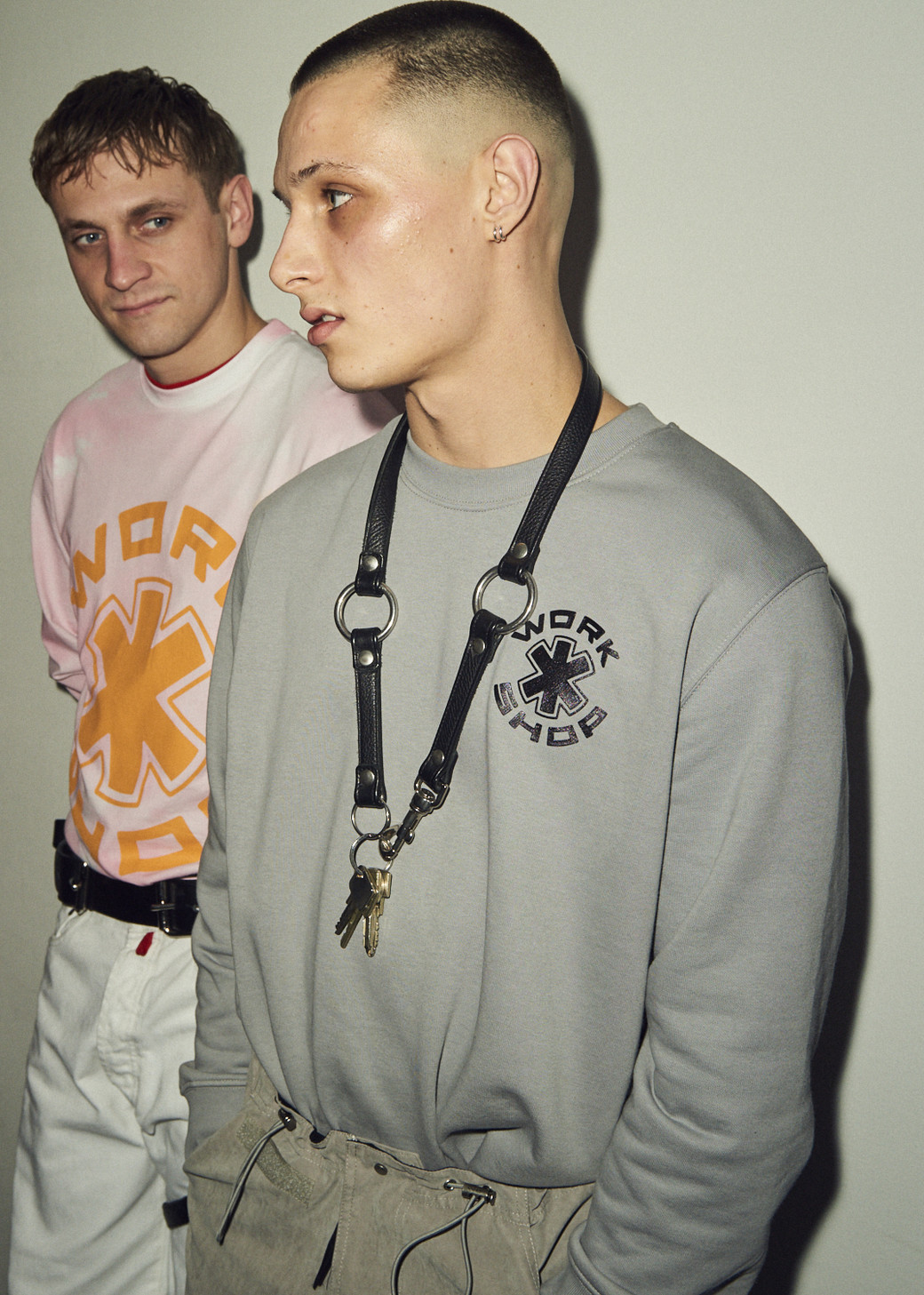
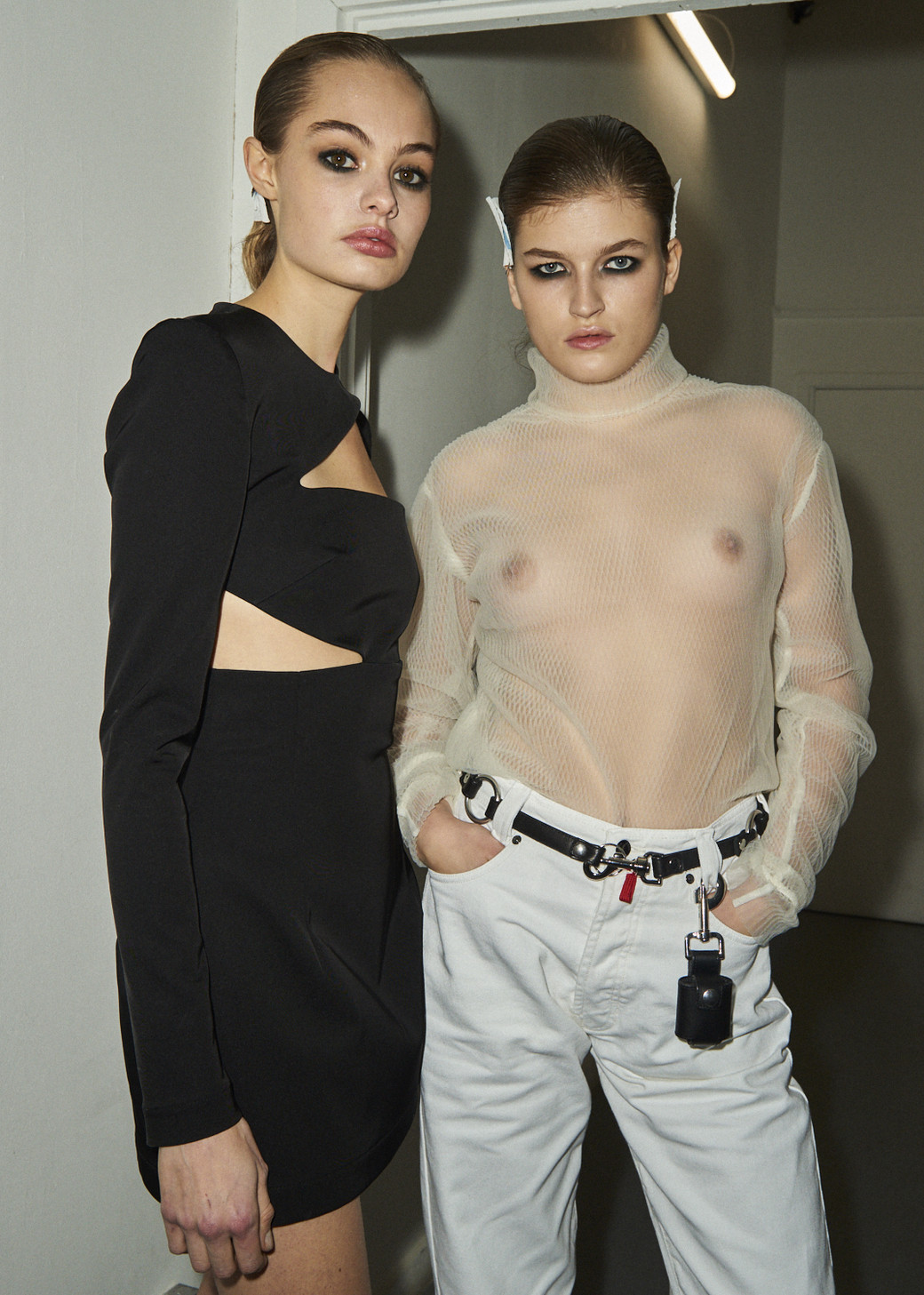
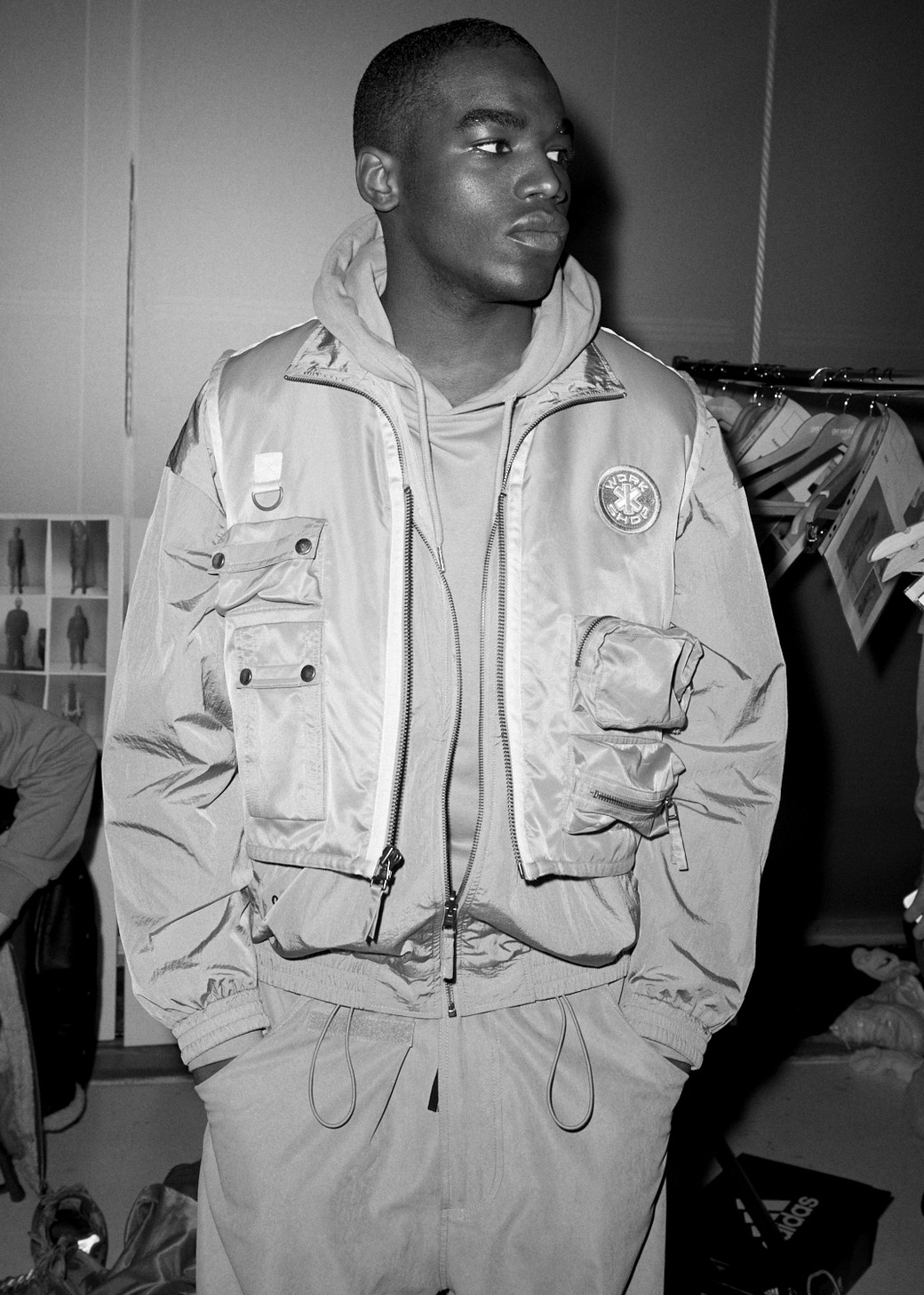
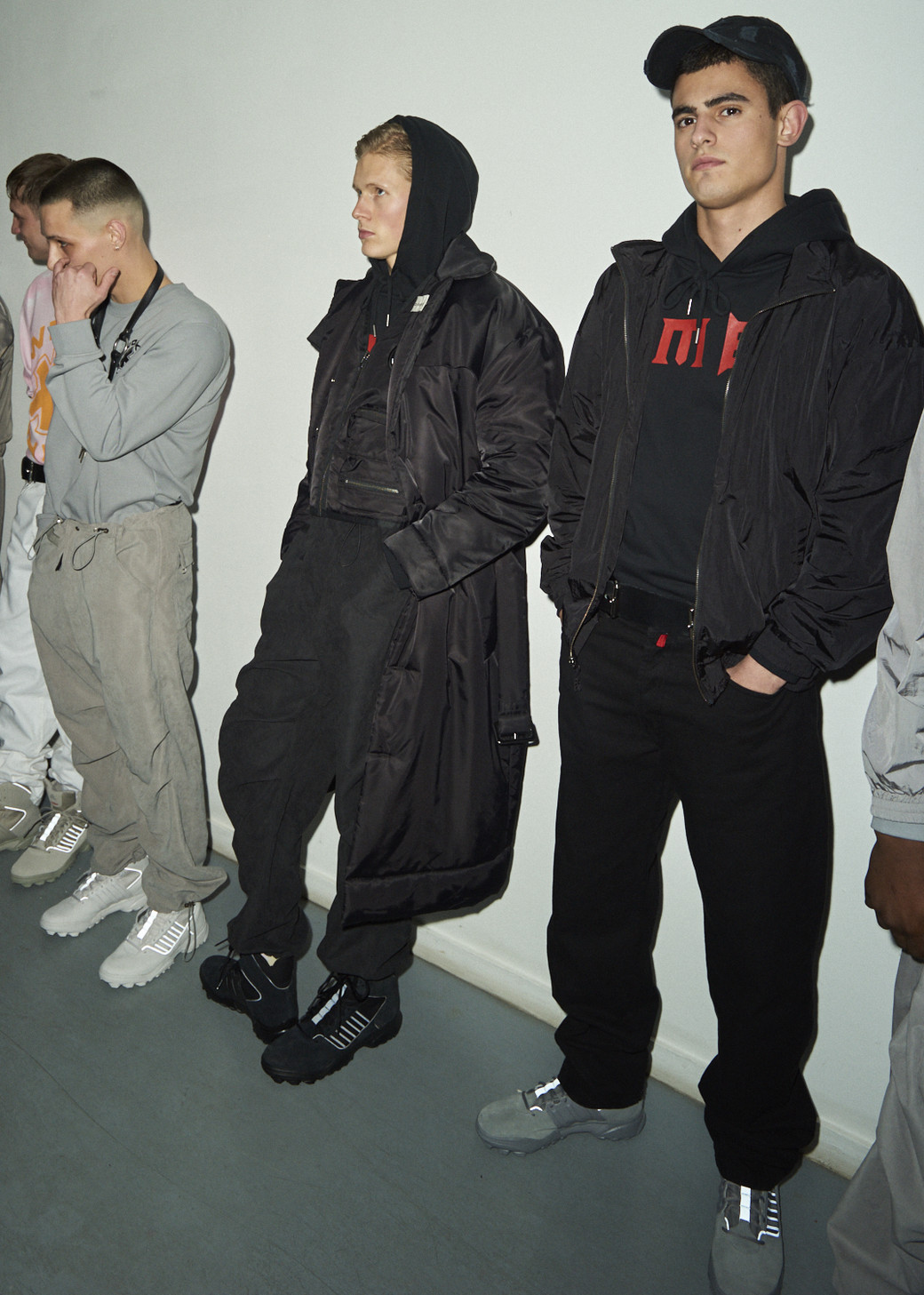
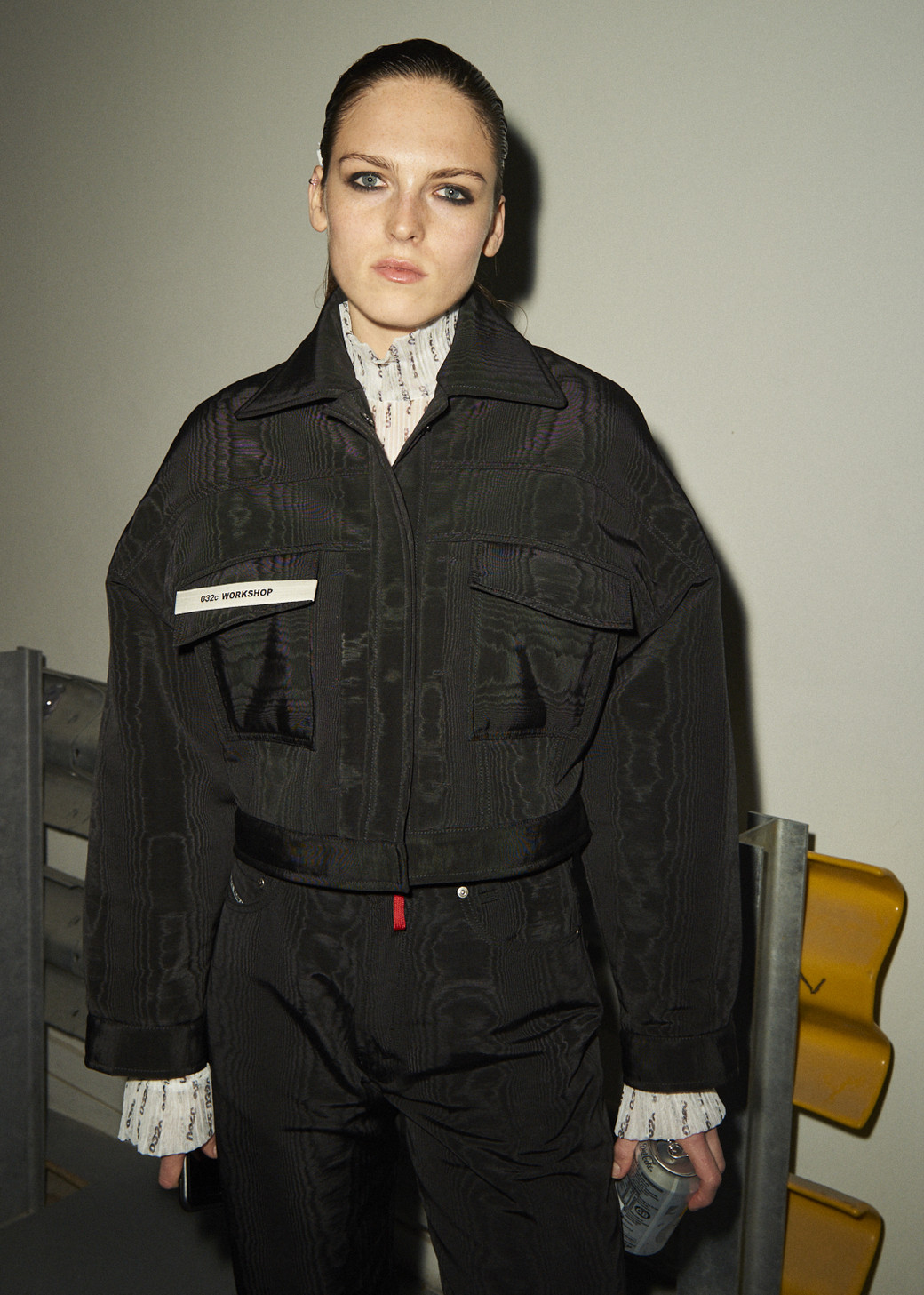
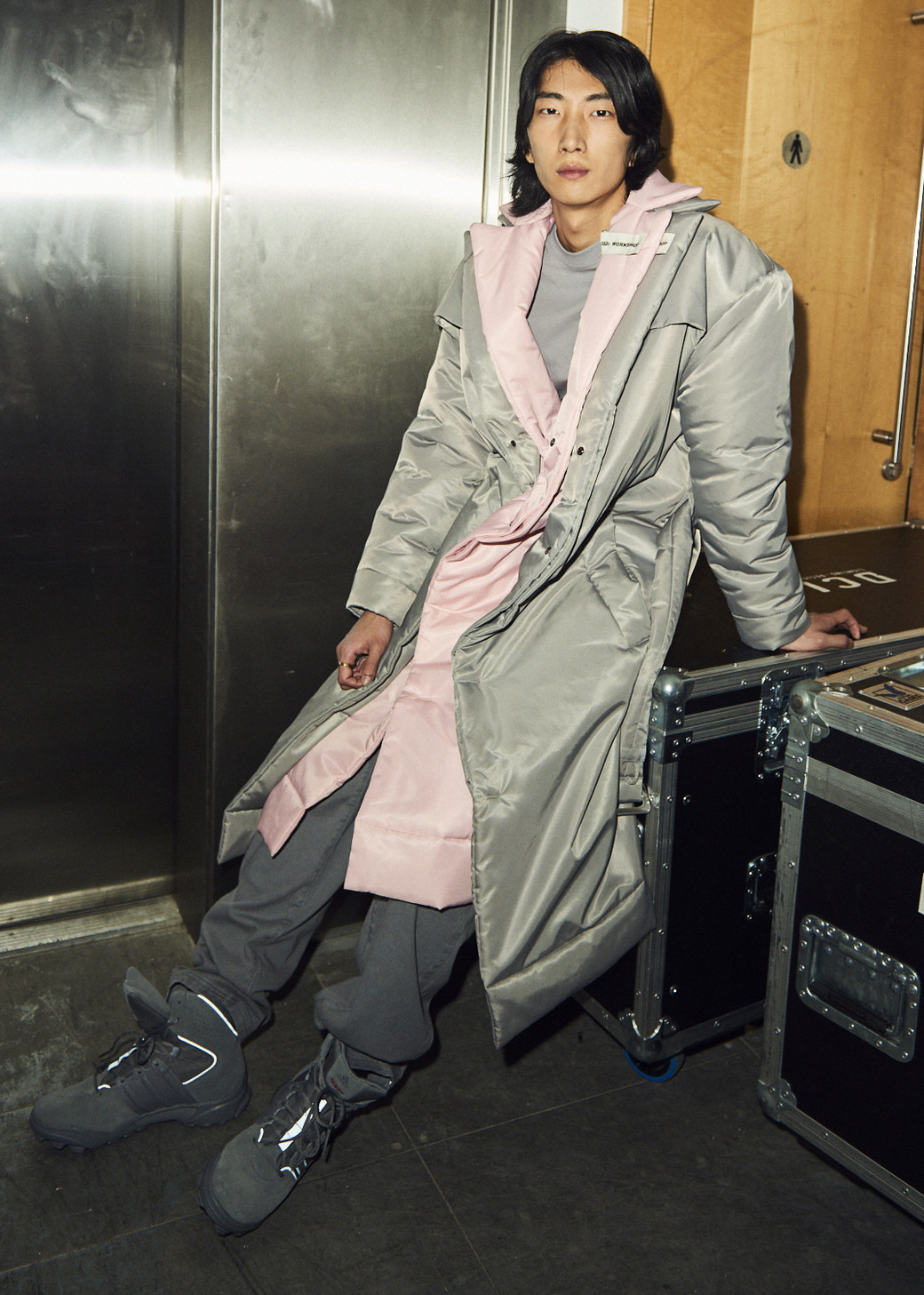
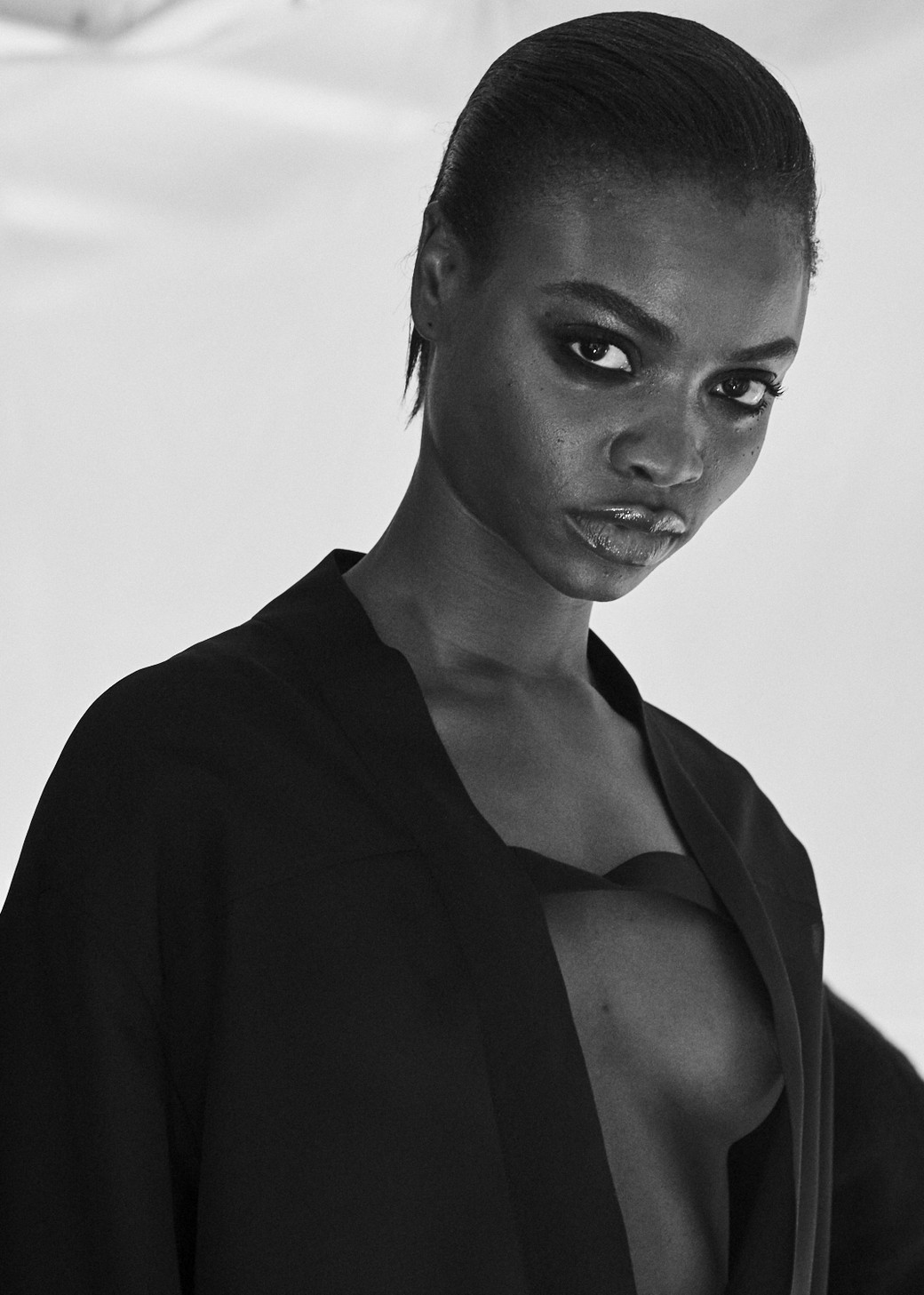
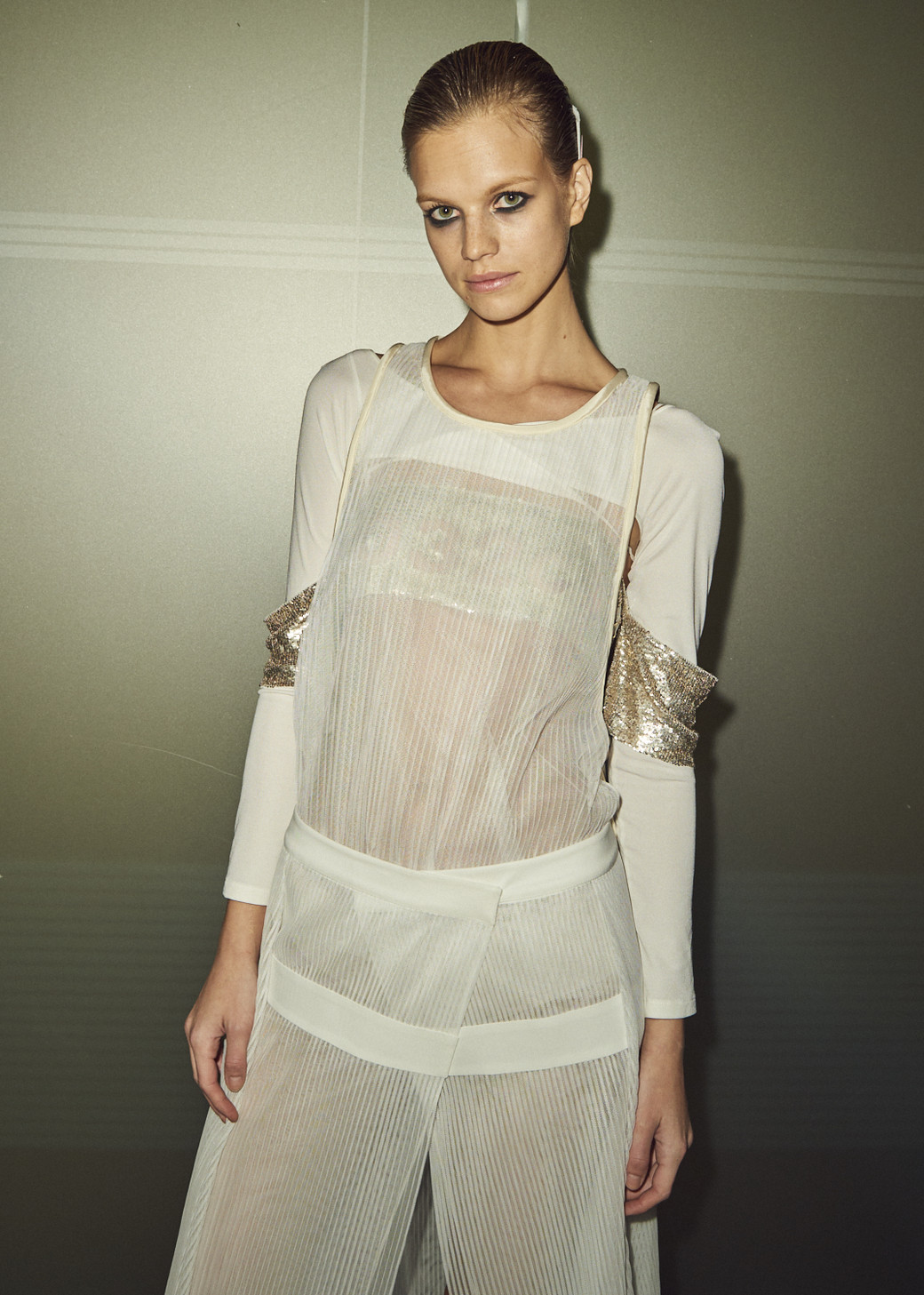
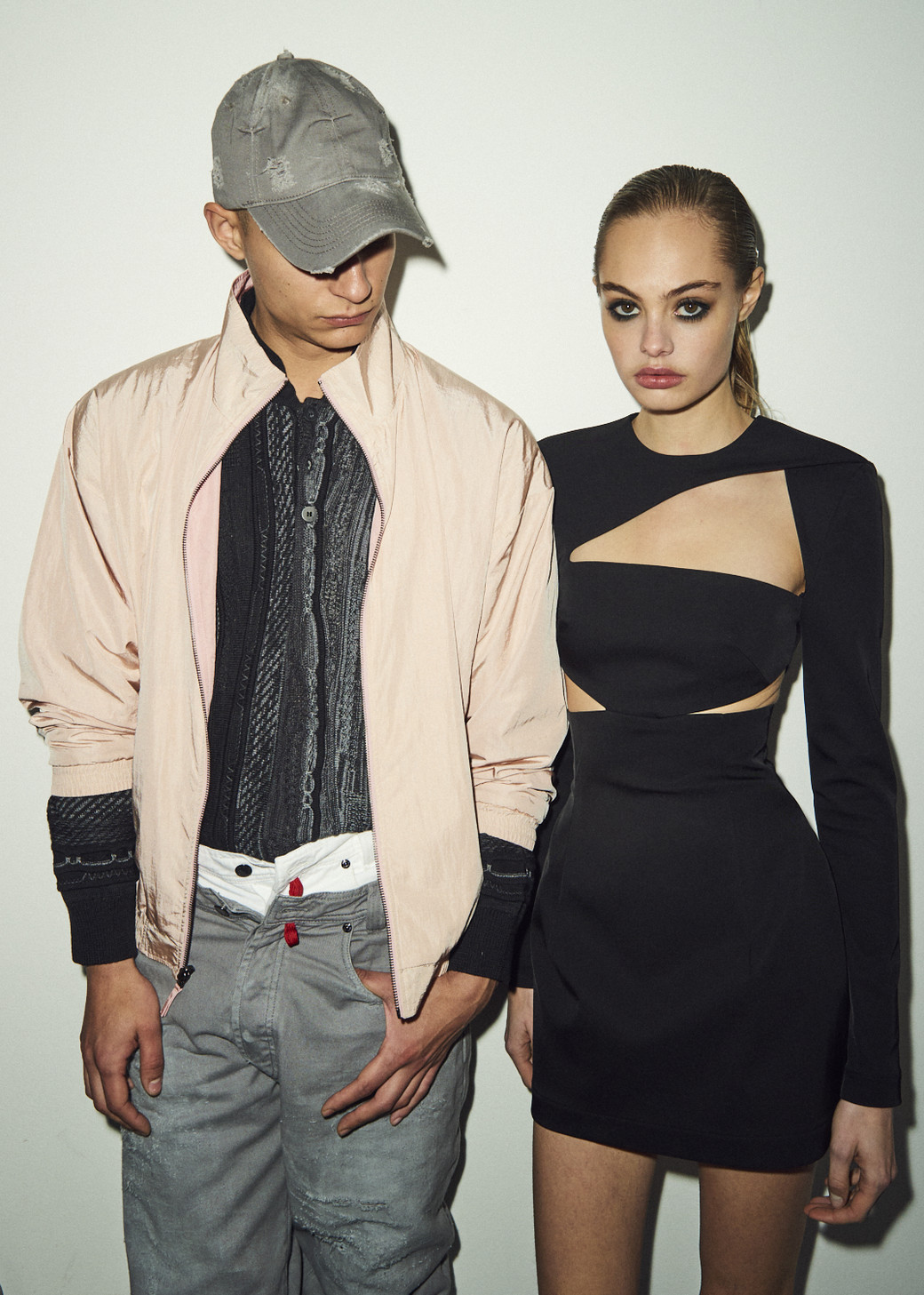
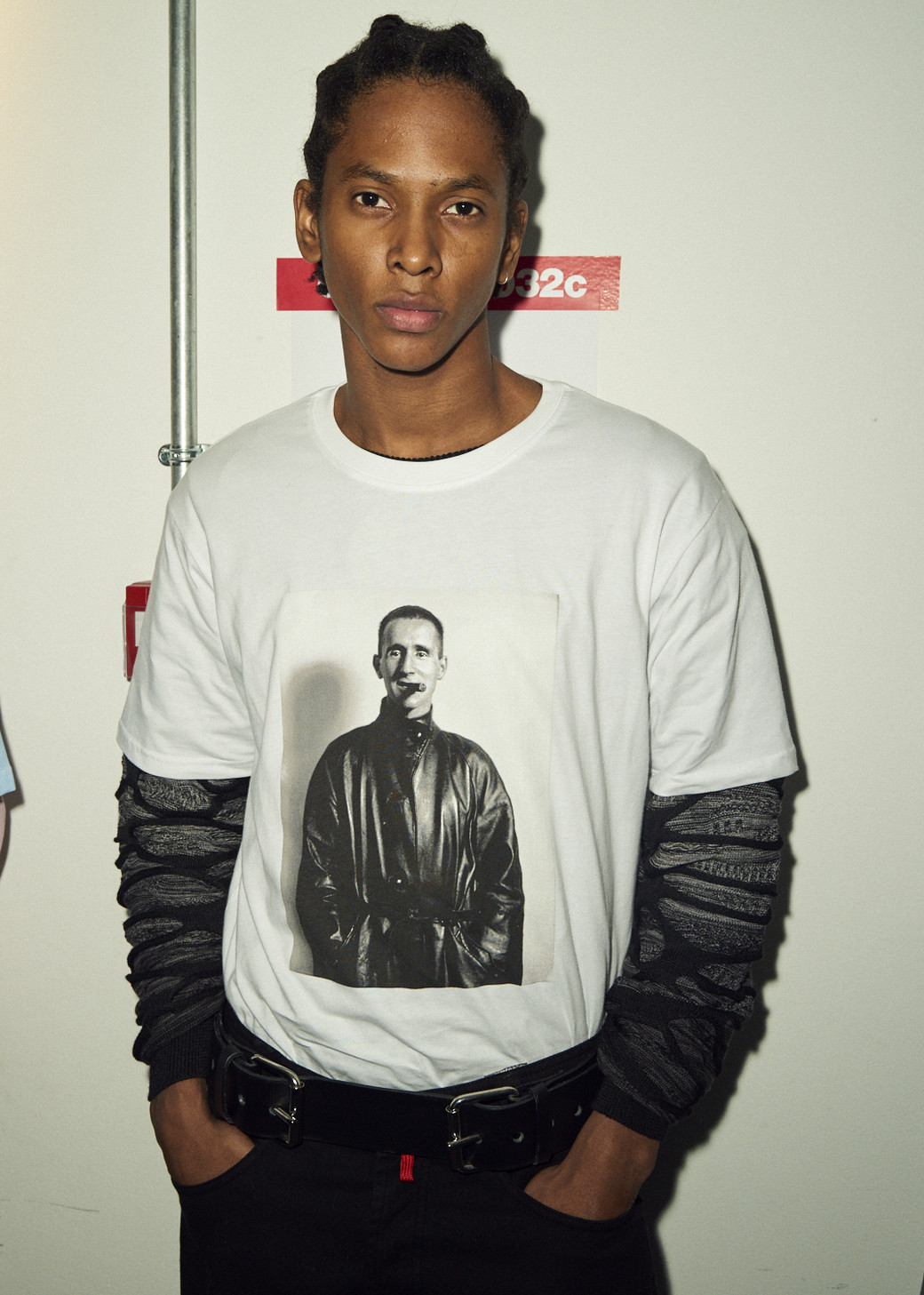
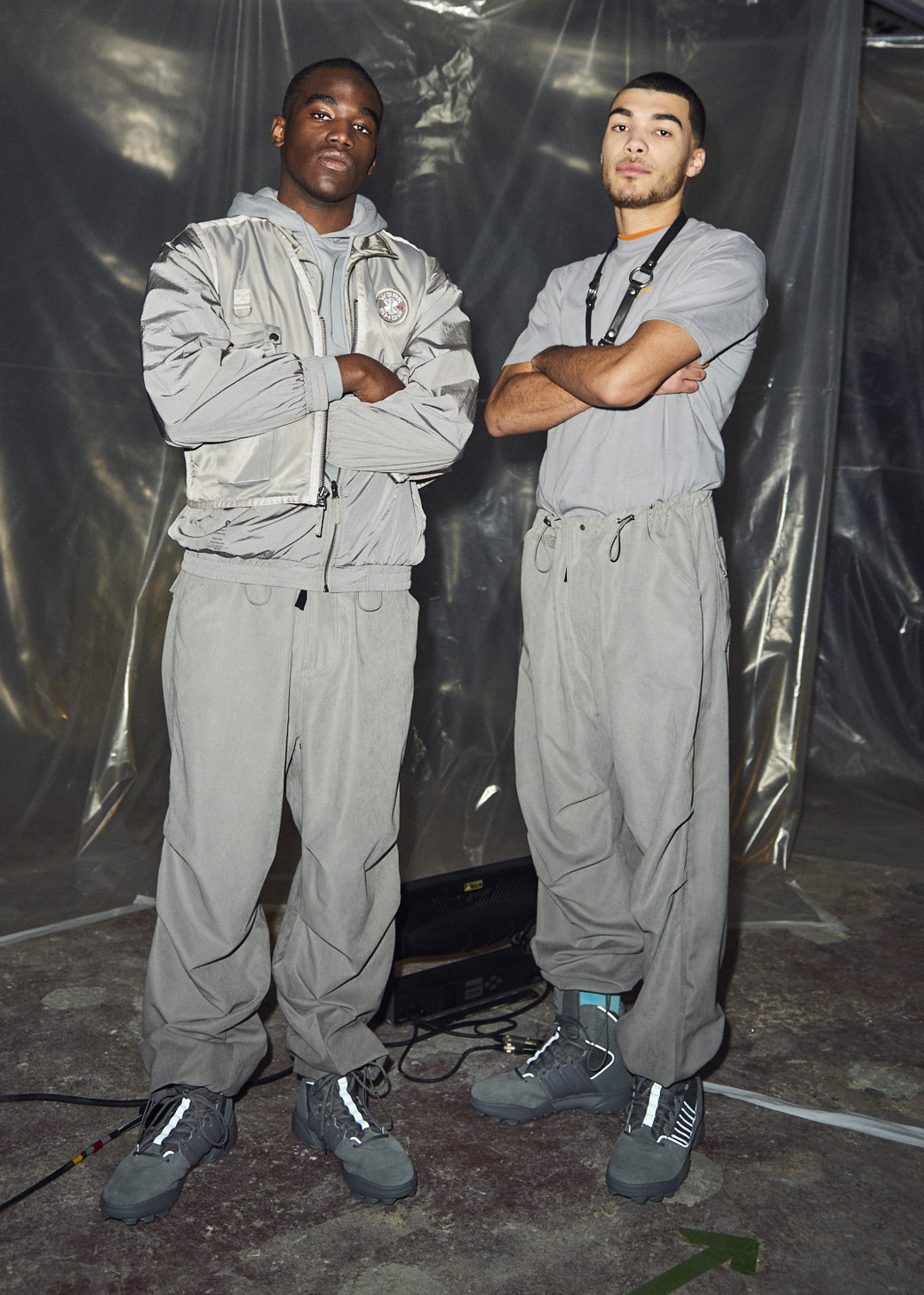
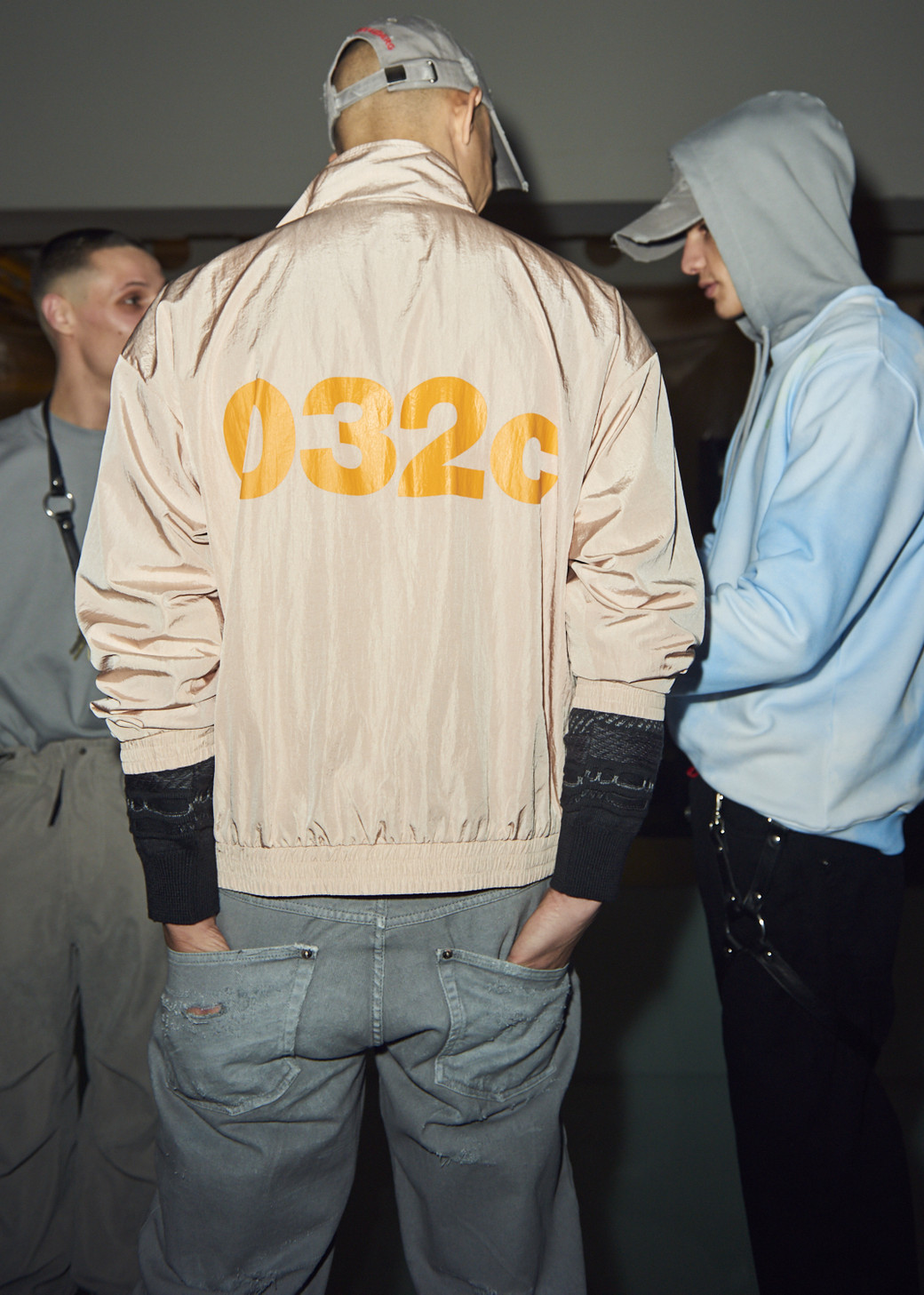
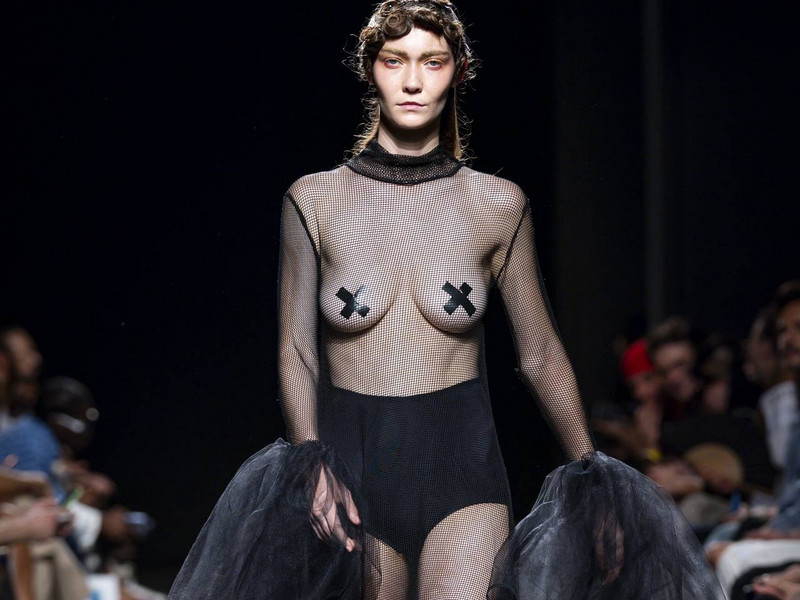
As for the clothes, designer Maria Koch demonstrated that like Berlin, itself—not to mention its music scene where even in 2018, places like Berghain still reign—industrial is still synonymous with beautiful. Inspired by ‘90s rave wear, the color palette was an austere but elegant mix of muted greys, pinks and monochrome, with textures ranging from heavy leathers to layered tulles and chiffons, finished with sequins and fetish-inspired accessories.
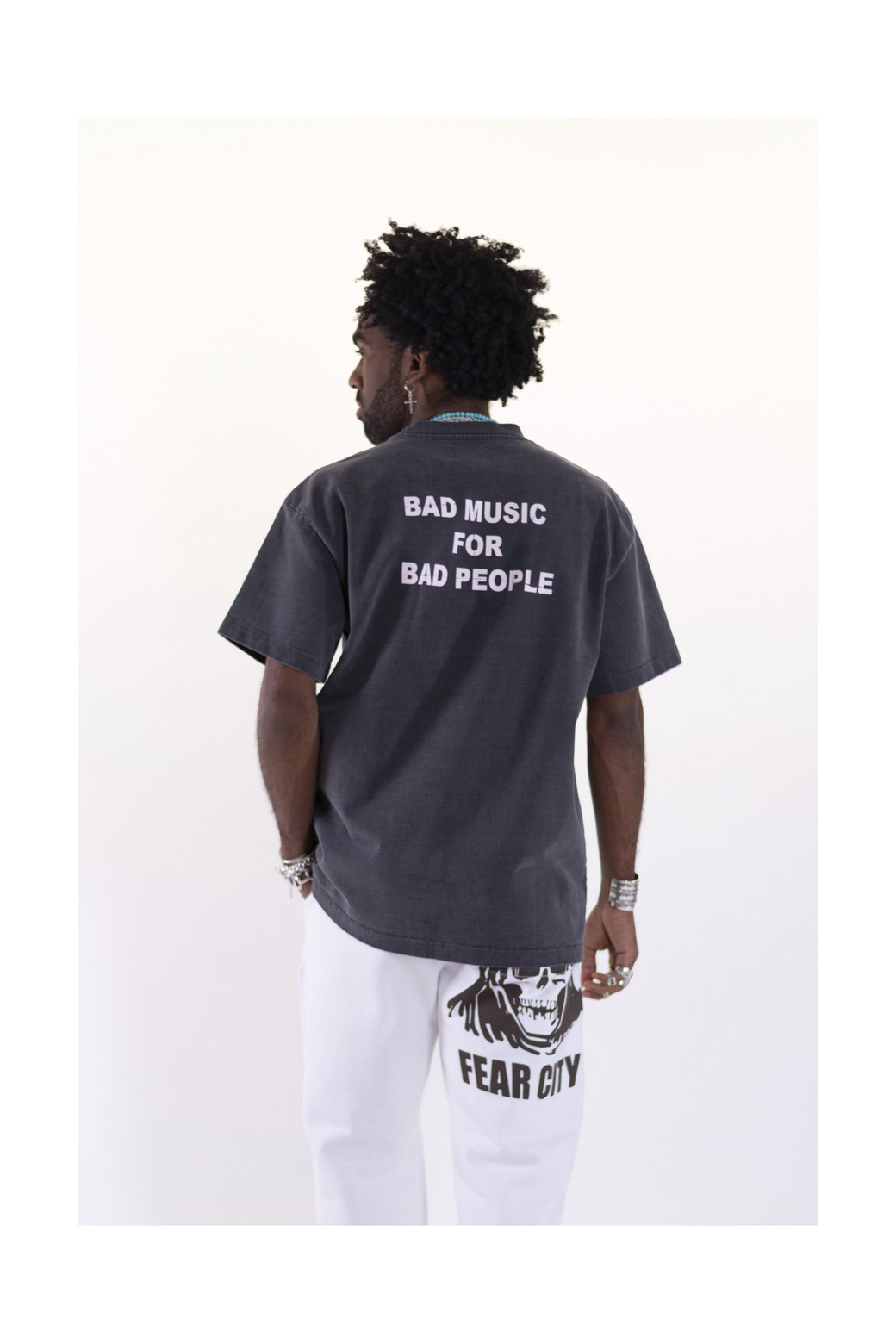
Mixed in with the womenswear looks were male models dressed in the label’s trademark streetwear, demonstrating that whilst moving towards high fashion, 032c still has its eyes firmly set on the street.
After the show, office spoke with Maria about the roots of their new RTW line.
Throughout the collection, you seem to focus on the interplay of strength and sensuality. What do these themes mean to you?
I think it’s more about sex.
032c has long been in the streetwear game with their merch line. What made it feel like the right time to move into ready-to-wear looks?
As I come originally from a womenswear background [Maria previously worked with Jil Sander and Marios Schwab], it was always clear to us that our next step would be developing a womenswear line. We have created the production and textile sourcing infrastructure for the line, and everything is produced in Italy.
Do you think streetwear will continue to rule fashion? Or are we moving towards something new?
As in most other areas of life, there is no way back. There won’t be a return to fashion before street fashion.
What does the 032c woman look like? What’s her vibe?
She is the one who fits the garment and is smart enough to buy them.
If you could dress anyone in this latest collection who would you choose?
Dakota Johnson and Lea T.
The inspiration for this collection references ‘90s clubwear and rave gear. Why do you think fashion is so influenced by that era?
I think it was the last decade before the big flat now took over. There were clear distinctions between groups. You had clubwear (which we are referencing in our collection) that was not interested in luxury fashion brands—you had to go out to explore subcultures. It wasn’t oversaturated. I grew up in this decade, but I look back cold-blooded. It’s not about warm nostalgia.
What do you think is the role of luxury in today’s market?
I feel that how we work at 032c is a luxury—independence and freedom to work with the people we want to work with on topics which are meaningful to us.
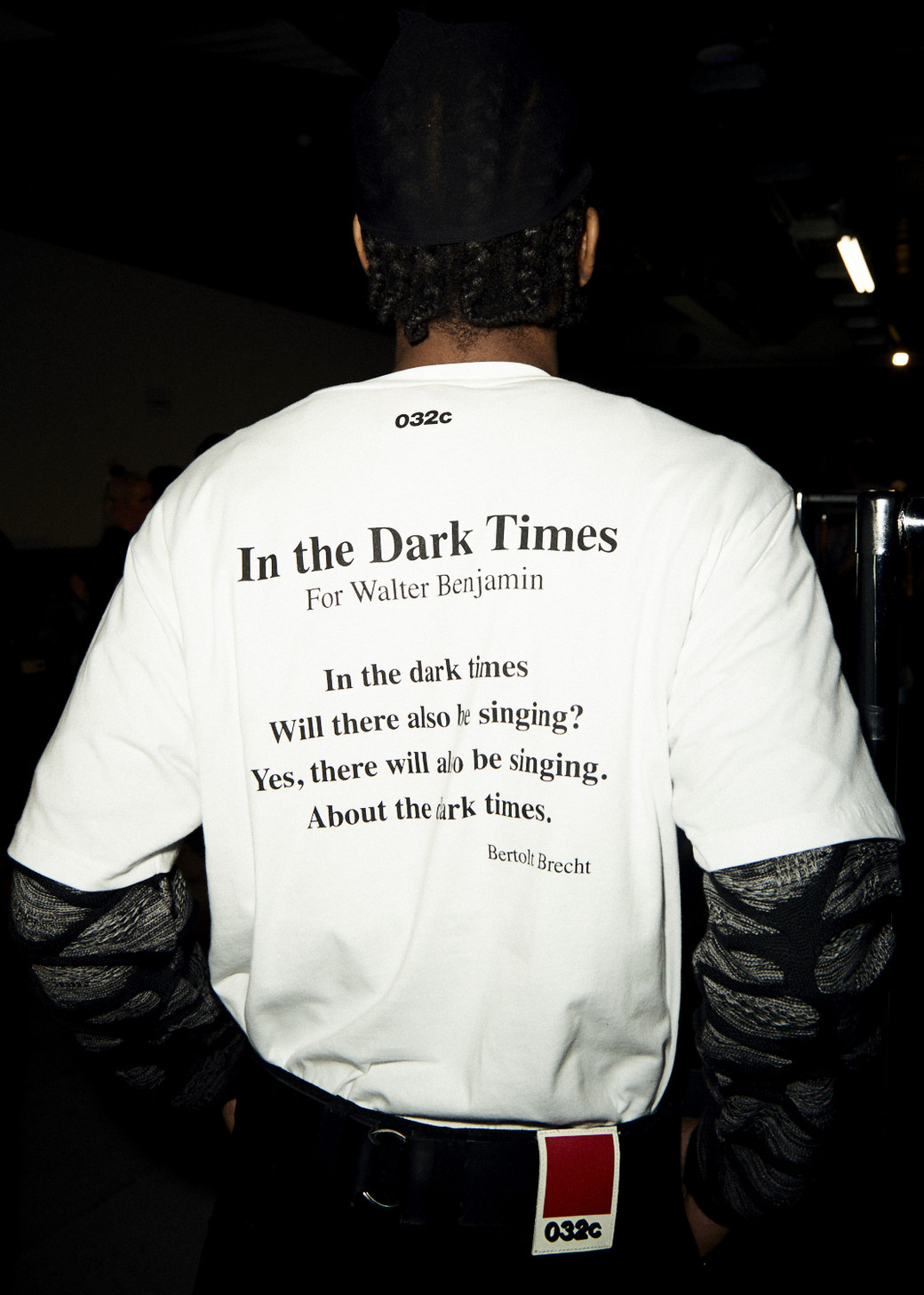
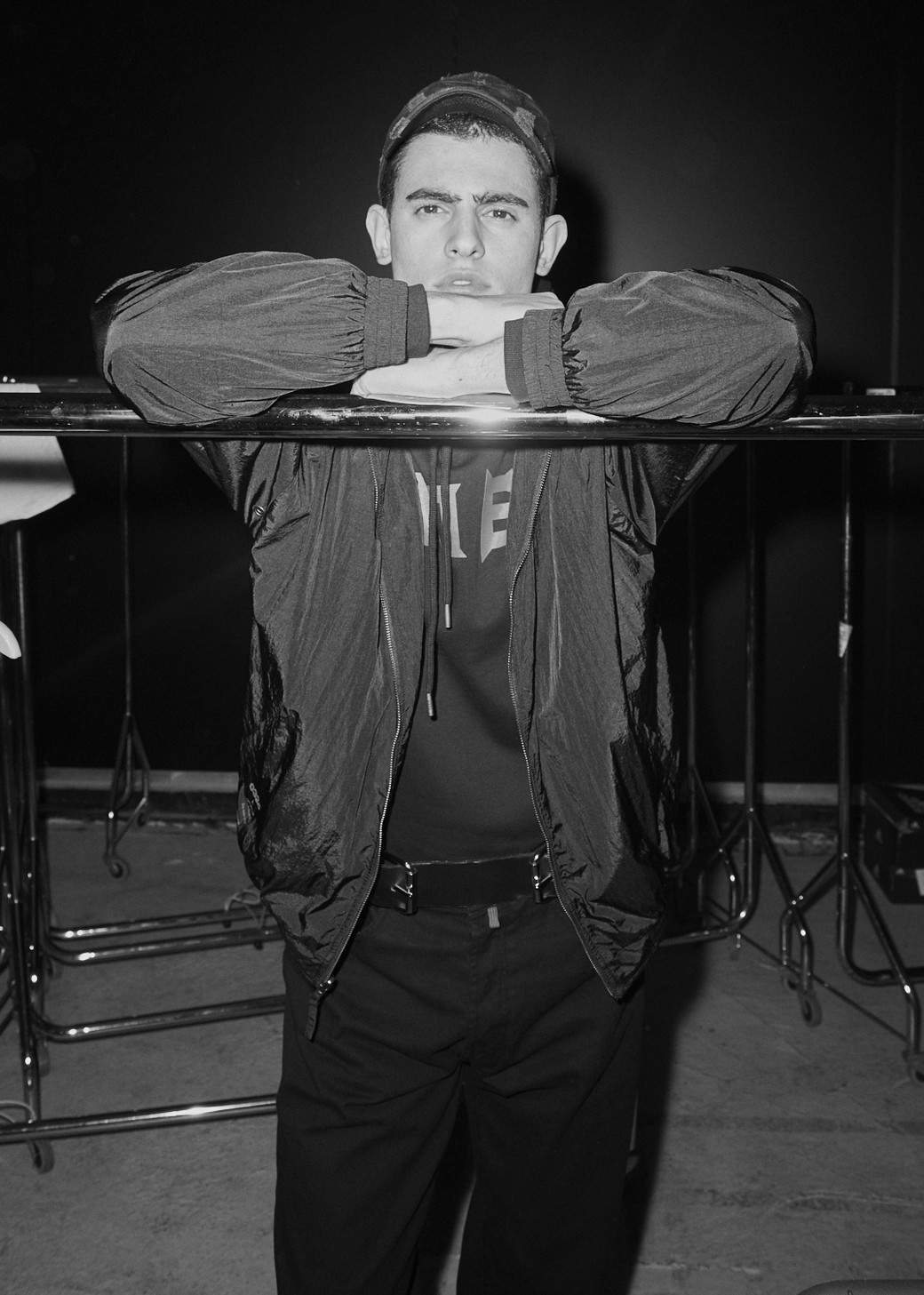
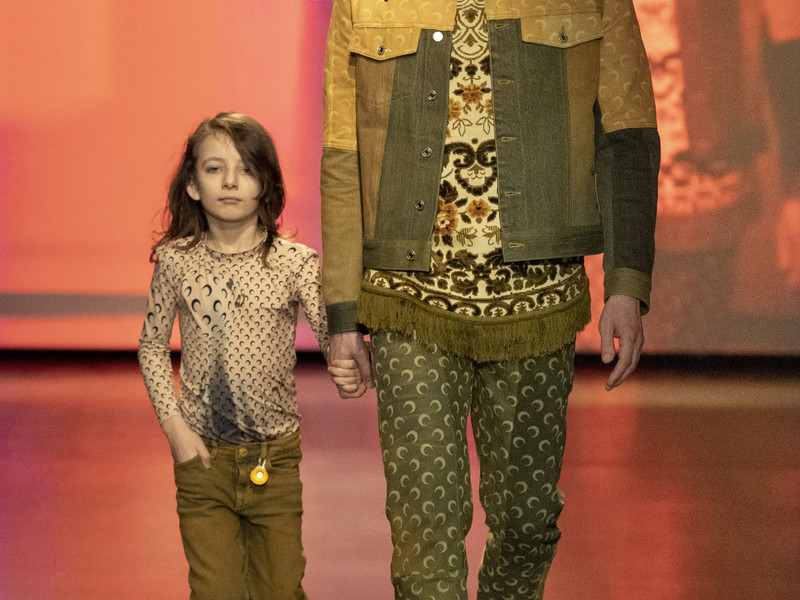
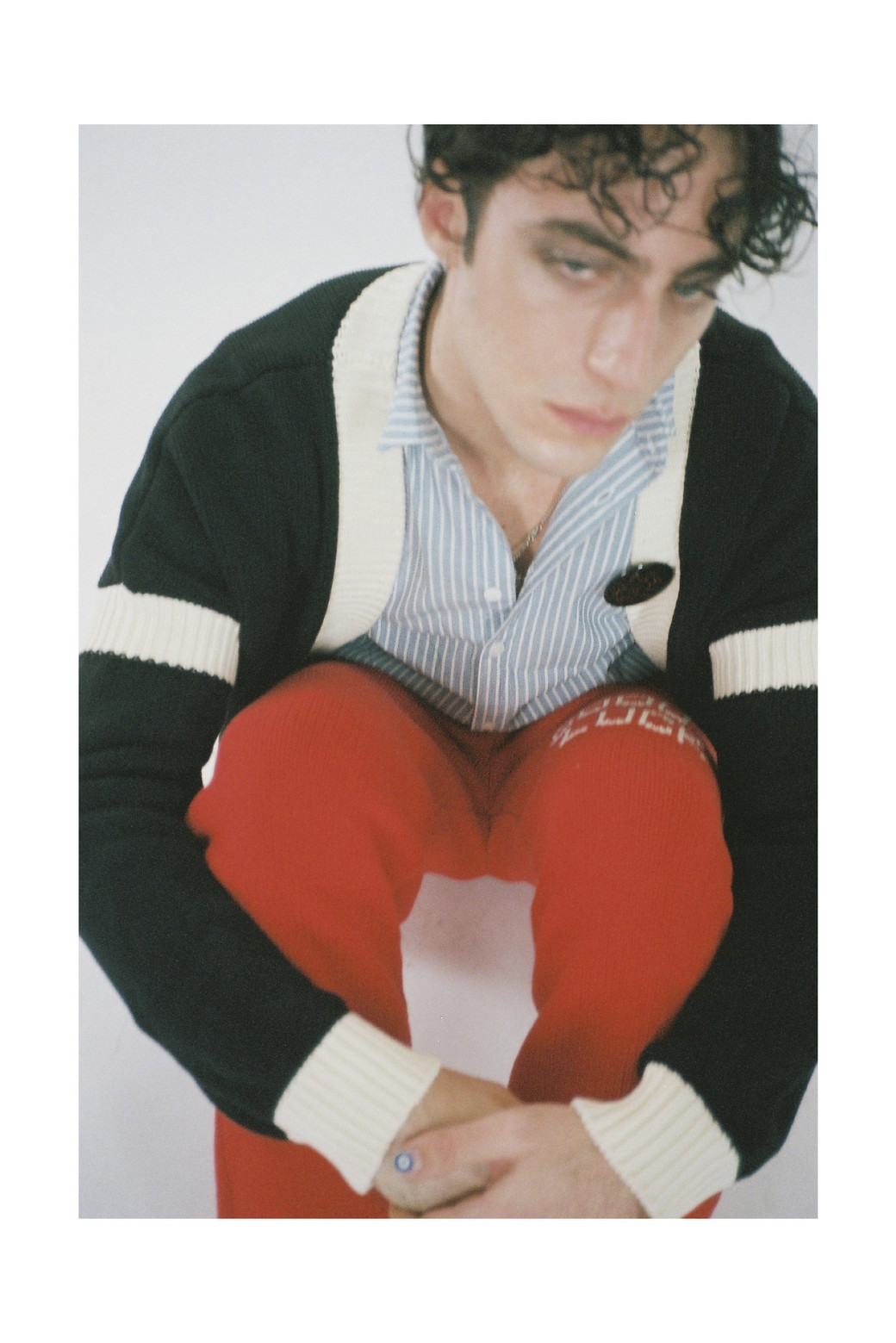
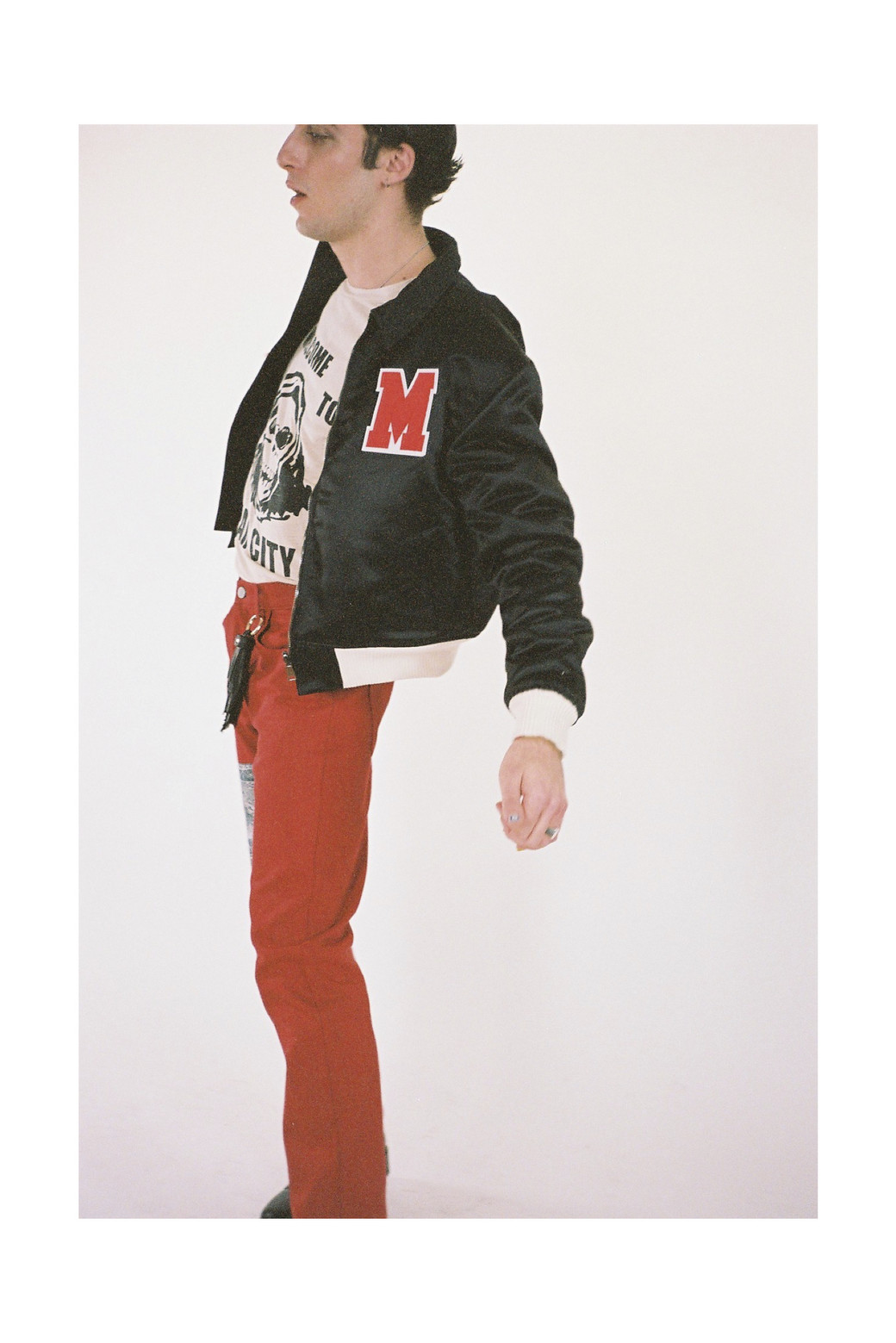
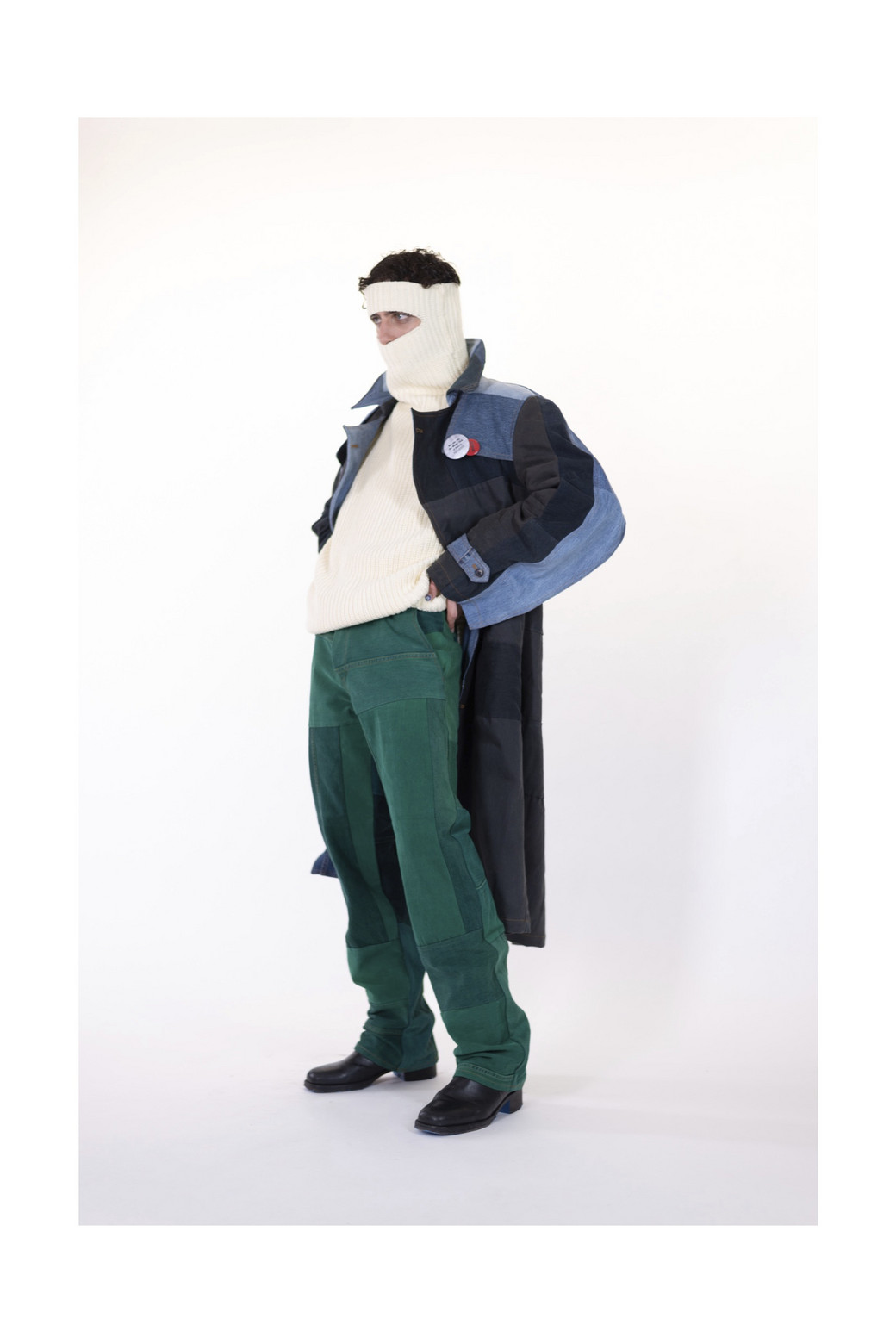
'Playdate,' the brand's S/S '19 collection fosters the same ethos of radical authenticity, highlighted in a shoot by photographer Jasmin Storch. As part of their new fanzine, Unpublished Material #8, the imagery showcases the artful details within each of the range's pieces, including subtle references to work by Hockney, Matisse and Ken Price.
As they have with all of their previous collections, Lazo and Schmidl have created a limited edition fanzine in which they invite other artists to reinterpret their work. This focus on collaboration is part of what makes the brand such an exciting new voice. As opposed to other designers from history who might have viewed their creative peers simply as competition, Lazoschmidl seeks to bring bring people together—to create and enjoy their art.
With the release of Unpublished Material #8, office spoke with the designers about the brand and what it's like being a creative in Stockholm right now. Read our interview and get an exclusive look at our favorite shoot from the fanzine, below.
Tell me about the brand. When did you start it?
Once upon a time… we started working together on experimental small capsule collections a few years ago and documented each of them with a photoshoot. These later developed into our fanzine series that have become one of the most important creative outlets. We immediately received a positive response from the press, award recognition and visibility through our exhibitions, so our collections grew and we started showing them on the runway. We’re currently working on our fifth standalone presentation and have just recently launched our underwear line featuring the ‘selfie briefs.’ So, everything evolves very intuitively and organically.
How did you two meet?
We met online while Josef was studying fashion design in London. After meeting, we quickly realized we shared a lot of interests ranging from music to art and food—Mariah Carey, Francis Bacon, pastrami sandwiches, you name it. So, we would hang out in East London before it got hit by gentrification, visited flea markets and the Tate Modern. I [Andreas] had just graduated with an M.A. in literature, so we collaborated on Josef’s final collection thesis and created an accompanying book. This was the first hint of how we would work together professionally.
From there, why did you decide to launch a label?
After graduating, Josef started working in the design ateliers of Marios Schwab and Louise Goldin—both smaller studios that allowed him to gain overall knowledge and the skill set needed to run a fashion label. My university background provided me with studies in the fields of pop culture, marketing and branding. So, combining those skills, we felt we were ready to form our own brand, and to do so we created our first collection that consisted of only six looks. Entitled ‘Grand Poop,’ the garments were an investigation of how artists are fascinated by body liquids and how we would apply this idea to the construction of clothing. The artistic and artisanal approach was very fundamental to us, but the wearability was important, too—no abstract shapes or wearable installations, but a proper silk suit with hand-embellished crystals, etc.


What’s the goal behind Lazoschmidl?
It’s core is the exploration of ideas—the creative output and visual manifestation in images, runway shows and products.
How would you describe the brand in three words?
Rebellion. Glamour. Body.
If you could dress anyone—alive or dead—who would it be?
We love Tony Ward for his non-conforming masculinity and playfulness—and we would have loved to dress Destiny’s Child.
What inspires your designs?
Each collection is developed for fictional characters from stories we write to start the design process—our ideas are a melding of past experiences, childhood memories, travel and pop culture—it’s almost a game of free association for us.


How does gender, or traditional constructions of gender, play into your aesthetic? Do you consider the brand to be strictly menswear?
We design for men and women who appreciate a certain freedom in dressing and expressing themselves with their bodies. The garments are cut for men but the silhouettes are narrow, so it easily translates and transforms into a female wardrobe, too. One of our jackets is called the ‘girlfriend jacket’—something borrowed from your lover. [Our clothes are for] boys and girls who share their favorite items and form a relationship through dressing for and styling one another.
Through that, Lazoschmidl has really created their own version of masculinity. What does modern masculinity mean to you? And how do you like to present that definition through your clothes?
Masculinity in terms of using masculine codes of dressing is a social construct that changes over time, and has seen various different epochs. We love to refer to the Middle Ages, the 1920s Weimarer Republic or the Summer of Love. What we perceive to be radical today, has already been done—and maybe even better. Men in dresses, drag, polyamory—we like to celebrate these possibilities and encourage everyone to use and apply the whole spectrum of identity for themselves.
Who do you see as the Lazoschmidl customer?
Our customer is wild at heart, sexy and provocative, living life to its fullest, appreciating the luxury of craft and creativity, collecting memories through a self-defined look and a physical appearance.


How has Stockholm influenced your vision?
What we create forms itself intrinsically from within ourselves. Our cultural backgrounds are Swedish and German which would naturally lead to work focused on minimalism, nature and technology. But those are not the core principles—instead there’s an element of Otherness.
How would you describe the Swedish fashion scene right now?
There’s a new generation of designers who have freed themselves from the idea of Scandinavian design—the craft and product design aspect. Instead, it’s evolving around happenings, small communities, gallery workshops and the sexual redefinition of stereotypes. So, the Swedish fashion scene at the moment is daring and fearless—and of course, you still have a strong pairing with simplistic ideas and established fashion houses.
What about the fashion world in general—what about the industry do you think needs to change?
Focus on personality before the brand—fashion should be an expression of an artistic mind and not a game of name-dropping. [There needs to be] more substance.
Tell me about the upcoming fanzine. Why have you decided to present your collections through this medium?
Each fanzine tries to bring in varying perspectives of our collections. What does a photographer, illustrator or artist see in it? What is a visual interpretation of the collection’s story? This way, we can explore different styles, aesthetic codes and play with it. The latest zine combines black and white beefcake imagery shot by Doug Inglish in Hollywood, the sensual portrait of a boy in a Paris hotel room shot by Alexandre Chagnon, and this shoot by Jasmin Storch, a playful visual essay with lurex and sequin pieces that take our character from the bedroom to the disco, and back, of course—and hopefully not alone!
'Unpublished Material #8,' is available now. Limited to 100 copies, you can buy it here.

With the brand, Sanchez and Williams outline most clearly what they stand for: style—style that transcends culture and references but doesn’t get stuck in any past decade. For them, it’s more than an aesthetic—it’s a commitment to style. A lifestyle.
As designers, reflection and awareness are of utmost importance to the duo, something they have no problem articulating as we sit in their Lower East Side workspace. Inside, their clothes hang on the walls, leaving them constantly surrounded by their own work and energy. As Jimbo rolls up a joint and Ari screenprints graphics in the background, we talk about energy and what it means to be a “life-design” brand.
What is ACC STUDIO?
Jimbo Williams: A creative counsel. It’s a creative company that specializes in fashion. But we are life-designers first and foremost—we design lives. The first way we do that is through clothing. ‘La ropa’ literally means clothing in Spanish, so you can take it as literal or as conceptual as you want. You can also buy our clothes anytime, off of our bodies. Like, if you see me or Ari and you like what we’re wearing, you can buy it right then and there—I’ll go home in my drawers. But the main thing about LaRopa is that every piece means something.
What does it mean when you say you’re life-designers?
Jimbo Williams: Besides fashion, life-design entails, food, frequency (meditation), music, film photography, overall life organization and order. Life-design is about living your life to the truest of your ability and having no limits except for ones you set for yourself. The perfect example would be the ancient Egyptians—they used all of their brain power to achieve magical things, and that’s what a life-designer“does.
So, ACC STUDIO is an all around creative force?
Jimbo Williams: Yes, we also produced two editions of ASS Mag, or American Street Style Magazine, which is a curated catalogue of the best outfits worn in the spring through winter of 2016. It was all 35MM film photographs taken in NYC, along with features from Paris and London by Bill Taylor. Bill also photographed Walter Pearce and Sarah Brown’s wedding in the Catskills—we essentially curated the layout of his wedding book and printed it.
‘Pussy Builds Strong Bones’ is one of your most popular graphics. What does it mean?
Jimbo Williams: Female superiority. Women are number one in the world. We only wear women’s clothes—it looks better, it feels better. But really, there shouldn’t be women’s and men’s clothing—it should just be clothes.
Where’s your favorite place to people watch?
Jimbo Williams: Here, in this studio. Just come watch me work. And of course, on the street—it’s so important to look at the people on the street when you’re a life-designer. Every detail of the universe is important.
Aristotle Sanchez: Ideas are flowing—we are just the vessels.
Jimbo Williams: Energy is such a real thing!


I often hear you say ‘they’re into something,’ when referring to someone with style. What does that mean?
Jimbo Williams: The way one dresses is often a representation of their lifestyle/culture. LaRopa is the embodiment of cultural appropriation. We are aware of the vast cultures on the planet and endorse individuality—when we see someone wearing something funky it shows that person must be into something funky. When people show their individuality through clothing, it’s a breath of fresh air, because people may not always want to speak their truth, especially when iit can get you into trouble. But wearing your truth should never. Clothing is an extension of one’s brain.
What would be your dream collaboration?
Jimbo Williams: Laborgini, Kanye and all of the Kardashians—they’re the American royal family. And Ralph—I love him.
Why?
Jimbo Williams: Because it’s not about the clothes. You don’t go into a Ralph Lauren store for just the clothing—it’s a lifestyle. It’s Polo. They took a sport and made it fashion. That’s what we’re trying to do with LaRopa and ACC STUDIO.
How would you describe your aesthetic?
Jimbo Williams: It’s the way fly cats used to dress in the ‘70s—we look like that, but it’s 2018 and we’re not afraid. We’re Canadian appropriators of American culture and we understand culture because both of our parents our immigrants. We know what matters—because style transcends culture. It’s more about commitment; it’s awareness—that’s why we don’t believe in institutions. A school can’t teach you to make clothes or have style—you just have to get with the right people and love what you’re doing.
It’s so obvious that you both love what you do. Did that come naturally or was fashion something you had to find?
Jimbo Williams: It’s always what I’ve done—I’m literally just living my life. And now, I’m just trying to take advantage of myself and reap my own benefits. It’s just about knowing how to wield strong energy.


What’s the most important thing to tell yourself when you’re feeling like shit?
Jimbo Williams: Let’s get this money! More seriously, our dream is to enlighten the world with truth, and let the world know everyone’s truth is different. You have to question everything until you can come up with an answer that you truly believe in your heart. Our dream is to show children they can become successful doing whatever it is they want to do, by channeling it through any medium of art—writing, painting, designing, directing, etc. As long as one is constantly growing closer to themselves and loves themselves, they can express it in a pure way.
What’s the most exciting thing you’ve done with ACC STUDIO?
Aristotle Sanchez: What we’re doing right now.
Jimbo Williams: Every second gets better—that’s always how it is. No matter what happens, how could it be worse? That’s just how we think.
Tell me about your new collection, KISS MY A** ?
Jimbo Williams: We’re gonna drop it this holiday season. I love Christmas—it’s consumer capitalism at its finest. That’s what we’re into. I mean, we’re all consumers.
Is there an ethical way to consume?
Jimbo Williams: However you want to. I mean, what is ethics? Follow your own ethics. Fuck set ones. It all comes back to just being aware and being yourself. No matter where we are we’re going to do us—fuck toning it down. A friend of ours recently went to Cambodia and said he didn’t want to wear too much flashy shit—he didn’t want to stand out. But no matter where we go, we’re going to dress. It’s what makes us us.
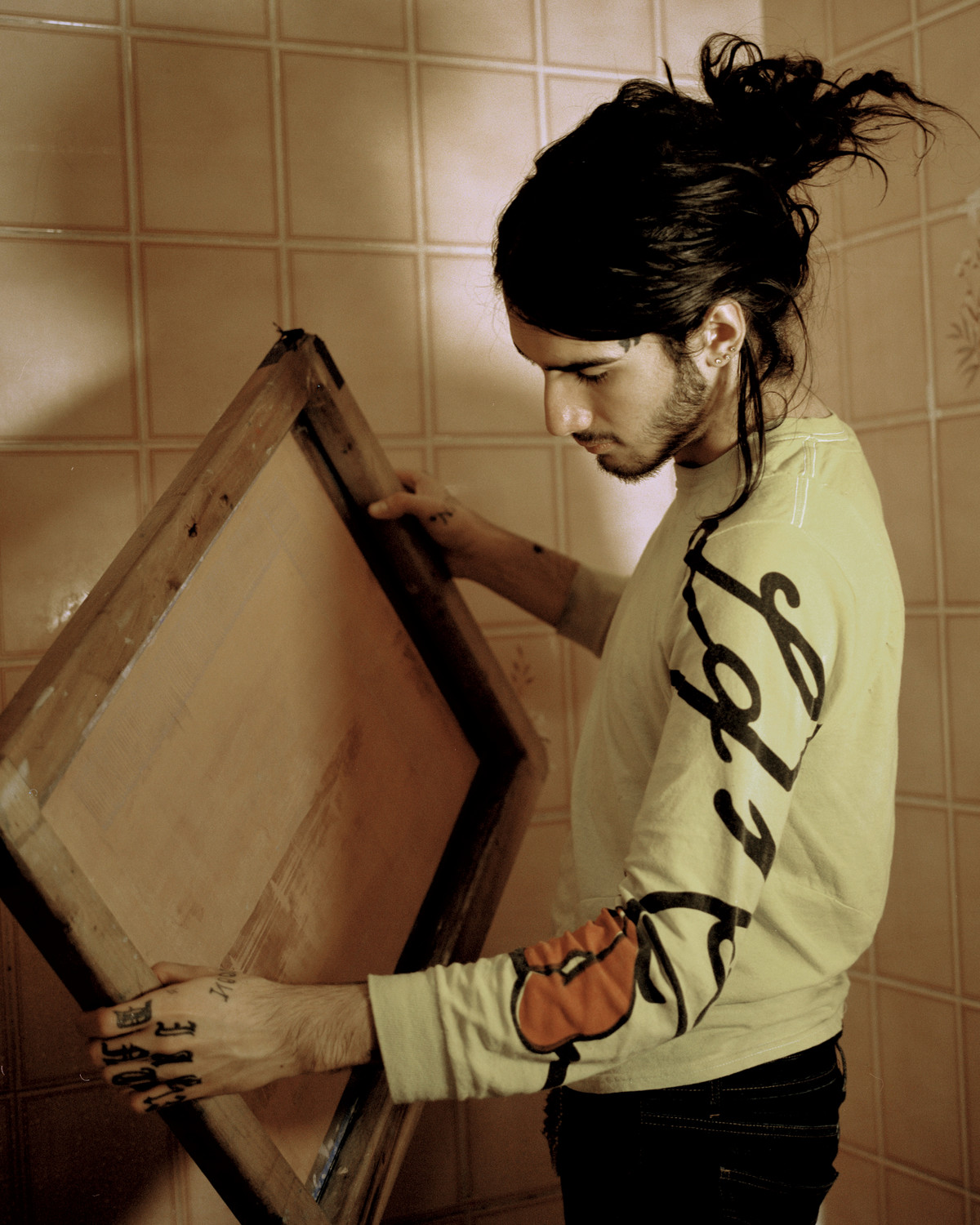
What’s next for ACC STUDIO?
Jimbo Williams: Everyone is going to be wearing our Pussy Builds Strong Bones shirts. It doesn’t matter what you believe. I mean, why wouldn’t you wear that? Even if you’re confused, buy it and figure it out! That’s what it’s there for. It’s all happening.


Shop ACC STUDIO's LaRopa here.