

Tell me about the show.
The show is about destruction and process. Actually, I just saw your article about Umber Majeed talking about creation and destruction—it’s funny because I know her, as well. She’s a really good friend of mine. So, the show revolves around destruction and process basically. I grew up in Istanbul, but I always visited New York and always had a connection with it and American culture. But being here, there’s very real destruction happening—terrorism attacks, and other things that are related to that, versus watching American TV, like watching a lion eating a gazelle on the Discovery Channel, or skateboard wipeouts on YouTube and stuff like that for the purpose of entertainment—the juxtaposition of that is one of the reasons that I got into destruction. I was always enticed by that when I was a kid. Also, the sheer physicality of destruction is really important to me—how things can be really out of control, and what is control? What is an accident? These were the starting point for me—what destruction is and the future of what it could be.
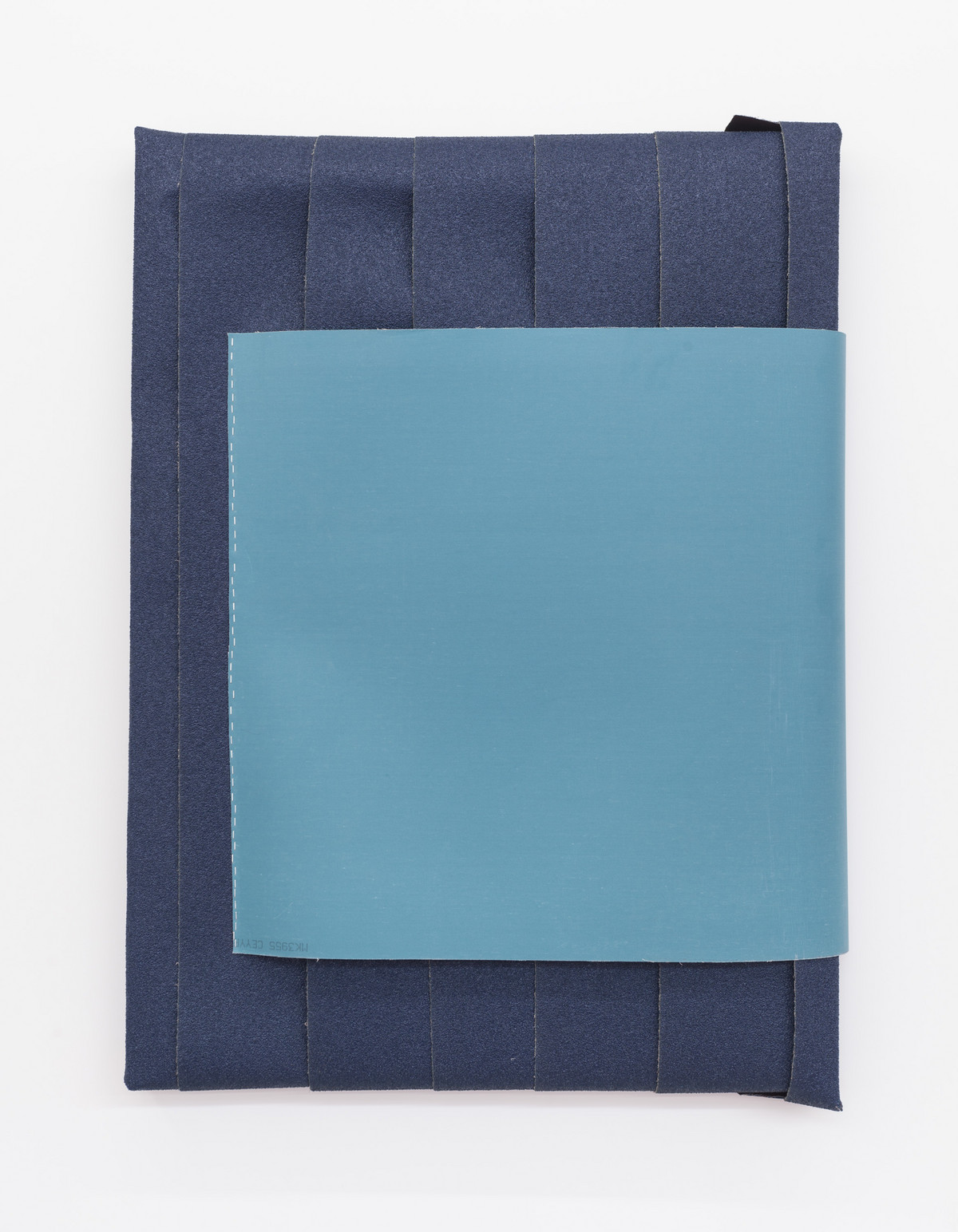
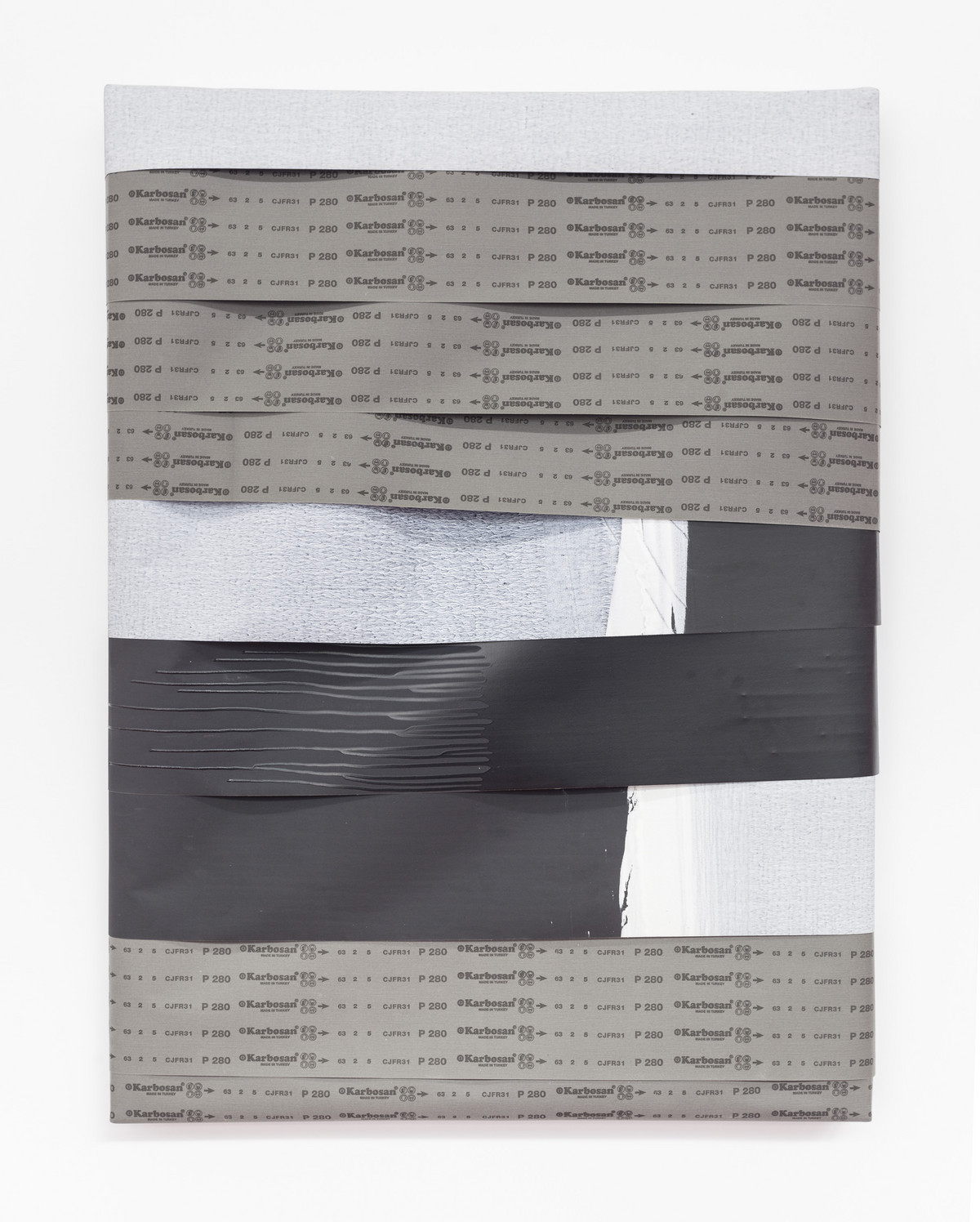
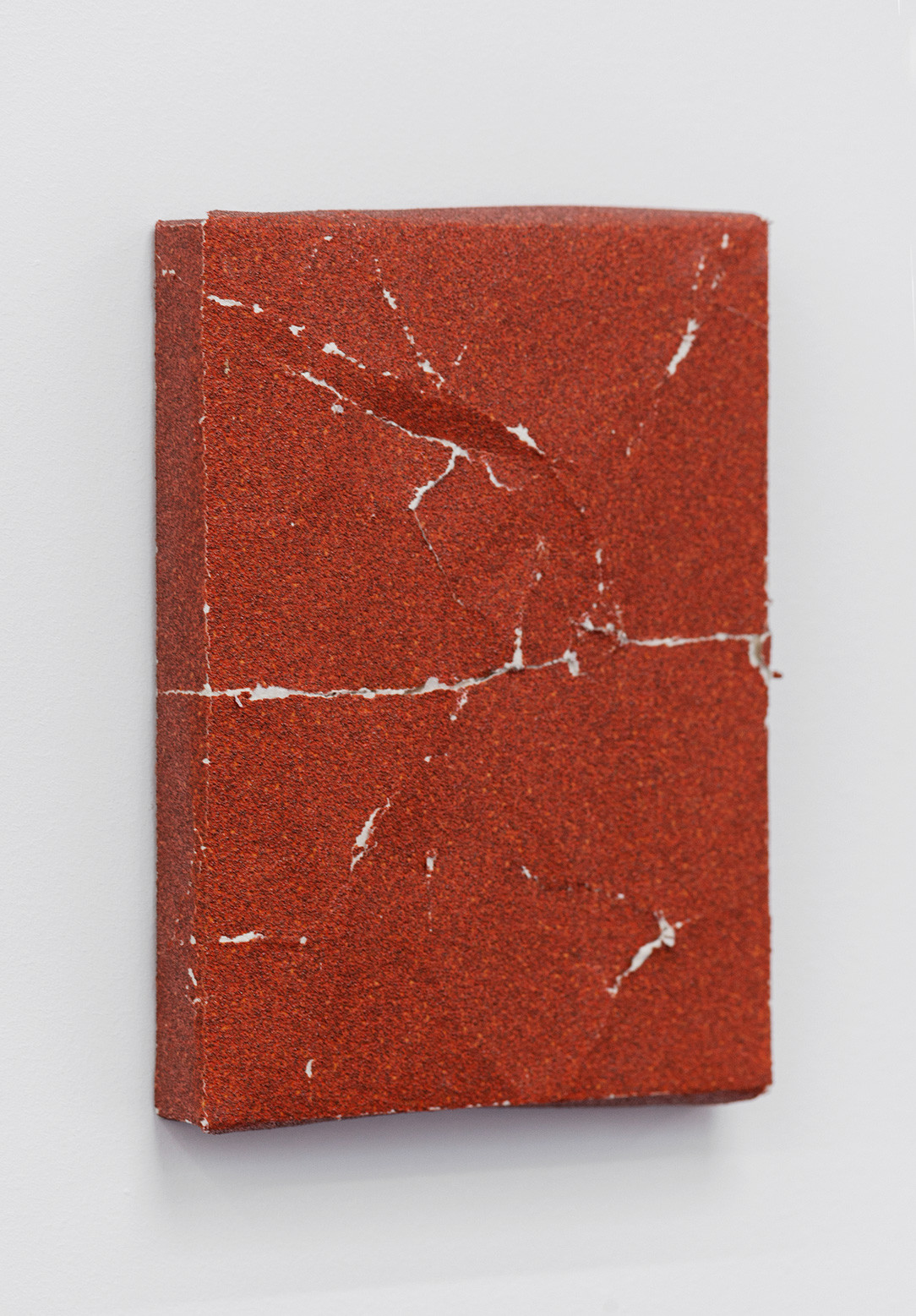
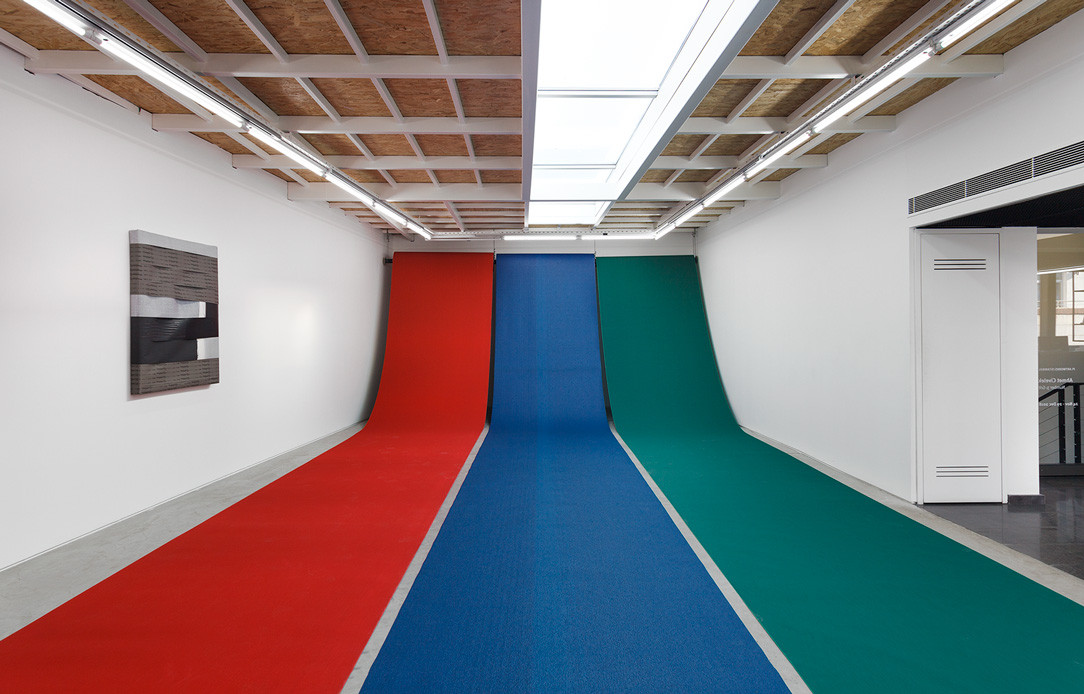
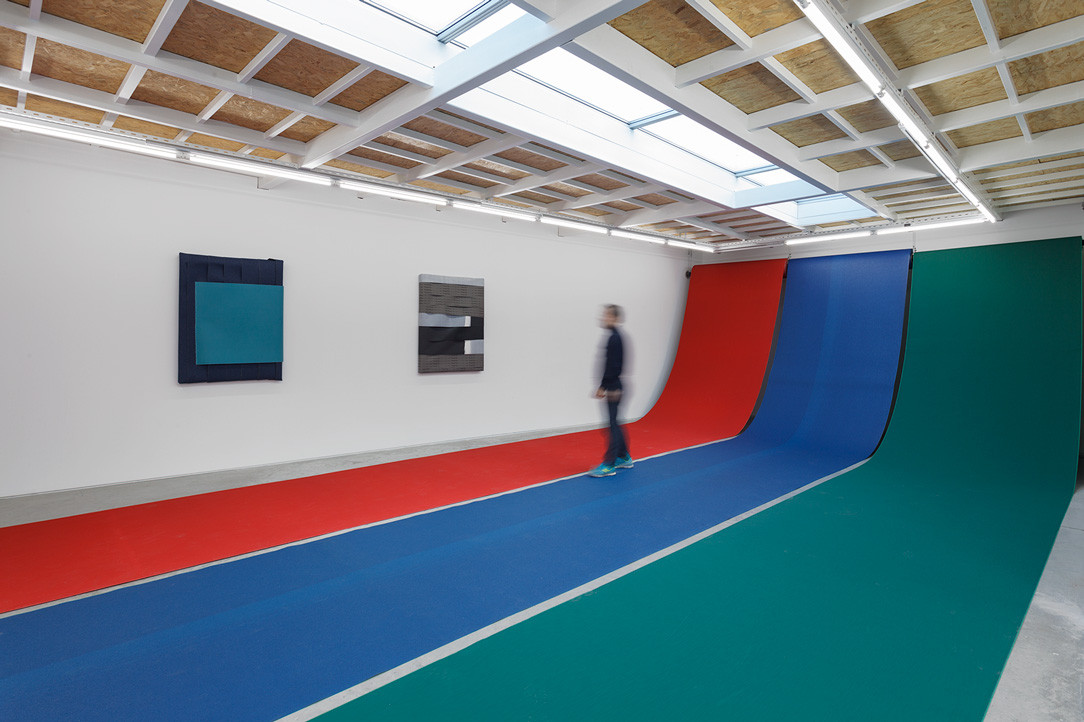
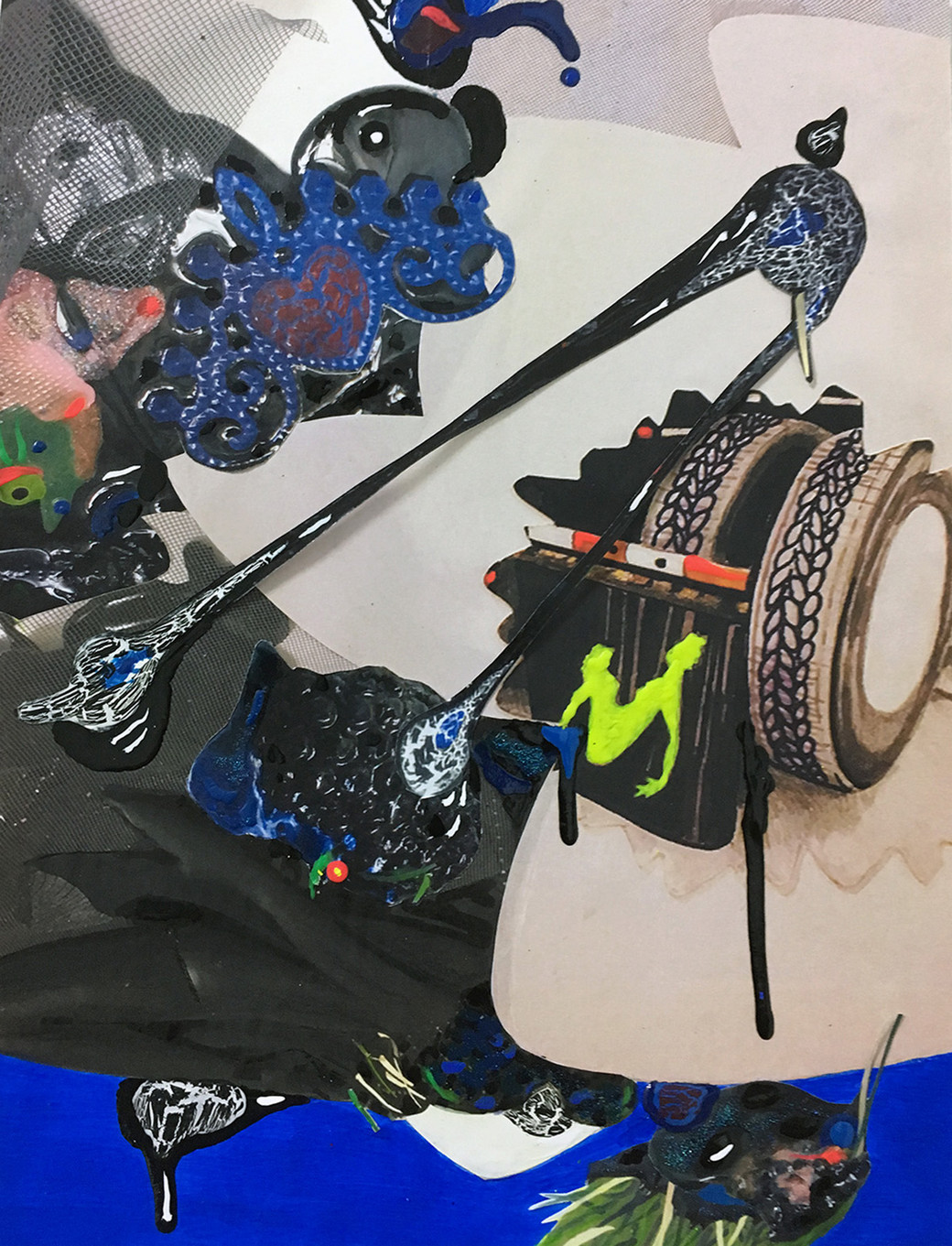
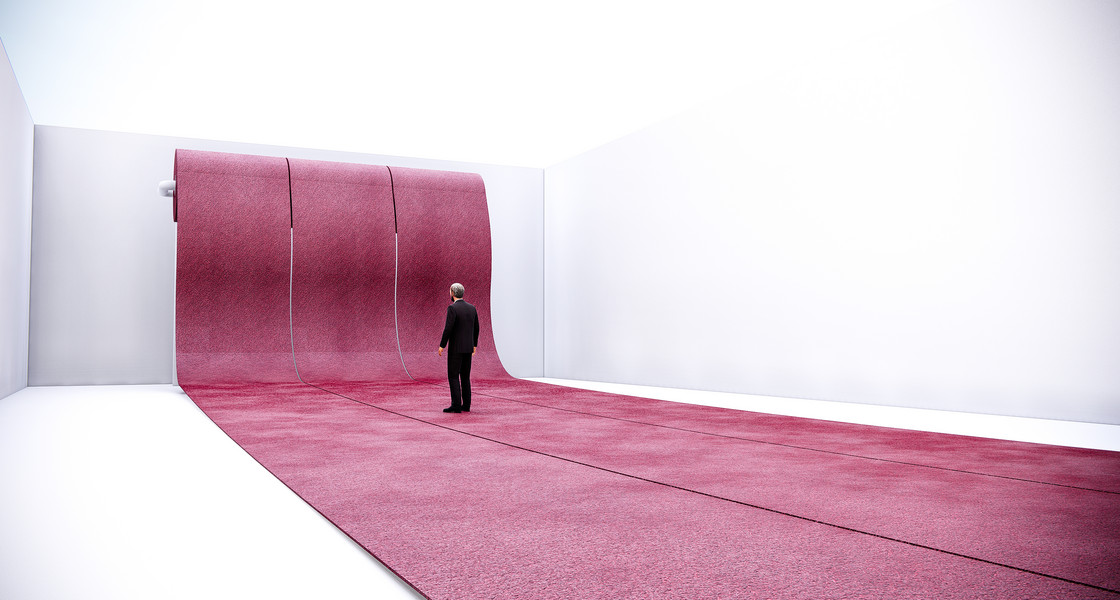
The show revolves around a material that’s very simple that I’ve been using for years, which is sandpaper, whose whole purpose and existence is to destroy, and this plays into what I’m trying to do—to find really what destruction is. So, the show is this really large installation where people can walk on it, where we destroy the piece by walking on it, and slowly destroying the sandpaper that way—it’s a two-way destruction going on. I really like that cycle. There’s about 50 or 60 paintings that are very small, about 6 x 8 inches, that will be hanging on the walls that are the destroyed sandpaper, too. So, it’s like destroying the destroyer.
I liked it because of the association of sand, and the reference of sand at the park and desert, and your surroundings with Turkey and all the issues that go with that. Have you worked with sandpaper in a traditional way before this? To actually shape wood?
Not really. But it’s a funny story—I met this guy at a party and I asked him what he did and he said his family owned a sandpaper factory. So, he dealt a lot with sandpaper. That’s actually how it started, which is kind of ridiculous. We nerded out about sandpaper, and in this circle of friends I didn’t think anybody knew anything about sandpaper—it was weird that I use sandpaper and knew so much about it. He actually took me to the factory on a tour and showed me how they make it and all that.
Did you collaborate with him and the factory to make this piece?
Yes, actually he’s giving me some of the sandpaper as a gift.
It’s enormous.
Yeah, it’s enormous—these things are giant. I got one delivered to me in Vermont last year. It came in a FedEx trailer and I was like, 'What the fuck did I do?' It was like, 300 pounds, 100 yards long and 65 inches wide, and it just comes on something like a toilet paper roll, which they call a jumbo roll.
You accidentally ordered one without realizing the size?
It wasn’t an accident—I knew how much sandpaper I was getting, but I didn’t realize how heavy it was. I’ve always dealt with small pieces of sandpaper, like letter size, and I didn’t realize how much weight it really had. My studio was on the second floor of this residency, so I had to get two other friends to help me bring it upstairs—it was ridiculous. Then, actually going to the factory after the residency, I got super interested in the factory processes and the making of the sandpaper, as well. So, I started to use the backside of the sandpaper to show the imagery there. There's this guy with a helmet, and gloves, and an axe, and protection gear on the back as a kind of instructive branding, and how it's to be handled within the factory itself. I would've never noticed that if I hadn’t visited the factory.