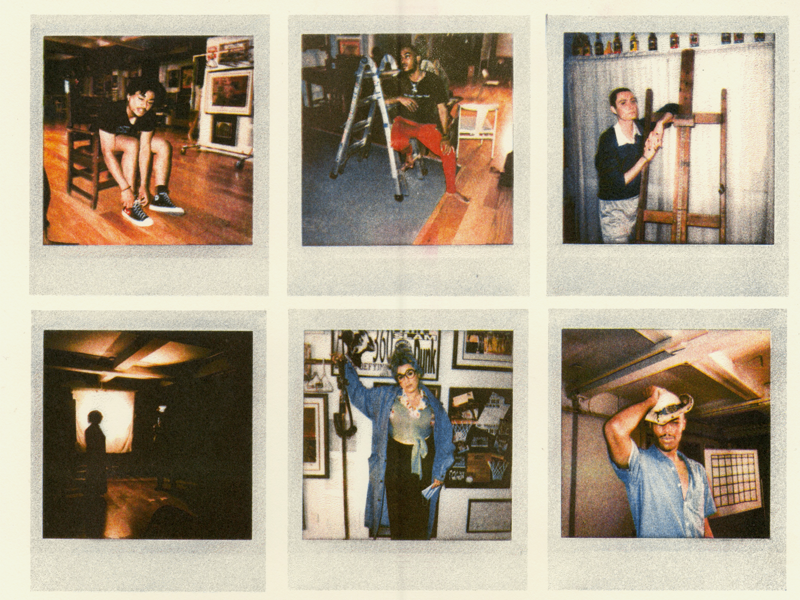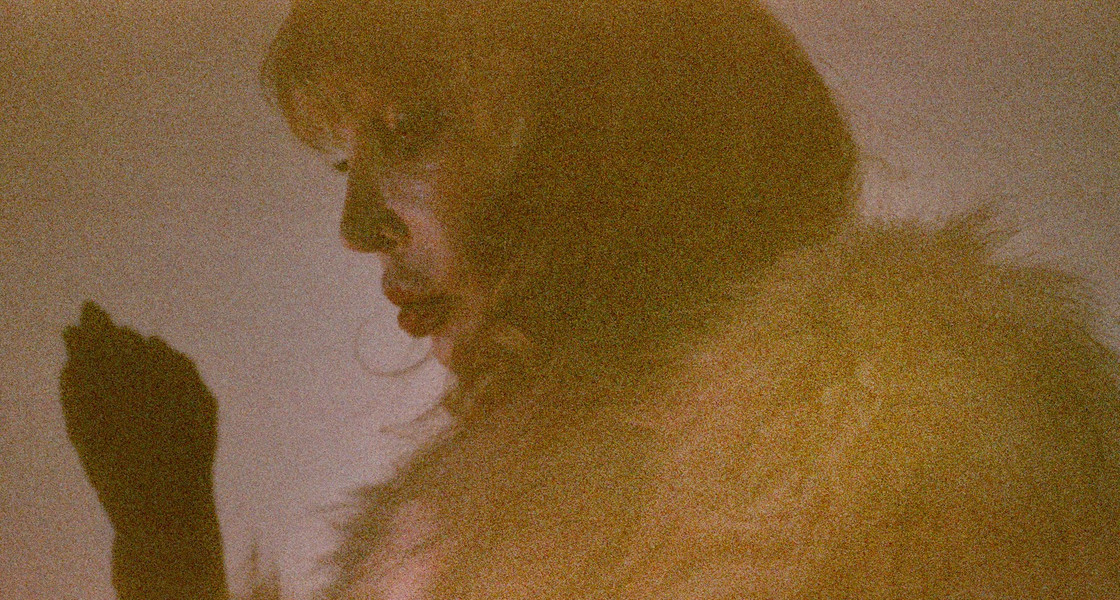
For Lovers
Lamar is a muse for the ages, a lens through which we can explore the love within both our hearts and others'.
Check out the video and photos below.
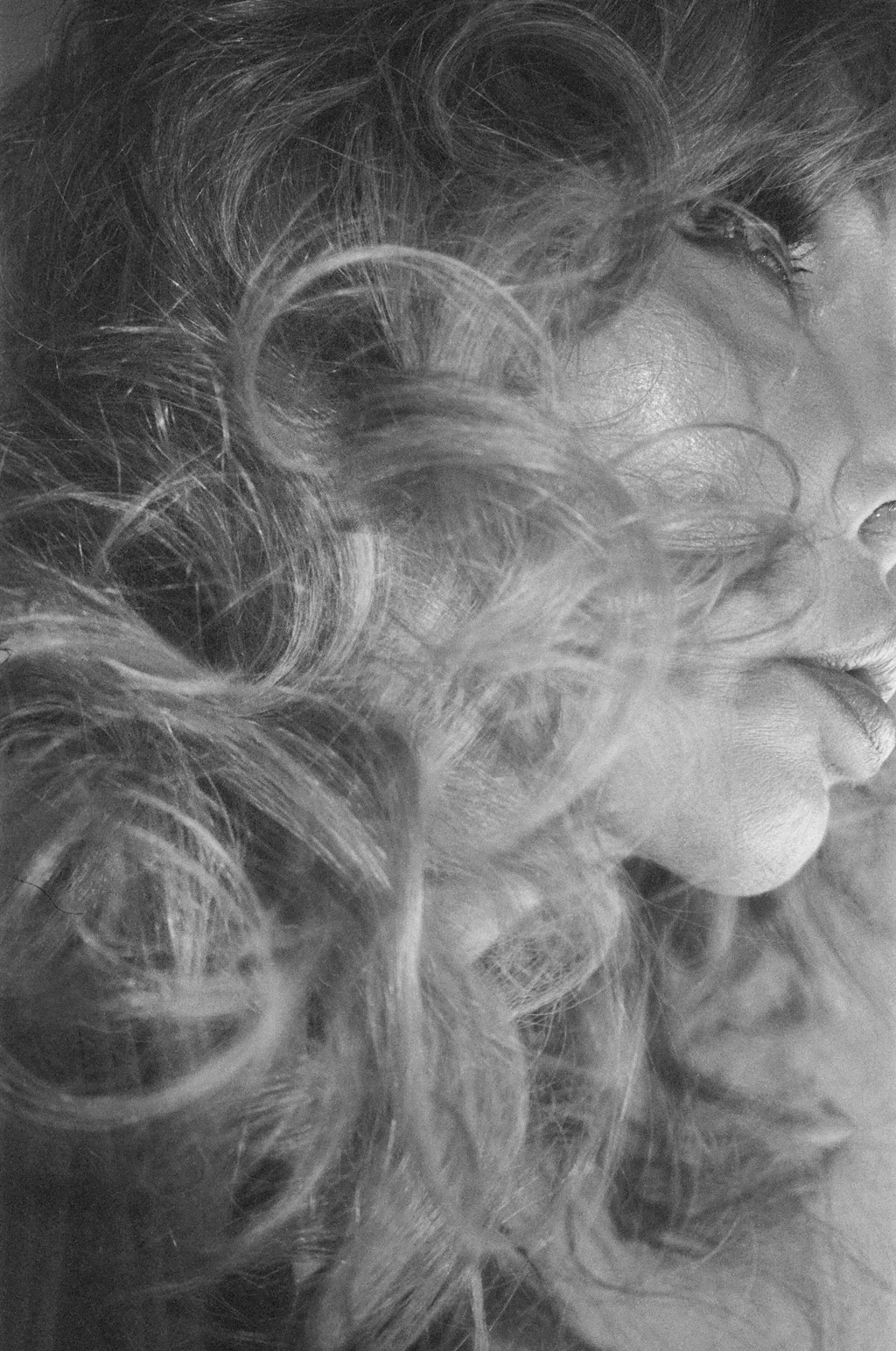
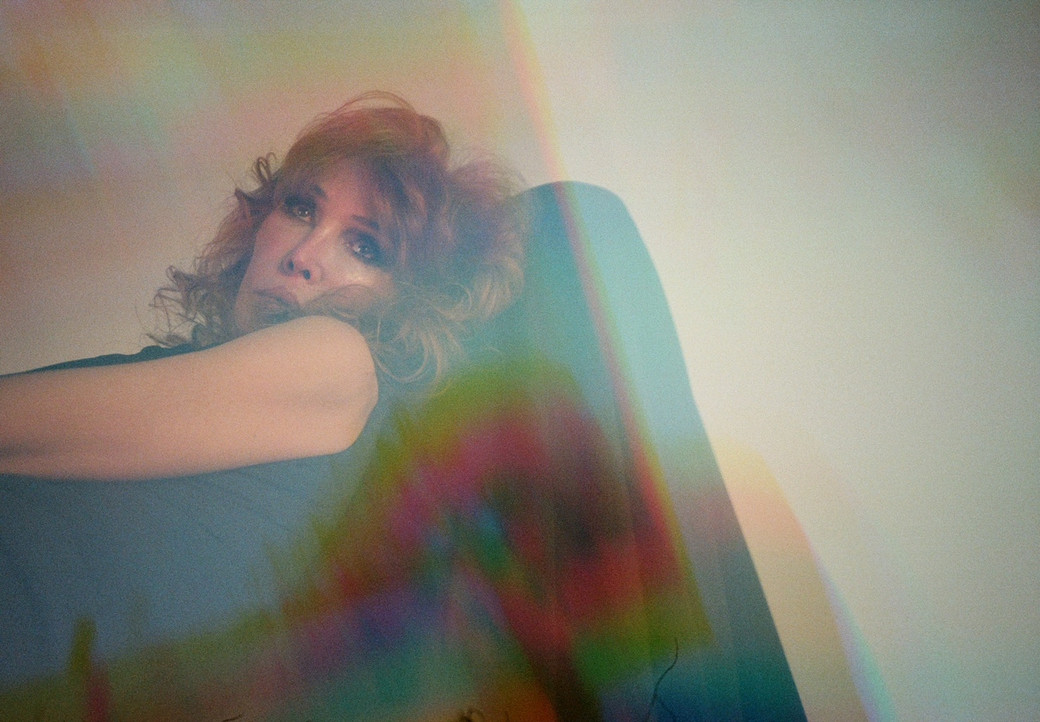
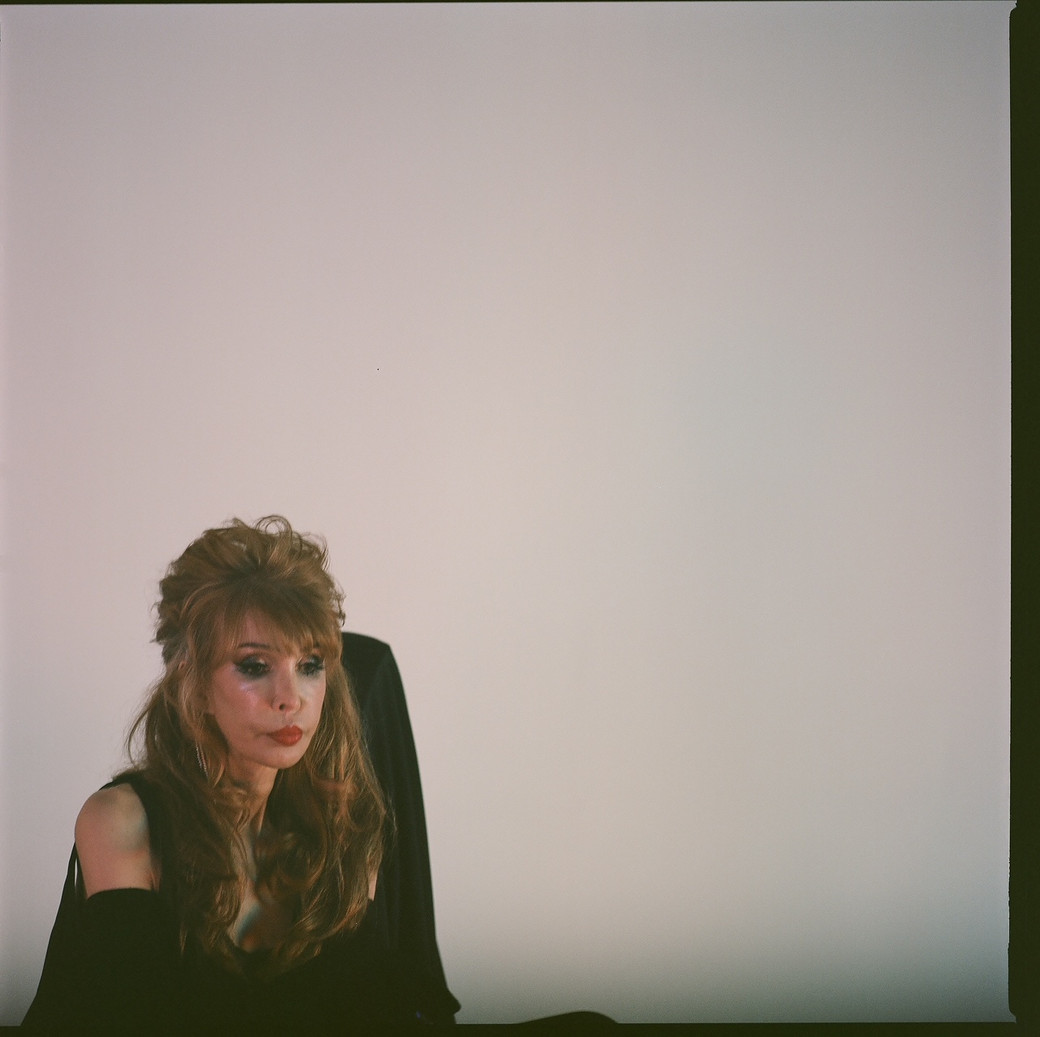
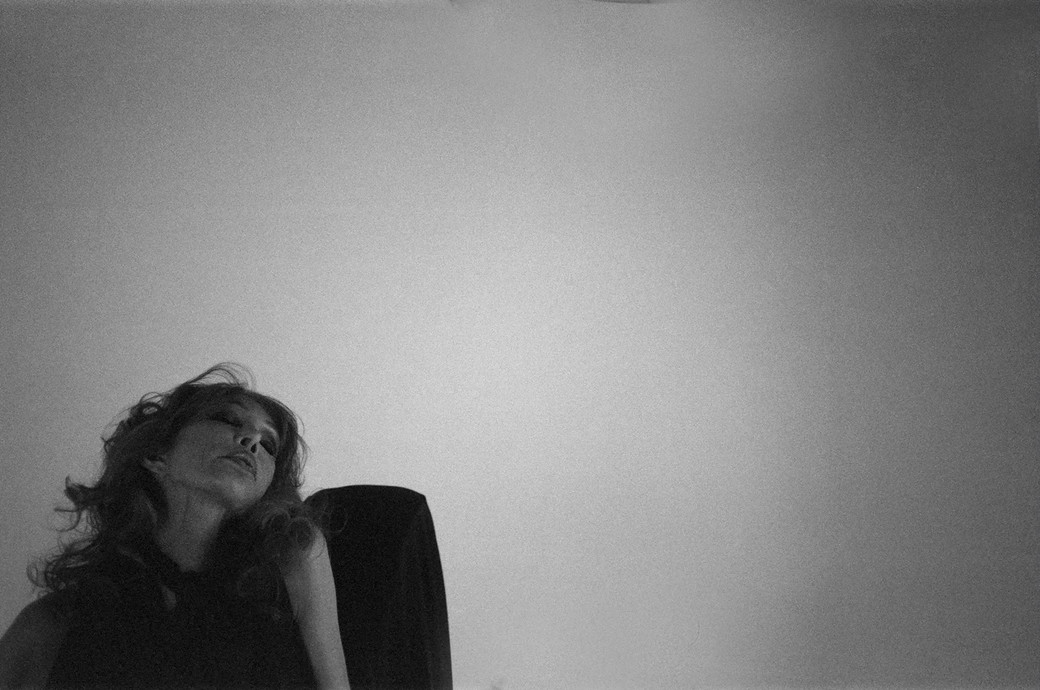
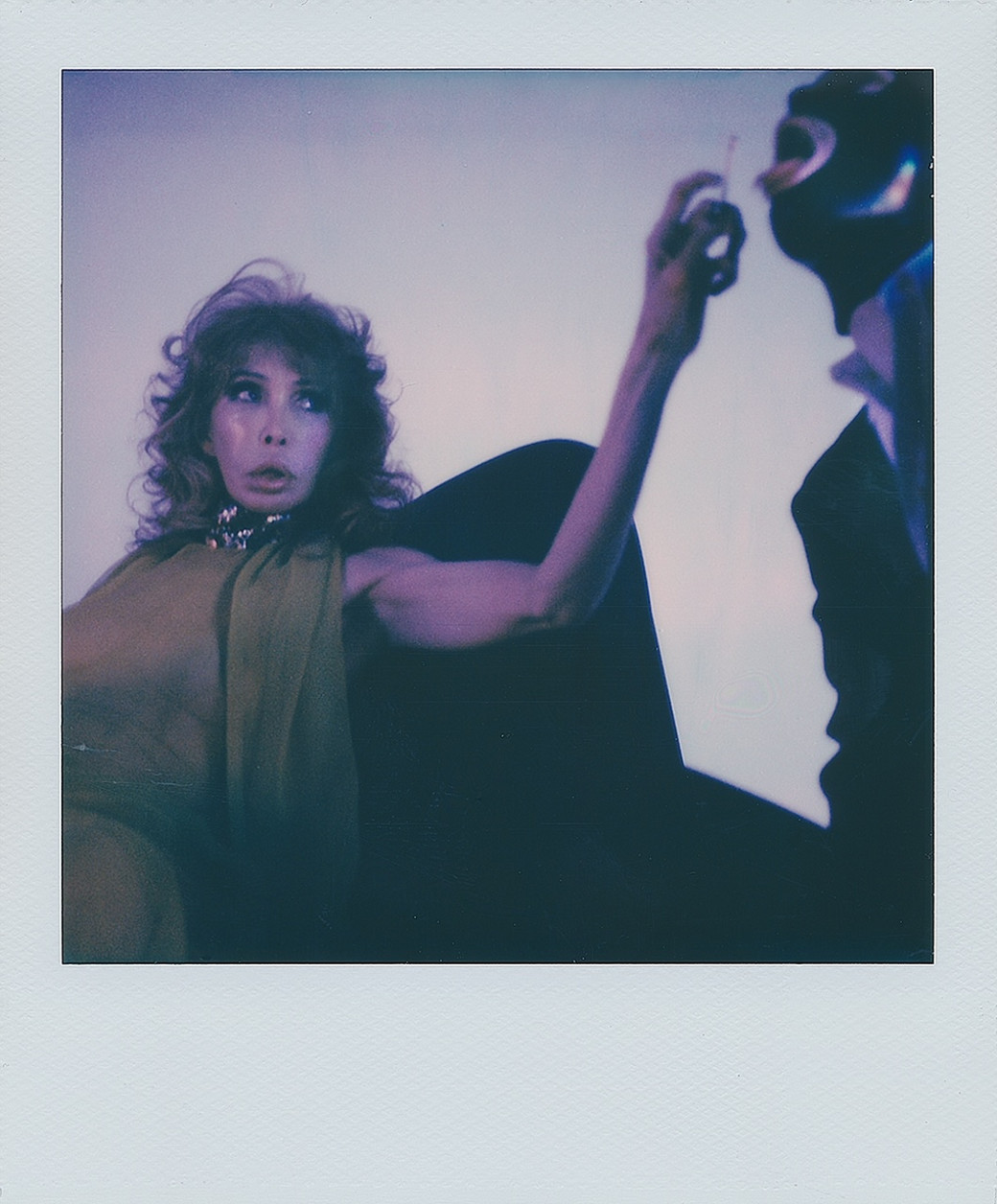
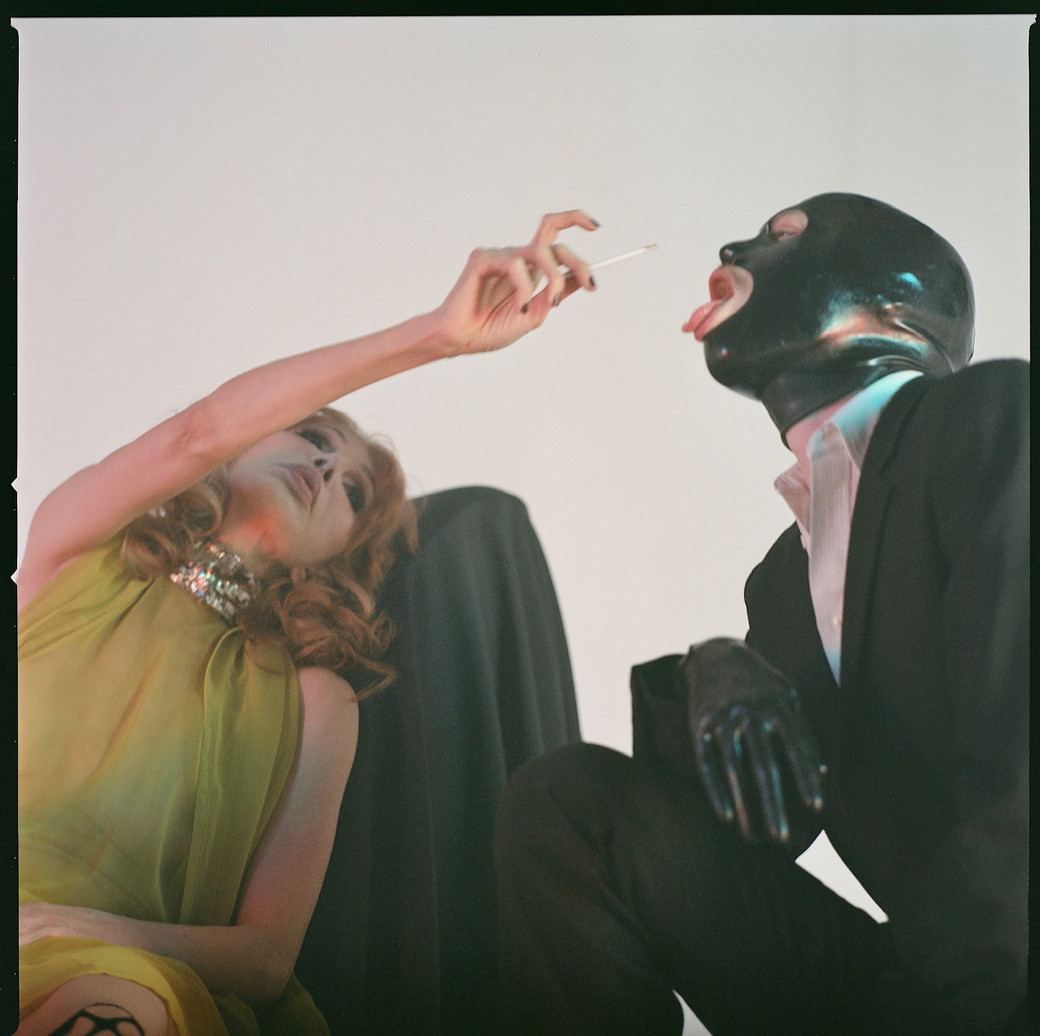
Lamar is a muse for the ages, a lens through which we can explore the love within both our hearts and others'.
Check out the video and photos below.

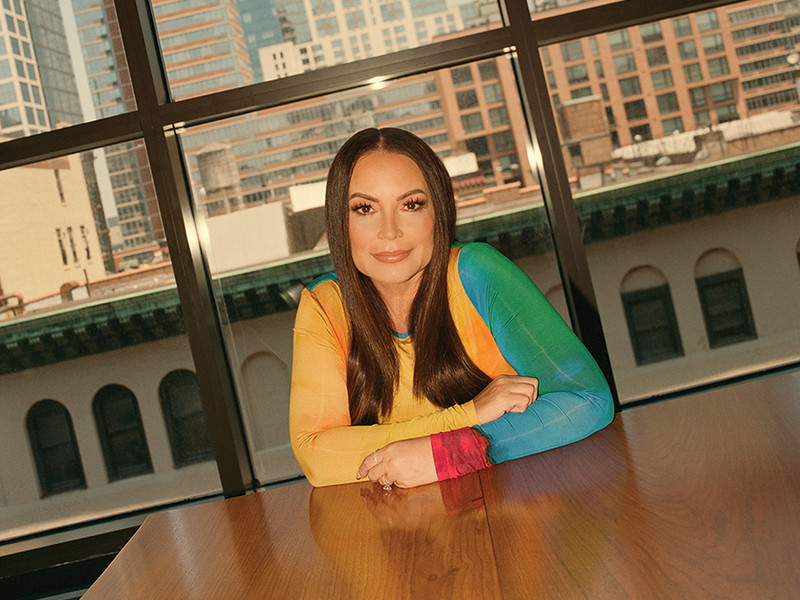
And while “multihyphenate” takes on a whole new meaning applied to Lee’s CV, earlier this year, the 25-year-old creative decided to shift her focus inward with what turned out to be perfect timing. She stepped away from her duties at DRØME right before New York City’s quarantine set in, leaving her with the rare luxury of space and time to “sink in” and “explore without feeling pressured, which has been super dope,” she said.
A few months back that meant reading and spending her days relaxing in her bedroom in her childhood home, a townhouse on the Upper East Side. Nightly home-cooked family dinners, which weren’t really a thing in her house before—(in Satchel’s words, “I'm a born and bred New Yorker, we do takeout all the time: breakfast, lunch and dinner”)—became a staple for the Lees during lockdown.
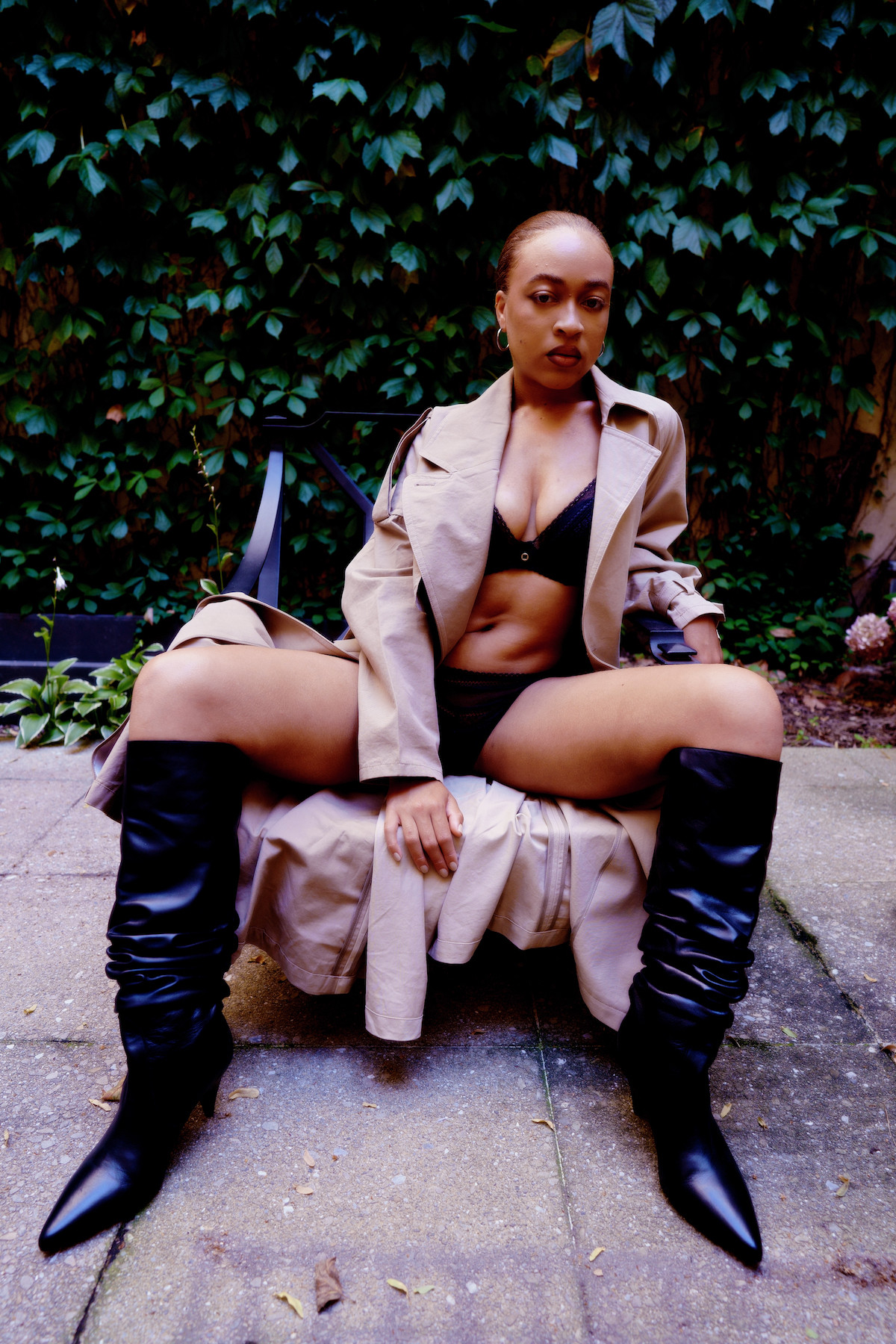

Right — Jacket by THE FRANKIE SHOP, lingerie by CHANTELLE
Left — Jacket and pants by ACNE STUDIOS, boots by IRO, lingerie by CHANTELLE
As did bonding with mom, Tonya, whose take on cultivating “army fit” physical strength and preparedness in an emergency clicked with Lee in the face of the crisis: “I can't speak about my father and my brother, but like, my mom and I are ready for the fucking apocalypse.” Watching her mom stay cool and keep the fam calm and collected throughout COVID has been inspiring; it hasn’t “necessarily redefined, but reinforced my idea of what it is to be a woman,” Lee said.
As a queer Black woman herself, identity was on Lee’s mind long before the tumultuous ride 2020’s been—in a sense, the times have amounted to an extension of the inner transformation she was already experiencing. A few months prior to the shutdown, a fateful trip to Montgomery, Alabama on a journalistic assignment for NBC LX brought her deeper into connection with her ancestral roots. (Lee’s a New Yorker through and through—but her parents’ families are from Virginia, Georgia and Alabama.)
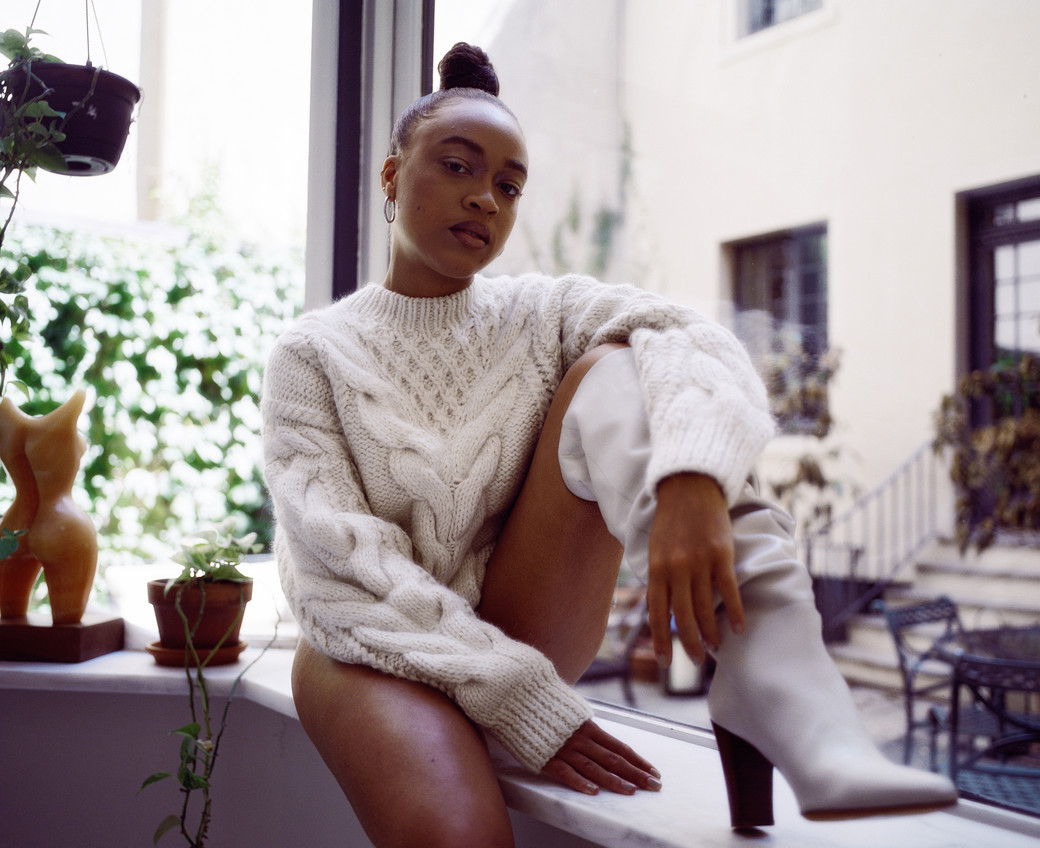
Sweater and boots by IRO, lingerie by CHANTELLE, earrings talent's own
For context, Lee never expected to host a news program—the job came to her, making her visits to sites like the Legacy Museum and the Memorial for Peace and Justice while down South for the work feel even more cosmically aligned. “To be brought to this place where I felt so deeply connected to my ancestors, to my family, to my legacy, you know—I was very thankful to the universe for bringing me to that spot.”
Fast-forward to now, just months later—the Black Lives Matter movement has gained momentum in a way we’ve never seen before, and the world is undergoing its own (overdue) transformation as we fight a pandemic. And through it all, Lee’s feeling thankful for the room to take a well-deserved breath as she figures things out on her terms.
“We're in a completely different space now,” she said. “My dad always says BC and AC, Before Corona and After Corona: two different worlds we’re operating in, you know? And now it's about navigating.”

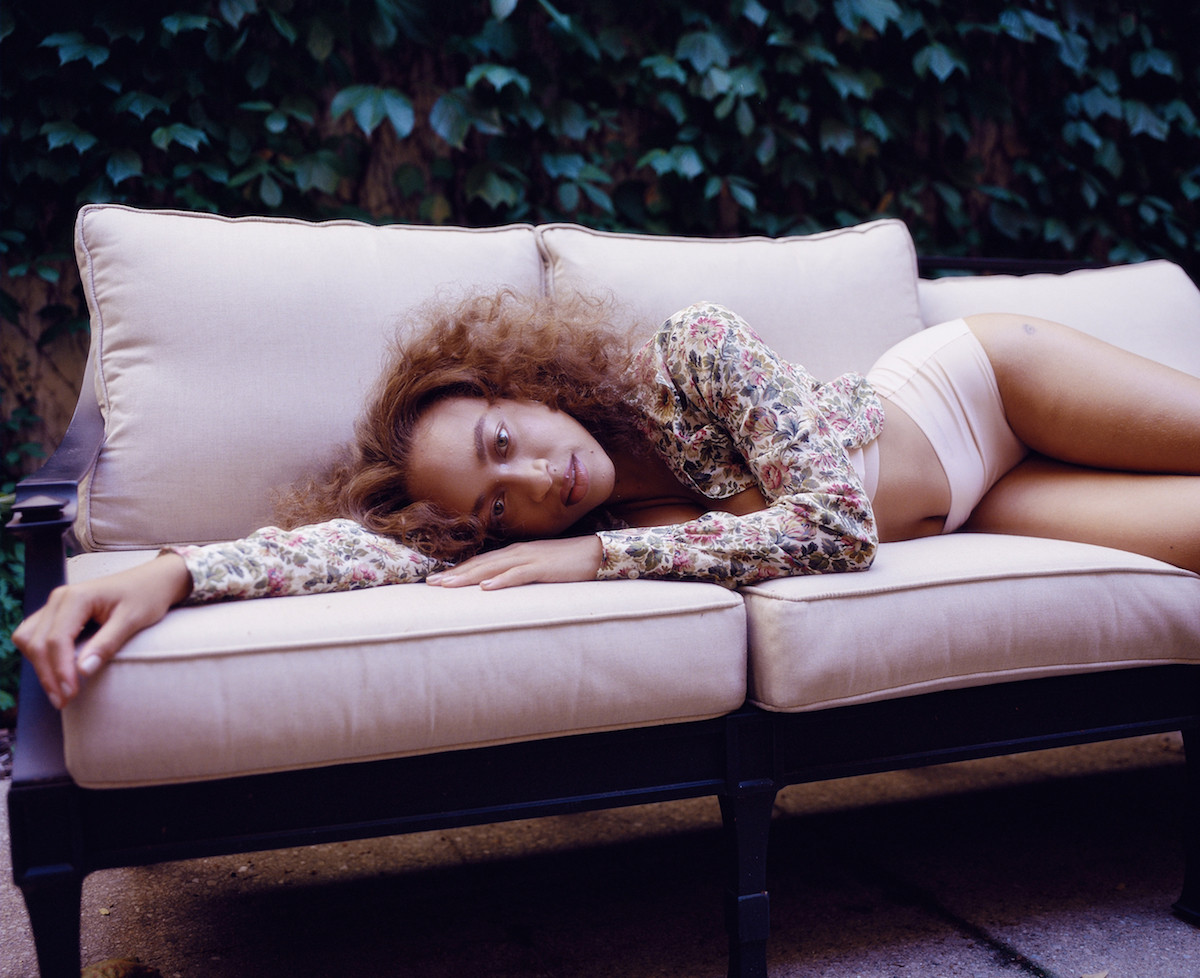
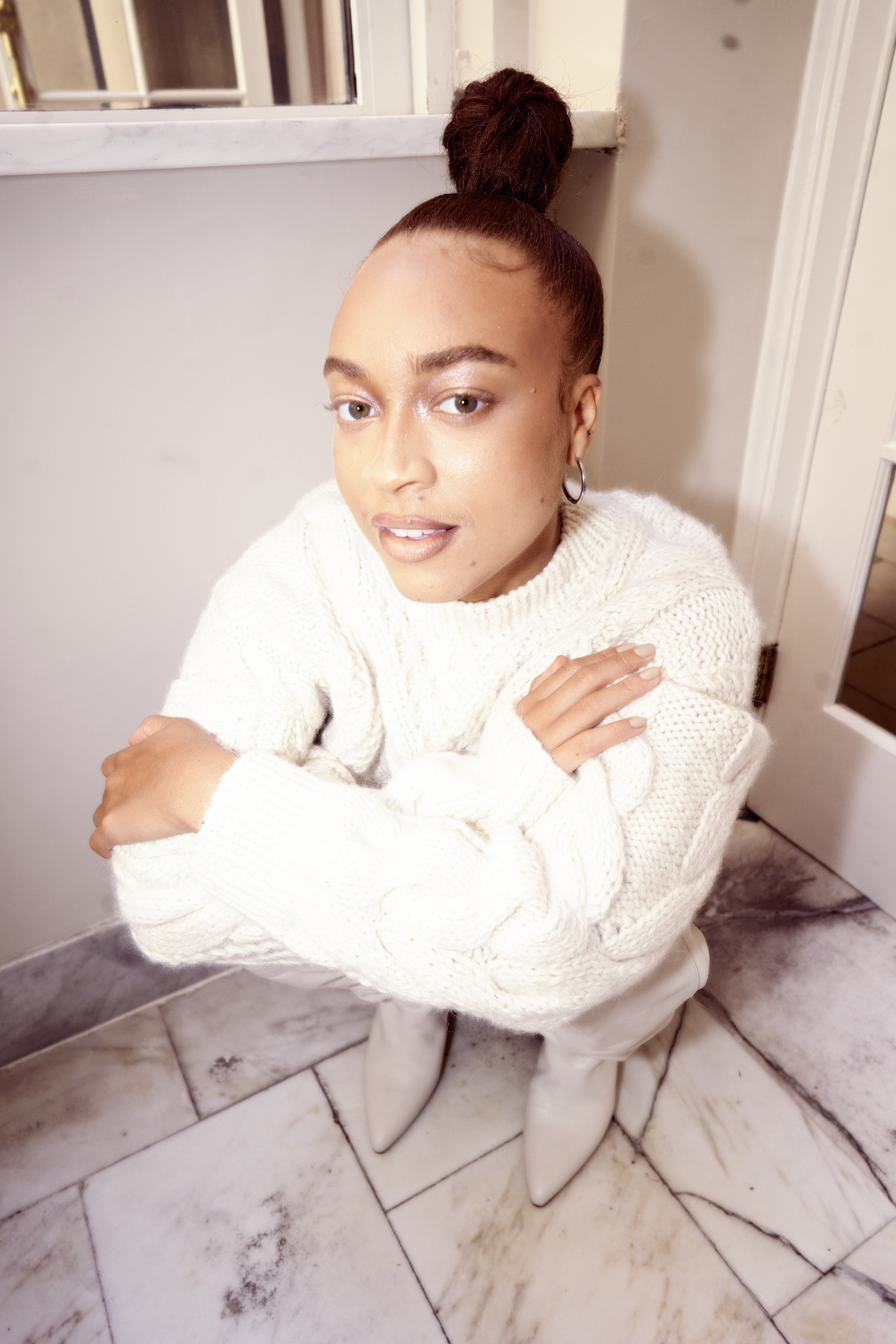
Top right — Shirt by OFFICINE GÉNÉRALE, shoes by MARYAM NASSIR ZADEH, lingerie by CHANTELLE
For Lee that means fighting from the sidelines, figuring out what she can do to support the movement from home, and support herself in the midst of a lot of mental, emotional and spiritual processing as the country takes its first steps toward facing itself. She’s happy that people are finally trying to wake up to the racism that’s been a heavy part of her daily experience, but the strain and time it’s taken for this moment to come obviously presents a conflict.
“People need to get out of their own way, stop feeling so fucking sensitive about everything, and just look at themselves and be real… We’re all American, guess what: Americans are sick. Everyone. Me too,” she said. “I have my own implicit biases that I’ve been brainwashed into thinking. And I’m learning and decolonizing myself as much as anybody else and I don’t think there’s any shame in saying that. It’s a process… But I'm trying to stay positive. I'm trying not to lose the dream.”
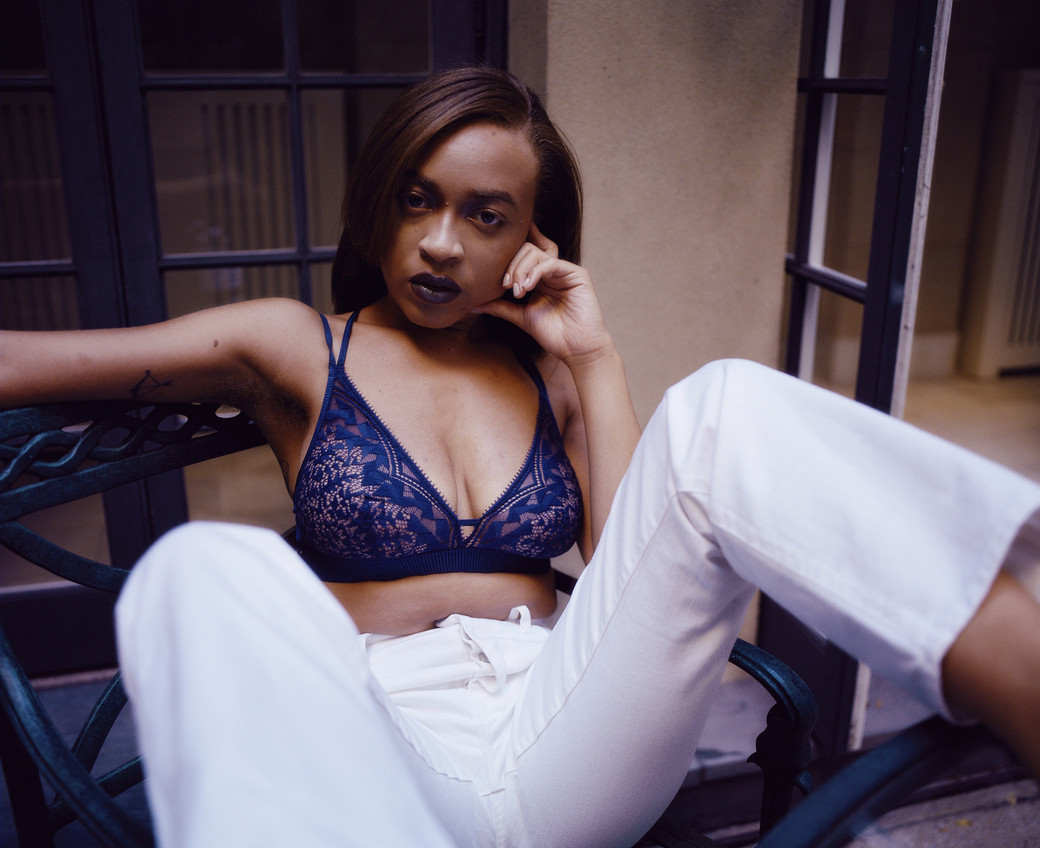
Pants by OFFICE GÉNÉRALE, lingerie by CHANTELLE
Self-care right now means taking a step back—taking a break from producing the podcast, for example. “When everything with Black Lives Matter started happening, I kind of stopped doing [my podcast] because I was like, ‘Okay, I don't want to get on here and start cursing people out.’” And planning for a freer future—getting in touch with what she wants on an individual level: her own open space to create in collaboration, when collaboration is safe again. She’s just signed her first lease for a spot in Fort Greene a short walk from her dad’s office, in which she plans to, someday soon, bring all her people together for readings and parties. Till then, she’ll be pouring love into it, making it “home for awhile”: “I feel like having the space where I wake up and feel inspired in is super-duper important.”
And after four months spent acquainting herself intimately with her childhood home, the move to BK feels like it’s coming at “the right time. Again it feels like more transition, so I think it’ll be really good.” It’s the first step toward figuring out the rest. And right now, that’s about as much as anyone can ask for.

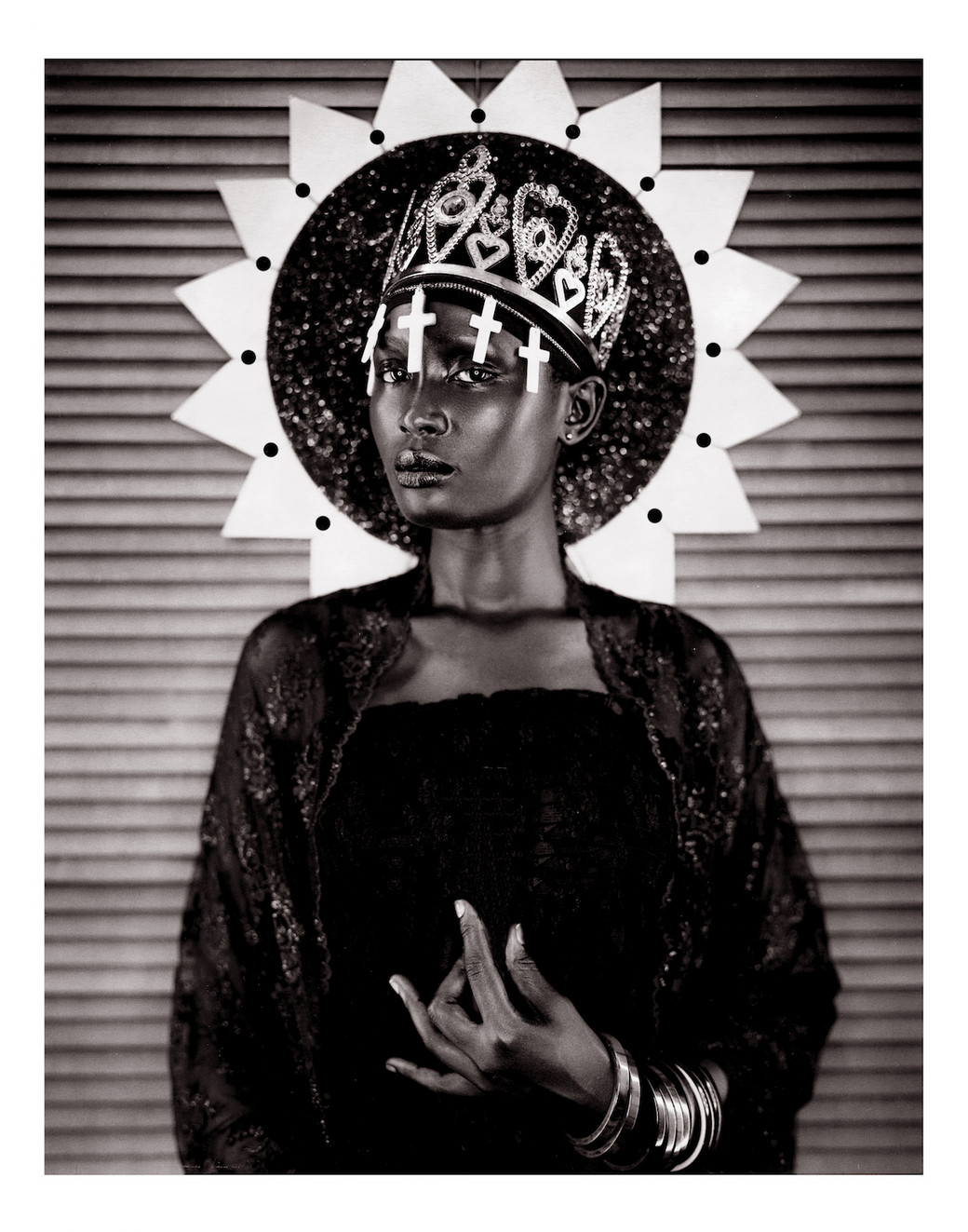
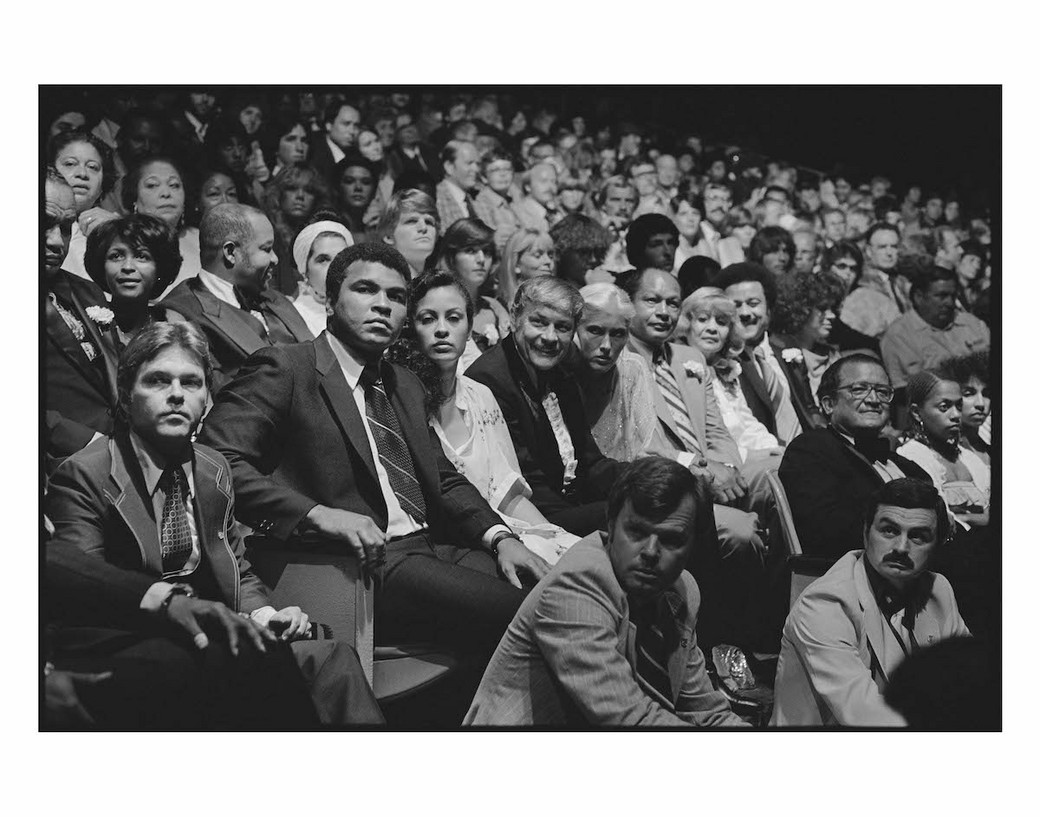
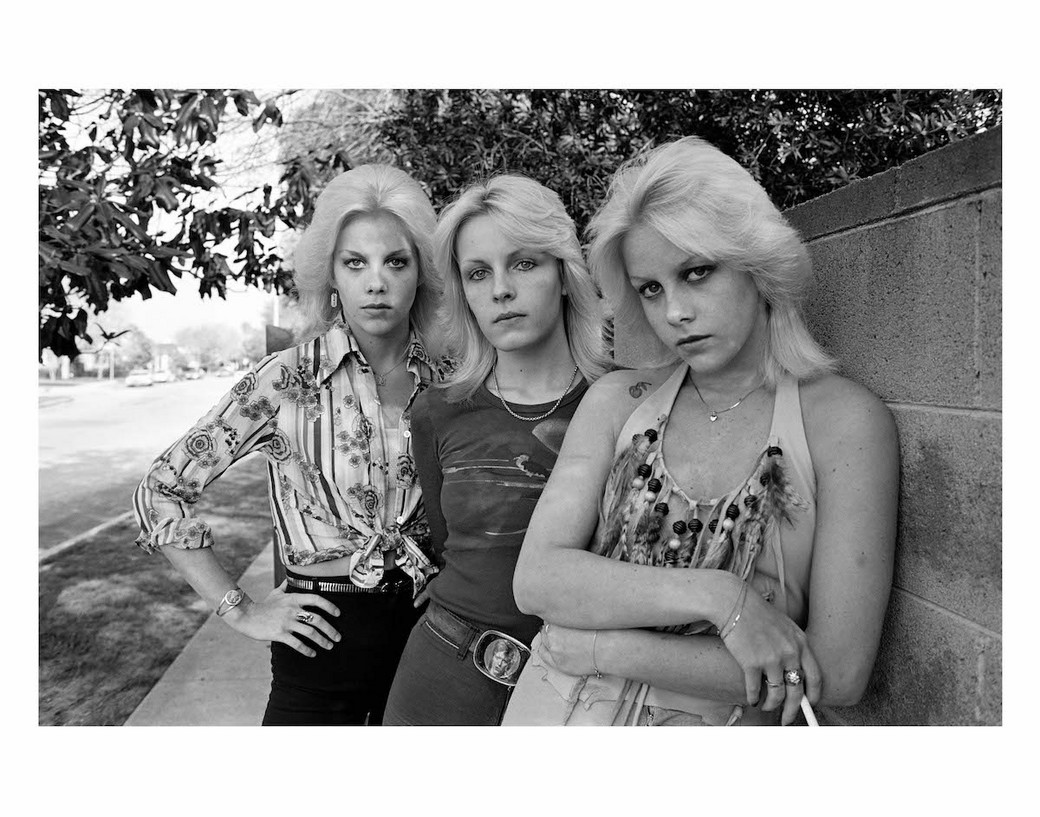
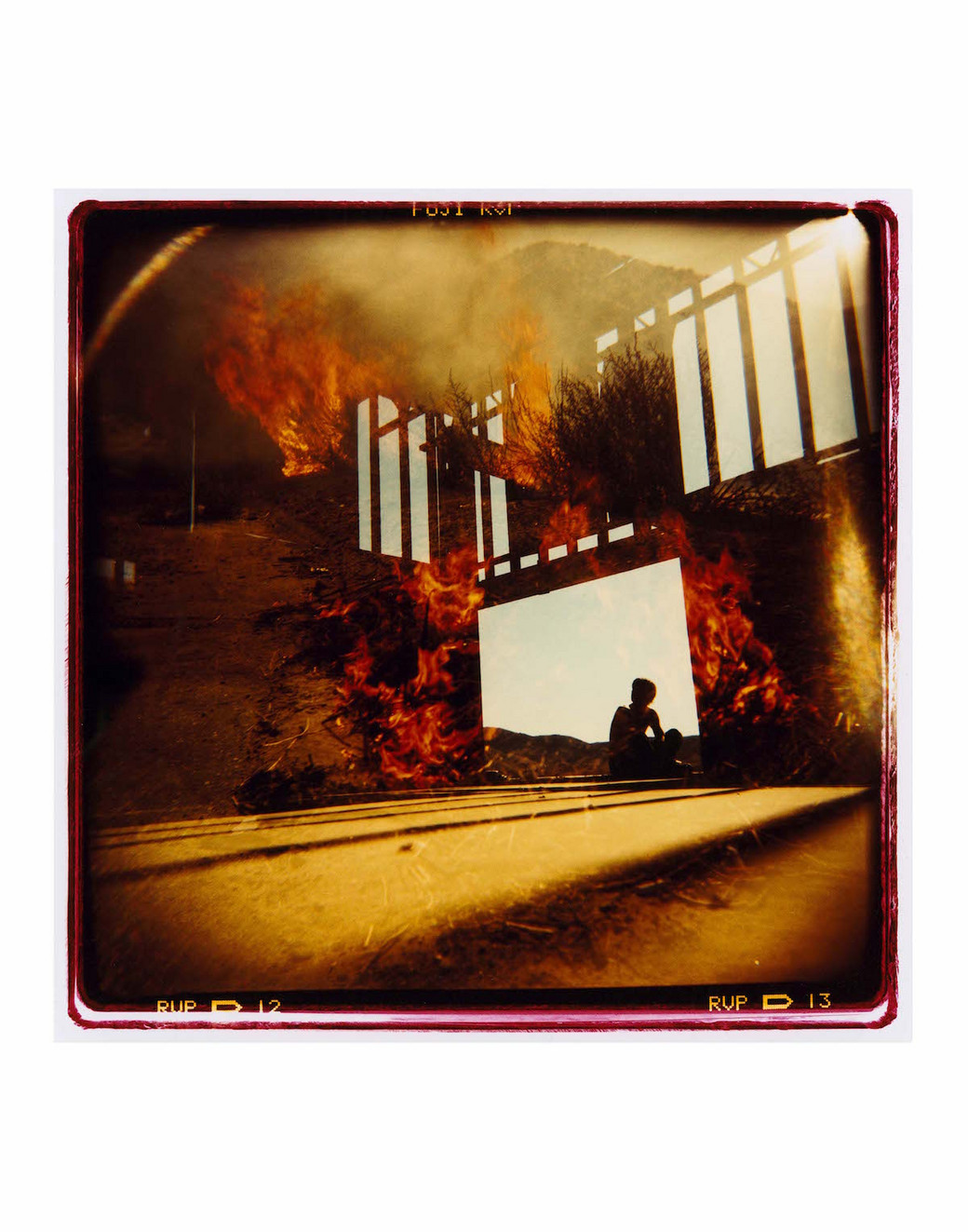
This collaboration reveals the importance of artists’ social commitment to tolerance in the face of a crisis, and the power of collective dedication to change. “We believe that every individual can make a difference in this world, but especially when we join forces. We wanted to show the power that Art has as a collective. We are beyond grateful for the support we have received, and hope we can continue to help as much as we can,” shares the organization.
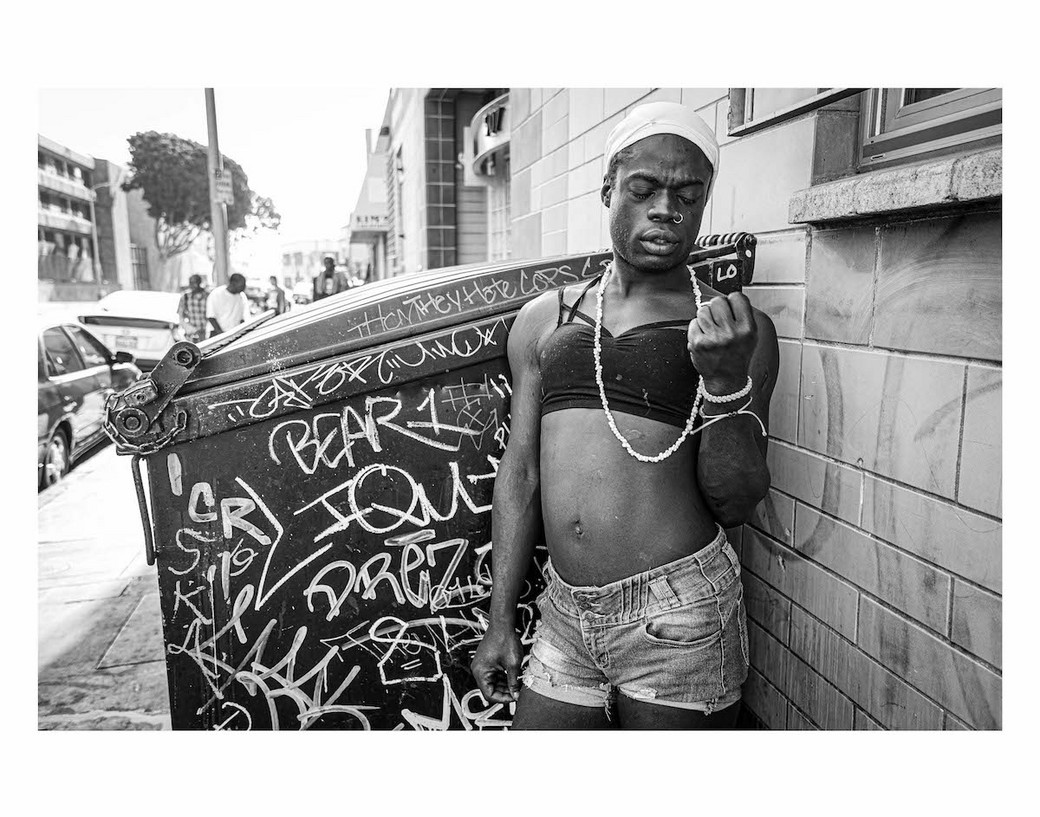
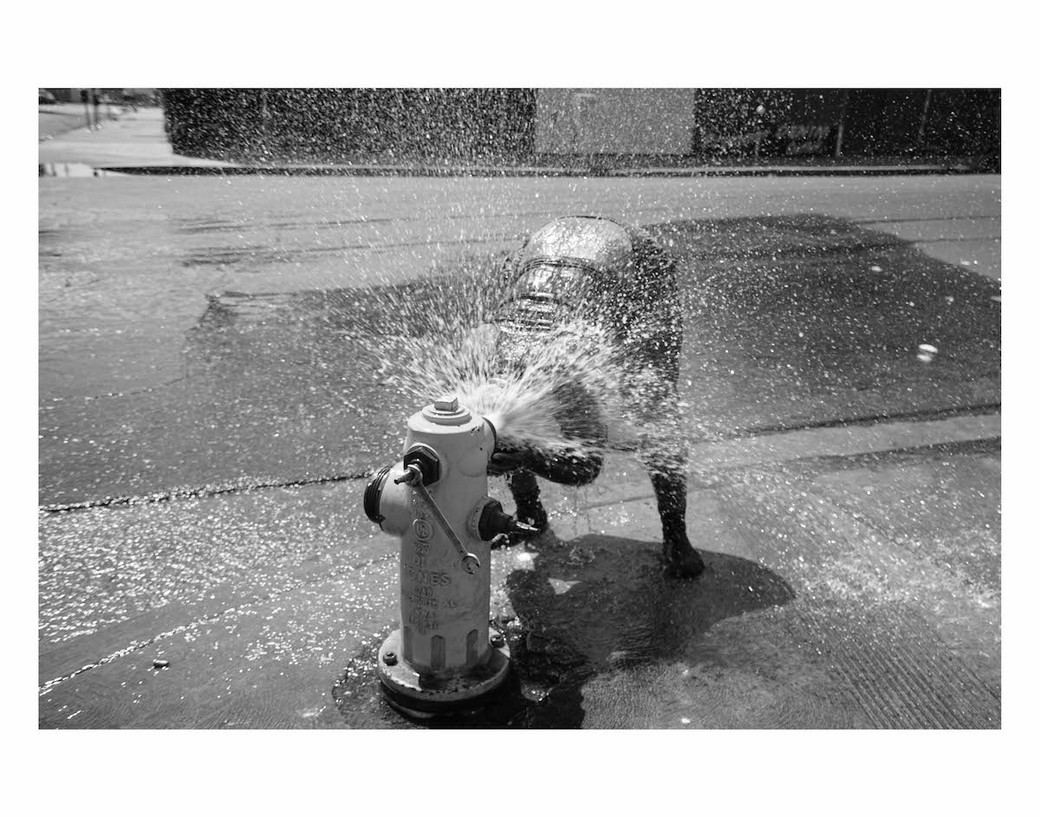
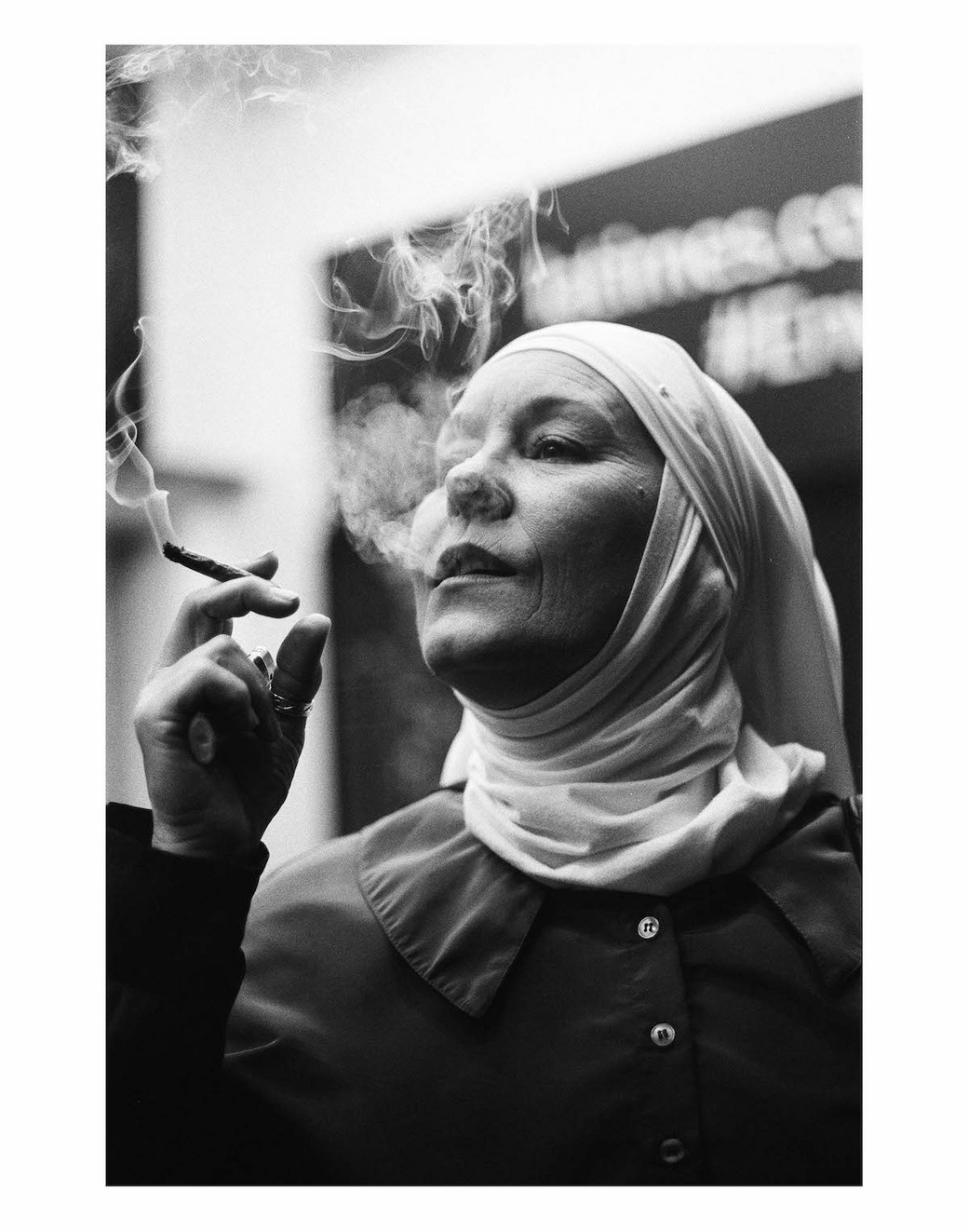
Don’t Back Down! is generating the prints in partnering with downtown L.A. based Contact Photo Lab, a Black-owned printing company. The initiative will be ongoing throughout the year with the regular sale of limited prints from a rotating collection of photographers and different organizations to support.




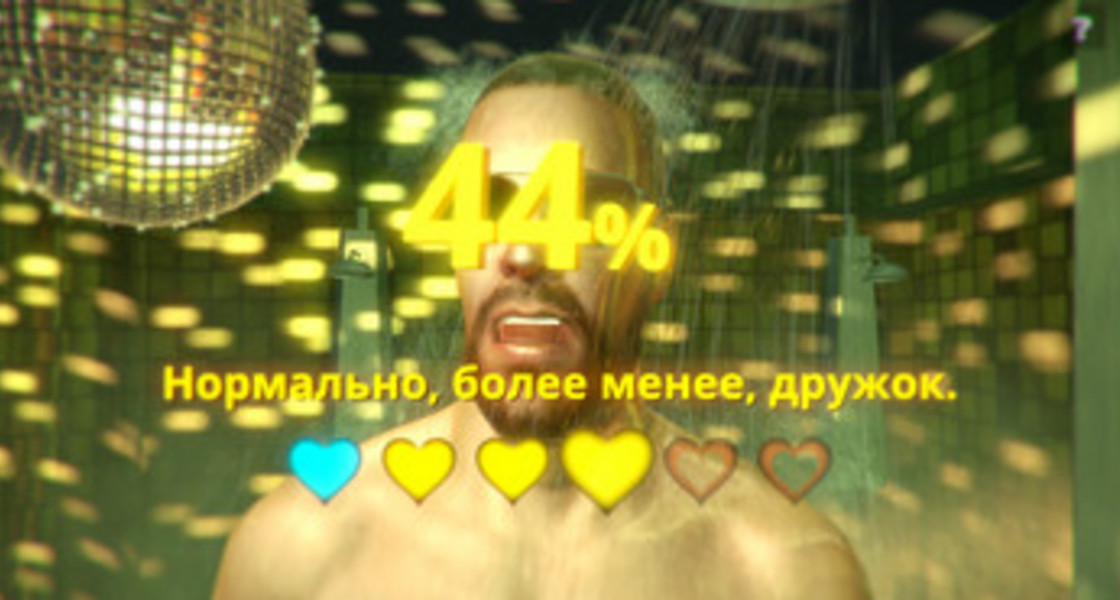
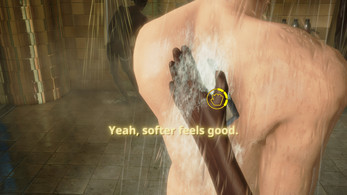
One of the most banned game developers in the world right now, Yang makes games that deal with and explore gay sex, intimacy, and culture. You may have heard of or seen his game, Rinse & Repeat, in which you get to wash a tempting gym rat-type of guy in the gym showers, only accessible by adhering to this sexy character’s schedule. Yang started with playing Mario at age 4, and now designs and simulates complex and immersive LGBTQIA+ scenes that allow players to navigate themselves through and explore sexual situations.
The BOFFO Residency Fire Island is an artists' residency located in the Pines, which houses queer artists every summer and provides them with a beautiful environment in which to make work. BOFFO is now looking to contribute to their community in socially distant ways, including screenings, artist talks, and a book club.

When was the first time you played a video game?
I was maybe 4 years old. I played the first Mario game on a Nintendo. I didn't really understand what was happening, but I was into it.
What video game made you love video games, and what ultimately made you want to start making them yourself?
I think Half-Life is probably the game I hold in my heart, it was one of the first games to really invest in its 3D world. In general, imperfect games motivate me the most—the gaps or omissions or problems suggest new game ideas, and then it's up to me to make that game exist.
When did you start making them, and what was your approach at first? How did you learn to make video games?
At first I started by modding my favorite games, making new stories or game worlds, and self-publishing my mods on the internet. It's kind of like fan fiction, but for games. It's about building on top of something you already understand, which is great for learning.
Was the subject matter always about gay culture? When did that become your focus?
I think maybe it started in 2009, when I had come out as gay to my friends and family, and started getting involved with the indie games movement—which is about making smaller games that are more personal, so I thought, why not also make gay games that explore this part of my identity.
How is gay culture defined in the gaming world? What kind of representation does the LGBTQA+ community get in the gaming world, and in what ways do you think this could change, is changing, or won’t change?
LGBTQ representation in games is still unfortunately focused on tokenization and "respectability politics" -- big budget blockbuster productions throwing some gay crumbs, like a secondary trans character here or a bi character there. This is fine but it's always strained through the market requirements of big commercial games, when we should be pushing for so much more imagination like a radical queer rethinking of video game culture itself, e.g. Marina Kittaka's recent call to "Divest from the Video Games Industry."
You’ve made many games; what’s your favorite one you’ve ever made?
I think Succulent is my favorite. It's short and sweet, and I made it in just 2 weeks, which is very very fast for a video game. It really just came together without much pain. It's short and sweet.
What does your game Succulent entail?
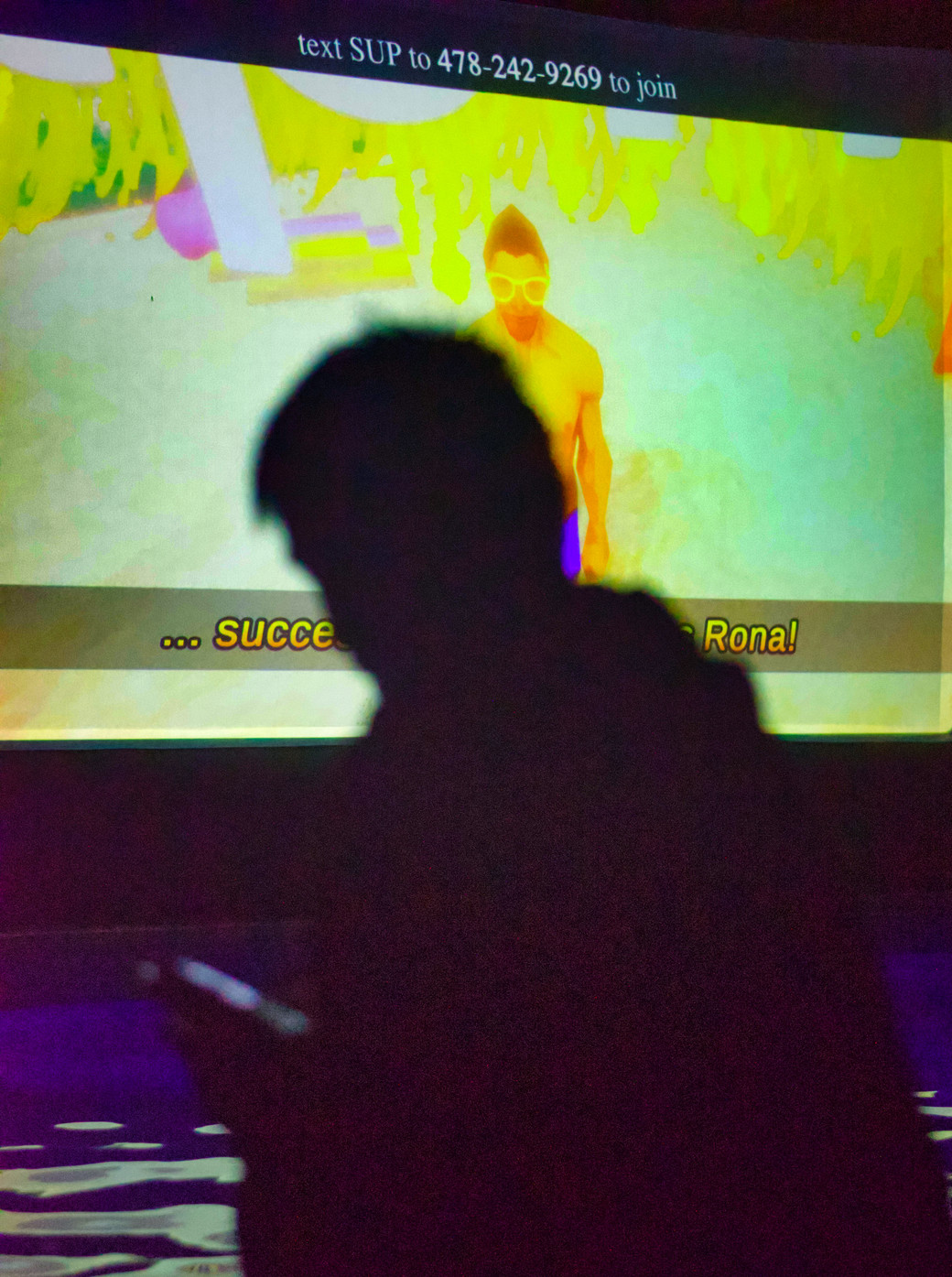
Succulent is a short music video game where you help a man eat a popsicle/"ice lolly"/"ice block"/oblong frozen treat. It's very straightforward, it's just about puppeting a sexy man eating something in a sexy way. But he also symbolizes a very specific muscular white stud masculine sexiness, and at the end, he devours the player. It's a cursed fantasy.
Which has been your most successful?
Rinse and Repeat is probably my most played and YouTubed game, and it was even featured at the Victoria and Albert Museum in London as part of its big "Videogames" exhibition. The tone and core fantasy are probably the cleanest work I've done, so I can see why people gravitate to it so much.
Can you explain Rinse & Repeat a little bit?
Rinse and Repeat is a shower simulator game about washing a guy at the gym. He'll tell you where to scrub, and how he wants to be touched, and you have to do your best to fulfill his desires. So it's about listening to a partner, but it's also about the boundaries we set. The hunky shower man will only appear at certain times in real-life, once per day, so like sometimes he'll be showering at 3 AM on Monday.
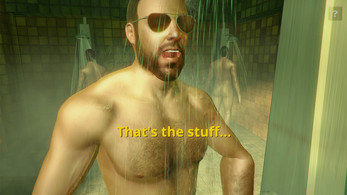
Will you reconfigure your real-life schedule just to play this game? What are you willing to do to maintain this virtual relationship? In what ways are you exploring sex through your games?
The main goal of my work is to normalize sexuality and sexual culture in games. Sex can be fun, boring, sad, beautiful, disappointing, annoying—sex is all these things, and excavating the depth of sex is a crucial project for sex positivity, feminism, and LGBTQ rights around the world. I'm also currently one of the most banned game developers in the world right now, so I frequently simulate the police in my games. It's important to understand the oppressive ways that sexuality has been policed in the past, present, and future.
Is your work changing at all due to quarantine & COVID?
As you can imagine, most video game development work already happens on a computer, so my work has been minimally disrupted, apart from the usual existential dread and depression facing everyone everywhere.
What has your residency at BOFFO Fire Island been like? Having time to rest and reset has been vital, and me and my collaborators are just so immensely grateful for this respite. We've been going to the beach like every other day, and we sorta can't believe rich people get to do this all the time?
But then I'm told that rich people actually think going to the Pines is sort of like, slumming it, which is absurd. So a lot of this residency has been about learning about all these perspectives.
Does living and working in Cherry Grove, a well known gay haven, inspire your material? If yes, how so?
We're based in the Pines, which has been funny for our research—there's been almost no parties or big events here due to quarantine—and everyone keeps telling us how weird and unusual and empty everything feels. So do we spend our residency making a game about this very abnormal time, or do we make something about a fantasy gay circuit party paradise that we never even witnessed? We decided to sort of try both: acknowledge the reality and the fantasy.
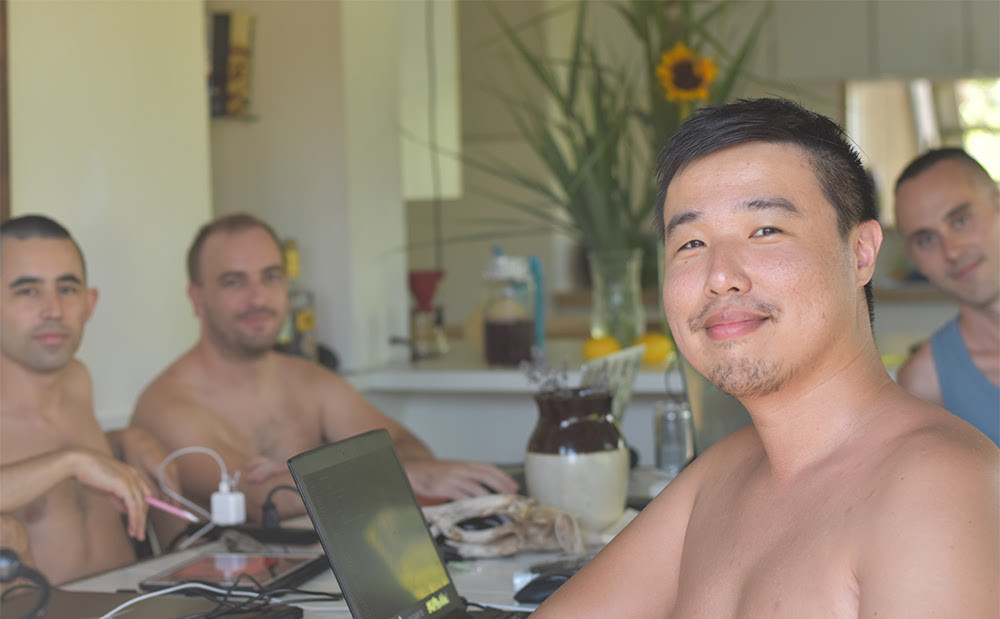
You’re collaborating with Eddie Cameron, Fernando Ramallo, and Kevin Watters on developing a new gay video game… What can you tell us about this project?
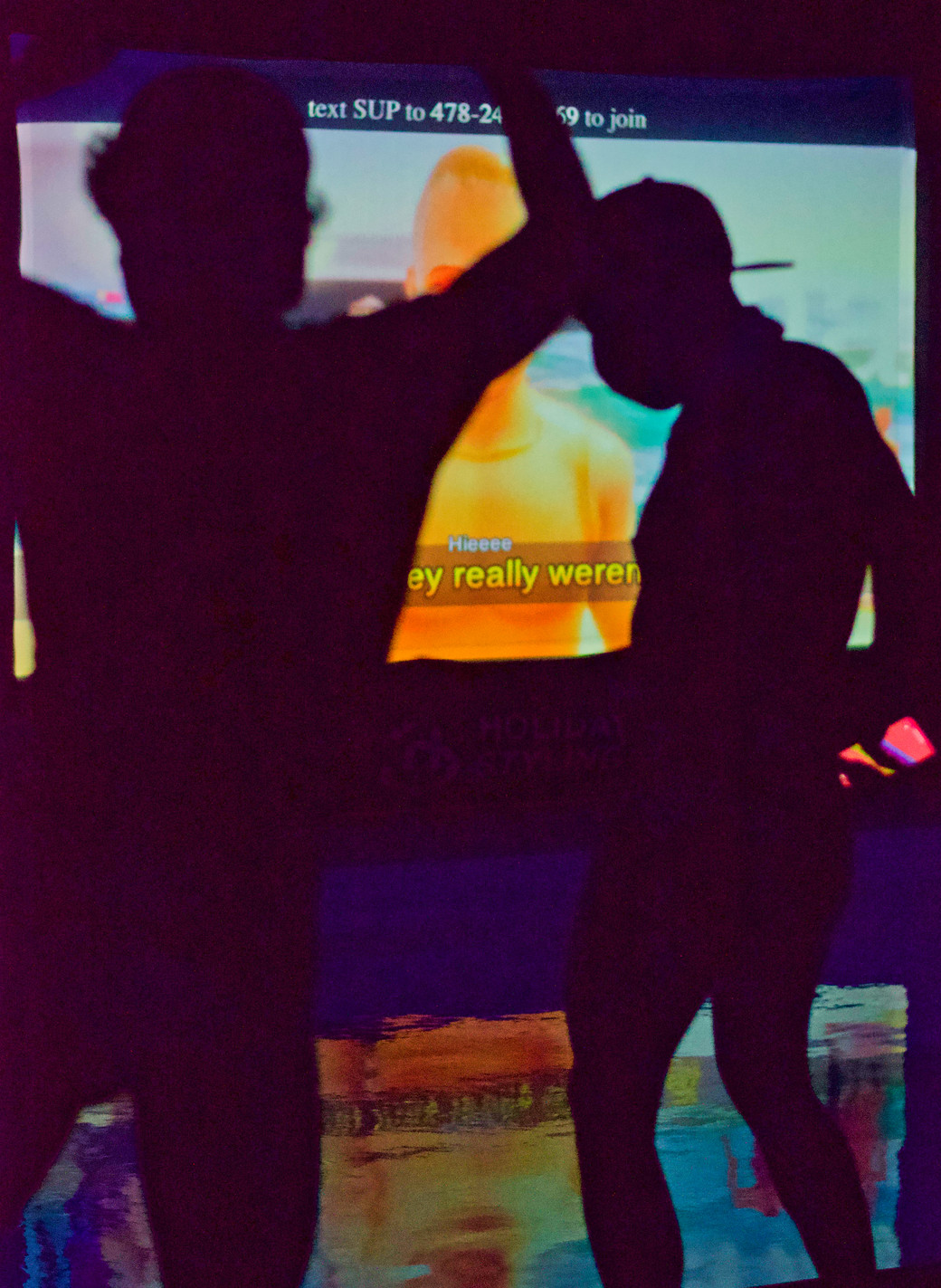
We wanted to make a Fire Island Pines sim game, playable in-person by a non-gamer audience, while preserving social distancing restrictions. So there's a big screen where we project a big 3D recreation of the Pines that I kinda built, filtered through Kevin's social simulation and Fernando's camera director AI, and Eddie built a system that lets players send text messages to control their avatar. It's kind of like an interactive decentralized mural, where the accumulation of all the players' decisions add up to this collective image. We wanted to make something public at a time when the public sphere has basically disappeared, to reflect this community back onto itself in a playful way.
Kind of like another dimension where Quarantine never happened?
Well, not exactly, because we've never experienced the quarantine-free Fire Island ourselves. It would feel dishonest. It's more about the tension between these two dimensions, maybe? The BOFFO director Faris Al-Shathir has been working so hard to finalize the physical public installation at a time when society is killing off arts and culture—so pending approval from the local government, we're going to try to setup a big projection in the Fire Island Pines Harbor, which should allow enough space to safely socially distance. It'll be like going to the ferry docks to leave physical Fire Island, to go to a virtual Fire Island... but in real life, you're still sitting there socially distanced, you're still masked, you're still under this weird public surveillance of lockdown America, it all becomes part of the game experience. So in the game, between sex parties or beach outings, your avatar also might be masked, might encounter story beats about dealing with lockdown, might even participate in a Black Lives Matter march, etc. Fantasies are never completely detached from reality, but rather they collide and intersect with everything else—and this is just the mess we live in, every day.