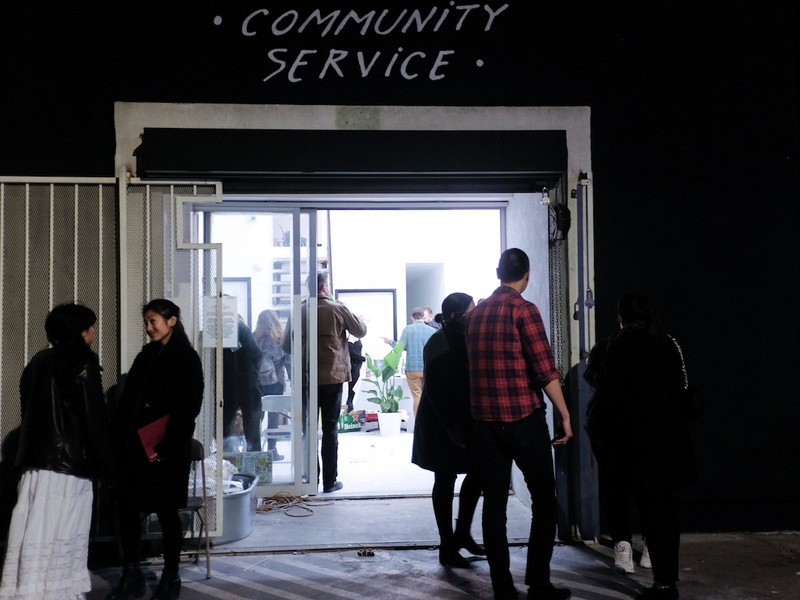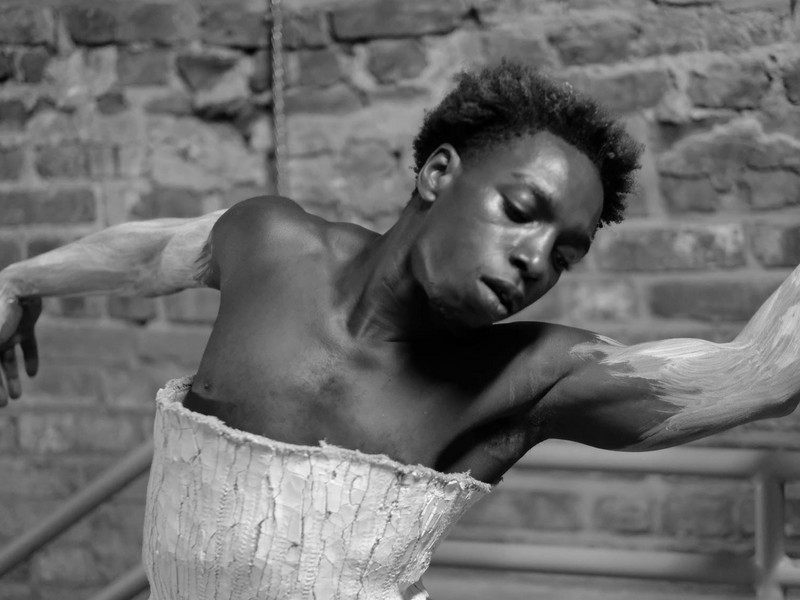

When we arrived at the Performa space to meet with Zanele, she was running an hour behind - not unusual in New York. When she did arrive, she apologized profusely, and my editor said she understood because she’s known many artists - here, Zanele stopped her.
“I’m not an artist,” she said, “I’m an activist.”
What is the gay scene like in South Africa?
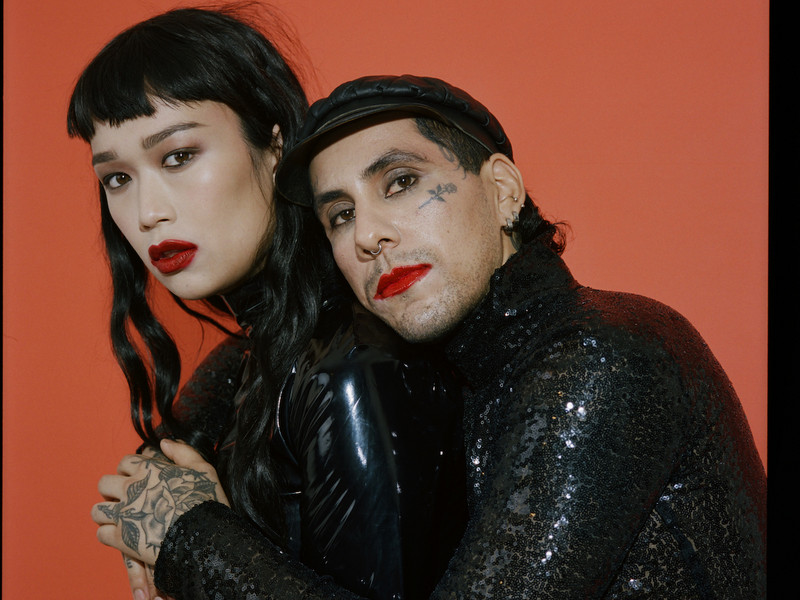
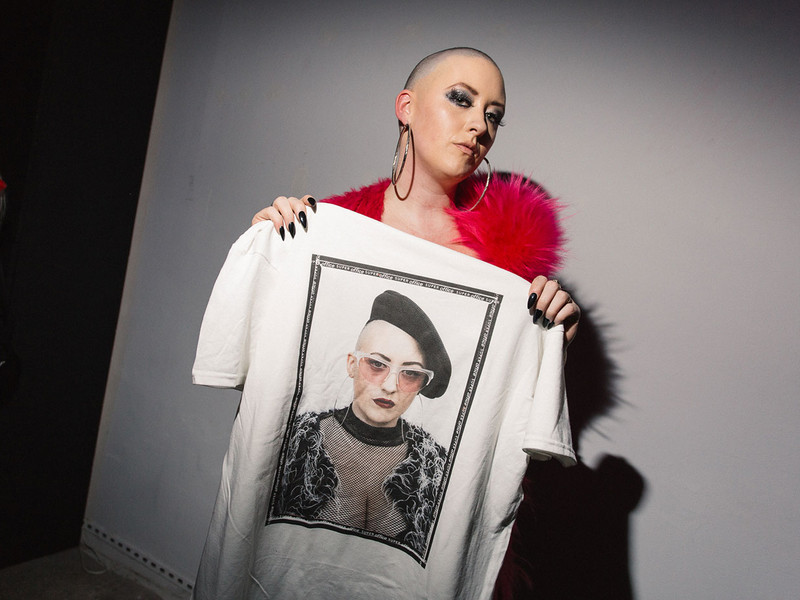
It was at this point that Zanele insisted Odi Diva join us, to answer this question and accompany her in the interview. There was some confusion, as Odi was in the bathroom starting her makeup. She happily sat down with us and chatted in her lovely South African accent.
Odi The gay scene in South Africa is vibrant, vibrant and alive, I’m sure people in the states are not aware of that but it’s actually very much happening. How do we put it? Our legendary club was actually called Angel’s Bronx which was twenty years almost to the year when Naomi Campbell was rejected from the door. She came to do the first Fashion Fall/ for Relief Event for the Nelson Mandella’s Children’s fund and she was removed from the door because, um, well, she looked like a drag queen. She said, “My name is Naomi Campbell and I’ve brought all the top supermodels in the world including Christie Turlington, Amber Veletta… And they turned her away from the door? Odi: They were like, Micheal Jackson is here as well, honey, everybody’s gotta pay. And that was Angel’s Bronx, and that’s where I was discovered while singing karaoke as a boy, I wasn’t yet Odi Diva. It was a big Karaoke night. I think Capetown has one of those really interesting places, we don’t have so much a gay village per se - well we used to have one but it’s been gentrified - but you can be queer in a lot of spaces that are not necessarily queer-orientated.
Zanele When you ask how’s the gay scene in South Africa, it’s so broad. You’re speaking to gay men, surely for your own interest or friend’s interest, etc., when you say “gay scene” you assume feminine gay men equals to metrosexuals equals to the butch leather men etc, etc, which doesn’t connect with my realities, as a black lesbian-identified person. It’s a broad question. Also to limit or narrow your question, would be, how is it like to be, speaking as a media person, as a producer of content - gay scene in South Africa? South Africa is nine major provinces with 50 plus million population with four major races, which is black, white, white minority but white majority in terms of business-owning etc, etc, so a white gay man’s reality is different to a black gay man who doesn’t have a job, in terms of economy or class or the status of the two people. Then there is a black lesbian, who is different to a white lesbian or an Indian lesbian or a colored lesbian. You have four races, no two ways about it, black, white, colored and Indians…. And also to say, “drag scene” - there’s something called ‘homopatriarchy’ - this is it. To say this speaks to male dominance within the queer scene or queer village.