MIRRORS

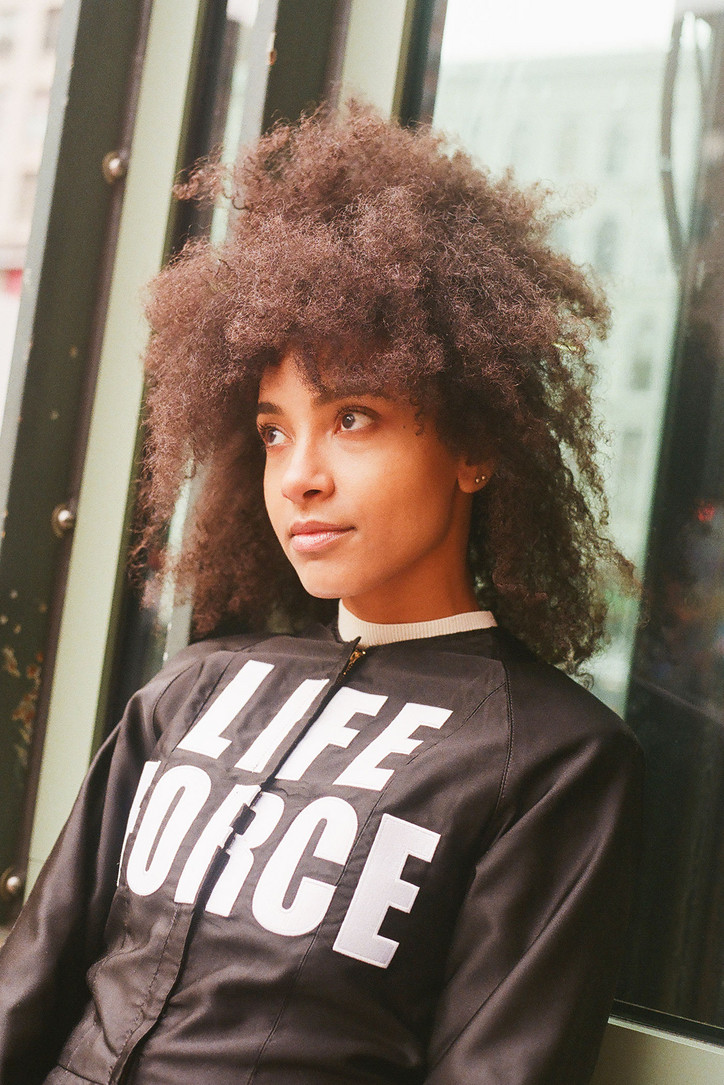
It may seem like a big feat, but Esperanza also wants to push us toward a worldwide mental health transformation, and as she tells me, it all starts with the body. 12 Little Spells is a collection of songs, or "spells," that each represent a different part of the body and are meant to activate a sensation in that area when the listener presses play. Then comes the healing part.
After becoming obsessed with the art of healing and its positive life-altering effects, Spalding centered this new project around priming listeners for a transformative healing experience—after the body comes the mind, then comes the healthier individual, then comes the healthier group of individuals, and hopefully, then comes a more sustainable society for all parties involved. It's endlessly stimulating, wacky, soothing and presents a conceptual vision that jazz music, and popular music as a whole, has never really lended itself to. But Esperanza is set on making it work.
In the current state of the world, Spalding's efforts represent a unique perspective on the co-creation of togetherness that is rare and necessary. Her music is her world, and the world needs it, too.
Read on for our in-depth discussion on the making of 12 Little Spells, her experience teaching at Harvard and the importance of dealing with trauma.
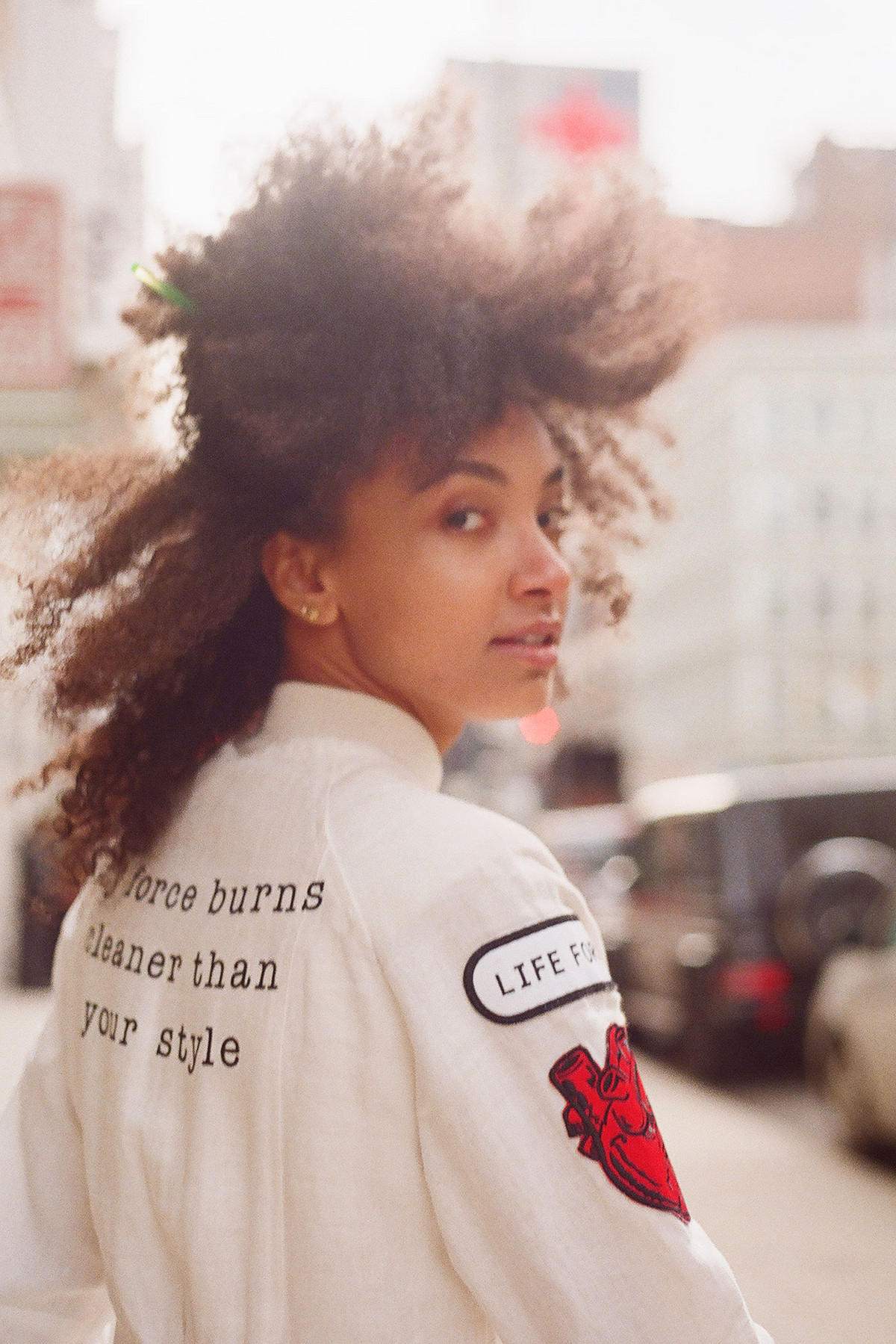
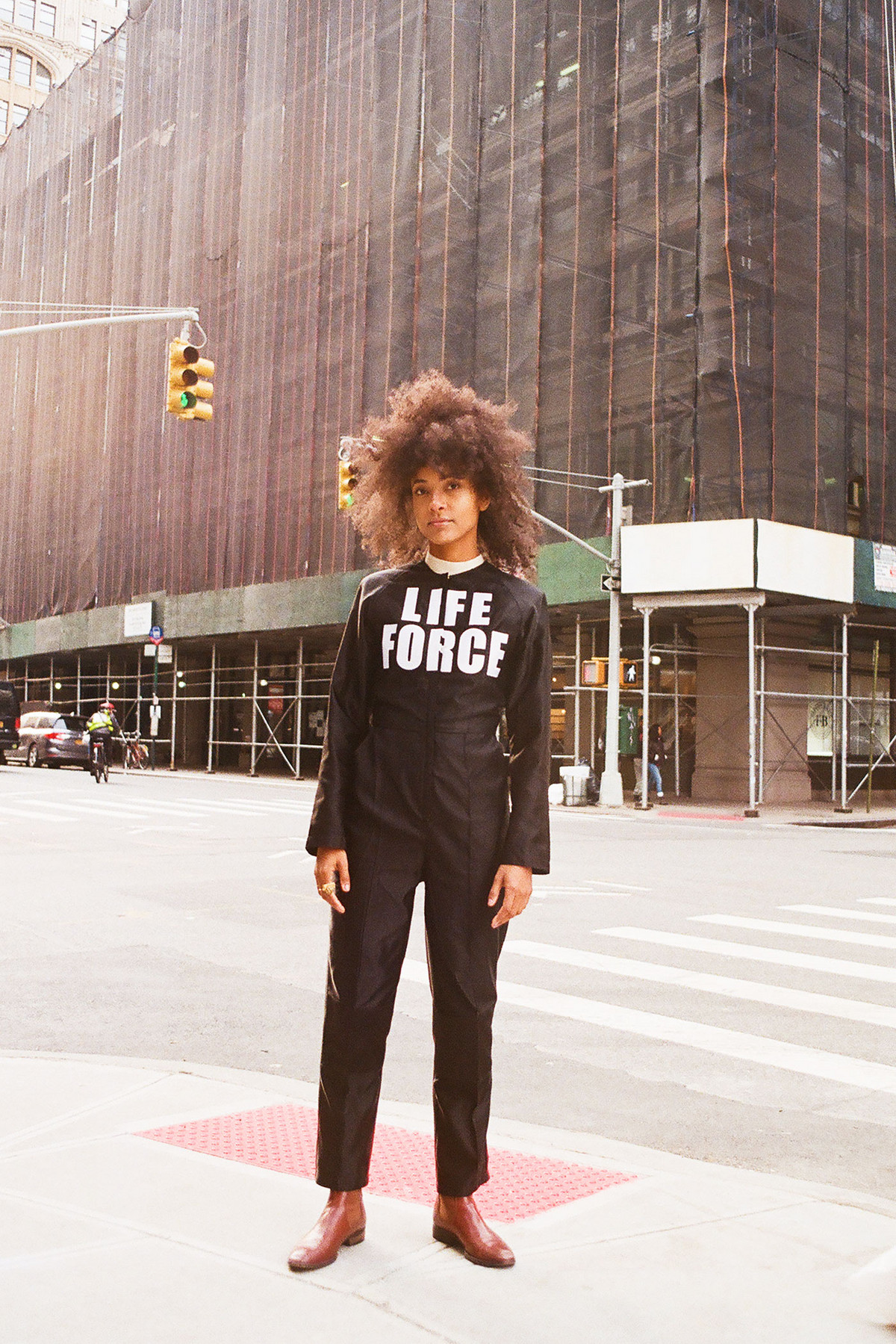
Listening to the new album almost feels like a physical, bodily experience. How much did you keep in mind the listener’s physicality in the making of the album?
It’s all for the body. The 'spells' were put together to be cast—they’re cast by you playing it, or in the live context, coming to see it. And they’re very intentionally composed to hopefully activate a sensation in these different parts of the body. If nothing else, just by bringing the listener’s attention to that part of the body. The legs are the half of us that we barely think about. When was the last time you just felt your legs? So, just with that invitation of two or three minutes of the song to pay attention to your legs.
Which song represents the legs?
The legs are “Readying To Rise.” I’ve had in mind the listener’s body the whole time, from beginning to end. I still do. Right now, we’re in production rehearsals for the live show and all the creatives involved kept coming back to that question of, 'What can we put in in this moment to really activate the senses in the direction of the body part?'
What body part is the song that’s like, 'Symbiology, sociology, biology!'
That’s the brain.
Ah, it all makes sense now.
Data overload.
I’m really interested in all the new knowledge that you’ve gained in the making of the album. What role does education play in the making of your album? You seem like an eternal student.
Yeah, I think we all are, whether we like it or not. Life’s gonna learn ya. But the last three or four years, I’ve been on a deep dive into the anatomical peace of healing. I’ve always been really interested in spirituality and mysticism and have sort of addressed the idea of health and homeostasis from more of a spiritual perspective. And I was introduced to a book called Healing Developmental Trauma, which sounds like it’s something else. But it was the first book I read that was really addressing the necessity to integrate a bottom up approach to healing as much as you integrate a top down approach. So, thinking, meditation, talk therapy, analysis etc. would be top down, whereas body up is addressing the neurological imprint of stress and trauma and suffering at whatever level. We're such amazing creatures that our bodies will adapt and adjust to stressful or unhealthy situations. And after we grow out of those, whether we move out of our parent’s house or whatever—a critical acute crisis, like a car accident or something—after it’s over, your body still has the imprinting of how you adapted in that moment. I think a lot of healing is actually learning to kind of untangle those neurological imprints so we can be in the present and respond to what's actually happening, instead of the aftereffect of what we experienced in moments of trauma.
Anyway, a lot of reading and conversing with neurologist friends of mine, individuals in different therapeutic fields including what’s lumped together as 'healing arts'—the inspiration for 12 Little Spells was simply those elements that I’d been ingesting kind of stewing with each other, and these ideas came out: I’d like to explore actually applying some of this information through my field.
It’s interesting when you talk about the top down approach versus the bottom up. I’d never really thought about that.
Yeah. Because we are mental and spiritual beings—we are in these vehicles, these amazing bodies that even if we’re not conscious of it, they are absorbing and responding to all stimulus. There’s a lot of research that’s been done around addressing PTSD, saying that a lot of individuals don’t respond to talk therapy because the trauma isn’t held in their conscious memory, even. For them, they need a more bottom up approach where first they can feel the sensation of being soothed from the stress. Actually, working from bottom up has great impacts on how you feel, as we know. By using breath or massage work to almost intercept a stress response at the physical level, you send different messages to your brain from the bottom up. So, what could’ve been or would’ve been a stressful stimulus, like a trigger environment, doesn’t necessarily have the same effect when you’ve soothed the body, you’ve soothed the nervous system.
So, it kind of starts with physical and then mental comes after?
I think it’s both ways. I think what’s coming online now more and more in many fields of therapy and healing is this idea that it’s always both. I mean, athletes have known this for years, right? It’s not just muscle strength and endurance—it’s always the integration of your mind and your concentration and being able to concentrate through physically strenuous instances. Now, I think there’s more awareness as to how bottom up and top down must work together.
I feel like talk about mental health is reaching a peak right now.
It’s really critical. I think that healing—individual, family, and community healing—is a piece of social transformation. I have qualms with the word 'revolution,' but in a moment when we are looking for ways to find more unity and connectivity and truly transform some really toxic social practices, I think the piece that’s always left out is the healing element. We talk about economic structures and new education structures and new political structures, and I think the piece that is actually integral to any new infrastructure being functional for all people involved is the healing element. I think the latest statistic I read was that two out of three kids have developmental trauma. That can be anything from explicit physical abuse to emotional abuse to neglect, and to think that two-thirds of the population is walking around really doing their best to cope with unaddressed trauma—unaddressed trauma affects how you experience the world.
So, if your upbringing taught you that people you should be able to depend on are not those people, and could possibly hurt you, that really paints a horrible picture of the world. It's gonna feel threatening and like a place where you can’t depend on your fellow citizens, where you do have to create a silo of protection. I’m really curious about how the paradigms of healing can be applied—of course at the individual level, the family level, community level and the collective level—because I think well-being is much more than just economic or political well-being. And I really feel like, particularly in our culture, it’s still very taboo to talk about healing and mental health, really. I feel like that piece of just finding as many various methods of addressing the need for healing as there are people who are in need of healing, that feels like an area that I’d like to explore so that I can serve in that way. Because we’re hurtin’ out here, you know?
I wish they taught this stuff in school. Being in school myself, I often feel like I’m taking classes that won’t really help me in the long run.
Isn’t it fun? It’s the same way that we don’t learn economic literacy in high school. To me, that’s so integral—how to track if your finances are in order. How to balance a checkbook, and savings, or retirement—these things that seem so fundamental to having a healthy adult life. Likewise, we don’t learn about tracking our well-being. I don’t know how often in the day the average person—with you, me, our friends, our colleagues—checks in just to see how we’re doing. That’s not built into our concern pyramid, you know? Are you okay, and if not, what are we gonna do about it? How do you ask for help? Not even help as in going to see a therapist, but just support—having a paradigm to articulate how you’re doing, truly. That feels so integral for the education of being a sustainable grown-up.
But it feels like every man for themselves most of the time.
Yeah, and a lot of pressure to 'buck up' and figure it out. Your parents worked hard, your grandparents worked hard, there are people who are worse off than you, which is all beautiful. But we also know that that is not a sustainable existence. Pushing yourself to the limit nonstop makes you sick, and it makes you die. It makes you more likely to get a whole array of diseases. Constant stress is a major factor in your likelihood of getting cancer. You’d think that just that knowledge would change our paradigm around well-being. And it’s starting to happen, for sure. The noise is getting louder around that, actually, every person being healthy and happy is very important. You don’t have to carry the world on your shoulders. A lot of the working class—whatever that means—a lot of people who have hourly wage jobs don’t have an option, which is terrifying. But that’s part of what I mean when I say that economic and political reform isn’t enough. Because those individuals and their kids are dealing with the trauma of just working yourself to death. So, even when you get the easier job, there’s still work to do, you know?
Why are you hesitant to use the word 'revolution'?
The part of revolution that troubles me is the idea of overthrow. I’m more comfortable with the word transformation because that means no one loses. That means that everything that’s here, everyone that’s here—we work with. I don’t like the idea of overthrowing—like, I’m gonna rise to power and my worldview is now what’s informing your life. That, to me, is not sustainable. And even in history—look anywhere that revolution has taken place. It has not sustained. It has not sustained here. I mean, this is a home front of a 'revolution' against the British, and how did that work out? Genocide was involved, and a lot of death was involved.
But I’m into the idea of transformation. I’d like to reach toward what I don’t understand how to do yet, and it involves—this sounds kinda cliche, but it involves loving and accepting someone you disagree with and even resent. Loving and accepting them because they’re human and essentially made of the same ingredients as you. I’m sure if you would’ve had their life experience, the world might make sense to you. So, it means participating in the co-creation of better options. Like, let’s say there’s a vehement Trump supporter somewhere who wants teachers to be armed. That triggers a lot of stuff for me, and I feel really resentful towards that and angry about it. But just because my policy suddenly wins the day, that person doesn’t go away. They’re still in the world, in their town with the same concerns, same experiences, same feelings that led them to want that policy in the first place.
Then it becomes cyclical.
Yeah, again, that back-and-forth of 'revolution,' and winning and arm-wrestling. It feels like a great invitation and challenge right now to decide that our solutions should be all-inclusive. The same way that people of color and minorities have been asking for policies to be all-inclusive. Like, pursue your bottom line, but it’s gotta include my well-being. And it’s hard for me to even get my head around what I’m saying, but it feels really critical if we’re gonna live with each other.
That does seem like the main issue right now.
It’s hard. It’s hard to sit around someone you disagree with and go, 'Okay, let me let go of what I thought the solution was and try to hear what you need, and what I need, and keep carving and co-creating until we find something that encompasses both.' You have to start at a place of, 'I’m glad you’re here on this earth and I value you because you are here, even if I hate what you’re talking about right now.' I always think of something that Howard Thurman and Martin Luther King said, which is about learning to love the person and hate the disease. So, still wanting the best for the person and recognizing that what you’re dealing with is illness. There’s probably a chain reaction that started somewhere in their life where they don’t feel safe, or who knows. And it’s not to project and it’s not to judge—again, I have no answers to any of this shit—but it feels like a very fruitful path of inquiry because clearly if it’s 2018 and two-thirds of our youth population has suffered trauma, then something is really wrong. There’s a lot of ill-being around here, and that feels like a good place to really start working if we want a healthy, sustainable society as a whole. We have to have healthy people.
Is your life your music? In other words, I know you stayed in that Italian castle during the making of this album.
Ha! That was insane, yeah.
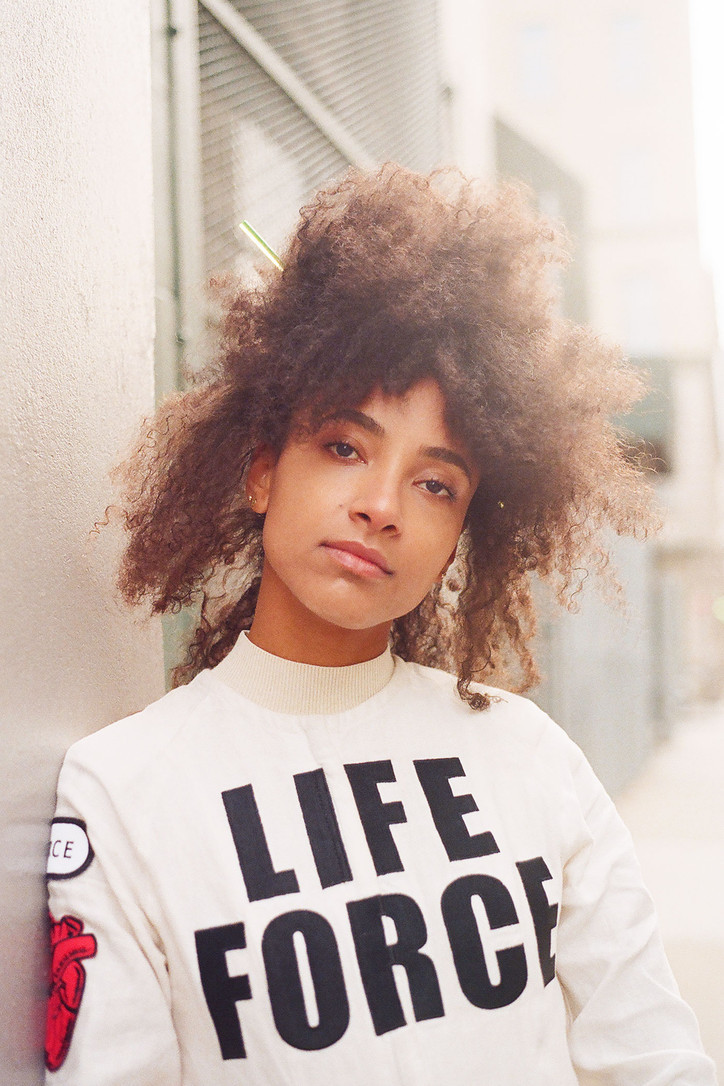
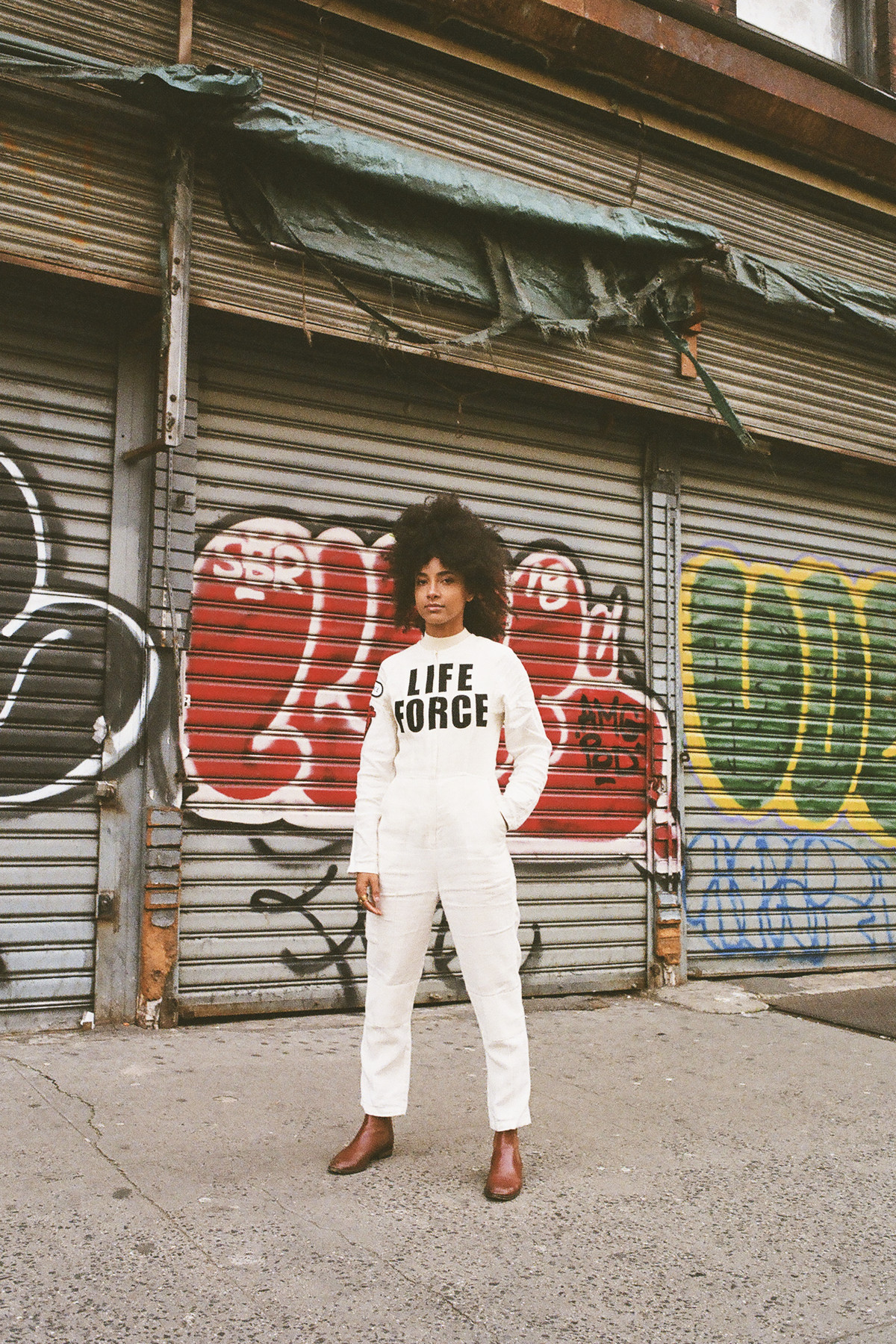
And the album explores bodily healing, which is this thing that you’re so interested in at the moment it seems. I know some artists separate things, you know? Would you say everything in your life goes into your music?
It feels like it does, yeah. It feels like whatever I’ve been absorbing through osmosis—through friends or events or study—makes its way into the writing, into the project concept. I had never been in an environment where all I was doing was creating in my life. And I was only [in the castle] because a fellow artist nominated me to be a part of this fellowship program, and I was accepted. So, I was there for four weeks having meals brought to me. I felt spoiled as hell. But yeah, it was a moment to stop and reflect on this intense experience of my own healing process and healing processes in my family, and deciding that I really am going to pursue a second degree in some version of music therapy that I feel like I can actually work with. I don’t think it’s realistic that I would be working at a clinic or some treatment center one-on-one or with small group sessions. I think there’s going to be a different kind of application for me. There was a lot of circular movement, expansion in my own life, and this awareness of what I’m doing. And then there were these four weeks of super chill. So, it was able to sink down into a tangible expression, and that is the album.
You’re going to school for music therapy soon?
Yeah, I just registered for my first batch of classes. I’ll have to do it spread out over a few years because I don’t think I can take that much time off, but yeah, in the spring I start my first course. I’ll do extension courses from Harvard.
That’s a whole other thing, I bet.
Lord have mercy. Teaching at Harvard or just being in school again?
Both.
Ha! Yeah.
Do you think you thrive doing that, though?
No, I don’t. I love the stability of a dependable paycheck that’s just there every month. I’ve never had that. And I love my students. They’re fucking boss. I can’t believe these people. Like, that gives me hope for our planet and for our species. I’m just like, 'Oh my god, you’re nineteen, and in two weeks you went out and found all this information and integrated it and folded it into a new narrative for your own application.' It’s just stunning, and they’re so game and committed to use their privilege and access being a Harvard student to really change shit. And that feels like the culture. When Drew Foust was still president, I had a conversation with her before I took the job and she said that it’s the most activist student body they’ve ever had. They’re just like, 'What are we using this for? Why does this exist if it doesn’t exist to serve everybody?' And being around that energy is amazing. But the organization required for teaching a course is challenging. I’m just in awe.
What do you teach?
One of our courses is applied music activism. So, what we’re doing is practicing applying music toward a very specific goal. That can be awareness building, or fundraising, or having policy change, or getting votes toward a policy change, getting your representative to sign off on opposed legislation—whatever. And we’re looking at examples of music activism from the past and using the elements from those examples as a playbook, and then they use that to design their own projects. But the kicker is—and this has been really eye-opening—what the course is really about is learning to track the efficacy of your work. Nike wouldn’t spend however many hundreds of hours and millions of dollars on a campaign if they couldn’t track how effective it was moving that specific product, or moving consumer familiarity with that product in the target demographic.
I feel like a missing link in activism, at least in the way I engage with it, is that measuring metric. Like, 'Okay, we did this for three months, other than the bill passing or not passing, what happened? Who saw it? Who connected with it? Why? Was the narrative clear?' So, they’re building into their campaigns systems of measuring what happens with them. And they’re so fucking smart for being able to do that in three weeks! It’s amazing. I also have a songwriting class, and they’re all just insane little geniuses, too. Every concept that I invite into the space, they just pick it up and turn it into a kaleidoscope. It’s all very exciting.
I bet you learn a lot.
Oh my god! And it keeps me on my toes. Like, 'Okay, I gotta come correct.' Because a lot of elements of music are very abstract. You know, when I go play a concert, of course I’m always holding myself to a certain standard. But most musicians know that a portion of the audience wouldn’t know if you were having an off night or on. You assume you’re doing your best, but sometimes you’re distracted or whatever, and you’re just kind of off. But not everybody in the audience knows that because some people come for the glamour and the spectacle, just the experience of seeing a concert. These students are so bright and so hawk-like. They have this very healthy skepticism of authority in general. So, I feel like they really hold me accountable. They can smell if I’m not coming in all the way prepared. It’s really honest, and it’s really refreshing. There’s not a lot of room for glamour because they’re like, 'I only have so many course credits and three of them are being spent with you, so like, what’s up?' And I think I’ve been missing that in my professional life—I feel like I get a lot of ass kissing.
12 Little Spells is out now.
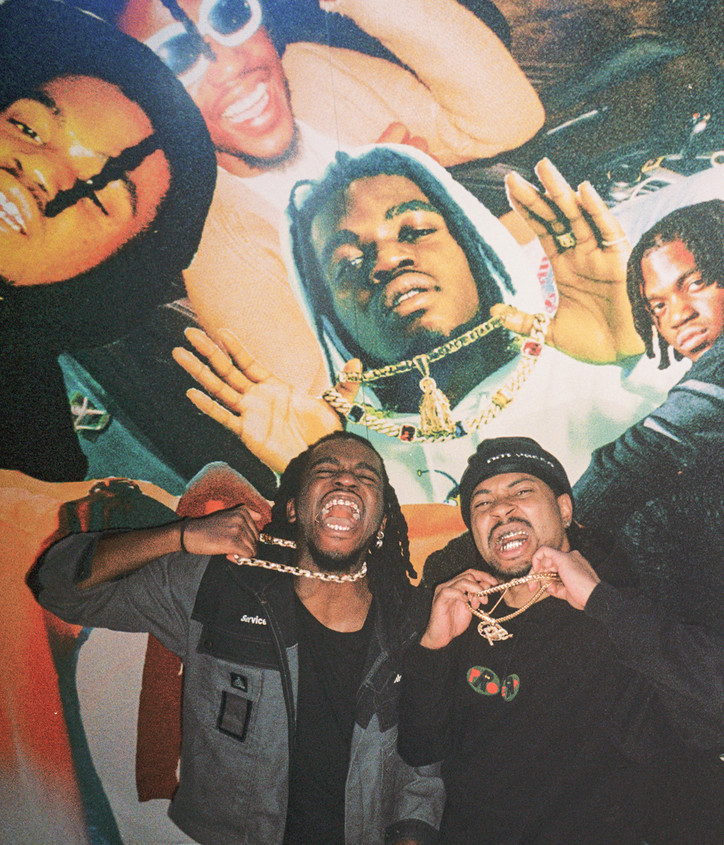
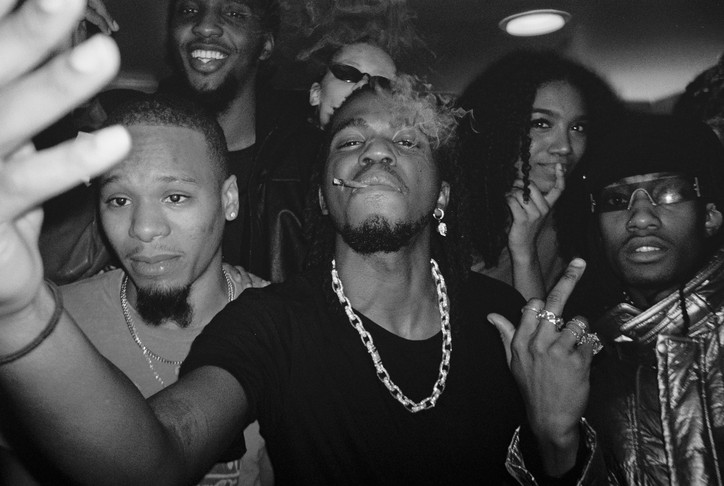
office sat down with the artist at his IIWII release party in New York City. Read our interview and peep the photos below.
There are a lot of exciting things happening for you right now. Tell me a bit about them.
I was just on tour with Flatbush Zombies—we did the U.S. tour in April then we went back on tour for the Europe run that ended on October 30. Now, I’m back in town, about to move into my new crib today. So, with my birthday coming and my album dropping—mad shit is going on.
You must be excited. How are you feeling about the album?
I don’t really have any expectations, for real for real, because at the end of the day, it’s the best representation of me. Its self-produced, I’m writing all the songs and there’s no features. If I hear something bad, I use it only as constructive criticism to get better, you know? I just want to give the fans something new that’s not three years fucking old like Late Knight Special. I wanted to give them an update of my life and in that sense, I don’t really look at it as something to be judged.
How do you think you’ve evolved since Late Knight Special?
I’ve evolved in a lot of ways—especially in production. You have to realize—Pro Era is known for ‘90s stuff, so me making “Plain Jane” made me cross over into a whole different world. I started understanding different tempos and making beats at 130/140 and still having the essence of old school sounding shit. I don’t know, this is at least the shit that Ferg tell me.
That’s not a bad person to be getting a compliment from.
Right? So, I’m like ‘Shit, I’ll just keep doing it then.’
Do you think that your style is a result of being born and raised in Brooklyn?
Yeah, of course. There’s Wu Tang, Biggie—there’s so much inspiration—especially RZA for me, and yeah, I’ll say Hov because he was the gospel for every Brooklyn kid. On a New York tip, they got the grunge and the grime out of something and it doesn’t necessarily have to be melodic —there could just be something in the beat for texture, something that gives it a different type of movement. I remember when I was in the studio with RZA and I say this in almost all of my interviews, but the best advice I’ve ever heard in my life—and I don’t really like advice—but coming from RZA you really got no choice. I had trouble not being able to professionally play keys, but still making beats, and as a producer, I felt like that kind of defeated the purpose of everything because I didn’t really know how to play. He told me, ‘You can feel that way, but at the end of the day, let me tell you, I went platinum before I knew how to play any key.’ So, it definitely worked.
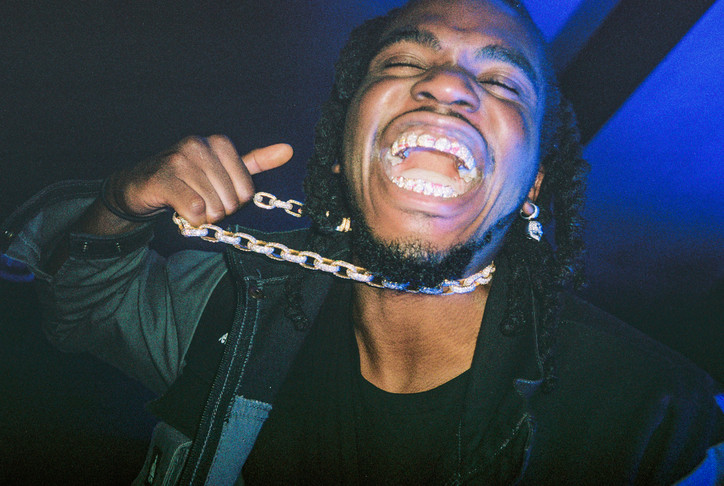
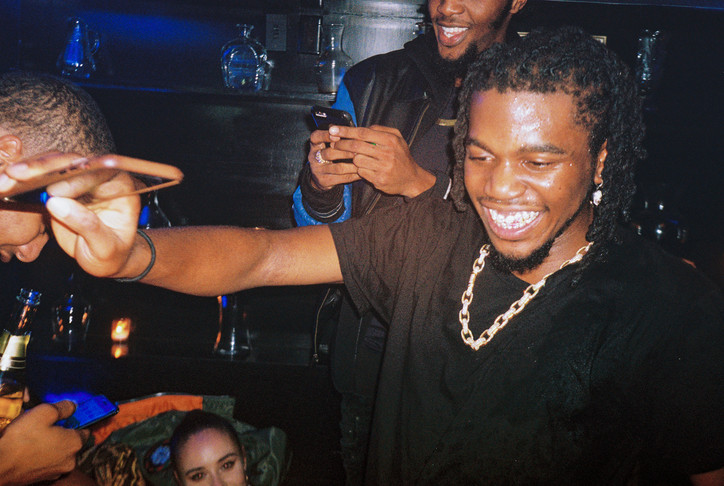
Absolutely. And even if not on a ‘professional’ level, you obviously have a strong understanding of music. You related making music to different textures, can you explain that?
It’s like, people forget that music initially was made to make you move your body. So, I’ll layer three high hats, but one is probably three milliseconds off, and another one is on beat, and the last one is on reverse. The combination of all three is going to give you a texture that you probably aren’t used to. That’s why right now I love Afrobeats—all these different percussions giving you such a specific soundscape. Texture is what makes you feel a certain way when listening to music that you necessarily can’t really explain with words.
Those small nuances are definitely hard to pick up on, especially when something sounds so fluid.
Yeah, like even this Frank Ocean song right now—what’s making it really stay with you is the reverb. That’s why a lot of singers have a lot of echo. Imagine that voice in your head echoing, you know? I look at music very psychologically—that’s why Drake doesn’t do a lot of adlibs—because at the end of the day, he wants it to be a one on one with him just rapping.
If you had to psychoanalyze your own music, what would your consensus be?
Mine would be that this person I’m listening to is definitely not scared to bounce between the skills that he’s good and not good at—I feel like that’s basically the way I do it. I’m the type of person to mix the percussion from house and garage with trap shit. Me listening to myself, I’d say, ‘Oh, he’s inspired by a lot of different genres, because he’s crossbreeding elements from EDM, all this shit, and applying it to the thing he loves, which is labeled as hip-hop.’ But I can’t really give it a genre because there are so many combined elements where I try to define an abbreviation of myself.
That stance really leaves space for endless possibilities.
Exactly. One day I’m DJing, the other I’m producing, songwriting, rapping—there’s so many things I’m capable of so why put myself in a box? I don’t want to be defined by a genre, I want to express each chapter of my life to the point where people can point out the various influences that inspire me throughout different stages. I feel like its ill because then my audience can string different things together like, ‘Oh you got this from that?’ Like you said—endless possibilities. I don’t always want to talk about pussy, money, weed and shit.
Drawing on so many influences, as a producer, writer and rapper, what’s the music-making process like for you?
It can start literally from anywhere. I made “Plain Jane” with Ferg because he was playing me a voice memo and rapping overtop of “Slob on my Knob,” but it was like, in the background. So, I didn’t hear it as well. What I did was, I took out the vocals of the voice memo, so there wasn’t that much beat. I was pitching up all his highs and his mids a little bit, and then I made the beat under what he was doing. I figured out what key it was in, then just made the beat right under it. I put it in the program and worked backwards instead of being like, ‘Yo what’s the vibe?’ The beat wrote to me, you know what I’m saying? It was the first time I ever really did it and it went platinum, so it really made me feel like a producer—not everybody can start with someone’s vocals and work backwards. And this goes out for anyone who wants to collaborate with me—anything you want to throw at me, I can do it.
Does it always happen that way?
It depends on the person. I really love Ferg—that’s big bro—but not everyone has that energy. Some people are weird or standoffish, or think they’re too good. It’s all about being selfless and open and understanding that we’re all trying to come with the same agenda, which is expressing the most authentic version of you that’s possible.
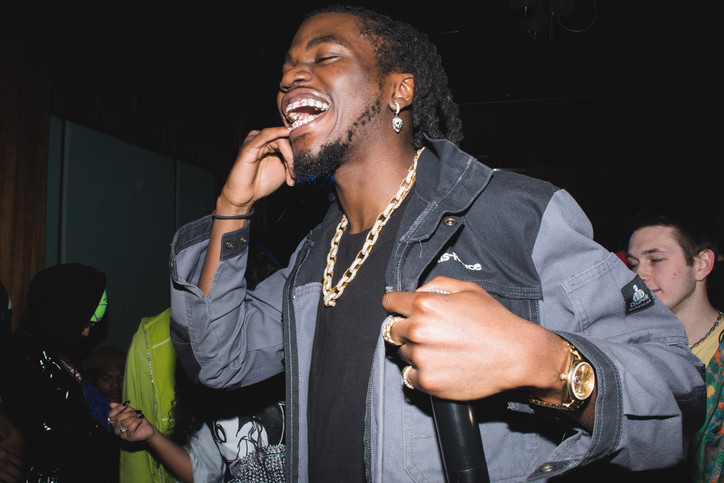
Was that method difficult when you applied it to yourself since your new record was entirely self-produced?
It was definitely harder, especially coming off the fact that our subject matter when we were younger was a lot about spirituality and crystals. It’s now more a coming of age type of story—with crystals come rent and bills. It’s still me, but things have definitely changed.
Is there a line that you try not to cross when you’re writing in terms of your personal life?
There’s definitely a huge line, because then you’re gonna have a situation with fans where they feel like they know you and want to start directing your creativity. I try to be as vulnerable as possible, but keeping a mystery about me, as well. This is why I’m highly inspired by Frank Ocean, for example. He’s a person who relays emotion through his relationship to objects instead of giving off detail about himself and his personal life. It’s all about find that balance with yourself. But Frank Ocean is great—he’s one of the few people that I feel like I know without knowing him.
Speaking of fans, how’s tour life for you?
I said this mad times—being a touring artist is way more fire than being any other artist. Touring is dope because you’re literally having a one on one with your fans every night.
It must be pretty humbling.
You wanna know what touring is? It’s closure—that’s the realist shit I can say about touring. You literally see your work being paid off. You run off the stage, you see a bag. You go onto stage, you see people reciting your lyrics.
Is it overwhelming?
Yeah. Because you know, on top of it, artists go through so much shit. We’re judged on the daily, then we got Instagram where people are literally watching your life. They always feel entitled to ask you, ‘Oh you’re not on tour? What you been up to?’ Back then, remember, when Dr. Dre found out about Eminem—he didn’t even know he was white! At the end of the day, we are living in a totally different time where artist’s mentalities are constantly harassed or misunderstood, even if they are your fans. So, touring sort of eliminates the screen that social media builds. You know some people may comment on what I’m doing saying, ‘I don’t like the direction of your new shit,’ and I’m like, ‘Yo maybe you need to see the show and it will hit you different.’
Touring is also a second chance—it’s like, if you don’t like my music, you’re gonna like how I perform it. Maybe you’ll understand the thought process behind the choices I made. That’s why I applaud Travis [Scott] and Drake and all these dudes who put time into the stage shit to make it an experience for their audience.
Was it ever an option for you not to do music?
It wasn’t always music. I was always infatuated with it and I always had a natural rhythm to it, but I wanted to be a chemist actually. I was really good at science in general because it’s the practice of adding elements together, seeing the result, learning from it, then doing it again. It’s the point of discovery within science that interested me most—that and exploring the unknown. Just like I do with my music.
‘IIWII’ is out now.

"Well it’s just my taste isn't it?" he says. "I was doing a sound healing with a bunch of tech burners and I closed my eyes and it came to me in a lucid dream."
So, while you get ready, eat, party and drink this Turkey Day, do it all to a soundtrack—courtesy of Lord Fascinator—below.

Lord Fascinator: This is music for your dinner parties. Or if you’re cooking, throw on the dinner mix! It will enhance the flavors, spark interesting conversations around the table.

Lord Fascinator: The "Drinks" mix is when you’re having a couple of Aperol Spritz in the backyard, you can put that on.

Lord Fascinator: “Dancing” is pretty self-explanatory. I would also use that to prepare for going out to dance, or actual dancing.

Lord Fascinator: “Daybreak” is more of a 6AM comedown; the sun’s coming up and you’re sitting on your roof at 6 in the morning, all wearing funny outfits that you’ve put on and smoking a joint or whatever. Or maybe when you’re getting up and doing yoga in the morning. I DJed a yoga session once and played a lot of that stuff; it’s more ambient.